Naar de inhoud

Romenu

Over literatuur, gedichten, kunst en cultuur
akke.beakke.be

Berichten van 7 januari 2011 tot 8 januari 2011

Juan Marsé, Waldtraut Lewin, Gaston Miron, Ko Un, Béla Zsolt
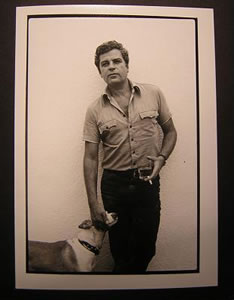
De Catalaanse schrijver Juan Marsé werd geboren op 8 januari 1933 in Barcelona. Zie ook mijn blog van 8 januari 2007 en ook mijn blog van 8 januari 2009 en ook mijn blog van 8 januari 2010.


Uit: Last evenings with Teresa


„Mount Carmel is a naked, barren hill located northwest of the city. Their invisible strings managed by the expert hands of children, you will often see brightly-coloured kites in the blue of the sky, shuddering in the wind, hovering above the summit like coats of arms announcing a warrior dream. In those grey postwar years, when empty stomachs and body lice required a dream a day to make reality more bearable, Mount Carmel was the favourite and fabulous field of adventure for the scruffy children from the neighbourhoods of Casa Baró, Guinardó and La Salud. They climbed to the top where the wind whistles to launch crude home-made kites constructed with flour paste, cane, rags and newspaper: for a long time there trembled and flapped fiercely in the city sky photos and news of the German advance on the fronts of Europe, death and destruction reigned, the weekly ration of Spaniards, misery and hunger. Now, in the summer of 1956, Carmel's kites no longer bear news or photos, nor are they made of newspapers, but rather of fine tissue paper bought in some shop, and their are colours garish, shocking. But despite this improvement in their appearance, many are still home-made, their frames coarse and heavy, and they gain height with difficulty: still the neighborhood’s warrior banner.“


 826000-11e4a16106a10299041f2cde811e68d1.jpg

Juan Marsé (Barcelona, 8 januari 1933)

In 1975


De Duitse schrijfster Waldtraut Lewin werd geboren op 8 januari 1937 in Wernigerode. Zie ook mijn blog van 8 januari 2007 en ook mijn blog van 8 januari 2008 en ook mijn blog van 8 januari 2009 en ook mijn blog van 8 januari 2010.


Uit: Dunkle Schatten


„Alles ist möglich.

Das Allerschrecklichste und das Allerschönste. Ein halbes Jahr kann das umschließen wie ein Ring. Ein halbes Jahr reicht aus, um das alles zu durchleben.

Massel und Schlamassel, Glück und Unglück, würde Mendel Laskarow gesagt haben, der Prinzipal des Jiddischen Theaters in Berlin, an dem ich gearbeitet habe. Der Vater meines toten Liebsten.

Alles ist möglich. Ich für mein Teil bin gerade bei dem Schrecklichen angelangt. Der Tod hat neben mir eingeschlagen wie ein Blitz, der in einen Baum fährt. Und mich, den anderen Baum, der daneben wuchs, mich hat er mit verletzt.

Verbrannt, verdorrt, erstorben. So fühle ich mich.

Ich taste nach dem Kragen meines Kleids. Er ist aufgeschnitten. Die Mutter des Ermordeten hat ihn mir zerschnitten mit ihrer Nagelschere, als Zeichen der Trauer. (Früher zerriss man den

Saum seines Gewands …)

Der Schnitt im Kragen. Meine Wunde, die nicht zuheilen darf. Sonst werde ich noch ganz und gar zu Stein vor Schmerz.

Ich sehe aus dem Fenster des Zugs. Bald bin ich da. Keine halbe Stunde noch.

Ich habe während der ganzen Fahrt aus meinem Koffer nichts weiter herausgeholt als die nötigsten Utensilien, Kamm und Bürste, Waschzeug. Ich habe mich in den Kleidern aufs Bett gelegt, obwohl ich in einem komfortablen Schafwagenabteil reise.

Ich habe kein Buch hervorgezogen, gar nichts. Ich habe aus dem Fenster gestarrt, ohne etwas zu sehen, oder einfach bloß diese fahren den vier Wände angeglotzt.“


826000-ed6975c5acd9fcb95bf32c7c0de93dd5.jpg
Waldtraut Lewin (Wernigerode, 8 januari 1937)


De Franstalige, Canadese dichter, schrijver en uitgever Gaston Miron werd geboren op 8 januari 1928 in Sainte-Agathe-des-Monts. Zie ook mijn blog van 8 januari 2009 en ook mijn blog van 8 januari 2010.


Poème de séparation 2


Tu fus quelques nuits d'amour en mes bras

et beaucoup de vertige, beaucoup d'insurrection

même après tant d'années de mer entre nous

à chaque aube il est dur de ne plus t'aimer


parfois dans la foule surgit l'éclair d'un visage

blanc comme fut naguère le tien dans ma tourmente

autour de moi l'air est plein de trous bourdonnant

peut-être qu'ailleurs passent sur ta chair désolée

pareillement des éboulis de bruits vides

et fleurissent les mêmes brûlures éblouissantes


si j'ai ma part d'incohérence, il n'empêche

que par moments ton absence fait rage

qu'à travers cette absence je me désoleille

par mauvaise affliction et sale vue malade

j'ai un corps en mottes de braise où griffe

un mal fluide de glace vive en ma substance


ces temps difficiles malmènent nos consciences

et le monde file un mauvais coton, et moi

tel le bec du pivert sur l'écorce des arbres

de déraison en désespoir mon coeur s'acharne

et comme, mitraillette, il martèle

ta lumière n'a pas fini de m'atteindre

ce jour-là, ma nouvellement oubliée

je reprendrai haut bord et destin de poursuivre

en une femme aimée pour elle à cause de toi.


826000-6f93b39d50133425db747c44f9c5a248.jpg
Gaston Miron (8 januari 1928 – 14 december 1996)


De Zuidkoreaanse dichter Ko Un werd op 8 januari 1933 (volgens anderen op 1 augustus 1933) in Kunsan geboren. Zie ook mijn blog van 8 januari 2009 en ook mijn blog van 8 januari 2010.


Sunlight


It's absolutely inevitable!
So just take a deep breath
and accept this adversity.
But look!
A distinguished visitor deigns to visit
my tiny north-facing cell.
Not the chief making his rounds, no,
but a ray of sunlight as evening falls,
a gleam no bigger than a screwed-up stamp.
A sweetheart fit to go crazy about.
It settles there on the palm of a hand,
warms the toes of a shyly bared foot.
Then as I kneel and, undevoutly,
offer it a dry, parched face to kiss,
in a moment that scrap of sunlight slips away.
After the guest has departed through the bars,
the room feels several times colder and darker.
This military prison special cell
is a photographer's darkroom.
Without any sunlight I laughed like a fool.
One day it was a coffin holding a corpse.
One day it was altogether the sea.
A wonderful thing!
A few people survive here.

Being alive is a sea
     without a single sail in sight.


Two beggars


Two beggars
sharing a meal of the food they've been given

The new moon shines intensely


Vertaald door broeder Anthony van Taizé


826000-854f3998b457148ce32541d238bd5e92.jpg 

Ko Un (Kunsan, 8 januari 1933)


De Hongaarse schrijver Béla Zsolt werd op 8 januari 1895 geboren in Komárom in het noorden van Hongarije. Zie ook mijn blog van 8 januari 2007 en ook mijn blog van 8 januari 2009 en ook mijn blog van 8 januari 2010.


Uit: Nine Suitcases (Vertaald door Ladislaus Lob)


„Indeed, I hated Bethlen† with a personal passion, because with his determination, ruthlessness and stubbornness he was gradually destroying all hope of the return of the revolution. I had experienced the collapse of my ideas and my homeland too early, when I was hardly eighteen, and it wasn’t only my political, social and philosophical illusions that collapsed, but almost everything else. This collapse has remained the sharpest break in my life to this day. It extinguished what had been burning in me with even hotter and brighter flames than the social passion—the lyrical and the aesthetic. And it nearly turned me into a nervous and physical wreck: it caused painful disturbances in my sex life, and many years of insomnia, lack of appetite, many types of self-flagellation and waste of energy, which drove me close to a state of frenzy. I spat blood, ran a fever—Sándor Bródy* said that I wouldn’t last till the spring—and sat in cafés till dawn, hating and hoping. I know that this gnawing political grief contained many different things, for instance bitterness over the collapse of my personal ambitions, but whatever the case, by the time I was twenty my youth had gone. Over the next few years, time and nature numbed and even healed many wounds, but I never again knew what it was like to be really well. Whatever I ate or drank left a bad taste, and whenever I wasn’t fully absorbed by the hatred or enthusiasm of the political and related intellectual battle I felt that I was committing an infidelity. Even while making love I felt guilty about squandering something that should have been reserved for my one and only important passion. At the same time I almost began to worship men older than myself whom I believed to have purer and more faithful passions than I did. For a long time I refused to accept, even when I experienced it face to face, that many of them, despite their patriotic sorrow, were seeking a separate peace and, being corrupted by clever compromises, were slowly slipping across to the other side.“


826000-c548d35ffd8a2ed72392d87c10fa3fc9.jpg
Béla Zsolt (8 januari 1895 – 6 februari 1949)


Zie voor nog meer schrijvers van de 8e januari ook mijn vorige blog van vandaag.
Geschreven door Romenu om 19:45 Reageer op dit bericht

Claudia Grehn, Leonardo Sciascia, Alfred Tomlinson, Francico Bocanegra, Baltasar Gracián y Morales, Roland Moed, Vasyl Stus

De Duitse (toneel)schrijfster Claudia Grehn werd geboren op 8 januari 1982 in Wiesbaden. Zie ook mijn blog van 8 januari 2009.


Uit: Heimlich bestialisch  I can’t wait to love in heaven


„HÄHNCHENESSEN 1

IRMGARD

fürs hähnchenessen sind meine eltern perfekt

papa mag die keule mama brust und flügel ich

bin wie papa keule schnell fahrn: sausen, lässig

aber konzentriert handeln im notfall,

sportler papa klärt mich über die frauen auf:

brünette sind ihm lieber ungeschminkte

blonde müssen sich schminken um zu wirken ich

bin froh dass ich ein kind bin mama macht alles

falsch sie ist blond hysterisch meckert liest

konsaliksimmel kapiert gar nichts von literatur

raucht die alte fümöse und trifft sich mit

freundinnen um dallas zu gucken

macht doch mal etwas rentables, ihr könnt doch

stricken oder töpfern, seidenmalerei, sagt

papa, was dazu verdienen, fähigkeiten ausbilden

meine schwester schreit immer wenn ich die

fusel zwischen ihren fingern rauspule und sie

ihr ins nasenloch stecke – dann muss sie endlich

mal den schnuller ausspucken...“


 825983-87270bd2bc4c2c0394be62dd8468f213.jpg

Claudia Grehn (Wiesbaden, 8 januari 1982)


De Italiaanse schrijver en politicus Leonardo Sciascia werd geboren in Racalmuto, Agrigento op 8 januari 1921. Zie ook mijn blog van 8 januari 2009.


Uit: Der Tag der Eule (Vertaald door Arianna Giachi)


»Der Schaffner fluchte. Der Pastetenverkäufer, der drei Meter von dem Gestürzten entfernt stand, zog sich im Krebsgang Richtung Kirchentür zurück. Im Autobus rührte sich niemand.. …jahrhundertealtes Schweigen schien auf ihren Gesichtern eingegraben.. …die Carabinieri kamen.. …wie eine Alarmglocke schreckte ihr Erscheinen die Fahrgäste aus ihrem dumpfen Brüten auf. Sie begannen, hinter dem Schaffner durch die andere Tür auszusteigen.. …scheinbar gleichgültig, als schauten sie nur zurück, um die Kirchtürme aus dem richtigen Abstand zu bewundern, strebten sie dem Rand des Platzes zu und bogen in die Gassen ein.. …als sich der Platz geleert hatte, war auch der Autobus leer. Nur der Fahrer und der Schaffner blieben übrig.«


825983-87e5c14642e332b1ffa415b9bb8fc883.jpg
Leonardo Sciascia (8 januari 1921 - 20 november 1989)


De Engelse dichter, vertaler en graficus Alfred Charles Tomlinson werd geboren op 8 januari 1927 in Stoke-on-Trent, Staffordshire. Zie ook mijn blog van 8 januari 2009.


Snow Signs

They say it is waiting for more, the snow

   Shrunk up to the shadow-line of walls

In an arctic smouldering, an unclean salt,

   And will not go until the frost returns

Sharpening the stars, and the fresh snow falls

   Piling its drifts in scallops, furls. I say

Snow has left its own white geometry

   To measure out for the eye the way

The land may lie where a too cursory reading

   Discovers only dip and incline leading

To incline, dip, and misses the fortuitous

   Full variety a hillside spreads for us:

It is written here in sign and exclamation,

   Touched-in contour and chalk-followed fold,

Lines and circles finding their completion

   In figures less certain, figures that yet take hold

On features that would stay hidden but for them:

   Walking, we waken these at every turn,

Waken ourselves, so that our walking seems

   To rouse some massive sleeper out of winter dreams

Whose stretching startles the whole land into life,

   As if it were us the cold, keen signs were seeking

To pleasure and remeasure, repossess

   With a sense in the gathered coldness of heat and height.

Well, if it's for more the snow is waiting

   To claim back into disguisal overnight,

As though it were promising a protection

   From all it has transfigured, scored and bared,

Now we shall know the force of what resurrection

   Outwaits the simplification of the snow.


 825983-97562457f9a1597d729e0331fb1d952a.jpg

Alfred Tomlinson (Stoke-on-Trent, 8 januari 1927)

Stoke-on-Trent, station


De Mexicaanse dichter Francisco González Bocanegra werd geboren in San Luis Potosí op 8 januari 1824. Zie ook mijn blog van 8 januari 2009.


Himno Nacional Mexicano


Chorus:

Mexicans, at the cry of war,

make ready the steel and the bridle,

and the earth trembles at its centers

at the resounding roar of the cannon.

and the earth trembles at its centers

at the resounding roar of the cannon!


First Stanza:


Let gird, oh Fatherland, your brow with olive

by the divine archangel of peace,

for in heaven your eternal destiny

was written by the finger of God.

But if some enemy outlander should dare

to profane your ground with his step,

think, oh beloved Fatherland, that heaven

has given you a soldier in every son.


825983-07c2319abf1797d71977fd1e698ae8ed.jpg
Francisco Bocanegra (8 januari 1824 - 1 april 1861)


De Spaanse schrijver Baltasar Gracián y Morales S.J. werd geboren in Belmonte (bij Calatayud) op 8 januari 1601. Zie ook mijn blog van 8 januari 2009.


Uit: The Art of Worldly Wisdom (Vertaald door Joseph Jacobs)


iii Keep Matters for a Time in Suspense.

Admiration at their novelty heightens the value of your achievements, It is both useless and insipid to play with the cards on the table. If you do not declare yourself immediately, you arouse expectation, especially when the importance of your position makes you the object of general attention. Mix a little mystery with everything, and the very mystery arouses veneration. And when you explain, be not too explicit, just as you do not expose your inmost thoughts in ordinary intercourse. Cautious silence is the holy of holies of worldly wisdom. A resolution declared is never highly thought of; it only leaves room for criticism. And if it happens to fail, you are doubly unfortunate. Besides you imitate the Divine way when you cause men to wonder and watch.


iv Knowledge and Courage

are the elements of Greatness. They give immortality, because they are immortal. Each is as much as he knows, and the wise can do anything. A man without knowledge, a world without light. Wisdom and strength, eyes and hands. Knowledge without courage is sterile.


 825983-8b36cc41a21298265c126c58208ad7a1.jpg

Baltasar Gracián y Morales (8 januari 1601 – 6 december 1658)


De Duitse schrijver, schilder en beeldhouwer Roland Moed werd geboren op 8 januari 1961 in  Frankfurt am Main. Zie ook mijn blog van 8 januari 2008.


Uit: Vom Zustand des Seins. Versuch einer  Methodik


„Das Denken in Symbolen ermöglicht dem Menschen die Interpretation.
Gemäß der Konvention werden bestimmte Zeichen, Begriffe, Gesten, mit Bedeutung gefüllt
und stehen stellvertretend am Anfang einer Assoziationskette, deren De -Chiffrierung die Kommunikation ist.


 825983-621d449326117bc846f0c99a28149829.jpg

Portrait 50x30x70cm
Beschilderd prikkeldraad op hout


Wäre unsere Sprache, unser Denken auf das Bildhafte beschränkt,
bliebe der verbale Austausch rudimentär und auf die Gegenwart bezogen.
Zukunft kann man nicht sehen. Der Kunstgriff des Denkens auf Symbole erweitert das Visuelle.
Erst das symbolische Denken ermöglicht uns, Bilder zu erkennen und zu deuten."


 825983-1a0cc1064fb20c504e1912ba9cfdf37a.jpg

Roland Moed (Frankfurt am Main, 8 januari 1961)


Zie voor onderstaande schrijver ook mijn blog van 8 januari 2010.


De Oekraïense dichter en schrijver Vasyl Stus werd geboren op 8 januari 1938 in Rakhnivka, in de provincie Vinnytsia Oblast. Zie ook mijn blog van 8 januari 2009.

Geschreven door Romenu om 19:37 Reageer op dit bericht

Frans Kellendonk, Dionne Brand, Henk van Zuiden, Nicholson Baker, Marie Desplechin

De Nederlandse schrijver en vertaler Frans Kellendonk werd geboren in Nijmegen op 7 januari 1951. Zie ook mijn blog van 25 februari 2007 en ook mijn blog van 7 januari 2008 en ook mijn blog van 7 januari 2009 en ook mijn blog van 7 januari 2010.


Uit: Mystiek Lichaam


„Wees gegroet, zuster, vol van nijd, niemandsbruid [...]. Je bent de gesjochtenste onder de vrouwen en gesjochten is ook de foet in je schoot. Maar je nijd is genade, je zelfzucht schepping, je buik de wieg der geschiedenis. Daarom, nijdige Magda, moeder van een hoerenkind, wend ik me tot jou, nu, in dit uur van mijn levenslange dood. Moeder modder, mater materia, heerseres over het rijk van geboorte, copulatie en dood, gegroet! Tot jou roep ik, eens kind van een vrouw, toen deserteur uit de vrouwendienst, nu balling, tot jou zucht ik, klaag ik, ween ik, vanuit mijn barre mannenwereld. Kwaadspreekster, kromspreekster, wees mijn voorspreekster. Die schele ogen van jou, sla ze op mij neer. Dochter van de Doornenhof, toren van vlees, toren van het vlees dat altijd het laatste woord heeft, voor jou buig ik.

(...)


Ze is wel zes meter hoog, die maagd, en ze is van vlees en bloed. Achter haar, door een doksaalboog, zie je twee engelen zingen, theologische schepselen, die toch niet groter zijn dan mensen. Ook achter haar, in een nis, staat een madonna van aardewerk, een kunstmaagd van mensenwerk, stukken kleiner dan levensgroot, die in het niet zinkt bij de toren van vlees ervoor. Dwaze pottenbakker! Uit het leem waaruit hij zelf gevormd is vormt hij broze beelden, nietige goden, en zijn hart wordt enkel as, zijn hoop geringer dan zand, zijn leven waardelozer dan het leem dat hij kneedt. Steen buigt voor vlees. De hoge ogiefbogen voegen zich naar de rondingen van het maagdenvlees. De kerk is dun en plooibaar, en zit het maagdenlichaam als gegoten.“


 825264-25714294b4b0c9cf12500eabf22a6ad6.jpg

Frans Kellendonk (7 januari 1951 – 15 februari 1990)


De Canadese dichteres en schrijfster Dionne Brand werd geboren op 7 januari 1953 op Trinidad. Zie ook mijn blog van 7 januari 2009 en ook mijn blog van 7 januari 2010.


return


 I


So the street is still there, still melting with sun

still the shining waves of heat at one o’clock

the eyelashes scorched, staring the distance of the

park to the parade stand, still razor grass burnt and

cropped, everything made indistinguishable from dirt

by age and custom, white washed, and the people…

still I suppose the scorpion orchid by the road, that

fine red tongue of flamboyant and orange lips

muzzling the air, that green plum turning fat and

crimson, still the crazy bougainvillea fancying and

nettling itself purple, pink, red, white, still the trickle of

sweat and cold flush of heat raising the smell of

cotton and skin… still the dank rank of breadfruit milk,

their bash and rain on steps, still the bridge this side

the sea that side, the rotting ship barnacle eaten still

the butcher’s blood staining the walls of the market,

the ascent of hills, stony and breathless, the dry

yellow patches of earth still threaten to swamp at the

next deluge… so the road, that stretch of sand and

pitch struggling up, glimpses sea, village, earth

bare-footed hot, women worried, still the faces,

masked in sweat and sweetness, still the eyes

watery, ancient, still the hard, distinct, brittle smell of

slavery.


 825264-77010033aa594829984bf64fdc842014.jpg

Dionne Brand (Trinidad, 7 januari 1953)


De Nederlandse dichter, bloemlezer Henk van Zuiden werd geboren in Apeldoorn op 7 januari 1951. Zie ook mijn blog van 7 januari 2009 en ook mijn blog van 7 januari 2010.


ZEE HOND


Aan Haagse kusten worden ze zomers steeds

schaarser, wil je je trefkans vergroten, ga

dan buiten seizoen naar strand.

Je zult ze tegenkomen in alle gedaantes,

van klikkertje tot pitbull.

met bazen op slippers, in baggerlaarzen,

schoenen en blootsvoets.

Als ze geen pet of regenkapje dragen,

rent wind door alle haren,

likt duinzand huid en kraakt kieren en plooien.

Stokken hebben ze, en ballen, tennisballen.

Het gebeurt dat die te ver worden gegooid.

Een echte hond is te herkennen aan vier

poten en behouden staart. Ze kunnen

doorgaans leven buiten kuren, reizen

daarom sporadisch naar Pieterburen.


 825264-4a93a5bce8aa6815d0612a3b98e16a0e.jpg

Henk van Zuiden (Apeldoorn, 7 januari 1951)


De Amerikaanse schrijver Nicholson Baker werd geboren op 7 januari 1957 in Rochester.Zie ook mijn blog van 7 januari 2007 en ook mijn blog van 7 januari 2008. en ook mijn blog van 7 januari 2009 en ook mijn blog van 7 januari 2010.


Uit: Vox


„There was a pause.

“I hear ice cubes,” he said.

“Diet Coke.”

“Ah. Tell me more things. Tell me about the room you’re in. Tell me about the chain of events that led up to your calling this number.”

“Okay,” she said. “I’m not in the bedroom anymore. I’m sitting on the couch in my living room slash dining room. My feet are on the coffee table, which would have been impossible yesterday, because the coffee table was piled so high with mail and work stuff, but now it is possible, and the whole room, the whole apartment, is really and truly in order. I took a sick day today, without being sick, which is something I haven’t done up to now at this job. I called the receptionist and told her I had a fever. The moment of lying to her was awful, but gosh what freedom when I hung up the phone! And I didn’t leave the apartment all day. I just organized my immediate surroundings, I picked up things, I vacuumed, and I laid out all the silver that I’ve inherited – three different very incomplete patterns – laid it out on the dining-room table and looked at it and I gave some serious thought to polishing it, but I didn’t go so far as to polish it, but it looked beautiful all laid out, a big arch of forks, a little arch of knives, five big serving spoons, some tiny salt spoons, and a little grouping of novelty items, like oyster forks. No teaspoons at all. One of the dinner forks from my great aunt’s set fell into the dishwasher once when i was visiting her and it got badly notched by that twirly splasher in the bottom, and someone at work was telling me he knew a jeweler who fixed hurt silverware, so I’m planning to have that fixed, it’s all ready to go. And I even got together all my broken sets of beads – I sorted them all out – the sight of all those beads jumbled together on my bedside table was making me unhappy every morning, and now they’re ready to be restrung, the pink ones in one envelope, and the green ones in one envelope, and the parti-colored Venetian ones in one envelope – and I have them on my dining-room table too, ready to go.”


 825264-85d0e0a629bfd98554e1ebe11dda4789.jpg

Nicholson Baker (Rochester, 7 januari 1957) 


De Franse schrijfster Marie Desplechin werd geboren op 7 januari 1959 in Roubaix. Zie ook mijn blog van 7 januari 2009 en ook mijn blog van 7 januari 2010.


Uit: Verte


„Sorcières : je n’aime pas le mot. Il sent le château fort et le bûcher, le bonnet pointu et le manche à balai, j’en passe et des meilleures. Tout un folklore désuet qui date du Moyen-âge.
Moi, de ma vie, je n’ai jamais porté de chapeau, et encore moins de chapeau pointu. Pointu pour pointu, je préfère les escarpins à très hauts talons. Quant au balai volant, laissez-moi rire. Quand je veux voler, je prends l’avion comme tout le monde.
(...)

_ Qu’est ce que c’est que CA ? A-t-elle fini par demander d’un ton accusateur en tendant le doigt vers un mur.
_ Eh bien, ce sont de petites chauves-souris. On les ouvre en deux et on les met à sécher pour les conserver. N’est-ce pas mignon, ces bestioles éventrées ? On dirait de petits manteaux taillés pour des gnomes.
_ Et ces trucs, là-bas, dans les bocaux posés sur l’étagère ?
_ Hum, ce sont des mandragores dans du formol.
_ Mais c’est dégueulasse, on dirait de monstrueux petits hommes avec des racines.
J’ai toussoté, un peu gênée.“


 825264-06a4c46277ab9ddad7ca547178393c99.jpg

Marie Desplechin (Roubaix, 7 januari 1959) 


Zie voor nog meer schrijvers van de 7e januari ook mijn vorige blog van vandaag en eveneens mijn eerste blog van vandaag.
Geschreven door Romenu om 19:27 Reageer op dit bericht

Shobhaa Dé, Pierre Gripari, Roland Topor, Charles Péguy

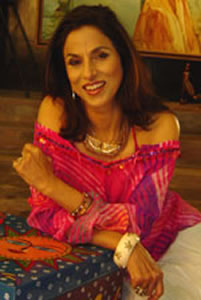
De Indiase schrijfster en columniste Shobhaa Dé werd geboren op 7 januari 1947 in Maharashtra. Zie ook mijn blog van 7 januari 2009.


Uit: Sandhya`s secret


„One day Sandhya ran straight into Akshi in the hospital corridor. He was the handsome cricket captain of the boy's school nearby. Every girl had a massive crush on him.

"Hi," Akshi smiled, "aren't you at St. Anne's?" Sandhya nodded dumbly. Akshi held out his right hand saying, "I'm Akshay, St. Peter's next door to your school." Shaking his hand limply, Sandhya stuttered, "I'm S...S... Sandy."

Introducing herself as Sandhya was unthinkable! Sandhya asked in a calm voice that belied her jelly-like insides, "So what are you doing here?" He smiled, "Same thing as you are I suppose — visiting a sick relative?"

"My nanaji," Sandhya mumbled, flushed with embarrassment, her hand going straight to her hair. Oh God! She had to be wearing that bright pink scrunchy on her ponytail just today!!

"Your hair looks really good when you don't tie it up," Akshi commented. "Really?" Sandhya asked with an incredulous note in her voice. "Yes, really," Akshi answered."Oh... cool. Er... I thought you played really well in the inter-school cricket match last week," Sandhya stuttered. "Okay... not bad...84 runs. Next time, I'll aim for a century," Akshi grinned. Suddenly, glancing at his watch, he exclaimed, "Oh, I'd better be going! My masi's waiting for this soup I'm carrying. Listen, why don't we exchange cell numbers? It might be useful considering both our folks are admitted to the same hospital."

Sandhya nodded, struggling hard to contain her excitement.

Then, cell numbers exchanged, they stood in the corridor in silence for a few seconds. "Okay, see you," Sandhya trailed off uncertainly. "Sure... and... your hair... no ponytail," Akshi teased before walking away! Sandhya was too excited to even wish Nani and Nana when she entered the room. Instead, she rushed to the bathroom to stare at herself.“


825258-6d8e28d13de128b5d0128bd265f0dc49.jpg
Shobhaa Dé (Maharashtra, 7 januari 1947)


De Franse schrijver Pierre Gripari werd geboren in Parijs op 7 januari 1925 als zoon van een Griekse vader en een Franse moeder. Zie ook mijn blog van 7 januari 2009 en ook mijn blog van 7 januari 2010.


Uit: Le géant aux chaussettes rouges


„Au troisième coup qu'elle donna sur l'oeuf, toute la maison sauta en l'air, comme un bouchon de Champagne, et, à la place, sortie de terre, la tête du géant apparut.
La jeune fille, elle aussi, fut projetée en l'air. Par bonheur, elle retomba dans les cheveux du géant, de sorte qu'elle ne se fit point de mal.
Mais voilà qu'en se peignant avec ses doigts pour faire tomber les gravats de sa tête, le géant la sentit qui remuait :
- Tiens ! pensa-t-il. Qu'est-ce que j'ai là ? On dirait une bête !
Il attrapa la bête et la regarda de près :
- Qui es-tu, toi ?
- Je suis une jeune fille.
- Comment t'appelles-tu ?
- Mireille.
- Mireille, je t'aime. Je voudrais t'épouser.
- Pose-moi d'abord à terre, et je te répondrai.


825258-eedc99d220841620a25722517109f99c.jpg
Pierre Gripari (7 januari 1925 - 23 december 1990)


De Franse schrijver, illustrator, filmmaker en schilder Roland Topor werd geboren op 7 januari 1938 in Parijs. Zie ook mijn blog van 7 januari 2007 en ook mijn blog van 7 januari 2008 en ook mijn blog van 7 januari 2009 en ook mijn blog van 7 januari 2010.


825258-62ebc4077dc34528709b41003ed39b82.jpg 

Theateraffiche München, 1994


Un clown rigolo


Un clown rigolo
Qui s'appelle Coquelicot
On lui donne une claque
Ça le rend patraque
On lui donne un baiser
Il tombe de côté
Il tombe sur un os
Ça lui fait une bosse
Il tombe dans le feu
Ça lui fait des bleus.
Aillee ! Ouille !
Ça fait mal !
J'ai les yeux qui mouillent
Comme une grenouille !


 825258-58f23f2adf67a2295ee499debebf3235.jpg

Roland Topor (7 januari 1938 – 14 november 1997)


De Franse dichter en schrijver Charles Péguy werd geboren op 7 januari 1873 in Orléans. Zie ook mijn blog van 7 januari 2009 en ook mijn blog van 7 januari 2010.


Présentation De Paris A Notre-Dame.


Étoile de la mer, voici la lourde nef

Où nous ramons tout nuds sous vos commandements ;

Voici notre détresse et nos désarmements ;

Voici le quai du Louvre, et l’écluse, et le bief.


Voici notre appareil et voici notre chef.

C’est un gars de chez nous qui siffle par moments.

Il n’a pas son pareil pour les gouvernements.

Il a la tête dure et le geste un peu bref.


Reine qui vous levez sur tous les océans,

Vous penserez à nous quand nous serons au large.

Aujourd’hui c’est le jour d’embarquer notre charge.

Voici l’énorme grue et les longs meuglements.


S’il fallait le charger de nos pauvre vertus,

Ce vaisseau s’en irait vers votre auguste seuil

Plus creux que la noisette après que l’écureuil

L’a laissée retomber de ses ongles pointus.


Nuls ballots n’entreraient par les panneaux béants,

Et nous arriverions dans la mer de Sargasse

Traînant cette inutile et grotesque carcasse

Et les Anglais diraient : ils n’ont rien mis dedans.


Mais nous saurons l’emplir et nous vous le jurons

Il sera le plus beau dans cet illustre port

La cargaison ira jusque sur le plat-bord

Et quand il sera plein nous le couronnerons.


Nous n’y chargerons pas notre pauvre maïs,

Mais de l’or et du blé que nous emporterons.

Et il tiendra la mer : car nous le chargerons

Du poids de nos péchés payés par votre Fils.


 825258-fa83ee41dbd2cb4b6e9d753b72c09747.jpg

Charles Péguy (7 januari 1873 – 5 september 1914)
Geschreven door Romenu om 19:20 Reageer op dit bericht

Robert Cormier, Max Gallo, Ludovic Massé, Zora Neale Hurston, Helen Darville

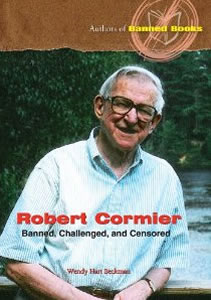
De Amerikaanse schrijver Robert Cormier werd geboren in Leominster, Massachusetts, op 7 januari 1925. Zie ook mijn blog van 7 januari 2009 en ook mijn blog van 7 januari 2010.


Uit: I Am the Cheese


„I am riding the bicycle and I am on Route 31 in Monument, Massachusetts, on my way to Rutterburg, Vermont, and I'm pedaling furiously because this is an old-fashioned bike, no speeds, no fenders, only the warped tires and the brakes that don't always work and the handlebars with cracked rubber grips to steer with. A plain bike - the kind my father rode as a kid years ago. It's cold as I pedal along, the wind like a snake slithering up my sleeves and into my jacket and my pants legs, too. But I keep pedaling, I keep pedaling.
This is Mechanic Street in Monument, and to my right, high above on a hill, there's a hospital and I glance up at the place and I think of my father in Rutterburg, Vermont, and my pedaling accelerates. It's ten o'clock in the morning and it is October, not a Thomas Wolfe October of burning leaves and ghost winds but a rotten October, dreary, cold, damp with little sun and no warmth at all. Nobody reads Thomas Wolfe anymore, I guess, except my father and me. I did a book report on The Web and the Rock and Mr. Parker in English II regarded me with suspicion and gave me a B- instead of the usual A. But Mr. Parker and the school and all of that are behind me now and I pedal. Your legs do all the work on an old bike like this, but my legs feel good, strong, with staying power. I pass by a house with a white picket fence and I spot a little kid who's standing on the sidewalk and he watches me go by and I wave to him because he looks lonesome and he waves back.“


825252-1adc9e40d838b7f4090b1520e73f20f2.jpg
Robert Cormier (7 januari 1925 – 2 november 2000)


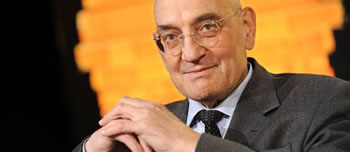
De Franse schrijver, historicus en politicus Max Gallo werd geboren in Nice op 7 januari 1932. Zie ook mijn blog van 7 januari 2009 en ook mijn blog van 7 januari 2010.


Uit: César Imperator


« Le proconsul Caius Julius Caesar parcourt les rues de Ravenne. Il retient avec ses bras croisés les pans de sa toge que soulève le vent glacé de cette journée d’hiver. Il entend les murmures des centurions de sa XIIIe légion qui le suivent à quelques pas. Asinius Pollion, un jeune homme aux cheveux bouclés en qui il a toute confiance, marche auprès de lui. César s’arrête au bord des pâturages qui entourent la ville.

L’herbe est couchée par les rafales du vent, et on devine à l’extrémité de cette étendue mamelonnée les courtes vagues grises de l’Adriatique.

C’est dans cette mer que se jette le Rubicon, une petite rivière, un torrent qui roule depuis les Apennins des eaux boueuses et marque la frontière entre la Gaule cisalpine et l’Italie.

La loi romaine est précise : un proconsul qui passe, à la tête de ses troupes, de la rive nord de la Cisalpine à la rive italienne du Rubicon devient un criminel proscrit de la République.

Faut-il prendre ce risque ?

César se souvient du rêve qu’il a fait cette nuit, de cette femme au visage dissimulé par un voile. Elle l’a invité, lascive, offerte, à le rejoindre sur sa couche, à l’aimer. Il s’est avancé vers elle, l’a enlacée comme un amant impétueux, éprouvant un plaisir intense, peut-être le plus fort qu’il ait jamais connu – et cependant il a possédé tant de corps de femmes et d’hommes… Mais au moment où il s’est redressé, la femme a dévoilé son visage et il a reconnu les traits de sa mère, Aurelia Cotta.»


825252-5156f2101f122473ad109f8d74f4a39b.jpg 

Max Gallo (Nice, 7 januari 1932)


De Franstalige, Catalaanse, schrijver Ludovic Massé werd geboren op 7 januari 1900 in Évol. Zie ook mijn blog van 7 januari 2009.


Uit: Le Sang du Vallespir (Naar het Catelaans vertaald door Patrick Gifreu)


„Gairebé tots els matins, petits ruixats rentaven el cel, i després la llum d’abril tornava a venir i baixava sobre la punta dels seus peus fins. Caminant d’un arbre a l’altre, xiulant i cantant, Llorenç se sentia el cap lleuger. Els davantals i els corsatges tacaven la verdura, el gest de les cullidores semblava un pas lent d’ocells, les cames pures d’Adriana es desprenien sobre l’últim esglaó de l’escala, a contrallum, la feien aeriana, inaccessible. La veu de Llorenç vacil·lava. Acatava la mirada. Pensava en Narcís oscil·lant en els sotracs del camí… Un vespre, va oir l’Adriana cridar d’esglai. Acudí, retingué l’escala que s’inclinava fins que ella pogué saltar a terra i allagar-li, tot i somrient, el seu davantal carregat de cireres vermelles, tan curulla de sol, tan viva, tan carnal, que semblava oferir-li un poc d’ella mateixa. El crepuscle calava foc a una branca, un ocell borratxo delirava en una mata. Llorenç mirava Adriana tot tremolós. Estaven sols. Com dos rams que la brisa fa balancejar i ajuntar-se, amb dolçor, amb la mateixa irresistible fatalitat, s’abraçaren.“


825252-788551724cfd7fefa20493a21591783c.jpg
Ludovic Massé (7 januari 1900 – 24 augustus 1982)


De Amerikaanse schrijfster en anthropologe Zora Neale Hurston werd geboren op 7 januari 1891 in Notasulga, Alabama. Zie ook mijn blog van 7 januari 2009.


Uit: Mules And Men


„As I crossed the Maitland-Eatonville township line I could see a group on the store porch. I was delighted. The town had not changed. Same love of talk and song. So I drove on down there before I stopped. Yes, there was George Thomas, Calvin Daniels, Jack and Charlie Jones, Gene Brazzle, B. Moseley and "Seaboard." Deep in a game of Florida-flip. All of those who were not actually playing were giving advice--"bet straightening" they call it.

"Hello, boys," I hailed them as I went into neutral.

They looked up from the game and for a moment it looked as if they had forgotten me. Then B. Moseley said, "Well, if it ain't Zora Hurston!" Then everybody crowded around the car to help greet me.

"You gointer stay awhile, Zora?"

"Yep. Several months."

"Where you gointer stay, Zora?"

"With Mett and Ellis, I reckon."

"Mett" was Mrs. Armetta Jones, an intimate friend of mine since childhood and Ellis was her husband. Their house stands under the huge camphor tree on the front street.

"Hello, heart-string," Mayor Hiram Lester yelled as he hurried up the street. "We heard all about you up North. You back home for good, I hope."

"Nope, Ah come to collect some old stories and tales and Ah know y'all know a plenty of 'em and that's why Ah headed straight for home."

"What you mean, Zora, them big old lies we tell when we're jus' sittin' around here on the store porch doin' nothin'?" asked B. Moseley.

"Yeah, those same ones about Ole Massa, and colored folks in heaven, and--oh, y'all know the kind I mean."

"Aw shucks," exclaimed George Thomas doubtfully. "Zora, don't you come here and tell de biggest lie first thing. Who you reckonwant to read all them old-time tales about Brer Rabbit and Brer Bear?"

"Plenty of people, George. They are a lot more valuable than you might think. We want to set them down before it's too late."


 825252-03dc9d566ea896718436d7e5c6718e6f.jpg

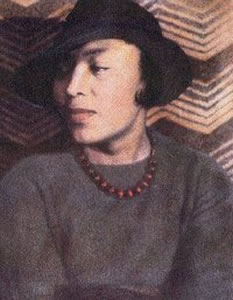
Zora Neale Hurston (7 januari 1891 – 28 januari 1960)


De Australische schrijfster en journaliste
Helen Darville werd geboren op 7 januari 1971 in Brisbane. Zie ook mijn blog van 7 januari 2008.


Uit: My life as a young Australian novelist


„In 1995, I won the Miles Franklin Literary Award for my first novel, The Hand that Signed the Paper. I was 23. I wrote the book when I was twenty and 21, winning The Australian/Vogel Literary Award for it at 22. This prize, for unknowns under the age of 35, carried with it a substantial lick of prize money and guaranteed publication. I couldn’t believe my luck. It also went on to win the Australian Literature Society Gold Medal.

Despite having a good English degree, my speciality was languages and grammar, not the sort of stuff destined to make me savvy about publishing and marketing. I knew nothing about how Australian literature worked. Marcus Westbury, an unusually perceptive critic, commented that I came from so far outside the establishment I didn’t know we had one.

I’d already decided I was going to write under a pseudonym. This had been formalised with the university, which issued my degree parchments and university medal in both names. It’s always a source of amusement to me that the Courier-Mail had received a press release from the university listing all the university medallists for 1994 early in 1995. My award was under both names, and a brief profile included my Australian/Vogel win. Come August 1995, the Courier-Mail made much of the ‘investigative journalism’ involved in blowing my cover.

I hadn’t intended the pseudonym to hold for very long. It was designed to last until my main source for the novel died. At the time, he had terminal bone marrow cancer and six months to live. I promised him that he wouldn’t be prosecuted under the War Crimes Act on my account. Shortly after I won the Australian/Vogel Award, his cancer went into remission and faced me with a real quandary.“


825252-f72360448866a5fcc66105ab3ecda759.jpg 

Helen Darville (Brisbane, 7 januari 1971)

Geschreven door Romenu om 19:15 Reageer op dit bericht

Meer van Romenu

↑ Terug naar de berichten