Dolce far niente, Constantijn Huygens, Rutger Kopland, Rudi van Dantzig, Percy Bysshe Shelley, Liao Yiwu

Dolce far niente
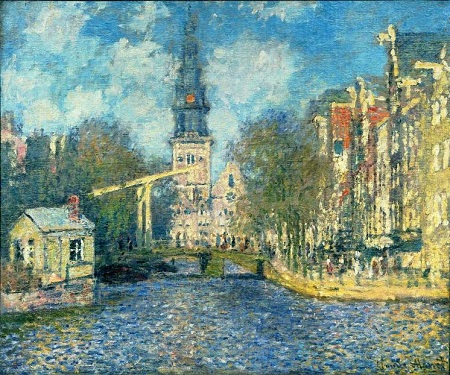
Monnickendam
Monickendam
’T Zuyd-Ooste Purmer-end besett ick met den Dam
Die van een Monick-Meer wel eer sijn doopsel nam.
Meer eertyds, nu niet meer, hoe sien ick uwe baren
Van baren ingeslockt? als minder Visschen varen
Van die haer meerder zijn. En, vraegh ick ’t oock de faem,
’Ken leere geen bescheyt van d’ouder baren naem.
Al vult ghij dan mijn ’ Schilt, staet buyten halve-Papen;
Om blijven dat ick ben behoev’ ick meer als ’tgapen:
Mijn’ Borgers moeten bey Godsdienstich zijn en koen;
Hun wel-zijn hangt gelijck aen ’tBidden en aen ’tdoen.

Constantijn Huygens (4 september 1596 — 28 maart 1687)
Portret door Jan Lievens, ca. 1628
De Nederlandse dichter en schrijver Rutger Kopland (eig. Rutger Hendrik van den Hoofdakker) werd geboren in Goor op 4 augustus 1934. Zie ook mijn blog van 4 augustus 2010 en ook alle tags voor Rutger Kopland op dit blog.
Son of a beach
Zee, het zeer wijde gevoel
van te klein, bijna overbodig
ouder wordende billen waarin
nog iets trilt en schommelt
lopend naar de rommel die hij
heeft gevonden: wier, dooie
vis, slijm. Bukt, tot waar
het wit wordt tilt de wind
haar jurk op: zacht vlees. Kijk
naar de zee.
Oorlog
Terwijl het verhaal wil dat het verteld en
voorbij is - maar het breekt af
zeker, het is mij verteld en verteld
maar nog
ik zie die grijze beduimelde foto
maar nog is het gras weer groener dan gras
en de bloesems weer witter dan bloesem
in die grijze tuin moet het oorlog zijn geweest
in die man, in die vrouw, dat kind
in dat grijze gras onder die grijs bloeiende boom
het is mij verteld en verteld hoe zij daar
hadden moeten verdwijnen, worden weggevoerd
in de goederentreinen, nooit terugkomen
terwijl het verhaal wil dat het verteld en
voorbij is - maar het breekt af
zeker, het is mij verteld en verteld
hoe vrede wederkeerde
maar nog is er geen andere foto dan deze
waarin het nog moet
Ganzen
Wat bedoelde je toen je zei: diepte
dat is een woord voor wat ik nu voel - diepte.
Er vloog een kleine groep ganzen over,
een ijskoude glasheldere hemel in december.
Dat is wat ik bedoel zei je: ganzen
godvergeten hoog hun dunne geschreeuw
wat is het dat alleen zijn samen
dat blinde lot
weten van die diepte die we hemel noemen
het is een heel oud gevoel - soort medelijden
ouder dan ik
ik heb dit mijn leven lang gezien en gehoord
ik heb als kind gedroomd dat ze me mee wilden nemen
ik weet nu dat ik ergens zou zijn achtergelaten.
We bleven kijken en luisteren.

Rutger Kopland (4 augustus 1934 – 11 juli 2012)
De Nederlandse choreograaf, balletdanser en schrijver Rudi van Dantzig werd geboren in Amsterdam op 4 augustus 1933. Zie ook alle tags voor Rudi van Dantzig op dit blog.
Uit: Herinneringen aan Sonia Gaskell
“Zomerdijk
Soms, als ik aan haar denk, zie ik haar lopen in een zonovergoten en verder bijna geheel verlaten straat. Een ruim, leeg trottoir; naast een wijd openstaande voordeur een vergeten kinderfietsje, achtergelaten in het gras. In de stilte van de middag zijn de geluiden van een tram hoorbaar, die iets verderop in de buurt door de bocht gaat: Zomerdijkstraat.
Aan de linkerkant van de zich rustig voortbewegende vrouw grenzen de voordeuren van het flatgebouw aan brede grasperken, hier en daar opgesierd door wat schamele rozenstruikjes. Het huizenblok waarlangs ze wandelt heeft een hoge, kaarsrechte gevel die voornamelijk lijkt te zijn opgetrokken uit in metalen sponningen gevatte vensters – iets wat ongewoon is voor die tijd – en waarvan de strakke regelmaat slechts doorbroken wordt door een groot aantal kleine balkons. De gazons langs het huizenblok worden doorsneden door smalle tegelpaden die naar de atelierwoningen leiden. Veel van de voordeuren staan daar nonchalant open, een bijna zigeunerachtige vrijheid suggererend. Ook die nonchalance is ongewoon voor het Amsterdam van de jaren vijftig, waarin keurigheid de boventoon voerde.
Aan de beschaduwde overzijde van de korte straat ontbreken de perken, de woningen die aan die zonloze kant staan grenzen direct aan het trottoir en alle deuren daar zijn gesloten. Dit lijkt het contrast tussen beide zijden aan te scherpen: nonchalante, warme openheid die vertrouwen uitstraalt, tegenover een benauwende geslotenheid. Aan de zonzijde van de straat heerst een stemming alsof het daar altijd zondag is, en zal blijven: ontspannen rust en nauwelijks een levend wezen te bekennen. Alles lijkt daar te suggereren dat het tijd is voor een lichte lunch, familiebezoek, siësta,weldadige rust.
Voorbije tijd; zondagsstemming; Zomerdijkstraat, 1952.”

Rudi van Dantzig (4 augustus 1933 – 19 januari 2012)
Cover
De Engelse dichter Percy Bysshe Shelley werd op 4 augustus 1792 geboren in Field Place, Sussex. Zie ook alle tags voor Percy Bysshe Shelley op dit blog.
A Roman's Chamber
1.
In the cave which wild weeds cover
Wait for thine aethereal lover;
For the pallid moon is waning,
O'er the spiral cypress hanging
And the moon no cloud is staining.
2.
It was once a Roman’s chamber,
Where he kept his darkest revels,
And the wild weeds twine and clamber;
It was then a chasm for devils.
I Arise from Dreams of Thee
I arise from dreams of thee
In the first sweet sleep of night,
When the winds are breathing low,
And the stars are shining bright
I arise from dreams of thee,
And a spirit in my feet
Has led me -- who knows how? --
To thy chamber-window, sweet!
The wandering airs they faint
On the dark, the silent stream, --
The champak odors fall
Like sweet thoughts in a dream,
The nightingale's complaint,
It dies upon her heart,
As I must die on thine,
O, beloved as thou art!
O, lift me from the grass!
I die, I faint, I fall!
Let thy love in kisses rain
On my lips and eyelids pale,
My cheek is cold and white, alas!
My Heart beats loud and fast
Oh! press it close to thine again,
Where it will break at last!
Ode to the West Wind
V
Make me thy lyre, even as the forest is:
What if my leaves are falling like its own!
The tumult of thy mighty harmonies
Will take from both a deep, autumnal tone,
Sweet though in sadness. Be thou, Spirit fierce,
My spirit! Be thou me, impetuous one!
Drive my dead thoughts over the universe
Like withered leaves to quicken a new birth!
And, by the incantation of this verse,
Scatter, as from an unextinguished hearth
Ashes and sparks, my words among mankind!
Be through my lips to unawakened earth
The trumpet of a prophecy! O Wind,
If Winter comes, can Spring be far behind?

Percy Bysshe Shelley (4 augustus 1792 – 8 juli 1822)
De Chinese schrijver , journalist , musicus en dichter Liao Yiwu (ook bekend als Lao Wei) werd geboren op 4 augustus 1958. Zie ook alle tags voor Liao Yiwu op dit blog.
Uit:God Is Red
“Every inch of soil beneath my feet was red, shining under the frail winter sun, as if it had been soaked with blood.”
I jotted down this observation in my journal in the winter of 2005 while trekking on a narrow mountain path in China’s southwestern province of Yunnan.
I had arrived in Yunnan a year before, running away from public security agents who came to interrogate me for interviewing members of Falun Gong. Fear of arrest prompted me to jump from my second-floor apartment. I fled to the sun-drenched city of Dali, where I took temporary shelter at a friend’s place. Like a rat sneaking out from a tightlidded container, in this case, the Sichuan basin, I brushed off the dust, stretched my limbs on the beach of Erhai Lake, and resumed my life as a writer and musician—performing my Chinese flute on the street and in bars, and interviewing people and writing about them.
Broke and depressed in a new city, I cut myself off from my friends in Beijing and Chengdu. During the day, I roamed the streets, hanging out with beggars, street vendors, musicians, and prostitutes, listening to their life stories. In the evenings, I doused my loneliness with liquor, through which I even made an unexpected acquaintance with plainclothes police officers who had been sent to monitor my activities. Unlike those in Sichuan, policemen in Yunnan never refused a free drink and felt no qualms about being my drinking buddies. Even in their highly intoxicated state, they didn’t forget to toe the Party line by saying how hard they tried to protect the Communist system, and that it was good for China. But drinking was not an effective escape and even worsened my sense of loneliness.”

Liao Yiwu (Sichuan, 4 augustus 1958)
Zie voor nog meer schrijvers van de 4e augustus ook mijn blog van 4 augustus 2013 en ook mijn blog van 4 augustus 2011 deel 1 en ook deel 2 en eveneens deel 3.