Naar de inhoud

Romenu

Over literatuur, gedichten, kunst en cultuur
akke.beakke.be

Berichten van 26 juni 2015 tot 27 juni 2015

Lucille Clifton, Rafael Chirbes, E. J. Potgieter, Kees Ouwens, Dawud Wharnsby, Zsuzsanna Gahse


De Amerikaanse dichteres en schrijfster Lucille Clifton werd geboren in New York op 27 juni 1936. Zie ook alle tags voor Lucille Clifton op dit blog.


I Am Accused Of Tending To The Past

i am accused of tending to the past
as if i made it,
as if i sculpted it
with my own hands. i did not.
this past was waiting for me
when i came,
a monstrous unnamed baby,
and i with my mother's itch
took it to breast
and named it
History.
she is more human now,
learning languages everyday,
remembering faces, names and dates.
when she is strong enough to travel
on her own, beware, she will.


Homage To My Hips

these hips are big hips.
they need space to
move around in.
they don't fit into little
petty places. these hips
are free hips.
they don't like to be held back.
these hips have never been enslaved,
they go where they want to go
they do what they want to do.
these hips are mighty hips.
these hips are magic hips.
i have known them
to put a spell on a man and
spin him like a top


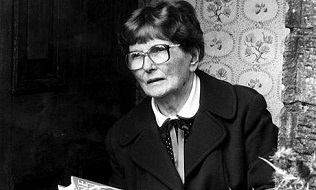
 1783051-bf0f1470a4b9209ad55be6e4099f30a8.jpg
Lucille Clifton (27 juni 1936 – 13 februari 2010)


De Spaanse schrijver Rafael Chirbes werd geboren op 27 juni 1949 in Tabernes de Valldigna bij Valencia. Zie ook alle tags voor Rafael Chirbes op dit blog

Uit: Alte Freunde (Vertaald door Dagmar Ploet)

„Ich sage mir, während ich mir mit der Serviette über die Lippen wische, nachdem ich das Glas zum Mund geführt und einen Schluck Wein getrunken habe, dass ich Dinge erinnere und festhalte, die mich gerade einmal beiläufig interessieren, Dinge, die durch dieses Abendessen automatenhaft in meinem Ge-dächtnis aufgerufen werden und die vielleicht überflüssig sind. Wahrscheinlich wünsche ich mir, dass der Lärm gewisser Gedanken den Klageton anderer überdeckt. Guzmán und Taboada diskutieren über die Politik des Möglichen und über das, was nicht machbar ist. »Die aktiven Politiker, die von heute, die kenne ich«, höhnt Pedrito, »was soll ich euch erzählen?« Und dann, nach einer Pause: »Was haben wir gewonnen? Was haben wir verloren? Scheißleben, oder? Unsere Illusionen«, schließt er spöttisch. Guzmán wehrt sich: »In der Geschichte gibt es keine Pausen, da fällt nicht der Vorhang und hebt sich wieder. Es gibt keine Zwischenakte. Es ist eine fortlaufende Vorstellung.« Und jetzt reden die drei darüber, was sie am Tag von Francos Tod gemacht haben, über Tejeros Putschversuch, die kommunistische Utopie, das abgewrackte Russland, China im Konsumfieber, Amerika, das allein auf dem Tisch der Welt tanzt. Sie diskutieren unter den aufmerksamen Blicken von Guzmáns Söhnen, nur Pedrito schweift einen Augenblick von Guzmáns und Taboadas Erinnerungen ab und wendet den Kopf leicht zur Seite, um besser Amalias Ausschnitt betrachten zu können. Ich bemerke die Bewegung seiner Augen und spüre einen Stich rückgewandter Eifersucht oder einen Stich Wehmut und deshalb, um die Eifersucht zu überwinden und die Wehmut zu zähmen (»Du wirst nie ein Revolutionär, dazu liebst du die Literatur zu sehr«, sagte Pedrito damals zu mir, »und du wirst auch kein guter Liebhaber. Die Literatur steht mit der Liebe und der Revolution auf Kriegsfuß«), denke ich, ein defensiver Rückzug, an mein Haus, daran, dass ich heute Morgen aufgebrochen bin und schon wieder zurück möchte. Als wir Contreras erreichten, hatte es sich bewölkt, und ein paar Kilometer weiter begann es zu regnen. Und hörte nicht auf bis Madrid.”


 1783051-0fa0c8b5a401b53d00e1357680ac5296.jpg
Rafael Chirbes (Tabernes de Valldigna, 27 juni 1949)


De Nederlandse schrijver Everhardus Johannes Potgieter werd geboren in Zwolle op 27 juni 1808. Zie ook alle tags voor Potgieter op dit blog.

Uit: Jan, Jannetje en hun jongste kind

“Spreekwoorden aan centen ontleend, vallen nog niet in zijnen smaak. ‘Dat bewijst den ouden dag,’ hoor ik aanmerken; ik geef slechts toe, dat hij den leeftijd lang voorbij is, waarin men
overbescheiden, overedelmoedig, overzelfverloochenend, pleegt te wezen. Ik zou schier durven beweren, dat Jan nooit zoo oud zou zijn geworden indien hij een van deze drie ooit was geweest. Ik ga verder: ik geloof, dat Jan uit den aard zou zijn geslagen, zoo hij immer zin had aan den dag gelegd voor bleuheid, die zich zoo min weet te schatten als te doen gelden. Jan's vader, Jan's ooms, al de verwanten van Jan hadden zaken uitstaan met de Hertogen van Bourgondië, in wier wapen eer een leeuw dan een kruis had gepast, daar zij dol veel van grijpen hielden en weinig van genade wisten. En echter lieten de eenvoudige burgerluî van Jan's familie zich hunne kaas en brood door die groote Heeren niet ontnemen, wat ijzervreters ze in hunne rammelende harnassen ook zijn mogten.

‘Zalig is hij, die zijn jok in zijne jeugd draagt!’ zegt de Schrift; er gaat geen kind op school, dat niet weet te vertellen, hoe zuur Jan het had onder de voogdijschap van den Koning van Spanje! Ik zou het hem ten goede houden, al was hij wat trotsch op de ontwikkeling van zijn karakter in dien tijd. Of ge potlood en papier ter hand hadt, ik schetste u hoe hij uit vrijën ging, in het schoone saizoen in een' boeijer, maar met een paar stukjes geschut aan boord; in den barren winter op schaatsen, maar met de geladen buks op zij; een flinke borst, die gaarne allerlei gevaar trotseerde, om een uurtje met zijn liefje te kouten. Een minder degelijk paar had, onder omstandigheden als de hunne, het huwelijk uitgesteld, tot beiden te oud waren geworden, om zich naar elkander te leeren schikken; maar welk een weêrga's wakker gezin was het zijne, onder ongehoorden wederspoed! Zoo ooit jongelui verdienden te worden voortgeholpen, dan waren zij het - ik weet geen' grooter lof voor beiden, dan dat Willem van Oranje er pleizier in vond dit te doen! "


 1783051-0af695fb75bf8ebd6f59e6f7a14d11ed.jpg
Potgieter (27 juni 1808 – 3 februari 1875)
Borstbeeld in Zwolle


De Nederlandse dichter Kees Ouwens werd geboren op 27 juni 1944 in Zeist. Zie ook alle tags voor Kees Ouwens op dit blog.


Aan de lezer

Jaarlijks keren de bloemen terug uit
het noorden

O zij ontwaken buiten in hun verblijf,
in hun hoge Goed binnen de cirkel, de naam

Permafrost draagt het, u te verblijden is
hun eerste gedenken, en dat het donker in

Uw hart is maar licht om u heen, waar het
bij hen andersom is,

Daarom de wende, om uw geduld te belonen,
hun fleur zal bekronen.

En zij verstuiven hun meel langs de lengtegraden pril
als de doorluchte schermen van de bloem der paarden,

Pegasus, lichtvoetig zo hun zwermen hem heffen
zijn zwaarte te boven,

Diepgravend waar hij aanzet om zijn vlucht te nemen,
zijn hoefslag de bron slaat in de ader,

Het hart ontdooit aan de vonk als Aganippe
zijn hiel ketst

En de spiegel u weerziet maar zijn wiekslag
zulk water bewimpelt.


De kleine jongen

Achter mijn tafel van formica zie ik
de kleine jongen voor me.
Ik zie hem duidelijk, in kaplaarzen en
met snot uit zijn neus, vastgezogen aan
de buik van een
kinderloze vrouw en in het dunne,
knokige hoofd weet ik zijn ogen, die
altijd tranen in de wind.
 
En daarna zie ik ook haar, de kinderloze,
gespierde vrouw, in een rijbroek of te paard
en soms ook naakt, zonder schaamdeel,
liggend op een onafzienbaar bed.


 1783051-261ee98e1cfbe96ae02e0b6dab47ce21.jpg
Kees Ouwens (27 juni 1944 – 24 augustus 2004)


De Canadese dichter, singer-songwriter, performer en sociale activist. Dawud (David) Wharnsby Ali werd geboren op 27 juni 1972 in Kitchener, Ontario. Zie ook alle tags voor Dawud Wharnsby op dit blog.


The Veil

They say, "Oh, poor girl, you're so beautiful you know

It's a shame that you cover up your beauty so."
She just smiles and graciously responds reassuringly,
"This beauty that I have is just one simple part of me.
This body that I have, no stranger has the right to see.
These long clothes, this shawl I wear, ensure my modesty.
Faith is more essential than fashion, wouldn't you agree?" This hijab,
This mark of piety,
Is an act of faith, a symbol,
For all the world to see.
A simple cloth, to protect her dignity.
So lift the veil from your heart to see the heart of purity.

They tell her, "Girl, don't you know this is the West and you are free?
You don't need to be oppressed, ashamed of your femininity."
She just shakes her head and she speaks so assuredly,
"See the bill-boards and the magazines that line the check-out isles,
with their phony painted faces and their air-brushed smiles?
Well their sheer clothes and low cut gowns they are really not for me.
You call it freedom, I call it anarchy."

This hijab,
This mark of piety,
Is an act of faith, a symbol,
For all the world to see.
A simple cloth, to protect her dignity.
So lift the veil from your heart to see the heart of purity.
Lift the veil from your heart and seek the heart of purity.


 1783051-29aff741fb172d6b21b4dd7c947ca3e7.jpg
Dawud Wharnsby (Kitchener, 27 juni 1972)


De Duitse schrijfster en vertaalster Zsuzsanna Gahse werd op 27 juni 1946 in Boedapest geboren. Zie ook alle tags voor Zsuzsanna Gahse op dit blog.

Uit: Kleine instabile Ortskunde

„Wobei das Zusammenwohnen von allen Beteiligten gleichzeitig betrieben werden müsste. Sicherlich hat an jedem Platz immer jemand länger gewohnt und gesessen als der, der hinzukam, wie auch nicht, aber man könnte sich mit der Zeit zusammenwohnen, wobei sich die Neu- und Altwanderer und die Neu- und Altsitzer nicht viel um Zeiten kümmern sollten. Wenn ein Einzelner oder eine Familie oder mehrere Familien erst einige Wochen an einem Ort gesessen sind, und es kommen noch weitere Leute hinzugewandert, um ebendort zu sitzen, wird es kaum Schwierigkeiten geben (außer es hat überhaupt keinen Meter Platz mehr für die Neuen). Mit der Zeit aber haben die älteren Angesessenen ausgeprägte Wohnheiten und Angesessenheiten und sie haben das Gefühl, ein Ort gehöre ihnen und nicht den anderen. 
Früher gefiel es mir, von Ein- und Auswanderern zu reden, ich dachte dann gleich an Beckett, Oscar Wilde, Gertrude Stein, Gombrovicz, Ödön von Horváth und die anderen Schriftsteller, die nicht in ihrem Land und nicht unbedingt für ihr Land lebten, und ich meinte, gerade auch deshalb seien sie gut, was ich immer noch meine. 
In seinem Tagebuch schrieb Gombrovicz, dass man, sobald man einen Engländer, einen Franzosen oder Deutschen erwähnt, ohne jede zusätzliche Beschreibung gleich eine ganze Person zu sehen sei, als Engländer oder Deutscher könne er sogar in einem Roman auftreten und wäre für den Leser erkennbar; bei den weniger bekannten Ländern verhalte es sich anders, Personen aus diesen Ländern müssten erst genau charakterisiert werden (sonst hätten sie kein Gesicht). - Migranten zu beobachten oder in einem Roman auftreten zu lassen, ist noch wesentlich schwerer. Was heißt Migranten!
Schöne Fremde, sie gehören in jedes Land und gehören sich selbst, dachte ich. Dementsprechend war ich auch über meine eigene Geschichte froh, ich dachte, es sei gut, zu Wien und zu Hamburg und anderen Städten mehr gehören zu können.“


 1783051-a8134e04ebe3588d19f1cb6da28fa9c0.jpg
Zsuzsanna Gahse (Boedapest, 27 juni 1946)


Zie voor nog meer schrijvers van de 27e juni ook mijn vorige blog van vandaag.
Geschreven door Romenu om 14:38 Reageer op dit bericht

Catherine Cookson, Marcus Jensen, João Guimarães Rosa, Gaston Bachelard, James Woodforde, Helen Keller

De Engelse schrijfster Catherine Cookson (pseudoniem van Kate McMullen) werd geboren in Tyne Dock, County Durham op 27 juni 1906. Zie ook alle tags voor Catherine Cookson op dit blog.

Uit: Kate Hannigan's Girl

"'Well, don't get so mad, you asked me to tell you. She said it wasn't a real marriage because you are Catholics, and it was in a registry office, and the priest said that in the sight of God and all Catholics they are living in sin. That's what she said.'
'0h, she's wicked...wicked, wicked! They are married. What else did she say?' Annie demanded, her eyes wide.
'She said...Oh, it doesn't matter.'
'It does! It does! What did she say?' There was the urgency of self-torture in her voice; she knew quite well what Cathleen had said, but she must hear it aloud.
'Well, it doesn't matter two hoots to me, you know, but she said you hadn't got a da either. She said Kate -- your mother -- had never been married.'
Annie had never ridden so hard in her life, and when she reached the gate to the wood the perspiration was running down her face. When Brian had attempted to ride with her she had pushed him so hard that he saved himself from falling only by dismounting, and she had pedalled away like a wild thing.
Inside the gate and out of sight of the road, she flung her cycle on to the grass and ran, stumbling and crying, along the path through the wood...Oh, Cathleen Davidson, you wicked, wicked thing! Oh, how could you tell Brian! That's why some of the girls in the convent school had cut her. And everybody would know now. The nuns would know...Sister Ann...Sister Ann would know. Oh, Cathleen Davidson, I hate you! I don't care if it is a sin, I do hate her. And Mam is married, she is!...”


 1783045-2a3f8e4d0a7bb6f1925321ba17be7fab.jpg
Catherine Cookson (27 juni 1906 – 11 juni 1998)


De Duitse schrijver Marcus Jensen werd geboren op 27 juni 1967 in Hamburg. Zie ook alle tags voor Marcus Jensen op dit blog.

Uit: Oberland

»Wir schreiben den dreizehnten Oktober dreiundsiebzig«,
sagen die Zwillinge hinter ihm im Chor, müssen gar nicht schreien, sind unrealistisch verständlich. Ich bin ein frühreifes Kind, mit fünf Jahren eingeschult. Trotzdem fällt mir hier nichts auf, aber das ist normal für mein Alter, denn noch nehme ich alles hin, und die vier Gestalten wissen genau, dass ich diese Szene vergessen werde. Ich lache. Der Bartträger versucht seine Brille freizuschütteln.
»Und, hast du dir die Nachwelt so vorgestellt?! Ein feines Wetter! Junge, deine Eltern haben Angst um dich! Leben ist Leiden, und du machst es ihnen auch noch schwer!«
Steig von der Kanzel, Dicker. Er streckt den Arm über meine Schulter aus:
»Dein Vater rennt gerade suchend durch das Schiff!«
Die Frau tritt neben ihn, die Zwillinge stellen sich dahinter, vier nasse Gesichter im Quadrat beobachten mich, und mir wird ungemütlich. Ich fange an, im Griff zu zappeln, meine Schuhe schlittern über das Metall, Aquaplaning. Die Frau schließt kurz die Augen:
»Lass ihn weitergehen, wir sind ja da!«
»Das Sauwetter ist sowieso gleich vorbei«,
die Zwillinge nicken synchron. Die Frau massiert beiden durch den Kapuzenstoff hindurch die Köpfe, sie schließen die Augen wie kleine Tiere. Sie lächelt:
»Kinder müssen spielen!«
Der Wikinger hört auf sie und klopft mir die Schultern ab, dass es patscht.
»Na gut, Jens, drei Schritte noch!«
Er lässt mich los. Am Horizont schimmert schon ein dünner hellgrauer Streifen, ein Lichtspalt. Die triefende Fahne wickelt sich um den kleinen Mast, die Schlitze unter der Reling knapp über dem Decksboden saugen Meerwasser ein und sprühen es als Schaum weiter.


 1783045-8e4978fb89384543f36a44fc74b6caeb.jpg
Marcus Jensen (Hamburg, 27 juni 1967)


De Braziliaanse schrijver João Guimarães Rosa werd geboren op 27 juni 1908 in Cordisburgo, Minas Gerais. Zie ook alle tags voorJoão Guimarães Rosa op dit blog.

Uit: Diadorim (Vertaald door Maryvonne Lapouge-Petorelli)

« La mémoire de la vie des gens se conserve dans des parcelles séparées, chacune d'elles avec son émotion et sa coloration, je crois même qu'elles ne se mélangent pas. Raconter à la suite, en enfilade, ce n'est vraiment que pour les choses de peu d'importance. De chaque vécu que j'ai réellement passé, de joie forte ou de peine, je vois aujourd'hui que j'étais chaque fois comme s'il s'agissait de personnes différentes. Se succédant incontrôlées. Tel je pense, tel je raconte. Vous avez bien de la bonté de m'écouter. Il y a des heures anciennes qui sont restées beaucoup plus proches de nous que d'autres, de date récente. Vous le savez bien.”
(…)

Ce flot sauvage, traitre – le fleuve est plein de fracas, de molles façons, de froidure, et de murmures de désolation. Je m’agrippais des doigts au rebord de la barque. Je ne pensais pas au Caboclo-d’agua, l’esprit des eaux qui chavirent les embarcations, je ne pensais pas au danger que sont, on le dit, les Onças-d’água, ces loutres qui sortent de l’eau, en bandes, et agressent les gens : elles encerclent la barque et font exprès de la chavirer. Je ne pensais à rien. J’avais la peur aveugle.”


 1783045-9f78a07906f08abe0cfd9302468b4173.jpg
João Guimarães Rosa (27 juni 1908 – 19 november 1967)


De Franse filosoof en dichter Gaston Bachelard werd geboren op 27 juni 1884 in Bar-sur-Aube. Zie ook alle tags voor Gaston Bachelard op dit blog.

Uit:La psychanalyse du feu

“Aux dents de la crémaillère pendait le chaudron noir. La marmite sur trois pieds s'avançait dans la cendre chaude. Soufflant à grosses joues dans le tuyau d'acier, ma grand-mère rallumait les flammes endormies. Tout cuisait à la fois : les pommes de terre pour les cochons, les pommes de terre plus fines pour la famille. Pour moi, un œuf frais cuisait sous la cendre. Le feu ne se mesure pas au sablier : l'œuf était cuit quand une goutte d'eau, souvent une goutte de salive, s'évaporait sur la coquille. Je fus bien surpris quand je lus dernièrement que Denis Papin surveillait sa marmite en employant le procédé de ma grand-mère. Avant l'œuf, j'étais condamné à la panade. Un jour, enfant coléreux et pressé, je jetai à pleine louchée ma soupe aux dents de la crémaillère : " mange cramaille, mange cramaille ! ". Mais les jours de ma gentillesse, on apportait le gaufrier. Il écrasait de son rectangle le feu d'épines, rouge comme le dard des glaïeuls. Et déjà la gaufre était dans mon tablier, plus chaude aux doigts qu'aux lèvres. Alors oui, je mangeais du feu, je mangeais son or, son odeur et jusqu'à son pétillement tandis que la gaufre brûlante craquait sous mes dents. Et c'est toujours ainsi, par une sorte de plaisir de luxe, comme dessert, que le feu prouve son humanité. Il ne se borne pas à cuire, il croustille. Il dore la galette. Il matérialise la fête des hommes. Aussi haut qu'on puisse remonter, la valeur gastronomique prime la valeur alimentaire et c'est dans la joie et non pas dans la peine que l'homme a trouvé son esprit. La conquête du superflu donne une excitation spirituelle plus grande que la conquête du nécessaire. L'homme est une création du désir, non pas une création du besoin."


 1783045-5ab86c2b86c4ed1c531999cd0086c981.jpg
Gaston Bachelard (27 juni 1884 – 16 oktober 1962)


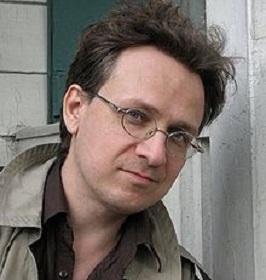
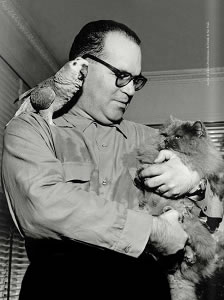
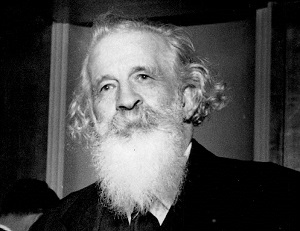
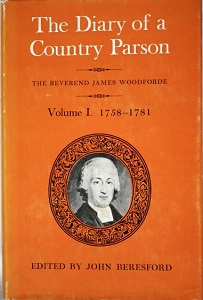
De Engelse dagboekschrijver en geestelijke James Woodforde werd geboren in Ansford op 27 juni 1740. Zie ook alle tags voor James Woodforde op dit blog.

Uit: The Diary of a Country Parson 1758 – 1802

“June 5. I breakfasted, dined, supped and slept again at Weston. Very much disturbed in the night by our dog which was kept within doors tonight, was obliged to get out of bed naked twice or thrice to make him quiet, had him into my room, and there he emptied himself all over the room. Was obliged then to order him to be turned out which Bill did. My face much swelled but rather easier than yesterday tho' now very tender and painful, kept in today mostly. Paid and gave Will my servant this evening 0.5.0. Paid Mr. Dunnell this evening part of a bill due to him from me, for 1 cows, 3 Piggs, 3 p'. Shoes, Flower, Tea, Sugar, News Papers, Pipes, Candles, Pan, Tobacco, Beer, Mustard, Salt, Washing, Halters, Comb and Brush, Crabs, Bread and Porterage of £14. 9. 3. the sum of a Bank Note - of - £10.0.0.”


 1783045-a8bdd8c64ef34c18ec3c3d166a582e73.jpg
James Woodforde (27 juni 1740 – 1803)
Cover


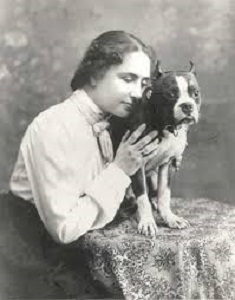
De Amerikaanse schrijfster Helen Keller werd geboren in Tuscumbia, Alabama op 27 juni 1880. Zie ook alle tags voor Helen Keller op dit blog.

Uit: The Story of My Life

“Even in the days before my teacher came I used to feel along the square, stiff boxwood hedges, and, guided by the sense of smell, would find the first violets and lilies. There, too, after my fits of temper I went to find comfort and to hide my hot face in the cool leaves and grass. What joy it was to lose myself in that garden of flowers, to wander happily from spot to spot, until coming suddenly upon a beautiful vine, I recognized it by its leaves and blossoms, and knew it was the vine which covered the tumble-down summer-house at the farther end of the garden! Close by were trailing clematis, drooping jessamine, and some rare sweet flowers called butterfly lilies, because their fragile petals resembled the butterfly’s wings. But the roses — they were loveliest of all. Never have I found in the greenhouses of the North such heart-satisfying roses as the climbing roses of my Southern home. They used to hang in long festoons from our porch, filling the whole air with their fragrance, untainted by any earthly smell; and in the early morning, washed in the dew, they felt so soft and seemed so pure. I could not help wondering if they did not resemble the asphodels of God’s garden.
THE family on my father’s side are descended from Caspar Keller, a native of Switzerland, who settled in Maryland. One of my Swiss ancestors was the first teacher of the deaf in Zurich and wrote a book on the subject of their education — rather a singular coincidence. My grandfather, Caspar Keller’s son, “entered” large tracts of land in Alabama and finally settled there. I have been told that once a year he went from Tuscumbia to Philadelphia on horseback to purchase supplies for the plantation, and my aunt has in her possession many of the letters to his family, giving charming and vivid accounts of these trips.“


 1783045-ed5da7b9d5b60ce82a92de5dbc5ba4da.jpg
Helen Keller (27 juni 1880 – 1 juni 1968)
 

Geschreven door Romenu om 14:11 Reageer op dit bericht

Aimé Césaire, Jacqueline van der Waals, Yves Beauchemin, Elisabeth Büchle, Laurie Lee, Pearl S. Buck, Branwell Brontë

De Afrocaraïbische schrijver en politicus Aimé Césaire werd geboren op 26 juni 1913 in Basse-Pointe, Martinique. Zie ook alle tags voor Aimé Césaire op dit blog.


Notebook of a Return to the Native Land (Fragment)

   At the end of daybreak. . .
   Beat it, I said to him, you cop, you lousy pig, beat it,
I detest the flunkies of order and the cockchafers of hope.
Beat it, evil grigri, you bedbug of a petty monk. Then I turned
toward paradises lost for him and his kin, calmer than the face
of a woman telling lies, and there, rocked by the flux of a
never exhausted thought I nourished the wind, I unlaced the
monsters and heard rise, from the other side of disaster, a
river of turtledoves and savanna clover which I carry forever
in my depths height-deep as the twentieth floor of the most
arrogant houses and as a guard against the putrefying force
of crepuscular surroundings, surveyed night and day by a cursed
venereal sun.

   At the end of daybreak burgeoning with frail coves, the hungry
Antilles, the Antilles pitted with smallpox, the Antilles dyn-
amited by alcohol, stranded in the mud of this bay, in the dust
of this town sinisterly stranded.

   At the end of daybreak, the extreme, deceptive desolate eschar
on the wound of the waters; the martyrs who do not bear witness;
the flowers of blood that fade and scatter in the empty wind
like the screeches of babbling parrots; an aged life mendacious-
ly smiling, its lips opened by vacated agonies; an aged poverty
rotting under the sun, silently; an aged silence bursting with
tepid pustules,
   the awful futility of our raison d’être.

   At the end of daybreak, on this very fragile earth thickness
exceeded in a humiliating way by its grandiose future—the vol-
canoes will explode, the naked water will bear away the ripe
sun stains and nothing will be left but a tepid bubbling pecked
at by sea birds—the beach of dreams and the insane awakening.

   At the end of daybreak, this town sprawled-flat, toppled from
its common sense, inert, winded under its geometric weight of
an eternally renewed cross, indocile to its fate, mute, vexed
no matter what, incapable of growing with the juice of this
earth, self-conscious, clipped, reduced, in breach of fauna
and flora.

Vertaald door Clayton Eshleman


 1782744-3ecc7aa4f293fd32c3e4c1cd9909ad48.jpg
Aimé Césaire (26 juni 1913 – 17 april 2008)


De Nederlandse dichteres Jacqueline Elisabeth van der Waals werd geboren op 26 juni 1868 in Den Haag. Zie ook alle tags voor Jacqueline van der Waals op dit blog.


Oktober

De blaadjes waaiden
Langs alle wegen,
De blaadjes draaiden
In kringen rond -
Ik liep te drentelen
En kwam ze tegen,
Ik zag ze wentelen
Over de grond.

Het was oktober,
Wanneer de blaren,
Rood als rood koper,
Of geel van kleur,
In dichte scharen
Neer komen strijken -
Ik liep te kijken
En snoof de geur.


Wintermorgen

Week op het wit van het wazige land,
Week door het grijs van de wolken daarachter,
schemert de schijn van de zon, die met zachte
goudglans de zomen omrandt.

Blank als de glans op het wazig verschiet,
week als de schemer van de zon door het grijze,
weifelt het licht door mijn stille gepeinzen,
schemert de vreugde door mijn lied.


Kinderogen

Steeds zien uit een kindergezichtje
Twee droevige ogen mij aan,
Heel stil en geduldig. Ze vragen,
Een vraag, die ik niet kan verstaan.

Waarom, o kinderogen!
Waarom uit dat bleke gezicht,
Dat bleek en onschuldig gezichtje,
Die blik op mij gericht?

Ik kan u geen antwoord geven.
Ach zie mij zo vragend niet aan!
Gij wekt in mijn harte een onrust,
Een smart, die ik niet kan verstaan.


 1782744-3d5d3a688d02239c87fa670e447b81f8.jpg
Jacqueline van der Waals (26 juni 1868 – 29 april 1922)


De Canadese schrijver Yves Beauchemin werd geboren op 26 juni 1941 in Rouyn-Noranda, Quebec. Zie ook alle tags voor Yves Beauchemin op dit blog.

Uit : Juliette Pomerleau

« Ma tante,
Je sais que vous aller me juger très sévèrement. Je sais que j'agis très mal et que je mérite les plus grand blâmes. Vous êtes la seule personne qui pouvez m aidez, voilà pourquoi je me suis adressé à vous. L'enfant que vous avez devant vous, c'est le mien. Il est né à Chicoutimi le 8 mai de l'an passé; c'est un garçon, il s'appelle Denis et je l'ai fait baptisé dans la paroisse de la Cathédrale. je ne suis pas sûre qui est son père (oui, je sais bien ce que vous êtes en train de penser de moi, mais je n'y peux rien). De toutes façons, avec les hommes que j'ai connu, il est mieux sans père.
J'ai essayée jusqu'ici de m'en occuper de mon mieux, mais là, je n'en ai plus la force. Avant de devenir une mauvaise mère, je préfère le confier à quelqu'un d'autre. J'espère que se sera vous qui en prendrez soin (car je connais votre bon cœur depuis longtemps), sinon, je vous demanderais de surveiller la personne qui en aura soin.
Je vous laisse deux boites qui contiennent tout son linge. Dans la boite la plus grosse (dans un petit gilet de laine bleu), vous trouverez 205 $ c'est tout l'argent que je possède actuellement. je vous en enverrai d'autre aussitôt que possible. N'essayez pas de me rejoindre, vous ne pourrez pas. De toute façon, ma décision est prise, je ne reviendrai pas là-dessus, on ne peut pas refaire sa vie, pas moi, en tout cas.
Je sais, vous devez vous dire, elle aurait pu venir me le remettre elle-même dans mes bras, la sans cœur. Mais justement, je sais que vous ne me croirez pas, mais j'ai du cœur, trop de cœur. J'avais trop honte de vous voir, ce qui fait que j'ai mieux aimé vous parlé par lettre. Et je me suis dit que c'était mieux aussi que de laisser mon enfant à la police. Pardonnez-moi. Faite que mon enfant soit heureux, moi, je n'y arrivais pas.
Pardonnez moi encore une fois.
Adèle”


 1782744-012b3eaa4c98c004ba7312b1fb8c84f7.jpg
Yves Beauchemin (Rouyn-Noranda, 26 juni 1941)


De Duitse schrijfster Elisabeth Büchle werd geboren op 26 juni 1969 in Trossingen, Baden-Württemberg. Zie ook alle tags voor Elisabeth Büchle op dit blog.

Uit: Wohin der Wind uns trägt

“Aber er könnte annehmen, ich hätte es dir gleichgetan.“
„Das ist unmöglich. Simon weiß sehr wohl, was für eine gesittete und wohlerzogene Dame du im Gegensatz zu mir bist“, spottete Joanna und verschnürte den zweiten Schuh. Eilig zupfte sie die verschiedenen Schichten weißer Unterröcke und schließlich das blaue Organdykleid zurecht.
„Er ist da!“, zischte die aufgeregte Linda und Joanna wandte sich mit einem fröhlichen Lächeln nach ihrem Nachbarn um.
„Guten Abend, Simon Bryant. Haben sie dich aus den ehrwürdigen Mauern von
West Point hinausgeworfen?“
„Jo, du weißt sehr genau, dass Mr Bryant einen hervorragenden Abschluss errungen hat!“, begehrte Linda auf. Sie warf der Freundin einen vorwurfsvollen Blick zu, ehe sie ebenfalls,
mit tiefrotem Gesicht, zu dem schlanken, uniformierten jungen Mann aufsah.
„Danke für die Ehrenrettung, Miss Fowler. Aber Olivers Schwester hat selten einmal ein freundliches Wort für mich übrig.
Seit sie und ihre große Familie auf der Green-Crystal-Plantage leben, hatte ich Zeit, mich an ihre spitze Zunge zu gewöhnen.“
Joanna lächelte dem Freund ihres ältesten Bruders Oliver zu und wandte sich dann wieder in Richtung des Bachbettes um. Sie beobachtete scheinbar interessiert ein Libellenpärchen, das sich in wilden Schleifen über das von der Sonne silbern angestrahlte Wasser bewegte, während Simon Linda höflich begrüßte. „Darf ich den Damen ein Glas Bowle bringen?“, fragte er schließlich.”


1782744-b0ff77140ebf71c9162e92f335965ed5.jpg
Elisabeth Büchle (Trossingen, 26 juni 1969)


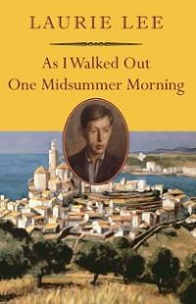
De Engelse dichter en schrijver Laurence Edward Alan "Laurie" Lee werd geboren in Stroud, Gloucestershire op 26 juni 1914. Zie ook alle tags voor Laurie Lee op dit blog.

Uit: As I Walked Out One Midsummer Morning

"The violence of the heat seemed to bruise the whole earth and turn its crust into one huge scar. One's blood dried up and all juices vanished; the sun struck upwards, sideways, and down, while the wheat went buckling across the fields like a solid sheet of copper. I kept on walking because there was no shade to hide in, and because it seemed the only way to agitate the air around me...I walked on as though keeping a vow, till I was conscious only of the hot red dust grinding like pepper between my toes."
(…)

“I remember the beggars as something special to Valladolid, something it had nursed to a peak of malformation and horror. One saw them little by day; they seemed to be let out only at night, surreptitiously, like mad relations..Young and old were like emanations of the stifling medievalism of this pious and cloistered city; infected by its stones, like the pock-marked effigies of its churches, and part of one of the more general blasphemies of Spain."
(…)

“But I think my most lasting impression was still the unhurried dignity and noblesse with which the Spaniard handled his drink. He never gulped, panicked, pleaded with the barman, or let himself be shouted into the street. Drink, for him, was one of the natural privileges of living, rather than the temporary suicide it so often is for others. But then it was lightly taxed here, and there were no licensing laws; and under such conditions one could take one's time.”


 1782744-22436cccc02f189a122dd320860f26fa.jpg
Laurie Lee (26 juni 1914 – 13 mei 1997)


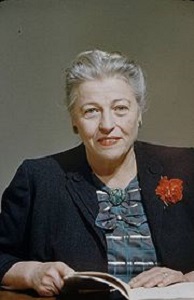
De Amerikaanse schrijfster Pearl S. Buck werd geboren in Hillsboro West-Virginia, op 26 juni 1892. Zie ook mijn blog van 26 juni 2010 en eveneens alle tags voor Pearl S. Buck op dit blog.

Uit: Pavilion of Women

“Yet there were times when he did love her with all the kindness she demanded, and how was she to know what were those times? Alone she raged against his cheerfulness and put herself at the mercy of her own love and longed to be free of it because it made her less than he and dependent on him. But how could she be free of chains she had put upon herself? Her soul was all tempest. The dreams she had once had of her life were dead. She was in prison in the house. And yet who was her jailer except herself?”
(…)

“Had she not created even him? Perhaps for that he never forgave her, but hated her and fought her secretly, and dominated her and oppressed her and kept her locked in houses and her feet bound and her waist tied, and forbade her wages and skills and learning, and widowed her when she was dead, and burned her sometimes to ashes, pretending that it was her faithfulness that did it.”
(…)

“Know thy neighbor as thyself. That is, comprehend his hardships and understand his position, deal with his faults as gently as with your own. Do not judge him where you do not judge yourself...this is the meaning of the word LOVE.”


 1782744-008b5a0eaa2ef79899d0f13c41cff0cd.jpg
Pearl S. Buck (26 juni 1892 – 6 maart 1973) 


De Engelse dichter en schilder Branwell Brontë werd op 26 juni 1817 geboren in Thornton, Yorkshire. Zie ook alle tags voor Branwell Brontë op dit blog.


Epistle To The Labouring Poor (Fragment)

All you who turn the sturdy soil,
Or ply the loom with daily toil,
And lowly on through life turmoil
For scanty fare,
Attend, and gather richest spoil
To soothe your care.

I write with tender, feeling heart,
Then kindly read what I impart;
'Tis freely penned, devoid of art,
In homely style,
'Tis meant to ward off Satan's dart,
And show his guile.

I write to ope your sin-closed eyes,
And make you great, and rich, and wise,
And give you peace when trials rise,
And sorrows gloom;
I write to fit you for the skies
On Day of Doom.

What, though you dwell in lowly cot,
And share through life a humble lot?
Some thousands wealth and fame have got,
Yet know no rest:
They build, pull down, and scheme and plot,
And die unblest.


 1782744-5d350f79692871652a7e965a616074b0.jpg
Branwell Brontë (26 juni 1817 – 24 september 1848)
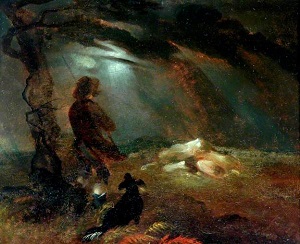
The Lonely Shepherd door Branwell Brontë, 1838-1839


Zie voor nog meer schrijvers van de 26e juni ook mijn blog van 26 juni 2011 deel 1 en eveneens deel 2.

Geschreven door Romenu om 18:20 Reageer op dit bericht

Meer van Romenu

↑ Terug naar de berichten