Naar de inhoud

Romenu

Over literatuur, gedichten, kunst en cultuur
akke.beakke.be

Berichten van 6 januari 2016 tot 7 januari 2016

Frans Kellendonk, Reginald Gibbons, Dionne Brand, Sofi Oksanen, Henk van Zuiden, Shobhaa Dé, Marie Desplechin
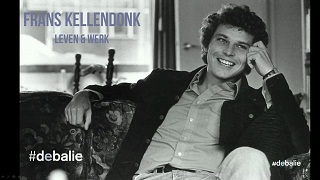
De Nederlandse schrijver en vertaler Frans Kellendonk werd geboren in Nijmegen op 7 januari 1951. Zie ook alle tags voor Frans Kellendonk op dit blog.

Uit: Beeld en gelijkenis

“De pastoor had een monotoon stemgeluid dat het onmogelijk maakte om de eucharistie met begrip te volgen. Hij was klein en rond en zijn gezicht was zo rooddooraderd dat het, de huidcrème die hij erop aanbracht ten spijt, in een netje leek te hangen, als een nieuwe plastic voetbal. Op zijn al te vleeskleurige lippen zat roze parellipstick. Hij had wulpse handjes die zich onweerstaanbaar tot elkaar aangetrokken voelden en elkaar onophoudelijk knuffelden en opvrijden. Er werd gefluisterd dat hij het met een vrouw hield.
Op een goede dag kregen we een hulpkapelaan, een jonge Franciscaan met zwart haar en felle bruine ogen, die in zijn sandalen geen sokken droeg van witte zijde, zoals de pastoor, maar blote voeten die rood zagen van de kou. Hij is maar kort gebleven. Eén keer heeft hij gepreekt en de arme gelovigen, die gedoopt waren voor ze ‘pap’ konden zeggen, die elke week trouw hun plaatsengeld en collectegeld hadden betaald, en ook voor de missie-acties regelmatig een kleinigheid hadden afgedragen, die toch mochten menen dat ze al met één been in de hemel stonden, kregen van hem te horen dat ze heidenen waren. ‘Bekeert u!’ snauwde hij hen van de kansel toe. Zo zout hadden ze het nog nooit gegeten. Hij bestond het bovendien om die brave mensen voor zondaars uit te maken. De brave mensen vonden dat hij beter naar z'n eigen kon kijken. Maar ik vond dat getier van hem een weldaad, na de fluwelen dwingelandij waar ik aan gewend was, en toen ik hoorde dat hij wegens zijn te grote ijver spoedig weer zou moeten vertrekken ging ik op een vrijdagavond bij hem te biecht. Terwijl hij achter het luikje nog zat te bidden voor de vorige biechteling, een geruststellend onderkeels gebrom, af en toe onderbroken door een diepe zucht, zei ik mijn oefening van geloof; daarna bekende ik de zonden die ik altijd bekende en hij wilde me al de penitentie opgeven toen ik tenslotte durfde te stotteren: ‘Eh... pater... Pater, ik moet u nog iets zeggen... Ik, eh, scháám me altijd zo vreselijk. En ik weet niet hoe het komt.’
Zo was het precies. Ik, een zondagskind, één en al levenslust en plezier, was me in mijn elfde levensjaar een etterende leproos gaan voelen. Zomaar, ineens.”


 1860993-25714294b4b0c9cf12500eabf22a6ad6.jpg
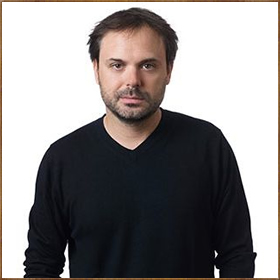
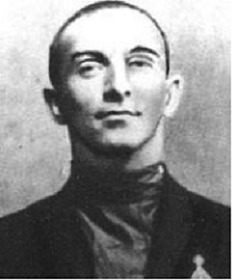
Frans Kellendonk (7 januari 1951 – 15 februari 1990)
Affiche voor een programma in De Balie in Amsteram, mei 2015


De Amerikaanse dichter, redacteur en hoogleraar Reginald Gibbons werd geboren in Houston op 7 januari 1947. Zie ook alle tags voor Reginald Gibbons op dit blog.


Friday Snow

Something needs to be done—like dragging a big black plastic sack through the upstairs rooms, emptying into it each waste basket, the trash of three lives for a week or so. I am careful and slow about it, so that this little chore will banish the big ones. But I leave the bag lying on the floor and I go into my daughter’s bedroom, into the north morning light from her windows, and while this minute she is at school counting or spelling a first useful word I sit down on her unmade bed and I look out the windows at nothing for a while, the unmoving buildings—houses and a church—in the cold street.
       Across it a dark young man is coming slowly down the white sidewalk with a snowshovel over his shoulder. He’s wearing a light coat, there’s a plastic showercap under his dirty navy blue knit hat, and at a house where the walk hasn’t been cleared he climbs the steps and rings the doorbell and stands waiting, squinting sideways at the wind. Then he half wakes and he says a few words I can’t hear to the storm door that doesn’t open, and he nods his head with the kindly farewell that is a habit he wears as disguise, and he goes back down the steps and on to the next house. All of this in pantomime, the way I see it through windows closed against winter and the faint sounds of winter.
       My daughter’s cross-eyed piggy bank is also staring out blankly, and in its belly are four dollar bills that came one at a time from her grandmother and which tomorrow she will pull out of the corked mouthhole. (It’s not like the piggy banks you have to fill before you empty them because to empty them you have to smash them.) Tomorrow she will buy a perfect piece of small furniture for her warm well-lit dollhouse where no one is tired or weak and the wind can’t get in.
       Sitting on her bed, looking out, I didn’t see a bundled-up lame child out of school and even turned out of the house for a while, or a blind woman with burns or a sick bald veteran—people who might have walked past stoop-shouldered with what’s happened and will keep happening to them. So much limping is not from physical pain—the pain is gone now, but the leg’s still crooked. The piggy bank and I see only the able young man whose straight back nobody needs.
       When he finally gets past where I can see him, it feels as if a kind of music has stopped, and it’s more completely quiet than it was, an emptiness more than a stillness, and I get up from the rumpled bed and I smooth the covers, slowly and carefully, and I look around the room for something to pick up or straighten, and I take a wadded dollar bill from my pocket and put it into the pig and I walk out.
 

 1860993-2c8d60044036901b08c08cbc5a3368ed.jpg
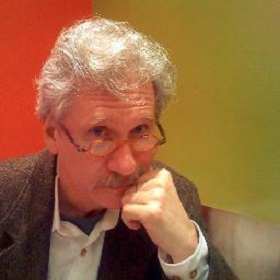
Reginald Gibbons (Houston, 7 januari 1947)


De Canadese dichteres en schrijfster Dionne Brand werd geboren op 7 januari 1953 op Trinidad. Zie ook alle tags voor Dionne Brand op dit blog.

Uit:What We All Long For

“There were Italian neighbourhood and Vietnamese neighbourhoods in this city; there are Chinese ones and Ukrainian ones and Pakistani ones and Korean ones and African ones. Name a region on the planet and there's someone from there, here. All of them sit on Ojibway land, but hardly any of them know it or care because that genealogy is wilfully untraceable except in the name of the city itself. They'd only have to look, though, but it could be that what they know hurts them already, and what if they found out something even more damaging? These are people who are used to the earth beneath them shifting, and they all want it to stop-and if that means they must pretend to know nothing, well, that's the sacrifice they make.”
(…)

“Carla might recognize herself in the lean girls against the bar, the girls in slender-cut suits with silver rings on each finger and thumb who looked so compact and secretive, so much as if all their essences were perfectly locked and kept, and only if you managed to please them could you unlock their fingers and pry them out. They smelled of a different perfume, they never quite met your eyes except in a swift and thorough appraisal whose conclusion you became aware of immediately when their eyes averted without the longed-for approving smile. You longed to go with them to secret apartments in the suburbs or condos on the lakeshore and there have their fingers brush down your back and have their maroon mouths kiss your thighs.”
(…)

“Angie was a border crosser, a wetback, a worker in the immigrant sweatshop they call this city. On days like this I understand her like a woman instead of a child. Everybody thought she was a whore. She wasn’t. She tried to step across the border of who she was and who she might be. They wouldn’t let her. She didn’t believe it herself so she stepped across into a whole other country.”
 

 1860993-d15871becf100970a9dec3852658ca8b.jpg
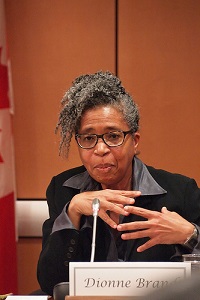
Dionne Brand (Trinidad, 7 januari 1953)


De Finse schrijfster Sofi Oksanen werd geboren in Jyväskylä op 7 januari 1977. Zie ook alle tags voor Sofi Oksanen op dit blog.

Uit:Als de duiven verdwijnen (Vertaald door Marja-Leena Hellings)

“Ze leek de juiste woorden voor de angstige gemoederen te vinden, en wist dat niemand het hoofd mocht verliezen als het tijd was om in de vrachtwagen te stappen. Een beter iemand om de mensen opte vangen had ik niet kunnen kiezen.
De anderen waren wantrouwig geweest toen ik had aangekondigd dat ik een nieuwe woning als verzamelplaats had gevonden en een nieuwe persoon om de vluchtelingen op te vangen, ik had Juudit Linda genoemd. Ik had met de hand op mijn hart gezworen dat ze betrouwbaar was, over haar relatie met een mof had ik niets gezegd.
Ik hield mezelf ook voor dat, hoe meer Juudit hierbij betrokken was, hoe zekerder het was dat ze haar mond zou houden. Beetje bij beetje liet ze nuttige informatie los en het leek alsof ze steeds meer ging twijfelen aan alles wat met de Duitsers te maken had.
Deze keer was bijzonder onrustig. De toespraak van Hjalmar Mäe had bij sommigen iets van hoop gewekt, volgens Mäe zou mobilisatie de eerste stap naar soevereiniteit zijn. Ik zag aarzeling op de gezichten van de vluchtelingen, de wil om geloof te hechten aan de woorden van Mäe. Ik bleef me verbazen over de goedgelovigheid van de mensen. Of de wanhoop. Toch was het aantal van hen die niet meer geloofden in de overwinning van Duitsland en in de beloften van de staat over onafhankelijkheid of autonomie van Estland met de dag toegenomen. Niemand wilde blijven wachten op een nieuwe slachtpartij, men wist zeker dat de bolsjewieken zouden komen. De kerkleiders hadden het over de terugkeer van de goddeloze staat.”

 

 1860993-048328ff7bd3d1bdb37ee7e3b078e455.jpg
Sofi Oksanen (Jyväskylä, 7 januari 1977)


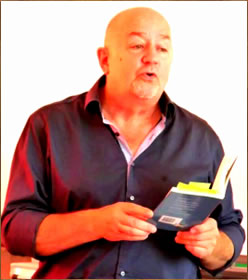
De Nederlandse dichter, bloemlezer Henk van Zuiden werd geboren in Apeldoorn op 7 januari 1951. Zie ook alle tags voor Henk van Zuiden op dit blog.


Kwijt
voor Charlotte Meijer

Ik kan mijn pen verliezen, of een ringetje,
mijn geduld, een jerrycan, mijn gezicht,
een sleutel, mijn moeder, en dat is geen dingetje,
mijn melktanden in witte zakdoek met gedicht,
een jojo, mijn tong, een ijsbolletje,
mijn plu, een handdoek en portemonnee,
de tijd, of mijn lievelingsdrop, een nog
vol rolletje– Niets verlorens vind ik terug
in zand aan zee, vooral mijn moeder blijft
kwijt, ik bedenk haar overal mee.


Wees van dit huis de liefste gast

Hier hoef je geen brieven open te snijden
telefoon op te nemen of koffie te maken
voor waterdragers op buigende ladders.
Je mag alles uit de boekenkast lezen
en natuurlijk, bier staat koud en de wijn
is al gechambreerd, om je niet te jachten
houdt de koekoek zich stil en zie, juist
vanavond is bloedmooi door uitbundige
pioenrozen ’n tapijt gedwarreld waarop je
kunt plaatsnemen. Hier, luister, Klang,
of wil je de speler eerst laten Bacheren?
Doe maar niet alsof je thuis bent: je hoeft
nergens om te vragen of voor op te staan,
alles wat je behaagt wordt voor jou gedaan.
 

 1860993-b9e8179c50f48b582e9ae8709a9eda6f.jpg
Henk van Zuiden (Apeldoorn, 7 januari 1951)


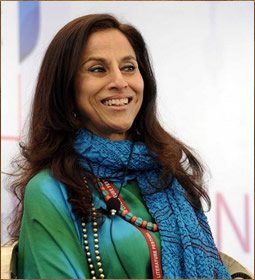
De Indiase schrijfster en columniste Shobhaa Dé werd geboren op 7 januari 1947 in Maharashtra. Zie ook alle tags voor Shobhaa Dé op dit blog.

Uit: S's Secret

““Have you told Mom, yet?” Pia’s voice was low and anxious. Sandhya shook her head and continued to whisk the sticky mixture of flour and butter in the neat kitchen, which was the centre of the Mehta home.
“How can you bake a cake when you know Morn will be angry? Or are you planning not to tell her at all?” Pia persisted.
Sandhya looked at her younger sister sharply and placed a finger on her own lips. “Sssh... Bhaiya will hear... don’t say anything... please, please... just keep quiet till Bhaiya leaves... he’s late for college again.”
Just then, Siddhartha a tall, athletic eighteen-year-old rushed into the kitchen. “Where’s my skimmed milk... Oh man... I’m late for eco... and the toast is burnt as usual. Sandhya... don’t just stand there with that stupid expression... make me a sandwich... fast... Tell Mom I am going straight to Subi’s place for stats tuitions. And you... little monkey... go wash your hands... filthy as always.”
The two girls looked at their brother, then at each other. “Bhaiya, why don’t you wake up on time? Don’t tell us you have broken the alarm clock again?” Pia piped up.
Sid opened the fridge and made disapproving noises. “Vegetables, vegetables, vegetables - who eats all this rubbish, huh? Who? Look at all this... bhindi, karela, paid/r, kadoo. Hey you Motu, stay away from those chips... tell Mom to organise a decent dinner...
What amazing food we have at Subi’s... fantastic pav-bhaji, nachos... how come we don’t have stuff like that here? His mom is like the best cook in the world. Her crab curry! Oh my God ! Sandhya stop making those silly cakes, make some real food for a change; learn some deadly stuff... like... ok... anything deadly... ok I’m off. Send my tennis gear to the club later... behave yourselves till Mom gets home.”
 

 1860993-9384998c5d2600942b5e36cb73b9d50a.jpg
Shobhaa Dé (Maharashtra, 7 januari 1947)


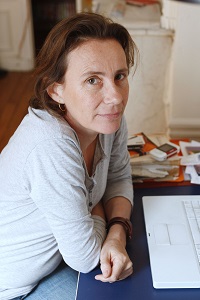
De Franse schrijfster Marie Desplechin werd geboren op 7 januari 1959 in Roubaix. Zie ook alle tags voor Marie Desplechin op dit blog.

Uit: La belle Adèle

“- Tu ne peux pas faire un petit effort ?
Pendant quelques secondes, je me suis demandé ce qu'elle voulait dire. Je n'étais pas plus sale, ni plus impolie que d'habitude. Et d'habitude, je suis plutôt propre et aimable. Mais, comme son regard désolé me détaillait des pieds à la tête, l'évidence s'est imposée. Les efforts devaient porter sur mon allure. Pas sur mon intelligence, mes résultats sportifs, mes capacités relationnelles, mes bulletins scolaires. Sur ma présentation. Quelque chose n'allait pas. Du tout.
- Qu'est-ce qui ne va pas ?
- Tu t'es regardée avant de sortir ?
Elle était à la limite de la grossièreté. Mais je n'ai pas eu le courage de le lui faire remarquer. Car voilà ce que j'avais sur les lèvres : "Tu t'es regardée, toi ?"
[...] Elle s'était certainement, elle, regardée, et longuement. Sortir dans son accoutrement n'est pas une décision qui se prend à la légère. Il faut avoir pesé le pour et le contre.Et assumer. L'aspect de ma tante ne devait rien au hasard, ni à la négligence. Sa robe ouverte sur les genoux, ses cheveux décolorés, le bleu pétrole de ses paupières, les échasses sur lesquelles elle était juchée : tout avait été mûrement réfléchi. Et c'était pire.”
 

 1860993-06a4c46277ab9ddad7ca547178393c99.jpg
Marie Desplechin (Roubaix, 7 januari 1959) 


Zie voor nog meer schrijvers van de 7e januari ook mijn blog van 7 januari 2011 deel 1 en ook deel 2 en eveneens deel 3.
Geschreven door Romenu om 18:24 Reageer op dit bericht

Thomas Hill

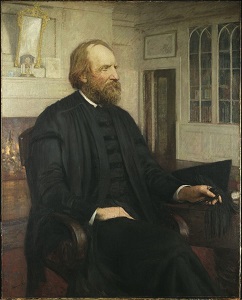
De Amerikaanse Amerikaanse dominee, wiskundige, wetenschapper, dichter, filosoof en pedagoog Thomas Hill werd geboren op 7 januari 1818 in Brunswick, New Jersey. Hij leerde al op heel jonge leeftijd lezen, bleef altijd een gulzig lezer en dwong respect af door zijn ruime en accurate geheugen. Zijn vader onderwees hem in de plantkunde. Hill hield van de natuur en bedacht wetenschappelijke instrumenten, zoals een instrument om eclipsen te berekenen, waarvoor hem door het Franklin Institute een medaille werd toegekend,. Hoewel hij niet formeel was opgeleid bezocht Hill korte tijd de Lower Dublin Academy in Holmesburg, Pennsylvania en de Leicester Academy in Massachusetts, die hij in 1837 verliet. Hij behaalde zijn B.A..en zijn theologische graad aan de Harvard University in respectievelijk 1843 en 1845. Hill was president van Antioch College in de periode 1860-1862 tot de Burgeroorlog hem dwong het college te sluiten; vervolgens bekleedde hij het presidentschap van Harvard University van 1862 tot 1868. Een slechte gezondheid veroorzaakt zijn pensionering van Harvard en vanaf 1873 was hij hoofd van de Unitarian parochie in Portland, Maine. Zijn belangrijkste werken omvatten “Geometry and Faith” (1849); “Jesus, the Interpeter of Nature, and Other Sermons” (1860); The True Order of Studies (1876), “In the Woods, and Elsewhere” (1888); and “The Postulates of Revelations and of Ethics” (1895). Als student aan Harvard publiceerde Hill een brochure met vijf gedichten om op de Boston anti-slavernij beurs van 1843 voor het goede doel te verkopen. Twee van Hills gedichten, "The Mother's Prayer" en "The Runaway” behoren tot de beter bekende anti-slavernij poëzie.


The Mother’s Prayer

Thou knowest, O God, my griefs,
Thou see’st my bitter tears,
Thou knowest all my sufferings past,
And my foreboding fears.

My husband they have sold;
Alas!  the bitter day!
Too true to leave me willingly,
They forced him far away.

Our prattling infants, too,
Most piercing thought of all,
Sold into strangers’ cruel hands,
What evils may befall!

I pray, O God, that thou
Wouldst take them from the earth,
I ask their death, who once from thee,
More madly, asked their birth.

O’er me, weighed down by care,
Pierced through by sorrow’s stings,
O’er me, from day to day the same,
The slave-whip ceaseless swings.

I pray, O God, for him
Who causes all this woe;
Though he no mercy has for us,
To him thy mercy show.

No vengeance would I ask,
Let not thy wrath be felt,
But let thy goodness touch his heart,
Its stubborn hardness melt.

One thing at least I trust,
My only hope it is,
There’ll be no slavery in the world
That follows after this.


 1983159-a4f934e2842c9c893fec30a001a6f8e8.jpg
Thomas Hill (7 januari 1818 - 21 november 1891)
Portret door Edward E. Simmons, 1895

Geschreven door Romenu om 00:00 Reageer op dit bericht

De schriftgeleerden en de wijzen (Muus Jacobse)


Bij het feest van Driekoningen


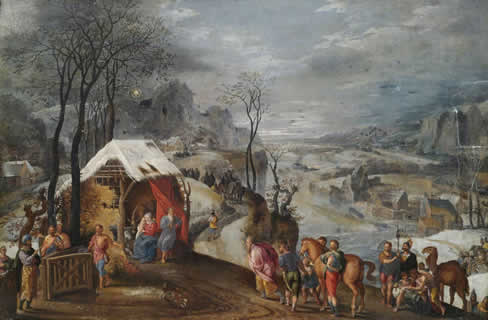
 1860282-717b3765a60a222d1ed05bc7bd01fc8d.jpg
De aankomst van de Heilige Drie Koningen bij de stal,
toegeschreven aan Gillis Mostaert (1528 – 1598)


De schriftgeleerden en de wijzen

Zij hebben neergezeten
Bij hun vergeelde boeken,
Zij hebben niet geweten
Dat God geboren was,

Maar uit het oosten kwamen
Drie koningen Hem zoeken,
Die van een ster vernamen
Wat geen in woorden las.

‘Gij meesters der historie,
Zeg ons, waar is zijn woning
Die aller heemlen glorie
In éne sterre meldt?’

Zij spraken: ‘ ’t Is geschreven
Dat aller eeuwen koning
Heeft Bethlehem verheven’,
En waren zeer ontsteld.

Zij deden hen in donker
Als doden uitgeleide.
Er was geen stergeklonker,
De nacht stond om hen heen.

Maar ver van de geleerden,
O wonderlijk verblijden,
Hoe daar de sterre keerde
Die allen overscheen!

‘Komt laten wij aanbidden
God die zich openbaarde,
Want Hij is in ons midden,
Met majesteit omkleed!’

Zij brachten Hem geschenken:
De gouden schat der aarde,
De wierook van hun denken,
De mirre van hun leed.


 1860282-2dce7d85b1521cb1952e631ce1151d34.jpg
Muus Jacobse (13 september 1909 – 21 november 1972)
De Kersthaven van Terschelling. Muus Jacobse werd geboren op Terschelling


Zie voor de schrijvers van de 6e januari ook mijn vorige blog van vandaag.


Geschreven door Romenu om 10:49 Reageer op dit bericht

Hester Knibbe, Khalil Gibran, Romain Sardou, Carl Sandburg, Jens Johler, E. L. Doctorow

De Nederlandse dichteres Hester Knibbe werd geboren op 6 januari 1946 in Harderwijk. Zie ook alle tags voor Hester Knibbe op dit blog.


En hij bestond

En hij bestond. We pakten hem
op, zwierden hem in het rond en
nog eens en hij kraaide want hij was
in lievelingshanden en toen was het

hup de wereld in met je hart
dat men afpakken kan, kan breken
in een hoek smijten: niks waard zo’n

hart geen porselein of goud, meer een roestig
soort klei en je hebt er zoveel van, ook het jouwe
gaat straks op de schroothoop. Maar hij

wilde niet weg, hij wilde
groeien en blijven waar het goed was en goed
wilde hij worden met vileine streken. Schulp

is een woord als schuld, de kom waarin elk
rondkruipt, telkens opnieuw het lichaam
verkent: ben ik dat, een soort groot

gebaar waarmee ik soms iemand
in het gezicht sla?


Thuiskomst

Ik droomde dat ik van je
droomde: we zaten op de bank en
praatten wat, je droeg de trui die ik
die dag gedragen had, je haar was
nat van alle regen. Je lijf solide

warm had weer de frisheid van
wanneer je in de grienden was geweest
en je vertelde feestelijk gewoon
dat het daarginds toch anders
bleek, hoe diep de wortels
reiken van de eik. En ik

verhaalde van wat ik hierboven
had geleefd, over het groeien van
de hazelaar, ook een bijzonder rijk
spinnenjaar zei ik. Je schaterlachte.


Domein
Voor Anke

Dit is je grondgebied, vruchtbaar
maar afgemeten. Zet hier je paden uit,
de smalle en de brede. Stenen
zijn inclusief, grenzen staan

vast. Mijd Eden. Die hof lijkt
uitgediend; de boom die in het midden
staat, kraakt onder vrucht en blad,
muurvast dringt het seizoen

rond het verleden. Blijf ervan
af. Schaf schoenen aan, ga
stevig stap voor stap.


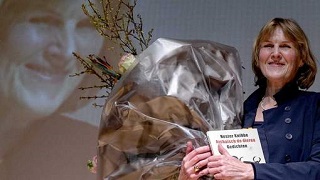
 1860279-f62fe65e6c20ad7e091615b6231cabb4.jpg
Hester Knibbe (Harderwijk, 6 januari 1946)


De Libanese dichter en romanschrijver Khalil Gibran werd geboren op 6 januari 1883 in Bischarri. Zie ook alle tags voor Khalil Gibran op dit blog.


On Pain

Your pain is the breaking of the shell that encloses
your understanding.

Even as the stone of the fruit must break, that its
heart may stand in the sun, so must you know pain.

And could you keep your heart in wonder at the
daily miracles of your life, your pain would not seem
less wondrous than your joy;

And you would accept the seasons of your heart,
even as you have always accepted the seasons that
pass over your fields.

And you would watch with serenity through the
winters of your grief.

Much of your pain is self-chosen.

It is the bitter potion by which the physician within
you heals your sick self.

Therefore trust the physician, and drink his remedy
in silence and tranquillity:

For his hand, though heavy and hard, is guided by
the tender hand of the Unseen,

And the cup he brings, though it burn your lips, has
been fashioned of the clay which the Potter has
moistened with His own sacred tears.


 1860279-2586452d6bc6c54d8a725dbddabe96a0.jpg
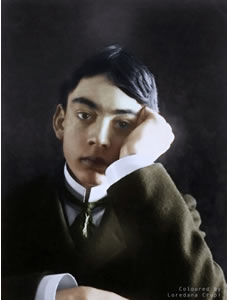
Khalil Gibran (6 januari 1883– 10 april 1931)
Foto door F. Holland Day, ca. 1896 ~ Ingekleurd door Loredana Crupi


De Franse schrijver Romain Sardou werd geboren op 6 januari 1974 in Boulogne-Billancourt. Zie ook alle tags voor Romain Sardou op dit blog.

Uit:Pardonnez nos offenses

“Haquin résuma sommairement l’histoire des Pères de l’Eglise qui charpentèrent la pensée chrétienne. Ils étaient tous de formation hellénique. Après leur conversion à Jésus, ils s’appliquèrent à « reformuler » les grands systèmes philosophiques grecs selon une terminologie de chrétiens, éclairés par leur foi nouvelle et enrichis de l’expérience du Christ. Ce labeur, qui nécessita des générations d’études, fut une épreuve intellectuelle sans égal. Les assimilations, souvent improbables, ne manquèrent pas de révéler des « erreurs » chez les philosophes antiques comme des « lacunes graves » dans le dogme chrétien en plein essor. L’œuvre de Saint-Augustin, par exemple, se constitua sur la christianisation de la pensée de Platon. Entre les lignes, entre les Idées, au détour d’un doute de Socrate, le grand évêque d’Hippone retrouvait les valeurs, les choix et les messages édictés farouchement par l’Eglise. De la même façon, beaucoup d’auteurs antiques se retrouvèrent chrétiens sans avoir jamais connu le Fils. Ceux qui résistaient à tout rapprochement étaient simplement mis à l’index, considérés comme inexacts ou hérétiques.
- C’est du reste une époque très intéressante que nous vivons en ce moment, ajouta Haquin. L’Eglise s’est longtemps contentée de sa victoire exceptionnelle sur le platonisme, sans se soucier du premier de ses adversaires : l’école d’Aristote, le disciple même de Platon.
(…)

Depuis lors, continua Haquin, nous essayons de faire avec Aristote ce qu’Augustin et les Pères ont fait avec Platon. Malheureusement, la pensée d’Aristote est autrement plus complexe et plus éloignée de nous que celle de son aîné. Elle est presque en tous points opposée aux fondamentaux de notre foi.
— Alors pourquoi s’en soucier ? demanda Chuquet. Faisons comme avec les autres penseurs antiques non retenus par nos Pères ignorons-là. Nous pouvons déclarer qu’Aristote est un hérétique, et vivre sans lui comme nous l’avons déjà fait. N’a-t-on pas écarté des textes de l’évangéliste Jean ? »


 1860279-70c2908df041df7d1a24af1007aeb6a3.jpg
Romain Sardou (Boulogne-Billancourt, 6 januari 1974)


De Amerikaanse dichter Carl Sandburg werd geboren op 6 januari 1878 in Galesburg, Illinois. Zie ook alle tags voor Carl Sandburg op dit blog.


Fog

The fog comes
on little cat feet.

It sits looking
over harbor and city
on silent haunches
and then moves on.


Timesweep

I was born in the morning of the world,
So I know how morning looks
morning in the valley wanting,
morning on a mountain wanting.
Morning looks like people look,
like a cornfield wanting corn,
like a sea wanting ships.
Tell me about any strong, beautiful wanting,
And there is your morning, my morning,
everybody's morning.


Mascots

I will keep you and bring hands to hold you against a great hunger.
I will run a spear in you for a great gladness to die with.
I will stab you between the ribs of the left side with a great love worth remembering.


 1860279-cfb472bc771dd2526f67f4280dd22882.jpg
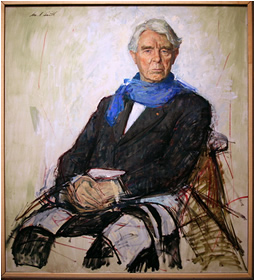
Carl Sandburg (6 januari 1878 - 22 juli 1967)
Portret door William Arthur Smith, 1961


De Duitse schrijver Jens Johler werd geboren op 6 januari 1944 in Neumünster. Zie ook alle tags voor Jens Johler op dit blog.

Uit:Ein Essen bei Viktoria

„Es war eine Nichtigkeit, die dazu führte, daß ich mich mit Erasmus überwarf. Es ging um einen Dollar.
Wie ist es möglich, fragte ich mich damals, daß zwei Freunde wie wir, und noch dazu auf einer solchen Reise, einer Amerikareise, sich wegen eines Dollars in die Haare kriegen? Inzwischen glaube ich zu wissen, woran es lag. Ich glaube, es lag. daran, daß wir keine Freunde waren. Erasmus hatte das immer behauptet, ich hatte ihm nur nicht geglaubt. Aber hatte er es selbst geglaubt? Und wenn ja, wieso ist er mit mir nach Amerika gefahren? Schon als er mir die Reise vorschlug, hätte ich wissen müssen, daß es schiefgehen würde. Es mußte schiefgehen. Wenn man so über die Menschen redet wie Erasmus, dann muß man ihnen aus dem Wege gehen und darf mit ihnen nicht verreisen. Man dürfte nicht einmal mit ihnen essen gehen.
Wir gingen häufig miteinander essen. Es gab niemanden, mit dem ich das so gern tat wie mit Erasmus. Nicht, weil wir beide Gourmets wären, ich bin kein Gourmet. Ich esse, was auf den Tisch kommt. Es gibt zwar Speisen, die ich aus irgendeinem Grunde nicht mag, aber die kommen auch nicht auf den Tisch, weil ich sie nicht bestelle. Austern, Schnecken, Kutteln oder Hirn bestelle ich nicht, so sehr auch andere davon schwärmen mögen. Auch zu Kaviar habe ich nie einen Zugang finden können. Ich weiß nicht, was Erasmus von Kaviar hält, ich habe ihn nie gefragt, aber ein Gourmet ist er auch nicht. Ihm schmeckt nämlich alles. Was für ein Vergnügen, mit ihm zu essen! Sein immer guter Appetit steckt einen an, er futtert drauflos wie ein Weltmeister und strahlt dabei eine Lebensfreude aus, um die man ihn beneidet.“


 1860279-378d1e63e55f19438d2d6e7dec8c4a87.jpg
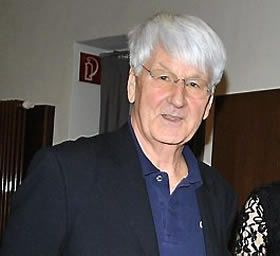
Jens Johler (Neumünster, 6 januari 1944)


De Amerikaanse schrijver Edgar Laurence Doctorow werd geboren op 6 januari 1931 in New York. Zie ook alle tags voor E. L. Doctorow en alle tags voor EL Doctorow op dit blog.

Uit: Ragtime

“His life was absurd. He went all over the world accepting all kinds of bondage and escaping. He was roped to a chair. He escaped. He was chained to a ladder. He escaped. He was handcuffed, his legs were put in irons, he was tied up in a strait jacket and put in a locked cabinet. He escaped. He escaped from bank vaults, nailed-up barrels, sewn mailbags; he escaped from a zinc-lined Knabe piano case, a giant football, a galvanized iron boiler, a rolltop desk, a sausage skin. His escapes were mystifying because he never damaged or appeared to unlock what he escaped from. The screen was pulled away and there he stood disheveled but triumphant beside the inviolate container that was supposed to have contained him. He waved to the crowd. He escaped from a sealed milk can filled with water. He escaped from a Siberian exile van. From a Chinese torture crucifix. From a Hamburg penitentiary. From an English prison ship. From a Boston jail. He was chained to automobile tires, water wheels, cannon, and he escaped. He dove manacled from a bridge into the Mississippi, the Seine, the Mersey, and came up waving. He hung upside down and strait-jacketed from cranes, biplanes and the tops of buildings. He was dropped into the ocean padlocked in a diving suit fully weighted and not connected to an air supply, and he escaped. He was buried alive in a grave and could not escape, and had to be rescued. Hurriedly, they dug him out. The earth is too heavy, he said gasping. His nails bled. Soil fell from his eyes. He was drained of color and couldn't stand. His assistant threw up. Houdini wheezed and sputtered. He coughed blood. They cleaned him off and took him back to the hotel. Today, nearly fifty years since his death, the audience for escapes is even larger.”


 1860279-c024d11c8c5c8d81b0b566b7a2e01245.JPG
E. L. Doctorow (6 januari 1931 – 21 juli 2015)


Zie voor nog meer schrijvers van de 6e januari ook mijn blog van 6 januari 2015 en ook mijn blog van 6 januari 2014 en eveneens mijn blog van 6 januari 2013 deel 2.

Geschreven door Romenu om 10:47 Reageer op dit bericht

Benedikt Livshits

De Russische dichter, schrijver en vertaler Benedikt Konstantinovich Livshits werd geboren op 6 januari 1887 in een ​​geassimileerd joods gezin in Odessa. Hij studeerde rechten aan de Universiteit van Novorossia en vervolgens naar de universiteit van Kiev, waar hij afstudeerde in 1912. Hij werd opgeroepen voor het Russische leger en diende in het 88ste Infanterie Regiment. In 1914 werd hij opnieuw opgeroepen en diende bij de infanterie tijdens Wereldoorlog I, waarvoor hem het het kruis van St. George werd verleend. Zijn eerste dichtbundel werd in 1909 gepubliceerd in een Bloemlezing van de moderne poëzie (Kiev) In 1910 werkte hij voor symbolistische kunsttijdschrift Apollon van Sergei Makovsky. Samen met Wladimir Burliuk, David Boerljoek, Vladimir Majakovski, Vasily Kamensky en Alexandra Exter was hij lid van de Futuristische groep Gilea. In 1933 publiceerde hij een boek met memoires “De anderhalf-ogige boogschutter”, dat wordt beschouwd als een van de beste geschiedenissen van het Russische Futurisme. In 1934 verscheen een groot boek met vertalingen van Franse poëzie, Van romatiek tot surrealisme. In 1937, tijdens de Grote Zuivering, werd hij gearresteerd en op 21 september 1938 geëxecuteerd als een "vijand van het volk". Zijn dossier werd vervalst om te verklaren dat hij stierf aan hartfalen op 15 mei 1939.


Palace Square

Hooves in the air, and the arch
Of a scarletstoned throat,
And the fatal firepool
Of buildings drugged on sunset:

Foreigners expelled
From the kingdom of crimson
Must burst from the flame of the palace
Like black solar flares.

Not the color of a jellyfish
But a heart gushing blood
Lies on the circular plaza:
Let no one judge the widow's fate.

And what Russian wouldn't understand
What heart lies in the grey body,
When the column's sovereign flight
Is but the axle of a cruel carousel?

Your murmurs alone, Neva,
Like a splashing that pleases her little,
The proud widow cherishes
Under the bloodless dome of Headquarters:

By morning the herald will dash into
The marine lilac, the grey break,
And the golden iris of the Admiralty
Will bloom at last.


 1865707-966d0889df45d2f172c22f6f6aa92bb8.png
Benedikt Livshits (6 januari 1887 - 21 september 1938)


Geschreven door Romenu om 00:00 Reageer op dit bericht

Meer van Romenu

↑ Terug naar de berichten