Naar de inhoud

Romenu

Over literatuur, gedichten, kunst en cultuur
akke.beakke.be

Berichten van 18 januari 2016 tot 19 januari 2016

Julian Barnes, Edgar Allen Poe, Edwidge Danticat, Patricia Highsmith, Marie Koenen, Gustav Meyrink
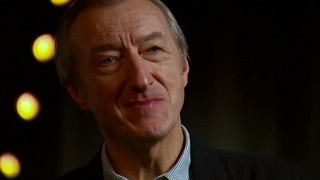
De Engelse schrijver Julian Barnes werd geboren op 19 januari 1946 in Leicester. Zie ook alle tags voor Julian Barnes op dit blog.

Uit: Levels of Life

“You put together two things that have not been put together before; and sometimes it works, sometimes it doesn't. Pilâtre de Rozier, the first man to ascend in a fire balloon, also planned to be the first to fly the Channel from France to England. To this end he constructed a new kind of aerostat, with a hydrogen balloon on top, to give greater lift, and a fire balloon beneath, to give better control. He put these two things together, and on the 15th of June 1785, when the winds seemed favourable, he made his ascent from the Pas-de-Calais. The brave new contraption rose swiftly, but before it had even reached the coastline, flame appeared at the top of the hydrogen balloon, and the whole, hopeful aerostat, now looking to one observer like a heavenly gas lamp, fell to earth, killing both pilot and co-pilot.
You put together two people who have not been put together before; and sometimes the world is changed, sometimes not. They may crash and burn, or burn and crash. But sometimes, something new is made, and then the world is changed. Together, in that first exaltation, that first roaring sense of uplift, they are greater than their two separate selves. Together, they see further, and they see more clearly.
Of course, love may not be evenly matched; perhaps it rarely is. To put it another way: how did those besieged Parisians of 1870-71 get replies to their letters? You can fly a balloon out from the Place St.-Pierre and assume it will land somewhere useful; but you can hardly expect the winds, however patriotic, to blow it back to Montmartre on a return flight. Various stratagems were proposed: for example, placing the return correspondence in large metal globes and floating them downstream into the city, there to be caught in nets. Pigeon post was a more obvious idea, and a Batignolles pigeon fancier put his dovecote at the authorities' disposal: a basket of birds might be flown out with each siege balloon, and return bearing letters. But compare the freight capacity of a balloon and a pigeon, and imagine the weight of disappointment. According to Nadar, the solution came from an engineer who worked in sugar manufacture. Letters intended for Paris were to be written in a clear hand, on one side of the paper, with the recipient's address at the top. Then, at the collecting station, hundreds of them would be laid side by side on a large screen and photographed. The image would be micrographically reduced, flown into Paris by carrier pigeon, and enlarged back to readable size..”


 1866276-09e8f20215c75e4c9eb0b643f174653c.jpg
Julian Barnes (Leicester, 19 januari 1946)


De Amerikaanse dichter en schrijver Edgar Allen Poe werd geboren op 19 januari 1809 in Boston. Zie ook alle tags voor Edgar Allen Poe op dit blog

Uit: The Fall of the House of Usher

“I have said that the sole effect of my somewhat childish experiment of looking down within the tarn had been to deepen the first singular impression. There can be no doubt that the consciousness of the rapid increase of my superstition—for why should I not so term it?—served mainly to accelerate the increase itself. Such, I have long known, is the paradoxical law of all sentiments having terror as a basis. And it might have been for this reason only, that, when I again uplifted my eyes to the house itself, from its image in the pool, there grew in my mind a strange fancy—a fancy so ridiculous, indeed, that I but mention it to show the vivid force of the sensations which oppressed me. I had so worked upon my imagination as really to believe that about the whole mansion and domain there hung an atmosphere peculiar to themselves and their immediate vicinity—an atmosphere which had no affinity with the air of heaven, but which had reeked up from the decayed trees, and the gray wall, and the silent tarn—a pestilent and mystic vapor, dull, sluggish, faintly discernible, and leaden-hued.
Shaking off from my spirit what must have been a dream, I scanned more narrowly the real aspect of the building. Its principal feature seemed to be that of an excessive antiquity. The discoloration of ages had been great. Minute fungi overspread the whole exterior, hanging in a fine, tangled web-work from the eaves. Yet all this was apart from any extraordinary dilapidation. No portion of the masonry had fallen; and there appeared to be a wild inconsistency between its still perfect adaptation of parts, and the crumbling condition of the individual stones.”


 1866276-4541929248dbb95014c64cb07bb19470.jpg
Edgar Allen Poe (19 januari 1809 – 7 oktober 1849)
Mark Damon en Vincent Price in de film House Of Usher, 1960


De Amerikaanse dichteres en schrijfster Edwidge Danticat werd geboren in Port-au-Prince op Haïti op 19 januari 1969. Zie ook alle tags voor Edwidge Danticat op dit blog.

Uit: The Dew Breaker

« At one of the rest stops I bought a disposable camera and pointed it at him anyway. As usual, he protested, covering his face with both hands like a little boy protecting his cheeks from a slap. He didn’t want any more pictures taken of him for the rest of his life, he said, he was feeling too ugly.
"That’s too bad," Officer Bo offers at the end of my too lengthy explanation. "He speaks English, your daddy? Can he ask for directions, et cetera?"
"Yes," I say.
"Is there anything that might make your father run away from you, particularly here in Lakeland?" Manager Salinas asks. "Did you two have a fight?"
I had never tried to tell my father’s story in words before now, but my first completed sculpture of him was the reason for our trip: a three-foot mahogany figure of my father naked, kneeling on a half-foot-square base, his back arched like the curve of a crescent moon, his downcast eyes fixed on his very long fingers and the large palms of his hands. It was hardly revolutionary, rough and not too detailed, minimalist at best, but it was my favorite of all my attempted representations of my father. It was the way I had imagined him in prison.
The last time I had seen my father? The previous night, before falling asleep. When we pulled our rental car into the hotel’s hedge-bordered parking lot, it was almost midnight. All the restaurants in the area were closed. There was nothing to do but shower and go to bed.
"It’s like paradise here," my father had said when he’d seen our tiny room. It had the same orange-and-green wallpaper as Salinas’ office, and the plush emerald carpet matched the walls. "Look, Ka," he said, his deep, raspy voice muted with exhaustion, "the carpet is like grass under our feet.
He’d picked the bed closest to the bathroom, removed the top of his gray jogging suit, and unpacked his toiletries. Soon after, I heard him humming loudly, as he always did, in the shower.”


 1866276-98c05a57fd8b9c2e3f041b6212641d47.jpg
Edwidge Danticat (Port-au-Prince, 19 januari 1969)


De Amerikaanse schrijfster Patricia Highsmith werd geboren als Mary Patricia Plangman in Fort Worth (Texas) op 19 januari 1921. Zie ook alle tags voor Patricia Highsmith op dit blog.

Uit:The Talented Mr. Ripley

“No, thanks,”Tom said.
Mr. Greenleaf looked at Tom apologetically. “You’re the first of Richard’s friends who’s even been willing to listen.They all take the attitude that I’m trying to interfere with his life.”
Toni could easily understand that. “I certainly wish I could help,” he said politely. He remembered now that Dickie’s money came from a shipbuilding company. Small sailing boats. No doubt his father wanted him to come home and take over the family firm.Tom smiled at Mr. Greenleaf, meaninglessly, then finished his drink.Tom was on the edge of his chair, ready to leave, but the disappointment across the table was almost palpable. “Where is he staying in Europe?” Tom asked, not caring a damn where he was staying.


 1866276-702d79dd1e2ad7915ad5b9df22ae2d26.jpg
Scene uit de gelijknamige film met Matt Damon, Jude Law en Philip Seymour Hoffman, 1999


“In a town called Mongibello, south ofNapIes.There’s not even a library there, he tells me. Divides his time between sailing and painting. He’s bought a house there. Richard has his own income-nothing huge, but enough to live on in Italy, apparently.
Well, every man to his own taste, but I’m sure I can’t see the attractions of the place.” Mr. Greenleaf smiled bravely. “Can’t I offer you a drink, Mr. Ripley?” he asked when the waiter came with his scotch and soda.”


 1866276-bcaf64404197d82b1996a64926ec7c93.jpg
Patricia Highsmith (19 januari 1921 - 4 februari 1995)
Portret door Sarah Maddena, 2014


De Nederlandse dichteres en schrijfster Marie Koenen werd geboren in ’s-Hertogenbosch op 19 januari 1879. Zie ook alle tags voor Marie Koenen op dit blog.

Uit:De korrel in de voor

“Toen Nelis Broens dien eersten morgen van October in de vroegte de koe kwam melken op Garvershof - de eenige, die er toentertijd nog over was - stond er de schuurpoort half open. Dat gebeurde wel meer. Als de meester in den nacht kwam thuisgezwaaid, sliep hij den meesten tijd daar in het hooi z'n roes uit. Maar anders dan gewoon was vandaag het geluid, dat van daarbinnen tot Nelis doordrong: geen snurken, maar steunen en reutelen. Hij kon niet laten de poort wijder open te stooten, en bij z'n blik naar binnen, kletterde hem van schrik de melkemmer uit de hand. Als een blok achterover lag de meester en zag hem aan met oogen zoo verwilderd, als wilde hij ‘hulp’ schreeuwen zonder 't meer te kunnen. Schuim stond hem op den mond en het diepe zwoegen begon weer opnieuw bij een stuiptrekking, die heel het logge lichaam doorvoer...
‘Moeder!... Moeder!...’ schreeuwde Jonge Nelis, - en terwijl de koe in den stal een vervaarlijk bulken aanhief, Tref uit z'n hok sprong en z'n bassen tot janken opdreef, - holde hij tusschen de uiteenstuivende kakelkippen het erf af, tusschen de linden van den Bult door, naar huis terug... ‘Gauw, gauw, - de meester ligt te sterven in de schuur...’
Moeder Plonia stond juist het fornuis op te rakelen om het koffiewater aan den kook te krijgen, den sjaal over het nachtjak, bloote voeten in de klompen. Ze liet de pook in het vuur steken. ‘God in den Hemel!’ riep ze, en mee drong ze Nelis al opzij in het deurgat.
Halfweg den Bult keerde ze zich al voortjagend nogeens om en gilde met heftige gebaren: ‘Dadelijk den Pastoor halen,... den dokter. - Alla dan toch!’
‘Ja, ja...’ Jonge Nelis kreeg weer beweging in z'n beenen en zette het op een loopen, met groote sprongen het steilste pad van den berg af... ‘Aan mij zal 't niet liggen!’ zweepte hij zichzelf voort.”


 1866276-68080b79126c807f1bc36ad952197096.jpg
Marie Koenen (19 januari 1879 - 11 juli 1959)


De Oostenrijkse schrijver Gustav Meyrink werd op 19 januari 1868 te Wenen geboren. Zie ook alle tags voor Gustav Meyrink op dit blog.

Uit: Walpurgisnacht

„Wieder schlug der Hund im Park an. Diesmal dumpf, fast heulend.
Gleich darauf öffnete sich die geschweifte, dunkle, mit einer Schäferszene bemalte Mahagonitür, und der Herr Hofrat Kaspar Edler von Schirnding trat ein – wie gewöhnlich, wenn er zur Whistpartie ins Palais Elsenwanger kam, mit engen schwarzen Hosen angetan und den ein wenig rundlichen Leib in einen Biedermeiergehrock von hellem Braun aus wunderbar weichem Tuch gehüllt. Hastig wie ein Wiesel und ohne ein Wort zu verlieren, lief er auf einen Sessel zu, stellte seinen gradkrempigen Zylinderhut darunter auf den Teppich und küßte sodann der Gräfin zeremoniell die Hand zur Begrüßung.
"Warum er jetzt noch immer bellt?" brummte der Pinguin nachdenklich.
"Diesmal meint er den Brock", erläuterte die Gräfin Zahradka mit einem zerstreuten Blick auf Baron Elsenwanger.
"Herr Hofrat sehen so schweißbedeckt aus. Daß Sie sich nur nicht verkühlen!" rief dieser besorgt, machte eine Pause und krähte dann plötzlich in arienhaften Schwingungen in das finstere Nebenzimmer, das sich daraufhin wie durch Zauberschlag erhellte:
"Bo¸ena, Bo¸ena, Bo–schenaah, bitt' Sie, bring Sie, prosim, das Supperläh!"
Die Gesellschaft begab sich in den Speisesaal und nahm um den großen Eßtisch herum Platz.
Nur der Pinguin stolzierte steif an den Wänden entlang, betrachtete bewundernd, als sähe er sie heute zum erstenmal, die Kampfszenen zwischen David und Goliath auf den Gobelins und betastete die prachtvollen, geschweiften Maria-Theresia-Möbel mit Kennerhänden.“


 1866276-2cd125ec5a736685c8a17a272b412f42.JPG
Gustav Meyrink (19 januari 1868 – 4 december 1932)


Zie voor nog meer schrijvers van de 19e januari ook mijn blog van 19 januari 2014 deel 1 en eveneens deel 2.


Geschreven door Romenu om 19:52 Reageer op dit bericht

In Memoriam Michel Tournier


In Memoriam Michel Tournier

De Franse schrijver Michel Tournier is maandag op 91-jarige leeftijd thuis in Choisel overleden, meldden Franse media. Michel Tournier werd geboren op 19 december 1924 in Parijs. Zie ook alle tags voor Michel Tournier op dit blog.

Uit: Les météores

« J'ai le temps de me poser la vieille question qui surgit fatalement en voyage dans le cœur sédentaire que je suis : pourquoi ne pas m'arrêter ici ? Des hommes, des femmes, des enfants considèrent ces lieux fugitifs comme leur pays. Ils y sont nés. Certains n'imaginent sans doute aucune autre terre au-delà de l'horizon. A lors pourquoi pas moi ? De quel droit suis-je ici et vais-je repartir en ignorant tout de North Bend, de ses rues, de ses maisons, de ses habitants ? N'y-a-t-il pas dans mon passage nocturne pire que du mépris, une négation de l'existence de ce pays, une condamnation au néant prononcée implicitement à l'encontre de North Bend ? Cette question douloureuse se pose souvent en moi lorsque je traverse en tempête un village, une campagne, une ville, et que je vois le temps d'un éclair des jeunes gens qui rient sur une place, un vieil homme conduisant ses chevaux à l'abreuvoir, une femme suspendant son linge sur une corde tandis qu'un petit enfant s'accroche à ses jambes. La vie est là, simple et paisible, et moi je la bafoue, je la gifle de ma stupide vitesse...
Mais cette fois encore, je vais passer outre, le train rouge fonce vers la montagne nocturne en hululant, et le quai glisse et emporte deux jeunes filles qui se parlaient gravement, et je ne saurai jamais rien d'elles, et rien non plus de North Bend.
(…)

"L'Esprit-Saint est vent, tempête, souffle, il a un corps météorologique. Les météores sont sacrés. La science qui prétend en épuiser l'analyse et les enfermer dans des lois n'est que blasphème et dérision. "Le vent souffle où il veut et tu entends sa voix, mais tune sais ni d'où il vient, ni où il va", a dit Jésus à Nicodème. C'est pourquoi la météorologie est vouée à l'échec. ses prévisions sont constamment ridiculisées par les faits, parce qu'elles constituent une atteinte au libre arbitre de l'Esprit. Et il ne faut pas s'étonner de cette sanctification des météores que je revendique. En vérité tout est sacré. Vouloir distinguer parmi les choses un domaine profane et matériel au-dessus duquel planerait le monde sacré, c'est simplement avouer une certaine cécité et en cerner les limites. Le ciel mathématique des astronomes est sacré parce que c'est le lieu du Père. La terre des hommes est sacré, parce que que c'est le lieu du Fils. Entre les deux, le ciel est brouillé et imprévisible de la météorologie est le lieu de l'Esprit et fait lien entre le ciel paternel et la terre filiale. C'est une sphère vivante et bruissante qui enveloppe la terre comme un manchon plein d'humeurs et de tourbillons, et ce manchon est esprit, semence et parole."


 1866051-0a0c5cfccf1887013d314d093d6b20ec.jpg
Michel Tournier (19 december 1924 – 18 januari 2016)

Geschreven door Romenu om 09:25 Reageer op dit bericht

Bert Natter

De Nederlandse schrijver, uitgever en journalist Bert Natter werd geboren in Baarn op 19 januari 1968. Hij doorliep het Baarnsch Lyceum en zat een jaar op de Werkplaats Kindergemeenschap te Bilthoven. In 1988 ging hij Neerlandistiek studeren aan de Universiteit van Amsterdam, een studie die hij niet heeft afgemaakt. In 1990 ging hij als redacteur werken bij Uitgeverij Kwadraat te Utrecht, waar hij toen woonde. In 1995 verhuisde hij terug naar Baarn en werd hij uitgever bij de aldaar gevestigde Uitgeverij De Prom/De Fontein, die onder leiding stond van schrijver/biograaf Wim Hazeu. In 2001 werd hij hoofdredacteur van het treintijdschrift Rails, waar hij na ruim een jaar vertrok om freelance journalist te worden. Hij schreef onder andere columns, essays en artikelen over kunst en cultuur voor het Utrechts Nieuwsblad, AD Magazine, Oog en De Revisor. Sinds de middelbare school werkte hij met zijn vriend Ronald Giphart aan diverse boeken en publicaties. Ze houden samen, met nog een aantal andere schrijvers, een weblog bij dat door Natter werd geïnitieerd: de papieren wereld. In 2004 publiceerde hij “Het Rijksmuseum Kookboek”, waarvoor tien meester-koks zich lieten inspireren door Hollandse zeventiende-eeuwse schilderijen. In 2005 verscheen de historische roman “Rembrandt, mijn vader”. Zijn debuutroman “Begeerte heeft ons aangeraakt” is bekroond met de Selexyz Debuutprijs 2009 en de Lucy B. en C.W. van der Hoogtprijs 2010 en kreeg een vermelding op de longlist van de Academica Debutanten Prijs 2009, een eervolle vermelding voor de Anton Wachterprijs 2008 en een nominatie voor de Halewijnprijs 2008. Deze roman is door Tom Blokdijk (tekst) en Theu Boermans (regie) in 2011 bewerkt voor het toneel, een productie van Het Nationale Toneel en Het Derde Bedrijf. De tweede roman van Bert Natter, “Hoe staat het met de liefde?” verscheen in 2012, drie jaar later gevolgd door “Remington” en “Goldberg”.

Uit: Remington

“Mijn vader is er niet meer. In de achteruitkijkspiegel verdwijnt de Poolse vrachtwagen. Ik moet mee met de rest van het verkeer.
Is er een moment geweest waarop mijn vader zich voorstelde hoe ik me zou voelen? Heeft hij mij zien zitten, zonder hem, achter het stuur van zijn auto, op weg naar zijn huis?
Ik zou de wagen op de vluchtstrook tot stilstand moeten brengen, met knipperende alarmlichten achteruitrijden, maar ik raas door, want ik ben alweer een paar kilometer verder. Het gebeurde zo snel, voor ik het wist was mijn vader uit het zicht verdwenen.
Met honderddertig per uur vis ik mijn telefoon uit mijn broekzak.
Bijna leeg. Morgen zal mijn telefoon zijn opgeladen, de zon komt op, ik smeer een boterham en zet koffie, een nieuwe dag.
Ik bel het alarmnummer en ik vertel wat er is gebeurd, blijkbaar zo kalm en waardig dat de vrouw aan de andere kant van de lijn niet eens mijn gegevens vraagt. Ze bedankt mij vriendelijk voor de melding, meneer.
Alsof ik een ooggetuige ben.
Aan het eind van de Afsluitdijk bedenk ik dat het weinig zin heeft door te rijden naar mijn vaders huis. Niemand zal daar ooit meer thuiskomen. Ik draai de snelweg af. Voor de bijrijdersstoel rolt de kartonnen beker over de vloer heen en weer.
Ik moet stoppen en op de politie wachten. Die zal uit Friesland komen, neem ik aan. Dat duurt me te lang. Of uit Den Helder? Ja, eerder uit Noord-Holland. Beter kan ik omkeren en over de Afsluitdijk oostwaarts gaan naar de plek waar ik mijn vader voor het laatst heb gezien.
Het verkeer uit de richting Zurich dunt uit, terwijl het op mijn wegheft juist drukker wordt en ik moet afremmen. Ik kan onmogelijk meer terug. Pas aan het eind van de dijk, met nog ruim dertig kilometer voor de boeg, zal ik weer een keuze hebben.”


 1888639-0cf56a64608c1f92a126daf76223b349.jpg
Bert Natter (Baarn, 19 januari 1968)

Geschreven door Romenu om 00:00 Reageer op dit bericht

Sascha Kokot, Peter Stamm, Franz Blei, Jon Stallworthy, Montesquieu, Ioan Slavici

De Duitse dichter en schrijver Sascha Kokot werd geboren op 18 januari 1982 in Osterburg. Zie ook alle tags voor Sascha Kokot op dit blog.


die Maschinen werden dir zu klein

die Maschinen werden dir zu klein
du kannst damit nichts mehr anfangen
und weißt nur die alten Geräte zu bedienen
mit ihren schweren Leibern scharf und grob
gegossen stehen sie stur als Herde in der Halle
und zwischen all dem das kleine Getier
zerbricht bei der geringsten Erschütterung in staubige Teile
als Nährboden für die befruchteten Eier
die warten auf einen günstigen Moment
wenn du nicht mehr im Raum bist und
nur die Glühbirne als letzte Wärmequelle summt


ruhig werd ich nicht

ruhig werd ich nicht
mit dem Blick auf den Wald
und dem schwarzen Mobiliar
mir in den Rücken gestellt
die Frau steht in der Küche
redet mit dem Kind im Laufgitter
der Hunger lässt es quengeln
morgen kommt der Mörtel
für die letzten Fugen am Haus
seit einigen Tagen hält sich
die Wärme länger im Ofen
das Befeuern gelingt nun besser
auch der Frost zieht sich zurück
doch es sammelt sich Wild vor den Toren
ruhig werd ich nicht


 1865830-9d0f26f79e619aafb72e37d26c24cde7.jpg
Sascha Kokot (Osterburg, 18 januari 1982)


De Zwitserse schrijver Peter Stamm werd geboren op 18 januari 1963 in Weinfelden. Zie ook alle tags voor Peter Stamm op dit blog.

Uit: Sieben Jahre

„Sie sagte etwas zu Sophie und schob sie mit der Hand in Richtung Tür. Für einen Moment verspürte ich den Impuls zu fl iehen, mich mit den Menschen treiben zu lassen, die von der Arbeit kamen und nur für einen Moment ins Licht traten, das aus der Galerie strömte. Die Passanten warfen einen kurzen Blick auf die eleganten, schön angezogenen Menschen und gingen dann eilig weiter und tauchten unter in der Masse, unterwegs nach Hause.
Ich hatte Antje seit fast zwanzig Jahren nicht gesehen, trotzdem erkannte ich sie sofort. Sie musste ungefähr sechzig sein, aber ihr Gesicht wirkte noch immer jugendlich. Na, sagte sie und küsste mich auf die Wangen. Noch bevor ich etwas erwidern konnte, trat ein junger Mann mit einem lächerlichen Bärtchen neben sie, flüsterte ihr etwas ins Ohr und zog sie am Arm von mir weg. Ich sah, wie er sie zu einem Herrn in schwarzem Anzug führte, dessen Gesicht ich vom Sehen kannte oder aus der Zeitung. Sophie hatte sich den Mann geschnappt, der sich vorhin an Sonja herangemacht hatte, und fl irtete mit ihm, was ihn sichtlich in Verlegenheit brachte. Sonja hörte lachend zu, aber ich hatte wieder das Gefühl, sie sei in Gedanken anderswo. Ich ging zu ihr und legte ihr den Arm um die Taille. Ich genoss den neidischen Blick des anderen Mannes. Er fragte Sophie, wie alt sie sei. Was schätzen Sie, sagte sie. Er tat, als denke er nach. Zwölf? Sie ist zehn, sagte Sonja, und Sophie sagte, du bist gemein. Du gleichst deiner Mutter, sagte der Mann. Sophie bedankte sich und machte einen Knicks. Sie ist die schönste Frau der Welt. Sie schien sehr genau zu begreifen, was vor sich ging.
Macht es dir etwas aus, wenn ich mit Sophie vorausfahre?, fragte Sonja. Antje wird wohl bis zum Schluss bleiben müssen. Ich bot ihr an, Sophie nach Hause zu bringen, damit sie bleiben könne, aber sie schüttelte den Kopf und sagte, sie sei furchtbar müde. Sie und Antje hätten ja das ganze Wochenende zusammen.”


 1865830-0ded755c2a50e63e5db24e447a0dc6fd.jpg
Peter Stamm (Weinfelden, 18 januari 1963)
In 2012 


De Oostenrijkse schrijver, vertaler en uitgever Franz Blei werd geboren op 18 januari 1871 in Wenen. Zie ook alle tags voor Franz Blei op dit blog.

Uit: Des Odysseus letzte Ausfahrt

„Die alten Schriftsteller haben sich mit dem homerischen Berichte über Schicksal und Ende jener griechischen Helden und Fürsten nicht zufrieden und von deren weiterem Leben und Tun manche Kunde gegeben. Zumal den Erdenspuren des Odysseus, des Menelaos und der Helena sind sie nachgegangen, nichts versäumend, folgende Geschlechter zu Lust und Gewinn zu unterrichten davon, was sich alsdann begab, da ein jeder dieser Helden wieder an seiner Stätte sitzend das ihm zugeteilte Tagewerk aufnahm.
Daß Penelope in der langen Zeit des kummervollen Wartens wohl für viele Freier des ithazensischen Thrones willen begehrenswert, doch nicht jünger und schöner geworden war, solches wird niemand dem guten Wesen zum Vorwurf machen, und auch Odysseus wäre mit diesem Umstande zurecht gekommen, wenn anders Penelope nicht selber ohne es zu wissen darauf aufmerksam gemacht hätte, daß sie, was sie an jugendlicher Schönheit verloren, durch andere Verdienste um Odysseus wettzumachen glaubte. Kaum war die Walstatt von den toten Freiern gesäubert und Sturm ersten Wiedersehens und Umarmens verrauscht, hub sie an, ein großes Wesen aus ihrer Treue zu machen, um, also von sich redend, zu erfahren, wie es Odysseus mit dieser Tugend gehalten habe, und ob sie nicht ein Opfer gebracht, das der nicht verdiente, dem sie es brachte. Und es war ja in der Tat dieses Opfer, dieser Aufwand einer Tugend so ungeheuer, daß Odysseus es nicht über sich gewinnen konnte, einzugestehn, daß er mit nichten treu gewesen, zumal immer häufiger das Bild der Kalypso vor seinen Sinnen stand und er es nicht verraten wollte mit dem falschen Geständnis seiner Untreue, die er aber nur mit leichtfertigen Geschöpfen und so obenhin begangen, – wie es in solchen kritischen Fällen Ehegatten zumeist tun. Er gewann die Kraft über sich, die bei der geliebten Nymphe verbrachten Jahre der Gattin zu verschweigen, die es wunderte, was er nun all die lange Zeit nach dem Falle Ilions getrieben hätte. Und damit begann eine arge Leidenszeit für den Dulder Odysseus. Denn es oblag ihm nun, diese Zeit mit Abenteuern zu füllen, die er völlig erfinden mußte. »Als welch ein Lügenbeutel werde ich auf die Nachwelt kommen, verdunkelnd all so all mein Heldentum!« – so dachte er aufseufzend oft, wenn er vom wiederkehrenden »Und dann?«


 1865830-b7963636269a51689bfb7f3b13cbdd5c.jpg
Franz Blei (18 januari 1871 – 10 juli 1942)


De Engelse dichter en letterkundige Jon Stallworthy werd geboren op 18 januari 1935 in Londen. Zie ook alle tags voor Jon Stallworthy op dit blog.


A Letter from Berlin (Fragment)

My dear,
Today a letter from Berlin
where snow - the first of ’38 - flew in,
settled and shrivelled on the lamp last night,
broke moth wings mobbing the window. Light
woke me early, but the trams were late:
I had to run from the Brandenburg Gate
skidding, groaning like a tram, and sodden
to the knees. Von Neumann operates at 10
and would do if the sky fell in. They lock
his theatre doors on the stroke of the clock
but today I was lucky: found a gap
in the gallery next to a chap
I knew just as the doors were closing. Last,
as expected, on Von Showmann’s list
the new vaginal hysterectomy
that brought me to Berlin.

Delicately
he went to work, making from right to left
a semi-circular incision. Deft
dissection of the fascia. The blood-
blossoming arteries nipped in the bud.
Speculum, scissors, clamps - the uterus
cleanly delivered, the pouch of Douglas
stripped to the rectum, and the cavity
closed. Never have I seen such masterly
technique. ‘And so little bleeding!’ I said
half to myself, half to my neighbour.
‘Dead’,

came his whisper. ‘Don ’t be a fool’
I said, for still below us in the pool
of light the marvellous unhurried hands
were stitching, tying the double strands
of catgut, stitching, tying. It was like
a concert, watching those hands unlock
the music from their score. And at the end
one half expected him to turn and bend
stiffly towards us. Stiffly he walked out
and his audience shuffled after. But
finishing my notes in the gallery


 1865830-bd57b9b90f15fbb0ccb2b6417ad263c8.jpg
Jon Stallworthy (18 januari 1935 – 19 november 2014)


De Franse schrijver en filosoof Charles Louis de Secondat, baron de La Brède et de Montesqieu werd geboren op 18 januari 1689 op het kasteel La Brède bij Bordeaux. Zie ook alle tags voor Montesquieu op dit blog.

Uit  Lettres Persanes

« Lettre VIII. Usbek Usbek à son ami Rustan, à Ispahan
Ta lettre m'a été rendue à Erzeron, où je suis. Je m'étais bien douté que mon départ ferait du bruit: je ne m'en suis point mis en peine: que veux-tu que je suive, la prudence de mes ennemis, ou la mienne?
Je parus à la cour dès ma plus tendre jeunesse; je puis le dire, mon coeur ne s'y corrompit point: je formai même un grand dessein, j'osai y être vertueux. Dès que je connus le vice, je m'en éloignai; mais je m'en approchai ensuite pour le démasquer. Je portai la vérité jusqu'au pied du trône: j'y parlai un langage jusqu'alors inconnu; je déconcertai la flatterie, et j'étonnai en même temps les adorateurs et l'idole.
Mais quand je vis que ma sincérité m'avait fait des ennemis; je m'étais attiré la jalousie des ministres sans avoir la faveur du prince; que, dans une cour corrompue, je ne me soutenais plus que par une faible vertu, je résolus de la quitter. Je feignis un grand attachement pour les sciences; et, à force de feindre, il me vint réellement. Je ne me mêlai plus d'aucunes affaires, et je me retirai dans une maison de campagne. Mais ce parti même avait ses inconvénients: je restais toujours exposé à la malice de mes ennemis, et je m'étais presque ôté les moyens de m'en garantir. Quelques avis secrets me firent penser à moi sérieusement: je résolus de m'exiler de ma patrie, et ma retraite même de la cour m'en fournit un motif plausible. J'allai au roi; je lui marquai l'envie que j'avais de m'instruire dans les sciences de l'Occident; je lui insinuai qu'il pourrait tirer de l'utilité de mes voyages: je trouvai grâce devant ses yeux; je partis, et je dérobai une victime à mes ennemis.
Voilà, Rustan, le véritable motif de mon voyage. Laisse parler Ispahan; ne me défends que devant ceux qui m'aiment. Laisse à mes ennemis leurs interprétations malignes: je suis trop heureux que ce soit le seul mal qu'ils me puissent faire.
On parle de moi à présent: peut-être ne serai-je que trop oublié, et que mes amis... Non, Rustan, je ne veux point me livrer à cette triste pensée: je leur serai toujours cher; je compte sur leur fidélité, comme sur la tienne.
D'Erzeron, le 20 de la lune de Gemmadi 2, 1711."


 1865830-f0e2838073a3aef909a07f7e34cb15a8.jpg
Montesquieu (18 januari 1689 – 10 februari 1755)
Op een biljet van 200 Francs, detail


De Roemeense schrijver en journalist Ioan Slavici werd geboren op 18 januari 1848 in Siria. Zie ook alle tags voor Ioan Slavici op dit blog.

Uit: Popa Tanda (Vertaald door Lucy Byng)

“In a few hours the inhabitants of Saraceni were rather too rich in water. This occurred nearly every year. When the crops in the valley appeared to be most favourable, the Dry Valley belied its name and washed away all that lay in its path.
It would have been rather better if this invasion had lasted only a short time, but the water remained in the valley, and in many plates formed refuges for the frog family. And instead of corn, osiers and interlacing willows grew by the side of its pools.
Was it any wonder that in consequence of this the people of Saraceni had become in time the most idle of men? He is a fool who sows where he cannot reap, or where he does not know whether he will be able to reap or not. The Fatza was a sandy spot; the corn grew a few inches high and the maize a yard; on Rîpoasa one could not grow blackberries even, for at the bottom the water spoilt the fruit. Where there is no hope of reward there is no incentive to work. Whoever works wants to earn, but the people of Saraceni had given up all thoughts of gain, and therefore no one felt inspired to work. Those who could afford it passed their time lying out of doors; those who could not, spent their day working in the neighbouring villages. When the winter came life was hard and bitter.
But whoever has got used to the bad does not think of better things; the people of Saraceni appeared to think that things could not be better than they were. Fish in the water, birds in the air, moles in the ground, and the people of Saraceni in poverty!”


 1865830-5bf5a66fc2f1e4762c4ae3ab19fd9a20.jpg
Ioan Slavici (18 januari 1848 – 17 augustus 1925)
Borstbeeld in Arad


Zie voor nog meer schrijvers van de 17e januari ook mijn blog van 18 januari 2015 deel 1 en ook deel 2 en eveneens deel 3.

Geschreven door Romenu om 18:30 Reageer op dit bericht

Meer van Romenu

↑ Terug naar de berichten