Naar de inhoud

Romenu

Over literatuur, gedichten, kunst en cultuur
akke.beakke.be

Berichten van 27 februari 2016 tot 28 februari 2016

Stephen Spender, Bart Koubaa, Luc Dellisse, John Montague, Marcel Pagnol, Raphaële Billetdoux, Bodo Morshäuser
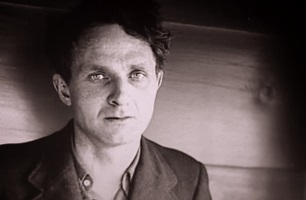
De Engelse dichter, essayist en schrijver Stephen Spender werd geboren op 28 februari 1909 in Londen. Zie ook alle tags voor Stephen Spender op dit blog.


The Pylons

The secret of these hills was stone, and cottages
Of that stone made,
And crumbling roads
That turned on sudden hidden villages

Now over these small hills, they have built the concrete
That trails black wire
Pylons, those pillars
Bare like nude giant girls that have no secret-

The valley with its gilt and evening look
And the green chestnut
Of customary root,
Are mocked dry like the parched bed of a brook-

But far above and far as sight endures
Like whips of anger
With lightning's danger
There runs the quick perspective of the future-

This dwarfs our emerald country by its trek
So tall with prophecy
Dreaming of cities
Where ofien clouds shall lean their swan-white neck.


A footnote to Marx’s chapter “The working day”

“Heard say that four times four is eight
“And the king is the man what has all the gold.”
“Our king is a queen and her son’s a princess
“And they live in a palace called London, I’m told."

“Heard say that a man called God who’s a dog
“Made the world with us in it,” “And then I’ve heard
“There came a great flood and the world was all drownded
“Except for one man, and he was a bird.”

“So perhaps all the maple are dead, and we’re birds
“Shut in steel cages by the devil who’s good,
“Like the miners in their pit cages
“And us in our chimneys to climb, as we should.”


Farewell To My Student

For our farewell. we went down to the foot-path
Circling the lake. You stood there, looking up at
White egrets nesting in high branches.
And I, apart, stood silent. searching for
Images to recall this moment.
The first, I thought. must be that pine tree
Which, with slashed bark, climbs vertically
Across the lines of waves beyond.
Second. your face, a bronze medallion,
Greek or Roman, against the lake.
Perhaps Bellini
Delved from antiquity such an image
Of a twenty-year-old Triton lifting up a conch
Against a background of blown waves.
And Seurat, centuries later, in the profile
Of a holidaying boy, against the Seine.
And then you turned to me and said
With glance a third thing to remember:
“You are gone already, your thoughts are far from here
Three thousand miles away,
Where you will be tomorrow. And I
Here. remembering today.”

Then ten years passed till, today. i write these lines.


 1883238-3c6c975800d3dea464e774b399da35a8.jpg
Stephen Spender (28 februari 1909 – 16 juli 1995)


De Vlaamse schrijver Bart Koubaa (pseudoniem van Bart van den Bossche) werd geboren op 28 februari 1968 in Eeklo. Zie ook alle tags voor Bart Koubaa op dit blog.

Uit: De Belgen en hun breinen

“Ik herinner me de eerste keer dat ik alleen met de trein naar Amsterdam ging. Ik was zestien en arriveerde in het Centraal Station waar ik werd overvallen door de bekende zenuwachtigheid die iedere treinreiziger overvalt als hij in een vreemd station aankomt. Ik volgde de massa naar buiten helemaal tot aan de Dam, waar ze uiteenviel en ik noodgedwongen een keuze diende te maken om mijn doel te bereiken: de vlooienmarkt, waar men voor een appel en een ei een lederen jack en een geel, groen of rood hemd met jarenzeventigkraag kon kopen. Ik hield een fietser tegen en vroeg waar de rommelmarkt was. Hij zei iets in de zin van: ‘Here you take a left, cross the bridges, continue, continue, straight ahead till you can’t go further, than you go right and you will see the market.’ Het Engels was met zo’n zwaar accent uitgesproken dat ik er nauwelijks iets van begreep; ik had trouwens ook geen Engels verwacht: ik was toch in Nederland? Gelukkig kon ik de spartelende hand volgen die zijn uitleg begeleidde en als een haring door de grachten kronkelde tot aan het Waterlooplein. En ook al keerde ik met een kanariegeel hemd terug naar Gent, ik kon uit het voorval alleen maar afleiden dat de Nederlanders anders zijn; afgaande op mijn bloed, ik dus ook een beetje.
Twintig jaar en drie romans later in café De Zwart, waar anders, had ik een discussie met een oudere man over literatuur en Nederland. Hij zei: ‘Maar een hele generatie is grootgebracht met Reve.’ ‘Het is er aan te zien,’ zei ik en de man werd kwaad. ‘Jullie hebben nog geeneens noemenswaardige allochtone schrijvers,’ wierp hij in het midden. Ik zei dat ik Paravion wel een mooi boek vond, maar ongenuanceerd, omdat het suggereert dat de Marokkaanse cultuur meer in Europa zit vastgeroest dan in Marokko, een halve waarheid. ‘De Belgen zijn beter,’ zei ik gekscherend, ‘het staat bij jullie in de krant, maar de Nederlanders winnen alle prijzen.’ Afgaande op mijn bloed acht ik het dus mogelijk ooit genomineerd te worden; winnen is een andere zaak.”


 1883238-f1403ecdf5d1e7c2645ca880c5f9e664.jpg
Bart Koubaa (Eeklo, 28 februari 1968)
Eeklo


De Belgische-Franse dichter, schrijver, essayist, dramaturg en scenarioschrijver Luc Dellisse werd geboren op 28 februari 1953 in Brussel. Zie ook alle tags voor Luc Delisse op dit blog.

Uit: L'Invention du scénario

“Une question qui n’est presque jamais posée, et dont la réponse ne va pourtant pas de soi: pourquoi voulez-vousécrire un scénario.
Êtes-vous conscients de la spécificité de cette écriture?
Êtes-vous assurés que votre amour-propre d’auteur trouvera son compte dans cette entreprise collective où les autres participants (réalisateur, producteur, parfois comédiens) ont tous leur mot à dire?
Votre projet implique-t”ilI forcément une concrétisation visuelle, obtenue par le jeu des acteurs, le choix des images, le rôle des instruments de captation?
L’attrait du cinéma, de la télévision, voire de la bande dessinée ou de la vidéo, est-il suffisam ment fort pour vous faire passer sur tous les obstacles liés, non pas seulement à l’écriture, à la création, mais au simple Fait que vous n’êtes pas seul maître à bord, seul auteur de l’œuvre finale, seule subjectivité prise en compte ? Que vous n’êtes qu’un rouage d’une machine complexe?
Il faut aimer les interventions extérieures, les remises en cause. les dérives du projet initial, pour vouloir être scénariste.
Sans quoi, mieux vaudrait sans doute écrire un roman dans ce cas vous n'aurez qu‘un interlocuteur direct, l‘éditeur. Il prendra ou ne prendra pas votre manuscrit. Mais il ne se mêlera pas de vous le faire repenser et réécrire vingt fois. Et vos personnages ne vous demanderont pas de modifier leurs répliques.
La question de savoir si on veut écrire un scénario et non un roman n‘est pas du tout théorique ou oiseuse.
Combien de candidats scénaristes sont des romanciers en herbe fourvoyés.
Il faut donc que dès le début, vous soyez conscients de la portée de votre écriture et de ses implications.”


 1883238-aa0d1d250cb9244259b76c34e471e623.jpg
Luc Dellisse (Brussel, 28 februari 1953)


De Ierse dichter John Montague werd geboren in New York op 28 februari 1929. Zie ook alle tags voor John Montague op dit blog.


Adam”s Apple

Her skin is smooth
as peach or appleblossom
-or a snakeskin.

The snake’s fangs gleam,
the fruit glistens
as warmly in her palm

as ever it shone
on the holy tree.
He savours it

so slowly,
it sticks in
our throat forever.


Pilgrims

A warm summer evening, near Multyfarnham.
Two young pilgrims, on their way home
From the all-night vigil of the Mission
Short-cut down the railway lines.
Near dawn, they drop their shriven heads down
On the rails. To die like Elizabethans,
Two torsos yielding two bright crowns.


 1883238-c0077483ea97e62b347f32cdc270d4eb.jpg
John Montague (New York, 28 februari 1929)


De Franse dichter, schrijver, dramaturg en regisseur Marcel Pagnol werd geboren op 28 februari 1895 in Aubagne, Bouches-du-Rhône. Zie ook alle tags voor Marcel Pagnol op dit blog.

Uit:Eléments d’une thermodynamique nouvelle

“J’ai reçu une instruction, littéraire, j’ai fait mes "humanités", comme tout le monde. C’est-à-dire qu’à vingt-cinq ans je possédais un certain nombre de diplômes universitaires, je pouvais lire dans le texte Homère, Virgile, Goethe et Shakespeare. Mais je croyais, en toute bonne foi, que le carré de trois, c’était six.
J’avais, évidemment, suivi au lycée des cours de mathématiques et de sciences : mais c’était  des cours à l’usage des "littéraires", des cours tronqués, sommaires, et qui glissaient sur les raisonnements pour aboutir à des formules, parce que nous étions incapables de suivre les raisonnements, et qu’au surplus nous n’avions pas le temps, en deux heures par semaine, d’apprendre toute la géométrie, l’algèbre, l’arithm étique, la physique, la chimie et l’astronomie.
Notre bon maître, qui s’appelait M.Cros, et qui nous vendait (à perte) des cours polycopiés, avait pour nous beaucoup de tendresse et beaucoup de mépris. Lorsqu’il nous expliquait quelque belle formule, il nous disait : « Je ne puis pas vous expliquer comment on y arrive, vous ne comprendriez pas ; mais tâchez de la retenir par cœur. Je vous assure qu’elle est exacte, et qu’elle a des bases solides. » En somme, ce n’étaitpas un cours de science : c’était un cours de religion scientifique, c’était une continuelle révélation de "mystères".
Voilà pourquoi, dix ans plus tard, j’ouvris un jour un livre de physique ; voilà pourquoi je le lus tout entier.”


 1883238-f26091037368787a7d605b8bbecbce68.jpg
Marcel Pagnol (28 februari 1895 – 18 april 1974)


De Franse schrijfster Raphaële Billetdoux werd geboren op 28 februari 1951 in Neuilly sur Seine. Zie ook alle tags voor Raphaële Billetdoux op dit blog.

Uit: Mélanie dans un vent terrible

“Les femmes aujourd'hui boivent toutes un peu de rouge le soir. Elle se plaignent que l'homme qu'elles ont épousé, qui était grave et simple, une fois en ménage émet une voix aiguë ridicule pour gronder les enfants. Notre avis est qu'un homme qui se met à crier comme une poule devant sa famille ne va pas bien.
(…)

Les répercussions sur le foie, siège des chocs et des chagrins, les développements inflammatoires sur la peau et les muqueuses, les douleurs à l'épigastre, les troubles de la vision et du sommeil, toutes manifestations à ce jour présentées par nous ont nom et nom unique PLAINTES DE L'ÂME !”


 1883238-4fc593e172834392b42f73a755fb0635.jpg
Raphaële Billetdoux (Neuilly sur Seine, 28 februari 1951)


De Duitse dichter en schrijver Bodo Morshäuser werd geboren op 28 februari 1953 in Berlijn. Zie ook alle tags voor Bodo Morshäuser op dit blog.

Uit: Die Berliner Simulation

„Mein drittes Tageserwachen kam um Mitternacht. Ich schlenderte zu einem Nachtcafé, wo man am Fenster sitzen und nach draußen blicken kann. SIE saß einen Meter vor mir und starrte, ohne es zu verheimlichen, mein Abbild auf der Scheibe an. Erst war ich geschmeichelt, dann wurde ich nervös.
Erinnern ist Vergegenwärtigen. Sie holt zwei Bier und rutscht an meinen Tisch. Ich frage sie, was sie an meinem Hals will mit beiden Händen. Wir hatten noch kein Wort gesprochen. Sie presst ihre Daumen auf meinen Kehlkopf.
Ich muss sie packen, um nicht erwürgt zu werden. Mit erhobenem Bier und rollendem R sagt sie Prost, lehnt sich zurück, sieht wieder nach draußen und auf mich auf der Scheibe. Ich könnte sie würgen und tu es nicht. Die Spätvorstellungen waren zu Ende und auf den Straßen verlief sich das letzte nächtliche Treiben. Abgesehen von der dunkelroten Wollweste und den dunkelroten Moccasins war sie ganz in Schwarz. An der Stuhllehne hängt ein grobmaschiger rosa Netzbeutel, mit einer Menge kleiner Schachteln darin, die klappern, wenn sie ihren Stuhl kippt.
Eine Schachtel hat die Aufschrift ADHESIVE WOUND DRESSING. Die Frau hat ein weiches Gesicht und ist bemüht, ihm einen gnadenlosen Zug zu geben. Drei Finger ihrer rechten Hand sind mit Pflastern beklebt. Das Lokal ringsherum ist längst verschwunden, in ein Nichts entwichen. Ich will sie berühren, sie zuckt weg. Sie stößt mir ihr Knie in den Oberschenkel. Immer wird sie dir einen Schlag voraus sein, denke ich. Sie sagt, sie heiße Sally. Pause. Sie könne nicht weinen. Pause. Auf Englisch klingt das fantastisch.”


 1883238-0b5610d247cac2ca2fc351777737d83b.jpg
Bodo Morshäuser (Berlijn, 28 februari 1953)
Berlijn 


Zie voor nog meer schrijvers van de 28e februari ook mijn vorige blog van vandaag.
Geschreven door Romenu om 17:23 Reageer op dit bericht

Daniel Handler, Dee Brown, Berthold Auerbach, José Vasconcelos, Sophie Tieck, Michel de Montaigne, Ernest Renan

De Amerikaanse schrijver Daniel Handler werd geboren op 28 februari 1970 in San Francisco, Californië Zie ook alle tags Daniel Handler op dit blog.

Uit: Why We Broke Up

„These are the caps from the bottles of Scarpia’s Bitter Black Ale that you and I drank in Al’s backyard that night. I can see the stars bright and prickly and our breathing steamy in the cold, you in your team jacket and me in that cardigan of Al’s I always borrow at his house.
He had it waiting, clean and folded, when I went upstairs with him to give him his present before the guests arrived.
“I told you I didn’t want a present,” Al said. “The party was enough I told you, without the obligatory-”
“It’s not obligatory,” I said, having used the same vocabulary flash cards with Al when we were freshmen. “I found something. It’s perfect. Open it.”
He took the bag from me, nervous.
“Come on, happy birthday.”
“What is it?”
“Your heart’s desire. I hope. Open it. You’re driving me crazy.”
Rustle rustle rip, and he sort of gasped. It was very satisfying.
“Where did you find this?”
“Does it not,” I said, “I mean exactly, look like what the guy wears in the party scene in Una settimana straordinaria?”
He smiled into the slender box. It was a necktie, dark green with modern diamond shapes stitched into it in a line. It’d been in my sock drawer for months, waiting. “Take it out,” I said. “Wear it tonight.
Does it not, exactly?”
“When he gets out of the Porcini XL 10,” he said, but he was looking at me.
“Your absolute favorite scene in any movie. I hope you love it.”


 1883236-4ed8cf9923affaa2452e78071c8b0ade.jpg
Daniel Handler (San Francisco, 28 februari 1970)


De Amerikaanse schrijver en historicus Dee Brown werd geboren op 28 februari 1908 in Alberta, Louisiana. Zie ook alle tags voor Dee Brown op dit blog.

Uit: Bury My Heart at Wounded Knee

““Scarcely were the refugees settled behind the security of the “permanent Indian frontier” when soldiers began marching westward through the Indian country. The white men of the United States—who talked so much of peace but rarely seemed to practice it—were marching to war with the white men who had conquered the Indians of Mexico. When the war with Mexico ended in 1847, the United States took possession of a vast expanse of territory reaching from Texas to California. All of it was west of the “permanent Indian frontier.”
In 1848 gold was discovered in California. Within a few months, fortune-seeking easterners by the thousands were crossing the Indian Territory. Indians who lived or hunted along the Santa Fe and Oregon trails had grown accustomed to seeing an occasional wagon train licensed for traders, trappers, or missionaries. Now suddenly the trails were filled with wagons, and the wagons were filled with white people. Most of them were bound for California gold, but some turned southwest for New Mexico or northwest for the Oregon country.
To justify these breaches of the “permanent Indian frontier,” the policy makers in Washington invented Manifest Destiny, a term which lifted land hunger to a lofty plane. The Europeans and their descendants were ordained by destiny to rule all of America. They were the dominant race and therefore responsible for the Indians—along with their lands, their forests, and their mineral wealth. Only the New Englanders, who had destroyed or driven out all their Indians, spoke against Manifest Destiny.
In 1850, although none of the Modocs, Mohaves, Paiutes, Shastas, Yumas, or a hundred other lesser-known tribes along the Pacific Coast were consulted on the matter, California became the thirty-first state of the Union. In the mountains of Colorado gold was discovered, and new hordes of prospectors swarmed across the Plains.”


1883236-0940f906cbd2f36df2641a8b075dc638.jpg
Dee Brown (28 februari 1908 – 12 december 2002)
Scene uit de tv-film "Bury My Heart at Wounded Knee", uit 2007


De Duitse schrijver Berthold Auerbach (eig. Moyses Baruch) werd geboren op 28 februari 1812 in Nordstetten in het Zwarte Woud. Zie ook alle tags voor Berthold Auerbach op dit blog.

Uit: Das Landhaus am Rhein

„Ein großer und schöner junger Mann von markigem Körperbau, mit vollem, braunem Bart, einen Plaid über der Schulter und einen breitkrämpigen grauen Hut mit schwarzem Flor auf dem Haupte, kam rüstigen Schrittes den Zickzackweg am steilen Ufer herab. Er stieg in den Kahn, grüßte stumm, indem er den Hut abzog; eine edle weiße Stirn, von tief braunem Haar beschattet, zeigte sich; Kühnheit und Entschlossenheit sprach aus seinem Gesicht, das zugleich einen Vertrauen erweckenden Ausdruck hatte.
Das Mädchen schaute vor sich nieder, die Mutter knöpfte ihr das Hutband nochmals auf und zu und wußte dabei scheinbar unabsichtlich eine lange Locke auf die Brust, die andere auf die Schulter rückwärts zu legen.
Der Fremde setzte sich fern von den Anderen nieder und schaute in den Strom, während der Kahn rasch dahinfuhr.
Der Kahn landete an der Insel, auf welcher das weitläufige Kloster, das nunmehr eine von Nonnen geleitete Erziehungsanstalt für Mädchen ist.
Man stieg aus.
»O wie schön!« rief das Mädchen und deutete auf eine am Ufer stehende hochstämmige Gruppe von Bäumen, die in der Runde und so nahe an einander standen, als ob die Stämme aus Einer Wurzel erwachsen wären; ringsum innerhalb der Baumgruppe waren niedrige Bänke angebracht.
»Geh voran!« sagte die Frau mit einem verweisenden Blicke und gab schnell ihrem Manne den Arm. Das Mädchen ging voran, der Fremde hinterdrein.
In den Büschen sangen die Nachtigallen, die Amseln, Finken, Plattmönche, als wollten sie laut verkünden: Hier ist Paradiesesruhe und Niemand stört uns. Die dunklen Kiefern am Ufer mit ihrem breiten Schirmdach und die lange Reihe hellfarbiger Lärchenbäume landeinwärts waren von keinem Lüftchen bewegt, und in den blühenden Kastanienbäumen summten die Bienen.“


 1883236-368415613e7563ca81ac3763cf8ff246.jpg
Berthold Auerbach (28 februari 1812 - 8 februari 1882)


De Mexicaanse schrijver, filosoof en politicus José Vasconcelos Calderón werd geboren in Oaxaca op 28 februari 1882. Zie ook alle tags voor José Vasconcelos op dit blog.

Uit:A Brief History of Mexico (Vertaald door César Tort)

“The absurd idea never crossed the mind of Washington, Hamilton, Jefferson, or any of the fathers of the Yankee Independence that a redskin should be the President or that blacks should occupy positions held by the English. What we should have done is to declare that all the Spanish residents in Mexico were to be treated like Mexicans.
The idea that independence would tend to devolve power to the Indian was not an Indian idea. The emancipation, as already said over and over again, was neither devised nor consummated by the Indians. The idea of stirring up the Indians appears in the leaders of the emancipation who had not found positive reception for their plans from the educated classes. They resorted to the dangerous decision of starting a caste war because they were unable to carry out a war of emancipation. Not even Bolívar escapes this charge, since in Colombia he stirred up blacks against the whites in order to recruit his armies. For the people of the North, such procedures would have seemed insane, as they were.
It was therefore a crime: stirring up the underdogs against the top brass without any social improvement, merely to have soldiers. In fact, the idea of putting the Indian in front of the insurrection was an English idea. One of the first people to speak of confederating the Hispanic continent under the rule of a descendant of the Incas was Miranda. This idea was given to Miranda by the two biggest enemies of the Spanish in America, namely the French and the English.”


 1883236-0f3f23d6ab2c328591c04f4dde01380c.jpeg
José Vasconcelos (28 februari 1882 – 30 juni 1959)


De Duitse dichteres en schrijfster Sophie Tieck werd geboren op 28 februari 1775 in Berlijn. Zie ook alle tags voor Sophie Tieck op dit blog.

Uit: Belinde

„„elinde stand in ihrem einsamen Gemach, und schaute hinunter in den blühenden Garten. Lebe
wohl, sagte sie mit Thränen, du Schauplatz meines Glücks, lebt wohl, ihr rauschenden Bäume, die ihr mich und den Geliebten oft in eurem dunkeln Schatten vor den spähenden Augen verbarget! Lebt
wohl, ihr süßen Blumen, spendet keine Gerüche mehr, haucht euren balsamischen Athem nicht mehr vergeblich in die Lüfte! Die Liebe, welche verstand, was ihr mit euren Farben, mit euren Düften
meintet, sie muß euch verlassen. Hinweg wird man mich reißen von allen meinen Freuden, und ich werde einsam verblühn.
So klagte sie laut, und es trat ein Diener herein, er reichte ihr ein schlechtes Gewand, und sagte mit traurigen Blicken: In diese grobe Tücher sollt ihr, edles Fräulein, eure zarten Glieder hüllen, so will es euer strenger Vater. Lächelnd nahm Belinde die Kleider und legte sie an; bald darauf erschien ihr Vater und befahl ihr, ihm zu folgen.
Laßt mich die Mutter nur noch einmal umarmen, sagte Belinde, daß ich ihren Segen mit mir hinweg nehme.
Schweig! rief der Vater, nimmer sollst du sie wieder sehen. Die Thörin! sie begünstigte deine Wahl, so büße sie denn auch mit dir. Ihr kennt den Jüngling nicht, den ihr verwerft, sagte Belinde. Er ist meines Feindes Sohn, rief der Vater, das ist mir genug, ihn zu verwerfen; du widersetzest dich, dem Manne die Hand zu reichen, den ich für dich erwählt habe, das genügt mir, dich zu bestrafen; du sollst deinen Ungehorsam, von meinem Angesicht verbannt, mit tausend Thränen büßen.“


 1883236-64a113e9a3a389d3cda7ccba4e442ee9.jpg
Sophie Tieck (28 februari 1775 – 1 oktober 1833)


De Franse filosoof, schrijver en politicus Michel Eyquem de Montaigne werd geboren in Bordeaux op 28 februari 1533. Zie ook alle tags voor Michel de Montaigne op dit blog.

Uit: Over vriendschap (Vertaald door F. de Graaff)

“En toen Plutarchus iemand wilde overhalen om zich met zijn broer te verzoenen, zei die: ‘Ik sla hem niet hoger aan, omdat hij uit het zelfde gat is gekomen. Zeker, broer is een mooie naam vol innigheid, en daarom maakten wij, hij en ik, van onze vriendschap een broederschap. Maar door de vermenging van materiële belangen, de erfdelen en door het feit, dat de rijkdom van de één voor de ander armoede betekent, bekoelt en verslapt deze broederlijke verhouding enorm. Wanneer broers via dezelfde weg en in hetzelfde tempo carrière moeten maken, dan is het onvermijdelijk dat het vaak tot botsingen en wrijvingen komt. En bovendien, waarom zouden deze gelijkgestemdheid en betrokkenheid, waaruit de ware, volmaakte vriendschappen groeien, zich tussen familieleden moeten voordoen? Een vader en een zoon kunnen totaal verschillend geaard zijn, en broers ook. Dat is mijn zoon, hij is mijn bloedverwant, maar het is een lomperik, een booswicht of een dwaas. En verder komen, naarmate deze vriendschappen ons meer door plichten en natuurwetten worden opgelegd, onze vrije wil en persoonlijke keuze daarin minder aan bod. En niets is zo volledig een eigen creatie van de vrije wil als genegenheid en vriendschap. Dat wil niet zeggen, dat ik in dit opzicht ook maar iets te kort ben gekomen, want ik heb de beste vader gehad, die er ooit geweest is. Hij was tot op hoge leeftijd een zeer toegeeflijk man en stamde uit een familie, die op het punt van de broederlijke eendracht al van vader op zoon vermaard was en als een voorbeeld gold.”


 1883236-7fe2e2b947b8f9a0225b657eadea23ac.jpg
Michel de Montaigne (28 februari 1533 – 13 september 1592)


De Franse schrijver en filosoof Ernest Renan werd op 28 februari 1823 geboren in Tréguier in Bretagne uit een vissersfamilie. Zie ook alle tags voor Ernest Renan op dit blog.

Uit: L'Ecclésiaste. Un temps pour tout

„Quel profit l’homme retire-t-il des peines qu’il se donne sous le soleil ? Une génération s’en va ; une génération lui succède ; la terre cependant reste à sa place. Le soleil se lève ; le soleil se couche ; puis il regagne en hâte le point où il doit se lever de nouveau. Tantôt soufflant vers le sud, ensuite passant au nord, le vent tourne, tourne sans cesse, et revient éternellement sur les cercles qu’il a déjà tracés. Tous les fleuves se jettent dans la mer, et la mer ne regorge pas, et les fleuves reviennent au lieu d’où ils coulent pour couler encore.
Tout est difficile à expliquer ; l’homme ne peut rendre compte de rien ; l’œil ne se rassasie pas à force de voir ; l’oreille ne se remplit pas à force d’entendre.
Ce qui a été, c’est ce qui sera ; ce qui est arrivé arrivera encore. Rien de nouveau sous le soleil. Quand on vous dit de quelque chose : « Venez voir, c’est du neuf », n’en croyez rien ; la chose dont il s’agit a déjà existé dans les siècles qui nous ont précédés. Les hommes d’autrefois n’ont plus chez nous de mémoire ; les hommes de l’avenir n’en laisseront pas davantage chez ceux qui viendront après eux.”

 1883236-95ba5145b90abbf28c079eeb7812bf35.jpg
Ernest Renan (28 februari 1823 – 12 oktober 1892)

Geschreven door Romenu om 17:20 Reageer op dit bericht

John Steinbeck, Lawrence Durrell, André Roy, Henry Longfellow, Elisabeth Borchers, James T. Farrell

De Amerikaanse schrijver John Steinbeck werd geboren in Salinas, Californië, op 27 februari 1902. Zie ook alle tags voor John Steinbeck op dit blog.

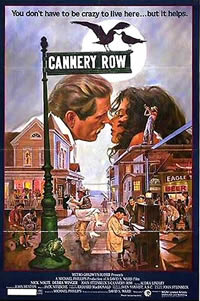
Uit: Cannery Row

“On the black earth on which the ice plants bloomed, hundreds of black stink bugs crawled. And many of them stuck their tails up in the air. "Look at all them stink bugs," Hazel remarked, grateful to the bugs for being there.
"They're interesting," said Doc.
"Well, what they got their asses up in the air for?"
Doc rolled up his wool socks and put them in the rubber boots and from his pocket he brought out dry socks and a pair of thin moccasins. "I don't know why," he said. "I looked them up recently--they're very common animals and one of the commonest things they do is put their tails up in the air. And in all the books there isn't one mention of the fact that they put their tails up in the air or why."
Hazel turned one of the stink bugs over with the toe of his wet tennis shoe and the shining black beetle strove madly with floundering legs to get upright again. "Well, why do you think they do it?"
"I think they're praying," said Doc.
"What!" Hazel was shocked.
"The remarkable thing," said Doc, "isn't that they put their tails up in the air--the really incredibly remarkable thing is that we find it remarkable. We can only use ourselves as yardsticks. If we did something as inexplicable and strange we'd probably be praying--so maybe they're praying."
"Let's get the hell out of here," said Hazel.”
(…)

“Hazel used his trick. "They got no starfish there?"
"They got no ocean there" said Doc.
"Oh!" said Hazel and he cast frantically about for a peg to hang a new question on. He hated to have a conversation die out like this. He wasn't quick enough. While he was looking for a question Doc asked one. Hazel hated that, it meant casting about in his mind for an answer and casting about in Hazel's mind was like wandering alone in a deserted museum. Hazel's mind was choked with uncataloged exhibits. ...”


 1882960-70d6680c10bd3f29ec48d31abd19687e.jpg
John Steinbeck (27 februari 1902 - 20 december 1968)
Affiche voor de film “Cannary Row” uit 1982


De Britse dichter en schrijver Lawrence George Durrell werd geboren op 27 februari 1912 in Jalandhar in India. Zie ook alle tags voor Lawrence Durrell op dit blog.


Lesbos

The Pleiades are sinking calm as paint,
The earth's huge camber follows out,
Turning in sleep, the oceanic curve.
Defined in concave like a human eye
Or a cheek pressed warm on the dark's cheek,
Like dancers to a music they deserve.
This balcony, a moon-anointed shelf
Above a silent garden holds my bed.
I slept. But the dispiriting autumn moon,
In her slow expurgation of the sky
Needs company: is brooding on the dead,
And so am I now, so am I.


On First Looking Into Loeb’s Horace

Here, where your clear hand marked up
'The hated cypress' I added 'Because it grew
On tombs, revealing his fear of autumn and the urns',
Depicting a solitary at an upper window
Revising metaphors for the winter sea: 'O
Dark head of storm-tossed curls'; or silently
Watching the North Star which like a fever burns
Away the envy and neglect of the common,
Shining on this terrace, lifting up in recreation
The sad heart of Horace who must have seen it only
As a metaphor for the self and its perfection_
A burning heart quite constant in its station.


 1882960-a11925cdeca62571ddce704fc122e3bd.jpg
Lawrence Durrell (27 februari 1912 – 7 november 1990)


De Canadese dichter, schrijver en essayist André Roy werd geboren op 27 februari 1944 in Montréal. Zie ook alle tags van André Roy op dit blog.


Filmaction

Filmaction :
la révélation des états du corps;
cinémâme :
l’apparition des vampires dans les ruines.
Le vent est affamé,
le ciel se renverse,
le feu nous mange.
Filme ceci, filme ce que nous sommes :
nos secrets en tant que détails de l’univers,
la grande inconnue qu’est le sexe-toujours,
le poème-partout.


Les lois pratiques de la lumière

Les lois pratiques de la lumière :
la transparence, la surimpression.
Ton regard est celui du dernier homme visible sur terre.
Ce que nous deviendrons mettra fin à l’histoire,
à la pure fiction du temps.
Herbes hautes, eaux vives, extérieurs palpables.
Les lois de la respiration du cœur.
Grande nudité de celui qui parle
en bougeant changeant crachant.
L’œil toujours très rond,
c’est une illusion, un cinématographe,
une machine pour jouir de toi.


 1882960-f569afa5ca94563db2b87f9179edc97c.jpg
André Roy (Montréal, 27 februari 1944)
Montréal, skyline 


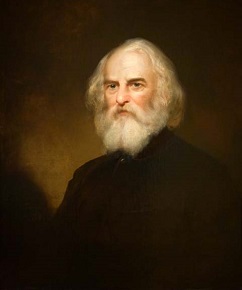
De Amerikaanse dichter Henry Wadsworth Longfellow werd geboren in Portland, Maine, op 27 februari 1807. Zie ook alle tags voor Henry Longfellow op dit blog.


Autumn

Thou comest, Autumn, heralded by the rain,
With banners, by great gales incessant fanned,
Brighter than brightest silks of Samarcand,
And stately oxen harnessed to thy wain!
Thou standest, like imperial Charlemagne,
Upon thy bridge of gold; thy royal hand
Outstretched with benedictions o'er the land,
Blessing the farms through all thy vast domain!
Thy shield is the red harvest moon, suspended
So long beneath the heaven's o'er-hanging eaves;
Thy steps are by the farmer's prayers attended;
Like flames upon an altar shine the sheaves;
And, following thee, in thy ovation splendid,
Thine almoner, the wind, scatters the golden leaves!


The Angler's Song

From the river's plashy bank,
Where the sedge grows green and rank,
And the twisted woodbine springs,
Upward speeds the morning lark
To its silver cloud -- and hark!
On his way the woodman sings.

On the dim and misty lakes
Gloriously the morning breaks,
And the eagle's on his cloud:--
Whilst the wind, with sighing, wooes
To its arms the chaste cold ooze,
And the rustling reeds pipe loud.

Where the embracing ivy holds
Close the hoar elm in its folds,
In the meadow's fenny land,
And the winding river sweeps
Through its shallows and still deeps,--
Silent with my rod I stand.

But when sultry suns are high
Underneath the oak I lie
As it shades the water's edge,
And I mark my line, away
In the wheeling eddy, play,
Tangling with the river sedge.

When the eye of evening looks
On green woods and winding brooks,
And the wind sighs o'er the lea,--
Woods and streams,-- I leave you then,
While the shadow in the glen
Lengthens by the greenwood tree.


 1882960-f93ef417ef791f5843ac83ee3e380aff.jpg
Henry Longfellow (27 februari 1807 - 24 maart 1882)
Portret door Thomas Buchanan Read, 1859


De Duitse schrijfster en dichteres Elisabeth Borchers werd geboren in Homberg op 27 februari 1926. . Zie ook alle tags voor Elisabeth Borchers op dit blog.


Januar

Es kommt eine Zeit
da werden die Könige unruhig
und sie fragen ihre Diener
Wohin sollen wir gehen

Die Diener sehen sich an
und fragen
Wohin

Da stehen die Könige auf
und gehen

Es kommt eine Zeit
da werden die Sterne unruhig
und fragen
Wer ist der schönste unter uns

Und die Sterne sehen sich an
und fragen
Welcher mag es sein
Die Könige aber sagen
Ich heisse Balthasar
Ich heisse Melchior
Ich heisse Kaspar

Und Kaspar ruft
Da fliegt ein Stern
mit langem goldenem Haar


Februar

Es kommt eine Zeit

da sagt die Krähe
Ich mache jetzt eine lange Reise

Sie setzt sich auf eine Eisscholle
und treibt den Fluss hinunter
Die Welt ist weiß

vor lauter Schnee
nur ich bin schwarz
  
Krah-krah sagt die Krähe
das heißt
Schwarz-schwarz
Im Sommer möchte ich weiß sein
schneeweiß

Im Sommer möchte ich
eine Möwe sein
die ihre weißen Federn
über blaue Meere trägt


 1882960-97a155f40625366bfae5577965e3add1.jpg
Elisabeth Borchers (27 februari 1926 – 25 september 2013)


De Amerikaanse schrijver James Thomas Farrell werd geboren op 27 februari 1904 in Chicago. Zie ook alle tags voor James T. Farrell op dit blog.

Uit: Young Lonigan

“They didn’t have ‘em as crazy as Vinc in Studs’ class; but there was TB McCarthy, who was always getting his ears beat off, and being made to kneel up in front of the room, or to go in Sister Bernadette’s room and sit with all the girls and let them laugh at him. And there was Reardon with horses’ hoofs for feet. One day in geography in the fifth grade, Cyrilla called on Reardon and asked him what the British Isles consisted of. Reardon didn’t know so Studs whispered to him to say iron, and Reardon said iron. Sister Cyrilla thought it was so funny she .marked him right for the day’s lesson. And St. Patrick’s meant Weary Reilley, and Studs hated Weary. He didn’t know whether or not he could lick Weary, and Weary was one tough customer, and the guys had been waiting for Studs and Weary to scrap ever since Weary had come to St. Patrick’s in the third grade. Studs was a little leery about mixing it with Reilley... no, he wasn’t... it was just... well, there was no use starting fights unless you had to... and he’d never backed out of a scrap with Weary Reilley or any other guy. And that time he had pasted Weary in the mush with an icy snowball, well, he hadn’t backed out of a fight when Weary started getting sore. He had just not meant to hit Weary with it, and in saying so he had only told the truth.
St. Patrick’s meant a lot of things. St. Patrick’s meant…..Lucy.
Lucy Scanlan would stand on the same stage with him in a few hours, and. she would receive her diploma. She would wear a white dress, just like his sister Frances, and Weary’s sister Fran, and she would receive her diploma. Everybody said that Fran Lonigan and Fran Reilley were the two prettiest girls in the class ell, if you asked him, the prettiest girl in the class was black-bobbed-haired Lucy.
He got soft, and felt like he was all mud and mush inside; held his hand over his heart, and told himself:
My Lucy!
He flicked some ashes in the sink, and said to himself: Lucy, I love you!“


 1882960-79516b886fd3bbff48355e41620eb70d.jpg
James T. Farrell (27 februari 1904 – 22 augustus 1979)
Cover DVD van de mini-serie Studs Loniganuit 1979


Zie voor nog meer schrijvers van de 27e februari ook mijn vorige blog van vandaag.


Geschreven door Romenu om 13:39 Reageer op dit bericht

Irwin Shaw, Vera Friedlander, N. Scott Momaday, Peter De Vries, Johannes Meinhold, Albert Kuyle, Traugott Vogel

De Amerikaanse schrijver Irwin Shaw werd geboren op 27 februari 1913 als Irwin Gilbert Shamforoff in New York. Zie alle tags voor Irwin Shaw op dit blog.

Uit: The Young Lions

“When I went into the Army, I made up my mind that I was putting myself at the Army's disposal. I believe in the war. That doesn't mean I believe in the Army. I don't believe in any army. You don't expect justice out of an army, if you're a sensible, grown-up human being, you only expect victory. And if it comes to that, our Army is probably the most just one that ever existed. . . . I expected the Army to be corrupt, inefficient, cruel, wasteful, and it turned out to be all those things, just like all armies, only much less so than I thought before I got into it. It is much less corrupt, for example, than the German Army. Good for us. The victory we win will not be as good as it might be, if it were a different kind of army, but it will be the best kind of victory we can expect in this day and age, and I'm thankful for it.”
(…)

“This time it is not a simple, understandable war, within the same culture. This time it is an assault of the animal world upon the house of the human being. I don’t know what you saw in Africa and Italy, but I know what I saw in Russia and Poland. We made a cemetery a thousand miles long and a thousand miles wide. Men, women, children, Poles, Russians, Jews, it made no difference. It could not be compared to any human action. It could be compared to a weasel in a henhouse. It was as though we felt that if we left anything alive in the East, it would one day bear witness against us and condemn us. And, now, we have made the final mistake. We are losing the war.”


 1882952-8da097f64141e3565fe2ba9f7bfae966.jpg
Irwin Shaw (27 februari 1913 – 16 mei 1984)
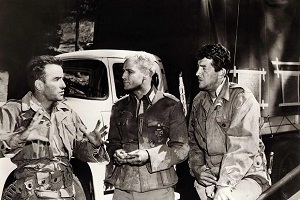
Scene uit de gelijknamige film uit 1958 met Montgomery Clift, Marlon Brando en Dean Martin


De Duitse schrijfster Vera Friedlander (eig. Veronika Schmidt) werd geboren op 27 februari 1928 in Woltersdorf. Zie ook alle tags voor Vera friedländer op dit blog.

Uit: Ich bin Vergangenheit und Gegenwart

„Die guten Tage, von denen es auch in jenen Jahren reichlich gab, wurden überschattet von der Sorge um meine von Deportation bedrohte Mutter und um meinen Vater, der ins Lager kam, weil er sich nicht von seiner jüdischen Frau scheiden ließ. Und gegen Ende dieser Zeit musste ich Zwangsarbeit unter SS-Aufsicht im Reparaturbetrieb von Salamander leisten. Diese erste Phase meines Lebens schloss mit dem Ende der Verfolgung und des Krieges. Die zweite Phase begann nach einem kurzen Übergang mit der Aufnahme in die Vorstudienanstalt und den bald folgenden Studien und Forschungen. Am ersten Tag in der Vorstudienanstalt begegnete ich dem Mann, mit dem ich die zweite, die wichtigste Lebensetappe durchschritt. Es waren gute Jahre mit einem Mann, auf den ich bauen konnte, mit Kindern, die zu tüchtigen Menschen heranwuchsen, und mit Arbeit in einem für mich idealen Beruf. Mein Mann starb 1986. Damit setzte die letzte Phase ein. Ich musste lernen, allein zu leben und nicht einsam zu werden. In dieser Zeit brach die Gesellschaft zusammen, die ich mitzugestalten versucht hatte, die sich aber weit von meinen Vorstellungen einer gerechten Gesellschaft entfernt hatte. Und so ist die dritte Phase, meine Jetzt-Zeit, vom konkurrenzlosen Kapitalismus bestimmt und ich habe versucht, meinen Platz darin zu finden, ohne meine Ideale zu verleugnen. Von allen Phasen meines Lebens berichte ich etwas, von der Bitternis mehr als von der Süße, obwohl sie sich im Gleichgewicht hielten. Jedoch das Bitterkraut macht mir mehr zu schaffen als der Honig. Das Glück habe ich angenommen wie ein wunderbares Geschenk, es war kein Problem damit verbunden. Aber mit Leid, Ärgernissen und Missachtung bin ich nie fertig geworden und darum neige ich dazu, vor allem davon zu erzählen.“


 1882952-e0300890e00db9b1b4cc76956411464e.jpg
Vera Friedlander (Woltersdorf, 27 februari 1928)
Cover


De Amerikaanse (native, Kiowa) schrijver N(avarre) Scott Momaday werd geboren op 27 februari 1934 in Lawton, Oklahoma. Zie ook alle tags voor N. Scott Momaday op dit blog.


The Delight Song Of Tsoai-Talee

I am a feather on the bright sky
I am the blue horse that runs in the plain
I am the fish that rolls, shining, in the water
I am the shadow that follows a child
I am the evening light, the lustre of meadows
I am an eagle playing with the wind
I am a cluster of bright beads
I am the farthest star
I am the cold of the dawn
I am the roaring of the rain
I am the glitter on the crust of the snow
I am the long track of the moon in a lake
I am a flame of four colors
I am a deer standing away in the dusk
I am a field of sumac and pomme blanche
I am an angle of geese in the winter sky
I am the hunger of a young wolf
I am the whole dream of these things

You see, I am alive, I am alive
I stand in good relation to the Gods
I stand in good relation to the earth
I stand in good relation to everything that is beautiful...
You see, I am alive, I am alive


 1882952-9978e2002afce7126cb261c0484abac7.jpg
N. Scott Momaday (Lawton, 27 februari 1934)


De Amerikaanse schrijver Peter de Vries werd geboren op 27 februari 1910 in Chicago als zoon van Nederlandse immigranten. Zie ook alle tags voor Peter de Vries op dit blog.

Uit: The Blood of the Lamb

“We live this life by a kind of conspiracy of grace: the common assumption, or pretense, that human existence is 'good' or 'matters' or has 'meaning,' a glaze of charm or humor by which we conceal from one another and perhaps even ourselves the suspicion that it does not, and our conviction in times of trouble that it is overpriced - something to be endured rather than enjoyed.”
(…)

“I believe that man must learn to live without those consolations called religious, which is own intelligence must by now have told him belong to the childhood of the race. Philosophy can really give us nothing permanent to believe either; it is too rich in answers, each canceling out the rest. The quest for Meaning is foredoomed. Human life 'means' nothing. But this is not to say that it is not worth living. What does a Debussy Arabesque 'mean,' or a rainbow or a rose? A man delights in all of these, knowing himself to be no more--a wisp of music and a haze of dreams dissolving against the sun. Man has only his own two feet to stand on, his own human trinity to see him through: Reason, Courage, and Grace. And the first plus the second equals the third.”
(…)

“The superficial and the slipshod have ready answers, but those looking this complex life straight in the eye acquire a wealth of perception so composed of delicately balanced contradictions that they dread, or resent, the call to couch any part of it in a bland generalization.”


 1882952-dacf5c0860899c313733a5d753c04552.jpg
Peter De Vries (27 februari 1910 – 28 september 1993)


De Duitse schrijver Johannes Wilhelm Meinhold werd geboren op 27 februari 1797 in Netzelkow op Usedom. Zie ook alle tags voor Wilhelm Meinhold op dit blog.

Uit: Die Bernsteinhexe

„Der greise, halbblinde Pastor hätte es für alte Kirchenrechnungen gehalten, die doch nicht mehr zu gebrauchen seien. (Und in der Tat kommen im Original einige Rechnungen vor, die wohl beim ersten Anblick zu diesem Irrtum verleiten konnten, und außerdem ist die Handschrift schwer zu lesen und an einigen Stellen vergilbt und verrottet.)
Kaum zu Hause angekommen, machte ich mich über meinen Fund her, und nachdem ich mit vieler Mühe mich ein- und durchgelesen, regten mich die darin mitgeteilten Sachen mächtig an.
Ich fühlte bald das Bedürfnis, mich über die Art und Weise dieser Hexenprozesse, über das Verfahren, ja über die ganze Periode, in welche diese Erscheinungen fallen, näher aufzuklären. Doch je mehr dieser bewunderungswürdigen Geschichten ich las, je mehr wurde ich verwirrt, und weder der triviale Bekker (»Die bezauberte Welt«) noch der vorsichtigere Horst (»Zauberbibliothek«) und andere Werke der Art, zu welchen ich gegriffen hatte, konnten meine Verwirrung heben, sondern dienten nur dazu, sie zu vermehren.
Es geht nicht bloß ein so tiefer dämonischer Zug durch die meisten dieser Schaudergeschichten, daß den aufmerksamen Leser Grausen und Entsetzen anwandelt, sondern die ewigen und unveränderlichen Gesetze der menschlichen Empfindungs- und Handlungsweise werden auch oft auf eine so gewaltsame Weise unterbrochen, daß der Verstand im eigentlichen Sinne des Wortes stillesteht; wie denn zum Beispiel in einem der Originalprozesse, die ein juristischer Freund in unserer Provinz aufgestöbert, sich die Relation findet, daß eine Mutter, nachdem sie bereits die Folter überstanden, das heilige Abendmahl genossen und im Begriff ist, den Scheiterhaufen zu besteigen, so sehr alles mütterliche Gefühl beiseite setzt, daß sie ihre einzige, zärtlich geliebte Tochter, ein Mädchen von fünfzehn Jahren, gegen welche niemand einen Verdacht hegt, sich in ihrem Gewissen gedrungen fühlt gleichfalls als Hexe anzuklagen, um, wie sie sagt, ihre arme Seele zu retten.“


 1882952-96c148d98fab52cd727a2e85390a2b81.JPG
Wilhelm Meinhold (27 februari 1797 – 30 november 1851)
Cover


De Zwitserse schrijver Traugott Vogel werd op 27 februari 1894 als zoon van een groentehandelaar in Zürich geboren. Zie ook alle tags voor Traugott Vogel op dit blog.

Uit: Sehultheater und dialogische Erziehung
(Vortrag, gehalten im Rahmen der Pädagogischen Woche, Juli 1939)

„Fürchten Sie nicht, ich hätte die Absicht, alle, ehrwiirdige Standbilder der Pädagogik zu stürzen. Wir sind keine eifernden Kevolutioniire der Schulstuhe‚ wir erdreistcn uns nicht einmal„ Sie zu verführen, guten alten Wein in neue Schläuche umzugiessen; nein‚ wir wollen Ihnen kein neues Fach, geschweige eine neue « Schule» aufsßhwatzen; was wir behutsam versuchen‚ ist dies : wir möchten Sie überrcdcn‚ mit uns eine Unterlassungssünde unseres und des vorgegangenen Gesehlechtes gutzumachen. Diese kleine Sünde besteht darin, dass man den Spieltrieh des Kindes, wenn nicht eben unterdrückt so doch missvcrstanden und vernachlässigt hat oder im besten Falle nur beschränkt gelten und sich auslehen liess. Man hat eben Spielen gleichgesetzt mit Spielcrei: man hat Kinder auf allen und mit allen möglichen Geräten sich tummeln lassen: mit Ceigcn und Flöten, mit Stab und Ball‚ mit Leim und Lehm - nur zum Spiel auf dem einen, dem vornehmsten lnstrument hat man die heranwachsenden Geschlechter nie angewiesen: zum Spiel mit sich selbst, auf sich selbst, im überlegen spielenden Umgang mit der eigenen, werdenan Person und Persönlichkeit und der seiner Kameraden.”


1882952-c4f74cf8c1d1cd812c882719d4613403.jpg
Traugott Vogel (27 februari 1894 – 31 januari 1975)


Geschreven door Romenu om 13:39 Reageer op dit bericht

Cynan Jones

De Welshe schrijver Cynan Jones werd geboren op 27 februari 1975 in de buurt van Aberystwyth, Wales. Jones publiceerde zijn eerste roman “The Long Dry” in 2006. Tussen 2011 en 2014 publiceerde hij nog drie romans: “Everything I Found on the Beach”(2011), “Bird, Blood, Snow”(2012), en “The Dig”. In 2016 volgde nog “Cove”.Zijn werk is vertaald in diverse talen en zijn korte verhalen zijn verschenen in een aantal bloemlezingen en publicaties, zoals Granta en New Welsh Review. “The Long Dry” werd bekroond met een 2007 Betty Trask Award. “The Dig”, zijn meest recente roman, won in 2014 de Jerwood Fiction Uncovered Prize en de 2015 Wales Book of the Year Fiction Prize. Die roman stond ook op de longlist voor de 2014 Kirkus Prize in de VS. In 2014, Jones haalde de krantenkoppen voor het ontbreken van interpunctie in het grootste deel van de toespraak in zijn roman The Dig (en een paar andere korte verhalen). Het spreken en de ideeën van zijn personages werd gemarkeerd door middel van aanhalingstekens totdat John Freeman, redacteur bij het tijdschrift Granta, de aanhalingstekens verwijderde om een grotere directheid te bereiken. De auteur was het met hem eens over het effect van deze onconventionele werkwijze en schreef de rest van het boek op deze manier, met uitzondering van een gesprek tussen de hoofdpersoon en zijn moeder. In die passage gebruikte Jones de traditionele aanhalingstekens "to create a sense of a more conventional, staid dialogue."

Uit: The Dig

“The black lamb looked tired and beaten under the lamp.
It had not put on weight and he could make out the fingers of its ribs with the bloated milk-full stomach behind them. It was folded in the bottom of the box, but not with the folded comfortable way of a sleeping cat, more with the weak compliance of something sick beyond will.
Daniel picked up the small black lamb. His father would have simply dashed its head on the barn floor. He was not a hard man, but a pragmatist; but that kind of will wasn’t in Daniel. Despite the lamp the lamb felt cold, as if it could generate no heat of its own, and it was too light for itself and hung limply. It was as if he’d picked a jumper from the floor. It had a completely will-less passivity.
I don’t expect this of you, he said. I just want you to understand it. Sometimes you have to choose between a quick misery or a slow misery. He heard his father talking, saw him take the useless lamb from the box. You have to understand it as an option. There was a movement and the lamb hung dead from his father’s hand, a thin spittle of blood reaming from its mouth.
He heard the voice again. Heard his father, that there were the two miseries, and somewhere in him a vicious voice told him that his wife had no fear now of the worse, drawn-out misery that might have come. Hers had been the quick misery, the head dashed against the barn floor. He thought of his father stricken, becalmed by the stroke. He ignored the vicious little voice, as if it was something overheard he had no wish to know.
He rubbed the lamb, trying to bring some warmth into its muscles, the wrinkles of the loose skin riding under his hand like rolls of sock. There was the superstition that every flock should have a black lamb to sacrifice should the Devil come and it was to Daniel like the lamb was a victim of this.
He felt the lamb’s heartbeat under his hands. It was faint. A bare registry.
You need to live, he thought.
He picked up the lamb and carried it into the house.
He put it down in the porch and took off his boots and then went in and found a box and came back for the lamb.“


 1996247-e13e3e078e383bad52b1fff01c9efcb4.jpg
Cynan Jones (Aberystwyth 27 februari 1975)


Geschreven door Romenu om 00:00 Reageer op dit bericht

Meer van Romenu

↑ Terug naar de berichten