Naar de inhoud

Romenu

Over literatuur, gedichten, kunst en cultuur
akke.beakke.be

Berichten van 14 februari 2018 tot 15 februari 2018

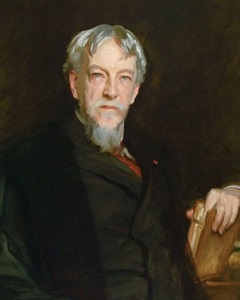
Silas Weir Mitchell

De Amerikaanse dichter, schrijver en arts Silas Weir Mitchell werd geboren op 15 februari 1829 in Philadelphia, Pennsylvania, als zoon van de arts John Kearsley Mitchell. Hij studeerde aan de universiteit van Pennsylvania en behaalde de graad van MD aan het Jefferson Medical College in 1850. Tijdens de burgeroorlog had hij de leiding over patienten met nerveuze aandoeningen en kwalen in het Turners Lane Hospital in Philadelphia en aan het einde van de oorlog werd hij specialist in neurologie. Op dit gebied werd de naam van Weir Mitchell prominent geassocieerd met zijn introductie van de rustkuur bij zenuwaandoeningen, met name hysterie, die door de medische wereld werd overgenomen; de behandeling bestaat voornamelijk uit isolatie, bed houden, diëten en massage. Zijn medische publicaties omvatten o.a. “Injuries of Nerves and Their Consequences” (1872) en « Fat and Blood » (1877). De ziekte van Mitchell (erytromalgalgie) is naar hem vernoemd.Naast zijn medische werk en privépraktijk had Mitchell ook een carrière als auteur. Hij publiceerde tal van korte verhalen, 19 romans, een biografie van George Washington en 7 poëziebundels. Hij was een vriend en beschermheer van de kunstenaar Thomas Eakins. De kunstenaar John Singer Sargent schilderde twee portretten van Mitchell, een ervan bevindt zich in de verzameling van het College of Physicians of Philadelphia. Mitchell ontving voor zijn werk als arts en schrijver eredoctoraten van verschillende universiteiten in binnen- en buitenland. In 1887 was hij president van de Association of American Physicians en in 1908-09 president van de American Neurological Association.


Of Those Remembered

There is no moment when our dead lose power;
Unsignaled, unannounced they visit us.
Who calleth them I know not. Sorrowful,
They haunt reproachfully some venal hour
In days of joy, and when the world is near,
And for a moment scourge with memories
The money changers of the temple-soul.
In the dim space between two gulfs of sleep,
Or in the stillness of the lonely shore,
They rise for balm or torment, sweet or sad,
And most are mine where, in the kindly woods,
Beside the child like joy of summer streams,
The stately sweetness of the pine hath power
To call their kindred comforting anew.
Use well thy dead. They come to ask of thee
What thou hast done with all this buried love,
The seed of purer life?
Or has it fallen unused
In stony ways and brought thy life no gain?
Wilt thou with gladness in another world
Say it has grown to forms of duty done
And ruled thee with a conscience not thine own?
Another world! How shall we find our dead?
What forceful law shall bring us face to face?
Another world! What yearnings there shall guide?
Will love souls twinned of love bring near again?
And that one common bond of duty held
This living and that dead, when life was theirs?
Or shall some stronger soul, in life revered,
Bring both to touch, with nature’s certainty,
As the pure crystal atoms of its kind
Draws into fellowship of loveliness?


Evening By The Sea

With noble waste of lazy hours
I loitered, till I saw the moon,
A rosy pearl, hang vast and strange
Above the long gray dune!

And hither, thither, as I went,
My ancient friend the sea beside,
Whatever tune my spirit sang
The dear old comrade tried.


Friendship

No wail of grief can equal answer win:
Love's faltering echo may but ill express
The grief for grief, nor more than faintly mock
The primal cry of some too vast distress.
Or is it for fair company of joy
We ask an equal echo from the heart?
A certain loneliness is ever ours,
And friendship mourns her still imperfect art.


 2178042-0b913c7584f4d16932666a38bc2aadba.jpg
Silas Weir Mitchell (15 februari 1829 - 4 januari 1914)
Portret door John Singer Sargent, 1903 (uitsnede)


Geschreven door Romenu om 00:00 Reageer op dit bericht

Domenico Starnone

De Italiaanse schrijver, scenarist en journalist Domenico Starnone werd geboren op 15 februari 1943 in Saviano, nabij Napels. Hij heeft voor verschillende kranten en tijdschriften gewerkt en schreef meestal over zijn periode als leraar. In 2006 gingen er al geruchten dat Starnone de succesvolle schrijfster Elena Ferrante is. Starnone heeft evenwel altijd ontkend. Starnone is getrouwd met Anita Raja, een literaire vertaler die in 2016 door een Italiaanse journalist op grond van de geldstromen werd aangewezen als de persoon achter het pseudoniem. In 2017 kwam op grond van tekstanalyse het bewijs dat hij toch achter het pseudoniem Elena Ferrante schuil gaat. Zie ook mijn blog van 1 juni 2017.

Uit: Strikken

“Misschien ben jij het vergeten, waarde heer, maar ik zal je eraan helpen herinneren: ik ben je vrouw. Ja, ik weet dat je dat vroeger leuk vond, en dat het je nu ineens irriteert. Ik weet dat je doet alsof ik niet besta en nooit bestaan heb omdat je geen slecht figuur wilt slaan bij de uiterst beschaafde mensen met wie je omgaat. Ik weet dat een geregeld leven leiden, op tijd thuis moeten zijn voor het eten en alleen met mij vrijen en niet met wie je maar wilt je het gevoel geven dat je een lulletje rozenwater bent. Ik weet dat je het gênant vindt om te zeggen: Luister, ik ben op ii oktober 1962 getrouwd, op mijn tweeëntwintigste; luister, ik heb ja gezegd voor een priester, in een kerk in de wijk Stella, en dat deed ik alleen maar uit liefde, het was geen moetje of zo; luister, ik heb mijn verantwoordelijkheden, en als jullie niet snappen wat dat betekent zijn jullie een stelletje stumperds. Dat weet ik, dat weet ik maar al te goed. Maar of je het wilt of niet, het is zoals het is: ik ben jouw vrouw en jij bent mijn man, we zijn twaalfjaar getrouwd — in oktober twaalfjaar — en we hebben twee kinderen; Sandro is in 1965 geboren en Anna in 1969. Moet ik je hun geboorteaktes laten zien om je tot bezinning te laten komen? Genoeg, sorry, ik overdrijf. Ik ken je, ik weet dat je een fatsoenlijk mens bent. Maar alsjeblieft, kom zodra je deze brief leest naar huis. Of als je daar nog niet aan toe bent, schrijf me dan om uit te leggen wat je doormaakt. Ik zal proberen het te begrijpen, dat beloof ik. Het is me alvast duidelijk dat je behoefte hebt aan meer vrijheid, en dat is terecht, je kinderen en ik zullen proberen zo min mogelijk op je te leunen. Maar ik wil wel tot in detail weten wat er speelt tussen jou en dat meisje. We zijn nu al zes dagen verder en je hebt niet gebeld, niet geschreven, je gezicht niet laten zien. Sandro vraagt naar je, Anna wil haar haren niet wassen omdat volgens haar niemand het zo goed kan drogen als jij. En je moet me niet alleen maar bezweren dat die mevrouw of juffrouw je niet interesseert, dat je haar niet meer zult zien, dat ze niets voorstelt, dat ze alleen maar het gevolg was van een crisis die al heel lang bij je sudderde. Je moet me vertellen hoe oud ze is, hoe ze heet, of ze studeert, of ze werkt, of ze niks doet. Ik wed dat zij jou als eerste heeft gezoend. Jij bent niet in staat om het initiatief te nemen, dat weet ik, jij wordt ergens in meegesleurd of je doet niks. En nu ben je als versuft, ik zag de blik wel waarmee je tegen me zei: Ik heb iets met een ander gehad. Wil je weten wat ik denk? Ik denk dat het nog niet tot je doordringt wat je me hebt aangedaan. Begrijp je wel dat het voor mij voelt alsof je je hand in mijn keel hebt gestoken en net zolang bent blijven trekken en trekken, tot je mijn hart uit mijn borst rukte?”


 2151274-d814c92ef527ae459adb91ab5c83008c.jpg
Domenico Starnone (Saviano, 15 februari 1943)

Geschreven door Romenu om 00:00 Reageer op dit bericht

Richard Blanco, Stacie Cassarino, Elke Heidenreich, Chrystine Brouillet, Hans Kruppa, Douglas Hofstadter, Wilhelm Jensen, Demetrius Vikelas, Tobias Amslinger

De Amerikaanse dichter en schrijver Richard Blanco werd geboren op 15 februari 1968 in Madrid. Zie ook alle tags voor Richard Blanco op dit blog.

Uit: For All of Us, One Today

“Days before our field trip to the science center, Mrs. Bermudez tells our class the sun is actually hundreds of times larger than the earth. We move around it. We’re nothing, zooming through dark space, she says, matter-of-factly, as if it didn’t matter that we were no longer the center of our own little worlds. We, with crayons in our hands coloring dittos of the sun and our nine planets. We, at our desks but also helplessly zooming through cold, empty space. I don’t want to believe her; the sun is the size of a sunflower, I insist. I draw lemon-yellow petals around it and color its center sienna brown. The first time I see a lion I am nine years old, my grandfather’s hands holding me back from the cage I want to open. I can still feel his grip and the lion’s eyes staring at me like tiny, amber planets behind bars, asking me to set him free. My first kiss was under the shade of moonlit palms in Janet Carballo’s backyard, exactly two days before the end of the school year. But I’m still feeling the powdery skin behind her earlobes, smelling her strawberry lip gloss and the orange blossoms in the air already thick with summer. I never saw a comet until I was twenty-four, cupped in the darkness of the Everglades and the arms of a man I loved. It was past midnight on a Sunday, I remember; I didn’t go to work the next day. I’m still sleeping with the mangroves and the ibis, under a masterpiece of stars. The comet’s tail a brushstroke of pure, genius light.
These are more than memories. They are what lives—and relives—inside our bodies, in every cell and heartbeat. The undiscovered DNA of our souls imprinted with the minute details of those eternal moments that change our lives, our stories, forever. Sometimes they’re subtle, sometimes dramatic, but we know nothing will ever be the same the instant we experience them. And quite often they are unexpected.
On the afternoon of December 12, while casually driving back to my home in Maine, I receive a phone call with the news that I have been chosen as inaugural poet. Bewildered, I first wonder if it could be some cruel joke a friend might be playing on me. You mean like Robert Frost? Like Maya Angelou? I ask, wanting confirmation that what I just heard is true. Yes. Yes, I’m told, as I keep driving down the interstate in a daze, trying to speak, trying to fathom what has just happened. But I know. My body knows it’s the most important moment of my life as a poet, a day by which I will mark the rest of my life, the day I learned that I will be named the fifth poet ever in our history to be US Inaugural Poet.

 

 2120761-f603a6178c0eed23658d890d27c578d5.jpg
Richard Blanco (Madrid, 15 februari 1968)
Hier bij de 2e inauguratie van president Obama in 2013


De Amerkiaanse dichteres en schrijfster Stacie Cassarino werd geboren op 15 februari 1975 in Hartford, Connecticut. Zie ook alle tags voor Stacie Cassarino op dit blog.


Early Snow

Some mornings are like this,
the stupor of longing or pure light,
stillness in a rifled grouse,
the black woods legible to a woman
whose heart is made of false starts,
the ruddy life of a hill gone blank
or what the face in the window
wants to believe of her past,
architecture of a white house,
this draft of rooms, paramour planets,
children with gentle hands, kindling
piled near the moon’s pillar, this draft
of despotic love, then distance, vacancy,
then forgiven words accumulating
like snow, just when the world
is finished with us, we build a wall
with rocks and the work is the whole
body inside the idea of belonging
somewhere, even if not for long,
mineral world of slate and flint,
numinous like these days and others
wintering, we test what will hold,
attenuated voices that lean
and fall, the argent sky, the worry
we don’t need anymore.


Goldfish Are Ordinary

At the pet store on Court Street,
I search for the perfect fish.
The black moor, the blue damsel,
cichlids and neons. Something
to distract your sadness, something
you don’t need to love you back.
Maybe a goldfish, the flaring tail,
orange, red-capped, pearled body,
the darting translucence?
Goldfish

are ordinary, the boy selling fish
says to me. I turn back to the tank,
all of this grace and brilliance,
such simplicity the self could fail
to see. In three months I’ll leave
this city. Today, a chill in the air,
you’re reading Beckett fifty blocks
away, I’m looking at the orphaned
bodies of fish, undulant and gold fervor.
Do you want to see aggression?
the boy asks, holding a purple beta fish
to the light while dropping handfuls
of minnows into the bowl. He says,
I know you’re a girl and all
but sometimes it’s good to see.
Outside, in the rain, we love
with our hands tied,
while things tear away at us.
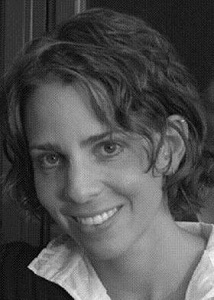
 

 2120761-4660ae58b38b5c3841ffd01433038c10.jpg
Stacie Cassarino (Hartford, 15 februari 1975)


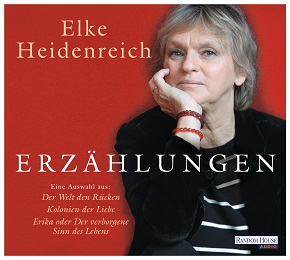
De Duitse schrijfster, critica en presentatrice Elke Heidenreich werd geboren op 15 februari 1943 in Korbach. Elke Heidenreich viert vandaag haar 70e verjaardag. Zie ook alle tags voor Elke Heidenreich op dit blog.

Uit: Der Welt den Rücken

„Ich bin einmal, nur ein einziges Mal mit meiner Mutter zusammen verreist. Da war sie achtzig Jahre alt und noch sehr gerade, sehr energisch und tatkräftig, und ich war fünfundvierzig und hatte Rückenschmerzen, fühlte mich ziemlich alt und war alles andere als zufrieden mit meinem Leben.Meine Mutter lebte in einer ordentlichenWohnung in einer Kleinstadt im Süden und ich in einer unordentlichen in einerGroßstadt imNorden. Als sie älterwurde, besuchte ich sie öfter – notgedrungen, denn wir verstanden uns nicht besonders gut. Aber ich dachte, sie würde mich vielleicht brauchen, müßte doch in diesem Alter allmählich schwächer, schusseliger und vergeßlicher werden, und so reiste ich alle paar Monate an, um irgend etwas bei Behörden für sie zu erledigen, den Großeinkauf mit dem Auto bei Aldi zu machen, auf die Leiter zu steigen, dieGardinen abzunehmen und zu waschen, im Frühling den Balkon zu bepflanzen und im Herbst alles zurückzuschneiden und die Töpfe in den Keller zu tragen –wasman eben so macht als einzige Tochter, aus Pflichtgefühl, nicht unbedingt aus Liebe. Und immer kam es mir so vor, als wäre ich es, die schwächer, schusseliger und vergeßlicher würde und nicht sie. Sie sah mir zu, wie ich mit den Gardinen auf der Leiter stand, gab Anweisungen, rügte: »Du machst sie mit deinen Pfoten ja gleich wieder dreckig«, oder fand, daß ich die Azaleen ganz falsch zurückgeschnitten hätte. Sie bedankte sich auch nie, konnte es nicht einmal über sich bringen, »das hast du gut gemacht, Nina« zu sagen.
Das hatte sie nie gekonnt. Bei uns zu Hause wurde nicht gelobt. »Na also, es geht doch!« war das Höchste, was meiner Mutter an Anerkennung über die Lippen kam, und das war schon so gewesen, als ich noch ein Kind war und gute Noten aus der Schule nach Hause brachte – »Na also, es geht doch."
 

 2120761-907428cff0976d4a8f2c2debd7d5cc28.jpg
Elke Heidenreich (Korbach, 15 februari 1943)
Cover luisterboek


De Canadese schrijfster Chrystine Brouillet werd geboren op 15 februari 1958 in Loretteville, Quebec. Zie ook alle tags voor Chrystine Brouillet op dit blog.

Uit: À qui la faute?

“Québec, novembre 2015
Sa mère avait changé d'idée. Elle n'était pas d'accord pour qu'on lui offre un appareil qui valait aussi cher, mais maintenant que Mylène l'avait photographiée avec son Nikon, elle ne la jugeait plus trop jeune pour en avoir un. Elle s'était trouvée belle sur les photos. Pendant un instant, elle avait regardé sa fille autrement. Mylène avait dit qu'elle aimerait faire de la photo sous-marine. Cristelle avait aussitôt décidé que toute la famille partirait dans le Sud pour les vacances de Noèl. Ils pourraient tous en profiter pour s'améliorer au tennis. Elle-même s'y remettrait. « Penses-tu vraiment que je vais avoir le goût de jouer avec toi ? s'était dit Mylène. Si je veux descendre au fond de l'eau, c'est pour avoir la paix. Pour ne plus t'entendre. » Sur les photos, même celles prises avec son téléobjectif, il lui semblait que la voix de sa mère lui parvenait encore.
Croyait-elle que Mylène ne savait pas comment sa mère la regardait ? Qu'elle n'avait pas compris que Cristelle était rassurée de ne pas avoir engendré une beauté, une Blanche-Neige qui aurait pu devenir une rivale ? Pas de danger. Mylène ressemblait à son père. Elle avait seulement hérité des yeux et de la chevelure de Cristelle. Mais il faudrait que cette crinière noire cache davantage ses traits, qu'on ne voie pas son menton trop carré, sa bouche trop mince, son nez trop large. « Miroir, miroir, dis-moi qui est la plus belle. Mais c'est toi, Cristelle, la magnifique. Ne t'inquiète pas, maman, jamais je ne te ferai concurrence. En même temps, tu es déçue, non ? Tu aurais voulu un clone, une mini-Cristelle, une poupée à ton image qui t'aurait remplie d'orgueil. C'est raté. Tu dois l'avoir compris assez vite. Quand Lucas a eu trois ans. Il était si beau. C'était clair pour tout le monde. Ou quand tu as vu Jasmine. Première journée d'école. Jasmine à l'ossature d'une gazelle. Jasmine si gracieuse. Jasmine aux pommettes aussi hautes que les tiennes, bien dessinées. Pas des joues de bébé comme les miennes.”
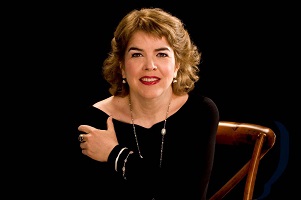
 

 2120761-fa9a0703d2e6392efe7fa560bc29e142.jpg
Chrystine Brouillet (Loretteville, 15 februari 1958)


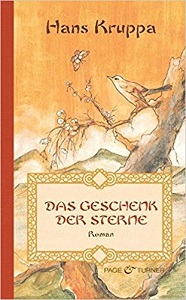
De Duitse dichter en schrijver Hans Kruppa werd geboren op 15 februari 1952 in Marl. Zie ook alle tags voor Hans Kruppa op dit blog.

Uit: Das Geschenk der Sterne

„Als Tschuang Tse um die Mittagszeit von einem Spaziergang zurückkehrte, wartete ein junger Mann vor seinem Haus, verneigte sich höflich und fragte: "Bist du Tschuang Tse?"
"Ja, der bin ich."
"Mein Name ist Min Teng. Ich habe eine Nachricht für dich."
"Laß uns hineingehen", erwiderte Tschuang Tse.
Der junge Mann folgte ihm ins Innere seines kleinen Hauses, schloß die Tür hinter sich und sagte: "Es ist keine gute Nachricht. Du wirst jetzt sterben!"
Min Teng zückte seinen Dolch, doch etwas hinderte ihn daran, den todbringenden Stoß auszuführen. War es die Verblüffung darüber, daß Tschuang Tse nicht die geringste Furcht vor dem Sterben zeigte? Nicht eine Spur von Angst war in seinem Blick. Er sah Min Teng mit einer Gelassenheit an, die ihn maßlos verwirrte.
Je länger Min Teng in Tschuang Tses Augen sah, desto deutlicher wurde ihm bewußt, daß er ihn nicht töten konnte, ohne zuvor herauszufinden, warum er sich nicht vor dem Sterben fürchtete. Außerdem hatte ein Mann, der mit solchem Gleichmut der Zerstörung seines Lebens entgegensah, eine Aufklärung über den Grund seines Todes verdient. Min Teng senkte langsam den zum Dolchstoß erhobenen Arm.
"Wollen wir uns nicht setzen? Meine Beine sind etwas müde von meinem Spaziergang." Min Tengs Verwunderung über Tschuang Tses Sorglosigkeit wuchs. Hatte der Mann, den viele für einen bedeutenden Weisen hielten, seinen Verstand verloren?
Unwillkürlich streifte Min Tengs Blick über die karge Einrichtung des Raumes. Tschuang Tse lebte in Armut. Nur das Allernötigste war in dem kleinen Haus vorhanden und von den Spuren langen Gebrauchs gezeichnet. Seine abgetragene Kleidung hatte kleinere Löcher und Risse, seine Schuhe waren mit Schnüren zusammengebunden, damit sie nicht auseinanderfielen.
Die Tötung des schlanken, fast schmächtigen Mannes, der in Lumpen herumlief und sich gerade so unbekümmert auf einem der beiden zerschlissenen Sitzkissen niederließ, als hätte er die Lage der Dinge überhaupt nicht verstanden, würde ein Kinderspiel sein.“
 

 2120761-8e7fd9cff08a6aba0d4e052643308b70.jpg
Hans Kruppa (Marl, 15 februari 1952)
Cover


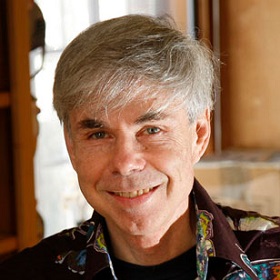
De Amerikaanse wetenschapper en schrijver Douglas Richard Hofstadter werd geboren op 15 februari 1945 in New York. Zie ook alle tags voor Douglas Hofstadter op dit blog.

Uit: I Am a Strange Loop

“One gloomy day in early 1991, a couple of months after my father died, I was standing in the kitchen of my parents’ house, and my mother, looking at a sweet and touching photograph of my father taken perhaps fifteen years earlier, said to me, with a note of despair, “What meaning does that photograph have? None at all. It’s just a flat piece of paper with dark spots on it here and there. It’s useless.” The bleakness of my mother’s grief-drenched remark set my head spinning because I knew instinctively that I disagreed with her, but I did not quite know how to express to her the way I felt the photograph should be considered.
After a few minutes of emotional pondering — soul-searching, quite literally — I hit upon an analogy that I felt could convey to my mother my point of view, and which I hoped might lend her at least a tiny degree of consolation. What I said to her was along the following lines.
“In the living room we have a book of the Chopin études for piano. All of its pages are just pieces of paper with dark marks on them, just as two-dimensional and flat and foldable as the photograph of Dad — and yet, think of the powerful effect that they have had on people all over the world for 150 years now. Thanks to those black marks on those flat sheets of paper, untold thousands of people have collectively spent millions of hours moving their fingers over the keyboards of pianos in complicated patterns, producing sounds that give them indescribable pleasure and a sense of great meaning.”
 

 2120761-457c3e20d231d0c29165852c14730831.jpg
Douglas Hofstadter (New York, 15 februari 1945)


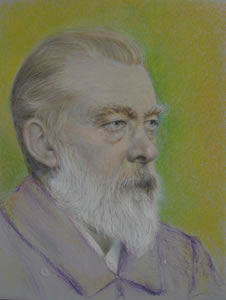
De Duitse dichter en schrijver Wilhelm Jensen werd geboren op 15 februari 1837 in Heiligenhafen (Holstein). Zie ook alle tags voor Wilhelm Jensen op dit blog. 


Am ersten Sarge (Fragment)

Es war in schwüler Julizeit; die Gassen
im Städtchen draußen lagen stumm verlassen,
und schläfrig klang vom Turm das Glockenspiel
ins Schulgemach, wo schmal, wie goldener Duft,
ein Sonnenstreif ans Wandgetäfel fiel.
Die Fliegen summten müde durch die Luft,
und müde lag es auf den Knabenlidern,
die auf des alten Römers Weisheit tief
herniedernickten, nur ein Flüstern lief
verstohlen rund, ein Blick, ein kurz Erwidern,
und alles still und selbst der Lehrer schlief.
Die Blicke aber aller streiften scheu
den Platz zur Rechten mir, der leer heut war:
dort saß mein Nachbar sonst; wir hielten treu
zusammen stets in Not und in Gefahr,
wie Kinderspiel und Ernst es mit sich bringen.
Wir hatten's nie gesagt und kaum gedacht,
daß unsere Herzen aneinander hingen,
daß unsere Augen nacheinander gingen,
und wer's gesagt, wir hätten drob gelacht.
Und langsam von der Wand herniedersank
der Sonnenstreifen auf die leere Bank,
es war der Zeiger der erharrten Stunde;
wir ließen Cäsar mitten in der Schlacht,
der Lehrer schloß, fast eh' wir's noch gedacht,
das Buch, und blickte flüchtig in die Runde
und sagte: »Heinrich Wolf ist heute nacht
gestorben; wer ihn etwa sehn noch will,
der muß es heut, die Eltern lassen's sagen.«
Er ging; sonst drängte wohl in wildem Jagen
jedweder nach der Tür; heut blieb es still;
der Klang der letzten Worte nur lief schrill
noch an der Wand entlang, und wie im Traum
verklangen leise auf dem Flur die Schritte;
ich selbst gedankenlos in ihrer Mitte –
tot war er – tot – was war's? Sie wußten's kaum,
doch lag es seltsam auf den Kinderwangen,
wie Neugier halb und halb wie heimlich Bangen.
Nur mir war's so, als ob der warme Strahl
des Sonnenlichts mit kaltem Flor verhangen,
und drinnen fühlt' ich's, daß zum erstenmal
ein Schauer durch die warme Welt gegangen.
 

 2120761-03e14815ce237b0c8f9583e52f83eb85.jpg
Wilhelm Jensen (15 februari 1837 – 24 november 1911) 
Portret door Siri Pasina, 2012


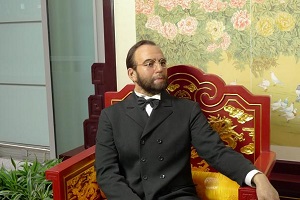
De Griekse schrijver en zakenman Demetrius Vikelas, ook bekend als Bikelas werd geboren in Ermoupoli op 15 februari 1835. Zie ook alle tags voor Demetrius Vikelas op dit blog.

Uit: The Plain Sister (Vertaald door L.E. Opdycke)

“If I had spoken of men of taste, I should have had to confine myself to the dual number!” Mr. Plateas began to laugh at his own joke. His friend smiled too, but wishing a more exact answer, continued:
“At least we two have imitators; how many did you meet and who were they?”
“Always the same; Mr. A., Mr. B. ” And the professor began to count off on his fingers the peripatetic philosophers, as he used to call the frequenters of this promenade, that he had met, all of them old, or at least of ripe age, except one romantic youth who thought himself a poet.
“And no ladies?” asked the judge.
“Oh, yes, Mrs. X. with her flock of children, and the merchant, what is his name, Mr. Mitrophanis, with his two daughters.”
The judge had learned all he wanted to know without letting his friend perceive the drift of his questions. This was not very difficult, for the professor was by no means a modern Lynceus, and did not see any great distance beyond his nose. No doubt this resulted from the innate simplicity and integrity of his character; having never been able to conceal or feign anything himself, he was easily led to believe whatever he was told. The readiness with which he became the victim of his friends each first of April was notorious. He was always on the watch from the night before; but his precautions were in vain. He was a man of first impressions. Sometimes, but not often, he fathomed the questions afterward, and discovered that he had not acted or spoken as he would have liked. As a rule, however, these after-thoughts came too late to be of any use, and he had to console himself with the reflection that what’s done is done.
“What do you say, will you stroll on with me?” asked the judge.
“What, at this hour, my dear friend!”
 

 2120761-a0919ebe3a2adbf32752ea006b4be6e5.jpg
Demetrius Vikelas (15 februari 1835 – 20 juli 1908)
Als wassenbeeld in het Olympisch stadion van Beijing


Onafhankelijk van geboortedata:

De Duitse dichter en schrijver Tobias Amslinger werd geboren in 1985 in Stuttgart. Zie ook alle tags voor Tobias Amslinger op dit blog.


Landschaft

Zeichnen Sie einen ersten Landstrich.
Formen Sie jetzt einen Landkreis daraus.
Sehen Sie zu, wie landab, landauf,
entlang der Linie ein Landauer fährt.
Nehmen Sie als Landbesetzer darin Platz.
Schlagen Sie in Ruhe ihr Landei auf.
Fühlen Sie sich ganz als Landbesitzer, der
landein, landaus, von Landtag zu Landtag,
das Landbrot bricht. Lauschen Sie:
was die Geige des Landstreichers spricht.

 

 2120761-a06270a3cad3bef1c731672bbab160eb.jpg
Tobias Amslinger (Stuttgart, 1985)


Zie voor nog meer schrijvers van de 15e februari ook mijn blog van 15 februari 2015 deel 1en eveneens deel 2.

Zie voor bovenstaande schrijvers ook mijn blog van 15 februari 2007 en ook mijn blog van 15 februari 2008 en eveneens mijn blog van 15 februari 2009.


 

Geschreven door Romenu om 00:00 Reageer op dit bericht

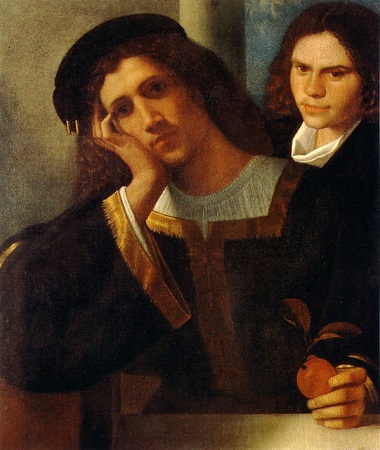
A glimpse (Walt Whitman)


Bij Valentijnsdag


2120329-172d2673b02f9d3b07e13a52bfa6513b.jpg 
Dubbelportret door Giorgio da Castelfranco, 1502


A glimpse

A glimpse through an interstice caught,
Of a crowd of workmen and drivers in a bar-room around the stove late of a winter night, and I unremark’d seated in a corner,
Of a youth who loves me and whom I love, silently approaching and seating himself near, that he may hold me by the hand,
A long while amid the noises of coming and going, of drinking and oath and smutty jest,
There we two, content, happy in being together, speaking little, perhaps not a word.


 2120329-6267514f926232ad2920a55f8cac3575.jpg
Walt Whitman (31 mei 1819 – 26 maart 1893)
Valentijnsdag op Times Square, New York, de geboorteplaats van Walt Whitman


Zie voor de schrijvers van de 14e februari ook mijn twee vorige blogs van vandaag.

Geschreven door Romenu om 10:40 Reageer op dit bericht

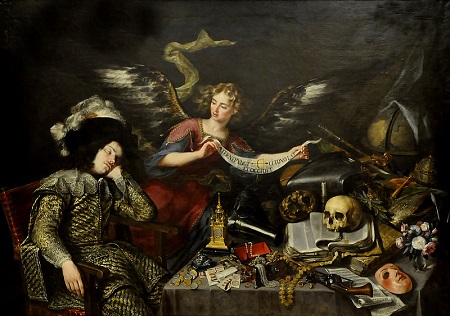
Ash Wednesday II (T. S. Eliot)


Bij Aswoensdag


 2120324-e4cf47c22ccc27669ea549e8210a96c6.jpg
Visioen van een ridder door Antonio de Pereda, na 1650


Ash Wednesday

II
Lady, three white leopards sat under a juniper-tree
In the cool of the day, having fed to satiety
On my legs my heart my liver and that which had been contained
In the hollow round of my skull.
And God said
Shall these bones live? shall these
Bones live? And that which had been contained
In the bones (which were already dry) said chirping:
Because of the goodness of this Lady
And because of her loveliness, and because
She honours the Virgin in meditation,
We shine with brightness. And I who am here dissembled
Proffer my deeds to oblivion, and my love
To the posterity of the desert and the fruit of the gourd.
It is this which recovers
My guts the strings of my eyes and the indigestible portions
Which the leopards reject. The Lady is withdrawn
In a white gown, to contemplation, in a white gown.
Let the whiteness of bones atone to forgetfulness.
There is no life in them. As I am forgotten
And would be forgotten, so I would forget
Thus devoted, concentrated in purpose. And God said
Prophesy to the wind, to the wind only for only
The wind will listen. And the bones sang chirping
With the burden of the grasshopper, saying

Lady of silences
Calm and distressed
Torn and most whole
Rose of memory
Rose of forgetfulness
Exhausted and life-giving
Worried reposeful
The single Rose
Is now the Garden
Where all loves end
Terminate torment
Of love unsatisfied
The greater torment
Of love satisfied
End of the endless
Journey to no end
Conclusion of all that
Is inconclusible
Speech without word and
Word of no speech
Grace to the Mother
For the Garden
Where all love ends.

Under a juniper-tree the bones sang, scattered and shining
We are glad to be scattered, we did little good to each other,
Under a tree in the cool of the day, with the blessing of sand,
Forgetting themselves and each other, united
In the quiet of the desert.
This is the land which ye
Shall divide by lot. And neither division nor unity
Matters. This is the land. We have our inheritance.


 2120324-0e74973fae56396b47b5a575990de444.jpg
T. S. Eliot (26 september 1888 – 4 januari 1965)
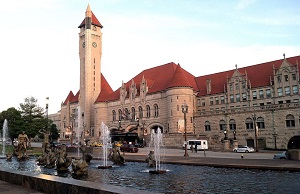
St. Louis Union Station. St Louis is de geboorteplaats van T. S. Eliot


Zie voor de schrijvers van de 14e februari ook mijn vorige blog van vandaag.

Geschreven door Romenu om 10:17 Reageer op dit bericht

Hanna Bervoets, Piet Paaltjens, Ab Visser, Ischa Meijer, Robert Shea, Frank Harris, Julia de Burgos, Vsevolod Garsjin, Edmond About

De Nederlandse schrijfster journaliste en columniste Hanna Marleen Bervoets werd geboren in Amsterdam op 14 februari 1984.Zie ook alle tags voor Hanna Bervoets op dit blog.

Uit: Fuzzie

“Hé jij, ben je daar eindelijk? Ik ben zo blij dat jij mij gekozen hebt. Hoewel ik nog maar net in je handen lig heb ik het gevoel dat ik je al heel lang ken. Mag ik zeggen dat je mooi bent? Ik weet dat jij daar zelf soms anders over denkt. Dat er een lichaamsdeel is, of misschien een onderdeel van je gezicht, dat je best zou willen veranderen. Ik heb geen idee wat het is, want zoals ik al zei: ik vind je prachtig, maar ik weet dat je soms licht ontevreden voor de spiegel staat. Je bent op die momenten helemaal alleen met je spiegelbeeld: jullie kijken elkaar aan, begrijpen elkaar niet helemaal, wanneer jij links wil gaat je spiegelbeeld rechts - sta me toe dat ik soms een grapje maak -, jullie relatie is complex, want niet geheel in evenwicht. Jij bepaalt immers wanneer jullie elkaar zien, elk rendez-vous is het gevolg van jouw behoefte en vindt plaats onder jouw voorwaarde, toch stemt jullie samenzijn jou niet altijd tevreden; doet de aanblik van die ander je soms fronsen. Stel je nu eens voor dat jouw spiegelbeeld net zo gevoelig was als jij. Hij - en met hij bedoel ik ook zij -zou zich zeker onzeker voelen, om nog maar niet van ondergewaardeerd te spreken. En geef toe: jij weet hoe het is om je afgewezen te wanen, dat alleen al is een reden om wat vriendelijker tegen je spiegelbeeld te zijn, in ieder geval te lachen wanneer jullie tegenover elkaar staan. Vind je me nu flauw? 0, dat spijt me dan. Maar ik weet dat jij, soms, best van flauwe dingen houdt. En ik weet, geloof ik, nog wel meer van jou. Je houdt van eten met vrienden maar kan ook goed een avond alleen zijn - sterker nog, dat heb je soms nodig om uit te rusten, je gedachten te ordenen, bij te komen van de grappen, gesprekken, discussies over actuele kwesties en aanbevolen televisieseries. Je houdt van de zon zolang je er niet van gaat zweten, je houdt van binnen zitten wanneer het 's avonds regent, will always love you' vind je een zeiknummer maar wanneer een kind het zuiver zingt raakt het je toch steeds weer. Je hebt een hekel aan banden plakken maar houdt van zwermende vogels, de figuren die ze maken, net gruis in een tornado; je hebt het strand graag zo leeg mogelijk en krijgt liever wel dan geen koekje bij de thee, wanneer het koekje in zo'n zilverplasticje zit scheur je dat plasticje steevast open, wat niet hoeft te betekenen dat je de inhoud opeet - voor je in de supermarkt een druifje steelt kijk je altijd even om je heen. Je hebt weleens overwogen je haar te verven en misschien overweeg je dat nog steeds weleens. Je fantaseert regelmatig over je eigen begrafenis en welke nummers ze dan draaien. Soms vraag je je af of je wel genoeg tijd besteedt aan je familie, al zie je ze elke kerst. Je houdt van kerst, maar niet van de druk, de drukte, de drukte om die drukte. Je houdt van sneeuw, maar niet van de drab.”


 2120321-807fa296c7f2f793d9010db106975ab6.jpg
Hanna Bervoets (Amsterdam, 14 februari 1984)


De Nederlandse dichter en predikant Piet Paaltjens werd geboren in Leeuwarden op 14 februari 1835. Zie ook alle tags voor Piet Paaltjes op dit blog


Als heel de wereld biefstuk was

Als heel de wereld biefstuk was
En louter stroop de zee
En enkel Engels schoenensmeer
Vulde elke beek en ieder meer
Waar lest ge uw dorst dan mee?
Dit is genoeg voor een oud man om zich het hoofd
te krabben tot hij zich zeer dee.

Als heel de wereld biefstuk was
En ieder boom een worst
En elke beek en ieder meer
Was boordevol van schoenensmeer
Hoe stilde ik dan mijn dorst?
En krabt een oud man zich
de oren van 't hoofd
eer hij dat heeft uitgevorst.

Als heel de wereld biefstuk was
En stroop heel de oceaan
En nergens groeide er aan een tak
Dan louter koek en pruimtabak
Hoe woudt ge uw dorst verslaan?
Dit is genoeg voor een oud (knap) man om achter zijn
oren te krabben en aan 't suffen te gaan.

Als nergens op het wereldrond
Druif groeide of gerstekorrel
En schoensmeer dan het enig vocht
Dat ge ergens vondt - waar gij ook zocht
Wie hielp mij aan een borrel?
Dat is genoeg om zeven professoren
Zeven jaren lang te doen krabben achter de oren.


 2120321-4a690e8e488d1eb8f0a7898b88fa1919.jpg
Piet Paaltjens (14 februari 1835 – 19 januari 1894)


De Nederlandse dichter, schrijver en criticus Albert (Ab) Visser werd geboren in Groningen op 14 februari 1913. Zie ook alle tags voor Ab Visser op dit blog.


Boetpsalm

Heer, maak ons open voor Uw kracht,
Als losse lenteaarde voor de zon.

Laat ons als argeloze kindren strooien
De hagelwitte bloesems Uwer liefde
Over de hoofden van wie nooit de
Handen naar hun geur en schoonheid hieven.

Wij dragen van hun leed en eenzaamheid de schuld;
Want onze handen tasten de begeerlijkheid
Als hunne handen.
En onze monden proefden nauw
de gruwel van de vloek
O, schaamvol hebben wij de kracht
Van het geloof verstoken,
Als krijgsvaan, die men wegbergt in een duffe kast.

Maar nu vaart over alle hoofden grauwe angst,
Uw toorn wervelt over de ontzinde landen.
Neem Gij nu uit ons weg de kanker onzer lafheid Heer,
En stel ons als een blinkend-wit verweer
Tegen noods zwart getij.

Open ons Heer voor Uwe kracht
Als losse lenteaarde voor de zon,
En voer ons op tot groote daden
In Uw naam.


Ahasverus

Het was dit, dat zijn maag're hand
Schuchter betastte dichte poort,
Of bevend streek langs blinde wand,
En dat zijn klacht nooit werd verhoord.

Het was, dat, waar de struiken staan
Verdord langs het scherpstenig pad,
Hij treiterend de dood zag gaan,
En vrucht'loos om verlossing bad.

Het was ook, dat de mensen hem
Ontweken om de starre haat,
Die heeste in zijn rauwe stem,
En sprak uit zijn puingrauw gelaat.

't Was bitter, dat hij immer meer
Verafschuwd door de wereld toog......
Maar duldelozer rees steeds weer
De moede Man-met-'t kruis omhoog.


 2120321-a22af8b74396ed36cf486dfa719cd8d6.jpg
Ab Visser (14 februari 1913 – 9 mei 1982) 


De Nederlandse journalist, schrijver, dichter, filmacteur en televisiepresentator Ischa Meijer werd geboren in Amsterdam op 14 februari 1943. Zie ook alle tags voor Ischa Meijer op dit blog.


Gedicht

Alles heb ik nu:
een vrouw die twee kinderen heeft
van een ander, maar zelf heb ik ook een zoon
Wij hebben een huis
een helft van haar, een helft van mij
Als ik alles optel is het één
toch, in wezen, is alles van de ander

Samen met mijn zoon kan ik niet weg,
want hij hoort bij zijn moeder thuis
Ook: mijn deel van het huis kan ik niet torsen
want alles hoort evenzeer bij de ander

Alleen mijn fantasieën zijn geheel van mij
maar mijn psychiater wil ze horen;
laat ik eerlijk zijn: hij wil dat ik ze voor mijzelf uit
Maar zo komen ze toch bij een ander

En geen ander duld ik in mijn leven,
geen ander dan beslist noodzakelijk

Zo vang ik mij en raak beklemd
men noemt dit wel geluk


 2120321-5f59d6a8dee96d2d526b2254f3a253c3.jpeg
Ischa Meijer (14 februari 1943 – 14 februari 1995)


De Amerikaanse schrijver Robert Shea werd geboren op 14 februari 1933 in New York. Zie ook alle tags voor Robert Shea op dit blog.

Uit: All Things Are Lights

“Now at last he could let himself look down into the chasm. Hundreds of fires flickered like stars in the crusaders’ main camp at the base of the mountain. The dots of brightness wavered before his eyes. Dizziness swept over him. Fright made his heart thud like a stone-caster, and he gripped the wall under him so hard that his fingernails broke. He had to use all his remaining strength to force himself up to a kneeling position. He made no effort to conceal himself.
He heard at once a shrill cry of alarm from the darkness within the wall. A woman’s voice. He could just barely see a wooden platform about four feet below. He dropped to it and raised his empty hands as three dark figures approached.
“I am one man, not the crusader army, Madame,” he called. “I come in amity.”
He heard a murmur of women’s voices and strained to look about him, but the only light came from a vertical slit in a stone building some distance away. A shift in the breeze brought an animal stench that assaulted him. How these people have suffered, Roland thought, overwhelmed with pity even as the smell made him almost ill. Under siege for nearly a year, the Cathars could spare no water for bathing.
“May I come down?” Roland called to the huddled figures he could faintly descry in the darkness below.
“Drop your weapons to us and we will let you live a bit longer, at least,” one of the women called.
Roland unbuckled and dangled the heavy weapons over the side of the platform. A slender figure stepped out of the shadows and caught the longsword’s scabbard. Roland found a ladder and moved gingerly down it until his feet met flat paving stones. He turned and stood with his back to the wall, facing a row of low wooden buildings a few feet away.
Three gaunt women gathered around him. Two brought the points of their spears within inches of his face. Another aimed a crossbow at him. A twitch of her finger and that bolt would pierce him through as if his hauberk were no more than a cotton shirt. More danger here than clinging by his fingernails on the face of the mountain.”


 2120321-68b07a9afa67cd67e4e23abe96ee1362.jpg
Robert Shea (14 februari 1933 – 10 maart 1994)
Cover


De Iers-Engelse schrijver, publicist, uitgever en redacteur Frank Harris werd geboren op 14 februari 1856 in Galway, Ierland Zie ook alle tags voor Frank Harris op dit blog

Uit: The Bomb

“My name is Rudolph Schnaubelt. I threw the bomb which killed eight policemen and wounded sixty in Chicago in 1886. Now I lie here in Reichholz, Bavaria, dying of consumption under a false name, in peace at last.
But it is not about myself I want to write: I am finished. I got chilled to the heart last winter, and grew steadily worse in those hateful, broad, white Muenchener streets which are baked by the sun and swept by the icy air from the Alps. Nature or man will soon deal with my refuse as they please.
But there is one thing I must do before I go out, one thing I have promised to do. I must tell the story of the man who spread terror through America, the greatest man that ever lived, I think; a born rebel, murderer and martyr. If I can give a fair portrait of Louis Lingg, the Chicago Anarchist, as I knew him, show the body and soul and mighty purpose of him, I shall have done more for men than when I threw the bomb...
How am I to tell the story? Is it possible to paint a great man of action in words; show his cool calculation of forces, his unerring judgment, and the tiger spring? The best thing I can do is to begin at the beginning, and tell the tale quite simply and sincerely. “Truth,” Lingg said to me once, “is the skeleton, so to speak, of all great works of art.” Besides, memory is in itself an artist. It all happened long ago, and in time one forgets the trivial and remembers the important.
It should be easy enough for me to paint this one man’s portrait. I don’t mean that I am much of a writer; but I have read some of the great writers, and know how they picture a man, and any weakness of mine is more than made up for by the best model a writer ever had. God! if he could come in here now and look at me with those eyes of his, and hold out his hands, I’d rise from this bed and be well again; shake off the cough and sweat and deadly weakness, shake off anything. He had vitality enough in him to bring the dead to life, passion enough for a hundred men...
I learned so much from him, so much; even more, strange to say, since I lost him than when I was with him. In these lonely latter months I have read a good deal, thought a good deal; and all my reading has been illumined by sayings of his which suddenly come back to my mind, and make the dark ways plain. I have often wondered why I did not appreciate this phrase or that when he used it. But memory treasured it up, and when the time was ripe, or rather, when I was ripe for it, I recalled it, and realized its significance; he is the spring of all my growth.”

2120321-f82a83a872f8071d15e6cb68474caa69.jpg 
Frank Harris (14 februari 1856 – 27 augustus 1931)
Cover


De Puerto Ricaanse dichteres en schrijfster Julia de Burgos (eig. Julia Constanze Burgos García) werd geboren op 14 februari 1914 in Carolina. Zie ook alle tags voor Julia de Burgos op dit blog.


Valentine Dream

MY Life IS A Valentine Dream,
Beatiful,
Dreamful,
Dream Come True,
Well A... Valentine Dream


Ay, ay, ay, that am kinky-haired and pure black

Ay, ay, ay, that am kinky-haired and pure black
kinks in my hair, Kafir in my lips;
and my flat nose Mozambiques.

Black of pure tint, I cry and laugh
the vibration of being a black statue;
a chunk of night, in which my white
teeth are lightning;
and to be a black vine
which entwines in the black
and curves the black nest
in which the raven lies.
Black chunk of black in which I sculpt myself,
ay, ay, ay, my statue is all black.

They tell me that my grandfather was the slave
for whom the master paid thirty coins.
Ay, ay, ay, that the slave was my grandfather
is my sadness, is my sadness.
If he had been the master
it would be my shame:
that in men, as in nations,
if being the slave is having no rights
being the master is having no conscience.

Ay, ay, ay wash the sins of the white King
in forgiveness black Queen.

Ay, ay, ay, the race escapes me
and buzzes and flies toward the white race,
to sink in its clear water;
or perhaps the white will be shadowed in the black.

Ay, ay, ay my black race flees
and with the white runs to become bronzed;
to be one for the future,
fraternity of America!


Vertaald door Jack Agüeros


 2120321-888512ede7129c744b93614ac11ca7ec.jpg
Julia de Burgos (14 februari 1914 – 6 juli 1953)
Muurschildering door Yasmin Hernandezvan van Julia de Burgos en Frida Kahlo in East Harlem, New York


De Russische schrijver Vsevolod Garsjin werd geboren op 14 februari 1855 in Prijatnaja Dolina. Zie ook alle tags voor Vsevolod Garsjin op dit blog.

Uit: De beren (Vertaald door Hans Boland)

“Nooit eerder heb ik in zo’n merkwaardige houding gelegen: op mijn buik, met een klein stukje grond voor mijn ogen, meer niet. Een paar grassprietjes, een mier die ondersteboven langs zo’n halmpje klautert, wat takjes en dorre blaadjes – daaruit bestaat mijn hele wereld. Ik zie trouwens maar met één oog, want het andere zit dicht, vanwege iets hards. Waarschijnlijk een boomtak, waar ik met mijn hoofd tegenaan lig.
Het is ontzettend ongemakkelijk, zoals ik daar lig. Ik wil me bewegen, wat niet gaat, zonder dat ik snap waarom. De tijd verstrijkt. Ik hoor het getjirp van krekels en het gezoem van een bij. Verder niets. Ten slotte weet ik met inspanning van al mijn krachten mijn rechterarm onder mijn buik vandaan te trekken en probeer ik overeind te komen, met beide handen op de grond steunend.
Het is of er een bliksem door mijn lichaam slaat, een snijdende flits vanuit mijn knieën naar mijn borst en hoofd. Opnieuw wordt het aardedonker, opnieuw is er niets meer.
Ik ben wakker. Waarom zie ik die heldere sterren aan de zwartblauwe Bulgaarse hemel flonkeren? Ben ik dan niet in mijn tent? Waarom ben ik naar buiten gekropen? Zodra ik een beweging maak voel ik een felle pijn in mijn benen.
Ja, ik moet gewond zijn geraakt in het gevecht. Gevaarlijk of ongevaarlijk? Ik tast naar mijn benen, naar de plek waar het pijn doet. Ze zijn allebei bedekt met geronnen bloed. Als ik ze aanraak wordt het nog erger. Het is een soort kiespijn, die dwars door je heen gaat zonder een seconde af te laten.
Mijn oren suizen, mijn hoofd is loodzwaar. Het dringt vagelijk tot me door dat ik aan beide benen gewond ben.”


 2120321-cb2eea4b08d40f11080b85aff07fe5e4.jpg
Vsevolod Garsjin (14 februari 1855 – 31 maart 1888)
Cover biografie


De Franse schrijver Edmond François Valentin About werd geboren op 14 februari 1828 in Dieuze, Lorrainne. Zie ook alle tags voor Edmond About op dit blog.

Uit: L'homme à l'oreille cassée

« La minute qui suivie lui parut d'une longueur extraordinaire. Non ! jamais dans ses voyages, il n'avait rencontré une minute aussi longue que celle-là. Mais enfin Clémentine parut, précédée de la digne Melle Virginie Sambucco, sa tante. Et les mandarins qui souriaient sur l'étagère entendirent le bruit de trois baisers.
Pourquoi trois ? Le lecteur superficiel, qui prétend deviner les choses avant qu'elles soient écrites, a déjà trouvé une explication vraisemblable. "Assurément, dit-il, Léon était trop respectueux pour embrasser plus d'une fois la digne Melle Sambucco, mais lorsqu'il se vit en présence de la Clémentine, qui devait être sa femme, il doubla la dose et fit bien." Voilà, monsieur, ce qui j'appelle un jugement téméraire. Le premier baiser tomba de la bouche de Léon sur la joue de Melle Sambucco ; le second fut appliqué par les lèvres de Melle Sambucco sur la joue gauche de Léon ; le troisième fut un véritable accident qui plongea deux jeunes cœurs dans une consternation profonde.
Léon, qui était très amoureux de sa future, se précipita vers elle en aveugle, incertain s'il baiserait la joue droite ou la gauche, mais décidé à ne pas retarder plus longtemps un plaisir qu'il se promettait depuis le printemps de 1856. Clémentine ne songeait pas à se défendre, mais bien à appliquer ses belles lèvres rouges sur la joue droite de Léon, ou sur la gauche indifféremment. La précipitation des deux jeunes gens fut cause que ni les joues de Clémentine ni celles de Léon ne reçurent l'offrande qui leur était destinée. Et les mandarins de l'étagère qui comptaient bien entendre deux baisers, n'en entendirent qu'un seul. Et Léon fut interdit, Clémentine rougit jusqu'aux oreilles, et les deux fiancés reculèrent d'un pas en regardant les rosaces du tapis, qui demeurèrent éternellement gravées dans leur mémoire. »


 2120321-87d0de889766a6f3f0c1e35d4d2c60e9.jpg
Edmond About (14 februari 1828 – 16 januari 1885)
Cover


Zie voor nog meer schrijvers van de 14e februari ookmijn blog van 16 februari mijn blog van 16 februari 2016 deel 2 en eveneens deel 3.

Zie voor bovenstaande schrijvers ook mijn blog van 14 februari 2007 en ook mijn blog van 14 februari 2008 en eveneens mijn blog van 14 februari 2009.

Geschreven door Romenu om 10:16 Reageer op dit bericht

Frederick Douglass

De zwarte Amerikaans abolitionist, schrijver, redacteur, publicist, politicus en hervormer Frederick Douglass werd geboren nabij Easton in de staat Maryland op 14 februari 1818 als Bailey, (Zijn precieze geboortedag is nooit opgeschreven, maar hij koos 14 februari om het te vieren.) Hij was de zoon van Harriet Bailey, een slaaf. Hij spendeerde zijn jongste jaren in een hut met zijn grootmoeder Betsey, zijn moeder werd op een andere boerderij te werk gesteld waardoor hij haar zelden zag. Op de plantages waar hij opgroeide kwam hij in aanraking met de gruwelijke behandeling van de slaven. In 1826 werd hij naar Baltimore gestuurd, waar hij voor de zoon van de familie, Tommy, moest zorgen. Tommy's moeder, Sophia Auld, gaf hem lees- en schrijfles maar zij stopte daarmee toen haar man het verbood. Hierna leerde hij het heimelijk zichzelf waarna hij kranten en boeken begon te lezen en hij zich een mening vormde over de slavernij. In 1833 werd hij naar een plantage in Maryland overgeplaatst waar hij in het geheim zijn medeslaven leerde de Bijbel te lezen. In september 1838 ontsnapte hij aan de slavernij. Eenmaal in New York liet hij Anna Murray overkomen, een vrije Afro-Amerikaanse vrouw die hij in 1837 had ontmoet. Zij trouwden en kregen vijf kinderen. Vervolgens ging hij naar New Bedford in Massachusetts, waar hij opnieuw in de havens werkte maar nu voor zichzelf. Hier veranderde hij zijn naam in Frederick Douglass. In 1841 sprak Douglass over zijn ervaringen als een slaaf tijdens een bijeenkomst van de Massachusetts Anti-Slavery Society. Prominente abolitionisten raakten onder de indruk van zijn verhaal en hem werd gevraagd om als spreker op te treden tijdens bijeenkomsten. Hij schreef ook een autobiografie die in 1845 werd gepubliceerd, “The Narrative of the Life of Frederick Douglass, An American Slave, Written by Himself”. Het was een onmiddellijk succes en het verkocht uiteindelijk meer dan 30.000 stuks in de Verenigde Staten en Groot-Brittannië. Het werd ook vertaald in het Frans, Duits en Nederlands. Douglass had echter door zijn boek zijn eigen leven in gevaar gebracht en was gedwongen naar Europa te vluchten om te voorkomen dat hij gearresteerd zou worden. In 1845 verliet hij de VS en begon aan een reeks toespraken in Engeland, Schotland en Ierland. Tijdens deze 20 maanden werd er door anti-slavernijaanhangers in Engeland geld bij elkaar gebracht om zijn vrijheid af te kopen. Ook verdiende hij genoeg geld om zijn eigen anti-slavernijkrant te beginnen toen hij in de VS terugkwam. Na de burgeroorlog bekleedde Douglass een aantal belangrijke politieke posities. In 1872 werd Douglass de eerste Amerikaan van Afrikaanse afkomst om een nominatie te krijgen voor vicepresident van de Verenigde Staten. In 1877 werd hij gekozen als United States Marshal. In 1881 werd hij Recorder of Deeds voor het District of Columbia. Douglas wordt gezien als een van de invloedrijkste schrijvers en sprekers uit de Amerikaanse geschiedenis. 

Uit: My Bondage and My Freedom

“In Talbot county, Eastern Shore, Maryland, near Easton, the county town of that county, there is a small district of country, thinly populated, and remarkable for nothing that I know of more than for the worn-out, sandy, desert-like appearance of its soil, the general dilapidation of its farms and fences, the indigent and spiritless character of ist inhabitants, and the prevalence of ague and fever.
The name of this singularly unpromising and truly famine stricken district is Tuckahoe, a name well known to all Marylanders, black and white. It was given to this section of country probably, at the first,
merely in derision; or it may possibly have been applied to it, as I have heard, because some one of its earlier inhabitants had been guilty of the petty meanness of stealing a hoe--or taking a hoe that did not
belong to him. Eastern Shore men usually pronounce the word took, as tuck; Took-a-hoe, therefore, is, in Maryland parlance, Tuckahoe. But, whatever may have been its origin--and about this I will not be positive--that name has stuck to the district in question; and it is seldom mentioned but with contempt and derision, on account of the barrenness of its soil, and the ignorance, indolence, and poverty of its
people. Decay and ruin are everywhere visible, and the thin population of the place would have quitted it long ago, but for the Choptank river, which runs through it, from which they take abundance of shad and herring, and plenty of ague and fever.
It was in this dull, flat, and unthrifty district, or neighborhood, surrounded by a white population of the lowest order, indolent and drunken to a proverb, and among slaves, who seemed to ask, _“Oh! what’s
the use?”every time they lifted a hoe, that I --without any fault of mine was born, and spent the first years of my childhood.
The reader will pardon so much about the place of my birth, on the score that it is always a fact of some importance to know where a man is born, if, indeed, it be important to know anything about him. In regard to the time_ of my birth, I cannot be as definite as I have been respecting the place. Nor, indeed, can I impart much knowledge concerning my parents. Genealogical trees do not flourish among slaves. A person of some consequence here in the north, sometimes designated father, is literally abolished in slave law and slave practice. It is only once in a while that an exception is found to this statement. I never met with a slave who could tell me how old he was. Few slave-mothers know anything of the months of the year, nor of the days of the month. They keep no family records, with marriages, births, and deaths.”


 2141783-45114f6723b2c7d2097cbdfc8f537ac5.jpg
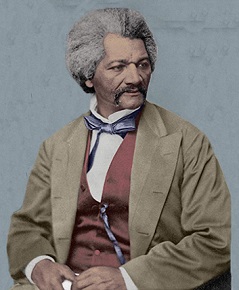
Frederick Douglass (14 februari 1818 – 20 februari 1895)

Geschreven door Romenu om 00:00 Reageer op dit bericht

Jean-Luc Lagarce

De Franse schrijver, komiek en regisseur Jean-Luc Lagarce werd geboren op 14 februari 1957 in Héricourt (Haute-Saône, in de buurt van Belfort). Hij bracht zijn hele jeugd door in Valentigney, waar zijn ouders werkten, en ontving een protestantse opleiding. Op school maakte Lagarce kennis met het theater door een leraar Frans en Latijn. De 13-jarige Lagarce schreef vervolgens zijn eerste stuk voor zijn klas, dat inmiddels verloren is gegaan. Hij schreef zich in 1975 in bij de faculteit van filosofie te Besançon. Tijdens zijn studies richtte hij in 1978 het Théâtre de la Roulotte op die stukken speelden van Marivaux, Labiche en Ionesco maar ook eigen geschreven werk. Voor het eindwerk van zijn studies filosofie schreef hij het essay “Théâtre et Pouvoir en Occident” dat gepubliceerd werd. In 1990 kreeg hij de Prix Léonard-de-Vinci, waarna hij naar Berlijn trok en daar “Juste la fin du monde” schreef. Dit toneelstuk werd in 2016 verfilmd door Xavier Dolan met de gelijknamige titel. Tot zijn bekendste werken behoren verder « Derniersavant l'oubli », « Les Prétendants », « J'étais dans ma maison et j'attendais que la pluie vienne », en Le Pays lointain. Net als de andere grote toneelschrijver van zijn generatie, Bernard-Marie Koltès, stierf Lagarce aan aids. Hij was slechts 38 jaar oud.

Uit:Le Pays lointain

“LOUIS. – Plus tard‚ l’année d’après.
L’AMANT‚ MORT DÉJÀ. – Une année après que je meurs‚ que je suis mort ?
LOUIS. – Exactement ça.
L’année d’après‚
j’étais resté‚ là‚ seul‚ abandonné‚ toutes ces sortes de choses‚
plus tard‚ l’année d’après‚
– j’allais mourir à mon tour –
(j’ai près de quarante ans maintenant et c’est à cet âge que je mourrai)
l’année d’après‚ je décidai de revenir ici. Faire le chemin
à l’inverse.
LONGUE DATE. – Histoire d’un jeune homme qui décide de revenir sur ses traces‚ revoir sa famille‚ son monde‚ à l’heure de mourir.
Histoire de ce voyage et de ceux-là‚ perdus de vue‚ qu’il rencontre et retrouve.
LOUIS. – Il y a encore ma famille qui vit dans ce coin-là.
Je vais aller les voir‚ je dis ça‚ parler avec eux‚ régler cette affaire‚
ce qu’on n’a pas dit et qu’on souhaite dire avant de disparaître – on ne le gardera pas dans la tête‚ on s’en débarrassera –
je ferai ce voyage et ensuite‚ j’en aurai terminé‚ je rentrerai chez moi et j’attendrai.
Je serai paisible.
Je dis ça.
L’AMANT‚ MORT DÉJÀ. – Tu disais que jamais plus tu n’y reviendrais‚ que jamais plus tu n’y mettrais les pieds‚ t’ai toujours entendu dire ça‚ j’ai à peine le dos tourné‚ tu te précipites.
Il ne disait pas cela ? Ne l’ai pas toujours entendu dire ça ?
LOUIS. – Le dos tourné. Ces expressions.
L’AMANT‚ MORT DÉJÀ. – Et encore‚ ton refus‚ l’ai assez entendu‚ et les derniers temps plus encore
– mes derniers temps‚ manière de plaisanterie –
les derniers temps plus encore‚ ton refus de simplement regarder en arrière‚ promesse et pas autre chose‚ promesses de ne pas chercher de solutions‚ et pas même de solutions‚ ne pas chercher d’explications‚ promesses‚ ton refus de rien chercher à retenir."


 2122596-3859fa04fe1f8fa58e89fc89f688a874.jpg
Jean-Luc Lagarce (14 februari 1957 - 30 september 1995)

Geschreven door Romenu om 00:00 Reageer op dit bericht

Meer van Romenu

↑ Terug naar de berichten