

Naar de inhoud

Romenu

Over literatuur, gedichten, kunst en cultuur
akke.beakke.be

Berichten van 1 maart 2018 tot 2 maart 2018

Godfried Bomans, Multatuli, Frank Albers, John Irving, Thom Wolfe, Michael Salinger, János Arany, Olivia Manning, Rinske Kegel
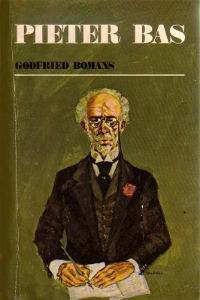
De Nederlandse schrijver Godfried Bomans werd geboren in Den Haag op 2 maart 1913. Zie ook alle tags voor Godfried Bomans op dit blog.

Uit: Pieter Bas

“Zij trok langs ons huis dwars over het Muntplein; ik stond ademloos met mijn neus tegen het vensterglas, en was in het bijzonder verbaasd dat er zoveel rijtuigen nodig waren om één dode man te vervoeren.
Ik herinner mij ook de merkwaardige voorstelling, die ik mij hierover vormde, als zou in elk rijtuig een stukje van zijn lichaam gelegd zijn.
Soldaatje spelen was reeds vroeg mijn lust en mijn leven. Wij bezaten, ik weet het nog goed, zestig loden soldaatjes, waarvan er één geen hoofd had zodat wij hem generaal maakten. De overige stelden wij op in een indrukwekkende slagorde, waaraan wij minstens een uur besteedden, en dan – dan was het uit. Want het lodensoldatenspel bezit deze eigenaardigheid dat het afgelopen is op het ogenblik, dat het eigenlijk beginnen moet. Als het excerceren, het opstellen en het paraderen voorbij is en het gevecht een aanvang behoort te nemen, is de aardigheid eraf. Ik heb later opgemerkt dat dit ook bij andere soldaten het geval is.
’s Avonds zaten wij allen, vader, moeder, vier jongens en twee meisjes, onder het lamplicht bijeen aan een grote tafel. Als ik aan die tijd terugdenk zie ik mij altijd op één bepaalde avond, die mij in het bijzonder goed in het geheugen is gebleven, toen de wind om het oude huis woei en vader met halfluide stem een artikel uit De Dordtsche Bazuin voorlas, waarvan wij allen niets begrepen, doch dat ons een bijzonder gevoel van veiligheid en rust gaf. Later, als gevolmachtigde te Genève, heb ik dikwijls langs de vergadertafel gekeken en gewenst dat mijn vader met De Dordtsche Bazuin daar zat, en mijn moeder, mijn drie broers en mijn twee zusters; en soms – men vergeve het mij – heb ik gemeend dat het een weldaad voor de wereld zou geweest zijn
De eerste mannelijke wezens die ik op mijn levenspad ontmoette, waren mijn drie broeders, Vincent, Prick en Jozef. Zij sliepen gedrieën in één groot bed, en toen ik oud genoeg was, werd er een stukje aangebouwd en kwam ik erbij. Dit was een uitvinding van mijn vader; hij vond het zo overzichtelijk.
Dit enorme bed was een bron van onenigheid. Want Vincent, die de oudste en sterkste was, placht zich een onrechtvaardig groot deel van de dekens toe te eigenen: hij stopte zich goed van alle kanten in en viel genoeglijk knorrend in slaap.”


 2125051-0bdbe21cf016f6c1fc66aeec3379ff24.jpg
Godfried Bomans (2 maart 1913 - 22 december 1971)
Cover


De Nederlandse schrijver Multatuli (pseudoniem van Eduard Douwes Dekker) werd geboren in Amsterdam op 2 maart 1820. Zie ook alle tags voor Multatuli op dit blog.

Uit: Max Havelaar

“En dan die beloonde deugd! O, o, o! Ik ben sedert zeventien jaren makelaar in koffie -- Lauriergracht No 37 -- en heb dus al zoiets bijgewoond, maar het stuit mij altijd vreselijk, als ik de goede lieve waarheid zo zie verdraaien. Beloonde deugd? Is 't niet om van de deugd een handelsartikel te maken? Het is zo niet in de wereld, en 't is goed dat het zo niet is. Want waar bleef de verdienste, als de deugd beloond werd? Waartoe dus die infame leugens altijd voorgewend?
Daar is bijvoorbeeld Lukas, onze pakhuisknecht, die reeds bij de vader van Last & Co. heeft gewerkt -- de firma was toen Last & Meyer, maar de Meyers zijn er lang uit -- dàt was dan toch wel een deugdzaam man. Geen boon kwam er ooit tekort, hij ging stipt naar de kerk, en drinken deed hij niet. Als mijn schoonvader te Driebergen was, bewaarde hij het huis, en de kas, en alles. Eens heeft hij aan de bank zeventien gulden teveel ontvangen, en, hij bracht ze terug. Hij is nu oud en jichtig, en kan niet meer dienen. Nu heeft hij niets, want er gaat veel bij ons om, en we hebben jong volk nodig. Welnu, ik houd die Lukas voor zeer deugdzaam, maar wordt hij nu beloond? Komt er een prins die hem diamanten geeft, of een fee die hem boterhammen smeert? Waarachtig niet! Hij is arm, en blijft arm, en dit moet ook zo wezen. Ik kan hem niet helpen -- want we hebben jong volk nodig, omdat er zoveel bij ons omgaat -- maar al kon ik, waar bleef zijn verdienste, als hij nu op zijn oude dag een gemakkelijk leven leiden kon? Dan zouden alle pakhuisknechts wel deugdzaam worden, en iedereen, hetgeen Gods bedoeling niet wezen kan, omdat er dan geen bijzondere beloning voor de braven overbleef hiernamaals. Maar op een toneel verdraaien ze dat ... alles leugens!”

 2125051-a457af9ca4114d401cb20f49d8202574.jpg
Multatuli (2 maart 1820 - 19 februari 1887)
Cover


De Vlaamse schrijver Frank Albers werd geboren op 2 maart 1960 in Schoten. Zie ook alle tags voor Frank Albers op dit blog.

Uit: Caravantis

“Dit is een onmogelijk land in november, de dagen raken niet meer uit het grijs, de nachten zijn koud en niemand weet wanneer de boten weer zullen varen.
‘U bent vrij,’ zegt de bewaarder, die hem na al die jaren voor het eerst in de ogen kijkt terwijl hij de buitendeur van de gevangenis ontgrendelt en hem een witte plastic zak overhandigt, ‘het ga u goed.’
Op de pier zitten vissers gebogen onder hun zwarte kappen zwijgend voor zich uit te staren, miezel valt geruisloos op het water als een onleesbaar schrift en in de verlaten jachthaven rusten afgetuigde zeilboten met namen als Liberty, Nelly en Zwart geld.
In vrachtwagens geparkeerd aan de rand van de stad ontwaken mannen met vreemde paspoorten uit onverstaanbare dromen, een zeemeeuw rukt uit een metalen vuilnismand wat meeuwen eetbaar vinden, een rolluik ratelt, een postbode verspreidt wensen en door de ramen van lege winkels kijken besuikerde rendieren verschrikt naar lampions en plastic engelen die wiegen aan draden boven de glinsterende straten.
‘Kom,’ zegt een vrouw tegen het kind dat geen kind meer is maar dat toch nog in haar armen slaapt, ‘het is tijd.’ In kamer 201 van Hotel Poseidon kijkt een Amerikaanse journalist naar beelden van de ravage die een aardbeving in Australië heeft aangericht terwijl in een keurig huis in een keurige buitenwijk een man zonder dromen naar het plafond ligt te staren. Het kind hoort de douche en denkt aan zijn moeder die nu naakt is.
De flats onbewoond, de bussen op stal, fietsen en go-carts aan haken, in het gras op de camping geen rosse plekken meer, alle vlaggen gestreken. Op het puin van de afgebrande schouwburg snuffelen natte, dampende honden die elkaar soms bespringen, zachtjes jankend of grommend, en dan weer verder snuffelen, rusteloos en vergeetachtig zoals alleen de lust kan zijn.
‘Tot straks,’ zegt de vrouw van de oud-rechter tegen haar man die aan de tafel in de tuinkamer over de krant gebogen zit. ‘Tot straks,’ zegt hij zonder op te kijken van het paginagrote kruiswoordraadsel.”

 

 2125051-fcb3e00aca34713bea34a0b778ac14b0.jpg
Frank Albers (Schoten, 2 maart 1960)


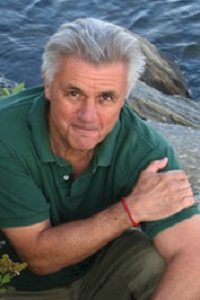
De Amerikaanse schrijver John Irving werd geboren op 2 maart 1942 in Exeter, New Hampshire. Zie ook alle tags voor John Irving op dit blog.

Uit: Avenue of Mysteries

“It was a Monday – January 3, 2011 – and the young woman seated next to Juan Diego was worried about him. Philippine Airlines 174, from Tagbilaran City to Manila, was quite a rowdy flight for a 7:30 a.m. departure; yet the woman beside Juan Diego told the flight attendant that the gentleman had instantly fallen asleep, despite the clamor of their yammering fellow travelers.
"He totally conked out," the woman said to the stewardess. But soon after falling asleep, Juan Diego began to speak. "At first, I thought he was speaking to me," the woman told the flight attendant.
Juan Diego didn't sound as if he were talking in his sleep – his speech wasn't slurred, his thinking was incisive (albeit professorial).
"In the sixteenth century, when the Jesuits were founded, not many people could read – let alone learn the Latin necessary to preside at Mass," Juan Diego began.
"What?" the young woman said.
"But there were a few exceptionally devoted souls – people who thought only of doing good – and they yearned to be part of a religious order," Juan Diego went on.
"Why?" the woman asked him, before she realized his eyes were closed. Juan Diego had been a university professor; to the woman, it must have seemed like he'd been lecturing to her in his sleep.
"These dutiful men were called lay brothers, meaning they were not ordained," Juan Diego lectured on. "Today, they typically work as cashiers or cooks – even as writers," he said, laughing to himself. Then, still sleeping soundly, Juan Diego started to cry. "But Brother Pepe was dedicated to children – he was a teacher," Juan Diego said, his voice breaking. He opened his eyes – he stared, unseeing, at the young woman beside him; she knew he was still conked out, as she would have put it. "Pepe just didn't feel called to the priesthood, though he'd taken the same vows as a priest – thus he couldn't marry," Juan Diego explained; his eyes were closing as the tears ran down his cheeks.”
 

 2125051-0b88e54663f8b0238374ca05012b1fd1.jpg
John Irving (Exeter, 2 maart 1942)


De Amerikaanse schrijver en journalist Tom Wolfe werd geboren op 2 maart 1930 in Richmond, Virginia. Zie ook alle tags voor Thomas Wolfe op dit blog.

Uit:I Am Charlotte Simmons

“Dear Momma and Daddy,
I'll admit my eyes blurred with mist when I saw you drive off in the old pickup.
The old pickup? . . . my eyes blurred with mist? . . . She sighed, she groaned, deflated. What on earth did she think she was writing? She lifted her ballpoint from the top sheet of a pad of lined schoolroom paper and slumped back, or as far back as you could slump in an exhausted wooden chair with no arms. She looked out the window at the library tower. It was lit up ever so majestically in the dark. She saw it, and she didn't see it. Beverly's cast-off clothes mashed on the floor, Beverly's web of extension cords plugged into knuckle sockets in midair, her rat's nest of a percale-sloshed unmade bed, her littered CD cases, uncapped skin-care tubes, and spilled contact lenses, her techie alphabet toys, the PC, the TV, the CD, DVD, DSL, VCR, IM, MP-4, all of them currently dormant in the absence of their owner, each asleep rattlesnake-like with a single tiny diode-green eye open -- her roommate's slothful and indulgent habits were all over the place . . . Charlotte was sort of aware of it and sort of wasn't really.
She rocked forward with another trill of low-grade guilt to confront her manuscript . . . the old pickup. Daddy is totally dependent on that poor, miserable old truck, and I'm treating it like it's something quaint. Eyes blurred with mist . . . Yuk! She could just imagine Momma and Daddy reading that. The ''pretty writing''. . .
She riiiiiiippped the sheet off the pad -- then saved it. She could use it for scratch paper. She hunched over the desk and started again:
''Dear Momma and Daddy,
''I hope I didn't seem too sad when you left that day. Watching you all drive off made me realize'' -- she starts to write, what a long journey I have set out upon, but the pretty-writing alarm sounds again, and she damps it down to ''how much I was going to miss you. But since then I have been so busy studying, meeting new people, and'' -- she grandly thinks of figuring out Dupont's tribal idiosyncrasies, already knowing she's going to settle for ''getting used to new ways of doing things, I haven't had time to be homesick, although I guess I am.”

 

 2125051-12ceef4ac468d4501e2347312dabadd4.jpg
Tom Wolfe (Richmond, 2 maart 1930)
Cover


De Amerikaanse dichter en performer Michael Salinger werd geboren op 2 maart 1962 in Cleveland, Ohio. Zie ook alle tags voor Michael Salinger op dit blog.


Stingray (Fragment)

a giant three pronged gaffing hook
attached to tire swing thick rope
pulls the fish up
dripping
like a Volkswagen being lifted
from a farm pond by crane
three men haul it over the railing
drop it on the deck
slick
white belly up
blood spatter illuminated by mercury vapor
softball size mouth full of pointed teeth
gasping in the terrible air

and

the first baby was a surprise
like a black dinner plate
gliding out from under a rug
but four more followed
each
mindful
of the stinger
gingerly
tossed back into the sea
by astonished fishermen
then the mother is heaved over
smacking the water spread eagle flat
with the sound of
tree split by lightening cracking
predator attracting blood
billowing wake trailing her escape
her offspring
fish born out of water
fly in formation
oblivious to the sacrifice.

 

 2125051-dfb5fe9076e31c9acb797b59a12281fb.jpg
Michael Salinger (Cleveland, 2 maart 1962)


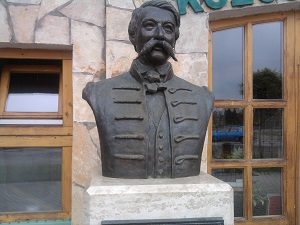
De Hongaarse dichter János Arany werd geboren op 2 maart 1817 in Nagyszalonta. Zie ook alle tags voor János Arany op dit blog.


The Bard Of Wales (Fragment)

"A thousand lie beneath the sky,
They rot beneath the sun,
And we who live shall not forgive
This deed your hand hath done!"

"Now let him perish! I must have"
(The monarch's voice is hard)
"Your softest songs, and not your wrongs!"
In steps a boyish bard:

"The breeze is soft at eve, that oft
From Milford Havens moans;
It whispers maidens' stifled cries,
It breathes of widows' groans.

"You maidens, bear no captive babes!
You mothers, rear them not!"
The fierce king nods. The lad is seiz'd
And hurried from the spot.

Unbidden then, among the men,
There comes a dauntless third
With speech of fire he tunes his lyre,
And bitter is his word:

"Our bravest died to slake your pride -
Proud Edward, hear my lays!
No Welsh bards live who e'er will give
Your name a song a praise.
 

 2125051-1f9a85eec02c946a919e38d42ccdc4fe.jpg
János Arany (2 maart 1817 – 22 oktober 1882)
Borstbeeld in Gyál


De Britse schrijfster Olivia Manning werd geboren op 2 maart 1908 in Portsmouth. Zie ook alle tags voor Olivia Manning op dit blog.

Uit: The Balkan Trilogy (The spoilt city)

“In reaction from a sense of reprimand that touched on their youth, the three, on their way back to the town, laughed uproariously together while the wind blew coldly at them across the dark deserted gradinas. They were glad to reach the lighted streets. As they turned into the square, Harriet looked across at the large, brilliant window on the corner of the Boulevard Breteanu and saw that it was empty. The Hispano, that for two months had stood there like a monument, stood there no longer. Guy ordered the trasurO to stop outside the show-room and went in to inquire. He learnt that the car had been bought by a German officer who had paid the full sixty thousand lei without question, the rate of the Reichsmark being such that the cost of the Hispano was less than the cost in Germany of a toy. The money was being sent to Mr. Dobson at the British Legation. Where were they going to eat? David asked. Harriet wanted to take her farewell dinner at Cina's or Capsa's. They decided to drive to Capsa's. The main restaurants were always refurbished when they returned indoors for the winter months. There was about them all a sense of a new season that held its own excitements. After the vacancy of the streets, Capsa's interior, with its red plush and gilt and vast crystal chandeliers, seemed dazzling to the three entering, chilly, from the open triisura. Food now was not only meagre, it was often bad, as though shortage had led to hoarding and hoarding to decay. But Capsa's, much patronised by the German community, had kept a certain standard. The better cuts of meat were, of course, put aside for high-ranking Germans and their guests, but the open menu usually offered chicken or rabbit, hare in season, and even caviare of a sort. Later in the evening the place would be crowded, but now there were a good many vacant tables. “

 

 2125051-947cbaf5d87d486d9f8c20f56306215f.jpg
Olivia Manning (2 maart 1908 - 23 juli 1980)
Cover


Onafhankelijk van geboortedata

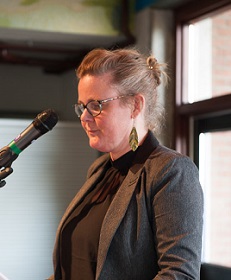
De Nederlandse dichteres, schrijfster en illustratrice Rinske Kegel werd geboren in Haren in 1973. Zie ook alle tags voor Rinske Kegel op dit blog.


Geruststelling

Er is een hypochonder waar ik van hou.
Hij had laatst kanker en een maand
terug een blindedarmontsteking.
Dat is niet waarom ik van hem hou.
Het is geruststellend dat hij nog leeft
en mij belt als ik het moeilijk heb.

AIs ik denk dat niemand om mij geeft
belt de hypochonder mij op en zegt
dat hij nog maar kort te leven heeft.
Hij vraagt hoe het met mij gaat.
Het gaat, zeg ik. Het gaat beter
nu je belt. Ben je nu gerustgesteld?
 

 2125051-eee37dc800d34fd28f69bd65d20fc707.jpg
Rinske Kegel (Haren, 1973)


Zie voor nog meer schrijvers van de 2e maart ook mijn blog van 2 maart 2014 deel 2.

Zie voor bovenstaande schrijvers ook mijn blog van 2 maart 2007 en ook mijn blog van 2 maart 2008 en eveneens mijn blog van 2 maart 2009.

Geschreven door Romenu om 18:36 Reageer op dit bericht

Jan Eijkelboom, Jim Crace, Delphine de Vigan, Franz Hohler, Lytton Strachey, Robert Lowell, Myrthe van der Meer, Franzobel, Steven Barnes

De Nederlandse dichter, vertaler en journalist Jan Eijkelboom werd op 1 maart 1926 in Ridderkerk geboren. Zie ook alle tags voor Jan Eijkelboom op dit blog.


Ja het klopt

Alles verklaarbaar en van een
regelmaat die koestert en sust
al jaagt het sommigen de deur uit
naar tomelozer oorden.

Zie ze dansen op de maan
in hun opgeblazen hansop.
Hunkerend kijken ze terug
naar de blauwgroene aarde.

Ja het klopt,
als de hartslag van een heelal vol
wentelende sterren, prieelvogels,
kleine middenstanders, kalm
wiekende adelaars en een losbol
die het aanziet en zich
plotseling verbaast.


Rafels

Toen ving een roodbruine stam nog
de ochtendzon op, puur cederhout
van caran d'ache.

Later fladderden er raven
tussen de al even gerafelde takken
van de lariks.

Een schicht: de schaduw
van een zwaluw schoot
door de zomer.

En in het sprookjesbos
is plotseling de stinkzwam
dwingend aanwezig.

Doodgaan behoort tot het zeer weinige
dat niet zou mogen. Toch
wordt het veel gedaan.


Een haan kraait

De schreeuw van wie
de zon doet opgaan
helemaal in z'n, met
prachtvolle veren bedekte,
eentje. Triomf
die als doodskreet
kan worden verstaan.
Zoals, andersom,
de schreeuw van wie
heelhuids ter wereld komt:
in woede en pijn
je moeder verlaten en
dan toch luidkeels
willen leven en leven.
Onbegrijpelijk, later.


 2124765-87bf0719660281215a29081b3716fc58.jpg
Jan Eijkelboom (1 maart 1926 – 28 februari 2008)


De Engelse schrijver Jim Crace werd geboren op 1 maart 1946 in St. Albans, Hertfordshire. Zie ook alle tags voor Jim Crace op dit blog.

Uit: The Pesthouse

“Everybody died at night. Most were sleeping at the time, the lucky ones who were too tired or drunk or deaf or wrapped too tightly in their spreads to hear the hillside, destabilized by rain, collapse and slip beneath the waters of the lake. So these sleepers (six or seven hundred, at a guess; no-one ever came to count or claim the dead) breathed their last in passive company, unwarned and unexpectedly, without experiencing the fear. Their final moments, dormant in America.
But there are always some awake in the small times of the morning, the love-makers, for instance, the night workers, the ones with stone hard beds or aching backs, the ones with nagging consciences or bladders, the sick. And animals, of course.
The first of that community to die were the horses and the mules, which the travelers had picketed and blanketed against the cold out in the tetherings, between the houses and the lake, and beyond the human safety of stockades. They must have heard the landslide – they were so close and unprotected – though it was not especially bulky, not bulky enough, probably, to cause much damage on its own. In the time that it would take to draw a breath and yawn, there was a muted stony splash accompanied by a barometric pop, a lesser set of sounds than thunder, but low and devious, nevertheless, and worrying – for how could anyone not know by now how mischievous the world could be? The older horses, connoisseurs of one-night stands when everything was devious and worrying, were too weary after yet another day of heading dawnways, shifting carts, freight and passengers, to do much more than tic their ears and flare their nostrils. Even when, a moment later, the displaced waters of the lake produced a sloshing set of boisterous waves where there had not been any waves before, the full-growns would not even raise their heads. But the younger horses and the ever-childish mules tugged against their ropes, and one or two even broke free but hadn’t the foresight to seek high ground in the brief time that remained.
What happened next was almost silent. The landslip had hit the deepest side of the lake and, therefore, took some moments to reach the bottom, ten man heights from the surface, and then took some moments more for the avalanche of stone, earth, swarf and ancient buried scrap to show how heavy it was and squeeze the life out of the gas rich sediments, the volatile silt and compacted weeds, the soda pockets, which had settled on the bed through centuries and were now ready – almost eager – for this catalyst.”


 2124765-5863c9618e6269c892c973722975d624.jpg
Jim Crace (St. Albans, 1 maart 1946)


De Franse schrijfster en filmmaakster Delphine de Vigan werd geboren op 1 maart 1966 in Boulogne-Billancourt. Zie ook alle tags voor Delphine de Vigan op dit blog.

Uit: Dagen zonder honger (Vertaald door Geertrui Marks & Lia Tuijtelaars)

“Door die kou heeft ze ingestemd met de afspraak. De eerste keer dat hij opbelde. Een onbekende, nasale stem bood hulp aan, op een herfstavond, een avond als alle andere: weer met haar rug tegen de radiator. En dat niet alleen vanwege de kou. Eerst weigerde ze. Waar bemoeide hij zich mee? Hij stelde een paar vragen over haar fysieke toestand, hij vroeg niet naar haar gewicht en ook niet hoeveel ze at. Nee. Eerder vragen van een deskundige, een expert zelfs, nauwkeurig, direct, om na te gaan hoe urgent de situatie was. Zolang ze meespeelde, won hij tijd. Die tijd die ze niet meer te verliezen had, die ijle tijd die zich verzette tegen de dood als een laatste komma, wankel.
Daar begon hij mee, dat er niet veel tijd meer was. Ze voelde dat hij ook iets afwist van eenzaamheid, van isolement. Terwijl hij sprak en doorvroeg, speelden haar vingertoppen gespannen met het snoer van het toestel. Ze had net een derde trui aangetrokken, ze had zich opgerold tot een balletje – als je tenminste met die stakerige botten nog van een balletje kon spreken – ze gaf gedachteloos antwoord, alsof ze een verhaaltje opzei dat ze langgeleden uit haar hoofd had geleerd, zonder erbij na te denken. Ze wilde vooral beleefd blijven.
Hij zei, het is te laat, hier kom je alleen niet meer uit, ik kan je helpen, kom woensdag naar mijn spreekuur, ik verwacht je. Ze keek waar haar sigaretten lagen. Ze had de kracht niet om haar rug los te maken van de radiator en het pakje dat voor haar lag te grijpen.
Het was voor het eerst dat iemand haar terugriep, dat iemand haar belde, iemand die dit lijden wist te benoemen, het lijden van haar lichaam. Voor het eerst dat iemand haar opzocht waar de anderen het niet konden, het niet meer opbrachten.
Hij vroeg haar, sommeerde haar om te komen. Hij wist dat dit eerste contact bepalend was. Ze stelde zich voor hoe beducht hij misschien was geweest toen hij haar nummer draaide. Ze hoorde in zijn stembuigingen de angst om te falen en ook de vastberadenheid om haar te overtuigen.”


 2124765-3e93899b78ebf3c22e9315128384fd8a.jpg
Delphine de Vigan (Boulogne-Billancourt, 1 maart 1966)


De Zwitserse dichter, schrijver, cabaretier en liedjesmaker Franz Hohler werd geboren op 1 maart 1943 in Biel. Zie ook alle tags voor Franz Hohler op dit blog

Uit: Das Päckchen

“Warum er den Hörer abgenommen hatte, konnte er sich später nicht mehr erklären.
Er stand in der großen Unterführung des Berner Hauptbahnhofs und wollte von einem der wenigen öffentlichen Telefonapparate, die es noch gab, seine Frau anrufen, um ihr zu sagen, dass er mit einem späteren Zug komme, hatte auch schon seine Karte eingesteckt, als der Apparat neben ihm klingelte. Er schaute sich um, um zu sehen, ob da jemand war, der sich vielleicht zurückrufen ließ, aber erst am übernächsten Apparat sprach ein fremdländischer Mann eindringlich und leise in die Muschel, ohne auch nur den Kopf zu drehen. Da machte er einen Schritt, hob den Hörer und sagte: »Hallo?«
»Ernst«, sagte eine weibliche Stimme, »bist du es?«
Er erschrak. Er hieß Ernst.
Er zögerte einen Moment und sagte dann: »Ja. Wer spricht?«
»Ich«, sagte die Frau am andern Ende.
»Und –«
»Ich brauche deine Hilfe.«
»Aber –«
»Bitte.« Die Stimme klang verängstigt.
»Wie kann ich Ihnen helfen?«
»Ernst, ich bitte dich. Wir sind doch per Du.«
»Natürlich. Und wie kann ich helfen?«
»Komm bitte bei mir vorbei.«


 2124765-f5f98a8a77822c35121eeca7a5fb8f59.jpg
Franz Hohler (Biel, 1 maart 1943)
Cover 


De Britse schrijver Giles Lytton Strachey werd geboren op 1 maart 1880 in Londen. Zie ook alle tags voor Lytton Strachey op dit blog. 

Uit: Portraits in Miniature and Other Essays (Gibbon)

“Happiness is the word that immediately rises to the mind at the thought of Edward Gibbon: and happiness in its widest connotation—including good fortune as well as enjoyment. Good fortune, indeed, followed him from the cradle to the grave in the most tactful way possible; occasionally it appeared to fail him; but its absence always turned out to be a blessing in disguise. Out of a family of seven he alone had the luck to survive—but only with difficulty; and the maladies of his childhood opened his mind to the pleasures of study and literature. His mother died; but her place was taken by a devoted aunt, whose care brought him through the dangerous years of adolescence to a vigorous manhood. His misadventures at Oxford saved him from becoming a don. His exile to Lausanne, by giving him a command of the French language, initiated him into European culture, and at the same time enabled him to lay the foundations of his scholarship. His father married again; but his stepmother remained childless and became one of his dearest friends. He fell in love; the match was forbidden; and he escaped the dubious joys of domestic life with the future Madame Necker. While he was allowed to travel on the Continent, it seemed doubtful for some time whether his father would have the resources or the generosity to send him over the Alps into Italy. His fate hung in the balance; but at last his father produced the necessary five hundred pounds and, in the autumn of 1764, Rome saw her historian. His father died at exactly the right moment, and left him exactly the right amount of money. At the age of thirty-three Gibbon found himself his own master, with a fortune just sufficient to support him as an English gentleman of leisure and fashion. For ten years he lived in London, a member of Parliament, a placeman, and a diner-out, and during those ten years he produced the first three volumes of his History. After that he lost his place, failed to obtain another, and, finding his income unequal to his expenses, returned to Lausanne, where he took up his residence in the house of a friend, overlooking the Lake of Geneva. It was the final step in his career, and no less fortunate than all the others. In Lausanne he was rich once more, he was famous, he enjoyed a delightful combination of retirement and society. Before another ten years were out he had completed his History; and in ease, dignity, and absolute satisfaction his work in this world was accomplished. „


 2124765-9392aaca03af6cdcce0f199da5f52f7f.jpg
Lytton Strachey (1 maart 1880 – 21 januari 1932) 
Portret door Henry Lamb, 1914


De Amerikaanse dichter Robert Traill Spence Lowell werd geboren op 1 maart 1917 in Boston. Zie ook alle tags voor Robert Lowell op dit blog.


Mr. Edwards And The Spider

I saw the spiders marching through the air,
Swimming from tree to tree that mildewed day
In latter August when the hay
Came creaking to the barn. But where
The wind is westerly,
Where gnarled November makes the spiders fly
Into the apparitions of the sky,
They purpose nothing but their ease and die
Urgently beating east to sunrise and the sea;

What are we in the hands of the great God?
It was in vain you set up thorn and briar
In battle array against the fire
And treason crackling in your blood;
For the wild thorns grow tame
And will do nothing to oppose the flame;
Your lacerations tell the losing game
You play against a sickness past your cure.
How will the hands be strong? How will the heart endure?

A very little thing, a little worm,
Or hourglass-blazoned spider, it is said,
Can kill a tiger. Will the dead
Hold up his mirror and affirm
To the four winds the smell
And flash of his authority? It’s well
If God who holds you to the pit of hell,
Much as one holds a spider, will destroy,
Baffle and dissipate your soul. As a small boy

On Windsor Marsh, I saw the spider die
When thrown into the bowels of fierce fire:
There’s no long struggle, no desire
To get up on its feet and fly
It stretches out its feet
And dies. This is the sinner’s last retreat;
Yes, and no strength exerted on the heat
Then sinews the abolished will, when sick
And full of burning, it will whistle on a brick.

But who can plumb the sinking of that soul?
Josiah Hawley, picture yourself cast
Into a brick-kiln where the blast
Fans your quick vitals to a coal—
If measured by a glass,
How long would it seem burning! Let there pass
A minute, ten, ten trillion; but the blaze
Is infinite, eternal: this is death,
To die and know it. This is the Black Widow, death.


 2124765-ee8799e7b2be6852a3066eac8ee2b02c.JPG
Robert Lowell (1 maart 1917 - 12 September 1977) 
Cherry Jones als Elizabeth Bishop en David Aaron Baker als Robert Lowell in het theaterstuk “Dear Elizabeth”, New York, 2012


De Nederlandse schrijfster Myrthe van der Meer (pseudoniem) werd geboren op 1 maart 1983 in Den Bosch. Zie ook alle tags voor Myrthe van der Meer op dit blog.

Uit:Het houden van mannen

“De eerste boodschap stimuleert de jonge man om zijn grenzen te verleggen en verder te kijken dan naar wat hij al kan; ja, het is geweldig als de jonge man voor het eerst zijn behoefte op een potje kan doen, maar dit betekent niet dat hij hier tot het einde der tijden op kan blijven zitten. De volgende stap is toch echt het toilet. De tweede boodschap leert de man dat dergelijk succes niet vanzelf komt; hij zal moeten trainen, oefenen, falen en blijven proberen tot hij zijn doel heeft bereikt, of zeker weet dat het doel onhaalbaar is.
Zijn deze twee boodschappen perfect in balans, dan is het resultaat een individu dat niet alleen zijn eigen krachten, maar ook zijn beperkingen kent en weet hoe hij de laatste enigszins kan compenseren door harder te werken.
(...)

“Hoewel de fokker over het algemeen zijn uiterste best doen om de twee kernwaardes netjes in balans te houden, komt het vaak voor dat er vanuit het eigen karakter of de eigen opvoeding op de ene kernwaarde onbewust meer nadruk gelegd wordt dan op de andere, waardoor deze op die manier enigszins vervormd doorgegeven wordt aan het kroost. Dit kan resulteren in een onbalans in de mannelijke geest. In de jeugd is dat vaak nog niet heel duidelijk te zien, omdat de jonge man zich dan nog volledig oriënteert op de fokker zelf. Aangezien de fokker ervan overtuigd is dat hij het juiste doet en de jonge man bij gebrek aan vergelijkingsmateriaal het hier vanzelf mee eens is, kan zelfs een niet volledig uitgebalanceerde opvoeding toch vrij harmonieus en logisch aanvoelen voor de man. Echter, in de puberteit maakt de man zich los van de fokker en wordt hij als het ware zijn eigen opvoeder. De volwassen buitenwereld begint hem namelijk voor keuzes en problemen te stellen die zijn fokker niet meer voor hem kan oplossen en dus moet hij zelf zijn richting bepalen. Hij moet dan kiezen welke van de twee kernwaardes hij vanuit zijn jeugd meeneemt als leidraad voor zijn volwassen leven.
Zijn de kernwaardes die de man tijdens de jeugd heeft meegekregen perfect in balans, dan heeft hij een werkbare set gedragsregels meegekregen die hij in alle situaties kan toepassen. Als een van beide kernwaardes echter meer nadruk heeft gekregen, dan kan dit voor problemen met het zelfbeeld zorgen. Dit leidt tot drie verschillende persoonlijkheidstypes in de puberteit:”


 2124765-c3bfa88358f1f2b06bd489fe09a3e453.jpg
Myrthe van der Meer (Den Bosch, 1 maart 1983)
Cover Opzij


De Oostenrijkse schrijver, dichter en schilder Franzobel werd geboren op 1 maart 1967 in Vöcklabruck. Zie ook alle tags voor Franznbel op dit blog

Uit: Wiener Wunder

“Es war ein regnerischer Oktobertag. Auf den Straßen Wiens standen Wasserlachen, und wenn man nicht nahe an der Hauswand ging, wurde man von rücksichtslosen Autofahrern nassgespritzt. Ein kalter Wind pfiff durch die Gassen, so stark und böig, dass es Hüte und kleine Hunde davonwehte,
Schirme umbog und fahrende Motorräder um einen halben Meter versetzte. In einem Außenbezirk war ein Baugerüst umgestürzt und hatte drei Arbeiter in den Tod gerissen. Die letzten Gastgärten waren seit Tagen geschlossen.
Trotz dieses miesen Wetters hatte sich Kriminalkommissar Groschen nicht wie seine Inspektoren vom Turko-Italiener etwas bringen lassen, sondern war zum Chinesen gegangen, um sein Lieblingsmenü, Nummer zehn, zu speisen. In dem Lokal hingen jede Menge feuchter Mäntel und Hüte, die Fenster waren beschlagen, und es roch schon winterlich.
Heute waren es besonders wenig Meeresfrüchte und besonders viele Chilischoten, dafür wurde die Frühlingsrolle aus Unachtsamkeit erst nach der Hauptspeise gebracht. Auf dem Bier fehlte der Schaum, und beim Zahlen hatte ihm die kleine, immer lächelnde Chinesin glatt um dreißig Euro zu wenig rausgegeben. Wenn er sie nicht seit Jahren gekannt hätte, wäre ihm dieses zerstreute Verhalten verdächtig vorgekommen.
So aber trank er den lauwarmen Pflaumenwein, der hier als Digestif gereicht wurde, und begab sich zurück in die Vorlaufstraße, in das Hauptquartier der Wiener Kriminalpolizei.
Auf seinem Schreibtisch warteten Berge von Akten. Schreiben von Gerichten, Anfragen, Bewilligungen, Beschwerden, Interviewgesuche von angehenden Soziologen – lauter Dinge, die Kommissar Groschen nicht interessierten.“


 2124765-4f6f65a3f43ca7a2e289e4ed1cb1c257.jpg
Franzobel (Vöcklabruck, 1 maart 1967)
Cover


De Amerikaanse schrijver Steven Barnes werd geboren op 1 maart 1952 in Los Angeles. Zie ook alle tags voor Steven Barnes op dit blog.

Uit: The Cestus Deception 

“For half a millennium Coruscant had glittered, a golden-towered centerpiece to the Republic’s galactic crown. Its bridges and arched solaria harked back to ages past, when no leader’s words seemed too grand, no skyscraper too spectacular, and titanic civic sprawls boldly proclaimed the rational mind’s conquest of the cosmos.
With the coming of the Clone Wars, some believed such glorious days were past. Whether the news holos spoke of victory or defeat, it was all too easy to imagine flaming ships spiraling to their doom beneath distant skies, the clash of vast armies, the death of uncounted and uncountable dreams. It was almost impossible not to wonder if one day war’s ravening maw might not envelop this, the Republic’s jeweled locus. This was a time when the word city symbolized not achievement, but vulnerability. Not haven, but havoc.
But despite those fears, Coruscant’s billions of citizens kept faith and continued about their myriad lives. A flock of hook-beaked thrantcills flew in perfect diamond formation through Coruscant’s placid, pale blue sky. For a hundred thousand standard years they had winged south for the winter, and might for yet another. Their flat black eyes had watched civilization force Coruscant’s animal life into inexorable retreat. The planet’s former masters now scavenged in her duracrete canyons, their natural habitats replaced with artificial marshes and permacrete forests. This, others argued, was a time of marvels and marvelous beings from a hundred thousand different worlds. This was a time for optimism, for dreams, and for unbridled ambition.
A time of opportunity, for those with vision to see.
The red-and-white disk of a two-passenger Limulus-class transport sliced through Coruscant’s cloud-mantle. In the morning sun it glittered like a sliver of silvered ice. Spiral-dancing to inaudible music, it had detached its hyperdrive ring in orbit, slipping through wispy clouds to land with a shush as gentle as a kiss. Its smooth, glassy side rippled. A rectangular outline appeared and then slid up. A tall, bearded man wrapped in a brown robe stepped into the doorway and hopped down, followed by a second, clean-shaven passenger. »


 2124765-09e8f20215c75e4c9eb0b643f174653c.jpg
Steven Barnes (Los Angeles, 1 maart 1952)
Cover


Zie voor nog meer schrijvers van de 1e maart ook mijn blog van 1 maart 2015 deel 1 en ook deel 2 en eveneens deel 3.

Zie voor bovenstaande schrijvers ook mijn blog van 1 maart 2007 en ook mijn blog van 1 maart 2008 en eveneens mijn blog van 1 maart 2009 deel 1 en ook deel 2.

Geschreven door Romenu om 18:18 Reageer op dit bericht

Peter Pessl

De Oostenrijkse schrijver en radiokunstenaar Peter Pessl werd geboren op 1 maart 1963 in Frankfurt am Main, maar groeide op in Oostenrijk. Pessl debuteerde in 1984 in met „Splitter und Sporen“, een smalle bordeauxrode poëziebundel, waaraan hij een zin van Antonin Artaud programmatisch vooraf liet gaan: "La poésie, c'est de la multiplicité broyée et qui rend des flammes." In die tijd was hij een van de jonge schrijvers van het literaire tijdschrift “Perpsektive” rond Petra Ganglbauer en stond met Friederike Mayröcker en andere dichters van de Weense avant-garde in actieve correspondentie. In de late jaren 1980 trok hij zich met Petra Ganglbauer op een wijngaard in de Südsteiermark terug en schreef verhalen en sinds 1991 ook talloze hoorspelen voor het ORF programma Kunstradio – Radiokunst. Voor de “Aufzeichnungen aus dem Himalaya”, bestaande uit vier delen, reisde hij naar de Himalaya-regio's in India, Tibet en Nepal.

Uit: Formiert aus Luft, Aufzeichnungen aus dem Himalaya, Teil 3

„Nicht eigen
(Miniatur),
für Claude Levi-Strauss”

14. Mai, Dongpo.
Die übermächtige, glasierte Nanda Devi (7816 Meter)
sah ich aufgehen
als Blütenhaupt des nahen Himalaya (Weisszwirn),
der das engverborgene Tal des Sutlej,
das (hier) auch Garuda-Tal genannt wird
und, so wissen meine liebsten Historiker, das Zentrum des Bön-Königreichs Shang-Shung war, (weithin) parallel als Riegel Schanze Drachenkamm
vom indischen Subkontinent abtrennt
Von den achtzehn Mythos-Königen der Chronik von Shang-Shung,
so erzählte mir Pasolini, regierten drei im Garuda-Tal:
Letra Guge, der mit der gehörnten Krone aus klarem Licht,
Gyungyar Mukho, der mit der gehörnten Krone des Regenbogenlichts,
Kyile Guge Unchen, der mit der gehörnten Muschelkrone.
Blutgeruch als das Identische.

Im Schwemmland Sinter von Dongpo beeindruckt
die Streuung der Funde
aus Eis und Glas (ich fand Nasen,
Ringe, Methangas.
Blüten, Kräuter Korallenriffs waren nicht viele, dafür Wasseradler
(braune, schwarzschwarze, lamentierende,
die einkreisten)


 2128761-e3b81902588135ff3930683dd9d3dd54.jpg
Peter Pessl (Frankfurt am Main, 1 maart 1963)

Geschreven door Romenu om 00:00 Reageer op dit bericht

Benedict Wells

De Duitse schrijver Benedict Wells werd geboren geboren in München op 29 februari 1984. Zie ook alle tags voor Benedict Wells op dit blog.

Uit: Vom Ende der Einsamkeit

„Wie ich rasch an Höhe gewinne, nach oben schieße, schneller werde, wie mir der Wind ins Gesicht weht, ehe ich mit ausgebreiteten Armen dem Horizont entgegenfliege, einfach fort. Ich
betrachte wieder das Heim, so angenehm fern, und male mir aus, was sie gerade ohne mich tun. Wie sie Schlitten fahren und von Mädchen sprechen, wie sie herumalbern und einander ärgern, dabei manchmal zu weit gehen, ehe schon im nächsten Moment alles wieder vergessen ist. Allmählich treten erste Lichter aus der tiefer werdenden Dämmerung hervor, und ich denke an mein altes, vom Zufall zerschnittenes Leben in München, doch das Heimweh ist nur noch eine verblassende Narbe.
Als ich später das Internat erreiche, ist der Himmel bereits nachtschwarz. Ich öffne die Tür zum Haupteingang. Aus der Mensa wehen aufgekratzte Stimmen zu mir her über, und ein intensiver Geruch drängt sich mir auf, nach Essen, Schweiß und Deodorant. Die Luft durchdrungen
von Erwartungen, Gelächter und unterdrückter Angst.
Ich laufe den Flur entlang und sehe einen Jungen, den ich nicht kenne, auf mich zukommen. Er betrachtet mich, den Neuen, argwöhnisch. Instinktiv richte ich mich auf, versuche, erwachsen auszusehen und keinen Fehler zu machen. Der Junge geht wortlos an mir vorbei.
Ich erreiche mein Zimmer, setze mich auf mein Bett und wische mir den Schnee aus dem Haar. Ich bin einfach nur da, ein Geist, ein winziges Wesen, elf Jahre alt. Starr und leer sitze ich im Zimmer, während alle anderen beim Abendessen sind. Später werde ich für mein Fernbleiben eine Strafe bekommen. Ich blicke in die Dunkelheit hinaus.“
*
Das Heim, in das meine Geschwister und ich nach dem Tod unserer Eltern kamen, war keine dieser elitären Einrichtungen mit Tennisplätzen, Hockeyfeldern und Töpfereien, die uns anfangs vielleicht vorschwebten, sondern ein billiges staatliches Internat auf dem Land, bestehend aus zwei grauen Gebäuden und einer Mensa, alles auf dem Gelände des örtlichen Gymnasiums. Morgens gingen wir mit den Landkindern zur Schule, die Nachmittage und Abende verbrachten wir auf unseren Zimmern, am See oder auf dem Fußballplatz. Man gewöhnte sich an dieses Kasernenleben, dennoch konnte es auch noch nach Jahren deprimierend sein, wenn die externen Mitschüler nach dem Unterricht zu
ihren Familien durften, während man selbst wie ein Gefangener auf dem Heimgelände zurückblieb und sich fühlte, als habe man einen Makel.“


 2128077-36e597eaa9b55066f8fdac5e1700a47f.jpg
Benedict Wells (München, 29 februari 1984)

Geschreven door Romenu om 00:00 Reageer op dit bericht

Meer van Romenu

↑ Terug naar de berichten