Naar de inhoud

Romenu

Over literatuur, gedichten, kunst en cultuur
akke.beakke.be

Berichten van 21 september 2018 tot 22 september 2018

Jaap Harten, Dannie Abse, Lodewijk van Deyssel, Nick Cave, Peter Drehmanns, Nathan Hill
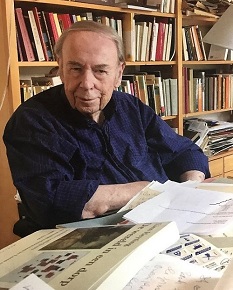
De Nederlandse dichter en schrijver Jacobus Cornelis (Jaap) Harten werd geboren in Blaricum op 22 september 1930. Zie ook alle tags voor Jaap Harten op dit blog.


In de schaduw van hout

Wij waren niet nieuwsgierig
naar woorden en ook niet
naar cijfers, grijs als het haar
van de meester. Wij zaten
in de vergeelde foto
van een klas, een
ontbloeiend mechaniek
van jeugd.

De meesten onder ons
hadden houten ouders;
in de zomer vol meloenen en bessen
lieten zij hun schaduw na,
vol wantrouwen
als een vogelverschrikker die
toch altijd weer
verkeerd begrepen wordt.

En de dichte bossen
waar wij met een fluit op zak
in verdwenen; de hooiberg waar
wij koppig stoeiden met snelle, groene
spieren; en later
de nachten op hol
in het zadel van liefde: wisten
de houten beelden er iets van?

Nee. Of deden alsof.
Zij gingen met de kippen
op stok onder een paraplu
van zelfgenoegzaamheid.
Zij sliepen als runen.
De nacht, als honderd zwarte
katten, danste stug bijgeloof
op het koord van hun slaap.


Schlechte Zeit für Lyrik (Bertolt Brecht)

1
Al deze vragen:
de opgestoken duim van een bloemblad,
de naakte iris achter oogharen
die eklipseren voor het
zien, dat weer nieuwe
vragen oproept:

een braadpan vol kinderwoorden,
feeën van een bladzij losgescheurd
en voor 3 à 4 sekonden
kopulerend met een jongensbroek.

Waar zijn de lichtgewicht
kampioenen in demonie
die vanuit 1939
opeens vuur spuwen in dit gedicht?

Vriendjes als mieren
rondkruipend over de zolder,
ik mijn vaders kepi
opgeprikt als een grimas.

Erekties. Vechtpartijen.
Scherpe geur van oksels
zout als tranen.

Vragen.
Geen tijd voor lyriek.


 2179568-277fd1dd341a4daf3e72a9f8557d345a.jpg
Jaap Harten (Blaricum, 22 september 1930)


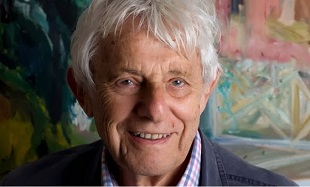
De Britse dichter en schrijver Dannie Abse werd geboren op 22 september 1923 in Cardiff, Wales. Zie ook alle tags voor Dannie Abse op dit blog.


Not Adlestrop

Not Adlestrop, no - besides the name
hardly matters. Nor did I languish in June heat.
Simply, I stood, too early, on the empty platform,
and the wrong train came in slowly, surprised, stopped.
Directly facing me, from a window,
a very, very pretty girl leaned out.

When I, all instinct,
stared at her, she, all instinct, inclined her head away
as if she'd divined the much married life in me,
or as if she might spot, up platform,
some unlikely familiar.

For my part, under the clock, I continued
my scrutiny with unmitigated pleasure.
And she knew it, she certainly knew it, and would
not glance at me in the silence of not Adlestrop.

Only when the train heaved noisily, only
when it jolted, when it slid away, only then,
daring and secure, she smiled back at my smile,
and I, daring and secure, waved back at her waving.
And so it was, all the way down the hurrying platform
as the train gathered atrocious speed
towards Oxfordshire or Gloucestshire.


Failure

Writing should be dedicated living, and ordinary heroes go lame,
torn like bits of poems, bits of voices into the wind.
I should be vocal for all the dumb ; for the homeless be home,
for the hunted be shelter. Oh make this ink a land.

I should be forever new and tum towards them with pure surprise,
endow the lonely with gifts far lovelier than this look,
and cage their ragged shadows in my eyes
that fly down tearward. But only ghosts people this book.

Humanity, the earth is richer where you stand.
So I wish myself imagined, a young legendary sage
·possessed with worlds of blood and flesh, not this faltering hand
that limps in pain and poverty over each uncreated page.
 

 2179568-84fa3fd65ad3b51bf7b73d3e67c268e2.jpg
Dannie Abse (22 september 1923 – 28 september 2014)


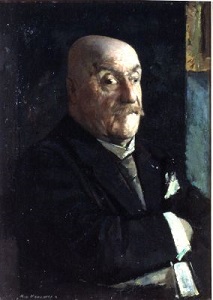
De Nederlandse dichter, schrijver en criticus Lodewijk van Deyssel werd geboren op 22 september 1864 in Amsterdam. Zie ook alle tags voor Lodewijk van Deyssel op dit blog.

Uit:Jongensjeugd-schetsen

“Achter de schouders van den vader ging Adriaan door den gang. Het was hier stiller dan op straat. Van den wind was weinig meer te hooren. De gang was wit, maar het ganglampje was al op en dit maakte hier en daar goud-geele plekken op het wit, met breede, flauw goud doorwemelde, licht zwarte schaduw-randen. Het lampje was daar boven, aan het achter-einde van den gang, een kleine blank-geele vlam met een donkerder randje, met een, naar boven smaller, rond lampeglaasje, zoo doorzichtig als water, er om heen. Van boven eindigde het lampeglaasje met een open rontetje.
Aan de kleêrenkast gekomen, bergden zij hier hun kleêren in. Terwijl Adriaan met reikenden rechter arm de donkere kast in was, voelend met zijn hand de andere kleêren, waar-tusschen hij zijn jas aan den kapstok hing, hield hij zijn linker hand, recht opgestrekt en met zijn voorarm ook naar boven, tegen den rug van zijn vader aan, alsof dit bepaald noodig was om zich te houden bij het reiken.
Het heele huis was stil en op de trappen, tot boven toe, was niemand. Zij gingen de trap op, Adriaan achter zijn vader. De looper voelde zacht aan na de steenen van de straat en je kon de stappen bijna niet hooren. Alleen kwam nu en dan een van hun vier voeten tegen een looper-roede aan en dit gaf een geluid, dat prettig was om te hooren. Op het huiskamer-portaal brandde de groote lantaarn. Dit was het tweede licht in huis waar zij aan kwamen. Vader kwam met zijn hand naar achter zich, terwijl Adriaan achter hem liep, en nam zijn zakdoek uit een achterzak van zijn jas. Deze was groot en wit met vele kleine vlaktetjes en kromminkjes en rond gebogen vlakjes met veel butsjes en driehoekig uitstekende, alleenige dunne eindjes.
Voor de huiskamerdeur zag men nu het matje liggen in het licht. Dit was klein, lankwerpig en licht bruin en met een oranje rooden rand, en was hard en zacht onder je voeten.
De huiskamerdeur was nu geheel in 't licht en over-dag, als de lantaarn uit was, altijd in donker. Je zag nu de post van de deur, die om de deur heen was en die aan dezen kant van de deur meer als een deurpost gezien werd omdat er overal witte, door het lantaarnlicht licht goud gekleurde, muur om heen was. Je zoû aan den anderen kant nooit er zoo aan gedacht hebben dat de huiskamerdeur een deur was en met een post er om heen zooals dat ook bij andere deuren is. De deur was hier ook met lichter kleur geverfd dan aan den binnen-kant. Hij was gesloten. De kruk was daar en onbewegelijk stil. En boven de deur was nu het goud aan het goud-lokkig jongens-kopje veel duidelijker.”
 

 2179568-260c6cd3137854abeb7ae304649269fa.jpg
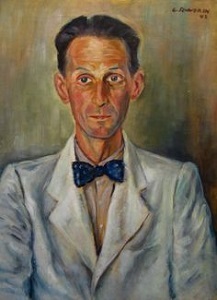
Lodewijk van Deyssel (22 september 1864 – 26 januari 1952)
Portret door Kees Verwey, 1941


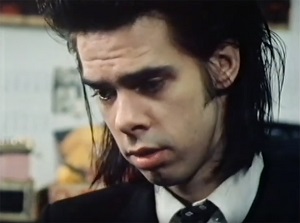
De Australische singer / songwriter, dichter, schrijver en acteur Nicholas Edward Cave werd geboren in Warracknabeal op 22 september 1957. Zie ook alle tags voor Nick Cave op dit blog.

Uit: The Death of Bunny Munro

“He hears it now above the bombination of the air conditioner and it is sufficiently apocalyptic to almost arouse his curiosity. But not quite.
The watermark on the ceiling is growing, changing shape – a bigger breast, a buttock, a sexy female knee – and a droplet forms, elongates and trembles, detaches itself from the ceiling, freefalls and explodes on Bunny's chest. Bunny pats at it as if he were in a dream and says, 'Libby, baby, where do we live?'
‘Brighton.'
'And where is Brighton?' he says, running a finger along the row of miniature bottles of liquor arranged on the bedside table and choosing a Smirnoff.
'Down south.'
'Which is about as far away from 'up north' as you can get without falling into the bloody sea. Now, sweetie, turn off the TV, take your Tegretol, take a sleeping tablet – shit, take two sleeping tablets – and I'll be back tomorrow. Early.'
'The pier is burning down', says Libby.
'What?'
'The West Pier, it's burning down. I can smell the smoke from here.'
'The West Pier?'
Bunny empties the tiny bottle of vodka down his throat, lights another cigarette, and rises from the bed. The room heaves as Bunny is hit by the realisation that he is very drunk. With arms held out to the side and on tiptoe, Bunny moonwalks across the room to the window. He lurches, stumbles and Tarzans the faded chintz curtains until he finds his balance and steadies himself. He draws them open extravagantly and vulcanised daylight and the screaming of birds deranges the room. Bunny's pupils contract painfully as he grimaces through the window, into the light. He sees a dark cloud of starlings, twittering madly over the flaming, smoking hulk of the West Pier that stands, helpless, in the sea across from the hotel. He wonders why he hadn't seen this before and then wonders how long he has been in this room, then remembers his wife and hears her say, 'Bunny, are you there?'
'Yeah,' says Bunny, transfixed by the sight of the burning pier and the thousand screaming birds.
'The starlings have gone mad. It's such a horrible thing. Their little babies burning in their nests. I can't bear it, Bun,' says Libby, the high violin rising.”
 2179568-ca6610ca49edf404a52b5885e87304b9.jpg
Nick Cave (Warracknabeal , 22 september 1957)


De Nederlandse dichter en schrijver Peter Drehmanns werd op 22 september 1960 in Roermond geboren. Zie ook alle tags voor Peter Drehmanns op dit blog.


Terwijl

Terwijl de trein te velde trekt
verdwijn je maximaal
in met fluweel beknuffelde banken
tussen Omsk en Otranto.

Terwijl de taxi's talmen voor Termini
struikel je danig
de napalmnacht binnen,
koppeltekens boven je beduimelde ogen
accolades in je mondhoeken
een dubbele tong in je hand.

Terwijl de hotelkamer openscheurt
val je voluit
tussen de regels van het opengeslagen bed -
en op het nachtkastje troont het happy end,
het jachtgeweer van de schrijver
in de open mond van de dag
in de stofstorm van wat weg was
van wat drab was.


Nog zowat

en dat de conducteur steeds opnieuw
langskomt en je kaartje bekladt
en dat het stof nooit ophoudt
neer te dalen en dat het zicht beperkt
blijft rondkolken en dat de konijnen zachtjes
sudderen en dat je rechtop moet lopen
en dat de bitten beschuimd zijn
in de tuigkamer en de teugels onontwarbaar
en dat de paarden de stal niet meer ruiken
en dat het sneeuwt in het apenhuis
en dat mijn meisje haar vingers zoekt
in het lange gras bezijden de roofdierverblijven
en dat de rantsoenkaarten verkruimelen
tussen mijn tanden en geen touw meer valt
vast te knopen aan welke geloofsrichting
dan ook
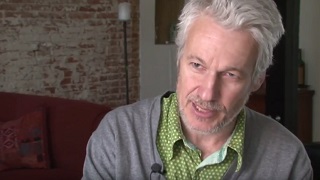
 

 2179568-ebca2d8665715aa01e03dac999aefdea.jpg
Peter Drehmanns (Roermond, 22 september 1960)


Onafhankelijk van geboortedata


De Amerikaanse schrijver Nathan Hill werd geboren in Cedar Rapids, Iowa, in 1976. Zie ook alle tags voor Nathan Hill op dit blog.

Uit: The Nix

“All I actually know right now,” the reporter says, “is that things were thrown.”
“What things?”
“That is unclear at this time.”
“Was the governor struck by any of the things? Is he injured?”
“I believe he was struck, yes.”
“Did you see the attackers? Were there many of them? Throwing the things?”
“There was a lot of confusion. And some yelling.”
“The things that were thrown, were they big things or small things?”
“I guess I would say small enough to be thrown.”
“Were they larger than baseballs, the thrown things?”
“No, smaller.”
“So golf- ball- size things?”
“Maybe that’s accurate.”
“Were they sharp? Were they heavy?”
“It all happened very fast.”
“Was it premeditated? Or a conspiracy?”
“There are many questions of that sort being asked.”
A logo is made: Terror in Chicago. It whooshes to a spot next to the anchor’s ear and flaps like a flag in the wind. The news displays a map of Grant Park on a massive touch- screen television in what has become a commonplace of modern newscasting: someone on television communicating via another television, standing in front of the television and controlling the screen by pinching it with his hands and zooming in and out in super- high definition. It all looks really cool.”
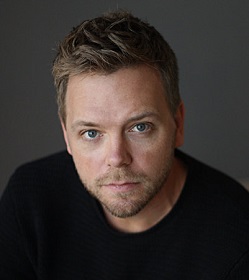
 

 2179568-30ae92093484c86c8b42757f23a66d97.jpg
Nathan Hill (Cedar Rapids, 1976)


Zie voor nog meer schrijvers van de 22e september ook mijn vorige blog van vandaag.
Geschreven door Romenu om 12:12 Reageer op dit bericht

Fay Weldon, Rosamunde Pilcher, György Faludy, Hans Leip, Uri Zvi Greenberg, Barthold Heinrich Brockes

De Britse schrijfster Fay Weldon werd geboren op 22 september 1931 in Alvechurch, Engeland. Zie ook alle tags voor Fay Weldon op dit blog.

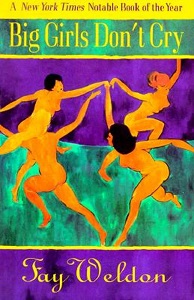
Uit: Big Girls Don't Cry

“Stephanie doesn't get the joke. This is her life problem. Her life asset is her beauty. In 1971 she is twenty-five; she has perfect features, a lanky body, abundant blonde straight hair, and rather large hands and feet. Layla is twenty-six, shorter, plumper, funnier; she has curly dark hair. One side of Layla's face does not line up with the other, so she is called sexy and attractive, but seldom beautiful. Layla does not regard this as a life problem. She has too much to think about.
The posters declare over and over, A Woman Needs a Man like a Fish Needs a Bicycle. People stare a moment and pass on. The message makes no sense. Obviously women need men. Everyone needs men. Masculinity is all. Armies need men, and government and business and technology and high finance. And teaching and medicine and adventuring and fashion. And all the serious arts. Offices, except for the typing pool, which is female, need men. It's homes which need women, except for the lawn which is male. Women are for sex, motherhood and domesticity. Men are in for status and action. Outside the home is high status, inside the home is low status. In popular myth men make decisions, women try on hats. The world is all id and precious little anima. Layla and Stephie, friends, mean to change all this. A Woman Needs a Man like a Fish Needs a Bicycle. Ho, ho, ho. Everyone knows women compete for male attention; isn't this how the problem of female bitchery arises? Catty? Felines are nothing compared with women. Perhaps this puzzle poster is advertising something?
A couple of tourists, Brian and Nancy from New Zealand, emerge from the crowds in Carnaby Street. They have been rendered punch-drunk by colour, fabric, and the smell of patchouli. These are still flower-power and drug days. See feather boas, silk caftans, crushed velvet hats; lots of mauve, flares, miniskirts, platform heels; good-looking guys with lots of hair, girls with doll faces drifting behind them; wide eyes, fake lashes, white faces. Brian and Nancy both wear white Aertex shirts and tennis shoes for ease and comfort. Both are in culture shock. They flew in today from Wellington. (It took thirty-six hours.) They are accustomed to mountains, plains and sheep farms. Brian is gloriously handsome and golden. Nancy is pleasing enough to look at, but lacks eroticism: she's tall, long-limbed, and manages to appear gawky rather than slender.”


 2179559-79ca52ec8b447efcd80b04bb3600c9c1.jpg
Fay Weldon (Alvechurch, 22 september 1931)
Cover


De Britse schrijfster Rosamunde Pilcher werd op 22 september 1924 geboren in Lelant, Cornwall, Groot-Brittannië. Zie ook alle tags voor Rosamunde Pilcher op dit blog.

Uit: The Shell Seekers

“She sometimes thought that for her, Nancy Chamberlain, the most straightforward or innocent occupation was doomed to become, inevitably, fraught with tedious complication.
Take this morning. A dull day in the middle of March. All she was doing ... all she planned to do ... was to catch the 9:15 from Cheltenham to London, have lunch with her sister Olivia, perhaps pop into Harrods, and then return home. There was nothing, after all, particularly heinous about this proposal. She was not about to indulge in a wild orgy of extravagance, nor meet a lover; in fact, it was a duty visit more than anything else, with responsibilities to be discussed and decisions made, and yet as soon as the plan was voiced to her household, circumstances seemed to close ranks, and she was faced with objections, or, worse, indifference, and left feeling as though she were fighting for her life.
Yesterday evening, having made the arrangement with Olivia over the phone, she had gone in search of her children. She found them in the small living room, which Nancy euphemistically thought of as the library, sprawled on the sofa in front of the fire, watching television. They had a playroom and a television of their own, but the playroom had no fireplace and was deathly cold, and the television was an old black-and-white, so it was no wonder they spent most of their time in here.
"Darlings, I have to go to London tomorrow to meet Aunt Olivia and have a talk about Granny Pen ..."
"If you're going to be in London, then who's going to take Lightning to the blacksmith to be shod?"
That was Melanie. As she spoke, Melanie chewed the end of her pigtail and kept one baleful eye glued to the manic rock singer whose image filled the screen. She was fourteen and was going through, as her mother kept telling herself, that awkward age.
Nancy had expected this question and had her answer ready.
"I'll ask Croftway to deal with that. He ought to be able to manage on his own."
Croftway was the surly gardener-handyman who lived with his wife in a flat over the stables. He hated the horses and constantly spooked them into a frenzy with his loud voice and uncouth ways, but part of his job was helping to cope with them, and this he grudgingly did, manhandling the poor lathered creatures into the horse-box, and then driving this unwieldly vehicle across country to various Pony Club events. On these occasions Nancy always referred to him as "the groom."

 2179559-1f8f9cb236ca6456f2391fb0fdce4889.jpg
Rosamunde Pilcher (Lelant, 22 september 1924)
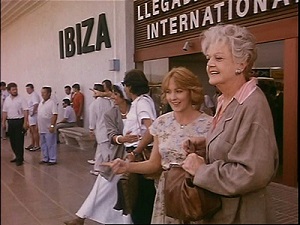
Scene uit de gelijknamige tv-film uit 1989 met o.a. Angela Lansbury als Penelope Keeling (rechts)


De Hongaarse dichter en schrijver György Faludy werd geboren op 22 september 1910 in Boedapest. Zie ook alle tags voor György Faludy op dit blog.


Ballade de celui qui n'est fils de personne

Comme un grand chapeau, le ciel bleu m'a recouvert,
et il s'est trouvé pour moi un seul ami fidèle: le brouillard.
Parmi des plats garnis la faim m'a saisi,
et j'ai eu froid à en mourir devant des poêles chauffés au rouge.
Là où j'ai mis la main, il n'y avait que des tuiles qui tombaient,
et la boue montait jusqu'à atteindre le bord de ma bouche,
près de ma route les roses mouraient
et mon souffle rendait l'été terne,
je m'étonne déjà presque de la lumière du jour,
de ce qu'elle brille encore parfois sur mes épaules en haillons,
moi qui ai parcouru tous les six mondes,
partout béni et partout cible de crachats.

J'ai lutté contre le vent dans les champs gelés,
mon vêtement n'est qu'une feuille de vigne,
rien n'est plus pur pour moi que la nuit,
rien n'est plus sombre pour moi que le midi.
J'ai éclaté en sanglots au fond des tavernes de marins,
de même que je ris dans les cimetières;
ce que j'ai est seulement ce que j'ai jeté dans la boue,
et j'ai tué tout ce que j'aime.
Avec son givre blanc, l'automne s'est déjà couché
sur mes tempes et mes cheveux roux comme le feu,
et je vais ainsi, sifflotant tout seul,
partout béni et partout cible de crachats.

Le ciel victorieux a posé sa tente sur moi,
la rosée a coloré de bleu mon front,
et c'est ainsi que j'ai poursuivi Dieu, qui a reculé,
et poursuivi l'avenir, qui est comme mon foyer.
Je me suis reposé des heures sur les sommets montagneux
et j'ai regardé avec admiration le casseur de pierres en sueur,
mais je suis passé en sifflotant près des cathédrales
et je me suis moqué de l'évêque aux vêtements ornés,
et pour cela il n'est tombé que baisers et coups de cravache
sur mon pauvre corps, qui s'est couché tout pareillement
parmi les coussins brodés et dans la boue des rues,
partout béni et partout cible de crachats.

Et bien que je n'aie ni maison, ni vin, ni épouse
et que le vent me siffle entre les jambes,
j'aurai encore de l'argent, et j'espère avec certitude
qu'un jour tout me réussira.
Et quand je serai lassé de manger dans des plats en or,
j'abandonnerai encore une fois les palais,
les vers danseront déjà la gigue pour atteindre mon ventre,
et quelque part sur les feuilles mortes d'automne,
au pied d'un vieux buisson d'épines sur lequel ne brillera
que la lumière douteuse d'une mauvaise étoile,
c'est là qu'un jour je resterai, François Villon, couché,
partout béni et partout cible de crachats.


 2179559-cbeca3bd8a09cf8fe058d19884e6f405.jpg
György Faludy (22 september 1910 – 1 september 2006)
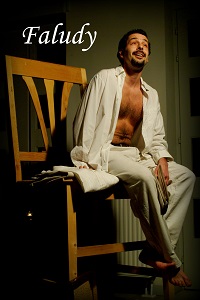
De Hongaarse acteur Turek Miklós presenteerde leven en werk van György Faludy tijdens een theatervoorstelling in Őriszentpéter,2004


De Duitse dichter en schrijver Hans Leip werd geboren op 22 september 1893 in Hamburg. Zie ook alle tags voor Hans Leip op dit blog.

Uit: Die Nächtezettel der Sinsebal

“(Sinsebal tanzt vor einem Spiegel in ihrer einsamen Stube)

Dann tanze ich das Spiegellied. Das Spiegellied? Oho! Was weiß mein Bein von mir? Was weiß mein Nacken von mir? Was weiß die weiße Haut? Der Vorhang ist zu, der Teppich grau und ein einziger Kuß. Da schläft mein Bett allein. Nein, gaffen die Kissen? Und pumpen die Puppen im Stuhl in der Kuhle die Mäuler zum Wundern rund? Die Berge schmunzeln auf den Bildern. Was macht die Lampe denn? Die Lampe macht sich winzig, rennt in mein Knotenhaar, brennt in mein Bronzepudelhaar, ein Edelstein, mein süßer Karfunk!
Ei Fürstin, ei Engelbengel, hü! Ei Töchterlein, ei Schmatz, mein Schatz!
Nun neigen sich die Arme sehr, die Schultern schleichen hinterdrein. Nun schlüpft das Knie davon, nun ruft das andre zärtlich nach. Schnipp, macht der Finger.
Nun heben sich die Zehen, tirili. Nun scharwenzen die Hüften juja, nun klingeln ting, ting die Brüstelein.
Nun stülpt eine Glocke über mich. O schwanker Trunk, dunkles Blau! Wer schwingt mich so, o halt, nein! O ja, schön! Noch fängt mich der Spiegel, steif grapst mich sein Mantel, nun klemmt er nicht mehr, schmal bin ich ihm weg, fängt mich nicht, fängt mich nicht! Nun Kreisel, nun Mond im Griff. Wirft mich ein Gaukler? Ein Walfisch schnappt mich. Feuer ist, Feuer ist! O schauert mich Eis!
Nun kreiseln die Wiesen, viel Blumen wie Mücken, die Schwalben, die Rehe, o schwindelnder Duft; nun häng’ ich im Wind, wie Zweige geschaukelt, wie Blätter geschleudert, wie Sternschnuppen blank. Nun schieß’ ich hinauf, o dunkel, o sausend, nun schluckt mich die Sonne, nun ist sie mein Tanzrad, ist toll, ist toll, o Fieber, ich brenne! Zu Regenbögen gestriemt die Wände, die Puppen, die Stühle, mein Hemd, meine Kissen, mein Bett, meine Bücher, ich schwebe, ich falle!”


 2179559-027851224f6159d283c8397a085473f9.jpg
Hans Leip (22 september 1893 – 6 juni 1983)


De Israëlische Hebreeuwse en Jiddische dichter en politicus Uri Zvi Greenberg werd geboren op 22 september 1896 in Bialikamin, Lviv, in Galicië, destijds behorend tot Oostenrijk-Hongarije. Zie ook alle tags voor Uri Zvi Greenberg op dit blog.


We Were Not Likened To Dogs

We were not likened to dogs among the Gentiles—by them a dog is pitied
Caressed and even kissed by the Gentile mouth, for like the puppy
Beloved of his home, he is fondled and rejoiced in always:
And when this dog dies—how very much the Gentile mourns him!

We were not led like sheep to the slaughter in the boxcars
For like leprous sheep they led us to extinction
Over all the beautiful landscapes of Europe... .
The Gentiles did not handle their sheep as they handled our bodies:
Before slaughter they did not pull out the teeth of their sheep:
They did not pluck the wool from their bodies as they did to us:
They did not push the sheep into the fire to make ashes of the living
And to scatter the ashes over rivers and sewers.

Are there other parables like this, our catastrophe, that came to us from their hands?
There are no other parables (all words are shades of shadow)—
And therein is the horror-striking expression: There are no other parables!
Every cruel torture that man may yet do to man in a Gentile country,
The future fashioner of parables will liken so: He was tortured like a Jew.


 2179559-d9c3e9e22d67961cecbdc118e7370a2b.jpg
Uri Zvi Greenberg (22 september 1896 – 8 mei 1981)
Portret uit 1942


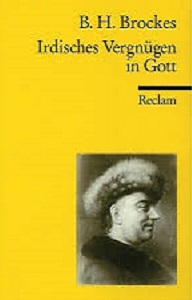
De Duitse dichter Barthold Heinrich Brockes werd geboren in Hamburg op 22 september 1680. Zie ook alle tags voor Barthold Heinrich Brockes op dit blog.


Gedanken bey dem Fall der Blätter im Herbst

In einem angenehmen Herbst, bey ganz entwölktem heiterm Wetter,
Indem ich im verdünnten Schatten, bald Blätter-loser Bäume, geh′,
Und des so schön gefärbten Laubes annoch vorhandnen Rest beseh′;
Befällt mich schnell ein sanfter Regen, von selbst herabgesunkner Blätter.

Ein reges Schweben füllt die Luft. Es zirkelt, schwärmt′ und drehte sich
Ihr bunt, sanft abwärts sinkend Heer; doch selten im geraden Strich.
Es schien die Luft, sich zu bemühn, den Schmuck, der sie bisher gezieret,
So lang es möglich, zu behalten, und hindert′ ihren schnellen Fall.
Hiedurch ward ihre leichte Last, im weiten Luft-Kreis überall,
In kleinen Zirkelchen bewegt, in sanften Wirbeln umgeführet,
Bevor ein jedes seinen Zweck, und seiner Mutter Schooß, berühret;
Um sie, bevor sie aufgelöst, und sich dem Sichtlichen entrücken,
Mit Decken, die weit schöner noch, als persianische, zu schmücken.

Ich hatte diesem sanften Sinken, der Blätter lieblichem Gewühl,
Und dem dadurch, in heitrer Luft, erregten angenehmen Spiel,
Der bunten Tropfen schwebendem, im lindem Fall formiertem, Drehn,
Mit offnem Aug′, und ernstem Denken, nun eine Zeitlang zugesehn;
Als ihr von dem geliebten Baum freywilligs Scheiden (da durch Wind,
Durch Regen, durch den scharfen Nord, sie nicht herabgestreifet sind;
Nein, willig ihren Sitz verlassen, in ihren ungezwungnen Fällen)
Nach ernstem Denken, mich bewog, sie mir zum Bilde vorzustellen,
Von einem wohlgeführten Alter, und sanftem Sterben; Die hingegen,
Die, durch der Stürme strengen Hauch, durch scharfen Frost, durch schwehren Regen
Von ihren Zweigen abgestreift und abgerissen, kommen mir,
Wie Menschen, die durch Krieg und Brand und Stahl gewaltsam fallen, für.

Wie glücklich, dacht′ ich, sind die Menschen, die den freywillgen Blättern gleichen,
Und, wenn sie ihres Lebens Ziel, in sanfter Ruh′ und Fried′, erreichen;
Der Ordnung der Natur zufolge, gelassen scheiden, und erbleichen!


 2179559-6255d6f7dbfcfc379335d4b2cbe2a621.jpg
Barthold Heinrich Brockes (22 september 1680 - 16 januari 1747)
Cover

Geschreven door Romenu om 12:12 Reageer op dit bericht

Leonard Cohen, Stephen King, Frédéric Beigbeder, Xavier Roelens, Fannie Flag, H.G. Wells, Johann Peter Eckermann, Max Porter, Paul Ewen

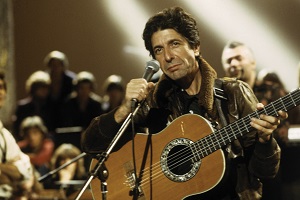
De Canadese dichter, folk singer-songwriter en schrijver Leonard Cohen werd geboren op 21 september 1934 te Montréal. Zie ook alle tags voor Leonard Cohen op dit blog.

Uit:The favorite game

“3
His father lived mostly in bed or a tent in the hospital. When he was up and walking he lied. He took his cane without the silver band and led his son over Mount Royal. Here was the ancient crater. Two iron and stone cannon rested in the gentle grassy scoop which was once a pit of boiling lava. Breavman wanted to dwell on the violence. "We'll come back here when I'm better." One lie. Breavman learned to pat the noses of horses tethered beside the Chalet, how to offer them sugar cubes from a flat palm. "One day we'll go riding." "But you can hardly breathe." His father collapsed that evening over his map of flags on which he plotted the war, fumbling for the capsules to break and inhale.

4
Here is a movie filled with the bodies of his family. His father aims the camera at his uncles, tall and serious, bou-tonnieres in their dark lapels, who walk too close and enter into blurdom. Their wives look formal and sad. His mother steps back, urging aunts to get into the picture. At the back of the screen her smile and shoulders go limp. She thinks she is out of focus.
Breavman stops the film to study her and her face is eaten by a spreading orange-rimmed stain as the film melts. His grandmother sits in the shadows of the stone balcony and aunts present her with babies. A silver tea-set glows richly in early Technicolor. His grandfather reviews a line of children but is stopped in the midst of an approving nod and ravaged by a technical orange flame. Breavman is mutilating the film in his efforts at history. Breavman and his cousins fight small gentlemanly battles. The girls curtsy. All the-children are invited to leap one at a time across the flagstone path. A gardener is led shy and grateful into the sunlight to be pre-served with his betters. A battalion of wives is squeezed abreast, is decimated by the edge of the screen. His mother is one of the first to go. Suddenly the picture is shoes and blurred grass as his father staggers under another attack. "Help!" Coils of celluloid are burning around his feet. He dances until he is saved by Nursie and the maid and punished by his mother. The movie runs night and day. Be careful, blood, be careful.”


 2179349-7081837ecf41652023660829c0bed70a.jpg
Leonard Cohen (21 september 1934 – 7 november 2016)


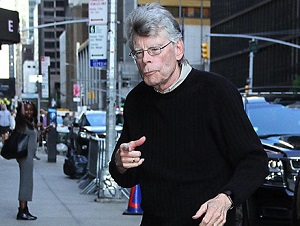
De Amerikaanse schrijver Stephen Edwin King werd geboren in Portland, Maine, op 21 september 1947. Zie ook alle tags voor Stephen King op dit blog.

Uit: The Outsider

“He was prepared for another of those accusing stares, but Terry only glanced at him briefly, and with no expression at all, before turning his attention to Bill Samuels, who had taken a seat in one of the three chairs on the other side of the table.
Studying Samuels now, Ralph began to get an idea of how he had risen so high so quickly. While the two of them were standing on the other side of the one-way glass, the DA had simply looked a bit young for the job. Now, facing Frankie Peterson’s rapist and killer, he looked even younger, like a law office intern who had (due to some mixup, probably) landed this interview with a big-time perp. Even the little Alfalfa cowlick sticking up from the back of his head added to the role the man had slipped into: untried youth, just happy to be here. You can tell me anything, said those wide, interested eyes, because I’ll believe it. This is my first time playing with the big boys, and I just don’t know any better.
“Hello, Mr. Maitland,” Samuels said. “I work in the county DA’s office.”
Good start, Ralph thought. You are the county DA’s office.
“You’re wasting your time,” Terry said. “I’m not going to talk to you until my lawyer gets here. I will say that I see a sizeable wrongful arrest suit in your future.”
“I understand that you’re upset, in your position, anyone would be. Maybe we can iron it out right here. Can you just tell me where you were when the Peterson boy was killed? That was on last Tuesday afternoon. If you were somewhere else, then—”
“I was,” Terry said, “but I intend to discuss that with my lawyer before I discuss it with you. His name is Howard Gold. When he gets here, I’ll want to talk to him privately. I assume that’s my right? Since I’m presumed innocent until proven guilty?”
Quick recovery, Ralph thought. A career criminal couldn’t have done it better.
“It is indeed,” Samuels said. “But if you haven’t done anything—”


 2179349-facc6227cde2862839eff06ee784c0cf.jpg
Stephen King (Portland, 21 september 1947)


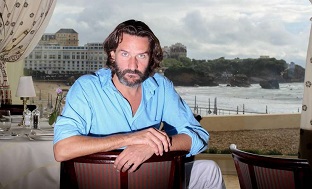
De Franse schrijver Frédéric Beigbeder werd geboren op 21 september 1965 in Neuilly-sur-Seine. Zie ook alle tags voor Frédéric Beigbeder op dit blog.

Uit: Une vie sans fin

“Si le ciel est dégagé, on peut voir la mort toutes les nuits. Il suffit de lever les yeux. La lumière des astres défunts a traversé la galaxie. Des étoiles lointaines, disparues depuis des millénaires, persistent à nous envoyer un souvenir dans le firmament. Il m’arrive de téléphoner à quelqu’un que l’on vient d’enterrer, et d’entendre sa voix, intacte, sur sa boîte vocale. Cette situation provoque un sentiment paradoxal. Au bout de combien de temps la luminosité diminue-t-elle quand l’étoile n’existe plus ? Combien de semaines met une compagnie téléphonique à effacer le répondeur d’un cadavre ? Il existe un délai entre le décès et l’extinction : les étoiles sont la preuve qu’on peut continuer de briller après la mort. Passé ce light gap, arrive forcément le moment où l’éclat d’un soleil révolu vacille comme la flamme d’une bougie sur le point de s’éteindre. La lueur hésite, l’étoile se fatigue, le répondeur se tait, le feu tremble. Si l’on observe la mort attentivement, on voit que les astres absents scintillent légèrement moins que les soleils vivants. Leur halo faiblit, leur chatoiement s’estompe. L’étoile morte se met à clignoter, comme si elle nous adressait un message de détresse... Elle s’accroche.
Ma résurrection a commencé à Paris, dans le quartier des attentats, le jour d’un pic de pollution aux particules fines. J’avais emmené ma fille dans un néo-bistrot nommé Jouvence. Elle mangeait une assiette de saucisson de bellota et je buvais un Hendrick’s tonic concombre. Nous avions perdu l’habitude de nous parler depuis l’invention du smartphone. Elle consultait ses WhatsApp pendant que je suivais des top-models sur Instagram. Je lui ai demandé ce qu’elle aimerait le plus comme cadeau d’anniversaire. Elle m’a répondu : «Un selfie avec Robert Pattinson.» Ma première réaction fut l’effarement. Mais à bien y réfléchir, dans mon métier d’animateur de télévision, je réclame aussi des selfies. Un type qui interroge des acteurs, des chanteurs, des sportifs et des hommes politiques devant des caméras ne fait rien d’autre que de longues prises de vue à côté de personnalités plus intéressantes que lui. D’ailleurs, quand je sors dans la rue, les passants me réclament une photo en leur compagnie sur leur téléphone, et si j’accepte volontiers, c’est parce que je viens d’accomplir exactement la même démarche sur mon plateau entouré de projecteurs. Nous menons tous la même non-vie ; nous voulons briller dans la lumière des autres. L’homme moderne est un amas de 75 000 milliards de cellules qui cherchent à être converties en pixels.”


 2179349-a231390495ebe0b923698ca9edd4f21b.jpg
Frédéric Beigbeder (Neuilly-sur-Seine, 21 september 1965)


De Vlaamse dichter Xavier Roelens werd op 21 september 1976 in Rekkem (Menen). Zie ook alle tags voor Xavier Roelens op dit blog.


Volg vanaf daar de richtingaanwijzers

de wegen verbonden tegenstrijdige steden.
nam een man de benen, in ganzenpas
en binnen zijn te brede denkmal.

bij omlegging van het heden onthoudt de aarde
zich - zonverblind en teruggetrokken onder het asfalt.

Zo de hersenschors. Zo de maatschappij.
Zo de zonnebril. Zo de val/vrijpartij.
Zo wij. Zo jij. Zozo

sloeg een man op de vlucht naar Rio
en dwong hem tot een noodlanding.


leer, beleef, creëer, geniet

ik pretendeer geenszins haar te lijf te gaan

het is haar vinger delete
haar netvlies dat me
geen pixel verliest, nu ik uitgelogd wordt.

spelend met de muis lay-out ze haar lichaam
likt haar link in den Hoge, verzamelt haar netwerk
ze voedt de volgende generatie
ze downloadt, dus://

ik Error 404, als het niet stoort. gewoon
om herop te starten: ik pretendeer enz.


 2179349-1339b6365212fab11e79776d4e5375bd.jpg
Xavier Roelens (Rekkem, 21 september 1976) 


De Amerikaanse schrijfster en actrice Fannie Flagg (eig. Patricia Neal) werd geboren op 21 september in Birmingham (Alabama). Zie ook alle tags voor Fannie Flagg op dit blog.

Uit: Can't Wait to Get to Heaven

“Then she suddenly began to wonder if she had turned off her oven before she had gone out in the yard to pick figs; or if she had fed her cat, Sonny, his breakfast yet. She also wondered what that boy in the ugly green shower cap and those other people leaning over, busy poking at her, were saying. She could see their lips moving all right, but she had not put her hearing aid on this morning, and all she could hear was a faint beeping noise, so she decided to try to take a little nap and wait for her niece Norma to come get her. She needed to get back home to check on Sonny and her stove, but she was not particularly looking forward to seeing her niece, because she knew she was going to get fussed at, but good. Norma was a highly nervous sort of a person and, after Elner’s last fall, had told her time and time again, not to get up on that ladder and pick figs. Norma had made her promise to wait and let Macky, Norma’s husband, come over and do it for her; and now not only had Elner broken a promise, this trip to the emergency room was sure to cost her a pretty penny.
A few years ago, when her neighbor Tot Whooten had gotten that needle-nosed hound fish stuck in her leg and wound up in the emergency room, Tot said they had charged her a small fortune. On reflection, Elner now realized that she probably should have called Norma; she had thought about calling, but she hadn’t wanted to bother poor Macky for just a few figs. Besides, how could she know there was a wasps’ nest up in her tree? If it weren’t for them, she would have been up and down that ladder with her figs, making fig preserves by now, and Norma would have been none the wiser. It was the wasps’ fault; they had no business being up there in the first place. But at this point she knew that all the excuses in the world would not hold much water with Norma. “I’m in big trouble now,” she thought, before she drifted off. “I may have just lost ladder privileges for life.”

 2179349-8058d8f2d16577f369f3594c402dec04.JPG
Fannie Flagg (Birmingham, 21 september 1944)


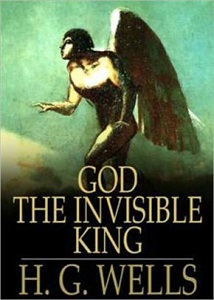
De Britse schrijver Herbert George Wells werd geboren op 21 september 1866 in Bromley, Kent. Zie ook alle tags voor H. G. Wells op dit blog.

Uit: God the Invisible King

“Modern religion bases its knowledge of God and its account of God entirely upon experience. It has encountered God. It does not argue about God; it relates. It relates without any of those wrappings of awe and reverence that fold so necessarily about imposture, it relates as one tells of a friend and his assistance, of a happy adventure, of a beautiful thing found and picked up by the wayside.
So far as its psychological phases go the new account of personal salvation tallies very closely with the account of "conversion" as it is given by other religions. It has little to tell that is not already familiar to the reader of William James's "Varieties of Religious Experience." It describes an initial state of distress with the aimlessness and cruelties of life, and particularly with the futility of the individual life, a state of helpless self- disgust, of inability to form any satisfactory plan of living. This is the common prelude known to many sorts of Christian as "conviction of sin"; it is, at any rate, a conviction of hopeless confusion. . . . Then in some way the idea of God comes into the distressed mind, at first simply as an idea, without substance or belief. It is read about or it is remembered; it is expounded by some teacher or some happy convert. In the case of all those of the new faith with whose personal experience I have any intimacy, the idea of God has remained for some time simply as an idea floating about in a mind still dissatisfied. God is not believed in, but it is realised that if there were such a being he would supply the needed consolation and direction, his continuing purpose would knit together the scattered effort of life, his immortality would take the sting from death. Under this realisation the idea is pursued and elaborated. For a time there is a curious resistance to the suggestion that God is truly a person; he is spoken of preferably by such phrases as the Purpose in Things, as the Racial Consciousness, as the Collective Mind.
I believe that this resistance in so many contemporary minds to the idea of God as a person is due very largely to the enormous prejudice against divine personality created by the absurdities of the Christian teaching and the habitual monopoly of the Christian idea. The picture of Christ as the Good Shepherd thrusts itself before minds unaccustomed to the idea that they are lambs.”

 2179349-36e597eaa9b55066f8fdac5e1700a47f.jpg
H. G. Wells (21 september 1866 – 13 augustus 1946)
Cover


De Duitse dichter Johann Peter Eckermann werd geboren op 21 september 1792 in Winsen (Luhe). Hij was bovenal de medewerker en vriend van Johann Wolfgang von Goethe.Zie ook alle tags voor Johann Peter Eckermann op dit blog.

Uit: Gespräche mit Goethe

“Mittwoch, den 11. Juni 1823
Diesen Morgen erhielt ich abermals eine Einladung zu Goethe, und zwar mittelst einer von ihm beschriebenen Karte. Ich war darauf wieder ein Stündchen bei ihm. Er erschien mir heute ganz ein anderer als gestern, er zeigte sich in allen Dingen rasch und entschieden wie ein Jüngling.
Er brachte zwei dicke Bücher, als er zu mir hereintrat. »Es ist nicht gut,«sagte er, »daß Sie so rasch vorübergehen, vielmehr wird es besser sein, daß wir einander etwas näher kommen. Ich wünsche Sie mehr zu sehen und zu sprechen. Da aber das Allgemeine so groß ist, so habe ich sogleich auf etwas Besonderes gedacht, das als ein Tertium einen Verbindungs- und Besprechungspunkt abgebe. Sie finden in diesen beiden Bänden die ›Frankfurter gelehrten Anzeigen‹ der Jahre 1772 und 1773, und zwar sind auch darin fast alle meine damals geschriebenen kleinen Rezensionen. Diese sind nicht gezeichnet; doch da Sie meine Art und Denkungsweise kennen, so werden Sie sie schon aus den übrigen herausfinden. Ich möchte nun, daß Sie diese Jugendarbeiten etwas näher betrachteten und mir sagten, was Sie davon denken. Ich möchte wissen, ob sie wert sind, in eine künftige Ausgabe meiner Werke aufgenommen zu werden. Mir selber stehen diese Sachen viel zu weit ab, ich habe darüber kein Urteil. Ihr Jüngeren aber müßt wissen, ob sie für euch Wert haben und inwiefern sie bei dem jetzigen Standpunkte der Literatur noch zu gebrauchen. Ich habe bereits Abschriften nehmen lassen, die Sie dann später haben sollen, um sie mit dem Original zu vergleichen. Demnächst, bei einer sorgfältigen Redaktion, würde sich denn auch finden, ob man nicht gut tue, hie und da eine Kleinigkeit auszulassen oder nachzuhelfen, ohne im ganzen dem Charakter zu schaden.«
Ich antwortete ihm, daß ich sehr gerne mich an diesen Gegenständen versuchen wolle, und daß ich dabei weiter nichts wünsche als daß es mir gelingen möge, ganz in seinem Sinne zu handeln.
»Sowie Sie hineinkommen,« erwiderte er, »werden Sie finden, daß Sie der Sache vollkommen gewachsen sind; es wird Ihnen von der Hand gehen."


 2179349-affe878130423d30ead78eaa1ed69bd3.jpg
Johann Peter Eckermann (21 september 1792 – 3 december 1854)
Cover


Onafhankelijk van geboortedata


De Engelse schrijver Max Porter werd geboren in High Wycombe in 1981. Zie ook alle tags voor Max Porter op dit blog.

Uit: Grief Is the Thing with Feathers

“I lay back, resigned, and wished my wife wasn’t dead. I wished I wasn’t lying terrified in a giant
bird embrace in my hallway. I wished I hadn’t been obsessing about this thing just when the greatest tragedy of my life occurred. These were factual yearnings. It was bitterly wonderful. I had some clarity.
Hello Crow, I said. Good to finally meet you.
And he was gone.
For the first time in days I slept. I dreamt of afternoons in the forest.
CROW
Very romantic, how we first met. Badly behaved. Trip trap. Two-bed upstairs at, spit-level, slight barbed- error, snuck in easy through the wall and up the attic bedroom to see those cotton boys silently sleeping, intoxicating hum of innocent children, lint, flack, gack-pack-nack, the whole place was heavy mourning, every surface dead Mum, every crayon, tractor, coat,
welly, covered in a lm of grief. Down the dead Mum stairs, plinkety plink curled claws whisper, down to Daddy’s recently Mum-and-Dad’s bedroom. I was Herne the hunter hornless, funt. Munt. Here he is. Out. Drunk-for white. I bent down over him and smelt his breath. Notes of rotten hedge, bluebottles.
I prised open his mouth and counted bones, snacked a little on his un-brushed teeth, flossed him, crowly tossed his tongue hither, thither, I lifted the duvet.
I Eskimo kissed him. I butterfly kissed him. I flat-flutter Jenny Wren kissed him. His lint (toe-jam-rint) fuck-sacks sad and cosy, sagging, gently rising, then down, rising, then down, rising, then down, I was praying the breathing and the epidermis whispered ‘flesh, aah, flesh, aah, flesh, aah,’ and it was beautiful for me, rising (just like me) then down (just like me)
pan-shaped (just like me) it was any wonder the facts of my arrival under his sheets didn’t lift him, stench, rot-yot-kot, wake up human (BIRD FEATHERS UP YER CRACK, DOWN YER COCK-EYE, IN YER MOUTH) but he slept and the bedroom was a mausoleum. He was an accidental remnant and I knew this was the best gig, a real bit of fun.”


 2179349-245397506e2f792c2118a7f57909539f.jpg
Max Porter (High Wycombe, 1981)


De Nieuw-Zeelandse schrijver Paul Ewen werd geboren in Blenheim, Nieuw Zeeland in 1972. Zie ook alle tags voor Paul Ewen op dit blog.

Uit: Space

“New Zealand is a country that is blessed with a great deal of space. This makes it a big drawcard for overseas visitors, a fact not lost on the tourism industry, who commission epic landscape photographs, usually barren and sparse, depicting vast mountain ranges, the purest lakes and fjords, untouched
rolling countryside, and large majestic pools of bubbling mud. You could be forgiven for thinking that no people actually live there.
As a New Zealander, I have managed to see a great deal of my country. Much of this has been through the window of my mate’s brown Cortina.
In its day, Steve’s Cortina transported the pair of us on a series of epic trips around the South and North Islands. Steve always drove (apart from one late-night incident in Cromwell when I mounted the
footpath), and he always insisted the Cortina was in fact copper, not brown.
At every new town we visited, a felt pennant of that province was added to the car aerial, and these flags rippled in the southern-hemisphere winds, most being reduced to tufty dags by the end
of each given trip. To occupy ourselves while travelling through the undeniably magnificent landscape, we would sometimes play car cricket, scoring runs based on the plenitude of oncoming traffic. An approaching car, for instance, would be one run, a motorbike two, and a truck four, but a passing campervan meant the ‘batsman’ was out.
Occasionally, driving in particularly sparse countryside, such as on the west coast of the South Island, we would wait bloody ages to score a single run. Some years later, I found myself living in Ho Chi Minh City, Vietnam, and on the occasion when I attempted to play car cricket, I scored about a million runs purely in motorbike traffic before I had to pull over, cross-eyed.
One of my theories of why there’s so much space in New Zealand is grounded in the fact that so many of my compatriots are out of the country on any given day. After Germany, New Zealand has the most nationals, per head of population, living or travelling abroad at any one time. A fair counter to my argument, however, may be that most of the space they leave behind is filled, in turn, with German tourists. Despite having loads
of space at home, New Zealanders love to spend time in places where there isn’t much space at all. Like aeroplanes. With backpacks crammed full of undies, T-shirts and woollen socks, they blast off, funded by student loans, attempting to bridge the vast gap between their country and the rest of the world.”


 2179349-7db3770105b68bb52f45341f27fce745.jpeg
Paul Ewen (Blenheim, 1972)

Geschreven door Romenu om 18:11 Reageer op dit bericht

Constantijn Huygens-prijs 2018 voor Nelleke Noordervliet

Constantijn Huygens-prijs 2018 voor Nelleke Noordervliet


De Nederlandse schrijfster Nelleke Noordervliet heeft de Constantijn Huygens-prijs 2018 gewonnen. Zij krijgt de prijs voor haar hele oeuvre, maakte de Jan Campert-Stichting donderdag bekend namens de gemeente Den Haag. Aan de prijs is een bedrag van 12.000 euro verbonden. Eerdere winnaars zijn Atte Jongstra (2016), Adriaan van Dis (2015), Mensje van Keulen (2014) en Tom Lanoye (2013). Vorig jaar won de dichter Hans Tentije. Nelleke Noordervliet werd op 6 november 1945 in Rotterdam geboren. Zie ook alle tags voor Nelleke Noordervliet op dit blog.

Uit: Altijd roomboter

“De regen slaat tegen de hoge ramen van het ziekenhuis. Mijn overgrootmoeder ligt in een van de twaalf bedden op zaal. Het is zondag 1 oktober 1876. Haar kind is vijf dagen oud. Zijzelf is op 16 september twintig geworden. Liep ze maar buiten, maar het kan niet. Ze is net zo ingebakerd als haar zoon, die in een soort stofdoekenmand naast haar ligt. Het sluitlaken en het kraamverband dwingen haar uitgedijde en wegvloeiende onderlijf in oude vorm terug. Haar borsten zijn gezwollen en beginnen te lekken zodra het kind huilt. Nooit heeft ze geweten dat het zo zou zijn. Niemand heeft haar verteld hoe haar lichaam zou voelen. Het is niet van haar. Ze kan er geen woorden voor vinden. Zo hol en leeg haar buik is, zo hol en leeg is haar verbazing om wat is. Ze is omgeven door vreemden. Zelfs het kind is een vreemde. De vroedmeester hield hem aan zijn enkels omhoog tot hij schreeuwde. Hij leek op een gevild konijn. Rood en blauw. Ze zag hem even later terug, ingerold in wit linnen dat ze zelf had gemerkt. Op voedertijden reiken ze haar die vreemde schreeuwende larf aan. Vrat hij haar eerst vanbinnen op, nu valt hij vanbuiten aan. Dit is moederschap. De bestemming van de vrouw.
Haar zwangerschap was een schande. Ze werd ontslagen en verbannen. Er waren mensen die over haar beslisten. Vreemden. Mannen met strenge gezichten. Ze kreeg een buik als een trommel. Daarna kwam pijn en water en bloed. Ze heeft haar kiezen op elkaar gehouden, af en toe gekreund, geknarsetand, maar niet geroepen, niet geschreeuwd, geen spektakel gemaakt ook al barstte ze, brak ze, baande zich een te groot dier met scherpe klauwen een weg naar buiten. En toen was er het kind. Ze weet niet of ze van hem kan houden. Ze weet niet of ze van hem moet houden.
Het is stil op de ziekenzaal. Ze zijn bijna allemaal naar de kerkdienst. Niet omdat ze zo vroom zijn maar voor de afleiding. Stuk voor stuk zijn het armlastige moeders die hier komen om te bevallen, zwerfsters, prostituees. Een enkeling is zoals zij, vermoedt ze. Zeker weet ze het niet. Ze vertelt zelf ook niet hoe ze hier is gekomen. Bijna allemaal zijn ze ambulant, op het punt weer de straat op gestuurd te worden, terug naar de gribus waar ze vandaan kwamen. Een van de vrouwen, gisteren binnengebracht, slaapt, het haar in natte slierten over het voorhoofd, de mond open. Een ander ligt koortsig en met holle ogen op de dood te wachten. Haar kind is al door hem gehaald. Niemand krijgt bezoek. Niemand kijkt naar hen om. Ze is te kwaad om te huilen.
De oude bediende van het ziekenhuis, Wijnand Brouwer, heeft haar kind aangegeven op het gemeentehuis. Bijna dagelijks geeft hij bastaards aan.
‘Hoe moet-ie heten?’ vroeg hij, terwijl ze nog daas van de bevalling op bed lag. Ze had het geluk van een bed alleen. Anderen lagen met zijn tweeën in één bed.”


 2179289-11c4358e1b9e5ed503568b4628c52d30.JPG
Nelleke Noordervliet (Rotterdam, 6 november 1945)

Geschreven door Romenu om 09:51 Reageer op dit bericht

Meer van Romenu

↑ Terug naar de berichten