Naar de inhoud

Romenu

Over literatuur, gedichten, kunst en cultuur
akke.beakke.be

Berichten van 7 februari 2019 tot 8 februari 2019

John Grisham, Robin Block, Rachel Cusk, Elizabeth Bishop, Neal Cassady, Henry Roth, Eva Strittmatter, Gert Jonke, Jules Verne

De Amerikaanse schrijver John Grisham werd geboren in Jonesboro, Arkansas, op 8 februari 1955. Zie ook alle tags voor John Grisham op dit blog.

Uit: The Reckoning

“On a cold morning in early October of 1946, Pete Banning awoke before sunrise and had no thoughts of going back to sleep. For a long time he lay in the center of his bed, stared at the dark ceiling, and asked himself for the thousandth time if he had the courage. Finally, as the first trace of dawn peeked through a window, he accepted the solemn reality that it was time for the killing. The need for it had become so overwhelming that he could not continue with his daily routines. He could not remain the man he was until the deed was done. Its planning was simple, yet difficult to imagine. Its aftershocks would rattle on for decades and change the lives of those he loved and many of those he didn’t. Its notoriety would create a legend, though he certainly wanted no fame. Indeed, as was his nature, he wished to avoid the attention, but that would not be possible. He had no choice. The truth had slowly been revealed, and once he had the full grasp of it, the killing became as inevitable as the sunrise.
     He dressed slowly, as always, his war‑wounded legs stiff and painful from the night, and made his way through the dark house to the kitchen, where he turned on a dim light and brewed his coffee. As it percolated, he stood ramrod straight beside the breakfast table, clasped his hands behind his head, and gently bent both knees. He grimaced as pain radiated from his hips to his ankles, but he held the squat for ten seconds. He relaxed, did it again and again, each time sinking lower. There were metal rods in his left leg and shrapnel in his right.
     Pete poured coffee, added milk and sugar, and walked outside onto the back porch, where he stood at the steps and looked across his land. The sun was breaking in the east and a yellowish light cast itself across the sea of white. The fields were thick and heavy with cotton that looked like fallen snow, and on any other day Pete would manage a smile at what would certainly be a bumper crop. But there would be no smiles on this day; only tears, and lots of them. To avoid the killing, though, would be an act of cowardice, a notion unknown to his being. He sipped his coffee and admired his land and was comforted by its security. Below the blanket of white was a layer of rich black topsoil that had been owned by Bannings for over a hundred years. Those in power would take him away and would probably execute him, but his land would endure forever and support his family.
     Mack, his bluetick hound, awoke from his slumber and joined him on the porch. Pete spoke to him and rubbed his head.
     The cotton was bursting in the bolls and straining to be picked, and before long teams of field hands would load into wagons for the ride to the far acres. As a boy, Pete rode in the wagon with the Negroes and pulled a cotton sack twelve hours a day. The Bannings were farmers and landowners, but they were workers, not gentrified planters with decadent lives made possible by the sweat of others.”


2214409-d552b50ab0968ca629793d6e10e17a08.jpg
     

John Grisham (Jonesboro, 8 februari 1955)


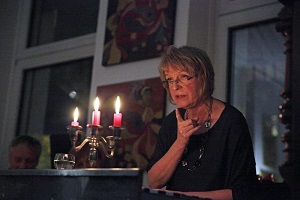
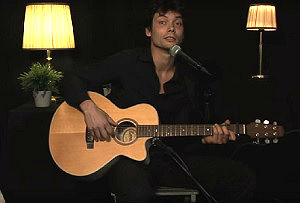
De Nederlandse dichter, songwriter en musicus Robin Block werd geboren op 8 februari 1980 in Heemskerk. Zie ook alle tags voor Robin Block op dit blog.


Archeoloog van de verbeelding

Geef me een steen, één steen
en ik bouw een paleis dwars door de tijden heen
Vul de oude tuin met geuren

Geef me een rots, een letter
en ik bikkel een gezicht uit
droom er een naam bij

Ik hoor de kreten van mijn voorvaderen
al van meters onder de grond,
Volg het spoor naar hun zanderige mond

Ik blaas silhouetten uit het stof
Draag hun botten door de uitgegraven straten
Zoek een oog voor hun tranen

Hele wat geheeld moet worden
7 generaties voor ons
en 7 erna

Ik lijm de scherven tot een lichaam
Vang in elke barst een lichtstraal
Ontdek in ieder mozaïek een kleurige processie
 

 2214409-2c20d0a4f3d06b002ae62eb231561c2a.jpg
Robin Block (Heemskerk, 8 februari 1980)


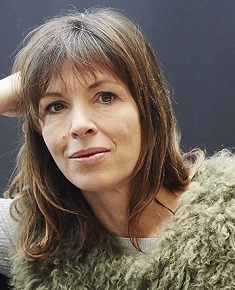
De Canadese schrijfster Rachel Cusk werd geboren op 8 februari 1967 in Saskatoon. Zie ook alle tags voor Rachel Cusk op dit blog.

Uit: Transit

“An astrologer emailed me to say she had important news for me concerning events in my immediate future. She could see things that I could not: my personal details had come into her possession and had allowed her to study the planets for their information. She wished me to know that a major transit was due to occur shortly in my sky. This information was causing her great excitement when she considered the changes it might represent. For a small fee she would share it with me and enable me to turn it to my advantage.
She could sense—the email continued—that I had lost my way in life, that I sometimes struggled to find meaning in my present circumstances and to feel hope for what was to come; she felt a strong personal connection between us, and while she couldn’t explain the feeling, she knew too that some things ought to defy explanation. She understood that many people closed their minds to the meaning of the sky above their heads, but she firmly believed I was not one of those people. I did not have the blind belief in reality that made others ask for concrete explanations. She knew that I had suffered sufficiently to begin asking certain questions, to which as yet I had received no reply. But the movements of the planets represented a zone of infinite reverberation to human destiny: perhaps it was simply that some people could not believe they were important enough to figure there. The sad fact, she said, is that in this era of science and unbelief we have lost the sense of our own significance. We have become cruel, to ourselves and others, because we believe that ultimately we have no value. What the planets offer, she said, is nothing less than the chance to regain faith in the grandeur of the human: how much more dignity and honor, how much kindness and responsibility and respect, would we bring to our dealings with one another if we believed that each and every one of us had a cosmic importance? She felt that I of all people could see the implications here for improvements in world peace and prosperity, not to mention the revolution an enhanced concept of fate could bring about in the personal side of things. She hoped I would forgive her for contacting me in this way and for speaking so openly. As she had already said, she felt a strong personal connection between us that had encouraged her to say what was in her heart.
It seemed possible that the same computer algorithms that had generated this email had also generated the astrologer herself: her phrases were too characterful, and the note of character was repeated too often; she was too obviously based on a human type to be, herself, human. As a result her sympathy and concern were slightly sinister; yet for those same reasons they also seemed impartial.”
 

 2214409-84135d845cf1eae85f05c8f99ca14aea.jpg
Rachel Cusk (Saskatoon, 8 februari 1967)


De Amerikaanse dichteres en schrijfster Elizabeth Bishop werd geboren op 8 februari 1911 in Worcester, Massachusetts. Zie ook alle tags voor Elizabeth Bishop op dit blog.


Songs For A Colored Singer

II
The time has come to call a halt;
and so it ends.
He's gone off with his other friends.
He needn't try to make amends,
this occasion's all his fault.
Through rain and dark I see his face
across the street at Flossie's place.
He's drinking in the warm pink glow
to th' accompaniment of the piccolo.

The time has come to call a halt.
I met him walking with Varella
and hit him twice with my umbrella.
Perhaps that occasion was my fault,
but the time has come to call a halt.

Go drink your wine and go get tight.
Let the piccolo play.
I'm sick of all your fussing anyway.
Now I'm pursuing my own way.
I'm leaving on the bus tonight.
Far down the highway wet and black
I'll ride and ride and not come back.
I'm going to go and take the bus
and find someone monogamous.

The time has come to call a halt.
I've borrowed fifteen dollars fare
and it will take me anywhere.
For this occasion's all his fault.
The time has come to call a halt.

 

 2214409-09163d3789977df290d4b873e5edc4e2.jpg
Elizabeth Bishop (8 februari 1911 – 6 oktober 1979)
Cover


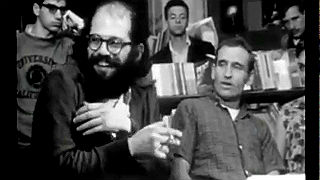
De Amerikaanse schrijver Neal Cassady werd geboren op 8 februari 1926 in Salt Lake City. Zie ook alle tags voor Neal Cassady op dit blog.

Uit: Collected Letters

“TO ALLEN GINSBERG
May 8, 1947 1242 Clarkson St. [Denver]
DEAR ALLEN; Can you ever forgive me? I mean it, can you? Really, I feel very guilty about my failure to write; of course, I could rationalize myself indefinitely concerning all the lack of time I've had, troubles etc., however, I shan't do that for I should have written anyhow. The real reason I've failed to is, I think, due to my not knowing what would happen next. As I received your last letter I was packing to go to Las Vegas & gamble. Quickly I dashed off a letter telling you so, & the reasons why, then, before I mailed it, I had a minor brush with the police which, incidentally, caused me to move to this address. This change in plans voided my unmailed letter, so I started another, but just then I got a job, and I mean a job! Honestly, I work ten hours a day and it's so hard on me that even after ten days at it, I can still hardly drag myself home to fall into bed. I have not done anything, haven't seen Justin, (although I phoned him two weeks ago and made a date), haven't seen Hal, haven't even written to you, man, I've been beat into the ground by this hard work; enough of these excuses, onward. Your last letter was a pip, truly the best you've written; insofar as the groove we've been striving for it's perfect. I feel as I reread it that you're right in there, now all we need is for me to fall into it properly. Of course, you've forgotten most of what you wrote but that's not important. You're in!
I must repeat the jobs I suggested as Justin's best are only what I think, as far as I know he might make you vice-president, so try not to feel any drag, and about all remember, he's fallen for you hook, line and whatever else he has; I'm quite convinced that you are, by far, the most important and best loved thing that has happened to him in years, so during the summer really bear down on him and where he'll now eat out of your hand, then he'll even feed you out of his. If it means anything. I swear I'll see Justin before the week's out and then write to you on the "whole thing in general" whatever I meant by that.”
 

 2214409-09fa2ff19f445fd70b20fe856b8f7424.jpg
Neal Cassady (8 februari 1926 – 4 februari 1968)
Hier met Allen Ginsberg (links)


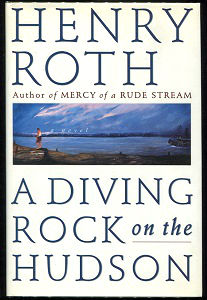
De Amerikaanse schrijver Henry Roth werd geboren op 8 februari 1906 in Tysmenitz nabij Stanislawow, Galicië, in het toenmalige Oostenrijk-Hongarije. Zie ook alle tags voor Henry Roth op dit blog.

Uit:Mercy of a Rude Stream (A Diving Rock on the Hudson)

“They, and other Jewish youth, more recent arrivals on the block, or in the immediate neighborhood, became, as it were by default, Ira's provisional companions during that barren, that grievous period. Izzy (who became Irving) Winchel, with blanched blue eyes, a hooked nose, had aspirations of becoming a baseball pitcher. Utterly unscrupulous, the nearest thing to a pathological liar, and phony as a three-dollar bill; his arrant cribbings and copyings still hadn't saved him from flunking out of Stuyvesant. He did peculiar things with words: mayonnaise became maysonay, trigonometry trigonomogy. Maxie DaM, short of stature, quick, alert, well-informed, best-spoken of any in the group (perhaps because his family had moved here from Ohio), ambitious, an office boy in an advertising firm, and Ira was sure a capable one. Maxie DaM's father, blocky and affable, owned the new candy store, whose rear was depot for card games. Jakey Shapiro, short of stature and motherless; his short and cinnamon-mustached widowed father had moved here from Boston, married svelte Mrs. Glott, gold-toothed widow, mother of three married daughters, and janitress of 112 East 119th. It was in her abode, in the janitorial quarters assigned her on the ground floor rear, that seemingly inoffensive Mrs. Shapiro set up a clandestine alcohol dispensary—not a speakeasy, but a bootleg joint, where the Irish and other shikkers of the vicinity could come and have their pint bottles filled up, at a price. And several times on weekends, when Ira was there, for he got along best with Jake, felt closest to him, because Jake was artistic, some beefy Irishman would come in, hand over his empty pint bottle for refilling, and after greenbacks were passed, and the transaction completed, receive as a goodwill offering a pony of spirits on the house. And once again those wry (rye? Out vile pun!), wry memories of lost opportunities: Jake's drab kitchen where the two sat talking about art, about Jake's favorite painters, interrupted by a knock on the door, opened by Mr. Shapiro, and the customer entered. With the fewest possible words, perhaps no more than salutations, purpose understood, negotiations carried out like a mime show, or a ballet: ecstatic pas de deux with Mr. McNally and Mr. Shapiro—until suspended by Mr. Shapiro's disappearance with an empty bottle, leaving Mr. McNally to solo in anticipation of a "Druidy drunk," terminated by Mr. Shapiro's reappearance with a full pint of booze. Another pas de deux of payment? Got it whole hog—Mr. Shapiro was arrested for bootlegging several times, paid several fines, but somehow, by bribery and cunning, managed to survive in the enterprise, until he had amassed enough wealth to buy a fine place in Bensonhurst by the time "Prohibition" was repealed. A Yiddisher kup, no doubt.”
 

 2214409-971ffce399e7fed8662f855597f78ca8.jpg
Henry Roth (8 februari 1906 – 13 oktober 1995)
Cover


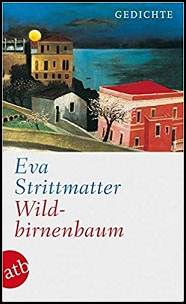
De Duitse dichteres en schrijfster Eva Strittmatter werd als Eva Braun geboren op 8 februari 1930 in Neuruppin. Zie ook alle tags voor Eva Strittmatter op dit blog.


Das Geheimnis

Dort,wo du bist:schreib ein paar Worte
In deinen Himmel.Schick sie her.
Ich fang sie auf an meinem Orte
Und sende sie,von Liebe schwer,
Zu dir zurück.In dieser Zeile
Wird unser Leben sich verbinden:
Geheimnis,das ich mit dir teile.
Und keiner wird die Lösung finden
Für dieses Rätsel im Gedicht.
Die andern sollen dran erblinden:
So sehr ist es gemacht aus Licht.


Schrei

Andre gibt es, die können die Kunst
Zu leben besser als ich.
Ich weiß nicht: Ist das eine Gunst Des Schicksals?
Ich weiß nur: Auf mich
Fällt alles mit Gewalt herab.
Wie ein Steinschlag trifft mich das Glück.
Und Unglück ist für mich das Grab.
Ich stürze ins Nichts zurück.
Der Preis ist hoch, den ich bezahl
Für die Fähigkeit zu sagen. Ich muß das Glück und auch die Qual
Bis an den Schrei ertragen.


Sein

Ich sehne mich sehr nach Freiheit.
Leicht und im Licht möcht ich sein.
Ich will sie, wies sein soll, verdienen:
Arbeiten. Aber auch: einfach sein.
 

 2214409-f54df35a3f14000b60a69562bda724dd.jpg
Eva Strittmatter (8 februari 1930 – 3 januari 2011)
Cover


De Oostenrijkse dichter en schrijver Gert Jonke werd geboren op 8 februari 1946 in Klagenfurt. Zie ook alle tags voor Gert Jonke op dit blog.

Uit:Geometrischen Heimatroman

„Der Dorfplatz ist viereckig, grenzt an die um ihn versammelten Häuser, Straßen und Wege münden in ihn, außer dem Brunnen in der Mitte, in dem die Pflastersteinsysteme ihren Ursprung suchen, strahlen-artig sich verteilen, befindet sich nichts auf dem Dorf-platz. Eine auf den Platz hingeworfene Figur nähen sich dem Brunnen, schöpft Wasser, daß die Winde knarrt; sie wendet sich vom Brunnen ab, den Krug am Kopf, verschwindet in einer Seitengasse. Oder aber an den Rändern die vier Hausmauerlinien entlang die einander austauschenden Vorminagsbesuche, die sich rasch hinter den Türen verbergen, in den Türspalten verschwinden Haare und Kopftücher. Zu Mittag dann tummeln sich einige herum, die Kinder kommen aus der Schule, werfen Mützen und Schul-taschen über die Dächer, der Lehrer geht ins Wirtshaus, der Pfarrer schließt das Fenster. - Wir können über den Dorfplatz gehn. - Ja, gehn wir über den Dorfplatz. - Ausgenommen den Brunnen in der Mine ist der Dorf-platz ansonsten leer. Nein, das ist nicht wahr, denn es sind Bänke aufgestellt entlang den Rändern, die Rückseiten der Lehnen zu den Mauern gewandt. Wir hatten uns in der Werkstatt des Schmiedes versteckt, die Wangen eng an die Mauern gepreßt, niemand hat uns geschn, und du hast gesagt - gehn wir über den Dorfplatz. - Nein, gehn wir nicht über den Dorfplatz, habe ich entgegnet, denn ich habe die Leute auf den Bänken sitzen gesehn auf einmal wie hingeworfen plötzlich auf jeder Bank zwei. Wir konnten nicht über den Dorfplatz gehn, weil wir nicht gesehen werden durften. - Gehn wir über den Dorfplatz. - Wir können nw&: über den Dorfplatz gebn, habe ich noch einmal gesagt, währenddem hat sich die erste auf der ersten uns am nächsten liegenden Bank sitzende Figur erhoben, wäh-rend sich die auf jener der ersten Bank gegenüberstehen-den Bank sitzende Figur ebenfalls erhoben hat, dann sind sie einander entgegengegangen, auf der den Dorfplatz teilenden Mittellinie begegnet, haben ihre rechten Hände gehoben, deren Handflächen einander zugestreckt, umschlossen, auf und ab geschüttelt, gelöst, sich voneinander wieder abgewandt, sind zu ihren Bän-ken zurückgegangen, haben sich wieder gesetzt, während die zweite auf der ersten uns am nächsten liegenden Bank sitzende Figur sich erhoben hat, während die auf jener der ersten Bank gegenüberstehenden Bank sitzende zweite Figur sich ebenfalls erhoben hat, dann sind sie einander entgegengegangen ... ... bis alle auf den einander gegenüberstehenden Bänken gegenübersitzenden Figuren sich erhoben hatten, einander entgegengegangen waren, die Hände einander geschüttelt hauen, zu den jeweiligen Bänken zurückgegangen waren und sich wieder gesetzt hatten.“
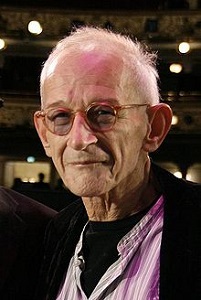
 

 2214409-e9449ab56dbbf88c5e1ac7bb11bb96ab.jpg
Gert Jonke (8 februari 1946 – 4 januari 2009)


De Franse schrijver Jules Verne werd geboren in Nantes op 8 februari 1828. Zie ook alle tags voor Jules Verne op dit blog.

Uit: Les Révoltés de la Bounty

"Pas le moindre souffle, pas une ride à la surface de la mer, pas un nuage au ciel. Les splendides constellations de l'hémisphère austral se dessinent avec une incomparable pureté. Les voiles de la Bounty pendent le long des mâts, le bâtiment est immobile, et la lumière de la lune, pâlissant devant l'aurore qui se lève, éclaire l'espace d'une lueur indéfinissable.
La Bounty, navire de deux cent quinze tonneaux monté par quarante-six hommes, avait quitté Spithead, le 23 décembre 1787, sous le commandement du capitaine Bligh, marin expérimenté mais un peu rude, qui avait accompagné le capitaine Cook dans son dernier voyage d'exploration.
La Bounty avait pour mission spéciale de transporter aux Antilles l'arbre à pain, qui pousse à profusion dans l'archipel de Tahiti. Après une relâche de six mois dans la baie de Matavaï, William Bligh, ayant chargé un millier de ces arbres, avait pris la route des Indes occidentales, après un assez court séjour aux îles des Amis.
Maintes fois, le caractère soupçonneux et emporté du capitaine avait amené des scènes désagréables entre quelques-uns de ses officiers et lui. Cependant, la tranquillité qui régnait à bord de la Bounty, au lever du soleil, le 28 avril 1789, ne faisait rien présager des graves événements qui allaient se produire. Tout semblait calme, en effet, lorsque tout à coup une animation insolite se propage sur le bâtiment. Quelques matelots s'accostent, échangent deux ou trois paroles à voix basse, puis disparaissent à petits pas.
Est-ce le quart du matin qu'on relève? Quelque accident inopiné s'est-il produit à bord ?
« Pas de bruit surtout, mes amis, dit Fletcher Christian, le second de la Bounty. Bob, armez votre pistolet, mais ne tirez pas sans mon ordre. Vous, Churchill, prenez votre hache et faites sauter la serrure de la cabine du capitaine. Une dernière recommandation : Il me le faut vivant !»
Suivi d'une dizaine de matelots armés de sabres, de coutelas et de pistolets, Christian se glissa dans l'entrepont; puis, après avoir placé deux sentinelles devant la cabine de Stewart et de Peter Heywood, le maître d'équipage et le midshipman de la Bounty, il s'arrêta devant la porte du capitaine."
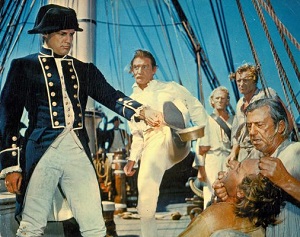
 

 2214409-651980d4f8d53383b4fa017b2a6c60cc.jpg
Jules Verne (8 februari 1828 – 24 maart 1905)
Scene uit de film “Mutiny On The Bounty” uit 1962 met o.a. Marlon Brando als Fletcher Christian


Zie voor nog meer schrijvers van de 8e februari ook mijn blog van 8 februari 2018 en ook mijn blog van 8 februari 2015 deel 1 en ook deel 2.
Geschreven door Romenu om 18:55 Reageer op dit bericht

Lisel Mueller

De Duits-Amerikaanse dichteres en vertaalster Lisel Mueller werd geboren op 8 februari 1924 in Hamburg als dochter van de pedagoog Fritz C. Neumann en zijn vrouw, de lerares Ilse Burmester. Fritz C. Neumann was tot 1930 leraar aan de Lichtwarkschule en vervolgens aan een Hamburgs Realgymnasium. Hij werd ontslagen uit het beroep van leraar na de overdracht van de macht aan de nazi's in 1933 en was tijdelijk werkzaam als leraar aan scholen voor Duitse vluchtelingen in Frankrijk en Italië. In 1937 slaagde hij erin de Verenigde Staten binnen te komen en in 1939 kon hij zijn vrouw en twee dochters over laten komen. Daar vond hij eerst een baan als docent Duits en Frans aan het Evansville College in Evansville, Indiana, waar het gezin zich ook vestigde. Lisel studeerde in 1944 af aan de Universiteit van Evansville. Ze trouwde met de musicoloog Paul Mueller, die als redacteur bij een juridische uitgeverij werkte en met wie ze twee kinderen kreeg. Ze woonden in Lake Forest, Illinois. Paul Mueller stierf in 2001. Lisel Mueller doceerde enige tijd literatuur aan de Universiteit van Chicago,aan Elmhurst College in Elmhurst (Illinois) en aan Goddard College in Plainfield (Vermont).In 1965 publiceerde Mueller haar eerste poëziebundel “Dependencies”. Haar essays en poëzie werden in verschillende tijdschriften opgenomen, waaronder de Chicago Review, Plowshares, de New England Review en Poetry. Mueller vertaalde ook gedichten van Marie Luise Kaschnitz en teksten van Anna Mitgutsch in het Engels. Voor de in 1980 verschenen bundel “The Need to Hold Still” ontvingzij in 1981 de National Book Award for Poetry. Als de eerste en tot nu toe enige Duitse dichteres ontving Lisel Mueller de Pulitzer Prize voor poëzie in 1997 voor haar bundel “Alive Together”. In 2002 ontving Mueller de Ruth Lilly Poëzieprijs, waaraan een bedrag van $100,000 verbonden is.


Moon Fishing

When the moon was full they came to the water.
some with pitchforks, some with rakes,
some with sieves and ladles,
and one with a silver cup.

And they fished til a traveler passed them and said,
"Fools,
to catch the moon you must let your women
spread their hair on the water --
even the wily moon will leap to that bobbing
net of shimmering threads,
gasp and flop till its silver scales
lie black and still at your feet."

And they fished with the hair of their women
till a traveler passed them and said,
"Fools,
do you think the moon is caught lightly,
with glitter and silk threads?
You must cut out your hearts and bait your hooks
with those dark animals;
what matter you lose your hearts to reel in your dream?"

And they fished with their tight, hot hearts
till a traveler passed them and said,
"Fools,
what good is the moon to a heartless man?
Put back your hearts and get on your knees
and drink as you never have,
until your throats are coated with silver
and your voices ring like bells."

And they fished with their lips and tongues
until the water was gone
and the moon had slipped away
in the soft, bottomless mud.


A Day Like Any Other

Such insignificance: a glance
at your record on the doctor's desk
or a letter not meant for you.
How could you have known? It's not true
that your life passes before you
in rapid motion, but your watch
suddenly ticks like an amplified heart,
the hands freezing against a white
that is a judgment. Otherwise nothing.
The face in the mirror is still yours.
Two men pass on the sidewalk
and do not stare at your window.
Your room is silent, the plants
locked inside their mysterious lives
as always. The queen-of-the-night
refuses to bloom, does not accept
your definition. It makes no sense,
your scanning the street for a traffic snarl,
a new crack in the pavement,
a flag at half-mast -- signs
of some disturbance in the world
because your friend, the morning sun,
has turned its dark side toward you.


 2220736-5222aafa75a20a2122f60771d9073967.jpg
Lisel Mueller (Hamburg, 8 februari 1924)

Geschreven door Romenu om 00:00 Reageer op dit bericht

Charles Dickens, Gay Talese, Christine Angot, Pjeroo Roobjee, Emma McLaughlin, A. den Doolaard, Lioba Happel, Rhijnvis Feith, Alban Nikolai Herbst

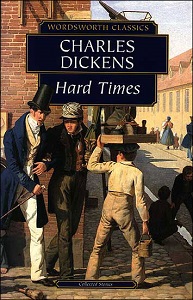
De Engelse schrijver Charles Dickens werd geboren op 7 februari 1812 in Landport. Zie ook alle tags voor Charles Dickens op dit blog.

Uit: Hard Times

"It wouldn't hurt them, sir. They wouldn't crush and wither, if you please, sir. They would be the pictures of what was very pretty, and pleasant, and I would fancy — —" "Ay, ay, ay! But you mustn't fancy," cried the gentleman, quite elated by coming so happily to this point. "That's it! You are never to fancy." "Fact, fact, fact," said the gentleman. "Fact, fact, fact," repeated Mr. Gradgrind. "You are to be in all things regulated and governed," said the gentleman, "by fact. We hope to have, before long, a board of fact, composed of commissioners of fact, who will force the people to be a people of fact, and of nothing but fact. You must discard the word Fancy altogether. You have nothing to do with it. You are not to have, in any object of use or ornament, what would be a contradiction in fact. You don't walk upon flowers in fact; you can not be allowed to walk upon flowers in carpets. You don't find that foreign birds and butterflies come and perch upon your crockery; you can not be permitted to paint foreign birds and butterflies upon your crockery. You must use for all these purposes combinations and modifications (in primary colours) of mathematical figures, which are susceptible of proof and demonstration. This is the new discovery. This is fact. This is taste." Then Mr. M'Choakumchild was asked to teach his first lesson. He went to work in this preparatory lesson not unlike Morgiana in the Forty Thieves: looking into all the vessels ranged before him, one after another, to see what they contained. Say, good M'Choakumchild, when from thy boiling store thou shalt fill each jar brim full by and by, dost thou think that thou wilt always kill outright the robber Fancy lurking within — or sometimes only maim him and distort him? The "maiming and distorting" of the imagination filled Dickens with alarm. He recognised with great clearness the law that all evil springs from misused good, and he knew that if the imagination is not cultivated properly the child not only loses the many intellectual and spiritual advantages that would result from its true culture, but that it is exposed to the terrible danger of a distorted imagination. Tom Gradgrind is used as a type of the degradation that results from "the strangling of the imagination." Its ghost lived on to drag him down "in the form of grovelling sensualities." That which, truly used, has most power to ennoble, has also, when warped or dwarfed, most power to degrade. As Mr. Varden told his wife, "All good things perverted to evil purposes are worse than those which are naturally bad." The five young Gradgrinds had little opportunity to develop their imaginations. They were watched too closely to have any imaginative plays; they were not allowed to read poetry or fiction; they heard no stories; they had no fairies or genii in their lives; they heard nothing of giants or such false things; no little Boy Blue ever blew his horn for them; no Jack Homer took a plum out of any pie in their experience; no such ridiculous person as Santa Claus ever put anything in their stockings; no cow ever performed the impossible feat of jumping over the moon, so far as they knew; they had never even heard of the cow with the crumpled horn that tossed the dog that worried the cat that killed the rat that ate the malt that lay in the house that Jack built.”


 2214121-5210274c8ed4e1be0ab8c1bf6233d49b.jpg
Charles Dickens (7 februari 1812 – 9 juni 1870)
Cover


De Amerikaanse schrijver en journalist Gay Talese werd geboren op 7 februari 1932 in Ocean City. Zie ook alle tags voor Gay Talese op dit blog.

Uit: Frank Sinatra Has a Cold

“I had seen something of this Sicilian side of Sinatra last summer at Jilly's saloon in New York, which was the only other time I'd gotten a close view of him prior to this night in this California club. Jilly's, which is on West Fifty-second Street in Manhattan, is where Sinatra drinks whenever he is in New York, and there is a special chair reserved for him in the back room against the wall that nobody else may use. When he is occupying it, seated behind a long table flanked by his closest New York friends—who include the saloonkeeper, Jilly Rizzo, and Jilly's azure-haired wife, Honey, who is known as the "Blue Jew"—a rather strange ritualistic scene develops. That night dozens of people, some of them casual friends of Sinatra's, some mere acquaintances, some neither, appeared outside of Jilly's saloon. They approached it like a shrine. They had come to pay respect. They were from New York, Brooklyn, Atlantic City, Hoboken. They were old actors, young actors, former prizefighters, tired trumpet players, politicians, a boy with a cane. There was a fat lady who said she remembered Sinatra when he used to throw the Jersey Observer onto her front porch in 1933. There were middle-aged couples who said they had heard Sinatra sing at the Rustic Cabin in 1938 and "We knew then that he really had it!" Or they had heard him when he was with Harry James's band in 1939, or with Tommy Dorsey in 1941 ("Yeah, that's the song, 'I'll Never Smile Again'—he sang it one night in this dump near Newark and we danced..."); or they remembered that time at the Paramount with the swooners, and him with those bow ties, The Voice; and one woman remembered that awful boy she knew then—Alexander Dorogokupetz, an eighteen-year-old heckler who had thrown a tomato at Sinatra and the bobby-soxers in the balcony had tried to flail him to death. Whatever became of Alexander Dorogokupetz? The lady did not know.”


 2214121-1b0d155e8c05ba8233f1ea5fd4dc03ef.jpg
Gay Talese (Ocean City, 7 februari 1932)
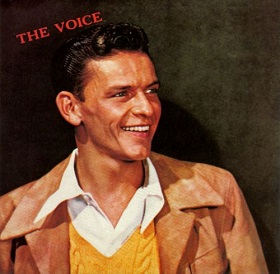
Frank Sinatra


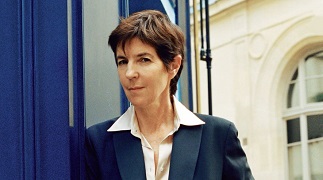
De Franse schrijfster Christine Angot werd geboren op 7 februari 1959 in Châteauroux. Zie ook alle tags voor Christine Angot op dit blog.

Uit:Un tournant de la vie

« Je traversais la rue… Vincent passait sur le trottoir d'en face. Je me suis arrêtée au milieu du carrefour. J'étais là, figée. Le cœur battant. Je regardais son dos qui s'éloignait. Torse large, hanches étroites, il avait une stature impressionnante. J'aurais pu courir, le rattraper. Il a tourné au coin de la rue. Je suis restée debout, les jambes coupées. Les yeux fixés sur la direction qu'il avait prise. Je tremblais. Je n'arrivais plus à respirer. J'ai pris mon téléphone dans mon sac, j'ai appelé une amie.
— Qu'est-ce qui se passe, t'as une petite voix ?
— Je viens de voir Vincent. Là. À l'instant. Dans la rue. Je sortais du métro, il marchait sur le trottoir d'en face. J'avais envie de l'appeler. Je l'ai pas fait.
— Il t'a vue ?
— Non.
— Il était seul ?
— Il était avec une fille. Je pense que j'aurais appelé sinon. Je suis dans un état là ! Si tu me voyais. Au milieu de la rue, avec mon téléphone. J'arrive plus à avancer.
— Tu veux que je te retrouve quelque part ?
— Ça va aller Claire, merci.
— T'es où exactement ?
— Ça s'est passé au croisement de la rue des Gardes et de la rue de la Goutte-d'Or. Je suis à deux pas de chez moi. Je vais rentrer. Ça m'a fait du bien de te parler. Je vais me calmer. Et je vais rentrer.
— Tu es sûre tu veux pas qu'on se retrouve ?
— Je pourrai pas parler. Il vaut mieux que je rentre. C'est la première fois que je le revois depuis neuf ans.
— Tu l'avais pas revu ? Depuis que vous vous étiez séparés. Tu l'avais jamais revu ?
— Jamais.
— Si vous vous revoyiez, vous pourriez être amis tu crois ?
— Je pense pas. C'est aussi pour ça que j'ai pas appelé. Il réessaierait…
— Ah oui !?
— Je me trompe peut-être, mais je pense oui… Ne serait-ce que par rivalité avec Alex… Enfin je sais pas. Franchement je sais pas.”


 2214121-d5efe790ecc957fa92b339d69b2b8e97.jpg
Christine Angot (Châteauroux, 7 februari 1959)


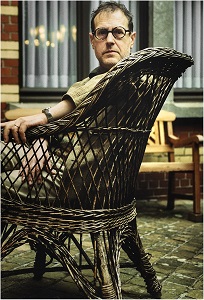
De Vlaamse schrijver, schilder, tekenaar, graficus, causeur, auteur, theatermaker, entertainer en zanger Pjeroo Roobjee (pseudoniem van Dirk De Vilder) werd geboren in Gent, op 7 februari 1945. Zie ook alle tags voor Pjeroo Roobjee op dit blog.

Uit: Niets te vieren

“Op stel en sprong wilde Roderick terstond de treurige mare uit zijn memorie weren. Middels enig wanbeheer in de gestie van zijn rede en begrip verhuisde in zijn klokhuis het heengaan van de bloedverwante, een besnorde tante van zijn ook al in de mistige hel van het natte Noorden toevende moeder, alras en met gemak naar de gewassen holte der vergetelheid. Tot, zowat anderhalve week na de aankomst van de doodsbrief ten kastele, Nanda in haar pathetisch omnipresente korte rokken en met verkrot gelaat nader tot hem trad en, hoe groot was zijn naar wijd en zijd uitdeinende ontsteltenis!, haar kaakgebeente spalkte om zonder dralen aan een tatering te beginnen. De hoogbejaarde minne was anders altijd even zwijgzaam. Behalve haar morgenvraag, wat ze dien dag koken moest en haar geen tegenstand duldend wederwoord wat ze dien dag koken zoude, hoorde hij verder nooit enig geklank van haar tong over het overjaars vlees harer lippen de buitenwereld binnendruppelen. En nu, ongedwongen plots en integraal redelijk miraculeus, leek het wel alsof Nanda Lumbroso's babbelwater nimmermeer kon opdrogen. `Signore barone,' zo luidde in het kort hertaald de complete inhoud van haar oeverloos gesnap, 'die vuile luis van een Oreste Greppo, die cretino van mijn vunzigste voeten, awel, die en niemand anders was hier. En in al zijn staten, madre mia de Jesu de san grato, wat was hij in al zijn staten, die smerige cretino van mijn profijtig verschoond achterste portaal, quos Deus perdere vult! En ondertussen maakte hij mij al tuitend wijs dat gij, signore barone, binnen de kortste keren in het kabinet van rechter Zampone moet verschijnen om aldaar uw opwachting te maken. En hij bracht ook nog een brief in zijn afgezwijnde poten naar hier mede, die dweil, een rozig gebobbelde, met een of andere buitenlandse postzegel ontsierde enveloppe, waaromtrent dat waterhoofd van een benepen bambocheur mij wist te verklappen dat die op de griffie van de rechtbank is gearriveerd. Gepikeerd als ik was, heb ik met uw welnemen, signore barone, dat vermaledijd obsceen getint papieren ding verre van mij ergens ginderachter tegen de spiegel nedergekwakt. Of tegen iets heeltegans anders en elders.' Met tot spleten vernauwde ogen volgde Roderick de richting die Nanda's in het luchtruim circulerende index aanwees. Na een beestachtig lange zoektocht ontdekte hij op het marmer van de schoorsteenmantel de fameuze, wijvig bleekgeroodselde missive.”


 2214121-2d48bceeb45b2423f15684fb03f693be.jpg
Pjeroo Roobjee (Gent, 7 februari 1945)
In 2005


De Amerikaanse schrijfster Emma Lanier McLaughlin werd geboren op 7 februari 1974 in Elmira, New York. Zie ook alle tags voor Emma McLaughlin op dit blog.

Uit: How to Be a Grown-up (Samen met Nicola Kraus)

“Marrying an actor was not something I’d set out to do.
It was, in fact, the embodiment of my parents’ worst fears—any parent’s, probably. Right up there with your child joining a cult—or having no sense of humor. Certainly for Sheryl and Randy McGovern of Oneonta, New York, this was nowhere in the plan. My parents had met at accounting school, and I’d like to be able to tell you they’re not exactly what you’re picturing—that they have a leather fetish or even high cholesterol. But they are exactly, endearingly, the people you would trust to keep you out of trouble with the IRS. So I lose a lot of time imagining what it was like for them the first day I came downstairs in the sparkly beret I salvaged from the YMCA lost-and-found and forced them to sit through my third-grade rendition of “Hey, Big Spender.”
Amazingly, they were supportive. Mystified. But supportive. Even when I decided I wanted to forgo a traditional college education to attend the performing arts conservatory at SUNY Purchase, where I discovered two unexpected things: first, set design. Second: Blake Turner.
The first time I saw him on campus, I thought I was hallucinating. I thought some potent combination of homesickness and paint thinner had conjured my teen crush, as if he were a genie sprung from the well-kissed pages of Tiger Beat magazine. I could not believe Blake Turner, the Blake Turner, was at my college.
As he slipped into his cafeteria chair in his ripped plaid shirt, dirty wool hat pulled low over his painfully beautiful features, only one sentence blared in my head: I will die if I don’t touch him. I immediately ran back to my room and called my seventh-grade best friend. Because it was 1992 and no one had e-mail yet.”


2214121-352ff5dfb5015a83f38aef5fad8df8f3.jpg
Emma McLaughlin (Elmira, 7 februari 1974)
Hier met Nicola Kraus (rechts)


De Nederlandse dichter en schrijver A. den Doolaard werd geboren op 7 februari 1901 in Hoenderloo. Zie ook alle tags voor A. den Doolaard op dit blog

Uit: De herberg met het hoefijzer

“Drie dagen later kwam Raine te Scutari aan. Zijn ganse bagage bestond uit een rugzak met zijn tekengerei, geologische instrumenten, kaartentas, wat ondergoed, een tandenborstel en een grote Steyrrevolver. De oosters uitziende stad bekoorde hem dadelijk, en hij sjouwde geduldig zijn drager na langs het blauwe bergmeer vol diepgroene drijvende eilandjes. Het was half twee in de hete namiddag, en gans Scutari scheen te slapen, op twee schildwachten voor de kazerne na, en drie in 't wit geklede vrouwen die met gekruiste blote benen op het plaveisel zaten en Raine cocons van zijderupsen te koop aanboden. Het grote hotel was vol. Met een zucht van verlichting gaf hij zijn rugzak aan de drager, en weer slenterden zij de stoffige straten door. Op de hoek van een pleintje zonder naambord, recht tegenover een lage moskee met een afbladderende minaret, zag hij een aanlokkelijk donkere herberg. Op de rose pui stond in versleten letters ‘Grand Hotel London’. Raine lachte, betaalde de drager en ging naar binnen. Reeds sinds zijn studententijd had hij een passie voor kleine en donkere kroegen, waar hij rustig zijn benen op een tweede stoel kon leggen en zijn pijp tegen de tafelkant uitkloppen; en ‘Grand Hotel London’ zag er precies uit zoals hij het zich wenste. Bovendien wist hij uit ervaring dat hij in dit soort herbergen eenvoudige lieden uit het volk ontmoette, die hem voor het geven van inlichtingen dikwijls honderdmaal meer van nut waren dan de officiële persoonlijkheden wier namen en adressen hij netjes op een getypt lijstje meekreeg.
Rechts in de verlaten gelagkamer stond een scheerstoel bekleed met rood pluche, dat enige generaties Albanezen met ellebogen en ruggen zwartgesleten hadden. Daarboven een stel oleografieën van Mekka, Napoleon te Austerlitz, en een ijsberenjacht in de Poolzee, in lijstjes die kromgetrokken waren van de hitte. Raine plofte zijn rugzak neer en ging in de stoel zitten, om de oleografieën, die hij heimelijk liefhad, op zijn gemak te bewonderen. Tussen de kleurige prenten hing een spiegel vol vliegepoep, waarin hij plotseling zijn vertrokken gezicht zag. Hij streek ontsteld over zijn voorhoofd. Bezat hij werkelijk zoveel rimpels? Hij had nooit de gewoonte gehad zichzelf nauwkeurig te bekijken, en staarde nu verbaasd naar de diepe kerven opzij van zijn mond. Nog geen maand geleden was hij zorgeloos geweest en gelukkig. Zes weken daarvoor had hij gelachen om liefde en noodlot; en nu ontdekte hij zijn gezicht bol en bleek, in de halve schemering van de gelagkamer. Had dit afscheid hem zo aangepakt? Of was het de hitte, die hij sinds Mexico niet meer gewend was? Of zijn baard van twee dagen, die hem zo bleek maakte? Hij stampte op de vloer en riep luid: ‘Scheren!’ In de stilte die volgde, hoorde hij enkel het hoefgestamp van een paard.”


 2214121-df1899a9afc2025e2f82cf1a9ac4ed7b.jpg
A. den Doolaard (7 februari 1901 – 26 juni 1994)


De Duitse dichteres, schrijfster en vertaalster Lioba Happel werd geboren op 7 februari 1957 in Aschaffenburg. Zie ook alle tags voor Lioba Happel op dit blog.


Du hängst mir schon lang' zum Aug' raus

Du hängst mir schon lang' zum Aug' raus
Und da hockst du auf einem Stuhl!

Und die Nacht lacht
Und ein Stern blakt –
Meinetwegen?
Deinetwegen?

Küss mich, wenn's recht ist noch einmal –
Tick mir im Ohr!
Komm nochmal
Ohne Adjektive
Oder geh!

Ich spring auf die Beine –
Bittesehr ein Gedicht!
Tschüss, adieu, du Schmerzensreicher, Gehenkter
In meinem Nachtaug' –
Tschüss, adieu!

Zärtlich wie du bist
Bin ich ganz rabiat!
Ich hab' genug von dir
Ich öffne die Tür –
Draußen staubt's!


Rechtender, Hochwohlvermögender
Dahergelaufener über die wermutblaue
& sakrosankte & Horizontlinie

Verfechten Sie doch nicht hier das rhythmisierteste
Weltenelend zur Besserung Ihres
Allgemeinbefindens, will sagen

Verzeihen Sie, ich kann keinen Reim für Sie finden

Ein Gedicht, mein Herr
ist eine Scheußlichkeit
Es hat sich der Schönheit verpflichtet

Es begnadigt nicht, ist
wie dieser strahlende Mittag über dem Meer
das böse Gewissen der Welt


 2214121-b7905574831df1220ee1a63e6e727cbd.jpg
Lioba Happel (Aschaffenburg, 7 februari 1957)


De Nederlandse schrijver Rhijnvis Feith werd geboren in Zwolle en daar op 7 februari 1753 gedoopt. Zie ook alle tags voor Rhijnvis Feith op dit blog.


Droom

Schoon elk hem weerstand bood,
En jammrend van hem vlood,
Hij 's doof voor hun gekerm.
Hij neemt ze in zijne arm,
En brengt ze, rij na rij,
Gestaag aan de overzij.
Maar nauwlijks zijn ze daar,
Of 'k zie de blijdste schaar.
De laatste zucht vervloog;
De zielrust blinkt in 't oog,
De jongling wordt bemind
En is hun beste vrind.

Verbaasd van 't vreemd gezicht,
Wens ik mijzelve licht.
'k Dring tot de jongling door.
Verleen me een poos gehoor.
Wie zijt gij? (sprak mijn wens)
Een engel of een mens?

Hij zucht, en staart mij aan.
Ik zie in 't oog een traan.
Wat vraagt gij naar mijn naam?
Niet dat ik mij hem schaam;
Maar, (ach, hier zonk zijn blik)
Hier wekt hij niets dan schrik;
Maar ginds (zijn oog herrees)
Vervangt verrukking vrees.
Hij zucht nog eens en vlood,
En zegt: “ik ben de dood."

'k Ontwaak met ene gil!
't Is alles om mij stil.
Ik vinde in 't eind mij weer,
Ik zie op 't mensdom neer.
Ik zie al 't foltrend wee.
Een bloed-en tranenzee
Bruist golvend mij voorbij;
Maar 'k zie ook de overzij,
Hare eeuwig groene kust,
Hare ongestoorde rust,
Haar eindeloos verschiet,
Dat niets dan weelde biedt, ---
Dáár juicht mijn hart tot God.
Ik draag gerust mijn lot.
Zijn engel brengt ook mij
Eerlang aan de overzij!


 2214121-081558b60fb34d4a01f69fa7be6e9c3d.jpg
Rhijnvis Feith (7 februari 1753 – 8 februari 1824)
Cover


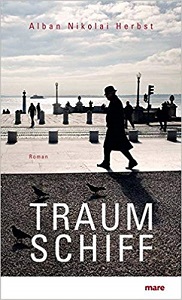
De Duitse schrijver Alban Nikolai Herbst (pseudoniem van Alexander Michael v. Ribbentrop) werd geboren op 7 februari 1955 in Refrath. Zie ook alle tags voor Alban Nikolai Herbst op dit blog.

Uit: Traumschiff

“Lange habe ich gedacht, dass wir einander erkennen. Aber das stimmt nicht. Wir verstehen uns nur. Dennoch lehne ich stets an der Reling des Promenadendecks, wenn die Reisegäste das Traumschiff verlassen. Und wenn die neuen eingeschifft werden, sehe ich mir jeden Menschen sehr genau an. Wie er seine Füße auf die Gangway setzt, zum Beispiel, ob fest, ob unsicher. Ob er sich am Geländer festhält.
Viele sind krank. Andere können nicht mehr richtig gehen und stützen sich auf rollbare Hilfen.
Ich möchte wissen, ob jemand das Bewusstsein schon mitbringt.
Ich habe es seit Barcelona. Das liegt lange zurück.
Einhundertvierundvierzig Passagiere von vierhundert, fünfhundert. Das ist ein Drittel, zumindest ein Viertel. Wie kann man sich da nicht erkennen?
»Vergangenheit«. Was für ein weiches Wort. »Gegenwart«. Was für ein hartes. Es bezeichnet doch alles, was ist. – Nicht aber alles auch, was war? Wissen das, frage ich mich, diese Menschen? Woran erkenne ich die, die es wissen? Erkennen sie mich?
Geht von den Neuen zufällig ein Blick zu mir hoch, schweift er meistens weiter. Als wäre ich nicht da oder niemand, der einem auffällt. Was auch stimmt. Auffällig bin ich wohl nicht. – Der einzige, der mich sofort bemerkte, und schneller als ich ihn, war Monsieur Bayoun. Dann war er abermals schneller, indem er mir vorausging.
Mein Rücken. Die Schulter. Das Bein. Von Frau Seiferts Gehstock sind unter meinen rechten Fingerwurzeln die schmalen Ballen zu Schwielen geworden. Sogar der Ring drückt. Wobei ich gar nicht weiß, wozu ich ihn noch trage. Von wem habe ich ihn? Schön ist er aber schon, mit diesem Mittwochs-Topas.
Obwohl er mir lieb ist, mag ich den Gehstock nicht.
An Monsieur Bayoun habe ich ein Gebrechen nie bemerkt. So etwas war zwischen uns kein Thema. Ich kam bei ihm auf gar nicht die Idee. So sehr hat seine Haut geglänzt, wie polierte Kaffeebohnen. Und wenn er lachte, musste man einfach mitlachen. Dann blitzten seine etwas schiefen, trotz der Cigarillos perlweißen Zähne. Er habe lange in Marseille gelebt, hat er mir erzählt. So leidenschaftlich sei sein Vater an den Unruhen beteiligt gewesen, dass seine Mutter mit ihm bis ganz nach dort habe fliehen müssen. Schieße deine Strahlen und schrecke sie! habe er oft ausgerufen.
Immer schwang ein Stolz mit, wenn Monsieur Bayoun seinen Vater erwähnte. Der meine, den ich nicht kenne, hat mich lebenslang beklemmt.“


 2214121-a4200c05bed961b47b4ecde725e0a6a7.jpg
Alban Nikolai Herbst (Refrath, 7 februari 1955)


Zie voor nog meer schrijvers van de 7e februari ook mijn blog van 7 maart 2017 en eveneens mijn blog van 7 februari 2016 deel 2 en eveneens deel 3.


Geschreven door Romenu om 18:28 Reageer op dit bericht

In Memoriam Rosamunde Pilcher

In Memoriam Rosamunde Pilcher

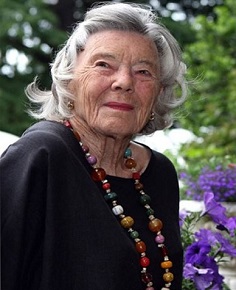
De Britse schrijfster Rosamunde Pilcher is gisteren op 94-jarige leeftijd overleden. Rosamunde Pilcher werd op 22 september 1924 geboren in Lelant, Cornwall, Groot-Brittannië. Zie ook alle tags voor Rosamunde Pilcher op dit blog.

Uit: The Shell Seekers

"Well ... if you're really all right, I might put it off for a bit. I'm ac-tually frightfully busy this weekend. Mumma, have you spoken to Nancy yet?" "No. I did think about it, and then I chickened out. You know how she fusses. I'll call tomorrow morning, when Mrs. Plackett's here, and I'm safely dug in and can't possibly be budged." "How are you feeling? Truthfully, now." "Perfectly all right. Except, as I told you, a bit short of sleep." "You won't do too much, will you? I mean, you won't plunge out into the garden and start digging trenches or moving trees?" "No, I won't. I promise. Anyway, everything's hard as iron. You couldn't get a spade into the earth." "Well, thank God for small mercies. Mumma, I must go, I've got a colleague here in the office with me ..." "I know. Your secretary told me. I'm sorry I disturbed you, but I wanted you to know what was happening." "I'm glad you did. Keep in touch, Mumma, and cherish yourself a little." "I will. Goodbye, my darling," "Goodbye, Mumma."
She rang off, put the telephone back on the table, and leaned back in her chair. Now, there was nothing more to be done. She discovered that she was very tired, but it was a gentle tiredness, assuaged and comforted by her surroundings, as though her house were a kindly person, and she was being embraced by loving arms. In the warm and firelit room and the deep familiar armchair, she found herself surprised by, filled by, the sort of reasonless happiness she had not experienced for years. It is because I am alive. I am sixty-four, and I have suffered, if those idiot doctors are to be believed, a heart attack. Whatever. I have survived it, and I shall put it behind me, and not talk nor think about it, ever again. Because I am alive. I can feel, touch, see, hear, smell; look after myself; discharge myself from the hospital; find a taxi, and get myself home. Mere are snowdrops coming out in the garden, and spring is on the way. I shall see it. Watch the yearly miracle, and feel the sun grow warmer as the weeks slip by. And because I am alive, I shall watch it all happen and be part of that miracle. Shc remembered the story of dear Maurice Chevalier. How does it feel to be seventy? they had asked him. Not too bad, he had replied. When you consider the alternative. But for Penelope Keeling it felt a thousand times better than just not too bad. Living, now, had become not simple existence that one took for granted, but a bonus, a gift, with every day that lay ahead an experience to be savoured. Time did not last forever. I shall not waste a single moment, she promised herself. She had never felt so strong, so optimistic. As though she was young once more, starting out, and something marvellous was just about to happen."


 2214130-449a9e2944c939e2270d2ecdfab41306.jpeg
Rosamunde Pilcher (22 september 1924 - 6 februari 2019)

Geschreven door Romenu om 16:31 Reageer op dit bericht

Meity Völke wint Turing Gedichtenwedstrijd 2019

Meity Völke wint Turing Gedichtenwedstrijd 2019


De Nederlandse dichteres Meity Völke uit Roermond heeft met haar gedicht “Onder Water” de 10e Turing Gedichtenwedstrijd gewonnen. Dat is bekendgemaakt in een speciale live-uitzending van het NOS-radioprogramma Met het Oog op Morgen. Aan de prijs is een bedrag van € 10.000 verbonden.


Onder water

Ik herinner me dat ik geboren ben met handen
van mijn vaderskant en wat daaruit is weggegleden.
'Hou dat vast,' zei de man die me twee keer twaalf
minuten had zien huilen als een baby en daar in
rechte lijnen een draai aan wilde geven.

Hij tekende een kubus op het bord. 'Pas als je
niet meer om je eigen hoek komt kijken is het
plaatje rond, heb ik de kantjes gladgestreken.'
Wie baart er nu een kreukvrij wezen, dacht ik maar
ik vroeg het niet. Kunnen blote handen naakten kleden?

Verder nooit begrepen dat slakken dakloos kunnen
zijn, dat een pasgeboren zeeschildpad alleen naar
het water kruipt. Misschien snap ik alleen de egel die
bij nood zijn kroost aanvreet maar ook niet helemaal.
Wie snoert de dierenriemen zo strak aan?

Soms voert men jonge muizen aan een zwangere
kat om haar kittens in een emmer te verzuipen.
'Daarom dus,' zei de man, 'geef ik jou een goede kans'
en veegde met een natte vinger een hoekje van de kubus af.
Ik dacht: een pasgeborene kan ademen onder water.


 2214007-62f0eaf2ed2ce8f9f7f13fc8c32ef341.jpg
Meity Völke (Woonachtig in Roermond)


De tweede prijs (€ 5.000) werd toegekend aan Truus B.A. Roeygens uit Mechelen en de derde prijs (€ 2.000) aan Willemijn Kranendonk uit Arnhem.

Geschreven door Romenu om 07:59 Reageer op dit bericht

Meer van Romenu

↑ Terug naar de berichten