Naar de inhoud

Romenu

Over literatuur, gedichten, kunst en cultuur
akke.beakke.be

Berichten van 20 april 2019 tot 21 april 2019

Easter (Edgar Guest)


Aan alle bezoekers en mede-bloggers een Vrolijk Pasen! 


 2232412-39d0fb425678cc80c6e3ba97d0e4a651.jpg
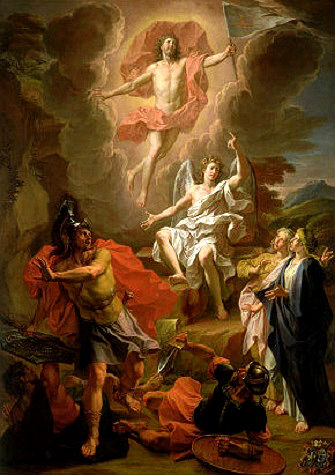
The Resurrection of Christ door Noel Coypel, 1700


Easter

Out of the darkness and shadow of death,
Out of the anguish that wells from the tomb,
Into the splendor of spiritual breath,
Now we have burst like a lily in bloom;
Sweetened is sorrow and strengthened is hope,
Death and the grave have been robbed of their sting;
Doubting, despairing, no longer we grope,
Man has been given the courage to sing.

Easter! the birthday of hope and of peace!
Easter! the bulwark of all we believe;
Lo, all our waitings and sad meanings cease,
Death has been shorn of its power to grieve.
See! now a mother, her cheeks wan and white,
Smilingly sinks into slumber most blest;
Her soul unto Heaven is borne through the night,
And she wakes in the morn with her babe at her breast.

Look! from a newly made grave comes a man,
Feeble and bowed by the struggles of life,
'She waits for my coming,' he says, ' and the span
Is but short for me now to the side of my wife.
Though I miss her, I mourn not her going, I know
That she is at rest, and far happier there;
And I wait but the summons when I am to go
To the valley of peace, from the land of despair.'

And this is the meaning of Easter's glad songs,
And this is the reason that Easter is gay;
'He is risen,' we sing, 'He has righted earth's wrongs,
From the mouth of the tomb see the stone rolled away."
Yes, out of the darkness and gloom of the tomb,
He has risen, our Master, our Lord and our King!
And we view not life's end as a signal of doom,
But the birth of new life, and we've courage to sing.


 2232412-dd266533b77097aae1d77242d028cb91.jpg
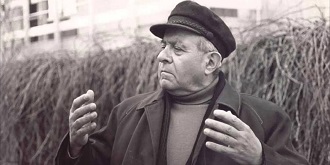
Edgar Guest (20 augustus 1881 – 5 augustus 1959)
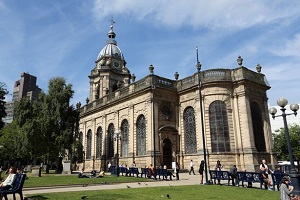
De kathedraal van Birmingham, de geboorteplaats van Edgar Guest


Zie voor de schrijvers van de 21e april ook mijn vorige twee blogs van vandaag.

Geschreven door Romenu om 08:47 Reageer op dit bericht

Charlotte Brontë, Patrick Rambaud, Charles den Tex, Ahmed Arif, Michael Mann, John Mortimer

De Britse schrijfster Charlotte Brontë werd geboren in Thornton op 21 april 1816. Zie ook alle tags voor Charlotte Brontë op dit blog.

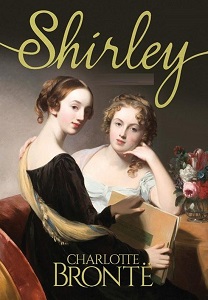
Uit: Shirley

“Mr. Sweeting is mincing the slice of roast beef on his plate, and complaining that it is very tough; Mr. Donne says the beer is flat. Ay, that is the worst of it: if they would only be civil Mrs. Gale wouldn't mind it so much, if they would only seem satisfied with what they get she wouldn't care; but "these young parsons is so high and so scornful, they set everybody beneath their 'fit.' They treat her with less than civility, just because she doesn't keep a servant, but does the work of the house herself, as her mother did afore her; then they are always speaking against Yorkshire ways and Yorkshire folk," and by that very token Mrs. Gale does not merely the humble appendages." There was a certain dignity in the little elderly gentleman's manner of rebuking these youths, though it was not, perhaps, quite the dignity most appropriate to the occasion. Mr. Helstone, standing straight as a ramrod, looking keen as a kite, presented, despite his clerical hat, black coat, and gaiters, more the air of a veteran officer chiding his subalterns than of a venerable priest exhorting his sons in the faith. Gospel mildness, apostolic benignity, never seemed to have breathed their influence over that keen brown visage, but firmness had fixed the features, and sagacity had carved her own lines about them. "I met Supplehough," he continued, "plodding through the mud this wet night, going to preach at Milldean opposition shop. As I told you, I heard Barraclough bellowing in the midst of a conventicle like a possessed bull; and I find you, gentlemen, tarrying over your half-pint of muddy port wine, and scolding like angry old women. No wonder Supplehough should have dipped sixteen adult converts in a day — which he did a fortnight since; no wonder Barraclough, scamp and hypocrite as he is, should attract all the weaver-girls in their flowers and ribbons, to witness how much harder are his knuckles than the wooden brim of his tub; as little wonder that you, when you are left to yourselves, without your rectors — myself, and Hall, and Boultby — to back you, should too often perform the holy service of our church to bare walls, and read your bit of a dry discourse to the clerk, and the organist, and the beadle. But enough of the subject. I came to see Malone. — I have an errand unto thee, 0 captain!" "What is it?" inquired Malone discontentedly. "There can be no funeral to take at this time of day." "Have you any arms about you?" "Arms, sir? — yes, and legs." And he advanced the mighty members. "Bah! weapons I mean." "I have the pistols you gave me yourself. I never part with them. I lay them ready cocked on a chair by my bedside at night. I have my blackthorn." "Very good. Will you go to Hollow's Mill?" "What is stirring at Hollow's Mill?"


 2232410-86e9db2e5dd39cc61685297b0672a942.jpg
Charlotte Brontë (21 april 1816 – 31 maart 1855)
Cover


De Franse schrijver Patrick Rambaud werd geboren op 21 april 1946 in Parijs. Zie ook alle tags voor Patrick Rambaud op dit blog.

Uit: L’Absent

« L'Empereur se resigna. Aprås un jour de diåte, laissant å Bassano et å Caulaincourt le soin d'arranger les etapes de son voyage, il se refugia dans les livres. Enferme, de son cabinet de travail dont il ne sortait plus qu'å peine, il organisa le pillage de la bibliothåque du chåteau, etablissant une liste des auteurs å emporter en exil, Cervantås, Fenelon, La Fontaine, Voltaire, son cher Plutarque dans la traduction de Jacques Amyot, une collection du Moniteur universel. L'Empereur feuilletait, compulsait, annotait, marquait des pages, triait lui-måme les volumes qu'on mettait en caisses, et parce que les libraires habituels de Fontainebleau avaient detale, Octave fut designe pour seconder le comte Bertrand dans cette tåche distrayante, car il avait des lettres. Si Napoleon continuait å ddplier des cartes, ce n'etait plus pour disposer des troupes dans un repli de terrain mais pour se pencher sur des repkes geographiques. Il leva les yeux et demanda : — Connaissez-vous cette ile, messieurs ? Y a-t-il un palais ? un chåteau ? une habitation convenable ? passable ? — Nous savons juste la situer, sire. — Montrez-moi, Bertrand, je ne la trouve pas... — Le comte Bertrand indiqua de l'ongle un point perdu en mer å cöte de la Corse. — On dirait un puceron. — C'est pourtant d'Elbe. — Une ? Un rocher, oui. Napoleon faisait la moue, ses lorgnons sur le nez et le nez cone contre la carte de la Mediterranee. — La cöte semble proche, dit-il. — Piombino est å environ trois ou quatre lieues d'Elbe. Voyez, sire... — Je vois les rivages de la Toscane. Ces gens ne m'aiment guåre, ils pleurent encore leur grand-duc Leopold. Ils vivent dans un jardin mais je les sais hostiles. — Ils sont aussi rebelles que couards, Votre Majeste n'a pas å s'inquieter. — He! mon royaume n'est pas si loin de Rome... — A quarante-cinq lieues, eri effet, et Naples å quatre-vingt-cinq. — Voilå qui nous ouvre des perspectives... L'Empereur avait souri et il mordillait en re'vant le manche de son lorgnon. Il battit des mains quand Octave lui presenta un fascicule qu'il venait de denicher au fond d'un rayon, Notice sur d'Elbe, par un auteur anonyme, et, surtout, le recent Voyage å d'Elbe d'Arsåne Thebaut, plus complet. « A la bonne heure ! dit-il. Apprenons notre royaume ! »


 2232410-8c429037f1ce0db058f33320c65fc1d5.jpg
Patrick Rambaud (Parijs, 21 april 1946)
Cover


De Nederlandse schrijver Charles den Tex werd geboren in Box Hill, Australië, op 21 april 1952. Zie ook alle tags voor Charles den Tex op dit blog.

Uit: De vriend

“Slapen deed ze overdag en korter dan ze zou willen. Twee nachten zat ze al in het hok. Af en toe kon ze even naar buiten om lucht te krijgen, maar het merendeel van de tijd bracht ze door in een kleine ruimte met een grote hoeveelheid apparatuur en twee mannen: Kris de Roode en Wim ’t Man. Haar noemden ze Pop, Wijffie, Schat, Professor, Mevrouw of wat er maar in ze opkwam. Meestal noemden ze haar M, omdat ze zo heette, Emma. De bijnamen waren hun manier om de gein er een beetje in te houden, dat begreep ze wel, al was het af en toe knap vermoeiend, zo veel humor.
‘Is dat alles, Pop?’ vroeg Wim.
Ze knikte, de koptelefoon nog op haar hoofd. ‘Ik hoor niets meer.’
Wim draaide zijn stoel de andere kant op, naar Kris. ‘Zijn ze naar buiten?’
Kris keek naar een monitor die aan de wand hing. Bij hoge uitzondering hadden ze toestemming gekregen om één camera op te hangen zodat ze tenminste een beeld hadden van de mannen die naar binnen gingen en naar buiten kwamen. Het beeld was zwart-wit, niet overdreven scherp en statisch. Ze konden de camera niet bedienen. Op de monitor was de voordeur van het pand te zien. Kris schudde zijn hoofd. ‘Nog niet.’
‘Ik hoor ze op de gang’, zei Emma.
Ze wachtten. Emma met de koptelefoon op, Kris kijkend naar de monitor. Het bleef voor haar een vreemde gedachte dat zij hier zaten te luisteren naar drie mannen aan de andere kant van de muur die daar bijeenkwamen om te praten, te overleggen, afspraken te maken, te vertellen wat ze hadden gedaan of niet hadden gedaan, om plannen te maken. Meestal hadden ze het over gewone dingen of ze hadden ruzie, op hun manier. Ruzie met hun vriendin, met een vriend, met hun vader, er was altijd wel iemand die iets niet goed deed. Tussendoor hadden ze het over wapens, over kogels en messen. Die nacht ging het vooral over een mislukte afspraak. Er had een geldoverdracht moeten plaatsvinden en er was niemand komen opdagen. Ergens was iets fout gegaan, zonder geld liepen ze vast. Ze wachtten op contact dat niet kwam. Daar wonden de mannen zich enorm over op. Emma moest voortdurend haar aandacht erbij houden, midden in het slapste geouwehoer konden ze opeens overschakelen naar iets belangrijks.”


 2232410-00654829cf0a7bf7a89cb8e83affb251.jpg
Charles den Tex (Box Hill, 21 april 1952)
Cover


De Turkse dichter van Koerdische afkomst Ahmed Arif werd geboren op 21 april 1927 in Diyarbakır, Zie ook alle tags voor Ahmed Arif op dit blog.


In Jail

Have you heard, stone wall,
iron door, blind window?
my pillow, my berth, my chain
the doleful photo in my secret
for which I almost died
have you heard?
my visitor has sent me green onion
my cigarette smells carnation
Spring has come to the mountains of my country.


Vertaald door Celal Kabadayı


Thirty-Three Bullets

I.
This is the Mengene mountain
When dawn creeps up at the lake Van
This is the child of Nimrod
When dawn creeps up against the Nimrod
One side of you is avalanches, the Caucasian sky
The other side a rug, Persia
At mountain tops glaciers, in bunches
Fugitive pigeons at water-pools
And herds of deer
And partridge flocks...

Their courage cannot be denied
In one-to-one fights they are unbeaten
These thousand years, the servants of this area
Come, how shall we give the news?
This is not a flock of cranes
Nor a constellation in the sky
But a heart with thirty-three bullets
Thirty-three rivers of blood
Not flowing
All calmed to a lake on this mountain


Vertaald door Murat Nemet-Nejat


 2232410-7929e4f06da51e5fe5aa3a258896f9ac.jpg
Ahmed Arif (21 april 1927 – 2 juni 1991)


De Duitse literatuurwetenschapper en musicus Michael Mann werd als jongste kind van Thomas en Katia Mann geboren op 21 april 1919 in München. Zie ook alle tags voor Michael Mann op dit blog.

Uit: Die Manns. Geschichte einer Familie (door Tilmann Lahme)

„Michael Mann ist zusammen mit seiner Frau Gret von Zürich nach England gereist. Er schickt seiner Mutter einen Bericht über seine Zeit in der Schweiz, darüber, dass es gar nicht einfach gewesen sei, nach England hineinzukommen, und von der hysterischen Stimmung und den grausigen Szenen, die er im englischen Konsulat in Brüssel erlebt habe, von zahlreichen deutschen Juden, die dort um ein Visum gefleht hätten und die brutal abgewiesen worden seien, »die armen armen Leute«. Geld habe ihm die Mutter ja keines mehr geschickt nach seiner letzten brieflichen Forderung, da habe er sich welches bei einem Schweizer Bekannten der Familie geliehen (und zwar doppelt so viel, wie er von ihr hatte haben wollen). Jetzt brauche er aber dringend: Geld; und zwar »viel Geld«, für den Fall zum Beispiel, dass er kurzfristig eine Überfahrt nach Amerika buchen müsse. Eigentlich will er in England und bei Flesch bleiben, auch im Kriegsfall, aber ein Finanzpolster sei dennoch notwendigisst! Katia Mann schickt Geld.”
(...)

Michael Mann meldet sich mit einem Brief. Gret und er seien »gerettet«. Zusammen mit dem Geigenlehrer Flesch und einigen von seinen Schülern sind sie nach Wales ausgewichen. Sie wohnen in einem feinen Privathotel. Gret helfe im Hotelbetrieb, während er sich auf sein Geigenspiel konzentriere. Nach Amerika möchte Michael nicht fahren, das sei ja jetzt »unsinnig«.


 2232410-a42c4856038c51c0a1df1a534885ffb8.jpg
Michael Mann (21 april 1919 – 1 januari 1977)
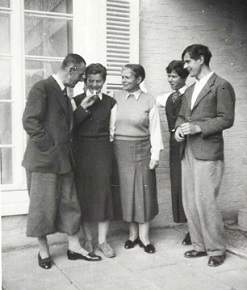
V.l.n.r. Thomas, Elisabeth, Katia, Monika en Michael Mann, 1935 in Küsnacht


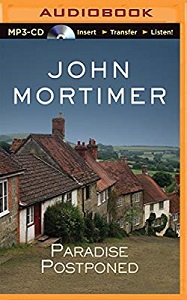
De Engelse schrijver John Mortimer werd geboren op 21 april 1923 in Londen. Zie ook alle tags voor John Mortimer op dit blog.

Uit: Paradise Postponed

“She felt a tightness in her chest and sent for Dr Simcox.
'What's the trouble?'
'Look out there, that's the trouble! It's so green and quiet and it's always bloody raining.'
'That's England, Mrs Mallard-Greene. I'm afraid there's no known cure for it.”
(…)

“You can't change people. You know that. You can't make them stop hating each other, or longing to blow up the world, not by walking through the rain and singing to a small guitar. Most you can do for them is pull them out of the womb, thump them on the backside and let them get on with it.”
(…)

“In the middle of the swinging sixties people in England were apparently under some sort of obligation to have a good time and most of them didn't. A Russian and an American walked about in space to no one's particular advantage. The Beatles received their British Empire medals and, so it was said, smoked cannabis in the lavatories at Buckingham Palace. American aeroplanes were bombing Vietnam, but no one seemed to talk about the nuclear holocaust any more.”


 2232410-80c66b52824d4834b87e0b321a415876.jpg
John Mortimer (21 april 1923 – 16 januari 2009)
Cover audioboek


Zie voor nog meer schrijvers van de 21e april ook mijn vorige blog van vandaag.

Geschreven door Romenu om 08:40 Reageer op dit bericht

Peter Schneider, Alistair MacLean, Népomucène Lemercier, Meira Delmar, Gerrit Wustmann

De Duitse schrijver Peter Schneider werd geboren in Lübeck op 21 april 1940. Zie ook alle tags voor Peter Schneider op dit blog.

Uit: Die Lieben meiner Mutter

„Manchmal kam es zum Streit zwischen uns, und ich musste mich des Eindrucks erwehren, dass ich nicht der Entzifferin der Briefe, sondern ihrer Verfasserin gegenübersaß.
Aus den Briefen trat mir eine junge Frau entgegen, die ich nicht kannte. Eine Mutter, die sich für ihre Kinder zerriss und sie dank ihres Wagemuts und ihrer praktischen Intelligenz auf einer langen Flucht aus dem äußersten Nordosten Deutschlands wohlbehalten in den südlichsten Zipfel Bayerns brachte. Eine Ehefrau, die ihrem Mann Heinrich zwischen tausend Nachrichten über das Alltägliche und das Wohlergehen der Kinder zärtliche, manchmal auch zickige Zeichen ihrer Liebe schickte. Und eine Träumende, die von ihrer Leidenschaft für Andreas, einen Freund und Kollegen ihres Mannes, verzehrt wurde.
Vor allem aber lernte ich eine Schreibende kennen, die ihren Schwankungen zwischen Lebenslust und Schwermut fast hilflos ausgeliefert war, aber noch in den Augenblicken völliger Verzweiflung über eine erstaunliche Ausdrucksfähigkeit verfügte. Das Schreiben ist für die Mutter offenbar ein Überlebensmittel gewesen, eine Waffe, mit dem sie die zerstörerischen Kräfte, die von außen wie von innen auf sie einstürmten, in Schach zu halten versuchte. Die Form, die sie in ihrem kurzen Leben für das Schreiben fand, waren ihre Briefe. Sie war einundvierzig, als sie starb.
Über mich, den damals Sieben- und Achtjährigen, hatte sie alle Macht verloren. Hilflos musste sie mit anschauen, wie meine ältere Schwester und ich in den Bann eines jugendlichen Zauberers gerieten, der ihr den Zugang zu uns versperrte. Nachts im Bett verwandelte ich mich in ein anderes Wesen. Ich flog, aber dies war kein Fliegen, wie ich es bei den Vögeln beobachtete, die hoch über mir in dem engen, von mächtigen Felswänden eingeschlossenen Himmel kreisten. Es war ein Fliegen, das aus dem Laufen und Rennen entstand, ein Springen und Hinweggleiten über die steilen Hänge, wobei der Fuß nach dem Abstoßen wie versehentlich den Kamm des nächsten und übernächsten Hügels streifte, bis - man musste sich bloß trauen! - die Berührung mit der Fußspitze überflüssig war und nur noch der Vergewisserung diente, dass ich mich nicht zu hoch über die Erde erhoben hatte. Plötzlich war dieses mächtige Sausen in meinen Ohren, und der ganze Hügel- und federlose Körper rauschte hinaus ins Freie, während die Hügel jählings unter mir wegstürzten wie eine Erdlawine, die ich mit den Zehenspitzen losgetreten hatte. Eine kurze Ewigkeit lang glitt ich dahin in der beängstigenden und herrlichen Leere, leicht, aber nicht schwerelos, denn der Körper kannte immer noch seine Bestimmung, erdwärts zu fallen, und dies würde unweigerlich geschehen, sobald ich an den Absturz dachte.“


 2232409-4a0b093ea9706c7a4c69cc18de65eb90.jpg
Peter Schneider (Lübeck, 21 april 1940)
Cover


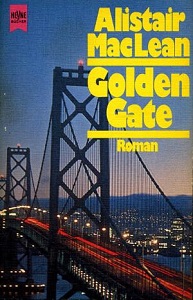
De Schotse schrijver Alistair Stuart MacLean werd geboren op 21 april 1922 in Glasgow. Zie ook alle tags voor Alistair MacLean op dit blog.

Uit: The Golden Gate

“The coach, one of six ever made, had cost Branson ninety thousand dollars: for the purposes for which he intended to use it, he considered this figure a trifling investment He was buying the coach, he had told the Detroit firm, as an agent for a publicity-shy millionaire, who was also an eccentric who wanted it painted yellow. And yellow it had been when it was delivered: it was now a gleaming, translucent white.
Two of the remaining five coaches had been bought by genuine and extrovert millionaires, both of whom intended them for luxurious, personal vacation travel. Both buses had rear ramps to accommodate their mini-cars. Both, presumably, would rest for about fifty weeks a year in their specially-built garages.
The other three buses had been bought by the government.
The dawn was not yet in the sky.
The other three white buses were in a garage in down-town San Francisco. The big sliding doors were closed and bolted. In a canvas chair in a corner a man in plain clothes, a sawn-off riot gun held on his lap by flaccid hands, slept peacefully. He had been dozing when the two intruders arrived and was now blissfully unaware that he had sunk into an even deeper sleep because he'd inhaled the single-second squirt from the gas gun without being aware of the fact. He would wake up within the hour almost equally unaware of what had happened and would be extremely unlikely to admit to his superiors that his vigilance had been a degree less than eternal.”


 2232409-130506023d12a590ae94732d396d503f.jpg
Alistair MacLean (28 april 1922 – 2 februari 1987)
Cover


De Franse dichter en schrijver Népomucène Lemercier werd geboren op 21 april 1771 in Parijs. Zie ook alle tags voor Népomucène Lemercier op dit blog.

Uit: Agamemnon

« PALLENE Ainsi donc tes destins sont im-ennus encore.
ÉGISTE: Clitemnestre les sait, le reste les ignore.
PALLENE. Aux transports d'une femme, à son coeur indiscret;
falloit-ii confier ton nom et ton secret?
ÉGISTE: J'en devois à ses feux l'utile confidence.
PALLENE. L'amour aveugle-t-il à tel point ta prudence
que trahissant Égiste en des lieux ennemis?. •
ÉGISTE: Penses-tu, qu'à l'amour en esclave soumis,
usé des longs chagrins où 'vécut ma jeunesse,
je suive de ses lois la honteuse mollesse ?
PALLENE. Je vois ici les Grecs, de tes destins jaloux,
te rendre lus respe,ts.qu'on dut à son époux.
Moi-merne, je pensois que les yeux de la reine
soumettoient ton orgueil à porter une chaine.
ÉGISTE:. On croit que ses faveurs me fixant à sa cour,
m'en font seule chérir le tranquille séjour:
ainsi lorsque nies vieux aspirent à son trône,
arrive à pas secrets l'instant qui me couronne;
j'écarte, en nourrissant moi-meme cette erreur,
le senly»n des complets conçus par ma fureur.
Tu sas Clitemnestre aux lassions livrée
naquit diène de vvre aveu le ails d' Atrée:
vaine, extrême. farouche en tous ses sentimens,
elle ne met nul frein â ses emportemens;
fatale épouse autant que mère courageuse,
enfin, elle est amants, et cette aine orageuse
qui de son chaste hymen étoit fière autrefois,
à sen crime attachée est•fière de son choix,
et fille de Léda, Bans peine tu peux croire
qu'à l'exemple d'Hélène elle en fera sa gloire; »


 2232409-64582d7ba826247a67a6f886c5d4f497.jpg
Népomucène Lemercier (21 april 1771 – 7 juni 1840) 
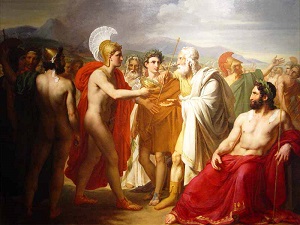
Agamemnon kijkt toe terwijl Achilles de prijs van wijsheid presenteert aan Nestor tijdens de begrafenisgames. Geschilderd door Michel Martin Drolling, ca. 1810


De Columbiaanse dichteres Meira Delmar (eig. Olga Isabel Chams Eljach) werd geboren in Barranquilla op 21 april 1922. Zie ook alle tags voor Meira Delmar op dit blog.


Mediodía 

Canta la luz aire arriba 
como una alondra. 
Y por la rama de su canto sube 
el mediodía. 

Quieren los ojos seguirlo 
pero no llegan. 
Como el amor, el sol, 
de tanto, ciega. 


 2232409-1b9fb04c1bc5ef07648e2d938cbd46dc.jpg
Meira Delmar (21 april 1922 – 18 maart 2009)


Onafhankelijk van geboortedagen:

De Duitse dichter Gerrit Wustmann werd in 1982 in Keulen geboren. Zie ook alle tags voor Gerrit Wustmann op dit blog.


briefe
nach seyed ali salehi

schreib briefe an rira
die ein vogel diktiert aus einem käfig
aus seinem käfig heraus
berichtet er der taube vom fliegen
schreib briefe an rira
und warte bis das summen ihres liedes
jenen einen einzigen ton ergibt
schreib briefe an rira
sechzehnmal mit sechzehn versen
falte sie sorgfältig wie deine wimpern
am morgen und reiche sie dem vogel
durch die gitterstäbe
damit er sie
auswendig lernt:
liebe rira
wir singen
ein verworrenes lied


 2232409-932f63ae5dae70867f18b0b9fa346f53.jpg
Gerrit Wustmann (Keulen, 1982)

Geschreven door Romenu om 08:39 Reageer op dit bericht

A Burden of Easter Vigil (Lionel Johnson)


Bij Stille Zaterdag


 2232236-7d279b45ecb7a2dde2d6169f1fc405c3.jpg
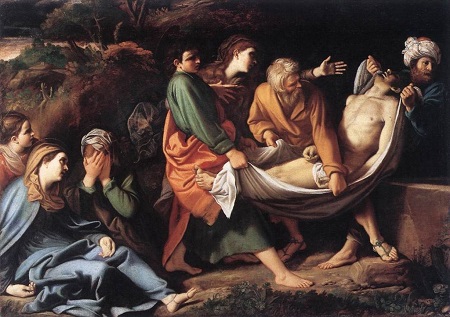
De graflegging van Christus door Sisto Badalocchio, ca. 1610


A Burden of Easter Vigil

Awhile meet Doubt and Faith;
For either sigheth and saith,
That He is dead
To-day: the linen cloths cover His head,
That hath, at last, whereon to rest; a rocky bed.
Come! for the pangs are done,
That overcast the sun,
So bright to-day!
And moved the Roman soldier: come away!
Hath sorrow more to weep? Hath pity more to say?
Why wilt thou linger yet?
Think on dark Olivet;
On Calvary stem:
Think, from the happy birth at Bethlehem,
To this last woe and passion at Jerusalem!
This only can be said:
He loved us all; is dead;
May rise again.
But if He rise not? Over the far main,
The sun of glory falls indeed: the stars are plain.


 2232236-ac27531967edbed8819c8fc77416c06b.jpg
Lionel Johnson (15 maart 1867 – 4 oktober 1902)
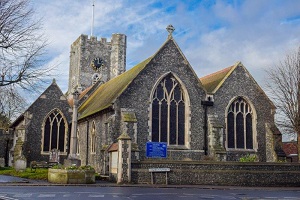
St Peter’s Church in Broadstairs, de geboorteplaats van Lionel Johnson


Zie voor de schrijvers van de 20e april ook mijn vorige twee blogs van vandaag.

Geschreven door Romenu om 14:47 Reageer op dit bericht

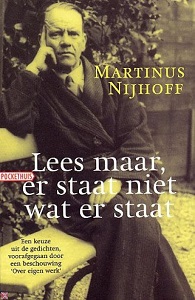
Martinus Nijhoff, Jan Cremer, Jean Pierre Rawie, Marieke Lucas Rijneveld, Sebastian Faulks, Jozef Deleu, Steve Erickson, Arto Paasilinna, Michel Leiris

De Nederlandse dichter, toneelschrijver en essayist Martinus Nijhoff werd geboren in Den Haag op 20 april 1894. Zie ook alle tags voor Martinus Nijhoff op dit blog.


Het uur U (Fragment)

De rechter zag zich staan
zonder ambtsgewaad aan:
geen toga, geen muts, geen bef:
niet dan uit rechtsbesef
en met geheven hand
deed hij zijn eed gestand:
in naam der gerechtigheid
schold hij de zonde kwijt
en had eigen schuld bekend. -
De dame die niemand kent,
het kreng, zoals men haar noemt,
zag, zonder blouse gebloemd,
zich naakt als Diana staan
in een woud: een hert kwam aan:
en toen zij zag hoe hij
knielde, knielde ook zij:
haar hand beefde, haar oog blonk
nu zij levend water dronk. -


Zo zag iedereen wat,
de één dit, de ander dat.
Maar het puur geluk dat men mocht
smaken: één ademtocht
duurde het, en werd verstoord.
Men was, als 't ware, aan boord
van een opgegeven schip,
waar men de verdwijnende stip
naoogt der reddingsboot:
zo hoog stijgt dan de nood
dat men, naar geloof gebiedt,
olie in de golven giet:
één ondeelbaar moment
treedt rust in, rust ongekend:
het schip ligt roerloos recht:
maar reeds rolt over de plecht
een zware golf, olie-vermengd,
en hetgeen voor de zee was bestemd
komt in 't vuur, ontploft, en het wrak
vol bezoedeld zeewater zakt
als een baggergevulde praam.
Zo zakte, achter elk raam,
in de spiegelgladde vloed
een mens zijn beeld tegemoet,
zijn eigen ontredderd beeld. -


Aan een graf

Vliegen en vlinders, kinderen en bijen,
al wat als stipjes vonkt door de natuur,
warm, blij en snel, moedertje, schoot van vuur,
daar hield je van, en zie, die bleven bij je.

Want als ik hier de diepe stilte intuur,
stijgt het zo glinsterend op, dat ik moet schreien,
en duizend lachjes, liedjes, mijmerijen,
tintelen uit het gras naar het azuur.

'k Sta aan je graf als jij eens aan mijn wieg.
Moeder, vrees niet dat ik bij dit verzonken
handjevol as mij om het vuur bedrieg.

Ik ween, als jij toen, om de vrije vonken,
de bij, het kind, de vlinder en de vlieg,
die in het licht van puur geluk verblonken.


 2232235-2d7258ee39b242ef68abd0addf25eb7b.jpg
Martinus Nijhoff (20 april 1894 – 26 januari 1953)
Cover


De Nederlandse schrijver en beeldend kunstenaar Jan Cremer werd geboren in Enschede op 20 april 1940. Zie ook alle tags voor Jan Cremer op dit blog.

Uit: Ik Jan Cremer

“Ik loop al vier jaar achter mezelf aan. Ik voel me nergens thuis of overal? Stel dat ik weer in Holland kom, dan kom ik vanzelf weer in moeilijkheden. En dan wil ik weer naar het buitenland. Ik ben een verlegen zoeker. 's Avonds, als ik op wacht sta, is het zo stil om me heen. Dan weet ik niet eens meer wie ikzelf ben. Als het zo stil is, vind ik het fijn. De wereld is zo ruim. Zouden we nu óp of in de aardbol leven?
18/8 Het is nu zeker dat ik met de 'Constantine' naar Marseille ga. Om troepen te verschepen. Ik zou geen J. C. zijn als er niet iets versierd wordt. Het is en blijft gevaarlijk. Als ik weg wil gá ik. En anders kom ik rustig weer terug. Ik heb dit weekend geen verlof, dus zie ik Halima misschien niet meer. Gelukkig maar, want misschien zou ik doorslaan in mijn enthousiasme. En mijn vaste stelregel: wantrouw iedereen, ook jezelf! We zijn nu al een paar dagen bezig in Aft Assad Kemach samen met de genietroepen de Poste du Commandement te herstellen. De post is in de vernieling gegooid door Algerijnse moussebilines, zelfmoordenaars, saboteurs, zoals de Japanse kamikazes. Er zijn geen doden gevallen, alleen maar gewonden. Ik moet iets anders doen dan overdag meehelpen slopen en bouwen en 's nachts wachtlopen. Het is vlak buiten het dorp en de caïd, het dorpshoofd, had de commandant van de Genie en onze commandant gisteren uitgenodigd om te komen eten. Ik mocht mee met de Bewakingsgroep. Met de jeep zijn we er gisteravond naar toe gescheurd. We moesten op de veranda blijven zitten en elk half uur de ronde doen. We kregen ook te eten. Een schotel met een zilverachtige weke massa erop, met kleine stukjes vlees ertussen. De andere jongens hebben het weggekwakt in de struiken, maar ik heb het opgegeten: het smaakte naar vlees. Een meisje bracht het ons. Ik vroeg wat het was. 'Slang met hondevlees.' Gotverdomme, wát voor slang. Wát voor hond? Misselijk. Het stinkt ook altijd zo in de kasbahs. De stank van verschroeid vlees. Een weeïge geur hangt er in die huizen. Dat is de hondegeur. Voor het meisje wilde ik het niet laten merken. Ik ben niet de Hollander die erop staat boerenkool met worst en havermoutpap te eten in het buitenland. Even later kwam ze weer op de veranda met een klein schoteltje waarop een heel klein stukje bruin vlees lag in een roodachtige smurrie. Ik vroeg wat dat was: want ik had weinig zin om een drol in een plas menstruatie op te vreten, want daar zag het naar uit. Bovendien gebruiken Arabische vrouwen dat om hun minnaar te betoveren. En misschien had dit meisje wel een oogje op mij. Ze grinnikte en zei iets in het Arabisch. Ze wees op de palm van haar hand en deed me voor hoe lekker het wel was en hoe ik het op moest eten.”

 2232235-8f6eaf501fe319367471a839d7678b03.jpg
Jan Cremer (Enschede, 20 april 1940)
Cover


De Nederlandse dichter en vertaler Jean Pierre Rawie werd geboren op 20 april 1951 in Scheveningen. Zie ook alle tags voor Jean Pierre Rawie op dit blog.


Sterfbed

Mijn vader sterft; als ik zijn hand vasthoud,
voel ik de botten door zijn huid heen steken.
Ik zoek naar woorden maar hij kan niet spreken
en is bij elke ademtocht benauwd.

Dus schud ik kussens en verschik de deken,
waar hij met krachteloze hand in klauwt;
ik blijf zijn kind, al word ik eeuwen oud,
en blijf als kind voor eeuwig in gebreke.

Wij volgen éen voor éen hetzelfde pad,
en worden met dezelfde maat gemeten;
ik zie mijzelf nu in zijn bed gezeten

zoals hij bij zijn eigen vader zat:
straks is hij weg, en heeft hij nooit geweten
hoe machteloos ik hem heb liefgehad.


Dichter

Je maakt het mensen toch niet naar de zin,
en streeft dat ook niet langer na. Niet langer
is wat je schrijft gericht op een ontvanger.
Je bent je eigen einde en begin,

en leeft en sterft alleen. Geen dubbelganger
neemt straks je plaats wanneer je doodgaat in;
geen keer op keer verloren hartsvriendin
ging van iets anders dan gedichten zwanger.

Veel lijkt mislukt te zijn, maar toch, jij bent
degeen die eens zelfs in het meest banale
de waardigheid en zin heeft onderkend,

en alles in het eerste licht zag stralen.
En heel je leven zoek je dat moment
nog eenmaal zo volmaakt te achterhalen.


Kwatrijn

Wij zijn - vergrijsd en het gelaat doorgroefd -
niet dikwijls meer ten dode toe bedroefd,
alleen van tijd tot tijd een beetje treurig
omdat het allemaal niet meer zo hoeft.


 2232235-1d2d3fc874aa51f500cc9e678b9d9bb8.jpg
Jean Pierre Rawie (Scheveningen, 20 april 1951)


De Nederlandse dichteres en schrijfster Marieke Lucas Rijneveld werd geboren in Nieuwendijk op 20 april 1991. Zie ook alle tags voor Marieke Lucas Rijneveld op dit blog.


Thuiskomen

Al die tijd voor niets gezocht, zag wel de slakken op het asfalt
Ervan uitgegaan dat zij steevast onderweg waren tot ik hoorde dat thuis geen
plek is maar een welbevinden, het lichaam niet langer een dekmantel om alles
te verschuilen wat zich van buiten naar binnen keerde, het effect veroorzaakte

als van een opengesneden appel in de koelkast die door het bruin de schijn
heeft van niet meer genuttigd te willen worden, nee zie de muren aan de binnenkant
van mijn benen, zo verplaatsbaar waardoor iedere plek een thuis wordt waar ik
me ook zal vastleggen mits de huid valt zoals een zondags pak waarin geslapen

kan worden op de bank zonder dat het op een manier verkreukelt dat er sprake is van
een ander soort vermoeidheid: ik ben wel aangekomen maar het weggaan zit in al mijn
ledematen zoals een voortvluchtige vaak degene is die stil blijft zitten als een fossiel
in de zetel bij het raam, bang voor de dag dat het rennen geen achterkant meer heeft

gebouwen plat van karton, de voeten eeuwig in de vorm van een startblok gevouwen.

Net als een slak wordt de mens geboren met een huis dat groeit totdat ze het laatste
streepje op de deurpost neerkrabbelen tussen de buurman en de hond in, weet nog de
septembermaand dat mijn broertje met een rubberhamer, toen de hazelnoten op waren, een
slakkenhuis kapotsloeg, het parelmoer aan diggelen, het laagje vernis als huidschilfers tussen

de straatstenen. Toen we de volgende dag terugkwamen zat er alleen nog een vochtplek
alsof er iemand getuft had maar wij wisten wel beter. Nu de herfst zich aandient smeer ik mijn
lichaam in met wrijfwas tegen krassen, probeer in mij het ouderlijk huis te vinden want zonder
droog ik uit, verander ik in kauwgom dat aan iedere schoenzool blijft plakken om

maar met een ander mee te kunnen reizen die nooit zijn lichaam als een plastic beschermlaagje
zal gebruiken om mij daaronder warm te houden, te beschermen tegen alles wat mij aan
zal willen raken, vette vingerafdrukken, mijn nette opvoeding etaleren. Liever een glimmend

lichaam waar op een dag het welbevinden niet langer een beurse plek is maar het klokhuis.


 2232235-43d015c3063eef8dcf6c1570417b3f34.jpg
Marieke Lucas Rijneveld  (Nieuwendijk, 20 april 1991)


De Britse schrijver en journalist Sebastian Faulks werd geboren op 20 april 1953 in Newbury. Zie ook alle tags voor Sebastian Faulks op dit blog.

Uit: Paris Echo

“I was taking a pee in the bathroom when I caught sight of myself in the mirror. My face looked so beautiful that I turned to look more closely, spraying the tiles round the toilet in my hurry. I shook my zib and put it back inside my boxers so I could study my face. It was like someone had drawn a faint shadow beneath the cheekbones, then put a touch of mascara on my lashes. The eyes had a depth I’d never seen before. I put my head to one side and smiled, then furrowed my brow as though I was being serious, but the eyes stayed the same – twinkling with a kind of humour and experience. This was the face of someone old beyond my years.How could it be I’d never noticed before just how beautiful I was? Not regular handsome maybe like an old-time film star and not indie blank like a modern one. More a mix of soul and sexiness. With noble bones.I flipped the glass to magnifying and back to normal. I held a hand mirror up to turn the reflection on itself, so it sat right-way-on. I backed against the wall, then went fisheye close. It made no difference. True, I’d smoked a little kif, but only a little, which was all I liked, and I’d had a Coke to keep my sugar level up (a tip from a boy in my year). I felt happy to think this person was me. No harm could come to someone who looked like that. The ways of peace and righteousness were ours. Not to mention soft-skinned girls and travel to distant places.
We stared into one another’s eyes for a few more minutes.Then he spoke.He said, ‘You got to get out, man. You gotta get out.’I felt myself nodding in agreement.Because I’d known this anyway, for quite a while. There was nothing shocking in what he said, it was more of a relief.‘Go now.’‘I will. Any day now.’We lived just outside the medina, the old town, in a whitewashed house. There was another family on the ground floor, but an outside staircase led to our front door. We had the top two floors and a roof terrace with a view towards the sea. My stepmother used to hang the washing up there, which pissed my father off. ‘How can I bring people home when they have to sit next to a row of wet shirts?’ I had nothing against my stepmother except that she was not my mother. That, and the fact that she always repeated herself. Once she ’d locked on to a piece of news or a point of view, she couldn’t let it go. ‘All our problems are caused by the Arabs of the Gulf, especially the Saudis,’ she told us one January. In September she was still saying this like something she ’d just stumbled on.In the middle of the terrace was a taifor, a kind of low table.It had a woven cloth, orange and red, and small shiny discs that reflected the sun. On it was a box of cigarettes and coloured glasses for tea. My father asked men he hoped would invest in his business to come up and admire the view while he unlocked his supply of whisky. He offered it round with a leer that made me feel sick. There were tons of places in town you could buy liquor. Some of them had only boxes of tissues or cat food in the window, but everyone knew you couldn’t run a specialist tissue shop. You only had to go a few paces in, past the Kleenex, and there were rows of Johnnie Walker and Glenmorangie above the lager and Moroccan wine.”


 2232235-abddac21644d036d9ac9221c5249344b.jpg
Sebastian Faulks (Newbury, 20 april 1953)


De Vlaamse dichter en schrijver Jozef Hugo Maria Deleu werd geboren in Roeselare op 20 april 1937. Zie ook alle tags voor Jozef Deleu op dit blog.


Lied om jou

Pluk een hand licht
aan de zon,
het wordt dag
met de herfst in de lucht
en de vlucht
van het wild.

Speel mij het spel,
het geliefde verhaal
van het kind in de zon
dat de avond beschreit
om de nacht -
en kom.

En niets zal ik vragen,
noch talen met woorden
om diepere zin;
vandaag met de zon
in de herfst en de bomen
vergeet ik - en zing.


Zwijgen

Anderhalf zwijgen
is zwijgen, ongehoord.
In mijn verlichte kamer
stamelen dof de dagen
het één en hetzelfde woord:
te slapen liggen dood
de zon horen bloeien
uit elk aardse woord
zacht en weerbarstig beminnen
zonder twijfel en daarom
zonder woord.


 2232235-54dce0e1e14717afe839b54c55ea592a.jpg
Jozef Deleu (Roeselare, 20 april 1937)
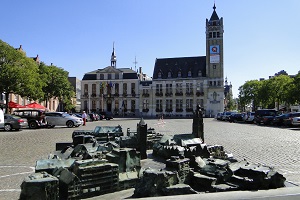
Roeselare, Grote Markt


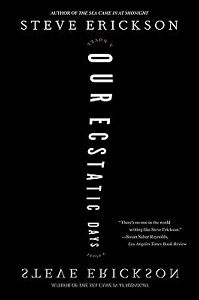
De Amerikaanse schrijver, essayist en criticus Steven Michael Erickson werd geboren op 20 april 1950 in Los Angeles. Zie ook alle tags voor Steven Erickson op dit blog.

Uit: Our Ecstatic Days

“Later after the college professor got off the bus with his radio and the bus continued onward, I went on singing it to myself if there's a higher light sang it to myself just as much not to forget it as anything, and inside me let it shine on me inside Kirk stopped thrashing, listening. I knew he was listening. Later, after he was born, I would ask if he remembered me singing it to him, and he said he did. Maybe he did, maybe he didn't. But I would sing it to him before going to sleep, by the window of our apartment, while the nightwind came in off the lake. Started this journal in Tokyo, stopped when I thought I miscarried him, then started again after I got back to L.A. . . . that was around the time the lake first appeared, that mid-September three years ago after Kirk was born. Of course it was already there before that, before anyone realized it was ever going to turn into an actual lake, the center near where Hollywood Boulevard used to meet Laurel Canyon Boulevard, nothing more than a puddle the morning it first bubbled up, no one thinking anything about it until however long it was before it cut the canyon off from the rest of the city. . . . Since the city was in the middle of one of its usual droughts, a lake that appeared from nowhere and kept getting bigger ought to have been a little suspicious — but I guess that's easy to say in retrospect. "What's that old machinery out there in the water?" the writer down the hall asked me not that long ago, staring in the distance out his window, and I said, "Pumps from when they tried to drain it. . " As usual Kirk was busy demolishing the guy's apartment, sitting over in the corner pulling the tape out of a video. "Hey! " I yelled. He stopped long enough to gauge whether this admonition was to be taken any more seriously than any of the others, before returning to the task at hand.”


 2232235-8ef67a5084748d52b0d7479db0015223.jpg
Steve Erickson (Los Angeles, 20 april 1950)
Cover


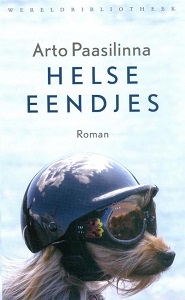
De Finse schrijver Arto Paasilinna werd geboren op 20 april 1942 in Kittilä in Lapland. Zie ook alle tags voor Arto Paasilinna op dit blog.

Uit: Helse eendjes (Vertaald door Annemarie Raas)

“Jyllänketo schatte dat er vele honderden hectaren land voor hem lagen. Aan de rand van het dennenbos, dat slechts als een donkere schim zichtbaar was, ploegden een paar trekkers voort die dampende, zwartbruine groeven achter zich lieten. Nadat de sporen waren getrokken knielde er een groep ijverig ogende mensen bij neer; die waren ongetwijfeld bezig zaailingen uit te zetten.
Jyllänketo ging op de traptreden naar de ingang van het hoofdgebouw zitten en haalde een laptop uit zijn koffer. Hij zette hem aan, en toen het beeldscherm oplichtte, begon hij te typen: ‘Turtola, dinsdag 3 juni. Rond een uur of elf vanochtend ben ik hier in het Hoge Noorden gearriveerd. Ik heb de nacht in Oulu doorgebracht. Het is een mooie dag, een graad of tien. Het leven hier lijkt rustig zijn gangetje te gaan. Op de velden worden de gebruikelijke voorjaarswerkzaamheden verricht. Ik heb nog geen lokale bewoners ontmoet.’
Op het erf voor het gebouw sjokten een paar mannen op leeftijd rond, gekleed in overalls. Ze droegen manden tjokvol met voorjaarskluifzwammen. De mannen liepen een bordes op, veegden hun laarzen af aan een laarzenborstel en gingen toen door een zijdeur naar binnen. Ze kwamen rechercheur Jyllänketo op een of andere manier bekend voor, maar hoezeer hij zijn best ook deed, hij kon niet op hun namen komen. Maar het waren beslist mannen van gewicht, dat voelde hij gewoon. Agenten die voor de geheime dienst werken hebben een goed getraind geheugen; ze moeten zich duizenden gelaatstrekken, gebaren en zonderlinge details inprenten. Maar wie kon zich nou echt alles herinneren? Om die reden waren er in de loop van de tijd lijsten, rapporten, documenten en notulen opgesteld, geschreven en verzameld. Al die informatie was zorgvuldig in mappen opgeborgen, die genummerd waren en op planken neergezet. Mappen met persoonsgegevens moesten worden geactualiseerd en indien nodig aangevuld. De orde moest worden gehandhaafd, zowel in de samenleving als in het archief. In onrustige tijden werden de kaften van de stoffige mappen opengeslagen, waarna zwarte auto’s in de donkere uren van de nacht op pad werden gestuurd om elementen die de rust in de samenleving dreigden te verstoren in de boeien te slaan.”


 2232235-54b7f3733b2b0083597435415039f96b.jpg
Arto Paasilinna (Kittilä, 20 april 1942)
Cover


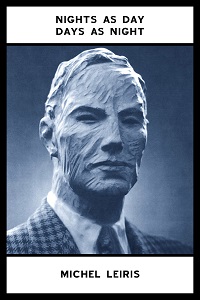
De Franse dichter, schrijver en etholoog Michel Leiris werd geboren in Parijs op 20 april 1901. Zie ook alle tags voor Michel Leiris op dit blog.

Uit: Nights as Day, Days as Night (Vertaald door Richard Sieburth)

“JANUARY 20–21, 1925
(HALF-ASLEEP)
I see the word “bât” [packsaddle] written in capital letters while apparently hearing the strains of a violin. Then there follows, without my reading the letters this time: “convolutions . . . prismatic gloom . . . ”

“JANUARY 21–22, 1925
I set out on an excursion boat from a small river port where pirate and corsair ships of the 17th and 18th centuries are moored. Every type of vessel is represented; there is even a steamboat similar to the tugs one sees on the Seine. The flagship is huge and is made up of two hulls linked together by a single deck, an arrangement that allows smaller boats to sail through the flagship widthwise and to pass under the deck as though it were a fixed arch. The sails are capable of only one movement: they can be lowered or raised like drawbridges or like wings, according to that simple up-and-down movement to which the flight of birds used to be so schematically reduced in sketches made by designers of flying machines.
The excursion boat takes me to the ruins of the abbey of Jumièges. After a long walk through the halls and stairways, I come across my brother lying in bed. I ask him what he’s doing there. He replies that he is the director of the “Abbey Clinic,” then (the dream now extending into a half-awake revery) he explains to me the ritual of the “Tactile Exam” that is observed in the region at various prescribed dates: a number of girls, naked, their faces masked, are gathered into one of the monastery’s crypts; a young man, chosen by lot, leaves a nearby village at midnight and makes his way into the crypt blindfolded; his task is to feel up the girls until he has recognized one of them by purely tactile means, and if this girl also manages to recognize him in turn, he makes love to her. There is a similar game called “Aural Exam,” in which the method of identification involves the voice.”


 2232235-3847fbdae312aa964fcf7d2924c94383.jpg
Michel Leiris (20 april 1901 – 30 september 1990)
Cover


Zie voor nog meer schrijves van de 20e april ook mijn vorige blog van vandaag.

Geschreven door Romenu om 14:45 Reageer op dit bericht

Emmanuel Bove, Henry de Montherlant, Charles Maurras, Herman Bang, Henry Tuckerman, Aloysius Bertrand, Pietro Aretino, Dinah Craik

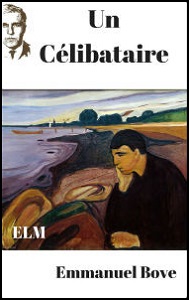
De Franse schrijver Emmanuel Bove (eig. Emmanuel Bobovnikoff) werd geboren op 20 april 1898 in Parijs. Zie ook alle tags voor Emmanuel Bove op dit blog.

Uit: Un célibataire

« Depuis le déjeuner, Albert Guittard était mécontent de lui. Il s'était pourtant levé de bonne humeur. Ne devait-il pas rendre visite, vers les cinq heures, à monsieur et madame Penner ? Mais il s'était passé un petit événement désagréable que nous rappellerons brièvement afin d'éclairer le caractère de cet homme étrange. Il venait de sortir de table et s'apprêtait à faire la sieste lorsque la sonnette de la grille du jardin retentit. Bien qu'il approchât de la cinquantaine et qu'il fût célibataire, M. Guittard n'était pas vieux garçon au point de ne pouvoir supporter d'être dérangé. Il attendit donc, avant de gagner son bureau où, sur un divan, il avait l'habitude de dormir jusqu'à quatre heures, d'être fixé sur cette visite. Au bout d'une minute à peine, la femme de chambre vint lui annoncer qu'un certain M. Bourrette était au salon.
— Bourrette ? demanda Guittard à qui ce nom ne disait rien.
— C'est cela, monsieur.
— Bourrette ? Vous êtes sûre d'avoir entendu ce nom ?
— Bourrette, certainement, Bourrette... monsieur.
— Ce monsieur Bourrette ne vous a pas dit ce qu'il voulait ni de la part de qui il venait ?
— Je ne le lui ai pas demandé, monsieur.
— Eh bien ! allez le lui demander. Je ne le connais pas et je n'ai aucune raison de le recevoir chez moi. Comment est-il ?
— C'est un monsieur d'un certain âge.
— Enfin, de quoi a-t-il Pair ?
— Mais je ne sais pas, monsieur. Il a peut-être l'air d'un homme comme tout le monde. n a une serviette sous le bras. — Quelle importance cela a-t-il qu'il ait une serviette sous le bras ? Demandez-lui d'abord sa carte et demandez-lui qui il est. Et vous pouvez lui dire aussi, de ma part, que lorsqu'on se présente chez des gens qu'on ne connaît pas, la politesse commande d'annoncer l'objet de sa visite. Dites-le-lui de ma part. Cela lui servira de leçon. A peine la femme de chambre eut-elle disparu qu'il appréhenda qu'elle ne répétât à l'innocent visiteur les paroles qu'il avait prononcées sans autre raison que celle de soulager une mauvaise humeur qu'il n'avait même pas, mais que, par caprice, il lui plaisait de manifester. »
 

 2232234-99b645d9e812aa4dd1a484c488fa0221.jpg
Emmanuel Bove (20 april 1898 – 13 juli 1945)
Cover


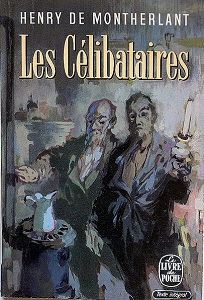
De Franse schrijver Henry de Montherlant werd geboren op 20 (en niet op 21) april 1896 in Parijs Zie ook alle tags voor Henry de Montherlant op dit blog.

Uit: Les Célibataires

« Ce soir froid de février 1924, sur les sept heures, un homme paraissant la soixantaine bien sonnée, avec une barbe inculte et d'un gris douteux, était planté sur une patte de-vant une boutique de la nie de la Glacière, non loin du boulevard Arago, et lisait le journal à la lumière de la devanture, en s'ai-dant d'une grande loupe rectangulaire de philatéliste. Il était vêtu d'une houppelande noire usagée, qui lui descendait jusqu'à mi-jambes, et coiffé d'une casquette sombre, du modèle des casquettes mises en vente vers 1885 : avec une sous-mentonnière à deux ailes, actuellement relevées de chaque côté sur le dessus. Quelqu'un qui l'aurait examiné de près aurait vu que chaque détail de son accoutrement était « comme de personne ». Sa casquette était démodée de trente ans; sa houppelande était retenue, au col, par deux épingles de nourrice accrochées l'une à l'autre et formant chaînette; le col tenant de sa chemise blanche empesée était effrangé comme de la dentelle, mettant à nu le tissu intérieur, et sa cravate était moins une cra-vate qu'une corde vaguement recouverte de place en place d'une étoffe noire passée; son pantalon flottant descendait bien de quinze centimètres plus bas que ce que les tailleurs appellent « la fourche »; le lacet d'une de ses bottines (des bottines énormes) était un bout de ficelle qu'on avait eu l'intention de peindre en noir avec de l'encre. S'il avait poussé plus loin son indiscrétion, l'observateur aurait remarqué que c'était de même une forte ficelle qui tenait lieu de toute ceinture à notre personnage, et que celui-ci ne portait pas de caleçon. Ses vetements, à l'intérieur, étaient tout bardés d'épingles de nourrice, comme ceux d'un Arabe. Il avait à chaque pied deux chaussettes de laine super-posées (d'où sans doute la largeur des godil-lots). Retournant les poches, voici ce que l'ob-servateur y eût trouvé de remarquable : un vieux croûton de pain, deux morceaux de sucre, un mélange sordide de brins de tabac noir et de miettes solidifiées de vieille mie de pain, et une montre en or massif, qui l'eût arrêté. C'était une montre ancienne, plate, respirant par toute sa personne la beauté de la chose coûteuse et parfaite; le bottier en était littéralement recouvert par le yataras que faisait un blason très historie (lion, flammes, toute la boutique) et couronné d'une couronne de baron. Enfin, finissant sa visite par le portefeuille (un portefeuille en loques, et, à l'emplacement du crayon, sans crayon), l'observateur y eût rencontré d'un côté une centaine de francs, de l'autre une carte de réclame de la maison « Jenny, fards de théâtre, etc... », et trois cartes de visite qui devaient bien être là depuis dix ans, car elles étaient jaunies au point d'en être devenues presque brunes sur leurs bords. Elles por-taient, vulgairement imprimée, la suscrip-tion : Élie de Coëtquidan, .11, rue de Lisbonne. Et, par une singularité qui ne se voit plus qu'en province et encore, peut-être, seule-ment en Bretagne, la suscription était sur-montée d'une couronne de baron. »
 

 2232234-d6c1270332cc837fcd43ffb68b1107c9.jpg
Henry de Montherlant (20 april 1896 – 21 september 1972)
Cover


De Franse schrijver Charles Maurras werd geboren op 20 april 1868 in Martigues Zie ook alle tags voor Charles Maurras op dit blog.

Uit: Le Chemin de Paradis

« Dans la nuit du cinquième jour, comme il admirait la lenteur des esclaves à lui revenir et qu'il se demandait si ces pauvres amis ne l'avaient oublié à la ville, il vit du côté du midi, sur la mer, et bien que le soleil se fût couché depuis longtemps, une faible lumière ; elle avait le teint de la rose et tranchait doucement sur les feux argentés qui descendaient du clair de lune. Las de la contempler, Euphorion ferma les yeux.
Il était adossé à la muraille du rocher, défendu par la treille contre l'intempérie, et les embûches des étoiles. On l'eût pris pour un homme assis qui regardait le ciel. Mais il dormait et ses fontaines murmuraient dans la demi-ombre.
La couleur blonde de la mer dura jusqu'au matin et, moins instruit des lois du monde, le vieillard, au réveil, eût pu se demander si l'aube, ce jour-là, n'était point levée au midi. Il descendit parmi ses fleurs. Mais son inquiétude était telle qu'il ne voulut point les toucher. Il erra sous les arbres et craignit de flétrir les beaux fruits pendus à leurs branches. Puis il s'allongea sur la terre et, devant les concombres et les autres légumes, s'adonna aux œuvres plus viles qui, ne voulant aucun effort, le laissaient à sa rêverie.
Vers le milieu du jour, comme il achevait de tresser ensemble pour sa provision de l'hiver une douzaine d'oignons roux, des pas pressés sonnèrent au bas de la montée.
Euphorion cria :
« Est-ce vous, Syron, Icétas ?
— C'est moi, dit une voix prochaine. »
Et Syron apparut. Icétas ne le suivait point. Le vieillard, effrayé, n'osait demander des nouvelles, car les mains, la poitrine, les cheveux de Syron étaient noirs de fumée. Mais une flamme singulière éclairait son regard.
« Maître, fit-il d'abord, vous lisez dans la destinée. Notre Icétas a eu le sort du jeune Hylas.
— Quoi, Icétas a donc péri ?
— Si c'est périr que de se rompre sous l'effort de la volupté, tout Sybaris et tout son peuple ont péri de la main des Grâces.
— Vraiment, Syron, le peuple entier de Sybaris ? »
Le serviteur montra du doigt la tache pourpre de la mer que le puissant soleil n'avait point effacée et qui s'accroissait au contraire. Les flots semblaient de sang.”

 

 2232234-d12f30f7bdddf0f9f9b2a1e7d9b73c14.jpg
Charles Maurras (20 april 1868 – 16 november 1952)
Cover


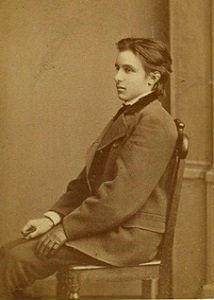
De Deense schrijver Herman Bang werd geboren op 20 april 1857 in Asserballe. Zie ook alle tags voor Herman Bang op dit blog.

Uit: Michael (Vertaald door Julia Koppel)

„Der Meister öffnete die Tür zum Balkon und trat hinaus. Seine Augen waren leicht zusammengekniffen, entweder weil sie das Werk, das seine Gedanken endlich verlassen wollten, noch zu sehen sich bemühten, oder vielleicht nur, weil sie vom Tageslicht geblendet wurden.
Er setzte sich in den gewohnten Stuhl. Sein mächtiger Bart, dessen weiße Streifen wie seltsame Wellen durch das Schwarz rannen, reichte fast bis zum Geländer hinab, und er drückte nach beendetem Tagewerk seine Hände einen Augenblick gegen das Eisen des Gitters, als stemme er sie gegen einen unerschütterlichen Felsen.
Michael saß wie gewöhnlich, das schlanke Kinn gegen die Balustrade gestützt, und starrte in die Luft. Einige Skizzen lagen in seinem Schoß, als wären sie vergessen.
Der Diener erschien in der Tür mit der Post und Visitenkarten, die er dem Meister auf einem Tablett reichte. Der Meister las die Karten und ließ sie auf das Tablett zurückgleiten, als hätte keine von ihnen einen Namen getragen. Er behielt eine einzige, die er oben in seine Weste hineinschob.
Dann griff er nach den Zeitungen. Die meisten waren unter Kreuzband, mit blau eingerahmten Spalten.
»Was schreiben sie?« fragte Michael und hob den Kopf.
»Von der Ausstellung in Melbourne.«
»Was?« fragte Michael und sah Claude Zoret ins Gesicht.
»Was sie immer schreiben,« sagte der Meister, der die Lippen nur ganz wenig öffnete, wenn er sprach, und schob die Zeitungen beiseite.“
 

2232234-d1995cf53a1433d566be1e7b97e8c462.jpg
Herman Bang (20 april 1857 – 19 januari 1912)


De Amerikaanse dichter, schrijver, essayist en criticus Henry Theodore Tuckerman werd geboren op 20 april 1813 in Boston, Massachusetts. Zie ook alle tags voor Henry Tuckerman op dit blog.

Uit: The Collector

“It was one of the conclusions arrived at by Adelung, that the same language would not maintain itself beyond the limit of a hundred and fifty thousand square miles; but by means of books the limits of the world alone are the limits within which language and the enjoyment of it can be confined. Letters waft a sigh from Indus to the Pole, and printed volumes carry thoughts that breathe and words that burn over the great oceans from one quarter of the world to another.
Such a volume is the one now in the hand of the reader. It is freighted with a dozen pleasant papers or essays, the subjects of which are not confined to America exclusively. They furnish us with text, and afford opportunity for illustrative comment.
Profiting by this opportunity, let me commence by observing, in reference to the opening essay, that the inns and taverns of London underwent a great change after the death of James the First. The rights of honest topers were suppressed by his son King Charles, who, for the poor[Pg 2] fee of an annual three pounds sterling, granted licences to tavern-keepers to sell wines at what prices they pleased, in spite of all statutes to the contrary! You may fancy how flushed the face of a thirsty Cockney might become, who, on putting down his eightpence for a quart of claret, was told by Francis, the drawer, that the price was a full quarter noble, or ‘one-and-eightpence’!
Lord Goring, who issued these licences, pocketed a respectable amount of fees in return. By statute, London had authority only for the establishment of forty taverns. But what did roystering George Goring care for statute, since the king gave him licence to ride over it? Taverns multiplied accordingly, not only in the city but in those ‘suburbs,’ as they were once called, fragrant Drury Lane and refined ‘Convent Garden.’ With competition came lower prices, however, and the throats of the Londoners were refreshed, while their purses were not so speedily lightened.
Jolly places they became again; but when they not only increased all over the town, but took to ‘victualling,’ as it was termed, as well as ‘liquoring,’ the authorities began to inquire into the matter. With the claret that was drunk, a corresponding amount of venison was eaten. At the same time the king’s bucks began to disappear, and suspicion arose that gentlemen in taverns dined off his sacred majesty’s deer! A watch was set to prevent such felonious fare being carried into London from any of the royal parks, chases, or forests. Still haunches smoked on the boards of those naughty victualling taverns, and haughty Cockneys, ‘greatly daring, dined’! The stolen bucks were smuggled in over Bow Bridge; and not till that passage was occupied by representatives of legal[Pg 3] authority did the venison intended for the court cease to find its way into the city.”

 

 2232234-b5ac4ca4b9fd7595790f2153446dca6d.jpg
Henry Tuckerman (20 april 1813 – 17 december 1871)
Cover


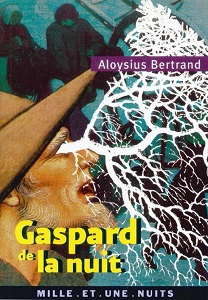
De Franse dichter Aloysius Bertrand werd geboren op 20 april 1807 in Ceva, Piemont, Italië. Zie ook alle tags voor Aloysius Bertrand op dit blog.


Le bibliophile

Ce n’était pas quelque tableau de l’école flamande, un
David-Téniers, un Breughel d’Enfer, enfumé à n’y pas
voir le diable.

C’était un manuscrit rongé des rats par les bords, d’une
écriture toute enchevêtrée, et d’une encre bleue et rouge.

- » Je soupçonne l’auteur, dit le Bibliophile, d’avoir
écu vers la fin du règne de Louis douze, ce roi de pater-
nelle et plantureuse mémoire. »

» Oui, continua-t-il d’un air grave et méditatif, oui,
il aura été clerc dans la maison des sires de Chateau-
vieux. »

Ici, il feuilleta un énorme in-folio ayant pour titre le
Nobiliaire de France, dans lequel il ne trouva mentionnés
que les sires de Chateauneuf.

- » N’importe ! dit-il un peu confus, Chateauneuf et
Chateauvieux ne sont qu’un même château. Aussi bien il
est temps de débaptiser le Pont-Neuf. «
 

 2232234-0fa24a00f266f26fcfce690a6b177a61.jpg
Aloysius Bertrand (20 april 1807 – 29 april 1841)
Cover


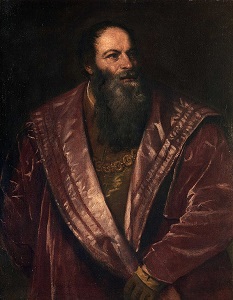
De Italiaanse schrijver Pietro Aretino werd geboren in Arezzo op 20 april 1492. Zie ook alle tags voor Pietro Aretino op dit blog.

Uit: Dialogues (Vertaald door Raymond Rosenthal)

“ANTONIA Why?
NANNA Because the reverend father summoned the three friars and leaning on the shoulder of one of them, a tall, soft-skinned rascal who had shot up prematurely, he ordered the others to take his little sparrow, which was resting quietly, out of its nest. Then the most adept and attractive young fellow of the bunch cradled the General’s songster in the palm of his hand and began stroking its back, as one strokes the tail of a cat which first purrs, then pants, and soon cannot keep still. The sparrow lifted its crest, and then the doughty General grabbed hold of the youngest, prettiest nun, threw her tunic over her head, and made her rest her forehead against the back of the bed. Then, deliberately prying open with his fingers the leaves of her ass-hole Missal and wholly rapt his thoughts, he contemplated her crotch, whose form was neither close to bone with leanness nor puffed out with fat, but something in between — rounded, quivering, glistening like a piece of ivory that seems instinct with life.
Those tiny dimples one sees on pretty women’s chins and cheeks could also be seen on her dainty buttocks, whose softness was softer than that of a mill mouse born and raised in flour, and that nuns limbs were all so smooth that a hand placed gently on her loins would have slid down her leg as quickly as a foot slides on ice, and hair no more dared grow on her than it would on an egg.
ANTONIA So the father General consumed his day in contemplation, eh?”
 

 2232234-dca0ca540884faf485d0e602f7d3da89.jpg
Pietro Aretino (20 april 1492 – 21 oktober 1556)
Portret door Titiaan, ca. 1545


De Engelse dichteres en schrijfster Dinah Maria Craik werd geboren op 20 april 1826 in Stoke-on-Trent. Zie ook alle tags voor Dinah Craik op dit blog.


Sunday Morning Bells

From the near city comes the clang of bells:
Their hundred jarring diverse tones combine
In one faint misty harmony, as fine
As the soft note yon winter robin swells.--
What if to Thee in Thine Infinity
These multiform and many-colored creeds
Seem but the robe man wraps as masquers' weeds
Round the one living truth Thou givest him--Thee?
What if these varied forms that worship prove,
Being heart-worship, reach Thy perfect ear
But as a monotone, complete and clear,
Of which the music is, through Christ's name, Love?
Forever rising in sublime increase
To 'Glory in the Highest,--on earth peace?'


Green Things Growing

O the green things growing, the green things growing,
The faint sweet smell of the green things growing!
I should like to live, whether I smile or grieve,
Just to watch the happy life of my green things growing.

O the fluttering and the pattering of those green things growing!
How they talk each to each, when none of us are knowing;
In the wonderful white of the weird moonlight
Or the dim dreamy dawn when the cocks are crowing.

I love, I love them so - my green things growing!
And I think that they love me, without false showing;
For by many a tender touch, they comfort me so much,
With the soft mute comfort of green things growing.

And in the rich store of their blossoms glowing
Ten for one I take they're on me bestowing:
Oh, I should like to see, if God's will it may be,
Many, many a summer of my green things growing!

But if I must be gathered for the angel's sowing,
Sleep out of sight awhile, like the green things growing,
Though dust to dust return, I think I'll scarcely mourn,
If I may change into green things growing.

 

 2232234-b8f88da7e7c5d1ed9aefe25da2b55f0e.jpg
Dinah Craik (20 april 1826 – 12 oktober 1887)
Cover biografie

Geschreven door Romenu om 14:44 Reageer op dit bericht

Meer van Romenu

↑ Terug naar de berichten