Naar de inhoud

Romenu

Over literatuur, gedichten, kunst en cultuur
akke.beakke.be

Berichten van 5 juni 2019 tot 6 juni 2019

Thomas Mann, Aleksandr Poesjkin, Sarah Dessen, Jean Cayrol, Pierre Corneille, Hendrik van Teylingen, V. C. Andrews, Frank Gericke
De Duitse schrijver Thomas Mann werd geboren in Lübeck op 6 juni 1875. Zie ook alle tags voor Thomas Mann op dit blog.

Uit: Buddenbrooks

„Die Feder eilte weiter, glatt, behende, und indem sie hie und da einen kaufmännischen Schnörkel ausführte, und redete Zeile für Zeile zu Gott. Zwei Seiten weiter hieß es: »Ich habe meiner jüngsten Tochter eine Police von 150 Courant-Thalern ausgeschrieben. Führe du sie, ach Herr! auf deinen Wegen, und schenke du ihr ein reines Herz, auf daß sie einstmals eingehe in die Wohnungen des ewigen Friedens. Denn wir wissen wohl, wie schwer es sei, von ganzer Seele zu glauben, daß der ganze liebe süße Jesus mein sei, weil unser irdisches kleines schwaches Herz ...« Nach drei Seiten schrieb der Konsul ein »Amen«, allein die Feder glitt weiter, sie glitt mit feinem Geräusch noch über manches Blatt, sie schrieb von der köstlichen Quelle, die den müden Wandersmann labt, von des Seligmachers heiligen, bluttriefenden Wunden, vom engen und vom breiten Wege und von Gottes großer Herrlichkeit. Es kann nicht geleugnet werden, daß der Konsul nach diesem oder jenem Satze die Neigung verspürte, es nun genug sein zu lassen, die Feder fortzulegen, hinein zu seiner Gattin zu gehen oder sich ins Comptoir zu begeben. Wie aber! Wurde er es so bald müde, sich mit seinem Schöpfer und Erhalter zu bereden? Welch ein Raub an Ihm, dem Herrn, schon jetzt einzuhalten mit Schreiben ... Nein, nein, als Züchtigung gerade für sein unfrommes Gelüste, citierte er noch längere Abschnitte aus den heiligen Schriften, betete für seine Eltern, seine Frau, seine Kinder und sich selbst, betete auch für seinen Bruder Gotthold, - und endlich, nach einem letzten Bibelspruch und einem letzten, dreimaligen Amen, streute er Goldsand auf die Schrift und lehnte sich aufatmend zurück. Ein Bein über das andere geschlagen, blätterte er langsam in dem Hefte zurück, um hie und da einen Abschnitt der Daten und Betrachtungen zu lesen, die sich von seiner Hand dort vorfanden, und sich wieder einmal dankbar der Erkenntnis zu freuen, wie immer und in aller Gefahr Gottes Hand ihn sichtbar gesegnet.


 2243891-25bde7ae5e4662caa3943f3512687a69.jpg
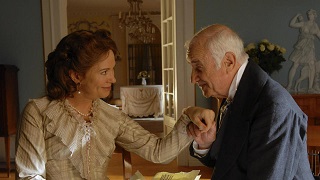
Iris Berben als Konsulin Bethsy Buddenbrook en Armin Mueller-Stahl als Konsul Jean Buddenbrook. Scene uit de verfilming van „Buddenbrooks“ uit 2008.


Er hatte die Pocken gehabt so stark, daß alle Leute ihm das Leben absprachen, aber er war gerettet worden. Einmal - er war noch ein Knabe - hatte er den Vorbereitungen zu einer Hochzeit beigewohnt, wobei viel Bier gebraut wurde (denn es bestand die alte Sitte, das Bier im Hause zu brauen), und zu diesem Ende stand ein großes Brau-Küben vor der Thüre aufgerichtet. Nun, dasselbe schlug nieder und die Bodenseite auf den Knaben, mit solchem Knall und solcher Gewalt, daß die Nachbarn vor die Thüre kamen und ihrer sechs genug zu thun hatten, es wieder aufzurichten. Sein Kopf ward gequetscht, und das Blut rann heftig über alle seine Gliedmaßen. Er wurde in einen Laden getragen, und da noch ein wenig Leben in ihm war, ward zum Doktor und zum Wundarzt geschickt. Dem Vater aber sprach man zu, er möge sich in Gottes Willen schicken, es sei unmöglich, daß der Knabe am Leben bliebe ... Und nun höre: Gott der Allmächtige segnete die Mittel und half ihm wieder zur vollkommenen Gesundheit! - Als der Konsul diesen Unglücksfall im Geiste aufs neue erlebt hatte, ergriff er noch einmal die Feder und schrieb hinter sein letztes Amen: »Ja, Herr, ich will dich loben ewiglich!« -Ein anderes Mal, als er, ein ganz junger Mensch noch, nach Bergen gekommen war, hatte Gott ihn aus großer Wassersgefahr errettet. »Indem wir«, stand dort, »in der Stromzeit, wenn die Nordfahrer angekommen sind, sehr viel arbeiten mußten, durch die Jagden zu kommen und zu unserer Brücke zu gelangen, so ging es mir dabei so, daß ich auf dem Rande der Schute stand, die Füße gegen die Dollen und den Rücken gegen die Jagd gestützt, um die Schute immer näher zu bringen; zu meinem Unglück brechen die eichnen Dollen, wogegen ich die Füße gesetzt hatte, und ich falle über Kopf ins Wasser.“
 

 2243891-4a3875fb26260941cba76328d102526c.jpg
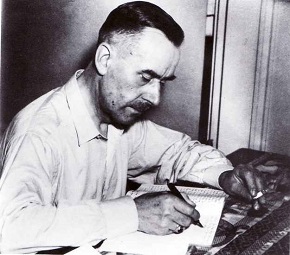
Thomas Mann (6 juni 1875 – 12 augustus 1955)
Rond 1930 


De Russische dichter en schrijver Aleksandr Poesjkin werd geboren in Moskou op 6 juni 1799. Zie ook alle tags voor Aleksandr Poesjkin op dit blog.

Uit: Evgeny Onegin (Vertaald door G. R. Ledger)

IV

Tatyana, (to her heart's core a Russian,
Herself not knowing the reason why),
With all their cold and frigid beauty,
Loved Russian winters with great passion:
The sun-lit hoar-frost on frozen days,
Sledge rides, and from the sunset's glow
The rosy radiance on the snow;
The foggy nights of Epiphany,
Evenings which, by ancient rule,
They celebrated in the old time ways:
The servants from the house and yard
All told the fortunes of their mistresses,
Each year they gave them the blissful word:
An army husband and a trip abroad.


V.

Tatyana implicitly believed the tales
Of the simple country folk of old;
Dreams, fortune by cards, the cold
Predictions which the moon reveals.
All omens used to make her shudder,
All objects spoke mysteriously,
Pronouncing one thing or another,
Forebodings crowded her anxiously.
The curious cat, on the stove shelf sitting,
Purrs and washes its paws with its tongue:
A sure sign to her that guests would come;
Then suddenly, seeing up above,
The face of the two-horned waxing moon,
On the left hand side, almost in a swoon,


VI.

She shook and grew pale as any waif.
And, whenever a falling star
Through the sky's darkness cut a path,
And then dispersed, --- then in utter fear
Tatyana hastened, in confusion,
(And while the star was still on fire)
To whisper to it her heart's desire.
Whenever it happened, in her delusion,
That she met a black monk, or in the fields,
A racing hare would suddenly
Strike across her way, and run obliquely,
Then in very fear not knowing what remedy
To take, and full of sad expectation
She sensed bad fortune in anticipation.
 

 2243891-21e613a55ed8612841d8006905ffb813.jpg
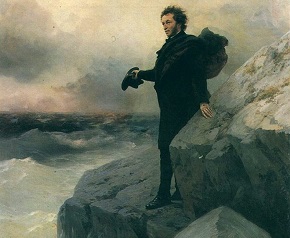
Aleksandr Poesjkin (6 juni 1799- 10 februari 1837)
Poesjkin Afscheid van de Zee door Ivan Aivazovsky en Ilya Repin, 1877


De Amerikaanse schrijfster Sarah Dessen werd geboren op 6 juni 1970 in Evanston, Illinois. Zie ook alle tags voor Sarah Dessen nop dit blog.


Uit: The Rest of the Story

“The wedding was over. But the party had just begun.
“It’s just so romantic,” my best friend Bridget said, picking up the little glass jar of candy from her place setting and staring at it dreamily. “Like a fairy tale.”
“You think everything is like a fairy tale,” my other best friend Ryan told her, wincing as she reached down yet again to rub her sore feet. None of us were used to dressing up very much, especially in heels. “All those days of playing Princess when we were kids ruined you.”
“I seem to remember someone who had a Belle fixation,” Bridget said, putting the candy down with a clank. She tucked her short, choppy dark bob behind her ears. “Back before you decided that being cynical and depressed was much cooler.”
“I was the one who liked Belle,” I reminded her. We all had our roles: they were always bickering about our shared history, while I was the one who remembered all the details. It had been like this since we’d met on the playground in second grade. “Ryan was all about Jasmine.”
“She’s right,” Ryan said. “And I’ll remind you again that I’m not cynical or depressed, I’m realistic. We can’t all see the world as rainbows and unicorns.”
“I don’t even like rainbows and unicorns,” Bridget muttered. “They’re so overdone.”
“The truth is,” Ryan continued, “even with cute candy favors, the divorce rate in this country is over fifty percent.”
“Oh, my God. Ryan!” Bridget looked horrified. Ryan was right about one thing: she was the biggest optimist I knew. “That is a horrible thing to say at Emma’s dad’s wedding.”
“Seriously,” I added. “Way to jinx my future. Was my past not bleak enough for you?”
Ryan looked at me, worried. “Oh, crap. Sorry.”
“I’m kidding,” I told her.
“And I hate your humor,” she replied. “Have I mentioned that lately?”
She had not. But she didn’t need to. Everyone seemed to have a problem with what I found funny. “Despite the statistics,” I said, “I really do feel Dad and Tracy will make it.”

 

 2243891-5a9399a6d8a3452c10d060aee84629d6.jpg
Sarah Dessen (Evanston, 6 juni 1970)


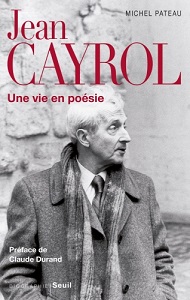
De Franse dichter en schrijver Jean Cayrol werd geboren op 6 juni 1911 in Bordeaux. Zie ook alle tags voor Jean Cayrol op dit blog.


Marguerite…

Marguerite, tu me réponds :
je ris trop dans le couchant
quand le vent
se plaint de mon comportement.
Avec mes pétales
un p’tit coin de bal
j’ai le sentiment.

Marguerite,
mon rire blanc,
choisie pour des rites
jamais décevants.

Marguerite des champs
connais-tu celle des villes,
la marguerite qui file
l’amour entre les dents ?

Toutes les marguerites sont reines
en plein été ;
les rosières se déchaînent,
au corsage est leur secret.

Marguerite
tu donnes la paix
aux hommes sans gîte

la marguerite est la clef
soleil quand tu m’invites.
 

 2243891-1c8b18db74ccc739cdc73a4baa501e3e.jpg
Jean Cayrol (6 juni 1911 – 10 februari 2005)
Cover


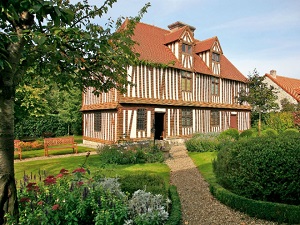
De Franse dichter en schrijver Pierre Corneille werd geboren in Rouen op 6 juni 1606. Zie ook alle tags voor Pierre Corneille op dit blog.


Amourettes de jeune homme

J’ai fait autrefois de la bête,
J’avais des Philis à la tête,
J’épiais les occasions,
J’épiloguais mes passions,
Je paraphrasais un visage.
Je me mettais à tout usage,
Debout, tête nue, à genoux,
Triste, gaillard, rêveur, jaloux,
Je courais, je faisais la grue
Tout un jour au bout d’une rue.
Soleil, flambeaux, attraits, appas,
Pleurs, désespoir, tourment, trépas,
Tout ce petit meuble de bouche
Dont un amoureux s’escarmouche,
Je savais bien m’en escrimer.
Par là je m’appris à rimer,
Par là je fis, sans autre chose,
Un sot en vers d’un sot en prose.


Chagrin

Usez moins avec moi du droit de tout charmer ;
Vous me perdrez bientôt si vous n’y prenez garde.
J’aime bien a vous voir, quoi qu’enfin j’y hasarde ;
Mais je n’aime pas bien qu’on me force d’aimer.

Cependant mon repos a de quoi s’alarmer ;
Je sens je ne sais quoi dès que je vous regarde ;
Je souffre avec chagrin tout ce qui m’en retarde,
Et c’est déjà sans doute un peu plus qu’estimer.

Ne vous y trompez pas, l’honneur de ma défaite
N’assure point d’esclave à la main qui l’a faite,
Je sais l’art d’échapper aux charmes les plus forts,

Et quand ils m’ont réduit à ne plus me défendre,
Savez-vous, belle Iris, ce que je fais alors ?
Je m’enfuis de peur de me rendre.


Espérance

D’un accueil si flatteur, et qui veut que j’espère,
Vous payez ma visite alors que je vous vois,
Que souvent à l’erreur j’abandonne ma foi,
Et croîs seul avoir droit d’aspirer à vous plaire.

Mais si j’y trouve alors de quoi me satisfaire,
Ces charmes attirants, ces doux je ne sais quoi,
Sont des biens pour tout autre aussi bien que pour moi,
Et c’est dont un beau feu ne se contente guère.

D’une ardeur réciproque il veut d’autres témoins,
Un mutuel échange et de vœux et de soins,
Un transport de tendresse à nul autre semblable.

C’est là ce qui remplit un cœur fort amoureux :
Le mien le sent pour vous ; le vôtre en est capable.
Hélas ! si vous vouliez, que je serais heureux !
 

 2243891-5978dd4c77ceffa783774647d2c3308f.jpg
Pierre Corneille (6 juni 1606 – 1 oktober 1684)
Musée Pierre Corneille in Rouan


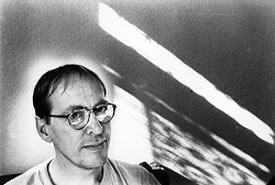
De Nederlandse dichter en vertaler Hendrik van Teylingen werd geboren op 6 juni 1938 in IJmuiden. Zie ook alle tags voor Hendrik van Teylingen op ditt blog.


Had ik nooit een vers gelezen

Had ik nooit een vers gelezen,
Mocht ik nu geen dichter wezen:
Had ik van het geitenweitje
Met zijn klaaglijk krijtend geitje

In mijn jonkheid niet vernomen.
Was het er niet van gekomen
Dat het beieren der rijmen
Me nu schreiend doet bezwijmen

Van een huiverend genieten
Dat ik in elk vers wil gieten
Opdat in betraande horden
Al mijn lezers dichter worden.


Ceder

Een zilte windbazuin
blies uw bladerkruin
heen en weer weder.

Een zilvergrijze vrouw
knielde neer in rouw,
krakend als leder,

en klom in u omhoog.
Boven keek haar oog
nog even neder.

Ze hing zich in u op
- sluier werd tot strop -
en deinde teder.

Nu wiegt ge weer alleen.
Haar last woei van u heen,
licht als een veder.
 

 2243891-15266be2d3f59fb1c7112eba60076af9.jpg
Hendrik van Teylingen (6 juni 1938 – 25 december 1998)


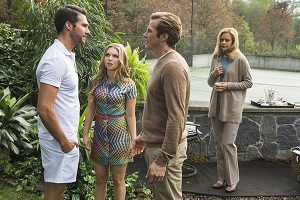
De Amerikaanse schrijfster V. C. Andrews (eig. Cleo Virginia Andrews) werd geboren in Portsmouth op 6 juni 1923. Zie ook alle tags voor V. C. Andrews op dit blog.

Uit:Seeds of Yesterday

“And so it came to pass the summer when I was fifty-two and Chris was fifty-four that our mother's promise of riches, made long ago when I was twelve and Chris was fourteen, was at last realized. We both stood and stared at that huge, intimidating house I'd never expected to see again. Even though it was not an exact duplicate of the original Foxworth Hall, still I quivered inside. What a price both Chris and I had paid to stand where we were now, temporary rulers over this mammoth house that should have been left in charred ruins. Once, long ago, I'd believed he and I would live in this house like a princess and prince, and between us we'd have the golden touch of King Midas, only with more control. I no longer believed in fairy tales. As vividly as if it had happened only yesterday, I remembered that chill summer night full of mystical moonlight and magical stars in a black velvet sky when we'd first approached this place, expecting only the best to happen. We had found only the worst. At that time Chris and I had been so young, innocent, and trusting, believing in our mother, loving her, believing as she led us and our five-year-old twin brother and sister through the dark and somehow scary night, to that huge house called Foxworth Hall, that all our future days would be colored green for wealth and yellow for happiness.
What blind faith we'd had when we tagged along behind. Locked away in that dim and dreary upstairs room, playing in that dusty, musty attic, we'd sustained ourselves by our belief in our mother's promises that someday Foxworth Hall and all its fabulous riches would be ours. However, despite all her promises, a cruel and heartless old grandfather with a bad but tenacious heart refused to stop beating in order to let four young and hopeful hearts live, and so we'd waited, and waited, until more than three long-long years passed, and Momma failed to keep her promise.”
 

 2243891-97e3e9491d7cf561df7f9dc1873c41dd.jpg
V. C. Andrews (6 juni 1923 – 19 december 1986)
James Maslow (Bart), Sammi Hanratty (Cindy), Jason Lewis (Christopher) en Rachael Carpani (Cathy) in de film “Seeds of Yesterday” uit 2015


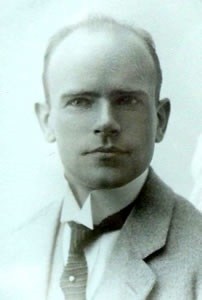
De Nederlandse dichter en publicist Frank Gericke (pseudoniem van Derk Gerhardus Hoek) werd geboren in Hoogvliet op 6 juni 1887. Zie ook alle tags voor Frank Gericke op dit blog.


Hei

Kleintjes, duistertjes
Groeit op de hei,
Aan den blinkenden grindweg,
Een pijnboomrij.

De wolkjes schuiven,
De vogeltjes slaan,
En ik zie er een eenzaam
Boerinnetje gaan.

Aan de wijkende blauwte drijft
Helder en ijl,
Op het briesje gestuwd, een
Zonnewit zeil.

Het licht is zoo glanzend,
Mijn hart zoo blij,
Want ik min de heide
En de heide mij!


Magnolia

Hoe wektet Gij Uw leven
In 't levenlooze hout!
Nauw deed Uw glimlach even
Hun tengre luchters beven
Of, de open kelk geheven,
Ontploken ze in Uw goud.

En dekt, geslecht, geslagen,
Hun glanzend weefsel 't pad,
Nog ronden, onder 't vragen
Naar Uw begeerd behagen,
Hun schelpen zich en dragen
D' Onwelkbre in 't welkend blad.
 

 2243891-b38ef0f9c8f26d1817470161fc30fce6.jpg
Frank Gericke (6 juni 1887 − 14 december 1976)


Zie voor nog meer schrijvers van de 6e juni ook mijn blog van 6 juni 2015 deel 2.
Geschreven door Romenu om 18:29 Reageer op dit bericht

Federico García Lorca, Adriaan Morriën, Ken Follett, Paul Farley, Geoff Dyer, Margo Lanagan, Carel Peeters, Robert Franquinet, Margaret Drabble

De Spaanse dichter en toneelschrijver Federico Garcia Lorca werd geboren op 5 juni 1898 in Fuente Vaqueros, Granada. Zie ook alle tags voor Federico Garcia Lorca op dit blog.


Lament for the Death of Ignacio Sánchez Mejías


1. Goring And Death

At five in the afternoon.
It was five sharp in the afternoon.
A boy brought the white sheet
at five in the afternoon.
A basket of lime already set
at five in the afternoon.
The rest was death and only death
at five in the afternoon.

The wind swept away the cotton
at five in the afternoon.
And rust planted crystal and nickel
at five in the afternoon.
Now the struggle of leopard and dove
at five in the afternoon.
And a thigh with a desolate horn
at five in the afternoon.
And so began the bass notes
at five in the afternoon.
The arsenic bells and the smoke
at five in the afternoon.

On the corners groups of silence
at five in the afternoon.
And the bull alone with heart on high
at five in the afternoon.
When the sweat of snow arrived
at five in the afternoon,
when the bullring filled with iodine
at five in the afternoon,
death laid eggs in the wound
at five in the afternoon.
At five in the afternoon.
At five sharp in the afternoon.

The bed is a coffin on wheels
at five in the afternoon.
Bones and flutes blow in his ear
at five in the afternoon.
The bull bellowed on his brow
at five in the afternoon.
The room iridescent with agony
at five in the afternoon.
Gangrene comes in the distance
at five in the afternoon.
Trumpet of lilies on green groins
at five in the afternoon.
The wounds burned like suns
at five in the afternoon,
and the rabble broke the windows
at five in the afternoon.
Oh, what a terrible five in the afternoon!
It was five on all the clocks.
It was five in shadow of the afternoon.


2. Spilled Blood

I don’t want to see it!
Tell the moon to come.
I don’t want to see
Ignacio’s blood on the sand.

I don’t want to see it!

The moon fully open,
a horse of quiet clouds
and the gray bullring of sleep
with willows over the barricades.

I don’t want to see it!
My memory burns.
Warn the jasmine
to cover its whiteness!

I don’t want to see it!

The cow of the old world
stroked a snout of blood
with its sorrowful tongue
and the bulls of Guisando
almost death and almost stone
bellowed like two centuries
tired of walking the land.
No.

I don’t want to see it.

Up the bleachers goes Ignacio
with death on his shoulders.
He looks for dawn
and it isn’t dawn.
He looks for his sensible profile
and sleep confuses him.
He looks for his beautiful body
and finds his open blood.
Don’t ask me to see it!
I don’t want to feel the spurt
growing weaker by the moment,
the spurt that illumines
the seats and spills
on the hide of the thirsty crowd.
Who orders me to look!
Don’t make me see it!

His eyes didn’t close
when he saw the horns approach,
but the terrible mothers
raised their heads
and all through the cattle ranches
there was an air of secret orders
thrown to celestial bulls
by the foremen of pale mists.
There wasn’t a prince in Seville
who could compare,
no sword like his sword
nor a heart so real.
His strength was a river of lions,
his prudence a torso of marble.
An air of Andalusian Rome
gilded his head
where his smile was a rose
of salt and intelligence.
The great fighter of bulls!
The good mountaineer of the mountain!
How soft with the wheat stalk!
How hard with his spurs!
How tender with the dew!
How dazzling in the fair!
How grand with the last
banderillas of dusk!

But now he sleeps forever.
Now the grass and the moss
open with sure fingers
the flower of his skull.
And his blood comes singing:
singing through marshes and prairies,
sliding down shivering horns,
wandering soulless in fog,
stumbling on thousands of hoofs
like a long, dark, sorrowful tongue
to form a puddle of agony
by the Guadalquivir of the stars.
Oh white wall of Spain!
Oh black bull of sorrow!
Oh hard blood of Ignacio!
Oh nightingale of his veins!
No.
I don’t want to see it!
There is no chalice to hold it.
There are no swallows that drink it,
no frost of light to cool it,
no song or deluge of lilies,
no crystal to bathe it in silver.
No.
I don’t want to see it!


Vertaald door Pablo Medina


 2243618-b25c107ff9b306afa99a7d354b589ad3.JPG
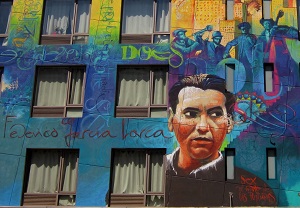
Federico García Lorca (5 juni 1898 – 19 augustus 1936)
Muurschildering in New York


De Nederlandse dichter en schrijver Adriaan Morriën werd geboren op 5 juni 1912 in Amsterdam. Zie ook alle tags voor Adriaan Morriën op dit blog.


Lectuur

Ik kan niet genoeg krijgen van je huid.
Als een blinde lees ik met mijn vingers
het stille verhaal van je oppervlak.
In je ogen dreig ik te verzinken.
Op je huid bewandel ik alle wegen
zonder mij van jou te verwijderen.

Soms keer je je behulpzaam op je buik.
Je rug is een lang hoofdstuk uit een boek.
Ik spel je tepels, herlees je oren.
Ik laat je tenen op elkander rijmen.
Ik lees tussen de regels van je benen
en blader in de atlas van je hals.

Het is mij of mijn eigen vingers
je lichaam hebben uitgeschreven.
Eerst viel het mij als klank te binnen,
toen lag het als een beeldspraak op mijn tong
en nu herhaal ik wat ik heb gestameld
in vloeiende bewoordingen.


Schilderij

Twee doode kreeften met gebroken scharen
Rood op de witheid van het tafellaken;
Een gele wijn, die fonkelt in het glas,
Maar niet gedronken wordt; gemorste asch,
En tusschen appelen en eierschalen
Een houten kruisbeeld met de pijn en zegen
Van zijn doorboorde handen. In den regen,
Achter het raam, dat uitziet in de straat,
Het grijs gelaat van een bedroefde vrouw,
Die in den rouw van hare kleeren staat,
Verwonderd en afwijzend en naijvrig
En ongetemd: haar wilde armen slaan,
Als in een dwaas verweer langs 't vensterraam.
En verder in een kleinen, kalen tuin
Van een der huizen aan den overkant,
Zacht neergevlijd als een vermoeide hand,
Een laatst verzet in 't wijkend perspectief,
De weemoed van een omgewaaiden boom.


 2243618-a28b68e3be0e0b219a212e58a1de78c2.jpg
Adriaan Morriën (5 juni 1912 – 7 juni 2002) 


De Engelse schrijver Ken Follett werd geboren op 5 juni 1949 in Cardiff, Wales. Zie ook alle tags voor Ken Follett op dit blog.

Uit:Het eeuwige vuur(Vertaald door Joost van der Meer en William Oostendorp)

“Te midden van een sneeuwstorm kwam Ned Willard thuis in Kingsbridge.
In de hut van een trage schuit, geladen met stoffen uit Antwerpen en wijn uit Bordeaux, voer hij stroomopwaarts vanuit Combe Harbour.
Toen hij vermoedde dat de boot eindelijk Kingsbridge naderde sloeg hij zijn Franse mantel strakker om zijn schouders; hij trok de capuchon over zijn oren, stapte het open dek op en tuurde in de verte.
Aanvankelijk werd hij teleurgesteld: vallende sneeuw was het enige wat hij zag. Maar zijn verlangen om een glimp van de stad op te vangen was als een pijn, en vol hoop staarde hij in de sneeuwvlagen. Na een poosje werd zijn wens vervuld, de storm begon zich terug te trekken. Er verscheen een verrassend stukje blauw aan de hemel. Starend over de toppen van de omringende bomen zag hij de toren van de kathedraal, honderddrieentwintigenhalve meter hoog, zoals iedere leerling in Kingsbridge
wist. De stenen engel die vanaf de torenspits over de stad waakte had vandaag sneeuw op haar vleugels liggen, waardoor haar duifgrijze vleugeltoppen nu helderwit waren. Even viel er een zonnestraal op het beeld, die als een zegen van de sneeuw af fonkelde; daarna sloot de storm haar weer in en werd ze aan het zicht onttrokken.
Een poosje zag hij niets anders dan bomen, maar zijn verbeelding liep over. Hij stond op het punt om na een afwezigheid van een jaar met zijn moeder te worden herenigd. Hij zou haar niet vertellen hoezeer hij haar had gemist, want een man diende op zijn achttiende onafhankelijk te zijn.
Maar bovenal had hij Margery gemist. Hij was op een rampzalig moment voor haar gevallen: een paar weken voor zijn vertrek uit Kingsbridge om een jaar door te brengen in Calais, de door Engelsen bestuurde havenstad aan de Franse noordkust. Hij kende en mocht de ondeugende, intelligente dochter van sir Reginald Fitzgerald al sinds zijn kindertijd.
Toen ze opgroeide had haar schalksheid een nieuwe verleidelijkheid gekregen, waardoor hij merkte dat hij in de kerk met een droge mond en oppervlakkige ademhaling naar haar staarde. Hij had geaarzeld om meer te doen dan alleen staren, want ze was drie jaar jonger dan hij, maar zij kende zulke remmingen niet. Op het kerkhof van Kingsbridge, achter de grote graftombe van prior Philip, de monnik die vier eeuwen eerder de opdracht voor de bouw van de kathedraal had gegeven, hadden ze elkaar gekust. Er was niets kinderachtigs geweest aan hun lange, gepassioneerde zoen; daarna had ze gelachen en was ze weggerend.”


 2243618-2be4ee95784f5a318b2c5d311d1aa1ca.jpg
Ken Follett (Cardiff, 5 juni 1949)


De Britse dichter en schrijver Paul Farley werd geboren op 5 juni 1965 in Liverpool. Zie ook alle tags voor Paul Farley op dit blog.

Ports

1

I want you to imagine, in your late capitalist's mind's eye,
a stagnant fly-blown lake under an African sun,
the smell of the sea just beyond (this at least should come easy
being the universal saltwater of all your childhoods).
Armies of ants on parade in the poor weeds and grey sludge
of the ages, dismantling the scene in their own time-lapse movie,
skeletal cats picking over spoil, boneyard mongrels
marking their range by the water's edge before moving on.
I want you to imagine all this, because once I was Carthage
and still am in name, though like some poisoned inland sea
my horizons have shrunk to a port that handles zero tonnage,
an import and export that evens the scales up at nil,
not counting the old rope and plastic bottles that come knocking
with the tides, not counting the rusted tins that drift in,
not counting the ants shifting clay forms and Carrera marble
from my ruins, or the guide who conducts his own private dig
for unscrupulous tourists who think nothing of removing
a coin from its context (if money ever has such set contexts),
of taking a Roman penny with an obverse of Augustus
out of the country, to reach the cold northern latitudes
in the holds of Lufthansa or Aeroflot, in a fraction
of the time it once took under oar and Ursa Major.
I was Carthage, but nothing much comes or goes in this afterwards;
all that's left of a thousand years of dockyards and shipsheds
are a few shapes the soft earth has found indigestible,
for the tourist to squint at, consider, weigh up, reconstruct
imaginatively, as I am asking you, listener.
From this silted salt lake I once pulled the strings of the known world.
Lovers looked out from my sea walls into powerful distance
that bound them knowing that I was a true centre.
They pulled tight their merchant purses. They drank from clay pitchers -
under glass now in nearby museums. A museum will go some way
to help in your excavations, but what stories lead on from
the razors and combs and amphora and ostrich egg masks
are the details of millions who passed through, then into the ground.
Standing over a scale model in its sea of flat glass
acts out a dominion of your time over mine, looking down on
my circular dockyard apotheosis; looking down
as from a great height, in a way I can never have known.
A map might be easier in helping you build on my wasteland:
my trade routes once lit up the coastlines in thousands of oil lamps,
a Phoenician outline of Africa in the antique night,
spreading westward and hugging the shore, a luminous tracing
that brought in and foundered sea creatures, signalling for their mates.
I can still taste the distant metals like blood in my harbour mouth,
the tin and the iron and the copper which don't come here now
but leech down the well-furrowed sea lanes, my phantom nerve endings.
Carthaginian and Roman and Vandal are blinks in my brine eye,
In each of their eternities: to me they rise and fall
as sea swell. Credit me, listener, with such a long memory,
as more than the sum of my parts, more than archaeology
and soft sump, more than ground fought over. Aeneas stood here once
with a mind to call it quits and cut loose, so the story goes,
my port in his storm to his girl in every port.
The jets tilt and bank heading north for their carrier hubs
in Frankfurt and Moscow, without so much as a second thought
for me in my modern darkness, their starboard wing lights
blinking in an element I knew nothing about.
Some things have endured: the peaks of Cap Bon across the bay
form a backdrop to nothing much doing these days; the stars rise
to guide nobody from my mouth and on course for the Pillars
of Hercules - but these things give me a sense of myself,
as the winds do, strong at the turns in the year, which remind me
of cargoes and freights in their seasons, gross tonnes that passed through
as sand through an hour glass, until history,
like the idea of magnetic north so long in the discovering,
moved slowly away from here, like a great ship embarking
out onto the future's broad main, and this is the fate
of all ports, even yours, listener. Listen to me. I was Carthage.


 2243618-745c0d58e2d267ec16d0fde51e936897.jpg
Paul Farley (Liverpool,. 5 juni 1965)


De Engelse schrijver Geoff Dyer werd op geboren 5 juni 1958 in Cheltenham. Zie ook alle tags voor Geoff Dyer op dit blog.

Uit:Broadsword Calling Danny Boy

“Meanwhile, at dusk—even allowing for the fact that it’s winter, the day has been stunningly short—the Eagles sneak across the snowy railroad tracks, in the wake of a freight train whose role will not extend beyond this cameo appearance (a sad decline from the recent glory years of Von Ryan’s Express [1965], starring Frank Sinatra, and The Train [1964], with Burt Lancaster). They let themselves into a storage unit where Eastwood and Burton strip off their parkas and pull out greatcoats and caps from their small but apparently bottomless rucksacks. They have not packed lightly, these two; they have enough clothes and equipment to keep the Sherpas on an inter-war Everest expedition employed for much of the climbing season. Working within the confines of a smaller costume budget, the others do what they can, reversing their par­kas from snowy-white to wintery camouflage. Thus arrayed, like any bunch of lads on a stag weekend, they head into the village of Werfen for a bit of the old après-ski (minus the skiing), a little apprehensive, naturally, this being their first night out on the streets of the resort. The pitched roofs are laden with snow, the streets are bustling with troops and vehicles, and there’s so much parping of horns it sounds like an Alpine equivalent of Cairo.
They choose a tavern at random—we’ll try this one behind us, says Burton, though as with most things he says he’s not saying but ordering. He tells them to keep their ears open for anything about General Carnaby, but it seems a lame excuse for that which needs no excuse, namely getting into the bar and getting a few down them. It’s a cosy place with foam­ing steins, a really festive Bavarian atmosphere and no obviously anti-Semitic conversation. You can’t help thinking what fun it would be to attend a fancy-dress party like this in real life, even though you’d catch hell from the tabloids, especially since the guests include none other than the blond beast Von Hapen, in his medal-bedecked Gestapo costume. For once Burton is not the one doing the ordering; it’s Eastwood who orders drinks at the bar, thereby raising the possibility that, for all his swagger, command and much-publicized love of drink and his will­ingness to splash out vast sums of money on diamonds, Burton might be that lowest, most treacherous form of British life: a round-dodger, a conscientious-drink-buying-objector and all-round round-shirker. Even this suspicion only slightly clouds the rest of the group’s belief that this is surely the best of all Second World War mission-capers, way better than scaling the cliffs of Navarone, sweating your malarial bollocks off on that ghastly bridge over the River Kwai or waiting for Telly Savalas to flip his sicko lid in The Dirty Dozen. A top night seems guaranteed as long as they can keep up their German and not be tricked into letting their conversational guard down, as fatally happened, six years earlier, to Gordon Jackson as he boarded a bus in The Great Escape (before enjoying extended small-screen resurrections in
Upstairs Downstairs and The Professionals).”


 2243618-3a3f471b32feec8995c3b52712a12cff.jpg
Geoff Dyer (Cheltenham, 5 juni 1958)


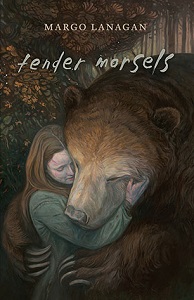
De Australische schrijfster Margo Lanagan werd geboren op 5 juni 1960 in Waratah, New South Wales. Zie ook alle tags voor Margo Lanagan op dit blog.

Uit: Tender Morsels

“Has the chimney fallen in? Or what is it?” She wanted to step farther out and look.
But he sprang over the logs and ran at her. She was too surprised to fight him, and her insides were too delicate. The icicled edge of the thatch swept down across the heavy sky, and she was on the floor, the door slammed closed above her. It was dark after the snow-glare, the air thick with the billowing smoke. Outside, he shouted—she could not hear the words—and hurled his logs one by one at the door.
She pressed her nose and mouth into the crook of her elbow, but she had already gulped smoke. It sank through to her deepest insides, and there it clasped its thin black hands, all knuckles and nerves, and wrung them, and wrung them.
Time stretched and shrank. She seemed to stretch and shrink. The pain pressed her flat, the crashing of the wood. Da muttered out there, muttered forever; his muttering had begun before her thirteen years had, and she would never hear the end of it; she must simply be here while it rose from blackness and sank again like a great fish into a lake, like a great water snake. Then Liga’s belly tightened again, and all was gone except the red fireworks inside her. The smoke boiled against her eyes and fought in her throat.
The pains resolved themselves into a movement, of innards wanting to force out. When she next could, she crawled to the door and threw her fists, her shoulder, against it. Was he out there anymore? Had he run off and left her imprisoned? “Let me out or I will shit on the floor of your house!”
There was some activity out there, scraping of logs, thuds of them farther from the door. White light sliced into the smoke. Out Liga blazed, in a dirty smoke-cloud, clambering over the tumbled wood, pushing past him, pushing past his eager face.”

 2243618-c582962e274693927aaae90a5265bf62.jpg
Margo Lanagan (Waratah, 5 juni 1960)
Cover


De Nederlandse literair criticus Carel Peeters werd geboren in Nijmegen op 5 juni 1944. Zie ook alle tags voor Carel Peeters op dit blog.

Uit: Het eigenwijze potlood

“Of het nu om mensen of dieren ging, Peter Vos was in zijn tekeningen voortdurend aan het vermommen, om-draaien, transformeren en verkleden: dieren die menselijke din-gen doen, mensen die dierendingen doen, mensen die in vogels veranderen, wezens die half dier, half mens zijn, mensen die in een satirisch beestenkarakter veranderen (klavierleeuw, kloothom-mel). Hij was een Pulcinel, de komische bediende uit de commedia dell'arte die aan alles een fantasierijke wending moest geven. Met een handtekening in de vorm van een Pulcinel ondertekende hij vaak zijn brieven. Eind jaren vijftig sorteerde de toenmalige uitgever van De Arbei-derspers Theo Sontrop nog brieven op het postkantoor van Amster-dam. Op een dag herkende hij een met vogels versierde envelop als afkomstig van Peter Vos, net als hij oud-leerling van het St. Boni-fatiuslyceum in Utrecht Peter Vos was inmiddels student aan de Rijksakademie, Sontrop zat in de redactie van het studentenweek-blad Propria Cures. Hij vond dat Propria Cures wel een vaardig en geestig tekenaar als Peter Vos kon gebruiken. Dat dacht Rinus Ferdinandusse ook toen hij als redacteur van Propria Cures was over-gestapt naar Vrij Nederland (VN) en Vos vroeg mee te gaan. In het begin maakte Vos getekende grappen voor de rubriek 'Vrij Blijvend', die later 'Terzijde' zou gaan heten. De rubriek bestond nog uit pasti-ches en parodieën geschreven door Ferdinandusse en Hugo Brandt Corstius, en niet uit de volle kolom oneliners van Toon Verhoeven waarmee de rubriek later vermaard zou worden. vn-lezers lazen hem altijd als eerste ('Als je van lezen houdt is de Tros een goede omroep'). In die verzuilde tijd kon een tekening van Peter Vos nog voor de nodige commotie en ingezonden brieven zorgen. Zoals de tekening in het kerstnummer van het jaar 1960. Het is kerstavond en we zien Jozef op het moment dat een engel hem laat weten dat er een kindje is geboren. ''t Is een jongen!' juicht de engel. En toen in 1964 de aflevering 'Beeldreligie' van het satirische televisieprogramma Zo is het toevallig ook nog eens een keer zo veel verontwaardiging had ge-wekt, maakte Peter Vos de tekening van de man die voor de televisie zit en zijn vrouw roept 'Mien, kom. Het is weer kwetsen.' Zijn bijdrage aan 'Terzijde' bestond uit het tekenen van de weke-lijkse leeuw. Die werd zo'n vaste verschijning dat je hem bijna over het hoofd zag. Maar wie dat niet liet gebeuren, zag de mens ver-momd als leeuw elke week vechten tegen de aanvallen van het leven. Hij nam in de loop der tijd elke denkbare manhaftige pose aan. De leeuw werd met alles geconfronteerd, elke ochtend al meteen met zichzelf in de spiegel, en verder in de loop van de dag met allerhande tegenstanders die hij niet zelden met een zwaard te lijf ging, tot hij zich bedacht. “


 2243618-12c3f2c7769ca586db3b9bd6a3200b61.jpg
Carel Peeters (Nijmegen, 5 juni 1944)


De Nederlandse dichter, schrijver en schilder Robert Marie Philmain Joseph Franquinet werd geboren in Amby (bij Maastricht) op 5 juni 1915. zie ook alle tags voor Robert Franquinet op dit blog.


Gedicht

Ik weet het wee van zoveel scherpe klippen.
Ik weet het lied dat druipt van wrange wijn.
Ik weet veraders aan uw fijngekorven lippen
die mij een smart van lang-verduren zijn;
want wist gij hoe ik heb gebeden
om niet meer droef uw roekloosheid te denken,
hoe 'k u wou bedden, heel schuldeloos en rein
en hoe 'k het snijdend woord voor u steeds heb vermeden
om zacht en heelend en ook goed te zijn.

Hoe ik de eenzaamheden
geregen heb tot kostbre snoeren rond uw lijf,
hoe ik het licht bevangen heb vermeden
en hoe ik stil bij 't graf van een herinnering blijf.
En hoe de stilte werd tot een ondraaglijk tarten
te weten dat er is een véélvergulden schijn!
Die kerft zijn wond in al te wilde harten
die niet bevrijd, te snel verbeten zijn...

Weet gij dat wij toch grenzeloos herleven
van dit vergift, nog zoeter dan jasmijn?
dat alles nieuw, het hunkren en het streven
en 't worstelen, ongekend, rebels en wreed zal zijn.


 2243618-063532184846570470688f4c8575259f.JPG
Robert Franquinet (5 juni 1915 – 30 mei 1979)


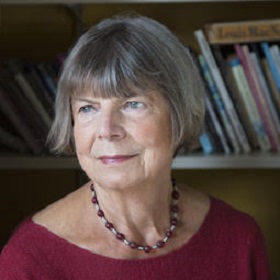
De Engelse schrijfster Margaret Drabble werd geboren op 5 juni 1939 in Sheffield, Yorkshire. Zie ook alle tags voor Margaret Drabble op dit blog.

Uit: The Garrick Year

“While I was watching the advertisements on television last night, I saw Sophy Brent. I have not set eyes on her for some months, and the sight of her filled me with a curious warm mixture of nostalgia and amusement. She was, typically enough, eating: she was advertising a new kind of chocolate cake, and the picture showed her in a shining kitchen gazing in rapture at this cake, then cutting a slice and raising it to her moist, curved, delightful lips. There the picture ended. It would not have done to show the public the crumbs and the chewing. I was very excited by this fleeting glimpse, as I always am by the news of old friends, and it aroused in me a whole flood of recollections, recollections of Sophy herself, and of all that strange season, that Garrick year, as I shall always think of it, which proved to me to be such a turning point, though from what to what I would hardly like to say.
Poor old Sophy, I allowed myself to say, thinking that she would not much like being on a cake advertisement; and then I remembered the last time I had said Poor old Sophy, and that in any case, she would have earned a lot of money from that tantalizing moment. There is perhaps something finally unpitiable in Sophy, just as there is in me. We are both in our ways excellent examples of resilience, though I seem obliged to pass through many degrees of meanness on my way, whereas she just smiles and wriggles and exclaims and with a little charming confusion gets by. I like Sophy. I cannot help liking Sophy. And if there is a defensive note to be detected in that assertion, I am not in the least surprised.
That chocolate cake vision made me think back, as I said, over the whole lot, right back to the very beginning, to the occasion when I first realized that David was really intending to go to Hereford. I had just finished putting Flora to bed, and I came downstairs, splashed and bedraggled from her bath, to find David nursing the new baby and drinking a glass of beer. He had poured some stout for me, which was the only thing he would let me drink. When I appeared he handed the baby over quickly, and as I sat down and prepared to feed him, wondering if I would ever get him to wake at a less exhausting time, Dave spoke.”


 2243618-72857dc30b64b659769ab09a11f0b0ff.jpg
Margaret Drabble (Sheffield, 5 juni 1939)


Zie voor nog meer schrijvers van de 5e juni ook mijn blog van 5 juni 2017 deel 1 en eveneens deel 2.

Geschreven door Romenu om 18:19 Reageer op dit bericht

Mark Jarman

De Amerikaanse dichter en criticus Mark F. Jarman werd geboren op 5 juni 1952 in Mount Sterling, Kentucky. Zijn ouders verhuisden in 1954 terug naar Californië en vestigden zich in Santa Maria, waar zijn vader voorging in de First Christian Church. In 1958 verhuisde Marks vader, zijn vrouw Bo Dee, zijn zoon en dochter Katie, naar Schotland waar hij aangesteld was aan een ​​kleine kerk in Kirkcaldy, nabij Edinburgh. De drie jaar die hij daar doorbracht, waren vormend voor de dichter. De familie keerde terug naar Californië in 1961, naar Redondo Beach. In 1970 ging Jarman naar de universiteit van Californië in Santa Cruz en hij behaalde een B.A. cum laude in de Engelse literatuur in 1974. Daar ontmoette hij ook zijn vrouw, de sopraan Amy Kane Jarman en zijn vriend en oud-medewerker, Robert McDowell. Aan de U.C.S.C. studeerde hij o.a. samen met George Hitchcock (dichter) en de schrijver Raymond Carver. In 1974 ging Jarman naar de Iowa Writers 'Workshop en behaalde hij een M.F.A. In 1976 werd hij aangenomen om creatief schrijven te doceren aan de Indiana State University in Evansville. In 1978 kon hij dankzij een beurs van de National Endowment for the Arts zijn baan opzeggen en in Italië gaan wonen, waar Amy zang studeerde aan de universiteit van Perugia. Terugkeerd naar Californië in 1979, werd hij ingehuurd als gastschrijver aan de universiteit van Californië in Irvine. Mark en Amy's oudste dochter werd geboren in Mission Viejo in 1980. Datzelfde jaar begon Jarman creatief schrijven te doceren aan de Murray State University in Kentucky. In 1983 verliet hij Murray State om les te geven aan de Vanderbilt University, waar hij sindsdien is blijven werken. Sinds 2007 is Jarman Centennial Professor of English aan Vanderbilt en tot 2013 was hij directeur Creative Writing. Jarman is de auteur van elf dichtbundels, drie essaybundels en een essayboek samen met co-auteur Robert McDowell. Hij co-redigeerde de bloemlezing “Rebel Angels: 25 Poets of the New Formalism” met David Mason. Jarman ontving diverse prijzen.


Transfiguration

They were talking to him about resurrection, about law,
about the suffering ahead.
They were talking as if to remind him who he was and
who they were. He was not
Like his three friends watching a little way off, not like
the crowd
At the foot of the hill. A gray-green thunderhead massed
from the sea
And God spoke from it and said he was his. They were
talking
About how the body, broken or burned, could live again,
remade.
Only the fiery text of the thunderhead could explain it.
And they were talking
About pain and the need for judgement and how he would
make himself
A law of pain, both its spirit and its letter in his own flesh,
and then break it,
That is, transcend it. His clothes flared like magnesium,
as they talked.


My Parents Have Come Home Laughing

My parents have come home laughing
From the feast for Robert Burns, late, on foot;
They have leaned against graveyard walls,
Have bent double in the glittering frost,
Their bladders heavy with tea and ginger.
Burns, suspended in a drop, is flicked away
As they wipe their eyes, and is not offended.

What could offend him?Not the squeaking bagpipe
Nor the haggis which, when it was sliced, collapsed
In a meal of blood and oats
Nor the man who read a poem by Scott
As the audience hissed embarrassment
Nor the principal speaker whose topic,
"Burns' View of Crop Rotation," was intended
For farmers, who were not present,
Nor his attempt to cover this error, reciting
The only Burns poem all evening,
"Nine Inch Will Please a Lady," to thickening silence.

They drop their coats in the hall,
Mother first to the toilet, then Father,
And then stand giggling at the phone,
Debating a call to the States, decide no,
And the strength to keep laughing breaks
In a sigh.I hear, as their tired ribs
Press together, their bedroom door not close
And hear also a weeping from both of them
That seems not to be pain, and it comforts me.


 2246190-342cb0db22b54b63a3e4d41fbc791e34.jpg
Mark Jarman (Mount Sterling, 5 juni 1952)

Geschreven door Romenu om 00:00 Reageer op dit bericht

Meer van Romenu

↑ Terug naar de berichten