Naar de inhoud

Romenu

Over literatuur, gedichten, kunst en cultuur
seniorennet.beseniorennet.be

Dolce far niente (Amsterdam, Simon Carmiggelt)

Dolce far niente


Uit: Vreemdeling in Amsterdam


„Daar onze badkamer, door hoge ouderdom, geheel poreus geworden is, zijn ingrijpende, gruis verwekkende verbouwingen nodig, die ons aards verblijf een tijdje volstrekt onbewoonbaar maken. Daarom zitten we nu in een hotel.

In Amsterdam Centrum.

Het is een interessante situatie, die je kijk op de eigen stad verandert. Het dagelijks leven heeft een nieuw decor gekregen, dat je nooit eerder op deze manier hebt bekeken.

Het was er wel, maar je maakte er zelf deel van uit. Nu zit je er aan het ontbijt, of in het café een eindje verderop, waar je vroeger nooit kwam, naar te staren als een toerist uit den vreemde, die een paar dagen Amsterdam doet.

Mijn woning staat ook in het centrum, maar die keek uit op een plantsoentje, waar elke ochtend weer dezelfde vrouwen en mannen verschenen om hun honden de zo broodnodige recreatie te verschaffen. Omdat ze door die beesten werden gemotiveerd, had hun aanwezigheid een zekere logica.


 1219057-c696355ef438ddf6b0c02f88e69a79f6.jpg

Eerste Weteringplantsoen met Kronkelpad


Maar in het gedrag van de voorbijgangers die ik nu zie lopen zit geen enkele lijn. Er zijn er bij die kennelijk ergens naar toe gaan, maar zij vormen een te verwaarlozen minderheid. De meesten druilen maar wat rond, blijven om onverklaarbare redenen plotseling stilstaan of keren eensklaps op hun schreden met een niet te becijferen doel, dat echter spoedig weer als een fata morgana vervluchtigt.

Het is fascinerend om in deze stoet der duistere improvisaties opeens een man en een vrouw te zien met een zichtbaar ideaal. Zij dragen namelijk een vensterruit van zowat twee bij drie meter. Aangezien het geen voorwerp is dat men spelenderwijs onder de arm neemt, staat vast dat ze er ergens mee naar tóé moeten.“


 1219057-d3bafb12e8a4169dbec5d53e6658d753.jpg

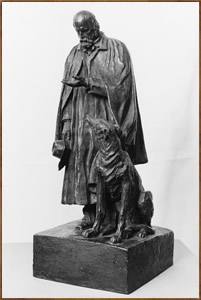
Simon Carmiggelt (7 oktober 1913 – 30 november 1987)

Borstbeeld van Carmiggelt aan het Kronkelpad met tekstplaat:
"Als ik u raden mag: wordt schrijver".


Zie voor de schrijvers van de 17e augustus ook mijn blog van 17 augustus 2011 deel 1 en eveneens deel 2.
Geschreven door Romenu om 19:32 Reageer op dit bericht
Reageer op dit bericht

Reageer op dit bericht

Een titel of je eigen website toevoegen

De blogger leest alles eerst na: je tekst verschijnt zodra die goedgekeurd is.

Dolce far niente (Harlingen, Simon Vestdijk)


Dolce far niente


Uit: Terug tot Ina Damman


“Tegenover de HBS, aan de overkant van de Werfgracht, die hier de breedte van een binnenhaven bereikte, lag, als een wond in het stadsbeeld, de oude scheepswerf, aan drie zijden omgeven door half ingezakte schuttingen, die met palen gestut moesten worden. De gehele dag joegen daar de werkers hun koperachtig tinkelende klanken op: een kalm, zomers geluid, dat wel aan teergeur deed denken, of aan weke, zonnige golvingen in water dat door een olievlies is bedekt. Het geluid zweefde aan, verijlde weer, werd soms plotseling onderbroken, om dan, op[ zoek naar een nieuw ritme, aarzelend en nadenkend te worden, als een uiterst verlangzaamd morsestelsel. Als de jongens in de klas niet naar de kabbelende lichtrimpels keken tegen de zolder bij het raam, dan luisterden ze naar die werf. In de gracht lagen gewoonlijk nog wat loodskotters.


1218495-575c681aceefc77cdfeb215a7f6b6a3a.jpg
Zuiderhaven Harlingen/ Werfgracht Lahringen

Links van het midden met zonneschermen stond de HBS / Nu R.K. verpleeghuis St-Hubertus.


Een paar huizen links van de school begon de Werfstraat, die de Werfgracht met de Achterweg verbond en zich daar in een reeks geulachtige stegen voortzette in de richting van de Hoofdstraat. Vier maal per dag fietsten daar de leraren doorheen, vier maal per dag kwam ook de directeur door deze straat aan- of wegwandelen, zorgvoldig oplettend of er soms jongens waren die aan hun petten tikten in plaats van ze af te nemen.. Alleen mijnheer Greve koos hardnekkig de Hamerstraat. Zelfs bij stormweer deed hij dat, en dan bleef zijn fiets soms stilstaan op de hoek van de Werfgracht, en hevige rukwinden van opzij dreigden hem in het klotsende water voort te stuwen en zijn pet zat tot ver over zijn oren getrokken, diezelfde pet, waar hij altijd tegen aansloeg, tegen aan m
ócht slaan, hij alleen van de hele school! Wie zal zeggen om welke reden hij de Hamerstraat koos? Mischien alleen omdat hij niet de Werfstraat kiezen wilde. Of om zich tegen het klimaat te harden. Of om zijn wil te stalen, die zes uur lang zo hoog opgevoerd blijven zou.


1218487-bbc476ed5459a6a46b1d375d0dcce763.jpg

Rozengracht Harlingen / Tuingracht Lahringen


Of had hij hoop, op dat hachelijke hoekpunt dioor de westenwind gegrepen en teruggeblazen te worden, de andere richting uit, over het licht hellende Werfplein heen, langs de Tuingracht met de dorre, bruine bladeren op de grond, in een meer dan razende snelheid de Singelbrug over, voorbij het Singellaantje en de tram en de plantsoentjes, en dan, bij god, naar het station en nooit meer terug?…

Dit was de school – en de omgeving van de school.”


1218487-0e4ef62a4c3780a0e6d3bc9554087b27.jpg

Simon Vestdijk (17 oktober 1898 – 23 maart 1971)

Beeld van Anton Wachter door Suze Boschma-Berkhout


Zie voor de schrijvers van de 16e augustus ook
mijn blog van 16 augustus 2011 deel 1 en eveneens deel 2.

Geschreven door Romenu om 00:00 Reageer op dit bericht

Dolce far niente (Enkhuizen, Joost van den Vondel, Harme Bevoort)

Dolce far niente


 1217898-1b62525868d6d7ab4e0f15c7255e8fbd.jpg

Stadhuis Enkhuizen

Beneden links het kanon, daarboven het klinckdicht van Vondel


Op het Roode Paert met zijn metaelen Kanon, uit den overwonnen Duinkercker, onder den zeestrijt, in hopman Volkaert Kanonijx oorlogsschip Oorloghsschip overgesprongen, in den jaere 1622, den 3 in Wijnmaent.


Fatalis Equs Saltu Super Ardua Venit


Klinckdicht


Wat heeft de stoffery der ouden ons vervaert
Met Perseus, en Pegaes die, over zee gevlogen
De werelt sloegh voor ’t hooft met een gedichte logen
Een logen, in’t gestarnt gesteigert hemelwaert

Het brave Enckhuizen draeft, vol moedts, op ’t Roode Paert
Met zijnen kopren mont, dat glo
ê
nde blixems braeckte,
En donderklooten, daer Noortzee en lucht af kraeckte,
Een paert, op ‘t Prinsenhof in Eeuwigheid bewaert.

Het quam , toen Volckaert dien Duinkercker hadt gedrongen,
Uit ‘s meesters zeekasteel, in’t Hollantsch slot gesprongen.
De Zeehelt greep het by den zeetoom zonder last.

Het opent met zijn hoef een Bronaêr voor den Zanger.
Wij drincken op Parnas noch Helikon niet langer.
Dit is ons paerdebron, hier is geen droom aen vast.


 1217898-111fdbcc08cc627ac7adf0cf20699283.jpg

Joost van den Vondel (17 november 1587 - 5 februari 1679)


De laatste buis verkocht (Fragment)


Verbreek, o Stedemaagd, Uw wapen,
     Dat beeld der oude Haringstad!
Ruk ze af, de kroon van Uwe slapen,
     En trek het rouwkleed aan voor 't feestkleed dat Gij hadt.
Uw roem, Uw glorie is gevallen.
     Haast ziet ge in Uw ontvolkte wallen
Door mind'ring van bedrijf vermind'ring van bestaan.
     De armoede en gebrek vermeeren,
En wat U vroeger kon vereeren
     Geheel en al ten onder gaan.


1217898-31fe0cb634541577212896df7cbaff8b.jpg

Enkhuizen, met zicht op de Zuiderkerk


Nog tover ik mij vroeger dagen
     Met alles, wat hier is geweest,
Met alles, wat mijn, oogen zagen.
     O, schoon verleden, hoe verrijst gij voor mijn geest.
Wat al bedrijf, gewoel en leven,
     Wat vlaggen aan den mast geheven,
Wat voorraad nog in haast aan 't glanzend boord gebracht.
     Wat afscheidsgroete klinkt ons tegen,
Wat bidden om vernieuwden zegen,
     Zoo hart'lijk, hoopvol ingewacht.
O Buisjesdag, o dag van hope
     Van 't eens zoo schitterend weleer,
Wat ooit mijn lier tot zingen nope,
     Ontvlamm' mij mijn ziel voor dat verleden weer.
Ja, 'k zie een tal van vreemdelingen
     Om onze havens zich verdringen;
'k Hoor nog de afscheidsgroet, die klinkt langs wal en zee.
     Ik zie de opgeheschen zeilen zwellen,
De mutsen vliegen af, ja God moge U verzellen
     O, wakk're zonen van de zee.


 1217898-6252d197fd6475e6084cc15af25c9311.jpg

Enkhuizen, met zicht op de Drommedaris


En nu, nu nog zoo kort geleden
     Een zestal buizen voer naar zee;
Wat brachten zij bedrijvigheden
     En voor zoo menig huis geluk en zegen mee.
En even blijde en opgeheven
     Stond oud en jong hen na te ogen,
Zooals zoo menigmaal te voren was geschied
     En van Enkhuizens ronde toren
Deed zich 't vaarwel in klanken hooren
     In 't welbekend Wilhelmuslied.


Ach, ach, die dagen zijn vervlogen geslacht.
     En daar, waar puin en balken vielen,
De zonen bij 't lijk eens vaders nederknielen
     Geen buis ontrolt zijn vlag, en hijscht
Die schoone dagen van weleer.
     Vergeefs naar 't zuiderend heengetogen: zijn zeilen weer.
En op de plaats van 't vroeger leven,
     De baan ter slooping prijs gegeven.
De beenderen ontbloot van 't vroegere geslacht
     Als offer aan hun schim gebracht.


 1217898-b965d6b1b853623bd63e37e6996ac03b.jpg

Harme Bevoort (23 oktober 1801 - 8 mei 1874)


Zie voor de schrijvers van de 15e augustus ook mijn blog van 15 augustus 2011 deel 1 en eveneens deel 2.

Geschreven door Romenu om 19:52 Reageer op dit bericht

Dolce far niente (Amsterdam, Simon Vestdijk, Harlingen)


Dolce far niente


Voor vijftig jaar in Amsterdam

Schuiven de winkeliertjes door de straten,

Dan zijn zij bang, dat men hun list betrapt:

Hun stijve baardjes, hun houding, paraat en

Prachtig uit waardigheden saamgelapt.

De grootvader barbier, de kleinzoon kapper;

De zelfde winkel, en hij houdt zich Fransch.

De kind'ren spelen vlag bij Klein-maar-Dapper,

De meisjes breien op een Toynbee-krans.

Wie zou hier vluchten? De traditie éischt

Die voorliefde voor handschoenen of crême,

En niet alleen hún kaste blijft potdicht.

Dan komt er een, die de and'ren hard ontsticht,

Zijn leven van 't gekrulde goud ontlijst

En het verbrijzelt onder de bohême.


1217384-93ed91ebdfc9b19344257538bb18424e.jpg
P. C. Hooftstraat, Amsterdam


Uit: Sint Sebastiaan


“In werkelijkheid stond het in verband met het Kerkpad, een der ouderwetse, verlaten centra van het stadje, bij de Grote kerk, waarheen hij overigens de weg niet zou hebben weten te vinden, daar hij Lahringen hoofdzakelijk kende vanuit zijn sportkar., Bleek, fronsend, maar niet bang, eerder wat laatdunkend, met zijn dikke beentjes onder zich gevouwen,liet hij zich door zijn moeder voortduwen op deze tochten; daarbij lette hij meer op háár dan op hert stadsbeeld, dat zich maar bij vlagen aan hem openbaren kon. Vaak lijdend aan bronchitis, kende hij het stadje bovendien alleen tussen twaalf en twee, licht en zonnig. Er waren ongelooflijk zonnige plaatsen: grachten en havens, waar de zon van twee kanten scheen, een enkel park. In zijn verbeelding lagen er geen straten tussen zijn huis en deze oorden; men liep er zo in, of reed erin; in plaats van straten was het zijn moeder die de gemakkelijke verbinding bewerkstelligde, met wit fladderende rokken achter de wagen niet zozeer lopend als zwevend, en kwamen zij aan een hoek van zo’n helder stadsgedeelte, dan greep zij ze vast.


1217364-0a6ca6283dd57b152e1360277ca80b0e.jpg
Harlingen, Werfgracht (Zuiderhaven)


Evenals een verveeld prinsje in een optocht lette hij weinig op jongens van zijn leeftijd; niet uit trots, maar hij zag ze werkelijk niet; hij zag ook nauwelijks mensen, of huizen; de Werfgracht bijbvoorbeeld was niets anders dan een baan van straatstenen die niet eindigen wilde, afgesloten van de rest, rechtlijnig en simpel, zoals de wegen die hij zich in het behangsel verbeeldde als hij niet slapen kon. Het enige dubbelzinnige aan het begin van de Werfgracht: de sombere roomse kerk met een steegje ernaast, kon zeker niet tegen al die lichte, geruststellende geometrie op.”


1217364-ec3136a4bbc06861a5f8700c2381b4e3.jpg

Simon Vestdijk (17 oktober 1898 – 23 maart 1971)


Zie voor de schrijvers van de 14 augustus ook
mijn blog van 14 augustus 2011 deel 1 en eveneens deel 2.

Geschreven door Romenu om 21:09 Reageer op dit bericht

Dolce far niente (Amsterdam, Bert Voeten)


Dolce far niente


 1216544-2e19accadabc1c4cb4b5cd834cef6f3f.jpg

De Binnen-Amstel gezien naar de Blauwbrug
Oudgekleurde kopergravure, omstreeks 1770


Zomermiddag aan de Amstel


De harde blauwe hand

van de lucht drukt op het water.

Roeiers gaan er gebukt

onderdoor. Hun spieren wandelen

langzaam over hun armen

rugwaarts. Een luie skiff

klapwiekt naar de oever.


In de oksels van de rivier

liggen boten te rusten

met lome zeilen. Meisjes

kopen op het voordek

een nieuwe huid van de zon

languit met hun warme

lichamen betalend.

Tegen hun gesloten

oogleden staat een rode

afdruk van de hemel.

Tussen hun pelende vingers

loopt het water spaak.


Achter de schermen van het

geboomte blijven de buitens

in 1860 leven.


Scooters op het jaagpad

knippen de stilte open

met een lange schaar van geluid.


 1216544-437160cbfa090159b36269902a41c433.jpg

Bert Voeten (6 juli 1918 – 26 december 1992)

Cover 


Zie voor de schrijvers van de 13e augustus ook mijn blog van 13 augustus 2011 deel 1 en eveneens deel 2.
Geschreven door Romenu om 00:00 Reageer op dit bericht

Thomas Mann

Op 12 augustus 1955 overleed de Duitse schrijver Thomas Mann. Zie ook mijn blog van 12 augustus 2010 en eveneens alle tags voor Thomas Mann op dit blog.


Uit: Der Zauberberg


„Kann man die Zeit erzählen, diese selbst, als solche, an und für sich? Wahrhaftig, nein, das wäre ein närrisches Unterfangen! Eine Erzählung, die ginge: "Die Zeit verfloß, sie verrann, es strömte die Zeit" und so immer fort, - das könnte gesunden Sinnes wohl niemand eine Erzählung nennen. Es wäre, als wollte man hirnverbrannterweise eine Stunde lang ein und denselben Ton oder Akkord aushalten und das - für Musik ausgeben. Denn die Erzählung gleicht der Musik darin, daß sie die Zeit erfüllt, sie "anständig ausfüllt", sie "einteilt" und macht, daß "etwas daran" und "etwas los damit" ist, - um mit der wehmütigen Pietät, die man Aussprüchen Verstorbener widmet, Gelegenheitsworte des seligen Joachim anzuführen: längst verklungene Worte, - wir wissen nicht, ob sich der Leser noch ganz im klaren darüber ist, wie lange verklungen. Die Zeit ist das Element der Erzählung, wie sie das Element des Lebens ist, - unlösbar damit verbunden, wie mit den Körpern im Raum. Sie ist auch das Element der Musik, als welche die Zeit mißt und gliedert, sie kurzweilig und kostbar auf einmal macht: verwandt hierin, wie gesagt, der Erzählung, die ebenfalls (und anders als das auf einmal leuchtend gegenwärtige und nur als Körper an die Zeit gebundene Werk der bildenden Kunst) nur als ein Nacheinander, nicht anders denn als ein Ablaufendes sich zu geben weiß, und selbst, wenn sie versuchen sollte, in jedem Augenblick ganz da zu sein, der Zeit zu ihrer Erscheinung bedarf.

Das liegt auf der flachen Hand. Daß aber hier ein Unterschied waltet, liegt ebenso offen.


 1215828-68a77be253a7f6a0a32fa53e7b0bd169.jpg

Cover DVD


Das Zeitelement der Musik ist nur eines: ein Ausschnitt menschlicher Erdenzeit, in den sie sich ergießt, um ihn unsagbar zu adeln und zu erhöhen. Die Erzählung dagegen hat zweierlei Zeit: ihre eigene erstens, die musikalisch-reale, die ihren Ablauf, ihre Erscheinung bedingt; zweitens aber die ihres Inhalts, die perspektivisch ist, und zwar in so verschiedenem Maße, daß die imaginäre Zeit der Erzählung fast, ja völlig mit ihrer musikalischen zusammenfallen, sich aber auch sternenweit von ihr entfernen kann. Ein Musikstück des Namens 'Fünf-Minuten-Walzer' dauert fünf Minuten, - hierin und in nichts anderem besteht sein Verhältnis zur Zeit. Eine Erzählung aber, deren inhaltliche Zeitspanne fünf Minuten betrüge, könnte ihrerseits, vermöge außerordentlicher Gewissenhaftigkeit in der Erfüllung dieser fünf Minuten, das Tausendfache dauern - und dabei sehr kurzweilig sein, obgleich sie im Verhältnis zu ihrer imaginären Zeit sehr langweilig wäre. Andererseits ist möglich, daß die inhaltliche Zeit der Erzählung deren eigene Dauer verkürzungsweise ins Ungemessene übersteigt, - wir sagen "verkürzungsweise", um auf ein illusionäres oder, ganz deutlich zu sprechen, ein krankhaftes Element hinzudeuten, das hier offenbar einschlägig ist: sofern nämlich dieses Falls die Erzählung sich eines hermetischen Zaubers und einer zeitlichen Überperspektive bedient, die an gewisse anormale und deutlich ins Übersinnliche weisende Fälle der wirklichen Erfahrung erinnern.“


 1215828-10fa66229c649829b3c232bfdf62685c.jpg

Thomas Mann (6 juni 1875 - 12 augustus 1955)


Zie voor de schrijvers van de 12e augustus ook mijn blog van 12 augustus 2011 deel 1 en eveneens deel 2.


Geschreven door Romenu om 00:00 Reageer op dit bericht

Dolce far niente (Amsterdam, Mezrab, verhalen aan het IJ)


Dolce far niente


Uit: De eerste verhalen van 1001 nachten


Koning Shahriar en zijn broer Sjahzaman


In het verre Azië leefde eens een machtige vorst die over de landen India en China regeerde. Toen hij stierf, liet hij twee zonen achter. De een was al in de bloei van zijn leven, terwijl de ander nog genoot van zijn tienerjaren. Beiden knapen waren behendige ruiters, maar de oudste jongen was beter dan de jongste, waardoor hij, volgens de wetten van het land, de opvolger van zijn vader moest worden. Zijn naam was Sjahriar en hij regeerde met zoveel oprechtheid en vaardigheid, dat hij bij zijn volk bijzonder geliefd werd.


 1215248-e123aecab39755c51eba741d5fc6ffdd.jpg

Verhalenverteller


Toen zijn jongere broer Sjahzaman de volwassen leeftijd had bereikt, werd hij tot koning van Samarkand gekroond. Beide broers regeerden in hun eigen koninkrijk met eerlijkheid en rechtvaardigheid en de onderdanen van beide vorstendommen waren gelukkig en tevreden. Nadat er tientallen jaren waren verstreken, begon de oudste broer naar zijn jongere broer te verlangen. Hij gaf zijn vizier opdracht om een brief op te stellen waarin hij Sjahzamam uitnodigde bij hem te komen. De uitnodiging moest vergezeld gaan van de prachtigste geschenken, zoals paarden versierd met de mooiste zadels, goud, juwelen, dure handgeborduurde stoffen en beeldschone maagden. In de brief liet de vorst schrijven dat hij naar zijn broer verlangde, maar dat zijn gezondheid het niet meer toeliet om verre reizen te maken. Zijn enige wens was voor zijn sterven een fijne tijd met hem te mogen delen.
Toen de vizier zijn werk had gedaan, verzegelde de vorst de perkamenten rol en overhandigde hem aan zijn eerste vizier met de opdracht om zijn uiterste best te doen, zo snel mogelijk met zijn broer terug te keren. 'Uw wens is mijn bevel, hoogheid,' sprak de man eerbieding, waarna hij spoorslags de vergaderzaal verliet om zich op de lange reis naar het verre Samarkand voor te bereiden.

Na drie dagen nam de vizier afscheid van de koning en vertrok met een karavaan naar het verre vorstendom van Sjahzaman. Ze reden over hoge bergen, door woestijnen en groene valleien en telkens wanneer de lange stoet in een provincie aankwam, die onder het bewind van Sjahzaman viel, werden ze uitbundig verwelkomd met prachtige geschenken en overdadig veel voedsel. Het welkomstritueel schreef hen voor dat zij drie dagen in de provincie moesten blijven, waardoor de reis wel heel erg lang duurde. Eindelijk, na 30 dagen naderden zij het hof van Samarkand en de vizier gaf een van zijn hoge functionarissen de opdracht om vooruit te reizen en hun komst aan te kondigen.


1215248-0ffa4714f9f0ad86f5abf70616c98ac6.jpg 

Veemkade, Amsterdam


Zie voor de schrijvers van de 11e augustus ook mijn blog van 11 augustus 2011 deel 1 en eveneens deel 2.

Geschreven door Romenu om 11:06 Reageer op dit bericht

Dolce far niente (Joost van den Vondel)


Dolce far niente


 1214767-a658e341d8242529886179028ffaa885.jpg

Gerrit Toorenburgh (1732–1785)

Gezicht op de Binnen-Amstel richting Blauwbrug met links het Diaconaal Weeshuis


Op Amstelredam


Het IJ en d'Amstel voeren de hoofdstad van Europe,
Gekroond tot Keizerin, des nabuurs steun en hope,
Amstelredam, die 't hoofd verheft aan 's hemels as,
En schiet, op Pluto's borst, haar wortels door 't moeras.
Wat waatren worden niet beschaduwd van haar zeilen?
Op welke markten gaat zij niet haar waren weilen?
Wat volken ziet ze niet beschijnen van de maan,
Zij die zelf wetten stelt de ganse Oceaan?
Zij breidt haar vleugels uit, door aanwas veler zielen,
En sleept de wereld in, met overladen kielen.
De welvaart stut haar Staat, zo lang d'aanzienlijkheid
Des Raads gewetens dwang zijn boze wil ontzeit.


 1214767-111fdbcc08cc627ac7adf0cf20699283.jpg

Joost van den Vondel (17 november 1587 - 5 februari 1679)


Zie voor de schrijvers van de 10e augustus ook mijn blog van 10 augustus 2011 deel 1 en eveneens deel 2.
Geschreven door Romenu om 16:01 Reageer op dit bericht

Dolce far niente (Amsterdam)

Dolce far niente (Amsterdam)


Tegenstroom

Nu polders van droogte open scheuren
Pompt het Zeeburg-gemaal water
Water uit het IJmeer in de Amstel
Zo keert tegenstroom de waterloop

Ik beproef mijn dichtersziel en luister
Luister hoe de rivier nu adem haalt
Ik zie golven zuidwaarts drijven
Dat is de wind die uit het Noorden komt

Wat moet er worden van een stad
Die terugstuwt wat zij ontvangt
Die haar mondingschap verliest
Om 't dorstig achterland te laven


 1214361-22b1e3794d3280c1804dddcd664967ec.jpg

Amstel,  vanaf de Nieuwe Amstelbrug


Ademhalen hoor ik niet. Ik ga te rade
Bij de veerman, spreek hem op zijn boot
Bij Driemond en Carré staan de sluizen open
Het water stroomt als het moet stromen

Zegt hij en roeiers zeggen het hem na
Tegenstroom kunnen wij niet ontwaren
Het is de wind meneer, de wind die ons
Tegen zit, stroom kan ons niet deren

Bij de Omval ligt het water blak
Ik dacht het al, voor de Amstel
Is een dichtersziel niet nodig
Haar waarheid ligt aan het oppervlak.


Gerard Smit (Biografische gegevens ontbreken)


Zie voor de schrijvers van de 9e augustus ook mijn blog van 9 augustus 2011 deel 1 en eveneens deel 2.
Geschreven door Romenu om 21:21 Reageer op dit bericht

Dolce far niente, (Das große Turnerlied)


Das große Turnerlied,

oder: Was Südmichel der Tertianer über das edle Turnen gemacht hat


Das Turnen ist ein deutsches Ding,

Darum ich gern vom Turnen sing’;

‘s ist eine Kunst und ein Pläsir,

Des Menschen Vorzug vor dem Thier.


Die Stücke, die der Turner macht,

Sind fein und herrlich ausgedacht,

In jedem was besondres steckt,

Das eigene Empfindung weckt.


Am Reck zuerst der edle Schwung

Gibt Kraft ihm und Begeisterung,

Sodann gewährt ihm Hochgenuß

Das Rädle mit dem linken Fuß.


Die Bauchwell’ an dem hohen Reck

Ist eine Uebung ziemlich keck;

Zehn, zwanzigmal - wie ächzt die Stang!

Dem Schwächling wird es angst und bang.


Die Reitwell’ ist das Gegenstück

Vorwärts sowohl als auch zurück.

Ein andrer Mensch wird turmelig,

Der Turner amüsiret sich.


Mit Anmuth, lustig und gewandt,

Macht er hierauf den Schulterstand,

Da sitzt die Schulter auf der Stang,

Die Beine stehn der Luft entlang.


Zum Zeichen, daß ihm’s wohlergeh’,

Hängt sich der Turner in die Zeh’,

Und baumelt da im Weltenraum

Oft stundenlang voll süßem Traum.


Das Armrad, auch ein edler Schwung,

Versetzt uns in Verwunderung,

Und selbst das Auf- und Niederziehn

Ist ein vergnügliches Bemühn.


Auch legt er sich zum Zeitvertreib

Zuweilen auf den Unterleib,

Und schwimmt in freier Luft umher,

Als wär’ er gar kein Mensche mehr.


Pomadig auch die Sitzwell’ geht,

Doch nur, wenn er es wohl versteht,

Denn kann er’s nicht, fällt er herab

Und bricht den Hals und kommt in’s Grab.


Wie überall im großen Ton

Man spricht von dem Napoleon,

So gibt’s Napoleone zwei

Bei uns in unserer Turnerei.


Der große ist ein toller Schwung,

Der kleine ist ein leichter Sprung;

Der Riesenschwung jedoch vom Reck

Gewährt den angenehmsten Schreck.


 1213821-b3fd1800b871f9bd532c39458bcbcb3c.jpg

Epke Zonderland


Vom Barren macht der Turner auch

Unendlich vielerlei Gebrauch,

Er hüpft und schwingt sich in dem Kreuz,

Wippt vorwärts, rückwärts und abseits.


Der Todtensprung, die Maus, die Scheer,

Der Teufelssprung und so noch mehr,

Da wird geschlenkert und gemacht,

Daß Einem ‘s Herz im Leibe lacht.


Auch ohne hölzernes Geräth,

Der Turner vielen Spaß versteht,

Gewichte hebt er und halb krumm

Schwingt er sie um den Kopf herum.


Den Zitterbalken zu begehn,

Ist nicht so leicht als wunderschön,

Das eigne Lachen - lachet nicht! -

Bringt Einen oft um’s Gleichgewicht.


Er läuft auf Händen manchen Tag,

Springt höher als ein Floh vermag,

Er klettert, krebselt katzengleich,

Setzt über Gräben Loch und Teich.


Mit Stangen fliegt er in die Höh,

Und kommt hernieder auf der Zeh,

Er spannet Schnüre in den Raum

Und macht dann seinen Purzelbaum.


Auf Leitern frei in Handen hüpft

Er auf und ab, indem er lüpft

Vom Boden auf das Steiggeräth

Und oft auf höchster Sprosse steht.


Seilziehen ist ihm eine Lust,

Da weitet sich die starke Brust;

Verkrattelt dann sich auf der Erd,

Und hopst dann wieder auf das „Pferd“.


Schön ist der Pyramidenstand,

Der Turner liebt das Vaterland,

Backofenschieben liebt er auch,

Thut’s ihm gleich manchmal weh am Bauch.


Frisch, fröhlich, fromm und frei, so heißt

Sein Wahlspruch und so ist sein Geist

Im Dauerlauf bewährt er das,

Doch lungert er auch gern im Gras.


Noch vieles treibt er meisterlich,

Springt reihenweise über sich,

Er wandert über Berg und Thal

Und seine Muskeln sind wie Stahl.


Drum vivat hoch die Turnerei!

Der Turner nur lebt sorgenfrei,

Und singt, im Knopfloch einen Strauß,

Sein Lied in alle Welt hinaus.


1213821-27b4b8eb564309250652cea5cacfabb8.jpg
Ludwig Eichrodt
(2 februari 1827 - 2 februari 1892)

Geschreven door Romenu om 21:54 Reageer op dit bericht

Elis Juliana

De Antilliasanse dichter Elis Juliana werd op 8 augustus 1927 geboren op  Curaçao als helft van een tweeling waarvan de andere helft Gladys is. Hij bezocht twee jaar de lagere technische school en werd leerling-monteur en leerling bankwerker-instrumentmaker. Van 1946-1947 was hij als soldaat-schutter in militaire dienst. Daarna werd hij tot 1952 fijnbankwerker, onderbroken door zes maanden aspirant politie-agent, meterreparateur, manusje van alles en gevangenbewaarder. Vanaf april 1959 was hij klerk bij Bureau Justitile Jeugdzorg, de voorloper van het Bureau Cultuur en Opvoeding, waar hij zich met volkskunde en archeologie bezighield tot zijn pensionering in 1987. Voor het samen met pater Brenneker opgezette en uitgevoerde etnografisch werk volgde Juliana in 1968 een opleiding van vier maanden in Leiden. Zijn belangstelling voor oude Curaçaose muziekinstrumenten en voorwerpen leidde tot de oprichting van de ‘Fundashon Zikinzá’, welke collectie bewaard wordt in het Centraal Historisch Archief in Willemstad. Sedert 1960 is Juliana lid van de Culturele Adviesraad Curaçao.

Elis Juliana behoort met Luis Daal en Pierre Lauffer tot de 'Grote Drie' van de Antilliaanse dichtkunst in het Papiaments. De kunstenaar, die niet alleen dicht maar ook tekent en beeldhouwt, staat bekend om zijn haiku's, ritmische gedichten en zijn bevlogen voordrachten. Het literaire werk van Elis Juliana beslaat meer dan een halve eeuw. In september 2011 verscheen een vertaling in Nederland van zijn dichtbundel 'Hé Patu/Waggeleend'. Juliana is meerdere keren in de prijzen gevallen. In 1973 kreeg hij de Cola Debrotprijs voor bijzondere prestaties op het gebied van beeldende kunst. Verder is hij geridderd in de Orde van Oranje-Nassau, heeft hij een Krus di Mérito en ontving hij in Cuba de Jose Maria Heredia-onderscheiding.


Zwijn (Porko)


Laat me jou dit heel
duidelijk maken,
zodat jij precies weet
wie hier voor je staat.

Ik ben een volstrekt onafhankelijk man.
Misschien kunnen een of twee
mensen in mijn schoenen staan,
maar dit weet ik zeker:
niets kan me verdommen.

Ik heb twee kinderen bij Mosa,
drie bij Bea, twee bij Rosa,
vier bij Mina
en een bij Serafina.
Al in al een dozijn.
Zes mannelijk, zes vrouwelijk.
Tot onder mijn voetzolen
houd ik van mijn vrouwen
en ze weten allemaal:
trouwen is er niet bij.

Maar als een van god verlatene
mocht denken
dat hij hier kon komen
om met mijn dochters te klooien
en hem smeren zonder ze te trouwen,
dan zeg ik je,
en let op mijn woorden:
voordat de zon opkomt
is dat zwijn gecastreerd.


Vertaald door Nydia Ecury en Esther Jansma


1414956-4cdaf6e336aad6503738c3b2cdfbef64.jpg
Elis Juliana (Curaçao, 8 augustus 1927)

Geschreven door Romenu om 00:00 Reageer op dit bericht

John Birmingham, Vladimir Sorokin, Michael Roes, Cees Buddingh’, Joachim Ringelnatz

De Australische schrijver John Birmingham werd geboren op 7 augustus 1964 in Liverpool, Engeland. Zie ook mijn blog van 7 augustus 2010 en eveneens alle tags voor John Birmingham op dit blog.


Uit: After America


„New York
“No siree, Mister President, you do not get these from pettin’ kitty cats.”
James Kipper nodded, smiling doubtfully as the slab-shouldered workman flexed his biceps and kissed each one in turn. His Secret Service guys didn’t seem much bothered, and he’d long ago learned to pick up on their unspoken signals and body language. They paid much less attention to the salvage crew in front of him than to the ruined façades of the office blocks looking down on the massive, rusting pileup in Lower Manhattan. The hard work and unseasonal humidity of Lower Manhattan had left the workman drenched in sweat, and Kipper could feel the shirt sticking to his own back.
Having paid homage to his bowling-ball-sized muscles, the workman reached out one enormous, calloused paw to shake hands with the forty-forth president of the United States. Kipper’s grip was not as strong as it once had been and had certainly never been anywhere near as powerful as this gorilla’s, but a long career in engineering hadn’t left him with soft fingers or a limp handshake. He returned the man’s iron-fisted clench with a fairly creditable squeeze of his own.
“Whoa there, Mister President,” the salvage and clearance worker cried out jokingly. “I need these dainty pinkies for my second job. As a concert pianist, don’tcha know.”
The small crush of men and women gathered around Kipper grinned and chuckled. This guy was obviously the clown of the bunch.
“A concert penis, you say?” Kipper shot back. “What’s that, some sorta novelty act? With one of those really tiny pianos?”
The groan of his media handler, Karen Milliner, was lost in the sudden uproar of coarse, braying laughter as the S&C workers erupted at the exchange. That did put his security detail a little on edge, but the man-mountain with the kissable biceps was laughing the loudest of them all, pointing at the chief executive and crying out, “This fuggin’ guy. He cracks me up. Best fuggin’ president ever.”


1213087-e1f79af6c10a643a54c83266415ea8d8.jpg 

John Birmingham (Liverpool, 7 augustus 1964)


De Russische schrijver Vladimir Sorokin werd geboren op 7 augustus 1955 in Bykovo bij Moskou. Zie ook mijn blog van 7 augustus 2010 en eveneens alle tags voor Vladimir Sorokin op dit blog.


Uit: Day of the Oprichnik (Vertaald door Jamey Gambrell)


„Always the same dream: I’m walking across an endless fi eld, a Russian field. Ahead, beyond the receding horizon, I spy a white stallion; I walk toward him, I sense that this stallion is unique,the stallion of all stallions, dazzling, a sorcerer, fleet-footed; I make haste, but cannot overtake him, I quicken my pace, shout, call to him, and realize suddenly: this stallion contains— all life,my entire destiny, my good fortune, that I need him like the very air; and I run, run, run after him, but he recedes with ever measured pace, heeding no one or thing, he is leaving me, leaving for-ever more, everlastingly, irrevocably, leaving, leaving, leaving . . .My mobilov awakens me:

One crack of the whip— a scream.

Two— a moan.

Three— the death rattle

.Poyarok recorded it in the Secret Department, when they were torturing the Far Eastern general. It could even wake a corpse.I put the cold mobilov to my warm, sleepy ear. “Komiaga speaking.”

 “The best of health, Andrei Danilovich. Korostylev troubling you, sir.” The voice of the old clerk from the Ambassadorial Department makes me snap to, and immediately his anxious, mustache-adorned snout appears in the air nearby.“State your business.”“I beg to remind you: this evening, the reception for the Albanian ambassador is to take place. A dozen or so attendants arerequired.”“I know,” I mutter grumpily, though, truth be told, I’d for-gotten.“


1213087-3f8176dd06c767fd6ca2cd24c6a5606e.jpg
Vladimir Sorokin (Bykovo, 7 augustus 1955)


De Duitse dichter, schrijver en filmmaker Michael Roes werd geboren op 7 augustus 1960 in Rhede. Zie ook mijn blog van 7 augustus 2010 en eveneens alle tags voor Michael Roes op dit blog.


MARGINALIEN


Meine Ringe nimmt man mir,

doch bleiben mir noch meine Finger


Nach den Gebeten wird der Himmel eingerollt

und in den Lastkörben verstaut


Die Sommernacht zerspringt

in ihrer Fassung


Ich der gute Sohn bin die letzte Saite

zwischen Steg und Wirbel


Mein Vater ist der Asphaltierer Israels

meine Mutter ein lächelnder Goldzahn


Mein Haar im Rechen ihrer harten

tätowierten Hände


Mein Baumname ist nicht

der Name den mir meine Feinde geben


Mein Strauchname ist nicht

das tautologische Vaterwort


Allein die Stimme des vergessenen Gebots

beunruhigt mich noch


FARBEN


Dies sind die Farben des gekrümmten

            Erdteils, der müßigen Olivenpressen

des tänzelnden Scherbenrauchs: weiß

            die Farbe der Städte, Farbe der Hornhaut

der Schuld. Die Farbe der Schrift, goldene

            Kapitälchen, Kalligraphien des Gehorsams


Dies sind die farben, die aus Windstille

            Regen, aus verdorrtem Korn das

Brot der Revolution gewinnen: rot

           die Farbe des Fleischsuqs und der Asphaltstampfer

die Farbe der Fülle, der versuchung, das gelb

            der Königinnenfüße, der Zeit


Und dies sind die Farben der Grausamkeit, gefeiert

            besungen: schwarz, die Farbe der Frauen

die grellen Töne, die aus den Innereien

          gewonnen: blau, die Farbe der Wunden

der Rohdiamanten und Chromosome

          und des Fiebers, das Ehre sich nennt


1213087-995036c3cd150cc9eea26f08ea45f639.jpg 

Michael Roes (Rhede, 7 augustus 1960)

Rhede


De Nederlandse dichter en prozaïst Cees Buddingh’ werd op 7 augustus 1918 geboren in Dordrecht.Zie ook mijn blog van 7 augustus 2010 en eveneens alle tags voor Cees Budding’ op dit blog.


Pluk de dag


vanochtend na het ontbijt
ontdekte ik, door mijn verstrooidheid,
dat het deksel van een middelgroot potje marmite
(het 4 oz net formaat)
precies past op een klein potje Heinz sandwich spread

natuurlijk heb ik toen meteen geprobeerd
of het sandwich-spread dekseltje
ook op het marmite-potje paste

en jawel hoor: het paste eveneens


Zegt men


Je moet, zegt men, een keer volwassen worden.
En bedoelt dan waarschijnlijk: heel serieus
over God, Staat en Vaderland meemummelen,
en nooit eens roepen: 'Krijg een dikke neus!'

Geen grapjes maken over het soort zaken
waarmee zelfs een magnaat te worstelen heeft.
Vooral, wanneer hij door een Hongkonggriepje
geveld is. En plots merkt dat hij nog leeft.

De kans bij mij is, volgens de bookmakers
van Londen: 13.000 tegen 1.
En die, zegt men, verstaan hun vak. Helaas:

ik zal dus altijd onvolwassen blijven.
En ik moet toegeven: bij elke schimmel,
denk ik nog steeds: 'Ha 't paard van Sinterklaas!'


1213087-d104fc8059b5e3b755f34724472354c3.jpg
Cees Buddingh’ (7 augustus 1918 - 24 november 1985)


De Duitse dichter, schrijver, cabaretier en schilder
Joachim Ringelnatz (eig. Hans Bötticher) werd geboren op 7 augustus 1883 Wurzen bij Leipzig. Zie ook mijn blog van 7 augustus 2010  en eveneens alle tags voor Joachim Ringelnatz op dit blog.


An meinen Lehrer


Ich war nicht einer deiner guten Jungen.
An meinem Jugendtrotz ist mancher Rat
Und manches wohlgedachte Wort zersprungen.
Nun sieht der Mann, was einst der Knabe tat.


Doch hast du, alter Meister, nicht vergebens
An meinem Bau geformt und dich gemüht.
Du hast die besten Werte meines Lebens
Mit heißen Worten mir ins Herz geglüht.


Verzeih, wenn ich das Alte nicht bereue.
Ich will mich heut wie einst vor dir nicht bücken.
Doch möcht ich dir für deine Lehrertreue
nur einmal dankbar, stumm die Hände drücken.


Ruf zum Sport


Auf ihr steifen und verdorrten
Leute aus Büros,
Reißt euch mal zum Wintersporten
Von den Öfen los.


Bleiches Volk an Wirtshaustischen,
Stellt die Gläser fort.
Widme dich dem freien, frischen,
Frohen Wintersport.


Denn er führt ins lodenfreie
Gletscherfexlertum
Und bedeckt uns nach der Reihe
All mit Schnee und Ruhm.


Doch nicht nur der Sport im Winter,
Jeder Sport ist plus,
Und mit etwas Geist dahinter
Wird er zum Genuß.


Sport macht Schwache selbstbewußter,
Dicke dünn, und macht
Dünne hinterher robuster,
Gleichsam über Nacht.


Sport stärkt Arme, Rumpf und Beine,
Kürzt die öde Zeit,
Und er schützt uns durch Vereine
Vor der Einsamkeit,


Nimmt den Lungen die verbrauchte
Luft, gibt Appetit;
Was uns wieder ins verrauchte
Treue Wirtshaus zieht.


Wo man dann die sporttrainierten
Muskeln trotzig hebt
Und fortan in illustrierten
Blättern weiterlebt.


1213087-3d86349c21981bf4f96b2f848a83d5bd.jpg
Joachim Ringelnatz (7 augustus 1883 – 17 november 1934)

Cover


Zie voor nog meer schrijvers van de 7e augustus ook
mijn blog van 7 juli 2011 deel 1  en eveneens deel 2.

Geschreven door Romenu om 20:08 Reageer op dit bericht

Kjell Westö, Diane DiPrima, Alfred Lord Tennyson, Paul Claudel, Yacine Kateb, Romenu

De Finse schrijver Kjell Westö werd geboren op 6 augustus 1961 in Helsinki. Zie ook mijn blog van 6 augustus 2010 en eveneens alle tags voor Kjell Westö op dit blog.


Uit: The perils of being Skrak (Vertaald door David McDuff)


“At the time of Werner's stay in Cleveland Bruno and Maggie had already been divorced for some years, and in an irreconcilable manner. But they were still interested in their grown-up son, each in their own way; Maggie wrote often, and Werner replied, he wrote at length, and truthfully, for he knew that Bruno and Maggie no longer communicated; to Maggie he could admit that he hated corporate law and bookkeeping, and to her he dared to talk about the raw music he had found on the radio station WJW, he wrote to her that the music of the blacks had body and that he had found a great record store, it was called Rendezvous and was situated on Prospect Avenue and there he had also bought a ticket for a blues concert, wrote Werner, he thought that Maggie would understand.
     Bruno was not a great letter-writer, he sometimes dropped a line to Joe McNab on abrupt postcards in which he asked Joe to report on his son's progress in his studies, that was all. On the other hand, he sometimes telephoned, transatlantically and intercontinentally, it was a complicated and expensive and easily interrupted procedure that most often consisted of father and son being silent together at a distance of almost 10,000 kilometres from each other.
     When Bruno discovered by letter that his son, the Latin scholar and athlete and student of law, had by some strange means got hold of a ticket for a Negro concert and had also used it, he immediately booked an international call to McNab. When the call came through it was afternoon in Helsinki and early morning over there in Cleveland. After some preliminary questions and laconic replies and a period of silence accompanied by cosmic crackling and the roar of the mighty Atlantic between them, Bruno came to the point: 'I'm not paying for you to stay over there to be beaten up by Negroes, Werner,' he said. Werner was silent, then he said: 'So Uncle Joe has been gossiping.' 'I wouldn't call it gossiping,' retorted Bruno. 'You live with him, he's responsible for you.' 'I'm a grown man, Dad,' said Werner bitterly.”


 1212098-25d53bc77b8506915eb3ef4633edee94.jpg

Kjell Westö (Helsinki, 6 augustus 1961)


De Amerikaanse dichteres en schrijfster Diane DiPrima werd geboren op 6 augustus 1934 in New York. Zie ook mijn blog van 6 augustus 2010 en eveneens alle tags voor Diane DiPrima op dit blog.


An Exercise in Love


for Jackson Allen

My friend wears my scarf at his waist

I give him moonstones

He gives me shell & seaweeds

He comes from a distant city & I meet him

We will plant eggplants & celery together

He weaves me cloth


                   Many have brought the gifts

                   I use for his pleasure

                   silk, & green hills

                   & heron the color of dawn


My friend walks soft as a weaving on the wind

He backlights my dreams

He has built altars beside my bed

I awake in the smell of his hair & cannot remember

his name, or my own.


1212098-879422124f100aaadf584c20afb01afb.jpg
Diane DiPrima (New York, 6 augustus 1934)


De Engelse dichter Alfred, Lord Tennyson werd geboren op 6 augustus 1809 in Somersby, Lincolnshire, England. Zie ook mijn blog van 6 augustus 2010 en eveneens alle tags voor Alfred Tennyson op dit blog.


Come not when I am dead


Come not, when I am dead,
To drop thy foolish tears upon my grave,
To trample round my fallen head,
And vex the unhappy dust thou wouldst not save.
There let the wind sweep and the plover cry;
But thou, go by.

Child, if it were thine error or thy crime
I care no longer, being all unblest:
Wed whom thou wilt, but I am sick of Time,
And I desire to rest.
Pass on, weak heart, and leave to where I lie:
Go by, go by.


Late, Late, So Late


Late, late, so late! and dark the night and chill!
Late, late, so late! but we can enter still.
Too late, too late! ye cannot enter now.
No light had we: for that we do repent;
And learning this, the bridegroom will relent.
Too late, too late! ye cannot enter now.
No light: so late! and dark and chill the night!
O, let us in, that we may find the light!
Too late, too late: ye cannot enter now.

Have we not heard the bridgegroom is so sweet?
O, let us in, tho' late, to kiss his feet!
No, no, too late! ye cannot enter now."


Move Eastward, Happy Earth


Move eastward, happy earth, and leave
Yon orange sunset waning slow:
From fringes of the faded eve,
O, happy planet, eastward go:
Till over thy dark shoulder glow
Thy silver sister world, and rise
To glass herself in dewey eyes
That watch me from the glen below.

Ah, bear me with thee, lightly borne,
Dip forward under starry light,
And move me to my marriage-morn,
And round again to happy night.


 1212098-0f19607d9691293951a9e54e281b38a1.jpg

Alfred Tennyson (6 augustus 1809 – 6 oktober 1892)

Beeld door George Frederick Watts


De Franse dichter, schrijver en diplomaat Paul Claudel werd geboren op 6 augustus 1868 in Villeneuve-sur-Fère. Zie ook mijn blog van 6 augustus 2010 en eveneens alle tags voor Paul Claudel op dit blog.


La Vierge à midi


Il est midi. Je vois l’église ouverte. Il faut entrer.
Mère de Jésus-Christ, je ne viens pas prier.
Je n’ai rien à offrir et rien à demander.
Je viens seulement, Mère, pour vous regarder.
Vous regarder, pleurer de bonheur, savoir cela
Que je suis votre fils et que vous êtes là
Rien que pour un moment pendant que tout s’arrête.
Midi !
Être avec vous, Marie, en ce lieu où vous êtes.
Ne rien dire, regarder votre visage,
Laisser le cœur chanter dans son propre langage.
Ne rien dire, mais seulement chanter parce qu’on a le cœur trop plein,
Comme le merle qui suit son idée en ces espèces de couplets soudains.
Parce que vous êtes belle, parce que vous êtes immaculée,
La femme dans la Grâce enfin restituée,
La créature dans son honneur premier et dans son épanouissement final,
Telle qu’elle est sortie de Dieu au matin de sa splendeur originale.
Intacte ineffablement parce que vous êtes la Mère de Jésus-Christ,
Qui est la vérité entre vos bras, et la seule espérance et le seul fruit.
Parce que vous êtes la femme, l’Eden de l’ancienne tendresse oubliée,
Dont le regard trouve le cœur tout à coup et fait jaillir les larmes accumulées.
Parce qu’il est midi, parce que nous sommes en ce jour d’aujourd’hui,
Parce que vous êtes là pour toujours,
Simplement parce que vous êtes Marie,
Simplement parce que vous existez,
Mère de Jésus-Christ, soyez remerciée !


1212098-d0c9f8720fbd828a9070be62a2b1cc8e.jpg 

Paul Claudel (6 augustus 1868 – 23 februari 1955)

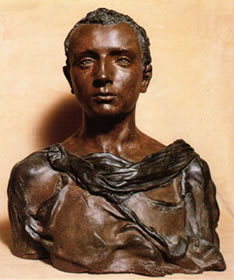
Sculptuur van een jone Claudel door zijn zus Camille


De Algerijnse schrijver Yacine Kateb werd geboren op 6 augustus 1929 in Zighout-Youcef. Zie en ook alle tags voor Yacine Kateb op dit blog.


Uit: Nedjma


„Mustapha tourne le dos à Mourad, et s'assied sur un ponton... «Elle était revêtue d'une ample cagoule de soie bleu pâle, comme en portent depuis peu les Marocaines émancipées ; cagoules grotesques ; elles escamotent la poitrine, la taille, les hanches, tombent tout d'une pièce aux chevilles ; pour un peu, elles couvriraient les jambelets d'or massif (la cliente en portait un très fin et très lourd)... Ces cagoules dernier cri ne sont qu'un prétexte pour dégager le visage, en couvrant le corps d'un rempart uniforme, afin de ne pas donner prise aux sarcasmes des puritains... Elle m'a parlé en français. Désir de couper les ponts en me traitant non seulement comme un commissionnaire, mais comme un mécréant, à qui l'on signifie qu'on n'a rien de commun avec lui, évitant de lui parler dans la langue maternelle. Pas voulu que je l'accompagne en tramway... Le couffin n'était pas si lourd... J'aurais pu la suivre jusqu'à la villa, si elle ne m'avait vu au moment de descendre ; du tramway, je l'ai vue gravir un talus, disparaître ; puis mon regard s'est porté au sommet du talus. Elle avait ôté sa cagoule ; je l'aurais reconnue entre toutes les femmes, rien qu'à ses cheveux... » Mustapha interrompt sa rêverie, sans quitter le ponton, le regard attiré par l'eau. La nuit tombe ; Mourad n'a pas fini de parler ; il dit qu'il était le seul des trois à se trouver tantôt à la gare... Voyant Rachid s'approcher à son tour du ponton, Mourad gaffe encore, avec une sorte d'insistance :
— je ne peux expliquer décidément ce que le voyageur avait de ridicule et d'attristant ; c'était peut-être, comme Mustapha, un collégien en rupture de ban...“


 1212098-7811ea229ae6e4ac59087ea1cc2dfd73.jpg

Yacine Kateb (6 augustus 1929 – 28 oktober 1989)


Zie voor nog meer schrijvers van de 6e augustus ook mijn blog van 6 augustus 2011 deel 1 en eveneens deel 2 en ook deel 3.
Geschreven door Romenu om 13:58 Reageer op dit bericht

Richard Preston, Sergio Ramírez, Conrad Aiken, Wendell Berry, Guy de Maupassant

  De Amerikaanse schrijver Richard Preston werd geboren op 5 augustus 1954 in Cambridge, Massachusetts. Zie ook mijn blog van 5 augustus 2010 en eveneens alle tags voor Richard Preston op dit blog.


Uit: The Hot Zone


„The doctors thought he should go to Nairobi Hospital, which is the best private hospital in East Africa. The telephone system hardly worked, and it did not seem worth the effort to call any doctors to tell them that he was coming. He could still walk, and he seemed able to travel by himself. He had money; he understood he had to get to Nairobi. They put him in a taxi to the airport, and he boarded a Kenya Airways flight.

A hot virus from the rain forest lives within a twenty-four hour plane flight from every city on earth. All of the earth’s cities are connected by a web of airline routes. The web is a network. Once a virus hits the net, it can shoot anywhere in a day æParis, Tokyo, New York, Los Angeles, wherever planes fly. Charles Monet and the life form inside him had entered the net.

The plane was a Fokker Friendship with propellers, a commuter aircraft that seats thirty-five people. It started its engines and took off over Lake Victoria, blue and sparkling, dotted with the dugout canoes of fishermen. The Friendship turned and banked eastward, climbing over green hills quilted with tea plantations and small farms. The commuter flights that drone across Africa are often jammed with people, and this flight was probably full. The plane climbed over belts of forest and clusters of round huts and villages with tin roofs. The land suddenly dropped away, going down in shelves and ravines, and changed in color from green to brown. The plane was crossing the Eastern rift valley. The passengers looked out the windows at the place where the human species was born. They say specks of huts clustered inside circles of thornbush, with cattle trails radiating from the huts. The propellers moaned, and the friendship passed through cloud streets, lines of puffy rift clouds, and began to bounce and sway. Monet became airsick.“


 1211504-45c1d632abeadb677e77a4b9961cb8fe.jpg

Richard Preston (Cambridge, 5 augustus 1954)


De Nicaraguaanse schrijver en politicus Sergio Ramírez Mercado werd geboren in Masatepe op 5 augustus 1942. Zie ook mijn blog van 5 augustus 2010 en eveneens alle tags voor Sergio Ramirez op dit blog.


Uit: A Thousand Deaths Plus One (Vertaald door Leland H. Chambers)


„The naked body, which in the contrast of the dimly illuminated snapshot looks as white as if it were a leper’s cadaver, barely fits on the work bench where it lies exposed, just as in that other one, fully dressed, it scarcely fits on the bed. And the feet jut out in the foreground of this one too, freed of those seven-league-boots and looking as though they belong to the old Slavic king placidly asleep after a wild night of feverish love, his beard and hair in disarray, his legs still firm, his broad chest covered with a light snow-colored down, the two dark nipples like eyes still alert, and the abdomen flat without a hint of that senile obscenity that is a flaccid belly, swollen with fat. The Slavic monarch seems to be enjoying the majesty of his repose, unaware of his nakedness, and Pauline could be taken for the servant girl who doesn’t dare to wake him, her protuberant eyes fixed on his sex that rises from the furry mat of his pubic region like the pestle belonging to a pharmacist’s mortar.
But all this serene harmony is shattered by the clumsy seam that is marked by long stitches from sternum to stomach. After performing a radical evisceration, necessary because a long journey by train all the way to St. Petersburg awaits the body, the embalmer has injected two liters of formol into his veins and has filled with tow the cavities that used to hold his soft organs before concluding by sewing up the lengthy incision with horse hair.
Flaubert’s hypocritical rule asserts that one should not become involved, Du Camp says again after Primoli separates himself from Castellón, raising his arms as if asking for peace. Thirsty for new experiences, you can go off to Upper Egypt to observe the hunting expeditions for blacks and elephants, but only as an observer whose emotions cannot deflect you from your mission to see. The blacks, the elephants are simply motifs, pretexts of a nature that is rich in varieties of cruelty and the marvelous, destined for the eye.“


 1211504-70df7a4a49624e57eb1cd57a18811c1a.jpg

Sergio Ramírez (Masatepe, 5 augustus 1942)


De Amerikaanse schrijver en dichter Conrad Potter Aiken werd geboren in Savannah, Georgia op 5 augustus 1889. Zie ook mijn blog van 5 augustus 2010 en eveneens alle tags voor Conrad Aitken op dit blog.


DISCORDANTS


VERMILIONED mouth, tired with many kisses,

Eyes, that have lighted for so many eyes,--

Are you not weary yet with countless lovers,

Desirous now to take even me for prize?


Draw not my glance, nor set my sick heart beating,--

Body so stripped, for all your silks and lace.

Do not reach out pale hands to me, seductive,

Nor slant sly eyes, O subtly smiling face.


For I am drawn to you, like wind I follow,

Like a warm amorous wind ... though I desire

Even in dream to keep one face before me,

One face like fire, and holier than fire.


* * *


I walk beneath these trees, and in this darkness

Muse beyond seas of her from whom I came,

While you, with catlike step, steal close beside me,

Spreading your perfume round me like soft flame.


Ah! should I once stoop face and forehead to you,

Into and through your sweetness, a night like this,

In the lime-blossomed darkness feel your bosom,

Warm and so soft, and find your lips to kiss.


And tear at your strange flesh with crazy fingers,

And drink with mouth gone mad your eyes' wild wine,

And cleave to you, body with breathless body,

Till bestial were exalted to divine,--


Would I again, O lamia silked and scented,

Out of the slumberous magic of your eyes,

And your narcotic perfume, soft and febrile,

Have the romantic hardihood to rise,


And set my heart across great seas of distance

With love unsullied for her from whom I came?--

With catlike step you steal beside me, past me,

Leaving your perfume round me like soft flame.


1211504-240509b05f8fc2d343c3daf04d1188b5.jpg
Conrad Aiken (5 augustus 1889 – 17 augustus 1973)


De Amerikaanse dichter, schrijver, essayist en criticus Wendell Berry werd geboren op 5 augustus 1934 in Henry County, Kentucky. Zie ook mijn blog van 5 augustus 2010 en eveneens alle tags voor Wendell Berry op dit blog.


A Warning To My Readers


Do not think me gentle
because I speak in praise
of gentleness, or elegant
because I honor the grace
that keeps this world. I am
a man crude as any,
gross of speech, intolerant,
stubborn, angry, full
of fits and furies. That I
may have spoken well
at times, is not natural.
A wonder is what it is.


The Hidden Singer


The gods are less for their love of praise.
Above and below them all is a spirit that needs nothing
but its own wholeness, its health and ours.
It has made all things by dividing itself.
It will be whole again.
To its joy we come together --
the seer and the seen, the eater and the eaten,
the lover and the loved.
In our joining it knows itself. It is with us then,
not as the gods whose names crest in unearthly fire,
but as a little bird hidden in the leaves
who sings quietly and waits, and sings.


1211504-da361c2696d0bf46fad7d1330dfe0e14.jpg
Wendell Berry (Henry County, 5 augustus 1934)


De Franse schrijver Guy de Maupassant werd geboren op 5 augustus 1850 in kasteel Miromesnil bij Dieppe. Zie ook mijn blog van 5 augustus 2010 en eveneens alle tags voor Guy de Maupassant op dit blog.


Uit: Madame Parisse (Vertaald door Albert M. C. McMaster, A. E. Henderson en Mme. Quesada)


„I was sitting on the pier of the small port of Obernon, near the village of Salis, looking at Antibes, bathed in the setting sun. I had never before seen anything so wonderful and so beautiful.
The small town, enclosed by its massive ramparts, built by Monsieur de Vauban, extended into the open sea, in the middle of the immense Gulf of Nice. The great waves, coming in from the ocean, broke at its feet, surrounding it with a wreath of foam; and beyond the ramparts the houses climbed up the hill, one after the other, as far as the two towers, which rose up into the sky, like the peaks of an ancient helmet. And these two towers were outlined against the milky whiteness of the Alps, that enormous distant wall of snow which enclosed the entire horizon.
Between the white foam at the foot of the walls and the white snow on the sky-line the little city, dazzling against the bluish background of the nearest mountain ranges, presented to the rays of the setting sun a pyramid of red-roofed houses, whose facades were also white, but so different one from another that they seemed to be of all tints.
And the sky above the Alps was itself of a blue that was almost white, as if the snow had tinted it; some silvery clouds were floating just over the pale summits, and on the other side of the gulf Nice, lying close to the water, stretched like a white thread between the sea and the mountain. Two great sails, driven by a strong breeze, seemed to skim over the waves. I looked upon all this, astounded.

This view was one of those sweet, rare, delightful things that seem to permeate you and are unforgettable, like the memory of a great happiness. One sees, thinks, suffers, is moved and loves with the eyes. He who can feel with the eye experiences the same keen, exquisite and deep pleasure in looking at men and things as the man with the delicate and sensitive ear, whose soul music overwhelms.“


1211504-da3ea7861fcee98ae32770bad6022785.jpg
Guy de Maupassant (5 augustus 1850 – 6 juli 1893)

Cover


Zie voor nog meer schrijvers van de 5e augustus ook mijn blog van 5 augustus 2011 deel 1 en eveneens deel 2.
Geschreven door Romenu om 12:13 Reageer op dit bericht

Rutger Kopland, Rudi van Dantzig, Percy Bysshe Shelley, Witold Gombrowicz, Tim Winton, Jáchym Topol

De Nederlandse dichter en schrijver Rutger Kopland (eig. Rutger Hendrik van den Hoofdakker) werd geboren in Goor op 4 augustus 1934. Zie ook mijn blog van 4 augustus 2010 en ook alle tags voor Rutger Kopland op dit blog.


Jeneverbessen


We liepen door een landschap
met heide en jeneverbessen
een landschap zo oud
als de wereld zelf

zo moest het ooit begonnen zijn
zo moest het gebleven zijn
zo moest het zijn
zo als nu

we keken naar de jeneverbessen
ze stonden daar duister en zwijgend
zwijgend over het verdwijnen


Narcissen


We stonden aan de rand van een vijver

het was kil en om ons heen dat kille gras

met die veel te mooie narcissen


we keken in het water – waarom staan we hier

stond ik te denken en ik zag hoe zich

een stille voorjaarshemel voor ons uitstrekte


ken je het verhaal, zei ik, dat ergens

waar nu een narcis staat een jongen stierf


hij keek in het water en zag iemand

iemand die hem aankeek, eindeloos aankeek

en ging verlangen naar die ander daar


voelde de diepte van zijn onvervuldheid

tot hij daaraan stierf


we keken naar de narcissen om ons heen

welke van hen zou het zijn


De kunst van doodgaan


Als het zover is – zal ik dan eindelijk

weten wat dat is, doodgaan

jezelf verlaten en weten

dat je nooit terugkeert


soms wanneer ik het koraal hoor

Nun komm’ der Heiden Heiland

doorstroomt mij een vermoeden van

onontkoombaar verlies –

maar wat geeft het


bij het zien van een uitzicht over bergen

een verte die verdwijnt in zichzelf

kan ik worden bevangen door een huiver

voor de eenzaamheid die mij wacht –

maar wat geeft het


er is wel eens zo’n avond dat over het gras

in de tuin het mooiste licht strijkt

dat er is: dit was het dus

en het komt nooit meer terug –

maar wat geeft het


ik hoop dat dit het is want ik ben bang

dat het anders zal zijn.


 1210988-2e8e591d09cbc260eaf3661936528c8f.jpg

Rutger Kopland (4 augustus 1934 – 11 juli 2012)


De Nederlandse choreograaf, balletdanser en schrijver Rudi van Dantzig werd geboren in Amsterdam op 4 augustus 1933. Zie ook alle tags voor Rudi van Dantzig op dit blog.


Uit: De Bruid Staat Rechts Van U

“Hang jij soms weer uit dat kostschoolraam, tegenwoordig?” had Gertie hem plagerig gevraagd. Heel traag, na veel depressies, was er een verhaal gekomen. Ewout vertelt Gertie dat hij op de kostschool sex met een leraar heeft gehad en hij vond het best lekker. Gertie zegt dat dat normaal was voor leeftijd, omdat jongens dan wel vaker in de knoop zitten. “Denk je?” had Ewout geantwoord.

(...)


“ Ik moet nieuw werk gaan zoeken, ik moet het huis opruimen, ik moet aan een ander leven denken, ik moet gaan verhuizen, denk ik, als ik in bed lig.
De telefoon laat ik overgaan: Ewout.
Als ik niet kan slapen neem ik een pil, maar blijf nog wakker, meestal.
Soms hoor ik geluiden uit de tuin, het padje dat een bruid zoekt.
Jhè-kè-kè-kè. Whè-kaah?
Ik moet aan de tuin gaan werken.“


1210988-7bc5be16bd798694b3c7b49388557606.jpg
Rudi van Dantzig (4 augustus 1933 – 19 januari 2012)


De Engelse dichter Percy Bysshe Shelley werd op 4 augustus 1792 geboren in Field Place, Sussex. Zie ook alle tags voor Percy Bysshe Shelley op dit blog.


Ode to the West Wind

I

O wild West Wind, thou breath of Autumn's being,
Thou, from whose unseen presence the leaves dead
Are driven, like ghosts from an enchanter fleeing,

Yellow, and black, and pale, and hectic red,
Pestilence-stricken multitudes: O thou,
Who chariotest to their dark wintry bed

The winged seeds, where they lie cold and low,
Each like a corpse within its grave, until
Thine azure sister of the Spring shall blow

Her clarion o'er the dreaming earth, and fill
(Driving sweet buds like flocks to feed in air)
With living hues and odors plain and hill:

Wild Spirit, which art moving everywhere;
Destroyer and preserver; hear, oh, hear!


II

Thou on whose stream, 'mid the steep sky's commotion,
Loose clouds like earth's decaying leaves are shed,
Shook from the tangled boughs of Heaven and Ocean,

Angels of rain and lightning: there are spread
On the blue surface of thine aery surge,
Like the bright hair uplifted from the head

Of some fierce Maenad, even from the dim verge
Of the horizon to the zenith's height,
The locks of the approaching storm. Thou dirge

Of the dying year, to which this closing night
Will be the dome of a vast sepulchre,
Vaulted with all thy congregated might

Of vapors, from whose solid atmosphere
Black rain, and fire, and hail will burst: oh, hear!


 1210988-9c62bcadab85ed2f9cc74a6ea36dc853.jpg

Percy Bysshe Shelley (4 augustus 1792 – 8 juli 1822) 

Buste door William Ordway Partridge


De Poolse schrijver Witold Gombrowicz werd geboren in Małoszyce op 4 augustus 1904. Zie ook mijn blog van 4 augustus 2010 en ook alle tags voor Witold Gombrowicz op dit blog.


Uit: Diary (Vertaald door Lillian Vallee)


“I do not really know if I should continue these confessions. The publicist’s duty compels me to inform the public that rather too cretinous things are happening … too cretinous to be revealed and, I believe, on this all speculation relies—that an excess of cretinism does not allow these things to be revealed, that this is already too stupid to be expressed. Leaving the Café Paris, I went to the Café Rex. There an unknown gentleman who approached me and, having introduced himself as Zamszycki (maybe I heard this wrong), said that he had wanted to make my acquaintance for a long time. I said that it was my pleasure and then he thanked me, bowed, and left. Furious, I wanted to call him a cretin when, at that moment, I noticed that he was not a cretin because, after all, he had wanted to meet me and did, therefore, it was right that he should leave. Then I started to think: cretin or not? In the meantime, first one streetlight went on, then another, and when the second went on, a third lit up, then a fourth and with the fourth a fifth. Hardly had the fifth lit up when the sixth and the seventh go on, eighth, ninth, yet, at the same time, one, two, five cars go by; one, two, ten trams; people are coming, one, two, ten, fifteen; before me, one, two, three houses; the first, second, third, fourth, fifth, sixth, seventh story and on the seventh, a balcony and on the balcony, who? Who but Henry and his wife! Beckoning to me.”


1210988-a2024a7366850aaf649315c57f4a37b9.jpg
Witold Gombrowicz (4 augustus 1904 - 24 juli 1969)

Buste in Kielce


De Australische schrijver Timothy John Winton werd geboren op 4 augustus 1960 in Perth. Zie ook alle tags voor Tim Winton op dit blog en ook mijn blog van 4 augustus 2010


Uit: Breath


„The bedroom in question isn't hard to find. A little mat of vomit in the hall. Splinters of wood. I step over the broken-down door and see the mother at the bed where the boy is laid out, and as I quietly introduce myself I take it all in. The room smells of pot and urine and disinfectant and it's clear that she's cut him down and dressed him and tidied everything up.

I slip in beside her and do the business but the kid's been gone a while. He looks about seventeen. There are ligature marks on his neck and older bruises around them. Even while I'm going through the motions she strokes the boy's dark, curly hair. A nice-looking kid. She's washed him. He smells of Pears soap and freshly laundered clothes. I ask for her name and for her son's, and she tells me that she's June and the boy's name is Aaron.

I'm sorry, June, I murmur, but he's passed away.

I know that.

You found him a while ago. Before you called.

She says nothing.

June, I'm not the police.

They're already on their way.

Can I open the wardrobe? I ask as Jodie steps into the doorway.

I'd prefer that you didn't, says June.

Okay. But you know that the police will.

Do they have to? The mother looks at me properly for the first time. She's a handsome woman in her forties with short, dark hair and arty pendant earrings, and I can imagine that an hour ago, when her lipstick and her life were still intact, she'd have been erect and confident, even a little haughty.

It's their job, June.

You seem to have made some kind of ... assumption.“


 1210988-0bbf34290bbc008a0d207f50fb6e94b7.jpg

Tim Winton (Perth, 4 augustus 1960)
Cover


De Tsjechische schrijver Jáchym Topol werd geboren op 4 augustus 1962 in Praag. Zie ook mijn blog van 4 augustus 2010 en eveneens alle tags voor Jáchym Topol op dit blog.


Uit: A Trip to the Train Station (Vertaald door Alex Zucker)


„The city was changing. Above it, as dependable as in the 10th century or any other time, the moon hung in the night's dark gateway, sometimes full and puffy like the face of a drunk, at other times floating in the clouds, almost invisible, a glassy bauble that didn't burn but still drove the city mongrels to madness. Here in this glow, whenever the moon climbed to its cool intensity, lovers would drink off the last of their bottle and hurl themselves at one another, lips nibbled raw out of love supreme, the killer would sneer as he twisted his knife in the wound, and here in this light, dear mommy would suddenly do something atrocious to her little papoose, and the golden force flowed down over the tracks of trams and trains and they glistened brilliantly in the flood of light... The Lord of the Earth caught hold of the dark at its centre and turned the night inside out like a freshly-peeled skin. Then the sun would blaze up in the sky, beating down on walls and sidewalks, and only then was filth filth and decay decay and you could see it. This searing sun caused blood to move slowly and lazily, turning sweet, or the other way around, made the pumps work so frantically that the blood seemed ready to burst out of its confines. That's how it seemed to me anyways, nothing too pretty.
The city was changing. Iron grills and shutters left pulled down for years and gone to rust were given fresh coats of paint and often a sign with somebody's name on it. Dusty cellars and dirty beer joints in what used to be the Jewish quarter were cleverly converted into luxury stores. You could find steamer trunks from the last century, a book dictated by Madonna with a piece of her chain included, pineapples and fine tobacco, diaries of dead actresses and trendy wheels from old farmers' wagons, whips and dolls and travel grails with adventurer's blood in them, coins and likenesses of Kafka, shooting galleries with all the proletarian presidents as targets, rags and bones and skins, anything you could think of.“


 1210988-8025277adcb1a97b7c2e837aa8bb70a2.jpg

Jáchym Topol (Praag, 4 augustus 1962)


Zie voor nog meer schrijvers van de 4e augustus ook mijn blog van 4 augustus 2011 deel 1 en ook deel 2 en eveneens deel 3.

Geschreven door Romenu om 15:52 Reageer op dit bericht

Rupert Brooke, Leon Uris, Marica Bodrozic, Mirko Wenig

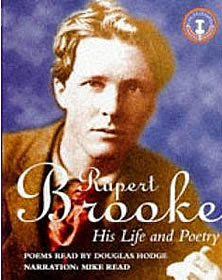
De Britse dichter Rupert Brooke werd geboren in Rugby, Engeland, op 3 augustus 1887. Zie ook mijn blog van 3 augustus 2010 en eveneens alle tags voor Rupert Brooke op dit blog.


1914 III: The Dead


Blow out, you bugles, over the rich Dead!
There's none of these so lonely and poor of old,
But, dying, has made us rarer gifts than gold.
These laid the world away; poured out the red
Sweet wine of youth; gave up the years to be
Of work and joy, and that unhoped serene,
That men call age; and those who would have been,
Their sons, they gave, their immortality.

Blow, bugles, blow! They brought us, for our dearth,
Holiness, lacked so long, and Love, and Pain.
Honour has come back, as a king, to earth,
And paid his subjects with a royal wage;
And Nobleness walks in our ways again;
And we have come into our heritage.


1914 V: The Soldier


If I should die, think only this of me:
That there's some corner of a foreign field
That is for ever England. There shall be
In that rich earth a richer dust concealed;
A dust whom England bore, shaped, made aware,
Gave, once, her flowers to love, her ways to roam,
A body of England's, breathing English air,
Washed by the rivers, blest by suns of home.

And think, this heart, all evil shed away,
A pulse in the eternal mind, no less
Gives somewhere back the thoughts by England given;
Her sights and sounds; dreams happy as her day;
And laughter, learnt of friends; and gentleness,
In hearts at peace, under an English heaven.


 1210529-e411cea18aae8322f99dd150621dbbde.jpg

Rupert Brooke (3 augustus 1887 – 23 april 1915)


De Amerikaanse schrijver Leon Uris werd geboren in Baltimore op 3 augustus 1924. Zie ook mijn blog van 3 augustus 2010 en eveneens alle tags voor Leon Uris op dit blog.


Uit: Exodus


“WELCOME TO CYPRUS
The airplane plip-plopped down the runway to a halt before the big sign: WELCOME TO CYPRUS. Mark Parker looked out of the window and in the distance he could see the jagged wonder of the Peak of Five Fingers of the northern coastal range. In an hour or so he would be driving through the pass to Kyrenia. He stepped into the aisle, straightened out his necktie, rolled down his sleeves, and slipped into his jacket. "Welcome to Cyprus, welcome to Cyprus . . ." It ran through his head. It was from Othello, he thought, but the full quotation slipped his mind.
"Anything to declare?" the customs inspector said.
"Two pounds of uncut heroin and a manual of pornographic art," Mark answered, looking about for Kitty.
All Americans are comedians, the inspector thought, as he passed Parker through. A government tourist hostess approached him. "Are you Mr. Mark Parker?"
"Guilty."
"Mrs. Kitty Fremont phoned to say she is unable to meet you at the airport and for you to come straight to Kyrenia to the Dome Hotel. She has a room there for you."
"Thanks, angel. Where can I get a taxi to Kyrenia?"
"I ll arrange a car for you, sir. It will take a few moments."
"Can I get a transfusion around here?"
"Yes, sir. The coffee counter is straight down the hall."


 1210529-3ad12f1653aa02ff0f9c91cccff12c59.jpg

Leon Uris (3 augustus 1924 – 21 juni 2003)

Scene uit de film “Exodus” uit 1960 met o.a. Paul Newman, Eva Marie Saint en Ralph Richardson


De Duitse dichteres en schrijfster Marica Bodrožić werd geboren op 3 augustus 1973 in Zadvarje in het toenmalige Joegoslavië. Zie ook mijn blog van 3 augustus 2010 en eveneens alle tags voor Marica Bodrožić op dit blog.


Uit: Lichtorgeln: Gedichte


"ZAUBERKLEIDER!, so etwas hatte Isis. Die Kleider waren aus Nacktheit gemacht, aus tieferen Schichten der Sonnenstrahlen. Sie wurden einst angezogen, um sich bei jedem Gedanken zu verändern. Heute haben wir erfundene Währungen, gestrichelte Länder und die Gefährdung vom Soll her, niemand kommt mehr auf die Idee, Zauberkleider zu bestellen. Dabei kann alles aus Zahlen und Buchstaben mit tiefen Wünschen gebastelt werden. Im Sommer ist es besonders einfach. Nach einem slowenischen Kuss ist es mir, am Anfang eines Sommers, gut gelungen. Im Café aß ich ein Stück Kuchen und setzte mich an den Rand des Bürgersteigs. Ich zog meine Schuhe aus, die weiten Seidenhosen, das weiße bestickte Hemd, meine Schultern leuchteten, mein Mund, und ich ging aus der Stadt hinaus, barfuß, hatte Zeit, wollte das Meer suchen."


 1210529-f2f84b58bea670ba6bc8a88059a7b895.jpg

Marica Bodrožić (Zadvarje, 3 augustus 1973)


De Duitse dichter Mirko Wenig werd geboren op 3 augustus 1977 in Gera. Hij studeerde germanistiek, sociologie en pedagogie in Jena en publiceerde in diverse tijdschriften en bloemlezingen. Zie ook mijn blog van 3 augustus 2010 en eveneens alle tags voor Mirko Wenig op dit blog.


Nachtspaziergang


Sie hausen in Industriebaracken, klettern über Zäune
und Garagendächer, beißen Ratten tot.
Sie machen Katzen den Fressnapf streitig.

Doch dieser Fuchs, mein eigener
verlauster, war zu alt für Beutezüge. Der Rücken
gekrümmt, das Fell voll Wanzen, so
schlich er nachts an den Abfallbehälter, stieß
ihn um und fraß. Langsam nur
näherte ich mich, wollte ihn
nicht aufschrecken.

Ich sah ihm zu. Der Fuchs fraß, wie
ein Tier frisst, schnell und hastig, ohne
viel Aufhebens. Dann lief er davon
und verschwand in den Büschen.

Nichts weiter
passierte. Ich ging heim. Dass ich mich
durch Steine fraß, an den Zitzen der Nacht
saugte, wäre gelogen. Es regnete nicht. Wolken?
Gab es keine.


 1210529-cffcbee8dd73dca41a2297f583ec9f8e.jpg

Mirko Wenig (Gera, 3 augustus 1977)


Zie voor nog meer schrijvers van de 3e augustus ook mijn blog van 3 augustus 2011 deel 2.
Geschreven door Romenu om 19:35 Reageer op dit bericht

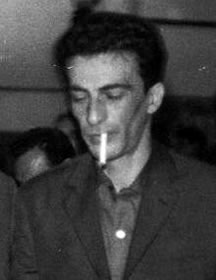
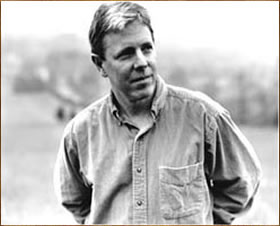
Isabel Allende, James Baldwin, Philippe Soupault, Zoltán Egressy, Caleb Carr

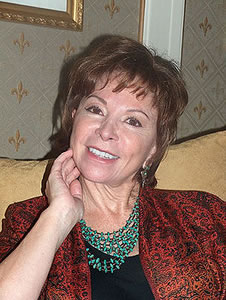
De Chileense schrijfster Isabel Allende werd geboren in Lima op 2 augustus 1942. Zie ook alle tags voor Isabel Allende op dit blog en ook mijn blog van 2 augustus 2010.


Uit: Eva Luna (Vertaald door Margaret Sayers Peden)


“My name is Eva, which means "life," according to a book of names my mother consulted. I was born in the back room of a shadowy house, and grew up amidst ancient furniture, books in Latin, and human mummies, but none of those things made me melancholy, because I came into the world with a breath of the jungle in my memory. My father, an Indian with yellow eyes, came from the place where the hundred rivers meet; he smelled of lush growing things and he never looked directly at the sky, because he had grown up beneath a canopy of trees, and light seemed indecent to him. Consuelo, my mother, spent her childhood in an enchanted region where for centuries adventurers have searched for the city of pure gold the conquistadors saw when they peered into the abyss of their own ambitions. She was marked forever by that landscape, and in some way she managed to pass that sign on to me.
Missionaries took Consuelo in before she learned to walk; she appeared one day, a naked cub caked with mud and excrement, crawling across the footbridge from the dock like a tiny Jonah vomited up by some freshwater whale. When they bathed her, it was clear beyond a shadow of doubt that she was a girl, which must have caused no little consternation among them; but she was already there and it would not do to throw her into the river, so they draped her in a diaper to cover her shame, squeezed a few drops of lemon into her eyes to heal the infection that had prevented her from opening them, and baptized her with the first female name that came to mind. They then proceeded to bring her up, without fuss or effort to find out where she came from; they were sure that if Divine Providence had kept her alive until they found her, it would also watch over her physical and spiritual well-being, or, in the worst of cases, would bear her off to heaven along with the other innocents. Consuelo grew up without any fixed niche in the strict hierarchy of the Mission. She was not exactly a servant, but neither did she have the status of the Indian boys in the school, and when she asked which of the priests was her father, she was cuffed for her insolence. She told me that a Dutch sailor had set her adrift in a rowboat, but that was likely a story that she had invented to protect herself from the onslaught of my questions. I think the truth is that she knew nothing about her origins or how she had come to be where the missionaries found her.“


 1209925-5d7482eba900999994b58cada8381427.jpg

Isabel Allende (Lima, 2 augustus 1942)


De Amerikaanse schrijver James Baldwin werd op 2 augustus 1924 in Harlem, New York, geboren. Zie ook mijn blog van 2 augustus 2010 en eveneens alle tags voor James Baldwin op dit blog.


Uit: The Cross Of Redemption


„Why I Stopped Hating Shakespeare

Every writer in the English language, I should imagine, has at some point hated Shakespeare, has turned away from that monstrous achievement with a kind of sick envy. In my most anti-English days I condemned him as a chauvinist ("this England" indeed!) and because I felt it so bitterly anomalous that a black man should be forced to deal with the English language at all — should be forced to assault the English language in order to be able to speak — I condemned him as one of the authors and architects of my oppression.

Again, in the way that some Jews bitterly and mistakenly resent Shylock, I was dubious about Othello (what did he see in Desdemona?) and bitter about Caliban. His great vast gallery of people, whose reality was as contradictory as it was unanswerable, unspeakably oppressed me. I was resenting, of course, the assault on my simplicity; and, in another way, I was a victim of that loveless education which causes so many schoolboys to detest Shakespeare. But I feared him, too, feared him because, in his hands, the English language became the mightiest of instruments. No one would ever write that way again. No one would ever be able to match, much less surpass, him.

Well, I was young and missed the point entirely, was unable to go behind the words and, as it were, the diction, to what the poet was saying. I still remember my shock when I finally heard these lines from the murder scene in Julius Caesar. The assassins are washing their hands in Caesar's blood. Cassius says:


Stoop then, and wash. — How many ages hence
Shall this our lofty scene be acted over,
In states unborn and accents yet unknown!


What I suddenly heard, for the first time, was manifold. It was the voice of lonely, dedicated, deluded Cassius, whose life had never been real for me before — I suddenly seemed to know what this moment meant to him. But beneath and beyond that voice I also heard a note yet more rigorous and impersonal — and contemporary: that "lofty scene," in all its blood and necessary folly, its blind and necessary pain, was thrown into a perspective which has never left my mind.“


 1209925-760ba84ef949df1e1dcf7c50ce3b2ad3.jpg

James Baldwin (2 augustus 1924 – 1 december 1987)


De Franse dichter en schrijver
Philippe Soupault werd geboren op 2 augustus 1897 in Chaville bij Parijs. Zie ook alle tags voor Philippe Soupault op dit blog en ook mijn blog van 2 augustus 2010.


Ne retournez pas la tête

Etends les bras
et devant toi regarde
et seulement devant toi
C’est un pays notre pays
qui doucement s’approche
Nos pas nos secondes
conquièrent ce sol et cette destinée
Nous pouvons saisir l’air
comme un oiseau
et atteindre ce fleuve
cette lumière qui chante
pour nous
nous pouvons murmurer
avec cette foule cette mer ces maisons
murmurer notre joie
la joie de tous ta joie et la mienne
Crions écoutons
ce grand chant
de l’aube au crépuscule
Vers la face de notre étoile
Voici devant nous
notre pays et notre vie
N’attends plus
ne regrette plus
Car si une fois une seule fois
tu tournais la tête
tu perdrais en ouvrant les mains
ce trésor qui est une seconde
une unique seconde
de ce temps notre temps


 1209925-fb082be9bf6370163c780c6e76a1bab5.jpg

Philippe Soupault (2 augustus 1897 – 12 maart 1990)


De Hongaarse dichter en schrijver Zoltán Egressy werd geboren in Boedapest op 2 augustus 1967. Zie ook mijn blog van 2 augustus 2010 en eveneens alle tags voor Zoltán Egressy op dit blog.


Uit: Portugál (Vertaald door Ryan Craig)

„Radish             (to Publican) Tell me now, Lajos bátyám! Will there be a call for tender, or will there be 
                         not?

Publican            He wants five litres per week. Then there won’t be.

Radish               Why?

Publican            I’m telling you, he wants five litres per week. Then there won’t be.

Radish               What?

Publican            A tender.

Radish              Since he became mayor, he can be talked to. They say he was a rare bad beast 
                         when he was party secretary .

Publican            Yeah. This is different now. It’s democracy.

Radish               Democracy. Why, what was it before?

Publican            The same. But the people’s.

Radish               People’s what?

Publican            A people’s democracy. It was a people’s democracy until then.

Radish               Why, what do we have now?

Publican            Democracy.

Radish               And then?

Publican            That was a people’s democracy, this one’s plain. Don’t you get it?

Radish               I do. Tell you honest, I like politics. I like talking about it. So, plain democracy. Now.   
                         That’s why he can be talked to.

Publican            Yeah. That’s what democracy does. The plain one.

Radish               It does. And it gets women consciousness.“


 1209925-fb289f350de50f5374b728f8a7f6a87a.jpg

Zoltán Egressy (Boedapest, 2 augustus 1967)


De Amerikaanse schrijver en historicus Caleb Carr werd geboren op 2 augustus 1955 in New York. Zie ook alle tags voor Caleb Carr op dit blog en ook mijn blog van 2 augustus 2010


Uit: The Alienist


„I know that one of them was a woman. I remember loving all of the characters – and kind of wishing that I was back in time and part of the group. And the whole setting of New York in 1896 was SO well done – I truly felt like I was reading a novel that had been written IN the 1890s – it had such a breath of reality to it, and it made me look at the streets of Manhattan in a new way (especially Union Square – although I was unable to find the Union Square section this morning … so I’m wondering if that was actually from his second book Angel of Darkness?) Don’t know. I remember almost nothing about The Alienist – no plot points, nothing … But I do remember these elements very well.

I wonder why on EARTH it hasn’t been made into a film. It seems like it is MADE for a Hollywood movie treatment … it feels very cinematic to me, inherently dramatic – with a great cast of characters …

I liked the book so much I even read the second one in the series (which, I think, stopped at 2) – and that one I wasn’t so wacky about. But I think he should have kept going. I would have definitely kept reading. The main draw about the book was the group of investigators and their interactions – it was a pleasaure to read about them.

Anyhoo, I flipped thru the book this morning and was amazed by how much I didn’t remember. And I couldn’t find the Union Square section which I DID remember and wanted to excerpt … so here’s another excerpt I tripped over, that seems to capture the true time-machine appeal of this book.“


 1209925-06f39cfb91cb1d55cb7cae7e5a782e06.jpg

Caleb Carr (New York, 2 augustus 1955)
Cover


Zie voor nog meer schrijvers van de 2e augustus ook mijn blog van 2 augustus 2011 deel 2.
Geschreven door Romenu om 19:36 Reageer op dit bericht

Gerrit Krol, Edward van de Vendel, Frans Pointl, Jim Carroll

De Nederlandse dichter en schrijver Gerrit Krol werd geboren op 1 augustus 1943 in Groningen. Zie ook mijn blog van 1 augustus 2010 en eveneens alle tags voor Gerrit Krol op dit blog.


Uit: Mijn dagen als cavalerist


„Mijn diensttijd, als cavalerist in Assen, duurde precies tien weken. Na de verwarring van de eerste dagen, waarin je marcheren wordt geleerd en in snel tempo allerlei andere gewoontes aangekweekt worden, wist ik al gauw wat mijn plaats was: ergens ter zijde. De spitse uitspraken van de onderofficieren blijken zich nogal 's te herhalen en al jaren oud te zijn; er is tijd voor contemplatie en verder is het één grote padvinderij.

Veel tijd bracht ik in treinen door. Staande en vol verlangen, vooral de eerste tijd. Met een brief van Yvonne die ik op het appèl, vlak voor de afmars naar het station nog ontvangen had. Tussen de weekendtassen opgesteld in het gangpad, schuddend over de wissels, koud van de tocht, warm van de woorden die ik las.

In Rotterdam aangekomen - haast je rep je over de perrons, de trappen af - zag ik aan het eind van die lange uitgang haar al van verre staan.

‘Te laat, schat.’

Altijd, als we een afspraak hebben, ergens, - als ik haar ontdek tussen de mensen, zie ik een gezicht dat, grijnzend, mij allang in het vizier heeft.

Vierentwintig uur zonder uniform, knus in ‘ons’ huisje aan de spoordijk, alsof we een gezinnetje waren. 's Zondagsmorgens gewekt door de vogels, maakte ik het ontbijt klaar, verraste ik haar, nog in bed, met een kopje thee en een erectie.

's Middags, onder de voetbaluitslagen bij haar ouders, het pak weer aan, met zijn tweeën in de tram en dan, weer, het afscheid op het perron, niet langer dan nodig was. Ver voordat de trein vertrok ging ze al heen, zag ik haar, trots en recht, de witte regenjas als een zandloper, in het trapgat verdwijnen, mijn Euridice...

In de trein, op de lange tocht naar het Noorden, schreef ik uitspraken van haar op, allerlei woordjes die zij gezegd had. De sombere bossen op de Veluwe stoven voorbij in de schemering. In Assen was het nacht.“


 1209461-bd18dfc2ceb09f0bbdf022ce9a9984f4.jpg

Gerrit Krol (Groningen, 1 augustus 1934)

Cover


De Nederlandse dichter en schrijver Edward van de Vendel werd geboren in Leerdam op 1 augustus 1964. Zie ook mijn blog van 1 augustus 2010 en ook alle tags voor Edward van de Vendel op dit blog.


Ik ben de jongen


Ik ben de jongen die niet kan
voetballen, of tenminste niet
zo goed. Ik weet wel hoe het
moet, maar mijn lichaam doet
iets anders. Ik heb een lijf met
eigenwijze trekjes, twee benen

met een grote bek die zich
heus niet laat trainen. Ze doen
maar wat, ze tackelen mezelf.
Ik ben een elftal in mijn
eentje,
zoveel kanten ga ik op. Alleen
door mijn verschijning ben ik
al
een strafschop waard, ik kijk
en krijg twee rode kaarten.
Alle witte lijnen wijken weg
van mij. Ik ken het gras, dat
is dan nog het enige. Maar
veel te goed. En van dichtbij.


EEN LEESFEEST


Een Leesfeest, een Leesfeest, bij ons in de stad!
Hoera en fantastisch. Maar hoe vieren we dat?
- We gooien met planken en boeken van snoep.
- Nee, nee, we gaan denken, heel stil in een groep.
- Of roepen we schrijvers? Met pen en met gom?
- Ja, dan gaan we zeggen: Dat woordje is stom.
- En: zeg, hoeveel i's staan er in Mississippi?
- En: denk jij dat Potter zou zoenen met Pippi??
Ukkeltjes! Sukkeltjes! Stop en denk mee!
Een Serieus Leesfeest! Niet vechten nu! NEEEE!


(Laat ze maar,
laat ze maar.
Start je PC.
Elke dag Leesfeest:
punt nl, www.)


 1209461-b5f2b096b6e2016ea62f2bc2503e2783.jpg

Edward van de Vendel (Leerdam, 1 augustus 1964)


De Nederlandse dichter en schrijver Frans Pointl werd geboren in Amsterdam op 1 augustus 1933. Zie ook mijn blog van 1 augustus 2010 en eveneens alle tags voor Frans Pointl op dit blog.


Moët & Chandon


weet je het nog
die fles Moët & Chandon
- te mijner ere -
op je treurige kamer?
je radio
dat kale frame
alleen wat lampen en verlichte zenderschaal
Tombe la neige van Adamo
dat ene paar dure schoenen
dat je van die oude zwetser had gekregen

ik ging met je
naar je katholieke kerk
dankte God
als het orgel de einddreun inzette
jong en stom was ik

al dertig jaar
ben je dood
maar dat verdomde merk
Moët & Chandon
brengt je telkens
even terug


Keuze


Vannacht dichtbij een wezen

dat door mijn verlangen

zich beurtelings kameleoneerde

een obscene hoer

een zachte moeder

een mannelijke vadervriend

de hoer: voor jou doe ik alles

de moeder: eindelijk ben je thuisgekomen

de vadervriend: beschermen zal ik je

met mijn harde jonge lijf.


 1209461-9abe646e4c9c21535fe56d0c466492da.jpg

Frans Pointl (Amsterdam, 1 augustus 1933)


De Amerikaanse dichter, schrijver en musicus Jim Carroll werd geboren op 1 augustus 1949 in New York. Zie ook mijn blog van 1 augustus 2010 en ook alle tags voor Jim Carroll op dit blog. 


Uit: The Basketball Diaries


“Fucked up yesterday, lost our last game in the summer 15-and-under league up at George Washington High School, and that deuced us out of the championship game today. We had a good squad, mostly cats from down the block in the projects but they had a rule that no Varsity players could play. That ruined our chances of using big Lewie Alcindor even though he’s from the neighborhood and all. I mean, shit, most of the teams got ringers but it’s a little difficult to sneak in a seven foot All-Everything cat onto a court. He can’t exactly use a fucking pair of sunglasses, dig? So I go up to watch the game today and pick up my trophy for the all-league team and what a hassle is steaming as I bop into the gym. THE SUGAR BOWL ALL-STARS, one of the teams playing, are in a rage bitching about the ringers on the RUTGERS team. So true! those cats didn’t have a dude under eighteen running for them, none of them played school ball, but they were some of the best playground players in Harlem. I walked over and was rapping to a few friends, Vaughn Harper, an All-American from Boys High, and Earl Manigault, a Harlem legend of 5 ft. 10 in. who can take a half dollar off the top of a backboard.


 1209461-e1ce44067c2c6cc99df401628d0c2382.jpg

Leonardo DiCaprio in de film The Basketball Diaries uit 1995


He’s invariably on and off his school team because of drug scenes and other shit. These two cats are, with big Lew, the best high school players in the city. Finally the captain of SUGAR BOWL points over to us and tells the other team and the man who runs the gig that if they’re gonna use that team, that their team’s gonna use Harper, “Goat” Manigault, and me. The bossman axes the idea of letting in Harper and “Goat” but says they can use me, which is fine with the other team who don’t even know who the fuck this white boy is. Before I say a fucking word I get a uniform tossed in my mug and since there’re bunches of chicks in the stands, my new team mates are huddling around me and I whip on the shit and start warming up. Big fucking difference I’m gonna make ’cause we need leapers for the boards and no backcourt dude like me. Anyway the slaughter starts and I’m hitting long jumpers like a fucker (I gotta say that I always burn up that gym, something about it that I just can’t miss, crazy) so we’re holding our own by the half and I got twenty-eight points, each move of which I make sticks out like a hardon because I’m the only whiteman on the court and looking around, in the entire fucking place, in fact; my bright blond-red hair making me the whitest whitey this league has ever seen.”


 1209461-7dad5c6543ebf482d07a67fbfd9eeace.jpg

Jim Carroll (1 augustus 1949 – 11 september 2009)


Zie voor nog meer schrijvers van de 1e augustus ook mijn blog van 1 augustus 2011 deel 2 en eveneens deel 3.
Geschreven door Romenu om 22:44 Reageer op dit bericht

In Memoriam Gore Vidal

In Memoriam Gore Vidal


De Amerikaanse schrijver, dramaticus en essayist Gore Vidal is gisteren op 86-jarige leeftijd overleden. Gore Vidal werd geboren op 3 oktober 1925 in West Point, New York. Zie ook mijn blog van 3 oktober 2010 en eveneens alle tags voor Gore Vidal op dit blog.


Uit: The City and the Pillar


„One by one, great stars appeared. Jim was perfectly contented, loneliness no longer turning in the pit of his stomach, sharp as a knife. He always thought of unhappiness as the "tar sickness." When tar roads melted in the summer, he used to chew the tar and get sick. In some obscure way he had always associated "tar sickness" with being alone. No longer.

    Bob took off his shoes and socks and let the river cool his feet. Jim did the same.

    "I'll miss all this," said Bob for the dozenth time, absently putting his arm around Jim's shoulders.

    They were very still. Jim found the weight of Bob's arm on his shoulders almost unbearable: wonderful but unbearable. Yet he did not dare move for fear the other would take his arm away. Suddenly Bob got to his feet. "Let's make a fire."

In a burst of activity, they built a fire in front of the cabin. Then Bob brought the blankets outside and spread them on the ground.

    "There," he said, looking into the yellow flames, "that's done." For a long moment both stared into the hypnotically quivering flames, each possessed by his own private daydream. Bob's dream ended first. He turned to Jim. "Come on," he said menacingly. "I'll wrestle you."

    They met, grappled, fell to the ground. Pushing and pulling, they fought for position; they were evenly matched, because Jim, though stronger, would not allow Bob to lose or to win. When at last they stopped, both were panting and sweating. They lay exhausted on the blanket.

    Then Bob took off his shirt and Jim did the same. That was better. Jim mopped the sweat from his face while Bob stretched out on the blanket, using his shirt for a pillow. Firelight gleamed on pale skin. Jim stretched out beside him. "Too hot," he said. "Too hot to be wrestling."

    Bob laughed and suddenly grabbed him. They clung to one another. Jim was overwhelmingly conscious of Bob's body. For a moment they pretended to wrestle. Then both stopped. Yet each continued to cling to the other as though waiting for a signal to break or to begin again. For a long time neither moved. Smooth chests touching, sweat mingling, breathing fast in unison.

    Abruptly, Bob pulled away. For a bold moment their eyes met. Then, deliberately, gravely, Bob shut his eyes and Jim touched him, as he had so many times in dreams, without words, without thought, without fear. When the eyes are shut, the true world begins.

    As faces touched, Bob gave a shuddering sigh and gripped Jim tightly in his arms. Now they were complete, each became the other, as their bodies collided with a primal violence, like to like, metal to magnet, half to half and the whole restored.

    So they met. Eyes tight shut against an irrelevant world. A wind warm and sudden shook all the trees, scattered the fire's ashes, threw shadows to the ground.

    But then the wind stopped. The fire went to coals. The trees were silent. No comets marked the dark lovely sky, and the moment was gone. In the fast beat of a double heart, it died.“


 1209002-14d10ea3fde1d794a1f75ba5f52e32f7.jpg

Gore Vidal (3 oktober 1925 – 31 juli 2012)
Geschreven door Romenu om 08:27 Reageer op dit bericht

Cees Nooteboom, Grand Corps Malade, Joanne Rowling, Primo Levi

De Nederlandse dichter en schrijver Cees Nooteboom werd geboren in Den Haag op 31 juli 1933. Zie ook alle tags voor Cees Nooteboom op dit blog.


Uit: Roads to Santiago (Vertaald door Ina Rilke)


„Spain is brutish, anarchic, egocentric, cruel. Spain is prepared to face disaster on a whim, she is chaotic, dreamy, irrational. Spain conquered the world and then did not know what to do with it, she harks back to her Medieval, Arab, Jewish and Christian past and sits there impassively like a continent that is appended to Europe and yet is not Europe, with her obdurate towns studding those limitless empty landscapes. Those who know only the beaten track do not know Spain. Those who have not roamed the labyrinthine complexity of her history do not know what they are travelling through. It is the love of a lifetime, the amazement is never-ending.

From the ship's rail I watch the dusk settle over the island where I have spent the summer. The approaching night steals into the hills, everything darkens; one by one the tall neon street-lamps come on to illuminate the quay with that dead white glow which is as much a part of the Mediterranean night as the moon. Arrival and departure. For years now I have been crossing to and fro between the Spanish mainland and the islands. The white ships are somewhat bigger than they used to be, but the ritual is unchanged. The quay full of white-uniformed sailors, kinsfolk and lovers come to wave goodbye, the deck crowded with departing holiday-makers, soldiers, children, grandmothers. The gangplank has already been raised, the ship's whistle will give one final farewell that will resound across the harbour and the city will echo the sound: the same, but weaker. Between the high deck and the quay below a last tenuous link, rolls of toilet paper. The beginnings flutter on the quay; up at the rail, the rolls will unwind slowly as the ship moves away, until the final, most fragile link with those staying behind is broken and the diaphanous paper garlands drown in the black water.

There is still some shouting, cries wafting back, but it is already impossible to tell who is calling out and what their messages signify. We sail out through the long narrow harbour, past the lighthouse and the last buoy -- and then the island becomes a dusky shadow within the shadow that is night itself. There is no going back now, we belong to the ship. Guitars and clapping on the afterdeck, people are singing, drinking, the deck passengers are settling down for a long night in their steamer chairs, the dinner bell rings, white-jacketed waiters cross and recross the antique dining room under the earnest regard of the king of Spain.“


 1208743-669c13cdcbf6763dcb8292917ac47b6e.jpg

Cees Nooteboom (Den Haag, 31 juli 1933)

Santiago de Compostella


De Franse Poetry Slam kunstenaar Grand Corps Malade (eig. Fabien Marsaud) werd geboren op31 juli 1977 in Le Blanc-Mesnil, Seine-Saint-Denis. Zie ook alle tags voor Grand Corps Malade op dit blog.


J'ai Pas Les Mots


Il est de ces événements qui sortent tout le reste de nos pensées,
Certaines circonstances qui nous stoppent nette dans notre lancé,
Il est de ces réalités qu'on n'était pas près à recevoir,
Et qui rendent toute tentative de bien-être illusoire.

J'ai pas les mots pour exprimer la puissance de la douleur,
J'ai lu au fond de tes yeux ce que signifiait le mot malheur,
C'est un souvenir glacial, comme ce soir de décembre,
Où tes espoirs brulant ont laissé place à des cendres.

J'ai pas trouvé les mots pour expliquer l'inexplicable,
J'ai pas trouvé les mots pour consoler l'inconsolable,
Je n'ai trouvé que ma main pour poser sur ton épaule,
Attendant que les lendemains se dépêchent de jouer leur rôle.

J'ai pas les phrases miracles qui pourraient soulager ta peine,
Aucune formule magique parmi ces mots qui saignent,
Je n'ai trouvé que ma présence pour t'aider à souffrir,
Et constater dans ce silence que ta tristesse m'a fait grandir.

J'ai pas trouvé le remède pour réparer un cœur brisé,
Il faudra tellement de temps avant qu'il puisse cicatriser,
Avoir vécu avec elle et apprendre à survivre sans,
Elle avait écrit quelque part que tu verserais des larmes de sang.

Tu as su rester debout et je t'admire de ton courage,
Tu avances la tête haute et tu traverses cet orage,
A coté de ton épreuve, tout me semble dérisoire,
Tous comme ces mots qui pleuvent que j'écris sans espoir.

Pourtant les saisons s'enchaineront saluant ta patience,
En ta force et ton envie, j'ai une totale confiance,
Tu ne seras plus jamais le même mais dans le ciel dès demain,
Son étoile t'éclairera pour te montrer le chemin


 1208743-d9f8c4b8339bfb8c1a7ab30d9abac19a.jpg

Grand Corps Malade (Le Blanc-Mesnil, 31 juli 1977)


De Britse schrijfster
Joanne Rowling werd geboren in Chipping Sodbury bij Bristol op 31 juli 1965. Zie ook alle tags voor Joanne Rowling op dit blog.


Uit: Harry Potter & The Prisoner of Azkaban


"This Potter," said Aunt Marge loudly, seizing the brandy bottle and splashing more into her glass and over the tablecloth, "you never told me what he did?"
Uncle Vernon and Aunt Petunia were looking extremely tense. Dudley had even looked up from his pie to gape at his parents.
"He - didn't work," said Uncle Vernon, with half a glance at Harry. "Unemployed."
"As I expected!" said Aunt Marge, taking a huge swig of brandy and wiping her chin on her sleeve. "A no-account, good-for-nothing, lazy scrounger who -"
"He was not," said Harry suddenly. The table went very quiet. Harry was shaking all over. He had never felt so angry in his life.
"MORE BRANDY!" yelled Uncle Vernon, who had gone very white. He emptied the bottle into Aunt Marge's glass. "You, boy," he snarled at Harry. "Go to bed, go on -"
"No, Vernon," hiccuped Aunt Marge, holding up a hand, her tiny bloodshot eyes fixed on Harry's. "Go on, boy, go on. Proud of your parents, are you? They go and get themselves killed in a car crash (drunk, I expect) -"
"They didn't die in a car crash!" said Harry, who found himself on his feet.
"They died in a car crash, you nasty little liar, and left you to be a burden on their decent, hardworking relatives!" screamed Aunt Marge, swelling with fury. "You are an insolent, ungrateful little --"
But Aunt Marge suddenly stopped speaking. For a moment, it looked as though words had failed her. She seemed to be swelling with inexpressible anger - but the swelling didn't stop. Her great red face started to expand, her tiny eyes bulged, and her mouth stretched too tightly for speech - next second, several buttons had just burst from her tweed jacket and pinged off the walls - she was inflating like a monstrous balloon, her stomach bursting free of her tweed waistband, each of her fingers blowing up like a salami –„


 1208743-9b63c5e41e0c2d5a60f3be2446558ad9.jpg

Joanne Rowling (Chipping Sodbury, 31 juli 1965)
Scene uit de film uit 2004, Harry (Daniel Radcliffe) en Buckbeak


De Italiaanse schrijver
Primo Levi werd geboren op 31 juli 1919 in Turijn. Zie ook alle tags voor Primo Levi op dit blog.


Reveille


In the brutal nights we used to dream
Dense violent dreams,
Dreamed with soul and body:
To return; to eat; to tell the story.
Until the dawn command
Sounded brief, low
'Wstawac'
And the heart cracked in the breast.

Now we have found our homes again,
Our bellies are full,
We're through telling the story.
It's time. Soon we'll hear again
The strange command:
'Wstawac'


Vertaald door  Ruth Feldman en Brian Swann


If This Is a Man


You who live safe

In your warm houses,

You who find, returning in the evening,

Hot food and friendly faces:

         Consider if this is a man

         Who works in the mud,

         Who does not know peace,

         Who fights for a scrap of bread,

         Who dies because of a yes or a no.

         Consider if this is a woman

         Without hair and without name,

         With no more strength to remember,

         Her eyes empty and her womb cold

         Like a frog in winter.

Meditate that this came about:

I command these words to you.

Carve them in your hearts

At home, in the street,

Going to bed, rising;

Repeat them to your children.

         Or may your house fall apart,

         May illness impede you,

         May your children turn their faces from you.


Vertaald door Stuart Woolf


 1208743-51d12f4fdf39180113450f3d62bc4f81.jpg

Primo Levi (31 juli 1919 – 11 april 1987)

Cover biografie


Zie voor nog meer schrijvers van de 31e juli ook mijn blog van 31 juli 2011 deel 2 en eveneens deel 3.
Geschreven door Romenu om 19:52 Reageer op dit bericht

Meer van Romenu

↑ Terug naar de berichten