Naar de inhoud

Romenu

Over literatuur, gedichten, kunst en cultuur
seniorennet.beseniorennet.be

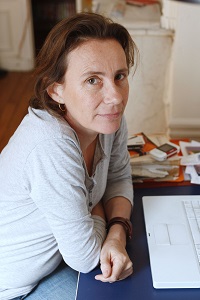
Nora Bossong

De Duitse dichteres en schrijfster Nora Bossong werd geboren op 9 januari 1982 in Bremen. Bossong kreeg in 2001 een beurs voor het eerste literatuur laboratorium Wolfenbüttel. Zij studeerde literatuur aan het Duitse literatuur Instituut in Leipzig en culturele studies, filosofie en vergelijkende literatuurwetenschap aan de Humboldt Universiteit van Berlijn, de Universiteit van Potsdam en de universiteit La Sapienza in Rome. Bossong heeft poëzie en proza gepubliceerd in bloemlezingen, literaire tijdschriften en in haar eigen boeken. In 2006 debuteerde ze met de roman “Gegend”. Zij publiceerde verder nog de romans "Weber Protocol" (2009) en “36.9 °”(2015). Haar gedichtenbundel gedichten "Sommer vor den Mauern" (2011) werd in 2012 bekroond met de Peter Huchel Prijs.


Leichtes Gefieder

Vielleicht zu spät, als eine Krähe
unseren Morgen kappt. Ein Schlag.
Und ob sie fällt und ob sie weiterfliegt –
Ich frag zu laut, ob du noch Kaffee magst.
Dein Blick ist schroff, wie aus dem Tag gebrochen.
Es riecht nach Sand. Du fragst mich, ob ich wisse,
dass Krähen einmal weiß gefiedert waren.
Ich lösch die Zigarette aus, ich wünsch mich
weg von hier, ich möchte niemanden,
ich möchte höchstens einen andern sehen.
Du nennst mich: Koronis. Ich zeig zum Fenster:
Sieh doch, die Aussicht hat sich nicht verändert!
Was gehen dich die Stunden an, die du nicht kennst?
Ich will nur Mädchen sein, nicht in Arkadien leben.
Dein Nagel scharrt noch in der Asche,
doch du bist still, als wärst du fort.
Ich bin zu leicht für deine Mythen.


Reglose Jagd

Die Ställe hangabwärts, es heißt, den Hasen
habe ein Marder geholt, ein Fuchs, niemand
ist sicher, man lebt hier selten
des Nachts. Das Haus zu groß
für ein Haus, die Menschen zu reich,
nicht aus meiner Zeit. Dennoch gehen wir
auf die Jagd gemeinsam, durch die verwachsenen
Ränder des Familienerbes, kein Tier
knackt das Unterholz, kein Kadaver
legt seinen Geruch wie ein spukender Ahne
an die Grenze des Grundstücks. Ich glaube, alles
hält die Terrasse verborgen, niemand
folgt mir nach, wie sollten sie auch, meine Tage
liegen anderswo. Nur die Seeadler auf den Pfosten
lassen mich nicht aus dem Blick, ich fühle
ihre gefeilten Augen mir in den Nacken starren,
bis ich stürze, doch das ist unwesentlich, nur
eine kurzfristige Veränderung des alten Gebäudes.


 1977326-0a1bf3a4af01aeb1ffbd8f6adb407c9d.png
Nora Bossong (Bremen, 9 januari 1982)

Geschreven door Romenu om 00:00 Reageer op dit bericht
Reageer op dit bericht

Reageer op dit bericht

Een titel of je eigen website toevoegen

De blogger leest alles eerst na: je tekst verschijnt zodra die goedgekeurd is.

Juan Marsé, Alfred Tomlinson, Gaston Miron, Leonardo Sciascia, Waldtraut Lewin, Vasyl Stus, Claudia Grehn

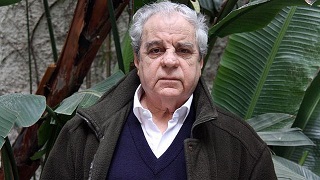
De Catalaanse schrijver Juan Marsé werd geboren op 8 januari 1933 in Barcelona. Zie ook alle tags voor Juan Marsé op mijn blog.

Uit: Calligraphie des rêves (Vertaald door Jean-Marie Saint-Lu)

« Dura nt quelques secondes, elle a l’air de ne pas savoir où elle se trouve, elle tourne sur ellemême en tâtant l’air avec ses mains, jusqu’au moment où, s’immobilisant, tête baissée, elle pousse un cri long et rauque, comme sorti de son ventre, et qui peu à peu se transforme en soupirs pour finir en miaulements de petit chat. Elle commence à remonter la rue en trébuchant puis s’arrête, elle se tourne, cherchant un appui alentour, et aussitôt après, fermant les yeux et croisant les mains sur sa poitrine, elle se baisse en se repliant lentement sur elle-même, comme si cela lui procurait réconfort ou soulagement, puis s’allonge sur le dos, en travers des rails du tramway encore incrustés dans ce qui reste du vieux pavage. Des voisins et quelques pa ssants occasionnels, peu nombreux et fatigués à cett e heure et sur ce tronçon haut de la rue, n’en croient pas leurs yeux. Qu’est-ce qu’il lui a pris, tout à coup, à cette femme ? Allongée sur la voie de toute sa longueur, qui n’est pas grande, ses genoux massifs et brunis sur la plage de la Barce loneta pointant sous sa bl ouse entrouverte, les yeux fermés et les pieds bien joints dans ses pantoufles de satin à pompons pas très propres, que diable prétend-elle faire ? Faut-il supposer qu’elle veut en finir avec la vie sous les roues d’un tramway ? « Victoria ! crie une femme du trottoir. Qu’est-ce que tu fais, malheureuse ? » Elle n’obtient pas de réponse. Pas même un clignement de paupière. Très vite, un petit groupe de curieux se forme autour de la femme allongée, la plupart craignant d’être victimes d’une plaisanterie macabre. Un vieil homme tât e à plusieurs reprises la généreuse hanche avec sa canne, comme s’il ne pouvait croire qu’elle soit vivante. « Eh vous, là, qu’est-ce que c’est que cette plaisanterie ? grommelle-t-il, en la harcelant. Que cherchez-vous à faire ? » Parler d’elle, comme toujours, doit penser plus d’une voisine : que ne ferait pas cette grue pour attirer l’attention de son ho mme. Quadragénaire blonde aux yeux bleus pétillants , au tempérament expansif et très populaire dans le quartier, la grassouillette Mme Mir, qui avait été Dame infirmière formée dans un collège de la Phalange et exerçait maintenant comme soignante et kiné pr ofessionnelle, à en croire ses cartes de visite, avait fait et continuait à faire pas mal parler d’elle à cause de ses mains audacieuses, qui dispensaient frictions corpor elles et calmaient diverses ardeurs, et dont le talen t équivoque favorisait de fréquentes divagations amoureuses, surtout depuis que son mari, ex-maire adjoint autoritaire et bravache, avait été interné à l’hôpital San Andrés, à la fin de l’année précédente. »


 1861518-78dcb53bf3f75b0cf7d9ce3a551efbcf.jpg
Juan Marsé (Barcelona, 8 januari 1933)


De Engelse dichter, vertaler en graficus Alfred Charles Tomlinson werd geboren op 8 januari 1927 in Stoke-on-Trent, Staffordshire. Zie ook alle tags voor Alfred Tomlinson op dit blog.


The Door

Too little
has been said
of the door, its one
face turned to the night’s
downpour and its other
to the shift and glisten of firelight.
 
Air, clasped
by this cover
into the room’s book,
is filled by the turning
pages of dark and fire
as the wind shoulders the panels, or unsteadies that burning
 
Not only
the storm’s
breakwater, but the sudden
frontier to our concurrences, appearances,
and as the full of the offer of space
as the view through a cromlech is.
 
For doors
are both frame and monument
to our spent time,
and too little
has been said
of our coming through and leaving by them.


A Rose For Janet

I know
this rose is only
an ink-and-paper rose
but see how it grows and goes
on growing
beneath your eyes:
a rose in flower
has had (almost) its vegetable hour
whilst my
rose of spaces and typography
can reappear at will
(you will)
whenever you repeat
this ceremony of the eye
from the beginning
and thus
learn how


 1861518-97562457f9a1597d729e0331fb1d952a.jpg
Alfred Tomlinson (8 januari 1927 - 22 August 2015)


De Franstalige, Canadese dichter, schrijver en uitgever Gaston Miron werd geboren op 8 januari 1928 in Sainte-Agathe-des-Monts. Zie ook alle tags voor Gaston Miron op dit blog.


Pour retrouver le monde de l'amour

Nous partirons de nuit pour l'aube des Mystères
et tu ne verras plus les maisons et les terres
et ne sachant plus rien des anciennes rancoeurs
des détresses d'hier, des jungles de la peur
tu sauras en chemin tout ce que je te donne
tu seras comme moi celle qui s'abandonne

nous passerons très haut par-dessus les clameurs
et tu ne vivras plus de perfides rumeurs
or loin des profiteurs, des lieux de pestilence
tu entendras parler les mages du silence
alors tu connaîtras la musique à tes pas
et te revêtiront les neiges des sagas

nous ne serons pas seuls à faire le voyage
d'autres nous croiseront parmi les paysages
comme nous, invités à ce jour qui naîtra
nous devons les chérir d'un amour jamais las
eux aussi, révoltés, vivant dans les savanes
répondent à l'appel secret des caravanes

quand nous avancerons sur l'étale de mer
je te ferai goûter à la pulpe de l'air
puis nous libérerons nos joies de leur tourmente
de leur perte nos mains, nos regards de leurs pentes
des moissons de fruits mûrs pencheront dans ton coeur
dans ton corps s'épandront d'incessantes douceurs

après le temps passé dans l'étrange et l'austère
on nous accueillera les bras dans la lumière
l'espace ayant livré des paumes du sommeil
la place des matins que nourrit le soleil
ô monde insoupçonné, uni, sans dissidence
te faisant échapper des cris d'incontinence

nouvelle-née, amour, nous n'aurons pas trahi
nous aurons retrouvé les rites d'aujourd'hui
le bonheur à l'affût dans les jours inventaires
notre maison paisible et les toits de nos frères
le passé, le présent, qui ne se voudront plus
les ennemis dressés que nous aurions connus


 1861518-d7b2fc8c27fad27d803749c11a660f93.jpg
Gaston Miron (8 januari 1928 – 14 december 1996)


De Italiaanse schrijver en politicus Leonardo Sciascia werd geboren in Racalmuto, Agrigento op 8 januari 1921. Zie ook alle tags voor Leonardo Sciascia op dit blog.

Uit:Todo modo (Vertaald door René Daillié)

“C'est une chose tellement simple, de faire l'amour... Et puis c'est ça l'amour : il n'y en a pas d'autre, entre un homme et une femme... C'est comme d'avoir soif et de boire. Il n'y a rien de plus simple que d'avoir soif et de boire ; que la satisfaction de boire et d'avoir bu ; de n'avoir plus soif. Tout ce qu'il y a de simple. Mais songez, si l'homme avait accordé à l'eau, à la soif, à la boisson (par effet d'un ordre différent de la création et de l'évolution), tout le sentiment, la pensée, les rites, les légitimations et les interdits qu'il a accordés à l'amour : il n'y aurait rien de plus extraordinaire, de plus prodigieux que de boire quand on a soif... »
(…)

« - Par exemple, il y a peu, comme nous étions en train de parler de ces crimes, il m'a dit : " Nul ne mérite d'être loué de bonté s'il n'a pas la force d'être méchant. "
- " Nul ne mérite d'être loué de bonté s'il n'a pas la force d'être méchant " : c'est exactement ce que vous avez dit ?
- Exactement.
Et je complétai mentalement la citation : " Toute autre bonté n'est le plus souvent qu'une paresse ou une impuissance de la volonté. "
- On dirait une de ces maximes qu'on trouvait jadis dans le papier qui enveloppait les crottes en chocolat... " Nul ne mérite d'être loué de bonté s'il n'a pas la force d'être méchant... " Mais comme maxime, je dirai que c'est crétin : qui a la force d'être méchant est méchant."


 1861518-3558ff7028e6172ed2db126731e212de.jpg
Leonardo Sciascia (8 januari 1921 - 20 november 1989)
Standbeeld in Racalmuto


De Duitse schrijfster Waldtraut Lewin werd geboren op 8 januari 1937 in Wernigerode. Zie ook alle tags voor Waldtraut Lewin op dit blog.

Uit: Drei Zeichen sind ein Wort

„Das Zeichen. Der goldene Buchstabe.
Wie gewinnt man das Vertrauen der Laskarows, um weiterzukommen bei der Suche?
Als sie auf Hermeneau war, da hat sie mit Isabelle zusammen das Sabbatmahl zubereitet, und dabei kamen sie sich näher. Und naherkommen will sie vor allen Dingen dem Sohn des Hauses, der ihr so hartnäckig seine Aufmerksamkeit entzieht. Ihn hat sie sich ausgesucht, dass er ihr hilft
Ob so etwas wie auf Hermeneau auch hier möglich ist? (Mit ihren Kochkünsten kann sie ja wirklich beeinclrucken.)
Die Laskarows haben zwei stets gut gefüllte Eisschranke, Milchiges und Fleischiges getrennt- (Jede Woche einmal kommen zwei muskelbepackte Männer mit einem Lederschutz auf der schulter und bringen die Eisblocke, mit denen die schranke bestückt werden.) Leonie hat die Madame inzwischen nach dem sinn dieser doppelten Vorratshaltung gefragt. »Na, wegen koschere Küche doch!«, sagt die, als wenn das jeder wissen müsste. Also irgendwelche rituellen Speisevorschriften.
Allerdings nimmt es sonst niemand in der Familie genau mit religiösen Geboten. Am heiligen Sabbatvormittags geht alles seinen gewohnten Gang, außer dass man vielleicht noch später aus den Betten kommt als sonst. Der Prinzipal studiert seine Zeitungen, und vor allem das größte rechtsradikale Blatt. Als vorsichtiger Mann will er sich ein Bild machen, wie die Stimmung ist! Manchmal knurrt er bei der Lektüre unwillig oder wirft die Zeitung heftig zurück auf den Tisch.“


 1861518-ed6975c5acd9fcb95bf32c7c0de93dd5.jpg
Waldtraut Lewin (Wernigerode, 8 januari 1937)
Cover


De Oekraïense dichter en schrijver Vasyl Stus werd geboren op 8 januari 1938 in Rakhnivka, in de provincie Vinnytsia Oblast. Zie ook alle tags voor Vasyl Stus op dit blog.

Uit: Palimpsesty


We do not die twice.

We do not die twice. We exist
once and for all time, and for all of life.
We do not beg for anyone's kindness.
Rejoice: the Kolyma cuckoos cry.


We are looking from death

We are looking from death
into the expanse that has fallen off from us,
distanced itself and retreated far away.
The expanse is still beckoning secretly
and stealthily. And misfortune
is no longer known to us.


This darkness ahead

This darkness ahead has long
lost its dreadful magic
and has released its bewitching power. Now
I can say that I am overcorning death.
The great world emerged before me again.


Vertaald door Natalia Burianyk


 1861518-c6447fae8b373f64aa7593a9d57b9b60.jpg
Vasyl Stus (8 januari 1938 – 4 september 1985)


De Duitse (toneel)schrijfster Claudia Grehn werd geboren op 8 januari 1982 in Wiesbaden. Zie ook alle tags voor Claudia Grehn op dit blog.

Uit: Reicht es nicht zu sagen ich will leben

„„ Herbst. Der Kuchen. Die Schande.
Annette: Geh doch mit Oma einen Kaffee trinken – so lange sie das noch kann.
Isabell:    Ein kleines Mädchen heult auf.
Vera:       Höchstens zweijährig mit Locken.
               -Papa, entschuldige dich.
Vera:   ...schreit ihre achtjährige Schwester, aschblonder Zopf, gestreifte Bluse-
              -Jetzt entschuldigst du dich.
Jürgen:  Du hältst die Fresse.
Vera:      Und die Mutter, faltet die Serviette nochmals neu.
Isabell:   Das Schulmädchen steht auf. Das ganze Körperchen lehnt sich vor zum Vater.
              -Jetzt entschuldigst du dich bei ihr!
Annette: Während sie ein Stück Mohnkuchen reinstopft, sagt meine Oma  Bei Hitler hat man’s nicht schlecht gehabt als junges Mädel, da hätte  man die nicht das ganze Deutsche Vermögen verspekulieren lassen  und alle hatten da Arbeit und ich schaue mich schnell um im Cafe ob  das jemand gehört hat.“


 1861518-70432ff8a3268c5857bdd83e81cf30cb.jpg
Claudia Grehn (Wiesbaden, 8 januari 1982)
Scene uit een opvoering in Weimar, 2012 


Zie voor nog meer schrijvers van de 8e januari ook mijn blog van 8 januari 2014 en ook mijn blog van 8 januari 2011 deel 1 en eveneens deel 2.

Geschreven door Romenu om 18:39 Reageer op dit bericht

Wilkie Collins

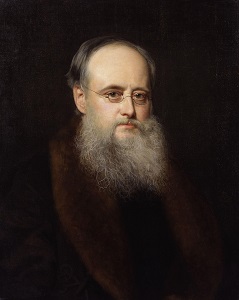
De Britse schrijver Wilkie Collins werd geboren in Londen op 8 januari 1824. Collins was een veelschrijver en publiceerde ook in Dickens' tijdschriften Household Words en All the Year Round. Hij geniet de meeste bekendheid als schrijver van de romans “The Woman in White” (1860) en “The Moonstone” (1868), beide voorlopers van de detectiveroman. De publicatie van “The Moonstone” zorgde voor een sensatie door de sensationele beschrijvingen die erin werden gegeven van opiumverslaving. Wilkie Collins baseerde deze gedeeltelijk op zijn eigen ervaringen met deze drug. Als een gevolg van deze verslaving leed Wilkie Collins op latere leeftijd in toenemende mate aan waanvoorstellingen. De meest opzienbarende hiervan was zijn overtuiging dat hij constant werd vergezeld van een dubbelganger, die hij "Ghost Wilkie" noemde. Wilkie Collins was de oudste zoon van de kunstschilder William Collins en een broer van Charles Allston Collins, die eveneens schilder was. In 1848 publiceerde hij een biografie van zijn vader onder de titel Memoirs of the Life of William Collins, Esq., R.A.

Uit: The Moonstone

“One of the wildest of these stories related to a Yellow Diamond — a famous gem in the native annals of India.
The earliest known traditions describe the stone as having been set in the forehead of the fourhanded Indian god who typifies the Moon. Partly from its peculiar colour, partly from a superstition which represented it as feeling the influence of the deity whom it adorned, and growing and lessening in lustre with the waxing and waning of the moon, it first gained the name by which it continues to be known in India to this day — the name of THE MOONSTONE.
A similar superstition was once prevalent, as I have heard, in ancient Greece and Rome; not applying, however (as in India), to a diamond devoted to the service of a god, but to a semi-transparent stone of the inferior order of gems, supposed to be affected by the lunar influences
— the moon, in this latter case also, giving the name by which the stone is still known to collectors in our own time.
The adventures of the Yellow Diamond begin with the eleventh century of the Christian era.
At that date, the Mohammedan conqueror, Mahmoud of Ghizni, crossed India; seized on the holy city of Somnauth; and stripped of its treasures the famous temple, which had stood for centuries — the shrine of Hindoo pilgrimage, and the wonder of the Eastern world.
Of all the deities worshipped in the temple, the moongod alone escaped the rapacity of the conquering Mohammedans. Preserved by three Brahmins, the inviolate deity, bearing the Yellow Diamond in its forehead, was removed by night, and was transported to the second of the sacred cities of India — the city of Benares.
Here, in a new shrine — in a hall inlaid with precious stones, under a roof supported by pillars of gold — the moongod was set up and worshipped. Here, on the night when the shrine was completed, Vishnu the Preserver appeared to the three Brahmins in a dream.
The deity breathed the breath of his divinity on the Diamond in the forehead of the god. And the Brahmins knelt and hid their faces in their robes. The deity commanded that the Moonstone should be watched, from that time forth, by three priests in turn, night and day, to the end of the generations of men. And the Brahmins heard, and bowed before his will. The deity predicted certain disaster to the presumptuous mortal who laid hands on the sacred gem, and to all of his house and name who received it after him. And the Brahmins caused the prophecy to be written over the gates of the shrine in letters of gold.”


 1966684-5b01055164ce0d9f2eb7c43bb19edd70.jpg
Wilkie Collins (8 januari 1824 – 23 september 1889)
Portret door Rudolph Lehmann, 1880

Geschreven door Romenu om 00:00 Reageer op dit bericht

Frans Kellendonk, Reginald Gibbons, Dionne Brand, Sofi Oksanen, Henk van Zuiden, Shobhaa Dé, Marie Desplechin

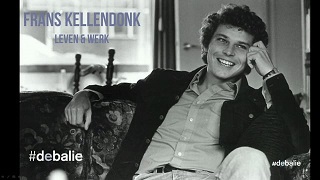
De Nederlandse schrijver en vertaler Frans Kellendonk werd geboren in Nijmegen op 7 januari 1951. Zie ook alle tags voor Frans Kellendonk op dit blog.

Uit: Beeld en gelijkenis

“De pastoor had een monotoon stemgeluid dat het onmogelijk maakte om de eucharistie met begrip te volgen. Hij was klein en rond en zijn gezicht was zo rooddooraderd dat het, de huidcrème die hij erop aanbracht ten spijt, in een netje leek te hangen, als een nieuwe plastic voetbal. Op zijn al te vleeskleurige lippen zat roze parellipstick. Hij had wulpse handjes die zich onweerstaanbaar tot elkaar aangetrokken voelden en elkaar onophoudelijk knuffelden en opvrijden. Er werd gefluisterd dat hij het met een vrouw hield.
Op een goede dag kregen we een hulpkapelaan, een jonge Franciscaan met zwart haar en felle bruine ogen, die in zijn sandalen geen sokken droeg van witte zijde, zoals de pastoor, maar blote voeten die rood zagen van de kou. Hij is maar kort gebleven. Eén keer heeft hij gepreekt en de arme gelovigen, die gedoopt waren voor ze ‘pap’ konden zeggen, die elke week trouw hun plaatsengeld en collectegeld hadden betaald, en ook voor de missie-acties regelmatig een kleinigheid hadden afgedragen, die toch mochten menen dat ze al met één been in de hemel stonden, kregen van hem te horen dat ze heidenen waren. ‘Bekeert u!’ snauwde hij hen van de kansel toe. Zo zout hadden ze het nog nooit gegeten. Hij bestond het bovendien om die brave mensen voor zondaars uit te maken. De brave mensen vonden dat hij beter naar z'n eigen kon kijken. Maar ik vond dat getier van hem een weldaad, na de fluwelen dwingelandij waar ik aan gewend was, en toen ik hoorde dat hij wegens zijn te grote ijver spoedig weer zou moeten vertrekken ging ik op een vrijdagavond bij hem te biecht. Terwijl hij achter het luikje nog zat te bidden voor de vorige biechteling, een geruststellend onderkeels gebrom, af en toe onderbroken door een diepe zucht, zei ik mijn oefening van geloof; daarna bekende ik de zonden die ik altijd bekende en hij wilde me al de penitentie opgeven toen ik tenslotte durfde te stotteren: ‘Eh... pater... Pater, ik moet u nog iets zeggen... Ik, eh, scháám me altijd zo vreselijk. En ik weet niet hoe het komt.’
Zo was het precies. Ik, een zondagskind, één en al levenslust en plezier, was me in mijn elfde levensjaar een etterende leproos gaan voelen. Zomaar, ineens.”


 1860993-25714294b4b0c9cf12500eabf22a6ad6.jpg
Frans Kellendonk (7 januari 1951 – 15 februari 1990)
Affiche voor een programma in De Balie in Amsteram, mei 2015


De Amerikaanse dichter, redacteur en hoogleraar Reginald Gibbons werd geboren in Houston op 7 januari 1947. Zie ook alle tags voor Reginald Gibbons op dit blog.


Friday Snow

Something needs to be done—like dragging a big black plastic sack through the upstairs rooms, emptying into it each waste basket, the trash of three lives for a week or so. I am careful and slow about it, so that this little chore will banish the big ones. But I leave the bag lying on the floor and I go into my daughter’s bedroom, into the north morning light from her windows, and while this minute she is at school counting or spelling a first useful word I sit down on her unmade bed and I look out the windows at nothing for a while, the unmoving buildings—houses and a church—in the cold street.
       Across it a dark young man is coming slowly down the white sidewalk with a snowshovel over his shoulder. He’s wearing a light coat, there’s a plastic showercap under his dirty navy blue knit hat, and at a house where the walk hasn’t been cleared he climbs the steps and rings the doorbell and stands waiting, squinting sideways at the wind. Then he half wakes and he says a few words I can’t hear to the storm door that doesn’t open, and he nods his head with the kindly farewell that is a habit he wears as disguise, and he goes back down the steps and on to the next house. All of this in pantomime, the way I see it through windows closed against winter and the faint sounds of winter.
       My daughter’s cross-eyed piggy bank is also staring out blankly, and in its belly are four dollar bills that came one at a time from her grandmother and which tomorrow she will pull out of the corked mouthhole. (It’s not like the piggy banks you have to fill before you empty them because to empty them you have to smash them.) Tomorrow she will buy a perfect piece of small furniture for her warm well-lit dollhouse where no one is tired or weak and the wind can’t get in.
       Sitting on her bed, looking out, I didn’t see a bundled-up lame child out of school and even turned out of the house for a while, or a blind woman with burns or a sick bald veteran—people who might have walked past stoop-shouldered with what’s happened and will keep happening to them. So much limping is not from physical pain—the pain is gone now, but the leg’s still crooked. The piggy bank and I see only the able young man whose straight back nobody needs.
       When he finally gets past where I can see him, it feels as if a kind of music has stopped, and it’s more completely quiet than it was, an emptiness more than a stillness, and I get up from the rumpled bed and I smooth the covers, slowly and carefully, and I look around the room for something to pick up or straighten, and I take a wadded dollar bill from my pocket and put it into the pig and I walk out.


 1860993-2c8d60044036901b08c08cbc5a3368ed.jpg
Reginald Gibbons (Houston, 7 januari 1947)


De Canadese dichteres en schrijfster Dionne Brand werd geboren op 7 januari 1953 op Trinidad. Zie ook alle tags voor Dionne Brand op dit blog.

Uit:What We All Long For

“There were Italian neighbourhood and Vietnamese neighbourhoods in this city; there are Chinese ones and Ukrainian ones and Pakistani ones and Korean ones and African ones. Name a region on the planet and there's someone from there, here. All of them sit on Ojibway land, but hardly any of them know it or care because that genealogy is wilfully untraceable except in the name of the city itself. They'd only have to look, though, but it could be that what they know hurts them already, and what if they found out something even more damaging? These are people who are used to the earth beneath them shifting, and they all want it to stop-and if that means they must pretend to know nothing, well, that's the sacrifice they make.”
(…)

“Carla might recognize herself in the lean girls against the bar, the girls in slender-cut suits with silver rings on each finger and thumb who looked so compact and secretive, so much as if all their essences were perfectly locked and kept, and only if you managed to please them could you unlock their fingers and pry them out. They smelled of a different perfume, they never quite met your eyes except in a swift and thorough appraisal whose conclusion you became aware of immediately when their eyes averted without the longed-for approving smile. You longed to go with them to secret apartments in the suburbs or condos on the lakeshore and there have their fingers brush down your back and have their maroon mouths kiss your thighs.”
(…)

“Angie was a border crosser, a wetback, a worker in the immigrant sweatshop they call this city. On days like this I understand her like a woman instead of a child. Everybody thought she was a whore. She wasn’t. She tried to step across the border of who she was and who she might be. They wouldn’t let her. She didn’t believe it herself so she stepped across into a whole other country.”


 1860993-d15871becf100970a9dec3852658ca8b.jpg
Dionne Brand (Trinidad, 7 januari 1953)


De Finse schrijfster Sofi Oksanen werd geboren in Jyväskylä op 7 januari 1977. Zie ook alle tags voor Sofi Oksanen op dit blog.

Uit:Als de duiven verdwijnen (Vertaald door Marja-Leena Hellings)

“Ze leek de juiste woorden voor de angstige gemoederen te vinden, en wist dat niemand het hoofd mocht verliezen als het tijd was om in de vrachtwagen te stappen. Een beter iemand om de mensen opte vangen had ik niet kunnen kiezen.
De anderen waren wantrouwig geweest toen ik had aangekondigd dat ik een nieuwe woning als verzamelplaats had gevonden en een nieuwe persoon om de vluchtelingen op te vangen, ik had Juudit Linda genoemd. Ik had met de hand op mijn hart gezworen dat ze betrouwbaar was, over haar relatie met een mof had ik niets gezegd.
Ik hield mezelf ook voor dat, hoe meer Juudit hierbij betrokken was, hoe zekerder het was dat ze haar mond zou houden. Beetje bij beetje liet ze nuttige informatie los en het leek alsof ze steeds meer ging twijfelen aan alles wat met de Duitsers te maken had.
Deze keer was bijzonder onrustig. De toespraak van Hjalmar Mäe had bij sommigen iets van hoop gewekt, volgens Mäe zou mobilisatie de eerste stap naar soevereiniteit zijn. Ik zag aarzeling op de gezichten van de vluchtelingen, de wil om geloof te hechten aan de woorden van Mäe. Ik bleef me verbazen over de goedgelovigheid van de mensen. Of de wanhoop. Toch was het aantal van hen die niet meer geloofden in de overwinning van Duitsland en in de beloften van de staat over onafhankelijkheid of autonomie van Estland met de dag toegenomen. Niemand wilde blijven wachten op een nieuwe slachtpartij, men wist zeker dat de bolsjewieken zouden komen. De kerkleiders hadden het over de terugkeer van de goddeloze staat.”


 1860993-048328ff7bd3d1bdb37ee7e3b078e455.jpg
Sofi Oksanen (Jyväskylä, 7 januari 1977)


De Nederlandse dichter, bloemlezer Henk van Zuiden werd geboren in Apeldoorn op 7 januari 1951. Zie ook alle tags voor Henk van Zuiden op dit blog.


Kwijt
voor Charlotte Meijer

Ik kan mijn pen verliezen, of een ringetje,
mijn geduld, een jerrycan, mijn gezicht,
een sleutel, mijn moeder, en dat is geen dingetje,
mijn melktanden in witte zakdoek met gedicht,
een jojo, mijn tong, een ijsbolletje,
mijn plu, een handdoek en portemonnee,
de tijd, of mijn lievelingsdrop, een nog
vol rolletje– Niets verlorens vind ik terug
in zand aan zee, vooral mijn moeder blijft
kwijt, ik bedenk haar overal mee.


Wees van dit huis de liefste gast

Hier hoef je geen brieven open te snijden
telefoon op te nemen of koffie te maken
voor waterdragers op buigende ladders.
Je mag alles uit de boekenkast lezen
en natuurlijk, bier staat koud en de wijn
is al gechambreerd, om je niet te jachten
houdt de koekoek zich stil en zie, juist
vanavond is bloedmooi door uitbundige
pioenrozen ’n tapijt gedwarreld waarop je
kunt plaatsnemen. Hier, luister, Klang,
of wil je de speler eerst laten Bacheren?
Doe maar niet alsof je thuis bent: je hoeft
nergens om te vragen of voor op te staan,
alles wat je behaagt wordt voor jou gedaan.


 1860993-b9e8179c50f48b582e9ae8709a9eda6f.jpg
Henk van Zuiden (Apeldoorn, 7 januari 1951)


De Indiase schrijfster en columniste Shobhaa Dé werd geboren op 7 januari 1947 in Maharashtra. Zie ook alle tags voor Shobhaa Dé op dit blog.

Uit: S's Secret

““Have you told Mom, yet?” Pia’s voice was low and anxious. Sandhya shook her head and continued to whisk the sticky mixture of flour and butter in the neat kitchen, which was the centre of the Mehta home.
“How can you bake a cake when you know Morn will be angry? Or are you planning not to tell her at all?” Pia persisted.
Sandhya looked at her younger sister sharply and placed a finger on her own lips. “Sssh... Bhaiya will hear... don’t say anything... please, please... just keep quiet till Bhaiya leaves... he’s late for college again.”
Just then, Siddhartha a tall, athletic eighteen-year-old rushed into the kitchen. “Where’s my skimmed milk... Oh man... I’m late for eco... and the toast is burnt as usual. Sandhya... don’t just stand there with that stupid expression... make me a sandwich... fast... Tell Mom I am going straight to Subi’s place for stats tuitions. And you... little monkey... go wash your hands... filthy as always.”
The two girls looked at their brother, then at each other. “Bhaiya, why don’t you wake up on time? Don’t tell us you have broken the alarm clock again?” Pia piped up.
Sid opened the fridge and made disapproving noises. “Vegetables, vegetables, vegetables - who eats all this rubbish, huh? Who? Look at all this... bhindi, karela, paid/r, kadoo. Hey you Motu, stay away from those chips... tell Mom to organise a decent dinner...
What amazing food we have at Subi’s... fantastic pav-bhaji, nachos... how come we don’t have stuff like that here? His mom is like the best cook in the world. Her crab curry! Oh my God ! Sandhya stop making those silly cakes, make some real food for a change; learn some deadly stuff... like... ok... anything deadly... ok I’m off. Send my tennis gear to the club later... behave yourselves till Mom gets home.”


 1860993-9384998c5d2600942b5e36cb73b9d50a.jpg
Shobhaa Dé (Maharashtra, 7 januari 1947)


De Franse schrijfster Marie Desplechin werd geboren op 7 januari 1959 in Roubaix. Zie ook alle tags voor Marie Desplechin op dit blog.

Uit: La belle Adèle

“- Tu ne peux pas faire un petit effort ?
Pendant quelques secondes, je me suis demandé ce qu'elle voulait dire. Je n'étais pas plus sale, ni plus impolie que d'habitude. Et d'habitude, je suis plutôt propre et aimable. Mais, comme son regard désolé me détaillait des pieds à la tête, l'évidence s'est imposée. Les efforts devaient porter sur mon allure. Pas sur mon intelligence, mes résultats sportifs, mes capacités relationnelles, mes bulletins scolaires. Sur ma présentation. Quelque chose n'allait pas. Du tout.
- Qu'est-ce qui ne va pas ?
- Tu t'es regardée avant de sortir ?
Elle était à la limite de la grossièreté. Mais je n'ai pas eu le courage de le lui faire remarquer. Car voilà ce que j'avais sur les lèvres : "Tu t'es regardée, toi ?"
[...] Elle s'était certainement, elle, regardée, et longuement. Sortir dans son accoutrement n'est pas une décision qui se prend à la légère. Il faut avoir pesé le pour et le contre.Et assumer. L'aspect de ma tante ne devait rien au hasard, ni à la négligence. Sa robe ouverte sur les genoux, ses cheveux décolorés, le bleu pétrole de ses paupières, les échasses sur lesquelles elle était juchée : tout avait été mûrement réfléchi. Et c'était pire.”


 1860993-06a4c46277ab9ddad7ca547178393c99.jpg
Marie Desplechin (Roubaix, 7 januari 1959) 


Zie voor nog meer schrijvers van de 7e januari ook mijn blog van 7 januari 2011 deel 1 en ook deel 2 en eveneens deel 3.


Geschreven door Romenu om 18:24 Reageer op dit bericht

Thomas Hill

De Amerikaanse Amerikaanse dominee, wiskundige, wetenschapper, dichter, filosoof en pedagoog Thomas Hill werd geboren op 7 januari 1818 in Brunswick, New Jersey. Hij leerde al op heel jonge leeftijd lezen, bleef altijd een gulzig lezer en dwong respect af door zijn ruime en accurate geheugen. Zijn vader onderwees hem in de plantkunde. Hill hield van de natuur en bedacht wetenschappelijke instrumenten, zoals een instrument om eclipsen te berekenen, waarvoor hem door het Franklin Institute een medaille werd toegekend,. Hoewel hij niet formeel was opgeleid bezocht Hill korte tijd de Lower Dublin Academy in Holmesburg, Pennsylvania en de Leicester Academy in Massachusetts, die hij in 1837 verliet. Hij behaalde zijn B.A..en zijn theologische graad aan de Harvard University in respectievelijk 1843 en 1845. Hill was president van Antioch College in de periode 1860-1862 tot de Burgeroorlog hem dwong het college te sluiten; vervolgens bekleedde hij het presidentschap van Harvard University van 1862 tot 1868. Een slechte gezondheid veroorzaakt zijn pensionering van Harvard en vanaf 1873 was hij hoofd van de Unitarian parochie in Portland, Maine. Zijn belangrijkste werken omvatten “Geometry and Faith” (1849); “Jesus, the Interpeter of Nature, and Other Sermons” (1860); The True Order of Studies (1876), “In the Woods, and Elsewhere” (1888); and “The Postulates of Revelations and of Ethics” (1895). Als student aan Harvard publiceerde Hill een brochure met vijf gedichten om op de Boston anti-slavernij beurs van 1843 voor het goede doel te verkopen. Twee van Hills gedichten, "The Mother's Prayer" en "The Runaway” behoren tot de beter bekende anti-slavernij poëzie.


The Mother’s Prayer

Thou knowest, O God, my griefs,
Thou see’st my bitter tears,
Thou knowest all my sufferings past,
And my foreboding fears.

My husband they have sold;
Alas!  the bitter day!
Too true to leave me willingly,
They forced him far away.

Our prattling infants, too,
Most piercing thought of all,
Sold into strangers’ cruel hands,
What evils may befall!

I pray, O God, that thou
Wouldst take them from the earth,
I ask their death, who once from thee,
More madly, asked their birth.

O’er me, weighed down by care,
Pierced through by sorrow’s stings,
O’er me, from day to day the same,
The slave-whip ceaseless swings.

I pray, O God, for him
Who causes all this woe;
Though he no mercy has for us,
To him thy mercy show.

No vengeance would I ask,
Let not thy wrath be felt,
But let thy goodness touch his heart,
Its stubborn hardness melt.

One thing at least I trust,
My only hope it is,
There’ll be no slavery in the world
That follows after this.


 1983159-a4f934e2842c9c893fec30a001a6f8e8.jpg
Thomas Hill (7 januari 1818 - 21 november 1891)
Portret door Edward E. Simmons, 1895

Geschreven door Romenu om 00:00 Reageer op dit bericht

De schriftgeleerden en de wijzen (Muus Jacobse)


Bij het feest van Driekoningen


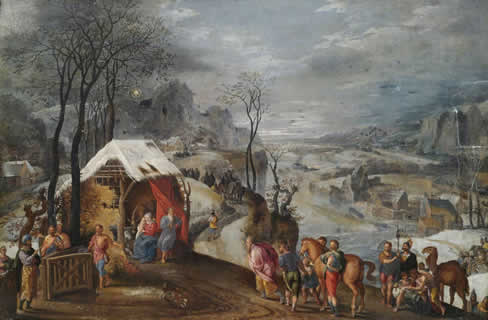
 1860282-717b3765a60a222d1ed05bc7bd01fc8d.jpg
De aankomst van de Heilige Drie Koningen bij de stal,
toegeschreven aan Gillis Mostaert (1528 – 1598)


De schriftgeleerden en de wijzen

Zij hebben neergezeten
Bij hun vergeelde boeken,
Zij hebben niet geweten
Dat God geboren was,

Maar uit het oosten kwamen
Drie koningen Hem zoeken,
Die van een ster vernamen
Wat geen in woorden las.

‘Gij meesters der historie,
Zeg ons, waar is zijn woning
Die aller heemlen glorie
In éne sterre meldt?’

Zij spraken: ‘ ’t Is geschreven
Dat aller eeuwen koning
Heeft Bethlehem verheven’,
En waren zeer ontsteld.

Zij deden hen in donker
Als doden uitgeleide.
Er was geen stergeklonker,
De nacht stond om hen heen.

Maar ver van de geleerden,
O wonderlijk verblijden,
Hoe daar de sterre keerde
Die allen overscheen!

‘Komt laten wij aanbidden
God die zich openbaarde,
Want Hij is in ons midden,
Met majesteit omkleed!’

Zij brachten Hem geschenken:
De gouden schat der aarde,
De wierook van hun denken,
De mirre van hun leed.


 1860282-2dce7d85b1521cb1952e631ce1151d34.jpg
Muus Jacobse (13 september 1909 – 21 november 1972)
De Kersthaven van Terschelling. Muus Jacobse werd geboren op Terschelling


Zie voor de schrijvers van de 6e januari ook mijn vorige blog van vandaag.


Geschreven door Romenu om 10:49 Reageer op dit bericht

Hester Knibbe, Khalil Gibran, Romain Sardou, Carl Sandburg, Jens Johler, E. L. Doctorow

De Nederlandse dichteres Hester Knibbe werd geboren op 6 januari 1946 in Harderwijk. Zie ook alle tags voor Hester Knibbe op dit blog.


En hij bestond

En hij bestond. We pakten hem
op, zwierden hem in het rond en
nog eens en hij kraaide want hij was
in lievelingshanden en toen was het

hup de wereld in met je hart
dat men afpakken kan, kan breken
in een hoek smijten: niks waard zo’n

hart geen porselein of goud, meer een roestig
soort klei en je hebt er zoveel van, ook het jouwe
gaat straks op de schroothoop. Maar hij

wilde niet weg, hij wilde
groeien en blijven waar het goed was en goed
wilde hij worden met vileine streken. Schulp

is een woord als schuld, de kom waarin elk
rondkruipt, telkens opnieuw het lichaam
verkent: ben ik dat, een soort groot

gebaar waarmee ik soms iemand
in het gezicht sla?


Thuiskomst

Ik droomde dat ik van je
droomde: we zaten op de bank en
praatten wat, je droeg de trui die ik
die dag gedragen had, je haar was
nat van alle regen. Je lijf solide

warm had weer de frisheid van
wanneer je in de grienden was geweest
en je vertelde feestelijk gewoon
dat het daarginds toch anders
bleek, hoe diep de wortels
reiken van de eik. En ik

verhaalde van wat ik hierboven
had geleefd, over het groeien van
de hazelaar, ook een bijzonder rijk
spinnenjaar zei ik. Je schaterlachte.


Domein
Voor Anke

Dit is je grondgebied, vruchtbaar
maar afgemeten. Zet hier je paden uit,
de smalle en de brede. Stenen
zijn inclusief, grenzen staan

vast. Mijd Eden. Die hof lijkt
uitgediend; de boom die in het midden
staat, kraakt onder vrucht en blad,
muurvast dringt het seizoen

rond het verleden. Blijf ervan
af. Schaf schoenen aan, ga
stevig stap voor stap.


 1860279-f62fe65e6c20ad7e091615b6231cabb4.jpg
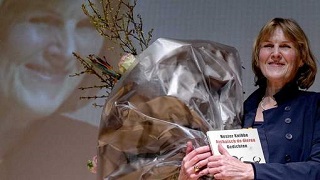
Hester Knibbe (Harderwijk, 6 januari 1946)


De Libanese dichter en romanschrijver Khalil Gibran werd geboren op 6 januari 1883 in Bischarri. Zie ook alle tags voor Khalil Gibran op dit blog.


On Pain

Your pain is the breaking of the shell that encloses
your understanding.

Even as the stone of the fruit must break, that its
heart may stand in the sun, so must you know pain.

And could you keep your heart in wonder at the
daily miracles of your life, your pain would not seem
less wondrous than your joy;

And you would accept the seasons of your heart,
even as you have always accepted the seasons that
pass over your fields.

And you would watch with serenity through the
winters of your grief.

Much of your pain is self-chosen.

It is the bitter potion by which the physician within
you heals your sick self.

Therefore trust the physician, and drink his remedy
in silence and tranquillity:

For his hand, though heavy and hard, is guided by
the tender hand of the Unseen,

And the cup he brings, though it burn your lips, has
been fashioned of the clay which the Potter has
moistened with His own sacred tears.


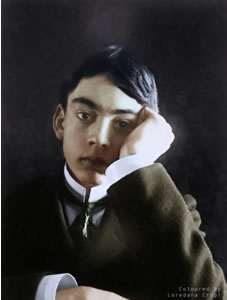
 1860279-2586452d6bc6c54d8a725dbddabe96a0.jpg
Khalil Gibran (6 januari 1883– 10 april 1931)
Foto door F. Holland Day, ca. 1896 ~ Ingekleurd door Loredana Crupi


De Franse schrijver Romain Sardou werd geboren op 6 januari 1974 in Boulogne-Billancourt. Zie ook alle tags voor Romain Sardou op dit blog.

Uit:Pardonnez nos offenses

“Haquin résuma sommairement l’histoire des Pères de l’Eglise qui charpentèrent la pensée chrétienne. Ils étaient tous de formation hellénique. Après leur conversion à Jésus, ils s’appliquèrent à « reformuler » les grands systèmes philosophiques grecs selon une terminologie de chrétiens, éclairés par leur foi nouvelle et enrichis de l’expérience du Christ. Ce labeur, qui nécessita des générations d’études, fut une épreuve intellectuelle sans égal. Les assimilations, souvent improbables, ne manquèrent pas de révéler des « erreurs » chez les philosophes antiques comme des « lacunes graves » dans le dogme chrétien en plein essor. L’œuvre de Saint-Augustin, par exemple, se constitua sur la christianisation de la pensée de Platon. Entre les lignes, entre les Idées, au détour d’un doute de Socrate, le grand évêque d’Hippone retrouvait les valeurs, les choix et les messages édictés farouchement par l’Eglise. De la même façon, beaucoup d’auteurs antiques se retrouvèrent chrétiens sans avoir jamais connu le Fils. Ceux qui résistaient à tout rapprochement étaient simplement mis à l’index, considérés comme inexacts ou hérétiques.
- C’est du reste une époque très intéressante que nous vivons en ce moment, ajouta Haquin. L’Eglise s’est longtemps contentée de sa victoire exceptionnelle sur le platonisme, sans se soucier du premier de ses adversaires : l’école d’Aristote, le disciple même de Platon.
(…)

Depuis lors, continua Haquin, nous essayons de faire avec Aristote ce qu’Augustin et les Pères ont fait avec Platon. Malheureusement, la pensée d’Aristote est autrement plus complexe et plus éloignée de nous que celle de son aîné. Elle est presque en tous points opposée aux fondamentaux de notre foi.
— Alors pourquoi s’en soucier ? demanda Chuquet. Faisons comme avec les autres penseurs antiques non retenus par nos Pères ignorons-là. Nous pouvons déclarer qu’Aristote est un hérétique, et vivre sans lui comme nous l’avons déjà fait. N’a-t-on pas écarté des textes de l’évangéliste Jean ? »


 1860279-70c2908df041df7d1a24af1007aeb6a3.jpg
Romain Sardou (Boulogne-Billancourt, 6 januari 1974)


De Amerikaanse dichter Carl Sandburg werd geboren op 6 januari 1878 in Galesburg, Illinois. Zie ook alle tags voor Carl Sandburg op dit blog.


Fog

The fog comes
on little cat feet.

It sits looking
over harbor and city
on silent haunches
and then moves on.


Timesweep

I was born in the morning of the world,
So I know how morning looks
morning in the valley wanting,
morning on a mountain wanting.
Morning looks like people look,
like a cornfield wanting corn,
like a sea wanting ships.
Tell me about any strong, beautiful wanting,
And there is your morning, my morning,
everybody's morning.


Mascots

I will keep you and bring hands to hold you against a great hunger.
I will run a spear in you for a great gladness to die with.
I will stab you between the ribs of the left side with a great love worth remembering.


 1860279-cfb472bc771dd2526f67f4280dd22882.jpg
Carl Sandburg (6 januari 1878 - 22 juli 1967)
Portret door William Arthur Smith, 1961


De Duitse schrijver Jens Johler werd geboren op 6 januari 1944 in Neumünster. Zie ook alle tags voor Jens Johler op dit blog.

Uit:Ein Essen bei Viktoria

„Es war eine Nichtigkeit, die dazu führte, daß ich mich mit Erasmus überwarf. Es ging um einen Dollar.
Wie ist es möglich, fragte ich mich damals, daß zwei Freunde wie wir, und noch dazu auf einer solchen Reise, einer Amerikareise, sich wegen eines Dollars in die Haare kriegen? Inzwischen glaube ich zu wissen, woran es lag. Ich glaube, es lag. daran, daß wir keine Freunde waren. Erasmus hatte das immer behauptet, ich hatte ihm nur nicht geglaubt. Aber hatte er es selbst geglaubt? Und wenn ja, wieso ist er mit mir nach Amerika gefahren? Schon als er mir die Reise vorschlug, hätte ich wissen müssen, daß es schiefgehen würde. Es mußte schiefgehen. Wenn man so über die Menschen redet wie Erasmus, dann muß man ihnen aus dem Wege gehen und darf mit ihnen nicht verreisen. Man dürfte nicht einmal mit ihnen essen gehen.
Wir gingen häufig miteinander essen. Es gab niemanden, mit dem ich das so gern tat wie mit Erasmus. Nicht, weil wir beide Gourmets wären, ich bin kein Gourmet. Ich esse, was auf den Tisch kommt. Es gibt zwar Speisen, die ich aus irgendeinem Grunde nicht mag, aber die kommen auch nicht auf den Tisch, weil ich sie nicht bestelle. Austern, Schnecken, Kutteln oder Hirn bestelle ich nicht, so sehr auch andere davon schwärmen mögen. Auch zu Kaviar habe ich nie einen Zugang finden können. Ich weiß nicht, was Erasmus von Kaviar hält, ich habe ihn nie gefragt, aber ein Gourmet ist er auch nicht. Ihm schmeckt nämlich alles. Was für ein Vergnügen, mit ihm zu essen! Sein immer guter Appetit steckt einen an, er futtert drauflos wie ein Weltmeister und strahlt dabei eine Lebensfreude aus, um die man ihn beneidet.“


 1860279-378d1e63e55f19438d2d6e7dec8c4a87.jpg
Jens Johler (Neumünster, 6 januari 1944)


De Amerikaanse schrijver Edgar Laurence Doctorow werd geboren op 6 januari 1931 in New York. Zie ook alle tags voor E. L. Doctorow en alle tags voor EL Doctorow op dit blog.

Uit: Ragtime

“His life was absurd. He went all over the world accepting all kinds of bondage and escaping. He was roped to a chair. He escaped. He was chained to a ladder. He escaped. He was handcuffed, his legs were put in irons, he was tied up in a strait jacket and put in a locked cabinet. He escaped. He escaped from bank vaults, nailed-up barrels, sewn mailbags; he escaped from a zinc-lined Knabe piano case, a giant football, a galvanized iron boiler, a rolltop desk, a sausage skin. His escapes were mystifying because he never damaged or appeared to unlock what he escaped from. The screen was pulled away and there he stood disheveled but triumphant beside the inviolate container that was supposed to have contained him. He waved to the crowd. He escaped from a sealed milk can filled with water. He escaped from a Siberian exile van. From a Chinese torture crucifix. From a Hamburg penitentiary. From an English prison ship. From a Boston jail. He was chained to automobile tires, water wheels, cannon, and he escaped. He dove manacled from a bridge into the Mississippi, the Seine, the Mersey, and came up waving. He hung upside down and strait-jacketed from cranes, biplanes and the tops of buildings. He was dropped into the ocean padlocked in a diving suit fully weighted and not connected to an air supply, and he escaped. He was buried alive in a grave and could not escape, and had to be rescued. Hurriedly, they dug him out. The earth is too heavy, he said gasping. His nails bled. Soil fell from his eyes. He was drained of color and couldn't stand. His assistant threw up. Houdini wheezed and sputtered. He coughed blood. They cleaned him off and took him back to the hotel. Today, nearly fifty years since his death, the audience for escapes is even larger.”


 1860279-c024d11c8c5c8d81b0b566b7a2e01245.JPG
E. L. Doctorow (6 januari 1931 – 21 juli 2015)


Zie voor nog meer schrijvers van de 6e januari ook mijn blog van 6 januari 2015 en ook mijn blog van 6 januari 2014 en eveneens mijn blog van 6 januari 2013 deel 2.

Geschreven door Romenu om 10:47 Reageer op dit bericht

Benedikt Livshits

De Russische dichter, schrijver en vertaler Benedikt Konstantinovich Livshits werd geboren op 6 januari 1887 in een ​​geassimileerd joods gezin in Odessa. Hij studeerde rechten aan de Universiteit van Novorossia en vervolgens naar de universiteit van Kiev, waar hij afstudeerde in 1912. Hij werd opgeroepen voor het Russische leger en diende in het 88ste Infanterie Regiment. In 1914 werd hij opnieuw opgeroepen en diende bij de infanterie tijdens Wereldoorlog I, waarvoor hem het het kruis van St. George werd verleend. Zijn eerste dichtbundel werd in 1909 gepubliceerd in een Bloemlezing van de moderne poëzie (Kiev) In 1910 werkte hij voor symbolistische kunsttijdschrift Apollon van Sergei Makovsky. Samen met Wladimir Burliuk, David Boerljoek, Vladimir Majakovski, Vasily Kamensky en Alexandra Exter was hij lid van de Futuristische groep Gilea. In 1933 publiceerde hij een boek met memoires “De anderhalf-ogige boogschutter”, dat wordt beschouwd als een van de beste geschiedenissen van het Russische Futurisme. In 1934 verscheen een groot boek met vertalingen van Franse poëzie, Van romatiek tot surrealisme. In 1937, tijdens de Grote Zuivering, werd hij gearresteerd en op 21 september 1938 geëxecuteerd als een "vijand van het volk". Zijn dossier werd vervalst om te verklaren dat hij stierf aan hartfalen op 15 mei 1939.


Palace Square

Hooves in the air, and the arch
Of a scarletstoned throat,
And the fatal firepool
Of buildings drugged on sunset:

Foreigners expelled
From the kingdom of crimson
Must burst from the flame of the palace
Like black solar flares.

Not the color of a jellyfish
But a heart gushing blood
Lies on the circular plaza:
Let no one judge the widow's fate.

And what Russian wouldn't understand
What heart lies in the grey body,
When the column's sovereign flight
Is but the axle of a cruel carousel?

Your murmurs alone, Neva,
Like a splashing that pleases her little,
The proud widow cherishes
Under the bloodless dome of Headquarters:

By morning the herald will dash into
The marine lilac, the grey break,
And the golden iris of the Admiralty
Will bloom at last.


 1865707-966d0889df45d2f172c22f6f6aa92bb8.png
Benedikt Livshits (6 januari 1887 - 21 september 1938)


Geschreven door Romenu om 00:00 Reageer op dit bericht

Umberto Eco, Peter Zingler, Paul Ingendaay, Ngũgĩ wa Thiong'o, László Krasznahorkai, Luisa Futoransky, Forough Farokhzad

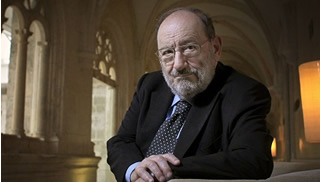
De Italiaanse schrijver Umberto Eco werd geboren op 5 januari 1932 in Allasandria. Zie ook alle tags voor Umberto Eco op dit blog.

Uit: The Mysterious Flame of Queen Loana (Vertaald door Geoffrey Brock)

„Yet every so often it was as if I had opened my eyes and were seeing flashes. I could hear voices: "Strictly speaking, Signora, it isn't a coma....No, don't think about flat encephalograms, for heaven's sake....There's reactivity...."
Someone was aiming a light into my eyes, but after the light it was dark again. I could feel the puncture of a needle, somewhere. "You see, there's withdrawal..."
Maigret plunges into a fog so dense that he can't even see where he's stepping....The fog teems with human shapes, swarms with an intense, mysterious life. Maigret? Elementary, my dear Watson, there are ten little Indians, and the hound of the Baskervilles vanishes into the fog.
The gray vapor was gradually losing its grayness of tint, the heat of the water was extreme, and its milky hue was more evident than ever...And now we rushed into the embraces of the cataract, where a chasm threw itself open to receive us.
I heard people talking around me, wanted to shout to let them know I was there. There was a continuous drone, as though I were being devoured by celibate machines with whetted teeth. I was in the penal colony. I felt a weight on my head, as if they had slipped the iron mask onto my face. I thought I saw sky blue lights.
"There's asymmetry of the pupillary diameters."
I had fragments of thoughts, clearly I was waking up, but I could not move. If only I could stay awake. Was I sleeping again?
Hours, days, centuries?
The fog was back, the voices in the fog, the voices about the fog. Seltsam, im Nebel zu wandern! What language is that? I seemed to be swimming in the sea, I felt I was near the beach but was unable to reach it. No one saw me, and the tide was carrying me away again.”
 

 1860074-14143b12095bd65686a92874b9a362fe.jpg
Umberto Eco (Allasandria, 5 januari 1932)


De Duitse schrijver en scenarist Peter Zingler werd geboren op 5 januari 1944 in Chemnitz. Zie ook alle tags voor Peter Zingler op dit blog.

Uit: Im Tunnel

“Die Vorfreude gilt als die schönste Freude, weil man sich auf etwas freut, was es eventuell nicht gibt, aber dennoch die Phantasie beflügelt.
Niemand, aber auch niemand, weder der Papst noch der Dalai Lama oder irgendeiner dieser Gottesvertreter, Gurus, Wahrsager, Sternedeuter oder Esoteriker kann voraussagen, was das Leben in der nächsten Stunde für einen bereithält. Und auch ein Bauer weiß nur: Wenn der Hahn kräht auf dem Mist, ändert sich das Wetter oder es bleibt, wie es ist.Natürlich versuchen Menschen, seitdem es sie gibt, in die Zukunft zu schauen. Alleine aus Angst, dass sich etwas zusammenbraut, was gefährlich werden könnte. Auch Paul hatte diese Angst, als ihm morgens um sechs, beim Frühstück auf dem Gefängnisflur der Abteilungsbeamte die erwarteten Worte zurief: »Zakowski, schon gepackt? Gleich geht’s zur Kammer, Sie werden heute entlassen.« Er grinste dabei. Das sollte wohl bedeuten, dass auch er sich freute, einen wie Paul von der Abteilung wegzukriegen. Aber was auch immer der Beamte wirklich dachte, interessierte niemanden, höchstens seine Frau, wenn er denn eine hatte.
Natürlich hatte Paul gepackt, obwohl er allen Regularien gemäß gar nicht hätte entlassen werden dürfen. Das war ihm klar, und deshalb hatte er sich schon einige Tage lang mit Vorhersagen beschäftigt, die ihm natürlich vor allem Schlaflosigkeit einbrachten. Was war passiert?
Vor einer Woche, am 23. Dezember, hatte ihm doch tatsächlich ein Richter der Vollstreckungskammer Darmstadt den Rest seiner zweijährigen Haftstrafe des Landgerichts München zur Bewährung ausgesetzt. Üblicherweise dauert es eine Woche, bis ein solcher Beschluss rechtskräftig wird, um der Staatsanwaltschaft Gelegenheit zu geben, Einspruch einzulegen. Doch bisher war nichts geschehen.“


 1860074-b31cb11f7e30fd694047c48cc651f46a.jpg
Peter Zingler (Chemnitz, 5 januari 1944)


De Duitser schrijver, criticus en literatuurwetenschapper Paul Ingendaay werd geboren op 5 januari 1961 in Keulen. Zie ook alle tags voor Paul Ingendaay op dit blog.

Uit: Warum du mich verlassen hast

„Wahrscheinlich hätte Tilo gesagt: Mann, bist du bescheuert? Und Motte hätte gesagt: Hast du sie noch alle? Brauchst du Hilfe?
Mann, damals hätte ich Hilfe gebrauchen können. Damals hatten wir gegen alle Zweifel das Abendgebet, aber es war zu wenig, fand ich.
Jeden Abend mußten wir in den Gruppenraum kommen, und wenn alles besprochen und geregelt, wenn das bißchen Lob und die große Menge Tadel ausgeteilt waren, die unser Tag so mit sich brachte, dann beteten wir alle zusammen immer dieselben Zeilen, ein verdammter kleiner Kinderchor mit fiepsigen Stimmen und weit aufgerissenen Augen: Hab ich Unrecht heut getan, sieh es, lieber Gott, nicht an. Und am Ende: Deine Gnad und Jesu Blut macht ja allen Schaden gut.
Später lernte ich, daß es machen heißen müßte. Machen allen Schaden gut. Plural. Da seht ihr, was für einer ich war. Ich kümmerte mich um so einen blöden Grammatikfehler, während mein Leben in den Abgrund rauschte und das Leben meiner Eltern gleich dazu. So ein Idiot war ich. Ein Arsch, dersich immer um die falschen Sachen kümmerte.
Plötzlich hatte der Drache sein Aussehen verändert. Schwester Gemeinnutz trug jetzt eine Brille mit blaugetönten Gläsern, ein scheußliches Ding. Sie drehte in der Luft immer noch ihre Runden, als müßte sie nie landen oder sich ausruhen oder ins Bett gehen, und ihre Kaninchenlippen hörten gar nicht mehr auf zu mümmeln.“


 1860074-af6e06fa79cefae4df8dbcd2fa6c4162.jpg
Paul Ingendaay (Keulen, 5 januari 1961)


De Keniase schrijver Ngũgĩ wa Thiong'o werd geboren op 5 januari 1938 in Kamiriithu, Limuru, Kenia. Zie ook alle tags voor Ngũgĩ wa Thiong'o op dit blog.

Uit: Träume in Zeiten des Krieges (Vertaald door Thomas Brückner)

„Der Nachhauseweg verlief meistens gemächlicher, nur für die Kinder nicht, die aus Ndeiya oder Ngeca kamen und zehn Meilen oder mehr vor sich hatten. Außerdem war es besser, sich die Zeit bis zum Abendbrot, dessen Regelmäßigkeit alles andere als gesichert war, auf der Straße zu vertreiben, und so den Arbeiten im Haushalt und im heimatlichen Gehöft zu entgehen.
Mein Klassenkamerad Kenneth und ich waren damals ganz gut darin, die Zeit totzuschlagen, vor allem, wenn wir über den letzten Hügel stiegen, der uns von zu Hause trennte. Am Fuß des aufsteigenden Hangs beginnend, kickte jeder einen Ball, meist einen Sodom-Apfel, rücklings über den Kopf hangaufwärts. Der nächste Kick erfolgte von der Stelle, an der der Ball beim ersten Mal gelandet war. Und so ging es weiter im Wettstreit, wer zuerst die Kuppe erreichte. Das war weder die leichteste noch die schnellste Art, dorthin zu gelangen, aber sie hatte den Vorteil, dass wir darüber die Welt vergaßen. Inzwischen waren wir aber zu groß für solche Spiele und außerdem gab es nichts, was unsere Aufmerksamkeit so fesseln konnte wie eine Geschichte.
Oft drängten wir uns um denjenigen, der erzählte, und wenn er es richtig gut konnte, war er sofort unser erklärter Held. Manchmal, wenn wir drängelten, um so nahe wie möglich am Erzähler zu sein, schob ihn die eine Gruppe sacht vom Weg; die andere Gruppe hielt dagegen und drängte ihn auf die andere Seite, sodass die ganze Meute wie eine Schafherde mäanderte.
An diesem Abend war es, abgesehen vom Weg, den wir wählten, nicht anders. Von der Kĩnyogori School in mein Heimatdorf, Kwangũgĩ oder Ngamba, und seine Umgebung nahmen wir normalerweise einen Pfad, der sich über mehrere Hügel und durch verschiedene Täler schlängelte. Aber wenn man einer Geschichte lauschte, achtete man nicht auf die Hügel und die Felder mit Mais, Erbsen, Kartoffeln und Bohnen, die alle von Akazien oder Hecken aus Kei-Äpfeln oder grauen Dornenbüschen gesäumt wurden.“


 1860074-8bd39b3233e48eeb383f37214bf451f5.jpg
Ngũgĩ wa Thiong'o (Kamiriithu, 5 januari 1938)


De Hongaarse schrijver László Krasznahorkai werd geboren op 5 januari 1954 in Gyula. Zie ook alle tags voor László Krasznahorkai op dit blog.

Uit:War and War (Vertaald door George Szirtes)

“...and it really was extremely sudden, the way it struck him that, good heavens, he understood nothing, nothing at all about anything, for Christ's sake, nothing at all about the world, which was a most terrifying realization, he said, especially the way it came to him in all its banality, vulgarity, at a sickeningly ridiculous level, but this was the point, he said, the way that he, at age 44, had become aware of how utterly stupid he seemed to himself, how empty, how utterly blockheaded he had been in his understanding of the world these last 44 years, for, as he realized by the river, he had not only misunderstood it, but had not understood anything about anything, the worst part being that for 44 years he thought he had understood it, while in reality he had failed to do so; and this in fact was the worst thing of all that night of his birthday when he sat alone by the river, the worst because the fact that he now realized that he had not understood it did not mean that he did understand it now, because being aware of his lack of knowledge was not in itself some new form of knowledge for which an older one could be traded in, but one that presented itself as a terrifying puzzle the moment he thought about the world, as he most furiously did that evening, all but torturing himself in an effort to understand it and failing, because the puzzle seemed ever more complex and he had begun to feel that this world-puzzle that he was so desperate to understand, that he was torturing himself trying to understand, was really the puzzle of himself and the world at once, that they were in effect one and the same thing, which was the conclusion he had so far reached, and he had not yet given up on it, when, after a couple of days, he noticed that there was something the matter with his head.”


 1860074-6692cc61279b0e82e1e1c567fcfe67a1.jpg
László Krasznahorkai (Gyula, 5 januari 1954)


De Argentijnse dichteres en schrijfster Luisa Futoransky werd geboren op 5 januari 1939 in Buenos Aires. Zie ook alle tags voor Luisa Futoransky op dit blog.

Uit: The Formosa

“To rub the coal from on top of the cloth gave a shiver like that we’d later discover precisely by writing, with the side of the chalk on the blackboard. Much later dentists would put together that collection of complicated, atavistic, radical sensations and gather them under the awkward common denominator of neuralgia. I throw into that crater so the echo will return it to me a hundredfold the rough memory of the coalman’s loaded back, smudged from head to foot. Also his pavement, covered with iridescent black dust, where pressing with determination I left my footprints that still wait like prisoners to be liberated, but for such an arduous task you need to find first the mary janes.
On one side we came from five children--a number that must have been a commonplace among immigrants if not it wouldn’t have passed so naturally into the tango there were five children and she was a saint--and the ship Formosa. The other branch I know little about, though every so often someone appears who calls me or whom I call from some phonebook in the world or we write to each other somewhat cautiously by e-mail and I pretend or they pretend wittily or wisely that we’re related because according to him or her they came to the United States or to Brazil from Odessa and we’re named almost, almost the same. Or from Kichinev. From Podolia. From Moldavia, Bessarabia, Transylvania, from around there. Questioned eagerly, Mama says:
“Whew, child. It happened so long ago, who wants to remember that.”


 1860074-d906d336da0e9ad466bd69555d13dff8.jpg
Luisa Futoransky (Buenos Aires, 5 januari 1939)


De Iraanse dichteres Forough Farokhzad werd geboren op 5 januari 1935 in Teheran. Zie ook alle tags voor Forough Farokhzad op dit blog.


Age seven (Fragment)

After you,
we betrayed each other
after you,
we cleansed your memories
by lead particles and splattered blood-drops
off of the plastered temples of alley walls.

after you
we went to the squares
and shouted:
'long live...
and down with....'

and in the clamor of the square
we applauded the little singing coins
which had insidiously come to visit our town.

After you,
us: each other's murderers,
judged love
and while our hearts were anxious in our pockets,
we judged love's share.

After you
we resorted to cemeteries and death was breathing under the grandmother's veil
and death
was that corpulent tree
which the living of this side of the 'origin'
would tie their desire-thread to its weary branches
and the dead of the other side of the 'end'
would paw at its phosphorous roots
and death
was sitting on that sacred mausoleum which had four blue tulips
abruptly lighting up at its four corners.

the sound of the wind is coming
Aah, age seven.

I rose up and drank water
and suddenly recollected how the plantations of your youth
became agitated by the swarm of crickets.

how much must one pay?
how much for the growth of this cemented cubicle?

We lost everything we must have lost
we started treading without a lantern
and moon
moon
the kind Feminine
was always there
in the childhood memories of a clay and straw rooftop
and above the young plantations
dreading the swamp of crickets.

How much must one pay?......


Vertaal door Leila Farjami


 1860074-adcf68c6d09a2e6237a5a2b7e71dc8bf.jpg
Forough Farokhzad (5 januari 1935 – 13 februari 1967)


Zie voor nog meer schrijvers van de 5e januari ook mijn blog van 5 januari 2014 deel 1 en ook deel 2 en eveneens deel 3.


Geschreven door Romenu om 18:24 Reageer op dit bericht

Joris van Casteren

De Nederlandse schrijver, dichter en journalist Joris van Casteren werd geboren in Rotterdam op 5 januari 1976. Hij studeerde aan de Utrechtse School voor Journalistiek en later filosofie aan de Universiteit van Amsterdam. Op jonge leeftijd was hij werkzaam bij regionale kranten als Dagblad Flevoland en de Zwolse Courant. Daarna werd hij redacteur bij het weekblad De Groene Amsterdammer, alwaar hij tot september 2002 in dienst bleef. Bij De Groene verwierf hij zich een reputatie met grote reportages. In 1999 reisde hij naar Nigeria, waar hij vier reportages schreef die later gebundeld werden in Redactie binnenland (2001), een met de Dick Scherpenzeelprijs 1999 onderscheiden Groene-reeks. Van Casteren was medewerker van NRC Handelsblad en tot 2006 redacteur bij Vrij Nederland. In 2004 won hij het Gouden Pennetje voor zijn reportages. Hij schreef voor Hollands Diep, en schrijft nu als freelancer voor onder andere HP de Tijd, nrc.next en De Correspondent Naast zijn werkzaamheden als journalist was Van Casteren redacteur van de Poëziekrant en publiceerde hij gedichten in onder meer Maatstaf en Passionate. Zijn poëzie werd onder meer gebloemleesd in “De 100 beste gedichten van 2001” en in “Nederlandse poëzie van de 19de t/m de 21ste eeuw” (2004) van Gerrit Komrij. Begin september 2010 werd hij door enkele inwoners van Lelystad aangeklaagd wegens belediging naar aanleiding van het deels autobiografische “Lelystad” (2008), dat werd genomineerd voor de AKO Literatuurprijs 2009. In 2011 verscheen zijn nieuwe non-fictie boek, “Het zusje van de bruid”, over zijn mislukte liefdesrelatie met een drugsverslaafd borderline-meisje. In 2013 verscheen het boek 'Het been in de IJssel', waarin Van Casteren op zoek gaat naar de eigenaar van een linker onderbeen dat ter hoogte van Wijhe in de rivier werd gevonden door een visser. Het boek werd genomineerd voor de Bob den Uyl-prijs

Uit: Lelystad

“Onze systeemwoning in de Gondel was van witte baksteen. Er stond een oranje puntdak op dat doorliep tot vlak boven de grond. Door dat puntdak hadden bijna alle kamers in het huis schuine muren. Ook de ramen liepen schuin af. Het was lastig om gordijnen op te hangen.
Deze vreemde rijtjeshuizen stonden in een hofje dat met nummer 34 werd aangeduid. Auto’s konden niet bij de huizen komen, die moesten vooraan op een parkeerplaats
blijven staan.
Om variatie in de eenvormige woningen aan te brengen versierden bewoners hun gevels met frivole objecten: hoefijzers, wagenwielen of beschilderde klompen met bloemetjes erin. De een legde een recht voetpad in zijn voortuin aan, de ander gebruikte brokken lavasteen.
Voor ons huis was een vierkant pleintje met een klimrek. Onder het klimrek lagen rubberen tegels. Er stonden twee jongens op het pleintje. De een had een bril, de ander zwarte krullen. Ze keken hoe wij onze spullen van de parkeerplaats naar het huis tilden.
Ik kreeg een kamer aan de achterkant. De muur was schuin en het raam was schuin. Zonlicht viel in vreemde vlakken binnen. Als ik uit het raam keek, zag ik een fietspad, een grasveld, rozenbottelstruiken, een verzamelplaats voor rolcontainers en de parkeerplaats van het hofje aan de overzijde.
Mijn vader hielp ons verhuizen. In een werkoverall zat hij op zijn knieën op de betonnen vloer. Hij legde wit nopjeszeil in mijn kamer en timmerde een degelijk bureau
in elkaar. De nieuwe vriendin van mijn moeder hielp ook met verhuizen. Ze heette Gemma. Ze had grijs haar, zware borsten en een bril met een touwtje. ‘Jongens,
jongens,’ zei ze als ze iets zwaars tilde.
Mijn moeder was Gemma tegengekomen in het vrouwentrefcentrum toen het uitging met Jacobien Borst. Gemma reed in een deux-chevaux en droeg vaak een rieten mandje. In het rieten mandje zaten kaas en melk, die ze kocht bij het Nationaal Geiten Centrum, een biologische geitenboerderij aan de rand van Lelystad.
Gemma woonde in een goede buurt in het oosten van de stad. Ze was van haar man gescheiden toen ze ontdekte dat ze op vrouwen viel. Na de scheiding stierf de man aan een longkwaal. Mijn vader vond het niet raar dat mijn moeder een relatie met een vrouw had. ‘Ik heb daar niet echt een oordeel over,’ zei hij op een keer tegen mij.”


 1979432-227c641dbb24fdfad6903fcd7de14b68.jpg
Joris van Casteren (Rotterdam, 5 januari 1976)

Geschreven door Romenu om 00:00 Reageer op dit bericht

Xu Xiake

De Chinese schrijver Xu Xiake werd geboren op 5 januari 1587 in Jiangyin (provincie Jiangsu). Volgens de overlevering moedigde zijn moeder hem aan om te reizen en dit vormde Xu's voorkeuren. Zijn bijnaam is Zhenzhi. Xiake was een alternatieve bijnaam die hem door zijn vriend Chen Jiru werd gegeven en het betekent "iemand die is in wolken van de zonsondergang". Zijn andere vriend, Huang Daozhou gaf Xu een alternatieve bijnaam: Xiayi, hetgeen betekent “Ongebreidelde in de wolken van de zonsondergang". Op zijn reizen door China reisde hij met een bediende genaamd Gu Xing. Hij werd geconfronteerd met vele ontberingen langs de weg, zodat hij vaak afhankelijk was van de bescherming van de lokale geleerden die hem hielpen, wanneer hij weer eens was beroofd van al zijn bezittingen. Lokale boeddhistische abten van de verschillende plaatsen die hij bezocht betaalden hem vaak geld om de geschiedenis van hun plaatselijke klooster op te schrijven. Van de besneeuwde bergpassen van Sichuan, de subtropische jungles van Guangxi en Yunnan tot de bergen van Tibet, schreef Xu Xiake over al zijn ervaringen en leverde daarbij een enorme hoeveelheid schriftelijke details van zijn observaties. Het schriftelijke werk van Xu Xiake, de reisverhalen en dagboeken bevat 404.000 Chinese karakters, een enorm werk voor een enkele auteur van zijn tijd. Xu reisde 30 jaar lang door de provincies van China, vaak te voet, om zijn enorme geografische en topografische verhandeling te schrijven en de verschillende details van zijn reizen te documenteren. In Guizhou ontdekte hij de ware bron van de Xi Jiang (Westrivier). Xu deed ook de belangrijke constatering dat het Jinsha riviernetwerk - en niet de Min of Yalong - de ware bovenloop vormden van de Yangtze-rivier, en corrigeerde zo een oude fout in de Chinese geografie. De verslagen van zijn reizen werden postuum gebundeld in de Reisdagboeken van Xu Xiake, en zijn werk werd vertaald door Ding Wenjiang. Xu's werk valt onder de oude Chinese literaire categorie 'reisdagboek literatuur'. 
 

Uit: The Travel Diaries of Xu Xiake

“After spending a long period in a malarial region, my head and limbs were covered in spots which gathered up in piles in the folds of my skin, while my left ear and left foot twitched from time to time. Two weeks before, I had thought it was a parasite but in fact there was none. When I arrived here, I knew it was feng, and that I was suffering from a lack of medicine. The water in this hot spring was deep and simmering with medicinal herbs, so I soaked and steamed myself for a long time. The sweat poured off me like rain. This was an excellent way of curing feng: having had the good fortune to come across this hot spring so suddenly, I knew there was a good chance of clearing up my illness.
(…)

The celebrated white pine is in the court at the rear of the temple. Legend has it that the three maidens shed their mortal bodies here. It takes four people with outstretched arms to surround the mighty trunk of this pine, from which three huge branching trunks shoot clear up out of a circle of stone railings into the clouds. The bark is as smooth as congealed lard and its whiteness is like face powder. To the north is a pavilion with poems of appreciation written all over it, and there I lingered a long while. Looking down where the gorge makes an abrupt drop, I saw water dripping from an overhanging crag.”
(…)

I returned to the temple for meal. And after it, I looked for a raft to cross a stream. Walking along the stream at the foot of the mountain, I found steep cliffs and overhanging rocks all around about with trees and vines twisting and droopling on them, most of which were crabapples andd redbuds. They cast their shadows down over the stream. Gusts of winds blew over, giving out fragrance of magnolias.
Before I realized it that I had come to the entrance to the mountain. The rocks upward straightly came out of the bottom of the stream, with torrent deep running swiftly. There saw no land around them. Holes which could only hold half of a man’s toes had been bored on the rocks so that travelers could cilmb up easily. With my back bent, I began to climb up with great great horror."


 1910112-055b3fefe8195b7e987079577eb807e7.jpg
Xu Xiake (5 januari 1587 - 8 maart 1641)

Geschreven door Romenu om 00:00 Reageer op dit bericht

Gao Xingjian, David Berman, Emil Zopfi, Hellmuth Karasek, Fernand Handtpoorter, Andreas Altmann

De Chinese schrijver Gao Xingjian werd geboren op 4 januari 1940 in Ganzhou, in de provincie Jiangxi. Zie ook alle tags voor Gao Xingjian op dit blog.

Uit: Buying a Fishing Rod for my Grandfather (The Temple, Vertaald door Mabel Lee)

“We were deliriously happy: delirious with the hope, infatuation, tenderness, and warmth that go with a honeymoon. Fangfang and I had planned the trip over and over, even though we had only half a month off: ten days of wedding leave, plus one week of additional work leave. Getting married is a major event in life, and for us nothing was more important, so why not ask for some extra time? That director of mine was so miserly: anyone who went to him requesting leave had to haggle; there were never instant approvals. The two weeks I had written in my application he changed to one week, including a Sunday, and it was with reluctance that he said, "I'll expect you to be back at work by the due date."
"Of course, of course," I said. "We wouldn't be able to afford the salary deduction if we stayed any longer." It was only then that he signed his name, thereby granting us permission to go on leave.
I wasn't a bachelor anymore. I had a family. I would no longer be able to go off to restaurants with friends as soon as I got paid at the beginning of the month. I wouldn't be able to spend so recklessly that by the end of the month I wouldn't have the money to buy a pack of cigarettes and would have to go through my pockets and search the drawers for coins. But I won't go into all that. I'm saying that I – we – were very happy. In our short lives, there hadn't been much happiness. Both Fangfang and I had experienced years of hardship, and we had learned what life was all about. During those catastrophic years in this country, our families suffered through many misfortunes, and to some extent we still resented our generation's fate. But I won't go into that, either. What was important was that we could now count ourselves happy.
We had half a month's leave, and although it was only half a honeymoon, for us it couldn't have been sweeter. I am not going to go into how sweet it was. You all know about that and have experienced it yourselves, but this particular sweetness was ours alone. What I want to tell you about is the Temple of Perfect Benevolence: "perfect" as in "perfect union," and "benevolence" as in "benevolent love." But the name of the temple is not really of great importance.”


 1859715-d663783796486bd9feb62e7591fd56af.jpg
Gao Xingjian (Ganzhou, 4 januari 1940)


De Amerikaanse dichter, songwriter en frontman van Silver Jews David Berman werd geboren op 4 januari 1967 in Williamsburg, Virginia. Zie ook alle tags voor David Berman op dit blog.


Imagining Defeat

She woke me up at dawn,
her suitcase like a little brown dog at her heels.

I sat up and looked out the window
at the snow falling in the stand of blackjack trees.

A bus ticket in her hand.

Then she brought something black up to her mouth,
a plum I thought, but it was an asthma inhaler.

I reached under the bed for my menthols
and she asked if I ever thought of cancer.

Yes, I said, but always as a tree way up ahead
in the distance where it doesn't matter

And I suppose a dead soul must look back at that tree,
so far behind his wagon where it also doesn't matter.

except as a memory of rest or water.

Though to believe any of that, I thought,
you have to accept the premise

that she woke me up at all.


 1859715-fa052bea8658b1cc7379d3f99cdb2d2a.jpg
David Berman (Williamsburg, 4 januari 1967)


De Zwitserse schrijver Emil Zopfi werd geboren op 4 januari 1943 in Wald. Zie ook alle tags voor Emil Zopfi op dit blog.

Uit: Steinschlag

„Nach einer Stunde fanden sie die Frau. Sie lag auf einem Felsabsatz in der Runse unterhalb des Wegs, den Kopf an der Kante nach hinten geneigt, den Körper ausgestreckt auf abschüssigen Platten. Ihr Gesicht war bleich und unversehrt, die schmalen Lippen blutlos. Eine Haarsträhne klebte auf ihrer Stirn und verdeckte ein Auge. Das andere blickte glasig in den Nebel, der dem Hang entlangstrich.
Andrea hatte sie zuerst gesehen, vom Fusspfad aus, der die Runse an einer abschüssigen Stelle durchquerte. Sie hatte im Nebel einen violetten Farbfleck entdeckt, den Ärmel einer Faserpelzjacke. Es war der linke Arm der Frau, der eigenartig verkrümmt über die Felsbank hinausragte, als habe sie im Sturz ihren Kopf schützen wollen.
Amstad kletterte vorsichtig über glitschigen Fels und nasse Graspolster hinab, Andrea folgte ihm. Er beugte sich über die Frau, die auf dem Felsabsatz lag, als ob sie sich zum Schlafen niedergelegt hätte, ergriff ihr Handgelenk, liess es jedoch gleich wieder los. «Tot. Schon ein paar Stunden.»
Dann strich er ihr die Haarsträhne mit einer fast zärtlichen Bewegung aus dem Gesicht. «Tot. Nichts mehr zu machen.» Er biss sich auf die Lippen, wischte sich mit dem Ärmel seiner Windjacke über die Stirn.
Amstad kannte sich aus. Ein erfahrener Bergführer, seit vielen Jahren Obmann der Rettungskolonne. Es war gewiss nicht die erste Leiche, die er bergen musste. Andrea dagegen hatte noch nie einen toten Menschen gesehen. Sie war oberhalb des Felsabsatzes stehen geblieben, hielt sich an einem Felsblock fest, der aus dem Steilhang vorsprang.“


 1859715-fcd8c7996a987e1aa7e4a7eccd2c1845.jpg
Emil Zopfi (Wald, 4 januari 1943)


De Duitse journalist, schrijver, film- en literair criticus en hoogleraar theaterwetenschap Hellmuth Karasek werd geboren op 4 januari 1934 in Brno, Moravië, Tsjechoslowakije. Zie ook alle tags voor Hellmuth Karasek op dit blog.

Uit:Soll das ein Witz sein?

“Es gibt eine auf den ersten Blick höchst befremdliche Einsicht des großen amerikanischen Erzählers, Humoristen und Satirikers Mark Twain. Sie lautet: »Im Himmel wird nicht gelacht.“
Wie bitte? Ist das nicht eine extrem abtörnende Vorstellung, dass an dem Ort, den wir uns als den schönsten vorstellen, als den absoluten Gegenpol zur Erde, dem irdischen Jammertal und dem Anti-Ort zur Hölle, wo nach allen Vorstellungen per- manente Folterqualen herrschen, Sünder die furchtbarsten, vor allem nie endenden Strafen erleiden, dass also in der hellsten, heilsten, friedvollsten, heitersten aller möglichen Welten, eben im Himmel, nicht gelacht wird. Ausgerechnet dort, wo wir die größte Heiterkeit erwarten!
Nun könnten Agnostiker die Achseln zucken und sagen: So what! Was soll’s! Da es den Himmel ohnehin nicht gibt und wir infolgedessen auch nicht dorthin kommen können, ist es uns egal,ob dort gelacht wird oder nicht.Wir werden uns höchstens darüber streiten, wenn wir uns darüber keine Gedanken mehr machen können.
Denn wir leben ja auf der Erde, die das Gegenteil zum Himmel ist, und kommen aus dem Paradies, aus dem wir vertrieben wurden, dank Eva und dank dem verbotenen Apfel, und über diese Vertreibung gibt es eine Schilderung, abseits und jenseits der Bibel, aber auf dieser fußend. Mark Twain schildert in den Tagebüchern von Adam und Eva und in Evas Tagebuch aus zwei Perspektiven, wie wir aus dem Himmel (respektive dem Paradies) auf der Erde gelandet sind.“


 1859715-6e34f31b4468a44b52008d915de0771e.jpg
Hellmuth Karasek (4 januari 1934 - 29 september 2015)


De Vlaamse dichter en (toneel)schrijver Fernand Handtpoorter werd geboren in Poperinge op 4 januari 1933. Zie ook alle tags voor Fernand Handtpoorter op dit blog.


Galilleï

De negen sferen waar mijn wereld uit bestaat
de zingende gewelven en de ether,
er is iets gaande in dit heelal, men wil
de aarde uit het centrum rukken.

Het jaar zal dan geen jaar meer zijn, het licht
zal niet meer met zijn schaduw stroken,
ja zelfs mijn hart wordt uit zijn koers gelicht
en ligt versplinterd en zijn as gebroken.

En jij om mij mijn lief als dingen van een ander,
je rug lag als een bergrug mij ten onder,
wordt dit nu dal en bedding en verval?

Ik wil dat dwaas geluk van mij beveiligen
Met hulp desnoods van paus en heiligen:
De galg staat klaar, de vuren branden al.


 1859715-1f29063f74cc87e5b9ac9251f46bb868.jpg
Fernand Handtpoorter (4 januari 1933 - 5 augustus 2007)
Poperinge 


De Duitse dichter en schrijver Andreas Altmann werd geboren in Hainichen (Sachsen) op 4 januari 1963. Zie ook alle tags voor Andreas Altmann op dit blog.


fabrik gelände

der weg verliert seine spuren unter den sträuchern.
vielleicht bin ich der einzige, der ihn noch geht.

das lockere holz der bäume klopft gegen den wind,
der es verstreut. die nahe fabrik ist geräumt. und

die mauern beginnen, sich ein geheimnis zu suchen.
es wird erzählt, sie haben maschinen im see versenkt.

und sein eis hätte im winter rost angesetzt.
viele, die hier gearbeitet haben, sind schon tot.

es gibt einen zaun, der an höhe verloren hat
und nur noch ein wort aus der vergangenheit ist.

die warnenden schilder wurden entfernt. ich bekomm
ihren text nicht mehr zusammen. nur einige schrauben,

durch die sie befestigt waren, stecken gebogen im loch.
die geräusche des windes entfremden sich hier.

erst an den resten des zaunes hab ich bemerkt, daß sich
der weg nur um die fabrik drehte und eigentlich keinen

ausgang hatte, wenn man sich einmal auf ihm befand.


 1859715-e6b409912e2e842329216f26b378dda8.jpg
Andreas Altmann (Hainichen, 4 januari 1963)


Zie voor nog meer schrijvers van de 4e januari ook mijn blog van 4 januari 2015 deel 1 en eveneens deel 2 en deel 3.

Geschreven door Romenu om 18:02 Reageer op dit bericht

Peter Ghyssaert, J.R.R. Tolkien, Marie Darrieussecq, Alex Wheatle, Jean Muno, Cicero, Drieu la Rochelle

De Vlaamse dichter Peter Ghyssaert werd geboren op 3 januari 1966 te Wilrijk. Zie ook alle tags voor Peter Ghyssaert op dit blog.


Elegie

In de schaduw van de avond kwamen dan twee
die vertelden dat zijn vader op sterven lag; hij volgde
hen gedwee. Het licht was vreemd; een tere
groene schijn was in de hemel en stilte regeerde
boven twee die aangenaam verdoofd waren,
hun mededeling ver van hen gedragen en gelost -
en een in wie het stormde als in een versomberd bos.

Zo kwamen zij aan bij een wit gebouw;
de avond vluchtte door de witte deuren
witte gangen in waar het toch donker bleef
en schuin over een kamer stond een raam
waarin het buitenlicht steeds heller scheen
naarmate donkerte hém voorstroomde, hém lostrok
uit dat licht, die fluisterende kamer in.


Léman

Op zondagmiddag, aan de kade van een glasgroen, Zwitsers meer:
het zonlicht als een vijl, de wandelaars spits en schitterend en dui-
ven, imbeciel, altijd verdwaald in kluwens, maar te lui voor angst. Er
dalen trapjes naar het water, lichaam drinkend van zichzelf. Een
kind staat in damp gekleed.

Kom, huiver; klim als een beginner langs het flakkeren rumoer van
duiven naar de koude die ons, nodigend, met zijn gebrek beloont en
ons vergeet.


 1859182-0639eb7f769212b56eb1083ef20314ec.jpg
Peter Ghyssaert (Wilrijk, 3 januari 1966)


De Engelse schrijver J.R.R. Tolkien werd geboren op 3 januari 1892 in Bloemfontein, Zuid-Afrika. Zie ook alle tags voor J.R.R. Tolkien op dit blog.

Uit: The Lord of the Rings (The Hobbit)

“Good morning!” he said at last. “We don’t want any adventures here, thank you! You might try over The Hill or across The Water.” By this he meant that the conversation was at an end.
“What a lot of things you do use Good morning for!” said Gandalf. “Now you mean that you want to get rid of me, and that it won’t be good till I move off.”
“Not at all, not at all, my dear sir! Let me see, I don’t think I know your name?”
“Yes, yes, my dear sir—and I do know your name, Mr. Bilbo Baggins. And you do know my name, though you don’t remember that I belong to it. I am Gandalf, and Gandalf means me! To think that I should have lived to be good-morninged by Belladonna Took’s son, as if I was selling buttons at the door!”
“Gandalf, Gandalf! Good gracious me! Not the wandering wizard that gave Old Took a pair of magic diamond studs that fastened themselves and never came undone till ordered? Not the fellow who used to tell such wonderful tales at parties, about dragons and goblins and giants and the rescue of princesses and the unexpected luck of widows’ sons? Not the man that used to make such particularly excellent fireworks! I remember those! Old Took used to have them on Midsummer’s Eve. Splendid! They used to go up like great lilies and snapdragons and laburnums of fire and hang in the twilight all evening!” You will notice already that Mr. Baggins was not quite so prosy as he liked to believe, also that he was very fond of flowers. “Dear me!” he went on. “Not the Gandalf who was responsible for so many quiet lads and lasses going off into the Blue for mad adventures? Anything from climbing trees to visiting elves—or sailing in ships, sailing to other shores! Bless me, life used to be quite inter—I mean, you used to upset things badly in these parts once upon a time. I beg your pardon, but I had no idea you were still in business.”


 1859182-32019066bfb6096f569b8febf9a7b499.jpg
J.R.R. Tolkien (3 januari 1892 – 2 september 1973)
Scene uit The Hobbit: An Unexpected Journey uit 2012 met Martin Freeman als Bilbo


De Franse schrijfster Marie Darrieussecq werd geboren in Bayonne, Pyrénées-Atlantiques, op 3 januari 1969. Zie ook alle tags voor Marie Darrieussecq op dit blog.

Uit: Zoo

“Quand je me sens très fatiguée le soir, je téléphone au bureau C69, et je demande ma clé pour une heure. Je n’ai le droit de faire ça qu’une fois par mois, alors il faut que je sache si j’en ai vraiment envie, parce qu’après il faut attendre encore un mois.
Il y a des mois où j’aimerais bien le faire plusieurs fois, parfois même, dans les mauvaises périodes, c’est tous les soirs.Mais on n’a pas le droit. On n’est pas très nombreux, juste la génération de 1969, et encore, pas tout le monde vu le taux d’échecs. Mais on n’a pas le droit quand même, ce serait le bazar. Déjà qu’au début ils ne voulaient pas.
C’est l’Association qui a obtenu ça pour nous, à condition qu’on signe un papier comme quoi on refusait de se laisser filmer dans la salle C69. Moi je trouve ça bien comme c’est, sauf le rythme. Une fois par mois ce n’est pas beaucoup, ça oblige à prendre des décisions, à savoir ce qu’on veut, et quand on est très fatigué, quand le travail n’a pas marché et tout ça, moi j’ai envie d’y aller tout le temps.
La plus mauvaise passe c’était l’hiver dernier, quand Romero m’a quittée. C’était horrible, comme j’avais envie d’y aller. À l’hôpital, dans la série de tests qu’on fait sur nous, ils m’ont trouvée très déprimée, ils l’ont noté sur mon carnet et tout, mais pour des séances supplémentaires ce n’était même pas la peine d’y penser. Ils sont très stricts là-dessus.
Je suis en bonne santé. Je pèse cinquante-quatre kilos pour un mètre soixante-sept et demi. Je n’ai pas d’enfants. Je suis bien réglée. Mes analyses d’urine sont bonnes, mon sang est correct, mon encéphalogramme normal. Un tout petit début de scoliose à force de rester sur mon écran toute la journée, mais rien de grave. Et les nerfs un peu atteints, surtout depuis que Romero est parti. Mais bon, on ne peut pas dire que ça aille mal. Mon espérance de vie est mde quatre-vingt-dix-huit ans ils ont calculé, ils disent que c’est la génération petits pots. Je prends un demi-Lexil tous les soirs, j’ai une ordonnance renouvelable pour un an, ils m’ont dit que ça irait très bien comme ça. De moins fumer."


 1859182-84c64b0b946604e9a154a973140f68e9.jpg
Marie Darrieussecq (Bayonne, 3 januari 1969)


De Britse schrijver Alex Wheatle werd geboren op 3 januari 1963 in Londen. Zie ook alle tags voor Alex Wheatle op dit blog.

Uit:Liccle Bit

“It all started two months ago. A normal day at school, if youcan call going to my school normal. The buzzer signalled theend of the last lesson of the day. It was Wednesday. And afterschool on Wednesdays, the girls in my year practise theirstreet-dancing in the gym. So Jonah Hani, McKay Tambo andI ran through the corridors, bumping into other kids andteachers, to try and get the best view through the gym door window. When we arrived, there were two kids from our yearalready in our space. They saw us coming, looked at the sizeof McKay and decided to go missing. As usual, McKay hoggedthe window.‘Get your fat head out of the way, man!’ complained Jonah.‘Give us room, man!’ I moaned. Although I was looking at the back of McKay’s head, I could tell he was grinning. ‘Rest your toes, bredren,’ McKay said. ‘Sweetness is staring at me. Venetia’s lookingripe
,I’mtelling you. Man! Her legs are seriously fit. Believe it!’Using our combined strength, Jonah and I managed toshove McKay aside and take a peep for ourselves. McKay wasn’t wrong. Venetia, dressed in a pink vest and white shorts, was rocking it. The other girls were all looking at her, trying tokeep up with her movements, and man, Venetia could rock.Ms Lane, the street-dancing tutor, was nodding and tapping her feet. Too right she was nodding! Venetia could dancebetter than her!‘Man! If I had ten minutes with Venetia,’ Jonah remarked.‘If you had ten minutes with her you wouldn’t know whatto do, bruv,’ laughed McKay.‘Ten minutes?’ I said. ‘All I need is half of that and she’ll bemy girl! Believe it!’McKay and Jonah collapsed, laughing, and fell to the floorholding their stomachs. ‘You, Bit?’ McKay said.I wasn’t the tallest guy in our year. In fact I was about thesecond shortest. Some girl called me Liccle Bitin Year 7 andit stuck.‘With your Oompa-Loompa height and your slavery days’haircut?’ McKay teased. ‘There’s more chance of Lionel Messiplaying for Crongton Wanderers.’‘OK,’ said Jonah, climbing to his feet. ‘If you think you’re aG, chat to Venetia when she finishes her dance session.’‘Yeah,’ said McKay, pushing me out of the way so he couldlook through the window. ‘I dare you to ask her to link youup.”


 1859182-352024263449dc1cc55f9319bfcb5b58.jpg
Alex Wheatle (Londen, 3 januari 1963)


De Romeinse schrijver, redenaar, politicus, advocaat en filosoof Marcus Tullius Cicero werd geboren in Arpinum op 3 januari 106 v. Chr. Zie ook alle tags voor Cicero op dit blog.

Uit: Vriendschap (Laelius (de amicitia, vertaald door Rogier van der Wal)

“Wij moeten de dingen voor ogen houden die betrekking hebben op het leven van alledag, en ons niet verlaten op theoretische constructies of wensdenken. Nooit zou ik bijvoorbeeld zeggen dat Gaius Fabricius, Marcus Curius en Tiberius Coruncianus, die volgens onze voorouders wijs waren, gemeten naar de maatstaf van de filosofen wijs geweest zijn.* Laten ze daarom de term wijsheid maar voor zich houden, impopulair en ondoorzichtig als die is: laten ze toegeven dat het hoogstaande mannen waren. Maar zelfs dat zullen ze niet doen; ze zullen dat predicaat voorbehouden aan een wijs man.
Daarom gaan we maar verder met ons boerenverstand, zoals de mensen zeggen. Wie moeten we zien als hoogstaande mannen? Zij die zich zo gedragen en zo leven dat hun betrouwbaarheid, integriteit, rechtvaardigheid en vrijgevigheid vaststaan en bij wie er geen enkele hebzucht, genotzucht of arrogantie te vinden is. Mannen met een grote karaktervastheid, zoals de kerels die ik net noemde. Daar gaan ze voor door, en zo moeten we hen ook noemen. Want zij volgen, voor zover mensen dat kunnen, de natuur als beste richtlijn voor het goede leven.
Mij lijkt het duidelijk dat wij mensen zo geboren zijn dat er tussen ons allemaal een nauwe band bestaat, die echter nauwer wordt naarmate iemand ons nader staat. Daarom gaan medeburgers vóór buitenlanders, en verwanten vóór vreemdelingen. Met hen brengt de natuur immers vanzelf vriendschap voort, zij het dat die niet heel stevig is. Vriendschap overtreft namelijk verwantschap omdat je bij verwantschap genegenheid kuntweglaten,maar bij vriendschap niet. Zonder genegenheid kan een relatie geen vriendschap heten, wel verwantschap.”


 1859182-c02d6b60dede9080c131e5cc2bb32832.jpg
Cicero (3 januari 106 v. Chr. – 7 december 43 v. Chr.)
Standbeeld van Jean-Antoine Houdon. 1803. Louvre, Parijs


De Belgische schrijver Jean Muno (pseudoniem van Robert Burniaux) werd geboren in Molenbeek op 3 januari 1924. Zie ook alle tags voor Jean Muno op dit blog.

Uit: Histoires singulières

« – Non. Vraiment, je ne sais plus. Mais ça va me revenir, je vous le promets!
Avec une sorte de gaieté soudaine:
– C’était d’ailleurs sans importance!
Walter monta dans sa chambre. Après avoir pris un morceau à la hâte sur le coin d’une table, il alluma une cigarette, alla s’accouder au balcon. Vue d’ici, du cinquième étage, la rue était une crevasse étroite au fond de laquelle le macadam luisait comme de l’eau croupie.
Pourquoi Mme Blanche ne le traitait-elle pas comme les autres locataires ? Quelle faute avait-il commise? Non seulement elle le tenait à l’écart, mais elle s’attachait à le lui faire sentir. Aujourd’hui, elle avait bien dû l’admettre, quelque chose lui était arrivé, si insignifiant que ce fût, ou quelqu’un était venu pour le voir, mais à cause d’elle, de sa mauvaise volonté, de sa grisâtre indifférence, la journée s’achèverait comme les précédentes, exactement aussi quelconque. Elle le frustrait d’une chance, une fois de plus. « Sans importance », avait-elle dit. Et si c’était tout le contraire ?
Il y avait de nouveau un peu de mouvement au fond de la rue. Walter éprouva, lui aussi, le besoin de sortir. Sans doute espérait-il qu’en repassant devant la loge, il aurait l’occasion de resaluer la concierge et, qui sait ? la chance de lui rafraîchir la mémoire.
Mme Blanche, bien entendu, prit soin de ne pas se montrer, et Walter se retrouva sur le trottoir sans intention précise. Il reprit machinalement le chemin dont il avait l’habitude. Au-delà du fleuve, quelque part dans cet enchevêtrement de façades qui commençaient à se piqueter de lumières, il y avait son bureau, son fauteuil, le classement en cours. Il la voyait d’ici, la grande pièce sans mystère, mais vide de tout bruit, jonchée de pâles taches de lune... »


 1859183-3903818e85ff16c77d20a7463dbcd6dc.jpg
Jean Muno (3 januari 1924 - 6 april 1988)
Cover


De Franse dichter, schrijver en essayist Pierre Eugène Drieu la Rochelle werd geboren op 3 januari 1893 in Parijs. Zie ook alle tags voor Pierre Drieu la Rochelle op dit blog.

Uit: Récit secret

"La littérature est le contraire d'une sérieuse discipline philosophique et religieuse qui veut aller jusqu'à l'ascèse, et par là, acquérir la concentration sur des points de plus en plus imperceptibles."
(…)

« Mes habitudes de pensée n'ont pas changé depuis mon enfance; presque tout mon temps est occupé par des imaginations qui piétinent sans cesse dans les mêmes ornières, ou bien j'imagine le corps d'une belle femme qui tire ses traits de mes divers souvenirs et je me décris mes relations quotidiennes avec elle, selon le mythe d'une liaison réussie et d'un mariage parfait (il entre là-dedans quelques velléités sentimentales...) ou bien j'imagine un appartement, une maison dont je trace tous les détails : telle table, tel lit, ou bien j'imagine tel état politique idéal."
(…)

"J'aurais dû rester dans une sphère "supérieure", ne pas m'engager de temps en temps dans les comparaisons particulières ? Et bien non, je voulais être humain jusqu'au bout et prendre ma part de la merde des opinions partisanes, des fureurs éphémères, des animadversions locales. Oui, je voudrais avoir de la merde aux pieds... Mais pas plus haut."


 1859182-046496a62c57649cf9966b967f15be65.jpeg
Pierre Drieu la Rochelle (3 januari 1893 – 16 maart 1945)
Cover


Zie voor nog meer schrijvers van de 3e januari ook mijn vorige twee blogs van vandaag. 


Geschreven door Romenu om 13:57 Reageer op dit bericht

Henry Handel Richardson, Xavier Orville, Jacob Balde, Wolf von Aichelburg, Elsa Asenijeff, John Gould Fletcher

De Australische schrijfster Henry Handel Richardson (eig. Ethel Florence) werd geboren op 3 januari 1870 in Melbourne. Zie ook alle tags voor Henry Handel Richardson op dit blog.

Uit:The Getting of Wisdom

“And Laura? ... In Laura's case, no kindly Atropos snipped the thread of her aspirations:these, large, vague, extemporary, one and all achieved fulfilment; then withered off to make room for more. But this, the future still securely hid from her She went out from school with the uncomfortable sense of being a square peg, which fitted into none of the round holes of her world; the wisdom she had got, the experience she was richer by, had, in the process of equipping her for life, merely seemed to disclose her unfitness. She could notthen know that, even for the squarest peg, the right hole may ultimately be found; seeming unfitness prove to be only another aspect of a peculiar and special fitness. But, of the after years, and what they brought her, it is not the purport of this little book to tell. It is enough to say: many a day came and went before she grasped that, oftentimes, just those mortals who feel cramped and unsure in the conduct of everyday life, will find themselves to rights, with astounding ease, in that freer, more spacious world where no practical considerations hamper, and where the creatures that inhabit dance to their tune: the world where are stored up men's best thoughts, the hopes, and fancies; where the shadow is the substance, and the multitude of business pales before the dream.”


 1859179-f0ed425d1c8ac1d52a011ed897401187.jpg
Henry Handel Richardson (3 januari 1870 – 20 maart 1946)
Henry Handel Richardson afdeling in het Chiltern Athenaeum Museum


De Franstalige schrijver Xavier Orville werd geboren op 3 januari 1932 in Case-Pilote, op Martinique. Zie ook alle tags voor Xavier Orville op dit blog.

Uit: Délice et le fromager

« Il fallait faire attention, ne rien gaspiller, tirer le maximum de ce qu'on avait. Un sou était un sou. La vie refermait sa paume sur les gens. Alors ils se débattaient farouchement pour tenter de s'échapper sans une plainte toutefois, les yeux secs et durs, les mâchoires serrées. Lorsqu'ils ne pouvaient plus lutter, ils se couchaient, se dépêchant de mourir pour ne pas encombrer les autres d'un corps inutile. »
(…)

« La saison de l'agonie n'en finit pas. Quand je pense que c'est le dernier pas, le sentier toujours s'allonge et la vie pèse chaque fois plus ; renaissent les douleurs, les vieilles plaies mal fermées, les visages qui pleurent, les mots qui font mal. Les souvenirs que je remue me brûlent. Je consume un bois déjà calciné. »
(…)

« Les couples d'à présent étaient comme la queue des poules, penchant au moindre vent. Rien de solide. On se prenait comme on prend l'air qui passe, pour le plaisir, sans se soucier de durer. On se quittait aussi au premier courant d'air : la poussière flottant dans un rai de soleil n'était pas plus légère."


 1859179-9650f34fc11cd311e471cdd634600711.jpg
Xavier Orville (3 januari 1932 – 19 augustus 2001)
Cover 


De Duitse dichter en schrijver Johann Jacob Balde S.J. werd geboren op 3 januari 1604 in Ensisheim in de Elzas. Zie ook alle tags voor Jacob Balde en voor Jacob Balde S.J. op dit blog.

Uit: Oden und Epoden

XXVI.
An die selige Jungfrau

Schöner als der wachsende Mond, o Jungfrau,
Holde Du, auf deren gewohntem Antlitz
Gern die Sterne ruh'n, und zu flieh'n sich sträuben,
Müde des Umschwungs:

Ehe Dich Jemand, das Gelübde brechend,
Meide je, geböt' es ein Phalaris auch,
Frommt zu treten ihm auf lebend'ger Flammen
Trügliche Asche.

Frommet in Maleia's, des hohl erdröh'nden,
Offnen Schlund versenkt, zu erschau'n den Abgrund;
Oder dort, von Hunden umbellt, die grause
Scylla zu nähren.

Du vom Sünder nimmst der Vergehen Kette;
Ein du hüllst in klares Gewölk den Reu'gen:
O des Sohnes reißenden Blitz zu hemmen


 1859179-c8ce1e2a2b168a1ab671a888c5b05c55.jpg
Jacob Balde (3 januari 1604 – 9 augustus 1668)
Ensisheim op een gravure van  Mathäus Merian, 1663


De Duitstalige dichter en schrijver Wolf von Aichelburg werd geboren in Pula,Transsylvanië, (destijds Oostenrijke-Hongarije, tegenwoordig Kroatië) op 3 januari 1912. Zie ook alle tags voor Wolf von Aichelburg op dit blog.


Hoher Mittag

Die Sonne brennt die Steine ohne Zeichen.
Hier oben ist der Mittag riesengroß.
Er legt das graue Mark der Berge bloß.
Bist du geblendet, mußt du jetzt entweichen.

Die Brocken sind zu keinem Bau geschichtet,
Der Tisch ist Täuschung und das Lager List.
Geh vor der Nacht, wie du gekommen bist.
Auf jeder Stufe ab bist du gerichtet.

Und müßtest du die Nacht hier überdauern
Vorm Sterngericht, verschlänge dich die Zeit,
Den Stummen nur ist Obdach hier bereit.
Du wirst noch, eh der Brand verfällt, erschauern.

Denn deine Stimme ist dem Spruch der Sterne
Nicht ebenbürtig. Äußerster Verzicht
Erreicht die zeichenlose Stille nicht
Und bleibt dem Glück des Schattenlosen ferne


 1859179-858b37174116a6d8bdf6d82abb7b23bf.jpg
Wolf von Aichelburg (3 januari 1912 – 24 augustus 1994)
Pula, Amfitheater


De Oostenrijkse dichteres en schrijfster Elsa Asenijeff (eig. Elsa Maria von Packeny) werd geboren op 3 januari 1867 in Wenen. Zie ook alle tags voor Elsa Asenijeff op dit blog.


Die Blume an den Frühling

Seine Stimme ist eine tiefe Macht!
Sein Blick ist weich wie die Frühlingsnacht . . .
Sein Mund, der blutrot blüht,
Hat in meinen Tod geglüht:
Da bin ich auferstanden
Ans frohe Licht!


Schwüle Luft

Geh freien!
Unter festem Dach
Bau dir ein Nest –
Und frag nicht danach.
Ich will deine wilde Blume sein,
In Sommerluft heisser Sonnentage,
Mit schwülem Duft dich umfreien
Bis du die Süsse aus meinem Kelche trinkst,
Und selig-wonnig ins heisse Leben versinkst.


 1859179-871cb4eb5144ed91e8000bd930286d18.jpg
Elsa Asenijeff (3 januari 1867 – 5 april 1941) 
Cover 


De Amerikaanse dichter en schrijver John Gould Fletcher werd geboren op 3 januari 1886 in Little Rock, Arkansas. Zie ook alle tags voor John Gould Fletcher op dit blog.


In The City Of Night (Fragment)

City of night,
Wrap me in your folds of shadow.
City of twilight,
City that projects into the west,
City whose columns rest upon the sunset, city of square, threatening
masses blocking out the light:
City of twilight,
Wrap me in your folds of shadow.
City of midnight, city that the full moon overflows, city where the cats
prowl and the closed iron dust-carts go rattling through the shadows:
City of midnight,
Wrap me in your folds of shadow.
City of early morning, cool fresh-sprinkled city, city whose sharp roof
peaks are splintered against the stars, city that unbars tall haggard
gates in pity,
City of midnight,
Wrap me in your folds of shadow.
City of rain, city where the bleak wind batters the hard drops once and again,
sousing a shivering, cursing beggar who clings amid the stiff Apostles on the
cathedral portico;
City where the glare is dull and lowering, city where the clouds flare and flicker
as they pass upwards, where sputtering lamps stare into the muddy pools
beneath them;
City where the winds shriek up the streets and tear into the squares, city whose
cobbles quiver and whose pinnacles waver before the buzzing chatter of raindrops
in their flight;
City of midnight,
Drench me with your rain of sorrow.


 1859179-cdcaddf8e3896e47e9fb08eb1aa00e29.jpg
John Gould Fletcher (3 januari 1886 – 20 mei 1950)
Cover


Zie voor nog meer schrijvers van de 3e januari ook mijn vorige blog van vandaag. 

Geschreven door Romenu om 13:56 Reageer op dit bericht

Douglas Jerrold, Charles Palissot de Montenoy, Heinrich Wilhelm von Gerstenberg, Hermann von Weinsberg, Sven Kivisildnik

De Engelse schrijver Douglas William Jerrold werd geboren op 3 januari 1803 in Londen. Zie ook alle tags voor Douglas Jerrold op dit blog.

Uit: Mrs. Caudle's Curtain Lectures 

"Next Tuesday the fire-insurance is due.I should like to know how it's to be paid?Why, it can't be paid at all!That five pounds would have more than done it--and now, insurance is out of the question. And there never were so many fires as there are now.I shall never close my eyes all night,--but what's that to you, so people can call you liberal, Mr. Caudle?Your wife and children may all be burnt alive in their beds--as all of us to a certainty shall be, for the insurance MUST drop . And after we've insured for so many years!But how, I should like to know, are people to insure who make ducks and drakes of their five pounds?
"I did think we might go to Margate this summer.
There's poor little Caroline, I'm sure she wants the sea.But no, dear creature! She must stop at home--all of us must stop at home--she'll go into a consumption, there's no doubt of that; yes--sweet little angel!--I've made up my mind to lose her, NOW.The child might have been saved; but people can't save their children and throw away their five pounds too.
"I wonder where poor little Mopsy is!
 While you were lending that five pounds, the dog ran out of the shop.You know, I never let it go into the street, for fear it should be bit by some mad dog, and come home and bite all the children.It wouldn't now at all astonish me if the animal was to come back with the hydrophobia, and give it mto all the family.However, what's your family to you, so you can play the liberal creature with five pounds?


 1859176-85efc0da0b4519ab3757341b5a7e49e4.jpg
Douglas Jerrold (3 januari 1803 – 8 juni 1857)
Portret door Sir Daniel Macnee, 1853


De Franse dichter en schrijver Charles Palissot de Montenoy werd geboren in Nancy op 3 januari 1730. Zie ook alle tags voor Charles Palissot de Montenoy op dit blog.

Uit:Petites Lettres Sur De Grands Philosophes

«LETTRE 1
On déclara que l' on estimait très-peu le public ; que l' on n' écrivait plus pour lui, et que des pensées qui pourraient... etc. . On oublia que, malgré ce petit nombre de connaisseurs, tant de fois exagéré, le meilleur livre est, à la longue, celui qui est le plus répandu, où se trouvent des beautés proportionnées à toutes les classes de lecteurs, des connaissances utiles à tous les hommes ; en un mot, qui contient le plus de vérités universellement entendues et senties.
C' est là ce qui distingue nos bons ouvrages du siècle de Louis Xiv, et la très-petite quantité de ceux qui leur ressemblent.
Le public fut donc outragé dans des préfaces. On témoigna beaucoup d' indifférence pour cette sublime chimère que l' on appelle gloire ; et cependant on écrivait, on cabalait, et l' on tâchait de se rendre intéressant, en affectant de s' attendre à des persécutions qui n' arrivèrent point. Mais il est si doux de jouer le mérite persécuté, ou prêt à l' être !
On se rend si considérable, en renonçant à la considération ! Ce charlatanisme a quelque chose de si séduisant pour ce même public que l' on méprise ! Il est si naturellement dupe de tous ces stratagêmes, qu' en vérité ces messieurs ont prouvé que leur indifférence pour lui ne les avait pas empêchés de bien étudier sa nature, et les moyens de le subjuguer. »


 1859176-6db245231fcdbd36d842417fd1c2dc0d.jpg
Charles Palissot de Montenoy (3 januari 1730 - 15 juni 1814)
Cover


De Duitse dichter, schrijver en criticus Heinrich Wilhelm von Gerstenberg werd geboren op 3 januari 1737 in Tondern, Schleswig. Zie ook alle tags voor Heinrich Wilhelm von Gerstenberg op dit blog.


An die Rose

Du kleine Rose, glaube mir,
Du sollst Lucindens Busen schmücken.
Ich selber will dich ihr
Itzt auf den vollen Busen drücken.

Dann sag ich: "Mädchen küsse mich,
Sieh, dies hat Flora dir geweihet.
Sieh, wie die Rose sich
Schon über ihre Stelle freuet.

Doch untersteht ein Jüngling sich
Dich von dem Busen abzubrechen:
Dann, Rose, räche mich,
Dann mußt du ihn gewaltsam stechen.

Doch wenn in meines Mädchens Brust
Nach mir sich zarte Wünsche regen -
O die geliebte Brust!
Dann hauch ihr süßen Duft entgegen.


Das schlafende Mädchen

Schlummre, schlummre sanft, o Schöne!
Stöhrt sie nicht, der Nachtigallen Töne!
Sterblich ist sie nicht: ach nein!
Eine Göttinn muß sie seyn.
O ich will auf diesen Auen
Gleich ihr einen Altar bauen;
Weihrauch will ich auf ihn streun:
Ja! – sie kann nicht sterblich seyn.
Aber wenn sie nun erwachet;
Freundlich diese Wange lachet –
Armes Herz! wie wird dirs gehn!
O wie schlummert sie so schön!


 1859176-03dd5c86d06b31aa978f8d32132d3377.jpg
Heinrich Wilhelm von Gerstenberg (3 januari 1737 – 1 november 1823) 


De Duitse schrijver en jurist Hermann von Weinsberg werd geboren op 3 januari 1518 in Keulen. Zie ook alle tags voor Hermann von Weinsberg op dit blog.

Uit: Liber Iuventutis

„Sunst het ich es das geschichtboich ader das jarboich ader min lebenboich ader das genealogeiboich ader derglichen wol nennen kunnen. Nachdem aber diss gedenkboich der jaren mines lebens dem obbestimtem boich Weinsberch dermaissen anhengt und daruia iintsprossen ist wie die zwigen und reiser uis dem stam eines bourns, so hab ich es auch mit glichem vertrowen und ganser gewalt and volmacht uch befollen wie das vorige principailboich. Nuhe hab ich wol a. 1 555 angefangen ein gedenkboich zu machen und darin zu schriben allerlei geschichten, handlungen, obligationes und contra cten, mich und die mine samt dem hans Weinsbereh betreffende, wie ich [b] dan allerlei darin vur gedechtenis geschriben hab , bis ungeferlich zum ende des 1560. jars. Do ich nuhe mitlerweil eigentlich erfoere, das mir disse 5 ader 6 jare, darin ich allerlei angezeignet hat, vil gutz berichtz in villen sachen und puncten beibrachten, begunte mir dine anzeigung zu lieben und gedacht dock in minem sinne, wie es wol fein zirlich und nutzlich were gewesen, das ich aniens lange zit vurhin hett angefangen.”


 1859176-010e0a9de73f32e53b0acd38aab6e6c9.jpg
Hermann von Weinsberg (3 januari 1518 – 23 maart 1597)
Cover


De Estlandse dichter en schrijver Sven Kivisildnik (eig. Sven Sild) werd geboren op 3 januari 1964 in Rakvere. Zie ook alle tags voor Sven Kivisildnik op dit blog.

Uit:Poetry Scandal: the Case of Sven Kivisildnik (Artikel door Heie Treier)

“The latest engenious book by Kivisildnik bears the title: "Like a Poisonous Red Mushroom for an Ox" (841 pages, EK$, 1996). It is dedicated to the Chetchen patriot Dzohhar Dudajev (who had served as a Soviet army military in Tartu during the Soviet time) and the cover is red all over. The design of the book is "a documentary" again: it consists of finger prints like in criminal file. The whole poetry has been created on the bases of Estonian poetry classics that most of Estonians know by heart since elementary school. For example, a romantic beautiful poetry:

Sireli, kas mul onne, sireli sireli. Sireli mulle ja sulle, sireli sireli.
(Lilac, will I have luck, lilac, lilac. Lilac, luck for me and you). Lilac has turned into the poetry by

Kivisildnik that in Estonian language also refers to S. Dali:

PiDali oppige! PiDali! paehe! PiDali PiDali
(Please replace here the 'Pi'-sign: Lepracy Study! Lepracy! By heart! Lepracy Lepracy)

Lepracy was the mediaeval dangerous desease like a computer virus or aids is nowadays. It's dangerous to be "innocent" living in the middle of deseases and viruses. The poetry of Kivisil-dnik has los innocence and the person who reads it must feel uncomfortable.”


 1859176-c9f6f2c51c4ae2e8752bbd9a0d0dacef.jpg
Sven Kivisildnik (Rakvere, 3 januari 1964)

Geschreven door Romenu om 13:53 Reageer op dit bericht

Nyk de Vries, Jimmy Santiago Baca, David Shapiro, André Aciman, Look J. Boden, Anton van Duinkerken, Hans Herbjørnsrud

De Nederlandse dichter Nyk de Vries werd geboren in Noordbergum op 2 januari 1971. Zie ook alle tags voor Nyk de Vries op dit blog.


Natuur

Het beeldscherm had me dusdanig geconditioneerd dat ik soms, wanneer ik een boek las, een ouderwets boek, ik in een van de hoeken keek hoe laat het was, Eens, toen ik door de natuur liep, merkte ik dat ik wegdroomde en met mijn hand probeerde de flora en fauna weg te klikken, Een paar maanden geleden op een feestje, tijdens de karaoke, legde een expert me uit dat het niet heel lang meer hoefde te duren voor het zover was. Hij huilde toen hij het me vertelde. Hij hield ervan, van die gekke ouwe natuur.


Goedkoop

Dure woorden zeiden me niks. Ik hield van de goedkope metafoor: een woeste man die in zijn leven een rivier volgt en aan het eind ervan uitkomt bij de zee. Ik was sowieso een goedkoop type. Ook in de liefde moest het altijd voor een prikje. Ik ging met vrouwen die zelf ook weinig uittrokken voor hun liefdesleven. En wanneer ik het toch een keer duur speelde, wanneer ik toch eens een kast van een huis binnendrong, dan doorzagen de lui van de beau monde me al snel. Ze merkten dat ik ver-kleed ging, zodat ik zonder pardon weer naar buiten werd getrapt. Ik was een aap - iemand uit de natuur. Nog steeds eigenlijk.


 1858755-ebf6be69d78bcb94958b7a59f81f7d28.jpg
Nyk de Vries (Noordbergum, 2 januari 1971)


De Amerikaanse dichter en schrijver Jimmy Santiago Baca werd geboren in Santa Fe, New Mexico, op 2 januari 1952. Zie ook alle tags voor Jimmy Santiago Baca op dit blog.


I Am Offering This Poem

I am offering this poem to you,
since I have nothing else to give.
Keep it like a warm coat,
when winter comes to cover you,
or like a pair of thick socks
the cold cannot bite through,

I love you,

I have nothing else to give you,
so it is a pot full of yellow corn
to warm your belly in the winter,
it is a scarf for your head, to wear
over your hair, to tie up around your face,

I love you,

Keep it, treasure it as you would
if you were lost, needing direction,
in the wilderness life becomes when mature;
and in the corner of your drawer,
tucked away like a cabin or a hogan
in dense trees, come knocking,
and I will answer, give you directions,
and let you warm yourself by this fire,
rest by this fire, and make you feel safe,

I love you,

It's all I have to give,
and it's all anyone needs to live,
and to go on living inside,
when the world outside
no longer cares if you live or die;
remember,

I love you.


 1858755-392fdd3c5eea3d230c5aafb03f1f70aa.jpg
Jimmy Santiago Baca (Santa Fe, 2 januari 1952)


De Amerikaanse dichter, criticus en historicus David Shapiro werd geboren op 2 januari 1947 in Newark, New Jersey. Zie ook alle tags voor David Shapiro op dit blog.


The Devil's Trill Sonata (Fragment)

You clamp the rifle and release the bullet
And you know that it will always reach the target
And the ferryboat sails straight across the river:
It feels normal in the still air.

What course must the aviator set
On a level road when the day is wet?
The tracks of the raindrops on the window
Are dropped from the bridge by a boy.

You place a smooth box down like a stone
And you rest on your own inclined plane.
A stone is seen to pass through the window
But now the stone is snow.

We have so few red flowers
The stem hangs over the edge of the table
The flower leaves the stem like an aviator
Or like the man in the elevator.

The milkweed fills the sky
Which is small, pale blue, and almost white
Like the game lit up at night.
“We have reached the bottom, you and I."

Half-divine, half-raw, half-German, half-Greek
Time now for an excursus to the centre of all this muddy
junk
l gaze into the hilarious sky where flowers gather
unknowingly
The last row in a theatre of stars.


 1858755-73b145355a09d4a1164558775824e749.jpg
David Shapiro (Newark, 2 januari 1947)
New Jersey Performing Arts Center, Newark 


De Amerikaanse schrijver, essayist en literatuurwetenschapper André Aciman werd geboren op 2 januari 1951 in Alexandrië in Egypte. Zie ook alle tags voor André Aciman op dit blog.

Uit:Eight White Nights

“It meant, I’m the Clara you’ll be seeing all year long here, so let’s just make the best of it. I am the Clara you never thought would be sitting right next to you, and yet here I am. I’m the Clara you’ll wish to find here every one day of every month for the remainder of this and every other year of your life.”
(…)

“Downstairs, she navigated the crowd and led me to a quieter spot by one of the bay windows, where three tiny cushions seemed waiting for us in an alcove. She was about to place the dish between us, but then sat right next to me, holding the plate on her lap. It was meant to be noticed, I though, and therefore open to interpretation.
“Well?”
I didn’t know what she meant.
All I could think of was her collarbone and its gleaming suntan. The lady with the collarbone. The shirt and the collarbone. To a collarbone. This collarbone in two hundred years would, if it was cold in the icy silence of the tomb, so haunt my days and chill my dreaming nights that I would wish my own heart dry of blood. To touch and run a finger the length of her collarbone. Who was this collarbone, what person, what strange will came out to stop me when I wished my mouth on this collarbone? Collarbone, collarbone, are you not weary, will I be grieving over collarbones unyielding? I stared at her eyes and was suddenly speechless, my mind in disarray. The words weren’t coming. My thoughts were all tousled and scattered. I couldn’t even put two thoughts together and felt like a parent trying to teach an unsteady toddler how to walk by holding both his hands and asking him to put one foot before the other, one word before the other, but the child wasn’t moving. I stumbled from one thing to the other, then stood frozen and speechless, couldn’t think of anything.”


 1858755-48702886abfbe598dd2033c6ba4f1b87.jpg
André Aciman (Alexandrië, 2 januari 1951)


De Nederlandse dichter, tekstschrijver en uitgever Look J. Boden werd geboren in Vlaardingen op 2 januari 1974. Zie ook alle tags voor Look J. Boden op dit blog en alle tags voor L. J. Boden.


Compensatie

Een huismus slaat
zijn vleugels uit het lood,
tegen de wanden
van de kast
waarop hij net nog
werd gejaagd

als verdachte gedaagd
in een proces
van papieren wegen,
omlijst met
ambtelijke molens.

Zijn gestolen thuisplek
wordt vergoed met
huizen op bestelling.
Zijn wereld gaat
op de helling,
hijzelf over de rooie.
Maar de mensen,
de mensen
zijn blij met de mus.

En dan vooral
die dooie.


 1858755-94dc7cbae04b415260d908c4014cfcb9.jpg
Look J. Boden (Vlaardingen, 2 januari 1974)


De Nederlandse dichter, essayist, redenaar en literair-historicus Anton van Duinkerken werd op 2 januari 1903 geboren in Bergen op Zoom. Zie ook alle tags voor Anton van Duinkerken op dit blog.

Uit: Het kostschool-leven van de Ravenzwarte.

“Met heel z'n hart vol heimwee en zijn hoofd vol grote plannen was de Ravenzwarte, na Riekus, uit de trein gestapt. Hij droeg voorzichtig zijn valies en keek goed uit, tevens wat lettend op de wildeman, die naast hem liep en telkens stilstond of begon te hollen als er iets opmerkeliks te zien viel in de stad. Een Broeder ging voor hen uit met nog twee nieuwelingen en achter hen aan kwam een hele groep, waaronder een jongetje van nog maar negen jaar erbarmelik liep te schreien. De Ravenzwarte had dat ook wel willen doen, maar hij moest zich groot houden en vooral op Riekus passen. Die bengelde zijn in papier gepakte snoepgoed-en-vergeten-laarzen aan een touwtje, dat te lang was, zo wild rond zich heen, dat de voorbijgangers maar vast opzij gingen ‘alsof ze'm nou al kennen’ meende Karel. Riekus had in de trein veel sigaretten gerookt en oordeelde het erg verstandig, zich nu luidruchtig aan te stellen, want et is altijd goed je lichamelike en geestelike gevoelens zo een beetje te verbergen. Maar de Zwarte hoorde niets van zijn geredeneer en stapte maar en keek en toen de Broeder stilstond bij de tramhalte, stond ie ook maar stil, helemaal passief, zonder te merken, dat het een tramhalte was. Riekus beweerde nu al, dat ie 't kostschool-leven reuzefijn vond en kroop in een lekker hoekje van de tram, vanwaar ie alles heel goed zien kon. De Zwarte zat stil naast hem en voelde zich zo diep bedroefd als ie nog nooit geweest was. Alleen toen zijn grootvader gestorven was had ie zo'n sterk gevoel van treurigheid gehad. 't Was hem nu ook of vader en moeder voorgoed weg waren, en Antoon en het zieke zusje. Hij snikte eventjes toen ie aan 't zieke Marietje dacht, maar Riekus bracht hem tot beschaming door te vragen, of ie soms vaart had, en of hij maar niet beter deed met het tramkaartje te betalen, want daar kwam juist de kondukteur aan. Doch toen de Zwarte zijn portemonnaie wilde pakken, miste hij die en maakte zich gevolgelik zeer ongerust, zocht overal en trok op die manier de aandacht van al de andere jongens in de tram en van de Broeder. Toen die allemaal goed wisten, wat er gaande was, haalde Riekus het gemiste voorwerp uit zijn eigen broekzak en zei doodbedaard: ‘Ik dacht: je weet nooit, waar het goed voor is. Ik zal em maar bewaren, want hij moest em eens verliezen.’ Ze lachten allemaal en Karel lachte goedmoedig mee, denkend: ‘ach, ja, zo is ie nou eenmaal.’


 1858755-d194f9e4cb25c164ff13b02885f95f94.jpg
Anton van Duinkerken (2 januari 1903 - 27 juli 1968)
Hier links, met Michel van der Plas, Godfried Bomans en Gabriël Smit


De Noorse schrijver Hans Herbjørnsrud werd geboren op 2 januari 1938 in Heddal, Telemark. Zie ook alle tags voor Hans Herbjørnsrud op dit blog.

Uit: Die Brunnen (Vertaald door Ulrich Sonnenberg)

"Während die Zeit läuft
Es eilt. Mir läuft die Zeit davon. Ich muss mich sputen. Ich stehe im Morgengrauen auf, ziehe den rot melierten Laufdress und die neuen Cross-Schuhe an, esse am Küchentisch zwei Scheiben Knäckebrot und trinke ein Glas Orangensaft, bevor ich den ovalen Joggingstein in die rechte Hand nehme und über den Hofplatz trabe; um 6:04:13 laufe ich den Traktorweg über das Feld auf den Wald zu.
Ich muss mich beeilen, um diese Geschichte zu schreiben. Ich muss bald hier raus. Heute Abend kommen meine Schwiegertochter Ting Ting und mein Enkel Man Lok zu Besuch. Anna wird sie um 20:45 Uhr am Busbahnhof abholen, sie sollen hier in meinem Arbeitszimmer im Backhaus wohnen. Bis sie kommen, muss meine Geschichte fertig sein. Es eilt. Ich muss raus. Die Zeit ist knapp. Ich laufe und schreibe und laufe.
6:04:53, die Uhr zeigt 6:04:53, ich biege von der Treckerspur ab, hebe beide Arme vors Gesicht und kämpfe mich durch das dichte Fichtengehölz hinunter zu dem Bach. An der Böschung vor dem Biberdamm bleibe ich einen Augenblick stehen, verschnaufe und beiße mir auf die Zungenspitze.
Es eilt. Mir bleibt doch nur der heutige Tag für meine Geschichte. Ich habe am Telefon gehört, dass Man Lok inzwischen ein Zweibeiner geworden ist und in Oslo über den Fußboden wackelt. Sie müssen den Hörer auf den Boden gelegt haben, denn die taumeligen Schritte unseres Enkelkindes dröhnten mir direkt ins Ohr.“


 1858755-37431282ac9ff5e61089e1bb365da26b.jpg
Hans Herbjørnsrud (Heddal, 2 januari 1938)


Zie voor nog meer schrijvers van de 2e januari ook mijn vorige twee blogs van vandaag.


Geschreven door Romenu om 14:19 Reageer op dit bericht

Peter Redgrove, Christopher Durang, Jean-Bernard Pouy, Isidoor Teirlinck, Gerhard Amanshauser, Luc Decaunes

De Britse dichter Peter William Redgrove werd geboren op 2 januari 1932 in Kingston upon Thames, Surrey. Zie ook alle tags voor Peter Redgrove op dit blog.


The Curiosity-Shop

It was a Borgia-pot, he told me,
A baby had been distilled alive into the pottery,
He recommended the cream, it would make a mess of anybody’s face;
My grief moved down my cheeks in a slow mass like ointment.

Or there was this undine-vase, if you shook it
The spirit made a silvery tinkling inside;
Flat on the table, it slid so that it pointed always towards the sea.
A useful compass, he said.
I could never unseal this jar, tears would never stop flowing towards
the sea.

Impatiently he offered me the final item, a ghoul-sack,
I was to feed it with rats daily unless I had a great enemy
Could be persuaded to put his head inside;
That’s the one! I said.
That’s the sackcloth suit sewn for the likes of me
With my one love’s grief, and my appetite for curiosity.


 1858751-e66b6e3fd015c3717c556445c2d0def5.jpg
Peter Redgrove (2 januari 1932 – 16 juni 2003)


De Amerikaanse toneelschrijver Christopher Durang werd geboren op 2 januari 1949 in Montclair, New Jersey. Zie ook alle tags voor Christopher Durang op dit blog.

Uit: Laughing Wild

“I used to be a very negative person. But then I took this personality workshop that totally turned my life around. Now when something bad or negative happens, I can see the positive. Now when I have a really bad day, or when someone I thought was a really good friend betrays me, or maybe when I’ve been hit by one of those damn people riding bicycles the opposite way on a one-way street, so, of course, one hadn’t looked in that direction and there they are bearing down on you, about to kill or maim you—anyway, I look at any of these things and I say to myself: this glass is not half full, it’s half empty. No—I said it backwards, force of habit. This glass is not half empty, it is half full. Of course, if they hit you with the stupid bicycle your glass won’t be half full or half empty, it will be shattered to pieces, and you’ll be dead or in the hospital. But really I’m trying to be positive, that’s what I’m doing with my life these days. I was tired of not being joyful and happy, I was sick of my personality, and I had to change it. Half full, not half empty. I had to say to myself: you do not have cancer—at least not today. You are not blind. You are not one of the starving children in India or China or in Africa. Look at the sunset, look at the sunrise, why don’t you enjoy them, for God’s sake? And now I do. Except if it’s cloudy, of course, and you can’t see the sun. Or if it’s cold. Or if it’s too hot. I probably need to take a few more personality workshops to complete the process. It’s still not quite within my grasp, this being positive business.“


 1858751-ad933db2d776bf4a6c800aee1d29f036.jpg
Christopher Durang (Montclair, 2 januari 1949)


De Franse schrijver Jean-Bernard Pouy werd geboren op 2 januari 1946 in Parijs. Zie ook alle tags voor Jean-Bernard Pouy op dit blog.

Uit: Samedi 14

« J'ai aussi eu le temps de me renseigner sur notre nouveau ministre de l'Intérieur. Stanislas Favard, le fiston de Roman et Monique. Qui avait pris, pour fomenter son ambition, le nom de sa mère. De nos jours, il vaut mieux passer pour un Creusois qu'un Polack, le chabichou est plus rassurant, dans nos isoloirs, que le bortsch. Ce type était apparemment un genre de requin aux dents longues et à l'haleine de hyène. Grimpette accélérée dans les sphères du pouvoir. Populiste à cran, extrémiste droitier parfois, chrétien de gauche de temps en temps. Réactionnaire se faisant toujours passer pour progressiste. Cinquième maroquin. Sans parler du nombre de Marocains qu'il avait déjà faits raccompagner dans leur beau pays. Certains le voyaient même à la tête de l'Etat, le jour où il aurait réussi à se faire mieux aimer des Français. Pour l'instant, une grande partie de notre population de veaux en douce stabulation ne le voyais (sic) pas encore comme le grand taureau en chef. Il s'était fait agresser plusieurs fois par des militants en colère. Il s'en foutait. Il fonçait. Comptait sur son impunité. Laminait ses ennemis. »


 1858751-acfb0c89c82295780640c763e67cec1c.jpg
Jean-Bernard Pouy (Parijs 2 januari 1946)


De Vlaamse schrijver Isidoor Teirlinck werd geboren in Zegelsem op 2 januari 1851. Zie ook alle tags voor Isidoor Teirlinck op dit blog.

Uit:Arm Vlaanderen

“In eens kwam er verandering in de wezenstrekken des boers: hij was dus toch voor ontroering vatbaar! Ginder op den boomgaard was een knecht verschenen, die er een weinig rondslenterde, daarna eenen kluppel opraapte en regelrecht naar den hoogen boom trok om appelen af te werpen. De droomer sparde vol afschrik de oogen open, nu dat een zeventienjarig meisje - de nicht van den bezitter der hoeve, boer Vergauw - zich toonde, eenen der afgekluppelde appelen opnam en smakelijk er in beet. De vreemdeling trok zich achter den populier terug en zijn gelaat, vóor een oogenblik zoo onbeweeglijk als marmer, drukte de grootste ontzetting uit. Zijne borst zwoegde, zijne neerhangende lip beefde, terwijl hij afwerend, als in eene bede, de handen uitstrekte.
Neen, zij, dat meisje vooral, mocht van die appelen niet eten!
Waarom?
Dat ook behoorde tot het geheim zijns levens.
Als onder het gewicht eener ramp, liet hij zich op het gras nederzijgen. Doch, zonderling! hij voelde werktuigelijk met de hand, om zich te verzekeren, dat hij zich niet bemorsen kon. En, alsof hij niet het voor hem zoo akelig tooneel wilde zien, nam hij het hoofd tusschen beide handen en bleef weer roerloos als een beeld.
Nog lang zat hij daar. Telde hij de graspijltjes? De zon zakte lager en lager; langzamerhand verdwenen de gouden verven in het westen. De avond viel snel neder; de nachtschaduw hing reeds in het boschje, tusschen de struiken en woekerplanten. Ginder zeeg het kerktorentje weg in de duisternis, die versmolt met de zwarte kleur van het wilgenloover, er achter op de hoogte, en van de wolken, die boven de noorderkim, achter den windmolen, opklommen.
De vreemdeling stond eindelijk recht en scheen nu eerst de aankomende duisternis te bemerken. Hij blikte naar het westen, waar de laatste lichtstreep was weggestorven, daarna naar het dorpje.”


 1858751-c2c5960c6b7295183ddb48ae0b560592.jpg
Isidoor Teirlinck (2 januari 1851 - 27 juni 1934)


De Oostenrijkse schrijver Gerhard Amanshauser werd geboren op 2 januari 1928 in Salzburg. Zie ook alle tags voor Gerhard Amanshauser op dit blog.

Uit:Es wäre schön, kein Schriftsteller zu sein. Tagebücher

„1976 Am 1. 1. fuhren wir nach Goldegg, wo ich mich, ein wenig zur Erinnerung an eine sportliche Jugend, als Eisläufer strapazierte. Das Gasthaus zum Bierführer, wo wir als Kinder zur Sommerfrische wohnten, hat eine erstaunlich gute Küche, vielleicht um für die Renovierung zu entschädigen, die aus dem alten Gasthof ein monströses Fremdenverkehrsprodukt gemacht hat.
Das Merkwürdige: einen sehr vertrauten Ort nach langen Jahren wiederzusehen. Man weiß: Ich war hier, erinnert sich an Details, doch diese fügen sich nicht recht zu einem Ganzen jener Art zusammen, wie man sie dem Ich zuspricht. Einer, der sich als Ich bezeichnete, war an diesem Ort, doch es ist nicht das heutige Ich; das damalige aber lässt sich nur in vagen Umrissen erkennen.
Das Perihelium bringt scheußliches Wetter, das sich schließlich zu einem Orkan auswächst.
Am 5. 1. hörte ich im Radio eine Schilderung der Liebe [Max] Frischs zu Ingeborg Bachmann aus „Montauk“. Eine lügnerisch-gefühlshafte Verschleierung und Verbrämung. Schließlich ist es unmöglich, dass er sie nicht besser kannte. Ich traf sie zweimal, das erste Mal bei Radio Rot-Weiß-Rot in Wien, wo sie damals angestellt war. Ihre Dichtung erschien mir ein bedauerliches Gemisch von echten und verfälschten Versen. Frisch und seine betulichen Affären – oder vielmehr seine vagen, qualligen Bemerkungen, seine falsche Lapidarität, modelapidar. Wie ein Jüngling, der mit „Pokerface“ eine Bar betritt.
Am 19. 1. lernte ich nach einer Lesung den „Poeten“ Urs Widmer kennen, der von Christoph Derschau begleitet war. Nach Artmann, der die Einleitung hielt, zeigt sich der Poet tautologisch in seiner poetischen Existenz; diese wiederum ist, diesmal nach Amanshauser, so etwas wie ein Weißer Zwerg, Überrest eines Sternes aus dem 19. Jahrhundert. Weiße Zwerge unter sich.”


 1858751-a09961051d555122d14c4004f44614fe.jpg
Gerhard Amanshauser (2 Januar 1928 - 2 September 2006)
Cover 


De Franse dichter en schrijver Luc Decaunes werd geboren op 2 januari 1913 in Marseille. Zie ook alle tags voor Luc Decaunes op dit blog.


Gloire de l’été
              A Jean Tortel

C’était l’été. Mille oiseaux faisaient un saccage de vignes, un saccage
de silence. Mille fleurs s’ébrouaient dans la lumière éparpillée. Mille
voix prenaient le chemin du vent.

C’était l’été. De hauts pollens, échappés des arbres, palpitaient dans
l’air puis s’abattaient à la volée comme une neige de soleil sur l’étendue
des bois murmurants.

A fleur de colline, la terre rouge montrait sa gorge ouverte par le
poignard des années, où bouillonnaient ronces, fougères, genêts, tout
un flanc de sang végétal en furieuses échappées. Et dans la combe aux
amoureux, là-bas, au plus aigu de la secrète faille, l’eau rare laissait
voir par places son joli corps luisant et frais en fuite sous un lacis d’herbes,
de branches, de rayons.

Des moiteurs vertes se pâmaient ; des nuées de senteurs stagnaient
dans les sentiers, chauds comme au sortir d’un four ; des colonnes de
silence épais s’ajoutaient aux colonnes d’arbres : cathédrales ! l’azur se
voûtait, se tendait comme un arc. C’était l’été. C’était le bel été, le grand
été tout rond, crépitant tel un feu de pignes au milieu des pierres, brûlant
la terre et cuisant l’eau, avec ses hauts après-midi à donner le vertige, où
ne s’entendent plus que le concert fou des insectes et l’étendue des bois
murmurant au soleil.


 1858751-1c7a556535ec8f4825159c103976ca5e.jpg
Luc Decaunes (2 januari 1913 - 13 maart 2001)


Zie voor nog meer schrijvers van de 2e januari ook mijn vorige blog van vandaag.

Geschreven door Romenu om 14:17 Reageer op dit bericht

Ulrich Becher, Ernst Barlach, Blaga Dimitrova, Wilhelm Bölsche, Paul Sédir, Philip Freneau

De Duitse schrijver Ulrich Becher werd geboren op 2 januari 1910 in Berlijn. Zie ook alle tags voor Ulrich Becker op dit blog.

Uit: Murmeljagd

„Wissen Sie, Gnädige Frau, es hat wirklich gar keinen Sinn, sentimental zu sein.«
Der Spruch war nicht von mir. Nur eine Floskel aus dem Puppenspiel KASPERL UND DIE BÜRGERLICHE KRAPFENBÄCKERSWITWH. Floskel, die an sich witzlos, vom Kaspcrl gcquäkt und aus der besondren Situation heraus gebracht, stets ein Lacherfolg gewesen war im Wiener Prater-Kasperltheater des Professors Salambutschi: auf halbem Weg etabliert zwischen KOLARIK’S SCHWEIZERHAUS und der NEUEN GEISTERBAl-IN.
Wissen Sie, Gnädige Frau, es hat wirklich gar keinen Sinn, sentimental zu sein-, quäkte ich an diesem verfluchten Abend Ende Mai, was für ein Mai ? wieso nannte sich das Mai? Hatte mit meinem sehstarken Aug den Felsblock am Uferpfad erspäht, Klippe, deren Überhang wie ein Sprungbrett aufs fast unsichtbare Wasser hinauszackte, und die weißliche Erscheinung, das konnt ihr safrangclbes Trikotkleid sein, sie hatte noch ein hellblaues mit, aber heut abend das gelbe angehabt, als sie sich Auf Englisch von der Acla Silva verdrückt hatte. Ich war die Klippe angesprungen mit allen vieren und am kaltglitschigen Stein abgerutscht und hatte mir die rechte llandfläehe leicht geschranunt und das linke Knie leicht geprellt und mich in kaltsehwammiges Moos gekrallt und emporgezogen und war auf Knien zum >Sprungbrett< vorgerutscht, im geprellten Knie rauhen Schmerz, der nicht schmer7te, und hatte etwas Rund-Weich-Kaltes, etwas wie einen halberlrorenen Pfirsich, ertastct, die Wange der Frau, und mit beiden Armen die apathisch Kauernde umpackt und gekeucht. Und das kaltfeuchte Schauern aus dem lichtlosen Wasser und das maschinengewehrartige Tacktack fliegenden Pulses, das in meiner Stirnnarbenmulde klopfte, und der Schweiß, unter meinem Hemd niederkitzelnd, und die rauhe Quikstimme, die mir selber fremd klang, wie verstellt, wie die des Puppenspielers Prof. Salambutschi:
„Wissen Sie wirklich, Gnädige Frau, sentimental zu sein, das hat doch gar keinen Sinn. Weil die - weil d-i-e den Maxim Grabscheidt in Dachau umgebracht haben, deswegen wollen S-i-e ins eiskalte Wasser gehn wie eine geschwängerte Dienstmagd aus einem Dreigroschenroman von anno Schnee?“


 1858744-c42f0f3d0f4bc2321f5a65bc90a40b3b.jpg
Ulrich Becher (2 januari 1910 – 15 april 1990)


De Duitse, expressionistische beeldhouwer en schrijver Ernst Barlach werd geboren in Wedel, Pinneberg op 2 januari 1870. Zie ook alle tags voor Ernst Barlach op dit blog.

Uit: Ein selbsterzähltes Leben

„Ich blicke um mich.
Der Roland auf dem Markt in Wedel an der Unterelbe, wo meine Eltern ihren Haushalt angehen ließen, sieht sich nicht nach kleinen Buben um, seine Hintenübergebogenheit erlaubt ihm das nicht, und nackenlos sitzt der steinerne Stolz eines Übergewichts von Kopf zwischen seinen Schultern. Wenn das Bübchen, ich, aber über den Markt ging, hat es ihn wohl gesehen, aber das Bild war zu schwer für sein Bewußtsein, es ist ihm weggesunken, er hats vergessen.
Mein Vater ritt nach Hetlingen und Holm auf Praxis und schrieb den Marschbauern Rechnungen. Solch einer kam einst und mäkelte, während er die Taler aufzählte, über die Höhe der Leistung, und dem Doktor entfuhr im Zorn die Aufforderung, den »ganzen Schiet wedder mittonähmen«, was dem Bauern wohlgefiel zu hören. Er strich ein und meinte nur, das könne man ja beinahe nicht verlangen – oft wird sich mein Vater solche Ausübung ärztlicher Praxis nicht gestattet haben, denn es steht geschrieben, daß es im ersten Jahr des jungen Haushalts knapp herging. War Bruder Karl als Student zu Besuch, so half er wohl gutmütig aus und fuhr mit silbernen Hochzeitslöffeln ins Versatzamt nach Hamburg.
Ich wurde am 2. Januar 1870 geboren. Die Welt, die ich anzuschauen bekam, ließ es sich von meinem guten Platze aus gefallen, dem Eckhaus am Markt, wo ich vom Balkon herab einen Leichenzug mit herzlichem Hurra begrüßte, da ich den Unterschied von einem Schützenausmarsch noch nicht wahrnahm. Knöpfe, die man mir zum Spielen reichte, fraß ich auf, desgleichen Zigarrenstummel, die mein Vater wegwarf, und vom Mistberg mußte man mich gelegentlich wegbesorgen, weil ich mir da etwas an Üblem zugute tat; ich nahm eben die Welt in der Weise in mich auf, die ich am schnellsten begriff.“


 1858744-1cf67431ef9de246073db68b9dd52d4f.jpg
Ernst Barlach (2 januari 1870 - 24 oktober 1938)
Portret door Leo von König, 1938 


De Bulgaarsse dichteres Blaga Nikolova Dimitrova werd geboren op 2 januari 1922 in Byala Slatina. Zie ook alle tags voorBlaga Dimitrova op dit blog.


Soul Tied to a Stall

Night erases edges,
absolving all things
from themselves.

Forms break loose
from their predestinations--
perfect freedom, of a quiet kind.

I melt, I almost disappear--but then
one question yanks the rein
that ties me to the stall.

And in the morning
tree and rock recover
their own images at once, while I

am left to grope
for my identity. What happened
to the rope?


Vertaald door Niko Boris en Heather McHugh


Introduction to the beyond

Expiring fully conscious,
you mustered enormous strength
to die peacefully,
without any cry, or moan, or shiver-
so I’d have no fear.

Carefully, your hand
grew cold in my hand
and imperceptibly led me
into that beyond to death
just to introduce me.

In the past, and as carefully,
you used to hold my small hand
and lead me through the world,
show me life –

so I wouldn’t be afraid.
I’ll follow you
with the trust of a child
to that silent country
where you went first,
so I wouldn’t feel strange there.

And I won’t be afraid.


Vertaald door Brenda Walker


 1858744-b091cdaea2c8b544f0913741596cd899.jpg
Blaga Dimitrova (2 januari 1922 – 2 mei 2003)


De Duitse schrijver Wilhelm Bölsche werd geboren op 2 januari 1861 in Keulen. Zie ook alle tags voor Wilhelm Bölsche op dit blog.

Uit: Eiszeit und Klimawechsel

„Der Wanderer im Riesengebirge, der auf einem früher fast ungangbaren, neuerlich etwas gebesserten Pfade von der sogenannten großen in die kleine Schneegrube klettert, sieht sich vor dem bedeutsamsten Landschaftsbild.
Tief herabschleifende und schattende Wolken, eine im Riß auftauchende unermeßliche Fernsicht sonnenbeglänzter Talweiten, das bezeichnende Knieholz (Legföhren), das sich wie ein tiefgrünes Riesenmoos zwischen die grauen Verwitterungsscherben des Gesteins schmiegt, erwecken den unzweideutigen Eindruck großer Höhe. Wo der zerfressene Granitgrat sich in die kleine Grube senkt, erscheint in dieser eine liebliche Alpental-Matte, je nach der Jahreszeit mit violettbraunem Türkenbund, rosig angehauchtem weißem Berghähnlein (Narzissenanemone) und den hohen Stauden tiefblauen Eisenhuts und Enzians in dichtem Pflanzenfilz über murmelnden Wassern. Unwillkürlich sucht der Blick im tiefsten Grunde der Matte den Gletscher, der aber fehlt.
Um so deutlicher prägen die Spuren sich aus, daß er einmal da war. Man glaubt noch zu erkennen, wo er zuletzt, den großen Grubenkessel ausräumend, geruht hat, – sieht niederschauend vor den ersten dickpelzigen Gebirgsfichten unten den gewaltigen Schuttring, den er schmelzend, ersterbend, zurückweichend als Seiten- und Stirnmoräne aus dem Gestein, das ursprünglich in sein kriechendes Eis eingebacken war, gehäuft. Ein kleiner Schneefleck zeigt sich öfter auch sommerlich noch am innersten Grubenhang erhalten, – offenbar mangelte sehr wenig, den Eisriesen selber wieder aufzuerwecken. Hier, wo die Volkssage Rübezahl umgehen läßt, scheint auch sein Gespenst noch greifbar zu spuken.“


 1858744-0387451b9977e08aace2b3ec2132cd59.jpg
Wilhelm Bölsche (2 januari 1861 – 31 augustus 1939)


De Franse schrijver, mysticus, Rozenkruiser en Martinist Paul Sédir (pseudoniem voor Yvon Le Loup) werd geboren op 2 januari 1871 in Dinan. Zie ook alle tags voor Paul Sédir op dit blog.

Uit: Méditations por chacque semaine

« XI. Les peines du cœur
« Demeurez dans mon amour. »
(Jean XV, 9)

L'amour devient le plus illusoire des mirages, si c'est moi que je cherche en lui. Si c'est moi que j'aime en l'être que je préfère, il devrait s'appeler seulement recherche de plaisir ou satisfaction d'égoïsme sentimental. L'amour devient la plus stable des réalités si j'en fais une ferveur de sacrifice.
La plupart des amours ne sont que des fascinations magnétiques. On ignore tout de ces forces mystérieuses; c'est pourquoi les passions déconcertent souvent le spectateur, et leur psychologie reste toujours spéculative. Incapables de nous donner les uns aux autres par devoir, la Nature nous verse un philtre; et cette ivresse fluidique, qui nous jette de l'exaltation à l'amertume et de la frénésie au dégoût, nous apprend au moins les gestes élémentaires de l'altruisme, ou plutôt nous entraîne à les accomplir. Il n'y a point d exemple, en effet, que deux amants, si bien assortis soient--ils, ne se trouvent bientôt dans l'obligation de se sacrifier l'un à l'autre quelques préférences ou quelques commodités. La somme de ces ennuis en vient d'ailleurs assez vite à dépasser la somme des joies.
Mais, plus que la débauche, plus que la passion, ce qui empoisonne en nous le pouvoir d'aimer, ce qui dessèche nos sources intérieures les plus profondes, c'est cette perversité du manque de parole, de la tromperie, dont quelques-uns tirent une gloire misérable.
Qu'un homme convoite une femme, c'est une faiblesse, un manque de tenue; mais qu'il ne s'inquiète pas de ravir le bien d'autrui, de briser un foyer, de rompre un contrat antérieur consenti librement, cela est grave; cela le condamne, cela l'enchaîne pour plusieurs peut-être de ces siècles d'outre-tombe dont la durée nous reste inconnue à jamais ici-bas.
Et puis, les mariages sont inscrits au Ciel, dès l'origine. Nul homme donc ne devrait désirer une femme, nulle femme ne devrait écouter un homme, sinon en vue du mariage."


 1858744-08e3822551429b2221ff52600fbfdb36.jpg
Paul Sédir (2 januari 1871 — 3 februari 1926)


De Amerikaanse dichter Philip Morin Freneau werd geboren op 2 januari 1752 in New York. Zie ook alle tags voor Philip Freneau op dit blog.


The Republican Genius Of Europe

Emporers and kings! in vain you strive
Your torments to conceal--
The age is come that shakes your thrones,
Tramples in dust despotic crowns,
And bids the sceptre fail.

In western worlds the flame began:
From thence to France it flew--
Through Europe, now, it takes its way,
Beams an insufferable day,
And lays all tyrants low.

Genius fo France! pursue the chace
Till Reason's laws restore
Man to be Man, in every clime;--
That Being, active, great, sublime
Debas'd in dust no more.

In dreadful pomp he takes his way
O'er ruin'd crowns, demolish'd thrones--
Pale tyrants shrink before his blaze--
Round him terrific lightenings play--
With eyes of fire, he looks then through,
Crushes the vile despotic crew,
And Pride in ruin lays.


 1858744-27997384527ddcfeb8be28c721445d60.jpg
Philip Freneau (2 januari 1752 – 18 december 1832)

Geschreven door Romenu om 14:16 Reageer op dit bericht

Neujahrslied (Johann Peter Hebel)


Alle bezoekers en mede-bloggers een gelukkig Nieuwjaar!


 1858067-57e62bc9fbcb6b21779c3a559512ac70.jpg
Wandelaars op de Witte Brug te Den Haag in de winter
door Willem Bastiaan Tholen, rond 1926


Neujahrslied

Mit der Freude zieht der Schmerz
traulich durch die Zeiten.
Schwere Stürme, milde Weste,
bange Sorgen, frohe Feste
wandeln sich zu Zeiten.

Und wo eine Träne fällt,
blüht auch eine Rose.
Schon gemischt, noch e wir's bitten,
ist für Throne und für Hütten
Schmerz und Lust im Lose.

War's nicht so im alten Jahr?
Wird's im neuen enden?
Sonnen wallen auf und nieder,
Wolken gehn und kommen wieder
und kein Mensch wird's wenden.

Gebe denn, der über uns
wägt mit rechter Waage,
jedem Sinn für seine Freuden,
jedem Mut für seine Leiden
in die neuen Tage,

jedem auf dem Lebenspfad
einen Freund zur Seite,
ein zufriedenes Gemüte
und zu stiller Herzensgüte
Hoffnung ins Geleite!


 1858067-0422cedec2f8341d1a4be387d04fb1d5.jpg
Johann Peter Hebel (10 mei 1760 – 22 september 1826)
Basel. Johann Peter Hebel werd geboren in Basel


Zie voor de schrijvers van de 1e januari ook mijn drie vorige blogs van vandaag.


Geschreven door Romenu om 15:40 Reageer op dit bericht

Ernest van der Kwast, Adonis, Jonas T. Bengtsson, Chantal van Gastel, Juan Gabriel Vásquez, Paul Hamilton Hayne

De Nederlandse schrijver Ernest van der Kwast werd geboren in Bombay, India, op 1 januari 1981. Zie ook alle tags voor Ernest van der Kwast op dit blog.

Uit: De IJsmakers

“Vlak voor zijn tachtigste verjaardag werd mijn vader verliefd. Het was liefde op het eerste gezicht, liefde die als een donderslag uit het niets komt, een bliksemstraal die een boom velt. Mijn moeder belde me op. 'Beppi heeft zijn verstand verloren,' zei ze.
Het gebeurde tijdens de live-uitzending van de Olympische Spelen in Londen. Om precies te zijn: tijdens de finale van het kogelslingeren voor vrouwen. Mijn vader heeft een satellietschotel op het dak laten plaatsen en kan meer dan duizend kanalen ontvangen. Hij zit hele dagen voor de tv, een prachtig plat scherm, en drukt dan in een constant hoog tempo op de knop van de afstandsbediening. Voetbalwedstrijden in Japan komen voorbij, Arctische natuurfilms, Spaanse arthouse, reportages van rampen in El Salvador, Tadzjikistan, Fiji. En natuurlijk schitterende en glitterende vrouwen van over de hele wereld. De rondborstige Braziliaanse presentatrices, de bijna naakte Griekse showgirls, de nieuwslezeressen wier berichten je, afgezien van de taal (Macedonisch? Sloveens?), ontgaan door hun glanzende, volle lippen.
Meestal zit er zo'n vijf of zes seconden tussen de zenders die mijn vader bezoekt. Maar soms blijft hij hangen en kijkt hij een hele avond en een halve nacht naar de verslaggeving rondom de verkiezingen in Mexico of naar een documentaireserie over de tropische wateren van Polynesië, groen als een edelsteen.
Het was een Turkse sportzender waarbij mijn vader was gestrand. Hij had zojuist met zijn eeltige duim op de knop van de afstandsbediening gedrukt. De Egyptische soap die in vijf se-conden zoveel dramatische vrouwengezichten in beeld had gebracht, had hem niet kunnen bekoren. Beppi drukte op de knop die ooit zwart was, toen grijs en nu wit, haast doorzichtig. Toen werd hij getroffen door de bliksem. Op het scherm verscheen zijn prinses: een huid zo wit als room, koraalrode haren, de bovenarmen van een slager. Ze stapte de ring van het olympisch stadion in, hief de greep van de ketting, bracht de kogel omhoog, over haar linkerschouder, draaide één keer, twee keer, drie keer, vier keer, vijf keer, en slingerde de ijzeren bal toen met alle kracht die ze in zich had weg. Een meteoor die de dampkring heeft overleefd en fonkelt en scheert door de staalblauwe lucht van Londen. De inslag, een bruin gat in het meticuleus gemaaide gazon.”


 1858062-212b9c15ceffe1f844bc097c013db49f.jpg
Ernest van der Kwast (Bombay, 1 januari 1981)


De Syrische schrijver Adonis (pseudoniem van Ali Ahmad Sa'id) werd geboren op 1 januari 1930 in Qassabin in het noorden van Syrië. Zie ook alle tags voor Adonis op dit blog.


Desert (Fragment)

The cities dissolve, and the earth is a cart loaded with dust
Only poetry knows how to pair itself to this space.
 
No road to this house, a siege,
and his house is graveyard.
               From a distance, above his house
               a perplexed moon dangles
               from threads of dust.
 
I said: this is the way home, he said: No
               you can’t pass, and aimed his bullet at me.
Very well then, friends and their homes
                in all of Beirut’s are my companions.
 
Road for blood now—
               Blood about which a boy talked
               whispered to his friends:
                              nothing remains in the sky now
                              except holes called “stars.”
 
The city’s voice was too tender, even the winds
would not tune its strings—
The city’s face beamed
like a child arranging his dreams for nightfall
bidding the morning to sit beside him on his chair.
 
 
They found people in bags:
              a person                                              without a head
              a person                                              without hands, or tongue
              a person                                              choked to death
              and the rest had no shapes and no names.
                             —Are you mad? Please
                                                             don’t write about these things.
A page in a book
              bombs mirror themselves inside of it
              prophecies and dust-proverbs mirror themselves inside of it
              cloisters mirror themselves inside of it, a carpet made of the alphabet
                             disentangles thread by thread
falls on the face of the city, slipping out of the needles of memory.
A murderer in the city’s air, swimming through its wound—
its wound is a fall
that trembled to its name—to the hemorrhage of its name
and all that surrounds us—
houses left their walls behind
                                               and I am no longer I.

Vertaald door Khaled Mattawa


 1858062-06235daefb38092ac45c448fcd0f3833.jpg
Adonis (Qassabin, 1 januari 1930)


De Deense schrijver Jonas T. Bengtsson werd geboren op 1 januari 1976 in Kopenhagen. Zie ook alle tags voor Jonas T. Bengtsson op dit blog.

Uit:Wie keiner sonst (Vertaald doorFrank Zuber)

“Ich bin gerade sechs geworden, als Olof Palme erschossen wird. es ist Februar, und draußen ist es sehr kalt. mein Vater und ich sitzen in der Küche, wir essen Brötchen, ich zeichne.
Wir hören es im Radio. mein Vater dreht lauter. Die Frau im Radio hört sich an, als wäre es sehr wichtig. eine große Neuigkeit. ich schnipse einen Mohnsamen über den Tisch.
Mein Vater sagt, ich solle mich anziehen. Ich kann meine Socken nicht finden. Mein Vater bückt sich und steckt meine nackten Füße in die Gummistiefel.
Wir gehen hinunter auf die Straße. mit festem Griff hält mich mein Vater am Arm. Er blickt stur geradeaus. Zieht mich hinterher. Ich bin eine Tasche. ein Koffer mit kleinen Rädern. Ich sag es ihm, dass es wehtut. Dass er zu schnell läuft, aber der Wind bläst die Worte weg.
Samstags ist sonst immer viel los. Autos verlassen und suchen Parkplätze, alte Damen mit Rinkaufsnetzen. Die letzten Besorgungen, bevor alles schließt. aber heute nicht, heute haben wir die Straßen für uns.
Die stadt ist nicht groß, wir sind schnell in der Hauptstraße. mein Vater blickt stur geradeaus, sein Mund ist ein Strich. Ich glaube, er hat vergessen, dass er mich mitzieht.
Mein Vater hat halblanges, blondes Haar mit rötlichem Schimmer, genau wie sein Bart. Er rasiert sich einmal pro Woche, dann darf der Bart wieder wachsen. Die Haare schneidet er sich selbst in der Küche. Die Zigarette ist ein Teil seiner Hand, ein Extraglied an seinem Finger. er trägt nur ein T-shirt unter offenem Mantel, aber er friert nicht.“


 1858062-d6e25073d7537bf3fff8fa47293ab2e3.jpg
Jonas T. Bengtsson (Kopenhagen, 1 januari 1976)


De Nederlandse schrijfster Chantal van Gastel werd geboren op 1 januari 1980 in Breda. Zie ook alle tags voor Chantal van Gastel op dit blog.

Uit: Zwaar verliefd

“Hij past niet. Shit, hoe kan dat nou? Het is de grootste maat in deze winkel. Ik heb geen andere keus, deze broek moet passen. Het móét.
Ik houd mijn adem in en trek aan de broekspijpen alsof ik een panty aandoe. Natuurlijk helpt dat niet. De broek is gewoon te klein. Flink te klein, zelfs. Het is zaterdagmiddag en in dit benauwde pashokje met onflatteus licht dringt voor het eerst de afschuwelijke waarheid tot me door. Ik ben te dik om nog in ‘gewone’ winkels mijn kleren te kopen. Ongelooflijk dat ik het zo ver heb laten komen.
Floor steekt haar hoofd langs het gordijn. ‘En? Past deze wel?’
Ik kijk van de broek die halverwege mijn dijen is blijven steken naar mijn vriendin. ‘Nee, ook niet. Ik snap er niets van.’ Ik pak mijn eigen broek van het haakje en laat haar het label zien. ‘Zie je? Maat 42. Die past me nog wel en nu kan ik niet eens een broek in maat 44 kopen? Hoe kan dat nou?’
‘Lukt het met passen?’ hoor ik de verkoopster vanachter het gordijn vragen. Alsof ik zit te wachten op advies van een superslank meisje van zeventien.”


 1858062-53f1302954f4a6b4c3fa021e10bd683f.jpg
Chantal van Gastel (Breda, 1 januari 1980)


De Colombiaanse schrijver Juan Gabriel Vásquez werd geboren in Bogotá op 1 januari 1973. Zie ook alle tags voor Juan Gabriel Vásquez op dit blog.

Uit: The Sound of Things Falling (Vertaald door Anne McLean)

“That I’m the one who’s ended up telling it is almost beside the point.
The day of hi s death, at the beginning of 1996, Ricardo Laverde had spent the morning walking the narrow sidewalks of La Candelaria, in the center of Bogotá, between old houses with clay roof tiles and unread marble plaques with summaries of historic events, and around one in the afternoon he showed up at the billiards club on 14th Street, ready to play a couple of games with some of the regulars. He didn’t seem nervous or disturbed when he started to play: he played with the same cue and at the same table where he always did, the one closest to the back wall, under the television with the sound turned down. He played three games, though I don’t remember how many he won and how many he lost, because that afternoon I didn’t play with him, but at the next table. I do remember, however, the moment Laverde settled his bets, said good-Bye to the other players, and headed for the corner door. He was passing between the first tables, which are usually empty because the neon lights cast strange shadows on the ivory balls in that part of the hall, when he stumbled as if he’d tripped over something. He turned around and came back over to where we were; waited patiently while I finished a series of six or seven cannons that I’d started, and even applauded a three-cushioned one briefly; and then, as he watched me mark my score on the board, he came over and asked me if I might not know where he could borrow a tape machine to listen to a cassette he’d just received.”


 1858062-689e90549d86970e52f00375916abb8c.jpg
Juan Gabriel Vásquez (Bogotá, 1 januari 1973)


De Amerikaanse dichter Paul Hamilton Hayne werd geboren in Charleston, South Carolina, op 1 januari 1830. Zie ook alle tags voor Paul Hamilton Hayne op dit blog.


Poets Of The Olden Time

THE brave old poets sing of nobler themes
Than those weak griefs which harass craven souls;
The torrent of their lusty music rolls
Not through dark valleys of distempered dreams,
But murmurous pastures lit by sunny streams;
Or, rushing from some mountain height of thought,
Swells to strange meaning that our minds have sought
Vainly to gather from the doubtful gleams
Of our more gross perceptions. Oh, their strains
Nerve and ennoble manhood! no shrill cry,
Set to a treble, tells of querulous woe;
Yet numbers deep-voiced as the mighty main's
Merge in the ringdove's plaining, or the sigh
Of lovers whispering where sweet rivulets flow.


Midnight

The moon, a ghost of her sweet self,
And wading through a watery cloud,
Which wraps her lustre like a shroud,
Creeps up the gray, funereal sky,
Wearily! how wearily!

The Wind, with a low, bewildered wail
A homeless spirit, sadly lost,
Sweeps shuddering o'er the pallid frost,
And faints afar, with heart-sick sigh,
Drearily! how drearily!

And now a deathly stillness falls
On earth and heaven, save when the shrill,
Malignant owl o'er heath and hill
Smites the wan silence with a cry,
Eerily! how eerily!


 1858062-312cd9f8cbad880b7d6b6bcb2e754ae1.jpg
Paul Hamilton Hayne (1 januari 1830 – 6 juli 1886)


Zie voor nog meer schrijvers van de 1e januari ook mijn vorige blog van vandaag.

Geschreven door Romenu om 15:38 Reageer op dit bericht

Meer van Romenu

↑ Terug naar de berichten