Naar de inhoud

Romenu

Over literatuur, gedichten, kunst en cultuur
seniorennet.beseniorennet.be

Jeet Thayil

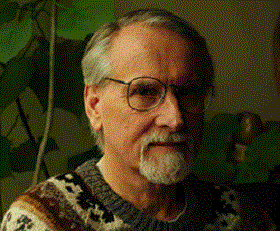
De Indiase dichter, schrijver, librettist en muzikant Jeet Thayil werd geboren op 13 oktober 1959 in Kerala als zoon van de auteur en redacteur TJS George, die op verschillende plaatsen in India, in Hong Kong en New York heeft gewerkt. Thayil werd vooral in het buitenland opgeleid. Hij behaalde een Master in Fine Arts aan het Sarah Lawrence College (New York), en hij heeft beurzen prijzen gekregen van o.a. de New York Foundation for the Arts, de Zwitserse Raad voor de Kunsten, de British Council en de Rockefeller Foundation. Zijn eerste roman, Narcopolis (2011) speelt grotendeels in Bombay in de jaren '70 en '80, en vertelt de geheime geschiedenis van de stad, toen opium plaats maakte voor de nieuwe goedkope heroïne. Thayil is redacteur van het “Bloodaxe Book of Contemporary Indian Poets” (2008), “60 Indian Poets”, (2008) en een verzameling van essays “Divided Time: India and the End of Diaspora” (2006) en van een bloemlezing van Indische poëzie (2015). Ook schreef hij het libretto voor de opera “Babur in Londen”, in opdracht van de Britse Opera Group met muziek van de in Zurich gevestigde Britse componist Edward Rushton. De wereldpremière van de opera vond plaats in Zwitserland in 2012, gevolgd door reizen naar het Verenigd Koninkrijk (Londen en Oxford) en India. De kern van het werk is een verkenning van de complexiteit van geloof en multiculturalisme in het hedendaagse Groot-Brittannië. Thayil is ook bekend als een performance dichter en alsmuzikant. Als songwriter en gitarist is hij de ene helft van het hedendaagse muziek project Sridhar / Thayil. In 2012 kreeg hij voor de dichtbundel “These Errors are Correct” de Sahitya Akademi Award voor Engels. Zijn roman stond op de short list voor de Man Booker Prize 2012 en de Hindu Literary Prize (2013).


The Penitent

I'm back where my life and I parted ways.
I'm talking to the coffeemaker, to the face
towels folded by the sink, to the air
conditioner that conspires with my enemies. Even now,
in the midst of my extremity my eyes are dry,
and if I jump repeatedly against the window
I can tell myself I'm being lifted by a great joy -
until the glass smites my face and I cry out
your old name. The room is empty, lonely
as a still life, but the water stains speak
with your voice, Honor me, honor everything.


To Baudelaire

I am over you at last, in Mexico City,
in a white space high above the street,
my hands steady, the walls unmoving.
It's warm here, and safe, and even in winter
the rain is benign. Some mornings I let
the sounds of the plaza - a fruit seller,
a boy acrobat, a woman selling
impossible fictions - pile up in a corner
of the room. I'm not saying I'm happy
but I am healthy and my money's my own.
Sometimes when I walk in the market
past the chickens and the pig smoke,
I think of you - your big talk and wolf's heart,
your Bonaparte hair and eyes of Poe.
I don't miss you. I don't miss you when
I open a window and light fills the room
like water pouring into a paper cup,
or when I see a woman's white dress shine
like new coins and I know I could follow
my feet to the river and let my life go
away from me. At times like this,
if I catch myself talking to you,
I'm always surprised at the words I hear
of regret and dumb boyish devotion.


 2004124-5dd21d1c4127098336176f6f326a37cb.jpg
Jeet Thayil (Kerala, 13 oktober 1959)

Geschreven door Romenu om 00:00 Reageer op dit bericht
Reageer op dit bericht

Reageer op dit bericht

Een titel of je eigen website toevoegen

De blogger leest alles eerst na: je tekst verschijnt zodra die goedgekeurd is.

Eugenio Montale, Stefaan van den Bremt, Robert Fitzgerald, Paul Engle, Ann Petry, Louis Hemon, Paula von Preradović

De Vlaamse dichter en essayist Stefaan van den Bremt werd geboren in Aalst op 12 oktober 1941. Zie ook mijn blog van 12 oktober 2010 en eveneens alle tags voor Stefaan van den Bremt op dit blog.


In Newtons boomgaard

Ik wacht tot de appel niet ver
van de boom valt of de zwaarte
ontstijgt. De appel is rood
en hardstelig; hij hecht aan
zijn tak, zwelt welbehaaglijk.

Ik heb tijd zat. De appel
weet niet dat de zwaarte
kracht, wet is, dat de tak
zijn dracht moe wordt.
Het is herfst: appeltijd.

De appel doet of ik ver
van de boom of lucht ben
voor hem. De appel bloost
van opwinding. Zou hij
vallen? Wordt het dit keer

zweven?


Schaduw en licht

1
Wat avondjapons onthulden
deed kroonluchters lachen of huilen.
Wat ochtendjurken verrieden
was wat vroeg daglicht verdroeg.
Maar al wat op bloesjesdag
rakelings aan je voorbijging!
Nee, niet aan je voorbij, het bleef
een lente lang als een schaduw
van bloeiende meisjes bij.


2
Een lente lang als een schaduw
van breekbare benen die lengen
en rakelings blijven opdagen.
Wat ochtend koeltjes onthulde
als straatlantarens uithuilen.
Wat avond luchtig verried –
al wat geen daglicht kan velen
en in de schaduw wil schuilen
en één schaduw wil strelen


 1965356-a73cf38172647ab76b163fdd02d51361.gif
Stefaan van den Bremt (Aalst, 12 oktober 1941)


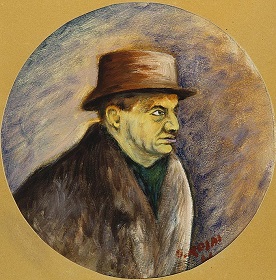
De Italiaanse dichter Eugenio Montale werd geboren in Genua op 12 oktober 1896. Zie ook mijn blog van 12 oktober 2010 en eveneens alle tags voor Eugenio Montale op dit blog.


Mittagsstunde

Verlorener Zikade
schwaches Sistrum im Wind,
kaum ertönt schon verklungen
im trägen Dunst.

Aus der Tiefe verzweigt
in uns sich die geheime
Vene; mühsam
hält sich unsre Welt.

Ein Zeichen deiner Hand:
da flimmern in der fahlen Luft
zersetzt die Spuren,
die die Leere nicht verschluckt.

Zu nichts wird dann auch Gebärde,
jede Stimme schweigt,
zu seiner Mündung steigt
hinab das kahle Leben.


Auf einen ungeschriebenen Brief

Um wimmelnder Tagesfrühen, um weniger
Fäden willen, darin der Knäuel des Lebens
sich verfängt und wieder löst
in Stunden und in Jahre, springen heut die
Delphinenpaare mit den Jungen? Oh, laß mich nichts
hören von dir, laß fliehen mich vor dem Schimmer
deiner Wimpern. Sehr andres ist auf der Erde.

Vergehen und wiederkommen: beides ist schwer.
Es zögert die rote Esse der Nacht,
lang säumt der Abend, das Gebet
ist Qual, und noch ist zwischen den ragenden
Felsen zu dir nicht gelangt die Flasche vom Meer.
Leer bricht sich die Woge

an der Spitze, in Finisterre.


Lob unserer Zeit

Nicht genug des Guten kann man sagen
von der Wichtigkeit der Welt
(der unsren, mein’ ich),
wohl der einzigen,
in der mit Kunst man töten
und Werke doch der Kunst erschaffen kann,
bestimmt für eines Morgens Dauer –
auch wenn der Morgen aus Jahrtausenden
und mehr besteht. Nein, man kann sie nie
genugsam preisen. Eile freilich
scheint geboten, denn es könnte
die Stunde nicht mehr ferne sein,
da sie im Übermaße sich wird aufgeblasen haben,
wie ein gewisser Frosch in der bekannten Fabel.


Vertaald door Herbert Frenzel


 1965356-7c5fca7ba59cce56d35184c13c12e48a.jpg
Eugenio Montale (12 oktober 1896 - 12 september 1981)
Portret door Ottone Rosai, 1941


De Amerikaanse dichter, criticus en vertaler Robert Stuart Fitzgerald werd geboren op 12 oktober 1910 in Springfield, Illinois. Zie ook mijn blog van 12 oktober 2010 en eveneens alle tags voor Robert Fitzgerald op dit blog.


Counselors (Fragment)

For his retreat
The priest lifts up the monstrance, muttering
Abstracted Latin to the tinkle behind him.
Presently they will bawl the Stabat Mater.
And all those years at seminary, reading
St. Basil and Jerome, girding his cassock
For handball in the gritty cement courtyard
Under the swooping smoke of the powerhouse;
And ordination when the folks from Chicago
Wept before the bishop. Mortify
The flesh. Think on thy last end. Pray
The Holy Mother of God in her infinite mercy,
And Him who rests in the dark chapel always,
Where the wick burns in wax, a cuddling flame:
Deduced by Thomas from the tip of heaven.

Or should I tumble to the recumbent
Confessional, and the scientist of distress?
For any child the terror in the night,
The hating eyes by day may be
Death’s cunning orchestration: they prepare
The servant’s cry at last, absolute and lonely.
See this easy gentleman in tweeds,
Deepchested, a swimmer to the farthest light,
Diagnostician of the subaqueous
Faces of dreams: with patience like a lover
He must all day sustain his authority,
Must not be bored, merciful or amused.

Or the anatomist and healer of bones?
Trepanner, skilled in suturing, the masked
And sterile hero in the cone of light;
There the sweet ether cone must be inhaled
With one, two pulses of the fiery spiral
Singing into timeless speed or quiet:
A mound under a sheet, a square of pale
Mortal flesh incised in a seeping line,
Spreading its lips for pretty butchery.


 1965356-a7d4ca81b0ecbad59bf433c3dc1efcac.jpg
Robert Fitzgerald (12 oktober 1910 – 16 januari 1985)


De Amerikaanse dichter en schrijver Paul Engle werd geboren op 12 oktober 1908 in Cedar Rapids. Zie ook alle tags voor Paul Engle op dit blog en ook mijn blog van 12 oktober 2010.


Twenty Below

Twenty below, I said, and closed the door,
A drop of five degrees and going down.
It makes a tautened drum-hide of the floor,
Brittle as leaves each building in the town.
I wonder what would happen to us here
If that hard wind of winter never stopped,
No man again could watch the night grow clear,
The blue thermometer forever dropped.

I hope, you answered, for so cruel a storm
To freeze remoteness from our lives too cold.
Then we could learn, huddled all close, how warm
The hearts of men who live alone too much,
And once, before our death, admit the old
Need of a human nearness, need of touch.


American Child III

1.
EACH morning she looks up and breathes the sky
And marvels again that night and day are varied.
Breathing, she does not wonder at what cry
of woman, crow or bell that wind has carried.
Each day is an astonishment of breath
She warms by the nourished blood, yet unaware
That all the dark astonishment of death
Is merely the lung emptied of mere air.

She breathes that insubstantial element
That turns to substance: body, nerve and pain.
Yet there are days of absolute content
When all her laughter is a hollow house
Raised against sorrow and the raving rain
While she lives in it like a patient mouse.


 1965356-6401b6e374cb6ca55f94a8c18730d9b0.jpg
Paul Engle (12 oktober 1908 – 25 maart 1991)
In 1941


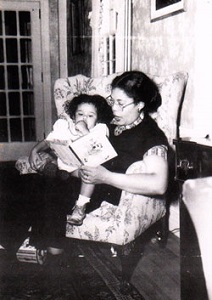
De Amerkaanse schrijfster Ann Petry werd geboren op 12 oktober 1908 in Old Saybrook, Connecticut. Zie ook alle tags voor Ann Petry op dit blog en ook mijn blog van 12 oktober 2010.

Uit: The Street

“It was like the Chandlers and their friends in Connecticut, who looked at her and didn't see her, but saw instead a wench with no morals who WOuld be easy to come by. The reporter saw a dead Negro who had attempted to hold up a store, and so he couldn't really see what the man lying on the sidewalk looked like. He couldn't see the ragged shoes, the thin, starved body. He saw, instead, the picture he already had in his mind: a huge, brawny, blustering, ignorant, criminally disposed black man who had run amok with a knife on a spring afternoon in Harlem and who had. in turn been knifed.
She had gone past ‘the bakery shop again the next afternoon. The windows had been smashed, the front door had apparently been broken in, because it was boarded up. There were messages chalked on the sidewalk in front of the store. They all said the same thing: “White man, don’t come back.’ She was surprised to see that there were men still standing around, on the nearest corners, across the street.
Their faces were turned toward the store. They weren’t talking. They were just standing with their hands in their pockets - waiting.
Two police cars with their engines running were drawn up in front of the store. There were two cops right in front of the door, swinging nightSticks. She walked past, thinking that it was like a war that hadn’t got off to a Start yet, though bOth sides were piling up ammunition and reserves and were now wait- in g for anything, any little excuse, a geSture, a word, a sudden loud noise - and poufl it would start.
Lutie moved uneasily on the bed. She pulled the robe more tightly around her. All of these streets were filled with violence, she thought. You turned a corner, walked through a block, and you came on it suddenly, unexpectedly.
Or it was later in the spring that she took Bub to Roundtree Hospital. There was a cold, driving rain and she had hesitated about going out in it. But Bub had fallen on the sidewalk and cut his knee. She had come home from work to find him sitting disconsolately in Pop's kitchen. It was a deep, nasty cut, so she took him to the emergency room at Roundtree in order to find out just how bad it was.”


 1965356-37300be74be865d33b27ec0f1d06b948.jpg
Ann Petry (12 oktober 1908 – 28 april 1997)
Hier met haar dochtertje Liz, rond 1940 


De Franse schrijver Louis Hemon werd geboren op 12 oktober 1880 in Brest in Bretagne. Zie ook alle tags voor Louis Hemon op dit blog en eveneens mijn blog van 12 oktober 2010.

Uit: Maria Chapdelaine

“Un grand éclat de rire lui répondit.
- On les connaît, les cochons de la grand-race à Hormidas. Gros comme des rats, et vifs comme des écureux pour sauter les clôtures.
- Vingt-cinq cents! cria un jeune homme par dérision.
- Cinquante cents!
- Une piastre!
- Ne fais pas le fou, Jean. Ta femme ne te laissera pas payer une piastre pour ce cochon-là.
Jean s'obstina.
- Une piastre. Je ne m'en dédis pas.
Hormidas Bérubé fit une grimace de mépris et attendit d'autres enchères; mais il ne vint que des quolibets et des rires.
Pendant ce temps les femmes avaient commencé à sortir de l'église à leur tour. Jeunes ou vieilles, jolies ou laides, elles étaient presque toutes bien vêtues en des pelisses de fourrure ou des manteaux de drap épais; car pour cette fête unique de leur vie qu'était la messe du dimanche elles avaient abandonné leurs blouses de grosse toile et les jupons en laine du pays, et un étranger se fût étonné de les trouver presque élégantes au coeur de ce pays sauvage, si typiquement françaises parmi les grands bois désolés et la neige, et aussi bien mises à coup sûr, ces paysannes, que la plupart des jeunes bourgeoises des provinces de France.
Cléophas Pesant attendit Louisa Tremblay, qui était seule, et ils s'en allèrent ensemble vers les maisons, le long du trottoir de planches. D'autres se contentèrent d'échanger avec les jeunes filles, au passage, des propos plaisants, les tutoyant du tutoiement facile du pays de Québec, et aussi parce qu'ils avaient presque tous grandi ensemble."


 1965356-4667da05e0dd4f0782da78b0034b2d18.JPG
Louis Hemon (12 oktober 1880 - 8 juli 1913)
Affiche


De Oostenrijkse dichteres en schrijfster Paula von Preradović werd geboren op 12 oktober 1887 in Wenen. Zie ook alle tags voor Paula von Preradović op dit blog.

Uit: Die Königslegende

„Immer  wenn du königlich und heldisch verfuhrst. Da du auf euren Schiffen die Narenta hinunter segeltest, da man dich krönte, da dein Knabe geboren wurde. Da war ich dir nahe, aber du sahst mich nicht …. Mich sieht nur, wer geprüft und schmerzerfahren ist"
„Warst du auch in der Schlacht an meiner Seite?"
„In der Schlacht floh ich dich, denn du warst der Unterlegene".
„Warum hast du mir nicht geholfen. Warum hast du das Unglück nicht abgewendet?"
„Wir Vilen stärken und vermehren das Glück der Glücklichen. Unglück abzuwenden sind wir nicht gesandt".
(…)

„Warum sagst du – böser Menschen? Weil sie anders wollten als du? Du hast erstrebt und getan, was gegen die wahren Zeichen der Zeit war. Sieh, Slavatz, ich bin unseres heiligen Vaters Benedikt von Nursia demütiger Sohn. Aber sollte man mich eines Tages doch noch auf den Thron rufen, so würde ich folgen, denn ich bin der legitime Erbe. Nicht aus Lust und Ehrsucht würde ich folgen, sondern aus Pflicht. Und dann würde ich mit Gottes Hilfe versuchen, den heiligen Willen und Brauch des Volkes, seine tiefe und wilde Liebe zu den eigenen uralten Wurzeln mit der neuen großen Ordnung zu versöhnen, die im Abendland herrscht und die auch das kroatische Volk einbeziehen will.
Wir sind keine Morgenländer. Unsere Berge und unsere Küsten blicken nach Abend. Wir gehören zur abendländischen Christenheit, dem Basileus sind wir viel zu fern."
Und schließlich endet Stjepan mit der Conclusio, dass "unser Volk fest in der eigenen Erde wurzeln, aber nach Westen schauen muss".


 1965356-2b97e706094f979b74b6f98573230e8e.jpg
Paula von Preradović (12 oktober 1887 – 25 mei 1951)
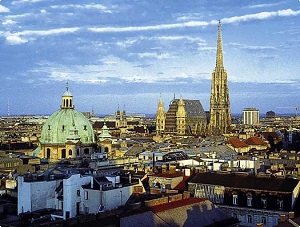
Wenen

Geschreven door Romenu om 18:16 Reageer op dit bericht

Daniel Falb, Conrad Ferdinand Meyer, Han Resink, Gertrud von Le Fort, François Mauriac, Christoph Peters, Pierre Jean Jouve

De Duitse dichter en schrijver Daniel Falb werd geboren op 11 oktober 1977 in Kassel. Zie ook alle tags voor Daniel Falb op dit blog.


auf dem werksgelände leben

auf dem werksgelände leben. die in sich zurück laufende quelle....... das herz zahlt
die leber.

says the infant, ich werde sehr bald sterben.... bringe die stets wieder aufstehenden
clowns in den boden ein.

....dieses individuum sei eine herde, die, indem sie weiterzog, auf anderen körpern
zu grasen begann. die nach dem schneeballsystem arbeitenden gesellschafter.  

wieviele mahlzeiten kannst du heute abend einnehmen........ ohne von den eigenen
fortschritten erdrückt zu werden. die hochbegabten unter den opfern.

landschaften aus erwartung,......... einsehbar wie ein vorgarten. wir erkennen darin
den waldbrand, darunter das grundwasser.

ihr leuchten ist ihre didaktik........... das nähere regelt ein bundesgesetz. wie häufig
kannst du heute abend schlafen gehen. a thousand years.


register beim amtsgericht

register beim amtsgericht, ein voller Spielplatz an geräuschen fliegt aus ihm auf, unleugbar stimmlich, dringt an mein ohr. die leiblich-geistige organpersönlichkeit entfaltet nun ganz ihr geschäftiges brausen, einzel-, doppelzimmer und eine lizenzierte begrüßung: im dasein.

........ franchise, der nehmer liegt in ihrem core, der lizenzierte prozess der herstellung eines
gemachten bettes, bei ibis in beuteln zusammengedrängter staub, mein blick an die decke der transaktionen, an welche der gefiederte seelenwagen stößt: es sind wohl tausend stromentnahmen, tausend verworrene signaturen. ich tanze im liegen, dreifacher tupftritt tupftritt tupftritt, lizenziertes chassé. unter meinen fußen bildet sich ein wegesystem, der rennsteig, über den ich, chassé, zu meinem recht kommen werde, pflichten zu haben.


1965040-d5ff843914e043f2fcff1a507911cdef.jpg
Daniel Falb (Kassel, 11 oktober 1977)


De Zwitserse dichter en schrijver Conrad Ferdinand Meyer werd geboren in Zürich op 11 oktober 1825. Zie ook mijn blog van 11 oktober 2010 en eveneens alle tags voor Conrad Ferdinand Meyer op dit blog.


Unter den Sternen

Wer in der Sonne kämpft, ein Sohn der Erde,
Und feurig geisselt das Gespann der Pferde,
Wer brünstig ringt nach eines Zieles Ferne,
Von Staub umwölkt – wie glaubte der die Sterne?

Doch das Gespann erlahmt, die Pfade dunkeln,
Die ewgen Lichter fangen an zu funkeln,
Die heiligen Gesetze werden sichtbar.
Das Kampfgeschrei verstummt. Der Tag ist richtbar.


Mein Jahr

Nicht vom letzten Schlittengleise
Bis zum neuen Flockentraum
Zähl ich auf der Lebensreise
Den erfüllten Jahresraum.

Nicht vom ersten frischen Singen,
Das im Wald geboren ist,
Bis die Zweige wieder klingen,
Dauert mir die Jahresfrist.

Von der Kelter nicht zur Kelter
Dreht sich mir des Jahres Schwung,
Nein, in Flammen werd ich älter
Und in Flammen wieder jung.

Von dem ersten Blitze heuer,
Der aus dunkler Wolke sprang,
Bis zu neuem Himmelsfeuer
Rechn ich meinen Jahresgang.


Abendwolke

So stille ruht im Hafen
Das tiefe Wasser dort,
Die Ruder sind entschlafen,
Die Schifflein sind im Port.

Nur oben in dem Äther
Der lauen Maiennacht
Dort segelt noch ein später
Friedfertger Ferge sacht.

Die Barke still und dunkel
Fährt hin in Dämmerschein
Und leisem Sterngefunkel
Am Himmel und hinein.


 1965040-6d467e5357e04ae2fa3fca30a54a42d4.png
Conrad Ferdinand Meyer (11 oktober 1825 - 28 november 1898)
Cover


De Duitse schrijver Christoph Peters werd geboren op 11 oktober 1966 in Kalkar. Zie ook alle tags voor Christoph Peters op dit blog en ook mijn blog van 11 oktober 2009 en ook mijn blog van 11 oktober 2010.

Uit: Kommen und gehen

Schlimm dies Jahr", sagte Karl, "die Kirschen aber noch schlimmer."
Ich überlegte, warum Ria, Grete und ich später aßen, und fand keinen Grund.
"Willst du noch Suppe?"
"Ja."
"Ich hab auch dicke Bohnen gekocht."
"Dann lieber nicht."
Dicke Bohnen mit Mettwurst waren Karls Leibgericht. Nach der dritten Portion sagte er: "Danke, ich platz gleich" und pflügte weiter bis vier, da kam er zu Kaffee und Kuchen herein, obwohl Mist an seinem Ärmel klebte. Um sieben machte Ria ihm Schinkenbrote mit Gurke, hartem Ei und reichlich Butter. Neben der Bierflasche lag in einem Umschlag Geld.
"Als Ria und ich so alt waren wie du", sagte Karl, "mußten wir bei Hochwasser mit dem Kahn zur Schule."
Ich nickte.
"Sonst zu Fuß", sagte Ria, "jeden Morgen eine halbe Stunde in Holzschuhen."
"Ihr in Holzschuhen, wir nicht."
"Stimmt. Ihr hattet richtige Schuhe."
"Ria und ich sind immer zusammen gegangen."
"Nicht immer."
"Aber meistens."
"Und erst war Messe."
Danach lud er seinen Pflug auf den Anhänger und fuhr nach Hause. Den Umschlag ließ er liegen.
Nachdem Karl gefahren war, redeten Ria und Grete kein Wort miteinander. Auch am nächsten Tag nicht. Ihr Schweigen dauerte eine volle Woche, was jedoch nicht ungewöhnlich war. Daß es in Zusammenhang mit Karls Besuchen stand, ist mir aber erst sehr viel später klargeworden. Als Kind nahm ich an, daß Ria Karl gern hatte, während Grete ihn eben nicht mochte, so wie ich Tante Josy nicht leiden konnte, die mein Bruder über alles liebte.“


1965040-4e2d1b2d21a23a959e315b553e3bffc2.png
Christoph Peters (Kalkar, 11 oktober 1966)


De Nederlands / Indonesisch dichter, essayist en geleerde.Gertrudes Johannes (Han) Resink werd geboren in Jogjakarta op 11 oktober 1911. Zie ook alle tags voor Han Resink op dit blog en ook mijn blog van 11 oktober 2010.


Hanomans afscheid

Hert heb nog ééns met deze aap erbarmen,
wie je een lievelingsnaam uit een groot
epos gaf toen hij je dierlijke charme,
een blanke huid en donkere haren bood.
En haal, lief wild, mij nog ééns in je armen
en geef je ééns nog in je dijen bloot
en laat je mond nog ééns mijn mond verwarmen
mijn schaam zich ééns nog warmen in je schoot.

Maar neen, je kunt alleen zo bij mij zijn:
je haargolf in de slag van een kwatrijn;
je huid in de opperhuid van een sonnet;
je gang in wat lichtvoetige gedichten
en dan je blik, diep, letterlijk gebed
in het oogwit, dat elk woord stil komt omlichten.

Kwatrijn

Uw vers zij als het balinese beeld,
dat - uit de geest langs het gevoel gespeeld -
uw tederheid zo hard ontglijdt, dat het
uw hand veredelt en uw hart vereelt.

 1965040-ada8779dd2127ebcb7604f5a53849040.gif
Han Resink (11 oktober 1911 – 4 september 1997)


De Duitse dichteres en schrijfster Gertrud von Le Fort werd geboren in Minden op 11 oktober 1876. Zie ook mijn blog van 11 oktober 2010 en eveneens alle tags voor Gertrud von Le Fort op dit blog.


Heimweg zur Kirche

I
Ich bin ein Reis aus entwurzeltem Stamm, aber dein Schatten liegt auf meinen Wipfeln wie Hochwaldschatten.

Ich bin eine Schwalbe, die im Herbste nicht heimfand, aber deine Stimme ist wie das Rauschen von Flügeln.

Dein Name tönt mich an wie der Name eines Sternes.

An allen Ufern meiner Augen ist kein Bild, das dir gleichkäme:

Du bist wie eine blühende Säule unter lauter totem Schutt.

Du bist wie ein edler Pokal unter eitlen Scherben!

Könige müssen vor dir verwelken und Heerscharen er blassen, denn ihrer aller
Bruder ist der Wind, aber deine Brüder sind Felsen.

Wer vermöchte zu sprechen, wie du sprichst? Wer müsste nicht am Zorn des
Höchsten vergehen?

Du hebst dein Haupt bis an den Himmel, und dein Scheitel wird nicht versengt,

Du schreitest bis zum Rande der Hölle nieder, und deine Füsse bleiben unversehrt!

Du bekennst Ewigkeit, und deine Seele erschrickt nicht.

Du gebietest Gewissheit, und deine Lippen werden nicht stumm:

Wahrlich, es müssen Wolken von Engeln über dir lagern, und Gewitter von Cherubinen müssen dich decken,

Denn du grünst in deinem Vermessen wie eine Palme in der Wüste, und deine Kinder sind wie ein Feld voller Ähren!


 1965040-58c42abd93fe75a34dd9424f98a6e921.jpg
Gertrud von Le Fort (11 oktober 1876 - 1 november 1971)
In 1935 


De Franse schrijver François Mauriac werd op 11 oktober 1885 geboren in Bordeaux. Zie ook mijn blog van 11 oktober 2010. en eveneens alle tags voor François Mauriac op dit blog.

Uit: A Gide Remembrance (Gide: A Collection of Critical Essays, samengesteld door David Littlejohn)

“This was why his Catholic friends saw him as the apostle of Lucifer. Was it by mere chance that he lived at the center of a furious spiritual battle? The conversion of Jammes and of Dupouey which led to Henri Gheon's return to God, followed by that of Jean de Menasce, of Jacques Copeau, of Charles Du Bos, the exchange of letters with Claudel...There can be no doubt about it, Gide lived in a whirlpool of Grace accepted, Grace repulsed. There were moments when even he seemed to yield, as when he wrote the ardent pages of Numquid et tu. But it was never long before he pulled himself together, and went off, striding down his own especial road, wrapped in his great cloak, with a terrible look of happiness on his face, valuing his joy above all else, that joy when he soon ceased to distinguish from pleasure.
A constant concern in matters of culture and of outward appearance, a perpetual effort, marvelously rewarded, to ennoble his particular type, his easy, distinguished, aristocratic carriage, preserved him from having to play the role of helot, which he left to other, lesser writers who came after him. We must have been living in a strangely unobservant age, ignorant of, or incurious about, contemporary trends, for the award to Andre Gide of the Nobel Prize not to have provoked a movement of amazement, even of terror throughout the world.
Gide's destiny has always seemed to me to have been shot through with the supernatural ... like that of other men, you will say, but that I deny.
For the most part, other men are just sinners, "poor sinners." Gide was not a poor sinner but a strange pilot, towering above a generation dedicated to "curious and gloomy errors," and holding the wheel in a powerful grasp.
What of his work? It is among the most significant of our time. This is not the place to study the influence of his critical thinking, which was embodied in La Nouvelle Revue Francaise, and the establishment of the true values which it set up. For me, Les Nourritures terrestres, L'Immoraliste, Amyntas can never wholly lose the charm with which the fervour of my twentieth year endowed them. But Gide, like Jean-Jacques and Chateaubriand, was one of those writers whose lives are a great deal more interesting than their works. "

1965040-c0e0dc7362a951c9106390d8f5224984.jpg
François Mauriac (11 oktober 1885 - 1 september 1970)


De Franse dichter en schrijver Pierre Jean Jouve werd geboren op 11 oktober 1887 in Arras. Zie ook alle tags voor Pierre Jean Jouve op dit blog en ook mijn blog van 11 oktober 2008 en ook mijn blog van 11 oktober 2009.


Au grand nombre (Fragment uit: Poème contre le grand crime)

(Te voilà dans le crime jusqu’aux yeux; le crime emplit la terre et l’esprit; le crime est dieu;
Tiens-toi ferme au milieu de la houle et ferme les yeux sur les morts,
Sur ceux-là qui sont véritablement tes morts;
Que le crime soit toujours plus grand, que le peuple soit toujours plus malade,
Que le crime soit implacable -comme une peste ou le glissement d’un mont;
Qu’il détruise en dix années l’ouvrage de centaines d’années,
Et puisses-tu sauver tes os, ô gouvernant, dans la tourmente!)
À vous tous,
Je ne vous jette pas une pierre de haine;
Je vous contemple avec des yeux clairs, car le doute n’est pas pour mon coeur un étranger;
J’attire sur vous tous une lumière inhabituelle.
J’ai de vous tristesse et humanité -quand bien même vous me haïriez,
-Et vous me haïssez, je le sais,
Je marcherai demain en tête des victimes.

Ô vous tous,
Je sens que si je ne vous aime point -par quelque voie détournée,
Il me manque le plus précieux;
La vie me manque et n’est-ce pas le plus précieux?
Je sens que si je ne fonde pas, sur vous aussi,
La grande cité des divins compagnons,
La grande cité du monde ne sera jamais fondée.
Et le malheur, et l’esclavage, et la mort continueront comme par le passé.


 1965040-af20f9ff5c4241e9c6e8d14978f9749d.jpg
Pierre Jean Jouve (11 oktober 1887 – 8 januari 1976)
The Battle of Vimy Ridge door Richard Jack, ca. 1918


Zie voor nog meer schrijvers van de 11e oktober ook mijn blog van 11 oktober 2015 deel 2.

Geschreven door Romenu om 18:04 Reageer op dit bericht

Menno Wigman, Ferdinand Bordewijk, Jonathan Littell, Harold Pinter, Boeli van Leeuwen, R. K. Narayan, Eugen Egner

De Nederlandse dichter en vertaler Menno Wigman werd geboren in Beverwijk op 10 oktober 1966. Zie ook mijn blog van 10 oktober 2010 en eveneens alle tags voor Menno Wigman op dit blog


Afscheid van mijn lichaam

Waarom, mijn lichaam, was je mij zo weinig waard?
Waarom bleef ik zo koppig tronen in mijn hoofd
en woonde ik mezelf zo hevig uit?

O ja, ik hield van wijn, van zwaar doorrookte feesten,
lucide kaders en oneindig gulle lakens.
Zo leefde ik verlicht mijn tijd aan stukken.

Nu lig ik op een zaal, mijn hart, die logge spier,
verlaat me, laf als een gedicht laat het me staan
en voor het eind van deze avond zakt de dood
mijn longen in.

De zon was mij nooit opgevallen als hij niet
steeds onderging. Geen lucht, geen flonkering, geen hoop.
Waarom, mijn lichaam, heb ik nooit in je geloofd?


Rien ne va plus

'Ik wou dat ik nooit een gedicht had gezien'
Slauerhoff

Je zult maar zestien zijn en lelijk. Jij bent het.
Maar je wilt dichter worden, melkt de woorden van
Rimbaud en Baudelaire en slurpt je moeders soep
onder vijandig licht. En 's avonds op je kamer
zit je je ouders tegen de vlakte te schrijven,
je dicht en heerst in het geniep over het leven,
een lelijk joch met een duivel tussen zijn dijen
dat ooit de mooiste meisjes zal berijden –
ja en je hand die nu zo woest papier bekrast
houdt op een dag een vlammend boekwerk vast.
Je naam in druk, de schoonheid van een vrouw: het komt,
het komt. Je bent een dichter nu en haast elk meisje
trapt erin. Gretig ben je, slordig met geluk.
Je leeft. Leeft niet. Schuilt steeds verscheurd in een gedicht
en haalt pas adem als je gure schoonheid ziet.
En nu, haast zesendertig, ziek en mensenschuw,
door poëzie van alles om je heen vervreemd,
nu kijk je naar je hand en spuug je op je pen.
Is het walging? Onmacht? Zelfhaat misschien?
Had je maar nooit een gedicht gezien.


 1964773-af07071f979209fff5f802a30c1d09db.jpg
Menno Wigman (Beverwijk, 10 oktober 1966)


De Amerikaanse schrijver Jonathan Littell werd geboren in New York op 10 oktober 1967. Zie ook mijn blog van 10 oktober 2010 en eveneens alle tags voor Jonathan Littell op dit blog.

Uit:Syrian Notebooks (Vertaald door Charlotte Mandell)

‘The Free Syrian Army (FSA), made up mostly of Army and secret services deserters disgusted by the repression, still believed its primary mission was defensive, to protect the opposition neighborhoods and the demonstrations from the regime snipers and the feared shabbiha (mafia thugs, mainly Alawite in Homs, formed into militias at the service of the al-Assad family). The Syrian citizen-journalists, like those that helped, guided, and protected us during our stay, still believed that the constant flow of atrocity videos they risked their lives every day to film and upload on YouTube would change the course of things, would shock Western consciousnesses and precipitate strong action against the regime. The people still believed that song, dance, slogans, and prayer were stronger than fear and bullets. They were wrong, of course, and their illusions would soon drown in a river of blood.
America, traumatized by two useless and disastrous wars to the point of forgetting its own founding myth – that of a people rising against tyranny with their hunting guns, helped only by indomitable spirit and idealism – stood back and watched, petrified. Europe, weakened by economic crisis and self-doubt, followed suit, while the regime’s friends, Russia and Iran, occupied every inch of the political space thus made available. And geopolitics is always written with the blood of the people. The day after I left Homs, on February 3, a series of mortar shells targeted the neighborhood of al-Khalidiya, where I had spent so much time, killing over 140 civilians. As Talal Derki, the Syrian director and narrator of the magnificent documentary Return to Homs, comments at that point in his film, this mass murder was the turn of the revolution: “The dream of a revolution with songs and peaceful protests ended.”
I have already described, in the epilogue I wrote a few months after my stay in Homs, the events that followed: the Army’s total destruction and occupation of the “free neighborhood” of Baba ‘Amr, and the beginning of the bitter siege of the opposition neighborhoods in the center. This siege, which leveled large parts of the city, lasted over two years: finally, in May 2014, the exhausted and starved survivors brokered a deal, and were allowed to evacuate the city alive, abandoning the empty ruins to the triumphant regime. This event was hardly noticed in the West; others were captivating our attention.”


 1964773-b034605d605fc1503a5977c26cc5ba39.jpg
Jonathan Littell (New York, 10 oktober 1967)


De Nederlandse schrijver Ferdinand Bordewijk werd geboren op 10 oktober 1884 in Den Haag. Zie ook mijn blog van 10 oktober 2010 en eveneens alle tags voor Ferdinand Bordewijk op dit blog.

Uit: De vogelverschrikker vlucht voor de vogels

“Men kent die keldertjes welke in de oude stadskern van Amsterdam liggen, enigszins als kleine bloemen, verspreid in een grote drijfschaal. Ze bezitten werkelijk iets bloemachtigs, ze zijn gezellig zoals kleine bloemen zijn. 's Avonds is het er het fleurigst. Er wordt weinig gedronken, meer gerookt, en het meest gezwetst, vooral door jonge kunstenaars. Het zijn dan ook eigenlijk dingetjes voor de jonkheid, en ik ben al de vijftig gepasseerd. Maar ik ben ook ongetrouwd, en dan maakt mijn beroep het wenselijk in bepaalde kunstenaarskringen te verkeren. Ik ben namelijk verslaggever van Het Sein voor plastiek en dans, teken met de initialen J.G., en heet voluit Jan Grams. Nog één bizonderheid: ik ben emotioneel, al bezit ik genoeg zelftucht om er anderen niet mee te hinderen. Het komt ook wel in mijn vak te pas, en ik durf verklaren dat ik daardoor gunstig afsteek bij collega's die zo verstompt zijn geraakt dat ze geen hand zouden uitsteken als een ontsnapte krankzinnige voor hun ogen de Nachtwacht met een kleermakersschaar in tweeën ging knippen. Bij mij is het juist het omgekeerde. Ik raak nog gauwer ontroerd dan in mijn jeugd, en ik moet mij dus meer dan vroeger onder appèl houden.
Mijn oude schoolvriend de zenuwarts is allerminst emotioneel, alleen nieuwsgierig. Hij heeft wat geld, geen enkele patiënt, een lange, asblonde, echt dromerige baard waar hij achter aanloopt alsof hij een slaapwandelaar aan een touwtje heeft, en die hem voorgaat al die keldertjes in. Maar achter zijn baard is hijzelf goed wakker. Hij zwijgt, luistert, en doet zijn best om zich te amuseren. Hij leent nooit, nog geen cent, ook niet aan zijn schoolvriend; hij bewijst zijn genegenheid door andere attenties, waarvan ik er thans een vertellen ga.
Hij had in zijn oren geknoopt dat ik graag eens met ten Bas kennis zou maken, en op een winteravond kwam hij me waarschuwen dat, als ik ten Bas wilde ontmoeten, ik me naar zeker keldertje diende te haasten. Wij gingen dus dadelijk op stap.”


 1964773-75f6822f586d34a77e106f7b185ff5f6.jpg
Ferdinand Bordewijk (10 oktober 1884 – 28 april 1965)
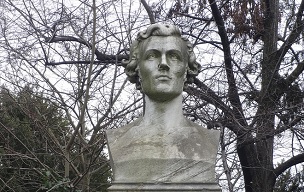
Borstbeeld in De Passage in Den Haag 


De Britse schrijver Harold Pinter werd geboren op 10 oktober 1930 in Londen. Zie ook mijn blog van 10 oktober 2010 en eveneens alle tags voor Harold Pinter op dit blog.

Uit:No Man's Land

“Act 1
HIRST: What was he drinking?
SPOONER: Pernod.
Pause
I was impressed, more or less at that point, by an intuition that he possessed a measure of serenity the like of which I had never encountered.
HIRST: What did he say?
SPOONER stares at him.
SPOONER: You expect me to remember what he said?
HIRST: No.
Pause
SPOONER: What he said…all those years ago…is neither here nor there. It was not what he said but possibly the way he sat which has remained with me all my life and has, I am quite sure, made me what I am.
Pause
And I met you at the same pub tonight, although at a different table.
Pause
And I wonder at you, now, as once I wondered at him. But I wilI wonder at you tomorrow, I wonder, as I still wonder at him today?
HIRST: I cannot say.
SPOONER: It cannot be said.”


 1964773-5475b32b9fc784f8b4cc56de3bff4105.jpg
Harold Pinter (10 oktober 1930 – 24 december 2008)
Scene uit een opvoering in Sydney, 2011


De Antilliaanse (Curaçaose) schrijver Willem Cornelis Jacobus (Boeli) van Leeuwen werd geboren op 10 oktober 1922 op Curaçao. Zie ook mijn blog van 10 oktober 2010 en eveneens alle tags voor Boeli van Leeuwen op dit blog.

Uit: A Stranger on Earth (Vertaald door Olga E. Roger en Joesph O. Aimone)

“When Maria-Teresa was expecting her first child she became exceptionally ugly; it was as if her body wanted to evidence the knowledge that the child in her womb was conceived without love. Her ankles swelled, and blue veins shot up her calves; below her slender collarbones, her overfull breasts became almost obscene. On her grimy blouse, stains were always visible, from mother's milk dripping superfluously from her breasts. A dull, slightly moronic expression appeared on her face, as one sometimes sees on working class women who are pregnant. She was sick as a dog during the nine months and terribly depressed. However, when the hour of her delivery neared, her eyes became large and clear, and she walked, curiously virginal, behind her enormous belly to the delivery room, where the physician awaited her. She was aware of every sound in the hospital: the cry of a newborn baby, the murmur of the waves against the Rif, and the laughter of blacks in the seedy bar adjoining Casa-Blanca.
Her contractions came with growing speed, and when the pain became so intense that she saw the light on the ceiling explode into a thousand stars, she murmured between clenched jaws, "Dios mio, make this child happier than I have been. Hold Your hand over his head. Protect my child." And for the first time in years, she cried her heart out as she used to do when she would find her father in a sleazy bar and put him to bed. When the child was brought to her by the nurse shortly afterwards, she had a terrible fright, for, in a horrible flash, she saw the hands of a drunk who some weeks ago had drowned between the pontoons of the bridge; the fingers of the baby were also that wet and wrinkled, white with soft nails.
When she returned home from the hospital, and Janchi, clumsily and moved, took the child from her, a rigid resistance in her melted, and that night she gave herself to him with a triumphant cry. But he was completely inhibited because she smelled of mother's milk. He perceived their union as almost incestuous, and her shaven genitals made him fearful: he knew that his son had only recently emerged from that cavity.”

 1964773-a827ba25a0ffba03d4e149274082a6f4.jpg
Boeli van Leeuwen (10 oktober 1922 – 28 november 2007)
Bronzen beeld van Cornelis Zitman, deel van de Premio Boeli van Leeuwen


De Indiase schrijver Rasipuran Krishnaswami Narayan werd geboren op 10 oktober 1906 in Madras. Zie ook mijn blog van 10 oktober 2009 en ook mijn blog van 10 oktober 2010 en eveneens alle tags voor R. K. Narayan op dit blog.

Uit: A Tiger for Malgudi

“My story begins with an aged tiger lying in its cage ruminating on its past, beginning with its cubhood and wild days in the jungle, and later life in captivity as a circus star. It attains freedom when it breaks loose from a film-shooting camp and wanders into the town. The terror-stricken public attempts to get it shot but an ascetic who appears on the scene protects and adopts it as a companion.
'Who is he? Where is he from?' are naturally the questions that occur to everyone. But whenever he is asked 'Who are you?' he just says, 'What I am trying to find out.' This sounds like a mere metaphysical quibble, but it is a plain, literal answer to the question. When one is seized with a passion to understand one's self, one has to leave behind all normal life and habitual modes of thought. One becomes an ascetic; the terms sannyasi, sadhu, yogi, or swamiji indicate more or less the same state.
A sannyasi is one who renounces everything and undergoes a complete change of personality. Why one would become a sannyasi is not easily answered - a personal tragedy or frustration, a deeply compelling philosophy of life, or a flash of illumination may drive one to seek a change.
Whatever the cause, when one becomes a sannyasi, one obliterates one's past. A sannyasi is to be taken as he is at the moment. You can never ask a sannyasi about his earlier life. He will never refer to it. It would be a crass, inconsiderate act even to ask a sannyasi his name. He assumes a new name, bearing no mark of his ancestry or class, but indicative of some general beatitude. He has freed himself from all possessions and human ties. Among certain sects, the man will even perform his own funeral ritualistically before becoming a sannyasi.
A sannyasi is a wanderer living on alms, never rooted to any place except when he seeks the seclusion of a cave or forest at some stage for prolonged meditation. »


 1964773-433cec4e65b7ef23ca69010e5e15aa65.jpg
R. K. Narayan (10 oktober 1906 – 13 mei 2001)


De Duitse schrijver, tekenaar en musicus Eugen Egner werd geboren op 10 oktober 1951 in Ingelfingen. Zie ook alle tags voor Eugen Egner op dit blog en ook mijn blog van 10 oktober 2010 en ook mijn blog van 10 oktober 2009.

Uit:Aus dem Tagebuch eines Trinkers

„20.02.
ich warf alles nach jedem. ruhe erlangt durch insel-samos.
27.02.
wegen henriette in der "schimpansenbar". verbrüderungsszenen im keller, whisky aus schuhen, zuletzt wieder so eine dreiste person rittlings auf mir. nach heimischer badewanne gesehnt (eierlikör-oberkörper-einreibung), später des nachts urethrale schikane.
01.03.
perfekter tag. spät abends habe ich mir noch ein käsebrot geschmiert und mich draufgesetzt. viel wein.
10.03.
obsession beschlossen: ins treppenhaus schleichen und das entblößte gesäß an die wohnungstür gegenüber drücken. der vergilbte lack muß angenehm kühl sein. wann werd ich es zum ersten mal tun?
11.03.
obsession ist scheiße. anläßlich eiliger flucht vor der nachbarin vom eigenen schlafrock zu fall gebracht. liegengeblieben, totgestellt. tiefe scham, später massives trinken.
19.03.
nachgedacht über die worte eines freundes: "die sonne müßte nachts scheinen, am tage ist es doch sowieso hell." wieder geweint. rum.
04.04.
allein im haus. vorsichtig bällchen in alle zimmer geworfen. keine reaktion. - hastig betrunken, übergeben (5x).“


 1964773-8edb48bf4a59bbdd092a7b848f2e93b7.jpg
Eugen Egner (Ingelfingen, 10 oktober 1951)


Zie voor nog meer schrijvers van de 10e oktober ook mijn blog van 10 oktober 2015 deel 2 en eveneens deel 3.

Geschreven door Romenu om 18:26 Reageer op dit bericht

Herman Brusselmans, Tadeusz Różewicz, Mário de Andrade, Colin Clark, Victor Klemperer, Marína Tsvetájeva

De Vlaamse schrijver Herman Brusselmans werd geboren in Hamme op 9 oktober 1957. Zie ook mijn blog van 9 oktober 2010 en eveneens alle tags voor Herman Brusselmans op dit blog.

Uit: De fouten

“Primo, en dat zei ik al, heette m'n vader Gust en niet Maurice. Het was onze overbuurman die Maurice heette en van z’n achternaam niet Brusselmans maar Van Riet. Secundo‚ m’n vader was veehandelaar.Hij had wel professor in de geschiedenis van de Oude Tijden willen worden. naar werd het niet. Omdat hij maar tot z'n dertiende jaar naar school ging. Vanaf dat levensjaar moest hij z‘n eigen vader, Jef Brusselmans, bijstaan in de veehandel die Jef had in Grembergen. Mensen uit die klasse gingen niet langer dan tot hun dertiende of veertiende iaar naar school. Overbuunnan Maurice Van Riet, die nog ouder was dan Jef Brusselmans, was maar tot z’n tiende jaar naar school geweest, waarna hij door z’n ouders naar een aspergelmer gestuurd werd, om daar voor twintig cent per uur de hele dag asperges ofwel te planten ofwel te rooien. Ook hij had gerust professor in de geschiedenis van de Oude Tijden kunnen worden, en als Maurice bij ons op bezoek was zaten hij en m’n vader bij de winterse gloeiende kachel vaak te praten over geschiedkundige onderwerpen. Dan zei Maurice: ‘De Romeinen waren een taai volk, en stonden aan de wieg van vele uitvindingen die ook in deze tijd nog hun nut bewijzen.’
‘Ja, dat weet ik,’ zei m’n vader, ‘zo zijn ze de uitvinders van de fietsbel.’
‘Dat klopt, Gust,’ zei Maurice, ‘maar omdat de fiets nog niet uitgevonden was konden de Romeinen met de fietsbel aanvankelijk weinig uitvreten.’
‘Toen begonnen ze er voor de gein mee te voetballen,’zei m’n vader, ‘en zo konden de blinden er ook mee spelen‚ want als er op de bel getrapt werd klingelde hij en zo wisten de blinden maar de hal was en sc
Michel en Maurice rookte een pijp. In de biografie van Huyghe heet Maurice verkeerdelijk Roger en is hij een niet-roker. De broer van Maurice heette Roger, maar was net als Maurice wel degelijk een roker, in zijn geval Cogetama-sigaren.”


 1964367-0855fc8ab4e0c3db156ee593a38253a5.jpg
Herman Brusselmans (Hamme, 9 oktober 1957)


De Poolse dichter en schrijver Tadeusz Różewicz werd geboren in Radomsko op 9 oktober 1921. Zie ook mijn blog van 9 oktober 2010 en eveneens alle tags voor Tadeusz Różewicz op dit blog.


Leave Us

Forget us
forget our generation
live like humans
forget us

we envied
plants and stones
we evied dogs

I'd rather be a rat
I told her then

I'd rather not be
I'd rather sleep
and wake when war is over
she said her eyes shut

Forget us
don't enquire about our youth
leave us


To the Heart

I watched
an expert cook
he would thrust his hand
into the windpipe
pushing it through
into the sheep's
inside
and there in the quick
would grasp the heart
his fingers closing
round the heart
would rip out the heart
with one pull
yes
he certainly was an expert


Vertaald door Adam Czerniawski


 1964367-1dde0e7b40f40d237862b92ba0e2f14e.jpg
Tadeusz Różewicz (9 oktober 1921 – 24 april 2014)


De Braziliaanse dichter en schrijver Mário de Andrade werd op 9 oktober 1893 in São Paulo in Brazilië geboren. Zie ook mijn blog van 9 oktober 2010 en eveneens alle tags voor Mário de Andrade op dit blog.

Uit: Poemas Of The Woman Friend

III
Now it is April, oh my sweet friend,
You leaned over me, like the truth,
I tried to turn and I fixed my face to your body.

We mastered ourselves and put everything in its place.
The sky resumed its position over the earth,
The orange trees all stood up
And in them we made the first sabiá sing.

But the landscape soon went away
Slamming the door, terribly scandalized.


Mother

Mothers have existed,
And this is quite a problem.
For, so they say, one´s mother
Upsets all sorts of things;
´Tis true she takes on her
Our sins and our mistakes
And it would be much better
If there weren´t any mothers.

However that may be,
When one is finding life
Most difficult, most live,
There´s no one like a mother.
For putting up with us,
Letting us hide our face
In her familiar lap.
"What is the matter, son?"
Of course she knows all right
And yet she asks her question
Pretending she doesn´t know.
Who tell her all sorts of lies,
Which she affects to believe,
And so your sorrow becomes
A mystery between you two.
Do you not see that no lover
Nor other woman alive
Ever sill understand
The truth that we confess
Behind the screen of lies!
Really only a mother…
Really only that lady
Who even while she is holding
Her son´s hot, angry face
Lovingly to her breast,
Pressing against her body,
While smelling his personal odour
Yet still remains a virgin
As does her son as well…
O virgins, give yourselves,
That you may have the right
To that virginity
Which only mothers have!


 1964367-ba0cb291d2cfc1f7ef1512da53b19898.jpg
Mário de Andrade (9 oktober 1893 – 25 februari 1945)
Portret door Anita Malfatti, 1921-22


De Britse schrijver en filmmaker Colin Clark werd geboren op 9 oktober 1932 in Londen. Zie ook alle tags voor Colin Clark op dit blog.

Uit: My Week With Marilyn

“MONDAY 17 SEPTEMBER
‘Marilyn? It’s me. Are you awake?’ Silence.
‘Marilyn. Wake up. It’s Colin. I’ve come to see if you’re all right.’ Silence.
I’d been called to Marilyn’s house by Roger and her assistant. They were worried she’d taken too many pills when she wouldn’t answer the door or respond. I decided there was nothing for it but to climb through the bedroom window.
‘I’m so sorry, Marilyn, I just wanted to make sure you were OK.’
‘Hi, Colin. I thought you’d come. Get in with me.’
‘Marilyn, everyone in the house is very worried, they thought you might be ill.’
I remembered Roger outside the locked bedroom door. ‘What’s going on? Is Miss Monroe all right?’ he whispered.
‘Marilyn’s fine, she’s just asleep. Tell everyone to go to bed. I’ll stay with her and sleep on the sofa. Marilyn’s asked me to stay so I’ll stay.’
By the time I got back to the bed Marilyn was asleep. I suddenly felt very tired myself. Certainly I could not take advantage of a sleeping Marilyn Monroe but half of her huge bed was empty and my eyelids were beginning to droop. Slowly, I lay down on the satin sheets, and fell fast asleep.”


1964367-0c2740e4da1eee292b3750e8a6d5b6af.jpg

Colin Clark (9 oktober 1932-17 december 2002)
Dougray Scott en Michelle Williams als Arthur Miller en Marilyn Monroe
in de film My Week With Marilyn uit 2011


De Joods-Duitse filoloog en schrijver Victor Klemperer werd geboren in Landsberg an der Warthe (tegenwoordig Gorzów Wielkopolski) op 9 oktober 1881. Zie ook alle tags voor Victor Klemperer op dit blog en ook mijn blog van 9 oktober 2010

Uit: Ich will Zeugnis ablegen bis zum letzten, Tagebücher 1933-1945

„Einen hübschen Abend verlebten wir am 14. 2. bei Köhlers, den "anständigen".
Er wollte nachträglich feiern, daß er Studienassessor geworden, und wollte mir seine Dankbarkeit erweisen. Wir wurden sehr stark unter ausgezeichneten Fruchtsekt gesetzt.
Vor vierzehn Tagen traf ich am Bismarckplatz Wengler, und es fiel mir auf, daß sein Mund verzerrt war und hing. Gleich darauf erhielt ich Nachricht von seiner Erkrankung. Ein "kleiner" Schlaganfall. Der Mann ist Mitte vierzig. Im gleichen Alter starb sein Vater. Ererbte Sklerose oder Folge einer Syphilis. Ich besuchte ihn am letzten Sonnabend. Er war beweglich, sprach, machte guten Eindruck. (Im Liegen.) Aber er ist doch gezeichnet. Tod rings um mich. Die junge Frau Kühn hat einen schweren Herzanfall gehabt, der sechzigjährige Breit eine schwere Herzschwäche. Der Todesgedanke läßt mich keine Stunde mehr aus seinen Krallen.
Am Nachmittag des 4. Februar besuchten wir, in seiner winzigen Werkstatt, den Mann der schönen Maria, den Harfenbauer Kube. Er hat, mit primitiven Mitteln, in monatelanger Arbeit eine ganze Konzertharfe gebaut und zeigte uns das ungemeine Kunstwerk in allen Einzelheiten.
Es stand in den Zeitungen, daß Baeumler als Kandidat für das preußische Kultusministerium unter Hitler genannt wurde. (Neben Krieck!) In einer Abteilungssitzung benahm er sich, als sei er schon Minister. Man beriet die Rettung des schwer bedrohten Pädagogischen Instituts. Die Deutschnationalen wollen die akademische Ausbildung der Lehrer abschaffen. "Sie überschätzenden Einfluß der Deutschnationalen in der Koalition", sagte Baeumler - Politik überall und überall Rechtsterror.“


 1964367-dcf9c2beab630041ea981f833dc779bc.jpg
Victor Klemperer (9 oktober 1881 - 11 februari 1960)
Cover


De Russische dichteres en schrijfster Marina Tsvetájeva werd geboren op 9 oktober 1892 in Moskou. Zie ook alle tags voor Marína Tsvetájeva op dit blog en ook mijn blog van 9 oktober 2010

Uit:Briefwisseling. Marina Tsvetajeva & Rainer Maria Rilke, 1926 (Vertaald door Ronald Bos)

« St. Gilles-sur-Vie, 9 mei 1926
Rainer Maria Rilke!
Mag ik u zo noemen? U, de belichaamde poëzie, moet toch weten dat uw naam alleen al - een gedicht is. Rainer Maria, dat klinkt kerkelijk - en kinderlijk - en ridderlijk. Uw naam rijmt niet met de tijd - komt van vroeger of later - van oudsher. Uw naam heeft het gewild, en u heeft de naam gekozen. (Onze namen kiezen we zelf, wat komt - dat volgt).
Uw doop was de proloog tot uw geheel, en de priester die u doopte, wist werkelijk niet wat hij deed.
U bent niet mijn liefste dichter (‘liefste’ - graad), u bent een natuurverschijning, die niet de mijne kan zijn en waar men niet van houdt, maar bestaat, of (nog te weinig!) het belichaamde vijfde element: de dichtkunst zelf, of (nog te weinig) dat waaruit het dichten ontstaat en dat groter is dan u (U).
Het gaat niet om de mens Rilke (mens: waartoe we gedwongen zijn!), om de geest Rilke, die nog groter is dan de dichter en die eigenlijk voor mij Rilke heet - de Rilke van overmorgen.
U moet zichzelf door/met mijn ogen zien: uw grootsheid door uw grootsheid, zoals ik u zie: uw grootsheid - door de hele afstand.
Wat kan na u een dichter nog doen? Een meester (zoals bijv. Goethe) overwint men, maar u overwinnen - betekent (zou betekenen) de dichtkunst overwinnen. Een dichter is hij die het leven overwint (overwinnen moet).
U bent een onmogelijke opgave voor toekomstige dichters. De dichter die na u komt, moet u zijn, dat betekent dat u nog een keer geboren moet worden.
U geeft de woorden hun eerste betekenis, en de dingen hun eerste woorden (waarden). B.v als u indrukwekkend zegt, zegt u in druk wekkend, zoals het bedoeld was bij het ontstaan. (Nu is ‘indrukwekkend’ alleen een hol uitroepteken.)
In het Russisch had ik dit alles duidelijker gezegd, maar ik wil u niet de moeite laten doen zich in te lezen, ik wil liever de moeite nemen me in te schrijven.”


 1964367-ed4018a034630a0e44a390c459450c29.jpg
Marína Tsvetájeva (9 oktober 1892 – 31 augustus 1941)
Cover Duitse uitgave


Zie voor nog meer schrijvers van de 9e oktober ook mijn vorige blog van vandaag.

Geschreven door Romenu om 10:55 Reageer op dit bericht

Léopold Senghor, Ivo Andrić, Jens Bjørneboe, Holger Drachmann, Johannes Theodor Baargeld, Christian Reuter

De Senegalese schrijver Léopold Senghor werd geboren op 9 oktober 1906 in het plaatsje Joal aan de Atlantische kust, zo'n 70 kilometer van de Senegalese hoofdstad Dakar. Zie ook mijn blog van 9 oktober 2010 en eveneens alle tags voor Léopold Senghor op dit blog.


In Memoriam

Today is Sunday.
I fear the crowd of my fellows with such faces of stone.
From my glass tower filled with headaches and impatient Ancestors,
I contemplate the roofs and hilltops in the mist.
In the stillness—somber, naked chimneys.
Below them my dead are asleep and my dreams turn to ashes.
All my dreams, blood running freely down the streets
And mixing with blood from the butcher shops.
From this observatory like the outskirts of town
I contemplate my dreams lost along the streets,
Crouched at the foot of the hills like the guides of my race
On the rivers of the Gambia and the Saloum
And now on the Seine at the foot of these hills.
Let me remember my dead!
Yesterday was All Saints’ Day, the solemn anniversary of the Sun,
And I had no dead to honor in any cemetery.
O Forefathers! You who have always refused to die,
Who knew how to resist Death from the Sine to the Seine,
And now in the fragile veins of my indomitable blood,
Guard my dreams as you did your thin-legged migrant sons!
O Ancestors! Defend the roofs of Paris in this dominical fog,
The roofs that protect my dead.
Let me leave this tower so dangerously secure
And descend to the streets, joining my brothers
Who have blue eyes and hard hands.


Vertaald door Melvin Dixon


 1964358-b57f55ee269ed6fc9697a98b8129c777.jpg
Léopold Sédar Senghor (9 oktober 1906 - 20 december 2001)


De Servisch-Kroatische schrijver Ivo Andrić werd geboren op 9 oktober 1892 in het dorpje Dolac in de buurt van Travnik, Bosnië. Zie voor onderstaande schrijvers ook mijn blog van 9 oktober 2006 en ook mijn blog van 9 oktober 2010 en eveneens alle tags voor Ivo Andrić op dit blog.

Uit: The Pasha's Concubine (Vertaald door Joseph Hitrec e.a.)

“In the beginning, after they had just brought her from Travnik, she felt utterly lost. Physical pain took complete hold of her; and it was only when this pain, after the first few nights, began to fade that there arose in her mind, like a torment, a vague yet dark and nagging thought of sin and shame. She was afraid of the Pasha, she loathed that Jewess of his, Sarah, and shied away from daylight and from people. She could not sleep, yet even in her dreams felt herself damned.
Nevertheless, she gradually came to terms with Sarah, who was taciturn and good and who did her work and helped in everything with a kind of melancholy friendliness. Getting accustomed to the Pasha and his caresses was harder; even after the initial pain and fear had faded, she accepted those numbly, in childlike bewilderment. But after a while she began to get used to them. She grew especially fond of the smell of his skin. It was seldom that she could look into those unusually steady eyes without a certain timidity, or into that face with its dreadful patch of blight on the left cheek and its dark drooping mustache that was always a little damp and quivered when he spoke like tufted grass in a dark forest pond. But the waftings that his body sent out attracted her more and more, they thrilled and delighted her; and she inhaled them for hours with her eyes closed, her head resting on his chest or in the palm of his hand.
The anguish came back to haunt her only at night when, as it often happened, he sent her to sleep alone. She would then wake up several times with a clear realization-such as can only come in the dark-of what and who she was now, and with a mouth choked with sobs she would press her face between the quilt and the pillows and stammer:
"Turk...!"


1964358-7711d7d7d9a2afb7e26fa45c4cce1790.jpg
Ivo Andrić (9 oktober 1892 – 13 maart 1975)


De Noorse schrijver, schilder en essayist Jens Bjørneboe werd geboren op 9 oktober 1920 in Kristiansand. Zie ook alle tags voor Jens Bjørneboe op dit blog en ook mijn blog van 9 oktober 2010

Uit:The Sharks (Vertaald door Esther Greenleaf Muerer)

“It is deeps such as these that we have beneath our keel after putting out to sea from the Philippines: the world of mystery, of the fathomless, the irrational. If the ocean surface, in savagery and rebellion, in calm and storm, resembles human feelings—that sea on which we sail our little ships of reason and consciousness, in the violent but known world of the emotions — then the great deeps, the ocean's dark abysses, resemble the human heart's unknown, never-visited worlds: the inscrutable, inaccessible, night-dark, soundless underworld of the soul.”
(…)

“Of course I'd been long enough on land to know earthly love, and it had always ended in a battle, in each wanting to be the stronger, the superior in the relation. It is commonly called 'the battle of the sexes,' but I don't know if that is the right term. In truth it's a question of a power struggle, of a battle not to lose oneself, to maintain one's sovereignty — one's property rights. Only the very strong can live with no fear of losing their autonomy. Still, this is the precondition for loving: not to want power — not to want to own someone.
There can be talk of love only when one gives up one's self-assertion, when one lays down arms and capitulates fully. When one no longer defends oneself. Love is the absolute yielding, the total surrender – unconditionally. It knows no reservations, no defense. Love creates no need to be the strongest; it knows no lust for power, no personality struggle. Love is pure devotion, absolute self-surrender. Only one who is strong enough not to fear losing his personality can love. To love, one must be able to forsake oneself, to make the other free. And it is this which we're not strong enough to do.”


 1964358-f4c731b88c2b3880cf44619ce98efbc8.jpg
Jens Bjørneboe (9 oktober 1920 – 9 mei 1976)


De Deense dichter en schrijver Holger Drachmann werd geboren op 9 oktober 1846 in Kopenhagen. Zie ook alle tags voor Holger Drachmann op dit blog en ook mijn blog van 9 oktober 2010

Uit: Er starb und wurde begraben (Vertaald door Otto Hauser)

„Als Ivar eines Tages unten am Strande stand und den großen neuen Dregg und die vierzig Faden lange Kette aus dem Boote ziehen sollte, geschah es, daß er mit einem Mal ausließ und sich hinten an die Lende griff.
»Was gibt's?« fragte Andreas, sein Mithelfer.
»Ich zog 'n bischen scharf,« sagte Ivar und schnappte nach Luft.
Dann gingen sie wieder dran mit den vierzig Faden.
Das, meinten einige, sei die allererste Ursache von Ivar Asmussens langer und schmerzvoller Krankheit gewesen. Denn »Alles, was bös ist, beginnt mit einem Stich in der Seite«.
Andere sagten, das sei ein Geschnack, ein Fischermann komme so oft dazu, sich zu übernehmen, und viel ärger; sie müßten da alle als Krüppel herumlaufen. Nein, es müsse ihn eher jemand angesehen haben (d.h. mit dem bösen Blick).
Man ist abergläubisch unter den Fischern.
Endlich gab es noch die letzte Erklärung. Es stamme, sagte man, von jenem Februartag, wo beide, Ivar und Andreas, im Boot übersegelt worden waren, eine halbe Meile von Land. Es verging eine ganze Stunde, bevor man kam und sie herauszog, und das Wasser war natürlich kalt. Ivar war ein abgehärteter Bursch und wollte nicht die Kleider wechseln, sobald sie hereingekommen waren, – und da wollte Andreas auch nicht. Als dann das Frühjahr kam, nahm bei Ivar das Stechen im Rücken zu, während Andreas nichts fehlte. Sie hatten beide gleich lange im Wasser gelegen und waren beide gleich naß gewesen; – was sollte man von einem Teufelszeug halten, das sich dem einen in den Rücken setzte und dem andern rein nirgends hin? Nein, es war einfach ein Geschwatz –, oder auch war's der böse Blick. Aber krank war er.“


 1964358-8e1a581b4123f72233957b39e121ca5e.jpg
Holger Drachmann (9 oktober 1846 – 14 januari 1908)
Portret door Kim Larsen, 2002


De Duitse dichter, schrijver, schilder en graficus Johannes Theodor Baargeld werd geboren op 9 oktober 1892 in Stettin. Zie ook alle tags voor Johannes Theodor Baargeld op dit blog en ook mijn blog van 8 oktober 2009 en ook mijn blog van 9 oktober 2010


Kommestibel, Dörrgemüse

Kommestibel, Dörrgemüse
Habeas Strunk und Gedrüse
Aber niemals geht er aus
Solch ein Haus!

Bibane Cactis Azaleen
Dörrgemüse Poprobäen
Nur der kleine Hanns verstäen
Wie sie wähen.

Doch nun ist der Tag gekommen
Guttaperchatränen kommen
War ich doch nie angekommen
Und jetzt eben erst gekommen.


Du blickst befremdet auf die alten Spuren

Du blickst befremdet auf die alten Spuren
wo Du des immer Neuen Grund
gewähnt, und dich erschreckt der Fund,
und wieder blickst du auf den jungen Schnee der Fluren.

Doch du begreifst nicht, daß vor Jahresstund
du dich am selben Wegkreuz maßest,
und daß du schier ein Jahr vergaßest
und wie so stark sein könne ein zerbrochner Bund.


 1964358-e111cebfbccb0cc553c1005ec99fe8af.jpg
Johannes Theodor Baargeld (9 oktober 1982 – 18 augustus 1927)
Johannes Theodor Baargeld: Typische Vertikalklitterung als Darstellung des Dada Baargeld, 1920


De Duitse schrijver Christian Reuter werd geboren op 9 oktober 1665 in Kütten bei Halle. Zie ook alle tags voor Christian Reuter op dit blog en ook mijn blog van 9 oktober 2010

Uit:Schelmuffskys Warhafftige Curiöse und sehr gefährliche Reisebeschreibung zu Wasser und zu Lande

„Da ich nun von ihr das Wort Ratte nennen hörete, war es der Tebel hohlmer nicht anders, als wenn iemand ein Scheermesser nehm und führe mir damit unter meiner Zunge weg, daß ich hierauf alsobald ein erschreckliches Auweh! an zu reden fing. Hatte meine Frau Mutter nun zuvor nicht »Eine Ratte! Eine Ratte!« geschrien, so schrie sie hernachmals wohl über hundert mal »Eine Ratte! Eine Ratte!«, denn sie meinte nicht anders, es nistelte eine Ratte bey ihr unten zu ihren Füssen. Ich war aber her und kroch sehr artig an meine Frau Mutter hinauf, guckte bey ihr oben zum Decke-Bette heraus und sagte: »Frau Mutter, Sie fürchte sich nur nicht! Ich bin keine Ratte, sondern ihr lieber Sohn; daß ich aber so frühzeitig bin auf die Welt gekommen, hat solches eine Ratte verursachet.« Als dieses meine Frau Mutter hörete, Ey sapperment! wie war sie froh, daß ich so unvermuthet war auf die Welt gekommen, daß sie gantz nichts davon gewust hatte. Wie sie mich dasselbe mal zu hertzte und zu leckte, das will ich der Tebel hohlmer wohl keinen Menschen sagen.
Indem sie sich nun so mit mir eine gute Weile in ihren Armen gehätschelt hatte, stund sie mit mir auf, zog mir ein weiß Hembde an und ruffte die Mieth-Leute in gantzen Hauße zusammen, welche mich alle mit einander höchst verwundernd ansahen und wusten nicht, was sie aus mir machen solten, weil ich schon so artig schwatzen kunte. Herr Gerge, meiner Frau Mutter damaliger Praeceptor, meinte, ich wäre gar von den bösen Geiste besessen, denn sonst könte es unmöglich von rechten Dingen mit mir zugehen, und er wolte denselben bald von mir austreiben! Lieff hierauf eiligst in seine Studier-Stube und brachte ein groß Buch unter den Arme geschleppt, damit wolte er den bösen Geist nun von mir treiben. Er machte in die Stube einen grossen Kreiß mit Kreide, schrieb ein hauffen Cauder-Welsche Buchstaben hinein und machte hinter und vor sich ein Creutze, trat hernachmals in den Kreiß hinein und fing folgendes an zu reden:

Hocus pocus Schwartz und Weiß
Fahre stracks auf mein Geheiß
Schuri muri aus den Knaben;
Weils Herr Gerge so will haben.“


 1964358-2d3e479858b4fe81253f3d6686c65a6c.jpg
Christian Reuter (9 oktober 1665 - ? 1712)
Cover

Geschreven door Romenu om 10:39 Reageer op dit bericht

Elaine Goodale Eastman

De Amerikaanse dichteres en schrijfster Elaine Goodale Eastman werd geboren op 9 oktober 1863 als dochter van Dora Hill Read en Henry Sterling Goodale, een boer en schrijver in Mount Washington, Massachusetts. Tegen de tijd dat ze 18 was, had ze al 3 dichtbundels gepubliceerd en gaf zij een maandelijks tijdschrift uit, genaamd “Child's Monthly Gem”. Om de opleiding die zij thuis hadden gekregen aan te vullen bezochten Elaine en haar jongere zus Dora twee jaar lang in New York een kostschool. In 1878 werden de gedichten van de twee meisjes gepubliceerd onder de titel “Apple Blossoms: verses of two Children”. Er werden meer dan 10.000 exemplaren van verkocht. In 1879 verscheen de bundel “In Berkshire with the wild flowers” en in 1881 “Verses from Sky Farm”. Elaine publiceerde in 1881 nog een boek, “Journal of a Farmer’s Daughter” Het was in dat jaar dat haar ouders gingen scheiden. Henry verhuisde naar New York toen de scheiding in 1882 definitief was. In 1882 aanvaardde Elaine een baan als leerkracht aan het Hampton Normal and Agricultural Institute in Hampton. In 1893 had zij zich ontwikkeld tot een bekwaam docente en had zij verschillende "kampen" bezocht. Zij werd ook een van de oprichters van de Indian Rights Association (1882). “In Sister to the Sioux” schrijft ze over haar uitstapjes naar het Sioux-reservaat had zij veel dingen over de Sioux-cultuur geleerd, en kreeg zij een contractom voor meerdere kranten te schrijven. Zij werd tevens benoemd tot hoofd van de opleidingen in acht reservaten van de Sioux. Ze leerde vloeiend spreken in alle Sioux dialecten. In 1889 reisde ze naar het oosten, ontmoette witte kolonisten en zag de armoede en de ellende, waarin ook deze leefden Toen zij thuis kwam, vestigde ze zich in Northampton en begon ze voor meerdere kranten te schrijven en werd een betaalde lector voor The Women's National Indian's rights Association. Hier ontmoette ze Thomas J. Morgan, die The office of the Supervisor of education of the two Dakotas in het leven riep en Elaine als eerste supervisor benoemde. Zij keerde terug naar Pine Ridge vanwege de Wounded Knee-affaire en ontmoette haar toekomstige echtgenoot Charles Alexander Eastman. Elaine en Charles trouwden in 1891 in New York tot ontsteltenis van haar familie. Het huwelijk zou niet zonder problemen blijven, ondanks triomfen die op literair gebied ook werden gevierd. Elaine redigeerde veel van Charles's geschriften en werd depressief omdat hij succesvol was en zij haar literaire dromen ondergeschikt maakte aan die van haar man. Zij kregen zes kinderen. Haar man publiceerde 10 boeken. Nog 7 boeken werden er geschreven door Elaine. Het laatste was “Hundred Maples” uit 1935. Het echtpaar scheidde kort nadat hun dochter Irene overleed.


June

For stately trees in rich array,
For sunlight all the happy day,
For blossoms radiant and rare,
For skies when daylight closes,
For joyous, clear, outpouring song
From birds that all the green wood throng,
For all things young, and bright, and fair,
We praise thee, Month of Roses!
For blue, blue skies of summer calm,
For fragrant odors breathing balm,
For quiet, cooling shades where oft
The weary head reposes,
For brooklets babbling thro' the fields
Where Earth her choicest treasures yields,
For all things tender, sweet and soft,
We love thee, Month of Roses!


Baby

Dimpled and flushed and dewy pink he lies,
Crumpled and tossed and lapt in snowy bands;
Aimlessly reaching with his tiny hands,
Lifting in wondering gaze his great blue eyes.

Sweet pouting lips, parted by breathing sighs;      
Soft cheeks, warm-tinted as from tropic lands;
Framed with brown hair in shining silken strands,—
All fair, all pure, a sunbeam from the skies!

O perfect innocence! O soul enshrined
In blissful ignorance of good or ill,      
By never gale of idle passion crossed!

Although thou art no alien from thy kind,
Though pain and death may take thee captive, still
Through sin, at least, thine Eden is not lost.


 2041605-5e28dbf8e5be5415037cd9920849ef80.jpg
Elaine Goodale Eastman (9 oktober 1863 – 24 december 1954)

Geschreven door Romenu om 00:00 Reageer op dit bericht

Alexis de Roode, Martin van Amerongen, Benjamin Cheever, Jakob Arjouni, John Cowper Powys, Sergei Efron, André Theuriet, Nikolaus Becker, Atticus Lish

De Nederlandse dichter Alexis de Roode werd geboren op 8 oktober 1970 in Hulst. Zie ook mijn blog van 8 oktober 2010 en eveneens alle tags voor Alexis de Roode op dit blog.


Dag liefje

Dit gedicht is andersom,
want alles is voorbij.
Het wordt al lente en
ik moet weg van hier.

Het mooie van de tijd is
dat hij doorgaat, trouwer dan mensen.
Zo verdwijnt ook alle pijn.
Zing maar met de vogels
die slecht weinig jaren hebben.

Dag liefje,
Sommige dingen heb ik nooit
gezegd, maar wel altijd gedacht.

Ik weet nog dat ik je zag
voor het eerst, in een zweefmolen,
je had een potlood in je haar.


Uit: Gratis tijd voor iedereen.

Elf witte gedaanten / in duisternis
Adem en ruis / onder zware gewelven

Diep in de zalen / flakkerend rood
Achter de stilte / één kleine vlam

Stenen plavuizen / glanzend van leegte
Roerloos rechtop / monnik en touw

Dunne witte armen / glijden uit plooien
Traag als gebeden /  omhoog langs het koord

Een knallende slag / wordt ronde galm
Sterft eenzaam uit / in zuigende stilte

De ruimte staat op / dan nogmaals een dag
Tien witte gestalten / schuifelden weg

Alleen blijft de monnik / met dreunend lawaai
In de doodstille kerk / absoluut silhouet
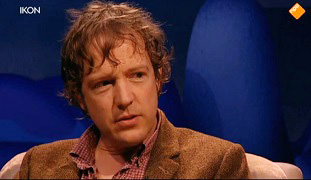
 

 1964070-0c3d1bc4c5e15ee7e946c6eb11dde993.jpg
Alexis de Roode (Hulst, 8 oktober 1970)


De Nederlandse schrijver en journalist Martin van Amerongen werd geboren op 8 oktober 1941 in Amsterdam. Zie ook mijn blog van 8 oktober 2010 en eveneens alle tags voor Martin van Amerongen op dit blog.

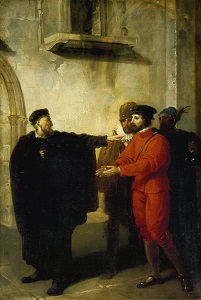
Uit: Heeft een jood geen ogen. Het karakter Shylock…

“Hij is op zijn eigen wijze een man van eer. Jarenlang is hij door het locale patriciaat vernederd, inwoners van een stad waarin niet toevallig het getto is uitgevonden. «Signor Antonio», zegt hij, «hoe menigmaal hebt u op de Rialto mij gehoond, gelachen om mijn centen en mijn rente. U schold me uit voor heiden en voor bloedhond en spuwde op mijn joodse opperkleed. Wat zal ik zeggen? Heeft een hond geld? Heeft zo'n verachtelijk creatuur drieduizend dukaten in zijn poten?»
Hij krijgt eindelijk, na al die vernederingen, de kans iets terug te doen. Andermaal toont hij karakter. Niets wil hij weten van het honingzoete, nieuwtestamentische voorschrift de tegenstander zowel de linker- als de rechterwang toe te keren. Hij, de vrome jood, zweert bij het sympathieke, overzichtelijke, oudtestamentische oog om oog, tand om tand.
Natuurlijk is Shylock kansloos. Heinrich Heine, Shakespeare-kenner van enig formaat, zag deze bittere komedie in het Londense Drury Lane. Acher hem in de loge bevond zich een Britse schone die tijdens de beruchte rechtbankscène bittere tranen schreide onder de verzuchting: «But the poor man is wronged!» Nee, wij weten al voordat het doek is opgegaan: Shylock zal zijn pond vlees niet krijgen. «De jood had immers altijd ongelijk en stond nooit in zijn recht», constateert de antisemitismespecialist Hans Jansen.
De wet wordt met grote, Venetiaanse platvoeten getreden. Via een juridisch foefje wordt de schuldeiser, dwars tegen alle jurisprudentie in, zijn pond vlees subsidiair zijn drieduizend dukaten onthouden, vervolgens pakt men hem zijn vermogen af en ten slotte wordt hij op straffe des doods gedwongen de godsdienst van zijn vervolgers aan te nemen. «Nu, ongedoopte hond, nu hebben we je!» triomferen de antisemieten en in hun ogen vlamt reeds het onheilig vuur van de nationaal-socialistische crematoria.”
 

 1964070-9df5257cd987c0b9787fd096e95c5723.jpg
Martin van Amerongen (8 oktober 1941 – 11 mei 2002)
Shylock Rebuffing Antonio door Richard Westall, 1795.


De Amerikaanse schrijver Benjamin Cheever werd geboren op 8 oktober 1948 in New York. Zie ook mijn blog van 8 oktober 2010 en eveneens alle tags voor Benjamin Cheever op dit blog.

Uit: Strides

„It’s odd that I like marathons so much. Ordinarily, I don’t fit in at staged gatherings. The bigger the ceremony, the less festive I feel.
Crammed in with a hundred strangers who are probably as similar to me as other peas in my pod, I feel alienated, unique, and alone. Nor do I have the sort of attitude that leads to lasting connections. Soon, I’m criticizing the filet mignon, speculating out loud about how much they paid the keynote speaker. “And didn’t he already publish this in a column?” A tuxedo brings out the Hamlet in me. There’s something rotten in the state of Denmark.
Set this same cynic down at Fort Wadsworth on line for a toilet that really does smell rotten, and he’s a believer. Suddenly, I respect authority. It was raining the year I saw Mayor Koch striding through a clot of runners at the start of the New York City Marathon, waving his arms above his head as if he’d just won a heavyweight bout. Nobody was cheering.Nobody. I liked him, though. I thought he looked a little silly, but also statesmanlike. This was a man who would not be ruled by the crowd. Seemed he didn’t need us at all.
I like the people at a marathon. Maybe this is because as a species, we’re so good at concealing ourselves. And the signals we give one another are like the feints a ball carrier might use to outwit a tackler. We hate or loveour jobs, depending entirely on who’s listening. We didn’t mean to buy this car. “After circling the globe, I never thought I’d Wind up in this town.”
“I didn’t mean to marry him.”
When you run a marathon, you mean it. We’re built for running. We dream of flying. For now, though, we’re built to run.”
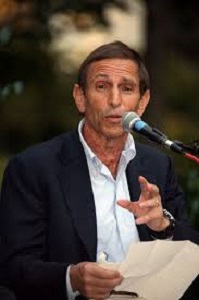
 

 1964070-c9b35f4581dc61d39c74bf779fbd0661.jpg
Benjamin Cheever (New York, 8 oktober 1948)


De Duitse schrijver Jakob Arjouni (pseudoniem vanJakob Bothe) werd geboren op 8 oktober 1964 in Frankfurt am Main. Zie ook mijn blog van 8 oktober 2010 en eveneens alle tags voor Jakob Arjouni op dit blog.

Uit:Happy Birthday, Türke!

»’n Abend, Herr Maier-Dietrich. Wie wärs mit ’ner [6] Stunde unter Männern, im Beisein einer Flasche Feuerwasser?«
Er willigte ein, und wir verabredeten uns für später.
»Passen Sie auf, daß niemand aus Versehen auf den Hund tritt«, rief ich ihm hinterher, aber er hatte es wahrscheinlich nicht mehr gehört.
Ich schaute mir ein Dutzend Tote im Fernsehen an und goß das erste Glas Chivas in die Leber. Dann klingelte Maier-Dietrich und hinkte in die Wohnung. Der Russe habe ihm das Bein gemopst, erzählt er mir oft, nicht ohne Witz.
Der Abend war verlaufen wie erwartet. Wir sprachen über Autos, die wir nicht bezahlen, und Frauen, die wir nicht beschlafen konnten. Er sowieso nicht mehr. Später klauten wir dem Gemüsehändler im Erdgeschoß noch zwei Flaschen Mariacron aus dem Keller und waren irgendwann danach bewußtlos in die Betten gefallen.
Ich schlürfte meinen Kaffee und starrte die leere Flasche an. Geburtstag. ›Na ja‹, dachte ich mir, ›wär schon schön, wenn irgend jemand mit Geschenk und Kuchen reinplatzen würde.‹ Mir fiel allerdings niemand ein. Herr Maier-Dietrich konnte aufgrund der letzten Nacht nur schlafen oder tot sein. Im übrigen kann er nicht backen und würde, die gemeinsame Nacht vergessend, mir wahrscheinlich die angebrochene Flasche Mariacron schenken.
Ich holte eine offene Büchse Heringssalat aus dem Kühlschrank und stocherte mißmutig drin herum. Die blaugrau schillernde Haut der Fischstücke glänzte im Sonnenlicht. Eine halbe Flosse lugte zwischen zwei Gurkenstückchen hervor.
Ich schmiß die Büchse in den Abfall, machte eine Flasche Bier auf und zündete mir eine Zigarette an. [7] Irgendwo pfiff ein Wasserkessel, und der Ton schnitt mein Hirn in Scheiben.
Dann klingelte das Telefon. Ich kroch hin und nahm ab.
»Heinzi, bist du es?« kreischte die Muschel. Ich heiße nicht Heinzi, möchte auch nicht so heißen, flötete aber ein fröhliches »Ja«.
»Heinzi, mein Heinzi, ich bin so wahnsinnig glücklich, deine Stimme zu hören. Ich habe gestern den ganzen Abend versucht, dich zu erreichen, aber du warst nicht zu Hause. Weißt du, was passiert ist?«
Ich wußte es nicht.
»Ich war beim Arzt, du weißt schon, und was glaubst du, hat er gesagt, Heinzi?
Heinzi?!«
 

 1964070-c4f91b4b104e1c4f5b259e893f0aefc2.jpg
Jakob Arjouni (8 oktober 1964 – 17 januari 2013)
Scene uit de gelijknamige film uit 1992 


De Welshe dichter en schrijver John Cowper Powys werd geboren op 8 oktober 1872 in Shirley, Derbyshire. Zie ook alle tags voor John Cowper Powys op dit blog.

Uit: Wolf Solent

“From Waterloo Station tot he small country town of Ramsgard in Dorset is a journey of not more than three or four hours, but having by good luck found a compartment to himself, Wolf Solent was able to indulge in such an orgy of concentrated thought, that these three or four hours lengthened themselves out into something beyond all human measurement.
A bluebottle fly buzzed up and down above his head, every now and then settling on one of the coloured advertisements of seaside resorts-Weymouth, Swanage, Lulworth, and Poole-cleaning its front legs upon the masts of painted ships or upon the sands of impossibly cerulean waters.
Through the open window near which he sat, facing the engine, the sweet airs of an unusually relaxed March morning visited his nostrils, carrying fragrances of young green shoots, of wet muddy ditches, of hazel-copses full of damp moss, and of primroses on warm grassy
Solent was not an ilLfavoured man; but on the other hand he was not a preposssssing one. His short stubbly hair was of a bleached tow-colour. His forehead as well as his rather shapeless chin had a tendency to slope backward, a peculiarity which had the effect of throwing the weight of his character upon the curve of his hooked nose and upon the rough, thick eyebrows that overarched his deeply sunken grey eyes.
He was tall and lean; and as be stretched out his legs and clasped his hands in front of him and bowed his head over his bony wrists, it would have been difiicult to tell whether the goblinish grimaces that occasionally wrinkled his physiognomy were fits of sardonic chuckling or spasms of reckless desperation.
His mood, whatever its elements may have been, was obviously connected with a crumpled letter which he more than once drew forth from his side-pocket, rapidly glanced over, and replaced, only to relapse into the same pose as before.”
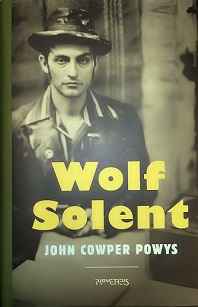
 

 1964070-f3fd19b93820219774de70aca6241250.jpg
John Cowper Powys (8 oktober 1872 - 17 juni 1963)
Cover


De Russische dichter Sergei Yakovlevich Efron werd geboren op 8 oktober 1893 in Moskou. Zie ook alle tags voor Sergei Efron op dit blog.


On Parting

Mein Herz tragt schwere Ketten.
Die Du mir angelegt.
Ich mocht mein Leben wetten
Dass Keine schwerer tragt

Frankfurt song

Teasing and tempting and playing
We loved like children, us both
But somebody, hiding a smile,
Set up the ungentle nets -
And here we are at the harbor,
Not seeing the wished-for abodes,
But knowing that I will be yours
In the heart, without words, until death.

You told me of all things - so early!
I guessed them so late! In our hearts
A wound is eternal, a silent
Question exists in our eyes,
The desert on earth is so endless,
The heaven, so high, has no stars,
Revealed is the tender secret,
And frost rules for centuries.

I will talk to shades! O my dear,
To forget you I do not have might,
Your visage can't move under shadow
Of eyelids gone over my eyes...
It's darkening... Shutters have closed,
On all things descending is night...
I love you, one ghostly-eternal,
And only you - and always!


Marína Tsvetájeva (Vertaald door Ilya Shambat)
 

 1964070-86c44831d1eb1db03086b80a42c53a89.jpg
Sergei Efron (8 oktober 1893 – 16 oktober 1941)
Sergei Efron en Marína Tsvetájeva op de Krim


De Franse schrijver en dichter André Theuriet werd geboren op 8 oktober 1833 in Marly-le-Roi. Zie ook mijn blog van 8 oktober 2010 en eveneens alle tags voor André Theuriet op dit blog.


Le Tisserand (Fragment)

Si la navette hésite ou s’arrête en chemin,
La famille n’aura rien à manger demain.
Ô maigre tisserand, ô chétive araignée,
Vous avez même peine et même destinée,

Et dans le même cercle aride votre sort,
Pénible et résigné, tourne jusqu’à la mort.
De l’aube au crépuscule il faut tisser sans cesse ;
Il faut tisser pour vivre, et si la faim vous presse,

Si le besoin roidit vos bras endoloris,
Le travail chôme.. Adieu le réseau de fils gris,
Et la trame légère et souple comme un voile !
Sans toile plus de pain, et sans pain plus de toile..

Votre vie a le même horizon désolant,
Ô chétive araignée, ô maigre tisserand !
À l’approche du soir, l’homme un instant s’arrête.
Il a les reins rompus, sa main tremble, et sa tête

Est lourde. Son regard anxieux et troublé
Contemple le châssis où l’insecte a filé.
Le soleil qui s’éteint dans la brume rougie
Empourpre les carreaux de la vitre ternie..

Au long des grands bois verts et baignés de clarté,
Qu’il serait bon d’errer ce soir en liberté !..
Par l’étroit soupirail, le vent du sud apporte
Des sons lointains de cloche et l’odeur saine et forte

De la terre attiédie et des foins mûrissants..
Qu’il ferait bon dehors ! Heureux les lis des champs !
Leurs fleurs « emmi les prés ne filent ni ne tissent »,
Et toujours leurs soyeux vêtements resplendissent,

Et toujours sans compter Dieu leur donne au réveil
Ses perles de rosée et ses flots de soleil.
Heureux les lis des champs !.. L’homme se décourage
Et n’ose même plus regarder son ouvrage.

L’insecte, sur ses fils immobile, inquiet,
Comme une sentinelle épie et fait le guet.
Jouant dans un rayon, bourdonnante, étourdie,
Dans la toile flexible et savamment ourdie

Une mouche soudain s’enlace et se débat.
Alerte, l’araignée accourt, et le combat
S’engage. La captive est brave et bien armée ;
L’araignée est ardente, implacable, affamée.


 1964070-8975de152f32440373c5a9bd03540e82.jpg
André Theuriet (8 oktober 1833 – 23 april 1907)
Portret door Jules Bastien-Lepage, 1878


De Duitse schrijver Nikolaus Becker werd geboren op 8 oktober 1809 in Bonn. Zie ook mijn blog van 8 oktober 2010 en eveneens alle tags voor Nikolaus Becker op dit blog.


Abschied und Wiedersehem

l.
Noch einen vollen Becher
Reich’ mir zur guten Nacht,
Es gelte frohem Siege
Auf morgen in der Schlacht-:

Die schöne Maid behende
Credenzt den dunkeln Wein;
Sie scheint ihn an so freudig,
Wie er ihn schlürft hinein.

Und ist aus blut‘gem Kampfe
Der Feind geflohen weit,
Dein eigen dann, schön Liebchen,
Bin ich für alle Zeit.«

Er zog mit starkem Arme
Sie an die Kriegerbrustz
Es küßt die bärt’ge Lippe
Den rothen Mund mit Lust.

Und hohe Freudenröthe
Der Jungfrau Wange malt,
Wie wenn auf reine Lilie
Der Sonne Frühroths strahlt.

 

 1964070-28a1fe717d67c669ff32061d6ee8e815.jpg
Nikolaus Becker (8 oktober 1809 – 28 augustus 1845)
Bonn


Onafhankelijk van geboortedata

De Amerikaanse schrijver Atticus Lish werd geboren in 1972 in New York. Zie ook alle tags voor Atticus Lish op dit blog.

Uit: Preparation For The Next Life

“I’m comforting you! he yelled, but she shook her head and he let his hand drop.
We’re still crazy, he said. I know we’re crazy.
I cannot hear.
I know, it’s nuts.
There were rainbow lights flowing around the jukebox, which had the image of a saint in the center of the songs.
You love music?
He was looking around them in the loud dark. At the sound of her voice, he looked in her eyes and said oh yeah.
He got her attention and pointed at the high-definition TV over the bar, which was showing a professional boxing match between Mexican fighters in tasseled shorts and boots. He watched her face in profile watching the match.
Nice TV, he yelled.
She nodded seriously, the blue of the ring reflected on her face.
Skinner noticed a man wearing a bandana staring at him. The bartender set another round in front of them.
Hey, let’s see how fast we can drink these. Hey, look!
He drank his beer straight down while she watched.
Now you.
He watched her lean her head back and her throat working as she swallowed the contents of the entire bottle, then she set her empty bottle on the bar next to his.
I don’t drunk.
But you’re getting there.
They had created a little forest of clear glass bottles on the bar.
In the China, the beer is much bigger—this big, big one! She held her hands apart to show their size. I cannot drink them. Here, this small one it’s nothing.”

 

 1964070-7358c9033e4578c2ce18261b51c7190f.jpg
Atticus Lish (New York, 1972)

Geschreven door Romenu om 09:56 Reageer op dit bericht

Simon Carmiggelt, Rachel Kushner, James Whitcomb Riley, Thomas Keneally, Dirkje Kuik, Steven Erikson, Wilhelm Müller, Sohrab Sepehri, Chigozie Obioma

De Nederlandse schrijver en dichter Simon Carmiggelt werd geboren op 7 oktober 1913 in Den Haag. Zie ook mijn blog van 7 oktober 2010 en eveneens alle tags voor Simon Carmiggelt op dit blog.


Louter droefheid

Ik voel mij somber. Ei, wat zal ik doen?
Een platte geest dronk nu een glaasje.
Maar ik ben een poëtisch baasje
en ga mijn weemoed in een versje doen.

Dat is het voordeel van mijn gave.
De burger kan zijn ei niet kwijt,
terwijl ik, rustig mijn neerslachtigheid
gelijk een paardje voor mijn kar laat draven.

Is het volbracht, dan ben ik opgelucht.
'k Heb schoonheid uit mijn pijn gewrongen.
Mijn lieve pen heeft mooi gezongen.
Ik stap in bed. Ik geeuw en zucht.

En staan mijn verzen later soms te kijk
in 'Gouden Aren' of in 'Dichterschat',
dan zegt de leraar bij deez' pennespat:
'Kijk jongens, hier had hij het moejelijk.'


In de trein

Bij Vught dacht ik: 'Hier is broer Jan gestorven.'
En 'k zag mijn vader, met zijn oud gezicht
rood opgezwollen, toen het doodsbericht
zijn late leven toch nog had bedorven.

Voor moeder kwam een eind aan haar pakketten.
Zij streed, zolang Jan zat, met eigen wapen,
stond aan 't fornuis haar moed bijeen te rapen,
zond zeven broden, zeven tegenzetten.

En ook het reizen was achter de rug.
Ze gingen met de trein. Daar ligt het kamp.
Daar zit hij in. Daar woont die ramp.
Dan zuchtten ze en gingen maar weer terug.

Ziet ge de boer de vredesakker ploegen?
Mijn moeder heeft Jans foto op de kast gezet.
Mijn vader geeft in 't graf 'n antwoord aan die vroegen:
'En de oude man, hoe draagt hij het?'


De vader

Dit kleine prinsje, kraaiend, blij en rap,
is 't enig wezen in het aardse tranendal
voor wie hij in een afgrond springen zal.
Nu ja, maar stellig van een hoge trap.

Van vadertrots zwelt hem de weke krop,
want dit is nu toch 's levens suikerstang.
Hij sabbelt, maar het duurt niet lang.
Het zoet slinkt weg, de knaap groeit op.

En geen notaris wordt er uit die stek.
Daaraan werd vaders geld bepaald vermorst.
Toch is de jongen wel een flinke borst.
Als krachtig fietsenmaker lang niet gek.

Maar vrolijk kraaien valt hem niet meer in
wanneer hij, eens per jaar, pa's krot betreedt.
De oude kijkt hem aan. Als jongeling gekleed,
staat hij daar zelve, doch met Anna's kin.


 1963922-08e0c7c30c9e75e0720950e604caae16.jpg
Simon Carmiggelt (7 oktober 1913 – 30 november 1987)


De Amerikaanse schrijfster Rachel Kushner werd geboren op 7 oktober 1968 in Eugene, Oregon en verhuisde naar San Francisco in 1979. Zie ook alle tags voor Rachel Kushner op dit blog.

Uit: The Flamethrowers

“My uncle Bobby, who hauled dirt for a living, spent his final moments oflife jerking his leg to depress the clutch while lying in a hospital, his body determined to operate his dump truck, clutching and shifting gears as he Sped toward death on a hospital gurney. “He died on the job,” his two sons said, unmoved. Bobby was too mean for them to love. Scott and Andy had been forced to oil Bobby’s truck every Sunday and now he was dead and they had Sundays to themselves, to oil their own trucks. Bobby was my mother’s brother. Growing up, we’d all lived together. My mother worked nights, and Bobby was what we had as a parent. Done driving his dump truck, he sat inexplicably nude watching TV and made us operate the dial for him, so he wouldn’t have to get up. He’d fix himselfa big Steak and give us inStant noodles.
Sometimes he’d take us to a casino, leave us in the parking 1ot with bottle rockets. Or play chicken with the other cars on 1-80, with me and Scott and Andy in the backseat covering our eyes. I come from reckless,unsentimental people. Sandro used this againSt me on occasion. Hepretended I was placed in his life to torture him, when it was really the other way around. He acted smitten but I was the smitten one. Sandro held all the power. He was older by fourteen years and a successful artist, tall and good-looking in his work clothes and Steel-toed boots-the same kinds of clothes that Bobby and Scott and Andy wore, but on Sandro they added up to something else: a guy with a family inheritance who could use a nail gun, a drill press, a person not made effete by money, who dressed like a worker or sometimes a burn but was elegant in those clothes, and never hampered by the queStion of whether he belonged in a given situation (the queStion itselfwas evidence ofnot belonging).
Sandro kept a photo above the desk in his loft, him posing on a couch next to Morton Feldman in his Coke-bottle glasses, Sandro looking cool and aloof, holding a raised, loaded shotgun, its barrel one long half of the letter X crossing the photograph diagonally.”


 1963922-4ac761e80066cfb72d31e230c6450b0f.jpg
Rachel Kushner (Eugene, 7 oktober 1968)


De Amerikaanse dichter en schrijver James Whitcomb Riley werd geboren op 7 oktober 1849 in Greenfield, Indiana. Zie ook mijn blog van 7 oktober 2010 en eveneens alle tags voor James Whitcomb Riley op dit blog.


September Dark

1
The air falls chill;
The whippoorwill
Pipes lonesomely behind the Hill:
The dusk grows dense,
The silence tense;
And lo, the katydids commence.

2
Through shadowy rifts
Of woodland lifts
The low, slow moon, and upward drifts,
While left and right
The fireflies' light
Swirls eddying in the skirts of Night.

3
O Cloudland gray
And level lay
Thy mists across the face of Day!
At foot and head,
Above the dead
O Dews, weep on uncomforted!


 1963922-e6dadbe7d11a8d36b1d6ac1a869e21c2.JPG
James Whitcomb Riley (7 oktober 1849 – 22 juli 1916)
Standbeeld in Greenfield, Indiana


De Australische schrijver Thomas Keneally werd geboren op 7 oktober 1935 in Sydney. Zie ook mijn blog van 7 oktober 2010 en eveneens alle tags voor Thomas Keneally op dit blog.

Uit: Schindler's List

“Emilie, on the other hand, was delighted to leave her small village and her father’s old-fashioned household, where she had to act as hostess to him and his boring friends. She was enthusiastic about moving into an apartment in Zwittau with her tall, handsome young husband. However, Emilies dream of a happy marriage did not last long. Oskar followed his father’s example and forgot about his wife in the evenings, staying in cafes like a single man, talking to girls who were neither religious nor quiet.
Hans Schindler’s business went bankrupt in 1935, and soon afterwards he left his wife and found an apartment on his own.
Oskar hated his father for abandoning his mother and refused to speak to him. The son seemed blind to the fact that his treatment of Emilie was already following the same pattern.
Meanwhile, even though the world’s economy was suffering, Oskar managed to get a good job. He had good business contacts, he had a background in engineering and he was good company. These qualities made him the perfect man to become the sales manager of Moravian Electrotechnic. He began travelling a lot, which reminded him of his time as a motorbike racer, and which gave him an excuse to stay away from his responsibilities in Zwittau.
By the time of his mother’s funeral in the late 1930s, Oskar, like many young Czech Germans, was wearing a swastika, the badge of the Nazi Party, on the collar of his suit. He was still not interested in politics, but Oskar was a salesman. W hen he went into the office of a German company manager wearing the swastika, he got the orders that he wanted.
Oskar was a busy, successful salesman, but he could feel something even more exciting than money in the air. In 1938, in the month before the German army entered Sudetenland and made it part of the Third Reich,* Oskar sensed that history was being made, and he wanted to be part of the action.”


1963922-f2b975ff42634075b923f468348a58fd.jpg
Thomas Keneally (Sydney, 7 oktober 1935)
Scene uit de film van Steven Spielberg uit 1993


De Nederlandse schrijfster en beeldend kunstenares Dirkje Kuik werd geboren in Utrecht op 7 oktober 1929. Zie ook mijn blog van 7 oktober 2010 en eveneens alle tags voor Dirkje Kuik op dit blog.

Uit: De ideale stad

“Ik graaf de grond weg onder de rijtjeshuizen en de torenflats al zou het een gifbelt betreffen. Pas wanneer de laag bereikt wordt waarin sporen voorkomen van kloostermoppen, pestputten en buurtkerkhoven houd ik op met mijn graafwerkzaamheden en ga opnieuw aan het bouwen.
Ja, één modern gebouw spaar ik, het Muziekcentrum. Deze muizenholenachtige schepping kan uitgebrand tot een geblakerde ruïne omgetoverd worden, geplakt tegen het totaal vervallen Hoog-Catharijne, een met graafmachines en bulldozers gesloopt complex, overwoekerd door hoog opgeschoten gras, onkruid, verwilderd struikgewas (…).”


1963922-fecaebbfe24bc990e78553483c907598.jpg
Dirkje Kuik (7 oktober 1929 – 18 maart 2008)
Dirkje Kuik, Gezicht op de Buurkerk en de wallen, ets, 1983


De Canadese schrijver, archeoloog, antropoloog Steven Erikson (pseudoniem van Steve Rune Lundin) werd geboren in Toronto op 7 oktober 1959. Zie ook mijn blog van 7 oktober 2010 en eveneens alle tags voor Steven Erikson op dit blog.

Uit: Fall of Light

“Barely a smudge against the gloom, the sun was fading in the sky over the city of Kharkanas. The two lieutenants from the Houseblades of Lord Anomander, Prazek and Dathenar, met on the outer bridge and stood leaning on one of its walls, forearms on the stone. Like children, their upper bodies were tilted forward as they looked down upon the waters of the Dorssan Ryl. To their right, the Citadel stood like a fortress of night, defying the day. To the left, the city’s jumbled buildings crowded up against the flood wall as if caught in the act of marching over the edge.
Below the two men, the river’s surface was black, twisting with thick currents. Even now, the occasional charred tree trunk slid past, like the swollen limb of a dismembered giant. Ash-grey mud crusted the sheer walls that made up the banks. The boats moored to iron rings in the walls, near the stone steps that reached down into the water at intervals, looked neglected, home to dead leaves and murky pools of rainwater.
‘There is discipline lacking,’ murmured Prazek, ‘in our sordid post upon this bridge.’
‘We are looked down upon,’ Dathenar replied. ‘See us from atop the tower. We are small things upon this frail span. Witness as we betray errant curiosity, not suited to sentries at all, and in our pose you will find, with dismay, civilization’s slouching departure from the world.’
‘I too saw the historian at his lofty perch,’ Prazek said, nodding. ‘Or rather, his hooded regard. Did it track us out here? Does it fix still upon us?’
‘I would think so, as I feel a weight upon me. At least an executioner’s shroud offers mercy in hiding the face above the axe. We might splinter here under Rise Herat’s judgement, bearing as it does no less sharp an edge."


1963922-db3e390a79ac05a7269e81f723dbb293.jpg
Steven Erikson (Toronto, 7 oktober 1959)


De Duitse, romantische dichter Wilhelm Müller werd geboren op 7 oktober 1794 in Dessau. Zie ook mijn blog van 7 oktober 2010 en eveneens alle tags voor Wilhelm Müller op dit blog.


Rückblick

Es brennt mir unter beiden Sohlen,
Tret' ich auch schon auf Eis und Schnee.
Ich möcht' nicht wieder Atem holen,
Bis ich nicht mehr die Türme seh'.

Hab' mich an jedem Stein gestoßen,
So eilt' ich zu der Stadt hinaus;
Die Krähen warfen Bäll' und Schloßen
Auf meinen Hut von jedem Haus.

Wie anders hast du mich empfangen,
Du Stadt der Unbeständigkeit!
An deinen blanken Fenstern sangen
Die Lerch' und Nachtigall im Streit.

Die runden Lindenbäume blühten,
Die klaren Rinnen rauschten hell,
Und ach, zwei Mädchenaugen glühten!
Da war's geschehn um dich, Gesell!

Kömmt mir der Tag in die Gedanken,
Möcht' ich noch einmal rückwärts sehn,
Möcht' ich zurücke wieder wanken,
Vor ihrem Hause stille stehn.


 1963922-4926047b153727a7838a5083aabad7b0.jpg
Wilhelm Müller (7 oktober 1794 – 1 oktober 1827)
Borstbeeld in Dessau


De Iraanse dichter en schilder Sohrab Sepehri werd geboren op 7 oktober 1928 in Kashan. Zie ook alle tags voor Sohrab Sepehri op dit blog.


The Flow Of Water

When knowledge
Still nestled by springs,
Man
Indulged himself in his azure philosophy
In the delicate indolence of a meadow.
His thoughts flew with the bird.
He breathed with trees.
He was submissive to the poppy's conditions.
Intrepid meanings of the waters
Roared in the depths of his speech.
Man
Slept
In the text of the elements
And woke up
In dawning fear.

But sometimes
The strange music of growth
Echoed
In the frail joints of his joys
And dust settled
On his struggling knees.
Then
His creative fingers,
Idled and got lost
In precise geometrical grief.


Vertaald door Ismail Salami


 1963922-bc438d47333ce7623249ffbe5577dcd5.jpg
Sohrab Sepehri (7 oktober 1928 - 21 april 1980)


Onafhankelijk van geboortedata

De Nigeriaanse schrijver Chigozie Obioma werd geboren in 1986 in Akure. Zie ook alle tags voor Chigozie Obioma op dit blog.

Uit: The Fishermen

“Before we slept that night, Ikenna, who was nearly fifteen and on whom we relied for the interpretation of most things, had suggested Father was being transferred. Boja, a year his junior, who would have felt unwise if he didn’t appear to have any idea about the situation, had said it must be that Father was travelling abroad to a “Western world” just as we often feared he someday would. Obembe who, at eleven, was two years my senior, did not have an opinion. Me neither. But we did not have to wait much longer.
The answer came the following morning when Father suddenly appeared in the room I shared with Obembe. He was dressed in a brown T-shirt. He placed his spectacles on the table, a gesture requesting our attention. “I will start living in Yola from today onwards, and I don’t want you boys to give your mother any troubles.” His face contorted when he said this, the way it did whenever he wanted to drive the hounds of fear into us. He spoke slowly, his voice deeper and louder, every word tacked nine-inches deep into the beams of our minds. So that, if we went ahead and disobeyed, he would make us conjure the exact moment he gave us the instruction in its complete detail with the simple phrase “I told you.”
“I will call her regularly, and if I hear any bad news”—he struck his forefinger aloft to fortify his words—“I mean, any funny acts at all, I’ll give you the Guerdon for them.”
He’d said the word “Guerdon”—a word with which he emphasized a warning or highlighted the retribution for a wrong act—with so much vigour that veins bulged at both sides of his face.”


1963922-3f84e376ae634d4206821436cf153957.jpg
Chigozie Obioma (Akure, 1986)

Geschreven door Romenu om 18:17 Reageer op dit bericht

Georg Hermann

De Duitse schrijver Georg Hermann (oorspronkelijk Georg Hermann Borchardt) werd op 7 oktober 1871 in Berlijn als de jongste van zes kinderen in een oude gevestigde Joods-Berlijnse familie geboren. De gekozen naam Hermann was de voornaam van zijn vader, "wiens leven en dood het harde leven en de bittere dood was van de hopeloze." De naam van zijn vader moest weer worden geëerd - zo Georg Hermann over de keuze van zijn pseudoniem. Georg Hermann werkte als koopman- leerling en bezocht van 1896 tot 1899 literatuur-, kunst- en filosofische lezingen aan de universiteit van Berlijn. Later was hij werkzaam bij het Berlijnse Statistische Bureau en schreef voor veertig kranten en tijdschriften, hoofdzakelijk uitgegeven door Ullstein. In de eerste drie decennia van de twintigste eeuw was Georg Hermann een bekende schrijver. Zijn literaire model was Theodor Fontane, waardoor hij zelf ook wel “de Joodse Fontane” werd genoemd. De romans “Jettchen Geberts Geschichte” en “Henriette Jacoby”, die in het Berlijn van de 1840's spelen en een beeld schetsen van de liberale geest van deze tijd in een Joodse familie, waren bestsellers met meer dan 260 oplagen. Zijn andere romans hebben niet dezelfde populariteit bereikt. Georg Hermann was in 1909 medeoprichter en eerste voorzitter van de Schutzverband Deutscher Schriftsteller (1910-1913), waarbij al snel bijna alle prominente Duitse schrijvers waren aangesloten. Voortdurend bedreigd door de Nationaalsocialisten besloot Hermann om Duitsland na de Reichstagsbrand in 1933 te verlaten. Met zijn twee jongste dochters en zijn gescheiden vrouw ging hij naar Nederland in ballingschap. Hermann's werken stonden op de zwarte lijst en werden in mei 1933 verbrand. In ballingschap schreef Hermann onder moeilijke economische omstandigheden “Eine Zeit stirbt” evenals drie andere romans. Na de bezetting door het Duitse leger was hij in het begin van 1943 verplicht zijn woonplaats Hilversum te verlaten en naar Amsterdam te gaan. Vanuit Amsterdam werd Hermann eerstsamen met zijn dochter uit het tweede huwelijk Ursula en haar zoon Michael naar Westerbork en op 16 november 1943 zonder dochter en kleinzoon naar het concentratiekamp Auschwitzgedeporteerd .Als datum van overlijden geldt 19 november 1943.

Uit:Eine Zeit stirbt

“Alle sind damit – mit Unrecht, vielleicht mit Recht, je nach dem, wie man das ansehen will – unzufrieden. Denn ihr Stück Gemüseland, und das gehört zu jeder Wohnung, wäre, so meinen sie, sicher viel ertragreicher geworden, und so bekäme man ja gar nichts raus, kaum ein Bund Radieschen und einen halben Zentner grüner Bohnen, ... also – viel ertragreicher wäre es geworden, wenn man nicht damals hier erst mal unnötigerweise den Boden planiert hätte, und dabei die alte Humusdecke abgestochen und untergegraben hätte. Und den dicken, rotgelben, schlechten Lehm, den von ganz unten, dafür hochgeworfen hätte. – Damals nämlich, als man die Absicht auszuführen begann, dieses Dutzend Wohnkästen hier – und warum eigentlich auf der Winterseite des Tals? – hinzustellen. Und außerdem noch gerade neben den Friedhof. Ja, da gehört doch gleich mit Eisenbahnschienen 'neigeschlagen! meinen sie.
Außerdem hatten die Erdarbeiten, die so unnütz wie ein Kropf waren, denn das Stückchen Gartenland hätte ebenso ruhig etwas mehr hügelan laufen können ... oder man hätte es überhaupt ganz so lassen sollen, wie es war, und die Häuser einfach mitten in die Margeriten- und Salbeiwiesen zwischen die alten Birnbäume stellen sollen, statt diese abzutragen und umzuhauen ... die Erdarbeiten hatten so viel verschlungen, immer neue Tausender, Hundertausender und Millionenscheine, die stets nach acht Tagen wieder so wertlos waren, daß es sich nicht mal lohnte, sie als Makulatur unter die Tapete zu kleben ... derartige Packen von Scheinen hatten die Erdarbeiten gefressen, daß die Häuser deshalb nachher kaum zu Ende gebaut werden konnten. Das Geld, das dafür bestimmt war, rutschte immer wieder unter dem Bau fort, wie Schwimmsand unter dem Fundament.
Sagte ich eben ein Dutzend?! Es sind ja nicht mal ganz ein Dutzend von diesen großen, gelben, langgezogenen Kästen mit je vier Parteien. Aber das ist wirklich nicht so wichtig. Das müßte man erst nachzählen. Und außerdem geht uns das gar nichts an. Vielleicht später mal. Genug, die Siedlung ist in der allerunsichersten Zeit errichtet worden. Heute macht man sowas besser! Kurz nach dem Krieg, als man noch nicht ahnte, was alles los war und werden würde, und nun meinte: jetzt ist der Krieg zu Ende, also ist deshalb doch Frieden. Wieder Frieden. Und alles wird ungefähr so werden, wie es vorher war. Nur die Briefmarken werden wir ändern. Die Menschen aber werden doch wieder wohnen müssen. Nicht wahr? Und sie werden essen müssen. Nicht wahr? Und sie werden Geld verdienen. Nicht wahr? Und sie werden Geld ausgeben. (Das haben sie immer getan.) Alles wird zwar etwas bescheidener sein als vorher, – dafür war eben Krieg! – aber doch ungefähr ebenso. Nicht wahr? Also: Geld wird wieder Geld sein. Und Ware Ware. Und die Menschen werden eben wieder Menschen sein.”


 2075963-9362a53bd5168189e45133d85b041d1f.jpg
Georg Hermann (7 oktober 1871 - 19 november 1943)

Geschreven door Romenu om 00:00 Reageer op dit bericht

Victor Vroomkoning, Ulrike Ulrich, Yaşar Kemal, Heinrich Federer, Ludwig Begley, Maria Dąbrowska, Horst Bingel, Peter Gosse

De Nederlandse dichter Victor Vroomkoning (pseudoniem van Walter van de Laar) werd geboren op 6 oktober 1938 in Boxtel. Zie ook mijn blog van 6 oktober 2010 en eveneens alle tags voor Victor Vroomkoning op dit blog.


Waas


Hij wuift het kanten waas
van de beslagen ruit.
De blaren vallen,
zegt hij half luid.
Trage halen
van zijn hand
wissen de herfst
in zicht.

Zij kijkt hem
in zijn uitgeleefde nek
en denkt: verrek
toch met je weer,
kijk naar je schedel,
je vergaan gezicht.


Contact

Ze tilt de hoorn van de haak,
verbindt er oor en mond mee,
noemt de naam die bij zijn voor-
naam hoort, achter de hare stond.

Ze moet herstellen.

Het is nog al te vers
dat ze zichzelf hervond,
kind weer van haar eerste man,
haar vader werd, diens naam hernam.

Haar tong die lang in coma lag
wordt fluisterend gewekt.
Door het contact wint zij aan stem.

Mond-op-mondbeademing
verkwikt haar toegesnoerde keel.


Zoektocht

Ik vraag het de man die naast zijn Groningse stadsbus bij
de remise recreëert, vraag het in Dorkwerd de gele vrouw
die de bermen fatsoeneert, vraag het de bode in Sauwerd die
met zijn post passeert, herhaal het in Adorp voor de werker
die de weg herstructureert, maar een weet waar jij existeert.
Wel de buitenstaander op het Pieterpad die jou exact traceert.

Nabij het Reitdiep duikt je krans van essen op. Wat houd jij
de door schelpen ingelijste pakweg honderd doden hoog!
Dat jij bewaard mag blijven, stille hoop voor wie rust zoekt.
Bij een graf vind ik een strofe die ik hier met jou verbind:

Wie legt me uit hoe alles werkt
hoe groot het gat is tussen nu en nooit
en hoe het komt dat ik nu merk
jij bent echt dichterbij dan ooit.


 1963572-7fa8b355e884d6f286b1b0499d7b8005.jpg
Victor Vroomkoning (Boxtel, 6 oktober 1938)
Portret door Robert Terwindt, 2004


De Duitse dichteres en schrijfster Ulrike Ulrich werd geboren in op 6 oktober 1968 in Düsseldorf. Zie ook mijn blog van 6 oktober 2010 en eveneens alle tags voor Ulrike Ulrich op dit blog.

Uit: Draussen um diese Zeit

“Jeden Freitag geht sie zu den Schildkröten. Jeden Freitag, wenn es nicht regnet, setzt Hanna sich auf die rote Bank, die am Rand des Goldfischgrabens steht, direkt neben das Schildkröten-Warnschild, über das sie mit ihm gesprochen hat, über das sie überhaupt erst ins Gespräch kamen. Er hat sie angesprochen. Sie hätte sich nicht getraut. Letzten Freitag, als es geregnet hat, ist sie am Graben vorbei ins Palmenhaus gegangen und hat sich auf die Bank gesetzt, die dem Innenbecken am nächsten steht, aber sie hat dann genauso wenig daran geglaubt, dass er kommen wird, wie sie daran glaubt, dass die Schildkröten beissen. Trotzdem blieb sie zwei Stunden lang im Palmenhaus. Trotzdem hat sie den Schildkröten noch nie über den Panzer gestreichelt, obwohl sie Lust dazu hätte, besonders über den verbeulten Panzer von Agnes würde sie gerne mit den Fingerspitzen fahren, er erinnert sie an die Beifahrertür ihres ersten Kadetts, die auf eine ähnlich unvollziehbare Weise eingedrückt war, schon damals vor fast dreissig Jahren, als sie den Wagen von ihrem Grossvater zum Abitur geschenkt bekam. Gerade jetzt kriecht Agnes an den Rand des grossen Steins, auf dem heute alle Schildkröten neben- und übereinanderlagern, und taucht ihre Vorderfüsse ins Wasser, während eine andere Schildkröte, der Hanna noch keinen Namen gegeben hat, sich ganz in den Wassergraben rutschen lässt und dabei eine weitere mitreisst. Bis die unfreiwillig untergetauchte Schildkröte, die Burkhard heissen könnte, den Stein wieder erklommen hat - zweimal fällt sie mit dem Panzer voran zurück ins Wasser - vergeht eine Minute, in der Hanna sich fragt, ob die Unterseite der Weibchen und Männchen gleich aussieht. Es vergeht eine Minute, in der Hanna beinahe gar nicht daran denkt, wo er bleibt und wieso er nun schon an zwei Freitagen nicht da war, wieso er vielleicht auch schon an zwei Freitagen nicht da war, wieso er vielleicht auch an diesem nicht kommen wird, obwohl die Sonne scheint und die Schildkröten sich alle auf der grossen Steinplatte versammelt haben, Elsa wie immer obenauf, die kleine Elsa deren Panzer ausfranst und aussieht, als wolle er zu Federn werden.“


1963572-9556e6ba8adf52a4fa99c543adbc58e1.jpg
Ulrike Ulrich (Düsseldorf, 6 oktober 1968)


De Turkse schrijver Yaşar Kemal werd geboren op 6 oktober 1923 als Kemal Sadik Gökçeli in Hemite. Zie ook alle tags voor Yaşar Kemal op dit blog.

Uit: The Sea-Crossed Fisherman (Vertaald door Thilda Kemal)

“The dolphins would laugh out loud when they saw Selim. An   animal laugh? Laughter, tears, the prerogatives of humankind? Hah, what fools men are! It is human beings who have forgotten how to laugh. It is human beings who are lonely, friendless, who cannot, will never ever enjoy the touch of a warm hand, the beauty of a loving gaze. It is human beings who are cynical, callous, indifferent to the beauty of the world around them, incapable of feeling the pure joy of being alive, of seeing the sky under which they live, the earth over which they walk, just blind wanderers in the midst of the majesty of nature. Dolphins, fishes, birds, foxes, wolves, even the smallest insects are those who enjoy our world to the full.
(...)

A strange phenomenon it was indeed, this relationship between the dolphin and Selim. . . . The dolphin would find the finest nests of red mullet, lobsters and shrimps, and would then lead Selim to them.
Selim’s boat would overflow with the choicest fish, and when he went to sell his catch at the fish market the other fishermen would turn green with envy."


 1963572-89df63993940ef07d04365920180e156.jpg
Yaşar Kemal (6 oktober 1923 - 28 februari 2015)


De Zwitserse dichter, schrijver en priester Heinrich Federer werd geboren op 6 oktober 1866 in Brienz. Zie ook mijn blog van 6 oktober 2009 en ook mijn blog van 6 oktober 2010 en eveneens alle tags voor Heinrich Federer op dit blog.

Uit:Berge und Menschen

„Dann rutschte er aber doch ganz gleichgültig in das erste, das zweite Hosenbein, knöpfte sich verstohlen die Weste zu und schlich wie absichtslos zum Lehnstuhl hinüber. Aber die unsichtbare, unheimliche Krankheit ließ sich auf keine Art übertölpeln. Beim ersten Blick vom Fenster in die Beweglichkeit der Straße hinab schwindelte ihn. Er floh zu den grünen Ulmen des Kirchplatzes hinüber. Aber diese so gelassenen und dunkeln Bäume schienen ihre Finger auf einmal zu verschnörkeln, Fratzenmienen zu schneiden und drohend nach ihm zu häckeln. Bert meinte, vornüber zu sinken. Er fing an zu frieren und sich elend und immer elender zu fühlen, bis er wieder tief ausgestreckt im Bett lag. Und der Arzt sagte unter ärgerlichem Kopfschütteln: »Fünf Promille Eiweiß! Was treiben Sie denn untertags?«
Der arme Tropf! Und er war noch ein so junger Geometer!
Sein schwächliches Reden, das müde Bewegen der Hände und das ewige Nicken zu allem, was Frau Bert für ihn sagte, machte Emil betroffen. Er begann an eine tiefe Krankheit zu glauben und seinen alten Schulkameraden ehrlich zu bedauern. Aber je weiter er vom Krankenhause wegschritt, im gesunden Atem der Straße, um so kräftiger freute er sich über das eigene Wohlsein. Leichter als sonst und selbstgefälliger faßte er seine biegsamen Schritte, und indem er schon die Stirnseite seiner Wohnung erblickte, sagte er zwar noch einmal hastig: »Der arme Tropf!« dann aber fügte er, die Arme dehnend, voll Überzeugung hinzu: »Mir fehlt nichts! zum Teufel, ich bin doch ein gesundes Stück Mensch!«
So oft Manuß seinem Hause nahte, diesem hellgrauen, vielfenstrigen, mit kargen, aber feinen Ornamenten gezierten, soliden Hause und besonders der tiefbraunen Doppeltüre mit dem Scheibengitterchen davor, das zwei Fasanen mit nahen Schnäbeln und stolz gebäumten Schweifen darstellte, das Weibchen und seine Brut; so oft kam es ihm unwillkürlich: das ist eine Witwe, aber eine junge, so hell und doch so gedämpft, so erfahren und doch so froh, so Mädchen und doch schon über die Frau hinaus – ja, eine junge Witwe stellt mein Haus vor.“


 1963572-530fb45702eec7429722ee8889d28bc7.jpg
Heinrich Federer (6 oktober 1866 – 29 april 1928)
Cover biografie


De Poolse schrijfster Maria Dąbrowska werd geboren op 6 oktober 1889 in Russów bij Kalisz. Zie ook mijn blog van 6 oktober 2009 en eveneens alle tags voor Maria Dąbrowska op dit blog.

Uit: Nights and Days (Vertaald door Christine A. Brown)

“Widowed, Jadwiga Ostrzenski moved to the provincial capital of Kaliniec, following the advice of the patriarch of the family, the rich councillor Joachim Ostrzeski, who felt an obligation to supervise the family of his imprudent relative. There she opened a boarding house for high school boys, at the same time educating her own children with great difficulty. After one year of such life, the insurrection of 1863 broke out; all boys, including her oldest son Daniel went to the woods to join the guerrillas. At that time, Jadwiga Ostrzenski sank so low financially that she had to exchange her spacious flat for a room with a garret, and to sell almost all her furniture. However, she did not lose her strength of mind even for a moment, nor did she allow her children to quit school. Sad experiences of her early years had disenchanted her with the prestige and benefits of affluence and birth. She believed only in education. She wished her sons to become scientists, or at least to acquire positions requiring only mental work; she wanted to provide the same opportunities for her daughters. When the insurrection was put down and Daniel, wounded in the leg, came home at last, Lady Jadwiga moved heaven and earth - including the vice governor of Kaliniec, whom the councillor Ostrzenski knew - to enable her son to finish the gymnasium and afterwards to enter the university. Timid and unsure of herself by nature, she was fierce and unyielding when she confronted difficulties or harassment related to the education of her children. In this respect, she was ready for the greatest humiliations and sacrifices, including the repugnance of asking for favors in governing circles. She would not accept any financial help, however - in that she was unpleasantly and rudely proud - she would agree unwillingly, only to the summer trips to Piekary Wielkie, the estate of the councillor Joachim. Besides, she believed herself capable of getting out of the greatest difficulties, and trusted that her children would help out in time. One son was supposed to be a biologist, the other, an engineer. Already they were in higher educational institutions, Daniel in Warsaw and Julian in St. Petersburg, and supported themselves by giving lessons. But they could not as yet send anything to mother, or perhaps they did not feel obliged to do so, occupied as they were with scholarly pursuits. So it was that Lady Jadwiga lived, with her two daughters in indescribable poverty.“


 1963572-1283119b4ba6fdf74595f4c0b1a43113.jpg
Maria Dąbrowska (6 oktober 1889 – 19 mei 1965)


De Amerikaanse schrijver Louis Begley werd geboren als Ludwig Beglejter op 6 oktober 1933 in Stryj (toen Polen, tegenwoordig Oekraïne). Zie ook mijn blog van 6 oktober 2010 en eveneens alle tags voor Louis Begley op dit blog.

Uit:The Man Who Was Late

“It was a paradox, ofwhich Ben over the years became fond, that he, ostensibly the most punctual and reliable of men, should have been late in the major matters of existence, that he always somehow missed his train. For all that the world could see, his comings and goings were meticulously planned and executed; he could be counted on to leave and arrive unfailingly, and precisely at the appointed hour- whatever his destination. But he knew better. Having studied to death his own version of the universal timetable, he discovered that somehow everything had been timed wrong, had been botched. Ben elaborated on his theory over countless lunches with me. Provided he was in New York, and the peripeties of some financial combination of the decade he just happened to be bringing to the desired ending did not interfere-the pages of my desk calendar were most often blank-we met for lunch at least once a month. Sometimes, if the conversation seemed unfinished-because what we had meant to say could not be contained in the conventional space of two hours, or because we were interrupted by an intruder determined to catch up with one or the other of us, insensitive to the bored or disparaging banter with which, in our mood of conniving solidarity, we deflected his questions-we would agree to lunch again the very first day he was free, to make sure the thing was finally talked out. This was our habit during almost fifteen years. For Ben, after completing the rites of passage proposed to the nation’s best during the Eisenhower era-Harvard College, followed by service in the marines, travel in Europe on a famed scholarship, moved to New York.
By then, I had been living here for several years, ever since my own graduation three classes ahead of Ben, enjoying a precocious celebrity due to a short novel I had published at the midpoint between the appearance of “The Old Man and the Sea and “Goodbye, Columbus”.


 1963572-e34cae0ca8a3de9835913e2cee0039dc.png
Louis Begley (Stryj, 6 oktober 1933)


De Duitse dichter, schrijver, graficus en uitgever Horst Bingel werd geboren in Korbach op 6 oktober 1933. Zie ook mijn blog van 6 oktober 2010 en eveneens alle tags voor Horst Bingel op dit blog.


Gegend, austauschbar

Die Gegend ist 
mies wir haben viel Gemeinsames 
die Liebe zu Katzen und Hunden 
und die Unlust am Morgen wenn
in dieser Gegend 
ein Mensch stirbt pflanzen 
sie Bäume der Tod 
ist nicht irgendwer 
gestern die Schule war gerade aus 
wurde ein Junge überfahren
45 Minuten lag er 
auf dem Trottoir wenn ich nicht 
Angst hätte aufzufallen 
hätte ich dem Jungen 
eine Decke gebracht.


Horoskop

Wenn der Himmel brennt,
wird die Flamme den Tag anzünden, 
Feuer von Feuer.

Wenn das Blatt sich rollt, 
wachsen in den Regenwolken stets 
Rosen von Rosen.

Wenn der Winter friert, 
teilen im Luftballon die Toten 
Steine um Steine.


 1963572-787a4e7b86a7c19718b1c4f0e34ad9b2.jpg
Horst Bingel (6 oktober 1933 – 14 april 2008)
Korbach 


De Duitse dichter, schrijver en essayist Peter Gosse werd geboren in Leipzig op 6 oktober 1938. Zie ook mijn blog van 6 oktober 2010 en eveeneens alle tags voor Peter Gosse op dit blog.


Petersberg (Fragment)

Dort lagern wir, in oder außer uns,
Zeit abgeschaltet undenklich. Benommen
Des Wünschens wir. Gelöst, erlöst in Blendungs-
Zusammenhang. Unendend nunmehr Leben
Oder zu Ende - gleichviel. Ohnmacht Allmacht.

Doch dann: Vom Schaum der Apfelblütenblättchen
Wir wie umschuppt, wie zuarmiert, bepanzert:
Als seien wir noch hier Schutzes bedürftig.
Ihr Haar und Härchen, ganzer Abgrundschwärze,
Umtan zu Asche, Flach reklamerosa
Der Brüstchen Doppelzimt. Verwachsen nixisch
Fuß-Filigran. Und mehr nicht denn Vermutung
Auf ihrer Nabelsasse meine Linke.

Dann gar noch dies: Ein kleiner Aufwind griff sich
Von den durchblühten Ästekugeln Weißes
Und hob es vor dem Felsen-Anthrazite
In Stiebungen - wir sahen: Rauch. Auch hier.
Auch diese Kuhle Krater. Nicht zu trauen
War diesem Frieden auch. Wir im Vulkane.

Auch ließ die Wunschlosigkeit nach, und jähe.


 1963572-d18ce128e0a015b396a70c2bb9e6ce7e.jpg
Peter Gosse (Leipzig, 6 oktober 1938)      


Geschreven door Romenu om 18:20 Reageer op dit bericht

Anton Wachterprijs 2016 voor Roos van Rijswijk

De Nederlandse schrijfster Roos van Rijswijk krijgt dit jaar de Anton Wachterprijs, de tweejaarlijkse prijs voor een literair prozadebuut. De schrijfster krijgt die voor haar eerder dit jaar verschenen roman "Onheilig". Van Rijswijk is de twintigste Anton Wachterprijswinnaar. Zie ook alle tags voor Roos van Rijswijk op dit blog.

Uit: Onheilig

“Mijn sigaret was bijna op en ik stak er nog een aan om ze na te kijken, en aan de overkant van mijn straat stonden twee jongens in de keuken, een zwarte en een witte. Ze zwaaiden naar me. want dat doen we altijd. Het zijn studenten of jonge vrienden die ik in het wild niet zou herkennen om-
dat ze in dat raam horen‚ in het gele licht van hun keuken, en ik hoor in mijn raamkozijn met een siga-
rct tussen mijn vingers. Soms krijgen zij mijn kranten‚ de donkere jongen komt ze me dan brengen. Een aai over zijn bol wil ik hetn geven. hij zegt u en mevrouw. Ik durf hem niet te vragen waar hij vandaan komt: Miguel haatte het als mensen dat deden, nog meer dan wanneer hij in de stad voor toerist gehouden werd. 1 am not a tourist, 1 live here.
Ik moet er niet aan denken dat alle laatste keren nog dagen, weken of maanden verder liggen. Kan het niet gewoon klaar zijn?
*
U heeft kinderenf zei de arts.
‘Ja’.
Ik weet niet of mijn leven begon of eindigde toen Miguel kwam, ik neig naar dat laatste. Het eindigde
toen ik doorhad dat hij zou komen, toen het te laat was om hem tegen te houden. Het enige onverwachte wat die jongen ooit gedaan heeft, op zijn plotselinge verhuizing naar nota bene Duitsland na, is geboren worden op de wc van de Bijenkorf. Zo banaal dat je het niet verzinnen kunt, ik zocht een angoratrui en kreeg ineens ontzettende kramp.
Toen kwam Miguel. Zijn naam kreeg hij pas een paar dagen later, op de dag dat Alfons hem aangaf op het gemeentehuis. Doe maar wat. had ik gezegd, in de volle overtuiging dat ik later nog wel eens van dat kind zou gaan houden.”


1963404-fba5fb675b91abe02ac79f2d89508cdf.jpg
Roos van Rijswijk (Amsterdam, 1985)

Geschreven door Romenu om 08:10 Reageer op dit bericht

Václav Havel, Roberto Juarroz, Stig Dagerman, K.L. Poll, Flann O’Brien, Denis Diderot, Charlotte Link, Sven Cooremans

De Tsjechische schrijver en politicus Václav Havel werd op 5 oktober 1936 in Praag geboren. Zie ook mijn blog van 5 oktober 2009 en ook mijn blog van 5 oktober 2010 en eveneens alle tags voor Václav Havel op dit blog.

Uit: To the Castle and Back (Vertaald door Paul Wilson)

“I've run away. I've run away to America. I've run away for two months, with the whole family; that is, with Dasa and our two boxers, Sugar and her daughter Madlenka. I've run away in the hope that I will find more time and focus to write something. I haven't been president now for two years, and I'm starting to worry about not having been able to write anything that holds together. When people ask me, as they do all the time, if I'm writing something and what I'm writing, I get mildly annoyed and I say that I've already written enough in my life, certainly more than most of my fellow citizens, and that writing isn't a duty one can perform on demand. I'm here as a guest of the Library of Congress, which has given me a very quiet and pleasant room where I can come whenever I want, to do whatever I want. They ask nothing from me in return. It's wonderful. Among other things, I would like to respond to Mr. HvÌzdala's questions.
I'd like to start the conversation with a question that touches on the second half of the 1980s, when you became the most famous dissident in Central Europe, or-as John Keane wrote-"a star in the theater of opposition." Do you remember the moment when it first occurred to you that you would have to enter into politics, that your role as a playwright, essayist, and thinker would no longer suffice?
In the first place I'd take issue with the designation "star in the theater of opposition." We did everything we could not to separate ourselves into the "stars" and the others. The better known someone among us became, and thus the better protected from arbitrary repression, the more he tried to come out in defense of those who were less known and therefore more vulnerable. The regime, after all, held to the principle of "divide and conquer." To some they said: "How can you, sir, an educated man respected by everyone, demean yourself by associating with such losers?" To others they said: "Don't get mixed up with those guys; they're a protected species. They're always going to lie their way out of trouble, and they'll go scot-free and leave you to pay the price." It's understandable that in such circumstances we placed a special emphasis on the principle of the equality of everyone who somehow expressed opposition to the regime.”


 1963258-dbe696501800773772285981d46b4855.JPG
Václav Havel (5 oktober 1936 – 18 december 2011)


De Argentijnse dichter, essayist en literatuurwetenschapper Roberto Juarroz werd geboren in Coronel Dorrego op 5 oktober 1925. Zie ook mijn blog van 5 oktober 2009 en ook mijn blog van 5 oktober 2010 en eveneens alle tags voor Roberto Juarroz op dit blog.

Uit: La Treizième poésie verticale

Toujours au bord.
Mais au bord de quoi ?

Nous savons seulement que quelque chose tombe
de l’autre côté de ce bord
et qu’une fois parvenu à sa limite
il n’est plus possible de reculer.

Vertige devant un pressentiment
et devant un soupçon :
lorsqu’on arrive à ce bord
cela aussi qui fut auparavant
devient abîme.

Hypnotisés sur une arête
qui a perdu les surfaces
qui l’avaient formée
et resta en suspens dans l’air.

Acrobates sur un bord nu,
équilibristes sur le vide,
dans un cirque sans autre chapiteau que le ciel
et dont les spectateurs sont partis.


Uit: La Quatorzième poésie verticale

L’abîme n’admet pas l’ordre,
le désordre non plus.
Et nous savons que tout est un abîme.

Pourtant,
le jeu de la feuille et du vent
s’achève toujours à l’endroit le plus exact.
Et aucune feuille ne souille
le lieu où elle tombe.

Il se peut qu’une feuille ordonne
ou peut-être désordonne
une autre face de l’univers.


Vertaald door Silvia Baron


 1963258-3582380d21979db4b802fe1239404b8b.jpg
Roberto Juarroz (5 oktober 1925 – 31 maart 1995)


De Zweedse schrijver en journalist Stig Dagerman werd geboren op 5 oktober 1923 in Älvkarleby. Zie ook alle tags voor Stig Dagerman op dit blog en ook mijn blog van 5 oktober 2010.

Uit: A Burnt Child (Vertaald door Benjamin Mier-Cruz)

Look, he whispers.
And the son looks. He sees the cars pulling up around the corner in a long procession. Five black cars in bluish snow. Five black cars relentlessly gliding up to the entrance and gently stopping with snow on their roofs.
Three would have probably been enough, the aunt with glasses whispers so that no one will hear, yet so that almost everyone does.
And three certainly would have been enough, but there had to be at least five black cars for it to be eye-catching. The father adores things that attract attention, and he adores things that are beautiful. So he ordered five.
They have to walk down four flights of stairs to reach the cars. They descend very slowly as if for the last time. The father goes first, then the son, and then the thirteen others. Through the staircase windows they can see the snow falling more and more heavily and draping the hangers on the carpet-beating rack in gray clouds. And if it doesn’t clear up, the cars won’t be visible at all. Now all fifteen of them are silent, no sixteen, for the son’s fiancée meets them on the third flight. She is thin and pale and had trouble getting time off from the clothing shop in Norr Mälarstrand. She has snow on the front of her black coat, snow on her black gloves, and snow on the veil of her hat, so that only her eyes are visible. And she was probably crying. But who knows why?
The black procession glides silently down the stairs. Neighbors open their doors and look on in grave silence. It is a beautiful performance with fine roles. A child begins to cry and cleaves desperately to the wall as though it were looking at death itself.”


 1963258-386a6a7fe78e0290a0cb4473f0fcbfff.jpg
Stig Dagerman (5 oktober 1923 - 5 november 1954)


De Nederlandse dichter, schrijver en journalist K. L. Poll, (volledige naam Kornelis Lubbertus Poll) werd geboren in Dordrecht op 5 oktober 1927. Zie ook alle tags voor K. L. Poll op dit blog.


Wat zich vergeten laat

Wat zich vergeten laat, de wanhoop,
de wil tot vernedering,
de verliezerstranen van de haat.
Mijn lief, mijn boos, verbeten lief,
wij riepen naar elkaar,
tot twee, tot drie, tot vier keer toe,
door de schemer en het sneeuwlicht
van de late winter,
en keer op keer kwamen we terug,
onwillig, gebroken, verliefd.


Uit: Het Meer van de Ondank. Een tijdgedicht

Oktober

1
Een pauw op de schoorsteen en drie op het dak,
in het geelbruine licht van een middagplataan.
Ze maakten de indruk dat niemand ontbrak.

Wij bleven maar kijken, wij bleven maar staan.
Die van de schoorsteen krabde zijn kop.
Zij keken ons tweeën geen ogenblik aan.

Vier trouwe gezanten uit het land van de zon.
Hun fietsende voedster nauwkeurig op tijd.
Het Meer van de Ondank ligt vlak bij Trebon.


 1963258-c22361bb4ae330162a888b338e1bdaaa.jpg
K.L. Poll (5 oktober 1927 - 14 november 1990)
Dordrecht 


De Ierse schrijver Flann O’Brien werd geboren op 5 oktober 1911 in Strabane, County Tyrone. Zie ook mijn blog van 5 oktober 2009 en ook mijn blog van 5 oktober 2010 en eveneens alle tags voor Flann O’Brien op dit blog en alle tags voor O’Brien op dit blog.

Uit: Drink and Time in Dublin

„—There wasn’t—all that was stopped because I was supposed to be staying with the brother-in-law. What do I do? On with all the clothes and out to find what time it is and what day it is. The funny thing is I’m not feeling too bad. Off with me down the street. There’s lights showing in the houses. That means it’s night-time and not early in the morning. Then I see a bus. That means it’s not yet half-nine, because they stopped at half-nine that time. Then I see a clock. It’s twenty past nine! But I still don’t know what day it is and it’s too late to buy an evening paper. There’s only one thing—into a pub and get a look at one. So I march into the nearest, very quiet and correct and say a bottle of stout please. All the other customers look very sober and I think they are all talking very low. When the man brings me the bottle I say to him I beg your pardon but I had a few bob on a horse today, could you please give me a look at an evening paper? The man looks at me and says what horse was it? It was like a blow in the face to me, that question! I can’t answer at all at first and then I stutter something about Hartigan’s horses. None of them horses won a race today, the man says, and there was a paper here but it’s gone. So I drink up the bottle and march out. It’s funny, finding out about the day. You can’t stop a man in the street and say have you got the right day please? God knows what would happen if you done that. I know be now that it’s no use telling lies about horses, so in with me to another pub, order a bottle and ask the man has he got an evening paper. The missus has it upstairs, he says, there’s nothing on it anyway. I now begin to think the best thing is to dial O on the phone, ask for Inquiries and find out that way. I’m on me way to a call-box when I begin to think that’s a very bad idea. The girl might say hold on and I’ll find out, I hang on there like a mug and next thing the box is surrounded by Guards and ambulances and attendants with ropes.”


 1963258-98448d1effab3391c761b65e2b967d76.jpg
Flann O’Brien (5 oktober 1911 – 1 april 1966)
Portret door Sean O’Sullivan, z.j.


De Franse schrijver, filosoof en kunstcriticus Denis Diderot werd geboren in Langres op 5 oktober 1713. Zie ook alle tags voor Denis Diderot op dit blog en ook mijn blog van 5 oktober 2010.

Uit: Brieven aan Sophie (Vertaald door Anneke Brassinga)

“We spraken weinig, voelden veel en hadden het beiden moeilijk, maar hij was dieper te beklagen dan ik. Ik kon af en toe mijn blik naar de stad richten, zijn ogen waren meestal ter aarde gewend en zochten daar iemand die niet meer is.
We kwamen bij een beeld dat me trof door de eenvoud, de kracht en het sublieme van het onderwerp. Het stelt een centaur voor die een kind op de rug draagt. De tere vingertjes van het kind reiken naar de kop van het brute beest, houden het bij een haarlok, als bij een teugel, vast. U zou het gezicht van de centaur moeten zien, de houding van zijn kop, de verzaligde uitdrukking, zijn respect voor het tirannieke kind naar wie hij omkijkt alsof hij haast geen voet zou durven verzetten.
Een ander beeld dat me nog sterker bekoorde was dat van een oude faun die vol \ vertedering een boreling in zijn armen houdt. Dat van Agrippina bij het baden valt tegen, maar misschien stond ik op de verkeerde plek.
We deelden onze rondgang in tweeën. Voor het diner bezochten we het laaggelegen deel van het park. We aten met smaak. Onze brave baron was in een dolle bui. Hij is zo origineel.
Stelt u zich een olijke sater voor, spits, losbandig, viriel, te midden van een groepje kuise, delicate, kwijnende gestalten. Zo zat hij in ons midden. Mijn lieve Sophie was door hem niet gechoqueerd of in verlegenheid gebracht, want mijn Sophie is man en vrouw al naar het haar belieft. Mijn vriend Grimm had hij evenmin in verlegenheid gebracht of gechoqueerd, want die gunt de verbeelding altijd de vrije teugel en stoort zich alleen aan grapjes die misplaatst zijn.”

1963258-252f2e82c12127dadbb5b489e62df482.jpg
Denis Diderot (5 oktober 1713 - 31 juli 1784)
Portret door Jean Honoré Fragonard, 1769 


De Duitse schrijfster Charlotte Link werd geboren op 5 oktober 1963 in Frankfurt am Main. Zie ook alle tags voor Charlotte Link op dit blog.

Uit: Der fremde Gast

„Sie träumte, ein kleiner Junge habe an ihrer Haustür geklingelt. Sie wimmelte ihn ab, so wie sie jeden abwimmelte, der ungebeten vor ihr stand und irgendetwas von ihr haben wollte. Dieses überfallartige Betteln war ihr schon immer ein Dorn im Auge gewesen, sie fühlte sich bedrängt und genötigt, wenn plötzlich jemand auf ihrem Grundstück aufkreuzte und die Hand aufhielt. Meist ging es um einen guten Zweck, natürlich, aber wer wusste schon, ob diese Leute immer ehrlich waren? Und auch wenn sie mit irgendwelchen Ausweisen herumfuchtelten, die sie als sammelberechtigt für karitative Vereinigungen auswiesen, so war es doch einfach unmöglich, so schnell zu erkennen, ob es sich nicht um eine mehr oder weniger gut gemachte Fälschung handelte. Vor allem, wenn man siebenundsechzig Jahre alt war und zunehmend Probleme mit den Augen hatte.
Kaum dass sie die Tür geschlossen hatte, klingelte es erneut.
Sie setzte sich ruckartig im Bett auf, verwirrt, weil das Klingeln aus dem Traum sie diesmal tatsächlich aus dem Schlaf gerissen hatte. Das Bild des Jungen hatte sie noch immer vor Augen: ein spitzes, blasses, fast durchsichtiges Gesicht mit riesigen Augen. Er bat nicht um Geld, er bat um Essen.
»Ich habe solchen Hunger«, hatte er gesagt, leise und doch fast anklagend. Sie hatte die Tür zugeworfen, entsetzt, erschrocken, konfrontiert mit einem Aspekt der Welt, den sie nicht sehen wollte. Hatte sich umgedreht und versucht, das Bild loszuwerden, und in dem Moment hatte es geklingelt, und sie dachte: Nun ist er das schon wieder!“


 1963258-56a6e4eade5d6ce438aedaa2eae53bc9.jpg
Charlotte Link (Frankfurt am Main, 5 oktober 1963)


Onafhankelijk van geboortedata

De Vlaamse dichter en psycholoog Sven Cooremans werd geboren in Rumst 1970. Gedichten van hem verschenen in “De Brakke Hond” en “Gierik”, kortverhalen in “DW&B”, “Deus ex Machina” en “Gierik”.  In 2003 verscheen zijn debuut dichtbundel “Myeline’. Zijn derde bundel “Het is dat of stoppen met zingen” verscheen in het najaar van 2013.


Soms laat een dichter zich kennen

Soms laat een dichter zich kennen,
weegt verlangen een steen, behelst
hem te gooien een booglijn van lucht
in een kamer met niets dan een gletsjer
van lakens en lijven en meer dan hem
lief is de spieren in ogen, ze beide
horen rollen, ondraaglijk glanzend
en groot, de antieke daad nog wat
nat van de doodverf.


 1963258-f6cabf506ca7b314f40189764f50e6be.jpg
Sven Cooremans (Rumst, 1970)


Zie voor nog meer schrijvers van de 5e oktober ook mijn blog van 5 oktober 2014 deel 2.

Geschreven door Romenu om 18:15 Reageer op dit bericht

Coen Peppelenbos, Oek de Jong, Cynthia Mc Leod, Matthieu Gosztola, Gabriel Loidolt, Koos Schuur, Roy Alton Blount Jr.

De Nederlandse dichter en schrijver Coen Peppelenbos werd geboren in Raalte op 4 oktober 1964. Zie ook alle tags voor Coen Peppelenbos op dit blog.


De valkunstenaar
(i.m. Bas Jan Ader)

Vallen is loslaten
het moment bepalen
dat je je overgeeft
aan zwaartekracht.

Ik ben te verdrietig
om je te vertellen
dat.

Vasthouden is de voorbode
van vallen. Vasthouden
is onzekerheid in de vingers.

De oceaan opvaren is
horizontaal vallen
je laat de onzekerheid
achter bij de mensen
die je uitzwaaien.

Je ziet mij huilen
je ziet mij vallen
je ziet mij vertrekken
dit laat je niet los.


Skater

Ik wandel met de bedaarde gang van
een bejaarde langs het spoor naar huis
de avond valt en op het verlaten
parkeerterrein komt een skater
tot leven zijn benen bewegen
met zijn hersens
in zijn tenen
hij kruist en draait
heeft geen verleden
lijkt te zweven
de cameraman houdt
van hem in beelden
legt hem vast in licht
van lantaarnpalen
laat herhalen en herhalen
dansende silhouetten op het asfalt
van de nacht de stad is al in slaap en
de laatste trein naar het westen verdwenen.


 1962779-7825d3e7e3b368b7c4b95ed301c8e498.jpg
Coen Peppelenbos (Raalte, 4 oktober 1964)
Cover


De Nederlandse schrijver Oek de Jong werd geboren in Breda op 4 oktober 1952. Zie ook mijn blog van 4 oktober 2010 en eveneens alle tags voor Oek de Jong op dit blog.

Uit: Een man die in de toekomst springt

“De dag begint in het koffiehuis. Er loopt een heel kleine ober rond, een oude man die waarschijnlijk een zakbreuk heeft.
Wanneer hij zich buk! zie je in zijn zwarte broek: aan de binnenzijde van zijn rechterdij, iets vervaarlijks opdoemen en bewegen onder de stof, afhangend tot bijna op zijn knie. De eerste waterpijpen worden besteld. Hij brengt ze rond en bulct zich om er gloeiende kooltjes op te gooien. Men zit langs de wanden: die stofiìg groen zijn, aan kleine tafeltjes. Het is er een komen en gaan, en het lawaai van de straat dringt er volop binnen. Ik drink mijn bittere kofie met een glaasje water: en naast mij zit Louis Ferron. Zijn snor is vochtig. Hij leest Le progrès égyptien en draait onderwijl een sigaret. Het is vroeg in de ochtend, het begin van een warme en stofiìge dag in november.
Op straat zie ik de drukte van Kaïro. Uitpuilende bussen Mannen hangen er in trossen aan, hun djellaba’s wapperen in de wind. Bij de halte vecht men zich naar buiten, tegen de stroom in van degenen die willen instappen. De lenigsten wringen zich door de raampjes naar buiten Tegen een muur zit een bedelaar op zijn hurken Mensen lopen in drommen langs hem. Hij lijkt in zichzelf gekeerd, maar steekt toch steeds precies op tijd zijn hand uit om muntstukken aan te pakken Degene die geefi kijkt niet naar de bedelaar, hij vertraagt maar nauwelijks zijn pas en legt in het voorbijgaan geroutineerd zijn piasters in de uitgestoken hand.
Elke bedelaar heefi zijn plek en zijn methode. In Kairo is bedelen een vak.
Fahid verschijnt, onze gids. Hij is een grote, zelfs rijzige man, ijdel, trots op zijn goede manieren, zijn mondje Engels en zijn functie van Assistant Manager of the Ministry of Culture.”


 1962779-53c1f8b942c1b3a66fc77742e465e47e.jpg
Oek de Jong (Breda, 4 oktober 1952)


De Surinaamse schrijfster Cynthia Henri McLeod werd geboren op 4 oktober 1936 in Paramaribo als Cynthia Ferrier. Zie ook mijn blog van 4 oktober 2010 en eveneens alle tags voor Cynthia McLeod op dit blog.

Uit: Tutuba

“Met de handen op de rug wandelde hij naar het voordek. Hij keek naar de kanonnen op de voorplecht; alle twaalf keurig gepoetst; hij had ze goddank niet een keer nodig had gehad. Op het voordek bleef hij weer even staan en keek naar het boegbeeld. Eigenlijk een vreemd boegbeeld; ook een vreemde naam voor een schip, Leusden. Waarom eigenlijk Leusden? De meeste schepen die hij kende, hadden namen van vrouwen. En zo voelde het voor een kapitein ook aan. Alsof het schip een vrouw was; soms een lieve vrouw, soms een koppige weerbarstige vrouw. Deze reis was de Leusden een lieve meegaande vrouw geweest; hij glimlachte en wandelde naar het achterdek.
Hij zag daar de vier mannen liggen en de vrouwen onder het zeildoek. Hij had de hele reis niet een keer een vrouw gehaald, maar nu had hij behoefte aan een vrouw; hij moest toch maar eentje meenemen. Hij liep op het zeildoek, pakte de eerste de beste arm die hi j vond en trok de vrouw mee. Ze liep gedwee achter hem. Toen hij in zijn kajuit kwam en een kaars aanstak, zag hij dat het een heel jong meisje was. Het schepsel stond letterlijk te beven. Nou ja; een liefdesscène zou het heus niet worden; als ze deed wat van haar verwacht werd, was het vlug voorbij. Hij beval haar op bed te liggen en deed zijn schoenen uit. Vlug en zonder veel omhaal nam hij haar en toen het voorbij was, beduidde hij haar om op te staan. Ze keek hem angstig aan; hij bedacht dat hij haar natuurlijk iets moest geven. Wat gaf je aan zo’n schepsel? Hij graaide in zijn broekzak en haalde een munt te voorschijn. Het bleek een halve daalder te zijn. Dat was te veel, dacht hij. Hij voelde nog eens in zijn zak; alleen een neusdoek, verder niets. Die munt was te veel, maar ja, het moest dan maar. Hij gooide het geld samen met de neusdoek op tafel en wenkte het meisje dat ze dat moest nemen en weggaan.
Dat deed ze, ze pakte iets van de tafel, deed de deur open en verdween. Maar ze liet de deur openstaan en door de luchtstroom woei zijn kaars uit. Stom wicht, dacht hij, want hij moest nu opstaan om de deur dicht te doen. In het donker stootte hij zijn grote teen tegen het kistje. Au! Dat verdomde kistje! dacht hij terwijl hij zijn pijnlijke teen wreef en naar zijn bed strompelde. Op bed zittend en wrijvend aan zijn teen, dacht hij dat hij toch niet moest denken ‘verdomd kistje’. Als alles goed ging en de voortekenen niet bedrogen, had hij over een poosje zelf wel een kistje met goud. Met die prettige gedachte viel hij in slaap.”


 1962779-6999d68fa1e87232783d09e5caf63225.jpg
Cynthia McLeod (Paramaribo, 4 oktober 1936)


De Franse dichter en schrijver Matthieu Gosztola werd geboren op 4 oktober 1981 in Le Mans (Sarthe). Zie ook mijn blog van 4 oktober 2010 en alle tags voor Matthieu Gosztola op dit blog.

Uit:Rencontre avec Balthus

Un merle sautille sur la pelouse
Jai tourné la tête au bon moment
Pour entendre les quelques notes
De la mélodie de son geste
Mais pas toi

Je n’aüends pas qu’il repasse
J’ai la vie près de moi
Tu es la vie
La mort n’existe pas
Elle ne prendra pas les dernières imag
Que j’ai de toi

Je te regarde
Je continue
De lever mon bras lentement

J ’ai des gestes très lents
Pour t’habiller


Il fait beau
Je suis attentif
À chaque geste que je fais
Pour ne surtout pas te heurter
Ni même le silence
Que je remercie les lèvres fermées
Pour ne pas le troubler

Que je remercie
Pour la façon
Qu‘il a de nous prendre dans ses bras

Puis je te brosse les cheveux
En faisant très attention
Pour que tu n’aies jamais ma]
Pendant que s‘ouvre (pour nous contenir)
Silencieusement
Le poème


 1962779-ea06a0fe002fd14bc1df0a23b0af3be0.jpg
Matthieu Gosztola (Le Mans, 4 oktober 1981)


De Oostenrijkse schrijver Gabriel Loidolt werd geboren op 4 oktober 1953 in Eibiswald. Zie ook mijn blog van 4 oktober 2010 en eveneens alle tags voor Gabriel Loidolt op dit blog.

Uit: Die irische Geliebte

„Kurz vor Weihnachten jedoch hatte sie erneut Probleme mit dem Wagen. Ich kam gerade auf den Parkplatz, tatsächlich zufällig, falls der Zufall nicht der unendliche Spielraum Gottes ist. Die Sonne war unsichtbar, aber die Wolken über uns hatten gleißende Ränder, von denen aus das Licht fächerartig ausstrahlte. In Claire unten goß es in Strömen.
"Hello Dany, warum streikt der Motor schon wieder?" stieß Laura verzweifelt aus. Ich lächelte. "Weil dein Lenkrad auf der falschen Seite ist." Sie lachte.
Ein Handy hätte mich wohl überflüssig gemacht, das gab es noch nicht. So stieg sie in meinen Wagen, fütterte mich mit einem Minzbonbon und ließ sich zur Werkstätte fahren, um dem Mechaniker vom letzten Mal die Leviten zu lesen. Dann bat sie mich, sie zur Playing School zu fahren.
Auf der Fahrt schaltete ich oft, um ihren Schenkel zu streifen. Aber nicht zu oft. Selbstverständlich entschuldigte ich mich. Laura kicherte bald ungeniert, sie hatte mich durchschaut. Ich hatte kein schlechtes Gewissen. Es war ein plumper Trick, aber auch ein kleines Ritual, das Ritual hilft einem über gewisse Hürden hinweg. Mein eigentlicher Trick war ein ganz anderer - weil der Sicherheitsbeamte weder am Schranken stand, noch in seiner Kabine hockte, ich aber halten mußte, sah ich meine Begleitung an und sagte in das heftiger werdende Trommeln des Regens:
"Ich würde dich liebend gern küssen, Laura."
Wohl irritiert von so viel unverschämter Wahrheit starrte sie mich plötzlich mit halb offenem Mund an. Ich packte sie blitzschnell am Ansatz des Pferdezopfs und drückte meine Lippen auf ihre. Zu meiner Überraschung fand ich ihre Zunge schnell, atmete ihren warmen Minzeduft in Schüben ein. "O God!" stieß sie bald nach Luft schnappend aus, während sie sich mit den Füßen gegen den Boden stemmte und der Regen als gnädiger Vorhang die Scheiben herunterfloß.“


 1962779-4c721770bb74f963f7b8ff587ab84b1d.jpg
Gabriel Loidolt (Eibiswald, 4 oktober 1953)
Cover


De Nederlandse dichter, schrijver en vertaler Jacobus Gerardus (Koos) Schuur werd geboren in Veendam op 4 oktober1915. Zie ook alle tags voor Koos Schuur op dit blog.


Een kind tekent
voor A. Marja

koe en paard kakelbont
en een huis van karton
en op de weg een hond
en in de lucht een zon

(het heeft de boom vergeten)

de zon is geel, de hond is bruin
de weg is wit - de witte weg -
en helemaal rondom de tuin
tot aan het huis een groene heg

(maar 't heeft de boom vergeten)

het huis is rood, het dak is rood
en uit de schoorsteen komt wat rook
waar is de boom?
o sapperloot
nu is de boom er ook


 1962779-5423ccc826a771c96098b1b086b04d6b.jpg
Koos Schuur (4 oktober 1915 – 1 december 1995)
Cover brievenboek 


De Amerikaanse schrijver, journalist, musicus en acteur Roy Alton Blount Jr. werd geboren op 4 oktober 1941 in Indianapolis, Indiana. Zie ook alle tags voor Roy Alton Blount Jr. op dit blog en ook alle tags voor Roy Blount jr. en eveneens mijn blog van 4 oktober 2010.

Uit: Save Room for Pie

“My wife, Joan, and I live partly in rural western Massachusetts, where one minute people are discussing the different tastes of bear (very strong) and woodchuck—I guess you don’t ever want to try muskrat, though people do—and the next minute the topic turns to whether turmeric has to be organic. Just the other night in the midst of a hearty meal, we were Googling to see how much more nutritious sesame seeds are with the hulls on than with them off. Not a simple matter, because while the hulls do have food value they also contain—never mind. I try to keep things light by asking how many sesame seeds you should take daily. But these are, after all, matters of life and death.
Speaking of which, I heard the other day that Google has a task force working on an end to death. Not Google’s death, people’s. If eternal life is anything like teen sex (probably not, come to think of it), it will no doubt come along too late for me. But let’s say I get the message, through Gmail: “Hooray, immortality is here! Click for two weeks free.” And I don’t reply right away. Google, again: “Grateful? No? What else do you want?”
Here is my response: “Mashed potatoes with that. And gravy.”
Because there will be a catch. To live forever, I’ll have to give up food, except for Googruel or Gvittles or whatever they’re going to call the only sustenance you can live on forever. Maybe something virtual, you don’t even get to chew. And I’ll have to think long and hard.
“Everybody has their own ideas of paradise. Ours is very traditional,” says Philo Merriday, resident manager of a motel and theme park outside Gatlinburg, Tennessee, known as Heaven on Earth.According to a review this week on FamilyDestinations.com (three stars out of five), Heaven on Earth strives to give guests a foretaste of glory divine. Instead of a pool, Heaven on Earth has a cloud—a gauzy expanse that the reviewer, after lying on it in a long white gown, found “relaxing.” Harp music is piped in, and guests are encouraged to play along on instruments provided on a basis of first come, first served. Attendants passing out complimentary ambrosia and angel food cake are not winged but are otherwise celestially attired, and guests may experience sensations of flying by hooking up to cables on a loop around the complex. No religious services are held. “We’re nondenominational,” says Merriday. “Anyway, church in heaven would be gilding the lily. We want you to feel that you’rethere.”


 1962779-5bfe1585afa767c0944e5a5f95da78cc.jpg
Roy Alton Blount Jr. (Indianapolis, 4 oktober 1941)


Zie voor nog meer schrijvers van de 4e oktober ook mijn blog van 4 oktober 2015 deel 2.

Geschreven door Romenu om 18:21 Reageer op dit bericht

Mary Elizabeth Braddon

De Engelse schrijfster Mary Elizabeth Braddon werd geboren in Londen op 4 oktober 1837. Haar vader, Henry Braddon, was een weinig succesvol advocaat. Hij scheidde van zijn vrouw Fanny White in 1840, toen Elizabeth drie jaar oud was. Haar broer Edward Braddon vertrok naar India toen Elizabeth tien jaar oud was. Later ging hij naar Australië en werd daar uiteindelijk premier van Tasmanië. Elizabeth kreeg een privéopleiding en werkte enige tijd als actrice om in haar levensonderhoud en dat van haar moeder te voorzien. In 1860 ontmoette zij de tijdschriftuitgever John Maxwell, met wie zij in 1861 ging samenwonen. Maxwell was echter al getrouwd en had vijf kinderen. Zijn vrouw was opgenomen in een psychiatrische instelling in Ierland. Toen deze in 1874 overleed trouwden zij. Het echtpaar kreeg zes kinderen. Braddon ontwikkelde zich tot een bekwaam schrijfster van bestsellers en produceerde ongeveer 80 romans in het populaire sensatie-genre. Vooral met de nog altijd herdrukte roman “Lady Audley’s Secret” vergaarde zij een fortuin. Enkele werken verschenen oorspronkelijk onder het pseudoniem Babington White. Naast de vele romans droeg zij ook artikelen en verhalen bij aan bladen als Punch en The World. Zij was enige tijd redacteur van het literaire tijdschrift Temple Bar en oprichtster en redacteur van het geïllustreerde literaire tijdschrift Belgravia

Uit: Lady Audley’s Secret

“It lay down in a hollow, rich with fine old timber and luxuriant pastures;and you came upon it through an avenue of limes, bordered on either side by meadows, over the high hedges of which the cattle looked inquisitively at you as you passed, wondering, perhaps, what you wanted; for there was no thorough-fare, and unless you were going to the Court you had no business there at all.
At the end of this avenue there was an old arch and a clock tower, with a stupid, bewildering clock, which had only one hand-and which jumped straight from one hour to the next-and was therefore always in extremes.Through this arch you walked straight into the gardens of Audley Court.
A smooth lawn lay before you, dotted with groups of rhododendrons, which grew in more perfection here than anywhere else in the county. To the right there were the kitchen gardens, the fish-pond, and an orchard bordered by a dry moat, and a broken ruin of a wall, in some places thicker than it was high, and everywhere overgrown with trailing ivy, yellow stonecrop, and dark moss. To the left there was a broad graveled walk, down which, years ago, when the place had been a convent, the quiet nuns had walked hand in hand; a wall bordered with espaliers, and shadowed on one side by goodly oaks, which shut out the flat landscape, and circled in the house and gardens with a darkening shelter.
The house faced the arch, and occupied three sides of a quadrangle. It was very old, and very irregular and rambling. The windows were uneven; some small, some large, some with heavy stone mullions and rich stained glass; others with frail lattices that rattled in every breeze; others so modem that they might have been added only yesterday. Great piles of chimneys rose up here and there behind the pointed gables, and seemed as if they were so broken down by age and long service that they must have fallen but for the straggling ivy which, crawling up the walls and trailing even over the roof, wound itself about them and supported them. »


 1966713-ca633e93239b154f44f46523b394df34.jpg
Mary Elizabeth Braddon (4 oktober 1837 – 4 februari 1915)

Portret door William Powell Frith, 1865

Geschreven door Romenu om 00:00 Reageer op dit bericht

100 jaar James Herriot, Peter Terrin, Gore Vidal, Stijn Streuvels, Alain-Fournier, Sergej Jesenin, Bernard Cooper, Louis Aragon

De Engelse schrijver en dierenarts James Herriot (pseudoniem van James Alfred Wight) werd geboren op 3 oktober 1916 in Sunderland. Dat is vandaag precies 100 jaar geleden. Zie ook alle tags voor James Herriot op dit blog en ook mijn blog van 3 oktober 2010

Uit: All Things Wise and Wonderful

‘She won’t go anywhere without Emmeline,’ the lady explained.
‘Emmeline?’
‘The doll.’ She held up the rubber toy. ‘Since this trouble started Lucy has become devoted to her.’
‘I see. And what trouble is that?’
‘Well, it’s been going on for about two weeks now. She’s so listless and strange, and she hardly eats anything.’
I reached behind me to the trolley for the thermometer. ‘Right, we’ll have a look at her. There’s something wrong when a dog won’t eat.’
The temperature was normal. I went over her chest thoroughly with my stethoscope without finding any unusual sounds. The heart thudded steadily in my ears. Careful palpation of the abdomen revealed nothing out of the way.


1962335-6b74496c0ddc0d04952971650ef5a35e.jpg
Christopher Timothy (James) en Robert Hardy (Siegfried) in de tv-serie "All Creatures Great And Small" (1978 – 1990)


The lady stroked Lucy’s curly poll and the little animal looked up at her with sorrowful liquid eyes. ‘I’m getting really worried about her. She doesn’t want to go walks. In fact we can’t even entice her from the house without Emmeline.’
‘Eh?’
‘I say she won’t take a step outside unless we squeak Emmeline at her, and then they both go out together. Even then she just trails along like an old dog, and she’s only three after all. You know how lively she is norrnally.’
I nodded. I did know. This little poodle was a bundle of energy. I had seen her racing around the fields down by the river, jumping to enormous heights as she chased a ball. She must be suffering from something pretty severe, but so far I was baffled.
And I wished the lady wouldn’t keep on about Emmeline and the squeaking. I shot a side glance at David. I had been holding forth to him, telling him how ours was a scientific profession and that he would have to be really hot at physics, chemistry and biology to gain entrance to a veterinary school, and it didn’t fit in with all this."


1975151-747ae53a2cf3c0e3b0ca3cf66cc2c274.jpg
James Herriot (3 oktober 1916 - 23 februari 1995)


De Vlaamse schrijver Peter Terrin werd geboren in Tielt op 3 oktober 1968. Zie ook alle tags voor Peter Terrin op dit blog.

Uit: Post Mortem

“Hij stootte flacons om, badzout, speelgoed, de grote plastic kikker met de kleine kikkertjes erin. Hij leunde op de badrand en tastte zo ver hij kon naar een handdoek die mogelijk op de radiator lag. Onwillekeurig bewogen zijn ogen achter de gesloten oogleden, volgden zijn handen, keken naar wat hij zich verbeeldde, en elke beweging verhevigde het prikken. Misschien was het een zenuwaandoening, die plots, door de warmte van het stortwater, was doorgebroken. Een remedie tegen deze zeldzame ziekte bestaat niet. Slechts pijnstillers kunnen hem helpen, maar ook verdwazen zij hem en maken het schrijven compleet onmogelijk.
Een paar zinnen per dag, hooguit, getikt met betraande ogen. De rest van de tijd suffen op de bank. Dik worden. Waarom zocht hij een handdoek? Hoe zou een handdoek de pijn verlichten? Waar zat hij met zijn gedachten?
Weer zag hij de kaart van Europa, dit keer versierd met vreemde, bewegende sterretjes, die door zijn oogspieren telkens in één richting werden geduwd, langzaam vertraagden, tot ze weer één kant op schoten. Vroeger, toen hij een kind was, in het eerste donker na het doven van het nachtlampje, verscheen precies dit soort sterretjes tegen de zwarte binnenkant van zijn ogen. Het waren er altijd twee. In die tijd had hij niet aan sterretjes gedacht, maar aan de oplichtende ogen van een uil, die voor de rest onzichtbaar bleef. Het was een wijs dier, dat over hem waakte en dat hij in gedachten, nooit hardop, aansprak met ‘Meneer de Uil’. Hij bleef de hele nacht bij hem, verdween pas vlak voor hij ’s morgens wakker werd. Hij vertelde het aan niemand; het kwam hem zo normaal voor als het hebben van een vader en een moeder.
Misschien was zijn Meneer de Uil, die in niets geleek op deze uit Fabeltjesland, een vroege indicatie geweest van een sluimerende oogaandoening.”

 1975151-0a74806b5e873b300244dbea92a0b320.jpg
Peter Terrin (Tielt, 3 oktober 1968)


De Amerikaanse schrijver, dramaticus en essayist Gore Vidal werd geboren op 3 oktober 1925 in West Point, New York. Zie ook mijn blog van 3 oktober 2010 en eveneens alle tags voor Gore Vidal op dit blog.

Uit:Williwaw

“Someone turned on the radio in the wheelhouse. A loud and sentimental song awakened him. He lay there for a moment in his bunk and stared at the square window in the wall opposite him. A seagull flew lazily by the window. He watched it glide back and forth until it was out of sight.
He yawned and became conscious of an ache behind his eyes. There had been a party, he remembered. He felt sick. The radio became louder as the door to his cabin opened. A brown Indian face looked in at him.
"Hey, Skipper, chow's ready below." The face vanished.
Slowly he got out of his bunk and on to the deck. He stood in front of the mirror. Cautiously he pressed his fingers against his eyelids and morbidly enjoyed the pain it gave him. He noticed his eyes were bloodshot and his face was grimy. From the wheelhouse the sound of Negro music thudded painfully in his ears.
"Turn that damn thing off!" he shouted.
"OK, Skipper," his second mate's voice answered. The music faded away and he began to dress. The second mate came into the cabin. "Quite a party, wasn't it, Mr Evans?"
Evans grunted. "Some party. What time is it?"
The mate looked at his watch. "Six-twenty."
Evans closed his eyes and began to count to himself: one, two - he had had four hours and thirty minutes of sleep. That was too little sleep. The mate was watching him. "You don't look so good," he said finally.
"I know it." He picked up his tie. "Anything new? Weather look all right?"
The mate sat down on the bunk and ran his hands through his hair. It was an irritating habit. His hair was long and the colour of mouldering straw; when he relaxed he fingered it. On board ship one noticed such things.
"Weather looks fine. A little wind from the south but not enough to hurt." Evans buttoned the pockets of his olive-drab shirt. He pinned the Warrant Officer insignia on his collar. His hands shook.”


1975151-14d10ea3fde1d794a1f75ba5f52e32f7.jpg
Gore Vidal (3 oktober 1925 – 31 juli 2012)
In 1946


De Vlaamse schrijver Stijn Streuvels, pseudoniem voor Frank Lateur werd geboren in Heule op 3 oktober 1871. Zie ook mijn blog van 3 oktober 2010 en eveneens alle tags voor Stijn Streuvels op dit blog.

Uit:In oorlogstijd (1915-1916)

“13 januari 1916
Een bezoek aan de vrienden te Oudenaarde die ik in een jaar niet meer gezien heb. Genoegelijk samen gezeten, elkaar opnieuw leren kennen want van al wie men in oorlogstijd niet geregeld ontmoet, valt er op voorhand niet uit te maken of men nog met dezelfde mensen te doen heeft! We hebben dus gedachten en meningen gewisseld, geredetwist, pijpen gerookt en Oudenaards bier gedronken en zijn tenslotte tot de beschouwing gekomen dat we na ons blamot gepraat te hebben, al ons woorden voor niets dienden tenzij elkaar te overtuigen elk van zijn eigen mening, zonder dat die mening iets aan de daadzaken kon veranderen. Ik beklaag de mensen die het als een gewoonte en noodzakelijkheid hebben aangekweekt om maar alle avonden diezelfde inspanning te doen en al hun verstand en spraakvermogen uit te stellen om maar altijd die mening met drift te herhalen - en onder vrienden te twisten. Er zijn mensen tegenwoordig die menen dat ze 't lot van hun vaderland op de schouders dragen en het van hun uitgesproken overtuiging afhangt of de vijand zal verpletterd worden. Het is toch eigenlijk niets anders dan een ingeboren onschuldige aandrang om gelijk te halen in 't geen men zich als een overtuiging heeft aangepast.
In Oudenaarde zijn er voor 't ogenblik 11 000 soldaten - en de houding van de burgerij is over 't algemeen uiterst op de puntjes. De schoonste, de zuiverste, de edelste maar onberedeneerde vaderlandsliefde vindt men enkel in de huisgezinnen waar er zonen als vrijwilligers zijn opgetrokken naar 't leger. 't Is alsof er iets van de begeesterende heldenmoed van de jongelingen op de overige huisgenoten ware overgegaan - of is 't een gevoel om zich op de hoogte te houden van 't geen de zoon voor 't vaderland heeft willen doen, - dat de overigen aanzet om er de moed in te houden en opgewekt te blijven en hen weerhoudt iets naar buiten te laten van de angst en de onrust om 't gevaar dat de afwezige is ingelopen? Of is het een vooruitgenomen deelname aan de glorie waarmede de held bij zijn terugkomst door de menigte zal ontvangen worden en befeest?! Hier ook echter ondervindt men eens te meer dat er niet alleen op 't slagveld geleden wordt en de oorlog ook zijn slachtoffers zoekt ver bachten 't front. Ik heb de avond overgebracht en blijven slapen bij een vriend, in een groot huis, waar hij alleen is met zijn moeder.”


 1975151-c2a3898535578a54292e983110cd9fdb.jpg
Stijn Streuvels (3 oktober 1871 – 15 augustus 1969)
Portret door Br. Jean, 1942


De Franse schrijver Henri Alain--Fournier werd geboren op 3 oktober 1886 in Épineuil-le-Fleuriel (Cher). Zie ook mijn blog van 3 oktober 2010 en ook alle tags voor Alain-Fournier op dit blog.

Uit:Le Grand Meaulnes

« Meaulnes, pour la première fois, regardait en plein jour l'intérieur de la propriété. Les vestiges d'un mur séparaient le jardin délabré de la cour, où l'on avait, depuis peu, versé du sable et passé le râteau. A l'extrémité des dépendances qu'il habitait, c'étaient des écuries bâties dans un amusant désordre, qui multipliait les recoins garnis d'arbrisseaux fous et de vigne vierge. Jusque sur le Domaine déferlaient des bois de sapins qui le cachaient à tout le pays plat, sauf vers l'est, où l'on apercevait des collines bleues couvertes de rochers et de sapins encore.
Un instant, dans le jardin, Meaulnes se pencha sur la branlante barrière de bois qui entourait le vivier;
vers les bords il restait un peu de glace mince et plissée comme une écume. Il s'aperçut lui-même reflété dans l'eau, comme incliné sur le ciel, dans son costume d'étudiant romantique. Et il crut voir un autre Meaulnes; non plus l'écolier qui s'était évadé dans une carriole de paysan, mais un être charmant et romanesque, au milieu d'un beau livre de prix...
Il se hâta vers le bâtiment principal, car il avait faim. Dans la grande salle où il avait dîné la veille, une paysanne mettait le couvert. Dès que Meaulnes se fut assis devant un des bols alignés sur la nappe, elle lui versa le café en disant:
"Vous êtes le premier, monsieur".
Il ne voulut rien répondre, tant il craignait d'être soudain reconnu comme un étranger. Il demanda seulement à quelle heure partirait le bateau pour la promenade matinale qu'on avait annoncée.
"Pas avant une demi-heure, monsieur: personne n'est descendu encore", fut la réponse.
Il continua donc d'errer en cherchant le lieu de l'embarcadère, autour de la longue maison châtelaine aux ailes inégales, comme une église. Lorsqu'il eut contourné l'aile sud, il aperçut soudain les roseaux, à perte de vue, qui formaient tout le paysage. L'eau des étangs venait de ce côté mouiller le pied des murs, et il y avait, devant plusiers portes, de petits balcons de bois qui surplombaient les vagues clapotantes."


 1975151-dee183ca955eddb06235b977d3860d91.jpg
Alain-Fournier (3 oktober 1886 - 22 september 1914)


De Russische dichter Sergej Aleksandrovitsj Jesenin werd geboren op 3 oktober 1878 in het dorpje Konstantinovo, bij Rjazan. Zie ook alle tags voor Sergej Jesenin op dit blog.


Der Hooligan

Der Niesel fegt mit feuchten Besen
Über die Wiesen den Weidendung.
Spucke, Wind, des Laubs Verwesung, –
Ich bin ein Hooligan, grad so wie du.

Ja, ich lieb's, wenn das schwarzblaue Dickicht,
Wie ein Ochs mit schwerem Tritt,
Mit dem Bauch, mit Laubwerks Geknirsche,
Bis zu den Knien die Stämme beschmiert.

Ja, das ist meine blutjunge Herde!
Sie zu besingen, besser wer ist?
Den Dämmer seh ich, er leckt von der Erde
Jeden Abdruck menschlichen Tritts.

Mein Rus', meine hölzerne Rus'!
Dein Herold und Sänger alleine nur bin ich.
Den Schmerz vertierter Verse muss
Ich ernährn mit Reseden und Minze.

Mitternacht, mit Mondes Krug
Schöpfe plätschernd Birkenmilch!
Wie jemand wild und nicht sehr klug
Die Friedhofskreuze erdrosseln will!

Durch Hügel schwarzes Grausen zieht,
Durch unsern Garten Diebes Wut,
Vom Blut her bin ich Pferdedieb,
Ein Steppenräuber, schlechte Brut.

Wer sah, wie's wimmelt in der Nacht,
Der Faulbeerbäume hitziges Heer?
Ich hielt in blauer Steppe Wacht
Wohl irgendwo mit Morgenstern.

Des Kopfes Buschwerk ist verwelkt,
Mich hat der Liedknast ausgesaugt.
Zur Zwangsarbeit der Gefühle bestellt,
Der Verse Mühlsteine ich schraub.

O wilder Wind, fürchte dich nicht,
Spuck über die Wiesen das Laubwerk in Ruh.
Der Spottname »Dichter« erschüttert mich nicht,
Im Lied bin ich Hooligan, grad so wie du.


Vertaald door Eric Boerner


 1975151-b314c6587525081837f0c9f6c530f487.jpg
Sergej Jesenin (3 oktober 1878 - 28 december 1925)
Sergey Bezrukov als de dichter Jesenin in de Russische miniserie “Esenin” uit 2005


De Amerikaanse schrijver Bernard Cooper werd geboren op 3 oktober 1951 in Hollywood, California. Zie ook alle tags voor Bernard Cooper op dit blog en ook mijn blog van 3 oktober 2010.

Uit: Guess Again (Night Sky)

“Now that she couldn't bob across it, the water flaunted its soothing blue. The only thing that made exile from her own swimming pool tolerable was Kay's fear that the ankle bracelet would electrocute her if she dove in, even though Our Lady of Corrections, as she called her probation officer, assured her the device was waterproof. Still, Kay swore she dangled one leg outside the tub when she took a bath, largely, it seemed to me, to add yet another inconvenience to an already long list — all, she claimed, because Warren had the gall to report her.
The telescope stood on a small promontory just beyond the pool, a vantage point from which, on a day as windy as this, the city beneath us stretched in unexpected directions, the world more vivid and unfamiliar than it had been for several smoggy months. Skyscrapers jutted from downtown on one end of the horizon, and Century City on the other. A silver ribbon of sea glittered in the distance. I worked a crimp from my lower back and promised Kay I'd spy again later.
"'Investigate,'" she corrected.
I climbed back toward the patio. "You'd be a lot better off if you learned to control your temper."
She shot me the look of stunned betrayal she usually reserved for Warren. "Don't tell me you don't believe me, either?" Kay settled onto a chaise longue, tapped a cigarette from the pack, and tried unsuccessfully to light it against the wind. Only when I bent to cup the flame did she realize the steps had left me out of breath. She patted the chaise.”


 1975151-485556119ee2de60a1479021ca75cf86.jpg
Bernard Cooper (Hollywood, 3 oktober 1951)


De Franse dichter, schrijver en essayist Louis Aragon werd geboren in 1897 in Parijs. Zie ook alle tags voor Louis Aragon op dit blog en ook mijn blog van 3 oktober 2010


Madame Tussaud

Cris muets Taffetas noirs Redingotes Crimes
Tous les mannequins ont le même regard gris

Mais ce lord a dansé dans un bouge à Paris
Il a des dents d'or et des favoris
Sales

Le Strand me suit de brouillard jaune dans les
Salles

Les plastrons se marquant aux plis poussiéreux
Ces gentlemen se négligèrent Trop heureux
D'assassiner une demi-mondaine
D'assassiner une demi-mondaine Aux Indes
Ces officiers firent des fredaines
Ils ont quitté leur morgue pour un mariage
Morganatique
Morganatique On peut s'amuser en voyage
Si l'on ne salit pas ses escarpins vernis
À l'étranger les meurtres restent impunis
Je tuerais volontiers cette reine d'Écosse
Qui regarde la France en récitant des vers

Mais je troublerais le négoce.


 1975151-18fac6749cdede4d7c9fc9b4152cfe31.jpg
Louis Aragon (3 oktober 1897 – 24 december 1982)


Zie voor nog meer schrijvers van de 3e oktober ook mijn blog van 3 oktober 2015 deel 2.

Geschreven door Romenu om 00:00 Reageer op dit bericht

Kira Wuck

De Nederlandse dichteres Kira Wuck werd geboren in Amsterdam op 3 oktober 1978. Wuck is half Fins en half Indonesisch. Zij studeerde kunsteducatie aan de Hogeschool van Utrecht en aan de Schrijversvakschool in Amsterdam, richting poëzie koos. Wuck debuteerde in Tirade 430 met vier gedichten. Een aantal gedichten van haar zijn opgenomen in de bundel “Wij zochten ons een gat om van te varen”, uitgegeven door Delicatessen. In 2009 stond zij in de jaarfinale van Festina Lente’s poëzieslag. In 2012 verscheen haar debuutbundel “Finse Meisjes”.Daarmee won zij de C.W. van der Hoogtprijs 2013 en was zij genomineerd voor de C. Buddingh’ prijs 2013 en de Jo Peters PoëziePrijs.


Dit feest

Sylvia en ik gingen naar de Hema
voor een wegwerpbarbecue
in de Hema kun je een heel leven terecht
van rompertje tot doorlekzeil

Dit feest is zo saai, zei Sylvia
dat ik wou dat er iemand iets in mijn drankje deed

Daarna probeerden we te dansen
Sylvia let op de mannen
ze kijken naar het vlees in haar nek

Als je maar ver genoeg gaat
kom je op een soort maanlandschap
ik maak zwembewegingen naar de lucht
jij staart naar je gekrompen navel

Alles krimpt wat we proberen vast te houden
overdag weten we niet wat we aan moeten
toch worden we elke dag met dezelfde lust weer wakker

Ik sms'te iemand dat ik hem toch te oud vond
waar ik dan later weer spijt van kreeg

Een bezorgde moeder stuurde me berichten
het is typisch eindtijdweer schreef ze
ook heeft ze een bijbel voor me klaarliggen
ze vraagt of we in de McDonald's kunnen afspreken


 1975148-2cd2adf60c78fc4c91cc34856718725d.jpg
Kira Wuck (Amsterdam, 3 oktober 1978)

Geschreven door Romenu om 00:00 Reageer op dit bericht

Dimitri Verhulst, Göran Sonnevi, Graham Greene, Wallace Stevens, Andreas Gryphius, Nes Tergast, Waltraud Anna Mitgutsch, Jan Morris

De Vlaamse dichter en schrijver Dimitri Verhulst werd op 2 oktober 1972 geboren in Aalst. Zie ook mijn blog van 2 oktober 2010 en eveneens alle tags voor Dimitri Verhulst op dit blog.

Uit: Bloedboek

“Indien er effenaf niks was in het begin, dan ook geen toekomst. Dus was er God, van wie niemand weet en weten zal van waar Die zelf dan komt, Hij had uit al dat niks gewoon Zichzelf gemaakt, vraag niet hoe, vraag niet waarom, en Die nadien, om Zijn status te verdienen uit Zijn krammen had te schieten en te scheppen, om te beginnen de hele hemel en een ietepetieterige jammerbol, waarop vooralsnog geen sprietje onkruid stond. Dood en troosteloos lag het maaksel van de wereld in de smerig zwarte, universele leegte waarin zelfs God geen halve meter voor Zich uit kon zien. Zijn djinn doolde over de vreugdeloze vlakten, en over het water, dat er door Zijn toedoen ondertussen ook al was. Toen kreeg Hij een, welja, zeer goddelijk gedacht, en vond Hij dat er licht moest zijn. En Hij had geluk, want Hij had die dingen maar uit te spreken en, pardaf, daar was dat licht dan al. Meteen, ja, inderdaad. En omdat de dingen eigenlijk maar pas ten volle gaan bestaan indien ze zijn voorzien van één of andere naam, noemde Hij dat lichtelijke licht ‘het licht’, lidwoord incluis. Zeer, zeer slim voorwaar, die aandacht voor de taal. Want niks zal hebben bestaan, niks zal zijn gebeurd, dat niet ooit kan worden naverteld. Hij gaf al Zijn creaties Zelf een naam, en als er later trammelant ontstond over dit verhaal, dan alleen omdat het zo kadukelijk werd vertaald.
Wisselde Hij de donkerte en dat lichte af, dan ontstond er dag en nacht. Zodoende werd de machine van de tijd op gang gebracht. Er waren dagen, en zij gingen voorbij. Het eerste van nog vele etmalen trad al toe tot het rijk van de opspelende vergetelheid toen Hij van oordeel was dat dit kladwerk nood had aan een duidelijke boven- en een al even zo duidelijke onderkant. Hij spleet het weinige wat was horizontaal en met vaste hand in twee, etiketteerde het bovenste gedeelte geheel content als het firmament, hetgeen niet simpel was, want de hele operatie nam de volledige tweede dag toch in beslag. Op de derde dag is Hij ongetwijfeld zeer vroeg opgestaan, om al dat water te laten stromen, meer bepaald naar beneden, zodat alle druppels en spetters en stralen zich konden verenen in de zeeën en het land hoog en droog, of alleszins toch iets minder nat, boven al dat water lag. Echt waar prachtig vond Hij dat. Nu pas kon Hij beginnen aan het onkruid en het gewas, vol zaden, zodat die dingen zichzelf konden hermaken. De bomen schonk Hij eikels, en ook al had het eigenlijk iets heikels, zij waren nu geoutilleerd het hele perpetuum van de voortplanting voor hun eigen rekening te nemen."


 1961885-70bfd83098038ce67b755e9cace340d8.JPG
Dimitri Verhulst (Aalst, 2 oktober 1972)


De Zweedse dichter en vertaler Göran Sonnevi werd geboren in Lund op 2 oktober 1939. Zie ook mijn blog van 2 oktober 2010 en eveneens alle tags voor Göran Sonnevi op dit blog.

Uit: Das Unmög;iche; zweiter Teil

Die ernsthafte arbeit

Wo existiert deren raum, wo
deren zeit?

Sie existiert in verschiedenen stadien
ungleich verteilt in
raum und zeit
Zersplittert, zusammengefügt, wieder
zersplittert, mit scherben die glänzen
unter den bäumen

Es gibt gruppen hier, menschen
unterwegs,
in feindschaft, zersplitterung, gemeinschaft
In kollektiven
lügen, fehlurteilen, wahrheiten
Bisweilen abgeschirmt
in den blendbildern der geschichte
so daß fast jeder weg hinaus
unmöglich scheint
Auch dort
vollzieht sich die ernsthafte arbeit

Sie wird ausgeführt von menschen
die nicht anders
handeln können
Und in der hoffnung,
bisweilen maskiert als freude,
bisweilen als bodenlose verzweiflung,
daß das beinah unmögliche
sich als möglich erweist

Der durchbruch der freiheit

Die wirklichkeit der großen demokratie


Vertaald door Klaus-Jürgen Liedtke


 1961885-0b3030f4c1bb22846260e12cb1413042.jpg
Göran Sonnevi (Lund, 2 oktober 1939)


De Engelse schrijver Graham Greene werd geboren op 2 oktober 1904 in Berkhamsted, Hertfordshire. Zie ook mijn blog van 2 oktober 2010 en eveneens alle tags voor Graham Greene op dit blog.

Uit: The Power And The Glory

“No.  Hit’s jest like I been tellin’ ye, I went to Tarver’s wife—­she’s got a plenty.  I knowed in reason she’d have baby clothes that she couldn’t expect to wear out on her own chillen.  I said as much to her, when she told me she was liable to need ’em befo’ I did.  I says, ’Ye cain’t need more’n half of ’em, I reckon, an’ half’ll do me, an’ I’ll return ’em to ye when I’m done with ’em.’ She acted jest as selfish—­said she’d like to know how I was goin’ to inshore her that it wouldn’t be twins agin same as ’twas before. Some folks is powerful mean an’ suspicious.”
All this time the nurse had been standing with the quiet small packet which was the storm centre of preparation lying like a cocoon or a giant seed-pod against her bosom.
“She’s a mighty likely little gal,” said she finally. “Have ye any hopes o’ gittin’ anything to put on her?”
The woman in the bed—­she was scarcely more than a girl, with shining dark eyes and a profusion of jetty ringlets about her elfish, pretty little face—­seemed to feel that this speech was in the nature of a reproach. She hastened to detail her further activities on behalf of the newcomer.
“Consadine’s a poor provider,” she said plaintively, alluding to her absent husband. “Maw said to me when I would have him that he was a poor provider; and then he’s got into this here way of goin’ off like. Time things gets too bad here at home he’s got a big scheme up for makin’ his fortune somewhars else, and out he puts. He ’lowed he’d be home with a plenty before the baby come. But thar—­he’s the best man that ever was, when he’s here, and I have no wish to miscall him. I reckon he thought I could borry what I’d need. Biney Meal lent me enough for the little un that died; but of course some o’ the coats was buried with the child; and what was left, Sis’ Elvira borried for her baby. I was layin’ off to go over to the Deep Spring neighbourhood when I could git a lift in that direction—­the folks over yon is mighty accommodative,” she concluded, “but I was took sooner than I expected, and hyer we air without a stitch, I’ve done sont Bud an’ Honey to Mandy Ann Foncher’s mebby they’ll bring in somethin’.”


 1961885-88eff2b2c8f07a6c64a2f308bd6f4e85.jpg
Graham Greene (2 oktober 1904 – 3 april 1991)
Affiche voor de gelijknamige film uit 1961


De Amerikaanse dichter en essayist Wallace Stevens werd geboren op 2 oktober 1879 in Reading, Pennsylvania. Zie ook mijn blog van 2 oktober 2010 en eveneens alle tags voor Wallace Stevens op dit blog.


Sunday Morning

2
Why should she give her bounty to the dead?
What is divinity if it can come
Only in silent shadows and in dreams?
Shall she not find in comforts of the sun,
In pungent fruit and bright green wings, or else
In any balm or beauty of the earth,
Things to be cherished like the thought of heaven?
Divinity must live within herself:
Passions of rain, or moods in falling snow;
Grievings in loneliness, or unsubdued
Elations when the forest blooms; gusty
Emotions on wet roads on autumn nights;
All pleasures and all pains, remembering
The bough of summer and the winter branch.
These are the measure destined for her soul.


3
Jove in the clouds had his inhuman birth.
No mother suckled him, no sweet land gave
Large-mannered motions to his mythy mind.
He moved among us, as a muttering king,
Magnificent, would move among his hinds,
Until our blood, commingling, virginal,
With heaven, brought such requital to desire
The very hinds discerned it, in a star.
Shall our blood fail? Or shall it come to be
The blood of paradise? And shall the earth
Seem all of paradise that we shall know?
The sky will be much friendlier then than now,
A part of labor and a part of pain,
And next in glory to enduring love,
Not this dividing and indifferent blue.


1961885-dabd8e17d59a2a70adc96d66207196c7.jpg 
Wallace Stevens (2 oktober – 1879 – 2 augustus 1955)
Hier met  William Faulkner (rechts)


De Nederlandse dichter en kunstcriticus Nes Tergast (eigenlijk Albert Ernest Bruno Johannes) werd geboren in Salatiga, Java, op 2 oktober 1896. Zie ook alle tags voor Nes Tergast op dit blog.


Gemis

Sinds ik je milde oogen missen moet,
hangt om de leegten, en de hoeken van
dit huis de stilte van oud linnengoed.
Des avonds dwarlen uit het grijs behang
de bloemen die allengs zijn uitgebloeid
om mijn vergelende herinneringen
en dingen die met jou zijn opgegroeid…
Ik hoor de waterketel droever zingen.
De terriër die met je heeft gespeeld,
stelt mij zijn onbeantwoordbare vragen,
want hij, nog meer dan ik, voelt zich misdeeld.
Hij heeft je muilen in zijn mand gedragen.


 1961885-8d38a60da16225f9f6d6ac1ad7817444.jpg
Nes Tergast (2 oktober 1896 – 12 december 1974)
Salatiga, met de Merbabu vulkaan (Geen portret beschikbaar)


De Duitse dichter en schrijver Andreas Gryphius (gelatiniseerde naam van Andreas Greif) werd geboren op 2 oktober 1616 in Glogau (Silezië). Zie ook mijn blog van 2 oktober 2010 en eveneens alle tags voor Andreas Gryphius op dit blog.


Auff den Tag Johannis deß Evangelisten

Johann. 21.

Sagst du der Welt Ade? ist Christus gantz allein
Der Grund/ auff den du wilst die keusche Liebe setzen?
So muß dich wenn er rufft/ vnd fragt kein Trauren letzen/
Du must der Menschen Haß/ du must die grimme Pein/
Schläg/ Elend/ Band vnd Schmach/ du must Schmertz Angst vnd Stein
Womit der Teufel pocht/ für lauter Wollust schätzen:
Ia/ wenn die Feind auff dich/ gleich alle Länder hetzen
Doch must du allzeit treu/ vnd vnerschrocken seyn.
Vor/ da dein junger Geist von heisser Lust entbrennet/
Bistu nach eignem Sinn bald hier bald dort gerennet/
Wo eitel Freud vnd Ehr die Strasse dir gezeigt.
Itzt trit den rauen Patz/ vnd lern in Ketten gehen
Hin/ wo der Holtzstoß brennt/ wo hohe Pfäler stehen
Da stirb dem der sein Haupt die von dem Creutz herneigt.


 1961885-8cc1c520079b1e3266f9dc5132b26e04.jpg
Andreas Gryphius (2 oktober 1616 - 16 juli 1664)
Johannes de Evangelist op Patmos door Diego Velazquez, 1619-20 


De Oostenrijkse schrijfster en literatuurwetenschapster Waltraud Anna Mitgutsch werd geboren in Linz op 2 oktober 1948. Zie ook alle tags voor Waltraud Anna Mitgutsch op dit blog en ook mijn blog van 2 oktober 2010

Uit: Ausgrenzung

„Gehen wir also zurück an den Anfang dieser ganzen Kette von Schuld, beginnen wir mit Ihrer Kindheit, sagte die Ärztin mit sanfter Stimme, Marta redete tapfer gegen ihr Zittern und ihre Atemnot an, alles mußte sie tun, um ihrem Kind zu helfen, auch das, was ihr sinnlos erschien, Zusammenhänge finden, wo es keine gab.
Ihrem Vater sahen Sie ähnlich, rief die Frau erfreut, Ihrem toten Vater? Ersatz also für den Toten?
Wie ihre Augen blitzten vor Freude über all die Zusammenhänge, Tod und Geburt und Leben und Ersatz für das Leben, Ersatz für den Tod, Todeswunsch also, um den Tausch rückgängig zu machen, die Lebende für den Toten. Todeswunsch weitergereicht, von Mutter zu Mutter, von Generation zu Generation, eine Lawine des für das Geliebte, scheinbar Geliebte wohlgemerkt, ersehnten Todes, schließlich sichtbar geworden im toten lebendigen Kind, der »leeren Festung«.
Lesen Sie Bettelheim, empfahl sie zum Abschied.
Was ich noch wollte, sagte Marta eingeschüchtert, wenn Sie mir erklären könnten, helfen könnten zu verstehen, was in meinem Kind vorgeht.
Nein, das könne sie nicht, das werde die Therapeutin können, mit der Jakob nun, reichlich spät, lernen werde, eine erste Beziehung aufzubauen, einen Ersatz für die fehlende Beziehung zur Mutter.
Ob sie nicht gesehen habe, wollte Marta fragen, wie das Kind sich an sie geklammert, wie Jakob die Mutter angestrahlt hatte, stolz und begierig nach ihrem Lob, als die Klötzchen sauber nebeneinandergereiht auf dem Tisch lagen?
Sie trug das Kind hinaus in die blendende Helle des Frühlingsnachmittags, und nichts drang zu ihr, kein Straßenlärm, keine Stimmen, nur die Straße erschien ihr sehr fremd. Später rief ihre Freundin Luise an und fragte, wie es gewesen sei in der Klinik, und ob sie schon etwas wüßte. Sie hörte sich Martas Schluchzen und Stammeln eine Weile an, dann riet sie ihr Selbstbeherrschung und schlug vor, das Gute in allem zu suchen: Vielleicht macht dieser Schicksalsschlag dich zu einem besseren Menschen.“


 1961885-e6a95fe0822fb253a7aff3c0c9a6580e.JPG
Waltraud Anna Mitgutsch (Linz, 2 oktober 1948)


De Britse (reis)schrijfster en historica Jan Morris werd als James Humphrey Morris geboren op 2 oktober 1926 in Clevedon, Somerset. Zie ook alle tags voor Jan Morris op dit blog en ook mijn blog van 2 oktober 2009 en ook mijn blog van 2 oktober 2010

Uit: Conundrum

“I was three or perhaps four years old when I realized that I had been born into the wrong body, and should really be a girl. I remember the moment well, and it is the earliest memory of my life.
I was sitting beneath my mother’s piano, and her music was falling around me like cataracts, enclosing me as in a cave. The round stumpy legs of the piano were like three black stalagmites, and the sound-box was a high dark vault above my head. My mother was probably playing Sibelius, for she was enjoying a Finnish period then, and Sibelius from underneath a piano can be a very noisy composer; but I always liked it down there, sometimes drawing pictures on the piles of music stacked around me, or clutching my unfortunate cat for company.
What triggered so bizarre a thought I have long forgotten, but the conviction was unfaltering from the start. On the face of things it was pure nonsense. I seemed to most people a very straightforward child, enjoying a happy childhood. I was loved and I was loving, brought up kindly and sensibly, spoiled to a comfortable degree, weaned at an early age on Huck Finn and Alice in Wonderland, taught to cherish my animals, say grace, think well of myself, and wash my hands before tea. I was always sure of an audience. My security was absolute. Looking back at my infancy, as one might look back through a windswept avenue of trees, I see there only a cheerful glimpse of sunshine—for of course the weather was much better in those days, summers were really summers, and I seldom seem to remember it actually raining at all.
More to my point, by every standard of logic I was patently a boy. I was James Humphry Morris, male child. I had a boy’s body. I wore a boy’s clothes. It is true that my mother had wished me to be a daughter, but I was never treated as one.“

1961885-b968456ac95e93c2bdcf4d360b93e099.jpg
Jan Morris (Clevedon, 2 oktober 1926)

Geschreven door Romenu om 11:25 Reageer op dit bericht

Joost Baars

De Nederlandse dichter, essayist, bloemlezer en boekhandelaar Joost Baars werd geboren op 2 oktober 1975 in Leidschendam. Baars volgde het VWO en studeerde daarna enkele jaren psychologie en antropologie te Amsterdam. Hij was zakelijk coördinator en programmeur bij Stichting Perdu; organisator van het poëziefestival Dichtersmarathon en redacteur van het literair tijdschrift Lava. Hij is de uitgever van Halverwege Chapbooks en geestelijk vader van VersSpreken, een podcast over poëzie. Baars is medewerker aan Het Liegend Konijn, Poëziekrant, Revolver en Vooys.


marktblues

ik heb een blanco boodschappenlijstje
en overvloed

wat kook ik vanavond

de hemel sluit zich en het begint zachtjes
zachtjes gebeurtenissen te regenen

appels worden bevoeld, fietslichtjes bekeken,
prijzen in twijfel getrokken, schoenzolen slepen

over het nog natte asfalt, moeders sjokken met hun versleten
kinderen langs de patatkraam van meneer Donkers

een zwarte man met opgerolde broekspijpen
en tandeloos speelt mondharmonica
just strummin'

ik kan alleen maar struinen

naar het einde van de straat, ik weet niet waar
naar een avond met ik weet niet wie

langs kraampjes vol met dingen die zouden kunnen
zouden kunnen mislukken


tussen vertrek en aankomst

tussen vertrek en aankomst is alleen een lijn,
geen ruimte, en net daar

bevindt hij zich, de veerman,
midden tussen de oevers

denkt hij (en ik weet niet

of je wel eens een ongeluk hebt gehad,
aangereden of van een ladder gevallen of zo, maar het is verbazing-
wekkend hoeveel je kunt denken

in een fractie van een seconde) water, al
het water in de wereld, is een druppel,
één druppel, buiten

dan misschien de wolken, en her en der wat spetters
in de lucht (schepen, dolfijnen, spelende kinderen,

verdrinkende kinderen) of op een kade, maar in de hele wereld is geen kade
die dit water, dat ik elke dag zo routineus bedwing,
nu niet beroert


2043948-df1d5b48668b8dec6f5ca35343e49381.jpg 
Joost Baars (Leidschendam, 2 oktober 1975)

Geschreven door Romenu om 00:00 Reageer op dit bericht

Khlaid Boudou, Günter Wallraff, P. N. van Eyck, Israël Querido, Charles Cros, John Hegley, Tim O'Brien

De Nederlands – Marokkaanse schrijver Khalid Boudou werd geboren in Tamsamane, Marokko op 1 oktober 1974. Zie ook mijn blog van 1 oktober 2010 en eveneens alle tags voor Khalid Boudou op dit blog.

Uit:Iedereen krijgt klappen

„Die vechtlust, die energie. Wauw! Ik raakte ervan in de ban. Het zweet spatte alle kanten op. Ik kon er wel uren naar kijken. Naar die klappende, sterke mannen. Hun verwoestende kracht. Die kracht daagde me uit.
Op een dag ben ik naar binnen gelopen. Een ouwe man kwam op me af lopen.
‘Meneer, ik wil hier trainen,’ zei ik.
‘Mijn moeder ook,’ reageerde die ouwe vals en hij draaide zich weer om.
Maar ik bleef aandringen. ‘Meneer, meneer, ik ben serieus. Ik ben echt serieus. Ik heb talent, meneer! Ik wil echt! Ik zal het bewijzen! Laat het me bewijzen!’
Met een frons in zijn ouwe kop keek de man mij doordringend aan. ‘Kom dan maar mee,’ zei hij na een diepe zucht. Alsof ik de zoveelste was die fantaseerde dat hij de nieuwe Mohammed Ali was. Ik liep achter hem aan, de zaal door, nagekeken door die boksende krachtpatsers. Ze sloegen hard op de bokszakken. Sommigen waren aan het touwtjespringen.Achter in de zaal van de boksschool Serious Gym mocht ik mijn jas uittrekken.
‘Laat maar zien,’ zei de man kleinerend en hij knipoogde naar een langharige spierbundel. ‘Laat maar eens zien aan opa.’
Ik mocht helemaal losgaan op de stootzak. Ik gooide er alle woede uit. Als een bom die heel Amsterdam kon platleggen.
Nee, heel Europa. De wereld! Zoveel woede had ik in me. Baf! Baf! Baf! Ik stootte alles van me af.
Baf! Baf! Baf! Ik hijgde als een hond.
Toen ik klaar was, zag ik hoe Mickey en de twee jongens die aan het trainen waren mij verrast aanstaarden.Ik had duidelijk indruk gemaakt met mijn natuurtalent.Ze keken me aan zoals geen enkele stiefvader ooit naar me had gekeken. Met iets van bewondering in de ogen.
Nooit eerder had ik zoveel bewondering gevoeld. Ik kreeg ook zomaar schouderklopjes. En vriendelijke tikjes tegen mijn achterhoofd. Ik voelde me sterk. Ik voelde me verdomme eens gewaardeerd. Eye of the Tiger! Mr T., champion of the world.
‘Hier valt wat van te maken! Morgenochtend om acht uur in de gym,’ zei Mickey enthousiast. ‘En geen minuut later!’


 1961678-4f84c9bd59ad23249c9339eb5d29c159.jpg
Khalid Boudou (Tamsamane, 1 oktober 1974)


De Duitse schrijver en undercoverjournalist Günter Wallraff werd geboren op 1 oktober 1942 in Burscheid bij Keulen. Zie ook mijn blog van 1 oktober 2010 en eveneens alle tags voor Günter Wallraff op mijn blog.

Uit: Aus der schönen neuen Welt

„Ich antworte, dass ich drei Jahre im Goethe-Institut in Daressalam Deutsch gelernt habe. – Ob ich Arbeit habe? – Nein, antworte ich. Da schlägt er mir vor, ich solle es doch als Kuli versuchen, am besten gleich hier: "Rudern, rudern!", ruft er und zeigt auf das Boot, das wir gerade verlassen haben.
Dass die Abneigung gegen Schwarze keine Altersfrage ist, erlebe ich später in einer Fußgängerzone in Cottbus . Ich komme an einem Juweliergeschäft vorbei und erkundige mich nach einer Armbanduhr mit Stoppfunktion. Die junge Verkäuferin behauptet, so etwas führe sie nicht. Ich weise sie darauf hin, dass die Uhr im Schaufenster sehr wohl eine Stoppfunktion hat. Die Frau lässt sich dann doch auf ein Verkaufsgespräch ein und zieht schließlich eine teure goldene Uhr hervor. Als ich sie in die Hand nehmen will, hält die Verkäuferin die Armbanduhr mit verkniffenem Lächeln krampfhaft fest.
Ich kann mir nicht vorstellen, dass die Frau schon einmal Erfahrungen – gar schlechte – mit schwarzen Kunden gemacht hat. Aber Fremdenfurcht, genau wie Antisemitismus, hat ja auch nichts mit realen Erfahrungen zu tun, tritt sogar umso häufiger auf, je seltener Menschen Fremden begegnen.
Ein Kollege aus unserem Filmteam, der den Laden betritt, als ich ihn gerade frustriert verlasse, bittet die junge Frau ebenfalls darum, ihm die Uhr über den Tresen zu reichen, und bekommt sie ganz selbstverständlich ausgehändigt. Dann fragt er sie mitfühlend, ob sie gerade Angst gehabt habe um das gute Stück.“


 1961678-c3f4507404b60a69dfe7eb3d08a06cf0.jpg
Günter Wallraff (Burscheid, 1 oktober 1942)


De Nederlandse dichter criticus, essayist en letterkundige Pieter Nicolaas van Eyck werd geboren op 1 oktober 1887 in Breukelen. Zie ook mijn blog van 1 oktober 2010 en eveneens alle tags voor P. N. van Eyck op dit blog.


Landschap: bomen van licht

Landschap: bomen van licht, bij 't óp-stralende blaken
van zonne-vlakken, in schettren, scherp, op de daken;
en óm: de zware tocht van stromen, - wijde stromen
gekomen tot een meer als van glooiënd goud-laken.

Neer, door het goud-doorzegen blauw, geselen striemen
van schelle klaart die 't heil van open lichten lacht,
en de aureate horizon van brede pracht
schijnt in een purpren wrong de aarde óm te willen riemen.

Zie: vogels draaien gek door 't golpend zonne-zijn
dat giet zijn stralen-brand van woeste licht-orkanen.
En enkel déze vreê: de vreê der staat'ge zwanen
op 't peerlen-telend vlak van 't welig meer-gedein...

- o Lente, die daar tiert in 't vreugde-hijgend streven;
Lente, blij-flakkrend zijn van wijdse heerlijkheid;
Lente, die 't broeiend vuur van 't bremstig gloren zijt
dat ik, tot zang en daad, door hoofd en hand voel beven;

Lente, o Lente in de macht van gloed-zaaiende goden;
gierend uw wellust bij het zwoegen van uw willen:
ik, zat van nieuwe zon en vreugd-schaatrende gillen,
zinge u Hymnen van goud, gulzig-wassend als Oden!


 1961678-b4661508490827d0cce96edf47cc5d7f.jpg

P. N. van Eyck (1 oktober 1887 – 10 april 1954)


De Nederlandse schrijver Israël Querido werd geboren in Amsterdam op 1 oktober 1872. Zie ook alle tags voor Israël Queriodo op dit blog.

Uit: Levensgang: roman uit de diamantwerkerswereld

“En daarom had ze van daag, meer sluipend dan loopend, naast d'r vader doorgestapt, angstiglijk dragend den bol vóor d'r buikje, op sidderend vierkant houten staakje, in één kramphouding, haar armen verlamd voelend. Door borst en schouders had ze pijnstriemingen en iets heets-verdoovends voelen tintelen toen, maar toch had ze volgehouden, onder porren van d'r vader, haar lippen stuk bijtend van wilsinspanning. Zóó was de ordenaal, zonder 'n droppel groen zeelicht minder, de nieuwe woning ingedragen. De meubelbrokken waren maar dwars-mal, op- en in elkaar, in het stikdonkere achterkrot - de woon- en slaapkamer - gestapeld, dat kelder-kil, z'n leegen, zwarten muil met houtrommel en nog wat toegestopt kreeg. Er was een duffe nachtstank, een luchtloos waas van schimmel weggescheurd en uitgeslagen, door luid gestommel en geschreeuw van verhuizers, door krijschgeroep van hier-en-daar neergesmak. Verwarrend, over elkaar heen tuimelend, zich ijler achter elkaar verdringend, waren de nacht-duffe gestalten van 't luchtloos achterkrot naar de keuken gevloeid. Het eerst was Hols' werkplaats in orde gebracht. Zelf had ie geen bal mee geholpen; dáár was ie veel te lijs voor. Alles had vrouw Hols moeten doen met haar twee leegloopers-zonen. Toen hij nou den heelen boel zoo zenuwachtighaastig had opgejaagd, dat ze 't groen en geel voor de oogen werd, was de boel maar wild dooreen in het slaap- en woonkrot weggeduwd en neergestommeld. Uitgemaakt was 't al lang, dat de drie doodvreters op 't zolderhok zouën slapen, - een vuil krotzoldertje, half door tengelmuur afgeschut, met 'n stik-bestoft, sterachtig gebarsten lichtraam, op zij het kamertje in-hellend. Overal, zat 't vol sappig-druipende vuilnisklonten, net vettige spin-lijven schommelend tusschen vermolmd spinragweefsel, lijmerig uitgeschimmelde, bemorste balkpunten en dakreten, als insectenafgrond gapend achter tengelhaar en inwaterenden muur. De ingang van het krot stond open aan de trap, waarvoor 'n verrot latten deurtje bibberde, bruin-kwasterig, half beteerd, wild bepenseeld met ingeweekte zwartselplekken en groen-breiïge verfklodders. Vocht wasemde sieperend langs de wanden, uit de kapotte dakpannen en open gaten onder 't gebarsten ruit, 't krot zuur in-stinkend als beschimmeld stijfsel, in stralige bochten uitspuitend bij 't vensterraam in den hoek.“


 1961678-eb51625ea7dc35c7eefc32d7b61af65a.jpg
Israël Querido (1 oktober 1872 - 5 augustus 1932)


De Franse dichter Charles Cros werd geboren in Fabrezan op 1 oktober 1842. Zie ook mijn blog van 1 oktober 2010 en eveneens alle tags voor Charles Cros op mijn blog.


A tuer

Voici venir le printemps vague
Je veux être belle. Une bague
Attire à ma main ton baiser.

Aime-moi bien ! Aime-moi toute
Surtout jamais, jamais de doute.
Ta fureur ? Je vais l'apaiser.

J'ai mal fait. - Mais ne sois pas triste,
Enterre-moi sous la batiste.
Je meurs ! des coussins, des coussins !

A présent je serai bien sage
Tes bras autour de mon corsage
Et tes lèvres entre mes seins.


Phantasma

J'ai rêvé l'archipel parfumé, montagneux,
Perdu dans une mer inconnue et profonde
Où le naufrage nous a jetés tous les deux
Oubliés loin des lois qui régissent le monde.

Sur le sable étendue en l'or de tes cheveux,
Des cheveux qui te font comme une tombe blonde,
Je te ranime au son nouveau de mes aveux
Que ne répéteront ni la plage ni l'onde.

C'est un rêve. Ton âme est un oiseau qui fuit
Vers les horizons clairs de rubis, d'émeraudes,
Et mon âme abattue est un oiseau de nuit.

Pour te soumettre, proie exquise, à mon ennui
Et pour te dompter, blanche, en mes étreintes chaudes,
Tous les pays sont trop habités aujourd'hui.


 1961678-0b3a11957158fec2195054525199d1f6.jpg
Charles Cros (1 oktober 1842 - 9 augustus 1888)
Cover cd


De Engelse dichter John Hegley werd geboren op 1 oktober 1953 in Londen. Zie ook mijn blog van 1 oktober 2010 en eveneens alle tags voor John Hegley op dit blog.


Mum’s the World

In nineteenoseventy, we come
to Bristol City, 'cos my Mum
has seen an advert for some rows
of brand new chalet bungalows
at knockdown prices in The West
and mum knows bungalows the best-
In Pucklechurch they both invest:
some country air, some country folk,
electric fires and no more smoke-
My dad has just retired from work,
but not a man to rest or shirk
he takes up all the household chores,
he does the carpets on all fours-
He empties bins, he fills the shelves
while Mum, the younger of themselves
in Staple Hill inspecting bras
with girls who are not 'la de dahs'
she takes an interest in cars:
she gets a mini, eight years old,
she gets a man to paint it gold
and once a week her hair is dressed
inside the chalet in The West
and once a month she takes a rest-
To lose the pesky Learner’s plates,
it takes a while, it's worth the wait
and Gladys comes to add to this
from Canada, to see her sis
and this completes my mother’s bliss:
so many years since they last clapped
their eyes and hands and overlapped
and Glad goes home and when she's gone
my mum she drives the motor on-
The key is curled, the world ignites-
She drives and dad, he dips the lights-

thank you very much indeed


 1961678-c1b89a8d59295c29329c2294685536e8.jpg
John Hegley (Londen, 1 oktober 1953)


De Amerikaanse schrijver Tim O'Brien werd geboren op 1 oktober 1946 in Austin, Minnesota. Zie ook alle tags voor Tim O'Brien op dit blog en ook mijn blog van 1 oktober 2010.

Uit: The Things They Carried

“The things they carried were largely determined by necessity. Among the necessities or near-necessities were P-38 can openers, pocket knives, heat tabs, wristwatches, dog tags, mosquito repellent, chewing gum, candy, cigarettes, salt tablets, packets of Kool-Aid, lighters, matches, sewing kits, Military Payment Certificates, C rations, and two or three canteens of water. Together, these items weighed between 15 and 20 pounds, depending upon a man’s habits or rate of metabolism. Henry Dobbins, who was a big man, carried extra rations; he was especially fond of canned peaches in heavy syrup over pound cake. Dave Jensen, who practiced field hygiene, carried a toothbrush, dental floss, and several hotel-sized bars of soap he’d stolen on R&R in Sydney, Australia. Ted Lavender, who was scared, carried tranquilizers until he was shot in the head outside the village of Than Khe in mid-April. By necessity, and because it was SOP, they all carried steel helmets that weighed 5 pounds including the liner and camouflage cover. They carried the standard fatigue jackets and trousers. Very few carried underwear. On their feet they carried jungle boots—2.1 pounds—and Dave Jensen carried three pairs of socks and a can of Dr. Scholl’s foot powder as a precaution against trench foot. Until he was shot, Ted Lavender carried 6 or 7 ounces of premium dope, which for him was a necessity. Mitchell Sanders, the RTO, carried condoms. Norman Bowker carried a diary. Rat Kiley carried comic books. Kiowa, a devout Baptist, carried an illustrated New Testament that had been presented to him by his father, who taught Sunday school in Oklahoma City, Oklahoma. As a hedge against bad times, however, Kiowa also carried his grandmother’s distrust of the white man, his grandfather’s old hunting hatchet. Necessity dictated. Because the land was mined and booby-trapped, it was SOP for each man to carry a steel-centered, nylon-covered flak jacket, which weighed 6.7 pounds, but which on hot days seemed much heavier. Because you could die so quickly, each man carried at least one large compress bandage, usually in the helmet band for easy access. Because the nights were cold, and because the monsoons were wet, each carried a green plastic poncho that could be used as a raincoat or groundsheet or makeshift tent. With its quilted liner, the poncho weighed almost 2 pounds, but it was worth every ounce. In April, for instance, when Ted Lavender was shot, they used his poncho to wrap him up, then to carry him across the paddy, then to lift him into the chopper that took him away. »


 1961678-98448d1effab3391c761b65e2b967d76.jpg
Tim O'Brien (Austin, 1 oktober 1946)


Zie voor nog meer schrijvers van de 1e oktober ook mijn vorige blog van vandaag.

Geschreven door Romenu om 18:15 Reageer op dit bericht

Meer van Romenu

↑ Terug naar de berichten