Naar de inhoud

Romenu

Over literatuur, gedichten, kunst en cultuur
akke.beakke.be

Berichten van 11 augustus 2011 tot 12 augustus 2011

Thomas Mann, Hans-Ulrich Treichel, Marguerite Radclyffe Hall, Marcellus Emants

Op 12 augustus 1955 overleed de Duitse schrijver Thomas Mann. Zie ook mijn blog van 12 augustus 2010 en eveneens alle tags voor Thomas Mann op dit blog.


Uit: Buddenbrooks


„Die allgemeine Munterkeit hatte nun ihren Gipfel erreicht, und Herr Köppen verspürte das deutliche Bedürfnis, ein paar Knöpfe seiner Weste zu öffnen; aber das ging wohl leider nicht an, denn nicht einmal die alten Herren erlaubten sich dergleichen. Lebrecht Kröger saß noch genau so aufrecht an seinem Platze wie zu Beginn der Mahlzeit, Pastor Wunderlich blieb weiß und formgewandt, der alte Buddenbrook hatte sich zwar ein bißchen zurückgelegt, wahrte aber den feinsten Anstand, und nur Justus Kröger war ersichtlich ein wenig betrunken.
Wo war Doktor Grabow? Die Konsulin erhob sich ganz unauffällig und ging davon, denn dort unten waren die Plätze von Mamsell Jungmann, Doktor Grabow und Christian frei geworden, und aus der Säulenhalle klang es beinahe wie unterdrücktes Jammern. Sie verließ schnell hinter dem Folgmädchen, das Butter, Käse und Früchte serviert hatte, den Saal - und wahrhaftig, dort im Halbdunkel, auf der runden Polsterbank, die sich um die mittlere Säule zog, saß, lag oder kauerte der kleine Christian und ächzte leise und herzbrechend.
"Ach Gott, Madamchen!" sagte Ida, die mit dein Doktor bei ihm stand, "Christian, dem Jungchen, ist gar so schlecht... "


 971572-5037f489eef451c07d33efd8b30ee3cf.jpg

Het graf van Thomas Mann in Kilchberg bij Zürich


"Mir ist übel, Mama, mir ist verdammt übel!" wimmerte Christian, während seine runden, tiefliegenden Augen über der allzu großen Nase unruhig hin und her gingen.
Er hatte das "verdammt" nur aus übergroßer Verzweiflung hervorgestoßen, die Konsulin aber sagte:
"Wenn wir solche Worte gebrauchen, straft uns der liebe Gott mit noch größerer Übelkeit! "
Doktor Grabow fühlte den Puls; sein gutes Gesicht schien noch länger und milder geworden zu sein.
"Eine kleine Indigestion... nichts von Bedeutung, - Frau Konsulin!" tröstete er. Und dann fuhr er in seinem langsamen, pedantischen Amtstone fort: "Es dürfte das beste sein, ihn zu Bette zu bringen... ein bißchen Kinderpulver, vielleicht ein Täßchen Kamillentee zum Transpirieren ... Und strenge Diät, - Frau Konsulin? Wie gesagt, strenge Diät. Ein wenig Taube, - ein wenig Franzbrot..."


 971572-7ef7cdbffe987ed33fa92fd1db0c48ea.jpg

Thomas Mann (6 juni 1875 - 12 augustus 1955)


De Duitse dichter en schrijver en germanist
 Hans-Ulrich Treichel werd geboren op 12 augustus 1952 in Versmold. Zie ook mijn blog van 12 augustus 2007 en ook mijn blog van 12 augustus 2008 en ook mijn blog van 12 augustus 2009 en ook mijn blog van 12 augustus 2010


Uit: Tristanakkord


Dann hatte es Georg, nach einigen Jahren musikalischen Stillstands, mit der Gitarre probiert. Auslöser für Georgs Gitarrenbegeisterung war eine Schallplatte mit einem grünen Etikett und der Aufschrift »Odeon«. Auf der Schallplatte war der erste Beatles-Song seines Lebens. Er dauerte 2 Minuten 27 Sekunden und hatte den Titel: »I want to hold your hand«. Der Song bemächtigte sich seiner so sehr, dass er schon nach dem ersten Hören wusste: Ich bin ein Beatle. Nun musste er nur noch das Gitarrenspiel lernen. Es fügte sich, dass in der Schule ein Gitarrenkurs angeboten wurde und dass sich schnell eine kleine Gruppe von Gleichaltrigen fand, die ebenso wie Georg eingebildete Johns, Georges oder Pauls waren. Alle hatten sie vorher noch niemals eine Gitarre in der Hand gehabt und somit die besten Voraussetzungen, das Instrument von Grund auf zu erlemen. Die Blockflöte schaffte vor allem Verlegenheiten, verlangte Unterwerfung und war für eine Popkarriere gänzlich ungeeignet. Anders die Gitarre, die eine rebellische Aura hatte und von der sich Georg einiges erhoffte. Er wollte kein aus dem Munde tropfender Flötenspieler mehr sein, sondem ein Held der Gitarre. Allerdings hatten schon die ersten Zupfversuche das bewunderte Saiteninstrument in gewisser Weise wieder in eine BIockflöte zurückverwandelt. In ein Instrument also, das vor allem Unterwerfung verlangte. Er hatte davon geträumt, die Luft elektrisch zu laden und Tonblitze in den Himmel zu schicken, und musste sich statt dessen monatelang anstrengen, um wenigstens ein notdürftiges »Auld lang syne« in einer mehr als schlichten Bearbeitung zupfen zu können. Da er trotz fleissigen Übens über dieses »Auld lang syne« niemals wirklich hinausgelangte, hängte Georg das Instrument an den Nagel und widmete sich fortan der Luftgitarre. Die Luftgitarre, der Name besagt es, besteht zu hundert Prozent aus Luft. Sie hängt an einem ledernen Luftgurt und ist, da es sich in der Regel um eine elektrische Gitarre handelt, an einen Luftverstärker und eine Luftbox angeschlossen. Es versteht sich, dass die Luftgitarre vor einem Luftpublikum gespielt wird. Nur die mutigsten tun es vor dem Spiegel. Auch Georg hatte es gelegentlich vor dem Spiegel getan. Bis zu dem Tag, an dem er in seinem Spiegelbild keinen strahlenden Gitarrenvirtuosen erblickt hatte, sondem einen etwas zu dick geratenen pubertären Knaben, blass, verschwitzt und ungelenk. Diesem Knaben wollte Georg nicht mehr begegnen. Er hängte ein Handtuch über den Spiegel und beschloss statt dessen, nur noch Schallplatten zu hören. Wenn Georg Schallplatten hörte, dann konnte er sein Spiegelbild vergessen.


971572-970aada9cd774b651deacac433e4d556.jpg
Hans-Ulrich Treichel (Versmold, 12 augustus 1952)


De Engelse dichteres en schrijfster Marguerite Radclyffe Hall werd geboren op 12 augustus 1880 in Bournemouth. Zie ook mijn blog van 12 augustus 2007 en ook mijn blog van 12 augustus 2008 en ook mijn blog van 12 augustus 2009 en ook mijn blog van 12 augustus 2010


If you were a Rose and I were the Sun


(Song)


IF you were a Rose and I were the Sun


What then, little girl, what then ?

I'd kiss you awake when day had begun,


My sweet little girl, what then ?

I'd waken you out of your valley of dreams

And open your heart with my passionate beams,

'Till you lifted your face to my ruddiest gleams,


My own little girl, yes then.


If you were the Earth and I were the Dew,


What then, little girl, what then ?

Why surely the thing all lovers would do,


My sweet little girl, what then ?

I'd steal through the twilight, o'er valley and lea,

And flood you with kisses, both tender and free

Till the soul in you throbbed with the love that's

in me,


My own little girl, yes then,


But I am a man and you are a maid,


What then, little girl, what then ?

You're cold in your pride, and I am afraid,


My sweet little girl, what then ?

If you cannot love me and I cannot die

There's nothing in life but the ghost of a sigh,

And the day growing dark 'neath a colourless sky ;


My own little girl, yes then.


 971572-0c196902e345f7006027196fd3663277.jpg

Marguerite Radclyffe Hall (12 augustus 1880 – 7 oktober 1943)


De Nederlandse schrijver Marcellus Emants werd op 12 augustus 1848 in Voorburg geboren. Zie ook mijn blog van 12 augustus 2007 en ook mijn blog van 12 augustus 2008 en ook mijn blog van 12 augustus 2009 en ook mijn blog van 12 augustus 2010
 

Uit: Op zee


„En weer was hij vroeg bij de hand om snel, door het duistere, duffe gangetje en de saai schemerende kajuit heen, op te klimmen naar het brede, lichte, fris overwaaide dek.

Weer onderging hij die zonderlinge sensasie van zich roerloos en willoos, in een verdovende ontspanning, immer voort te voelen trillen door een lege ruimte naar een ledig eind.

Rusteloos eentonig stampte de masjiene toengatoenga, toengatoenga, toengatoenga; rusteloos eentonig beefde het stugge plankier onder zijn voeten; rusteloos eentonig sneed het hoogstille schip door het opklotsende water zijn breed-uit-schuimend spoor.

Melkwitte nevelwebben ragden nu aan over de eindeloos golvende wateren, die borrelend en sissend van de klievende boot wegvloeiden in diepe, dof grijze voren en verderop weer omhoog zwalpten tot lange, bleke, glinsterend overspatte ruggen. En die nevelen doezelden over hemelsblauw en horiezontlijn, mat witte vervloeiende plekken: op en neer zwevende, hier flets uiteenscheurende, ginds grijs aandichtende schimmen, terwijl brede zonlichtvallingen, neerzijgend door de dwarrelende dampen, verblindend opglanzende, fluks dovende schitterstrepen heentrokken over het zwaar wegdeinend gewiegel van de baren. -

 1)Bij de plaatsing van deze novelle acht de redactie het niet overbodig mede te deelen, dat het handschrift reeds den 19en Maart 1897 in haar bezit kwam. Op verzoek van den schrijver wordt zijn werk eerst nu geplaatst.

Nog was 't leeg op het pas geschrobde dek. Onder het strak gespannen, grauwe tentzeil stonden de druipende rieten vouwstoelen in een lange dubbele rij dicht opeen tegen de masjiene-kamer aan; daarvóór liep een zwaar gebaarde Engelsman snel stappend heen en weer, het blanke morgenlicht donker doorvlekkend. –„


971572-c68dbb5ef301d6f3d677879752ea175c.jpg
Marcellus Emants (12 augustus 1848 – 14 oktober 1923)

Portret door J.Bauwens


Zie voor nog meer schrijvers van de 12e augustus ook mijn vorige blog van vandaag.

Geschreven door Romenu om 18:08 Reageer op dit bericht

Anthony Swofford, Stefano Benni, Jacinto Benavente, Réjean Ducharme, Robert Southey

De Amerikaanse schrijver Anthony Swofford werd geboren op 12 augustus 1970 in Fairfield, California. Zie ook mijn blog van 12 augustus 2009 en ook mijn blog van 12 augustus 2010


Uit: Jarhead


“There is talk that many Vietnam films are antiwar, that the message is war is inhumane and look what happens when you train young American men to fight and kill, they turn their fighting and killing everywhere, they ignore their targets and desecrate the entire country, shooting fully automatic, forgetting they were trained to aim. But actually, Vietnam war films are all pro-war, no matter what the supposed message, what Kubrick or Coppola or Stone intended. Mr. and Mrs. Johnson in Omaha or San Francisco or Manhattan will watch the films and weep and decide once and for all that war is inhumane and terrible, and they will tell their friends at church and their family this, but Corporal Johnson at Camp Pendleton and Sergeant Johnson at Travis Air Force Base and Seaman Johnson at Coronado Naval Station and Spec 4 Johnson at Fort Bragg and Lance Corporal Swofford at Twentynine Palms Marine Corps Base watch the same films and are excited by them, because the magic brutality of the films celebrates the terrible and despicable beauty of their fighting skills. Fight, rape, war, pillage, burn. Filmic images of death and carnage are pornography for the military man; with film you are stroking his c----, tickling his b----- with the pink feather of history, getting him ready for his real First F---. It doesn't matter how many Mr. and Mrs. Johnsons are antiwar — the actual killers who know how to use the weapons are not.

We watch our films and drink our beer and occasionally someone begins weeping and exits the room to stand on the catwalk and stare at the Bullion Mountains, the treacherous, craggy range that borders our barracks. Once, this person is me. It's nearly midnight, the temperature still in the upper nineties, and the sky is wracked with stars. Moonlight spreads across the desert like a white fire. The door behind me remains open, and on the TV screen an ambush erupts on one of the famous murderous hills of Vietnam.”


 971568-92f73c928fa40baa37874149c83b984e.jpg

Anthony Swofford (Fairfield, 12 augustus 1970)


De Italiaanse schrijver, satiricus en journalist Stefano Benni werd geboren op 12 augustus 1947 in Bologna. Zie ook mijn blog van 12 augustus 2009 en ook mijn blog van 12 augustus 2010


Uit: The Story of First-Aid and Beauty Case (Vertaald door Chad Davidson Marella Morris)


“When the going gets tough
the tough get going.
—John Belushi


Our neighborhood is directly behind the train station. One of these days, a train will steal us all away, or perhaps we'll steal a train. Yes, because our neighborhood is called Slyhand: you come in with what you got, but you leave without it. Without what? Without car radio, without wallet, without dentures, without earrings, without tires. They'll even steal your chewing gum if you're not careful: there are kids who work in pairs, one gives you a kick in the balls, you spit out your gum, and the other one grabs it on the run. Just to give you an idea.

First-Aid and Beauty Case were both born here. First-Aid is a good kid, sixteen-years-old. His dad works as a tire beautician: that is, he steals new tires and sells them to replace the old ones. His mother has a dairy farm, the smallest dairy farm in the world. Pretty much just a fridge. First-Aid was conceived inside there, at thirty degrees below zero. When he was born, instead of placing him in a cradle, they put him in the oven to defrost.

Ever since he was little, First-Aid had a passion for motors. When his dad brought First-Aid to work with him, that is to go steal tires, he'd place First under the hood of the car. In this way, First spent a good deal of his childhood stretched out between the pistons, and mechanics really had no more mystery for him. At six-years-old he built by himself a tricycle powered by a blender. It did ten miles an hour on a half-gallon of milk shake. He had to dismantle it when his mom found out he was stealing her milk.

So he stole his first motorcycle, a Guzzi Imperial Black Mammuth 6700. To reach the pedals, he steered holding on underneath the gas tank, like a Koala Bear on the back of its mother: and the Guzzi itself seemed like the Flying Dutchman, because you couldn’t see anyone steering it.”


 971568-40628ce0b4ef2e489518004aadffa7b9.jpg

Stefano Benni (Bologna,12 augustus 1947)


De Spaanse dichter en schrijver Jacinto Benavente werd geboren in Madrid op 12 augustus1866. Zie ook mijn blog van 12 augustus 2009 en ook mijn blog van 12 augustus 2010


Uit: No Smoking  (No Fumadores, vertaald door John Garrett Underhill)


“Young Lady. For mercy's sake, mamma ! What will this gentleman think? I hope you don't mind mamma.

Lady. Keep quiet, for heaven's sake ! Such women !

And they didn't stop there. One of them, tired of gabbling, I suppose, takes out a book if you please, and settles herself down to read. And what a book ! There was a woman on the cover in her chemise, fanning herself.

Gentleman. Evidently hot. . . .

Lady. You needn't tell me it was hot.

The Gentleman, with a detached air, reaches for a hook which has been lying on tfie seat beside him.

Gentleman. You cannot always be sure. Sometimes the publishers — so as to attract attention — And then it turns out that there is nothing in the book, after all.

Lady. You needn't tell me. Why, didn't she begin to laugh right out loud, and the other one wanted to know what she was laughing at ? And she started in to read to her, at the top of her voice. It was too much for me this time.

There we sat in that compartment, helpless, wondering what was coming next. I made up my mind I'd have to ask them to show some consideration for the girl. I'd better have held my tongue ! How they did go for us ! I didn't ring the alarm and stop the train because I was too exoited. It isn't safe to travel with people who begin to gabble and talk the minute they lay eyes on you, and tell you all their private affairs just as if you were one of the family. People ought to be careful what they say. The very least that happens is that they tell you some scandal or dishonesty or something of the sort about Mr, So-and-so — that he is this way or that he is that way, and the next thing you know he turns out to be your father. And a person who would talk like that about your father, what wouldn't he say about your uncle or your cousins or any one else in the family .'* And there you are !

The Conductor enters.”.


 971568-9b275173ddd90d89262115787f293fa2.jpg

Jacinto Benavente (12 augustus 1866 – 14 juli 1954)

Portret door Joaquín Sorolla


De Canadese Franstalige schrijver Réjean Ducharme werd geboren op 12 augustus 1941 in Saint-Félix-de-Valois, Québec. Zie ook mijn blog van 12 augustus 2008 en ook mijn blog van 12 augustus 2009 en ook mijn blog van 12 augustus 2010


Uit: Les Enfantômes


« Le blan a toujours cygnifié pour moi la faîte, cymbalisé la disponibilité, l’envie soudaine de laisser tomber les vieux habits armés, cesser de dire non kankon a envie de oui. Le blan c’est le drapo de mon bato avec toi.» Et ma soeur avait signé ta tite Feuille. Et j ‘ai tout compris de travers, bien entendu. Et ça continue. Putain! »

(…)


“ A quoi bon fuir ? Oui, à quoi bon ? Puisque nul ne peut se quitter lui-même. Toute la sagesse de vivre tient là-dedans : savoir qu'il faut en sortir mais qu'on ne peut pas partir... »


971568-d39b4cf9d484267ff929dfd8ae4db011.jpg
Réjean Ducharme (Saint-Félix-de-Valois, 12 augustus 1941) 


De Engelse dichter en schrijver Robert Southey werd geboren in Bristol op 12 augustus 1774. Zie mijn blog van 12 augustus 2009 en ook mijn blog van 12 augustus 2010


The Battle Of Blenheim


IT was a summer evening,

Old Kaspar's work was done,

And he before his cottage door

Was sitting in the sun,

And by him sported on the green

His little grandchild Wilhelmine.


She saw her brother Peterkin

Roll something large and round

Which he beside the rivulet

In playing there had found;

He came to ask what he had found,

That was so large, and smooth, and round.


Old Kaspar took it from the boy,

Who stood expectant by;

And then the old man shook his head,

And with a natural sigh,

"'Tis some poor fellow's skull," said he,

"Who fell in the great victory.


"I find them in the garden,

For there's many here about;

And often when I go to plough,

The ploughshare turns them out!

For many thousand men," said he,

"Were slain in that great victory."


"Now tell us what 'twas all about,"

Young Peterkin, he cries;

And little Wilhelmine looks up

With wonder-waiting eyes;

"Now tell us all about the war,

And what they fought each other for."


"It was the English," Kaspar cried,

"Who put the French to rout;

But what they fought each other for

I could not well make out;

But everybody said," quoth he,

"That 'twas a famous victory.


"My father lived at Blenheim then,

Yon little stream hard by;

They burnt his dwelling to the ground,

And he was forced to fly;

So with his wife and child he fled,

Nor had he where to rest his head.


"With fire and sword the country round

Was wasted far and wide,

And many a childing mother then,

And new-born baby died;

But things like that, you know, must be

At every famous victory.


"They said it was a shocking sight

After the field was won;

For many thousand bodies here

Lay rotting in the sun;

But things like that, you know, must be

After a famous victory.


"Great praise the Duke of Marlbro' won,

And our good Prince Eugene."

"Why, 'twas a very wicked thing!"

Said little Wilhelmine.

"Nay ... nay ... my little girl," quoth he,

"It was a famous victory."


"And everybody praised the Duke

Who this great fight did win."

"But what good came of it at last?"

Quoth little Peterkin.

"Why, that I cannot tell," said he,

"But 'twas a famous victory."


 971568-ee31ef34323c15d0b7ff1e6c4770ad67.jpg

Robert Southey (12 augustus 1774 – 21 maart 1843)

Portret “English School”

Geschreven door Romenu om 18:05 Reageer op dit bericht

Ernst Stadler, Hugh MacDiarmid, Yoshikawa Eiji, Fernando Arrabal

De Duitse dichter Ernst Stadler werd geboren op 11 augustus 1883 in Colmar (Kolmar). Zie ook mijn blog van 11 augustus 2007 en ook mijn blog van 11 augustus 2008 en ook mijn blog van 11 augustus 2009 en ook mijn blog van 11 augustus 2010.


Aus der Dämmerung


In Kapellen mit schrägen Gewölben· zerfallnen Verließen

und Scheiben flammrot wie Mohn und wie Perlen grün

und Marmoraltären über verwitterten Fliesen

sah ich die Nächte wie goldne Gewässer verblühn:


der schlaffe Rauch zerstäubt aus geschwungnen Fialen

hing noch wie Nebel schwankend in starrender Luft·

auf Scharlachgewirken die bernsteinschillernden Schalen

schwammen wie Meergrundwunder im bläulichen Duft.


In dämmrigen Nischen die alten süßen Madonnen

lächelten müd und wonnig aus goldrundem Schein.

Rieselnde Träume hielten mich rankend umsponnen·

säuselnde Lieder sangen mich selig ein.


Des wirbelnden Frühlings leise girrendes Locken·

der Sommernächte Duftrausch weckte mich nicht:

Blaß aus Fernen läuteten weiße Glocken . .

Grün aus Kuppeln sickerte goldiges Licht . .


Die Rosen im Garten


Die Rosen im Garten blühn zum zweiten Mal. Täglich schießen sie in dickenBündeln

In die Sonne. Aber die schwelgerische Zartheit ist dahin,

Mit der ihr erstes Blühen sich im Hof des weiß und roten Sternenfeuers wiegte.

Sie springen gieriger, wie aus aufgerissenen Adern strömend,

Über das heftig aufgeschwellte Fleisch der Blätter.

Ihr wildes Blühen ist wie Todesröcheln,

Das der vergehende Sommer in das ungewisse Licht des Herbstes trägt.


Fluß im Abend


Der Abend läuft den lauen Fluß hinunter,

Gewittersonne übersprengt die Ufersenkung bunter.

Es hat geregnet. Alle Blätter dampfen Feuchte.

Die Weidenwildnis streckt mit hellen Tümpeln sich ins witternde Geleuchte.

Weiße Nebel sich ins Abendglänzen schwingen.

Unterm seichten Fließen dumpf und schrill die mitgezognen Kiesel klingen.

Die Pappeln stehn im Licht, traumgroße Kerzen dick mit gelbem Honigseimbeträuft –

Mir ist, als ob mein tiefstes Glück durch grüne Ufer in den brennenden Gewitterabendläuft.


970845-7792585891ad2962f4af3eb9d0c05311.jpg
Ernst Stadler (11 augustus 1883 – 30 oktober 1914)

Colmar


De Schotse dichter Hugh MacDiarmid werd geboren op 11 augustus 1892 als Christopher Marray Grieve in Langholm. Zie ook mijn blog van 11 augustus 2007 en ook mijn blog van 11 augustus 2008 en ook mijn blog van 11 augustus 2009 en ook mijn blog van 11 augustus 2010. 


The Eemis Stane ('the unsteady stone')


I' the how-dumb-deid o' the cauld hairst nicht
The warl' like an eemis stane
Wags i' the lift;
An' my eerie memories fa'
Like a yowdendrift.


Like a yowdendrift so's I couldna read
The words cut oot i' the stane
Had the fug o' fame
An' history's hazelraw
No' yirdit thaim.


The Little White Rose

 (To John Gawsworth)


The rose of all the world is not for me.

I want for my part

Only the little white rose of Scotland

That smells sharp and sweet—and breaks the heart.


 970845-cc76d55d3cc860eedc707207ea17f758.jpg

Hugh MacDiarmid (11 augustus 1892 – 9 september 1978)

Sculptuur van Alan Thornhill


De Japanse schrijver Yoshikawa Eiji werd geboren op 11 augustus 1892 in de prefectuur Kanagawa. Zie ook mijn blog van 11 augustus 2007 en ook mijn blog van 11 augustus 2008 en ook mijn blog van 11 augustus 2009 en ook mijn blog van 11 augustus 2010.
 

Uit: Musashi Vertaald door Werner Peterich)


"Nein, ganz gewiß nicht. Da kennst du mich schlecht!" Nach Atem ringend, sich auf den Ellbogen vorwärts schleppend und die Beine steif hinter sich herschleifend, kroch Matahachi Handbreit um Handbreit auf seinen Freund zu.
"Ich kann es kaum glauben, daß auch du davongekommen bist. Wir müssen die beiden einzigen Überlebenden sein."
"Freu dich nicht zu früh! Ich hab bis jetzt noch nicht versucht aufzustehen." "Ich helfe dir. Laß uns machen, daß wir hier rauskommen!"
Unter großen Mühen halfen die beiden Freunde einander auf. Langsam schafften sie humpelnd und den Arm dem anderen um die Schulter gelegt den Weg übers Schlachtfeld. In der Sicherheit der bewaldeten Hügel brachen sie zusammen, doch nachdem sie sich eine Weile ausgeruht hatten, machten sie sich auf die Suche nach etwas Eßbarem. Zwei Tage lang ernährten sie sich in den verschlammten Senken des Ibuki-Berges von wilden Kastanien und Kräutern.
Der Sturm am fünfzehnten hatte den Schlußpunkt der herbstlichen Wirbelstürme gebildet. Jetzt, nur zwei Nächte später, funkelte ein kalter weißer Mond grimmig vom wolkenlosen Himmel herab.
Die Freunde waren sich darüber im klaren, wie gefährlich es sei, im gleißenden Mondlicht unterwegs zu sein; ihre schattenhaften Umrisse boten jeder Patrouille, die unterwegs war, versprengte Samurai aufzugreifen, eine willkommene Zielscheibe. Den Entschluß, es dennoch zu wagen, hatte Takezo gefaßt. Da Matahachi so übel daran war, daß er erklärte, lieber wolle er in Gefangenschaft geraten als versuchen, sich zu Fuß weiter durchzuschlagen, mußten sie danach trachten, irgendwo eine Bleibe zu finden, um zu ruhen. Langsam glaubten sie auf diese Weise in Richtung auf die kleine Stadt Tarui vorzurücken.
"Schaffst du's?" fragte Takezo immer wieder. Er hatte sich den Arm seines Freundes über die Schulter gelegt, um ihm beim Gehen zu helfen. Matahachis keuchender Atem beunruhigte ihn.
"Alles in Ordnung." Matahachi bemühte sich, sich seine Verzagtheit nicht anmerken zu lassen, doch sein Gesicht war bleicher als der Mond über ihnen. Selbst wenn er seine Lanze als Krückstock benutzte, schaffte er es kaum, einen Fuß vor den anderen zu setzen.


970845-d9fa384325e5c9499c7ae149c6624a5b.jpg
Yoshikawa Eiji (11 augustus 1892 – 7 september 1962)


De Spaanse schrijver, dichter, dramaturg en cineast
Fernando Arrabal werd geboren in Melila, Spaans Marokko op 11 augustus 1932. Zie ook mijn blog van 11 augustus 2007 en ook mijn blog van 11 augustus 2008 en ook mijn blog van 11 augustus 2009 en ook mijn blog van 11 augustus 2010.


In memoriam Christian Dupeyron

Salut,  éditeur!


Tu  polissais l'œuf et la poule.

Tu cherchais exils et retours.

Tu fleurissais l'arbre et la vie.

Tu alliais signes et signaux.

Tu incendiais  oublis et naufrages.


Tu protégeais les jupes de ton poulailler.

Tu  déchiffrais le fil et le secret.

Tu accordais  questions et réponses.

Tu transformais  l'éternité et ses instants.

Tu rêvais sans chimère ni utopie.


Tu interrogeais la poule sur ses oeufs.

Tu sortais sur ta terrasse et tes étoiles.

Tu atteignais  astres et   astérisques.

Tu  visitais l'or et le pavillon.

Tu forgeais esprit et fantaisie.


Tu   argumentais avec ta poule  et ses labyrinthes.

Tu enrichissais lisières et chevelures.

Tu transmettais essence et existence.

Tu multipliais vagues et traces.

Tu glissais harmonieux et différent.


Tu pénétrais mes doutes avec ta poule.

Tu embrassais les espoirs sans épines.

Tu brisais grilles et intransigeances.

Tu piaffais sur le coursier du Big-bang.

Tu cherchais l'ineffable dans l'oeuf.


Tu arrivais à Baratavia et à moi,

livre après livre,

par les babels  de Babel.

Salut, éditeur!


 970845-eb0b994cb864d4e1ffef6224182c6b1e.jpg

Fernando Arrabal (Melila, 11 augustus 1932)


Zie voor nog meer schrijvers ook mijn vorige blog van vandaag.

Geschreven door Romenu om 16:18 Reageer op dit bericht

Andre Dubus, Alex Haley, Enid Blyton, Karl Hoche

De Amerikaanse schrijver en essayist Andre Dubus werd geboren op 11 augustus 1936 in Lake Charles, Louisiana. Zie ook mijn blog van 11 augustus 2009 en ook mijn blog van 11 augustus 2010.


Uit: Killings


'He walks the Goddamn streets,' Matt said.

'I know. He was in my place last night, at the bar. With a girl.'

'I don't see him. I'm in the store all the time. Ruth sees him. She sees him too much. She was at Sunnyhurst today getting cigarettes and aspirin, and there he was. She can't even go out for cigarettes and
aspirin. It's killing her.'

'Come back in for a drink.'

Matt looked at his watch. Ruth would be asleep. He walked with Willis back into the house, pausing at the steps to look at the starlit sky. It was a cool summer night; he thought vaguely of the Red Sox, did not
even know if they were at home tonight; since it happened he had not been able to think about any of the small pleasures he believed he had earned, as he had earned also what was shattered now forever: the
quietly harried and quietly pleasurable days of fatherhood. They went inside. Willis's wife, Martha, had gone to bed hours ago, in the rear of the large house which was rigged with burglar and fire alarms. They
went downstairs to the game room: the television set suspended from the ceiling, the pool table, the poker table with beer cans, cards, chips,
filled ashtrays and the six chairs where Matt and his friends had sat, the friends picking up the old banter as though he had only been away vacation; but he could see the affection and courtesy in their eyes Willis went behind the bar and mixed them each a Scotch and soda; he stayed behind the bar and looked at Matt sitting on the stool.

'How often have you thought about it?' Willis said.

'Every day since he got out. I didn't think about bail. I thought I wouldn't have to worry about him for years. She sees him all time. It makes her cry.'

'He was in my place a long time last night. He'll be back.'

'Maybe he won't.'

'The band. He likes the band.'


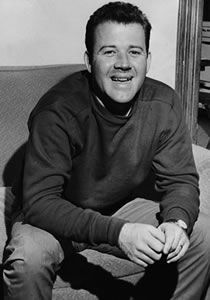
970833-24d21ca7db41023c40296b20edad5c08.jpg
Andre Dubus (11 augustus 1936 -  24 februari 1999)

In 1963 


De Amerikaanse schrijver Alexander Palmer Haley werd geboren in Ithaca (New York) op 11 augustus 1921. Zie ook mijn blog van 11 augustus 2009 en ook mijn blog van 11 augustus 2010.


Uit: Roots


“” Omoro then walked out before all of the assembled people of the village. Moving to his wife's side, he lifted up the infant and, as all watched, whispered three times into his son's ear the name he had chosen for him. It was the first time the name had ever been spoken as this child's name, for Omoro's people felt that each human being should be the first to know who he was.

The tan-tang drum resounded again; and now Omoro whispered the name into the ear of Binta, and Binta smiled with pride and pleasure. Then Omoro whispered the name to the arafang, who stood before the villagers.

"The first child of Omoro and Binta Kinte is named Kunta!" cried Brima Cesay.

As everyone knew, it was the middle name of the child's late grandfather, Kairaba Kunta Kinte, who had come from his native Mauretania into The Gambia, where he had saved the people of Juffure from a famine, married Grandma Yaisa, and then served Juffure honorably till his death as the village's holy man.

One by one, the arafang recited the names of the Mauretanian forefathers of whom the baby's grandfather, old Kairaba Kinte, had often told. The names, which were great and many, went back more than two hundred rains. Then the jaliba pounded on his tan-tang and all of the people exclaimed their admiration and respect at such a distinguished lineage.

Out under the moon and the stars, alone with his son that eighth night, Omoro completed the naming ritual. Carrying little Kunta in his strong arms, he walked to the edge of the village, lifted his baby up with his face to the heavens, and said softly, "Fend kiling dorong leh warrata ka iteh tee." (Behold-the only thing greater than yourself.)””


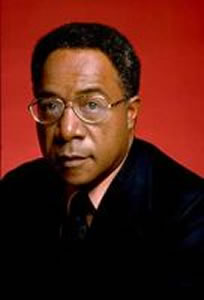
 970833-c83496b6643d02079a5b3a8a561cf1f9.jpg

Alex Haley (11 augustus 1921 - 10 februari 1992)


De Britse schrijfster Enid Blyton werd geboren in Londen op 11 augustus 1897. Zie ook mijn blog van 11 augustus 2009 en ook mijn blog van 11 augustus 2010.


Uit: The Magic Faraway Tree


“” The children read the note one after another.  Their eyes began to shine.  “Shall we go?” said Fanny.  “Better not,” said Jo.  “Something silly is sure to happen to us.  It always does.”

“Oh, Jo!  Do let’s go!” said Bessie.  “You know how exciting the Enchanted Wood is at night, too, with all the fairy folk about—and the Faraway Tree lit with lanterns and things.  Come on, Jo—say we’ll go.”

“I really think we’d better not,” said Jo.  “Dick might do something silly again.”

“I would not!” said Dick in a temper.  “It’s not fair of you to say that.”

“Don’t quarrel,” said Bessie.  “Well, listen—if you don’t want to go, Jo, Fanny and I will go with Dick.  He can look after us.”

“Pooh!  Dick wants looking after himself,” said Jo.

Dick gave Jo a punch on the shoulder and Jo slapped back.

“Oh, don’t!” said Bessie.  “You’re not in the Land of Do-As-You-Please now!”

That made everyone laugh.  “Sorry, Jo,” said Dick.  “Be a sport.  Let’s all go to-night.  Or at any rate, let’s go up the tree and hear what Silky and Moon-Face can tell us about this new land.  If it sounds at all dangerous we won’t go.  See?”

“All right,” said Jo, who really did want to go just as badly as the others, but felt that he ought not to keep leading the girls into danger.  “All right.  We’ll go up and talk to Silky and Moon-Face.  But mind—if I decide not to go with them, there’s to be no grumbling.”

“We promise, Jo,” said Bessie.  And so it was settled.  They would go to the Enchanted Wood that night and climb the Faraway Tree to see their friends.

It was exciting to slip out of bed at half-past eleven and dress.  It was very dark because there was no moon.

“We shall have to take a torch,” said Jo.  “Are you girls ready?  Now don’t make a noise, or you’ll wake Mother.”


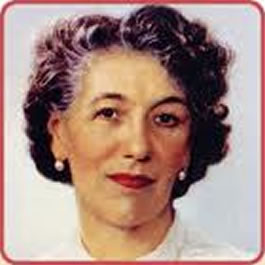
 970833-6468d125ea272623306acd7d8b55161f.jpg

Enid Blyton (11 augustus 1897 - 28 november 1968)


De Duitse schrijver en satiricus
Karl Hoche  werd geboren in Ústí nad Labem (Schreckenstein), Bohemen, op 11 augustus 1936. Zie ook mijn blog van 11 augustus 2009 en ook mijn blog van 11 augustus 2010.


Uit: Ihr Kinderlein kommet nicht


“”Was war das für ein Mythos? Am Anfang gab es zwei Prinzipien, das Reich des Lichts und das Reich der Finsternis. Der Fürst der Finsternis drang in das Lichtreich ein, ihm stellte sich der von Gottvater gezeugte Urmensch, ein Lichtwesen entgegen. Er und seine Söhne wurden besiegt und von dem Finsterling verschlungen; damit war das Licht gefangen. Der Vater berief den Lebendigen Geist, der den Urmenschen befreite, die Lichtpartikel aber in der Finsternis beließ. Aus einigen Besiegten machte er Himmel und Erde, das Licht nahm er heraus und bildete damit die Sonne und den Mond. Der Fürst der Finsternis wollte auch Lichtgestalten schaffen, er ließ seine Kinder sich paaren und verschlang die Frucht. Dann paarte er sich mit seinem eigenen Weibe und erzeugte den Menschen. Dieser ist also ein Kind der Finsternis, aber er trägt das Licht in sich, das einst in den Söhnen der Finsternis war. Für den Menschen kommt es nun darauf an, durch Befreiung der Lichtpartikel und durch Abstinenz vom Finsteren sich immer mehr dem Lichtgott anzunähern. Der Same enthält das Licht, auch Pflanzensamen. Man aß also Pflanzen, die Samen enthielten, und man befreite seinen eigenen Samen so oft wie möglich aus der Finsternis des Körpers. Die Zeugung aber hätte bedeutet, das Licht erneut in die Gefangenschaft der Finsternis zu bringen.
    Bei Lichte betrachtet ist der Manichäismus nichts anderes als eine Fortsetzung der Gnosis mit phantasievolleren Mitteln. Mani liest sich wie Tolkien, und die Zeiten waren damals so mythensüchtig wie heute. Und wieder gab es asketische und geile Manichäer. Die einen wollten mit der Finsternis überhaupt nichts zu tun haben (da ist auch schon wieder die gefährliche Nähe zur christlichen "Jungfräulichkeit"), den anderen ging es darum, so viel Licht wie nur irgend möglich auszusenden, auf daß die Finsternis erleuchtet werde. Und wieder waren beide Richtungen gegen Ehe und Zeugung. [...]””


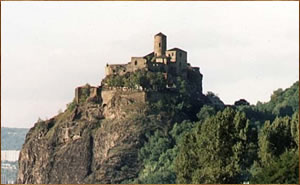
970833-fd20f01bfe870de4e1a117f43f709f9e.jpg
Karl Hoche (Ústí nad Labem, 11 augustus 1936)

De burcht Schreckenstein

Geschreven door Romenu om 00:00 Reageer op dit bericht

Meer van Romenu

↑ Terug naar de berichten