

Naar de inhoud

Romenu

Over literatuur, gedichten, kunst en cultuur
akke.beakke.be

Berichten van 20 april 2012 tot 21 april 2012

Charlotte Brontë, Patrick Rambaud, John Mortimer, Peter Schneider, María Elena Cruz Varela
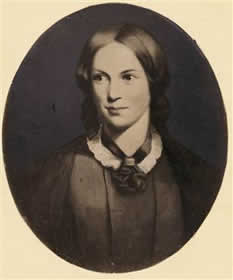
De Britse schrijfster Charlotte Brontë werd geboren in Thornton op 21 april 1816. Zie ook alle tags voor Charlotte Brontë op dit blog.


Uit: Jane Eyre


„This was a demoniac laugh-low, suppressed, and deep-uttered, as  it seemed, at the very keyhole of my chamber door. The head of  my bed was near the door, and I thought at first the goblin-laugher
stood at my bedside-or rather, crouched by my pillow: but I rose,  looked round, and could see nothing; while, as I still gazed, the  unnatural sound was reiterated: and I knew it came from behind
the panels. My first impulse was to rise and fasten the bolt; my  next, again to cry out, ‘Who is there?’ Something gurgled and  moaned. Ere long, steps retreated up the gallery towards the third- storey staircase: a door had lately been made to shut in that  staircase; I heard it open and close, and all was still.
‘Was that Grace Poole? and is she possessed with a devil?’ thought  I. Impossible now to remain longer by myself: I must go to Mrs.  Fairfax. I hurried on my frock and a shawl; I withdrew the bolt and
opened the door with a trembling hand. There was a candle  burning just outside, and on the matting in the gallery. I  was surprised at this circumstance: but still more was I amazed to  perceive the air quite dim, as if filled with smoke; and, while  looking to the right hand and left, to find whence these blue  wreaths issued, I became further aware of a strong smell of  burning.
Something creaked: it was a door ajar; and that door was Mr.  Rochester’s, and the smoke rushed in a cloud from thence. I  thought no more of Mrs. Fairfax; I thought no more of Grace Poole,  or the laugh: in an instant, I was within the chamber. Tongues of  flame darted round the bed: the curtains were on fire. In the midst  of blaze and vapour, Mr. Rochester lay stretched motionless, in  deep sleep.“


 1140310-5d350f79692871652a7e965a616074b0.jpg

Charlotte Brontë (21 april 1816 – 31 maart 1855)


De Franse schrijver Patrick Rambaud werd geboren op 21 april 1946 in Parijs. Zie ook alle tags voor Patrick Rambaud op dit blog.


Uit Il neigeait


„Les chevaux rongeaient le bois des mangeoires, broutaient le chaume des paillasses, l'herbe mouillée : il en mourut dix mille avant même qu'on ait aperçu l'ombre d'un Russe. La famine régnait. Les soldats se remplissaient l'estomac d'une bouillie de seigle froide, ils avalaient des baies de genièvre ; ils se battaient pour boire l'eau des bourbiers, parce que les paysans avaient jeté au fond de leurs puits des charognes ou du fumier. Il y eut de très nombreux cas de dysenterie, la moitié des Bavarois mourut du typhus avant de combattre. Les cadavres d'hommes et de chevaux se putréfiaient sur les routes, l'air empuanti qu'on respirait donnait la nausée. D'Herbigny pestait mais il se savait favorisé : pour la Garde impériale, des officiers avaient réquisitionné les vivres destinés à d'autres corps d'armée ; il s'en était suivi des bagarres et pas mal de rancœur envers les privilégiés.

Tout en cheminant, le capitaine croquait une pomme verte chipée dans la poche d'un mort. La bouche pleine, il appela son domestique :

- Paulin !
- Monsieur ? dit l'autre d'une voix expirante.
- Saperlotte ! On n'avance plus ! Qu'est-ce qui se passe ?
- Ah ça, Monsieur, j'en sais rien.
- Tu ne sais jamais rien !
- Le temps d'accrocher notre âne à votre selle et je cours m'informer...
- Parce que, en plus, tu me vois tirer un bourricot ? Âne toi-même ! J'y vais.“


1140310-2e7126e5658a3f22e44f094cf42d57f5.jpg
Patrick Rambaud (Parijs, 21 april 1946)


De Engelse schrijver John Mortimer werd geboren op 21 april 1923 in Londen. Zie ook alle tags voor John Mortimer op dit blog.


Uit: Rumpole and the Reign of Terror


„The good news was that Mahmood had sufficient qualifications to practise as a doctor in England and had got a post at Oakwood Hospital. It was no doubt, as Tiffany said, because Mahmood’s father was so overcome with the happiness of the occasion that he had died on the night of their wedding, leaving his son the desirable house in Kilburn. Although he was permitted to remain in England and work here as a doctor, Mahmood, like his father, never became a British citizen.

There seemed to have been no blot on the contented life of the young Khan family until that dreadful morn­ing when the police called early at the Kilburn house and Dr Mahmood met the fate he had managed to avoid in his native country. He was under arrest.

‘And not being a British subject, he’s liable to be deported.’ Bonny Bernard spoke in pessimistic and depressing terms, a process known to him as ‘preparing the client for the worst’. Tears welled in Tiffany’s eyes, which she wiped quickly away with the back of her hand as she went on with her story. They came for Mahmood Khan when Tiffany was getting their children ready for school and he was about to leave for the hospital. They were three police officers in plain clothes and they refused to explain why he was being arrested or where he was being taken. He, it seemed, was controlled and told her it must be some extraordinary mistake. It was only as they were going out of the house that one of the officers thought to announce that Mahmood was being arrested under the Terrorism Act. The last thing she heard him say was that the idea was ridiculous.“


 1140310-f49ad47fbe3e1183e8a48712746cea08.jpg

John Mortimer (21 april 1923 – 16 januari 2009)


De Duitse schrijver Peter Schneider werd geboren in Lübeck op 21 april 1940. Zie ook alle tags voor Peter Schneider op dit blog.


Uit: Skylla


„Und wahr ist auch, dass ich Lucynna fast an sie verloren habe.

Wenn eine Liebe zerbricht, stellt sie sich im Gedächtnis als ein Trümmerhaufen dar, jeder Bruchteil wird zum Indiz, das auf die spätere Katastrophe verweist. Manchmal habe ich mich bei der Rekonstruktion dieser Geschichte wie jener Archäologe gefühlt, der es unternimmt, aus Tausenden von Marmorstücken die ursprüngliche Skulptur zu erschließen, und am Ende entdeckt,

dass er die fehlenden Teile seines Puzzles falsch ergänzt hat. Also reißt er die falschen Teilstücke wieder auseinander und versucht es mit einer anderen Strategie, aber in der neuen Anordnung passen andere Teile nicht mehr, die sich früher einfügten – alte Lücken schließen sich, aber es bilden sich neue. Die gesuchte, einzig richtige Lösung, die alle Bausteine zu einem stimmigen Gesamtbild zusammenfügt, es gibt sie nicht.

Nein, eigentlich wollten wir nie und nirgendwo ein Haus bauen. Wir hatten genügend Freunde in der Toskana, in der Provence, in Portugal, die uns gewarnt hatten. Macht Ferien in teuren Hotels, mietet euch in einer Suite ein, fliegt in der Businessclass, es kommt euch immer noch billiger als ein Haus! Ganz abgesehen von den Folgen, die sich nicht in Geld rechnen lassen!“


 1140310-4a0b093ea9706c7a4c69cc18de65eb90.jpg

Peter Schneider (Lübeck, 21 april 1940)


Onafhankelijk van geboortedata:


De Cubaanse dichteres María Elena Cruz Varela werd in 1953 geboren in Colón. Zie ook alle tags voor María Elena Cruz Varela op dit blog.


Self-Portrait with a Cut Ear

It's dawn. Again. Life is obliging. Obliging us.
It's dawn. Again. Dissolved in speech. Locked
in a spiral down to the last fall,
fall into nothing, horror of nothing. Devouring us.
I come with my relics of all that is wrong.
With one ear gone. And bleeding. A bullet in my temple.
Abandonment. Ridiculous bedroom of a miserable hotel.
The world was standing outside. A party of others.
I spied on them. Hungry eye nailed to openings.
I come from all that is wrong.
I travel from the torturous circles of hell.
I come from what is wrong; just that: from the wrong.
But it's dawn. It's dawn again. Obliging. Obliging us.


Vertaald door Mairym Cruz-Berna


1140310-8f8890424028ec712b15f2932f318b13.jpg
María Elena Cruz Varela (Colón, 1953)
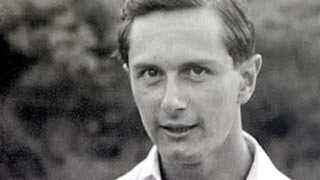


Zie voor nog meer schrijvers van de 21e april ook mijn vorige blog van vandaag.
Geschreven door Romenu om 18:57 Reageer op dit bericht

Michael Mann, Meira Delmar, Alistair MacLean, Jamie McKendrick, Népomucène Lemercier

De Duitse literatuurwetenschapper en musicus Michael Mann werd als jongste kind van Thomas en Katia Mann geboren op 21 april 1919 in München. Zie ook alle tags voor Michael Mann op dit blog.


Uit: Als Michael Mann geboren wurde: München 1919 (Lezing door Wolfgang Frühwald)


Im Haus der Familie von Thomas und Katia Mann, in der Münchner Poschinger Straße 1, herrschte am 21. April 1919, es war der Ostermontag dieses Jahres, große Aufregung. Seit Mitternacht hörte der Hausherr eilige Schritte im Fremdenzimmer, im zweiten Stockwerk des Hauses. Der Raum war seit dem 10. April als Entbindungszimmer hergerichtet worden und seine hochschwangere Frau war am 11. April (das heißt am Freitag vor Palmsonntag) dort eingezogen. Katia Mann erwartete ihr letztes Kind, Michael, genannt Bibi. Am 21. April kam es schließlich um die Mittagszeit zur Welt. Die Hebamme war an diesem Tag schon seit dem frühen Morgen am Werk, doch Katias schwere Anfangswehen blieben folgenlos. Der Gynäkologe Professor Amann wurde geholt. Die Wöchnerin, bei dieser Geburt ihres sechsten Kindes längst eine sturmerprobte Mutter, litt sehr. Der Arzt erwog sogar

eine Gabe von Morphium gegen die Schmerzen. Am frühen Nachmittag („nach Tisch“) notierte dann Thomas Mann in sein Tagebuch: „Es ist vorüber, ein gesunder Knabe zur Welt gebracht. Der Verlauf sehr schwer, schreckliche Stunden, entnervend besonders das Warten in der Allee auf die Droschke, die den Assistenten mit den Instrumenten bringen sollte; denn die völlige Fruchtlosigkeit der äußerst

qualvollen Eröffnungswehen seit 8 Uhr machte den Zangeneingriff notwendig [...].“

Im Haus von Thomas und Katia Mann im Herzogpark haben die Sorgen um die Zangengeburt von Michael die Sorgen darum überdeckt, dass zur gleichen Zeit die bürgerliche Welt, in der sie und für die sie lebten, in Scherben fiel. In den zehn Tagen zwischen dem Einzug Katias in das Entbindungszimmer und der Geburt Michaels spaltete sich Bayern in einen von der Landtagsregierung beherrschten Nordteil (um Bamberg und Nürnberg) und einen von Unabhängigen Sozialdemokraten und Anarchisten beherrschten Südteil, um München, Starnberg und Augsburg.


 1140305-a42c4856038c51c0a1df1a534885ffb8.jpg

Michael Mann (21 april 1919  - 1 januari 1977)


De Columbiaanse dichteres Meira Delmar (eig. Olga Isabel Chams Eljach) werd geboren in  Barranquilla op 21 april 1922. Zie ook alle tags voor Meira Delmar op dit blog.


Watercolor


It is the first hour.

From the orient
comes the sun.

The moon,
despoiled of the gold
of night,
goes down slowly towards the west
that waits for it under the line
of the horizon.

On the basso continuo
of the shore
the waves unravel,
one by one,
the music they bring
from as far
as time,
and it’s a tune, and another tune
and a thousand more tunes,
rhythmic, repeated,
spilled on the sand.

The seabirds
begin
their flights,
some swiftly, others
unhurriedly
they fall on the water, well-aimed,
they rise up, they fly away
until at last the sun´s glare
stumps them

Little by little you hear
voices, echoes, a song.

The breeze, gardener,
sprinkles orange blossoms
on the bright blue of the sea.


Vertaald door Nicolás Suescún


1140305-2b055c1e1af6e6e81cfeef2729ae9260.jpg 

Meira Delmar (21 april 1922 - 18 maart 2009)


De Schotse schrijver Alistair Stuart MacLean werd geboren op 21 april 1922 in Glasgow. Zie ook alle tags voor Alistair MacLean op dit blog.


Uit: Puppet on a Chain


„Or perhaps that's unfair -- the nondescript bit, I mean. To qualify for that rather denigrating description

there must exist comparative terms of reference to justify its use: unfortunately for the remainder of the

passengers there were two others aboard that plane who would have made anyone look nondescript.

I looked at them three seats behind me on the other side of the aisle. This was hardly a move on my part to attract any attention as most of the men within eyeing distance of them had done little else but look at them since leaving Heathrow Airport: not to have looked at them at all would have been an almost guaranteed method of attracting attention.

Just a couple of girls sitting together. You can find a couple of girls sitting together almost anywhere but you'd have to give up the best years of your life to the search of finding a couple like those. One with hair as dark as a raven's wing, the other a shining platinum blonde, both clad, albeit marginally, in

mini-dresses, the dark one in an all-white silk affair, the blonde all in black, and both of them possessed as far as one could see-and one could see a great deal-of figures that demonstrated clearly the immense strides forward made by a select few of womankind since the days of Venus di Milo. Above all, they were strikingly beautiful, but not with that vapid and empty brand of unformed good looks which wins the Miss World contest: curiously alike, they had the delicately formed bone structure, the cleanly cut features, and the unmistakable quality of intelligence which would keep them still beautiful twenty years after the faded Miss Worlds of yesterday had long since given up the unequal competition.“


 1140305-195d3659723463c7ca4b869a58e41b91.jpg

Alistair MacLean (21 april 1922 - 2 februari 1987)


De Franse dichter en schrijver Népomucène Lemercier werd geboren op 21 april 1771 in Parijs. Zie ook alle tags voor Népomucène Lemercier op dit blog.


Uit: Agamemnon


“Quel tourment plus cruel, ô Dieu! que d'hésiter
À commettre un forfait qu'on osa méditer;
De brûler du désir de se rendre homicide;
De subir le remords avant le parricide;
D'en regretter les fruits; et, d'un coeur combattu,
De passer, de flotter du crime à la vertu;
Et d'éprouver, parmi ces troubles exécrables,
La peur des châtiments qui sont dus aux coupables.”


 1140305-1fda8d4e83ae3d7dfc62e05e59234a04.jpg

Népomucène Lemercier (21 april 1771 – 7 juni 1840)


Onafhankelijk van geboortedagen:


De Engelse dichter en vertaler Jamie McKendrick werd geboren in 1955 in Liverpool. Zie ook alle tags voor Jamie McKendrick op dit blog.


Gainful Employmen


As if I had nothing better to do,
and who says I have, than putting the house
I haven't got in order, I sit at the oak desk
I have got, though really a table not a desk
but it's mine and I sanded it down myself
and beeswaxed it with iron wire-wool


- that was how important it was for me:
this surface on which so much was to be
accomplished. Best of all, I can take
its legs off, and replace them by way of
four angelic wing-nuts to the corner brackets
so it's both a steadfast and a movable beast.


But I wonder why I kept this biro spring
I'm exercising now between my finger
and thumb - not to sew my eyelids up with
like the envious spirits in purgatory.
Just too exquisite to throw away,
an image of infinity or information ...


I'm still here, where there's an unconsolable
joy to be had, sitting ready at my station
and waiting for the bugle or the slughorn.
No one can say it's wasting time, my time, the time I've got,
to enter the very thread of the helix,
to live always expecting the unheard of.


 1140305-b00be6ae93bb5a347c3de1c7f7269f13.jpg

Jamie McKendrick (Liverpool, 1955)

Geschreven door Romenu om 18:52 Reageer op dit bericht

Martinus Nijhoff, Jan Cremer, Jean Pierre Rawie, Sebastian Faulks, Jozef Deleu,Steve Erickson

De Nederlandse dichter, toneelschrijver en essayist Martinus Nijhoff werd geboren in Den Haag op 20 april 1894. Zie ook alle tags voor Martinus Nijhoff op dit blog.


De twee nablijvers


- O oude boom in de achtertuin
hoe kaal en lelijk is je kruin,
ik vraag mij af of jij nog leeft,
zo weinig vruchten als je geeft.

- O eenzaam schrijvertje in het raam,
je vrouw en kind zijn heengegaan,
ik vraag mij af of dat jij schrijft
het enige is wat je overblijft.

— Stil! Hoor! De nachtegaal hervat
zijn lied in 't hartje van de stad.
— Men heeft er woningen gebouwd
van nieuwe steen en blinkend hout.


Zwerver en elven


Over de duinen
Woei een lied
- Verstoor je mijn tuin en
Stilte om niet?

En langs de stranden
Waar hij ging
- Neem dan mijn handen,
Lieveling -

De stormwind riep en
De regen riep
- Je voeten liepen
Waar ik sliep.

Telkens bedolven
- Ternauwernood -
Kwam een klacht uit de golven
- Was ik dood.

- Waarom tot onaardse
Dromen gewekt
Zonder opwaartse
Ziel die trekt -

Het schreeuwt uit het sneeuwige
Schuim vandaan
- Als jij zal ik eeuwig
Verder gaan.

- Van verbroken beloften
Blijven wij buit
- Niets, niets is op de
Wegen vooruit.

Te zwaar was het water, te
Licht is de wind
- O, Christofoor, waar is het
Kind, het kind -

Alom, toen, geheim en
Weg-stervende
- Blijf bij me, bij me
Zwervende -

En, eindelijk, stijgend de
Maan langs en heen,
Een bijna zwijgende
Wolk verdween.


De kloosterling


Als ik de groene luiken openzet,
Zie ik de bloemen om het raam heen trillen
Druipend van tintelende dauw, en kil en
Overzoet waait een geur door mijn gebed.

O wonden, o bloei Gods! Mij is in 't bloed
Eén uwer ranken dringend en uitlopend,
Die, als uw lente eenmaal mijn zijden opent,
In duizend bloemen mij uitbreken doet -

Een vreemdling stond in de tuin en groette.
Hij nam mijn hand en voerde me als een knaap
Over het grasveld naar 't begroeid priëel,

Hij sprak: "Wij zijn een overbloeid geheel,
Ik zie mijn hyacinten om uw slaap
En rozen in uw handen en uw voeten."


 1139530-2d7258ee39b242ef68abd0addf25eb7b.jpg

Martinus Nijhoff (20 april 1894 – 26 januari 1953)


De Nederlandse schrijver en beeldend kunstenaar Jan Cremer werd geboren in Enschede op 20 april 1940. Zie ook alle tags voor Jan Cremer op dit blog. 


Uit: Ik Jan Cremer


“De Kunstenaar was leraar op de Plaatselijke Academie. Op woensdagavond gaf hij modeltekenen. ‘Als je wilt moet je maar ’s op een avond komen kijken,’ had hij gezegd. Dan zou ik kunnen zien hoe het allemaal ging op een academie. Ik moest dan tegen negenen komen en naar hem vragen. De conciërge zou me wel verwijzen. De eerstvolgende woensdagavond liep ik al om acht uur voor het gebouw heen en weer. Tot het kwart voor negen sloeg. Ik telde duizend tellen en liep toen naar binnen. ’n Congiërge wijst me de trap op. De gangen roken naar verf en inkt, mooie meisjes op de trappen, artistieke meiden met lange paardestaarten. ‘Ik trouw later met een filmster met een paardestaart.’ Ik kom op de schilderafdeling. Mijn vriend is nog bezig en hij zegt mij wat rond te kijken. Stapels tekeningen liggen op grote tafels, grote foto’s en affiches aan de muren. Terloops kijk ik eens door de ramen van de klas ernaast, maar er is geen naakt wijf te bespeuren. ‘Akedemie naaktewijveclub.’
Ik wilde maar dat ik op de academie mocht studeren. Maar dat kon niet. De academie was alleen
voor draagkrachtige mensen. Allemaal kale kak en opscheppers.”


 1139530-159bfaaa62880dca70c004856c20fefb.jpg

Jan Cremer (Enschede, 20 april 1940)


De Nederlandse dichter en vertaler Jean Pierre Rawie werd geboren op 20 april 1951 in Scheveningen. Zie ook alle tags voor Jean Pierre Rawie op dit blog.


Kringloop


Wij hebben ook vannacht weer niet geslapen,
wij hadden wel wat anders aan ons hoofd:
we leken even voor elkaar geschapen,
en alle leugens werden weer geloofd.

Toch hebben we zeer van elkaar gehouden,
het is gekomen als het is gegaan;
verder blijft alles altijd bij het oude:
de Moor kan gaan hij heeft zijn plicht gedaan.

Er stonden 's morgens mannen in de bomen
en zaagden zinvol in de takken rond.
Ik ben gegaan zoals ik ben gekomen,
maar met de smaak van sterven in mijn mond.


Wij die elkaar tot bloedens toe


Wij die elkaar tot bloedens toe
op alle zwakke plekken kwetsen,
wij beiden zijn ten langen leste
de onbesliste vete moe.

Het laatste licht faalt in het westen,
mijn lieve vijandin, zie hoe
ik mij van wapentuig ontdoe;
dit is uiteindelijk het beste.

Het heeft alleen zo lang geduurd:
de bitterheid waarmee wij streden
heeft voor ons alletwee voorgoed

zowel de toekomst als het heden
volledig in de war gestuurd. -
Zeg nu maar hoe het verder moet.


 1139530-1d2d3fc874aa51f500cc9e678b9d9bb8.jpg

Jean Pierre Rawie (Scheveningen, 20 april 1951)


De Britse schrijver en journalist Sebastian Faulks werd geboren op 20 april 1953 in Newbury. Zie ook alle tags voor Sebastian Faulks op dit blog.


Uit: Birdsong


“Inside, the house was both smaller and larger than it looked. It had no rooms of intimidating grandeur, no gilt ballrooms with dripping chandeliers, yet it had unexpected spaces and corridors that disclosed new corners with steps down into the gardens; there were small salons equipped with writing desks and tapestry-covered chairs that opened inward from unregarded passageways. Even from the end of the lawn, it was difficult to see how the rooms and corridors were fitted into the placid rectangles of stone. Throughout the building the floors made distinctive sounds beneath the press of feet, so that with its closed angles and echoing air, the house was always a place of unseen footsteps.

Stephen Wraysford's metal trunk had been sent ahead and was waiting at the foot of the bed. He unpacked his clothes and hung his spare suit in the giant carved wardrobe. There was an enamel wash bowl and wooden towel rail beneath the window. He had to stand on tiptoe to look out over the boulevard, where a cab was waiting on the other side of the street, the horse shaking its harness and reaching up its neck to nibble at the branches of a lime tree. He tested the resilience of the bed, then lay down on it, resting his head on the concealed bolster. The room was simple but had been decorated with some care. There was a vase of wild flowers on the table and two prints of street scenes in Honfleur on either side of the door.

It was a spring evening, with a late sun in the sky beyond the cathedral and the sound of blackbirds from either side of the house. Stephen washed perfunctorily and tried to flatten his black hair in the small mirror. He placed half a dozen cigarettes in a metal case that he tucked inside his jacket. He emptied his pockets of items he no longer needed: railway tickets, a blue leather notebook, and a knife with a single, scrupulously sharpened blade.”


1139530-76692e1cae3ea0e90ea7b2b2ece0b3ad.jpg
Sebastian Faulks (Newbury, 20 april 1953)


De Vlaamse dichter en schrijver Jozef Hugo Maria Deleu werd geboren in Roeselare op 20 april 1937. Zie ook alle tags voor Jozef Deleu op dit blog.


weggaan


je moet geen afscheid nemen

je moet het huis verlaten

zonder om te kijken


je draagt het warm en wakker

bewoont het ook afwezig

je moet geen afscheid nemen


in door tijd verkleurde bladen

blijven woorden dromen

krachtiger dan daden


in mei bloeien de bomen

ook de oudste boomgaard

staat in gloed


je moet geen afscheid nemen

je moet het huis verlaten

zonder om te zien


Hiernamaals


1

binnenwerk

bevolkt met

zilverwilgen rond

donker water


kraaien

in de lucht

een hel

blauw wak


in wolken

oude sterren

vol ongekend

geluk


verzonken

kind huilt

hiernamaals

overboord


 1139530-54dce0e1e14717afe839b54c55ea592a.jpg

Jozef Deleu (Roeselare, 20 april 1937)


De Amerikaanse schrijver, essayist en criticus Steven Michael Erickson werd geboren op 20 april 1950 in Los Angeles. Zie ook alle tags voor Steven Erickson op dit blog.


Uit: Zeroville


6.

She gives him a ride, staring at his head. She seems odd to him; he wants her to watch the road. I believe perhaps she's been taking illicit narcotics, he thinks to himself.

"Uh," she finally starts to say, and he can see it right there in her eyes: James Dean, Natalie Wood ... What will he do? She's driving and, besides, she's a girl. You can't smash a girl over the head with a food tray.

"Montgomery Clift," he heads off her blunder, "Elizabeth Taylor."

"Elizabeth Taylor," she nods. "I've heard of her ..." pondering it a moment. "Far out."

He realizes she has no idea who Montgomery Clift is. "You can let me off here," he says, and she drops him where Sunset and Hollywood Boulevards fork, at a small theater—


7.

—where he goes to the movies.

A silent European film from the late twenties, it's the worst print Vikar has seen — less a movie than a patchwork of celluloid — but he's spellbound. In the late Middle Ages a young woman, identified in the credits only as "Mlle Falconetti," is interrogated and hounded by a room of monks. The woman doesn't give a performance, as such; Vikar has never seen acting that seemed less to be acting. It's more an inhabitation. The movie is shot completely in close-ups, including the unbearable ending, when the young woman is burned at the stake.


1139530-3e5026b0b4cb8ae635414d1ee0435974.jpg
Steve Erickson (Los Angeles, 20 april 1950)


Zie voor nog meer schrijves van de 20e april ook
mijn vorige blog van vandaag

Geschreven door Romenu om 18:54 Reageer op dit bericht

Arto Paasilinna, Michel Leiris, Emmanuel Bove, Henry de Montherlant, Herman Bang, Charles Maurras

De Finse schrijver Arto Paasilinna werd geboren op 20 april 1942 in Kittilä in Lapland. Zie ook alle tags voor Arto Paasilinna op dit blog.


Uit:  Der wunderbare Massenselbstmord  (Vertaald door Regine Pirschel)


„Direktor Onni Rellonens Magen litt seit Jahrzehnten an Übersäuerung, und in den Falten der Därme lauerte ein beginnender Katarrh. Seine Gelenke waren in Ordnung, die Muskulatur ebenfalls, wenn man von einer leichten Erschlaffung absah. Dagegen war Onni Rellonens Herz verfettet und träge, es war nurmehr eine Bürde für den Körper, kein Lebenserhalter. Es bestand die Gefahr, dass das geplagte Herz stehen bleiben, den Körper lähmen und seinen Besitzer nach Lebenssaft dürsten, ja sterben lassen könnte. Das wäre ein schnöder Lohn für den Mann, der sich seit Embryozeiten auf sein Herz verlassen hatte. Wenn das Herz nur für hundert Schläge ausruhen, Luft holen würde, wäre alles vorbei. Dann hätten Onni Rellonens bisherigen Milliarden Herzschläge keinerlei Bedeutung. So ist der Tod. Tausende finnischer Männer erleiden ihn jährlich. Niemand von ihnen kehrt zurück, um zu berichten, wie sich der Tod letzten Endes anfühlt.

Im Frühjahr hatte Onni Rellonen damit begonnen, sein verfallenes Sommerhaus neu anzustreichen, hatte die Arbeit jedoch nicht vollendet. Der Farbeimer stand neben dem Steinsockel, der Pinsel, der auf dem Deckel lag, war hart geworden.
Onni Rellonen war Geschäftsmann, hatte sich einmal Direktor genannt. Er hatte viele Jahre unternehmerischer Tätigkeit hinter sich, schnellen Anfangserfolg, Aufstieg auf der Stufenleiter der Kleinindustrie, eine Schar Angestellter, Buchhaltung, Geld, Geschäfte. Er war Bauunternehmer gewesen, in den Sechzigerjahren sogar kleiner Fabrikant in der Dünnplattenindustrie. Aber ungünstige Konjunkturen und gierige Konkurrenten hatten Rellonens Traufen und Bleche AG in den Konkurs getrieben. Und dieser Konkurs war nicht der letzte geblieben. Sogar kriminelle Verstöße hatte man ihm zur Last gelegt. Zuletzt war Direktor Rellonen als Besitzer einer Wäscherei aufgetreten. Auch die hatte nichts abgeworfen: Jede finnische Familie besaß ihre eigene Waschmaschine, und wer keine hatte, war auch nicht daran interessiert, seine Wäsche zu waschen. Die großen Hotels und Schwedenfähren hatten Rellonens Wäscherei keine Arbeit gegeben, die landesweiten Wäschereiketten hatten ihm immer wieder die Aufträge vor der Nase weggeschnappt. In den Separees der Restaurants wurden solche Bestellungen ausgehandelt.“


1139522-7196c6718ff08343b683568013f39805.jpg
Arto Paasilinna (
Kittilä, 20 april 1942)


De Franse dichter, schrijver  en etholoog Michel Leiris werd geboren in Parijs op 20 april 1901. Zie ook alle tags voor Michel Leiris op dit blog.


Le soleil qui se lève chaque matin à l’est


Le soleil qui se lève chaque matin à l’est

Et plonge tous les soirs à l’ouest
Sous le drap bien tiré à l’horizon

Poursuit son chemin circulaire

Cadre doré enchâssant le miroir où tremblent les reflets

D’hommes et de femmes jetés sur une ombre de terre

Par l’ombre d’une main qui singe la puissance.


Base des corps séparés


Base des corps séparés, cathédrale de morsures,

Caprice d’un corps vorace et capricorne des chevelures,

Les hémisphères se séparent,

A travers les replis de l’espace

Où les galions chargés de rires et d’étincelles

Sombrent la corde au cou.


Migration souterraine engendrée par le Pôle,

Lorsque s’enterre le passage de nos lèvres

La cime de l’arbre ennuie les ombres

(yeux sensibles de cendre)

et le calice des cris lents.


 1139522-ce4105d01b11966cf0d43db5520481ca.jpg

Michel Leiris (20 april 1901 – 30 september 1990)


De Franse schrijver Emmanuel Bove (eig. Emmanuel Bobovnikoff) werd geboren op 20 april 1898 in Parijs. Zie ook alle tags voor Emmanuel Bove
op dit blog.


Uit: Mes Amis


„Chaque matin, ma voisine chante sans paroles en déplaçant les meubles. Sa voix est amortie par le mur. J'ai l'impression de me trouver derrière un phonographe.
Souvent, je la croise dans l'escalier. Elle est crémière. A neuf heures, elle vient faire son ménage. Des gouttes de lait tachent le feutre de ses pantoufles. J'aime les femmes en pantoufles : les jambes n'ont pas l'air défendues.
En été, on distingue ses tétons et les épaulettes de sa chemise sous le corsage.
Je lui ai dit que je l'aimais. Elle a ri, sans doute parce que j'ai mauvaise mine et que je suis pauvre. Elle préfère les hommes qui portent un uniforme. On l'a vue, la main sous le ceinturon blanc d'un garde républicain.
Un vieillard occupe une autre chambre. Il est gravement malade : il tousse. Au bout de sa canne, il y a un morceau de caoutchouc. Ses omoplates font deux bosses dans son dos. Une veine en relief court sur sa tempe, entre la peau et l'os. Son veston ne touche plus les hanches : il ballotte comme si les poches étaient vides. Ce pauvre homme gravit les marches une à une, sans lâcher la rampe. Dès que je l'aperçois, j'aspire le plus d'air possible afin de le dépasser sans reprendre haleine.“


 1139522-3b0d774069d811bfda40d46b59c7fa38.jpg

Emmanuel Bove (20 april 1898 – 13 juli 1945)

Met dochtertje 


De Franse schrijver
Henry de Montherlant werd geboren op 20 (en niet op 21) april 1896 in Parijs Zie ook alle tags voor Henry de Montherlant op dit blog.


Uit: Aux Fontaines du désir


“Dans Service inutile, nous trouvons d’innombrables exemples de l’exaltation de la générosité, très semblables à ceux des divans iraniens. Ainsi dans La Fête à l’écart, l’exaltation de la mansuétude du marquis du Spinola quand il embrasse son adversaire malheureux :

"Son sourire vraiment divin, le christianisme même (nous disons, christianisme parce que le héros appartenait à cette religion) mais sa mansuétude est aussi bien de n’importe quelle religion analogue".

On comprendra dès lors quel terrain préparé trouvaient en Montherlant les nombreux traits de générosité, quelquefois sublimes, que l’on trouve chez les conteurs iraniens. Sublime de la charité. Un voleur ne trouve rien chez un religieux ; celui-ci lui donne un tapis, pour qu’il ne s’en aille pas les mains vides.

Il y a d’autres analogies sur ce plan moral. Lorsque, à la fin de sa vie, Ferdowsi quitte son domaine ravagé par les guerres pour chercher un endroit plus sûr, parce que "bien plus que la terre de ses pères, il devait défendre son poème et lui assurer l’avenir" (Henri Massé), lorsque Saadi écrit : "Quand la discorde surviendra, le sage s’enfuira, car, dans ce cas, le salut se trouve à la frontière", lorsque Djâmi compose paisiblement le Bahârestân au milieu de la guerre civile qui désole son pays, on songe aux pages sur "L’Ame et son Ombre", dans Service Inutile où Montherlant proclame que l’artiste doit s’occuper d’abord de son œuvre, et lui sacrifier tout le reste. Et lui-même a rappelé, dans La Petite Infante de Castille le mot cité par Saadi, de tel personnage à qui le sultan disait : "Il me faut un homme sage pour m’occuper de l’administration du royaume", et qui répondait : "Le propre d’un homme sage est de ne pas s’occuper de ces choses-là".


 1139522-d6c1270332cc837fcd43ffb68b1107c9.jpg

Henry de Montherlant (20 april 1896 – 21 september 1972)

Portret door Jacques Emile Blanche


De Deense schrijver Herman Bang werd geboren op 20 april 1857 in Asserballe. Zie ook alle tags voor Herman Bang op dit blog.


Uit: Sommerfreuden (Vertaald door Aldo en Ingeborg Keel)


“Das war es ja, was sie immer gesagt hatte, nur
Brasen, der wollte es so, doch sie kannte Brasen, daß er anfangs immer übermütig war und später nur dasaß ...
Frau Brasen erreichte den "Annex" und trat durch das Tor ein. Die Steine waren kantig, am Tor. Sie hob die Beine, um in den Flur zu gelangen, die alten Türschwellen waren hoch. Und sie warf einen prüfenden Blick in die leeren Zimmer, wo von allen Wänden die gleiche hellblaue Tapete leuchtete, gekauft auf der Auktion des Glasermeisters, als der im Februar Konkurs gemacht hatte.
Frau Brasen ging von Zimmer zu Zimmer.
Doch, jetzt war alles ordentlich.
Und sie ließ den Blick über Tische und Betten schweifen - es waren die dünnsten Eisenbeine, die jemals eine Bettstatt getragen hatten -, und sie zählte die Handtücher, die den Wänden entlang zwei und zwei an Haken hingen und Putzlappen glichen.
Frau Brasen drehte und wendete sie: Auf der Innenseite waren sie blau geworden, es war die Glasermeistertapete, die abgefärbt hatte.
Und da standen also acht Betten mit Roßhaarmatratzen, jetzt, wo sie auch ihre eigenen hergebracht hatten. Unbequem würde es schon für Brasen, auf Seetang zu liegen, für ihn, der so dick war. Aber da half nichts. Ihre Bettdecken konnten sie ja dann auch noch haben. Die waren gestrickt, und es war, als ob sie die Betten besser ausfüllten. Nichts von dem, was sie bei Rists gekauft hatten, machte was her.
Frau Brasen betrat die Vorderzimmer, in denen die Sonne auf den breiten und unberührten Böden lag. Ihre Augen, die morgens immer tränten - das kam davon, daß sie jede Nacht in der Speisekammer saß und wartete, bis geschlossen wurde - glitten über die Dinge: Jetzt war das Papier unter diesem Tischbein wieder weggerutscht. Sie schob es darunter, ehe sie sich für einen Augenblick auf das Sofa setzte, das schmutzigblau war und sich mit der Tapete biß.”


1139522-d07f6bb59a7f6bc70f0b52a6b4b7a88d.jpg 

Herman Bang (20 april 1857 – 19 januari 1912)


De Franse schrijver Charles Maurras werd geboren op 20 april 1868 in Martigues Zie ook alle tags voor Charles Maurras op dit blog.


Uit: Un sage voyageur


„Quand une cité antique voulait changer ses lois, elle députait un ou plusieurs de ses sages vers les nations circonvoisines ; ceux-ci passaient un ou deux bras de mer, allaient en Crète ou poussaient jusqu'en Égypte ; puis, au retour, ils adaptaient la meilleure constitution aux mœurs et aux tempéraments de leur pays.

Hélas ce n'est pas la nation française qui a donné à M. Pierre de Coubertin la mission d'étudier sur les lieux l'éducation de l'Angleterre. Mais pourquoi m'en plaindrais-je ? Toujours recourir à l'État et tout y rapporter, c'est une de ces verrues que l'Antiquité eût bien fait de ne pas nous léguer. M. de Coubertin est allé là-bas de son propre gré. Le livre qu'il apporte n'est pas le fruit d'une commande officielle. Aussi est-il très personnel, empreint d'une indépendance de pensée qui devient extrêmement rare.

Ici, le régime actuel de l'éducation a fait ses preuves. On le défend dans les prospectus universitaires mais qui donc se fait illusion sur le peu qu'il vaut ? Les discussions de l'Académie de médecine ont inquiété les mères, tout ambitieuses qu'elles sont. Les pères commencent à se rappeler que l'instruction et l'éducation sont deux : la formation de la volonté est autrement importante que celle de l'intelligence. Enfin, quelques maîtres de l'Université sont venus à l'aide.

Mais le grand acte d'accusation, c'est nous qui le portons, nous la récente génération, les derniers produits de l'éducation française, nous qui, au sortir du collège ou du lycée — du lycée le moins corrompu comme du collège catholique le mieux conservé — constatons les immenses lacunes de notre structure morale : nous qui retrouvons en frémissant, dans les pages de Paul Bourget, la trace des souillures dont nous avons été les témoins, dont plusieurs, sous nos yeux, ont été les victimes ; nous qui lisons dans un célèbre chapitre de Jules Vallès l'histoire des déclassés, des ratés, des fruits secs, vieux camarades que nous coudoyons aujourd'hui, hargneux et décharnés, prêts à tout et à pis.“


 1139522-8007f273126401f3e47e5ad66ce6aa89.jpg

Charles Maurras (20 april 1868 – 16 november 1952)

Portret door Louis Denis-Valvérane, 1888


Zie voor nog meer schrijvers van de 20e april ook mijn blog van 20 april 2011 deel 3.

Geschreven door Romenu om 18:47 Reageer op dit bericht

Meer van Romenu

↑ Terug naar de berichten