Naar de inhoud

Romenu

Over literatuur, gedichten, kunst en cultuur
akke.beakke.be

Berichten van 17 mei 2012 tot 18 mei 2012

Markus Breidenich, Yi Mun-yol, W.G. Sebald, François Nourissier, Gunnar Gunnarsson, Ernst Wiechert, Omar Khayyam
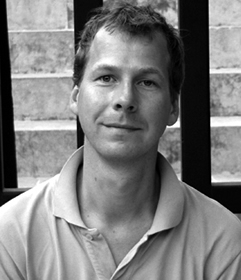
De Duitse dichter en schrijver Markus Breidenich werd geboren in Düren op 18 mei 1972. Zie ook alle tags voor Markus Breidenich op dit blog.


Poesie, seismisch


Sterntasten. Jede Form der Berührung. Drahtlos
ist der Anruf der Götter. Fragiles Gelände.
Klingeltonscherben. Im Mondscheintarif. Könnte sein:
Ein Handyschütteln. Das Rauschen eines Bauchs. SMS.
Oder auch: der Boden unter Füßen.
Auf Richterskalen, zwischen fünf und sechs. Morgens,
im Türrahmen eines Partykellers. Sicher.


Grauer Star


Die alten Lider. Im Scheinwerferlicht
noch einmal der große Wurf eines
Schattens. Für Augenblicke. Für jetzt

ist diese Landschaft von Höhen und
Tiefen ein immer noch schöner
Fleck auf der Retina. Etwas, das

dunkler wird. Trübe hinter den Linsen.
Aber nicht unterzukriegen ist. Ein
Mythos. Ein stilles, spätes Come back.


1159969-3f038307544c02cea1975192e90347dd.jpg 

Markus Breidenich (Düren, 18 mei 1972)


De Zuidkoreaanse schrijver Yi Mun-yol werd geboren op 18 mei 1948 in Yongyang. Zie ook alle tags voor Yi Mun-yol op dit blog.


Uit: L'île anonyme (Vertaald door Patrick Maurus)


„Au début du printemps de cette année-là, je venais tout juste de quitter l'école normale, et ma pre- mière affectation avait été une école primaire perdue dans un coin de province dont je n'ai pas particulièrement envie de dévoi- ler le nom. Le village en question était à soixante lis* de la bourgade où se trouvait la sous-préfecture, et, pour atteindre cette campagne, il fallait franchir deux cols escarpés au-delà desquels personne ne semblait vivre. En descendant le premier jour à l'arrêt du bus, sur la route en pente, je m'étais soudain sentie envahie par un terrible sentiment de solitude. Les hautes montagnes étaient comme les murs d'une prison où j'allais devoir passer le restant de mes jours, et le village au loin, malgré sa centaine de maisons, semblait une ruine déserte. Quant à l'école que je devais chercher, elle restait invisible, ensevelie dans l'ombre d'une montagne. 

Entre-temps, les deux ou trois personnes qui étaient descendues du bus avec moi avaient déjà disparu, j'ai fait quelques pas, pensant demander mon chemin à l'épicerie de l'endroit. Avais-je fait trois ou quatre pas? Le sentiment d'être transpercée par une lueur aiguë m'a immobilisée. J'ai regardé devant moi, il n'y avait qu'un type assis sur l'estrade de l'épicerie et qui me toisait d'un air distrait. Son pantalon usé et crasseux était fait d'une étoffe méconnaissable et en guise de veste il portait une parka militaire teinte en noir, aux manches élimées, aux boutonnières déchirées. J'ai examiné son visage, m'interrogeant sur la provenance de cette lueur perçante. Un visage émacié, mat, le nez assez haut, des pommettes... A cet instant précis, j'ai senti à nouveau la lueur transpercer ma peau. C'était bien son regard, l'instant d'après couvert d'un voile de folie.“ 


 1159969-219472086634ee259b5e3f2e0307316a.jpg

Yi Mun-yol (Yongyang, 18 mei 1948)


De Duitse schrijver W.G. Sebald werd geboren in Wertach (Allgäu) op 18 mei 1944. Zie ook alle tags voor W. G. Sebald op dit blog.


Uit: Austerlitz  (Vertaald door Anthea Bell).


„Although Austerlitz did not reappear in the Glove Market in Antwerp that June day in 1967 on which, in the end, I went out to Breendonk, our paths kept crossing, in a way that I still find hard to understand, on all my Belgian excursions of that time, none of them planned in advance. A few days after our first encounter in the Salle des pas perdus of the Centraal Station, I met him again in an industrial quarter on the southwestern outskirts of the city of Liege, which I had reached towards evening, coming on foot from St. Georges-sur-Meuse and Flemalle. The sun was just breaking once again through the inky blue wall of cloud heralding a storm, and the factory buildings and yards, the long rows of terraced housing for the laborers, the brick walls, the slate roofs, and the windowpanes shone as if a fire were glowing within them.

When the rain began lashing down on the streets I took refuge in a tiny bar called, as I remember, the Cafe des Esperances, where to my considerable surprise I found Austerlitz bent over his notes at one of the Formica tables. On this second meeting, as on all subsequent occasions, we simply went on with our conversation, wasting no time in commenting on the improbability of our meeting again in a place like this, which no sensible person would have sought out. From where we sat until late that evening in the Cafe des Esperances, you could look through a back window down into a valley, perhaps a place of water meadows in the past, where now the reflected light from the blast furnaces of a gigantic iron foundry glared against the dark sky, and I remember clearly how, as we both gazed intently at this spectacle, Austerlitz launched into a discourse of over two hours on the way in which, during the nineteenth century, the vision of model towns for workers entertained by philanthropic entrepreneurs had inadvertently changed into the practice of accommodating them in barracks just as our best-laid plans, said Austerlitz, as I still remember, always turn into the exact opposite when they are put into practice.“


 1159969-650bb5da47c36f6f56c21479176af8d4.jpg

W.G. Sebald (18 mei 1944 – 14 december 2001)


De Franse schrijver
François Nourissier werd geboren op 18 mei 1927 in Parijs. Zie ook alle tags voor François Nourissier op dit blog.


Uit: Lettre à mon chien


« Je me suis souvent demandé, au long des insomnies, quand j’écoute ta respiration, quand tu pèses de tout ton abandon sur ma jambe ou mon dos, ou lors de ces quelques nuits blanches passées à te veiller, je me suis demandé ce que signifient ces excès de ma tendresse pour toi, cette peur viscérale de te voir souffrir ou de te sentir menacée. « Fertiliser le cœur », c’est vite dit. Je tourne autour de cette espèce de maladie du sentiment sans parvenir à l’expliquer. Seules peuvent évoquer mon angoisse à ton endroit celles qu’il m’arriva de ressentir à imaginer mes enfants blessés, ou la maladie et la mort d’une femme aimée. J’insiste là-dessus : il s’agit de la même qualité de sentiment. Je n’établis pas une hiérarchie entre ce que les humains éveillent en moi de compassion ou de tendresse, et ce que j’essaie d’expliquer ici te concernant. Le ferais-je, je mentirais, puisque cette similitude des angoisses, cette ressemblance entre des amours réputés différents que je voudrais, les soulignant, les approfondissant, expliquer. Je n’y arriverai pas, je commence à le savoir. Au moins serais-je heureux si j’allégeais les scrupules de quelques-uns de ceux qui, comme moi, feignent de s’inquiéter de leur attachement à tes copains alors qu’il les émerveille. »


1159969-3c0519b9d8722dc070471ac61329b566.jpg 

François Nourissier (18 mei 1927 – 15 februari 2011)


De IJslandse dichter en schrijver Gunnar Gunnarsson werd geboren op 18 mei 1889 in  Fljótsdalur. Zie ook alle tags voor Gunnar Gunnarsson op dit blog.


Uit: Father And Son (Vertaald door Peter Foote)


“Snjolfur's wife worked at fish-drying for the factor in the summer months, but good drying-days could not be counted on and the money was not much. She lived just long enough to bring little Snjolfur into the world, and the last thing she did was to decide his name. From then on, father and son lived alone in the cabin.

Little Snjolfur had vague memories of times of desperate misery. He had to stay at home through days of unrelieved torment and agony. There had been no one to look after him while he was too small to go off in the boat with his father, and old Snjolfur was forced to tie the boy to the bed-post to keep him out of danger in his absence. Old Snjolfur could not sit at home all the time: he had to get something to put in the pot.

The boy had more vivid memories of happier times, smiling summer days on a sea glittering in the sunshine. He remembered sitting in the stern and watching his father pulling in the gleaming fish. But even those times were mingled with bitterness, for there were days when the sky wept and old Snjolfur rowed out alone.

But in time little Snjolfur grew big enough to go off with his father, whatever the weather. From then on they contentedly shared most days and every night: neither could be without the other for more than a minute. If one of them stirred in his sleep, the other was awake on the instant; and if one could not get to sleep, the other did not close his eyes either.

One might think that it was because they had a lot to talk about that they were so wrapped up in each other. But that was not so. They knew each other so well and their mutual confidence was so complete that words were unnecessary. For days on end no more than scattered phrases fell between them; they were as well content to be silent together as to be talking together. The one need only look at the other to make himself understood.“


 1159969-9e273a4d3ccc824db68834c2e9438390.jpg

Gunnar Gunnarsson (18 mei 1889 – 21 november 1975)


De Duitse dichter en schrijver
Ernst Wiechert werd geboren op 18 mei 1887 in Kleinort bij Sensburg in Oostpruisen.(Tegenwoordig Polen). Zie ook alle tags voor Ernst Wiechert op dit blog.


Uit: Der Knecht Gottes Andreas Nyland


„Ich war im Zorn von Gott gegangen. Schon im "Wald" hatte ich die Faust an seine Tür geschlagen, weil der Soldat, durch das Chaotische das wahre Antlitz der Welt erblickend, von ihr hatte sagen müssen. "Und siehe, es war nicht gut."
Ich ging durch die Zeit wie durch eine finstere Nacht. Die Gründe wankten, und unter den Sternen lag ein Licht wie über den Küsten von Patmos. Allerorten geschah die Geburt der Propheten, und aus Leidenschaft und Schmerz entstand der "Totenwolf". Nicht mehr schlug ich nur an Gottes Tür. Ich riß sie auf und stand vor seinem Thron, und ohne Demut sprach ich, hart und böse, als sitze ein schuldiger Mensch vor meiner Klage. Und hart und böse verließ ich sein Haus, um in die leere Welt zu gehen.
Sie war leer. So leer, daß ich vor ihr stand wie vor einem gläsernen Haus, durch das ich hindurchblicken konnte. Wand und Raum, und dahinter sah ich die Öde des Tages und die Dumpfheit der Nacht. Da ging ich an die Grenzen der Welt und setzte mich nieder, dem Leben den Rücken wendend, und begann zu bedenken, was mein Leben bisher erfüllt hatte: Menschen und Dinge, Amt und Tätigkeit, Religionen und Parteien. Und als ich das alles zwischen meinen Fingern hin und her wendete, als ich von allem den Staub wischte, mit dem der Lärm der Jahre und der Straßen es bedeckt hatte, da erschrak ich tief. Denn es zerbröckelte zwischen meinen Händen, was mir als ewig erschienen war: es verblaßte vor meinen Augen, was glänzend am Rand meiner Träume gestanden hatte.
Und was zurückblieb, aller Namen und Dogmen entkleidet, ein paar Menschen, Erkenntnisse und Bewußtheiten: es hob sich wie aus einem tiefen Wasser, anderen Zeiten und Welten angehörig.


 1159969-f626f9bbeadf3bb99d007c4a77d420d5.jpg

Ernst Wiechert (18 mei 1887 – 24 augustus 1950)

Portret door K. William Kapp


De Perzische dichter Omar Khayyám, of zoals zijn arabische naam luidt, al-Imâm Abu Hafs 'Omar ebn Ebrâhim al-Khayyâmi, werd geboren op 18 mei 1048 te Nishapur. Zie ook alle tags voor Omar Khayyám op dit blog.


Uit: De Rubáiyát (Omar Khayam)


IX
Uit de taveerne klonk een stem op straat:
‘o drinkens zot, die u te buiten gaat,
sta op en vul de schenkpint van den wijn,
voordat gevuld wordt van u zelf de maat.'


X
Hoe lang nog zal ik om mijn toekomst beven?
hoe lang om mijn geluk in zorgen zweven?
schenk in; ik weet niet eenmaal of ik thans
de ingehaalde lucht weer uit zal geven.


XI
De kan gevuld ... en vorst Mahmoed regeert,
de harpe klinkt ... en David psalmodeert,
wat was, wat zijn zal, wil er niet om geven,
geniet wat is; een dwaas die meer begeert.


Vertaald door J.H. Leopold.


1159969-b6ec9ac4e0c34f3f8eeea052750ffd8e.jpg 

Omar Khayyam (18 mei 1048 - 4 december 1131)

Illustratie uit De Rubáiyát


Zie voor nog meer schrijvers van de 18e mei ook
mijn blog van 18 mei 2011 deel 2.
Geschreven door Romenu om 18:59 Reageer op dit bericht

Christi Himmelfahrt (Annette von Droste-Hülshoff)


Bij Hemelvaart


 1158805-ce61fa8b2d8c24b369303aec1801bb2e.jpg

'L’Ascensione di Cristo' door Il Garofalo, 1510-1520


Christi Himmelfahrt


Er war ihr eigen drei und dreißig Jahr.

Die Zeit ist hin, ist hin!

Wie ist sie doch nun alles Glanzes bar,

Die öde Erd', auf der ich atm' und bin!

Warum durft' ich nicht leben, als sein Hauch

Die Luft versüßte, als sein reines Aug'

Gesegnet jedes Kraut und jeden Stein?

Warum nicht mich? Warum nicht mich allein

O Herr, du hättest mich gesegnet auch!


Dir nachgeschlichen wär' ich überall

Und hätte ganz von fern,

Verborgen von gebüschesgrünem Wall,

Geheim betrachtet meinen liebsten Herrn.

Zu Martha hätt' ich bittend mich gewandt

Um einen kleinen Dienst für meine Hand:

Vielleicht den Herd zu schüren dir zum Mahl,

Zum Quell zu gehn, zu lüften dir den Saal –

Du hättest meine Liebe wohl erkannt.


Und draußen in des Volkes dichtem Schwarm

Hätt' ich versteckt gelauscht,

Und deine Worte, lebensreich und warm,

So gern um jede andre Lust getauscht;

Mit Magdalena hätt' ich wollen knien,

Auch meine Träne hätte sollen glühn

Auf deinem Fuß; vielleicht dann, ach, vielleicht

Wohl hätte mich dein selig Wort erreicht:

Geh hin, auch deine Sünden sind verziehn!


Umsonst! Und zwei Jahrtausende nun fast

Sind ihrem Schlusse nah',

Seitdem die Erde ihren süßen Gast

Zuletzt getragen in Bethania.

Schon längst sind deine Märtyrer erhöht,

Und lange Unkraut hat der Feind gesät;

Gespalten längst ist deiner Kirche Reich,

Und trauernd hängt der mühbeladne Zweig

An deinem Baume; doch die Wurzel steht.


Geboren bin ich in bedrängter Zeit;

Nach langer Glaubensrast

Hat nun verschollner Frevel sich erneut;

Wir tragen wieder fast vergeßne Last,

Und wieder deine Opfer stehn geweiht.

Ach, ist nicht Lieben seliger im Leid?

Bist du nicht näher, wenn die Trauer weint.

Wo Drei in deinem Namen sind vereint,

Als Tausenden in Schmuck und Feierkleid?


'S ist sichtbar, wie die Glaubensflamme reich

Empor im Sturme schlägt,

Wie Mancher, der zuvor Nachtwandlern gleich,

Jetzt frisch und kräftig seine Glieder regt.

Gesundet sind die Kranken; wer da lag

Und träumte, ward vom Stundenschlage wach;

Was sonst zerstreut, verflattert in der Welt,

Das hat um deine Fahne sich gestellt,

Und jeder alte, zähe Firnis brach.


Was will ich mehr? Ist es vergönnt dem Knecht,

Die Gabe seines Herrn

Zu meistern? Was du tust, das sei ihm recht!

Und ist dein Lieben auch ein Flammenstern,

Willst läutern du durch Glut, wie den Asbest,

Dein Eigentum von fauler Flecken Pest:

Wir sehen deine Hand und sind getrost,

Ob über uns die Wetterwolke tost,

Wir sehen deine Hand und stehen fest.


 1158805-d604de6403b6ca9f47829bd43742776b.jpg

Annette von Droste-Hülshoff (10 januari 1797 – 24 mei 1848)

Burcht Hülshoff bij Münster op een ansichtkaart


Zie voor de schrijvers van de 17e mei ook mijn vorige blog van vandaag.
Geschreven door Romenu om 10:03 Reageer op dit bericht

Lars Gustafsson, Peter Høeg, Gary Paulsen, Dennis Potter, Henri Barbusse

De Zweedse dichter en schrijver Lars Gustafsson werd geboren in Västeras, op 17 mei 1936. Zie ook alle tags voor Lars Gustafsson op dit blog.


Elegie auf einen Labrador


Mitten im Sommer gibt es bei uns Tage,

an denen es plötzlich Herbst ist.

Die Krähen im Baum schlagen schärfere Töne an.

Die Klippen ragen deutlicher aus dem See als sonst.

Sie wissen etwas. Sie haben es immer gewußt.

Wir auch, doch wollen wir nichts davon wissen.

Auf dem Heimweg bist du oft am Bug gestanden,

an solchen Abenden, hast den Gerüchen nachgespürt,

die übers Wasser kamen, mit ruhig gesammelten Blick,

den Abend entziffert, die schwache Rauchfahne

eines Sommerhauses, den Pfannkuchen, der irgendwo

drei Kilometer weiter briet, einen Dachs bemerkt,

der ich weiß nicht wo in der Dämmerung stand

und etwas witterte, ganz wie du. Unsere Freundschaft

war natürlich ein Kompromiß: wir lebten zusammen

in zwei verschiedenen Welten, der meinigen

mit ihren Buchstaben, einem lebenslänglichen Text,

und der deinen mit ihren Gerüchen. Ich hätte viel

für deine Kenntnisse gegeben, für dein Vermögen,

ein Gefühl wie Eifer, Haß oder Liebe wie eine Welle

über den ganzen Körper hinlaufen zu lassen

von der Nase bis zum Schwanz, für deine Unfähigkeit,

dich damit abzufinden, daß der Mond eine Tatsache ist.

Bei Vollmond hast du dich lauthals darüber beklagt.

Als Gnostiker warst du mir überlegen, und somit

hast du dauernd im Paradies gelebt. Auch pflegtest du

Schmetterlinge aufzuschnappen im Sprung und sie dann

hinunterzuschlucken. Abstoßend fanden manche das.

Mir gefiel es. Warum habe ich es dir darin

nie gleichtun können? Und dann die Türen!

Waren sie zu, so legtest du dich hin und schliefst ein;

irgend jemand würde sie sicherlich öffnen,

früher oder später. Du hattest recht. Ich hatte unrecht.

Heute, da diese lange, stumme Freundschaft vorbei ist

für immer, frage ich mich, ob auch ich am Ende

etwas konnte, was dir imponiert hat. Ich meine nicht

deinen festen Glauben, daß ich es war, der die Gewitter

hervorrief. Das war ein Wahn. Ich denke eher,

mein sichres Gefühl dafür, daß der Ball vorhanden war,

auch wenn er sich hinter dem Sofa versteckt hielt,

hat dir eine Ahnung verschafft von meiner Welt.

Fast alles in meiner Welt hält sich versteckt

hinter etwas anderem. Ich nannte dich  “Hund”.

Ich frage mich ganz im Ernst: Hast du mich wohl

für einen größern, lauteren “Hund” gehalten,

oder für etwas anderes, etwas für immer Unbekanntes,

das einfach ist, was es ist, und existiert

auf seine Weise und damit basta: den Pfiff

durch den nächtlichen Park, dem zu folgen

man sich angewöhnt hat ohne so recht zu wissen,

was das ist, dem man folgt. Und ich

wußte ebensowenig von dir und davon, was du warst.

Von diesem objektiveren Standpunkt aus

waren wir zwei Organismen, zwei jener Orte,

an denen das Universum sich in sich selber

verknotet, verwickelt, kurzlebige, komplexe Strukturen

aus Eiweiß, die sich immer weiter verheddern müssen,

um zu überleben, bis das Ganze versagt

und sich wieder vereinfacht, der Knoten sich löst,

das Rätsel verschwindet. Du warst eine Frage,

gerichtet an eine andere Frage, sonst nichts,

und keine von beiden konnte der andern Antwort geben.


Vertaald door Hans Magnus Enzensberger


 1158800-f8d853090e131d453925a57c33f4e982.jpg

Lars Gustafsson (Västeras, 17 mei 1936)


De Deense schrijver Peter Høeg werd geboren in Kopenhagen op 17 mei 1957. Zie ook alle tags voor Peter Høeg op dit blog.


Uit: The Quiet Girl (Vertaald door Nadia Christensen)


„SheAlmighty had tuned each person in a musical key, and Kasper could hear it. Best in the brief, unguarded moments when people were nearby but didn't yet know he was listening. So he waited by the window, as he was doing now.

It was cold. The way it could be only in Denmark, and only in April. When, in mad enthusiasm for the spring light, people turned off the central heating, brought their fur coats to the furrier, dispensed with their long underwear, and went outside. And only when it was too late, discovered that the temperature was at freezing, the relative humidity 90%, and the wind was from the north and went straight through clothing and skin, deep into the body, where it wrapped itself around the heart and filled it with Siberian sadness.

The rain was colder than snow, a heavy, fine rain that fell like a gray silk curtain. From behind that curtain a long black Volvo with tinted windows appeared. A man, a woman, and a child got out of the car, and at first it looked promising.

The man was tall, broad-shouldered, used to getting his own way—and capable of having a powerful impact on those around him if he didn't. The woman was blond as a glacier and looked like a million bucks; she also looked smart enough to have earned it herself. The little girl had dignity and wore expensive clothes. It was like a tableau of a holy, wealthy family.

They reached the center of the courtyard, and Kasper got his first sense of their musical key. It was D-minor, at its worst. As in Toccata and Fugue in D-Minor. Great fateful pillars of music.

Then he recognized the little girl. At that precise moment the silence occurred.

It was very brief, perhaps a second, perhaps not at all. But while it lasted, it obliterated reality. It took away the courtyard, the rehearsal ring, Daffy's office, the window. The bad weather, the April month. Denmark. The present time.

Then it was over. Vanished, as if it had never existed“.


 1158800-9e6eaf68b3241e6ecb1eb36b806216c9.jpg

Peter Høeg (Kopenhagen, 17 mei 1957)


De Amerikaanse schrijver Gary Paulsen werd geboren op 17 mei 1939 in Minneapolis, Minnesota. Zie ook alle tags voor Gary Paulsen op dit blog.


Uit: Brian's Return


„Brian sat quietly, taken by a peace he had not known for a long time, and let the canoe drift forward along the lily pads. To his right was the  shoreline of a small lake he had flown into an hour earlier. Around him was the lake itself, an almost circular body of water of approximately  eighty acres surrounded by northern forest—pine, spruce, poplar and birch—and thick brush.
It was late spring—June 3, to be exact—and the lake was teeming, crawling, buzzing and flying with life. Mosquitos and flies filled the  air, swarming on him, and he smiled now, remembering his first horror at the small blood drinkers. In the middle of the canoe he had an old coffee  can with some kindling inside it, and a bit of birchbark, and he lit them and dropped a handful of green poplar leaves on the tiny fire. Soon smoke  billowed out and drifted back and forth across the canoe and the insects left him. He had repellant with him this time—along with nearly two  hundred pounds of other gear—but he hated the smell of it and found it didn't work as well as a touch of smoke now and then. The blackflies and  deerflies and horseflies ignored repellant completely—he swore they seemed to lick it off—but they hated the smoke and stayed well off the  canoe.

The relief gave him time to see the rest of the activity on the lake. He remained still, watching, listening.“


1158800-d292541243388f950ae30273d68903e2.jpg
Gary Paulsen (Minneapolis, 17 mei 1939)


De Britse schrijver Dennis Potter werd geboren op 17 mei 1935 in Forest of Dean, Gloucestershire. Zie ook alle tags voor Dennis Potter op dit blog.


Uit: Dennis Potter: Showing 'The Very Age and Body of the Time His Form and Pressure' (Dissertatie van Paul A. Ferguson)


'Adieu, Adieu, Adieu. Remember Me': Karaoke and Cold Lazarus

There's an uneasy moment towards the end of the third episode of Cold Lazarus when, as Martina Matilda Masdon speaks across the Atlantic via autocube to Emma Porlock, the writing begins to seem profoundly awkward, uncharacteristic, forced, un-natural even:


Masdon: … register what I have to say.
Emma: I am registering, Ms Masdon.
Masdon's voice: First, why do you behave in a way that could lead an uncharitable person to conclude that you are a nasty two-faced, two-timing sewer rat?
Emma: Which uncharitable person would that be, Ms Masdon? I only know of one such.


It may seem uncharitable of me to mention such a lapse, and indeed in so doing it might be seen as a progression down the slope towards the subjective 'nastiness' of Literary Criticism indicated by Philip Marlow with 'swine to the left of [me], swine to the right of [me], grunt grunt'. But then that would be to assume, again uncharitably, that in making such a point I merely wanted to say that Potter 'didn't write this bit very well'. Although evidently a point of departure, this is not my intention.“


1158800-b4cb375da337e6e2e16823a053870b6c.jpg
Dennis Potter (17 mei 1935 – 7 juni 1994)


De Franse dichter en schrijver
Henri Barbusse werd geboren op 17 mei 1873 in Asnières-sur-Seine. Zie ook alle tags voor Henri Barbusse op dit blog.


La Pleureuse


Oh bien des fois, au gré du rêve où tu te penches,

Tu vis le hameau calme avec ses maisons blanches,

Et la paix de l’azur a fait pleurer ta paix.

Et bien des fois, la nuit, lorsque tu regardais,

J’ai senti ta douleur monter jusqu’aux étoiles,

Et te vis épier dans l’ombre aux ombres pâles

Cet immense malheur qu’on ne peut pas savoir...

Lorsque nous regardons monter la mer du soir,

Ainsi que deux faux dieux sur les mornes rivages,

Nous voyons devant nous passer de grands veuvages

Et c’est ton désespoir qui souffre avec douceur.

Désert de ton frisson, pauvreté de ton cœur !

Et tu vas inquiète, et très calme et très seule,

Ô si jeune âme avec des mains comme une aïeule,

Toi qui, pauvre rêveuse, avais aux temps lointains

Dans les nuits de bonheur des songes enfantins,

Qui, bercée à la voix d’aurore qui se lève

Et souriante encor d’une écharpe de rêve,

Dans le ciel du matin n’as trouvé que l’azur !

Si le dieu de cœur simple est le seul dieu très pur,

Pleure la grande vie et tout ce que vous faites,

Ô vous qui souriez, ô ceux que tu rachètes

Quand lasse, dans les champs d’étés et de sommeil,

Tu sens se dévaster la pitié du soleil !

Et je te dis souvent que nous sommes sublimes

Et qu’il est un mystère, et que nous l’entendîmes ;

Et je te dis cela quand nous nous effleurons,

Quand le demi-sommeil laisse errer nos deux fronts

Et que la lampe est douce au fond de l’âme close...

Et sans me regarder, tu pleures d’autre chose.


 1158800-94dac48abd3a84f9f5a512839cd12ff0.jpg

Henri Barbusse (17 mei 1873 –30 augustus 1936)


Zie voor nog meer schrijvers van de 17e mei ook mijn blog van 17 mei 2011 deel 2.

Geschreven door Romenu om 09:58 Reageer op dit bericht

Meer van Romenu

↑ Terug naar de berichten