Naar de inhoud

Romenu

Over literatuur, gedichten, kunst en cultuur
akke.beakke.be

Berichten van 25 oktober 2014 tot 26 oktober 2014

Jan Wolkers, Marja Pruis, Andrew Motion, Maartje Wortel, Stephen L. Carter, Karin Boye
De Nederlandse dichter, schrijver en beeldend kunstenaar Jan Wolkers werd geboren in Oegstgeest op 26 oktober 1925. Zie ook mijn blog van 26 oktober 2010 en eveneens alle tags voor Jan Wolkers op dit blog.


De winterslaap

Als de sneeuw niet meer
Smelten wil,
Een boterham met dubbel jam
De mond niet opent,
een oog kijkt eerder scheel
naar een gebroken ruit –
Dan hangt men lakens voor het raam,
De kille bloedsomloop
Zakt naar de modder,
Er is geen wakker worden aan.


Uitzicht

Spelende kindren in de voorjaarszon,
En in de verre tuinen vogelfluiten.
Al wordt geluk van later leed de bron,
Vandaag is dit geluk door niets te stuiten.

De straten liggen eenzaam en verlaten.
Een vrouw zingt ergens voor een open raam.
En de geliefden die de tijd verpraten,
Noemen elkander met een tere naam.

Tegen de horizon de paarse bossen,
Daarvoor de weilanden nog nat van dauw.
En tussen de groene weiden, tulpen, rose,
En hyacinthenvelden, wit en blauw.

Zou ik iets anders wensen dan dit uitzicht,
Op deze stille dingen van geluk?
Geen dood ontneemt dit land het warme zonlicht
Geen mensendaad breekt deze dromen stuk.

Wij zijn verloren voor de grote daden.
Niets blijft ons meer dan deze ene droom:
Zonder de diepste gronden te verraden,
Dit leven te aanvaarden, stil en vroom.


De herinnering

Het is zo lang geleden
Dat het vergeten had moeten zijn,
Het is zo vers
Als een voetstap in het gras,
Als rook die wegtrekt uit een open raam,
Dauw die druppelt langs gewas
Door aarde en stof,
Een gedachte die er niet meer was.


 1670607-2b6e63eda67c7e5d530071667ab4ef1e.jpg
Jan Wolkers (26 oktober 1925 – 19 oktober 2007)


De Nederlandse schrijfster en journaliste Marja Pruis werd geboren in Amsterdam op 26 oktober 1959. Zie ook alle tags voor Marja Pruis op dit blog.

Uit: Wandelaar en zwartziener Het debuut van Martinus Nijhoff

“In het niet zo grote oeuvre van Nijhoff neemt ‘De wandelaar’ vanwege het veronderstelde programmatische karakter een bijzondere plaats in. Zelf was de dichter er niet erg happig op bij een stroming of beweging te worden gerekend: ‘Ik wil niet tot een kamp behooren, maar tot de poëzie’ schreef hij in 1926 aan Marsman. Hij zou tot zijn tevredenheid kunnen constateren dat in de Nederlandse literatuurgeschiedenis hij een apart hoofdstuk krijgt toebedeeld, zij het onder de twijfelachtige noemer ‘overgangsfiguur’. Over het algemeen beschouwt men zijn debuut, en in het bijzonder het titelgedicht, als een afrekening met de romantische erfenis van de negentiende eeuw. In ‘De wandelaar’ toont de dichter zijn papieren, of liever gezegd: laat hij zien dat hij met lege handen staat. Onthecht en alleen wandelt hij door een wereld waarmee hij geen enkele band heeft. Wat er wel is of was, zijn onmachtige pogingen gebleken. ‘Stil heeft mijn hart de daden sterven laten.’ Of hij nu als een middeleeuwse monnik het wereldse leven aan zich voorbij zou laten trekken, als een kunstenaar ten tijde van de Renaissance zich aan narcisme bezondigt, of als een Baudelairiaanse poète maudit ten onder zou gaan aan drank en vrouwen, hij blijft buiten de wereld staan. ‘Een ruimte scheidt mij van de wereld af’ In de slotstrofe wordt onder ogen gezien dat slechts dadenloosheid en stilstand resten: ‘Toen zich mijn handen tot geen daad meer hieven,/ Zagen mijn oogen kalm de dingen aan’.
Klassiek door zijn regels
Als startschot voor een dichtersloopbaan lijkt ‘De wandelaar’ een nogal fatalistische boodschap te verkondigen. Hierin schuilt ook de afrekening: anders dan zijn voorgangers wil Nijhoff niet zijn poëzie zich ervoor laten lenen om uitzicht te bieden op iets mooiers of op een dieper verband tussen de dingen.”


 1670607-b17e2bf7570f9f55d3e42f03272c083a.jpg
Marja Pruis (Amsterdam, 26 oktober 1959)


De Engelse dichter, schrijver en biograaf Andrew Motion werd geboren op 26 oktober 1952 in Braintree in Essex. Zie ook alle tags voor Andrew Motion op dit blog en ook mijn blog van 26 oktober 2010


Holy Island

I am behind you on the mainland, leaning
on your shoulder and pointing with one arm
in front of your face at weightless cinders
which are ravens blustering above the island.

Boulder clay on the outcrops, and beaches
dotted and dashed with coal dust. Guillemots
whitening the cliff face. Small orchids definitely
still evolving in a downpour of Arctic sunlight.

How many years are there left to cross over
and show you things themselves, not my idea
of things?
Thirty, if I live to the age of my father.
I cannot explain why I have left it as late as this.

Your black hair blows into my eyes but I can see
everything moving fast now. Weather polishes
the silver fields ahead; the ravens swoop down
and settle among the gorgeous pages of the gospels.


Causa Belli

They read good books, and quote, but never learn
a language other than the scream of rocket-burn
Our straighter talk is drowned but ironclad;
elections, money, empire, oil and Dad.


Death of Harry Patch (2012)

When the next morning eventually breaks,
a young Captain climbs onto the fire step,
knocks ash from his pipe then drops it
still warm into his pocket, checks his watch,
and places the whistle back between his lips.

At 06.00 hours precisely he gives the signal,
but today nothing that happens next happens
according to plan. A very long and gentle note
wanders away from him over the ruined ground
and hundreds of thousands of dead who lie there

immediately rise up, straightening their tunics
before falling in as they used to do, shoulder
shoulder, eyes front. They have left a space
for the last recruit of all to join them: Harry Patch,
one hundred and eleven years old, but this is him

now, running quick-sharp along the duckboards.
When he has taken his place, and the whole company
are settled at last, their padre appears out of nowhere,
pausing a moment in front of each and every one
to slip a wafer of dry mud onto their tongues.


 1670607-e34967a85157ea58d87b393f22b1cf88.jpg
Andrew Motion (Braintree, 26 oktober 1952)


De Nederlandse schrijfster Maartje Wortel werd geboren in Eemnes op 26 oktober 1982. Zie ook alle tags voor Maartje Wortel op dit blog.

Uit: Dit is jouw huis

'Soms val ik bijna,' zegt de vrouw. 'Als iemand kijkt hoe ik loop.'
Haar man knikt.
'Ik kan daar niet tegen,' vervolgt ze. 'Als ze kijken naar hoe ik loop.'
'Maar je loopt heel normaal,' zegt haar man. 'Dat heb ik al zo vaak gezegd.'
'Dat zal best,' zegt de vrouw, 'maar als ze kijken dan val ik bijna.'
'Wie kijken er dan mevrouw?' vraag ik.
'Wat bedoel je?' zegt ze.
'Wie kijken er naar hoe u loopt?'
'Mensen,' zegt de vrouw.
'En hoe kijken ze dan?'
'Ze kijken me aan, hoe ik loop. Het is alsof ze me kunnen laten struikelen met hun ogen.'
'Ze is heel onzeker,' zegt haar man.
De vrouw zegt niets.
'Bent u ook eens echt gevallen?' vraag ik.
'Niet letterlijk.'
Haar man zucht.
'Figuurlijk,' zegt hij. 'Ze bedoelt het overdrachtelijk.'
'Ik bedoel het helemaal niet overdrachtelijk, Herman,' zegt de vrouw. 'Ik ben gewoon bang dat ik val. Het voelt alsof ik val als de mensen kijken hoe ik loop. Ik wil daarvan af dokter. Ik denk steeds dat ik op de straat kom te liggen, helemaal alleen. De laatste tijd wil ik zelfs uit mezelf gaan liggen. Om het voor te zijn.'


 1670607-f386d01c2ba13655fb42886c64cc1299.jpg
Maartje Wortel (Eemnes, 26 oktober 1982)


De Amerikaanse schrijver Stephen L. Carter werd geboren op 26 oktober 1954 in Washington, D.C. Zie ook alle tags voor Stephen L. Carter op dit en ook mijn blog van 26 oktober 2010

Uit: New England White

„After. Big cushy flakes still falling. Julia and Lemaster were barreling along Four Mile Road in their Cadillac Escalade with all the extras, color regulation black, as befitted their role as the most celebrated couple in African America's lonely Harbor County outpost. That, at least, was how Julia saw them, even after the family's move six years ago out into what clever Lemaster called "the heart of whiteness." For most of their marriage they had lived in Elm Harbor, largest city in the county and home of the university her husband now led. By now they should have moved back, but the drafty old mansion the school set aside for its president was undergoing renovation, a firm condition Lemaster had placed on his acceptance of the post. The trustees had worried about how it would look to spend so much on a residence at a time when funds to fix the classrooms were difficult to raise, but Lemaster, as always with his public, had been at once reasonable and adamant. "People value you more," he had explained to his wife, "if it costs more to get you than they expected."
"Or they hate you for it," Julia had objected, but Lemaster stood his ground; for, within the family, he was a typical West Indian male, and therefore merely adamant.
They drove. Huge flakes swirled toward the windshield, the soft, chunky variety that signals to any New Englander that the storm is moving slowly and the eye is yet to come. Julia sulked against the dark leather, steaming with embarrassment, having called two of the alums by each other's names, and having referred half the night to a wife named Carlotta as Charlotte, who then encouraged her, in that rich Yankee way, not to worry about it, dear, it's a common mistake.”


 1670607-ba9b95ae25768bf3dd29ee3af0ce5869.jpg
Stephen L. Carter (Washington, 26 oktober 1954)


De Zweedse dichteres en schrijfster Karin Maria Boye werd geboren op 26 oktober 1900 in Göteborg. Zie ook alle tags voor Karin Boye op dit en ook mijn blog van 26 oktober 2010


The Avenging Angel Speaks

Give me the dead part of your life.
I will be sure to wake it.
The nights wait for our pastime.
We will be sure to break it.
Though your day was so bloodlessly empty,
I can compel it to bleed,
compel it, in shame and judgement,
to rise up from the dead.

So, when day dawns and again you take hold,
you will see what you have earned,
you will see the mark of a living night
into your temple burned -
witness that the time you wanted to cheat
from mercy back you have got
and got it full to its flowing brim - 
whether torment or joy, matters not.


My Poor Young Thing..

Afraid of the dark, my poor young thing,
who met spirits of another kind,
among the white-clad ever noticing
others of evil mind,
now I want to sing gentle songs to you,
they deliver from fear, cramp, coercion rude.
They do not ask that the evil should rue,
They do not ask for the fight of the good.

Then you shall know that all that lives
deep inside is of the same kind.
As trees and plants it can grow hesitantly,
by its own law upwards inclined.
And trees may be felled and flowers be broken
and branches die with their strength dried up,
but the dream is concealed -  wills to be awoken - 
in every living drop of sap.


Vertaald door David McDuff


 1670607-4e7c9bd9b54ea5dd6f43371e8fcf98ab.jpg
Karin Boye (26 oktober 1900 – 24 april 1941)
Cover


Zie voor nog meer schrijvers van de 26e oktober ook mijn vorige blog van vandaag.
Geschreven door Romenu om 12:54 Reageer op dit bericht

Trevor Joyce, Pat Conroy, Ulrich Plenzdorf, Sorley MacLean, Andrej Bely

De Ierse dichter Trevor Joyce werd geboren op 26 oktober 1947 in Dublin. Zie ook alle tags voor Trevor Joyce  op dit blog en ook mijn blog van 26 oktober 2010


Without Asylum
for Angela

true we may surmise
how a knife hatched
out of meat
should fledge
 
span with blade
then unexpectedly
take flight onto some sill
moult there with clutch
 
of fist falling from it
arm with balance
of muscles altering
to lift and lay
 
its murderous
intent and disturbed
dreams and brood
how everything broken
 
so they say points
to the unbroken
forgetful is it of what did
the breaking as I witness
 
my own loathing
and desire walk
through the dreaming
labyrinth of my child
 
while detailed depositions state
how further on
within the wood
whose skew bent
 
registers which wind
prevails itself perpetually
ragged and worn
from ocean breath
 
and sun and every flame
it quenched in its far
fetch the bright axe
blossom suddenly
 
the long bones lever
up from it like anthers
and beyond the startling
calyx of teeth
 
an avid buzzing perishable
fruit set thicken
and disintegrate
to load with sweet
 
secure deposits
of afflicting gold
their remote cells
and stipulate eventual
 
shelter from the fall
asylum from the edge
a luminous domain
unbounded
 
seldom they relate
why the innocent whose mouth
is like a bowl of blood
blurts words already
 
darkened with gods
and sacrifices how
I have the face of those
whose faces have rotted
 
and although whirring blades
have been observed
to crystallize spontaneously
throughout the native
 
rock and ramify
in gangs and casual crews
good companies exfoliate
pervasive and exotic dust
 
where tellers and their firm
controllers fight to reconcile
accounts and sound
is severed from the dogs throat
 
there is no further testimony
to the effect how in this
realm of agents deeds
and instruments
 
one sees at last displayed
an armoured beast whose
head a growth of flame
in the shadow of the ripening
 
clocks the river sames
destroys itself the jug
absconds leaving to the grasp
only a sustained bewilderment
 
like dice spinning


 1670601-48e749341fa0cdc8d7c188ba66e10549.jpg
Trevor Joyce (Dublin, 26 oktober 1947)


De Amerikaanse schrijver Pat Conroy werd geboren op 26 oktober 1945 in Atlanta, Georgia. Zie ook alle tags voor Pat Conroy op dit blog en ook mijn blog van 26 oktober 2010

Uit: South of Broad

“He treated the stars as though they were love songs written to him by God. With such reverence he would point out Canis Major, the hound of Orion, the Hunter; or Cygnus, the Swan; or Andromeda, the Chained Lady; or Cassiopeia, the Lady in the Chair. My father turned the heavens into a fresh puzzlement of stars: “Ah, look at Jupiter tonight. And red Mars. And isn't Venus fresh on her throne?” A stargazer of the first order, he squealed with pleasure on the moonless nights when the stars winked at him in some mysterious, soul- stirring graffiti of ballet-footed light. He would clap his hands with irresistible joy on a cloudless night when he made every star in the sky a silver dollar in his pocket.
He was more North Star than father. His curiosity about the earth ennobled his every waking moment. His earth was billion-footed, with unseen worlds in every drop of water and every seedling and every blade of grass.
The earth was so generous. It was this same earth that he prayed to because it was his synonym for God.
My mother is also a Charlestonian, but her personality strikes far darker harmonies than my father's did. She is God-haunted and pious in a city with enough church spires to have earned the name of the Holy City. She is a scholar of prodigious gifts, who once wrote a critique of Richard Ellman's biography of James Joyce for the New York Review of Books. For most of my life she was a high school principal, and her house felt something like the hallway of a well-run school. Among her students, she could run a fine line between fear and respect. There was not much horseplay or lollygagging about in one of Dr. Lindsay King's schools. I knew kids who were afraid of me just because she was my mother. She almost never wears makeup other than lipstick. Besides her wedding band, the only jewelry she owns is the string of pearls my father bought her for their honeymoon.”


 1670601-31585d17cbc2938e8532cda7f0b80db8.jpg
Pat Conroy (Atlanta, 26 oktober 1945)


De Duitse schrijver Ulrich Plenzdorf werd geboren op 26 oktober 1934 in Berlijn.Zie ook alle tags voor Ulrich Plenzdorf op dit blog en ook mijn blog van 26 oktober 2010

Uit: Die neuen Leiden des jungen W.

„Er: Ich kann mich auch irren. Lassen Sie uns Ihre Sachen für ein paar Tage hier. Vier oder sechs Augen sehen bekanntlich mehr als zwei.
Ich packte ein. Eisern. Ein verkannteres Genie als mich hatte es noch nie gegeben.
»Trotzdem seid ihr in Berlin geblieben?« »Ed -ich nicht. Ich konnte das nicht. Aberich hab ihm noch zugeredet. Theoretisch war das auch richtig. Schließlich kann einer nirgends so gut untertauchen wie in Berlin und sich einen Namen machen. Ich meine, ich hab ihm nicht etwa gesagt, bleib hier oder so. Auf die Art kam man an Ed nichtran. Wir hatten in Berlin eine Laube. Wir kamen aus Berlin, als Vater hierher versetztwurde. Die Laube wurden wir nicht los, da sollten angeblich sofort Neubauten hin. Ichhatte für alle Fälle den Schlüssel. Diese Bude war noch ganz gut in Schuß. Wir nahmen sie also in Augenschein, und ich redete die ganze Zeit dagegen. Daß das Dach hin ist. Daß einer die ollen Decken\ vom Sofa geklaut hätte. Unsere alten Möbel waren da drin, wie das so ist. Und daß die Laube eben auf Abriß steht, wegen dieser Neubauten. Ed biß sich denn auch immer mehr fest. Er packte seine Sachen aus. Was heißt Sachen? Mehr als die Bilder hatte er eigentlich nicht, nur, was er auf dem Leib hatte. Seine Rupfenjacke, die hatte er sich selber genäht, mit Kupferdraht, und seine alten Jeans.«
Natürlich Jeans! Oder kann sich einer ein Leben ohne Jeans vorstellen? Jeans sind die edelsten Hosen der Welt. Dafür verzichte ich doch auf die ganzen synthetischen Lappen aus der Jumo, die ewig tiffig aussehen. Für Jeans konnte ich überhaupt auf alles verzichten, außer der schönsten Sache vielleicht. Und außer Musik.“


 1670601-66950ede0cdacd7bf0f831cb3c45eab7.jpg
Ulrich Plenzdorf (26 oktober 1934 – 9 augustus 2007)
Scene uit een opvoering in het Landestheater Tübingen in 2010


De Schotse dichter Sorley MacLean (Schots Gaelic: Somhairle MacGill-Eain) werd geboren op 26 oktober 1911 Osgaig op het eiland Raasay.Zie ook alle tags voor Sorley MacLean op dit blog en ook mijn blog van 26 oktober 2010


A Highland Woman

Hast Thou seen her, great Jew,
who art called the One Son of God?
Hast Thou seen on Thy way the like of her
labouring in the distant vineyard?

The load of fruits on her back,
a bitter sweat on brow and cheek,
and the clay basin heavy on the back
of her bent poor wretched head.

Thou hast not seen her, Son of the carpenter,
who art called the King of Glory,
among the rugged western shores
in the sweat of her food’s creel.

This Spring and last Spring
and every twenty Springs from the beginning,
she has carried the cold seaweed
for her children’s food and the castle’s reward.

And every twenty Autumns gone
she has lost the golden summer of her bloom,
and the Black Labour has ploughed the furrow
across the white smoothness of her forehead.

And Thy gentle church has spoken
about the lost state of her miserable soul,
and the unremitting toil has lowered
her body to a black peace in a grave.

And her time has gone like a black sludge
seeping through the thatch of a poor dwelling:
the hard Black Labour was her inheritance;
grey is her sleep tonight.


Vertaald door Seamus Heaney


 1670601-7f1ee305cf3a1566577f7a01cbf84c0b.jpg
Sorley MacLean (26 october 1911 - 24 november 1996)


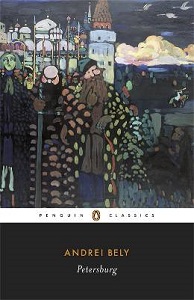
De Russische schrijver en theoreticus van het symbolisme Andrej Bely werd geboren op 26 oktober 1880 in Moskou. Zie ook alle tags voor Andrej Bely op dit blog en ook mijn blog van 26 oktober 2010

Uit: Petersburg (Vertaald door Robert A. Maguire en John E. Malmstad)

« But the differences are fundamental. Joyce’s creative impulse is towards expansion. Joyce wrote the book’s core – its plot, its bones – and then he added and added and added. No detail of environment or of consciousness was too minute to escape his agglomerative drive. This is Ulysses’ project – to incorporate everything – and the project is in principle endless. Joyce had to end it arbitrarily – by decreeing that the book would be published on his fortieth birthday. He could have kept on writing forever.
Bely’s revisions of Petersburg, on the other hand, were all about excision. Bely wrote the novel’s original draft between July 1911 and January 1912. He then couldn’t find a publisher. While he was searching, he completely reworked the novel. In 1913, after various troubles (at one point much of the book was actually set up in type before being abandoned), it started being published in instalments; then as a book proper in 1916. But Bely was still dissatisfied, and he set to work revising again. M&M: “Working more by massive cutting than by actual rewriting, he subjected the text to such changes that the result was virtually a new novel”. In 1922 this new novel was published by a firm in Berlin. And it’s this version that M&M translate.
Ulysses and Petersburg. Expansion and excision. These differences in approach speak of the different novels’ different spirits. If Ulysses wants to grasp the world in words, Petersburg’s keynote is the eloquent ellipsis. Despite Circe’s hallucinatory power, Ulysses’ guiding spirit is realist. It wants to describe. It wants to fully, adequately, maximally describe. Recall Joyce’s boast that, were Dublin raised to the ground, it could be rebuilt from scratch with Ulysses as the blueprint. Petersburg, on the other hand, couldn’t care less about the actual city. Petersburg’s Petersburg is a dream city, a nightmare city, a city of the mind and of the dead. Petersburg isn’t interested in the empirical world; it is after something that descriptive prose can’t give it. It is after something beyond thought, and beyond experience. It puts more faith than English literature likes to in madness. It puts faith in the senseless. You have to look to Lewis Carroll or Edward Lear to find in English literature the kind of cheerful ludicrous babbling that provides so much of Petersburg’s weight and heft.“


 1670601-70d097c1f9eb7cc1ab047af58cfb205e.jpg
Andrej Bely (26 oktober 1880 – 8 januari 1934
Cover

Geschreven door Romenu om 12:41 Reageer op dit bericht

Willem Wilmink, Anne Tyler, Elif Shafak, Daniel Mark Epstein, Peter Rühmkorf, Jakob Hein

De Nederlandse dichter, schrijver en zanger Willem Andries Wilmink werd geboren in Enschede op 25 oktober 1936. Zie ook mijn blog van 25 oktober 2010 en eveneens alle tags voor Willem Wilmink op dit blog.


Angst voor geluk

Soms in de nacht als je naast me ligt,
als je naast me ligt met je meidengezicht,
dan heb ik je weer zo lief.
En ik denk met trots aan ons kleine gezin,
en ik denk: er zit wel samenhang in,
het biedt wel perspectief.

Daar komen nare gedachten van:
dat het zo niet altijd maar duren kan,
het is allemaal veel te fijn.
Nu is mijn bedje wel gespreid,
maar deze kinderen, deze meid
zijn te mooi om waar te zijn.

Wat maken we misschien nog allemaal mee,
misschien ga jij met een ander in zee,
met een zwaarbehaarde man.
Of slepende ziekte of ander kruis
komt over de wereld of over ons huis,
en maakt er een puinhoop van.

Dat denk ik dan. Maar de volgende dag
geeft een ruzie die er wezen mag,
een fraai stuk burengerucht.
En al die gedachten, mijn lekker stuk,
aan ziekte en ontrouw en ongeluk
slaan ratelend op de vlucht.


Een probleem

Vandaag vroeg mijn zoontje
met angstige stem:
'Als iemand dood is,
wat gebeurt er dan met hem?'

Nu ken ik wel iemand
die daarover zegt:
'Wie dood is die komt
in de hemel terecht!'

Maar weer iemand anders
vertelde zowaar:
'Als je dood bent dan komt er
een tovenaar,

dan tovert hij aan aan je,
en word je een dier,
een muis of een tijger,
een leeuw of een mier

Zelf mag je kiezen
welk dier je wilt zijn:
een mug of een olifant,
of een konijn.'

Maar op een morgen
ben ik gegaan
naar een man die heel oud was,
dus gauw dood zou gaan.

'Of ik een dier word,'
zei deze man,
'of in de hemel kom,
ik weet er niks van.

Maar als ik dood ben
is het eerste wat ik doe:
Honderd jaar slapen.
Want ik ben moe.'


 1670167-b2f3c1e34e465d828b6a40c7391926ed.jpg
Willem Wilmink (25 oktober 1936 – 2 augustus 2003)


De Amerikaanse schrijfster Anne Tyler werd geboren op 25 oktober 1941 in Minneapolis, Minnesota. Zie ook mijn blog van 25 oktober 2010 en eveneens alle tags voor Anne Tyler op dit blog.

Uit: The Amateur Marriage

“The drugstore’s closed,” Katie told her.
“Closed?”
“It says so on the door. Mr. Sweda’s joined the Coast Guard.”
“He’s done what?”
The girl in the red coat was very pretty, despite the trickle of blood running past one ear. She was taller than the two neighborhood girls but slender, more slightly built, with a leafy cap of dark-blond hair and an upper lip that rose in two little points so sharp they might have been drawn with a pen. Michael came out from behind the counter to take a closer look at her. “What happened?” he asked her—only her, gazing at her intently.
“Get her a Band-Aid! Get iodine!” Wanda Bryk commanded. She had gone through grade school with Michael. She seemed to feel she could boss him around.
The girl said, “I jumped off a streetcar.”
Her voice was low and husky, a shock after Wanda’s thin vio- lin notes. Her eyes were the purple-blue color of pansies. Michael swallowed.
“A parade’s begun on Dubrowski Street,” Katie was telling the others. “All six of the Szapp boys are enlisting, haven’t you heard? And a couple of their friends besides. They’ve got this banner—‘Watch out, Japs! Here come the Szapps!’—and everyone’s seeing them off. They’ve gathered such a crowd that the traffic can’t hardly get through. So Pauline here—she was heading home from work; places are closing early—what does she do? Jumps off a speeding streetcar to join in.”
The streetcar couldn’t have been speeding all that fast, if traffic was clogged, but nobody pointed that out. Mrs. Brunek gave a sympathetic murmur. Carl or Paul or Peter said, “Can I go, Mama? Can I? Can I go watch the parade?”
“I just thought we should try and support our boys,” Pauline told Michael.
He swallowed again. He said, “Well, of course.”


 1670167-9af5be3e8f1dd02f14cd9d72cefbc377.jpg
Anne Tyler (Minneapolis, 25 oktober 1941)


De Turkse schrijfster Elif Shafak (eigenlijk Elif Şafak) werd geboren in Straatsburg op 25 oktober 1971. Zie ook alle tags voor Elif Shafak op dit blog.

Uit: Liefde kent veertig regels (Vertaald door Manon Smits)

“Ella sloot haar ogen en probeerde zich voor te stellen hoe de kleuren van haar aura haar gezicht omringden. Opmerkelijk genoeg was het beeld van zichzelf dat in haar opkwam niet haar volwassen ik, maar zijzelf als kind, toen ze een jaar of zeven was.
Er kwamen een heleboel dingen terug, herinneringen waarvan ze dacht dat ze ze achter zich had gelaten. De aanblik van haar moeder die stilstond met een pistachegroen schort voor en een maatbeker in haar hand, haar gezicht een asgrauw masker van pijn; bungelende papieren hartjes aan de muren, felgekleurd en vol glitters, en het lichaam van haar vader dat aan het plafond hing alsof hij wilde meedoen met de kerstversieringen en het huis iets feestelijks wilde geven. Ze herinnerde zich hoe ze tijdens haar tienerjaren haar moeder verantwoordelijk had gehouden voor de zelfmoord van haar vader. Als jong meisje had Ella zich heilig voorgenomen om als zij ging trouwen, haar man altijd gelukkig te maken en haar huwelijk niet te laten mislukken, zoals haar moeder had gedaan. In haar poging om haar huwelijk zo veel mogelijk van dat van haar moeder te laten verschillen, was ze niet met een christelijke man getrouwd, maar had ze de voorkeur gegeven aan iemand binnen haar eigen geloofsgroep.
Pas een paar jaar geleden had Ella de haat voor haar ouder wordende moeder laten varen, en hoewel ze de laatste tijd een goede verstandhouding hadden was het een feit dat ze zich diep van binnen nog steeds niet op haar gemak voelde als ze aan het verleden dacht.
‘Mam! … Aarde naar mam! Aarde naar mam!’
Ella hoorde een hoop gelach en gefluister achter zich. Toen ze omkeek zag ze vier paar ogen die geamuseerd naar haar keken. Orly, Avi, Jeannette en David waren voor één keer allemaal om dezelfde tijd naar de ontbijttafel gekomen, en stonden haar nu op een rijtje te bestuderen alsof ze een of ander exotisch wezen was. Te oordelen naar hun blikken hadden ze daar al een heel tijdje gestaan, in een poging om haar aandacht te trekken.
‘Goedemorgen allemaal’, zei Ella met een glimlach.”


 1670167-8d16f6de8b68b3de44640bf45fe4274d.jpg
Elif Shafak (Straatsburg, 25 oktober 1971)


De Amerikaanse dichter, schrijver en biograaf Daniel Mark Epstein werd geboren op 25 October 1948 in Washington, D.C. Zie ook mijn blog van 25 oktober 2010 en eveneens alle tags voor Daniel Mark Epstein op dit blog.

Uit: Lincoln and Whitman

“And knowing the storm the book had caused in more sophisticated circles, Herndon brought the brickbat-shaped volume to the office he shared with Lincoln and set it in clear view on the table, where anyone might pick up the book and thumb through it. Leaves of Grass was exactly the length of a man's hand. He laid it down on the baize-covered table with the complacence of an anarchist waiting for a bomb to explode.
The Lincoln-Herndon law office was on the second floor of a brick building on the west side of Springfield's main square, across from the courthouse. Visitors mounted a flight of stairs and passed down a dark hallway to a medium-sized room in the rear of the building. The upper half of the door had a pane of beveled glass, with a curtain hanging from a wire, on brass rings. Lincoln would unlock the door, open it, and draw the curtain as he closed the door behind him. Two dusty windows overlooked the alley.
Herndon's biographer David Donald describes the office as "a center of political activity, of gossip and friendly banter, and of such remote problems as the merits of Walt Whitman's poetry."
The office was untidy and cobwebbed. Once, after Lincoln had come home from Congress with the customary dole of seeds to distribute to farmers, John Littlefield, a law student, discovered while sweeping that some of the stray wheat seeds had sprouted in the cracks between the floorboards.
A long pine table that divided the room, and met with a shorter table to make a T, was scored by the jackknives of absent-minded clerks and clients. In one corner stood a secretary desk, its many pigeonholes and drawers stuffed with letters and memoranda, its besieged surface sustaining a spattered earthenware inkwell and a few gold pens. Bookcases rose between the tall windows. A spidery black stain blotted one wall, at the height of a man's head, where an ink bottle had exploded-the memento, according to Lincoln, of a disagreement between law students over a point of jurisprudence that would not yield to cold logic. »


 1670167-0c14b10c0080657c4f72e221b92826f9.jpg
Daniel Mark Epstein (Washington, 25 oktober 1948)
Cover 


De Duitse dichter en schrijver Peter Rühmkorf werd geboren op 25 oktober 1929 in Dortmund. Zie ook mijn blog van 25 oktober 2010 en eveneens alle tags voor Peter Rühmkorf op dit blog.


Außer der Liebe nichts

Flüchtig gelagert in dieses mein Gartengeviert,
wo mir der Abend noch nicht aus dem Auge will,
schön ist’s,
hier noch sagen zu können: schön,
wie sich der Himmel verzieht und die Liebe zu Kopf steigt,
all nach soviel Unsinn und Irrfahrt
an ein seßhaftes Herz zu schlagen, du spürst
einen Messerstich tief in der ledernen Brust
DIE FREUDE.

Wo nun dieser mein Witz das Land nicht verändert,
mein Mund auf der Stelle spricht,
- hebt sich die Hand und senkt sich für garnichts das Lid -
doch solang ich noch atmund-rauchund-besteh,
solang mich mein Kummer noch rührt
und mein Glück mich noch angeht,
will ich
was uns die Aura am Glimmen hält,
mit langer Zunge loben!

Unnütz in Anmut: Dich,
wo die Nacht schon ihr Tuch wirft
über dein ungebildetes Fleisch, es kehren
alle Dinge sich ihre endliche Seite zu,
und aus ergiebigem Dunkel rinnt
finstere Fröhlichkeit...
Ich aber nenne diesseits und jenseits der Stirn
außer der Liebe nichts,
was mich hält und mir beikommt.


 1670167-4d1f5128f6a037b951776965a1ca209a.jpg
Peter Rühmkorf (25 oktober 1929 – 8 juni 2008)


De Duitse schrijver en arts Jakob Hein werd geboren op 25 oktober 1971 in Leipzig. Zie ook alle tags voor Jakob Hein op dit blog en ook mijn blog van 25 oktober 2010

Uit: Herr Jensen steigt aus

„Als der Job dann anfing, arbeiteten Matthias und er in verschiedenen Bereichen, so daß man sich selten sah. Matthias hatte sich in die Paketabteilung setzen lassen, weil dort öfter mal etwas abfiel, wie er grinsend meinte. Bei Herrn Jensen fiel nichts ab, er holte morgens seine Post ab, verteilte sie in die entsprechenden Briefkästen und fertig. Das war besser, als in den Ferien zu Hause herumzusitzen, und er bekam am Ende sogar noch Geld dafür.
Im folgenden Frühjahr ging Herr Jensen wieder zum selben Büro und bewarb sich für den Sommer. Er hatte immer noch keine Ahnung, wo sonst man sich nach einem Ferienjob erkundigen sollte.
Er kannte die, die kannten ihn, er konnte wieder bei der Post arbeiten. Später, als Student, hatte er den Job natürlich auch nicht aufgegeben, wo er so gut eingearbeitet war und das Geld noch besser gebrauchen konnte. Und als Herr Jensen mit dem Studium dann so abrupt aufhörte, wie andere sich das Rauchen abgewöhnen, brauchte er das Geld noch dringender. Und genau deshalb trug er inzwischen schon seit mehr als zehn Jahren hier die Post aus.
Matthias, der machte längst etwas anderes. Der hatte damals nicht einmal in den Sommerferien darauf wieder bei der Post gearbeitet. Das ist mir dann doch zu langweilig, hatte er zu Herrn Jensen gesagt und in irgendeinem Hotel in den Bergen gekellnert. Hätte Matthias rechtzeitig etwas gesagt und ihn damals mitgenommen, möglicherweise würde Herr Jensen jetzt dort ein Tablett voller Kaffeetassen auf die Terrasse tragen.
»Düring, Düring, Düring, Düring, … DÜRING!«
Mitnehmen war ein wichtiges Thema für seine Mutter. Frau Jensen war der Ansicht, daß ihr Sohn schon immer jemanden gebraucht habe, der ihn mitnahm, in jeder Hinsicht. Du bist nicht einmal im Hochsommer allein ins Freibad gegangen, wenn nicht auch jemand anderes dorthin ging. Wenn du in der Schule mit einem schlechten Schüler befreundet warst, hattest du die zweitschlechtesten Noten, warst du mit dem Klassenbesten befreundet, warst du der Zweitbeste, sagte sie.“


 1670167-970f5d2fa3c8db8b69d2d824727dae3b.jpg
Jakob Hein (Leipzig, 25 oktober 1971)


Zie voor nog meer schrijvers van de 25e oktober ook mijn eerste blog van vandaag.

Geschreven door Romenu om 13:02 Reageer op dit bericht

Christine D'haen, John Berryman, Hélène Swarth, Harold Brodkey, Karl Emil Franzos, Benjamin Constant

De Vlaamse dichteres en prozaschrijfster Christine D'Haen werd geboren in Sint-Amandsberg op 25 oktober 1923. Zie ook alle tags voor Christine D’Haen op dit blog en ook mijn blog van 25 oktober 2009 en ook mijn blog van 25 oktober 2010


Son-net

Klimmend naar 't zenit zoekt zij die haar licht
in 't lichaam stort, blind van gestolde glans,
met bevende transgressie naar zijn trans,
doch voelt door bijstere nacht zijn blik gericht

op zijn in zich verzengd eigen gezicht
weerkaatsend hun oorspronkelijk dubbelnaakt,
of 't oog gesperd de waterspiegel raakt
waar de beminde knaap verdronken ligt,

dan duikt hij naar haar schimmige tweeling-vacht,
of splijt hij met zijn vlijm gesloten schacht,
met gouden tong likkend een duister gras

ondersteboven in een woudmoeras,
of daar in zilveren ketenen gekneld
met goud bespat verzonken vrouwenspeld.


De weg

Onder de boom van verlichting zat
Siddhãrta, toen de schande ontsluierd was
van ouderdom, van ziekte, en van dood.

Ãtman zag hij, elk mens voorbij; het Licht
ging schemeren in een ledig vergezicht,
een glimlach lichaamloos achter het Rad.

Maar daar zij licht,daar weze hemel, zee,
licht dag, nacht duister, aarde, spruitend gras,
bomen met zaad, tot bakens lichten groot
en kleine, wemelende zielen, paarsgewijs,
vogels gevleugeld, kruipend dier, wild, vee.
En al het kruid zij man en vrouw tot spijs.
In 't zweet uws aanschijns eet gij brood.


Carmen

Als hij met zich (bevrijd van mij, van jou)
(zo wit blauw, vol en hol) zich onderhoudt,
zich lip op lip en keel aanschouwt,
ontvouwt zich tussen lippen klaar de ware
Narkissos' zang en tegenzang de hare.


 1670160-222e9bea439754f5f9f2b8dbd8e32dde.jpg
Christine D'haen (25 oktober 1923 – 3 september 2009)


De Amerikaanse dichter en schrijver John Allyn Berryman (eig. John Allyn Smith) werd geboren op 25 oktober 1914 in McAlester, Oklahoma. Zie ook alle tags voor John Berryman op dit blog en ook mijn blog van 25 oktober 2009 en ook mijn blog van 25 oktober 2010


Dream Song 36: The high ones die, die.

The high ones die, die. They die. You look up and who's there?
—Easy, easy, Mr Bones. I is on your side.
I smell your grief.
—I sent my grief away. I cannot care
forever. With them all align & again I died
and cried, and I have to live.

—Now there you exaggerate, Sah. We hafta die.
That is our 'pointed task. Love & die.
—Yes; that makes sense.
But what makes sense between, then? What if I
roiling & babbling & braining, brood on why and
just sat on the fence?

—I doubts you did or do. De choice is lost.
—It's fool's gold. But I go in for that.
The boy & the bear
looked at each other.
Man all is tossed
& lost with groin-wounds by the grand bulls, cat.
William Falukner's where?

(Frost being still around.)


Dream Song 27: The greens of the Ganges delta foliate

The greens of the Ganges delta foliate.
Of heartless youth made late aware he pled:
Brownies, please come.
To Henry in his sparest times sometimes
the little people spread, & did friendly things;
then he was glad.

Pleased, at the worst, except with the man, he shook
the brightest winter sun.
All the green lives
of the great delta, hours, hurt his migrant heart
in a safety of the steady 'plane. Please, please
come.

My friends,—he has been known to mourn,—I'll die;
live you, in the most wild, kindly, green
partly forgiving wood,
sort of forever and all those human sings
close not your better ears to, while good Spring
returns with a dance and a sigh.


 1670160-6058ef6b9944cd0702d46138dfac6a5e.jpg
John Berryman (25 oktober 1914 – 7 januari 1972)


De Nederlandse dichteres Hélène Swarth werd geboren op 25 oktober 1859 in Amsterdam. Zie ook mijn blog van 25 oktober 2010 en eveneens alle tags voor Hélène Swarth op dit blog.


De bolle winden blazen blauwe kuilen

De bolle winden blazen blauwe kuilen
In 't asgrauw fulp der zware wolkenlagen.
Een brede bundel zilverlicht komt vagen
De rug van 't grijze paard, dat sleept de zuilen
Van 't woud, gevelde stammen, op een wagen,
Door 't blanke heizand. Matte zon bleef schuilen.
De wegen-eiken staan als ijle tuilen,
Maar de einder-berken, schimmenbleek, vervagen.

De lucht vervullen blijder geen geruchten
Dan, uit een verre hofsteê, honden janken
En 't altoos eendre kling der paardenbellen
Versmelt met donker dodeklokken-luiden.
Maar 't somberst dunkt mij van die droeve klanken
De slag der bijlen, die de bomen vellen.


Liefde VIII

Geef mij de schoonheid van de wereld weer,
O wrede Liefde! mij door u ontstolen,
Het stromenzilver, 't rood der gladiolen,
Het blond der duinen, 't blauw van zomerweer,
De vlucht der vlinders, die om bloemen dolen,
De zachte pracht van rozen en vogelveer,
Het goud van herfstloof en het brons der peer,
De lach der zon en de ogen der violen.

Doch zo de liefste niet met mij genoot
Van wuivend gras - der aarde groene haren -
Van manezilver, goud van korenaren,
Van wolkengrijs, van morgen- en avondrood,
Van sneeuwfluweel en schuim van blanke baren,
Zo bleef voor mij der wereld schoonheid dood.


 1670160-1c60239169a51302eb686d05061c10fe.jpg
Hélène Swarth (25 oktober 1859 - 20 juni 1941)


De Amerikaanse schrijver Harold Brodkey werd geboren op 25 oktober 1930 als Aaron Roy Weintraub in Staunton, Illinois. Zie ook alle tags voor Harold Brodkey op dit blog en ook mijn blog van 25 oktober 2009 en ook mijn blog van 25 oktober 2010

Uit: Innocence

“She took the thrust: she convulsed a little; she fluttered all over; her skin fluttered; things twitched in her, in the disorder surrounding the phallic blow in her. After two thrusts, she collapsed, went flaccid, then toughened and readied herself again, rose a bit from the bed, aimed the flattened, mysteriously funnel-like container of her lower end at me, too high, so that I had to pull her down with my hands on her butt or on her hips; and her face, when I glanced at her beneath my lids, was fantastically pleasing, set, concentrated, busy, harassed; her body was strong, was stone, smooth stone and wet-satin paper bags and snaky webs, thin and alive, made of woven snakes that lived, thrown over the stone; she held the great, writhing-skinned stone construction toward me, the bony marvel, the half-dish of bone with its secretive, gluey-smooth entrance, the place where I was — it was undefined, except for that: the place where I was: she took and met each thrust — and shuddered and collapsed and rose again: she seemed to rise to the act of taking it; I thought she was partly mistaken, childish, to think that the center of sex was to meet and take the prick thrown into her as hard as it could be thrown, now that she was excited; but there was a weird wildness, a wild freedom, like children cavorting, uncontrolled, set free, but not hysterical merely without restraint; the odd, thickened, knobbed pole springing back and forth as if mounted on a web of wide rubber bands; it was a naïve and a complete release. I whomped it in and she went, “UHNNN!” and a half-iota of a second later, I was seated all the way in her, I jerked a minim of an inch deeper in her, and went: “UHNN!” too. Her whole body shook. She would go, “UHN!” And I would go, “UHN!”


 1670160-03cdd93302ae2eb96d6b90583ca073c7.jpg
Harold Brodkey (25 oktober 1930 - 26 januari 1996)


De Oostenrijkse schrijver Karl Emil Franzos werd geboren op 25 oktober 1848 in Czortków (Galicië). Zie ook alle tags voor Karl Emil Franzos op dit blog en ook mijn blog van 25 oktober 2010

Uit:Der Pojaz

»Bilde, Künstler, rede nicht!« Jedes Dichterwerk soll sich selbst erläutern. Bedarf es erst einer Erklärung, so taugt es nichts. Zudem nützt alles Erklären nichts. Ist das Werk lebensfähig, so lebt es durch die eigene Kraft; ist es als Krüppel zur Welt gekommen, so nützt ihm das Mäntelchen eines Vorworts nichts. Im Gegenteil, das Mäntelchen schadet nur. Ungeduldig zerrt der Leser an dem Gewande:«Laß mich doch selbst sehen, wie das Kind gewachsen ist!«
Dies Vorwort also soll meinen Roman weder erläutern, noch verteidigen. Es soll nur einige äußere Umstände anführen und daneben einiges sagen, was ich schon lange auf dem Herzen habe und am besten bei dieser Gelegenheit vorbringen kann.
Ich bin am 25. Oktober 1848 auf russischem Boden geboren, im Gouvernement Podolien, in einem Forsthause dicht an der österreichischen Grenze. Ich glaube nicht, daß man je die Absicht hegen wird, an diesem Hause eine Gedenktafel anzubringen; sollte aber einst irgend ein Freund meiner Schriften auf diesen Gedanken kommen, so wird er ihn nicht verwirklichen können. Das Haus steht nicht mehr; über die Stelle, wo ich zur Welt gekommen bin und die ersten Wochen meines Lebens verbracht habe, geht heute der Pflug; der gerodete Wald ist Ackerland geworden. Vor 45 Jahren wohnte dort ein wackerer deutscher Förster aus Westfalen, der meinem Vater treu anhing, weil er ihn in schwerer Krankheit am Leben erhalten hatte. Den Dank dafür trug der Mann nun ab, indem er die Familie seines Lebensretters treulich aufnahm. Denn der Spätherbst 1848 war eine böse Zeit in Ostgalizien; die Polen erhoben sich und gingen damit um, den vereinzelten Deutschen im Lande dasselbe Los zu bereiten, wie es ihre Posener Landsleute den Preußen ein halbes Jahr vorher zugefügt oder doch zuzufügen versucht. Zu den Bedrohten gehörte auch mein Vater, denn erstlich stand er als Bezirksarzt in kaiserlich königlichen Diensten, und zweitens hatte er sich immer als eifriger Deutscher betätigt. Jeden Tag regnete es Drohbriefe; auf dem flachen Lande war bereits der Aufruhr offen erklärt; im Städtchen erwartete man stets den Überfall. Man riet meinem Vater, zu flüchten; er war nicht der Mann, seinen Posten zu verlassen. So schickte er denn nur meine Mutter, die mich eben unter dem Herzen trug, und meine älteren Geschwister über die Grenze in jenes Forsthaus.“


 1670160-015e685e826ee89fdc91a7a80d510b1b.jpeg
Karl Emil Franzos (25 oktober 1848 - 28 januari 1904)
Cover 


De Franse schrijver Benjamin Henri Constant de Rebecque werd geboren op 25 oktober 1767 in Lausanne. Zie ook alle tags voor Benjamin Constant op dit blog en ook mijn blog van 25 oktober 2010

Uit: Le Cahier Rouge

« Je suis né le 25 octobre 1767, à Lausanne, en Suisse, d' Henriette De Chandieu, d' une ancienne famille française, réfugiée dans le pays de Vaud pour cause de religion, et de Juste Constant De Rebecque, colonel dans un régiment suisse au service de Hollande. Ma mère mourut en couches, huit jours après ma naissance.
Le premier gouverneur dont j' aie conservé un souvenir un peu distinct fut un allemand nommé Stroelin, qui me rouait de coups, puis m' étouffait de caresses pour que je ne me plaignisse pas à mon père. Je lui tins toujours fidèlement parole, mais la chose s' étant découverte malgré moi, on le renvoya de la maison. Il avait eu, du reste, une idée assez ingénieuse, c' était de me faire inventer le grec pour me l' apprendre, c' est-à-dire qu' il me proposa de nous faire à nous deux une langue qui ne serait connue que de nous : je me passionnai pour cette idée. Nous formâmes d' abord un alphabet, où il introduisit les lettres grecques. Puis nous commençâmes un dictionnaire dans lequel chaque mot français était traduit par un mot grec. Tout cela se gravait merveilleusement dans ma tête, parce que je m' en croyais l' inventeur.
Je savais déjà une foule de mots grecs, et je m' occupais de donner à ces mots de ma création des lois générales, c' est-à-dire que j' apprenais la grammaire grecque, quand mon précepteur fut chassé. J' étais alors âgé de cinq ans.
J' en avais sept quand mon père m' emmena à Bruxelles, où il voulut diriger lui-même mon éducation. Il y renonça bientôt, et me donna pour précepteur un français, M De La Grange, qui était entré comme chirurgien-major dans son régiment. Ce M De La Grange faisait profession d' être athée.»


 1670160-b9e0fbf590cd6d618710ae39659cbe8e.jpg
Benjamin Constant (25 oktober 1767 – 8 december 1830)

Geschreven door Romenu om 12:47 Reageer op dit bericht

Geoffrey Chaucer

De Engelse dichter Geoffrey Chaucer werd vermoedelijk rond het jaar 1343 geboren in Londen, waar zijn ouders onder andere een eigendom in Thames Street bezaten. Chaucer wordt beschouwd als de belangrijkste schrijver uit de Middelengelse literatuur. Hij was de schepper van enkele van de meest geprezen dichtwerken uit de wereldliteratuur. Chaucer was niet alleen een uitzonderlijk begaafd auteur en dichter, maar leidde ook een druk openbaar leven als soldaat, hoveling, diplomaat en ambtenaar en vervulde een verscheidenheid aan openbare functies. Tijdens die carrière was hij de vertrouweling en protegé van drie opeenvolgende koningen, namelijk Eduard III (1312-1377), Richard II (1367-1400) en Hendrik IV (1367-1413). Toch vond Chaucer de tijd om duizenden versregels te schrijven die nu nog steeds door literatuurliefhebbers hooglijk gewaardeerd en bewonderd worden. Daarmee toonde hij aan dat het Engels uit zijn tijd (thans Middelengels genoemd) net zo goed gebruikt kon worden in de poëzie als het Frans of het Latijn, wat hem die titel van 'vader van de Engelse literatuur' bezorgde. Hoewel hij vele werken schreef, wordt hij het meest geroemd voor zijn onafgewerkte raamvertelling “The Canterbury Tales”.


Uit:The Canterbury Tales


The Miller’s Tale (Fragment)

Once on a time was dwelling in Oxford
A wealthy man who took in guests to board,
And of his craft he was a carpenter.
A poor scholar was lodging with him there,
Who'd learned the arts, but all his phantasy
Was turned to study of astrology;
And knew a certain set of theorems
And could find out by various stratagems,
If men but asked of him in certain hours
When they should have a drought or else have showers,
Or if men asked of him what should befall
To anything; I cannot reckon them all.
This clerk was cleped hende Nicholas.
Of deerne love he koude and of solas;
And therto he was sleigh and ful privee,
And lyk a mayden meke for to see.
A chambre hadde he in that hostelrye
Allone, withouten any compaignye,
Ful fetisly ydight with herbes swoote;
And he hymself as sweete as is the roote
Of lycorys, or any cetewale.
His Almageste, and bookes grete and smale,
His astrelabie, longynge for his art,
His augrym stones layen faire apart,
On shelves couched at his beddes heed;
His presse ycovered with a faldyng reed
And al above ther lay a gay sautrie,
On which he made a-nyghtes melodie
So swetely that all the chambre rong;
And Angelus ad virginem he song;
And after that he song the Kynges Noote.
Ful often blessed was his myrie throte.
And thus this sweete clerk his tyme spente
After his freendes fyndyng and his rente.


 1688207-45674ea578c70dc14aa381f663db625b.jpg
Geoffrey Chaucer (Ca. 1343 - 25 oktober 1400)

Geschreven door Romenu om 00:00 Reageer op dit bericht

Meer van Romenu

↑ Terug naar de berichten