Naar de inhoud

Romenu

Over literatuur, gedichten, kunst en cultuur
akke.beakke.be

Berichten van 18 januari 2015 tot 19 januari 2015

Julian Barnes, Edgar Allen Poe, Edwidge Danticat, Patricia Highsmith, Marie Koenen
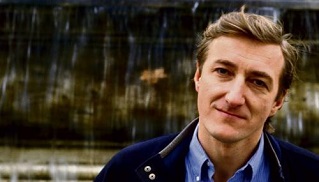
De Engelse schrijver Julian Barnes werd geboren op 19 januari 1946 in Leicester. Zie ook alle tags voor Julian Barnes op dit blog.

Uit: Alsof het voorbij is (Vertaald door Ronald Vlek)

“Er was onrust, meneer.’
Een explosie van nauwelijks onderdrukt gegniffel; Hunt glimlachte zelf bijna.
‘Zou je dat misschien wat nader kunnen preciseren?’
Marshall knikte traag instemmend, dacht nog iets langer na en besloot dat dit geen moment was voor behoedzaamheid. ‘Ik zou zeggen dat er grote onrust was, meneer.’
‘Finn dan. Ben jij een beetje thuis in die periode?’
De nieuwe jongen zat een rij voor me en links van mij. Hij had geen zichtbare reactie getoond bij Marshalls onnozelheden.
‘Niet echt, meneer, vrees ik. Maar er is een opvatting die inhoudt dat het enige wat er werkelijk over een historische gebeurtenis – zelfs over het uitbreken van de Eerste Wereldoorlog bijvoorbeeld – valt te zeggen is dat er “iets heeft plaatsgevonden”.’
‘O ja, is dat zo? Nou, dan zou ik meteen zonder werk zitten.’ Na wat kruiperig gelach, vergaf Ouwe Joe Hunt ons onze vakantieluiheid en praatte hij ons bij over de polygame koninklijke slager.
In de volgende pauze stapte ik op Finn af. ‘Ik ben Tony Webster.’ Hij keek me wantrouwend aan. ‘Mooi antwoord aan Hunt.’ Hij leek niet te weten waar ik op doelde. ‘Dat er iets had plaatsgevonden.’
‘O dat. Ik was een beetje teleurgesteld dat hij er niet op doorging.’
Dat was niet wat hij geacht werd te zeggen.
Nog een detail dat ik me herinner: wij drieën droegen, als symbool van ons verbond, onze horloges altijd met de wijzerplaat aan de binnenkant van onze pols. Het was natuurlijk aanstellerij, maar misschien iets meer. Het deed de tijd voelen als een persoonlijk, ja zelfs geheim iets. We verwachtten dat het Adrian zou opvallen en dat hij ons voorbeeld zou volgen; maar dat deed hij niet.”


 1710093-7af61140867206438d45ecb40ee98268.jpg
Julian Barnes (Leicester, 19 januari 1946)


De Amerikaanse dichter en schrijver Edgar Allen Poe werd geboren op 19 januari 1809 in Boston. Zie ook alle tags voor Edgar Allen Poe op dit blog

Uit: The Fall of the House of Usher

“The writer spoke of acute bodily illness—of a mental disorder which oppressed him—and of an earnest desire to see me, as his best and indeed his only personal friend, with a view of attempting, by the cheerfulness of my society, some alleviation of his malady. It was the manner in which all this, and much more, was said—it was the apparent heart that went with his request—which allowed me no room for hesitation; and I accordingly obeyed forthwith what I still considered a very singular summons.
Although, as boys, we had been even intimate associates, yet I really knew little of my friend. His reserve had been always excessive and habitual. I was aware, however, that his very ancient family had been noted, time out of mind, for a peculiar sensibility of temperament, displaying itself, through long ages, in many works of exalted art, and manifested, of late, in repeated deeds of munificent yet unobtrusive charity, as well as in a passionate devotion to the intricacies, perhaps even more than to the orthodox and easily recognizable beauties, of musical science. I had learned, too, the very remarkable fact, that the stem of the Usher race, all time-honored as it was, had put forth, at no period, any enduring branch; in other words, that the entire family lay in the direct line of descent, and had always, with very trifling and very temporary variation, so lain. It was this deficiency, I considered, while running over in thought the perfect keeping of the character of the premises with the accredited character of the people, and while speculating upon the possible influence which the one, in the long lapse of centuries, might have exercised upon the other—it was this deficiency, perhaps, of collateral issue, and the consequent undeviating transmission, from sire to son, of the patrimony with the name, which had, at length, so identified the two as to merge the original title of the estate in the quaint and equivocal appellation of the “House of Usher”—an appellation which seemed to include, in the minds of the peasantry who used it, both the family and the family mansion.”
 

 1710093-2c3a04f307d74c61cf02c872a33960b6.jpg
Edgar Allen Poe (19 januari 1809 – 7 oktober 1849)
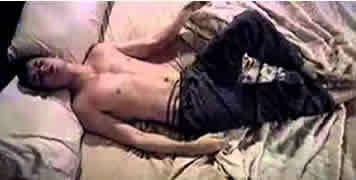
Austin Nichols als Roderick Usher in de film „The House Of Usher, 2006


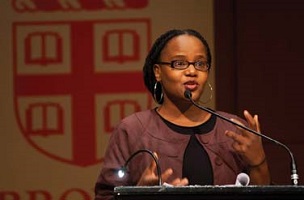
De Amerikaanse dichteres en schrijfster Edwidge Danticat werd geboren in Port-au-Prince op Haïti op 19 januari 1969. Zie ook alle tags voor Edwidge Danticat op dit blog.

Uit:Claire of the Sea Light

“The morning Claire Limyè Lanmè Faustin turned seven, a freak wave, measuring between ten and twelve feet high, was seen in the ocean outside of Ville Rose. Claire’s father, Nozias, a fisherman, was one of many who saw it in the distance as he walked toward his sloop. He first heard a low rumbling, like that of distant thunder, then saw a wall of water rise from the depths of the ocean, a giant blue-green tongue, trying, it seemed, to lick a pink sky.
Just as quickly as it had swelled, the wave cracked. Its barrel collapsed, pummeling a cutter called Fifine, sinking it and Caleb, the sole fisherman onboard.
 Nozias ran to the edge of the water, wading in to where the tide reached his knees. Lost now was a good friend, whom Nozias had greeted for years as they walked past each other, before dawn, on their way out to sea.
A dozen or so other fishermen were already standing next to Nozias. He looked down the beach at Caleb’s shack, where Caleb’s wife, Fifine—Josephine—had probably returned to bed after seeing him off. Nozias knew from his experience, and could sense it in his bones, that both Caleb and the boat were gone. They might wash up in a day or two, or more likely they never would.
It was a sweltering Saturday morning in the first week of May. Nozias had slept in longer than usual, contemplating the impossible decision he’d always known that he would one day have to make: to whom, finally, to give his daughter.
“Woke up earlier and I would have been there,” he ran back home and tearfully told his little girl.
 Claire was still lying on a cot in their single-room shack. The back of her thin nightdress was soaked with sweat. She wrapped her long, molasses-colored arms around Nozias’s neck, just as she had when she was even littler, pressing her nose against his cheek. Some years before, Nozias had told her what had happened on her first day on earth, that giving birth to her, her mother had died. So her birthday was also a day of death, and the freak wave and the dead fisherman proved that it had never ceased to be.“
 

 1710093-98c05a57fd8b9c2e3f041b6212641d47.jpg
Edwidge Danticat (Port-au-Prince, 19 januari 1969)


De Amerikaanse schrijfster Patricia Highsmith werd geboren als Mary Patricia Plangman in Fort Worth (Texas) op 19 januari 1921. Zie ook alle tags voor Patricia Highsmith op dit blog.

Uit: The Talented Mr. Ripley

“Tom remembered going to a cocktail party at the Schrievers' with Dickie Greenleaf. Maybe the Greenleafs were more friendly with the Schrievers than he was, and that was how it had all come about, because he hadn't seen the Schrievers more than three or four times in his life. And the last time, Tom thought, was the night he had worked out Charley Schriever's income tax for him. Charley was a TV director, and he had been in a complete muddle with his free-lance accounts. Charley had thought he was a genius for having doped out his tax and made it lower than the one Charley had arrived at, and perfectly legitimately lower. Maybe that was what had prompted Charley's recommendation of him to Mr Greenleaf. Judging him from that night, Charley could have told Mr Greenleaf that he was intelligent, level-headed, scrupulously honest, and very willing to do a favour. It was a slight error.
'I don't suppose you know of anybody else close to Richard who might be able to wield a little influence?' Mr Greenleaf asked rather pitifully.
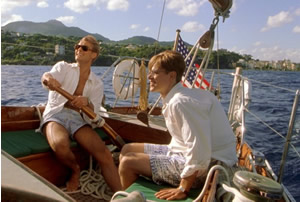
 

 1710093-6b35543e7008519235ded01c60f0be58.jpg
Scene uit de gelijknamige film met Matt Damon en Jude Law, 1999


There was Buddy Lankenau, Tom thought, but he didn't want to wish a chore like this on Buddy. 'I'm afraid I don't,' Tom said, shaking his head. 'Why won't Richard come home?'
'He says he prefers living over there. But his mother's quite ill right now-- Well, those are family problems. I'm sorry to annoy you like this.' He passed a hand in a distraught way over his thin, neatly combed grey hair. 'He says he's painting. There's no harm in that, but he hasn't the talent to be a painter. He's got great talent for boat designing, though, if he'd just put his mind to it.' He looked up as a waiter spoke to him. 'Scotch and soda, please. Dewar's. You're not ready?'
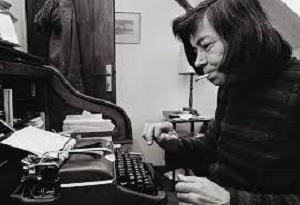
 

 1710093-2ddeb990d48ce6797bee8b7e9da15cee.jpg
Patricia Highsmith (19 januari 1921 - 4 februari 1995)


De Nederlandse dichteres en schrijfster Marie Koenen werd geboren in ’s-Hertogenbosch op 19 januari 1879. Zie ook alle tags voor Marie Koenen op dit blog.

Uit: De madeliefjes

“De Augustuszon zeeg glanzend rood tusschen gouden wolken weg, achter de bosschen aan de overzijde der Maas. Bij de meidorenhaag van het bloemhofke stond grootvader er naar te zien: en Peterke die op het bankje onder den buksboom zat, keek niet meer naar de tafelsommetjes op z'n lei, maar naar grootvader en hoe de glans om z'n hoofd scheen.
't Was héél stil terwijl ze allebei zoo keken, en daarom schrokken ze, toen het klapdeurtje in de groote hoevepoort openknarste. Zij en Peterke's vader, die den weg opging, zagen elkaar een oogenblik recht in het gezicht, maar tegelijk wendden ze ook alledrie den blik weer af, grootvader treurig naar de zon, Peterke bang naar z'n cijfers, de vader norsch voor zich uit. Hij ging dwars over het gras naar den bergrand, en daar het slingerend paadje af dat uitmondde in den grintweg, die met een breede bocht den heuvel afdaalde naar de herberg. Hij was op z'n zondagsch als een heer, met hoed en boord en das. Peterke vond dat hij er deftig uitzag, en wist hoe blij alle kleine kinderen binnen waren, dat hij maar weer weg was en niet meer schelden kon en klappen uitdeelen. 't Negenjarig Peterke was de oudste van de zeven en zorgde wel uit den klappenregen weg te blijven. Hier in het bloemhofke tusschen de dichte heggen was hij 't allerveiligste, ook omdat grootvader er bijna altijd aan 't harken of aan 't wieden was, aan 't schoffelen of verplanten op het ééne groote bloembed in het midden of op de smalle randperken. Maar nu stond grootvader zoo doodstil bij de haag naar de verte te kijken, zoolang roerloos, dat Peterke nieuwsgierig werd, wat er ginder toch zou te zien zijn. Hij schoof van het bankje op en ging naast hem staan.
Alsof hij met 'n schok wakker werd, keek de oude man Peterke aan, die twee groote tranen langzaam over z'n rimpelig gezicht in z'n baard zag rollen. Z'n oogen waren rood, al was de gloed der avondzon nu ook uitgedoofd. Peterke drong zich tegen grootvader aan, en als zoo dikwijls kwam de groote dorre hand zich over z'n glad kopje leggen, dat er heelemaal in schuil ging.”
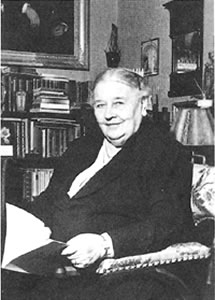
 

 1710093-68080b79126c807f1bc36ad952197096.jpg
Marie Koenen (19 januari 1879 - 11 juli 1959)

Zie voor nog meer schrijvers van de 19e januari ook mijn blog van 19 januari 2014 deel 1 en eveneens deel 2.

Geschreven door Romenu om 19:18 Reageer op dit bericht

Sascha Kokot, Peter Stamm, Rubén Darío, Franz Blei, Paul Léautaud

De Duitse dichter en schrijver Sascha Kokot werd geboren op 18 januari 1982 in Osterburg. Zie ook alle tags voor Sascha Kokot op dit blog.


Schließer

auch diese Nacht fällt
hinter deinem Haus zu Boden
du hast freie Sicht tief hinein
weißt von den Funkmasten den Rasthöfen
wie Transit sich daran entlang spurt
mit rotem Licht die Sedimente abfährt
das Zurückgelassene nachdunkelt
viel hast du dort geborgen
dir stur in die Zimmer gestellt
Schwemmholz deiner Herkunft
nun bleibt dir der Blick vom Balkon
auf die halbe graue Stadt die demontierten Gleise
der kalten Rodung folgte Stille nach
dein Heim ist ein begehbares Wesen
in dem unser Fehlen haust


auch dieser See wird heute gedörrt

auch dieser See wird heute gedörrt
mit seinen Untiefen im dichten Bewuchs
den Schwimmern bleibt keine Zeit
für die Querung des Gewässers
ihre Bewegungen greifen ins Leere
die Kiemen verlieren ihre Form
ferne Bojen scheppern hohl auf Grund
irgendwo dazwischen schnappen Segel nach Wind
der Strand rückt zusehends auf eine Schlinge
die sich schnell zuzieht ihr folgen
die Bewohner mit Tuch und Schirm
sie finden nichts mehr vor zum Anlegen
ich habe diesen Sommer gerufen
um in fünfundfünfzig Metern Tiefe
auf dem letzten Flöz zu stehen
vom Großvater vergessen


 1709761-947bbd9f73a6dfb2aa364fcc33d59651.jpg
Sascha Kokot (Osterburg, 18 januari 1982)


De Zwitserse schrijver Peter Stamm werd geboren op 18 januari 1963 in Weinfelden. Zie ook alle tags voor Peter Stamm op dit blog.

Uit: Ungefähre Landschaft

“In der Nacht wurde es jetzt, im April, nie mehr ganz dunkel. Kathrine war früh aufgestanden, obwohl es Samstag war. Sie weckte das Kind, machte ihm sein Frühstück und brachte es zur Großmutter. Sie ging nach Hause, schnallte die Langlaufskier an und fuhr los. Sie folgte den Spuren der Schneemobile bis zur ersten Anhöhe, dann der Stromleitung, die zur Radioantenne führte. Schließlich, nach vielleicht einer Stunde, entfernte sie sich im spitzen Winkel immer weiter von dieser letzten Spur und fuhr hinaus ins grenzenlose Weiß des Fjells.
Gegen Mittag setzte sie sich auf einen Fels, der aus dem Schnee ragte, um auszuruhen und um etwas zu essen. Sie fuhr mit den Händen über die orangen, die gelben und weißen Flechten, die den Stein bedeckten.
Später, als sie schon wieder unterwegs war, bildete sich leichter Dunst, eine Art Nebel, und der Himmel verlor seine Bläue und wurde immer blasser. Aber sie kannte den Weg, sie war schon oft beim Leuchtturm gewesen, und auch als die Sonne endlich nicht mehr zu sehen und das Licht so diffus war, daß alles verschwamm, lief sie weiter und hatte keine Angst, sich zu verlaufen.
Kathrine hatte Helge geheiratet, sie hatte das Kind bekommen, sie hatte sich von Helge scheiden lassen. Sie lief zum Leuchtturm, blieb über Nacht und kam am nächsten Tag zurück. Die Mutter schaute dann nach dem Kind und auch während der Tage, während der Wochen, wenn Kathrine im Zollbüro war. Nach der Arbeit ging sie zur Mutter. Zu dritt aßen sie zu Abend, später nahm Kathrine das Kind auf den Arm und ging nach Hause. Irgendwann lernte das Kind, selbst zu gehen, und sie mußte es nicht mehr tragen. Das war im Sommer. Dann wurden die Tage kürzer, der Herbst kam, der erste Schnee und dann der Winter.“


 1709761-bf236cf854ca4c637323c1909ae53815.jpg
Peter Stamm (Weinfelden, 18 januari 1963)


De Nicaraguaanse schrijver Rubén Darío werd geboren in Metapa, tegenwoordig Ciudad Darío, op 18 januari 1867. Zie ook alle tags voor Rubén Darío op dit blog.


Blazon

The snow-white Olympic swan,
with beak of rose-red agate,
preens his eucharistic wing,
which he opens to the sun like a fan.

His shining neck is curved
like the arm of a lyre,
like the handle of a Greek amphora,
like the prow of a ship.

He is the swan of divine origin
whose kiss mounted through fields
of silk to the rosy peaks
of Leda's sweet hills.

White king of Castalia's fount,
his triumph illumines the Danube;
Da Vinci was his baron in Italy;
Lohengrin is his blond prince.

His whiteness is akin to linen,
to the buds of white roses,
to the diamantine white
of the fleece of an Easter lamb.

He is the poet of perfect verses,
and his lyric cloak is of ermine;
he is the magic, the regal bird
who, dying, rhymes the soul in his song.

This winged aristocrat displays
white lilies on a blue field;
and Pompadour, gracious and lovely,
has stroked hs feathers.

He rows and rows on the lake
where dreams wait for the unhappy,
where a golden gondola waits
for the sweetheart of Louis of Bavaria.

Countess, give the swans your love,
for they are gods of an alluring land
and are made of perfume and ermine,
of white light, of silk, and of dreams.


 1709761-b2cf8dc0158dfacdd0747c9088b5af38.jpg
Rubén Darío (18 januari 1867 - 6 februari 1916)
Portret door Sergio Michilini, 2013


De Oostenrijkse schrijver, vertaler en uitgever Franz Blei werd geboren op 18 januari 1871 in Wenen. Zie ook alle tags voor Franz Blei op dit blog.

Uit: Das große Bestiarium der modernen Literatur

“Der Blei. Ist ein Süßwasserfisch, der sich geschmeidig in allen frischen Wassern tummelt und seinen Namen – mhd. blî, ahd. blîo = licht, klar – von der außerordentlich glatten und dünnen Haut trägt, durch welche die jeweilige Nahrung mit ihrer Farbe deutlich sichtbar wird. Man kann so immer sehen, was der Blei gerade gegessen hat, und ist des Fraßes Farbe lebhaft, so wird der Blei ganz unsichtbar und nur die Farbe bleibt zu sehen. Unser Fisch ißt sehr mannigfaltig, aber gewählt, weshalb er auch, in Analogie zu jenem Schweine, der Trüffelfisch genannt wird wegen seiner Fähigkeit, Leckerbissen aufzuspüren. Gefangen und in einen Pokal gesteckt dient er oft Damenboudoirs als Zimmerschmuck und macht da, weil er sich langweilt, zur Beschauerin nicht ganz einwandfreie Kunststücke mit Flossen und Schwänzchen. Aber es ist dies wahrhaft ein Mißbrauch mit dem die Freiheit liebenden Fisch zu nennen, welcher der Jagd nach seinem Belieben entzogen und gefüttert eingeht. Eine merkwürdige Freundschaft unterhält der Blei mit dem Kartäuserkrebs ebenso wie mit dem Rothecht, aber über die Natur dieser Freundschaft ist man noch nicht genügend im Klaren, als daß hier gewissenhafter Bericht möglich wäre. Zumal der echte Kartäuserkrebs sehr selten ist und über die Lebensweise des Rothechtes die unsinnigsten Fabeln im Umlaufe sind. Franz Blei

Claudel. Er hat einige religiöse Stücke geschrieben, um damit zu beweisen, daß es Gott nicht gibt. Er bekam dafür von einer republikanischen Regierung das Kreuz der Ehrenlegion. Er trägt es wie Jesus Christus das seine.” Paul Claudel”


 1709761-b7963636269a51689bfb7f3b13cbdd5c.jpg
Franz Blei (18 januari 1871 – 10 juli 1942)
Ets door Max Oppenheimer, 1912


De Franse schrijver Paul Léautaud werd geboren op 18 januari 1872 in Parijs. Zie ook alle tags voor Paul Léautaud op dit blog.

Uit:Journal littéraire

“23 mai 1908
Coppée est mort cette après-midi, vers deux heures. (…) Je pensais, en revenant, que c'est une curieuse impression, celle de la mort d'un homme qu'on a connu, au moins de vue, qu'on a rencontré si souvent, l'impression de la disparition, de la suppression. On le revoit comme on le voyait, tel qu'il était, avec son allure, ses tics. Coppée, par exemple, marchant avec l'air de retomber tour à tour sur chaque jambe, l'air mélancolique, parlant tout seul, comme s'il se récitait des vers, faisant même quelques légers gestes d'une main, d'un bras, le dos un peu voûté, balançant les bras, la tête suivant les mouvements du corps, la bouche serrée, les yeux si bleus, si fureteurs dans son teint de brique, la bouffée de fumée de la cigarette, sa façon d'enjamber le pas de sa porte cochère rue Oudinot, de parler seul en marchant. Puis, tout d'un coup, un trait sur tout cela, biffé, enlevé, disparu.»


 1709761-aa6284ab2011a282d085349b7f3c7700.jpg
Paul Léautaud (18 januari 1872 – 22 februari 1956)
Portret doot Th. Catti, 1915, musée Carnavalet, Parijs


Zie voor nog meer schrijvers van de 17e januari ook mijn vorige twee blogs van vandaag. 

Geschreven door Romenu om 18:35 Reageer op dit bericht

Arno Schmidt, Jon Stallworthy, Robert Anton Wilson, Alan A. Milne, Roger Bésus

De Duitse schrijver Arno Schmidt werd op 18 januari 1914 geboren in Hamburg. Zie ook alle tags voor Arno Schmidt op dit blog.

Uit: ZETTEL’S TRAUM

»Oh : Fräulein JACOBI ?! – Lànge nich mehr geseh’n.« / (Über eine schräge Schulter 1 sehr künstlicher Blick) : »Phil zú lange.« / (Pariren) :
»›Wahre Dich vor der Auswärtigen, die da einschmeichelnd redet‹ :
SPRÜCHE 7,5.« – / : »Du kennS’ aber auch Alles.«; (sagte Sie wehmütig; (faltete das Mäulchen; seufzte. Ward plötzlich modest & timide, und sah Mich auffordernd an : ›nu frag schon‹!) / (Also, anstandshalber –) : »Wir habm Deine—Sòrgn noch nich erledigt Fränzel :
pressiert’s damit?« / (Sie nickte; (ehrlich verängstigt?)) / wie’s schien.
(Recht mal à propos; ausgerechnet am Tag Hodiernus : das nennt man dann womöglich Ferien!)) : »Komm ma her, Fränzli –« / (Das ließ Sie sich nich 2 Mal sagn :
Die Geléegnheit! Stand schon vor Mir; und legte die Hand an mein’ Ellbogn : ? – / (& Ich genoß die kleine lustige Folter doch erst 1 Moment lang : – / (erfreulicherweise gehrte S in Ihrem Bäuchel : erst bell(y)te’s leis, (»Pardon« murmlte Sie, verärgert); grölzte & rülpsDe dann aber
So fräulich—flehmisch! – (: »Overdammt!« fluchte Sie : »ausgerechnt—jètz –« / (Diagnose : ›Harzer plus Äpfl‹?)) Beruhijend den Kopf schütteln : sünd Alle von Eddyms Kindern.) : » – « –.
(Allein mit dem kid im Fichtdick : cave!). – : »ZunächsD halt Deine sämtlichen Supercilien ruhich : ›mit Wimpern fangn & durch glatte Lippm fortreißn‹ gibt’S hier nich! – Sperma die Ohrn auf : Wenn die Rede auf Deine ›Sorgn‹ kommt, benimmsDu Dich sofort, als hätt’sDu alles Böse seit Erschaffung der Welt ausgefressn : Du überschätzelsD Deine criminellen Fähigkeitn bestimmt.« / (Sie hob die befränzeltn Lider immer noch nich?) / Also) : »Mach Dir keine Scrupl, Niñana – :
ist es mit Gèld zu erledijen?«. / –) : »›Ninn Jána‹? –« (ebmso niedergeschlagn wie argwöhnisch) – : »Wer wárdnn Die?« / (Laß ma die Litteratur beiseit.) / (Aber Sie fuhr klagnd fort) : »Sind eintlich àlle Eltern Id’jootn?!«. / (Ihr’n Kindern gegnüber fast immer, ja.) / –) :


 1709756-fe7ecdc8d3229c1a4aca14af18e7ff55.jpg
Arno Schmidt (18 januari 1914 – 3 juni 1979)
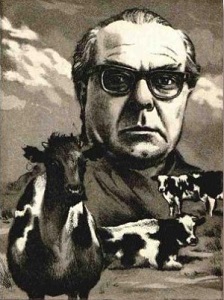
Ets door Jens Rusch bij Arno Schmidts verhaal „Kühe in Halbtrauer“, 1992


De Engelse dichter en letterkundige Jon Stallworthy werd geboren op 18 januari 1935 in Londen. Zie ook alle tags voor Jon Stallworthy op dit blog.


Dreamhorse

Laddie, we called him, Laddie the horse
our father rescued from a house
the auctioneer was knocking down,
knocking down, knocking down,
his little hammer knocking down,
carriage clock and rocking horse.

Conceived in a horse-drawn century,
a foal delivered by carpentry
from the dark of a sapwood womb
to paint-shop and tack-room,
for children to canter and groom
in a mechanised century.

The girls' Black Beauty, my Bucephalus,
my Copenhagen, Pegasus –
responding to the spur
that drove him over
battlefield and frontier –
grew old along with us.

His mane receded. Cowboy spurs cut up
his flank. He lost a stirrup,
but horse-doctors today
can keep old age at bay –
in rocking horses, anyway.
Grandson, let me give you a leg up.


 1709756-effd9bd25a3d39f3e5e863bd1593688c.jpg
Jon Stallworthy (Londen, 18 januari 1935)
Cover


De Amerikaanse schrijver, filosoof, futuroloog, anarchist en onderzoeker Robert Anton Wilson werd geboren op 18 januari 1932 in New York. Zie ook alle tags voor Robert Anton Wilson op dit blog.

Uit: Schroedinger’s Jew

“97 years ago today Leopold Bloom, a fictitious man, wandered the streets of Dublin, a real city; and Joyce scholars still argue about his odd odyssey. I would like to add to the confusion with a note about Bloom's "Jewishness."
"Is" Leopold Bloom a Jew?
Not according to Orthodox Rabbinical law, which defines a Jew as the child of a Jewish mother. Bloom as the child of a Protestant mother "is not" a Jew.
According to Nazi law, however, a Jew "is" a person with a known Jewish ancestor. Bloom as the son of Rudolph Bloom [born Rudolph Virag], "is" a Jew.
See how easily a person can "be" and "not be" a Jew at the same time?
On the third hand, most humanists define a Jew as one who believes in and practices the Judaic religion. By this definition, Bloom who neither believes in nor practices any religion "is not" a Jew. But Marilyn Monroe, who practiced and probably tried to believe in Judaism while married to Arthur Miller, "was" a Jew by that definition-- for those few years, if not before or after.
Extensionally or phenomenologically, a Jew "is" somebody considered Jewish by all or most of the people he meets. By this standard the multi-ordinal Bloom "is" a Jew again.
Once more: in terms of pure existentialism a Jew "is" somebody who chooses to consider themselves Jewish. Bloom obviously doesn't consider himself Jewish but Irish, most of the time. Only when under verbal assault by the anti-semitic Citizen in Barney Kiernan's pub does Bloom define himself as Jewish ["And Jesus was a Jew too. Your god. He was a Jew like me."] Here he obviously has in mind the "known Jewish ancestor" rule, because he adds "And so was his father," to which the Citizen replies, as a correct Catholic, "He had no father," and Bloom, unfamiliar with that theology -- logic played with deuces, eights and one-eyed jacks wild -- can only pragmatically reply, "Well, his uncle then."


 1709756-b9627d29f471dc182e5334464f4d20e0.jpg
Robert Anton Wilson (18 januari 1932 – 11 januari 2007)  
Poster door Afrika Pseudobruitismus


De Britse schrijver Alan Alexander Milne werd geboren op 18 januari 1882 in Londen. Zie ook alle tags voor Alan Alexander Milne op dit blog.

Uit: The House at Pooh Corner

“Then, suddenly again, Christopher Robin, who was still looking at the world, with his chin in his hand, called out "Pooh!" "Yes?" said Pooh. "When I'm--when--Pooh!" "Yes, Christopher Robin?" "I'm not going to do Nothing any more." "Never again?" "Well, not so much. They don't let you." Pooh waited for him to go on, but he was silent again. "Yes, Christopher Robin?" said Pooh helpfully. "Pooh, when I'm--you know--when I'm not doing Nothing, will you come up here sometimes?" "Just me?" "Yes, Pooh." "Will you be here too?" "Yes Pooh, I will be really. I promise I will be Pooh." "That's good," said Pooh. "Pooh, promise you won't forget about me, ever. Not even when I'm a hundred." Pooh thought for a little. "How old shall I be then?" "Ninety-nine." Pooh nodded. "I promise," he said. Still with his eyes on the world Christopher Robin put out a hand and felt Pooh's paw. "Pooh," said Christopher Robin earnestly, "if I--if I'm not quite--" he stopped and tried again-- "Pooh, whatever happens, you will understand, won't you?" "Understand what?" "Oh, nothing." He laughed and jumped to his feet. "Come on!" "Where?" said Pooh. "Anywhere." said Christopher Robin.
So, they went off together. But wherever they go, and whatever happens to them on the way, in that enchanted place on the top of the Forest, a little boy and his Bear will always be playing.”


 1709756-f2eabb96f7aaed08216e6ae38e1c9b25.jpg
Alan Alexander Milne (18 januari 1882 - 31 januari 1956)
Affiche voor de film Winnie the Pooh: A Very Merry Pooh Year


De Franse schrijver en beeldhouwer Roger Bésus werd geboren op 18 januari 1915 in Bayeux. Zie ook alle tags voor Roger Bésus op dit blog.

Uit:Barbey d'Aurevilly

“On croit généralement s’en tirer avec Barbey d’Aurevilly en évoquant ses redingotes et en citant quelques anecdotes qui dressent sous le regard un personnage haut en couleurs, amateur de femmes et d’alcool. Cela est commode, mais n’enseigne rien sur le grand écrivain que fut ce Normand de la Manche, auteur de quelques œuvres de première importance, dont deux des chefs-d’œuvre de la littérature romanesque du 19° siècle, Le Prêtre marié et Une Histoire sans nom.
Ou bien, va-t-on plus loin, souvent on bifurque. En marche vers le personnage essentiel, le cœur déjà ému, on le rate. C’est une mésaventure qui arrive à beaucoup de ses amis Normands. Ils lâchent la proie pour une ombre, une belle ombre certes, tombant des hauteurs du Cotentin, hautaine plus qu’elles pourtant mais comme elles, lourde de sève et odorante du gras limon. Cependant, le Barbey régionalisé qu’on approche en approchant de Saint-Sauveur ou de Valognes (ce Barbey si cher à La Varende, Connétable des Lettres de la Normandie d’aujourd’hui et qui a bien raison de se défendre d’être en rien l’héritier de Barbey — car il ne l’est pas —) ce Barbey-là, cette ombre puissante, n’est jamais qu’un des tirages de l’original, sur papier à gros grain. »
L’original, point n’est besoin de cheminer en un coin de notre géographie pour le rencontrer, que ce soit sur les boulevards parisiens, où les anecdotes ont levé sous ses pas, ou bien dans les landes de la Manche qui virent l’enfant rêver et le vieillard se souvenir. Il suffit d’entrer à sa suite dans ses héros et de s’y enfoncer jusqu’à ce recès mystérieux où il s’enfonçait lui-même d’un trait, avec quel sûr instinct ! — ce foyer aux dalles nues sur quoi montent la flamme et son ombre, inséparables, avers et revers de la passion.»


 1709756-c60e37c11c8acac545be9ed95c55bcf0.jpg
Roger Bésus (18 januari 1915 – 17 februari 1994)
Barbey d'Aurevilly, buste door Auguste Rodin


Zie voor nog meer schrijvers van de 18e januari ook mijn vorige blog van vandaag.

Geschreven door Romenu om 18:25 Reageer op dit bericht

Montesquieu, Henry Austin Dobson, Ioan Slavici, Saint-Martin, Madame de Lafayette

De Franse schrijver en filosoof Charles Louis de Secondat, baron de La Brède et de Montesquie werd geboren op 18 januari 1689 op het kasteel La Brède bij Bordeaux. Zie ook alle tags voor Montesquieu op dit blog.

Uit  Lettres Persanes

« Lettre VI. Usbek à son ami Nessir, à Ispahan
A une journée d'Erivan, nous quittâmes la Perse pour entrer dans les terres de l'obéissance des Turcs. Douze jours après, nous arrivâmes à Erzeron, où nous séjournerons trois ou quatre mois.
Il faut que je te l'avoue, Nessir: j'ai senti une douleur secrète quand j'ai perdu la Perse de vue, et que je me suis trouvé au milieu des perfides Osmanlins. A mesure que j'entrais dans les pays de ces profanes, il me semblait que je devenais profane moi-même.
Ma patrie, ma famille, mes amis se sont présentés à mon esprit; ma tendresse s'est réveillée; une certaine inquiétude a achevé de me troubler, et m'a fait connaître que, pour mon repos, j'avais trop entrepris.
Mais ce qui afflige le plus mon coeur, ce sont mes femmes: je ne puis penser à elles que je ne sois dévoré de chagrins.
Ce n'est pas, Nessir, que je les aime: je me trouve à cet égard dans une insensibilité qui ne me laisse point de désirs. Dans le nombreux sérail où j'ai vécu, j'ai prévenu l'amour et l'ai détruit par lui-même; mais, de ma froideur même, il sort une jalousie secrète, qui me dévore. Je vois une troupe de femmes laissées presque à elles-mêmes; je n'ai que des âmes lâches qui m'en répondent. J'aurais peine à être en sûreté si mes esclaves étaient fidèles. Que sera-ce, s'ils ne le sont pas? Quelles tristes nouvelles peuvent m'en venir dans les pays éloignés que je vais parcourir! C'est un mal où mes amis ne peuvent porter de remède: c'est un lieu dont ils doivent ignorer les tristes secrets. Et qu'y pourraient-ils faire? N'aimerais-je pas mille fois mieux une obscure impunité qu'une correction éclatante? Je dépose en ton coeur tous mes chagrins, mon cher Nessir; c'est la seule consolation qui me reste dans l'état où je suis.
D'Erzeron, le 10 de la lune de Rebiab 2, 1711."


 1709753-2493c3ec87ce39fe58ec4bbe8e6b5d23.jpeg
Montesquieu (18 januari 1689 – 10 februari 1755)
Portret in de Académie de Bordeaux


De Engelse dichter en essayist Henry Austin Dobson werd geboren op 18 januari 1840 in Plymouth. Zie ook alle tags voor Henry Austin Dobson op dit blog.


My Little Boy That Died

Look at his pretty face for just one minute !
His braided frock and dainty buttoned shoes,
His firm-shut hand, the favorite plaything in it,
Then, tell me, mothers, was it not hard to lose
And miss him from my side,—
My little boy that died?

How many another boy, as dear and charming,
His father's hope, his mother's one delight,
Slips through strange sicknesses, all fear disarming,
And lives a long, long life in parents' sight
Mine was so short a pride:
And then—my poor boy died.

I see him rocking on his wooden charger;
I hear him pattering through the house all day;
I watch his great blue eyes grow large and larger,
Listening to stories, whether grave or gay
Told at the bright fireside—
So dark now, since he died.

But yet I often think my boy is living,
As living as my other children are.
When good-night kisses I all round am giving
I keep one for him, though he is so far.
Can a mere grave divide
Me from him—though he died?

So, while I come and plant it o'er with daisies
(Nothing but childish daisies all year round)
Continually God's hand the curtain raises,
And I can hear his merry voice's sound,
And I feel him at my side—
My little boy that died.


 1709753-abf9123871fee45c1aaba9a2b1013213.jpg
Henry Austin Dobson (18 januari 1840 – 2 september 1921)
In 1905


De Roemeense schrijver en journalist Ioan Slavici werd geboren op 18 januari 1848 in Siria. Zie ook alle tags voor Ioan Slavici op dit blog.

Uit: Popa Tanda (Vertaald door Lucy Byng)

“The long and the short of it was that Father Trandafir was sent from Butucani to Saraceni—to promote a good understanding among the faithful. Priest in Saraceni! Who knows what that means to be priest in Saraceni? That is what befell Father Trandafir! Who would fain leap the ditch throws his bag over it first. Father Trandafir only had a wife and two children; his bag was empty. That was why he leaped so unwillingly from Butucani to Saraceni.
In the "Dry Valley" there was a village which they called "Saraceni." A village called "poor" in a "dry" valley; could any place have a more unpleasant name?
The Dry Valley!
"Valley" because the place was shut in between mountains; "dry," because the stream, which had cut its way through the middle of the valley, was dry most of the year.
This was how the valley lies.
To the right stood a hill called "Rîpoasa." On the left were three other hills, called "Fatza," "Grofnitza," and "Alunish." Rîpoasa was rocky. Fatza was cultivated; the village stood on Grofnitza, while on Alunish lay the village graveyard among hazel and birch trees. Thus it lay to right and left, but the chief feature of the landscape stood at the bottom. Here rose the mountains—from there, came what did come.
The other side, beyond Rîpoasa was the Rapitza Valley—a much deeper valley than the Dry Valley, and so called because the Rapitza flowed through it. The Rapitza was a treacherous river, especially in the spring, and the stream in the Dry Valley was a branch of the Rapitza. In the spring, when the snow melted on the mountains, the Rapitza got angry and poured part of her fury into the branch that flowed through the Dry Valley, and the latter ceased to be "dry."


 1709753-d517a235afdcf48d3a0c7a89f5762d1b.jpg
Ioan Slavici (18 januari 1848 – 17 augustus 1925)


De Franse dichter, schrijver en filosoof Louis-Claude de Saint-Martin werd geboren op 18 januari 1743 te Amboise (Indre-et-Loire). Zie ook alle tags voor Louis-Claude de Saint-Martin op dit blog.

Uit: L'homme de désir (Fragment)

« Ainsi tous les rayons de ta parole font briller aux yeux du sage ta lumiere vivante et sacrée ; il voit ton action produire et animer tout l'univers. Objets sublimes de mes cantiques, je serai souvent forcé de détourner ma vue de dessus vous. L'homme s'est cru mortel parce qu'il a trouvé quelque chose de mortel en lui ; et même celui qui donne la vie à tous les êtres, l'homme l'a regardé comme n'ayant ni la vie, ni l'existence. Et toi, Jérusalem, quels reproches n'ont pas à te faire les prophetes du seigneur. tu as pris ce qui servoit à te parer, dit le seigneur, et qui étoit fait de mon or et de mon argent, que je t'avois donnés ; tu en as formé des images d'hommes auxquelles tu t'es prostituée .
Cris de la douleur, mêlez-vous à mes chants d'alégresse ; la joie pure n'est plus faite pour le triste séjour de l'homme. Des preuves irrésistibles sur les vérités premieres, n'ont-elles pas déja été manifestées aux nations ? S'il vous reste des doutes, allez vous purifier dans ces sources. Puis vous reviendrez unir votre voix à la mienne ; et nous célébrerons ensemble les joies de l'homme de desir, qui aura eu le bonheur de pleurer pour la vérité. »


 1709753-4f4fe51a55c3546669fafd218b266999.jpg
Louis-Claude de Saint-Martin (18 januari 1743 – 13 oktober 1803)


De Franse schrijfster Madame de Lafayette werd geboren op 18 januari 1634 in Parijs. Zie ook alle tags voor Madame de Lafayette op dit blog.

Uit: La princesse de Clèves

« – Vous versez bien des pleurs, Madame, lui dit-il, pour une mort que vous causez, et qui ne vous peut donner la douleur que vous faites paraître. Je ne suis plus en état de vous faire des reproches, continua-t-il avec une voix affaiblie par la maladie et par la douleur ; mais je meurs du cruel déplaisir que vous m'avez donné. Fallait-il qu'une action aussi extraordinaire que celle que vous aviez faite de me parler à Coulommiers eût si peu de suite ? Pourquoi m'éclairer sur la passion que vous aviez pour monsieur de Nemours, si votre vertu n'avait pas plus d'étendue pour y résister? Je vous aimais jusqu'à être bien aise d'être trompé, je l'avoue à ma honte ; j'ai regretté ce faux repos dont vous m'avez tiré. Que ne me laissiez-vous dans cet aveuglement tranquille dont jouissent tant de maris ? J'eusse, peut-être, ignoré toute ma vie que vous aimiez monsieur de Nemours. Je mourrai, ajouta-t-il ; mais sachez que vous me rendez la mort agréable, et qu'après m'avoir ôté l'estime et la tendresse que j'avais pour vous, la vie me ferait horreur. Que ferais-je de la vie, reprit-il, pour la passer avec une personne que j'ai tant aimée, et dont j'ai été si cruellement trompé, ou pour vivre séparé de cette même personne, et en venir à un éclat et à des violences si opposées à mon humeur et à la passion que j'avais pour vous ? Elle a été au-delà de ce que vous en avez vu, Madame ; je vous en ai caché la plus grande partie, par la crainte de vous importuner, ou de perdre quelque chose de votre estime, par des manières qui ne convenaient pas à un mari. Enfin je méritais votre coeur ; encore une fois, je meurs sans regret, puisque je n'ai pu l'avoir, et que je ne puis plus le désirer. Adieu, Madame, vous regretterez quelque jour un homme qui vous aimait d'une passion véritable et légitime. Vous sentirez le chagrin que trouvent les personnes raisonnables dans ces engagements, et vous connaîtrez la différence d'être aimée comme je vous aimais, à l'être par des gens qui, en vous témoignant de l'amour, ne cherchent que l'honneur de vous séduire. Mais ma mort vous laissera en liberté, ajouta-t-il, et vous pourrez rendre monsieur de Nemours heureux, sans qu'il vous en coûte des crimes. Qu'importe, reprit-il, ce qui arrivera quand je ne serai plus, et faut-il que j'aie la faiblesse d'y jeter les yeux ! » 
 

 1709753-268bad51184c9c041822e8989607becd.jpg
Madame de Lafayette (18 januari 1634 – 26 juni 1893)
Cover

Geschreven door Romenu om 18:09 Reageer op dit bericht

Meer van Romenu

↑ Terug naar de berichten