Naar de inhoud

Romenu

Over literatuur, gedichten, kunst en cultuur
akke.beakke.be

Berichten van 24 oktober 2015 tot 25 oktober 2015

Willem Wilmink, Anne Tyler, Elif Shafak, Daniel Mark Epstein, Peter Rühmkorf, Jakob Hein
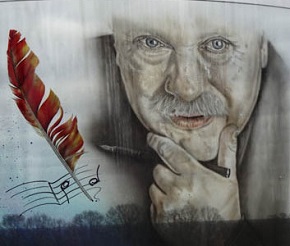
De Nederlandse dichter, schrijver en zanger Willem Andries Wilmink werd geboren in Enschede op 25 oktober 1936. Zie ook mijn blog van 25 oktober 2010 en eveneens alle tags voor Willem Wilmink op dit blog.


Zomeravond
(Naar het Portugees)

Kindje, slaap maar, kindje,
't was ook zo warm deze dag.
In de schemer
zit nu een kleine egel
met zijn mooie stekels
eenzaam in het gras.

Het gras wacht op regen.
Geen takje beweegt er.
Luister naar de merel,
hoog op ons dak.

Avond vol verlangen.
De maan maakt zich klaar voor de nacht.
In de avondschemer
komt strakjes onze egel
nog een egel tegen,
liefkoost haar vacht.

Van ver wordt de merel
antwoord gegeven.
Morgen komt de regen
waar het gras op wacht.

Kindje, slaap maar, kindje,
in de avondschemer.
Hebt al slaap gekregen.
Slaap maar mijn schat.


Uitreiking van diploma’s

Onder de meisjes menig stevig stuk,
maar er zijn ook van die nog hele tere,
onder de jongens veel in herenkleren,
en allen, allen stralend van geluk.

Niet langer meer gebukt onder het juk
van heel veel saais om uit het hoofd te leren:
niemand zal ooit nog bij hen informeren
naar passé défini of overdruk.

Maar ’t is meteen ook de examenklas,
die vol saamhorigheid en warmte was,
waarvan men zich zo zorgeloos ontdoet.

Nu slaat voor ’t laatst de grote schooldeur dicht,
en kijk, daar gaan ze: blij en doelgericht
een toekomst met veel heimwee tegemoet.


 1830642-fcf1580da7d293804a95bb2f7c8ca441.jpg
Willem Wilmink (25 oktober 1936 – 2 augustus 2003)
Portret door Desirée Groot Koerkamp in Oostmarsum


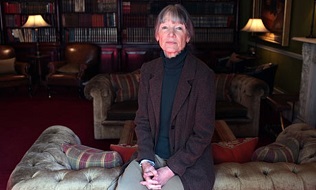
De Amerikaanse schrijfster Anne Tyler werd geboren op 25 oktober 1941 in Minneapolis, Minnesota. Zie ook mijn blog van 25 oktober 2010 en eveneens alle tags voor Anne Tyler op dit blog.

Uit:A Spool of Blue Thread

“It took a total of five vehicles to carry them all to the beach. They could have managed with fewer, but Red insisted, as usual, on driving his pickup. How else could they bring everything they needed, he always asked—the rafts and boogie boards, the sand toys for the children, the kites and the paddle-ball racquets and the giant canvas shade canopy with its collapsible metal frame? (In the old days, before computers, he used to include the entire Encyclopaedia Britannica.) So he and Abby made the three-hour trip in the pickup, while Denny drove Abby’s car with Susan in the passenger seat and the food hampers in the rear. Stem and Nora and the three little boys came in Nora’s car, and Jeannie and Jeannie’s Hugh started out separately from their own house with their two children, though not with Hugh’s mother, who always spent the beach week visiting Hugh’s sister in California.
Amanda and Amanda’s Hugh and Elise traveled on a whole different day—Saturday morning instead of Friday afternoon, since Amanda always had trouble getting away from her law office—and they stayed in a different cottage, because Amanda’s Hugh couldn’t tolerate what he called the hurly-burly.
None of the dogs came. They were all boarding at Penpals.
The house the Whitshanks rented every summer stood right on the beach—a comparatively uncrowded stretch of the Delaware coast—but it wasn’t what you’d call luxurious. The walls were tongue-and-groove, painted a depressing pea-soup green; the floor- boards were so splintery no one dared go barefoot; the kitchen dated from the 1940s. But it was big enough for all of them, and far homier than the glittering new mansions with giant Palladian windows that had popped up elsewhere along the shore. Besides, Red could always use a few fix-it jobs to keep him occupied. (He wasn’t a natural vacationer.) Even before Abby and Nora had unpacked the food, he had happily catalogued half a dozen minor household emergencies. “Will you look at this outlet!” he said. “Practically dangling by a thread!” And off he went to the truck for his tools, with Jeannie’s Hugh not far behind.
“The next-door people are back,” Jeannie called, stepping in from the screen porch.
Next door was almost the only house as unassuming as theirs was, and the people she was referring to had been renting it for at least as long as the Whitshanks had been renting theirs. Oddly enough, though, the two families never socialized.”
 

 1830642-e72981c2da288270fa78e2b43b5a5263.jpg
Anne Tyler (Minneapolis, 25 oktober 1941)


De Turkse schrijfster Elif Shafak (eigenlijk Elif Şafak) werd geboren in Straatsburg op 25 oktober 1971. Zie ook alle tags voor Elif Shafak op dit blog.

Uit: The Bastard of Istanbul

“At the moment, however, it was still pouring and Zeliha had little, if any, forgiveness in her heart. She did not have an umbrella, for she had promised herself that if she was enough of an imbecile to throw a bunch of money to yet another street vendor for yet another umbrella, only to forget it here and there as soon as the sun came back, then she deserved to be soaked to the bone. Besides, it was too late now anyway. She was already sopping wet. That was the one thing about the rain that likened it to sorrow: You did your best to remain untouched, safe and dry, but if and when you failed, there came a point in which you started seeing the problem less in terms of drops than as an incessant gush, and thereby you decide you might as well get drenched.
Rain dripped from her dark curls onto her broad shoulders. Like all the women in the Kazancı family, Zeliha had been born with frizzy raven-black hair, but unlike the others, she liked to keep it that way. From time to time her eyes of jade green, normally wide open, and filled with fiery intelligence, squinted into two lines of untainted indifference inherent only to three groups of people: the hopelessly naïve, the hopelessly withdrawn, and the hopelessly full of hope. She being none of these, it was hard to make sense of this indifference, even if it was such a flickering one. One minute it was here, canopying her soul to drugged insensibility, the next minute it was gone, leaving her alone in her body.”

 

 1830642-861c39d1ba927da1be839c61963efbba.jpg
Elif Shafak (Straatsburg, 25 oktober 1971)


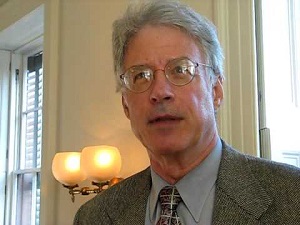
De Amerikaanse dichter, schrijver en biograaf Daniel Mark Epstein werd geboren op 25 October 1948 in Washington, D.C. Zie ook mijn blog van 25 oktober 2010 en eveneens alle tags voor Daniel Mark Epstein op dit blog.


The Comb-Bearers

Some windless nights on Narragansett Bay,
The deep inlet seems a meadow of fireflies
As multitudes of the luminous jellyfish
Called “comb-bearers” float to the surface
For no evident purpose
But to amaze the fishermen and scientists

Who know them only slightly, each one no more
Than a pear-shaped living sack of liquid
With skin thinner than cellophane, a sheer piece
Of moonlight on the sea, so fragile
The least ripple may tear it
To bits. Calm evenings, the amber-green species

May spread out over a thousand yards square,
An island made of bright individuals
Who usually live in the depths, a zone where
Wave movement ceases. Only on nights
Like these do the comb-bearers
Rise, when the bay lies still as a sheet of slate.

 Loveliest of sea beings, the color
Of wild geranium, rose-pink, or beach pea,
As some pass beneath the surface of the water
The effect is of rainbow glory
More seductive than moonlight
To the naturalist who might try to scoop one up

 Ever-so-gently in his fine net and
Hold it awhile in a clear beaker of brine-
Perhaps the giant of the race, “Venus’s girdle,”
Come from the Mediterranean-
An iridescent ribbon
Which vanishes en route to the laboratory.


Hope

In winter the crescent moon vanishes
So quickly in the blue, down the horizon,
Between the starry darkness and morning,

Like the hull of a ship without rigging
That I was meaning to load with wishes,
O not for me, my dear, wishes for you,

And you and you, my friends, all of us, 
Such cargo as could only ride upon
The silver shell of that hallowed galleon.
 
I daydreamed, got bewildered by my muse,
Sun on the lace of frost, and fading Venus.
I looked up, and the reckless moon had gone.
 

 1830642-0c14b10c0080657c4f72e221b92826f9.jpg
Daniel Mark Epstein (Washington, 25 oktober 1948)


De Duitse dichter en schrijver Peter Rühmkorf werd geboren op 25 oktober 1929 in Dortmund. Zie ook mijn blog van 25 oktober 2010 en eveneens alle tags voor Peter Rühmkorf op dit blog.


Aufbruch vor Morgen

Wieviel Uhr? Es kommen auf einmal so viele
              fipsige Vögel auf, verflucht!
Bald wird mir die Sonne ihr Zitronenlicht
              ins verkniffene Auge träufeln. . .
Und keine Lehre wird mal daraus-nachhaus
              und kein Gedanke an
Bewegung / Besserung.

Aufwachen? – Wozu?
Es ist doch so, laut EMNID folgt für 44%
              aller Bundesbürger auf den Tod das Nichts.
Von denen völlig zu schweigen, für die nach dem Nichts
              gleich der Tod kommt –
Hab leider vergessen, was ich damit eigentlich
              aussagen wollte, achja:
Wer das kapiert hat,
den versteht bald keiner mehr.

Im Verhältnis kannst du natürlich nicht klagen
             (das nebenbei) –
Man soll aber auch nicht glauben, hier läg noch derselbe rum
              wie damals im letzten Jahr.
Oder wüßtest du grad ne Idee, für die du bedenkenlos
              deinen Kopf hinhalten würdenst?
Na-bong, ein Präser hängt sich aus. . .
Das muß aber ja nicht gleich Zustand werden.

Wie ich immer gesagt hab, in solcher Verfassung soll man
              eigentlich keine Gedichte schreiben.
Da muß der Kunde doch unvermittelt denken,
              hier wär der Ausguck verstopft,
beziehungsweise gar kein Leben mehr
              in dieser Rolle –

S o  i s t  e s  a b e r  n i c h t!
Der Tag lehnt in der Drehtür:
Wo es meine Lieblingsbouletten gibt, ist noch erleuchtet,
mein Fuß schon unterwegs. . .
Gleich wird – dein Telefon – im Schlaf – aufschrein!
und dir den Aufbruch meiner Leiche
feierlich eröffnen: - : - : -
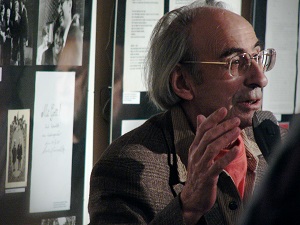
 

 1830642-72533ea33dfed3d8ea70257aa5216581.jpg
Peter Rühmkorf (25 oktober 1929 – 8 juni 2008)


De Duitse schrijver en arts Jakob Hein werd geboren op 25 oktober 1971 in Leipzig. Zie ook alle tags voor Jakob Hein op dit blog en ook mijn blog van 25 oktober 2010

Uit: Liebe ist ein hormonell bedingter Zustand

„Die erste Zeile war immer gleich. sie lautete: »Jimmy Clitschi, der Mann ohne Knochen-« Auch die zweite Zeile kannte nur minimale Abweichungen. Es variierten lediglich die Tätigkeit und derKörperteil den sich Jimmy angeblich gebrochen hatte. Ein typisches Beispiel:
Jimmy Glitschi, der Mann ohne Knochen, hat sich beim Furzen den Hintern gebrochen.«
Trotz der stets tragisch endenden Geschichten entbehrten die Gedichte über Jimmy Clitschi nicht einer gewissen Komik. die sich vor allem Menschen unter acht Jahren erschloss.
In meinen ersten Sommerferien verschifften mich meine Eltern ins Ferienlager. In einem Brief, den ich ihnen am zweiten Tag schickte, schrieb ich über das Ferienlager: »Alles Scheißdreck«, mein Befinden beschrieb ich mit den Worten: »Es geht mir scheiße.« Dann kam die erste Diskothek meines Lebens. Der dicke Harald hatte seinen Koffer mit Tonbandkassetten in den Esssaal getragen und zwei Kassettenrekorder mit den Lautsprechern auf volle Lautstärlke gedreht. Da brach es aus mir heraus: Ich bewegte meine Gliedmaßen im Takt der Musik. allerdings jeden meiner Arme. jedes Bein in seinem eigenen Rhythmus, die Augen hinter den Brillengläsern fest geschlossen und den Mund leicht geöffnet. Für einen Aufsenstehenden mag es vielleicht so ausgesehen haben, als hätte ich gerade einen KrampfanfalL aber ich tanzte den Jimmy Glitschi. All mein Heimweh und meine Wut ließ ich aus mir heraus und identifizierte mich in meinem Tanz mit dem berühmten Helden, der sich der Legende nach beim Beischlaf sein Geschlechtsteil gebrochen haben sollte.
Ich sah bestimmt schrecklich aus, ich sah bestimmt lächerlich aus, ich sah erbärmlich aus, aber ich fühlte mich groißartig denn an diesem Nachmittag, hinter den geschlossenen Gardinen des Gemeinschattsraums, entdeckte ich die Kraft des Tanzes, wie Musik die Seele dazu bringen kann, in direkte Verbindung Zum Körper zu treten, um durch Bewegungen Dinge auszudrücken, die der Mund nicht sagen kann.
Danach wurde alles besser.
Als meine Eltern, aufgeschreckt durch meinen Brief, drei Tage später vor dem Ferienlager standen, um mich vorzeitig abzuholen, schaute ich sie nur verständnislos an.“
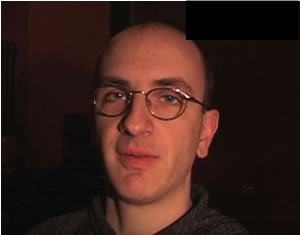
 

 1830642-12cec9cd01b58a68813cd28d0d651600.jpg
Jakob Hein (Leipzig, 25 oktober 1971)


Zie voor nog meer schrijvers van de 25e oktober ook mijn vorige blog van vandaag.
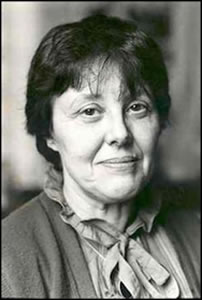


Geschreven door Romenu om 13:27 Reageer op dit bericht

Christine D'haen, John Berryman, Hélène Swarth, Harold Brodkey, Karl Emil Franzos, Benjamin Constant, Geoffrey Chaucer

De Vlaamse dichteres en prozaschrijfster Christine D'Haen werd geboren in Sint-Amandsberg op 25 oktober 1923. Zie ook alle tags voor Christine D’Haen op dit blog en ook mijn blog van 25 oktober 2009 en ook mijn blog van 25 oktober 2010


Roos
Prélude

Schaamte van zoovele vrouwen, hoe zou
wistet gij heden reeds al jet ontbladeren
morgen, o roos, bij uw verouden
het blozen vermeerderen van uwe aderen!

Uw blos, o roos, het wederbeeld
van die mij steeg naar keel en wang,
onthullend wat tot hun verheeld:
hartstochtelijkheid en tegendwang.

Eenmaal ontplooid, o roos, verwacht
geen wederkeer: diep in den nacht
blijft heel uw hart ontbloot, en slaat uw geur
mij tegen aan de kamerdeur.

Uw lippen willen alles, roos, verkonden,
en ik moet zwijgende de mijne sluiten;
alles verzwijgt gij woordloos met uw monden,
al het verborgene wil ik uiten, uiten.

Een geil, o roos, een zeer geheime
vergun mij voor mijn stil vervoeren:
zij vinden slechts die u bezoeken
volmaaktheid in uw omslagdoeken.

Uw lippen wil ik pletten tusschen tanden,
u eten en uw geurig vleesch aanranden,
dat zoeter is naarmate witter,
het witte zoet, het roode bitter.

Vervulling overstelpend, volte
van onverwoordbaarheid, geheel
uw lichaam ligt rond en holten
onthullend nauwlijks uw teveel.

Menschelijker dan andere bloemen
omdat gij met meerdere lippen zwijgt:
vegetaler ik door u niet te noemen.

Uw zilveren floers op purperlak
Uw grein van fijne maas en twijn
Uw ongefronst geglimd fustein
Uw gouden huive en paarlen jak.

Gij uw gedorend halsje buigt
door uw extremen overstelpt.
Gij bergt uw fonklende overmoed
deemoedig in uw bottelzoet.

Verbrand van regen is uw blad
verrot uw kleedsel en verdord uw hart
de storm vermorzelde u met overmacht
geen letsel hebt gijzelf u toegebracht.

Orgasme o roos binnen zooveel lippen
verborgen betooverd tot zooveel droom
van zoovele oogleden slapend geloken
met tranen bepareld hun zachtste zoom.


 1830641-f916179e61f313660eb25005a59bfb80.jpg
Christine D'haen (25 oktober 1923 – 3 september 2009)


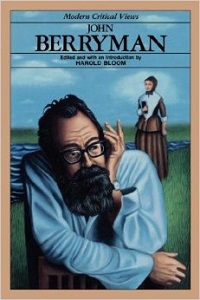
De Amerikaanse dichter en schrijver John Allyn Berryman (eig. John Allyn Smith) werd geboren op 25 oktober 1914 in McAlester, Oklahoma. Zie ook alle tags voor John Berryman op dit blog en ook mijn blog van 25 oktober 2009 en ook mijn blog van 25 oktober 2010


Dream Song 10

There were strange gatherings. A vote would come
that would be no vote. There would come a rope.
Yes. There would come a rope.
Men have their hats down. "Dancing in the Dark"
will see him up, car-radio-wise. So many, some
won't find a rut to park.

It is in the occasions, that-not the fathomless heart-
the thinky death consists;
his chest is pinched. The enemy are sick,
and so is us of. Often, to rising trysts,
like this one, drove he out

and gasps of love, after all, had got him ready.
However things hurt, men hurt worse. He's stark
to be jerked onward?
Yes. In the headlights he got' keep him steady,
leak not, look out over. This' hard work,
boss, wait' for The Word.


Dream Song 14

Life, friends, is boring. We must not say so.  
After all, the sky flashes, the great sea yearns,  
we ourselves flash and yearn,
and moreover my mother told me as a boy  
(repeatingly) ‘Ever to confess you’re bored  
means you have no

Inner Resources.’ I conclude now I have no  
inner resources, because I am heavy bored.
Peoples bore me,
literature bores me, especially great literature,  
Henry bores me, with his plights & gripes  
as bad as achilles,

who loves people and valiant art, which bores me.  
And the tranquil hills, & gin, look like a drag  
and somehow a dog
has taken itself & its tail considerably away
into mountains or sea or sky, leaving           
behind: me, wag.


 1830641-7dd9aa7e6bd2260a6ed79d7d833bf5ba.jpg
John Berryman (25 oktober 1914 – 7 januari 1972)
Cover 


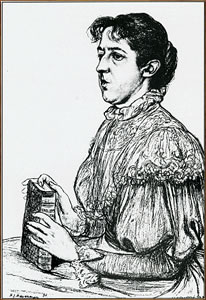
De Nederlandse dichteres Hélène Swarth werd geboren op 25 oktober 1859 in Amsterdam. Zie ook mijn blog van 25 oktober 2010 en eveneens alle tags voor Hélène Swarth op dit blog.


Het gele huis

Ik ben ziek van heimwee naar 't gele huis,
In het lommer van groene linden,
Waar zongen belovend hun neurie-geruis
De dromige zomerwinden.

Nu wilde ik wel reizen naar 't gele huis
En luistren naar 't suizlen der linden
En dromen van liefde in mijn zonnige kluis
En omhelzen wie trouw mij beminden.

Doch zo ik nu belde aan het gele huis,
Wie zou ik er wedervinden?
- In een zwarte kluis zijn mijn lieven thuis
En geveld zijn de zingende linden.


Ik vond een vogel, stervende in de tuin
Kinderjaren.

I
Ik vond een vogel, stervende in de tuin.
Geen koestren hielp, hij drinken wou noch eten.
Gelijk een bloem, wier stengel werd gereten,
Aan 't slappe halsje hing het kopje schuin.

Eén siddering - en dan, in niets meer weten,
Verstrakte 't lijfje, als de aarde grijzigbruin.
Wij hebben 't stil begraven in de tuin -
Die kleine vogel kan ik nooit vergeten.

Zo zag 'k voor 't eerst het wonder van de dood
- Nu moest die vogel zang en vliegspel derven,
Weerloos vergaan tot aarde in aardeschoot.

Toen wist ik: - Nu nog zijn mijn wangen rood,
Nog zing en dans ik, maar ook ik moet sterven -
'k Voel nog de kou, die héél mijn zijn doorvloot.


 1830641-1c60239169a51302eb686d05061c10fe.jpg
Hélène Swarth (25 oktober 1859 - 20 juni 1941)
Portret door H.J. Haverman, 1896


De Amerikaanse schrijver Harold Brodkey werd geboren op 25 oktober 1930 als Aaron Roy Weintraub in Staunton, Illinois. Zie ook alle tags voor Harold Brodkey op dit blog en ook mijn blog van 25 oktober 2009 en ook mijn blog van 25 oktober 2010

Uit: Old In Venice

“This morning I woke at dawn. and the place announced itself immediately even in the near dark through the windows of my room. water and facades. moored boats. boats at work upon the glimmering surface of dark water. I wake nowadays once or twice before I wake. I often dream I am waking and feel the half-dark air and myself as real when it isn't yet the real world . . . I'm not my age. I feel something like the silent clatter of my dreams. like horses on a shore. on the Lido. or the inland rim of the Lagoon. horses and armed men. often Oriental. usually silent.
l have discussed this with myself. who the silent Orientals are - perhaps Huns. I am mean. hungry alter a night's sleep. But men of the East and not Lombards and the lumbering bombardment of the feudal wars of one's career. Of one's polities. Goths and Vandals Milanese. But Death.
Or the dead. Or the barbarian young arriying in force during the night as Tartars and Mongols. And the sound of my ow n harsh breath is the snorting and clanging of war. of rage. left over from my night's dreams. from such invasion. Ruskin writes that Venice in the mid-nineteenth century was. at low tide. in the middle of a lagoon of mud. of seaweed and quaking. unstable muck, Desolation and uncrossability. There were miles of kreeks and rills and wandering channels of deeper water which when the tide changed rose and oyerflowed among the seaplants and stirred them and made the mud of the higher knolls gleam. and then it covered all of it w ith its own shiyering. reflectant symmetry. With reflections of the sky. Beauty arrives. The beauty of the city in the sea.
In the dream I had just before waking. l was rescued from being hung on a gibbet in Carmaregro by masked figures. and then I fought in single combat like Sohrab and Rustum with my father or my brother Carlo on the edge of the Lagoon. swords elanging on metal. eyes mad with quarrelling. with neryes. The sky was deep red. maroon-termillion. dark crimson. and purple. flames or sunset And the dream. like most dreams. was shot through with emotion very clearly. with passion and fear. but this one was also full of contest and evidence of fatality. the fatality of close relationship.”


 1830641-b76e52a7d9230e0ac34c76611b49b3f9.jpg
Harold Brodkey (25 oktober 1930 - 26 januari 1996)


De Oostenrijkse schrijver Karl Emil Franzos werd geboren op 25 oktober 1848 in Czortków (Galicië). Zie ook alle tags voor Karl Emil Franzos op dit blog en ook mijn blog van 25 oktober 2010

Uit:Der Pojaz

„Dort also bin ich, wie gesagt, zur Welt gekommen, vorzeitig; meine arme Mutter war ja in tödlicher Angst und Sorge um den Gatten. Die Gefahr ging gnädig an ihm vorbei; schon im November war der Aufstand der Polen zu Ende, und sie konnte heimkehren. Man sieht, ich bin deshalb in Rußland zur Welt gekommen, weil mein Vater sich als Deutscher fühlte und danach handelte.
Auch bei meiner Erziehung. Das deutsche Nationalgefühl, das mich erfüllt, das auch ich mein Leben lang betätigt habe, ist mir von Kindheit auf eingeprägt worden. Ich war noch nicht drei Käse hoch, als mir mein Vater bereits sagte: »Du bist deiner Nationalität nach kein Pole, kein Ruthene, kein Jude – du bist ein Deutscher.« Aber ebenso oft hat er mir schon damals gesagt: »Deinem Glauben nach bist du ein Jude.« Mein Vater erzog mich wie mein Großvater ihn erzogen, in denselben Anschauungen, sogar zu demselben Endzweck, ich sollte meine Heimat nicht in Galizien finden, sondern im Westen. Und auch die Gründe, die meinen Vater dazu bewogen, waren dieselben.
Ich besuchte die einzige Schule des Städtchens, die im Kloster der Dominikaner; dort lernte ich Polnisch und Latein. Im Deutschen unterrichtete mich mein Vater selbst. Für das Hebräische hatte ich einen besonderen Lehrer. Dieser Mann war zugleich der einzige meiner Czortkower Glaubensgenossen, mit dem ich bis in mein zehntes Jahr in nähere Berührung kam. Meine Mitschüler, meine Spielgefährten waren Christen. Ich betrat selten ein jüdisches Haus, nie die Synagoge. Religiöse Bräuche sowie die Speisegesetze wurden im elterlichen Hause nicht gehalten. Ich wuchs wie auf einer Insel auf. Von meinen Mitschülern schieden mich Glaube und Sprache, und genau dasselbe schied mich von den jüdischen Knaben. Ich war ein Jude, aber von anderer Art als sie, und ihre Sprache war mir nicht ganz verständlich.“


 1830641-7097407b5cb2f198bc0f7c7c5c78c9fc.jpg
Karl Emil Franzos (25 oktober 1848 - 28 januari 1904)
Portret door P. Levy, 1893


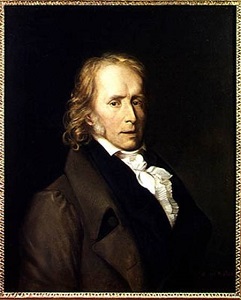
De Franse schrijver Benjamin Henri Constant de Rebecque werd geboren op 25 oktober 1767 in Lausanne. Zie ook alle tags voor Benjamin Constant op dit blog en ook mijn blog van 25 oktober 2010

Uit: Adolphe

« Je ne me souviens pas, pendant mes dix-huit premières années, d’avoir eu jamais un entretien d’une heure avec lui. Ses lettres étaient affectueuses, pleines de conseils, raisonnables et sensibles; mais à peine étions-nous en présence l’un de l’autre qu’il y avait en lui quelque chose de contraint que je ne pouvais m’expliquer, et qui réagissait sur moi d’une manière pénible. Je ne savais pas alors ce que c’était que la timidité, cette souffrance intérieure qui nous poursuit jusque dans l’âge le plus avancé, qui refoule sur notre coeur les impressions les plus profondes, qui glace nos paroles, qui dénature dans notre bouche tout ce que nous essayons de dire, et ne nous permet de nous exprimer que par des mots vagues ou une ironie plus ou moins amère, comme si nous voulions nous venger sur nos sentiments mêmes de la douleur que nous éprouvons à ne pouvoir les faire connaître. Je ne savais pas que, même avec son fils, mon père était timide, et que souvent, après avoir longtemps attendu de moi quelques témoignages d’affection que sa froideur apparente semblait m’interdire, il me quittait les yeux mouillés de larmes et se plaignait a d’autres de ce que je ne l’aimais pas.
Ma contrainte avec lui eut une grande influence sur mon caractère. Aussi timide que lui, mais plus agité, parce que j’étais plus jeune, je m’accoutumai à renfermer en moi-même tout ce que j’éprouvais, à ne former que des plans solitaires, à ne compter que sur moi pour leur exécution, à considérer les avis, l’intérêt, l’assistance et jusqu’à la seule présence des autres comme une gêne et comme un obstacle. Je contractai l’habitude de ne jamais parler de ce qui m’occupait, de ne me soumettre à la conversation que comme à une nécessité importune et de l’animer alors par une plaisanterie perpétuelle qui me la rendait moins fatigante, et qui m’aidait à cacher mes véritables pensées. De là une certaine absence d’abandon qu’aujourd’hui encore mes amis me reprochent, et une difficulté de causer sérieusement que j’ai toujours peine à surmonter. Il en résulta en même temps un désir ardent d’indépendance, une grande impatience des liens dont j’étais environné, une terreur invincible d’en former de nouveaux."


 1830641-850381514c729589a249ada869f78f11.jpg
Benjamin Constant (25 oktober 1767 – 8 december 1830)
Portret door Hercule de Roche. 1830


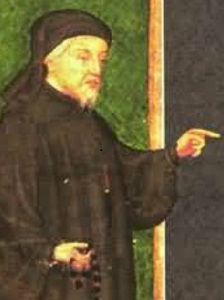
De Engelse dichter Geoffrey Chaucer werd vermoedelijk rond het jaar 1343 geboren in Londen. Zie ook alle tags voor Geoffrey Chaucer op dit blog.

Uit:The Canterbury Tales

The Miller’s Tale (Fragment)

This carpenter hadde wedded newe a wyf,
Which that he lovede moore than his lyf;
Of eighteteene yeer she was of age.
Jalous he was, and heeld hire narwe in cage,
For she was wylde and yong, and he was old,
And demed hymself been lik a cokewold.
He knew nat catoun, for his wit was rude,
That bad man sholde wedde his simylitude.
Men sholde wedden after hire estaat,
For youthe and elde is often at debaat.
But sith that he was fallen in the snare,
He moste endure, as oother folk, his care.
Fair was this yonge wyf, and therwithal
As any wezele hir body gent and smal.
A ceynt she werede, barred al of silk,
A barmclooth eek as whit as morne milk
Upon hir lendes, ful of many a goore.
Whit was hir smok, and broyden al bifoore
And eek bihynde, on hir coler aboute,
Of col-blak silk, withinne and eek withoute.
The tapes of hir white voluper
Were of the same suyte of hir coler;
Hir filet brood of silk, and set ful hye.
And sikerly she hadde a likerous ye;
Ful smale ypulled were hire browes two,
And tho were bent and blake as any sloo.
She was ful moore blisful on to see
Than is the newe pere-jonette tree,
And softer than the wolle is of a wether.
And by hir girdel heeng a purs of lether,
Tasseled with silk, and perled with latoun.


 1830641-7e2727dc59ab980a55dd19d60fbf38f6.jpg
Geoffrey Chaucer (Ca. 1343 - 25 oktober 1400)
Portret door de dichter Hoccleve

Geschreven door Romenu om 13:25 Reageer op dit bericht

Onno Kosters, Kester Freriks, August Graf von Platen, Ernest Claes, Zsuzsa Bánk, Denise Levertov, Norman Rush

De Nederlandse dichter Onno Kosters werd geboren op 24 oktober 1962 in Baarn. Zie ook mijn blog van 24 oktober 2010 en eveneens alle tags voor Onno Kosters op dit blog.


Helm (bloem)

Zoals het begon,
mond die uit een kamer klonk,
maar aanhield, niet meer los-
liet: mij, de jouwe. Krul je tong.
 
Zoals het begon, winterzon
in de Zadelstraat,
een winkel waar ze vleugels verkochten
die ik zelf verzon en daarna bouwde
van 120 grams papier: uitknipte en vouwde,
op de aslijn perforeerde
en er een draagstel
van draadjes in monteerde.
Waar je voor viel, waar je me mee op-
 
tilde en ik zo je stempel vond.
 
Zoals het begon, winterzon,
voorjaarsgeuren,
lichte kleuren zo nabij en zo voorbij
de rand van waar ik stond,
zo aanraakbaar, lolly op tafel: stijl
 
waarlangs ik tot je vruchtbeginsel glij.
 
Zoals het begon, winterzon,
voorjaarsgeuren, zomerstop
bij de Dom.
 
Zoals het begon, winterzon,
voorjaarsgeuren, zomerstop, najaarskolk
in de dorst
 
van je kelk.
 
Zoals het begon,
 
tot het deze winter
dan eindelijk begon.


De man in de muur (Fragment)

Hij pikte er die dag met zorg zijn moeder uit.
Een vrouw met vlechten, die ze kortte toen ze,
die dag op haar heetst, de man nam die hij niet
voor het kiezen had. Daar lag deels zijn zorg.
 
Hij knipte er die dag met zorg zijn poppetjes uit,
uit weekbladen meegaand papier. De Margriet.
De vrouw en haar huis. De tennisballade. Zinnelijke
silhouetten en driekwartsopnamen van idealen
 
waarvoor Plato zich niet zou hoeven schamen.
Blanke nymfen, lange wimpers, dito benen,
pareltanden, in creaties van de Burda of serene
om zich heen geweven transparante nachtgewaden.
 
Hij lijmde die dag met zorg die papieren tijgerinnen
op het schetspapier. Stiekem dacht hij nog wel eens
dat de hoes van Zappa's Sgt Pepper's zijn idee was,
op mysterieuze wijze geciteerd. Soms verzon hij
 
dat hij zijn klassieken al kende voor ze het werden.
Al was het maar om het volgende: hij leerde die dag
zorgvuldig in de originelen de originelen van de
originelen onderscheiden. Het hart van de zaak.


 1830213-499612577484bb3fb9876b53de745fe6.jpg
Onno Kosters (Baarn, 24 oktober 1962)


De Nederlandse schrijver (Cornelis Christophel Maria) Kester Freriks werd geboren in Djakarta, Indonesië, op 24 oktober 1954. Zie ook alle tags voor Kester Freriks op dit blog.

Uit: Over God (Piazza Annunziata)

“Enkele dagen verblijven we in Hotel God, Albergo Dio, wachtend op het wonder van de overkant.
De Italianen hier in Maiori, aan de Golf van Salerno, hebben met al hun passie voor overdaad een nietige gebeurtenis opgezweept tot een voorval van duizelingwekkend belang. Opwinding heerst op iedere straathoek. Men verdringt zich voor de deuren van de Chiesa Annunziata, de kerk van de aankondiging, in dit dorp dat als een mespunt in de zee snijdt.
Vanaf het balkon van onze hotelkamer op de tweede verdieping kijken we omlaag naar het schelpvormige plein waaraan de kerk is gelegen, een bouwwerk met een geometrische witte façade die versierd is met kleurrijke, rozetvormige ramen. Door een trap met talloze kleine treden is de kerk met de zee verbonden. Vlak na onze aankomst zijn Marcela en ik de trap afgerend, over het stenige strand naar het water.
Ik leg mijn armen langs haar heen en sluit mijn handen om het ijzerwerk van de balustrade, kus het haar dat in haar nek krult.
‘Laten we, om onenigheid te voorkomen, tossen. Wie munt gooit, neemt de beslissing waaraan niet getornd mag worden: of God verschijnt opnieuw, zoals iedereen buiten met vurigheid gelooft, of al die mensen hebben zich voor niets verzameld. Wie de beeldzijde treft moet zich daarbij aansluiten. Hier is het muntstuk.’
Marcela neemt het van me aan en ze verbergt het een ogenblik in haar handpalm.
‘Gooi maar.’
Een sierlijk gebaar, een rond plaatje koper dat blinkt in de lucht, dat zonlicht vangt en weerkaatst en dat met een zacht tikje in haar geopende hand valt: de muntzijde boven.
‘Nu jij, als je ook munt gooit dan nog een keer.’
Met twee handen moet ik het stuk van 200 lire, dat ik te hoog had opgeworpen, opvangen.
‘Opnieuw, dit is ongeldig.’
Kop valt mij ten deel, het slanke vrouwengezicht met het golvende haar.”


 1830213-d65a9e8bba65277c024a06740155151f.jpg
Kester Freriks (Djakarta, 24 oktober 1954)


De Duitse dichter Karl August Georg Maximilian Graf von Platen-Hallermünde werd geboren op 24 oktober 1796 in Ansbach. Zie ook mijn blog van 24 oktober 2010 en eveneens alle tags voor August Graf von Platen op dit blog.


Fischerknabe

Des Abendsterns ersehnter Schein
Beglänzt den Saum der Flut,
Der Knabe zieht den Kahn herein,
Der still im Hafen ruht.

»Mein Tagewerk ist treu vollbracht,
Doch, liebe Seele, sprich,
O sprich, wie soll die lange Nacht
Vergehn mir ohne dich?«

Am Ufer steht ein Weidenbaum,
Und dran gelehnt ein Stein,
Und drunter liegt im schmalen Raum
Ihr kaltes Totenbein.


Laß tief in dir mich lesen

Laß tief in dir mich lesen,
Verhehl auch dies mir nicht,
Was für ein Zauberwesen
Aus deiner Stimme spricht?

So viele Worte dringen
Ans Ohr uns ohne Plan,
Und während sie verklingen,
Ist alles abgetan.

Doch drängt auch nur von ferne
Dein Ton zu mir sich her,
Behorch ich ihn so gerne,
Vergeß ich ihn so schwer!

Ich bebe dann, entglimme
Von allzurascher Glut:
Mein Herz und deine Stimme
Verstehn sich gar zu gut!


Nicht aus Begier und aus Genuß gewoben

Nicht aus Begier und aus Genuß gewoben
War unsre Liebe, nicht in Staub versunken:
Nur deiner Schönheit bebt ich wonnetrunken,
Und gütig warst du, Gleich den Engeln oben.

Du hattest mich zu dir emporgehoben,
In deinem Auge schwamm ein lichter Funken,
Der Farben schuf, den Pinsel drein zu tunken,
Den reine Dichterhände Gott geloben.

Nun, da ich fern von dir den Tag verbringe,
Erscheinst du der Bewunderung noch reiner,
Je mehr im Geist ich deinen Wert durchdringe.

Ja, immer sehnsuchtsvoller denk ich deiner,
Und legt die Welt mir auch so manche Schlinge,
Du sollst mich nie gefangen sehn in einer.


 1830213-e40d56feece2f6e7ba5e618497e6ac51.jpg
August Graf von Platen (24 oktober 1796 - 5 december 1835)


De Vlaamse auteur Ernest Claes werd geboren op 24 oktober 1885 te Zichem. Zie ook mijn blog van 24 oktober 2010 en eveneens alle tags voor Ernest Claes op dit blog.

 Uit: De Witte

 “Daar waren nog andere godvruchtige bedrijven geweest waarin de Witte zich had geoefend. Zoo hing er namelijk thuis in de beste kamer een schilderij die hem een bijzonder ontzag inboezemde. Het was, in 't midden, een driehoek van waaruit u een eenig oog zoo dreigend en zoo loensch aankeek dat ge d'r naar van werdt. Bovenaan stond te lezen: God ziet mij! en er onder: Hier vloekt men niet! De schilderij in haar geheel hiet: een Christusoog, en men vindt die in de streek bijna in alle huizen hangen. Wanneer de Witte iets heel ergs miskeuterd had, kreeg hij gewoonlijk eerst zijn behoorlijke portie oorvegen, en dan moest hij op zijn bloote knieën in zijn holleblokken, met uitgestrekte armen Onze-Vaders bidden voor de Christusoog, die hem dan nog strenger en nog scheler aankeek en hem deed denken aan Dries de garde. Hij droomde er soms 's nachts van, en dan schoot hij angstig wakker. Het Hier vloekt men niet scheen echter weinig invloed uit te oefenen op vader, voornamelijk wanneer hij zondags 's avonds thuiskwam, of na de zittingen van den gemeenteraad, waar hij eens per maand van twee tot drie uur op het gemeentehuis, en van drie tot tien of elf in de herbergen, de belangen van 't dorp ging verdedigen. En op een zekeren dag was de Christusoog, tot groote vreugde van de Witte, van den nagel gevallen, 't glas was gebroken en de prent gescheurd, en de leege lijst stond nu achter de kleerkast. Als Nieke van Rozemoeike bij hen was, deed de Witte Nieke wel eens in de kamer voor hem op de knieën zitten, en hij zelf speelde dan Christusoog: hij nam de lijst in de handen, stak er zijn kop door, neep één oog toe, keek met het andere zeer streng naar Nieke en zei op somberen toon: ‘God ziet mij, - hier vloekt men niet.’ Maar Nieke, die erg dom en dik was, geraakte niet onder den eigenlijken indruk, en de Witte meende dat het kwam omdat de gebruikelijke oorvegen niet vooraf gingen zooals bij hem; die dorst hij er echter niet bijdoen.
Hij wist nog zeer wel hoe vervelend hij het vond met moeder mee naar de kerk te gaan. Dat was altijd rechtdoor naar de kerk, rechtdoor naar huis, zonder te mogen knikkeren op 't kerkpleintje, of voor de snoepwinkeltjes te mogen stilstaan. Eens was hij mee de kerk ingestapt met zijn klak op het hoofd, en was zóó op den stoel naast moeder komen zitten. Zoodra deze het zag rukte zij hem de klak van den kop, maar greep terzelfdertijd een deel van zijn haar vast, zoodat de Witte hardop geschreeuwd had: ‘Amai gedomme!’ tot groot schandaal van de geloovige gemeente.”


 1830213-1caa17d2d61f0a87d834d68be5ef6bc8.jpg
Ernest Claes (24 oktober 1885 - 2 september 1968)
Scene uit de film ‘De Witte van Sichem’ van Robbe de Hert uit 1980


De Duitse schrijfster Zsuzsa Bánk werd geboren op 24 oktober 1965 in Frankfurt am Main. Zie ook alle tags voor Zsuzsa Bánk op dit blogen ook mijn blog van 24 oktober 2010.

Uit: Letzter Sonntag

„Jetzt steht sie da, vielleicht anderthalb Meter vor Anna, als hätte sie Angst, näher zu kommen. Die anderen sind zur Seite getreten, bilden einen Halbkreis. Sie ahnen, daß sie nicht stören dürfen, wenden sich ab, zögernd, gehen ein, zwei Schritte, schauen in ihre Taschen, ihre Hefte, auf ihre Uhren. Nach Annas Vortrag hat sie in der Menge gestanden und gewartet, bis die anderen ihre Fragen gestellt, mit Anna gesprochen haben, hat ihnen über die Schultern geschaut, auf Annas Tisch, auf das Papier, die Stifte.
Anna ist es seltsam vorgekommen, aber sie hat sich nichts dabei gedacht, sich nicht gefragt, wer sie sein könnte, weil es viele gibt, die das tun: stehenbleiben, wenn andere schon da stehen.
Sie fragt Anna: Bist du – ?, und sagt Annas Namen, als ob Anna eine andere sein könnte, wo doch hier jeder weiß, wer sie ist, schon weil es auf den Plakaten auf dem Gang, an der Tür und am Podium steht.
Später sagt sie, gleich habe sie gewußt, daß sie es ist, Anna, sie hätte nicht fragen müssen. Im Radio habe sie das Gespräch mit ihr gehört, am Morgen, in einem dieser neuen Magazine, als sie ihren ersten Tee getrunken habe, erklärt sie, fast, als müsse sie sich entschuldigen, dafür, daß sie hier steht und Anna anspricht. Aufgesprungen sei sie, um das Radio lauter zu drehen, die anderen seien sofort still gewesen, um zuzuhören, und dann sei sie durch die Stadt gefahren, habe auf ihre Uni, ihre Kurse verzichtet, ihre Eltern seien einverstanden gewesen, sei durch diese Halle gelaufen, durch diese große Halle, um jetzt, hier, vor Anna zu stehen. Sie fragt, also, bist du?, und sagt Annas Namen, ihren ganzen Namen, mit einer Stimme, die wenig sicher, die fast ängstlich klingt, und Anna denkt, was fällt ihr ein, was erlaubt sie sich, sie weiß doch, daß ich es bin, jeder hier weiß es, und sie sagt, ja, die bin ich, in einem Ton, der zu verstehen gibt, daß sie nicht angesprochen werden will, als sei sie für jedermann jederzeit ansprechbar.“


 1830213-789874d8c2c8c5596cc236cf4224df0a.jpg
Zsuzsa Bánk (Frankfurt am Main, 24 oktober 1965)


De Engels - Amerikaanse dichteres Denise Levertov werd geboren op 24 oktober 1923 in Ilford, Essex. Zie ook alle tags voor Denise Levertov op dit blog en ook mijn blog van 24 oktober 2010.


What Were They Like?

Did the people of Viet Nam
use lanterns of stone?
Did they hold ceremonies
to reverence the opening of buds?
Were they inclined to quiet laughter?
Did they use bone and ivory,
jade and silver, for ornament?
Had they an epic poem?
Did they distinguish between speech and singing?

Sir, their light hearts turned to stone.
It is not remembered whether in gardens
stone gardens illumined pleasant ways.
Perhaps they gathered once to delight in blossom,
but after their children were killed
there were no more buds.
Sir, laughter is bitter to the burned mouth.
A dream ago, perhaps. Ornament is for joy.
All the bones were charred.
it is not remembered. Remember,
most were peasants; their life
was in rice and bamboo.
When peaceful clouds were reflected in the paddies
and the water buffalo stepped surely along terraces,
maybe fathers told their sons old tales.
When bombs smashed those mirrors
there was time only to scream.
There is an echo yet
of their speech which was like a song.
It was reported their singing resembled
the flight of moths in moonlight.
Who can say? It is silent now.


 1830213-adf91ec4573861298a78cd0b77d14e28.jpg
Denise Levertov (24 oktober 1923 – 20 december 1997)


De Amerikaanse schrijver Norman Rush werd geboren op 24 oktober 1933 in San Francisco. Zie ook alle tags voor Norman Rush op dit blog en ook mijn blog van 24 oktober 2010

Uit: Mating

“I think the falls represented death for the taking, but a particularly death, one that would be quick but also make you part of something magnificent and eternal, an eternal mechanism. This was not in the same league as throwing yourself under some filthy bus. I had no idea I was that sad. I began to ask myself why, out loud. I had permission to. It was safe to talk to yourself because of the roar you were subsumed in, besides being alone. I fragmented. One sense I had was that I was going to die sometime anyway. Another was that the falls were something you could never apply the term fake or stupid to. This has to be animism, was another feeling. I was also bemused because suicide had never meant anything to me personally, except as an option it sometimes amazed me my mother had never taken, if her misery was as kosher as she made it seem. There was also an element of urgency underneath everything, an implication that the chance for this kind of death was not going to happen again and that if I passed it up I should stop complaining – which was also baseless and from nowhere because I’m not a complainer, historically. I am the Platonic idea of a good sport.
Why was I this sad? I needed to know. I was alarmed. I had no secret guilt that I was aware of, no betrayals or cruelty toward anyone. On the contrary, I have led a fairly generative life in the time I’ve had to spare from defending myself against the slings and arrows. Remorse wasn’t it. To get away from the boys and their log I had moved to a secluded rock below the brink of the falls. At this point I was weeping, which was disguised by the condensation already bathing my face. No bypasser would notice. This is not saying you could get away with outright sobbing, but in general it would not be embarrassing to be come upon in the degree of emotional dishevelment I seemed to be in.
What was it about? It was nothing sexual: I was not dealing on any level with uncleanness, say. My sex history was the essence of ordinary. So any notion that I was undergoing some naughtiness-based lustral seizure was worthless, especially since I have never been religious in the slightest. One of the better papers I had done was on lustral rites.”


 1830213-c5bd9ab87a2dfaf65e22bc1856b2ba26.jpg
Norman Rush (San Francisco, 24 oktober 1933)


Zie voor nog meer schrijvers van de 24e oktober ook mijn vorige blog van vandaag.
Geschreven door Romenu om 12:16 Reageer op dit bericht

Robert Graecen, Yordan Radichkov, Adrian Mitchell, Marghanita Laski, Dorothea von Schlegel, Sarah Josepha Hale, Hubert Aquin

De Ierse dichter en essayist Robert Greacen werd geboren op 24 oktober 1920 in Derry. Zie ook alle tags voor Robert Greacen op dit blog en ook mijn blog van 24 oktober 2010

Uit: Captain Fox

Dream

We walked along the Alley of the Dead
Up to the plateau, on to the Peterskirche,
Three figures in smog-grey coats,
Carl Gustav Jung, Captain Fox, myself.
We came on a square, half-lit, desolate.
Where were we? Basle? Ziirich?
It was Switzerland and yet not Switzerland.
At last we saw a pool and in its centre
A tiny island sparkled diamond-bright
With one magnolia tree in blossom.
Fox swore at the fog, coughed out phlegm.
‘Isn’t it beautiful,’ Jung cried,
‘This pool of life, this light?
To Liverpool we have come/1oh so.”
I smiled at the pun.
‘Crazy old Swiss,’ Fox muttered.
Jung placed his hand on my shoulder,
We headed for the island.


The Fixer

Some say there never was a Captain Fox.
Well, then I’ll call a witness:
One Derek Stanford, poet, sage,
A citizen of London and the world.
He’ll swear on any Bible you can find
That he saw Fox as plain could be
In Brighton town with Lord Olivier,
Actors both and men of action too.
He caught some words of Fox:
‘Larry, the PM’s in a right old tizz.
I told him I could fix it.’
‘Quite 50’, said Lord Olivier,
‘You’re just the man, old chap.’
They talked a while, these Thespians,
Then laughed, embraced like Latins,
Parted, their business despatched
Stanford watched their ego-dance,
Knowing he lived in interesting times.


 1830206-6a2b2efd888594879964ccc5c0a126d6.jpeg
Robert Greacen (24 oktober 1920 – 13 april 2008)
Cover 


De Bulgaarse schrijver Yordan Radichkov werd geboren op 24 oktober 1929 in het dorp Kalimanitza, in de provincie Montana. Zie ook alle tags voor Yordan Radichkov op dit blog en ook mijn blog van 24 oktober 2010

Uit: Container
 
“We were unaware of when the iron shutters had closed except that now we were immersed in darkness together with a few hundred poor souls, shivering in the chillness of winter. We could hear the dull pounding of the waves against the sides of the ship which to our ears sounded even duller and made us drowsy.
The walls of the container were pressing down on us and the air was stale and fetid. It was difficult to breathe and we gasped in fitful draughts. Many of us were ill and the coughing, spilling out in surges, rebounded against the walls and gushed back in our faces.
“I haven’t been home for twenty years,” he said. “I don’t know whether I’d be able to find my family.”
I felt for him. He was a native of one of the small and distant Asian islands from where years ago he had fled, leaving his whole life behind. The place he called home was so obscure to me I thought that even if we survived the journey and made it there alive I would never be able to fully understand it.
It was our second day of the voyage but we were not allowed out of the container. Not for anything in the world. It was all so illicit. No one was to know that on this ship hundreds of people of different backgrounds and origin were to be smuggled illegally into the country.
I had only heard of the containers packed with refugees. I had seen pictures, but never had I imagined that a day would come when I would be in one of those containers. That I would be amongst those people of no belonging and no background and together with them I would be heading for a country which I knew nothing about.
And then he began to speak of his family as of something sacred. At first I could not understand him, because it was all so unfamiliar to one like me who had never known a mother’s gentle touch.
The family to him was his whole life. As he spoke the words illuminated every corner of the container and darkness gave way to light. Everyone listened without a sound so as not to interrupt his tale.”


 1830211-3b277f228cbac7ac39dd4867f0172c54.jpg
Yordan Radichkov (24 oktober 1929 - 21 januari 2004)


De Engelse dichter , dramaturg en schrijver Adrian Christopher William Mitchell werd geboren in Hampstead Heath op 24 oktober 1932. Zie ook alle tags voor Adrian Mitchell op dit blog en ook mijn blog van 24 oktober 2010


To All In The So-Called Defence Industry

Arms trade workers, here's an early warning
You might wake up tomorrow morning
And find that this is the glorious day
When all your jobs will just melt away
Because the people of the world are going to make sure
There'll be no more, no more, no more war
So now's the time to switch your occupation
From dealing in death and desolation
Don't hang around now you've been told
The international murder trade's about to fold
You won't have to maim, you won't have to kill,
You can use your brain and use your skill.
Peace needs workers of all kinds-
Make artificial limbs instead of landmines.
Tricycles instead of tridents,
Violins instead of violence,
Lifeboats, hospitals, medicine, drains,
Food and toys and buses and trains-
Come on, there's plenty of work to be done
If we're going to make peace for everyone.


What Is Poetry?

Look at those naked words dancing together!
Everyone’s very embarrassed.
Only one thing to do about it –
Off with your clothes
And join in the dance.
Naked words and people dancing together.
There’s going to be trouble.
Here come the Poetry Police!

Keep dancing.


 1830203-4f73080863775eb63588e4f64270b83f.jpg
Adrian Mitchell (24 oktober 1932 – 20 december 2008)
Portret door Tom Phillips, 1987-88


De Engelse schrijfster en journaliste Marghanita Laski werd geboren op 24 oktober 1915 in Manchester. Zie ook alle tags voor Marghanita Laski op dit blog en ook mijn blog van 24 oktober 2010

Uit:What Every Woman Knows By Now

“It is as much a source of amazement as of income to me that readers of the women's magazines have such an insatiable thirst for reading the same information over and over again, despite the fact that any one year's reading must inevitably give enough information about the technique of being a woman to see one through a lifetime. I have, then, no fear of spoiling the market, either for myself or others. Every subject in this symposium, given a snappy title and an angle that appeals to the editor, will still be worth a substantial fee.

ACCESSORIES
The simplest are in the best taste.
Men like women to be in the best taste.

BROKEN HEARTS
Find a new interest
Time cures all.
Men don't like women to ring them up.

CARE OF FACE
Remove old make-up with cream (dry skins), lotion (oily skins), or superfatted soap (if you must).
Then dab face with an astringent lotion.
Then pat in nourishing cream.
Blackheads are frequently due to internal causes. Drink lots of water.
Men are repelled by pimples.


 1830203-57da872526860cc41b7576d9d8fcb587.jpg
Marghanita Laski (24 oktober 1915 - 6 februari 1988)


De Duitse schrijfster Dorothea von Schlegel werd geboren op 24 oktober 1764 in Berlijn. Zie ook alle tags voor Dorothea von Schlegel op dit blog en ook mijn blog van 24 oktober 2010

Uit: Florentin

„Schön ist's hier im Wald! hier möchte ich bleiben,... O hier, hier sollte ich bleiben!... allein?... ach, nicht allein!... mit ihr!... noch hat mein Auge sie nicht gesehn, aber ich kenne sie,... o sie wird alles verlassen, was sie halten will, und hat sie mich gefunden, mir hierher folgen, und hier mit mir der Liebe leben. Laß dich in meine Arme fassen! komm, ruhe hier aus an diesem Herzen, das harte Schläge des Schicksals erlitten hat wie deines; laß mich deine Tränen trocknen, blick um dich. Was du verließest, war nicht die Welt: Fesseln, enge Mauern, nanntest du das die freie schöne Welt?... Schwer hast du geträumt, o erwache, erkenne hier, was du suchtest!...«
Nicht weit von ihm fiel ein Schuß, und bald darauf hörte man ein Rufen nach Hülfe. Im Augenblicke hatte er Sattel und Bügel wieder in Ordnung gebracht, seine Träume, des Schimmels Müdigkeit, so wie seine eigne vergessen, sich aufs Pferd geschwungen und nach der Gegend hingespornt, von wo er die Stimme vernahm; er kam auf einen kleinen runden dicht umschloßnen Platz im dicksten Teil des Waldes; hier sprengte ihm hastig ein reichgekleideter Jockei entgegen, der ein gesatteltes Handpferd führte. »Retten Sie meinen gnädigen Herrn!« rief der Knabe. Unser Reisender sah nach der Gegend hin, wo der Knabe mit ängstlicher Gebärde hinzeigte, und erblickte einen ältlichen Mann, der eben im Begriff war, ein wildes Schwein abzufangen; er sah eben, wie der Mann noch einen Schritt zurücktrat, um sich mit dem Rücken an einen Baum lehnen zu können, sah ihn an eine Baumwurzel stoßen, rücklings niederfallen, und in der größten Gefahr, von der gereizten Sau zerfleischt zu werden. Im Moment sprang er vom Pferde und feuerte sein Pistol auf das Tier, wodurch er, ohne es zu treffen, seine ganze Wut auf sich zog: das war seine Absicht. Das erboste Tier kehrte um und rannte auf ihn los, er zog sein Jagdmesser und fing es mit Besonnenheit und Geistesgegenwart auf. Währenddessen war der alte Herr aufgestanden, näherte sich dem Reisenden und ergoß sich in Danksagungen und Lob wegen seines Mutes und seiner Geschicklichkeit. Dieser lehnte mit Anstand beides von sich ab, erkundigte sich freundlich, ob der Gefallne keinen Schaden genommen, und da dieser mit Nein antwortete, wandte er sich nach seinem Schimmel, der noch ruhig da stand, wo er ihn gelassen. Der Mann wunderte sich über die Demut eines sonst so mutig aussehenden Pferdes.“


 1830203-5dbca7d1935fe28149b7930a05e7c448.jpg
Dorothea von Schlegel (24 oktober 1764 – 3 augustus 1839)
Portret door Anton Graff, rond 1790


De Amerikaanse dichteres en schrijfster Sarah Josepha Buell Hale werd geboren op 24 oktober 1788 in Newport, New Hampshire. Zie ook alle tags voor Sarah Josepha Hale op dit blog en ook mijn blog van 24 oktober 2010


Birds

If ever I see,
On bush or tree,
Young birds in a pretty nest,
I must not, in my play,
Steal the birds away,
To grieve their mother's breast.

My mother I know,
Would sorrow so,
Should I be stolen away
So I '11 speak to the birds,
In my softest words,
Nor hurt them in my play.


Spring

The pleasant Spring has come again,
The pretty birds are here,
The grass grows in the gentle rain,
And buds and flowers appear

I love to see the sky so clear,
And all things look so gay
The fairest month in all the year
Is sweet and sunny May.

And well I know the cold deep snow
And winter storms are past,
And merrily now to school I’ll go,
Nor fear the chilling blast

I love the sun, the gentle wind,
And bird, and flower, and bud,
And well I love my teacher kind,
But best I love my God.


 1830203-c1a4e9f7d62dcab336ffea2bea72c501.jpg
Sarah Josepha Hale (24 oktober 1788 – 30 april 1879)
Portret door  James Reid Lambdin, rond 1831


De Canadese schrijver, politiek activist, essayist en filmmaker Hubert Aquin werd geboren 24 oktober 1929, in Montreal, Quebec. Zie ook alle tags voor Hubert Aquin op dit blog en ook mijn blog van 24 oktober 2010.

Uit:Next Episode (Vertaald door Sheila Fischman)

“Cuba is sinking in flames in the middle of Lac Léman while I descend to the bottom of things. Packed inside my sentences, I glide, a ghost, into the river’s neurotic waters, discovering as I drift the underside of surfaces and the inverted image of the Alps. Between the anniversary of the Cuban revolution and the date of my trial, I have time enough to ramble on in peace, to open my unpublished book with great care, and to cover this paper with the key-words that won’t set me free. I’m writing on a card table next to a window looking out on grounds enclosed by a sharp iron fence that marks the boundary between what’s unpredictable and what is locked up. I won’t get out before the day of reckoning. That’s written in several carbon copies as decreed, following valid laws and an unassailable royal judge. There are no distractions then, nothing to replace the clockwork of my obsession or make me deviate from the written record of my journey. Basically, only one thing really concerns me and it’s this: how should I set about writing a spy novel? My wish is complicated by the fact that I long to do something original in a genre that has so many unwritten rules and laws. Fortu nately, though, a certain laziness leads me to give up any idea about breathing new life into the tradition before I even get started. I may as well admit it – making myself comfortable in a literary form that’s already so well defined makes me feel very secure. And so without hesitation I decide to integrate my work within the main lines of the traditional spy novel. And since I want to set it in Lausanne, that’s taken care of.”


 1830203-f6f93b68f4719e07bf3a2bdc323ac9d7.jpg
Hubert Aquin (24 oktober 1929 - 15 maart 1977)

Geschreven door Romenu om 12:14 Reageer op dit bericht

Aristide von Bienefeldt

De Nederlandse schrijver Aristide von Bienefeldt (pseudoniem van Rijk de Jong) werd geboren op 24 oktober 1964 in Rozenburg bij Rotterdam. Zijn eerste roman “Bekentenissen van Een Stamhouder” (2002) werd zowel geprezen als bekritiseerd door de Nederlandse en de Vlaamse pers vanwege zijn expliciete homoseksuele passages. “Bekentenissen van Een Stamhouder” is het verhaal van een jongeman, ook wel Aristide, die door een onbegrensde seksuele honger wordt gedreven om de zelfkant van het leven te ervaren in Parijs en Londen, op het moment van de millenniumwisseling. In 2003 verscheen de tweede roman van von Bienefeldt. Een beschaafde jongeman”. De kritieken waren zo mogelijk nog verdeelder. “Leer mij Walter Kennen” werd gepubliceerd in mei 2007, gevolgd door “De zus die Anna Magnani niet was” in 2010. Von Bienefeldt eindigde zijn samenwerking met zijn uitgeverij, Meulenhoff, in januari 2011, als gevolg van een belangenconflict en stapte over naar uiteverij Marmer. “De avonturen van mijn kleine rode fles” (een verzameling van 51 colums) werd gepubliceerd in januari 2014 (Kleine Uil edities), in oktober gevolgd door zijn nieuwste, zeer autobiografische roman “En weer zat er een Paul Newman in de keuken”.

Uit: De avonturen van mijn rode flesje

"Homoseks en religie, het blijft behelpen
Ongeveer een jaar geleden ontmoette in een Amsterdamse sauna een jongen van 28 die graag seks met me wilde – dat zal niemand verbazen, want wie wil er nu geen seks met mij? – maar daartoe niet of nauwelijks in staat was, om religieuze redenen.
Ik werd geacht begrip op te brengen voor de gewetensbezwaren die zich bij sommige reli-homo’s naar de oppervlakte haasten zodra ze (quote De Sade) ‘handelen op basis van hun constitutie, van het stempel dat zij van de natuur hebben meegekregen […].’ Homoseks en godsdienst, het blijft behelpen.
De lezer vermoedt nu dat de jongeman in de sauna moslim was, en dat was ook zo, maar een problematische omgang met neigingen waarmee je ouders je de wereld ingestuurd hebben, is zeker niet voorbehouden aan onze moslimvrienden.
Jaren geleden raakte ik verstrikt in een verhouding met een Fransman die een gewichtige functie bekleedde bij de Evangelische Protestantse Kerk en die, toen ik hem leerde kennen, onder druk van zijn arbeidsveld en zijn familie, dreigde te bezwijken voor een huwelijk.
Een huwelijk met een vrouw – het homohuwelijk bestond nog niet, maar zelfs de gedachte aan een echtverbintenis met iemand van hetzelfde geslacht was onbespreekbaar. Toch was hij één van de weinige gelovigen – zij die de bijbel niet als sprookjesboek lezen maar als gebruiksaanwijzing – die ik gekend heb die bereid was er iets over te zeggen.
Het was voor hem, hoe graag hij het ook anders zag, onmogelijk om zelfs maar een beginnetje te maken met acceptatie van zijn ‘anders zijn’. Zijn behoefte aan seks met mannen beschouwde hij als een fout in zijn ‘systeem’. Iedereen, was hij van mening, heeft wel zo’n ‘fabrieksfoutje’, de een gaat zich te buiten aan chocola, de ander spendeert zijn halve maandsalaris aan dure parfums, weer een ander laat zich ontroeren door mannelijke geslachtsdelen. Hij compenseerde zijn ‘systeemfout’ met veel bidden en zich actief inzetten voor de misdeelden van de samenleving. Seks met hem was oké, maar nooit zonder alcohol. Als hij klaarkwam huilde hij.

‘Ik loop al vijftien jaar bij een psychiater,’ zei een roodharige man die een bedenkelijk soort van katholicisme aanhing en die ik op een zomerse dag aan de rechter Seinekade tegen het lijf liep, ‘maar het wordt alleen maar erger.’


 1866992-fb92250486ba80437e27ea428b74c748.jpg
Aristide von Bienefeldt (Rozenburg, 24 oktober 1964)

Geschreven door Romenu om 00:00 Reageer op dit bericht

Meer van Romenu

↑ Terug naar de berichten