Naar de inhoud

Romenu

Over literatuur, gedichten, kunst en cultuur
akke.beakke.be

Berichten van 7 januari 2016 tot 8 januari 2016

Juan Marsé, Alfred Tomlinson, Gaston Miron, Leonardo Sciascia, Waldtraut Lewin, Vasyl Stus, Claudia Grehn
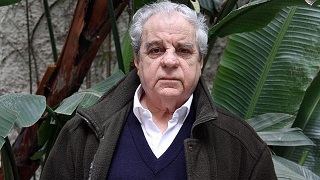
De Catalaanse schrijver Juan Marsé werd geboren op 8 januari 1933 in Barcelona. Zie ook alle tags voor Juan Marsé op mijn blog.

Uit: Calligraphie des rêves (Vertaald door Jean-Marie Saint-Lu)

« Dura nt quelques secondes, elle a l’air de ne pas savoir où elle se trouve, elle tourne sur ellemême en tâtant l’air avec ses mains, jusqu’au moment où, s’immobilisant, tête baissée, elle pousse un cri long et rauque, comme sorti de son ventre, et qui peu à peu se transforme en soupirs pour finir en miaulements de petit chat. Elle commence à remonter la rue en trébuchant puis s’arrête, elle se tourne, cherchant un appui alentour, et aussitôt après, fermant les yeux et croisant les mains sur sa poitrine, elle se baisse en se repliant lentement sur elle-même, comme si cela lui procurait réconfort ou soulagement, puis s’allonge sur le dos, en travers des rails du tramway encore incrustés dans ce qui reste du vieux pavage. Des voisins et quelques pa ssants occasionnels, peu nombreux et fatigués à cett e heure et sur ce tronçon haut de la rue, n’en croient pas leurs yeux. Qu’est-ce qu’il lui a pris, tout à coup, à cette femme ? Allongée sur la voie de toute sa longueur, qui n’est pas grande, ses genoux massifs et brunis sur la plage de la Barce loneta pointant sous sa bl ouse entrouverte, les yeux fermés et les pieds bien joints dans ses pantoufles de satin à pompons pas très propres, que diable prétend-elle faire ? Faut-il supposer qu’elle veut en finir avec la vie sous les roues d’un tramway ? « Victoria ! crie une femme du trottoir. Qu’est-ce que tu fais, malheureuse ? » Elle n’obtient pas de réponse. Pas même un clignement de paupière. Très vite, un petit groupe de curieux se forme autour de la femme allongée, la plupart craignant d’être victimes d’une plaisanterie macabre. Un vieil homme tât e à plusieurs reprises la généreuse hanche avec sa canne, comme s’il ne pouvait croire qu’elle soit vivante. « Eh vous, là, qu’est-ce que c’est que cette plaisanterie ? grommelle-t-il, en la harcelant. Que cherchez-vous à faire ? » Parler d’elle, comme toujours, doit penser plus d’une voisine : que ne ferait pas cette grue pour attirer l’attention de son ho mme. Quadragénaire blonde aux yeux bleus pétillants , au tempérament expansif et très populaire dans le quartier, la grassouillette Mme Mir, qui avait été Dame infirmière formée dans un collège de la Phalange et exerçait maintenant comme soignante et kiné pr ofessionnelle, à en croire ses cartes de visite, avait fait et continuait à faire pas mal parler d’elle à cause de ses mains audacieuses, qui dispensaient frictions corpor elles et calmaient diverses ardeurs, et dont le talen t équivoque favorisait de fréquentes divagations amoureuses, surtout depuis que son mari, ex-maire adjoint autoritaire et bravache, avait été interné à l’hôpital San Andrés, à la fin de l’année précédente. »


 1861518-78dcb53bf3f75b0cf7d9ce3a551efbcf.jpg
Juan Marsé (Barcelona, 8 januari 1933)


De Engelse dichter, vertaler en graficus Alfred Charles Tomlinson werd geboren op 8 januari 1927 in Stoke-on-Trent, Staffordshire. Zie ook alle tags voor Alfred Tomlinson op dit blog.


The Door

Too little
has been said
of the door, its one
face turned to the night’s
downpour and its other
to the shift and glisten of firelight.
 
Air, clasped
by this cover
into the room’s book,
is filled by the turning
pages of dark and fire
as the wind shoulders the panels, or unsteadies that burning
 
Not only
the storm’s
breakwater, but the sudden
frontier to our concurrences, appearances,
and as the full of the offer of space
as the view through a cromlech is.
 
For doors
are both frame and monument
to our spent time,
and too little
has been said
of our coming through and leaving by them.


A Rose For Janet

I know
this rose is only
an ink-and-paper rose
but see how it grows and goes
on growing
beneath your eyes:
a rose in flower
has had (almost) its vegetable hour
whilst my
rose of spaces and typography
can reappear at will
(you will)
whenever you repeat
this ceremony of the eye
from the beginning
and thus
learn how


 1861518-97562457f9a1597d729e0331fb1d952a.jpg
Alfred Tomlinson (8 januari 1927 - 22 August 2015)


De Franstalige, Canadese dichter, schrijver en uitgever Gaston Miron werd geboren op 8 januari 1928 in Sainte-Agathe-des-Monts. Zie ook alle tags voor Gaston Miron op dit blog.


Pour retrouver le monde de l'amour

Nous partirons de nuit pour l'aube des Mystères
et tu ne verras plus les maisons et les terres
et ne sachant plus rien des anciennes rancoeurs
des détresses d'hier, des jungles de la peur
tu sauras en chemin tout ce que je te donne
tu seras comme moi celle qui s'abandonne

nous passerons très haut par-dessus les clameurs
et tu ne vivras plus de perfides rumeurs
or loin des profiteurs, des lieux de pestilence
tu entendras parler les mages du silence
alors tu connaîtras la musique à tes pas
et te revêtiront les neiges des sagas

nous ne serons pas seuls à faire le voyage
d'autres nous croiseront parmi les paysages
comme nous, invités à ce jour qui naîtra
nous devons les chérir d'un amour jamais las
eux aussi, révoltés, vivant dans les savanes
répondent à l'appel secret des caravanes

quand nous avancerons sur l'étale de mer
je te ferai goûter à la pulpe de l'air
puis nous libérerons nos joies de leur tourmente
de leur perte nos mains, nos regards de leurs pentes
des moissons de fruits mûrs pencheront dans ton coeur
dans ton corps s'épandront d'incessantes douceurs

après le temps passé dans l'étrange et l'austère
on nous accueillera les bras dans la lumière
l'espace ayant livré des paumes du sommeil
la place des matins que nourrit le soleil
ô monde insoupçonné, uni, sans dissidence
te faisant échapper des cris d'incontinence

nouvelle-née, amour, nous n'aurons pas trahi
nous aurons retrouvé les rites d'aujourd'hui
le bonheur à l'affût dans les jours inventaires
notre maison paisible et les toits de nos frères
le passé, le présent, qui ne se voudront plus
les ennemis dressés que nous aurions connus


 1861518-d7b2fc8c27fad27d803749c11a660f93.jpg
Gaston Miron (8 januari 1928 – 14 december 1996)


De Italiaanse schrijver en politicus Leonardo Sciascia werd geboren in Racalmuto, Agrigento op 8 januari 1921. Zie ook alle tags voor Leonardo Sciascia op dit blog.

Uit:Todo modo (Vertaald door René Daillié)

“C'est une chose tellement simple, de faire l'amour... Et puis c'est ça l'amour : il n'y en a pas d'autre, entre un homme et une femme... C'est comme d'avoir soif et de boire. Il n'y a rien de plus simple que d'avoir soif et de boire ; que la satisfaction de boire et d'avoir bu ; de n'avoir plus soif. Tout ce qu'il y a de simple. Mais songez, si l'homme avait accordé à l'eau, à la soif, à la boisson (par effet d'un ordre différent de la création et de l'évolution), tout le sentiment, la pensée, les rites, les légitimations et les interdits qu'il a accordés à l'amour : il n'y aurait rien de plus extraordinaire, de plus prodigieux que de boire quand on a soif... »
(…)

« - Par exemple, il y a peu, comme nous étions en train de parler de ces crimes, il m'a dit : " Nul ne mérite d'être loué de bonté s'il n'a pas la force d'être méchant. "
- " Nul ne mérite d'être loué de bonté s'il n'a pas la force d'être méchant " : c'est exactement ce que vous avez dit ?
- Exactement.
Et je complétai mentalement la citation : " Toute autre bonté n'est le plus souvent qu'une paresse ou une impuissance de la volonté. "
- On dirait une de ces maximes qu'on trouvait jadis dans le papier qui enveloppait les crottes en chocolat... " Nul ne mérite d'être loué de bonté s'il n'a pas la force d'être méchant... " Mais comme maxime, je dirai que c'est crétin : qui a la force d'être méchant est méchant."


 1861518-3558ff7028e6172ed2db126731e212de.jpg
Leonardo Sciascia (8 januari 1921 - 20 november 1989)
Standbeeld in Racalmuto


De Duitse schrijfster Waldtraut Lewin werd geboren op 8 januari 1937 in Wernigerode. Zie ook alle tags voor Waldtraut Lewin op dit blog.

Uit: Drei Zeichen sind ein Wort

„Das Zeichen. Der goldene Buchstabe.
Wie gewinnt man das Vertrauen der Laskarows, um weiterzukommen bei der Suche?
Als sie auf Hermeneau war, da hat sie mit Isabelle zusammen das Sabbatmahl zubereitet, und dabei kamen sie sich näher. Und naherkommen will sie vor allen Dingen dem Sohn des Hauses, der ihr so hartnäckig seine Aufmerksamkeit entzieht. Ihn hat sie sich ausgesucht, dass er ihr hilft
Ob so etwas wie auf Hermeneau auch hier möglich ist? (Mit ihren Kochkünsten kann sie ja wirklich beeinclrucken.)
Die Laskarows haben zwei stets gut gefüllte Eisschranke, Milchiges und Fleischiges getrennt- (Jede Woche einmal kommen zwei muskelbepackte Männer mit einem Lederschutz auf der schulter und bringen die Eisblocke, mit denen die schranke bestückt werden.) Leonie hat die Madame inzwischen nach dem sinn dieser doppelten Vorratshaltung gefragt. »Na, wegen koschere Küche doch!«, sagt die, als wenn das jeder wissen müsste. Also irgendwelche rituellen Speisevorschriften.
Allerdings nimmt es sonst niemand in der Familie genau mit religiösen Geboten. Am heiligen Sabbatvormittags geht alles seinen gewohnten Gang, außer dass man vielleicht noch später aus den Betten kommt als sonst. Der Prinzipal studiert seine Zeitungen, und vor allem das größte rechtsradikale Blatt. Als vorsichtiger Mann will er sich ein Bild machen, wie die Stimmung ist! Manchmal knurrt er bei der Lektüre unwillig oder wirft die Zeitung heftig zurück auf den Tisch.“


 1861518-ed6975c5acd9fcb95bf32c7c0de93dd5.jpg
Waldtraut Lewin (Wernigerode, 8 januari 1937)
Cover


De Oekraïense dichter en schrijver Vasyl Stus werd geboren op 8 januari 1938 in Rakhnivka, in de provincie Vinnytsia Oblast. Zie ook alle tags voor Vasyl Stus op dit blog.

Uit: Palimpsesty


We do not die twice.

We do not die twice. We exist
once and for all time, and for all of life.
We do not beg for anyone's kindness.
Rejoice: the Kolyma cuckoos cry.


We are looking from death

We are looking from death
into the expanse that has fallen off from us,
distanced itself and retreated far away.
The expanse is still beckoning secretly
and stealthily. And misfortune
is no longer known to us.


This darkness ahead

This darkness ahead has long
lost its dreadful magic
and has released its bewitching power. Now
I can say that I am overcorning death.
The great world emerged before me again.


Vertaald door Natalia Burianyk


 1861518-c6447fae8b373f64aa7593a9d57b9b60.jpg
Vasyl Stus (8 januari 1938 – 4 september 1985)


De Duitse (toneel)schrijfster Claudia Grehn werd geboren op 8 januari 1982 in Wiesbaden. Zie ook alle tags voor Claudia Grehn op dit blog.

Uit: Reicht es nicht zu sagen ich will leben

„„ Herbst. Der Kuchen. Die Schande.
Annette: Geh doch mit Oma einen Kaffee trinken – so lange sie das noch kann.
Isabell:    Ein kleines Mädchen heult auf.
Vera:       Höchstens zweijährig mit Locken.
               -Papa, entschuldige dich.
Vera:   ...schreit ihre achtjährige Schwester, aschblonder Zopf, gestreifte Bluse-
              -Jetzt entschuldigst du dich.
Jürgen:  Du hältst die Fresse.
Vera:      Und die Mutter, faltet die Serviette nochmals neu.
Isabell:   Das Schulmädchen steht auf. Das ganze Körperchen lehnt sich vor zum Vater.
              -Jetzt entschuldigst du dich bei ihr!
Annette: Während sie ein Stück Mohnkuchen reinstopft, sagt meine Oma  Bei Hitler hat man’s nicht schlecht gehabt als junges Mädel, da hätte  man die nicht das ganze Deutsche Vermögen verspekulieren lassen  und alle hatten da Arbeit und ich schaue mich schnell um im Cafe ob  das jemand gehört hat.“


 1861518-70432ff8a3268c5857bdd83e81cf30cb.jpg
Claudia Grehn (Wiesbaden, 8 januari 1982)
Scene uit een opvoering in Weimar, 2012 


Zie voor nog meer schrijvers van de 8e januari ook mijn blog van 8 januari 2014 en ook mijn blog van 8 januari 2011 deel 1 en eveneens deel 2.
Geschreven door Romenu om 18:39 Reageer op dit bericht

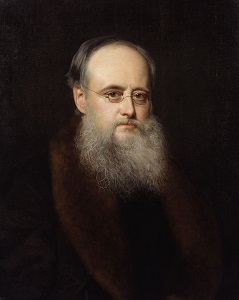
Wilkie Collins

De Britse schrijver Wilkie Collins werd geboren in Londen op 8 januari 1824. Collins was een veelschrijver en publiceerde ook in Dickens' tijdschriften Household Words en All the Year Round. Hij geniet de meeste bekendheid als schrijver van de romans “The Woman in White” (1860) en “The Moonstone” (1868), beide voorlopers van de detectiveroman. De publicatie van “The Moonstone” zorgde voor een sensatie door de sensationele beschrijvingen die erin werden gegeven van opiumverslaving. Wilkie Collins baseerde deze gedeeltelijk op zijn eigen ervaringen met deze drug. Als een gevolg van deze verslaving leed Wilkie Collins op latere leeftijd in toenemende mate aan waanvoorstellingen. De meest opzienbarende hiervan was zijn overtuiging dat hij constant werd vergezeld van een dubbelganger, die hij "Ghost Wilkie" noemde. Wilkie Collins was de oudste zoon van de kunstschilder William Collins en een broer van Charles Allston Collins, die eveneens schilder was. In 1848 publiceerde hij een biografie van zijn vader onder de titel Memoirs of the Life of William Collins, Esq., R.A.

Uit: The Moonstone

“One of the wildest of these stories related to a Yellow Diamond — a famous gem in the native annals of India.
The earliest known traditions describe the stone as having been set in the forehead of the fourhanded Indian god who typifies the Moon. Partly from its peculiar colour, partly from a superstition which represented it as feeling the influence of the deity whom it adorned, and growing and lessening in lustre with the waxing and waning of the moon, it first gained the name by which it continues to be known in India to this day — the name of THE MOONSTONE.
A similar superstition was once prevalent, as I have heard, in ancient Greece and Rome; not applying, however (as in India), to a diamond devoted to the service of a god, but to a semi-transparent stone of the inferior order of gems, supposed to be affected by the lunar influences
— the moon, in this latter case also, giving the name by which the stone is still known to collectors in our own time.
The adventures of the Yellow Diamond begin with the eleventh century of the Christian era.
At that date, the Mohammedan conqueror, Mahmoud of Ghizni, crossed India; seized on the holy city of Somnauth; and stripped of its treasures the famous temple, which had stood for centuries — the shrine of Hindoo pilgrimage, and the wonder of the Eastern world.
Of all the deities worshipped in the temple, the moongod alone escaped the rapacity of the conquering Mohammedans. Preserved by three Brahmins, the inviolate deity, bearing the Yellow Diamond in its forehead, was removed by night, and was transported to the second of the sacred cities of India — the city of Benares.
Here, in a new shrine — in a hall inlaid with precious stones, under a roof supported by pillars of gold — the moongod was set up and worshipped. Here, on the night when the shrine was completed, Vishnu the Preserver appeared to the three Brahmins in a dream.
The deity breathed the breath of his divinity on the Diamond in the forehead of the god. And the Brahmins knelt and hid their faces in their robes. The deity commanded that the Moonstone should be watched, from that time forth, by three priests in turn, night and day, to the end of the generations of men. And the Brahmins heard, and bowed before his will. The deity predicted certain disaster to the presumptuous mortal who laid hands on the sacred gem, and to all of his house and name who received it after him. And the Brahmins caused the prophecy to be written over the gates of the shrine in letters of gold.”


 1966684-5b01055164ce0d9f2eb7c43bb19edd70.jpg
Wilkie Collins (8 januari 1824 – 23 september 1889)
Portret door Rudolph Lehmann, 1880

Geschreven door Romenu om 00:00 Reageer op dit bericht

Frans Kellendonk, Reginald Gibbons, Dionne Brand, Sofi Oksanen, Henk van Zuiden, Shobhaa Dé, Marie Desplechin

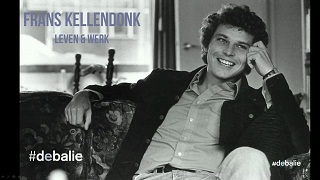
De Nederlandse schrijver en vertaler Frans Kellendonk werd geboren in Nijmegen op 7 januari 1951. Zie ook alle tags voor Frans Kellendonk op dit blog.

Uit: Beeld en gelijkenis

“De pastoor had een monotoon stemgeluid dat het onmogelijk maakte om de eucharistie met begrip te volgen. Hij was klein en rond en zijn gezicht was zo rooddooraderd dat het, de huidcrème die hij erop aanbracht ten spijt, in een netje leek te hangen, als een nieuwe plastic voetbal. Op zijn al te vleeskleurige lippen zat roze parellipstick. Hij had wulpse handjes die zich onweerstaanbaar tot elkaar aangetrokken voelden en elkaar onophoudelijk knuffelden en opvrijden. Er werd gefluisterd dat hij het met een vrouw hield.
Op een goede dag kregen we een hulpkapelaan, een jonge Franciscaan met zwart haar en felle bruine ogen, die in zijn sandalen geen sokken droeg van witte zijde, zoals de pastoor, maar blote voeten die rood zagen van de kou. Hij is maar kort gebleven. Eén keer heeft hij gepreekt en de arme gelovigen, die gedoopt waren voor ze ‘pap’ konden zeggen, die elke week trouw hun plaatsengeld en collectegeld hadden betaald, en ook voor de missie-acties regelmatig een kleinigheid hadden afgedragen, die toch mochten menen dat ze al met één been in de hemel stonden, kregen van hem te horen dat ze heidenen waren. ‘Bekeert u!’ snauwde hij hen van de kansel toe. Zo zout hadden ze het nog nooit gegeten. Hij bestond het bovendien om die brave mensen voor zondaars uit te maken. De brave mensen vonden dat hij beter naar z'n eigen kon kijken. Maar ik vond dat getier van hem een weldaad, na de fluwelen dwingelandij waar ik aan gewend was, en toen ik hoorde dat hij wegens zijn te grote ijver spoedig weer zou moeten vertrekken ging ik op een vrijdagavond bij hem te biecht. Terwijl hij achter het luikje nog zat te bidden voor de vorige biechteling, een geruststellend onderkeels gebrom, af en toe onderbroken door een diepe zucht, zei ik mijn oefening van geloof; daarna bekende ik de zonden die ik altijd bekende en hij wilde me al de penitentie opgeven toen ik tenslotte durfde te stotteren: ‘Eh... pater... Pater, ik moet u nog iets zeggen... Ik, eh, scháám me altijd zo vreselijk. En ik weet niet hoe het komt.’
Zo was het precies. Ik, een zondagskind, één en al levenslust en plezier, was me in mijn elfde levensjaar een etterende leproos gaan voelen. Zomaar, ineens.”


 1860993-25714294b4b0c9cf12500eabf22a6ad6.jpg
Frans Kellendonk (7 januari 1951 – 15 februari 1990)
Affiche voor een programma in De Balie in Amsteram, mei 2015


De Amerikaanse dichter, redacteur en hoogleraar Reginald Gibbons werd geboren in Houston op 7 januari 1947. Zie ook alle tags voor Reginald Gibbons op dit blog.


Friday Snow

Something needs to be done—like dragging a big black plastic sack through the upstairs rooms, emptying into it each waste basket, the trash of three lives for a week or so. I am careful and slow about it, so that this little chore will banish the big ones. But I leave the bag lying on the floor and I go into my daughter’s bedroom, into the north morning light from her windows, and while this minute she is at school counting or spelling a first useful word I sit down on her unmade bed and I look out the windows at nothing for a while, the unmoving buildings—houses and a church—in the cold street.
       Across it a dark young man is coming slowly down the white sidewalk with a snowshovel over his shoulder. He’s wearing a light coat, there’s a plastic showercap under his dirty navy blue knit hat, and at a house where the walk hasn’t been cleared he climbs the steps and rings the doorbell and stands waiting, squinting sideways at the wind. Then he half wakes and he says a few words I can’t hear to the storm door that doesn’t open, and he nods his head with the kindly farewell that is a habit he wears as disguise, and he goes back down the steps and on to the next house. All of this in pantomime, the way I see it through windows closed against winter and the faint sounds of winter.
       My daughter’s cross-eyed piggy bank is also staring out blankly, and in its belly are four dollar bills that came one at a time from her grandmother and which tomorrow she will pull out of the corked mouthhole. (It’s not like the piggy banks you have to fill before you empty them because to empty them you have to smash them.) Tomorrow she will buy a perfect piece of small furniture for her warm well-lit dollhouse where no one is tired or weak and the wind can’t get in.
       Sitting on her bed, looking out, I didn’t see a bundled-up lame child out of school and even turned out of the house for a while, or a blind woman with burns or a sick bald veteran—people who might have walked past stoop-shouldered with what’s happened and will keep happening to them. So much limping is not from physical pain—the pain is gone now, but the leg’s still crooked. The piggy bank and I see only the able young man whose straight back nobody needs.
       When he finally gets past where I can see him, it feels as if a kind of music has stopped, and it’s more completely quiet than it was, an emptiness more than a stillness, and I get up from the rumpled bed and I smooth the covers, slowly and carefully, and I look around the room for something to pick up or straighten, and I take a wadded dollar bill from my pocket and put it into the pig and I walk out.


 1860993-2c8d60044036901b08c08cbc5a3368ed.jpg
Reginald Gibbons (Houston, 7 januari 1947)


De Canadese dichteres en schrijfster Dionne Brand werd geboren op 7 januari 1953 op Trinidad. Zie ook alle tags voor Dionne Brand op dit blog.

Uit:What We All Long For

“There were Italian neighbourhood and Vietnamese neighbourhoods in this city; there are Chinese ones and Ukrainian ones and Pakistani ones and Korean ones and African ones. Name a region on the planet and there's someone from there, here. All of them sit on Ojibway land, but hardly any of them know it or care because that genealogy is wilfully untraceable except in the name of the city itself. They'd only have to look, though, but it could be that what they know hurts them already, and what if they found out something even more damaging? These are people who are used to the earth beneath them shifting, and they all want it to stop-and if that means they must pretend to know nothing, well, that's the sacrifice they make.”
(…)

“Carla might recognize herself in the lean girls against the bar, the girls in slender-cut suits with silver rings on each finger and thumb who looked so compact and secretive, so much as if all their essences were perfectly locked and kept, and only if you managed to please them could you unlock their fingers and pry them out. They smelled of a different perfume, they never quite met your eyes except in a swift and thorough appraisal whose conclusion you became aware of immediately when their eyes averted without the longed-for approving smile. You longed to go with them to secret apartments in the suburbs or condos on the lakeshore and there have their fingers brush down your back and have their maroon mouths kiss your thighs.”
(…)

“Angie was a border crosser, a wetback, a worker in the immigrant sweatshop they call this city. On days like this I understand her like a woman instead of a child. Everybody thought she was a whore. She wasn’t. She tried to step across the border of who she was and who she might be. They wouldn’t let her. She didn’t believe it herself so she stepped across into a whole other country.”


 1860993-d15871becf100970a9dec3852658ca8b.jpg
Dionne Brand (Trinidad, 7 januari 1953)


De Finse schrijfster Sofi Oksanen werd geboren in Jyväskylä op 7 januari 1977. Zie ook alle tags voor Sofi Oksanen op dit blog.

Uit:Als de duiven verdwijnen (Vertaald door Marja-Leena Hellings)

“Ze leek de juiste woorden voor de angstige gemoederen te vinden, en wist dat niemand het hoofd mocht verliezen als het tijd was om in de vrachtwagen te stappen. Een beter iemand om de mensen opte vangen had ik niet kunnen kiezen.
De anderen waren wantrouwig geweest toen ik had aangekondigd dat ik een nieuwe woning als verzamelplaats had gevonden en een nieuwe persoon om de vluchtelingen op te vangen, ik had Juudit Linda genoemd. Ik had met de hand op mijn hart gezworen dat ze betrouwbaar was, over haar relatie met een mof had ik niets gezegd.
Ik hield mezelf ook voor dat, hoe meer Juudit hierbij betrokken was, hoe zekerder het was dat ze haar mond zou houden. Beetje bij beetje liet ze nuttige informatie los en het leek alsof ze steeds meer ging twijfelen aan alles wat met de Duitsers te maken had.
Deze keer was bijzonder onrustig. De toespraak van Hjalmar Mäe had bij sommigen iets van hoop gewekt, volgens Mäe zou mobilisatie de eerste stap naar soevereiniteit zijn. Ik zag aarzeling op de gezichten van de vluchtelingen, de wil om geloof te hechten aan de woorden van Mäe. Ik bleef me verbazen over de goedgelovigheid van de mensen. Of de wanhoop. Toch was het aantal van hen die niet meer geloofden in de overwinning van Duitsland en in de beloften van de staat over onafhankelijkheid of autonomie van Estland met de dag toegenomen. Niemand wilde blijven wachten op een nieuwe slachtpartij, men wist zeker dat de bolsjewieken zouden komen. De kerkleiders hadden het over de terugkeer van de goddeloze staat.”


 1860993-048328ff7bd3d1bdb37ee7e3b078e455.jpg
Sofi Oksanen (Jyväskylä, 7 januari 1977)


De Nederlandse dichter, bloemlezer Henk van Zuiden werd geboren in Apeldoorn op 7 januari 1951. Zie ook alle tags voor Henk van Zuiden op dit blog.


Kwijt
voor Charlotte Meijer

Ik kan mijn pen verliezen, of een ringetje,
mijn geduld, een jerrycan, mijn gezicht,
een sleutel, mijn moeder, en dat is geen dingetje,
mijn melktanden in witte zakdoek met gedicht,
een jojo, mijn tong, een ijsbolletje,
mijn plu, een handdoek en portemonnee,
de tijd, of mijn lievelingsdrop, een nog
vol rolletje– Niets verlorens vind ik terug
in zand aan zee, vooral mijn moeder blijft
kwijt, ik bedenk haar overal mee.


Wees van dit huis de liefste gast

Hier hoef je geen brieven open te snijden
telefoon op te nemen of koffie te maken
voor waterdragers op buigende ladders.
Je mag alles uit de boekenkast lezen
en natuurlijk, bier staat koud en de wijn
is al gechambreerd, om je niet te jachten
houdt de koekoek zich stil en zie, juist
vanavond is bloedmooi door uitbundige
pioenrozen ’n tapijt gedwarreld waarop je
kunt plaatsnemen. Hier, luister, Klang,
of wil je de speler eerst laten Bacheren?
Doe maar niet alsof je thuis bent: je hoeft
nergens om te vragen of voor op te staan,
alles wat je behaagt wordt voor jou gedaan.


 1860993-b9e8179c50f48b582e9ae8709a9eda6f.jpg
Henk van Zuiden (Apeldoorn, 7 januari 1951)


De Indiase schrijfster en columniste Shobhaa Dé werd geboren op 7 januari 1947 in Maharashtra. Zie ook alle tags voor Shobhaa Dé op dit blog.

Uit: S's Secret

““Have you told Mom, yet?” Pia’s voice was low and anxious. Sandhya shook her head and continued to whisk the sticky mixture of flour and butter in the neat kitchen, which was the centre of the Mehta home.
“How can you bake a cake when you know Morn will be angry? Or are you planning not to tell her at all?” Pia persisted.
Sandhya looked at her younger sister sharply and placed a finger on her own lips. “Sssh... Bhaiya will hear... don’t say anything... please, please... just keep quiet till Bhaiya leaves... he’s late for college again.”
Just then, Siddhartha a tall, athletic eighteen-year-old rushed into the kitchen. “Where’s my skimmed milk... Oh man... I’m late for eco... and the toast is burnt as usual. Sandhya... don’t just stand there with that stupid expression... make me a sandwich... fast... Tell Mom I am going straight to Subi’s place for stats tuitions. And you... little monkey... go wash your hands... filthy as always.”
The two girls looked at their brother, then at each other. “Bhaiya, why don’t you wake up on time? Don’t tell us you have broken the alarm clock again?” Pia piped up.
Sid opened the fridge and made disapproving noises. “Vegetables, vegetables, vegetables - who eats all this rubbish, huh? Who? Look at all this... bhindi, karela, paid/r, kadoo. Hey you Motu, stay away from those chips... tell Mom to organise a decent dinner...
What amazing food we have at Subi’s... fantastic pav-bhaji, nachos... how come we don’t have stuff like that here? His mom is like the best cook in the world. Her crab curry! Oh my God ! Sandhya stop making those silly cakes, make some real food for a change; learn some deadly stuff... like... ok... anything deadly... ok I’m off. Send my tennis gear to the club later... behave yourselves till Mom gets home.”


 1860993-9384998c5d2600942b5e36cb73b9d50a.jpg
Shobhaa Dé (Maharashtra, 7 januari 1947)


De Franse schrijfster Marie Desplechin werd geboren op 7 januari 1959 in Roubaix. Zie ook alle tags voor Marie Desplechin op dit blog.

Uit: La belle Adèle

“- Tu ne peux pas faire un petit effort ?
Pendant quelques secondes, je me suis demandé ce qu'elle voulait dire. Je n'étais pas plus sale, ni plus impolie que d'habitude. Et d'habitude, je suis plutôt propre et aimable. Mais, comme son regard désolé me détaillait des pieds à la tête, l'évidence s'est imposée. Les efforts devaient porter sur mon allure. Pas sur mon intelligence, mes résultats sportifs, mes capacités relationnelles, mes bulletins scolaires. Sur ma présentation. Quelque chose n'allait pas. Du tout.
- Qu'est-ce qui ne va pas ?
- Tu t'es regardée avant de sortir ?
Elle était à la limite de la grossièreté. Mais je n'ai pas eu le courage de le lui faire remarquer. Car voilà ce que j'avais sur les lèvres : "Tu t'es regardée, toi ?"
[...] Elle s'était certainement, elle, regardée, et longuement. Sortir dans son accoutrement n'est pas une décision qui se prend à la légère. Il faut avoir pesé le pour et le contre.Et assumer. L'aspect de ma tante ne devait rien au hasard, ni à la négligence. Sa robe ouverte sur les genoux, ses cheveux décolorés, le bleu pétrole de ses paupières, les échasses sur lesquelles elle était juchée : tout avait été mûrement réfléchi. Et c'était pire.”


 1860993-06a4c46277ab9ddad7ca547178393c99.jpg
Marie Desplechin (Roubaix, 7 januari 1959) 


Zie voor nog meer schrijvers van de 7e januari ook mijn blog van 7 januari 2011 deel 1 en ook deel 2 en eveneens deel 3.


Geschreven door Romenu om 18:24 Reageer op dit bericht

Thomas Hill

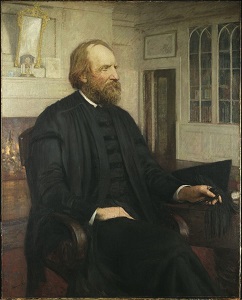
De Amerikaanse Amerikaanse dominee, wiskundige, wetenschapper, dichter, filosoof en pedagoog Thomas Hill werd geboren op 7 januari 1818 in Brunswick, New Jersey. Hij leerde al op heel jonge leeftijd lezen, bleef altijd een gulzig lezer en dwong respect af door zijn ruime en accurate geheugen. Zijn vader onderwees hem in de plantkunde. Hill hield van de natuur en bedacht wetenschappelijke instrumenten, zoals een instrument om eclipsen te berekenen, waarvoor hem door het Franklin Institute een medaille werd toegekend,. Hoewel hij niet formeel was opgeleid bezocht Hill korte tijd de Lower Dublin Academy in Holmesburg, Pennsylvania en de Leicester Academy in Massachusetts, die hij in 1837 verliet. Hij behaalde zijn B.A..en zijn theologische graad aan de Harvard University in respectievelijk 1843 en 1845. Hill was president van Antioch College in de periode 1860-1862 tot de Burgeroorlog hem dwong het college te sluiten; vervolgens bekleedde hij het presidentschap van Harvard University van 1862 tot 1868. Een slechte gezondheid veroorzaakt zijn pensionering van Harvard en vanaf 1873 was hij hoofd van de Unitarian parochie in Portland, Maine. Zijn belangrijkste werken omvatten “Geometry and Faith” (1849); “Jesus, the Interpeter of Nature, and Other Sermons” (1860); The True Order of Studies (1876), “In the Woods, and Elsewhere” (1888); and “The Postulates of Revelations and of Ethics” (1895). Als student aan Harvard publiceerde Hill een brochure met vijf gedichten om op de Boston anti-slavernij beurs van 1843 voor het goede doel te verkopen. Twee van Hills gedichten, "The Mother's Prayer" en "The Runaway” behoren tot de beter bekende anti-slavernij poëzie.


The Mother’s Prayer

Thou knowest, O God, my griefs,
Thou see’st my bitter tears,
Thou knowest all my sufferings past,
And my foreboding fears.

My husband they have sold;
Alas!  the bitter day!
Too true to leave me willingly,
They forced him far away.

Our prattling infants, too,
Most piercing thought of all,
Sold into strangers’ cruel hands,
What evils may befall!

I pray, O God, that thou
Wouldst take them from the earth,
I ask their death, who once from thee,
More madly, asked their birth.

O’er me, weighed down by care,
Pierced through by sorrow’s stings,
O’er me, from day to day the same,
The slave-whip ceaseless swings.

I pray, O God, for him
Who causes all this woe;
Though he no mercy has for us,
To him thy mercy show.

No vengeance would I ask,
Let not thy wrath be felt,
But let thy goodness touch his heart,
Its stubborn hardness melt.

One thing at least I trust,
My only hope it is,
There’ll be no slavery in the world
That follows after this.


 1983159-a4f934e2842c9c893fec30a001a6f8e8.jpg
Thomas Hill (7 januari 1818 - 21 november 1891)
Portret door Edward E. Simmons, 1895

Geschreven door Romenu om 00:00 Reageer op dit bericht

Meer van Romenu

↑ Terug naar de berichten