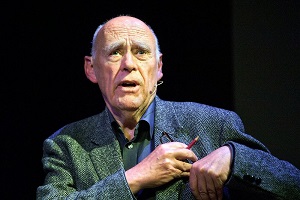
Charles Reznikoff, Jiři Orten, François Cheng, Libu¨e Moníková, Gisela von Arnim, Mary Wollstonecraft Shelley, Adam Kuckhoff, Michael Speier
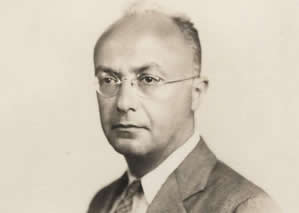
De Amerikaanse dichter Charles Reznikoff werd op 30 augustus 1894 in New York geboren. Zie ook mijn blog van 30 augustus 2010 en alle tags voor Charles Reznikoff op dit blog.
Depression
So proudly she came into the subway car
all who were not reading their newspapers saw
the head high and the slow tread—
coat wrinkled and her belongings in a paper bag,
face unwashed and the grey hair uncombed;
simple soul, who so early in the morning when only the
poorest go to work,
stood up in the subway and outshouting the noise:
'Excuse me, ladies and gentlemen, I have a baby at home who
is sick,
and I have no money, no job;' who did not have box or cap
to take coins—
only his hands,
and, seeing only faces turned away,
did not even go down the aisle as beggars do;
the fire had burnt through the floor:
machines and merchandise had fallen into
the great hole, this zero that had sucked away so many years
and now, seen at last, the shop itself;
the ceiling sloped until it almost touched the floor a strange curve
in the lines and oblongs of his life;
drops were falling
from the naked beams of the floor above,
from the soaked plaster, still the ceiling;
drops of dirty water were falling
on his clothes and hat and on his hands;
the thoughts of business
gathered in his bosom like black water
in footsteps through a swamp;
waiting for a job, she studied the dusty table at which she sat
and the floor which had been badly swept—
the office-boy had left the corners dirty;
a mouse ran in and out under the radiator
and she drew her feet away
and her skirt about her legs, but the mouse went in and out
about its business; and she sat waiting for a job
in an unfriendly world of men and mice;
walking along the drive by twos and threes,
talking about jobs,
jobs they might never get and jobs they had had,
never turning to look at the trees or the river
glistening in the sunlight or the automobiles
that went swiftly past them—
in twos and threes talking about jobs;
in the drizzle
four in a row
close to the curb
that passers-by might pass,
the squads stand
waiting for soup,
a slice of bread
and shelter—
grimy clothes
their uniform;
on a stoop
stiffly across the steps
a man
who has fainted;
each in that battalion
eyes him,
but does not move from his place,
well drilled in want.
Charles Reznikoff (30 augustus 1894 – 22 januari 1976)
De Tsjechische dichter Jiří Orten (eig.Jiří Ohrenstein) werd geboren op 30 augustus 1919 bij Kutná Hora. Zie ook mijn blog van 30 augustus 2010 en eveneens alle tags voor Jiří Orten op dit blog en eveneens de tags voor J. Orten.
Snowflakes
Shrouded, stitched in silky white,
they cry aloud all through the night
and find such weeping not enough,
the bird of guilt brings that sound here
for our anxiety and fear.
Once you were sweetest.
You turned bitter hot.
The wind compressed your breast.
Silence turned to test.
You were. Now you’re not.
Without a sled, the little snow
circled the strange land far below
and fell on lips, on women’s faces
as they poured themselves into clay embraces
where the poisoned honeycomb was laid.
Nothing but silent snow falling, snow not
making a sound, like a hand that writes
to cover everything up. Snow falls right
on the window, falls white on the piers,
it lies down a moment, then disappears
to another world—and you miss it a lot.
I’ve heard when it sees horses under the yoke
it performs a miracle like a joke,
and laughs when the coachman, without thinking,
creature of habit and heavy drinking,
eyes dazzled by glistening steeds and tack,
still calls his horses black.
Vertaald door Lyn Coffin en Leda Pugh

Jiří Orten (30 augustus 1919 – 1 september 1941)
Portret door Pavel Piekar (detail)
De Chinees-Franse dichter, schrijver en vertaler François Cheng werd geboren op 30 augustus 1929 in Nanchang in China. Zie ook mijn blog van 30 augustus 2010 en eveens alle tags voor François Cheng op dit blog.
Uit:Cinq méditations sur la beauté
“Chez Cézanne, la beauté est formée de rencontres à tous les niveaux. Au niveau de la nature représentée, c'est la rencontre entre le caché et le manifesté, entre le mouvant et la fixité ; au niveau de l'agir de l'artiste, c'est la rencontre entre les touches apposées, entre les couleurs appliquées. Et au-dessus de cet ensemble, il y a la rencontre décisive entre l'esprit de l'homme et celui du paysage à un moment privilégié, avec dans l'intervalle ce quelque chose de tremblant, de vibrant, d'inachevé, comme si l'artiste se faisait réserve ou accueil, en attendant la venue de quelque visiteur qui sache habiter ce qui est capté, offert. »
(…)
« Parce que le principe d'amour est contenu dans le principe de beauté, que l'amour découle naturellement de la beauté, et que celle-ci manifeste en outre ce qui advient de l'amour : communion, célébration, transfiguration.
Ajoutant aussitôt que cette beauté, en tant que valeur absolue, n'est nullement un astre inaccessible suspendu dans un ciel idéal. Elle est à portée de l'humain, mais se situe bien, nous l'avons dit, au-delà d'un quelconque état de délectation et de "bons sentiments". Elle comporte la prise en charge de la douleur du monde, l'extrême exigence de dignité, de compassion et de sens de la justice, ainsi que la totale ouverture à la résonance universelle."

François Cheng (Nanchang, 30 augustus 1929)
De Duitstalige, Tsjechische schrijfster Libuše Moníková werd geboren op 30 augustus 1945 in Praag. Zie ook mijn blog van 30 augustus 2010 en eveneens alle tags voor Libuše Moníková op dit blog.
Uit: Eine Schädigung und Pavane für eine verstorbene Infantin
„Nach Jahren erkannte ich meine eigene, beinah vergessene Verblüffung wieder, als sich Geneviève verwundert auf den Straßen umsah und in ihrem eigenwilligen Englisch sagte: “There are so many crippens in Germany! How is it possible?”
Ich weiß es jetzt, ich gehöre auch schon dazu.
Ich habe mich angepaßt, ich kann manchmal vor Schmerzen kaum gehen.
Es ist nur eine springende Sehne, sagen die Ärzte, eine falsche Anspannung im Hüftgelenk. Andere finden nichts, aber ich kann auf dem Bein das Gleichgewicht nicht halten, und der Knochen ruckt beim Gehen.
Es ist auch ein Lusthemmnis.
(…)
Ich habe ein impertinentes Gesicht wie ein Klippschliefer, aber der Rollstuhl steht da, daran können sie nicht vorbei, also versuchen sie, mich als Behinderte zu nehmen.
Eine sagt zu der nächsten Einsteigenden “Vorsicht, da ist ein Rollstuhl” – nicht, um mir auszuweichen, sondern um das sperrige Vehikel zu kennzeichnen und um verbindlich zu sein.
Eine Frau wird von hinten gegen mein Knie gepreßt, sie zwängt sich fort, die Berührung hat sie irritiert, sie weiß nicht, woran sie gestoßen ist – Gips oder Prothese.
Die Sitzplätze sind besetzt, einige Fahrgäste bleiben gedrängt auf der Plattform, sie stehen um mich herum und blicken hinaus, nicht ohne vorher ihre Fußfreiheit in bezug auf den Rollstuhl abzuschätzen, ich fange an, den Vorteil des Rollstuhls zu erkennen, ich kann die Leute länger anstarren als sie mich.“

Libuše Moníková (30 augustus 1945 – 12 januari 1998)
In 1993
De Duitse schrijfster Gisela von Arnim werd op 30 augustus 1827 in Berlijn geboren. Zie ook alle tags voor Gisela von Armim op dit blog en ook mijn blog van 30 augustus 2010.
Uit: Das Leben der Hochgräfin Gritta von Rattenzuhausbeiuns
„Der Graf laborierte seit einem Jahr daran, daß die Maschine bei diesem Wegschleudern einem nicht wehe tue; dies sollte durch den wohlberechneten Bogenschwung bewerkstelligt werden. Alles was in die Nähe des gestrengen Herrn kam, mußte springen, Mensch und Tier. – Es stellte sich der Graf in einiger Entfernung; heute war die Maschine höher als je gespannt. Müffert setzte sich auf den Sessel, nahm Mut, wenn er welchen fand, drückte und sauste durch die Lüfte hoch – und blieb an einem weit aus der Wand ragenden Stock hängen, der, schön ausgeschnitzt und mit eingelegten Messingfiguren verziert, wahrscheinlich früher zum Halter einer Ampel gedient hatte. Jetzt hing ein langer Faden mit Fliegenleim daran herab, und Müffert hing in Gesellschaft der Summenden und Brummenden, ängstlich in die Tiefe schauend, über die er sonst in einem Bogen weg flog; aber jetzt war er in höchster Höhe hängen geblieben; so schwang er sich rittlings auf den Ampelhalter. Der Graf sah mit großen Augen zu, war zornig, und rief »Kuno Gebhardt Müffert, du gleichst schier einem Lämplein, daß du so hängen bleibst.« – »Jetzt komm einmal, Kleine, du bist von meinem Fleisch und Blut, spring ordentlich!« – Der Graf hob die kleine Gritta auf die Maschine: »Da«, sagte er, »ich will sie auch ein wenig niederer schrauben.« – »Vater«, rief Gritta, »sie ist doch heute so hoch.« – »Ach was«, sagte der Graf und brummte; fix griff die kleine Gritta zu dem Knopf, drückte und sprang; aber es ward ihr so angst, des armen Müffert Beine schwebten dicht über ihr, sie griff zu und blieb aus dem Schwung gebracht daran hängen. »Oh«, schrie der Vater zornig, »war das mein Bein, was da hängen bleibt, mein Bein und Fleisch?“

Gisela von Arnim (30 augustus 1827 – 4 april 1889)
Portret door Louise Caroline Seidler
De Engelse schrijfster Mary Wollstonecraft Shelley werd geboren op 30 augustus 1797 in Somers Town, London. Zie ook alle tags voor Mary Wollstonecraft Shelley op dit blog en ook mijn blog van 30 augustus 2010.
Uit: Frankenstein
“How slowly the time passes here, encompassed as I am by frost and snow! yet a second step is taken towards my enterprise. I have hired a vessel, and am occupied in collecting my sailors; those whom I have already engaged appear to be men on whom I can depend, and are certainly possessed of dauntless courage.
But I have one want which I have never yet been able to satisfy; and the absence of the object of which I now feel as a most severe evil. I have no friend, Margaret: when I am glowing with the enthusiasm of success, there will be none to participate my joy; if I am assailed by disappointment, no one will endeavour to sustain me in dejection. I shall commit my thoughts to paper, it is true; but that is a poor medium for the communication of feeling. I desire the company of a man who could sympathise with me; whose eyes would reply to mine. You may deem me romantic, my dear sister, but I bitterly feel the want of a friend. I have no one near me, gentle yet courageous, possessed of a cultivated as well as of a capacious mind, whose tastes are like my own, to approve or amend my plans. How would such a friend repair the faults of your poor brother! I am too ardent in execution, and too impatient of difficulties. But it is a still greater evil to me that I am self-educated: for the first fourteen years of my life I ran wild on a common, and read nothing but our uncle Thomas's books of voyages. At that age I became acquainted with the celebrated poets of our own country; but it was only when it had ceased to be in my power to derive its most important benefits from such a conviction that I perceived the necessity of becoming acquainted with more languages than that of my native country. Now I am twenty-eight, and am in reality more illiterate than many schoolboys of fifteen. It is true that I have thought more, and that my day dreams are more extended and magnificent; but they want (as the painters call it) keeping; and I greatly need a friend who would have sense enough not to despise me as romantic, and affection enough for me to endeavour to regulate my mind."

Mary Shelley (30 augustus 1797 – 1 februari 1851)
Scene uit de film uit 1931 met o.a. Boris Karloff als het monster
De Duitse dichter, schrijver en verzetsstrijder Adam Kuckhoff werd geboren op 30 augustus 1887 in Aken. Zie ook alle tags voor Adam Kuckhoff op dit blog en ook mijn blog van 30 augustus 2010.
Uit: Sherry
„Mein Freund hatte — nicht ganz gerne —diese Ansicht der Dinge gelten lassen müssen.
Es sei in der Tat so, daß die natürliche Trägheit des Menschen gemeinhin den schärfsten Stachel brauche, um einem Übel abzuhelfen. Aber berechtige das den, der dieses Übel zufüge, seine wohltätige Wirkung auf den anderen lobzupreisen? Fortschrittsbegeisterung sei hier nicht am Platze, eher ein bitteres Mitleid mit der menschlichen Natur, die überall jenen schärfsten Stachel brauche, um nur einen kleinen Schritt vorwärtszukommen.
Ob das nicht allzu weichlich empfunden sei? meinte der andere. Vielleicht! Und er, mein Freund, sei weit davon entfernt, auf dem Autostraßenstaub ein System des kosmischen Pessimismus zu errichten. Aber bestehen bleiben daß den ethischen, das heißt gemeinschaftsfühlsamen Menschen in seinem Handeln nur die natürliche Rücksicht auf den Nebenmenschen bestimmen dürfe. Auch glaube er nicht, daß dadurch der sogenannte Fortschritt gehemmt zu werden brauche. Ein vernünftig fahrender Wagen wirbele auf staubigem Wege noch Staub genug auf, um die Anwohner und, in den Benutzern der Straße, die breitere Öffentlichkeit zu Verbesserungen zu bewegen. Übrigens komme es hier wie überall nicht so sehr auf das an, was dem andern an greifbar Unangenehmem zugefügt werde, als auf das Gefühl verletzter menschlicher Würde. Die namenlose Wut der Fußgänger gegen das Auto habe schon einen tieferen Sinn: Alle Demütigung, alle Mißachtung der Kreatur durch den Begünstigteren sei wie sinnbildlich zusammengefaßt in jenem Augenblick, wo der rücksichtslose Fahrer, selbst schon in weiter Ferne, minutenlang ein in Staub gehülltes oder mit Straßendreck bespritztes Wesen seinesgleichen hinter sich zurücklasse.“

Adam Kuckhoff (30 augustus 1887 - 5 augustus 1943)
Onafhankelijk van geboortedata:
De Duitse dichter, schrijver, vertaler en literair criticus Michael Speier werd geboren in 1950 in Renchen, Baden. Zie ook alle tags voor Michael Speier op dit blog.
der moment wo meer und haut sich trafen
fanden uns auf dem rücken des wals
später schlägt unruhig der schwanz
der dogge an den küchentisch
die katze ist auch schon da
die tödliche blume
schwankt im fenster
niemand trocknet den schweiss
des vertobten nachmittags
rauch der sterne
krümelt das gesicht
wo du mich berührst
war noch keiner
nicht mal ich

Michael Speier (Renchen, 1950)