Naar de inhoud

Romenu

Over literatuur, gedichten, kunst en cultuur
akke.beakke.be

Berichten van 21 juli 2017 tot 22 juli 2017

Arno Geiger, Susan Hinton, Manu Joseph, Stephen Vincent Benét, Tom Robbins
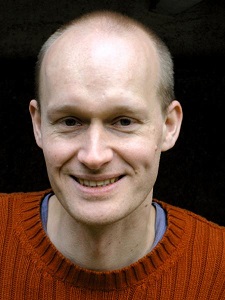
De Oostenrijkse schrijver Arno Geiger werd geboren op 22 juli 1968 in Bregenz, Vorarlberg. Zie ook alle tags voor Arno Geiger op dit blog en ook mijn blog van 22 juli 2010.

Uit: Zelfportret met nijlpaard (Vertaald door W. Hansen)

“Een paar dagen geleden kwam Judith op de eerste hulp, met een oehoe. Het was onze eerste ontmoeting in bijna tien jaar, en ik herkende haar niet, al had ik haar wel moeten herkennen. Dat lag slechts voor een deel aan haar korte haar, ik werd afgeleid door de oehoe, mdat ik bij de eerste blik al dacht dat het een verloren zaak was. En plotseling zei de vrouw: ‘We kennen elkaar. Ik ben het!’
Ik keek haar aan en herkende haar. Mijn handen trilden, terwijl ik de oehoe onderzocht om me ervan te verzekeren dat mijn eerste indruk juist was geweest. Die valt in een duister gat, hem vangt niemand op. En tegen Judith zei ik: ‘Nou, Judith, er is niets meer aan te doen.’
‘Daar was ik al bang voor,’ zei ze. En alsof er een licht verwijt tussen ons beiden hing, voegde ze er hoofdschuddend aan toe: ‘Hij is niet van mij, ik heb hem bij mijn huis gevonden.’
Ze sloeg haar ogen neer, een ongemakkelijke situatie. De oranje-gele ogen van de oehoe met de zwarte pupillen waren enorm en staarden met een vreselijke uitdrukking in het niets.
Terwijl ik voorbereidingen trof om het dier te doden, wisten we beiden niet wat te zeggen. Vroeger had ik Judith nooit verlegen gezien, ze had altijd gestraald, een en al beweging, het prototype van de ongecompliceerde vrouw, de vrouw die in contactadvertenties wordt gezocht als maatje voor het leven. Ze keek afwisselend naar de grond en opzij.
Ik dacht: nee, we kennen elkaar niet, we hebben elkaar gekend, nu niet meer, nu zijn we een raadsel voor elkaar.
Die vervreemding was verrassend snel gekomen, parallel aan het verdwijnen van de openhartigheid. Op de dag nadat we uit elkaar waren gegaan had ik zo goed als niets meer gemerkt van de normale vertrouwdheid, en dat bleef zo bij elk weerzien. We wisten niet eens meer hoe we elkaar moesten groeten.”


 2057307-1c28ad3890ec6298b040ca7781e4c01d.jpg
Arno Geiger (Bregenz, 22 juli 1968)


De Amerikaanse schrijfster Susan Eloise Hinton werd geboren op 22 juli 1948 in Tulsa, Oklahoma. Zie ook alle tags voor Susan Hinton op dit blog.

Uit: The Outsiders

“Greasers can’t walk alone too much or they’ll get jumped, or someone will come by and scream “Greaser!” at them, which doesn’t make you feel too hot, if you know what I mean. We get jumped by the Socs. I’m not sure how you spell it, but it’s the abbreviation for the Socials, the jet set, the West-side rich kids. It’s like the term “greaser,” which is used to class all us boys on the East Side.
We’re poorer than the Socs and the middle class. I reckon we’re wilder, too. Not like the Socs, who jump greasers and wreck houses and throw beer blasts for kicks, and get editorials in the paper for being a public disgrace one day and an asset to society the next. Greasers are almost like hoods; we steal things and drive old souped-up cars and hold up gas stations and have a gang fight once in a while. I don’t mean I do things like that. Darry would kill me if I got into trouble with the police. Since Mom and Dad were killed in an auto wreck, the three of us get to stay together only as long as we behave. So Soda and I stay out of trouble as much as we can, and we’re careful not to get caught when we can’t. I only mean that most greasers do things like that, just like we wear our hair long and dress in blue jeans and T-shirts, or leave our shirttails out and wear leather jackets and tennis shoes or boots. I’m not saying that either Socs or greasers are better; that’s just the way things are.
I could have waited to go to the movies until Darry or Sodapop got off work. They would have gone with me, or driven me there, or walked along, although Soda just can’t sit still long enough to enjoy a movie and they bore Darry to death. Darry thinks his life is enough without inspecting other people’s. Or I could have gotten one of the gang to come along, one of the four boys Darry and Soda and I have grown up with and consider family. We’re almost as close as brothers; when you grow up in a tight-knit neighborhood like ours you get to know each other real well. If I had thought about it, I could have called Darry and he would have come by on his way home and picked me up, or Two-Bit Mathews—one of our gang—would have come to get me in his car if I had asked him, but sometimes I just don’t use my head. It drives my brother Darry nuts when I do stuff like that, ’cause I’m supposed to be smart; I make good grades and have a high IQ and everything, but I don’t use my head. Besides, I like walking.”
 

 2057307-d000c98afdb7059c1f7f94fd5e65c293.jpg
Susan Hinton (Tulsa, 22 juli 1948)
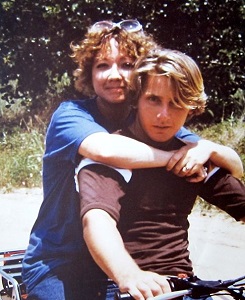
Hinton en de acteur Emilio Estevez die Two-Bit Matthews speelt in de gelijknamige film uit 1983.


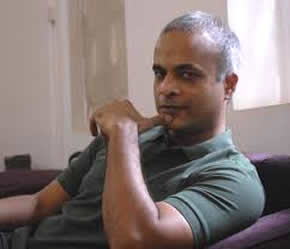
De Indiase schrijver en journalsit Manu Joseph werd geboren op 22 juli 1974 geboren in Kottayam en groeide op in Chennai. Zie ook alle tags voor Manu Joseph op dit blog.

Uit: Serious Men

“From behind, a girl with a bouncing pony tail and an iPod strung to her ears overtook him. Through her damp T-shirt he could see her firm youthful back. He quickened his pace, and regained his lead over her. And he tried to look at her face in the hope that she was not pretty. Beautiful women depressed him. They were like Mercedes, BlackBerry phones and sea-view homes. The girl met his eyes for an instant and looked away without feeling flattered. She had a haughty face that would be a pleasure to tame. With love, poetry or a leather belt, perhaps. Whatever she liked. Her face did not show anything, but it did grow more cold. She was aware that she was being watched, not just by a strange brisk man but also by the unending hordes of miserable people all around who spread dengue and scratched her car. They were always there on the fringes of her world, gawking at her the way stray dogs look at good stock. Ayyan slowed down and let her march ahead. A few feet away, a man stood still and stared at her. His head moved from left to right as she passed him. He was a short man who appeared to stand erect because his back was not long enough. Ayyan knew from the tension in his shirt that it was tucked straight into the underwear for a tighter grip. (The secret fashion of many men he knew.) A thin brown belt ran around his slender waist almost twice. His shirt pocket sagged under the weight of the many things it held. A red comb peeped from the back pocket of his trousers. 'Stop staring at that girl,' Ayyan said. The little man was startled. He then opened his mouth in a sporting but silent laugh. Transient strings of saliva ran from the upper jaw to the lower.
They went to one of the pink concrete benches that were dedicated to the memory of a departed member of the Rotary Club. 'Busy day,' the man said, flapping his thighs. 'I'm travelling. That's why I troubled you, Mani. I wanted to settle this fast.' It's all right, my friend,' Ayyan said, 'The important thing is that we have managed to meet.' He took out a piece of printed paper and handed it to him. 'All the details are in this,' Ayyan said. The man studied it more carefully than he probably wanted to. And he tried to appear nonchalant when the envelope full of cash was thrust towards his chest. After the little man left, with quick hectic steps to emphasize that he was busy, Ayyan continued to sit on the bench and stare. The game has to escalate, he told himself. It has to move to a different level. In a way, what he had just done was cruel. It was probably even a crime. But what must a man do? An ordinary clerk stranded in a big daunting world wants to feel the excitement of life, he wants to liberate his wife from the spell of jaundice-yellow walls. What must he do?”
 

 2057307-519d8c03a08883a4fe57fd90fa49e539.jpg
Manu Joseph (Kottayam 22 juli 1974)


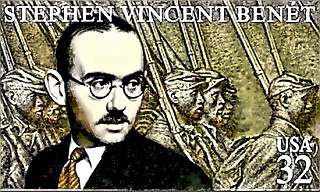
De Amerikaanse dichter en schrijver Stephen Vincent Benét werd geboren op 22 juli 1898 in Bethlehem, Pennsylvania. Zie ook alle tags voorStephen Vincent Benét op dit blog en ook mijn blog van 22 juli 2010.


Nos Immortales

Perhaps we go with wind and cloud and sun,
Into the free companionship of air;
Perhaps with sunsets when the day is done,
All's one to me -- I do not greatly care;
So long as there are brown hills -- and a tree
Like a mad prophet in a land of dearth --
And I can lie and hear eternally
The vast monotonous breathing of the earth.

I have known hours, slow and golden-glowing,
Lovely with laughter and suffused with light,
O Lord, in such a time appoint my going,
When the hands clench, and the cold face grows white,
And the spark dies within the feeble brain,
Spilling its star-dust back to dust again.


Campus Sonnets: Return - 1917

'The College will reopen Sept. -.'
`Catalogue'.

I was just aiming at the jagged hole
Torn in the yellow sandbags of their trench,
When something threw me sideways with a wrench,
And the skies seemed to shrivel like a scroll
And disappear . . . and propped against the bole
Of a big elm I lay, and watched the clouds
Float through the blue, deep sky in speckless crowds,
And I was clean again, and young, and whole.

Lord, what a dream that was! And what a doze
Waiting for Bill to come along to class!
I've cut it now - and he - Oh, hello, Fred!
Why, what's the matter? - here - don't be an ass,
Sit down and tell me! - What do you suppose?
I dreamed I . . . am I . . . wounded? 'You are dead.'
 

 2057307-f9fa16e1c0a2b2ad2d702c096200ff42.jpg
Stephen Vincent Benét (22 juli 1898 – 13 maart 1943)


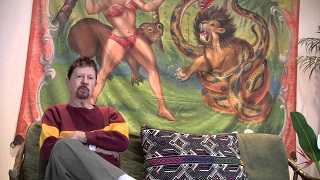
De Amerikaanse schrijver Tom Robbins werd geboren op 22 juli 1936 in Blowing Rock, North Carolina. Zie ook alle tags voor Tom Robbins op dit blog en ook mijn blog van 22 juli 2010.

Uit:Fierce Invalids Home from Hot Climates

“All depression has its roots in self-pity, and all self-pity is rooted in people taking themselves too seriously."
At the time Switters had disputed her assertion. Even at seventeen, he was aware that depression could have chemical causes.
"The key word here is roots," Maestra had countered. "The roots of depression. For most people, self-awareness and self-pity blossom simultaneously in early adolescence. It's about that time that we start viewing the world as something other than a whoop-de-doo playground, we start to experience personally how threatening it can e, how cruel and unjust. At the very moment when we become, for the first time, both introspective and socially conscientious, we receive the bad news that the world, by and large, doesn't give a rat's ass. Even an old tomato like me can recall how painful, scary, and disillusioning that realization was. So, there's a tendency, then, to slip into rage and self-pity, which if indulged, can fester into bouts of depression."
"Yeah but Maestra - "
"Don't interrupt. Now, unless someone stronger and wiser - a friend, a parent, a novelist, filmmaker, teacher, or musician - can josh us out of it, can elevate us and show us how petty and pompous and monumentally useless it is to take ourselves so seriously, then depression can become a habit, which, in tern, can produce a neurological imprint.
Are you with me? Gradually, our brain chemistry becomes conditioned to react to negative stimuli in a particular, predictable way. One thing'll go wrong and it'll automatically switch on its blender and mix us that black cocktail, the ol' doomsday daiquiri, and before we know it, we're soused to the gills from the inside out. Once depression has become electrochemically integrated, it can be extremely difficult to philosophically or psychologically override it; by then it's playing by physical rules, a whole different ball game. That's why Switters my dearest, every time you've shown signs of feeling sorry for yourself, I've played my blues records really loud or read to you from The Horse's Mouth. And that's why when you've exhibited the slightest tendency toward self-importance, I've reminded you that you and me - you and I: excuse me - may be every bit as important as the President or the pope or the biggest prime-time icon in Hollywood, but none of us is much more than a pimple on the ass-end of creation, so let's not get carried away with ourselves. Preventive medicine, boy. It's preventive medicine."
 

 2057307-0f4613aaf06306eb10dc934abf3d6de4.jpg
Tom Robbins (Blowing Rock, 22 juli 1936)


Zie voor nog meer schrijvers van de 22e juli ook mijn vorige blog van vandaag.
Geschreven door Romenu om 11:25 Reageer op dit bericht

Maria Janitschek, Oskar Maria Graf, Emma Lazarus, Per Hojholt, Jakob Lorber

De Duitse schrijver Oskar Maria Graf werd geboren op 22 juli 1894 in Berg am Starnberger See. Zie ook alle tags voor Oskar Maria Graf op dit blog en ook mijn blog van 22 juli 2010.

Uit: Das Leben meiner Mutter

„Nachdem mit der Zeit die Gesichtszüge des Kindes deutlicher geworden waren und insbesondere die breiten, stark hervortretenden Backenknochen mit den tief dahinterliegenden kleinen graugrünen Augen das Eigentümliche des Geschlechtes mehr und mehr sichtbar machten, meinte sein Vater mitunter, die Res' sei durch und durch eine echte Heimrathische. Er sagte es sicherlich nicht aus irgendeiner besonderen Hinneigung, denn mit den Kindern machte man beim Heimrath kein großes Aufheben. Jedes Jahr wurde eins geboren. Starb es, so war es schade darum, blieb es am Leben, war es gut. Wahrscheinlich erinnerte das Gesicht der Resl den Bauern an seine Väter und Urväter und heimelte ihn an. Die Heimraths lebten seit Jahrhunderten auf dem einsamen Bauernhof in Aufhausen. Es gab dort nur noch das weit kleinere Lechnerhaus, und erst in den letzten Jahren nach dem Weltkrieg ist ein gräfliches Gut dazugekommen. Die alte, breite Fahrstraße, die vom hochgelegenen, weithin sichtbaren Aufkirchen in südöstlicher Richtung talabwärts läuft, führt am Hof vorbei, rinnt kurz darauf in einen weit ausgedehnten Fichtenwald und erreicht schließlich nach langen Windungen durch eine triste Moorgegend, in welcher nur wenige niedere, winklige Häuser armer Torfstecher stehen, den ansehnlichen Marktflecken Wolfratshausen. Aufhausen liegt in einer tellerflachen Mulde, die linkerseite sich aufschließt und schräg abfällt. Weite grüne Wiesen, fruchtbare Äcker und friedliche Wälder, die die fernen, leicht gewellten Hügel verdunkeln, breiten sich rundherum aus. Auf der einzigen Straße ächzen schwere Fuhrwerke dahin Wandernde Zigeuner ziehen am Hof vorüber und kampieren mitunter einige Tage am Waldrand. Fremde städtische Menschen tauchen ganz selten auf. Gleichgültig schauen sie die paar Häuser an und gehen weiter. Es mag vorkommen, daß einmal ein Hausierer nach langem Gerede in Aufhausen etwas von seiner Ware absetzt.“


 2057294-6ef09859c187de09052a71d7d42b29e3.png
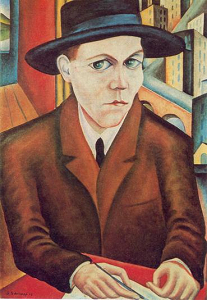
Oskar Maria Graf (22 juli 1894 - 28 juni 1967)
Portret door Georg Schrimpf, 1927


De Duitse dichteres en schrijfster Maria Janitschek (geb. Tölk) werd geboren op 22 juli 1859 in Mödling bij Wenen. Zie ook alle tags voor Maria Janitschek op dit blog en ook mijn blog van 22 juli 2010.


Der Gast
 
In meiner Kammer,
wo die Sonne es sieht,
Sitzt im weißen Kleide
mein jüngstes Lied.
 
Sitzt da und lächelt:
nun diene mir,
bin deshalb kommen
so schön zu dir.
 
Ich aber knie
ganz stumm mich hin,
mir ist, als ob ich
im Himmel bin.


Raststätte

Ich weiß eine Kirche;
hochschlanke Säulen
tragen ihr köstliches Dach.
Nach Ewigkeit riechts
in ihrer Halle,
nach feuchtem Moder
und verborgenen Narzissen.

Liebfromme Sänger
singen Cantaten,
und amt den hohen
luftigen Thoren
wachen Winde
mit geschlossenen Flügeln.

Über den Säulen aber
Sah ich walten
das herrlichste Gnadenbild:
Die Morgensonne
tränkte die durstigen Wipfel der Bäume
mit frischen Quellen
stärkenden Lichts ...

O Wald, Wald,
du von heimlichen Liebesworten Gottes
Erklingender!


 2057294-41df04e709a6de9c15de35ce592dc155.jpg
Maria Janitschek (22 juli 1859 – 28 april 1927)
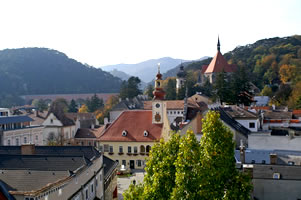
Mödling


 De Amerikaanse dichteres Emma Lazarus werd geboren op 22 juli 1849 in New York. Zie ook mijn blog van 22 juli 2010 en eveneens alle tags voor Emma Lazarus op dit blog.


Song From Heine

MY heart, my heart is heavy,
Though merrily blooms the May;
Out on the ancient bastion,
Under the lindens I stay.
There stands by yon gray old tower,
The sentry-house of the town;
A red clad peasant soldier
Goes pacing up and down.
He toys with his shining musket,
That gleams in the sunset red,
Presenting and shouldering arms now,—
I wish he would shoot me dead!


Sonnet

Still northward is the central mount of Maine,
From whose high crown the rugged forests seem
Like shaven lawns, and lakes with frequent gleam,
'Like broken mirrors,' flash back light again.
Eastward the sea, with its majestic plain,
Endless, of radiant, restless blue, superb
With might and music, whether storms perturb
Its reckless waves, or halcyon winds that reign,
Make it serene as wisdom. Storied Spain
Is the next coast, and yet we may not sigh
For lands beyond the inexorable main;
Our noble scenes have yet no history.
All subtler charms than those that feed the eye,
Our lives must give them; 'tis an aim austere,
But opes new vistas, and a pathway clear.


 2057294-40bf8b6f234ef8b702c46c26be241ba1.jpg
Emma Lazarus (22 juli 1849 – 19 november 1887)
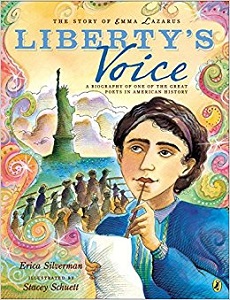
Cover biografie


De Deense dichter en schrijver Per Højholt werd geboren op 22 juli 1928 in Esbjerg. Zie ook alle tags voor Per Højholt op dit blogen ook mijn blog van 22 juli 2010


Die deutliche Amsel

Eine Amsel kommt geflogen
aus dem Nebelinnern

hier sitzt sie nun
und singt auf einer nassen Latschenkiefer

gleich fliegt sie zurück
zur Natur


Idylle, katastrophal

Zur Zeit fallen Mauern, kann sein, aber jedenfalls
wohl nicht die sonnenwarme, weiße, an die ich mich lehne
zwar habe ich von Balkons gehört, die ihren Geist aufgaben
bei einem schlichten Niesen, deiner aber ist fest verankert und hat Geranien
so daß ich eigentlich gerade glauben wollte, ich würde diesen Sonntag
bei euch mit Tee und klitzekleinen englischen Keksen überleben
aber als du anfingst die Unterhaltung mit Metaphern und Poesie
aus eigener Herstellung zu behelligen, ging es doch schief:
Die Geranien rochen plötzlich nach Tod, ich bekam eine Leiche
in die Pfeife, und unten auf der sonntagsleeren Straße hielt
plötzlich ein viel zu langes schwarzes Taxi mit laufendem Motor


Vertaald door Peter Urban-Halle und Henning Vangsgaard


 2057294-b36f4e758da91e33de6eb312ea5d5b17.jpg
Per Højholt (22 juli 1928 – 16 oktober 2004)


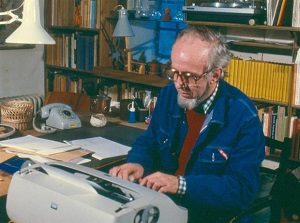
De Oostenrijkse mysticus, musicus en schrijver Jakob Lorber werd geboren in Kani¸a bijŠentilj, dat tegenwoordig deel uitmaakt van Slovenië, op 22 juli 1800. Zie ook alle tags voor Jakob Lorber op dit blog en ook mijn blog van 22 juli 2010

Uit: Kindheit und Jugend Jesu

„Und die Wehmutter erfreute sich dessen und führte den ihr wohlbekannten biederen, jungen Hauptmann hin, welcher ihr vor der Höhle gestand und sagte: »O Weib, wie leicht gehe ich in Rom zu meinem Kaiser, und wie schwer wird es mir hier, in diese Höhle einzutreten!
Das muß etwas Besonderes sein! Sage mir doch, ob du irgendeinen Grund weißt; denn ich weiß, daß du eine biedere Jüdin bist!«
Die Wehmutter aber sprach: »Guter Hauptmann des großen Kaisers! Harre hier vor der Höhle nur einen Augenblick; ich will hineingehen und will dir die Lösung bringen!«
Und sie ging hin und sagte es dem Joseph, daß der gute Hauptmann selbst draußen vor der Höhle harre, und daß er herein möchte, aber sich nicht getraue aus einem ihm unerklärlichen Grunde.
Als Joseph solches vernahm, ward er gerührt und sprach: »O Gott, wie gut bist Du, daß Du sogar das von mir in Freude verwandelst, davor ich mich am meisten gefürchtet habe! Darum sei Dir allein alles Lob und alle Ehre!«
Nach diesen Worten eilte er sogleich aus der Höhle und fiel dem Kornelius zu Füßen, sagend: »Machtträger des großen Kaisers, habe Erbarmen mit mir armem Greise! Siehe, mein junges Weib, das mir durchs Los im Tempel zuteil ward, hat hier sich entledigt ihrer Frucht diese Nacht, und gestern bin ich erst hier angekommen, daher mochte ich nicht mich sogleich bei dir melden lassen!"


 2057294-1e449fc411a40fe556458a073514f0e9.jpg
Jakob Lorber (22 juli 1800 - 24 augustus 1864)
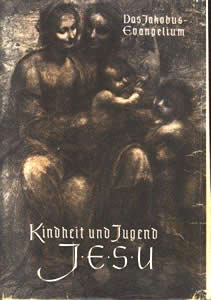
Cover

Geschreven door Romenu om 11:24 Reageer op dit bericht

Frouke Arns, Ernest Hemingway, Belcampo, Boris Dittrich , Hans Fallada, David Boerljoek


Dolce far niente – Bij de Nijmeegse Vierdaagse


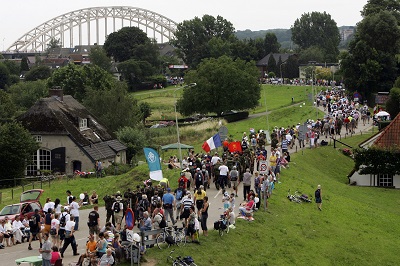
 2057103-11eb602216630b0cd8a299120e6f52aa.jpg
Wandelaars tijdens de Vierdaagse van Nijmegen


Roem en blaren

dit vallen in de voetstappen van hen
die voor je gingen gaat je goed af;
zwaaiend doe je voort, aangespoord door
duizend klanken langs de weg

als lava stroom je door de straten,
geeft je glimlach aan elk gezicht,
in iedere taal een nieuwe vriend

in de vroegte op de Wedren moedigt
de laatste lichting uit de kroeg je aan
twee werelden die elkaar hier raken –
ieder draagt zijn eigen kruis

in de maat van het legioen ga ook jij
de eindstreep halen; op de Via Gladiola
wachten zwaardlelies jouw komst

en de stad, zij heeft de tijd, deinend staat zij
aan haar kade middenin het feestgedruis
straks ga je naar huis, zijn haar straten vreemd
sereen, geeft je eeuwige roem en blaren mee.


 2057103-2e730c57402b844b5bfc1762ae63c794.jpg
Frouke Arns (Handorf, 1964)
Handorf. Frouke Arnswas in 2015 en 2016 stadsdichter van Nijmegen.


De Amerikaanse schrijver Ernest Hemingway werd geboren op 21 juli 1899 in Oak Park, Illinois. Zie ook mijn blog van 21 juli 2010 en eveneens alle tags voor Ernest Hemingway op dit blog.

Uit: A Moveable Feast

“It was a pleasant café, warm and clean and friendly, and I hung up my old waterproof on the coat rack to dry and put my worn and weathered felt hat on the rack above the bench and ordered a café au lait. The waiter brought it and I took out a notebook from the pocket of the coat and a pencil and started to write. I was writing about up in Michigan and since it was a wild, cold, blowing day it was that sort of day in the story. I had already seen the end of fall come through boyhood, youth and young manhood, and in one place you could write about it better than in another. That was called transplanting yourself, I thought, and it could be as necessary with people as with other sorts of growing things. But in the story the boys were drinking and this made me thirsty and I ordered a rum St. James. This tasted wonderful on the cold day and I kept on writing, feeling very well and feeling the good Martinique rum warm me all through my body and my spirit. A girl came in the café and sat by herself at a table near the window. She was very pretty with a face fresh as a newly minted coin if they minted coins in smooth flesh with rain-freshened skin, and her hair black as a crow's wing and cut sharply and diagonally across her cheek. I looked at her and she disturbed me and made me very excited. I wished I could put her in the story, or anywhere, but she had placed herself so she could watch the street and the entry and I knew she was waiting for someone. So I went on writing. The story was writing itself and I was having a hard time keeping up with it. I ordered another rum St. James and I watched the girl whenever I looked up, or when I sharpened the pencil with a pencil sharpener with the shavings curling into the saucer under my drink. I've seen you, beauty, and you belong to me now, whoever you are waiting for and if I never see you again, I thought. You belong to me and all Paris belongs to me and I belong to this notebook and this pencil. Then I went back to writing and I entered far into the story and was lost in it. I was writing it now and it was not writing itself and I did not look up nor know anything about the time nor think where I was nor order any more rum St. James. I was tired of rum St. James without thinking about it. Then the story was finished and I was very tired. I read the last paragraph and then I looked up and looked for the girl and she had gone.”


 2057103-ae603ef8271af3d9d256aafd5fd8f8a8.jpg
Ernest Hemingway (21 juli 1899 – 2 juli 1961)
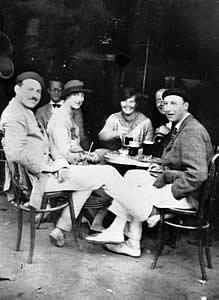
Ernest Hemingway (links) met vrienden in een café in Parijs


De Nederlandse schrijver Belcampo werd in Naarden geboren op 21 juli 1902 als Herman Pieter Schönfeld Wichers. Zie ook mijn blog van 21 juli 2010 en eveneens alle tags voor Belcampo op dit blog.

Uit: De surprise

“Waarvoor stroomt mijn bloed in godsnaam door mijn aderen,' verzuchtte Eugène van Sonswyck terwijl hij, gemakkelijk gestrekt en met een boek op zijn schoot, een luie stoel bezwaarde. Waarom ben ik er? Waarom is alles er? Waarom lees ik eigenlijk? Wat heb ik met gedachten van anderen te maken! Eens hoopte ik nog dat daar wat in te vinden was, dat anderen het mij konden zeggen, mij de weg wijzen, ergens naartoe', en, zijn blikken richtend op een enorme, dicht gevulde boekenwand: 'Al die delen waar ik uitkomst van verwachtte; een ondoordringbare muur, een blinde muur. Nee, gedachten van anderen hebben voor mij afgedaan. En mijn eigen gedachten dan, heb ik daar eigenlijk wél iets mee te maken? Zijn ze wel echt van mij! Of wordt er enkel door een ander in mij gedacht? Door een intelligentie, ergens ver weg. Zoals ook een schrijver zijn personages met gedachten vult. Zijn mijn hersens soms lege hulzen waar niet eens gedachten in horen? Dat ze zich daar hebben genesteld als ratten in een kelder, er bezit van hebben genomen. En wij maar denken dat we denken. Misschien is het hele denken wel een vergissing, een fout in de regie. Het hele leven. Waarom blijft niet alles waar het hoort? In zijn onbekende bedding, in de bedding van het niets. Af en toe gaat er iets mis, of slaat op hol, en dat wordt dan levend. Elke geboorte is een ontsporing, een kortsluiting, misschien wel een ontploffing, een ontploffing van cellen. En wij zitten ermee. Iedereen zit met het leven in zijn maag, of hij het wil weten of niet.' De man die al deze overpeinzingen slaakte was een keurig verzorgd, knap en welgebouwd jongmens van minstens vijfentwintig jaar en wiens uitwendig voorkomen geheel in overeenstemming was met de smaakvolle inrichting van het hem omgevende vertrek, de typische herenkamer van een rijk en verwend vrijgezel. Zijn trieste gedachteloop werd onderbroken, of misschien ook wel niet, door de binnenkomst van een nog welig bloeiende vrouw met een theeblad voor zich uit waarop een koffieservies. Zij zet het neer op het kortpotig tafeltje dat, zoals in tal van moderne interieurs, laag bij de grond een middelpunt probeerde te vormen.”


 2057103-ecce0a21718e4e07c2b013aea7d18df3.jpg
Belcampo (21 juli 1902 – 2 januari 1990)
Scene uit de gelijknamige film uit 2015 met Georgina Verbaan en Jeroen van Koningsbrugge


De Nederlandse schrijver, mensenrechtenactivist en oud-politicus Boris Dittrich werd geboren in Utrecht op 21 juli 1955. Zie ook alle tags voor Boris Dittrich op dit blog.

Uit: Moord en Brand

“Dat bleek niet het geval. Gary adviseerde om niet op de aanvraag voor het onderhoud in te gaan: `Wij moeten niet betrokken willen raken in een Nederlands onderzoek. Straks wordt er nog een parlementaire enquête naar de zaak-Korff ingesteld en loopt u de kans opgeroepen te worden uw verklaring in het parlement toe te lichten.' Maar ambassadeur Weislogel heeft door zijn ontmoeting met Korff en de enorme hoeveelheid publiciteit een grote fascinatie voor de zaak ontwikkeld. Hij besloot de aanvraag voor een gesprek off the record te honoreren. Toen hij net als ambassadeur aan de slag was gegaan, werkte hij volgens het draaiboek dat het Amerikaanse State Department voor beginnende ambassadeurs heeft opgesteld. Het eerste hoofdstuk daaruit spoort de nieuwe ambassadeur aan intensief gesprekken te voeren met sleutelfiguren uit de samenleving, om zo een goed beeld te krijgen wie de Amerikaanse belangen het best kunnen helpen dienen. Zijn voorgangers hadden baat bij een dergelijke aanpak. In kwesties als de politieke steun voor de oorlog in Irak of de militaire aanwezigheid in Afghanistan hadden de oriënterende gesprekken hun waarde in het verleden bewezen. De ambassadestaf had dossiers aangemaakt met informatie over iedere gesprekspartner. Voor elke bespreking bestudeerde de ambassadeur de notities. In de ontmoetingen verstrekte Weislogel achteloos gedetailleerde feiten. Hardop nadenkend, alsof hij naar woorden zocht, stelde hij van tevoren ingestudeerde vragen. De truc werkte. Zijn gesprekspartners bewonderden zijn kennis van zaken. `Heel wat beter dan de kippenboer, de kunsthistorica of de onroerendgoedmagnaat die hem zijn voorgegaan,' zoemde het rond in de elitekringen van Nederland. Weislogel concentreerde zich op de zakenwereld, de overheid en de politiek. In hun enthousiasme namen zijn gesprekspartners geen blad voor de mond. Ze stortten hun hart uit, wezen de ambassadeur op tekortkomingen van anderen en prezen zichzelf de hemel in. In korte tijd leerde Scott Weislogel de eigenaardigheden van de Nederlandse samenleving doorgronden. En nu wilde hij achterhalen of er nieuwe ontwikkelingen waren in het onderzoek naar de zaak-Korff.”


 2057103-1bd3c7e4fa5a0af1c9eb0bf84c9f8997.jpg
Boris Dittrich (Utrecht, 21 juli 1955)
Cover


De Duitse schrijver Hans Fallada (eig. Rudolf Ditzen) werd geboren in Greifswald op 21 juli 1893 als de zoon van een jurist. Zie ook alle tags voor Hans Fallada op dit blog en ook mijn blog van 21 juli 2010.

Uit:Kleiner Mann - was nun?

«So müßte man wohnen können», denkt Pinneberg. «Si-cher hat dieser Sesam sieben Zimmer. Muß ein klotziges Geld verdienen. Er wird Miete zahlen ... zweihundert Mark? Dreihundert Mark? Ach was, ich habe keine Ahnung. — Zehn Minuten nach vier!» Pinneberg greift in die Tasche, holt aus dem Etui eine Zi-garette und brennt sie an. Um die Ecke weht Lämmchen, im plissierten weißen Rock, der Rohseidenbluse, ohne Hut, die blonden Haare verweht. «Tag, Junge. Es ging wirklich nicht eher. Böse?» «Keine Spur. Nur, wir werden endlos sitzen müssen. Es sind mindestens dreißig Leute reingegangen, seit ich warte.» «Sie werden ja nicht alle zum Doktor gegangen sein. Und dann sind wir ja angemeldet.» «Siehst du, daß es richtig war, daß wir uns angemeldet haben!» «Natürlich war es richtig. Du hast ja immer recht, Junge!» Und auf der Treppe nimmt sie seinen Kopf zwi-schen die Hände und küßt ihn stürmisch. «0 Gott, ich bin glücklich, daß ich dich mal wieder habe, Junge. Denke doch, beinahe vierzehn Tage!» «Ja, Lämmchen», antwortet er. «Ich bin auch nicht mehr brummig.» Die Tür geht auf, und im halbdunklen Flur steht ein wei-ßer Schemen vor ihnen, bellt: «Die Krankenscheine!» «Lassen Sie einen doch erst mal rein», sagt Pinneberg und schiebt Lämmchen vor sich her. «Übrigens sind wir privat. Ich bin angemeldet. Pinneberg ist mein Name.» Auf das Wort «Privat» hin hebt der Schemen die I Land und schaltet das Licht auf dem Flur ein. «Herr Doktor kommt sofort. Einen Augenblick, bitte. Bitte, dort hin-ein.»


 2057103-e35a3a38540395e4b289265ee3d016bc.jpg
Hans Fallada (21 juli 1893 – 5 februari 1947)
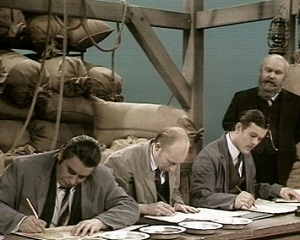
Scene uit een toneeluitvoering in Bochum, 1973


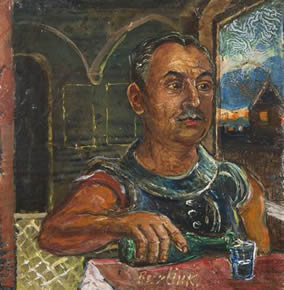
De Russisch-Amerikaanse dichter, schrijver en schilder David Davidovitsj Boerljoek werd geboren in Semirotowschtschina, nabij Charkov, op 21 juli 1882. Zie ook alle tags voor David Boerljoek op dit blog.

Uit: Predky moi

« I could write a whole book about my ancestors. And I will write it some day, when I have more time. Now I am writing in Russian, but later maybe I will turn to my native Ukrainian, for I was born in Ukraine. • • • Ukraine was and remains my homeland, because I was born in Ukraine, .. the bones of my ancestors, free Cossacks, who fought in the name of glory, power and freedom are buried there.... • What unites them [my ancestors] into one general type? Determina-tion, character, the desire to obtain a set goal. All my life I have felt these traits within me. . . . However, my deter-mination was aimed at overcoming an old, outdated taste and at introduc-ing a new art; a wild beauty into life. ... My father wrote poetry in Russian and Ukrainian (although he did not write much in his native language). . . . In 1915, I painted the picture "Sviatoslav" in the style of ancient Ukrainian painting. As far as the dominance of one or another color scheme in my work, I have to say, that in my person Ukraine has its most faithful son. My color schemes are deeply national. Orange, greenish-yellow, red, and blue tones gush like Niagaras from beneath my brush. When I. paint, it seems to me, that I am a savage rubbing he stick of one color against another in order to obtain a certain color effect. The effect of flames. The effect of passion, the sexual arousal of one color's charac-teristic features and peculiarities by another.... A child of the Ukrainian steppes, I have always been most partial to horizontal formats. ... It would be a good idea to transfer a part of my paintings to Ukraine, my beloved homeland...”


 2057103-087ce3285db5bb70d401e96787a5a72d.jpg
David Boerljoek (21 juli 1882 – 15 januari 1967)
Zelfportret van de kunstenaar die een drankje inschenkt aan een tafel


Zie voor nog meer schrijvers van de 21e juli ook mijn blog van 21 juli 2016 en ook mijn blog van 21 juli 2011 deel 1 en eveneens deel 2.

Geschreven door Romenu om 16:51 Reageer op dit bericht

Ernest Farrés

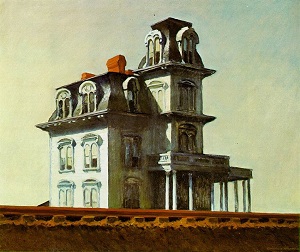
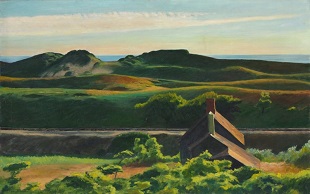
De Catalaanse dichter Ernest Farrés i Junyent werd in Igualada geboren op 21 juli 1967 en woont in Barcelona. Hij werkt als journalist en redacteur voor het supplement van La Vanguardia, Farrés publiceerde zes dichtbundels: “Clavar-ne una al mall i l'altra a l'enclusa” (1996), “Mosquits” (1998), “Edward Hopper” (2006), “Els efectes imprevisibles dels camps magnètics” (2011), “Blitzkrieg” (2011) en “Los Angeles” (2015), met illustraties van Joan Longas. Elk gedicht in het tweetalige “Edward Hopper”, waarvoor hij de Englantina d'Or van de Jocs Florals van Barcelona ontving, is gebaseerd op een schilderij van de Amerikaanse kunstenaar. Farrés heeft ook een bloemlezing uitgegeven van de hedendaagse Catalaanse poëzie, “21 poetes del XXI”(2001). In Spanje is Edward Hopper zowel in het Catalaans als het Spaans bewerkt voor het toneel. Engelse vertalingen van Farrés 'gedichten zijn verschenen in Calque, The Nation, PN Review, Two Lines, Words without Borders, World Literature Today en Zoland Poetry. Voor zijn blog “La República Poètica de l'Ernest Farrés” ontving hij in 2010 de Vila Martorell-prijs voor literatuurblogs in het Catalaans.


 2150429-fe41585f8075a5f9cfad3f38a9056ab2.jpg
House by the Railroad door Edward Hopper, 1925


House by the Railroad, 1925

I fantasize that luck is placed
within my reach. Of course, there's different kinds.
Take the kind that turns up ad hoc, for instance,
and the kind that unfolds
backwards. There are deficits and surpluses
of luck. By the same token, we have good luck,
everyday luck, luck-you-don't-remember,
and bad luck, a.k.a. misfortune.
Luck that puts us on easy street and luck
that’s an asp, a scorpion fish, a wild boar, a starling.
I have a vision of train tracks half covered
with grass and rust, hurling themselves
—like a jagged line or a blade
with an iridescence that catches you by surprise—
against a tomorrow without an Achilles’ heel.
And I imagine who-knows-what plains
and mountains untouched by human hand
and still not weatherproofed
at the mercy of nor’easters, downpours, and heat.
But the fantasies don't stop here.
Like the rip in a memory of a past life,
another jolts my mind:
I recognize myself holding vigil
inside a huge Victorian house,
vacant, foreboding, phantasmagorical,
without going crazy for what I can't possess
yet cut off from the world, supreme example
of original innocence.


 2150429-a36c728256721fd7de4570923ed6235b.jpeg
Hills South Truro door Edward Hopper 1930


Hills, South Truro, 1930

I climbed to the very top of the mountain
to speak to myself.
You know,
about the present, the future.
                                         Bared to the sun,
I held the prerogative
of seeing many things coming to pass.
It must be due to the scent of earth
and distant sea, which were consoling.
It must be due to birdsong. It must be
due to trains. Is it due to the grandeur
of this vista?
                  As the sun
beat down I allowed my gaze to range
and understood my limits and that a slew
of pot-boilers hinders me. That I am diverted
by punk points of light. That I dedicate
no immortality to doing nothing.
That I hear a whisper from inside.

I utter not a word and the surrounding world
suddenly possesses me and bears me away.
I grow lighter. Become leaf-bearing
and even burst into bloom. From the peak
I delight in the superhuman
contemplation of dominions.

But thereafter my lot will be
to descend to the plain, returning
to my kind, and thus, as if I were such,
I shall resume an everyday likeness
squandering time and resources.


Vertaald door Lawrence Venuti


 2150429-2ca4a55a4c35340e00cfb534d493c254.jpg
Ernest Farrés (Igualada, 21 juli 1967)

Geschreven door Romenu om 00:00 Reageer op dit bericht

Sarah Waters

De Britse schrijfster Sarah Waters werd geboren in Neyland, Wales, op 21 juli 1966. Ze ging daar ook naar school en bezocht later de universiteit van Canterbury waar ze haar doctoraat in Engelse literatuur verkreeg. Haar specialisering was moderne homoliteratuur vanaf de negentiende eeuw. Zij deed voor haar proefschrift onderzoek naar lesbische historische romans. Door een bestudering van de negentiende-eeuwse seksuele onderwerelden toont zij onder meer aan dat de voorstellingen die men tegenwoordig van (homo)seksualiteit in de Victoriaanse periode heeft, in het beste geval stereotiep en in het slechtste geval onjuist zijn. Haar werk voor haar promotiethesis inspireerde haar tot het schrijven van haar eigen lesbische historische romans waarin ze het Victoriaanse tijdperk nieuw leven inblaast. Door haar stijl, de periode waarin haar romans zich afspelen en het feit dat haar hoofdpersonages uit de onderklasse afkomstig zijn, wordt zij vaak vergeleken met Dickens. Zij ontving o.a. de Betty Trask Award, Somerset Maugham award, de Lambda Literary Award for Lesbian Fiction, Young Writer of the Year Award en de CWA Historical Dagger prizee. Twee van haar boeken werden door de BBC tot miniseries bewerkt. In 2002 verscheen “Tipping the Velvet” met Rachael Stirling en Keeley Hawes in de hoofdrollen. De serie zorgde voor enige opschudding, omdat op de BBC nog nooit eerder zulke expliciet (lesbische) erotische scènes werden uitgezonden. In 2005 werd Waters’ derde boek “Fingersmith” verfilmd, met Sally Hawkins, Elaine Cassidy en Rupert Evans in de belangrijkste rollen. In het voorjaar van 2006 verscheen haar vierde roman getiteld “The Night Watch” die zich tijdens de Tweede Wereldoorlog afspeelt.    

 Uit: Tipping the Velvet

“Have you ever tasted a Whitstable oyster? If you have, you will remember it. Some quirk of the Kentish coastline makes Whitstable natives – as they are properly called – the largest and the juiciest, the savouriest yet the subtlest, oysters in the whole of England. Whitstable oysters are, quite rightly, famous. The French, who are known for their sensitive palates, regularly cross the Channel for them; they are shipped, in barrels of ice, to the dining-tables of Hamburg and Berlin. Why, the King himself, I heard, makes special trips to Whitstable with Mrs Keppel, to eat oyster suppers in a private hotel; and as for the old Queen – she dined on a native a day (or so they say) till the day she died.
Did you ever go to Whitstable, and see the oyster-parlours there? My father kept one; I was born in it – do you recall a narrow, weather-boarded house, painted a flaking blue, half-way between the High Street and the harbour? Do you remember the bulging sign that hung above the door, that said that Astley's Oysters, the Best in Kent were to be had within? Did you, perhaps, push at that door, and step into the dim, low-ceilinged, fragrant room beyond it? Can you recall the tables with their chequered cloths – the bill of fare chalked on a board – the spirit-lamps, the sweating slabs of butter?
Were you served by a girl with a rosy cheek, and a saucy manner, and curls? That was my sister, Alice. Or was it a man, rather tall and stooping, with a snowy apron falling from the knot in his neck-tie to the bow in his boots? That was my father. Did you see, as the kitchen door swung to and fro, a lady stand frowning into the clouds of steam that rose from a pan of bubbling oyster soup, or a sizzling gridiron?
That was my mother.
And was there at her side a slender, white-faced, unremarkable- looking girl, with the sleeves of her dress rolled up to her elbows, and a lock of lank and colourless hair forever falling into her eye, and her lips continually moving to the words of some street-singer's or music-hall song?
That was me.
Like Molly Malone in the old ballad, I was a fishmonger, because my parents were. They kept the restaurant, and the rooms above it: I was raised an oyster-girl, and steeped in all the flavours of the trade. My first few childish steps I took around vats of sleeping natives and barrels of ice; before I was ever given a piece of chalk and a slate, I was handed an oysterknife and instructed in its use; while I was still lisping out my alphabet at the schoolmaster's knee, I could name you the contents of an oyster-cook's kitchen – could sample fish with a blindfold on, and tell you their variety. Whitstable was all the world to me, Astley's Parlour my own particular country, oyster-juice my medium. Although I didn't long believe the story told to me by Mother – that they had found me as a baby in an oyster-shell, and a greedy customer had almost eaten me for lunch – for eighteen years I never doubted my own oysterish sympathies, never looked far beyond my father's kitchen for occupation, or for love. »


 2068725-8f9c40a1487de73c4627d74f5f837d0d.jpg
Sarah Waters (Neyland, 21 juli 1966)

Geschreven door Romenu om 00:00 Reageer op dit bericht

Meer van Romenu

↑ Terug naar de berichten