

Naar de inhoud

Romenu

Over literatuur, gedichten, kunst en cultuur
akke.beakke.be

Berichten van 1 december 2017 tot 2 december 2017

Frédéric Leroy, Ann Patchett, Hein Boeken, T. C. Boyle, George Saunders, Botho Strauß, Jacques Lacarrière, Iakovos Kampanellis, Eric L. Harry
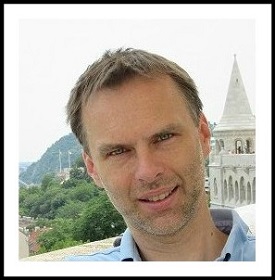
De Vlaamse dichter Frédéric Leroy werd geboren op 2 december 1974 in Blankenberge. Zie ook alle tags voor Frédéric Leroy op dit blog.


A la très pieuse

Bij stilte. Bij regen en zon, het luiden van
klokken. Wanneer in duisternis een kaars
wordt aangestoken en jij een kruis slaat.
Bij sterfte en geboorte. Bij overdaad.

Bij god en bij duivel, zo ontsluit jij de dagen:
met vingervlugge kruistekens. Regenspatjes
op een vijver. Alsof je uit je lichaam draadjes
plukt waarmee je aan de hemel werd geregen.

Laat ons over het lijden zwijgen (het lijden
is link en reusachtig en heeft een eigen stem).
Dit mag genoeg zijn: de kinderlijke verbazing
en het kruis op je lippen, je borsten, je lippen.


Terug naar Eden

Een gifgroene tuin, de mieren, de maden,
een leistenen cirkel en het spietsen van de grond
met afgerukte takken, de van kippenbloed dronken,
daverende bodem en de grote, grijze man
met de bijl.

Ik dank je, grote, grijze man: het was
een wonderlijke, groene tuin, onze tuin,
een paradijs met bloedfonteinen. Ik doopte
twijgjes in rode plassen en was
een lachende kleuter.

En hier, waar het gras wat geler is: hier
stookte ik de eerste vuurtjes, verbrandde
droge, krakende bladeren, later alles
wat ik vinden kon. Hier was niets
dat bloemen droeg.


Ontbijtintimiteiten (ochtendfruit)

Met een frambozenmondje nip je van
een kopje groene thee, tevreden wip
je zachtjes op het topje van je stoel,
had je niet liever wat gebleven, ik
bedoel, wij tweeën in het beddengoed?

Jij likt de honing, ik de ochtendgloed
die de zondagmorgenzon lachend
in je haren spelen laat - mijn hand
strijkt doorheen de restjes slaap die daar
nog stiekem kleven: clandestiene sterren.

Maar zoveel aandacht doet je blozen, dus
gooi ik maar wat vrolijk ochtendfruit:
een fraaie donkerrode kersenregen,
een appel en een drietal abrikozen.


 2097779-bffa552e4fee7e9a97668fcd020bbdcb.jpg
Frédéric Leroy (Blankenberge, 2 december 1974)


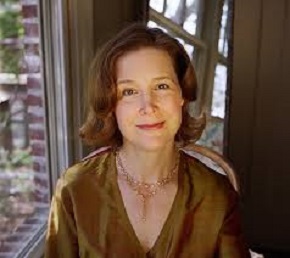
De Amerikaanse schrijfster Ann Patchett werd geboren in Los Angeles op 2 december 1963. Zie ook alle tags voor Ann Patchett op dit blog.

Uit: Commonwealth

“The children were seated across the aisle from one another, the boys on the left and the girls on the right, and each was given a set of junior airman wings, which only Cal refused to wear. They were glad to be on the plane, glad to be free of direct supervision for six hours. As much as they hated to leave their mother—they were unquestionably loyal to their mother—the four Cousins children thought of themselves as Virginians, even the youngest two, who had been born after the family’s move west. All of the Cousins children hated California. They were sick of being shoved down the hallways of the Torrance Unified School District. They were sick of the bus that picked them up on the corner every morning, and sick of the bus driver who would not cut them a break, even thirty seconds, if they were made late by Albie’s dawdling. They were sick of their mother, no matter how much they loved her, because she had on occasion cried when they returned to the house after missing the bus. Now she would be late for work. She went over it all again in the car as she drove them to school at terrifying speeds—she had to work, they couldn’t live on what their father gave them, she couldn’t afford to lose this job just because they weren’t responsible enough to walk to the goddamn corner on time. They blocked her out by pinching Albie, whose screams filled the car like mustard gas. More than anything they were sick of Albie, who had spilled his Coke all over the place and was at this very moment kicking the seat in front of him on the plane. Everything that happened was his fault. But they were sick of Cal too. He got to wear the house key on a dirty string around his neck because their mother told him it was his job to get everybody home after school and make them a snack. Cal was sick of doing it, and on most days he locked his sisters and brother out for at least an hour so that he could watch the television shows that he wanted to watch and clear his head. There was a hose on the side of the house and shade beneath the carport. It wasn’t like they were going to die. When their mother came home from work they met her at the door screaming about the tyranny of their situation. They lied about having done their homework, except for Holly, who always did her homework, sometimes sitting Indian-style under the carport with her books in her lap, because she lived for the positive reinforcement her teachers heaped on her. They were sick of Holly and the superiority of her good grades. Really, the only person they weren’t sick of was Jeanette, and that was because they never thought about her. She had retreated into a silence that any parent would have asked a teacher or a pediatrician about had they noticed it, but no one noticed. Jeanette was sick of that.”
 

 2097779-29f977128fd10bab6d498deea211d9d7.jpg
Ann Patchett (Los Angeles, 2 december 1963)


De Nederlandse dichter en schrijver Hein (Hendrik Jan) Boeken werd geboren in Amsterdam op 2 december 1861. Zie ook alle tags voor Hein Boeken op dit blog.


Herfst

En in de lucht des vochten uchtends hangen
De laatste dunne blaad'ren van het jaar,
Als in het zwarte takkennet gevangen,
Met fijne glans van kleuren naast elkaar.

Zo louterde de pracht zich van de lange
En luide lichttijd en de brede schaar
Van groengedoste bomen, tot die bange
En tere lichtkleur van het late jaar.

Die blaadren schenen mij een vreemd gezicht
Van schone zielen uit veel enge pijn
En godgelijk genot alhaast gevlucht.

Hun laatste middag komt met zomerschijn
Van gouden stralen uit de hoge lucht
En drupplen tintlend in het laatste licht.


Narcissus of water-spiegeling in Amsterdam

Waar water is, wordt alles opgetild.
0 zie die waatren eens rechtlijnig schieten
De brug door tot zo welige verschieten
Dat graft-laan lijken gaat een woud-laan mild
En midde' in stad als eenzame woud-stilt'.
Wat zo de leste wolkjes daarin lieten
Voor donkre diept' haar leste blos verschieten
Eer nog een huivring over 't licht vlak rift?
De hemel kijkt tot onder in de stad.
De hemel kijkt weer uit de diept' naar boven,
Alsof de stad haar fundamenten had
Ver in het diep der hemelse licht-hoven.
ZO strekk' mijn ziel der wereld tot een bad,
Welks waatren niet haar hemel-lichten doven!
 

 2097779-6b08e41c3e787885e77d6d1a684e50b7.jpg
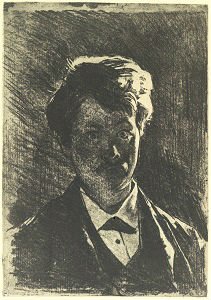
Hein Boeken (2 december 1861 – 19 oktober 1933)
Portret door Willem Witsen, 1891


De Amerikaanse schrijver Thomas Coraghessan Boyle werd geboren op 2 december 1948 in Peekskill, New York. Zie ook alle tags voor T. C. Boyle op dit blog.

Uit: The Tortilla Curtain

“He was about to give it up and jog to the lumberyard for help, for the police, an ambulance--they'd know what to do--when a glint of light caught his eye through the scrim of brush.  He staggered forward blindly, stupidly, like a fish to a lure--he wanted to do the right thing, wanted to help, he did.  But almost as quickly, he caught himself.  This glint wasn't what he'd expected--no coin or crucifix, no belt buckle, key chain, medal or steel-toed boot wrenched from the victim's foot--just a shopping cart, pocked with rust and concealed in the bushes beside a rough trail that plunged steeply down the hillside, vanishing round a right-angle bend no more than twenty feet away.
Delaney called out again.  Cupped his hands and shouted.  And then he straightened up, wary suddenly, catlike and alert.  At five-foot-nine and a hundred and sixty-five pounds, he was compact, heavy in the shoulders and with a natural hunch that made him look as if he were perpetually in danger of pitching forward on his face, but he was in good shape and ready for anything.  What startled him to alertness was the sudden certainty that the whole thing had been staged--he'd read about this sort of operation in the Metro section, gangs faking accidents and preying on the unsuspecting, law-abiding, compliant and fully insured motorist . . .  But then where was the gang?  Down the path?  Huddled round the bend waiting for him to take that first fatal step off the shoulder and out of sight of the road?
He might have gone on speculating for the rest of the afternoon, the vanishing victim a case for Unsolved Mysteries or the Home Video Network, if he hadn't become aware of the faintest murmur from the clump of vegetation to his immediate right.  But it was more than a murmur--it was a deep aching guttural moan that made something catch in his throat, an expression of the most primitive and elemental experience we know: pain.  Delaney's gaze jumped from the shopping cart to the path and then to the bush at his right, and there he was, the daredevil, the suicide, the jack-in-the-box who'd popped up in front of his bumper and ruined his afternoon.  The man was on his back, limbs dangling, as loose-jointed as a doll flung in a corner by an imperious little girl.  A trail of blood, thick as a finger, leaked from the corner of his mouth, and Delaney couldn't remember ever having seen anything so bright.  Two eyes, dull with pain, locked on him like a set of jaws.”

 

 2097779-69640ef0498556052d1a8888364d32a2.jpg
T. C. Boyle (Peekskill, 2 december 1948)
Cover 


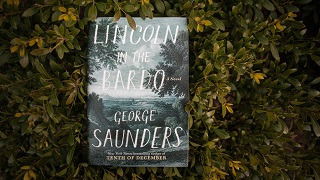
De Amerikaanse schrijver George Saunders werd geboren op 2 december 1958 in Chicago. Zie ook alle tags voor George Saunders op dit blog en ook mijn blog van 2 december 2009.

Uit: Lincoln in the Bardo

“Yesterday around three there came a considerable procession— perhaps twenty carriages and nowhere to put them— They stopped on the lawns of the houses and sat aslant on the cemetery land by the fence— And who should alight from the hearse but Mr. L. himself, whom I could recognize from his likeness— But sore bent down and sad in countenance, almost needing to be urged along, as if reluctant to enter that drear place— I had not yet heard the sad news & was momentarily puzzled but soon enough the situation being made clear I prayed for the boy & family— it has been much in the papers regarding his illness and it has had the unhappy outcome now— The carriages cont’d to arrive over the next hour until the street was impassable.The large crowd disappeared inside the chapel and from my open window I could hear the proceedings within: music, a sermon, weeping. Then the gathering dispersed & the carriages moved off, several becom-ing stuck & requiring unsticking, the street & lawns being left a consid-erable mess.Then today, again wet & cold, and, around two, a single small car-riage arrived & stopped at the cemetery gate & again the President got out, this time accompanied by three gentlemen: one young & two OLD.— they were met at the gate by Mr. Weston & his young assistant & all went off to the chapel— Before long, the assistant being joined by a helper, they were seen to be managing a small coffin on to a handcart & off the sad party went, cart in the lead, the President & his compan-ions plodding along behind— their destination appeared to be to the northwest corner of the cemetery. The hill there being steep and the rain continuing, it made a strange joining of somber melancholy & riotous awkwardness, the assistants struggling to keep the tiny coffin upon the cart— & at the same time all parties, even Mr. L., diligently mincing to maintain their footing on the rainslick grass.Anyway it appears the poor Lincoln child is to be left there across the road, contrary to reports in the newspapers, which ventured that he would be returning to Illinois forthwith.”
 

 2097779-1d946fbd3c017e0dac02c77872a64c46.jpg
George Saunders (Chicago, 2 december 1958)
Cover


De Duitse schrijver Botho Strauß werd geboren op 2 december 1944 in Naumburg an der Saale. Zie ook alle tags voor Botho Strauß op dit blog.

Uit: Drüben

“Hinter dem Fenster sitzt sie, es ist Sonntagnachmittag, und sie erwartet Tochter und Schwiegersohn zum Kaffee. Der Tisch ist seit langem für drei Personen gedeckt, die Obsttorte steht unter einer silbernen Glocke. Die alte Frau hat sich nach dem Mittagsschlaf umgezogen. Sie trägt jetzt ein russischgrünes Kostüm mit weißer Schluppenbluse. Sie hat ein Ohrgehänge mit Rubinen angelegt und die Fingernägel matt lackiert.
Sie sitzt neben der aufgezogenen Gardine im guten Zimmer, ihrem “Salon", und wartet. Seit bald vierzig Jahren lebt sie in dieser Wohnung im obersten Stockwerk eines alten, ehemaligen Badehotels. Die Zimmer sind alle niedrig und klein und liegen an einem dunklen Flur. Sie blickt durch ihr Fenster auf den Kurgarten und den lehmfarbenen Fluss, der träg durch den Ort zieht und ihn in zwei einander zugewandte Häuserzeilen teilt, in ein stilles, erwartungsloses Gegenüber von Schatten- und Sonnenseite. Auf der Straße vor dem Haus bewegt sich nur zäh der dichte Ausflugsverkehr.
Sie hält den Kopf aufgestützt und ein Finger liegt auf den lautlos sprechenden Lippen.
Nun wird sie doch ein wenig unruhig. Sie steht auf, rückt auf dem Tisch die Gedecke zurecht, faltet die Servietten neu, füllt die Kaffeesahne auf. Setzt sich wieder, legt die Hände lose in den Schoß. Wahrscheinlich sind sie in einen Stau geraten ...
Sie kommt in Gedanken und muss sich ablenken. Aus der Truhe holt sie die Häkeldecke, setzt die Brille auf. Doch das Warten ist stärker, es fordert, dass man sich still verhält, damit nichts Schlimmes passiert ist. Sie legt die angefangene Decke beiseite und blickt wieder hinaus auf den Fluss.
Am anderen Ufer, ihr gerade gegenüber, steht eine behäbige Gründerzeitvilla, etwas unförmig geworden durch etliche Erweiterungsbauten. In früherer Zeit der Ruhesitz eines berühmten Wagner-Sängers, stand sie lange baufällig und leer, bis vor wenigen Jahren ein Altersheim darin eingerichtet wurde“.

 

 2097779-5f145bff0afb74dee83a13dfba92b5d0.jpg
Botho Strauß (Naumburg, 2 december 1944)
Naumburg in de aanloop naar Kerstmis


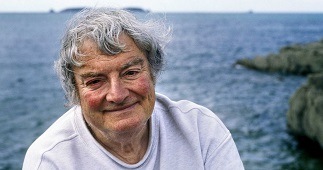
De Franse schrijver Jacques Lacarrière werd geboren op 2 december 1925 in Limoges. Zie ook alle tags voor Jacques Lacarrière op dit blog.

Uit: Les Gnostiques

« À dix-huit siècles de distance, la parole et l'exemple des gnostiques demeurent toujours aussi décapants. Avec ses tueries absurdes, ses violences quotidiennes, ses programmes d'abrutissement collectif, le monde d'aujourd'hui légitime au plus haut point le refus absolu que lui opposaient déjà ces lointains rebelles. Pour eux, une création pareillement ratée ne peut être le produit que d'un Dieu méchant, un Dieu ennemi de l'homme. "Viscéralement, impérieusement, irrémissiblement, note Lacarrière, le gnostique ressent la vie, la pensée, le devenir humain et planétaire comme une œuvre manquée, limitée, viciée dans ses structures les plus intimes. (...) Mais cette critique radicale de toute la création s'accompagne d'une certitude tout aussi radicale, qui la suppose et la sous-tend : à savoir qu'il existe en l'homme quelque chose qui échappe à la malédiction de ce monde, un feu, une étincelle, une lumière issue du vrai Dieu, lointain, inaccessible, étranger à l'ordre pervers de l'univers réel, et que la tâche de l'homme est de tenter, en s'arrachant aux sortilèges et aux illusions du réel, de regagner sa patrie perdue, de retrouver l'unité première et le royaume de ce Dieu inconnu, méconnu par toutes les religions antérieures."
 

 2097779-14e4cae9631fa994ccab2c774581bbab.jpg
Jacques Lacarrière (2 december 1925 - 17 september 2005)


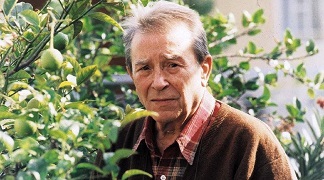
De Griekse dichter en schrijver Iakovos Kampanellis werd geboren op 2 december 1922 in Hora op het eiland Naxos. Zie ook alle tags voor Iakovos Kampanellis op dit blog en ook mijn blog van 2 december 2010.


Antonis

Da drüben auf der breiten Treppe
Dort auf der Treppe der Tränen
Dort in den tiefen Gruben
Dort im Steinbruch der Klagen
Laufen Juden und Partisanen
Und fallen Juden und Partisanen
Felsbrocken schleppend auf den Schultern
Felsbrocken, Zeichen des Todes.

Und dort hört Antonis eine Stimme
Und diese Stimme ruft:
“Ach, Kamerad, ach, Kamerad
Hilf mir, die Treppe zu steigen!”

Doch dort auf dieser breiten Treppe
Dort auf der Treppe der Tränen
Ist solche Hilfe nur Verwünschung
Fluch ist dort jegliches Mitleid.

Der Jude, er fällt dort auf der Treppe
Blutrot färbt sich die Treppe.
“Du, kräftiger Kerl, so komm doch her
Trag’ du die doppelte Last.”

“Ich nehme zwei, ich nehme drei
Ich bin es doch, bin Antonis
Ich sage dir: wenn du ein Mann bist
Komm auf den marmornen Dreschplatz.”


Vertaald door Helmut Schwäbl
 

 2097779-1491711d939991a8db0d01206f131220.jpg
Iakovos Kampanellis (2 december 1922 - 29 maart 2011)


De Amerikaanse schrijver Eric L. Harry werd geboren op 2 december 1958 in Ocean Springs, Mississippi. Zie ook alle tags voor Eric L. Harry op dit blog en ook mijn blog van 2 december 2009.

Uit: Protect and Defend

“Pyotr Andreev carried the rolled carpet through the perekhod. He used the dark, underground pedestrian tunnel even though the city boulevard above was barren of traffic. The air reeked of urine and of the unwashed men who lined the walls. It looked like the permanent residence of people driven underground by the terrors of the streets.
Pyotr suddenly saw two men framed in the bright sunlight from the stairs toward which he headed. They strolled slowly — walking side by side — approaching him from the Red Square exit. They both wore jack boots, and one swung a baton. Against the backlighting, he saw only their shapes… and the two machine pistols they carried. The guns dangled from straps hung over their shoulders.
Andreev had to make a choice. To lie down in the filth with the dregs of society? Or stroll calmly past the two men? A man coughed, and Pyotr stole a quick glance at him. His weathered face and matted beard resolved his conflict. Pyotr knew he would stand out among such men.
He shifted his grip on the large roll. In the process, his right hand moved nearer his Ingram. He could hand over the heavy load to the Black Shirts. As they reacted in surprise at its weight, he’d extract the Mac-10, flick the safety, and kill them both.
And his mission would be aborted one day short of completion.
A flashlight shone straight into his eyes. Andreev halted and rested the carpet on its end. When the beam ran down the roll, Pyotr’s eyes began to adjust to the darkness. One of the men wore the black garb of the anarchists. The other wore a garrison cap with a shiny brim — a policeman. The incredible rise in street violence had forced a police recall. Pairs like this one were now a common sight in Moscow. But the Black Shirt was there to keep an eye on the cop. He could act with impunity while the cop walked a fine line."

 2097779-382a07a54dd6db7c108c11e787a257ae.jpg
Eric L. Harry (Ocean Springs, 2 december 1958)


Zie voor bovenstaande schrijvers ook mijn blog van 2 december 2008 en ook mijn blog van 2 december 2007 en mijn blog van 2 december 2006.

Geschreven door Romenu om 09:56 Reageer op dit bericht

Pierre Kemp, Arthur Sze, Natasza Tardio, Daniel Pennac, Tahar Ben Jelloun, Billy Childish, Ernst Toller, Mihály Vörösmarty, Valery Bryusov

De Nederlandse dichter en schilder Pierre Kemp werd geboren in Maastricht op 1 december 1886. Zie ook alle tags voor Pierre Kemp op dit blog.


Geruis

De wind is een ding
en de bladeren zijn een ander.
Ze ruisen onderling
al lang samen met elkander.
Ik sta daarbij en luister mij niet moe.
Soms schijnt me alles vaag, soms alles klaar.
En als ik even mijn hoed af doe,
is muziek een beweging door het haar.


Zingende daad

De kinderen zingen naar een daad.
Zij gaan op de zon af vanuit hun straat
en stormen langs de ladders van het licht
naar boven! Midden in mijn klein gedicht
hoor ik dit aan en vraag het groen:
of ook ík een zingende daad zal doen?
Zeker, wuiven de bomen met hun vlag:
kinderen en dichters zijn eenzelfde slag,
dat alles kan en alles mag.
Daar valt de wind uit zijn goedgeluimde lach
in de bladeren en heel de wereld staat
eerst nu vol zingende overdaad!


Eenzaamheid

De lucht is zo lila en lauw
om de rose bloemen bij de molen.
Het water ernaast stapt grauw
geruist in de schoepen met vloeiende zolen.
Het is er om in 't grijs gereed te staan
en maar in en uit de kamers te gaan.


 2097650-5d035b613e46ea8e5adf35ed3e17dea8.jpg
Pierre Kemp (1 december 1886 - 21 juli 1967)
Fourrures door Pierre Kemp, 1929


De Chinees-Amerikaanse dichter Arthur Sze werd geboren op 1 december 1950 in New York. Zie ook alle tags voor Arthur Sze op dit blog.


Het geschenk

De stukjes van deze legpuzzel vormen
straks het gouden gezicht van Toetanchamon,

maar momenteel zijn het vlekjes
kleur verspreid over de vloer.

Deze momenten van bewustzijn
hebben geen puzzelpasvorm – hartslag

van een vliegende zwaluw – sporen
van een rode lynx op het Windsorpad,

voorgevoel dat vreugde schuilgaat in
een lucifer, in zonnebloemstengels uitrukken,

een urn leegschudden vanaf een brug
zodat de asresten een wolk vormen.

De stukjes van een leven blijven uiteindelijk
stukjes. Niemand kan papyrus herstellen

als het eenmaal vlam heeft gevat;
maar voordat de agapanthus bloeit,

voordat het lichaam verschroeit, uitwist
het bewustzijn, heb je tijd

om te puzzelen, schommelen, slingeren, brassen
huppelen, doedelen, klagen, gloeien.


Vertaald door K. Michel


Morning Antlers

Redwinged blackbirds in the cattail pond—
today I kicked and flipped a wing
in the sand and saw it was a sheared
off flicker’s. Yesterday’s rain has left

snow on Tesuque Peak, and the river
will widen then dwindle. We step
into a house and notice antlers mounted
on the wall behind us; a ten-day-old child

looks, nurses, and sleeps; his mother
smiles but says she cries then cries
as emptiness brims up and over.
And as actions are rooted in feelings,

I see how picking spinach in a field
blossoms the picker, how a thoughtless act
shears a wing. As we walk out
to the car, the daylight is brighter

than we knew. We do not believe
flames shoot out of a cauldron of days
but, looking at the horizon, see
flames leap and crown from tree to tree.


 2097650-a67660ba619072e45c3ee213995dfccf.jpg
Arthur Sze (New York,1 december 1950)


De Nederlandse schrijfster Natasza Tardio werd geboren in Assendelft op 1 december 1969. Zie ook alle tags voor Natasza Tardio op dit blog.

Uit: Meedogenloos

“Mo! Moooo!’ Telkens voel ik hoe mensen tegen me aan botsen.
Een elleboog verdwijnt diep in mijn ribben en met moeite blijf ik overeind. Ik moet doorgaan, kan nu niet stoppen, en ik duw mensen die in de weg staan opzij. Ik negeer de boze en verbaasde blikken en met mijn hand in mijn zij ren ik verder. Waar gaat hij heen? Dit is niet wat we hadden afgesproken. Waarom doet hij dit?
Dan zie ik hem eindelijk in de verte stilstaan en opgelucht haal ik adem. Het is nog niet te laat. Ik kan hem nog ompraten, zorgen dat hij zich aan de afspraken houdt. Want daar gaat het om. Je houden aan je afspraken en nakomen wat je hebt beloofd. Iets anders is er niet. Ik heb hem dat nu al duizend keer gezegd, maar sinds ons vertrek uit Nederland lijkt het wel of hij is veranderd. Elke dag een beetje meer. Van de sterke, betrouwbare jongen die ik leerde kennen in iemand die ik niet meer ken. Iemand die ik ook niet wil kennen. Een onbetrouwbare loser.
Wanneer ik dichterbij kom ziet Mo me staan. Een wijde jas om zijn magere lichaam. Handen in zijn zakken. Het gevaar verhullend. Ik weet wat hij verbergt, en het jaagt me angst aan. Dit is nooit de bedoeling geweest. We hadden zulke mooie toekomstplannen.
Op zo’n tien meter afstand blijf ik staan. Onze ogen ontmoeten elkaar.
Zijn bijzondere, verschillend gekleurde ogen schitteren. De ogen waar ik ooit verliefd op werd. Maar liefde bestaat niet. Niet hier in elk geval.
Zonder iets te zeggen blijf ik hem aanstaren, alsof mijn blik kan hypnotiseren, en een fractie van een seconde zie ik de oude Mo terug. De jongen die ooit een goed mens was, iemand die mee wilde helpen om dingen te veranderen, zodat alles beter werd.
Terwijl allerlei gedachten door mijn hoofd flitsen, zie ik hoe zijn blik verandert. De hardheid keert weer terug en het moment is voorbij.
Zwijgend en vastberaden schudt hij zijn hoofd. Hij wil niet luisteren; hij blijft bij zijn besluit. Het is duidelijk. Ik heb geen keuze.”

 2097650-c1151967f419e65cdf87f235ca56c8c5.jpg
Natasza Tardio (Assendelft, 1 december 1969)


De Franse schrijver Daniel Pennac werd geboren in Casablanca op 1 december 1944. Zie ook alle tags voor Daniel Pennac op dit blog.

Uit: Chagrin d'école

« Ou, en septembre 1968, ma licence de lettres enfin en poche : — Il t'aura fallu une révolution pour la licence, doit-on craindre une guerre mondiale pour l'agrégation ? Cela dit sans méchanceté particulière. C'était notre forme de connivence. Nous avons assez vite choisi de sourire, mon père et moi. Mais revenons à mes débuts. Dernier-né d'une fratrie de quatre, j'étais un cas d'espèce. Mes parents n'avaient pas eu l'occasion de s'entraîner avec mes aînés, dont la scolarité, pour n'être pas exceptionnellement brillante, s'était déroulée sans heurt. J'étais un objet de stupeur, et de stupeur constante car les années passaient sans apporter la moindre amélioration à mon état d'hébétude scolaire. « Les bras m'en tombent », « Je n'en reviens pas », me sont des exclamations familières, associées à des regards d'adulte où je vois bien que mon incapacité à assimiler quoi que ce soit creuse un abîme d'incrédulité. Apparemment, tout le monde comprenait plus vite que moi. — Tu es complètement bouché ! Un après-midi de l'année du bac (une des années du bac), mon père me donnant un cours de trigonométrie dans la pièce qui nous servait de bibliothèque, notre chien se coucha en douce sur le lit, derrière nous. Repéré, il fut sèchement viré : — Dehors, le chien, dans ton fauteuil ! Cinq minutes plus tard, le chien était de nouveau sur le lit. Il avait juste pris le soin d'aller chercher la vieille couverture qui protégeait son fauteuil et de se coucher sur elle. Admiration générale, bien sûr, et justifiée : qu'un animal pût associer une interdiction à l'idée abstraite de propreté et en tirer la conclusion qu'il fallait faire son lit pour jouir de la compagnie des maîtres, chapeau, évidemment, un authentique raisonnement! Ce fut un sujet de conversation familiale qui traversa les âges. Personnellement, j'en tirai l'enseignement que même le chien de la maison pigeait plus vite que moi. Je crois bien lui avoir murmuré à l'oreille : — Demain, c'est toi qui vas au bahut, lèche-cul. »


 2097650-6ed14388e1a5e60edd0f66ba0eb20bd7.jpg
Daniel Pennac (Casablanca, 1 december 1944)
Cover


De Marokkaanse romanschrijver, dichter en essayist Tahar Ben Jelloun werd geboren in Fez op 1 december 1944. Zie ook alle tags voor Tahar Ben Jelloun op dit blog.

Uit: L'ablation

« Depuis que je ne baise plus. je me sens plus libre et j'aime de plus en plus les femmes. Je les aime mieux et plus qu'avant parce que le sentiment de liberté me donne des ailes, de l'humour et de la légèreté. Je les trouve belles, spirituelles, certaines plus mer- veilleuses que d'autres. J'en suis fou. Je pense à elles tout le temps et ne comprends pas pourquoi elles ne sont pas plus sensibles à ma disponibilité. Pourtant, si elles savaient, si elles pouvaient imaginer que je suis capable de les aimer comme on aime dans une his-toire romantique. ou dans un bon mélo. Ah, si elles devinaient ce que je suis prêt à faire pour les célé-brer, les honorer, leur donner du plaisir, des orgasmes fabuleux que j'irais chercher loin, au fond de leur âme. dans les plis de leur inconscient. Fini l'égofsme masculin. fini les petits trucs pour ne pas perdre la face. Je n'ai plus de face. C'est bien commode. Je me dévoue entièrement à ellesje sais comment combler leur désir, comment le marier à toutes les audaces. la folie. J'ai un don maintenant : je perce, e dévoile, je découvre et je comprends ce qui se cache derrière les apparences que les femmes exposent par peur, par timidité ou par hypocrisie. Mon instinct me mène vers vous. ô femmes que j'aime et que j'attends avec patience, impatience, avec joie, folie, obsession. Chaque rencontre avec vous est tan feu d'artifice qui m'aveugle. me donne ivresse et légèreté. Je vole. je chante (mal mais je m'améliore). je ris, je danse, je cotan et je miens vers vous les bras ouverts. Champagne clans les coupes et dans l'air, dans la musique et dans les fleurs. Tout est champagne, tout est lumière. Tout pétille à la moindre étincelle. Plus besoin de tomber dans un sommeil profond pour rêver. Il me suffit de tendre la main vers vous. Les draps en soie ne sont plus nécessaires. L'amour n'a pas besoin de décor. Ou alors un décor grandiose comme ceux qu'Alexandre Tramer fabriquait pour des films de légende.
Depuis que je ne fais plus l'amour, je me contente de mes souvenirs. Je suis plein de souvenirs. Dès qu'on me touche, ils surgissent de partout. comme des impacts sur une cible se démultipliant à l'infini. Ils se bousculent dans ma tête, dans mon sang, dans mes paroles."


 2097650-36012c6705cd1edc9c8d9edb4177a172.png
Tahar Ben Jelloun (Fez, 1 december 1944)
Cover 


De Britse dichter, schrijver, schilder, zanger en producer Billy Childish (echte naam William Charlie Mand) werd geboren op 1 december 1959 in Chatham, Kent. Zie ook alle tags voor Billy Childish op dit blog.


i am the strange hero of hunger (fragment)

i am
the hero of all my my favorite novels
i live in them
and they
live in me
i am arturo bandini
on angels flight
swearing at a butiful dark haired girl
in tattered shoes
i am rodya
guilty of a terrible and senceless murder
on the streets of st petersburg
i am the strange hero of hunger
starving to spite myself in chrisitiana
i am john nagel
tormentor of the midget
and suiside
i am ishmail
knocker off of tall hats

i am every novelist
and
every charicter ever dreamed
i am everyone of my favorite artists
and
i feel myself not one jot less
but equell to all of them
turner
munch
holbine
and
hokusi


 2097650-9fbfd9fd4946aba4547f53ef5ce6081d.jpg
Billy Childish (Kent, 1 december 1959)


De Duitse dichter en schrijver Ernst Toller werd geboren op 1 december 1893 in Samotschin (tegenwoordig Szamocin). Zie ook alle tags voor Ernst Toller op dit blog.

Uit: Hoppla, wir leben!

“Eva Berg. Was?
Karl Thomas. Nein, nicht zusammenrücken. Die Glotzaugen am Spion ... Wir fliehen.
Albert Kroll. Blaue Bohnen gefällig?
Karl Thomas. Seht das Fenster. Der Kalk an den Eisen ist losgebröckelt.
Albert Kroll. Ja, wirklich.
Karl Thomas. Sitzt das große Kalkstück nicht künstlich fest? ...
Albert Kroll. Bestimmt.
Karl Thomas. Seht ihr?
Eva Berg. Ja. Ja. Kinder zum Tollwerden.
Frau Meller. Ja. Wahrhaftig.
Wilhelm Kilman. Da wollte mal einer von draußen die Bude anspucken ... War kurz vorm Ziel ... Na, ich weiß nicht.
Frau Meiler (zu Wilhelm Kilman). Was, Bangbüchs?
Wilhelm Kilman. Ja, aber ...
Karl Thomas. Was gibst da aber?
Albert Kroll. Ihr wißt, daß ich nicht leichtsinnig bin. Doch es ist Nacht. Wie spät?
Karl Thomas. Eben hat's vier Uhr geschlagen.
Albert Kroll. Dann haben die Wachen gewechselt. Wir liegen im ersten Stock. Bleiben wir, können wir uns im Massengrab guten Morgen sagen. Fliehen wir, steht's zehn zu hundert. Und stünde es eins zu hundert, wir müßten's wagen.“


 2097650-361b300cfd8a80595563ba593e8eb9ee.jpg
Ernst Toller (1 december 1893 – 22 mei 1939)
Affiche voor een opvoering in Gießen, 2017


De Hongaarse dichter Mihály Vörösmarty werd geboren op 1 december 1800 in Puszta-Nyék. Zie ook alle tags voor Mihály Vörösmarty op dit blog.


Appeal (Fragment)

In spite of long calamity
and centuries of strife,
our strength, though weakened, is not spent;
our country still has life.

To you, O nations of the world,
we call with passioned breath:
"Should not a thousand years of pain
bring liberty—or death?"

It cannot be that all in vain
so many hearts have bled,
that haggard from heroic breasts
so many souls have fled!

It cannot be that mind and strength
and consecrated will
are wasted in a hopeless cause
beneath a curse of ill!

There yet shall come, if come there must,
that better, fairer day
for which a myriad thousand lips
in fervent yearning pray.

Or there shall come, if come there must,
a death of fortitude;
and round about our graves shall stand
a nation washed in blood.


 2097650-72849c9d3ddc2fcee54e122a1134f851.jpg
Mihály Vörösmarty (1 december 1800 – 19 november 1855)
Gedenkplaat in Székesfehérvár, waar Vörösmarty vijf jaar naar school ging, voordat hij ging studeren.


De Russische dichter en schrijver Valery Bryusov werd geboren op 1 december 1873 in Moskou. Zie ook alle tags voor Valery Bryusov op dit blog.


Three Apples

Three apples -- sagas' favorite selection,
Three symbols of rebellion on the earth,
In endless gardens of imagination,
They burn and shudder in illusions' breath.

Oh, you, an apple -- the first peoples' lure,
You took the Eden's light of those two,
You sent on heads of people the Lord's fury,
But this was a revolt against taboo.

The apple-witness of the Tell's perfection --
The song of freedom flew above the earth;
First arrow, he'd sent to his creation,
Born second one, that carried tyrants' death.

And that third one -- the Newton's apple, gold,
In its right time, it played its last accord,
And mind embraced the substance of the law,
That moves the earth, the heaven and the world.

That apple had returned to people Eden,
Made equal all -- a muster and a slave,
It opened roads to the treasures hidden,
To make us fighters, ever strong and brave.


Vertaald door Yevgeny Bonver


Einer Zufälligen

Im verlebten Aug, dem starren
Lächeln such ich oft die Züge,
Derer, die - kein Maß galt - liebten
Bis zum Irrwahn, bis zur Lüge,

Les in falschen Zärtlichkeiten,
Müdender Bewegung Bahnen
Wie in eines Traumbuchs Seiten
Von der Sehnsucht, der vertanen.

Hinter Gleichmut, Ödnis, Leere
Spür ich fern der Lüge Mauern
Noch der Wollustnächte Schwere
Und im Schlafe selbst ein Schauern.

Keines Zufalls Stimme, liebe
Ich die Gier des Tods, der Keimnis
Und im Schlaf voll fad-geübter
Zärtlichkeit noch das Geheimnis.


Vertaald door Uwe Grüning


 2097650-46b0a6f2a86f06876e8e5de517c56bc2.jpg
Valery Bryusov (1 december 1873 - 9 oktober 1924)
Cover biografie


Zie voor nog meer schrijvers van de 1e december ook mijn blog van 1 december 2016.

Zie voor bovenstaande schrijvers ook mijn blog van 1 december 2008 en ook mijn blog van 1 december 2007 en mijn blog van 1 december 2006.

Geschreven door Romenu om 18:42 Reageer op dit bericht

Herinnering aan Ramses Shaffy


Herinnering aan Ramses Shaffy

Nederlands grootste chansonnier Ramses Shaffy is vandaag precies acht jaar geleden op 76-jarige leeftijd overleden. Ramses Shaffy werd op 29 augustus 1933 geboren in de Parijse voorstad Neuilly-sur-Seine als zoon van een Egyptische diplomaat en een Poolse gravin van Russische afkomst. Zie ook alle tags voor Ramses Shaffy op dit blog.


 2097646-dc20375ebe377f891310370a4d6a860c.jpg
Ramses Shaffy (29 augustus 1933 – 1 december 2009)


Zing, vecht, huil, bid, lach, werk en bewonder

Voor degene in een schuilhoek achter glas
Voor degene met de dichtbeslagen ramen
Voor degene die dacht dat-ie alleen was
Moet nu weten, we zijn allemaal samen

Voor degene met `t dichtgeslagen boek
Voor degene met de snelvergeten namen
Voor degene die `t vruchteloze zoeken
Moet nu weten, we zijn allemaal samen

Zing, vecht, huil, bid, lach, werk en bewonder
Niet zonder ons

Voor degene met de slapeloze nacht
Voor degene die `t geluk niet kan beamen
Voor degene die niets doet, die alleen maar wacht
Moet nu weten, we zijn allemaal samen

Voor degene met z`n mateloze trots
In z`n risicoloze hoge toren
Op z`n risicoloze hoge rots
Moet nu weten, zo zijn we niet geboren

Zing, vecht, huil, bid, lach, werk en bewonder
Niet zonder ons

Voor degene met `t open gezicht
Voor degene met `t naakte lichaam
Voor degene in `t witte licht
Voor degene die weet, we komen samen

Zing, vecht, huil, bid, lach, werk en bewonder
Niet zonder ons

Niet zonder ons


Geschreven door Romenu om 18:18 Reageer op dit bericht

Rex Stout

De Amerikaanse schrijver Rex Stout werd geboren op 1 december 1886 in Noblesville, Indiana, maar groeide op met zijn acht broers en zussen in Kansas in een Quaker-gezin. Na universitaire studies aan de Universiteit van Kansas, diende hij twee jaar bij de marine, op het jacht van president Roosevelt. In de jaren 1910 verdiende hij de kost door een reeks kleine klusjes uit te voeren: meer dan dertig in slechts vier jaar tijd. Hij begon onder meer met zijn literaire carrière, artikelen schrijven, liefdesverhalen en zelfs een reeks soap-romans voor populaire tijdschriften. Zijn uitvinding van een ingenieus schoolspaarsysteem leverde hem snel genoeg geld op om naar Europa te reizen. Het was tijdens een verblijf in Parijs dat hij zijn eerste roman schreef: “How Like a God” (1929). Deze kreeg een goede pers. Drie andere romans zouden volgen, waarvan er een, “Forest Fire”, als “gay novel’ gekarakteriseerd wordt. De literaire carrière van Rex Stout was op de goede weg, maar de Grote Depressie raakte hem hard: zijn spaarsysteem stortte in elkaar en hij verloor al zijn fortuin. Terug in Amerika hield Stout zich bezig met de bewegingen van links en extreem links. Hij was ook een sterke voorstander van de New Deal. Tegelijkertijd lanceerde hij de politieliteratuur. In zijn eerste roman, “Fer-de-lance”, introduceerde hij voor de eerste keer detective Nero Wolfe, een zwaarlijvig intellectueel en liefhebber van orchideeën, en Archie Goodwin, een jonge veld onderzoeker. Vanaf 1938 bleef hij één boek per jaar over Nero Wolfe schrijven, tot aan zijn dood in 1975, behalve tijdens WO II. Stout was een van de vele Amerikaanse schrijvers die nauwlettend in de gaten werd gehouden door de FBI van J. Edgar Hoover. Hoover beschouwde hem als een vijand van het bureau en als een communist of als een instrument van communistisch gedomineerde groepen. In latere jaren vervreemde Stout enkele lezers met zijn agressieve houding ten opzichte van de Vietnamoorlog en met zijn minachting voor het communisme uitgedrukt in sommige van zijn boeken.

Uit: Forest Fire

“His mind would not work; his head hurt.  There was nothing to give.  He was Stan Durham, that was all, Stan Durham acting like a goddam fool, trying to get ideas in his head where they did not belong.  Where was there anything in him to feed a friend on?  What was there about him for a friend to know or care about:  He was a man who knew how to work and make other men work; and not only was that all he knew, it was all he was.  And all he cared to be.  A man, like a horse, must be true to his breed whether he wants to or not.  He had said to Harry, a man lives lonely, but that was not true of all men.  Harry would never live lonely, he was not born for it.  The laugh in his blue eyes, the life in his smooth skin, the way he put his hand on your arm or your knee, the free careless words that flowed from his tongue—all those were for others, for men and women, for friendships and close feelings.  Only an hour ago, walking across the meadow toward the box-car where the train would stop, Stan had seen him cup his hand under Elsie’s elbow to steer her around a gopher hole, and had felt a sudden sharp constriction in his breast and an idiotic impulse to ask his wife if she had forgotten how to walk.  But she had not invited the gesture; it had been Harry’s.  He would put his hand that way on anyone; had, doubtless, on hundreds, girls, boys, men, women; would, on hundreds more.  If he took a friend, if ever he reserved any look of his eyes or touch of his hands for just one, not to be shared, he was not likely to pick on Stan Durham for it.  Stan Durham had nothing to offer…”


 2144008-f4715d4652d6a0756f2383f7a58142bf.jpg
Rex Stout (1 december 1886 - 27 oktober 1975)
In 1931

Geschreven door Romenu om 00:00 Reageer op dit bericht

Meer van Romenu

↑ Terug naar de berichten