Florian Zeller, Ryszard Krynicki, Mark Helprin, Marlene Streeruwitz, Fritzi Harmsen van Beek, Luigi Pirandello, Jean Jacques Rousseau, Anton van Wilderode, Juan José Saer
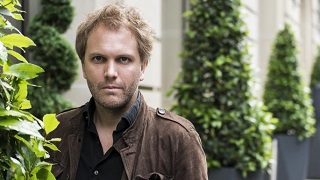
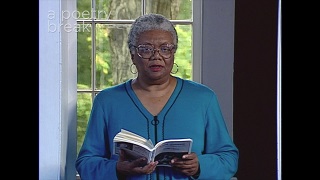
De Franse schrijver Florian Zeller werd op 28 juni 1979 in Parijs geboren. Zie ook alle tags voor Florian Zeller op dit blog.
Uit:La Jouissance
“L'histoire commence là où toutes les histoires devraient finir : dans un lit. Nicolas vit depuis deux ans avec Pauline, ce n'est donc pas la première fois qu'ils se retrouvent l'un en face de l'autre et qu'elle lui fait un sourire équivoque en lui prenant la main. Ce sont des gestes qu'ils connaissent par coeur, des gestes qui peuplent le territoire des choses rassurantes et familières ; Nicolas se rapproche alors d'elle et l'embrasse.
Il a toujours pensé que le sexe était un moment métaphysique, quelques secondes pendant lesquelles tout homme peut prendre sa revanche sur la vie. Quelle revanche ? Comme tout le monde, Nicolas va mourir un jour, et ce jour approche inexorablement. Par ailleurs, à trente ans, il n'est pas parvenu à devenir celui qu'il aurait rêvé d'être (un réalisateur reconnu) ; ses chances de réussite sont de plus en plus minces, et il est souvent envahi par un sentiment de détestation et de honte. Pour tout cela, le sexe est une consolation. Ce jour-là, pourtant, quelque chose d'inédit se produit entre eux. Nicolas est allongé sur le dos et Pauline, qui vient de retirer son soutien-gorge, ferme légèrement les yeux, comme elle a l'habitude de le faire quand le plaisir commence sa douce anesthésie du monde.
Soudain, la couette se soulève, et une troisième tête apparaît.
D'un geste théâtral, Sofia envoie la couette valdinguer derrière elle. Elle est nue et tient le sexe de Nicolas de sa main gauche tandis qu'elle cherche, de la droite, à retirer le cheveu qu'elle a l'impression d'avoir sur la langue (mais que faisait-elle sous la couette ?). Pauline descend alors au niveau de Sofia, dans un mouvement d'une lenteur lunaire, c'est la mer quand elle se retire ; Nicolas ferme les yeux.
Il respire calmement et cherche une pensée, un sujet, un objet qui pourrait neutraliser la vision de ces deux femmes entrelacées. Son regard tombe miraculeusement sur le livre qui traîne sur la table de nuit : il s'agit de la Correspondance d'Héloïse et Abélard. Pauline le lui a offert quelques semaines auparavant, en lui disant que c'était selon elle le plus beau témoignage de la littérature amoureuse ; il tente alors de se souvenir du dernier passage qu'il a lu - n'est-ce pas justement le moment où Abélard se fait châtrer ?
A cet instant, son objectif est moins de prendre du plaisir que de tenir le plus longtemps possible. Car Nicolas est un garçon serviable et bien éduqué. Mais tout homme a ses faiblesses : l'effet combiné des langues de Pauline et de Sofia vient facilement à bout de sa concentration. Il se redresse sur les coudes. "Qu'est-ce qu'il y a ?" lui demande Sofia, surprise."
Florian Zeller (Parijs, 28 juni 1979)
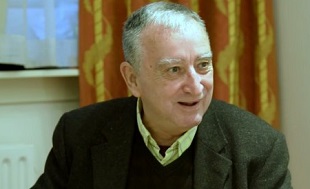
De Poolse dichter, vertaler en uitgever Ryszard Krynicki werd geboren op 28 juni 1943 in St.Valentin, Lager Wimberg, Oostenrijk. Zie ook alle tags voor Ryszard Krynicki op dit blog.
Citizen R. K. Doesn’t Live
Citizen R. K. doesn’t live
with his wife (or any object
that is his own), he doesn’t live by the pen,
by the indigestible fountain pen marked “Parker”
that sticks in his throat: he is a sado-
(he gulps the ink that streams
from the fountain pen marked “Parker”)
masochist (with this pen he revives the corpses
of days gone by, so as to harass
them): born (he doesn’t
know why): into a worker’s family, but just the same
he freeloads (on speech): an honorary
blood donor (does foreign blood flow
in his veins): against our
death penalty: he tried to smuggle
something across the border: a birth
certificate, his collective
organism, and a fountain pen (“Parker”): he
doesn’t jot down thoughts, he communicates telepathically
(there’s a snake
in his telephone) and he corrupts underaged
wristwatches: to fall asleep he counts to 19
84 (isn’t he counting on nothing?). He lives,
though it remains unclear
whether he deserves such a life
Vertaald door Clare Cavanagh
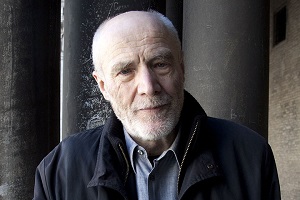
Ryszard Krynicki (St.Valentin, 28 juni 1943)
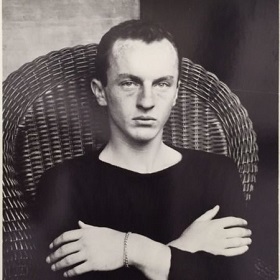
De Amerikaanse schrijver en journalist Mark Helprin werd geboren in New York op 28 juni 1947. Zie ook alle tags voor Mark Helprin op dit blog.
Uit: In Sunlight and in Shadow
“If you were a spirit, and could fly and alight as you wished, and time did not bind you, and patience and love were all you knew, then you might rise to enter an open window high above the park, in the New York of almost a lifetime ago, early in November of 1947.
After days of rain and unusual warmth, the skies are now the soft deep blue that is the gift of an oblique sun. The air is cool but not yet dense enough to carry sound sharply. From the playing fields, the cries and shouts of children are carried upward, sometimes clearly, sometimes muted, like murmurs, and always eventually to disappear. These sounds inexplicably convey the colors of the children’s jerseys, which seen from the eleventh storey are only bright flecks on grass made so green by recent rains and cool nights that it looks like wet enamel.
Coming in the window, you might wonder who had left it open, for the apartment is empty, its silence, to a spirit, thundering like a heartbeat. Perhaps you would turn back to glance at the gulls bobbing in the reservoir, as white as confetti, or to see how the façades of Fifth Avenue across the park and over the trees are lit by the sun in white, ochre, and briefly flaring yellow. The wind coming through the window, as you do, unseen, moves a shade to and fro as if gently breathing, its circular pull occasionally leaping up enough in contrary motion to tap against a pane as if it wants to speak. No one is in. In a breeze that enters and dies before it reaches the back rooms, you ride above particles of dust propelled across polished floors like snowflakes tumbling in a blizzard. In the air is a remnant of perfume, strongest by the door, as is often the case. The lights are off, the heat not yet been turned on, and the brass front-door lock silent and immobile, waiting to be turned and released.
In the room overlooking the park the bookshelves are full. Hanging above the fireplace is a Manet seascape with flags and pennants snapping in the wind; in a desk drawer beneath the telephone, a loaded pistol. And on an oval marble table in the entrance hall near the immobile lock and its expectant tumblers is a piece of card stock folded in half and standing like an A. Musical staffs are printed on the outside. Inside, sheltered as if deliberately from spirits, is a note waiting to be read by someone living. On the same smooth marble, splayed open but kept in a circle by its delicate gold chain, is a bracelet, waiting for a wrist.”
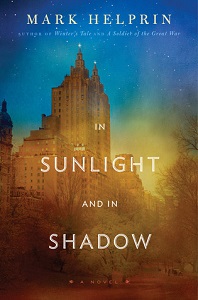
Mark Helprin (New York, 28 juni 1947)
Cover
De Oostenrijkse schrijfster Marlene Streeruwitz werd geboren op 28 juni 1950 in Baden bij Wenen. Zie ook alle tags voor Marlene Streeruwitz op dit blog.
Uit:Die Schmerzmacherin
“Dezember.
Noch nie waren so viele Raubvögel zu sehen gewesen. Die lange Kälte hatte sie aus den Wäldern herausgetrieben. Sie saßen auf den Pfosten der Feldbegrenzungen und in den Kronen der Obstbäume. Sie kauerten auf den Köpfen der Heiligenfiguren an den Brücken und auf den Kreuzen an den Weggabelungen. Bewegungslos hockten sie in der Wintersonne. Ihre Umrisse dunkle
Drohungen vor den Schneefeldern und dem wolkenlosen Himmel. Nichts in Bewegung. Eis und Schnee und die Sonne und kalt. Das breite Tal und die Hügel am Rand. Alles weißglitzernd und der dünnblaue Himmel.
Sie musste langsam fahren. Sie war die Erste auf dem neuen Schnee. Sie fräste eine Spur in die glatte Schneedecke. Aber es gelang kein ruhiges Fahren. Unter dem Neuschnee der Nacht führten die alten Spuren aus Eis und gefrorenem Matsch ihre Räder. Im Rückspiegel sah es aus, als zöge sie eine gerade Spur. Das Fahren war aber ein Gerumpel. Ihr Auto wurde von den Rillen unter dem Schnee umhergeworfen. Sie hatte versucht, aus diesen Eisspuren herauszukommen. Sie hatte so fahren wollen, wie es aussah zu fahren. Gleiten. Sie hatte gleiten wollen. Gleiten so glatt wie der Schnee. Sie war dann ins Rutschen geraten und viel zu nah an die Böschung zum tiefen Straßengraben hinuntergekommen.
Sie fuhr langsam. Sie ließ das Auto dahinschleichen. Ließ die Räder sich selbst den Weg in den Rillen suchen. Sie saß vorgebeugt. Das Rumpeln und Schütteln gegenden Bauch und die Brust. Sie schaute hinaus. Schaute in die Schneeweite hinaus und wie das weiße Tal auf sie zukam und wie sie es durchschnitt. Wie das weiße Tal an ihr vorbeizog und zu beiden Seiten wegsank.
Den Bussard auf dem Brückengeländer hatte sie schon von weitem gesehen. Bei jedem Schlag gegen die Achsen. Bei jedem Knirschen der Räder in einer Querrinne. Sie dachte, der Vogel würde auffliegen. Wegfliegen. Flüchten. Sie begann zu blinzeln. Der Vogel würde sich abstoßen. Er würde die Flügel ausbreiten und wegstreichen. Sie blinzelte in der Erwartung, der Himmel vor ihrer Windschutzscheibe verdunkle sich und einen Augenblick würde dieser Vogel den Blick ausfüllen.“
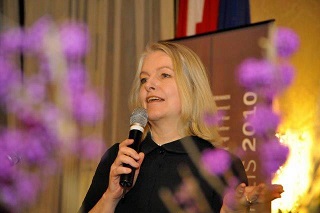
Marlene Streeruwitz (Baden, 28 juni 1950)
De Nederlandse dichteres en schrijfster Fritzi Harmsen van Beek werd geboren in Blaricum op 28 juni 1927. Zie ook alle tags voor Fritzi Harmsen van Beek op dit blog
Zo rauw
gaat het toe op die rampzalige terreinen, waar
de geraffineerde gekkin spreekt tot de kruidenier:
dokter, als mijn geliefde komt zal ik de teergeworden
kersentakken breken en de wimpels verbranden van
mijn wispelturigheid. o als hij komt, die onder
hevig is aan mijn bevalligheid en zich mijn zinnen
ontbinden als loze leliebladeren, zal ik betalen
overvloediger dan bloeiend ik, want god weet dat geld
is als zaad en het is beter te geven dan te ontvangen...
(maar in een bel boven zijn kop verschijnt het: lul
maar raak) en zij, nog razender: een oude merrie heeft
een trap gekregen waarvan ik niet genezen ben, ik heb
het zelf gelezen, waar Aristoteles van Plato schrijft,
en hij: dat kan wel zijn maar ik heb iets gegeven en
niets terug gekregen en zij: mijn vader en hij: mijn
geld en zij (getroubleerd): ik zweer u, als de maan
week is en heel wit zal ik het geven: ik, toch zelf
een wassende maan, een zwellende witkalfslederen
beurs vol pure ongerechtigheid, dat is dus afgesproken?
dus klimt hij op zijn schitterende schat, zijn bakfiets-
dier dat hem terug voert in het naburig proper dorp,
het hoofd vol geuren van vuilnis, koninklijke stallen en
hasekamps onvolprezen oude genever. maar de maanden
zich vervullen, de verloofden putten zich uit, de
lege flessen hopen zich op en sneller steeds zich alles
ledigt, vermindert en ontwijkt: in liefde en liefde in
beestachtige grenzeloze onverschilligheid
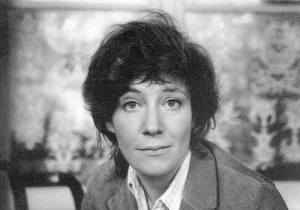
Fritzi Harmsen van Beek (28 juni 1927 – 4 april 2009)
De Italiaanse schrijver Luigi Pirandello werd op 28 juni 1867 geboren in de villa ‘Caos’ (chaos) in de buurt van Agrigento. Zie ook alle tags voor Luigi Pirandello op dit blog.
Uit: Six Characters in Search of an Author (Vertaald door Edward Storer)
“The Manager [throwing a letter down on the table]. I can't see [To PROPERTY MAN.] Let's have a little light, please!
Property Man.Yes sir, yes, at once. [A light comes down on to the stage.]
The Manager [clapping his hands]. Come along! Come along! Second act of "Mixing It Up." [Sits down.] [The ACTORS and ACTRESSES go from the front of the stage to the wings, all except the three who are to begin the rehearsal.]
The Prompter [reading the "book"]. "Leo Gala's house. A curious room serving as dining-room and study."
The Manager [to PROPERTY MAN]. Fix up the old red room.
Property Man [noting it down]. Red set. All right!
The Prompter [continuing to read from the "book"]. "Table already laid and writing desk with books and papers. Book-shelves. Exit rear to Leo's bedroom. Exit left to kitchen. Principal exit to right."
The Manager [energetically]. Well, you understand: The principal exit over there; here, the kitchen. [Turning to actor who is to play the part of SOCRATES.] You make your entrances and exits here. [To PROPERTY MAN.] The baize doors at the rear, and curtains.
Property Man [noting it down]. Right!
Prompter [reading as before]. "When the curtain rises, Leo Gala, dressed in cook's cap and apron is busy beating an egg in a cup. Philip, also dresesd as a cook, is beating another egg. Guido Venanzi is seated and listening."
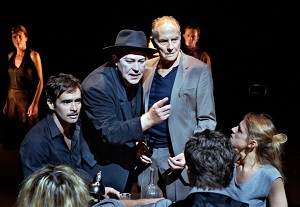
Luigi Pirandello (28 juni 1867 – 10 december 1936)
Scene uit een opvoering in New York, 2014
De Franse schrijver, filosoof en componist Jean Jacques Rousseau werd geboren in Genève op 28 juni 1712. Zie ook alle tags voor Jean-Jacques Rousseau op dit blog.
Uit: Bekentenissen (Vertaald door Leo van Maris)
“Zijn gevoelens moeten hevig zijn geweest, want dertig jaar later zag ik hem nog ontroerd raken toen hij over haar sprak. Mijn moeder bezat meer dan alleen haar deugdzaamheid om zich tegen hem te verdedigen. Ze hield innig van haar man en drong er bij hem op aan dat hij terugkwam. Hij liet alles in de steek en kwam terug. Ik was het trieste resultaat van die terugkeer. Tien maanden later werd ik geboren, zwak en ziek. Ik kostte mijn moeder het leven en mijn geboorte was de eerste ramp die mij getroffen heeft.
Ik weet niet hoe mijn vader dit verlies droeg, maar wel weet ik dat hij het nooit te boven is gekomen. Hij meende haar in mij terug te zien, zonder dat hij kon vergeten dat ik haar van hem had afgenomen. Hij omhelsde me nooit zonder dat ik door zijn zuchten en zijn krampachtige gebaren merkte dat er een bitter verdriet achter zijn liefkozingen schuilging. Die waren mij er des te dierbaarder om. Wanneer hij zei: `Jean-Jacques, laten we over je moeder spreken', antwoordde ik: `Wel, vader, dan gaan we dus huilen', en die woorden alleen al brachten hem de tranen in de ogen. `Ach,' zei hij zuchtend, `geef me haar terug, troost me over haar verlies, vul de leegte die ze in mijn hart heeft achtergelaten. Zou ik zo van je houden als je alleen maar míjn zoon was?'
Veertig jaar nadat hij haar verloren had is hij gestorven in de armen van een tweede vrouw, maar met de naam van de eerste op zijn lippen en haar beeld diep in zijn hart gegrift.
Dat waren mijn ouders. Van alle gaven waarmee de hemel hen had begiftigd, lieten ze mij alleen een gevoelig hart na, maar voor henzelf had dat geluk betekend, terwijl het mij alle rampen van mijn leven bracht.
Ik was bijna stervend geboren. Men had weinig hoop mij in leven te houden. Ik bracht de kiem mee van een kwaal die met de jaren is verergerd en die mij tegenwoordig af en toe met rust laat alleen om mij op een andere manier heviger te laten lijden. Een zuster van mijn vader, een lieve en verstandige jonge vrouw, zorgde zo goed voor me dat ze mij er bovenop bracht. Op het ogenblik dat ik dit schrijf is ze nog steeds in leven en verzorgt ze, op tachtigjarige leeftijd, een man die jonger is dan zij, maar die door de drank is geveld. Lieve tante, ik vergeef u dat u mij in leven hebt gehouden en het doet me verdriet dat ik u aan het einde van uw leven niet de liefdevolle zorgen kan schenken die u mij zo overvloedig hebt geschonken aan het begin van het mijne.”
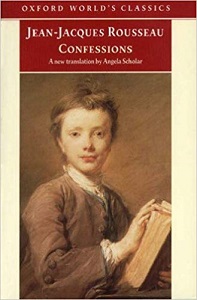
Jean-Jacques Rousseau (28 juni 1712 – 2 juli 1778)
Cover Engelse uitgave
De Vlaamse schrijver dichter, vertaler en scenarist Anton van Wilderode (pseudoniem van Cyriel Paul Coupé werd geboren in Moerbeke op 28 juni 1918. Zie ook alle tags voor Anton van Wilderode op dit blog.
Avond
Aardappelloof rookt bitter rond de hoeven
achter het labyrint van lange dreven,
aan wolken mist en maanlicht prijsgegeven
keren de paardenspannen met de boevers.
Gerucht van melk en ijzer in de stallen,
van hooi en room de reuk tot in de keuken;
een ritueel luidruchtig zonder spreken
voltrekt zich als de avond is gevallen.
De ruiten blinken door een waas van tranen
waarin het huisgezin naar buiten zwevend
het toegeschoven bord ontspannend ledigt.
Gespoord slapen de paarden en de hanen.
Afscheid
Het bos dat ik niet meer zie
is het bos dat ik in de aarde
van mijn geheugen bewaarde
met varens tot aan de knie.
Ik blijf wel de schoolknaap die
in schuilhoeken van geblaarte
onmetelijk moed vergaarde
en longen vol poëzie.
Ik ben om het even wie
maar ik adem mijn eigen aarde.
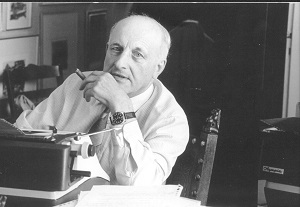
Anton van Wilderode (28 juni 1918 – 15 juni 1998)
De Argentijnse schrijver Juan José Saer werd geboren in Serodino op 28 juni 1937. Zie ook alle tags voor Juan José Saer op dit blog.
Uit: The Sixty-Five Years of Washington (Vertaald door Steve Dolph)
“He, helpful and enthusiastic, went along to the station. That man who, ever since Leto has had use of his reason, has always been silent, distant, shut away with his unsuspected chimeras in his radio workshop, for the last month or so seems to have broken the bell jar that separated him from the outside world, and has come with them, seeming euphoric, close, warm, and open. Leto observes him at a distance, incredulous. At first the change was so sudden that, in his skepticism, he was sure it was some kind of joke, or a tactical transformation, but his persistence and his conviction to the role were so intense that Leto’s initial incredulity was replaced with doubt—is he? would he?—all that, no?, telling himself at the same time, but from then on without concrete ideas or words and almost without realizing it, though not only his mind but also his whole body are for some reason saturated with those senses that more and more resemble the shudder or the silent beating or the contraction of nerves, temples, veins, muscles, telling himself, he would say, but in that way, no?, that if it was a comedy the intended audience was Leto himself, because for Isabel, Lopecito, and the rest, who were convinced in advance, no persuasion was necessary—he, Leto no?—the only one who suspected that the man had something up his sleeve, that the man had realized—and decided I was the last obstacle to demolish before his magical circle could finally close, the straggler he had to force in before sealing, hermetically, from the inside, the capsule, and launching it into the interstellar space of his own delirium, Leto thinks, this time with clear and well-formed thoughts, walking, next to the Mathematician, always to the south, on the shady sidewalk, where, more and more frequently, the windows and doors of businesses are open. On a bright, warm, and calm November afternoon, the bus drives past rectangles of blue flax, of yellow sunflowers and green wheat, leaving behind, slow and regular, the repetitive uprights of the telegraph poles, while Leto, sitting next to the window, candidly observes Isabel who, in the seat ahead of him, calmly and serenely flips through the latest issue of Ms & Mrs. The comedy that Leto, after several weeks, has convinced himself is real, produces a tranquilizing and at the same time euphoric effect in Isabel, inasmuch as her old phantasms of marital bliss, upward mobility, sexual satisfaction, economic stability, familial harmony, religious tranquility, and physical well-being have seemed, in recent weeks, to have found their long-awaited substantiation, de–spite the resistance of a hostile world.”
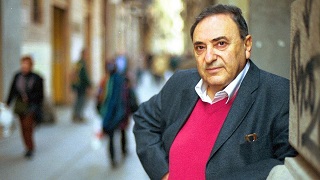
Juan José Saer (28 juni 1937 – 11 juni 2005)
Zie voor nog meer schrijvers van de 28e juni ook mijn blog van 28 juni 2014 deel 2.