Naar de inhoud

Romenu

Over literatuur, gedichten, kunst en cultuur
akke.beakke.be

Berichten van 8 december 2018 tot 9 december 2018

Christbaum (Ada Christen)


Bij de tweede zondag van de Advent


 2199225-df427e96efb0c2e3313bea6139f33255.jpg
Abendstimmung am Berliner Weihnachtsmarkt door Georg Schöbel, z.j.


Christbaum

Hörst auch du die leisen Stimmen
aus den bunten Kerzlein dringen?
Die vergessenen Gebete
aus den Tannenzweiglein singen?
Hörst auch du das schüchternfrohe,
helle Kinderlachen klingen?
Schaust auch du den stillen Engel
mit den reinen, weißen Schwingen?...
Schaust auch du dich selber wieder
fern und fremd nur wie im Traume?
Grüßt auch dich mit Märchenaugen
deine Kindheit aus dem Baume?...


 2199225-4c1edbc8e70c05d074e90c79261765f8.jpg
Ada Christen (6 maart 1839- 19 mei 1901)
Kerstmarkt op de Rathausplatz in Wenen, de geboorteplaats van Ada Christen


Zie voor de schrijvers van de 9e december ook mijn vorige twee blogs van vandaag.

Geschreven door Romenu om 13:20 Reageer op dit bericht

Thomas Verbogt, Margot Vanderstraeten, Eileen Myles, Patricio Pron, Michael Krüger, Gioconda Belli, Joe McGinniss, Wolfgang Hildesheimer

De Nederlandse schrijver Thomas Verbogt werd op 9 december 1952 geboren in Nijmegen. Zie ook alle tags voor Thomas Verbogt op dit blog.

Uit: Het eerste licht boven de stad

`Het was echt zo.' Dat zeiden we later zo nu en dan tegen elkaar als we het over onze eerste gesprek hadden: 'Het was echt zo.' In de eerste jaren van onze vriendschap hadden we het er nooit over. Misschien dachten we van elkaar dat we het hadden verzonnen. We waren elkaar weleens tegengekomen, maar kenden elkaar niet. Een vriendin had gezegd dat het geen kwaad kon als we eens met elkaar zouden praten, omdat hij verhalen schreef en ik ook. Het is de namiddag van een zomerse dag. Het is stil in de stad. Hij woont in een wijk die de Indische Buurt wordt genoemd. Op de fiets vraag ik me af wat er over mijn verhalen te zeggen valt. Zelf vind ik ze goed, maar ik weet dat ze nog beter kunnen worden. Misschien weet hij hoe dat moet. Zijn verhalen ken ik niet. Hij heeft een smalle kamer in het huis waar hij met zijn moeder en zus woont. Zijn vader is kort daarvoor overleden. Hij wijst me naar de enige stoel in die kamer, een gehavende fauteuil, zelf gaat hij op bed zitten. Tussen ons in staat een kleine tafel waarop hij twee beugelflessen bier zet. Er ligt een geel boek, een aflevering van het literaire tijdschrift Randstad. Hij wijst ernaar en zegt dat er verhalen van Jorge Luis Borges in staan. Ik ken die schrijver niet. Hij slaat het tijdschrift open en begint een verhaal voor te lezen, 'De ooggetuige'. Aan zijn stem merk ik dat het geen lang verhaal kan zijn. Ineens steekt hij een vinger omhoog. 'Hier gaat het om,' zegt hij: `Indertijd was er een dag die de laatste ogen uitdoofde die Christus zagen; de slag van Junín en de liefde van Helena sterven met de dood van een mens. Wat zal er met mij sterven wanneer ik kom te sterven, welke hartroerende of vergankelijke vorm zal de wereld dan verliezen?' Hierna komt er nog een zin, een lange zin, en dan is het verhaal klaar. Ik knik en zeg dat het goed is dat hij me dit verhaal leerde kennen. Ik weet zeker dat we vrienden zijn geworden. We hebben het alleen maar over boeken. Hij vooral over het werk van Kafka, ik over Nabokov, van wie ik een paar jaar eerder voor het eerst iets las, de verhalenbundel Lente in Fialta. Ik sloeg die open in de boekhandel en las over de geur die in een dorp aan zee hing.”


 2199215-d9c90f29eb283838b439b6eab4cb6f8f.jpg
Thomas Verbogt (Nijmegen, 9 december 1952)


De Belgische schrijfster en journaliste Margot Vanderstraeten werd geboren in Zonhoven op 9 december 1967. Zie ook alle tags voor Margot Vanderstraeten op dit blog.

Uit: Mise en place

“Als Louise in haar testament niet expliciet had gevraagd om haar dood met een familiediner op te vrolijken, zou ik vandaag mijn koksjas niet dichtknopen en mijn toque niet opzetten. Donderdag is sinds jaar en dag de vaste sluitingsdag van Restaurant Victoria. Maar Louise is en blijft mijn lievelingszus. Zelfs nu ze dood is, kan ik haar niets weigeren. Maandagmiddag drie dagen geleden. Ik had juist woedend een bord beetgare asperges met een gepocheerd kwartelei terug naar de keuken gestuurd, toen de hoofdzuster belde met de mededeling dat zuster Augustine, alias Louise, die nacht in vrede was heengegaan. Dat ik als eerste van de familie het nieuws vernam, lag meer aan toeval dan aan iets anders. Eerst heeft de hoofdzuster moeder proberen te bereiken, maar moeder, tweeënnegentig jaar, gaf niet thuis. Moeder geeft de helft van de tijd niet thuis, omdat ze de helft van de tijd haar gehoorapparaat uitschakelt. Na dat vergeefse telefoontje heeft de hoofdzuster naar Ivo gebeld, dat is de oudste van ons vier, en ook de verstandigste. Bij Ivo stuitte ze op een antwoordapparaat. Omdat de zuster het goddeloos achtte om het overlijden van een naast familielid op een bandje in te spreken, heeft ze onverrichter zake weer ingehaakt en verbinding gezocht met het volgende familielid in rij. Het telefoonnummer van Jeanne bleek niet langer aan Jeanne toe te behoren, maar aan een jong koppel van wie het meisje het in Keulen hoorde donderen, en de telefoon aan haar vriendje doorgaf. Die schijnt 'God is dood, lang leve God' door de microfoon te hebben geblazen, en de hoorn weer op het toestel te hebben gesmakt. Althans, dat is het verhaal dat de hoofdzuster mij vertelde toen ze me uiteindelijk aan de lijn kreeg; mij, de jongste van de Werners, intussen ook al tweeënzestig. Op het moment dat de keukentelefoon rinkelde, gaf de klok die al jaren scheef boven het doorgeefluik hangt, één uur aan. Om één uur 's middags en om acht uur 's avonds staat de boog in de keuken strak gespannen.”


 2199215-bc09fae8595bca64d9b7878b863c4921.jpg
Margot Vanderstraeten (Zonhoven, 9 december 1967)


De Amerikaanse dichteres en schrijfster Eileen Myles werd geboren in Boston, Massachusetts, op 9 december 1949. Zie ook alle tags voor Eileen Myles op dit blog.


Prophesy

I'm playing with the devil's cock
it's like a crayon
it's like a fat burnt crayon
I'm writing a poem with it
I'm writing that down
all that rattling heat in this room
I'm using that
I'm using that tingling rattle
that light in the middle of the room
it's my host
I've always been afraid of you
scared you're god and something else
I'm afraid when you're yellow
tawny
white it's okay. Transparent cool
you don't look like home
my belly is homeless
flopping over the waist of my jeans like an omelette
there better be something about feeling fat
what there really is is a lack of emptiness
I'm aiming for that empty feeling
going to get some of that
and then I'll be back


 2199215-5c755b94d8c6285c57f2bc0b9d4d6d67.jpg
Eileen Myles (Boston, 9 december 1949)


De Argentijnse schrijver Patricio Pron werd geboren op 9 december 1975 in Rosario. Zie ook alle tags voor Patricio Pron op dit blog.

Uit:From My Fathers' Ghost Is Climbing in the Rain (Vertaald door Mara Faye Lethem)

“Between March or April 2000 and August 2008, while I was traveling and writing articles and living in Germany, my consumption of certain drugs made me almost completely lose my memory, so that what I remember of those eight years—­at least what I remember of some ninety-­five months of those eight years—­is pretty vague and sketchy: I remember the rooms of two houses I lived in, I remember snow getting in my shoes as I struggled to make my way to the street from the door of one of those houses, I remember that later I spread salt and the snow turned brown and started to dissolve, I remember the door to the office of the psychiatrist who treated me but I don’t remember his name or how I found him. He was balding and weighed me on every visit; I guess it was once a month or something like that. He asked me how things were going, and then he weighed me and gave me more pills. A few years after leaving that German city, I returned and retraced the path to that psychiatrist’s office and I read his name on the plaque alongside the other doorbells, but it was just a name, nothing that explained why I’d visited him or why he’d weighed me each time, or how I could have let my memory go down the drain like that; at the time, I told myself I could knock on his door and ask him why I’d been his patient and what had happened to me during those years, but then I thought I should have made an appointment, that the psychiatrist wouldn’t remember me anyway, and, besides, I’m not really all that curious about myself. Maybe one day a child of mine will want to know who his father was and what he did during those eight years in Germany and he’ll go to the city and walk through it, and, perhaps, with his father’s directions, he’ll show up at the psychiatrist’s office and find out everything. I suppose at some point all children need to know who their parents were and they take it upon themselves to find out. Children are detectives of their parents, who cast them out into the world so that one day the children will return and tell them their story so that they themselves can understand it. These children aren’t judging their parents—it’s impossible for them to be truly impartial, since they owe them everything, including their lives—­but they can try to impose some order on their story, restore the meaning that gets stolen away by the petty events of life and their accumulation, and then they can protect that story and perpetuate it in their memory. Children are policemen of their parents, but I don’t like policemen. They’ve never gotten along well with my family.”


 2199215-b9d4d773e4993cc3946824c82bfee6ea.jpg
Patricio Pron (Rosario, 9 december 1975)


De Duitse dichter, schrijver en vertaler Michael Krüger werd geboren op 9 december 1943 in Wittgendorf. Zie ook alle tags Michael Krüger op dit blog.


Nikolassee, Februar 2015

Ich soll hier aufgewachsen sein,
zwischen unserer Kirche und dem Kleist-Grab,
zwei Gottesorte für unsere höheren Ziele.
Auf der Rehwiese weideten Schafe,
aber wie sollten wir mit dem Hirten sprechen,
der nur die Sprache der Lämmer verstand?
You are leaving the American Sector.
Keiner von uns wußte,
wie der Hase läuft und wohin.
Hier, an den warmen Sommertagen,
haben wir davon geträumt, der Welt
brüderlich in die Speichen zu greifen.
Über uns eine große und eine kleine Wolke,
Mutter und Kind, mehr brauchte nicht sein.
Das Grab meiner Eltern ist schon im Angebot,
so schnell hat sich das Rad gedreht.


Berlin, Stadt der Kindheit

Am Ende der Straße, da
wo sie einen Knick macht,
damit man nicht sieht,
ob sie weitergeht,

steht ein alter Hund,
der offenbar nicht weiß,
wie er nach Hause kommt.
Mir geht es ähnlich.

Ich war mir ganz sicher,
daß ich hier einmal gelebt habe.
Im Haus gegenüber
wurde damals eine Bombe entschärft.

Eine junge Frau bringt triumphierend
ihren Müll zur Tonne,
als enthielte er ihr ganzes Leben.
Weg damit. Sie mustert mich lange,

kommt aber zu anderen Schlüssen.
Aus einem offenen Fenster
dringt das Weinen eines Kindes.
Es muß dieses Haus gewesen sein.


 2199215-8f23e6b7020b58b04236d08d0d04d3d5.jpg
Michael Krüger (Wittgendorf, 9 december 1943)


De Nicaraguaanse schrijfster, dichteres en ex-politica Gioconda Belli werd geboren op 9 december 1948 in Managua. Zie ook alle tags voor Gioconda Belli op dit blog.


The man who loves me

VII.
But above all else
The man who loves me must love people
Not as some abstract category
Mentioned carelessly
But as something real, concrete
To whom one show devotion through actions
Giving up one's life if required.


VIII.
The man who loves me
Will recognize my face in the midst of a battle
And with knee bent to the earth,
he will love me
As the two of us fire together at the enemy.


IX.
My man in love
Will not fear giving himself
Nor fear finding himself magically smitten.
In a plaza filled with great crowds,
He will be able to shout "I Love You"
Or make extravagant announcements on top of buildings
Proclaiming his right to feel
The most beautiful and human emotion.


 2199215-2977cb51a7c12f2d304d2deb85441363.jpg
Gioconda Belli (Managua, 9 december 1948)


De Amerikaanse schrijver Joe McGinniss werd geboren in New York City op 9 december 1942. Zie ook alle tags voor Joe McGinniss op dit blog.

Uit:The Rogue

“I drive to Wasilla the next morning. In good weather it’s an easy forty-mile trip on four-and six-lane highways. Halfway up, the Matanuska-Susitna Valley suddenly opens out in all directions, suggestive, even in 2010, of grand dreams and infinite possibilities. It’s only when you hit Wasilla that the possibilities shrivel into lost oppor- tunities and the dreams mutate into a nightmare of exurban sprawl.
It used to be said that Wasilla was a trading outpost bounded by two lakes: Wasilla Lake and Lake Lucille. Now it’s a city of 7,028 located between Chili’s and Wendy’s and stuffed to the gills with stores such as Wal-Mart, Sears, Target, Lowe’s, Home Depot, and Fred Meyer, and enough small-fry evangelical Christian churches to make Jesus himself weep from the effort of trying to count them all.
I don’t exaggerate. There are the Wasilla Bible Church, Wasilla Assembly of God, Church on the Rock (all three of which Sarah Palin has attended), Sunny Knik Chapel, King’s Chapel Alaska, Abundant Life Church, Wasilla Lake Church-Nazarene, Mat-Su Evangelical Covenant Church, Wasilla Christian Church, Wasilla Community Church of God, King of Kings Evangelical Lutheran Church, Fairview Loop Baptist Church, Faith Chapel Pentecostal Church of God, New Life Presbyterian Church, Valley Church of Christ, Apostolic Worship Center, Independent Baptist Church of Wasilla, Glad Tidings Full Gospel Church, Church of Christ at Wasilla, Mid Valley Christian Center, Meadow Lakes Christian Center, Word of Faith Assembly, Frontier Christian Ministries, Big Lake Baptist Church, Pilgrims Baptist Church, Northern Lights Mennonite Church, Trailhead Wesleyan Church, Valley Open Bible Fellowship, Bread of Life Church of Mat-Su, Word of Life International Ministries, Slavic Evangelical Church Nadezhda, Gospel Outreach Christian Center, West Valley Family Church of the Nazarene, Christian Fellowship of Wasilla, Pioneer Christian Fellowship, Independent Baptist Church, Settlers Bay Community Church, Faith Bible Fellowship, Valley Christian Conference, North Bear Street Community Church, Valley Sovereign Grace Baptist Assembly, Birch Harbor Baptist Church, Schrock Road Community Church, and Crossroads Community Church, not to mention another dozen or more Catholic, Presbyterian, Methodist, Seventh-Day Adventist, Mormon, Episcopalian, Lutheran, Russian Orthodox, and Jehovah’s Witness churches, and at least another twenty-five or thirty just down the road in Palmer.
There are no synagogues in Wasilla, but there are more than thirty-five chiropractors, or approximately one for every two hundred residents. Before seeing Catherine, I drive to the other side of Lake Lucille for coffee with Rod and Colleen Cottle, whom I’d first met the previous fall. In its early days, Wasilla’s two main business establishments were Teelands general store and Cottles gas station. Colleen was a Teeland. Her marriage to Rod was the Wasilla equivalent of a Cabot marrying a Lodge in Massachusetts.”


 2199215-34114ba1ca13a4231a5598632c08c11b.jpg
Joe McGinniss (9 december 1942 – 10 maart 2014)


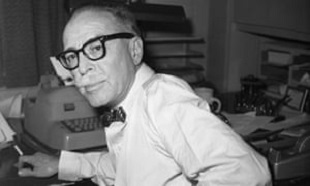
De Duitse schrijver en schilder Wolfgang Hildesheimer werd geboren op 9 december 1916 in Hamburg. Zie ook alle tags voor Wolfgang Hildesheimer op dit blog.

Uit: Die sichtbare Wirklichkeit bedeutet mir nichts. Die Briefe an die Eltern

„Ambach, [Ostersonntag,] 5. April [1953]
Liebe Leute, heute kann ich Euch nun endlich einen ausführlicheren Brief schreiben. Der Roman [Paradies der falschen Vögel] ist fertig, zum Teil schon abgeschickt, zum Teil noch beim Abtippen. Dienstag geht der letzte Teil an die DVA, und dann bin ich ihn zunächst mal los, bis die Fahnen kommen, es seidenn,dassichvorhernochvomLektorathöre.Ichbinschon vomBayerischenRundfunkumeinenAuszugzurSendunggebeten worden [Der gefälschte Rembrandt], ausserdem möchte ich einen kleinen Teil in der Neuen Zeitung [Karriere in Procegovina] und einen grösseren in den Frankfurter Heften ha ben;wennmirdannnocheinExemplar übrigbleibt,schickeich esEuchein.Denneristnundochnochetwasandersgeworden, alsIhr ihnkennt,wennauchnichtthematisch.Ausserdemhabe ich manche Stellen, die mir etwas feuilletonistisch erschienen, in Prosa umgewandelt. Jetzt sitze ich an der Joyce Cary-übersetzung, denn die muss ja auch noch dieses Jahr erscheinen, aber die wird wohl auch Ende der Woche fertig werden. Dann binichfürsErstediegrösserenArbeitenlosundmachedieSendungen über unsere Reise [Bericht einer Reise], wozu Silvia schon sehr fleissig das Material zusammenstellt, dann ein vom Bayerischen Rundfunk bestelltes Hörspiel [An den Ufern der Plotinitza]. Ich habe fest vor, meinen Kontrakt mit der DVA nurzuerneuern,wennsiemireinepermanentemonatlicheRente von mindestens dreihundert Mark geben. Sonst gehe ich zu einem anderen Verlag, der es tut und fahre mit meinen Angeboten auf. Sonst kann man sich den Luxus, Bücher zu schreiben, nicht leisten. Die Sache mit Andersch hat sich nun geklärt. Er hat meine feature [Besucht die schöne Procegovina] nicht mit Luftpost bekommen,obwohl ich es als solche aus Haifa abgeschickt habe. Aber jedenfalls ist er sehr zufrieden damit. Er ist im Augenblick in Bayern und kommt wohl im Laufe der nach Ambach. Im Augenblick ist natürlich bei uns viel Osterbetrieb. Die Kinder sind über die Ferien hier und machen uns grossen Spass. Sie amüsieren sich grossartig, vor allem mit ihren neuen herrlichen Fahrrädern, die ihnen ihr Vater [Herbert Geitner] geschenkt hat. Herbert [List] ist auch hier, fährt aber heute wieder ab. Vorgestern waren Richters abends da, gestern Bernstorffs [Lisa und Joachim von Bernstorff], donnerstags kommen sie und Herr [Walter] von Cube zum Abendessen. Wir müssen natürlich immer sehr viel erzählen, und ich freue mich, bald meine Sendungen geschrieben zu haben, weil dann alles darin sein wird und ich nicht immer wieder von vorn anfangen muss. Das Interesse für Israel ist hier ungeheuer, und längst nicht nur bei den »Intellektuellen."


 2199215-296d7e9fb22891e1e8efd61d266e42ad.jpg
Wolfgang Hildesheimer (9 december 1916 – 21 augustus 1991)


Zie voor nog meer schrijvers van de 9e december ook mijn vorige blog van vandaag.

Geschreven door Romenu om 13:19 Reageer op dit bericht

Anna Gavalda, Ödön von Horváth, John Milton, Jan Křesadlo, Maksim Bahdanovič, Dalton Trumbo

De Franse schrijfster Anna Gavalda werd geboren op 9 december 1970 in Boulogne-Billancourt. Zie ook alle tags voor Anna Gavalda op dit blog.

Uit: L'Échappée belle

Ce que nous vivons là, c'était un peu de rab. Un sursis, une parenthèse, un moment de grâce. Quelques heures volées aux autres... Pendant combien de temps aurions-nous l'énergie de nous arracher ainsi du quotidien pour faire le mur ? Combien de permissions la vie nous accorderait-elle encore ?
(...)

« Il y a plein de choses dans notre tête. (...) Il y a de la musique et des écrivains. Des chemins, des mains, des tanières. Des bouts d'étoiles filantes recopiés sur des reçus de carte bleue, des pages arrachées, des souvenirs heureux et des souvenirs affreux. Des chansons, des refrains sur le bout de nos langues. Des messages archivés, des livres massues, des oursons à la guimauve et des disques rayés. Notre enfance, nos solitudes, nos premiers émois et nos projets d'avenir. Toutes ces heures de guet et toutes ces portes tenues. (...) nos fantasmes de provinciaux et nos veilles d'examen. (...) L'odeur de poussière et de pain sec des chevaux, le soir, quand nous descendions du car. Les Lalanne dans leurs ateliers séparés par un jardin. (...) Toutes ces bêtises, tous ces remords, et nos bulles de savon à l'enterrement du parrain de Lola...
Nos amours perdus, nos lettres déchirées et nos amis au téléphone. Ces nuits mémorables, cette manie de toujours tout déménager et celui ou celle que nous bousculerons demain en courant après un autobus qui ne nous aura pas attendus.
Tout ça et plus encore.
Assez pour ne pas s'abîmer l'âme. Assez pour ne pas essayer de discuter avec les abrutis. Qu'ils crèvent. Ils crèveront de toute façon. Ils crèveront pendant que nous serons au cinéma."


 2199206-25310f0e8d27922a8cee298925015463.jpg
Anna Gavalda (Boulogne-Billancourt, 9 december 1970)


De Hongaars-Duitse schrijver Ödön von Horváth werd geboren op 9 december 1901 in Fiume. Zie ook alle tags voor Ödön von Horváth op dit blog.

Uit: Jugend ohne Gott

„Als ich am nächsten Morgen in das Gymnasium kam und die Treppe zum Lehrerzimmer emporstieg, hörte ich auf dem zweiten Stock einen wüsten Lärm. Ich eilte empor und sah, daß fünf Jungen, und zwar E, G, R, H, T, einen verprügelten, nämlich den F.

»Was fällt euch denn ein?« schrie ich sie an. »Wenn ihr schon glaubt, noch raufen zu müssen wie die Volksschüler, dann rauft doch gefälligst einer gegen einen, aber fünf gegen einen, also das ist eine Feigheit!«
Sie sahen mich verständnislos an, auch der F, über den die fünf hergefallen waren. Sein Kragen war zerrissen. »Was hat er euch denn getan?« fragte ich weiter, doch die Helden wollten nicht recht heraus mit der Sprache und auch der Verprügelte nicht. Erst allmählich brachte ich es heraus, daß der F den fünfen nichts angetan hatte, sondern im Gegenteil: die fünf hatten ihm seine Buttersemmel gestohlen, nicht, um sie zu essen, sondern nur, damit er keine hat. Sie haben die Semmel durch das Fenster auf den Hof geschmissen.
Ich schaue hinab. Dort liegt sie auf dem grauen Stein. Es regnet noch immer, und die Semmel leuchtet hell herauf.
Und ich denke: vielleicht haben die fünf keine Semmeln, und es ärgert sie, daß der F eine hatte. Doch nein, sie hatten alle ihre Semmeln, und der G sogar zwei. Und ich frage nochmals: »Warum habt ihr das also getan?« Sie wissen es selber nicht. Sie stehen vor mir und grinsen verlegen. Ja, der Mensch dürfte wohl böse sein, und das steht auch schon in der Bibel. Als es aufhörte zu regnen und die Wasser der Sündflut wieder wichen, sagte Gott: »Ich will hinfort nicht mehr die Erde strafen um der Menschen willen, denn das Trachten des menschlichen Herzens ist böse von Jugend auf.«
Hat Gott sein Versprechen gehalten? Ich weiß es noch nicht. Aber ich frage nun nicht mehr, warum sie die Semmel auf den Hof geworfen haben. Ich erkundige mich nur, ob sie es noch nie gehört hätten, daß sich seit Urzeiten her, seit tausend und tausend Jahren, seit dem Beginn der menschlichen Gesittung, immer stärker und stärker ein ungeschriebenes Gesetz herausgebildet hat, ein männliches Gesetz: Wenn ihr schon rauft, dann raufe nur einer gegen einen! Bleibet immer ritterlich! Und ich wende mich wieder an die fünf und frage: »Schämt ihr euch denn nicht?«
Sie schämen sich nicht. Ich rede eine andere Sprache. Sie sehen mich groß an, nur der Verprügelte lächelt. Er lacht mich aus.“


 2199206-ddf6cc4b4c67e85de280123f099d1ef0.jpg
Ödön von Horváth (9 december 1901 – 1 juni 1938)
Portret door Alice Wellinger, 2017


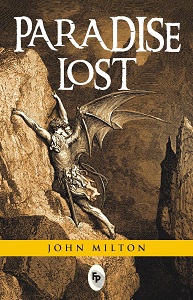
De Engelse dichter en schrijver John Milton werd geboren op 9 december 1608 in Londen. Zie ook alle tags voor John Milton op dit blog.

Uit: Paradise Lost (Book I)

Is this the Region, this the Soil, the Clime,
Said then the lost Arch-Angel, this the seat
That we must change for Heav'n, this mournful gloom
For that celestial light? Be it so, since he
Who now is Sovran can dispose and bid
What shall be right: fardest from him is best
Whom reason hath equald, force hath made supream
Above his equals. Farewel happy Fields
Where Joy for ever dwells: Hail horrours, hail
Infernal world, and thou profoundest Hell
Receive thy new Possessor: One who brings
A mind not to be chang'd by Place or Time.
The mind is its own place, and in it self
Can make a Heav'n of Hell, a Hell of Heav'n.
What matter where, if I be still the same,
And what I should be, all but less then he
Whom Thunder hath made greater? Here at least
We shall be free; th' Almighty hath not built
Here for his envy, will not drive us hence:
Here we may reign secure, and in my choyce
To reign is worth ambition though in Hell:
Better to reign in Hell, then serve in Heav'n.
But wherefore let we then our faithful friends,
Th' associates and copartners of our loss
Lye thus astonisht on th' oblivious Pool,
And call them not to share with us their part
In this unhappy Mansion, or once more
With rallied Arms to try what may be yet
Regaind in Heav'n, or what more lost in Hell?


 2199206-98b065166b93f422abaa1543388c2f88.jpg
John Milton (9 december 1608 – 8 november 1674)
Cover


De Tsjechische psycholoog, schrijver en dichter Jan Křesadlo (pseudoniem van Václav Jaroslav Karel Pinkava) werd geboren op 9 december 1926 in Praag. Zie ook alle tags voorJan Křesadlo op dit blog.


Travesty

3.
I have but words that don’t sound right
all has now fallen through, alas
there’s no fresh start, try as I might
deep down up-speaks the looking glass
If on the well-beam one could place
a candle new, on well-sill verge
then blue and white doves would converge
to make their spousal vows apace
If out of tears one could conceive
a fireproof cloak of see-through weave
and velvet crofts from sighs could swell
In our eye-pupils secreted
are Sibylls, invisibly hid
faces of vampires in nut shells


4.
And no one listens, heed to take
the empty drum pulse of the heart
I scan the horologe, its darts
it is too late, for Jesus’ sake
Before I’d tuned my strings to play
the lunar lute has turned to dust
only its spectral form, away
an angel’s airborne heel flies past
The hourglasses, water, sand
slow turning upside down keep shape
the day drips by in silent strands
Gone for good now, the crowing pride
the hapless monk’s face quiet bides
crystallizing beneath its cape


Vertaald door Václav Z J Pinkava


 2199206-ed1f81b86600a91c7a83c200046c4345.jpeg
Jan Křesadlo (9 december 1926 – 13 augustus 1995)
Praag in de Adventstijd


De Wit-Russische (Belarussische) dichter, journalist en criticus Maksim Bahdanovič werd geboren op 9 december 1891 in Minsk. Zie ook alle tags voor Maksim Bahdanovič op dit blog.


Emigrants' song

There are in this world such far-rovers,
Who believe not in God not in devil,
Who delight in bright banners high over
The ships that in ocean ports revel...

They have none to leave here whom they cherish,
For they have neither kin nor belongings,
They care not if they live or they perish,
On one sole aim are fixed all their longings:

To visit lands, so far unsought-for,
To taste there of fortune and grieving,
And to perish among the salt waters
Of blue seas where white foam is seething.

But we do not seek such a bounty,
It is not far lands we are needing,
We would not have left our dear country
If there had been bread for our feeding.

And in clatter and noise of streets roaming,
Where the crowd ever-restless whirls streaming,
We dream of the village, the Nioman,
And Libava with harbour lights gleaming.


 2199206-fcdddab515ed78dd19062481463635f6.jpg
Maksim Bahdanovič (9 december 1891 – 25 mei 1917)


De Amerikaanse schrijver en sceenwriter James Dalton Trumbo werd geboren op 9 december 1905 in het plaatsje Montrose in Colorado. Zie ook alle tags voor Dalton Trumbo op dit blog.

Uit: Johnny Got His Gun

“My arm. My arm they've cut my arm off. See that stump there? That used to be my arm. Oh sure I had an arm I was born with one I was normal just I like you and I could hear and I had a left arm like I anybody. But what do you think of those lazy bastards cutting it off?
How's that I can't hear either. I can't hear. Write it down. Put it on a piece of paper. I can read all right. But I can't hear. Put it down on a piece of paper and hand the paper to my right arm because I have no left arm.
My left arm. I wonder what they've done with it. When you cut a man's arm off you have to do something with it. You can't just leave it Iying around. Do you send it to hospitals so guys can pick it to pieces and see how an arm works? Do you wrap it up in an old newspaper and throw it onto the junk heap? Do you bury it? After all it's part of a man a very important part of a man and it should be treated respectfully. Do you take it out and bury it and say a little prayer? You should because it's human flesh and it died young and it deserves a good sendoff.
*****

Then things quieted down all of a sudden. Everything went still inside his head. The lights before his eyes snapped out as quickly as if somebody had shut them off with a switch. The pain went away too. The only feeling he had was the strong throb of blood in his brain swelling and contracting his head. But it was peaceful. It was painless. It was such a relief that he came out of his drowning. He could think.
He thought well kid you're deaf as a post but there isn't the pain. You've got no arms but you don't hurt. You'll never burn your hand or cut your finger or smash a nail you lucky stiff. You're alive and you don't hurt and that's much better than being alive and hurting. There are lots of things a deaf guy without arms can do if he doesn't hurt so much he goes crazy from pain. He can get hooks or something for arms and he can learn to read lips and while that doesn't exactly put him on top of the world still he's not drowned in the bottom of a river with pain tearing his brain to pieces. He's still got air and he's not struggling and he's got willow trees and he can think and he's not in pain.”


 2199206-488854966f74738a6290057415617691.jpg
Dalton Trumbo (9 december 1905 – 10 september 1976)

Geschreven door Romenu om 13:18 Reageer op dit bericht

Jamal Ouariachi, Louis de Bernières, Mary Gordon, Bill Bryson, John Banville, Delmore Schwartz, Jim Morrison, Georges Feydeau

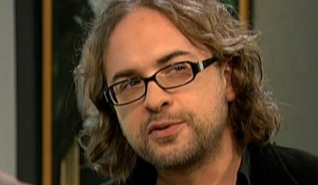
De Nederlandse schrijver Jamal Ouariachi werd geboren in Amsterdam op 8 december 1978. Zie ook alle tags voor Jamal Ouariachi op dit blog.

Uit: Vertedering

“Uitgemergeld. Met een voorzichtige wijsvinger streelde hij over het hoofdje, zo klein dat je het met een pico-belloteken kon omvatten. Met twee vingers doodknijpen zou geen moeite kosten. Het schedelbot trilde onder de dunne huid. Het beestje opende de ogen. Ontstoken. Er zat althans een gistkleurig vlies over het blauw van de iris. Of hadden alle pasgeboren katjes dat? Hij was opgegroeid met een kat in huis, maar aan diens babytijd had hij amper herinneringen. Eén beeld: hoe het witharige mormeltje op de eerste dag bij zijn nieuwe gezin angstig wegkroop in de reuzenpantoffel van de heer des huizes.
Nicolaas hadden ze hem genoemd, omdat hij met zijn licht golvende witte vacht aan de baard van Sinterklaas deed denken.
Zijn vader, die tot dan toe niets van een huisdier had willen weten, raakte op slag vertederd door die kat in zijn pantoffel. Voortaan als hij thuiskwam van zijn werk en op de bank ging liggen om een halfuurtje te dutten, was Nicolaas de enige die hem mocht storen. De kat sprong dan boven op hem om zich, na een uitvoerige hartmassage met zijn voorpoten, uit te spreiden over de riante romp van zijn baasje. Als ze daar zo lagen met zijn tweeën, leek het werkelijk even of zijn vader Sinterklaas was en de kat zijn baard.
Er steeg gepiep op uit de mand, de andere hadden ontdekt dat er iets gaande was. Ook het rossige katje in zijn hand begon nu te piepen. Hoelang zouden ze hier al liggen zonder eten? Het was maandag, misschien had die mand hier wel het hele weekend gestaan.
Voorzichtig legde hij het katje terug tussen de andere. Het gepiep hield op. De vrachtwagen verderop reed weg. Het werd weer stil, op die onbestemde ruis na die de buitenwereld eigen is.
Op zijn horloge zag hij dat de pauze ten einde liep. Hij veegde zijn hand af aan zijn broek en vatte, geïrriteerd, de terugtocht aan. Dat uitgerekend hij die beesten moest vinden. Daar was hij mooi klaar mee. Eén uur per werkdag had hij pauze, één uur om zijn taken te vergeten en de rust in zijn hoofd terug te brengen tijdens een solitaire wandeling. Die kittens kon hij natuurlijk niets kwalijk nemen, maar degene die ze te vondeling had gelegd, ja, die moest eigenlijk dood.
Eenmaal weer aan het werk vergat hij zijn ergernis al snel. Steeds vrolijker ploegde hij zich door zijn verplichtingen heen.
Na werktijd sloop hij de keuken van de kantine in. Uit een grote afwasmachine haalde hij twee kommetjes waar de kantinedames tussen de middag de desserts in serveerden; uit de koeling stal hij een pak halfvolle melk. Op basis van een gezondheidsadvies van de ondernemingsraad had de directie verordend dat de kantine voortaan alleen nog halfvolle en magere melk mocht verkopen. Hij had geen idee of kittens daar ook baat bij hadden.
De spullen stopte hij in zijn tas, hij klokte uit – 17:08 uur, een latertje voor zijn doen – en hij verliet het pand. Het was een minuut of acht lopen naar het grasveld. Hij zou zijn gebruikelijke sneltram missen en in de piek van de avondspits belanden, maar dat deed er nu even niet toe.”


 2198951-28f38b87134488a010791ec15358d8fa.jpg
Jamal Ouariachi (Amsterdam, 8 december 1978)


De Britse dichter en schrijver Louis de Bernières werd geboren in Londen op 8 december 1954. Zie ook alle tags voor Louis de Bernières op dit blog.

Uit:The Dust That Falls from Dreams

“It had been so long since the death of a sovereign that no one knew what to say, or how to behave. Lord Salisbury refused to talk about the accession ceremonies because it was too upsetting. The well-to-do cancelled their dinner parties and balls, and the frivolous optimism that had accompanied the arrival of a new century evaporated. It was January, and the dark clouds that wept rain onto the land complemented the mood of the people beneath them.
The Queen’s relatives and descendants converged on Osborne from all over Europe. In South Africa the war that was supposed to have been won already was carried on by Botha, Smuts and de Wet. Money and young men continued to be expended. The British troops were killed mainly by enteric fever.
The tiny Queen died. The Lord Mayor of London was informed, and then the rest of the world. Whilst the nation lay stunned, the Great argued about what should be done next. Lord Acton announced that King Edward VII could not call himself Edward VII because he was not descended from previous Edwards. Did the Lord Mayor of London count as an ex-officio member of the Privy Council? He decided that he did, and gatecrashed it. Who was in charge of the funeral? Was it the Lord Chamberlain or the Duke of Norfolk, even though he was a Catholic? The Duke insisted on his historic right, and the King conceded. Lady Cadogan received an invitation to the interment that was intended for her husband, in which she was requested to come wearing trousers.
The Queen’s coffin was so minute that it might have been that of a child. King Edward and the Kaiser walked behind it as it was drawn through Cowes. It came across the Solent in a battle-ship, flanked by the greatest fleet in the world. In London the route from Victoria Station to Buckingham Palace then Paddington Station was blocked solid with mourners hoping to see the great procession of the gun carriage. Behind it rode King Edward, flanked by the Duke of Connaught and Kaiser Wilhelm, followed by the handsome and slim Crown Prince of Germany, the embodiment of hope for his nation, the guarantor of its great future as a beacon of civilisation.”


 2198951-b95ffdfa656016e8ba9cb5e1d7e794fd.jpg
Louis de Bernières (Londen, 8 december 1954)


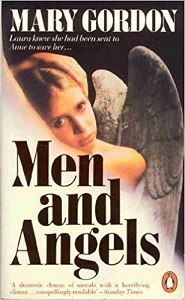
De Amerikaanse schrijfster Mary Catherine Gordon werd geboren op 8 december 1949 in Far Rockaway, New York. Zie ook alle tags voor Mary Gordon op dit blog.

Uit: Men and Angels

“But we won't leave you stranded. I want you to know that, Laura," Jack Chamberlain had said. "We found out from a friend of ours, a guy I work with, about a woman over in Chalk Farm who rents rooms to students. People your own age. You'll have a ball, believe me. And then you'll have your ticket home in August. It'll be a great time for you, believe me. Shake the dust from your feet as you leave that house or town. She knew what they thought, that she was bad for the children. But the children liked her. Jennifer, the youngest child, cried when Laura said good-bye to her. Their parents didn't understand them. But she understood. She always understood children. Their great unhappiness she always saw. They were victims of injustice from the moment of their birth. Believing human love to be important, they must suffer. This was how she could help them. She could teach them human love was not important, and their suffering would end, as hers had ended. How she had suffered every day before she knew. She had been a good child, and her mother had not loved her. She was slow, her mother said. And her mother was full of quickness; her movements danced, all the gestures of her hands, her words (her mother would make people laugh with her quickness) ended in points of silver. Laura was slow, slow in her movements like her father's family. Yet the teachers said she showed great promise in some subjects. And Miss Gildersleeve, the home economics teacher, said Laura sewed like a dream. That's good, said her mother, it's a good hobby for an old maid.
Yet she had loved her mother, wanted to be near her, loved the feel of her bones through her light flesh, loved the quick movements of her skirt. She had loved her mother's body as a child. If only her father had loved her. But her father loved her mother. Daughters frightened him. He would have liked a son.
But she no longer said, "If only they had loved me." Now she knew that it was not important. She had suffered thinking that a parent's love had meaning. Now she knew a parent's love was nothing. She was the favorite, the chosen, and her parents had not known it. So she had suffered as all children must suffer till they know the truth. It was in a garden that the Spirit first had come to her. Four years ago, when she was seventeen. She had been so unhappy then. Had always been, before she knew the truth. It was in a garden that the Spirit first had come to her. Four years ago, when she was seventeen. She had been so unhappy then. Had always been, before she knew the truth.”

2198951-64ff20c50d00e22b830e951af8759674.jpg
Mary Gordon (Far Rockaway, 8 december 1949)
Cover


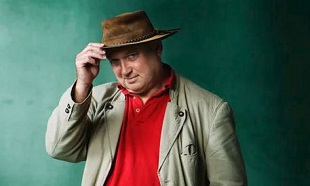
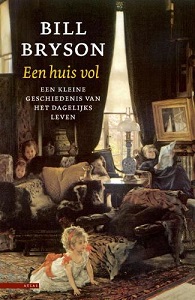
De Amerikaanse schrijver Bill Bryson werd geboren in Des Moines (Iowa) op 8 december 1951. Zie ook alle tags voor Bill Bryson op dit blog.

Uit: Een huis vol (Vertaald door Inge Kok, Peter Diderichen Peter Diderich)

“Gezamenlijk worden ze vitaminen en mineralen genoemd en er is heel veel – echt verrassend veel – wat we er niet van weten, onder andere hoeveel we er nodig hebben, wat sommige precies doen en in welke hoeveelheden ze het best kunnen worden ingenomen.
Dat we ze überhaupt nodig hebben was informatie waar we verbazend lang op hebben moeten wachten. Tot ver in de negentiende eeuw is niemand ooit op het idee van een uitgebalanceerde voeding gekomen. Men geloofde dat al het voedsel één enkele vage, maar versterkende stof bevatte: ‘het universele voedingsmiddel’. Een kilo biefstuk had dezelfde waarde voor het lichaam als een kilogram appels of pastinaken of wat dan ook, en een mens hoefde er alleen maar voor te zorgen dat hij er meer dan genoeg van binnenkreeg. Niemand had ooit gedacht dat bepaalde soorten voedsel onmisbare elementen bevatten die van cruciaal belang waren voor je welzijn. Dat hoeft ons niet echt te verbazen, want de verschijnselen van tekorten in je voeding – apathie, pijnlijke gewrichten, een verhoogde gevoeligheid voor infecties, wazig zien – wijzen zelden op een onevenwichtige voeding. Als je haar begint uit te vallen of je enkels onrustbarend dik worden, is het zelfs vandaag de dag niet waarschijnlijk dat je als eerste denkt aan wat je de laatste tijd hebt gegeten. En je zou al helemaal niet denken aan wat je níét had gegeten. Dat gold ook voor de verbijsterde Europeanen die heel lang dikwijls in ontstellende aantallen doodgingen zonder te weten waarom.
Er is beweerd dat er tussen 1500 en 1850 alleen al aan scheurbuik twee miljoen zeelieden zijn overleden. Op een lange reis bezweek doorgaans ongeveer de helft van de bemanning eraan. Er zijn uiteenlopende wanhoopsmiddelen uitgeprobeerd. Vasco da Gama moedigde zijn mannen aan om tijdens een reis naar India en terug hun mond te spoelen met urine, wat niet hielp tegen scheurbuik en waar ze ook niet veel vrolijker van zullen zijn geworden. Soms was het aantal slachtoffers werkelijk schokkend. Rond 1740 verloor een Britse marine-expeditie onder bevel van commandeur George Anson tijdens een reis van drie jaar veertienhonderd van de tweeduizend opvarenden. Vier werden gedood tijdens gevechten; vrijwel alle anderen zijn overleden aan scheurbuik.”


 2198951-40131b5e864ccbcd74b6ba1b55d4cbf1.jpg
Bill Bryson (Des Moines, 8 december 1951)
Cover


De Ierse schrijver en criticus John Banville werd geboren op 8 december 1945 in Wexford. Zie ook alle tags voor John Banville op dit blog.

Uit:Mrs. Osmond

“It had been a day of agitations and alarms, of smoke and steam and grit. Even yet she felt, did Mrs. Osmond, the awful surge and rhythm of the train’s wheels, beating on and on within her. It was as if she were still seated at the carriage window, as she had sat for what seemed impossibly many hours, gazing with unseeing eyes upon the placid English countryside flowing away from her endlessly in all the soft- green splendour of the early- summer afternoon. Her thoughts had sped along with the speeding train but, unlike the train, to no end. Indeed, she had never registered so acutely the mind’s unstoppable senseless headlong rush as she had since leaving Gardencourt. The great snorting and smoking brute that had paused with brusque impatience at the meek little village station and suffered her to take her place in one of its lattermost compartments— her fingertips still retained the impression of hot plush and greasy leather— now stood gasping after its mighty efforts under the high, soot- blackened glass canopy of the throbbing terminus, disgorging on to the platform its complement of dazed, bedraggled travellers and their jumbles of baggage. Well, she told herself, she had arrived somewhere, at least.
Staines, her maid, had hardly stepped down from the train before she flew into an altercation with a red- faced railway porter. Had she not been a female it might have been said of Staines that she was a fellow with a heart of oak. She was tall and gaunt, a person all of angles, with long wrists and large feet, and a jaw that put one in mind of the blade of a primitive axe. In the years that she had been in Mrs. Osmond’s employ, or, given how closely they were conjoined, better say in the years that they had been together, Staines’s devotion to her mistress had not wavered by a jot. In their long period of exile in the south her forbearance had extended to putting up with the Italian market and the Italian kitchen, and, which required an even more saintly fortitude, with Italian plumbing. Indeed, such was her steadfastness that on occasion Mrs. Osmond— Isabel—found herself longing wistfully for even half a day’s respite from her servant’s unrelenting, stone-hard solicitude. In their recent travels together the chief token and proof of Staines’s loyalty had been a permanently maintained state of vexedness, not only in face of the impudence of porters, cab- drivers, boot-boys and the like, but also against what she considered her mistress’s wilful credulousness, deplorable gullibility and incurably soft heart. Now, as the maid, her bonnet fairly wagging from the force of her indignation, stood berating the porter for unspecified shortcomings—as a Londoner she was exercising her right to quarrel with her own kind, in her own city—Isabel moved away with that wide-eyed blandness of manner she had perfected over the years at the scenes of so many similar confrontations between Staines’s will and the world’s recalcitrance.”


 2198951-7959c0d9c597ac26f93e96be9c555e69.JPG
John Banville (Wexford, 8 december 1945)


De Amerikaanse dichter en schrijver Delmore Schwartz werd geboren op 8 december 1913 in New York. Zie ook alle tags voor Delmore Schwarz op dit blog.


Dogs Are Shakespearean, Children Are Strangers

Dogs are Shakespearean, children are strangers.
Let Freud and Wordsworth discuss the child,
Angels and Platonists shall judge the dog,
The running dog, who paused, distending nostrils,
Then barked and wailed; the boy who pinched his sister,
The little girl who sang the song from Twelfth Night,
As if she understood the wind and rain,
The dog who moaned, hearing the violins in concert.
—O I am sad when I see dogs or children!
For they are strangers, they are Shakespearean.

Tell us, Freud, can it be that lovely children
Have merely ugly dreams of natural functions?
And you, too, Wordsworth, are children truly
Clouded with glory, learned in dark Nature?
The dog in humble inquiry along the ground,
The child who credits dreams and fears the dark,
Know more and less than you: they know full well
Nor dream nor childhood answer questions well:
You too are strangers, children are Shakespearean.

Regard the child, regard the animal,
Welcome strangers, but study daily things,
Knowing that heaven and hell surround us,
But this, this which we say before we’re sorry,
This which we live behind our unseen faces,
Is neither dream, nor childhood, neither
Myth, nor landscape, final, nor finished,
For we are incomplete and know no future,
And we are howling or dancing out our souls
In beating syllables before the curtain:
We are Shakespearean, we are strangers.


 2198951-15cb02c78567ff0c82f85f99c1e4a5e9.jpg
Delmore Schwartz (8 december 1913 – 11 juli 1966)
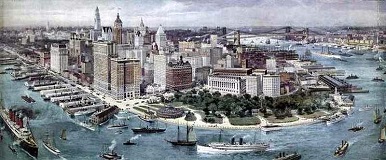
Prent van New York uit 1913, vogelperspectief, met de hand ingekleurd


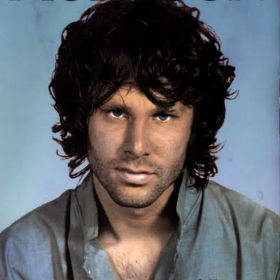
De Amerikaanse zanger, dichter en tekstschrijver James Douglas (Jim) Morrison werd geboren in Melbourne (Florida) op 8 december 1943. Zie ook alle tags voor Jim Morrison op dit blog.


The World on Fire 

The world on fire ...
Taxi from Africa...
The Grand Hotel...
He was drunk
a big party last night
back going back
in all directions
sleeping these insane hours.
I'll never wake up
in a good mood again.
I'm sick of these stinky boots.


Freedom Exists

Did you know freedom exists
In school books

Did you know madmen are
Running our prisons

Within a jail, within a gaol
Within a white free protestant
Maelstrom

We're perched headlong
On the edge of boredom

We're reaching for death
On the end of a candle

We're trying for something
That's already found us


 2198951-3c4be7e01e3668114b57228befcaa624.jpg
Jim Morrison (8 december 1943 – 3 juli 1971)


De Franse theaterauteur Georges Feydeau werd geboren op 8 december 1862 in Parijs. Zie ook alle tags voor George Feydeau op dit blog.

Uit: Le dindon

« LUCIENNE. — Ah ! c’est-à-dire que tu ne saurais trop remercier monsieur.
VATELIN, pendant que Pontagnac se confond en salutations qui dissimulent mal son trouble. — N’est-ce pas ? Je vous dis que c’est tout à fait gentil d’être venu, et surtout de cette façon-là !
LUCIENNE  — Ah ! oui, surtout de cette façon-là !
Elle va à la cheminée.
PONTAGNAC. — Ah ! vraiment, cher ami, madame ! (À part.) Ca y est ! elle se fiche de moi !
VATELIN,. — Mais, j’y pense, vous ne connaissiez pas ma femme… (Présentant.) Ma chère Lucienne, un de mes bons amis, M. de Pontagnac… Ma femme.
PONTAGNAC.. — Madame !
VATELIN,. — Au fait ! je ne sais pas si c’est très prudent ce que je fais là de te présenter Pontagnac.
PONTAGNAC. — Pourquoi ça ?
VATELIN,. — Ah ! c’est que c’est un tel gaillard. Un tel pécheur devant l’Eternel ! Tu ne le connais pas ? Il ne peut pas voir une femme sans lui faire la cour ! il les lui faut toutes !
LUCIENNE railleuse. — Toutes ! Ah ! ça n’est pas flatteur pour chacune.
PONTAGNAC.. — Oh ! madame, il exagère ! (À part.) Est-il bête de lui raconter ça !
LUCIENNE devant la cheminée. — Quelle déception pour la pauvre femme qui a pu se croire distinguée et qui finit par s’apercevoir qu’elle n’est qu’additionnée.
PONTAGNAC. — Je vous répète, madame, que c’est une calomnie.
LUCIENNE. — Ah ! j’avoue que si j’avais dû être une de ces "toutes", je n’en serais pas fière… Asseyez-vous donc !…
Elle s’assied dans le fauteuil, près de la cheminée.
PONTAGNAC, à part, en s’asseyant sur le canapé. — C’est bien ça ! elle me raille.
Vatelin, s’asseyant près d’eux. — Dites donc ! Je crois qu’elle vous bêche! »


 2198951-39aa8d8757bc19048a6ae7656c7e3e8d.jpg
Georges Feydeau (8 december 1862 – 5 juni 1921)
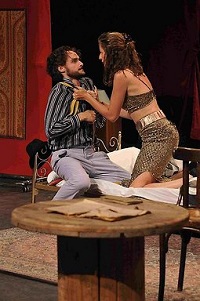
Scene uit een opvoering in Herblay, 2013


Zie voor nog meer schrijvers van de 8e december ook mijn vorige blog van vandaag.

Geschreven door Romenu om 09:09 Reageer op dit bericht

Horatius, Hervey Allen, James Thurber, Carmen Martín Gaite, Nikos Gatsos, Jura Soyfer, Bjørnstjerne Bjørnson, Joel Chandler Harris

De Romeinse dichter en schrijver Quintus Horatius Flaccus werd geboren op 8 december 65 v. Chr. Zie ook alle tags voor Horatius op dit blog.


Ode II.18

Geen elpenbeen en geen verguld plafond
blinkt in mijn huis. Geen balkwerk van albast
rust daar op een porfieren zuilenrij.

Ik heb niet van een onbekenden neef
een Pergameenschen koningsburcht geërfd.
Op mijn klandizie drijft geen purperzaak.

Maar trouw van hart en niet van geest ontbloot
eert mij de vriendschap van een edelman.

Neen noch den goden noch mijn rijken vriend
vraag ik om meer, gelukkig en voldaan
met mijn geliefd Sabinum. Zie, de dag
volgt op den dag, de maand volgt op de maand,
en gij bestelt een marmermozaiek,
alsof de dood niet aldoor nader kwam,
bouwt huizen midden in het golfgeklots,
alsof het zeestrand niet toereikend was.

Ja zelfs het dubbel heilig grondbezit
van arme buren waagt uw hand te schenden.

Daar gaan zij, man en vrouw, van huis en haard
verdreven, met hun eenig eigendom,
hun havelooze kindren op den arm.

Maar ook den rijken heer wacht geen paleis
zoo zeker als dat van den wissen dood.
Wat wilt gij altijd meer? Voor arm en rijk
ontsluit de aarde zonder onderscheid
haar duistren schoot. Zelfs voor Prometheus' goud
was geen retour aan Charons veer te koop.

Daar zuchten Tantalus en zijn geslacht,
daar vindt een arme stakker eindlijk rust.
De dood verhoort wie roept, en wie niet roept.


Vertaald door Dr. A. Rutgers van der Loeff
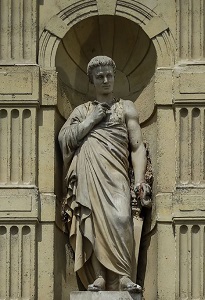
 

 2198949-b6f82121d4429cf9f9fc2f62140def68.jpg
Horatius (8 december 65 v. Chr. – 27 november 8 v. Chr.)
Standbeeld in Parijs


De Amerikaanse dichter en schrijver William Hervey Allen werd geboren op 8 december 1889 in Pittsburgh. Zie ook alle tags voor Hervey Allen op dit blog.


The Sea-Islands

Shadows

There is deliberateness in all sea-island ways,
Outlandish to our days as stone wheels are.
The islands cannot see the use of life
Which only lives for change;
Their days are flat,
And all things there move slowly.
Even the seasons are conservative—
No sudden flaunting of wild colors in the fall,
Only a gradual fading of the green,
As if the earth turned slowly,
Or looked with one still face upon the sun
As Venus does; Until the trees, the fields, the marshes,
All turn dun, dull Quaker brown, And a mild winter settles down,
And mosses are more gray.

All human souls are glasses which reflect
The aspects of the outer world.
See what terrible gods the huge Himalayas bred!—
And the fierce Jewish Jaywah came
From the hot Syrian desert
With his inhibitory decalogue.
The gods of little hills are always tame;
Here God is dull, where all things stay the same.
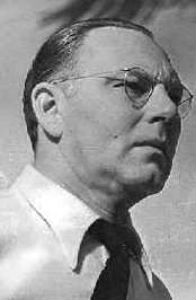
 

 2198949-1d76672e72e59a58d2d2277fc63aedf2.jpg
Hervey Allen (8 december 1889 – 28 december 1949)


De Amerikaanse schrijver James Thurber werd geboren op 8 december 1894 in Columbus, Ohio. Zie ook alle tags voor James Thurber op dit blog.

Uit: The Secret Life of Walter Mitty

“We’re going through!” The Commander’s voice was like thin ice breaking. He wore his full-dress uniform, with the heavily braided white cap pulled down rakishly over one cold gray eye. “We can’t make it, sir. It’s spoiling for a hurricane, if you ask me.” “I’m not asking you, Lieutenant Berg,” said the Commander. “Throw on the power lights! Rev her up to 8,500! We’re going through!” The pounding of the cylinders increased: ta-pocketa-pocketa-pocketa-pocketa-pocketa. The Commander stared at the ice forming on the pilot window. He walked over and twisted a row of complicated dials. “Switch on No. 8 auxiliary!” he shouted. “Switch on No. 8 auxiliary!” repeated Lieutenant Berg. “Full strength in No. 3 turret!” shouted the Commander. “Full strength in No. 3 turret!” The crew, bending to their various tasks in the huge, hurtling eight-engined Navy hydroplane, looked at each other and grinned. “The Old Man’ll get us through,” they said to one another. “The Old Man ain’t afraid of Hell!” . . .
“Not so fast! You’re driving too fast!” said Mrs. Mitty. “What are you driving so fast for?”
“Hmm?” said Walter Mitty. He looked at his wife, in the seat beside him, with shocked astonishment. She seemed grossly unfamiliar, like a strange woman who had yelled at him in a crowd. “You were up to fifty-five,” she said. “You know I don’t like to go more than forty. You were up to fifty-five.” Walter Mitty drove on toward Waterbury in silence, the roaring of the SN202 through the worst storm in twenty years of Navy flying fading in the remote, intimate airways of his mind. “You’re tensed up again,” said Mrs. Mitty. “It’s one of your days. I wish you’d let Dr. Renshaw look you over.”
Walter Mitty stopped the car in front of the building where his wife went to have her hair done. “Remember to get those overshoes while I’m having my hair done,” she said. “I don’t need overshoes,” said Mitty. She put her mirror back into her bag. “We’ve been all through that,” she said, getting out of the car. “You’re not a young man any longer.” He raced the engine a little. “Why don’t you wear your gloves? Have you lost your gloves?” Walter Mitty reached in a pocket and brought out the gloves.”
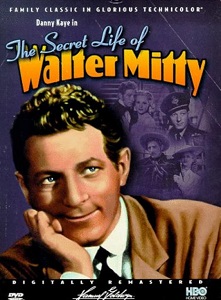
 

 2198949-cfd41be162bdb15dbd13c0def97b3bba.jpg
James Thurber (8 december 1894 – 2 november 1961)
Cover DVD


De Spaanse schrijfster, vertaalster en journaliste Carmen Martín Gaite werd geboren op 8 december 1925 in Salamanca. Zie ook alle tags voor Carmen Martín Gaite op dit blog.

Uit: La reine des neiges (Vertaald door Claude Bleton)

« Pour la première fois, disaient-ils, on voyait comment la terre et les êtres humains sont réellement. Ils couraient de tous côtés avec leur miroir et bientôt il n'y eut pas un pays, pas une personne qui n'eussent été déformés là-dedans.
Alors, ces apprentis sorciers voulurent voler vers le ciel lui-même, pour se moquer aussi des anges et de Notre-Seigneur. Plus ils volaient haut avec le miroir, plus ils ricanaient. C'est à peine s'ils pouvaient le tenir et ils volaient de plus en plus haut, de plus en plus près de Dieu et des anges, alors le miroir se mit à trembler si fort dans leurs mains qu'il leur échappa et tomba dans une chute vertigineuse sur la terre où il se brisa en mille morceaux, que dis-je, en des millions, des milliards de morceaux, et alors, ce miroir devint encore plus dangereux qu'auparavant. Certains morceaux n'étant pas plus grands qu'un grain de sable voltigeaient à travers le monde et si par malheur quelqu'un les recevait dans l'œil, le pauvre accidenté voyait les choses tout de travers ou bien ne voyait que ce qu'il y avait de mauvais en chaque chose, le plus petit morceau du miroir ayant conservé le même pouvoir que le miroir tout entier. Quelques personnes eurent même la malchance qu'un petit éclat leur sautât dans le cœur et, alors, c'était affreux : leur cœur devenait un bloc de glace. D'autres morceaux étaient, au contraire, si grands qu'on les employait pour faire des vitres, et il n'était pas bon dans ce cas de regarder ses amis à travers elles. D'autres petits bouts servirent à faire des lunettes, alors tout allait encore plus mal. Si quelqu'un les mettait pour bien voir et juger d'une chose en toute équité, le Malin riait à s'en faire éclater le ventre, ce qui le chatouillait agréablement. »
(…)

Il lui sembla que les vagues lui faisaient signe, alors [Gerda] enleva ses souliers rouges, ceux auxquels elle tenait le plus, et les jeta tous les deux dans l'eau, mais ils tombèrent tout près du bord et les vagues les repoussèrent tout de suite vers elle, comme si la rivière ne voulait pas les accepter, puisqu'elle n'avait pas pris le petit Kay. Gerda crut qu'elle n'avait pas lancé les souliers assez loin, alors elle grimpa dans un bateau qui était là entre les roseaux, elle alla jusqu'au bout du bateau et jeta de nouveau ses souliers dans l'eau. Par malheur le bateau n'était pas attaché et dans le mouvement qu'elle fit il s'éloigna de la rive, elle s'en aperçut aussitôt et voulut retourner à terre, mais avant qu'elle n'y eût réussi, il était déjà loin sur l'eau et il s'éloignait de plus en plus vite.
Alors la petite Gerda fut prise d'une grande frayeur et se mit à pleurer, mais personne ne pouvait l'entendre, excepté les moineaux, et ils ne pouvaient pas la porter, ils volaient seulement le long de la rive, en chantant comme pour la consoler : " Nous voici ! Nous voici ! " Le bateau s'en allait à la dérive, la pauvre petite était là tout immobile sur ses bas, les petits souliers rouges flottaient derrière mais ne pouvaient atteindre la barque qui allait plus vite."
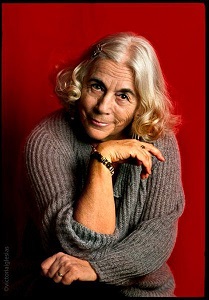
 

 2198949-c1fd0369e5da363e9111d0f180e22f96.jpg
Carmen Martín Gaite (8 december 1925 – 22 juli 2000)  


De Griekse dichter en schrijver Nikos Gatsos werd geboren op 8 december 1911 in Kato Asea in Arcadië. Zie ook alle tags voor Nikos Gatsos op dit blog.


Amorgos (Fragment)

So! my pallikari with wine in your kisses and leaves on your lips
I want you to plunge naked into rivers
to sing to Barbary like the carpenter hunts out the woodgrain
like the viper passes through gardens of barley
with its proud ferocious eyes
like the lightning threshes the young.

And don't laugh and don't cry and don't rejoice
don't uselessly lace up your shoes like you were planting platans
don't become FATED
because the lammergeier is not a a closed drawer
it is not a tear from a plumtree or a smile from a waterlily
nor is it an undershirt for a dove or mandolin for a Sultan
nor a silk bonnet for the head of a whale.
It is a saw from the sea that slaughters the gulls
a carpenter's cushion a beggar's clock
a fire in a gypsy's forge who seduces priests' wives and sings a lullaby for lilies
a marriage for Turks a celebration of Australians
a lair of Hungarians
where the hazelnut trees go to meet secretly in fall
they see the wise storks dying their eggs black
and they weep too
they burn their nightgowns and put on ducks' petticoats
they spread stars on the earth for kings to walk on
with their silver amulets with the crown and the purple
they spread rosemary on beds
so the mice will go to another cellar
go to other churches to eat the Holy Table


Vertaald door Anita Sullivan
 

 2198949-20b71ddd4e5a75659f7ac05f553aa5fa.jpg
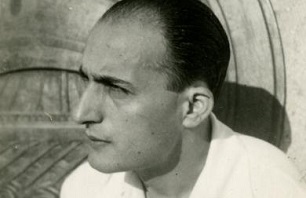
Nikos Gatsos (8 december 1911 – 12 mei 1992) 


De Oostenrijkse dichter en schrijver Jura Soyfer werd op 8 december 1912 in Charkov, Oekraïne, geboren. Zie ook alle tags voor Jura Soyfer op dit blog.


Einheitsfront

Die Sowjets bedrohen, wie jeder weiß,
Den Klassenfrieden, den Erdölpreis,
Die Baumwollkurse, die Religion,
Moral und Zündholzproduktion!
Drum reichen Deterding, Vanderbilt,
Ford, Morgan und Thyssen einander die Hände:
»Hoch die Kultur, die's zu schirmen gilt,
Dreimal so hoch die Dividende!«
Um Leichenbeute wird später gestritten –
Jetzt feiern die Herren Honigmond.
»Auf denn«, ruft Krupp, »gen Ostland geritten,
Es lebe die goldene Einheitsfront!«

»Ich träumte einst von Arbeiterpartei«,
Sprach Hitler, »doch das ist längst vorbei.
Mögt ruhig sein, die ihr schafft und rafft:
Fest steht und treu die Zinsknechtschaft!«
Und neue Aufschläge gab es im Nu
Zu Uniformrock samt Hose,
Und neue Anschläge gab es dazu
Auf Krüppel und Arbeitslose.
So einten sich Hitler und die Barone.
Schon steigen glorreich am Horizont
Hohenzollernschnurrbart und Krone.
»Es lebe die braune Einheitsfront!«

Von Warschau bis Schanghai, von Süd bis Nord,
Von Essen bis Neuyork, von Thyssen bis Ford,
Von Hitler bis Horthy steht er geeint,
Der imperialistische Klassenfeind!
Sie greifen an, sie marschieren geschlossen!
Können denn wir nicht, was die gekonnt?
Die Zeit ist knapp. Zeit ist Blut, Genossen!
Genossen, schließet die Einheitsfront!
 

 2198949-7cd31709cabe69ce515ffc467af6b857.jpg
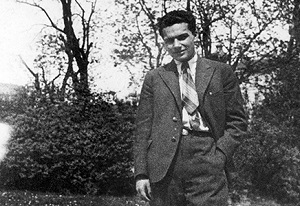
Jura Soyfer (8 december 1912 – 16 februari 1939) 


De Noorse dichter, schrijver, journalist en politicus Bjørnstjerne Bjørnson werd geboren op 8 december 1832 in Kvikne bij Tynset. Zie ook alle tags voor Bjørnstjerne Bjørnson op dit blog.


When Comes The Morning?

When
comes the real morning?
When golden, the sun's rays hover
Over the earth's snow-cover,
And where the shadows nestle,
Wrestle,
Lifting lightward the root enringèd
Till it shall seem an angel wingèd,
Then it is morning,
Real, real morning.
But if the weather is bad
And my spirit sad,
Never morning I know.
No.

Truly, it's real morning,
When blossom the buds winter-beaten,
The birds having drunk and eaten
Are glad as they sing, divining
Shining
Great new crowns to the tree-tops given,
Cheering the brooks to the broad ocean riven.
Then it is morning,
Real, real morning.
But if the weather is bad
And my spirit sad,
Never morning I know.
No.


When
comes the real morning?
When power to conquer parries
Sorrow and storm, and carries
Sun to the soul, whose burning
Yearning
Opens in love and calls to others:
Good to be unto all as brothers.

Then
it is morning,
Real, real morning.
Greatest power you know
-And most dangerous, lo!-
Will you
this
then possess?
Yes.
 

 2198949-07c93adde9d0d9f97fd2a2fffbbb912e.jpg
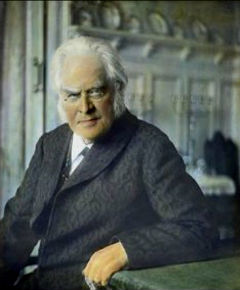
Bjørnstjerne Bjørnson (8 december 1832 – 26 april 1910)


De Amerikaanse schrijver Joel Chandler Harris werd geboren op 8 december 1848 in Eatonton, Georgia.Zie ook alle tags voor Joel Chandler Harris op dit blog.

Uit: Free Joe and Other Georgian Sketches

“The name of Free Joe strikes humorously upon the ear of memory. It is impossible to say why, for he was the humblest, the simplest, and the most serious of all God's living creatures, sadly lacking in all those elements that suggest the humorous. It is certain, moreover, that in 1850 the sober-minded citizens of the little Georgian village of Hillsborough were not inclined to take a humorous view of Free Joe, and neither his name nor his presence provoked a smile. He was a black atom, drifting hither and thither without an owner, blown about by all the winds of circumstance, and given over to shiftlessness.
The problems of one generation are the paradoxes of a succeeding one, particularly if war, or some such incident, intervenes to clarify the[4] atmosphere and strengthen the understanding. Thus, in 1850, Free Joe represented not only a problem of large concern, but, in the watchful eyes of Hillsborough, he was the embodiment of that vague and mysterious danger that seemed to be forever lurking on the outskirts of slavery, ready to sound a shrill and ghostly signal in the impenetrable swamps, and steal forth under the midnight stars to murder, rapine, and pillage—a danger always threatening, and yet never assuming shape; intangible, and yet real; impossible, and yet not improbable. Across the serene and smiling front of safety, the pale outlines of the awful shadow of insurrection sometimes fell. With this invisible panorama as a background, it was natural that the figure of Free Joe, simple and humble as it was, should assume undue proportions. Go where he would, do what he might, he could not escape the finger of observation and the kindling eye of suspicion. His lightest words were noted, his slightest actions marked.”
 

 2198949-f82a83a872f8071d15e6cb68474caa69.jpg
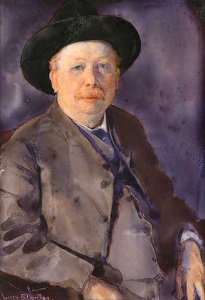
Joel Chandler Harris (8 december 1848 – 3 juli 1908)
Portret door Lucy May Stanton, ca, 1914

Geschreven door Romenu om 09:08 Reageer op dit bericht

Jopie Breemer

De Nederlandse kunstenaar, schrijver en dichter Jopie Breemer werd geboren op 8 december 1875 in Amsterdam. Beemer werdvooral bekend als het middelpunt van de Amsterdamse bohème rond 1910. Zijn huis aan de Leidsegracht was de luidruchtige ontmoetingsplaats van uiteenlopende kunstenaars, wetenschappers en schrijvers, onder wie Han van Meegeren, Hildo Krop en Arthur van Schendel en stond bekend als het “Jopiehol”. Uit het Jopiehol is Het Honk, en nog later uit Het Honk De Kring voortgekomen. Jopie zelf verdween uit het Amsterdamse gezichtsveld omstreeks 1912. Het gerucht wilde, dat hij als hotelportier, en later als dansmeester, in Den Haag een bestaan had gevonden. Een bloeiende anekdotiek rondom zijn legendarische persoonlijkheid leefde nog lang, voornamelijk mondeling, voort. Als eerbetoon aan Jopie gaven de bevriende kunstenaars hem in 1913, toen hij ging verhuizen naar Den Haag, "De ontboezemingsbundel van Jopie Breemer" cadeau met teksten  van Jopie. Het is een bundel met proza, poëzie en teksten, die totaal anders zijn dan de poëzie van de erkende schrijvers uit die tijd. Hij persifleerde  bij voorbeeld de in zijn ogen nogal gewichtige dichtstijl van de Tachtigers. Gerrit Komrij bezorgde in 1998 een herdruk van “De ontboezemingsbundel van Jopie Breemer”.


De Reiziger

De reiziger reist heen en weer
Van Amsterdam naar Wormerveer
En ook wel eens naar Krommenie
Naar Beetsterzwaag en Middellie.
Hij leest zijn krant in de coupé
En neemt altijd zijn koffer mee
Hij draagt een witte hoge boord
En als hij zit zegt hij geen woord
Hij praat nooit met een ander heer
De reiziger reist heen en weer.


Ode op ‘de’

O! ‘De’, gij woord, dat zo alleen
Betekent niets, wat zeg ik, neen
Alleen betekent ‘De’ het al
Een veelomvattend algetal.
Dat woordje met een woord erachter
Maakt dit soms sterk en somtijds zachter.
Maar zonder ‘De’ kunnen wij niet
Waar ‘De’ niet is, daar is geen lied
En zonder ‘De’ ook niet deez ode
En daarom heil gij ‘De’, o, o, ‘De’.


 2223018-c7fe6f9999c990229dd75eb03aa3c114.JPG
Jopie Breemer (8 december 1875 – 6 februari 1957)

Geschreven door Romenu om 00:00 Reageer op dit bericht

Meer van Romenu

↑ Terug naar de berichten