Naar de inhoud

Romenu

Over literatuur, gedichten, kunst en cultuur
akke.beakke.be

Berichten van 10 juni 2019 tot 11 juni 2019

William Styron, Sophie van der Stap, N. P. van Wyk Louw, Renée Vivien, Jean-Pierre Chabrol, Ben Jonson, Yasunari Kawabata, Athol Fugard, Nnimmo Bassey
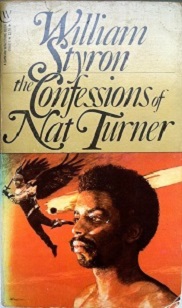
De Amerikaanse schrijver William Styron werd op 11 juni 1925 in Newport News in de staat Virginia geboren. Zie ook alle tags voor William Styron op dit blog.

Uit: The Confessions of Nat Turner

“There was nothing to say. "Well, you was a success, all right. Up to a point. Mind you"—he jabbed a brown-stained finger at me—"up to a point. Because, Reverend, basically speaking and in the profoundest sense of the word you was a flat-assed failure—a total fiasco from beginning to end insofar as any real accomplishment is concerned. Right? Because, like you told me yesterday, all the big things that you expected to happen out of this just didn't happen. Right? Only the little things happened, and them little things when they was all added up didn't amount to a warm bottle of piss. Right?" I felt myself shivering as I gazed downward between my legs at the plank floor and at the links of cold cast iron sagging like a huge rusting timber chain in the chill dim light. Suddenly I felt the approach of my own death, and with a prickling at my scalp, considered that death with mingled dread and longing. My hands trembled, my bones ached, and I heard Gray's voice as if from a broad and wintry distance. "Item," he persisted. "By the U. S. census of last year there were eight thousand niggers in this county, all chattel, not counting around fifteen hundred niggers that were free. Of this grand total of ten thousand plus or minus whatever, you fully expected a good percentage of the male population, at least, to rise up and join you. Anyway, that's what you have said, and that's what the nigger Hark and that other nigger, Nelson, before we hung him, said you said. Let's figure that, oh, maybe a little less than half of the nigger population of the county lives along the route you traversed toward Jerusalem. Lives within earshot of your clarion call, so to speak. Counting on the bucks alone, that's one thousand black people who might be expected to follow your banner and live and die for Niggerdom, and this is only if we figure that a pathetic fifty per cent of the eligible males joined you. Not including pickaninnies and old uncles. One thousand niggers you should have collected, according to your plans. One thousand! And how in the forenoon of the second day when at some pillaged ruin of a manor house far up-county I watched a young Negro I had never seen before, outlandishly garbed in feathers and the uniform of an army colonel, so drunk that he could barely stand, laughing wildly, pissing into the hollow mouth of a dead, glassy-eyed white-haired old grandmother still clutching a child as they lay sprawled amid a bed of zinnias, and I said not a word to him, merely turned my horse about and thought: It was because of you, old woman, that we did not learn to fight nobly ... "Last but not least," Gray said, "item. And a durned important item it is, too, Reverend, also attested to by witnesses both black and white and by widespread evidence so unimpeachable as to make this here matter almost a foregone conclusion.”


 2245113-223d789a795ab12fff16d1ee44777ce2.jpg
William Styron (11 juni 1925 – 1 november 2006)
Cover


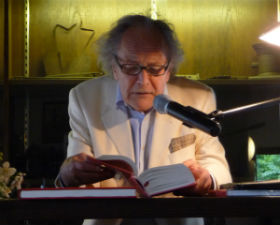
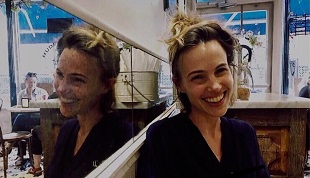
De Nederlandse schrijfster Sophie van der Stap werd geboren in Amsterdam op 11 juni 1983. Zie ook alle tags voor Sophie van der Stap op dit blog.

Uit: Buiten spelen

“Het is nu bijna drie jaar geleden dat ik Paloma heb ontmoet. Ik had toen twee boeken op m’n naam staan; een biografisch boek en een tweede dat ergens de weg tussen fictie en non-fictie was kwijtgeraakt. Wat kan ik verder over toen zeggen? Ergens in huis lag een paspoort gevuld met stempels en andere souvenirs aan mijn verre reizen. In míjn huis; niet lang daarvoor had ik dankzij het succes van Meisje met negen pruiken een appartement aan de Lijnbaansgracht kunnen kopen, maar ik stond heel ergens anders: aan de voet van Montmartre en aan de voet van een nieuw project, boek nummer drie. Mijn eerste echte boek, een roman, want écht schrijven is toch veel meer dan een biografische overlevering. Al met al was het een ander leven en misschien was ik toen ook wel een andere ik. Alles zag er anders uit, of ik nou achterom keek of vooruit.
Ik koos Parijs omdat ik me niet meer thuis voelde in mijn leventje in Amsterdam. Het was te routineus, te ontdekt, te gemakkelijk misschien ook.
Parijs was het tegenovergestelde; ik sprak de taal niet en op mijn literaire agenten na – twee zes-talen-sprekende, drukke dames – kende ik er niemand. In Amsterdam was ik inmiddels een big fish in a small pond, in Parijs slechts een van de natgeregende jassen op straat die stilletjes in de metro verdwijnen. Ik wilde uit die vissenkom treden, uit mijn eigen ik. En dat lukte. Ik merkte dat de mensen me er ‘schoner’ bejegenden; zonder informatie is het moeilijk iemand te plaatsen. Uit je buitenlandse accent kunnen ze niet opmaken of je van de grachtengordel komt of uit Osdorp. Je bent onleesbaar, ongrijpbaar, onaantastbaar. Je bent de buitenlander. Dat maakt wat alleenig, maar ook universeler en uiteindelijk meer jezelf.”
 

 2245113-87dee3b5d8f8d989dd03c7a31fee53d5.jpg
Sophie van der Stap (Amsterdam, 11 juni 1983)


De Zuid-Afrikaans schrijver en dichter Nicolaas Petrus van Wyk Louw werd geboren in Sutherland op 11 juni 1906. Zie ook alle tags voor N. P. van Wyk Louw op dit blog.


O suiwer hart

O suiwer hart wat honger was
in al jou lang deurwaakte nagte
na lewe en versadiging
van trane en lag en wilde klagte;
wat so 'n hoë gang wou gaan
en al Gods denke wou deurskou
soos water in jou hand gekelk
en in die witte son gehou;
wat alle vreugde wou besit
en àl wat die aarde aan skoonheid het
of sonde of smart, soos silwer vis
vang met die lyf se brose net;
- o bloed wat brand, o trotse hart,
nog roer om jou soos wind die smart,
maar in jou donker en hoë wil
word dit soos in 'n kamer stil
nou dat die bitter trots gaan skuil
in deernis soos 'n klippie sink
deur die grys-wit water van 'n kuil
en bewend daal deur kring nà kring
van aldeur sterker skemering
tot daardie stil en diep bestaan
waaroor die sware waters gaan.


God, dat hul smaad

God, dat hul smaad my nog kan raak,
my hart nog so verwondbaar is,
waar U groot wind moes óm my waai
vir hùl tot skriklike duisternis!

Ek sal nie twis en stry met hùl
wat self so magteloos is, gevang
in iedere dag se kleinlikheid
van smaad en wedersmaad en dwang -

met U, met U is my geding,
wat my geskei het van hul ras:
dat U die skulp van stilte breek
waarin ek so verborge was.

Was dit my woorde wat ek sê,
was my begeerte dan in my daad
dat U my nakend voor hul stel
en voor hul dwase Goed en Kwaad?

U moes die nag wees rondom my
omdat ek vir hul duister is;
U moes my skulp wees, of die see
waarin ek één vér spoeling is.
 

 2245113-3c57ca84e109d6c80b3bf12f81cd895e.jpg
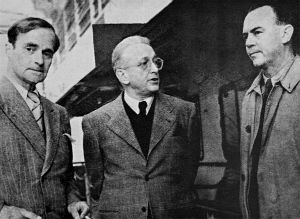
N. P. van Wyk Louw (11 juni 1906 – 18 juni 1970)
Adriaan Roland Holst, Jan Greshoff en NP van Wyk Louw


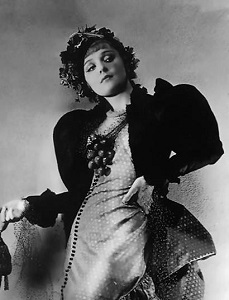
De Britse dichteres en schrijfster Renée Vivien (eig. Pauline Mary Tarn) werd geboren op 11 juni 1877 in Londen. Zie ook alle tags voor Renée Vivien op dit blog.


Victory

Give me kisses bitter as your tears tonight,
When birds pause in their flight to wait.
Our long loveless unions have the charms
Of plunder, and the feral lure of rape.

Your eyes reflect the splendor of the storm…
Breathe out your scorn until you swoon away,
My very dear!—Unclose your lips in wrath:
I’ll slowly drink their poison and their rage.

Roused as a pirate before his precious spoils,
Tonight when all your gaze’s glow has fled,
The conqueror’s soul, savage and radiant,
Sings in my triumph as I leave your bed!


Vertaald door Samantha Pious


You for whom I wrote

You for whom I wrote, oh lovely young women without names,
You whom, alone, I loved, will you reread my verse
On future mornings snowing coldly on the universe,
By future quiet evenings of roses and flames?

Will you sit dreaming, amid the charming disarray
Of dishevelled hair, open robes, of her you never discover
Wherever you look: "Whether on day of mourning or festival day,
This woman wore always her glance, her tips of a lover."

Pale, giving forth a fragrance to haunt my flesh and mind,
In the magic evocation of the night when love should be rare and free
Will you say: "This woman had the ardor I can never find.
What a pity she is not living! She would have loved me!"
 

 2245113-d8b4dc598d871c133740d1acdd1f72f5.jpg

Renée Vivien (11 juni 1877 – 10 november 1909)
Cover


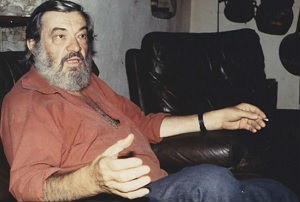
De Franse schrijver Jean-Pierre Chabrol werd geboren op 11 juni 1925 in Chamborigaud. Zie ook alle tags voor Jean-Pierre Chabrol op dit blog.

Uit: La banquise

« Là, on fait place à Maurice Candelaire, dit « le Clouque » (celui qui couve), cantonnier municipal, coiffeur le samedi soir et fossoyeur à l'occasion. Le Clouque se hisse, aidé par des bras complaisants, sur la charrette et se place derrière la rouquine. Il brandit glorieusement ses ciseaux, pas ses outils de coiffeur, non ! des « forces », ciseaux barbares qui ne sont utilisés que pour tondre les moutons. Il fait mine de s'attaquer à l'ouvrage mais se recule sans arrêt pour exciter la populace dont les vociférations s'élèvent dans l'aigu. Enfin le Clouque attrape à pleines mains la longue crinière rousse et la tire brutalement vers l'arrière, démasquant ainsi le visage de la prisonnière qu'il force à se tourner dans tous les sens pour que les spectateurs, de plus en plus montés, n'en perdent rien. La prisonnière est très pâle mais impassible. Sa figure est large, de proportions harmonieuses, le nez droit, les lèvres charnues. A peine quelques rides aux commissures et des pattes-d'oie au coin des yeux qu'elle ne baisse pas. Des yeux usés, d'un bleu pâli, ceux des bergers de transhumance, yeux étranges qui voient au loin avec ce regard qui semble pourtant tourné vers l'intérieur. Elle n'esquisse pas le moindre geste pour éviter les projectiles, débris de boîtes de cigares, emballages froissés, tout ce que les pillards du débit de tabac ont jeté par terre et que les plus montés ramassent à présent. Enfin, les forces attaquent la chevelure en prenant leur temps, avec, entre chaque mèche, de grands moulinets de ciseaux qui cliquettent dans le vide. A mesure qu'apparaît la peau blanche du crâne, les applaudissements crépitent et les gens commencent à rire. Ils se regardent rire les uns les autres, comme si chacun avait peur de rester le seul impassible, car alors toute tiédeur devient suspecte. Ainsi les rires se multiplient, se nourrissant les uns des autres à chaque boucle qui tombe, jusqu'à devenir un fracassant fou rire qui secoue Bouscassel, d'autant plus violent qu'il est né d'une longue peur. Le coiffeur jette les frisettes et les mèches aux mains qui se tendent. Le soleil une seconde, au passage, les transforme en lambeaux sanglants. Quand la tonte est terminée, le Clouque salue dans une révérence outrée désignant d'une main son oeuvre. Alors, suivant une voix surexcitée qui se met à brailler : « Allons enfants de la Patrie... », la populace entonne La Marseillaise. Assis sur le marchepied de la charrette, tourné vers la tondue, le Pétronille, un gros homme flasque, la main droite mutilée, n'arrive pas à retenir de gros sanglots d'enfant. Mais le Clouque trouve autre chose. Il enlève le panneau infamant. Il pose ses mains sur les épaules de la tondue et d'un coup il fait tomber le corsage. C'est d'abord deux robustes épaules, bien rondes, d'une chair délicate. »
 

2245113-e9c9f90608cbbdc85add84fee61793a1.jpg
Jean-Pierre Chabrol (11 juni 1925 – 1 december 2001)
Cover


De Engelse dichter en schrijver Ben Jonson werd geboren rond 11 juni 1572 in Westminster, Londen. Zie ook alle tags voor Ben Jonson op dit blog.


Third Charm from Masque of Queens

The owl is abroad, the bat, and the toad,
And so is the cat-a-mountain,
The ant and the mole sit both in a hole,
And the frog peeps out o' the fountain;
The dogs they do bay, and the timbrels play,
The spindle is now a turning;
The moon it is red, and the stars are fled,
But all the sky is a-burning:

The ditch is made, and our nails the spade,
With pictures full, of wax and of wool;
Their livers I stick, with needles quick;
There lacks but the blood, to make up the flood.
Quickly, Dame, then bring your part in,
Spur, spur upon little Martin,
Merrily, merrily, make him fail,
A worm in his mouth, and a thorn in his tail,
Fire above, and fire below,
With a whip in your hand, to make him go.


To Censorious Courtling

COURTLING, I rather thou should'st utterly
Dispraise my work, than praise it frostily:
When I am read, thou feign'st a weak applause,
As if thou wert my friend, but lack'dst a cause.
This but thy judgment fools: the other way
Would both thy folly and thy spite betray.
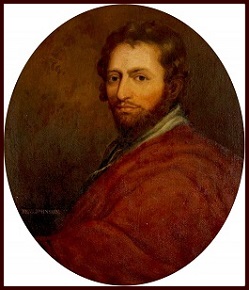
 

 2245113-ddd57f7245bd4538de96e8e71982e1bd.jpg
Ben Jonson (ca. 11 juni 1572 – 6 augustus 1637) 
Anoniem portret in de Royal Shakespeare Theatrein Stratford-upon-Avon


De Japanse schrijver Yasunari Kawabata werd geboren op 11 juni 1899 in Osaka. Zie ook alle tags voor Yasunari Kawabata op dit blog.

Uit: The House of the Sleeping Beauties (Vertaald door Edward Seidensticker)

“As Eguchi looked away his eye fell to his wrist watch.
"What time is it?"
"A quarter to eleven."
"I should think so. Old gentlemen like to go to bed early and get up early. So whenever you're ready."
The woman got up and unlocked the door to the next room. She used her left hand. There was nothing remarkable about the act, but Eguchi held his breath as he watched her. She looked into the other room. She was no doubt used to looking through doorways, and there was nothing unusual about the back turned toward Eguchi.
Yet it seemed strange. There was a large, strange bird on the knot of her obi. He did not know what species it might be. Why should such realistic eyes and feet have been put on a stylized bird? It was not that the bird was disquieting in itself, only that the design was bad. But if disquiet was to be tied to the woman's back, it was there in the bird. The ground was a pale yellow, almost white.
The next room seemed to be dimly lighted. The woman closed the door without locking it, and put the key on the table before Eguchi. There was nothing in her manner to suggest that she had inspected a secret room, nor was there in the tone of her voice.
Here is the key. I hope you sleep well. If you have trouble getting to sleep, you will find some sleeping medicine by the pillow.
"Have you anything to drink?"
"I don't keep spirits."
"I can't even have a drink to put myself to sleep?"
"No."
"She's in the next room?"
"She's asleep, waiting for you."
"Oh!" Eguchi was a little surprised. When had the girl come into the next room? How long had she been asleep? Had the woman opened the door to make sure that she was asleep? Eguchi have heard by an old acquaintance who frequented the place that a girl would be waiting, asleep, and that she would not awake. But now that he was here he seemed unable to believe it.”
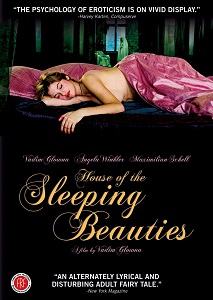
 

 2245113-5078746edc22f16c2ee7db9b9e61aea8.jpg
Yasunari Kawabata (11 juni 1899 — 16 april 1972)
Poster voor de gelijknamige film van Vadim Glowna uit 2006


De Zuidafrikaanse schrijver Harold Athol Lannigan Fugard werd geboren op 11 juni 1932 in Middelburg, Kaapprovincie. Zie ook alle tags voor Athol Fugard op dit blog.

Uit: No-Good Friday

“GUY. You mean the hotel? That's the nearest I got to a job. They didn't need any musicians ... 'But we've got an opening for a kitchen boy' ... 'Opening', mind you! I should have told him, his opening was my back door. Another bloke gives me a pat on the back after I've blown three bars and says, ever so nicely: 'You boys is just born musicians ... born musicians I tell you. You got it in your soul.' So I says: 'But a job, Mister?' And he says: 'Nothing doing. Too many of you boys being born.' You know something, Reb? I should have settled down to book learning. That way you always eat. Like Willie. Now there's a smart Johnny.
REBECCA. 'Willie's all right.
GUY. All right! He's more than just right, he can't go wrong.
REBECCA. He's just like any other fellow.
GUY. I didn't mean it that way. I know Willie can go wrong, if he does some stupid thing. What I mean is, it's up to himself. But like me now ... I know I play well, everyone says so, even some of the top boys. But how does that help me? I still get buggered around. And the way I see it Willie won't make no mistakes. What's this latest thing he's up to?
REBECCA. You mean the course?
GUY. Yes, that's it.
REBECCA. First year B.A....Correspondent.
GUY. There, you see. Now who but Willie would think of that. [Pause.] Now ... actually ... where does that get him?
REBECCA. if he passes, to his second year.
GUY. Well, what do you know! [Pause.] And then?
REBECCA. The third year.
GUY. Doesn't it end sometime?
REBECCA. If he passes that, he gets his degree. Bachelor of Arts.”
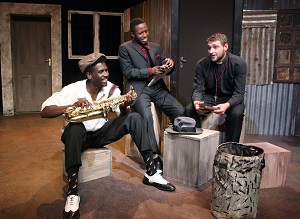
 

 2245113-d41d7b307ac5c3650558883ad087db5d.jpg
Athol Fugard (Middelburg (ZA), 11 juni 1932)
Scene uit een opvoering in Johannesburg, 2014


De Nigeriaanse dichter, schrijver, architect, en milieuactivist Nnimmo Bassey werd geboren in Akwa Ibom op 11 juni 1958. Zie ook alle tags voor Nnimmo Bassey op dit blog.

Uit: Power of poetry for global transformation

“Poetry and song capture our understanding of life and provide us with platforms to express ideas that may otherwise be inexpressible. Poetry represents memory as well as vision. It is the chant as well as the wail. It could come as joyous and exuberant calls, it could also come as a dirge marking the crossing of the slim line between here and there, between life on this plane and life across the river. The poet could be a story teller, the griot, or the prophet. With eyes closed she sees worlds that open-eyed folks are unable to comprehend.
In sum, poetry is an expression of life. Poetry played a central role in the precolonial African community. It still does. However, poetry in the form of song is the dominant format in contemporary society. Dreams are woven and conveyed through poetry. Defiance and censure equally find potent expression in the medium. In other words, poetry can be subversive and rallying cry for change.
As a poet, I have noticed a progression in my relationship between my thoughts, experiences and words. As a young poet, I was drawn to the humour found in rhymes, limericks and the like. Poetry provided an escape route in my struggles to understand the murky terrain of life. It should be said that I grew up in at a time when my country and continent faced serious political struggles. In the mid 1960s my country was embroiled in the Nigeria-Biafra civil war. As a child I was witness to brutality and suffered displacement and the indignities of being a refugee in my own country. Thereafter, the struggle for independence in other parts of Africa utterly radicalised by sensibilities. As all these were going on, Nigeria suffered years of military dictatorship. Add to these, the economic violence visited on Africa by international financial institutions left deep questions. How do you say no in thunder? – to use a phrase from one of the poems the poet Christopher Okigbo (16 August 1932-1967). Okigbo died fighting for the Biafran cause.”

 

 2245113-8d1b60f39b26e69a143c31c7f23be8d0.jpg
Nnimmo Bassey (Akwa Ibom, 11 juni 1958)


Zie voor nog meer schrijvers van de 11e juni ook mijn blog van 11 juni 2017 deel 2.
Geschreven door Romenu om 18:39 Reageer op dit bericht

Pentecost Villanellette (Mark DeBolt)


Prettige Pinksterdagen!


 2244749-f67b3148dbe1881b82b7832f4eaea0a9.jpg
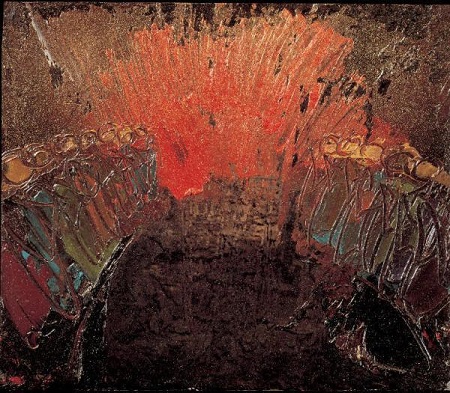
Pentecost 2 door William Congdon, ca. 1962


Pentecost Villanellette

Not as a dove the Holy Spirit came
to the disciples gathered in a room,
but as a violent wind and tongues of flame.

A cyclone roared the ineffable name
as fire on each blushing brow did bloom.
Not as a dove the Holy Spirit came

to give sight to the blind and heal the lame
and raise the dead and dispel error’s gloom,
but as a violent wind and tongues of flame.

The Breath of God is anything but tame.
Who dally with it dally with their doom.
Not as a dove the Holy Spirit came,
but as a violent wind and tongues of flame.


 2244749-d12f2776a0bbe99bd74488e3cea468ad.jpg
Mark DeBolt (Coldwater, 9 april 1968)
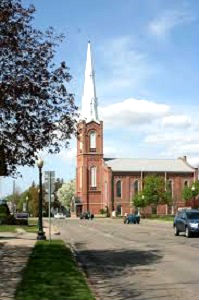
First Presbyterian Church in Coldwater, Michigan, de geboorteplaats van Mark DeBolt


Zie voor de schrijvers van de 10e juni ook mijn vorige twee blogs van vandaag.

Geschreven door Romenu om 08:52 Reageer op dit bericht

Louis Couperus, D. Hooijer, Jacques Perk, James Salter, Mensje van Keulen, Jan Brokken

De Nederlandse schrijver Louis Couperus werd op 10 juni 1863 geboren in Den Haag. Zie ook alle tags voor Louis Couperus op dit blog.

Uit: Langs lijnen van geleidelijkheid

“Hij bracht haar in den salon: een donker vertrek; in het midden een tafel vol tijdschriften, gerangschikt in een regelmatigen, nog ongelezen cirkel; twee dames, klaarblijkelijk Engelsch, en van het esthetische genre - groezelige haren, lossige blouses, - zaten, in een hoek, in haar Baedekers te studeeren, vóor zij uit gingen. Cornélie boog even het hoofd, maar ontving geen groet terug; zij nam het niet kwalijk, al bekend met Albionsche reismanieren. Zij zette zich aan tafel en nam den Romeinschen ‘Herald’ op, het blad, dat om de veertien dagen verschijnt en waaruit men leert, alles wat er die weken te doen is in Rome, en nù vroeg een der dames haar, uit haar hoek, agressief:
- I beg your pardon, maar zal u, als-u-blieft, den Herald, niet naar uw kamer meênemen?
Cornélie richtte heel hoog en kwijnend haar hoofd in de richting op, waar de dames zaten, zag vaag over hare groezelige hoofden heen, zeide niets en blikte weêr terug in den Herald, en zij vond zich zeer bereisd en glimlachte inwendig, omdat zij wist hoe men deed tegen dit genre van Engelsche dames.
De marchesa trad binnen, en verwelkomde Cornélie in het Italiaansch, in het Fransch. Zij was een groote dikke matrone, vulgair dik; haar ampelen boezem omspande een zijden kuras of spencer, dat glom op de naden en barstte onder de armen: haar grijze frizuur gaf haar iets van een leeuw; de groote geel en blauw gebistreerde oogen sperden een blik open, onnatuurlijk van bella-donna; in hare ooren regenboogden ontzaglijke kristallen, en naamlooze êelgesteenten waren aan hare dikke vette vingertjes gerist. Zij sprak heel vlug, en Cornélie vond hare frazen even gezellig huiselijk als de verwelkomst van den krukkenden portier op het stationplein. Zij liet zich door de marchesa geleiden naar den lift, en steeg met haar in: de hydraulische lift, een getraliede kooi, opgaande langs de trappen, steeg plechtig en bleef eensklaps roerloos, tusschen tweede en derde verdieping.
- Derde verdieping! riep de marchesa naar omlaag.
- Non c'è aqua! riep het knoopenjongetje kalm terug, daarmeê willende beweren, dat - hetgeen heel natuurlijk scheen, - er geen water genoeg was om den lift in beweging te stellen.”


 2244744-2ae7920f1eb34e86895595272910878c.jpg
Louis Couperus (10 juni 1863 – 16 juli 1923)
Cover


De Nederlands dichteres en schrijfster D. Hooijer (pseudoniem van Catharina Antonetta (Kitty) Ruys-Krijgers Janzen) werd geboren in Hilversum op 10 juni 1939. Zie alle tags voor D. Hooijer op dit blog.


Milly Wiers

wind die de rails nam rook naar ijzer

kinderen roven en grootbrengen
daar had ik argumenten voor
toen ik berustte wilde ik
op reis, door blond gekust

aan het spoor stond boerenkool
die rook naar wind uit steden
treinen droegen jongens langs
met gekmakend zelfstandige blik
dan stilte en geklik in palen

nu gaan mijn liefdes lezend voorbij
gras dat altijd voor konijnen was
is opgegroeid en buigt bij treinen
glas door onbekende aangeboden
verstolen oberhand wijst
op een rug halfrond de draaideur
nabeeld als ik mijn ogen sluit
van roze haar of kaal rood hoofd
prins van mijn soorten: wel ver
uiteen weggelegd voor elkaar
besteed aan mij geen woningen

ligustergeur, te zoet te zuur
door de windstille straat
de jongen met het zwart haar
ramen open, mes in de tafel
dan ben ik zo goed als verhuisd
eens zat hij in alle tuinen
rechtop zo streng opgevoed
mooi sloten zijn handen
om namaak chinese theekommen
later verdwenen zijn vodden
in de straat bestaat verschil
tussen rovers en zwervers
als de pianostemmer speelt
hoor je iets roodfluweels
bloemen van bloemgordijnen
gaan in vazen staan

gedenk mij, speelt hij
ik ben de pianist,
die pianostemmer wred
ik trommel viooltjes op
uit iedere oude kast
mijn moeder is van adel
bij haar verloor ik
haren, wilde aanslag
zij schrijft je rekeningen
met bloedblauwe inkt


 2244744-c617692ae763b39157deafae16ec88da.jpg
D. Hooijer (10 juni 1939 – 25 september 2013)


De Nederlandse dichter Jacques Fabrice Herman Perk werd geboren in Dordrecht op 10 juni 1859. Zie ook alle tags voor Jacques Perk op dit blog.


Zonsondergang op ’t meer

In 't meer, omkranst met wilgen en platanen,
Wier top de bodem peilt, staart avond-gloed
En spiegelt zich: de wind wiekt aan, en spoedt
Zich naar de kim....
En met hem gaan de lange water-banen,
De lauwe geuren....
Het rozen-blad op de gefronsde vloed,
Het deinend dons der dommelende zwanen....


Op de top

Lig daar, mijn wandelstaf! Hier is de top,
En met de blauwe wolkjes, die er krullen
Rijst uit het dal de rust naar boven op,
Waar zich het wolkloos ruim mee schijnt te vullen;

De bergen wijken, breed van rug en kop,
Die ze in een waas van matte nevel hullen. -
Uit d' afgrond lacht gezang en steengeklop...
Of dan die mensen nimmer rusten zullen?

Daar zwoegen ossen voor hun zware vracht,
Ginds lijmt de bij haar zoete raten dicht,
En kraait een haan zijn liedje van victorie:

't Juicht alles in 't bestaan, en heeft de plicht
Van vrolijk-zijn nog nooit zo blij betracht....
En 't ontevreden stadskind droomt van glorie?


Dorpsdans

De vedel zingt, waar roos en wingerd-ranken
Verliefd omhelzen 't huis des akkermans,
En gloeien in de avond-purper-glans, -
En twintig menschen rijzen bij die klanken;

Het avond-maal heeft uit: van dis en banken
Verdween der jonkheid blij geschaarde krans, -
De vlugge voeten reien zich ten dans,
En de arm buigt om de leesten heen, de slanken:

Daar tripplen zij en stampen naar de maat,
Terwijl de kroezen op de dis rinkinken, -
En naar de wangen stijgt het vrolijk bloed:

De oude, die daar op de dorpel staat,
Ziet men de vreugd uit lachende ogen blinken,
Tevreden, dat hij leeft, en leven doet.


 2244744-914c901c200253b3971d5949fff50c97.jpg
Jacques Perk (10 juni 1859 – 1 november 1881)
Dordrecht


De Amerikaanse schrijver James Salter werd op 10 juni 1925 in New York geboren. Zie ook alle tags voor James Salter op dit blog.

Uit: Last Night

“— We’ll have a good dinner, DeLereo had said happily, get on board and turn in. When we get up we’ll have passed the Gulf Stream.
It began that way but ended differently. The sea was very rough. They never did cross the Gulf Stream—the captain was from Long Island and got lost. DeLereo paid him fifty dollars to turn over the wheel and go below.
— Do you know anything about boats? the captain asked.
— More than you do, DeLereo told him.
He was under an ultimatum from Adele, who was lying, deathly pale, in their cabin. — Get us into port somewhere or get ready to sleep by yourself, she’d said.
Philip Ardet heard the story and many others often. He was mannerly and elegant, his head held back a bit as he talked, as though you were a menu. He and Adele had met on the golf course when she was learning to play. It was a wet day and the course was nearly empty. Adele and a friend were teeing off when a balding figure carrying a cloth bag with a few clubs in it asked if he could join them. Adele hit a passable drive. Her friend bounced his across the road and teed up another, which he topped. Phil, rather shyly, took out an old three wood and hit one two hundred yards straight down the fairway.
That was his persona, capable and calm. He’d gone to Princeton and been in the navy. He looked like someone who’d been in the navy, Adele said—his legs were strong. The first time she went out with him, he remarked it was a funny thing, some people liked him, some didn’t.
— The ones that do, I tend to lose interest in.
She wasn’t sure just what that meant but she liked his appearance, which was a bit worn, especially around the eyes. It made her feel he was a real man, though perhaps not the man he had been. Also he was smart, as she explained it, more or less the way professors were.”


 2244744-0bf2ac9174e67f1d54312a6479fe7a5b.jpg
James Salter (10 juni 1925 – 19 juni 2015)
Cover


De Nederlandse schrijfster Mensje van Keulen werd op 10 juni 1946 geboren in Den Haag. Zie ook alle tags voor Mensje van Keulen op dit blog.

Uit: Neerslag van een huwelijk

“3 januari
De zaal van Bellevue, waar het VPRO-programma Piet Ponskaart wordt uitgezonden, was opgeluisterd door slingers, lampjes, topless juffrouwen die taartjes en cider ronddeelden. Henk Spaan oogstte succes, naast Brandt Corstius en Wim T. Schippers. Ook zijn versje (onderwerp: met wie doe je het het liefst?) viel goed bij het publiek. Simon van Collem, Jan de Bont en Monique van de Ven werden geïnterviewd. Na afloop van het programma gingen we naar Américain. In een groot gezelschap zitten voelt altijd onwennig.
‘Ik kan niet meer werken,’ zegt Eva Biesheuvel. ‘Om Maarten. Ik moet thuisblijven.’
Maarten had de hele dag in bed gelegen, hij had liggen piekeren, was er moe van. Na het eten ging hij met een slaappil weer naar bed. Eva is altijd in zijn buurt. Ik zou gek worden als ik dagenlang een man om me heen zou hebben. Ondanks alles heeft Maarten het afgelopen jaar een aantal verhalen geschreven. Ik zeg hem dat ook herhaaldelijk en hoop dat het hem troost.

5 januari
De assistente van Thomas Rap had me wat te vertellen, zei ze. En ze vertelde dat Rap zijn uitgeverij naar Baarn wil verhuizen en dat ze niet mee wil. Ze zou sowieso ontslag nemen, want ze had er genoeg van. Waarvan? ‘Streken,’ zei ze en legde met ‘ssst’ een vinger tegen haar lippen.
Ze heeft ook haar buik vol van feministen, wil een eigen uitgeverijtje beginnen voor uitsluitend vrouwen, maar niet voor radicale vrouwen. Of ik dat geen goed idee vond? Ik raadde haar aan Boosaardige Boeken uit te geven in de z.g. BoBoreeks.”


 2244744-55ce9eda8008d32ed7dc6c186e1a3935.jpg
Mensje van Keulen (Den Haag, 10 juni 1946)


De Nederlandse schrijver Jan Brokken werd geboren op 10 juni 1949 in Leiden. Zie ook alle tags voor Jan Brokken op dit blog.

Uit:De gloed van Sint–Petersburg

“Blijkens een inscriptie is het in 2006 onthuld. Dan pas realiseer ik me dat op deze plek aan de kade de beruchte Kresty-gevangenis als gruwelvesting oprees en dat Achmatova hier dag in, dag uit in de sneeuw of in de vochtige wind stond te wachten, in de hoop nieuws over haar gearresteerde zoon te krijgen.
Op de sokkel van het standbeeld staan de toepasselijke regels uit Requiem:

Ik bid niet louter voor mijzelf dit uur,
Maar ook voor wie zich daar met mij bevonden,
Voor hen die bij die rode blinde muur
In barre kou en juli-hitte stonden.

De muur is nog altijd rood, de Kresty heeft nog altijd de vorm van een kruis (krest betekent ‘kruis’), maar in het gebouw zitten sinds kort geen gevangenen meer opgesloten. Het wordt verbouwd; borden geven aan dat de nieuwe bestemming een luxueus hotelcomplex zal zijn – wat de aanblik niet minder grimmig maakt. Het beeld van Achmatova steekt er scherp bij af; het is zeker drie meter hoog, het is rank, fier, trots, met een vrouwelijke maar bovenal aristocratische verfijndheid. Zelfs als ik er pal voor sta, houd ik het voor een uitvergroot Giacometti-beeld, door de extreem lange armen en de extreem dunne benen. Natuurlijk moet ik even later ook aan de tekeningen en portretten denken die Modigliani van haar maakte tijdens haar enige verblijf in het buitenland, in Parijs. Als een van de eersten werd Modigliani verliefd op haar langgerekte gezicht, haar smalle neus en haar dicht bij elkaar staande, onderzoekende ogen. Ik leg verkeerde verbanden; de maker van het beeld is een Russin, Galina Dodonova, en haar stond het Bijbels beeld voor ogen van Lots vrouw die het hoofd omdraait en in een zoutpilaar verandert.”


 2244744-e3d4205b448dac5cbb4ec2cdec83566f.jpg
Jan Brokken (Leiden, 10 juni 1949)
Sint–Petersburg 


Zie voor nog meer schrijvers van de 10e juni ook mijn vorige blog van vandaag.

Geschreven door Romenu om 08:51 Reageer op dit bericht

Saul Bellow, Ion Creanga, Oktay Rifat, Peter Kurzeck, Antun Mihanović, Tijl Nuyts

De joods-Amerikaanse schrijver Saul Bellow werd geboren op 10 juni 1915 te Lachine, een voorstad van Montreal. Zie ook alle tags voor Saul Bellow op dit blog.

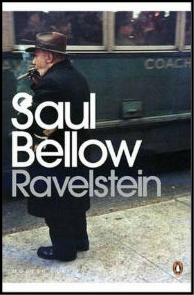
Uit: Ravelstein

“Odd that mankind's benefactors should be amusing people. In America at least this is often the case. Anyone who wants to govern the country has to entertain it. During the Civil War people complained about Lincoln's funny stories. Perhaps he sensed that strict seriousness was far more dangerous than any joke. But critics said that he was frivolous and his own Secretary of War referred to him as an ape.
Among the debunkers and spoofers who formed the tastes and minds of my generation H. L. Mencken was the most prominent. My high school friends, readers of the American Mercury, were up on the Scopes trial as Mencken reported it. Mencken was very hard on William Jennings Bryan and the Bible Belt and Boobus Americanus. Clarence Darrow, who defended Scopes, represented science, modernity, and progress. To Darrow and Mencken, Bryan the Special Creationist was a doomed Farm Belt absurdity. In the language of evolutionary theory Bryan was a dead branch of the life-tree. His Free Silver monetary standard was a joke. So was his old-style congressional oratory. So were the huge Nebraska farm dinners he devoured. His meals, Mencken said, were the death of him. His views on Special Creation were subjected to extreme ridicule at the trial, and Bryan went the way of the pterodactyl - the clumsy version of an idea which later succeeded - the gliding reptiles becoming warm-blooded birds that flew and sang.
I filled up a scribbler with quotes from Mencken and later added notes from spoofers or self-spoofers like W. C. Fields or Charlie Chaplin, Mae West, Huey Long, and Senator Dirksen. There was even a page on Machiavelli's sense of humor. But I'm not about to involve you in my speculations on wit and self-irony in democratic societies. Not to worry. I'm glad my old scribbler has disappeared. I have no wish to see it again. It surfaces briefly as a sort of extended footnote.”


 2244743-91af0d5efc3bcfc5087af2af6e34b576.png
Saul Bellow (10 juni 1915 – 5 april 2005)
Cover


De Roemeense schrijver Ion Creanga werd geboren op 10 juni 1839 in Humuleşti. Zie ook alle tags voor Ion Creanga op dit blog.

Uit: Memories of My Boyhood (Vertaald door Ana Cartianu en R.C. Johnston)

“Heigh ho! Once I heard of the priesthood and of our priest's little Smaranda, I gave up the flies completely and turned my thoughts to other things. I began to take to writing, to preparing the censer in church, to singing second, as if I were a respectable youngster. The priest put me down in his good books and little Smaranda flashed a glance at me now and then; Master Vasile entrusted the coaching of other boys to me, and, as the saying goes, a different kind of flour was now being ground in the old mill. Nică, Costache's son, loutish and bullying, with his grating voice, had no further hold over me. But man proposes and God disposes!
One day, in actual fact it was St. Foca's Day, the mayor ordered the villagers out to repair the road. The rumour went that the Prince was going to ride that way to visit the monasteries. Master Vasile found nothing better to do than to say: "Come on, boys, let's help with that road, so that the Prince shan't say, as he passes through, that our village is lazier than the others."
So we all set out from school together. Some of us dug with spades, some carried stones in wheel-barrows, some in carts, some in kneading-troughs; in short, the people worked with a will. The mayor Nică, son of Petrica, with the overseer, the deputy-mayor and a couple of tousle-headed clerks, were moving to and fro among the people, when, all of a sudden, what should we see but a scuffle on the gravel, a crowd of people in a confused heap and one of them yelling out loudly. "What can this mean?" people were saying, as they ran from all sides.
Master Vasile had been caught with a lasso by the press-gang; they were now roping him tight and handcuffing him, preparatory to sending him off to the town of Piatra. So that's why the mayor had summoned the people to communal labour! This was the way with deceptions such as these, that young men were in those days press-ganged into military service... This was an evil sight indeed!”


 2244743-d11a86cb9cb695d02ab59ee3c14b475c.jpg
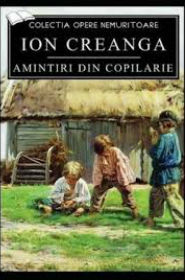
Ion Creanga (10 juni 1839 – 31 december 1889)
Cover Roemeense uitgave


De Turkse dichter Oktay Rifat werd geboren op 10 juni 1914 in Trabzon. Zie ook alle tags voor Oktay Rifat op dit blog.

Agamemnon I (Fragment)

We walked on, crushing the reeds and arrived at the valley; smoking, we leant against the ancient rocks.
We crouch on tbe earth - dear carth!- but they stand upright - chacun a son gout! They say tbey are descended from gods and their mansions have courtyards and fountains;
They play poker to the death on their rigged tables, they stack the cards and throw their bone chips for results,
They drink water from silver cups - blessed water! - we from the hollow of our hands. 'They have the fingers of cheats, ours are bony and workworn,
They fall and bleed like rotten rowan trees and ache all night long. And we mount the oxcarts to move away. The mountain-path is easier at night.
We wait for the sparsely-feathered farm-bird to sing; but from a distance the little bastard is silent on our tree.

They turned their fiery, sharp, savage weapons against us, with their long-shadowed cruel spears, murderous as guns and mortars, shells and bazookas!
We pruned the tree-trunks, thinned the tobacco-seedlings, hoed the cotton automatically, how can we stop caring for them?
Our wives like deer with young, humbled, sweaty, some with a hoe or a sickle, poppies on the plain bleeding inwardly.

It's evening, white as sheep's wool the Pole Star is born, a rustling tremor moves mountain and rock. When it says, 'Come!' you must up and leave, impossible not to leave!
Rainbows between two ages, great absorbent waterspouts moving in darkness, gushing skywards with rocks and earth,
And naked babies, village huts like leeches clinging to a barren mountainside, no windows, no tiles, made of poverty-stricken, sundried mudbricks.


 2244743-db4afe7edca1269daf5d620f11efa6f6.jpg
Oktay Rifat (10 juni 1914 – 10 april 1988)


De Duitse schrijver Peter Kurzeck werd geboren op 10 juni 1943 in Tachau, Bohemen. Zie ook alle tags voor Peter Kurzeck op dit blog.

Uit: Ein Kirschkern im März

“Mit vierzig. Im einundvierzigsten Lebensjahr. Als Gast, legal alsGast. Immer noch einen Tag. Schon der neunzehnte! Erst schonder neunzehnte, dann schon der zwanzigste! Die ganze ZeitMärz. Am ersten März eingezogen und jetzt auf einmal beeiltsich die Zeit, fängt zu rennen an. Und ich auch. Einen Regen-schirm mit und schnell-schnell alle Tage! Nutzt auch nix – wegdie Zeit und vergangen. Wie hat das geschehen können? Du hastsie aufgebraucht und das reut dich jetzt. Das hätte nicht seinmüssen. Vergangen die Zeit. Und bleibt vergangen. Schnell mitdem Schirm, große Schritte. Früher nie einen Regenschirm mitund jetzt nie mehr ohne. Durch die Trennung ein andererMensch: ein Mensch mit Regenschirm, mit Bedenken und Vor-behalten (die in seinem Kopf nach Dringlichkeitsstufen sortiertsind). Wie ging das denn zu? Im November einmal ein Regen-abend und zum Ersticken mein Leben. Gleich nach der Tren-nung. Die Wohnung wie unter der Erde. Und da hast du denalten Schirm, Karos, Streifen, Pünktchen, unregelmäßig verbli-chen ein Muster aus drei Sorten Grau, hast einen der beiden al-ten Regenschirme im Flur mitgenommen und schnell aus demHaus. Und seither mit diesem Schirm durch die Welt. Der Stoffeingerissen. Die Speichen verbogen. Der Griff wackelt. Ammeisten im Regen wackelt der Griff. Am Griff eine Schraube,die vorsteht. Nur schnell! Immer schneller! Im Geniesel, imRegen, besser noch schnell vor dem Regen her. Geduckt, einGespenst, ein eiliger Schatten. Und so durch den Spätherbst und Winter. Erst ein Regen- und dann ein Schneewinter. Mit Schirm.
Ein Mensch, der sich selbst nicht mehr traut. Immer den Schirmmit und mich daran festhalten. Auf jedem Weg. Als könnte ichandernfalls nicht auf der Welt bleiben. Früher nie einen Schirm.Früher mit Zuversicht und verträumt, laß dir Zeit, und die Weltmir entgegen. Vielleicht noch aus Staufenberg, vielleicht sogarnoch von meiner Mutter der Schirm. Vielleicht hat Sibylle ihnvor Jahren einmal gefunden.”


 2244743-d7ba334027beb7d9b0dd8bb9958a971d.jpg
Peter Kurzeck (10 juni 1943 – 25 november 2013)


De Kroatische dichter en diplomaat Antun Mihanović werd geboren in Zagreb op 10 juni 1796. Zie ook alle tags voor Antun Mihanović op dit blog.


Lijepa naša domovino

Lijepa naša domovino,
Oj junačka zemljo mila,
Stare slave djedovino,
da bi vazda sretna bila!

Mila, kano si nam slavna,
Mila si nam ti jedina.
Mila kuda si nam ravna,
Mila, kuda si planina!

Teci Dravo, Savo teci,
Nit' ti Dunav silu gubi,
Sinje more svijetu reci,
Da svoj narod Hrvat ljubi.

Dok mu njive sunce grije,
Dok mu hrašće bura vije,
Dok mu mrtve grob sakrije,
Dok mu ¸ivo srce bije!


 2244743-5dabc9da9830518b05c26378fc208097.jpg
Antun Mihanović (10 juni 1796 – 14 november 1861)
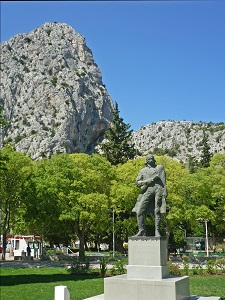
Monument in Omiš


Onafhankelijk van geboortedata:

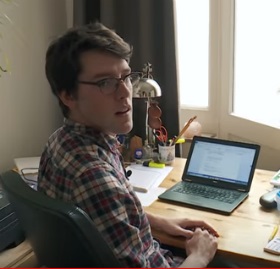
De Vlaamse dichter Tijl Nuyts werd geboren in 1993. Zie ook alle tags voor Tijl Nuyts op dit blog.


AĦMAR

in het beenzwarte licht van een stroboscoop
staat een dwerg met gesprongen lippen naar me te wuiven
ik wou dat hij mijn zoon was

ik kan het niet aanzien en ga op reis

halfweg september kom ik aan in de vossenstad
in het gras tussen de rails van het station
zitten sleutels verstopt, maar zelfs de simpele tover
van een anagram ontgaat de luie lezer:
azimut de stoter die slaand de verzen vouwt

rum met een reukje eraan in de bultenaarsschaduw van
de radcliffe camera, de snijbloemgeur van kaneel en uraan

de jongens die op onze kleuterklasfoto’s staan
kijken toe hoe ik de taal die mensen spreken
naar mijn roofridderburcht sleep

kijk!
onze silhouetten op slot tegen de akelmuur
een superman-t-shirt als een vlag om haar gespierde lichaam
in de nok voorbij de knik hikt ze soera’s in het schrift


 2244743-89bfaa0f8308a9b4c1625aa5d6a29389.jpg
Tijl Nuyts (Kortrijk (?), 1993)

Geschreven door Romenu om 08:50 Reageer op dit bericht

Meer van Romenu

↑ Terug naar de berichten