Naar de inhoud

Romenu

Over literatuur, gedichten, kunst en cultuur
seniorennet.beseniorennet.be

Jacquelyn Mitchard, Thomas Lux, Clarice Lispector, Ara Baliozian, Christine Brückner
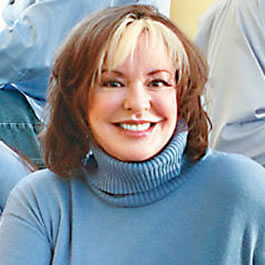
De Amerikaanse schrijfster Jacquelyn Mitchard werd geboren in Chicago, Illinois, op 10 december 1951. Zie ook mijn blog van 10 december 2008 en ook mijn blog van 10 december 2009 en ook mijn blog van 10 december 2010.


Uit: Second Nature


“This is what I know.

My father stood in the center aisle of the Lady Chapel—that hunched, hexed little building he hated as a father and as a firefighter— under the lowering band of sooty, mean-colored smoke, and he looked right at me. He understood what had happened to me, and although he couldn’t tell me then, he was still happy. He thought I was one of the lucky ones.

I was.

This is what I remember.

There were fifty of us in the Lady Chapel that late afternoon, December 20, the shortest day of the year. Inside, in winter, it was always about as warm and bright as an igloo. Wearing our coats and mittens as we sang “O Come, O Come, Emmanuel,” we could see our breath.

As a place of worship and a historic structure, the Lady Chapel was exempt from all the building codes and conformed to none of them, which was why Dad despised the very sight of it. The mahogany pews, each with a different intricate carving, massaged for seventy years with layers of flammable polish, were nothing but tinder to him. Raw and reckless new structures, when they burned, were flimsy as tents. But the old chapel had stone walls a foot thick and had been reroofed so many times that Dad said that it could have withstood a phosphorus bomb.

It didn’t take anything as potent as a bomb, only a small candle in a small draft.

That day, just as the choirmaster, Mr. Treadwell, brought together his fingertips and held them up to his delicate cheekbones, twinkly as a ballerina (looking back, I think Mr. Treadwell was twinkly all the

time, what my mother called “a confirmed bachelor”), first one and then the other Christmas tree on either side of the altar went up like ten-foot sparklers. A few kids simply stood, flat-footed and amazed, as though the pyrotechnics were some sort of holiday surprise. I knew better than to think that, even for a second.”


 1049956-00943afb79a8d2bcf443633727b8f58f.jpg

Jacquelyn Mitchard (Chicago, 10 december 1951)


De Amerikaanse dichter Thomas Lux werd geboren op 10 december 1946 in Northampton, Massachusetts. Zie ook mijn blog van 10 december 2008 en ook mijn blog van 10 december 2009 en ook mijn blog van 10 december 2010.


Motel Seedy


The artisans of this room, who designed the lamp base
(a huge red slug with a hole
where its heart should be) or chose this print
of a butterscotch sunset,
must have been abused in art class
as children, forced to fingerpaint
with a nose, or a tongue. To put this color
green--exhausted grave grass--to cinder blocks
takes an understanding of loneliness
and/or institutions that terrifies.
It would seem not smart to create
a color scheme in a motel room
that's likely to cause impotence in men
and open sores in women,
but that's what this puce bedspread
with its warty, ratty tufts could do. It complements
the towels, torn and holding awful secrets
like the sail on a life raft
loaded with blackened, half-eaten corpses . . .
I think I owned this desk once, I think
this chair is where I sat
with the Help Wanted ads spread and wobbling
before me as I looked for jobs
to lead me upward: to rooms
like this, in America, where I dreamed
I lived . . . Do I deprive tonight
the beautician and her lover,
a shower-head salesman, of this room?
He is so seldom in town.
I felt by their glance in the hallway
that my room, no. 17, means
something (don't ask me to explain this) special
to them. Maybe they fell fiercely
into each other here for the first time,
maybe there was a passion preternatural. I'm glad
this room, so ugly, has known some love
at $19.00 double occupancy--
though not tonight, for a dollar fifty less.


 1049956-2d050e68635fd5b1bd577b1c78a50582.jpg

Thomas Lux (Northampton, 10 december 1946)


De Braziliaanse schrijfster Clarice Lispector werd geboren op 10 december 1925 in Podolia (Oekraïne). Zie ook mijn blog van 10 december 2008 en ook mijn blog van 10 december 2009 en ook mijn blog van 10 december 2010.


Uit: Água Viva (Vertaald door Andrea)


“The sunflower is the great child of the sun. Both turn their huge corolla towards their creator. It doesn’t matter if it is mother or father. I do not know. Is the sunflower male or female? I think male.


The violet is introverted and her insight is profound. They say she hides herself out of modesty. This is not the case. She hides to capture her own secret. Her barely sensible scent is of muggy glory but demands too much of those who seek her. She doesn’t shout out loud her perfume. Violet speaks with lightness what no-one else can say.


The evergreen is always dead. Its dryness tends towards eternity. The name in Greek means: golden sun.


The daisy is a jolly little flower. She is simple and down to earth. She has only one layer of petals. The center is a child’s playful joke.


The gorgeous orchid is exquisite and dislikable. She is not spontaneous. Requires glass cover. But she is a splendid woman and that cannot be denied. Nor can you deny that she is noble because she is an epiphyte. Epiphytes are born on other plants but don’t take away their nutrition. In fact I was lying when I said she is dislikable. I adore orchids. They are born artificial, already born as works of art.


The tulip is tulip only in Holland. A single tulip simply is not. She needs the open field to be tulip.


The cornflower only can live among the wheat. In her humility she has the audacity to appear in various shapes and colors. The cornflower is biblical. In Spanish nativity scenes she is not separated from the wheat. She is a small beating heart.


 1049956-aedf770c2a193967475ce97bfcd37c7c.jpg

Clarice Lispector (10 december 1925 – 9 december 1977)


De Armeense schrijver Ara Baliozian werd geboren op 10 december 1936 in Athene. Zie ook alle tags voor Ara Baliozian op dit blog.


Uit: Pages From My Diary, 1986-1995


„It is a mistake to name our schools after millionaires because it sets our children a bad example. Since every illiterate may become a millionaire, a child may be justified in thinking that he doesn't have to bother with arithmetic and spelling because when he grows up he will be a millionaire; and as everyone knows, a millionaire can always hire a secretary and an accountant (who are a dime a dozen) who will handle both his spelling and arithmetic.
If the choice is between schools that bear a millionaire's name and no school at all: then let us at least have the decency to explain to our children that our hands are tied and that the name of the school is a matter of necessity rather than free choice,and that financial profit and the accumulation of wealth are not the noblest and most admirable pursuits in life.

So much valuable time is wasted in life to prove to morons that you are not a moron.

Loyal, dependable reliable: I loathe these terms. Superiors use them to describe those they exploit. I have worked for a large variety of employers none of whom was, and for that matter, cared to be, loyal, dependable, and reliable. Loyal to profit, yes. Loyal to their employees, certainly not. Loyal to principles and ideals—don't make me laugh.

The two supreme aims of American behavioral sciences: (i) How to make workers more productive; and (ii) How to make consumers more greedy. Understand this and you will understand many other facets of American life.

Thomas Carlyle: "I do not believe in the collective wisdom of individual ignorance."

Will anyone ever brag that he studied political science in Beirut, literary criticism in Teheran, historiography in Ankara, and architecture in Yerevan?

There are people whose only talent consists in being consistently wrong, and they are the very same people who insist on telling others what to think.“


 1049956-b588e90cec0922e6ef9932acc8ec22ba.jpg

Ara Baliozian (Athene, 10 december 1936)


De Duitse schrijfster Christine Brückner werd geboren op 10 december 1921 in Schmillinghausen bij Bad Arolsen in Hessen. Zie ook mijn blog van 10 december 2008 en ook mijn blog van 10 december 2009 en ook mijn blog van 10 december 2010..


Uit: Jauche und Levkojen


„Suchen Sie Dramburg, immerhin eine Kreisstadt (poln. Drawsko), an der Drage gelegen, die Einwohnerzahl unter zehntausend. Etwa 30 Kilometer südwestlich von Dramburg liegt Arnswalde (poln. Choszczno), kaum größer als Dram­burg, ebenfalls eine Kreisstadt; südöstlich in etwa derselben Entfernung dann Deutsch Krone (poln. Walcz), nicht mehr Hinterpommern, sondern bereits Westpreußen, Teil des ehe­maligen Königreiches Polen, gleichfalls eine Kreisstadt. Wenn Sie nun diese drei Städtchen durch drei Geraden miteinander verbinden, entsteht ein leidlich rechtwinkliges Dreieck. Wenn Sie die geometrische Mitte dieses Städte-Dreiecks ausmachen, stoßen Sie auf Poenichen. Gut Poenichen und gleichnamiges Dorf Poenichen, 187 Seelen, davon 22 zur Zeit im Krieg. Die beiden Seen, von einem einfallslosen Vorfahren >großer Poe­nichen< und >Blaupfuhl< genannt, nördlich davon die Poeni­cher Heide. Ein Areal von reichlich zehntausend Morgen. >Pommersche Streubüchse< von den einen, >Pommersche Seenplatte< von den anderen genannt, beides zutreffend; seit fast dreihundert Jahren im Besitz der Quindts.
Die Geburt des Kindes war, wie bei allen diesen Front­urlauberkindern, nahezu auf den Tag genau festgelegt. Man starrte der jungen Baronin vom ersten Tage an ungeniert auf den Bauch, sobald sie das Haus verließ. Wenn sie ausreiten wollte, sagte Riepe: »Die Frau Baronin sollten aber vorsichtig sein und nur einen leichten Trab einschlagen.« Daraufhin warf sie ihm einen ihrer hellen, zornigen Blicke zu und gab dem Pferd die Sporen.
Zum zweiten Frühstück kochte ihr Anna Riepe eine große Tasse Bouillon. »Das wird der Frau Baronin in ihrem Zu­stand guttun! « Jede Suppe kostete einer Taube das Leben. Der Taubenschlag leerte sich zusehends. Es wurde Frühling, dann Frühsommer: Im Schafstall blökten die neugeborenen Lämmer, auf dem Dorfanger führten die Gänse ihre Gösseln aus, auf dem Gutshof suhlten sich neben der dampfenden Dungstätte die Sauen in der Sonne, an ihren Zitzen hingen schmatzend die Ferkel in Zweierreihen, auf der Koppel stan­den die Fohlen am Euter der Stuten, und auf dem Rondell vorm Haus lag Dinah, die Hündin, und säugte ihre fünf Jun­gen.“


 1049956-b0b22839ce9154145b4fdcec9be040c1.jpg

Christine Brückner (10 december 1921 – 21 december 1996)
Hier met haar man Otto Heinrich Kühner

Geschreven door Romenu om 19:18 Reageer op dit bericht
Reageer op dit bericht

Reageer op dit bericht

Een titel of je eigen website toevoegen

De blogger leest alles eerst na: je tekst verschijnt zodra die goedgekeurd is.

Gioconda Belli, Michael Krüger, Wolfgang Hildesheimer, Anna Gavalda

De Nicaraguaanse schrijfster, dichteres en ex-politica Gioconda Belli werd geboren op 9 december 1948 in Managua. Zie ook alle tags voor Gioconda Belli op dit blog.


Zandkastelen


Waarom zei je me niet dat je bezig was
dat zandkasteel te bouwen?


Het zou zo heerlijk geweest zijn
om dat kleine poortje binnen te treden,
door zijn zoute gangen te lopen
je op te wachten in kamers van schelpen,
je toe te spreken vanaf het balkon
mijn mond vol wit schuim en even transparant
als mijn woorden,
die vederlichte woorden die ik tot je sprak,
die niet zwaarder zijn dan de lucht
tussen mijn tanden


Het is zo heerlijk naar zee te kijken


En de zee zou zo mooi geweest zijn
vanaf ons zandkasteel,
de tijd likkend
met de intense en diepe tederheid
van het water,
ronddwalen d in de verhalen die men ons vertelde
toen wij, kinderen, een en al oor waren
voor de natuur


Het wassende water heeft je zandkasteel
nu meegenomen.
Heeft alles weggeveegd, de torens
en de grachten
het poortje waarlangs wij bij laagtij
zouden binnengetreden zijn,
als de werkelijkheid veraf was
en er op het strand
zandkastelen zijn...


Vertaald door Germain Droogenbroodt


BRIEF LESSONS IN EROTICISM

I
To sail the entire length of a body is to circle the world
To navigate the rose of the winds without a compass
Islands gulfs peninsulas breakwaters against crashing waves
It isn't easy, though it is enjoyable
Don't think you can do it in one day or night of consoling the sheets
There are enough secrets in the pores to fill many moons
II
The body is an astral chart in a coded language
Find a star and perhaps you’ll begin
To change course when suddenly a hurricane or piercing scream
Makes you tremble in fear
A dip in the hand you didn't expect
III
Go over the entire length many times
Find the lake with the white water lilies
Caress the lily's center with your anchor
Plunge deep drown yourself stretch your limbs
Don't deny yourself the smell the salt the sugar
The heavy winds cumulonimbus-lungs
The brain's dense fog
Earthquake of legs
Sleeping tidal wave of kisses


Vertaald door Steven F. White


1049358-2977cb51a7c12f2d304d2deb85441363.jpg
Gioconda Belli (Managua, 9 december 1948)

Rubin Dario, Gioconda Belli en Ernesto Cardina, portret door Erin Currier


De Duitse dichter, schrijver en vertaler Michael Krüger werd geboren op 9 december 1943 in Wittgendorf. Zie ook mijn blog van 9 december 2008 en ook mijn blog van 9 december 2009 en ook mijn blog van 9 december 2010.


Auf dem See


I

Die Zeit schwimmt achtlos

an uns vorbei,

gegen die Wellen, die sich

hinter dem Boot wieder treffen,

ohne nachtragend zu sein,

während wir in diesem Boot

sitzen und rudern,

auf einen Punkt zu am Ufer,

der kleiner wird

bei kürzer werdendem Abstand.


II

Über uns schludrige Wolken,
von einem närrischen Föhn

über den Himmel gejagt.

Erregt und streitsüchtig das Wasser,

und späte Vögel,

die über die Wellen flitzen.

Menschen lagen am Ufer

wie träge Sommerfliegen,

als wir abstießen vom Steg

lange vor dem Gewitter.




III

Wie Gras sieht das Wasser aus,

graues Gras, an der Wurzel gepackt.


1049358-8f23e6b7020b58b04236d08d0d04d3d5.jpg
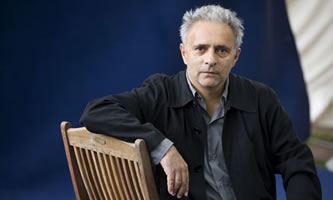
Michael Krüger (Wittgendorf, 9 december 1943)


De Duitse schrijver en schilder Wolfgang Hildesheimer werd geboren op 9 december 1916 in Hamburg. Zie ook mijn blog van 9 december 2008 en ook mijn blog van 9 december 2009 en ook mijn blog van 9 december 2010.
 

Uit: Tynset


“Ich liege im Bett, in meinem Winterbett. Es ist Schlafenszeit. Aber wann wäre es das nicht? Es ist still, beinah still. Nachts weht hier meist ein Wind, und es krähen ein oder zwei Hähne. Aber jetzt weht kein Wind, und es kräht kein Hahn, noch nicht. Dafür knackt es hin und wieder im Holz der Täfelung meiner Wände, irgendwo spaltet sich eine Füllung, wirft sich und löst sich schrumpfend aus dem Rahmen, uralter Leim bröckelt in Perlen ab oder rieselt als Mehl, oder ein Riss huscht entlang einem Balken der Zimmerdecke, von einer Ecke bis tief in die andere, und darüber hinaus, durch die hölzerne Wand, weiter dem Balken entlang, in das nächste Zimmer, das leere Zimmer, wo er versickert und verklingt.”

(…)


Ja, ich bin im wahren Sinne des Wortes ein Nachtwandler. Nur schlafe ich beim Wandeln nicht, ich bin ein wacher Wandler, hellhörig, wie man es nur im Dunkeln ist. So gehe ich denn durch das Haus, klopfe auf die Scheiben der Barometer, hinter denen es aber ewig veränderlich bleibt, besehe mir in Schränken und Fächern und Regalen stumme Portraits oder beredte Reliquien, entdecke im Staub eine Haarlocke – aber von wem? –, in einem Gefäß den Schlüssel einer Uhr – aber von welcher Uhr? Wann ist sie stehen geblieben? – ich prüfe eine Landschaft an der Wand, und plötzlich bannt sie mich ...”


1049358-296d7e9fb22891e1e8efd61d266e42ad.jpg
Wolfgang Hildesheimer (9 december 1916 – 21 augustus 1991)


De Franse schrijfster Anna Gavalda werd geboren op 9 december 1970 in Boulogne-Billancourt. Zie ook mijn blog van 9 december 2008 en ook mijn blog van 9 december 2009 en ook mijn blog van 9 december 2010.
 

Uit: Anna Gavalda, Happy Meal


„Cette fille, je l’aime. J’ai envie de lui faire plaisir. J’ai envie de l’inviter à déjeuner.

Une grande brasserie avec des miroirs et des nappes en tissu. M’asseoir près d’elle, regarder son profil, regarder les gens tout autour et tout laisser refroidir. Je l’aime.

« D’accord, me dit-elle, mais on va au McDonald. » Elle n’attend pas que je bougonne (brummen). « Cela fait si longtemps…ajoute-t-elle en posant 5 son livre près d’elle, si longtemps… »

Elle exagère, ça fait moins de deux mois. Je sais compter. Mais bon. Cette jeune personne aime les nuggets et la sauce barbecue, qu’y puisje ?

Si on reste ensemble assez longtemps, je lui apprendrai autre chose. Je lui apprendrai la sauce gribiche (würzige Kräutersauce) et les crêpes Suzette par exemple. Si on reste ensemble assez longtemps, je lui apprendrai que les garçons des grandes brasseries n’ont pas le droit de toucher nos serviettes, qu’ils les font glisser en soulevant la première assiette. Elle sera bien étonnée.

Il y a tellement de choses que je voudrais lui montrer… Tellement de choses. Mais je ne dis rien. Je prends mon pardessus en silence. Je sais comment sont les filles avec l’avenir : juste prometteuses. Je préfère l’emmener dans ce putain de McDo et la rendre heureuse un jour après l’autre.

Dans la rue, je la complimente sur ses chaussures. Elle s’en offusque : « Ne me dis pas que tu ne les avais jamais vues, je les ai depuis Noël ! » Je pique du nez, elle me sourit, alors je la complimente sur ses chaussettes. Elle me dit que je suis bête. Tu penses si je le savais. C’est la plus jolie fille de la rue.“


1049358-86cd9dfe2d40d5b311b741de763789ee.jpg
Anna Gavalda (Boulogne-Billancourt, 9 december 1970)


Zie voor nog meer schrijvers van de 9e december ook mijn vorige blog van vandaag.
Geschreven door Romenu om 19:55 Reageer op dit bericht

Ödön von Horváth, John Milton, Jan Křesadlo, Maksim Bahdanovič, Dalton Trumbo

De Hongaars-Duitse schrijver Ödön von Horváth werd geboren op 9 december 1901 in Fiume. Zie ook alle tags voor Ödön von Horváth op dit blog.


Uit: Jugend ohne Gott


“Draussen scheint noch die Sonne, fein muss es sein im Park! Doch Beruf ist Pflicht, ich korrigiere die Hefte und schreibe in mein Büchlein hinein, wer etwas taugt oder nicht. Das von der Aufsichtsbehörde vorgeschriebene Thema der Aufsätze lautet: »Warum müssen wir Kolonien haben?

« Ja, warum? Nun, lasset uns hören!

Der erste Schüler beginnt mit einem B: er heisst Bauer, mit dem Vornamen Franz. In dieser Klasse gibts keinen, der mit A beginnt, dafür haben wir aber gleich fünf mit B. Eine Seltenheit, so viele B's bei insgesamt sechsundzwanzig Schülern! Aber zwei B's sind Zwillinge, daher das Ungewöhnliche.

Automatisch überfliege ich die Namensliste in meinem Büchlein und stelle fest, dass B nur von S fast erreicht wird – stimmt, vier beginnen mit S, drei mit M, je zwei mit E, G, L und R, je einer mit F, H, N, T, W, Z, während keiner der Buben mit A, C, D, I, O, P, Q, U, V, X, Y beginnt.

Nun, Franz Bauer, warum brauchen wir Kolonien?

»Wir brauchen die Kolonien«, schreibt er, »weil wir zahlreiche Rohstoffe benötigen, denn ohne Rohstoffe könnten wir unsere hochstehende Industrie nicht ihrem innersten Wesen und Werte nach beschäftigen, was zur unleidlichen Folge hätte, dass der heimische Arbeitsmann wieder arbeitslos werden würde.« Sehr richtig, lieber Bauer! »Es dreht sich zwar nicht um die Arbeiter« – sondern, Bauer? –, »es dreht sich vielmehr um das Volksganze, denn auch der Arbeiter gehört letzten Endes zum Volk.«

Das ist ohne Zweifel letzten Endes eine grossartige Entdeckung, geht es mir durch den Sinn und plötzlich fällt es mir wieder auf, wie häufig in unserer Zeit uralte Weisheiten als erstmalig formulierte Schlagworte serviert werden. Oder war das immer schon so?

Ich weiss es nicht.

Jetzt weiss ich nur, dass ich wiedermal sechsundzwanzig Aufsätze durchlesen muss, Aufsätze, die mit schiefen Voraussetzungen falsche Schlussfolgerungen ziehen. Wie schön wärs, wenn sich »schief« und »falsch« aufheben würden, aber sie tuns nicht. Sie wandeln Arm in Arm daher und singen hohle Phrasen.

Ich werde mich hüten als städtischer Beamter, an diesem lieblichen Gesange auch nur die leiseste Kritik zu üben! Wenns auch weh tut, was vermag der Einzelne gegen Alle? Er kann sich nur heimlich ärgern. Und ich will mich nicht mehr ärgern!

Korrigier rasch, Du willst noch ins Kino!“


1049352-bb12d10a7f4af4e6ae53d2dacbad33f1.jpg
Ödön von Horváth (9 december 1901 – 1 juni 1938)


De Engelse dichter en schrijver
John Milton werd geboren op 9 december 1608 in Londen. Zie ook alle tags voor John Milton op dit blog.


Uit: Paradise Lost (Book I)


„Say first, for Heav'n hides nothing from thy view

Nor the deep Tract of Hell, say first what cause

Mov'd our Grand Parents in that happy State,

Favour'd of Heav'n so highly, to fall off

From thir Creator, and transgress his Will

For one restraint, Lords of the World besides?

Who first seduc'd them to that foul revolt?

Th' infernal Serpent; he it was, whose guile

Stird up with Envy and Revenge, deceiv'd

The Mother of Mankind, what time his Pride

Had cast him out from Heav'n, with all his Host

Of Rebel Angels, by whose aid aspiring

To set himself in Glory above his Peers,

He trusted to have equal'd the most High,

If he oppos'd; and with ambitious aim

Against the Throne and Monarchy of God

Rais'd impious War in Heav'n and Battel proud

With vain attempt. Him the Almighty Power

Hurld headlong flaming from th' Ethereal Skie

With hideous ruine and combustion down

To bottomless perdition, there to dwell

In Adamantine Chains and penal Fire,

Who durst defie th' Omnipotent to Arms.

Nine times the Space that measures Day and Night

To mortal men, he with his horrid crew

Lay vanquisht, rowling in the fiery Gulfe

Confounded though immortal: But his doom

Reserv'd him to more wrath; for now the thought

Both of lost happiness and lasting pain

Torments him; round he throws his baleful eyes

That witness'd huge affliction and dismay

Mixt with obdurate pride and stedfast hate:

At once as far as Angels kenn he views

The dismal Situation waste and wilde,

A Dungeon horrible, on all sides round

As one great Furnace flam'd, yet from those flames

No light, but rather darkness visible

Serv'd onely to discover sights of woe,

Regions of sorrow, doleful shades, where peace

And rest can never dwell, hope never comes

That comes to all; but torture without end

Still urges, and a fiery Deluge, fed

With ever-burning Sulphur unconsum'd:

Such place Eternal Justice had prepar'd

For those rebellious, here thir Prison ordain'd

In utter darkness, and thir portion set

As far remov'd from God and light of Heav'n

As from the Center thrice to th' utmost Pole.

O how unlike the place from whence they fell!

There the companions of his fall, o'rewhelm'd

With Floods and Whirlwinds of tempestuous fire,

He soon discerns, and weltring by his side

One next himself in power, and next in crime,

Long after known in Palestine, and nam'd

Beelzebub. To whom th' Arch-Enemy,

And thence in Heav'n call'd Satan, with bold words

Breaking the horrid silence thus began.“


1049352-5e9a5aeb86301a55393e14b5978f63d8.jpg
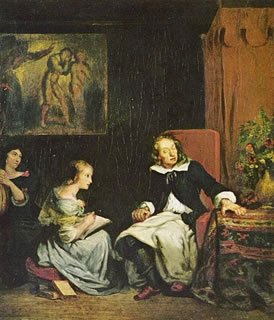
John Milton (9 december 1608 – 8 november 1674)

Milton dicteert zijn dochters „Paradise Lost“, Eugène Delacroix, ca 1826


De Tsjechische psycholoog, schrijver en dichter Jan Křesadlo (pseudoniem van Václav Jaroslav Karel Pinkava) werd geboren op 9 december 1926 in Praag. Zie ook mijn blog van 9 december 2006 en ook mijn blog van 9 december 2008 en ook mijn blog van 9 december 2010.


Uit: GraveLarks (Vertaald door Václav Pinkava)


“It is about ten o’clock in the morning on a Friday. A red squirrel and a black one are chasing each another through the cemetary trees, a small blood-red mite runs around the stony labyrinths of the gravestones, houseleeks are starting to bud, bees are buzzing from flower to flower and so on.

The graveyard is pulsating with the joy of life and at this moment Zderad is engaged in his cover occupation.

A widow in mourning leans on her son’s arm, crying, the priest sprinkles the grave with holy water and the gravediggers have already put the straps around their shoulders.

The white handkerchiefs contrast aesthetically with the black clothing.

The last farewells are underway and the quartet intones the favourite song of the deceased:

“O’er the lake of Stachov,
Ruffled by the breeze,
O’er the lake they’re flying,:
Flocks of wild grey geese..”

In his choice of song the dead shoemaker displays unusually good taste of a clearly archetypally superindividualistic origin.

Kukula has piously arranged the beautiful, simple, mildly melancholy melody, without forgetting to make use of the “waldhornquinten” harmonies, to which the melody lends itself. The main harmonic tricks occur in the second tenor and Zderad is performing them with gusto.

It is not Lake Stachov, which he doesn’t know, that emerges in his mind’s eye, but the wide and glistening surface of Lake Posel. He contemplates the fact that he not only has enough money to take up his detective work, but also to drop in on Sylva’s birthplace, to surprise both wife and son and possibly even to establish a friendly relationship with the old ram. After all he might have conceded by now that it’s no use by his own standards, since he recognises neither illegitimate children nor divorces.“


 1049352-9c257fa5a4521c6d3f7fe5cfb8e0a7b5.jpg

Jan Křesadlo (9 december 1926 - 13 augustus 1995)


De Wit-Russische (Belarussische) dichter, journalist en criticus Maksim Bahdanovič werd geboren op 9 december 1891 in Minsk. Zie ook mijn blog van 9 december 2006 en ook mijn blog van 9 december 2008 en ook mijn blog van 9 december 2010.


Uit: In The Village


Once upon a working day in summer-time
I passed through a village. In a dreary line
On both sides of the winding narrow lane, the houses
Stood there, grey, decayed, like old rags, dull and frowsty;
In the walls their windows staring blindly back,
And even the thatch itself was rotted black.
All was ruins, grown old; here death had come crawling.
Only here and there was something still adorning
The village dreariness. The poppy still unfurled
Bright flowers like butterflies, where many colours swirled,
Beside the path, and with them made the soul grow carefree.
Then, too, one might notice here and there a pear-tree,
Crooked, gnarled with age. . . and that, indeed, was all —
But no one to be seen, no people, none at all —
All in the fields. No trace of bright skirt for a moment,
No new bride passed with pails to bear the water homeward.
No white caps of peasants to be seen, nowhere,
No sounds of colts’ neighing echoes in the air,
No sad song was heard, floating, ringing, flying.
Then, how strange! There came the sound of infant crying.
Hearing this, I started and looked round. Alas!
I’d scared a little boy. He crawled upon the grass
Beside the path, on hands and knees, poor little baby,
Towards his nursemaid — she a girl of eight years, maybe —
And now he’d reached her, and into her lap straightway
He hid his little head, voice fearful with dismay,
And, as the tip of a small birch nods in the breezes,
The girl bent to the little boy to calm and ease him.
And wiped his tears, and started murmuring to him,
Exactly, as a mother would. And thus, within
One living form, the two mingled and merged together,
The stature of a girl, the manner of a mother.
At that moment she, childlike in form, and thin,
Seemed sudden to appear filled to the very brim
With some far-spreading native loveliness within her,
And, I recall, my soul grew finer for an instant,
But maybe in the girl it was not loveliness —
In that thin, grubby, puny lit tle girl expressed —
But something higher which great Raphael endeavoured
To show through the features of Our Lord’s own Mother.


Vertaald door Vera Rich


 1049352-8de181ac03aba96059fe99cb6ad924ee.jpg

Maksim Bahdanovič (9 december 1891 – 25 mei 1917)


De Amerikaanse schrijver en sceenwriter James Dalton Trumbo werd geboren op 9 december 1905 in het plaatsje Montrose in Colorado. Zie ook mijn blog van 9 december 2008 en ook mijn blog van 9 december 2010.


Uit: Johnny Got His Gun


„He froze all over stiff and rigid like a dead cat. There was something wrong about this pricking and pulling and friction heat. He could feel the things they were doing to his arm and yet he couldn't rightly feel his arm at all. It was like he felt inside his arm. It was like he felt through the end of his arm. The nearest thing he could think of to the end of his arm was the heel of his hand. But the heel of his hand the end of his arm was high high high as his shoulder.

Jesus Christ they'd cut his left arm off.

They'd cut it right off at the shoulder he could feel it plain now.

Oh my god why did they do a thing like that to him?

They couldn't do it the dirty bastards they couldn't do it. They had to have a paper signed or something. It was the law. You can't just go out and cut a man's arm off without asking him without getting permission because a man's arm is his own and he needs it. Oh Jesus I have to work with that arm why did you cut it off? Why did you cut my arm off answer me why did you cut my arm off? Why did you why did you why did you?

He went down into the water again and fought and fought and then came up with his belly jumping and his throat aching. And all the time that he was under the water fighting with only one arm to get back he was having conversation with himself about how this thing couldn't possibly happen to him only it hadSo they cut myarm off. How am I going to work now? They don't think of that. They don't think of anything but doing it their own way. Just another guy with a hole in his arm let's cut it off what do you say boys? Sure cut the guy's arm off. It takes a lot of work and a lot of money to fix up a guy's arm. This is a war and war is hell and what the hell and so to hell with it. Come on boys watch this. Pretty slick hey? He's down in bed and can't say anything and it's his tough luck and we're tired and this is a stinking war anyhow so let's cut the damn thing off and be done with it.“


 1049352-6fdf60b983447bbd547474d1575b8cf8.jpg

Dalton Trumbo (9 december 1905 – 10 september 1976)

Geschreven door Romenu om 19:51 Reageer op dit bericht

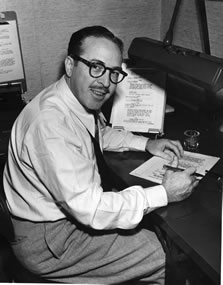
Louis de Bernières, Bill Bryson, Mary Gordon, Delmore Schwartz, James Thurber, Hervey Allen

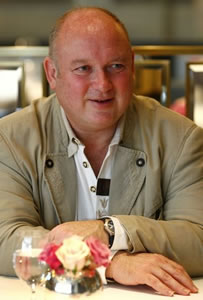
De Britse schrijver Louis de Bernières werd geboren in Londen op 8 december 1954. Zie ook mijn blog van 8 december 2008 en ook mijn blog van 8 december 2009. en ook mijn blog van 8 december 2010.


Uit: Birds Without Wings


„Yusuf the Tall strode up and down the room, waving his hands, protesting and expostulating, sometimes burying his face in his hands. Kaya had not seen him so anguished and begrieved since the death of his mother three years before. He had painted the tulip on the headstone with his own hands, and had taken bread and olives so that he could eat at the graveside, imagining his mother underneath the stones, but unable to picture her as anything but living and intact.
Yusuf had passed the stage of anger. The time had gone when these patrollings of the room had been accompanied by obscenities so fearful that Kaya and her children had had to flee the house with their hands over their ears, their heads ringing with his curses against his daughter and the Christian: "Orospu çocu¢gu! Orospu çocu¢gu! Piç!"
By now, however, Yusuf the Tall was in that state of grief which foreknew in its full import the horror of what was inescapably to come. His face glistened with anticipatory tears, and when he threw his head back and opened his mouth to groan, thick saliva strung itself across his teeth.
Overtaken, finally, by weariness, Kaya had given up pleading with him, partly because she herself could see no other way to deal with what had occurred. If it had been a Muslim, perhaps they could have married her to him, or perhaps they could have repeated what had been done with Tamara Hanim. Perhaps they could have kept her concealed in the house, unmarried for ever, and perhaps the child could have been given away. Perhaps they could have left it at the gates of a monastery. Perhaps they could have sent her away in disgrace, to fend for herself and suffer whatever indignities fate and divine malice should rain upon her head. It had not been a Muslim, however, it had been an infidel.

Yusuf was an implacable and undeviating adherent to his faith. Originally from Konya, he was not like the other Muslims of this mongrel town who seemed to be neither one thing nor the other, getting converted when they married, drinking wine with Christians either overtly or in secret, begging favours in their prayers from Mary Mother of Jesus, not asking what the white meat was when they shared a meal, and being buried with a silver cross wrapped in a scrap of the Koran enfolded in their hands, just because it was wise to back both camels in salvation’s race.“


 1048691-f585a3bd28b965153e484815285b048a.jpg

Louis de Bernières (Londen, 8 december 1954)


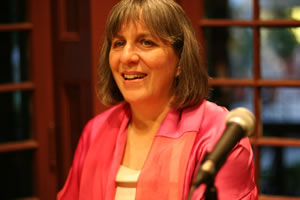
De Amerikaanse schrijfster Mary Catherine Gordon werd geboren op 8 december 1949 in Far Rockaway, New York. Zie ook mijn blog van 8 december 2008 en ook mijn blog van 8 december 2009. en ook mijn blog van 8 december 2010.


Uit: The Love of My Youth


„“I hope it won’t be strange or awkward. I mean, what seemed strange to me, or would seem strange, is not to do it. Because in a way it is strange, isn’t it, really, the two of you in Rome at the same time, the both of you phoning me the same day?”

Irritation bubbles up in Miranda. Had Valerie always been so garrulous? So vague? Had she, Miranda, always found her so annoying — the qualifications, the emendations, laid down, thrown out like straw on a road to muffle the noise of passing carriages when there’d been a death in the house? Where did that come from? Some novel of the nineteenth century. The early twentieth. And now it is the twenty-first, the first decade nearly done for. There’s no point in thinking this way, focusing on Valerie’s habits of speech and diction. As if that were the point. The point is simply: she must decide whether or not to go.

It has been nearly forty years since she has seen him. Or to be exact — and it is one of the things she values in herself, her ability to be exact — thirty-six years and four months. She saw him last on June 23, 1971. The day had changed her.

Adam tries to remember if he had ever been genuinely fond of Valerie. What he can recall is that, of Miranda’s many friends, Valerie was the one who seemed most interested in him. The one who asked him questions and then listened to his answers, who assumed he had a life whose details might be worthy of her attention. 1966, ’67, ’68, ’69, ’70, ’71. A time when he spent his days trying to determine the perfect fingering, the ideal tempo, for a Beethoven sonata, a Bach partita. A way of spending time that Miranda’s friends considered almost criminally beside the point. The point was stopping the war. Stopping racism. Stopping poverty. Diminishing the injustice of the world.


 1048691-64ff20c50d00e22b830e951af8759674.jpg

Mary Gordon (Far Rockaway, 8 december 1949)


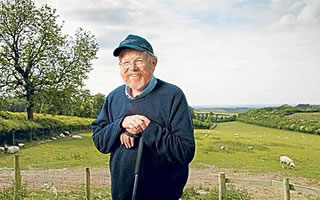
De Amerikaanse schrijver Bill Bryson werd geboren in Des Moines (Iowa) op 8 december 1951. Zie ook mijn blog van 8 december 2007 en ook mijn blog van 8 december 2008 en ook mijn blog van 8 december 2009. en ook mijn blog van 8 december 2010. 

Uit: A Walk In The Woods


“Stephen, you awake?" I whispered.
"Yup," he replied in a weary but normal voice.
"What was that?"
"How the hell should I know."
"It sounded big."
"Everything sounds big in the woods."
This was true. Once a skunk had come plodding through our camp and it had sounded like a stegosaurus. There was another heavy rustle and then the sound of lapping at the spring. It was having a drink, whatever it was.
I shuffled on my knees to the foot of the tent, cautiously unzipped the mesh and peered out, but it was pitch black. As quietly as I could, I brought in my backpack and with the light of a small flashlight searched through it for my knife. When I found it and opened the blade I was appalled at how wimpy it looked. It was a perfectly respectable appliance for, say, buttering pancakes, but patently inadequate for defending oneself against 400 pounds of ravenous fur.
Carefully, very carefully, I climbed from the tent and put on the flashlight, which cast a distressingly feeble beam. Something about fifteen or twenty feet away looked up at me. I couldn't see anything at all of its shape or size--only two shining eyes. It went silent, whatever it was, and stared back at me.
"Stephen," I whispered at his tent, "did you pack a knife?"
"No."
"Have you get anything sharp at all?"
He thought for a moment. "Nail clippers."
I made a despairing face. "Anything a little more vicious than that? Because, you see, there is definitely something out here."
"It's probably just a skunk."
"Then it's one big skunk. Its eyes are three feet off the ground."
"A deer then."
I nervously threw a stick at the animal, and it didn't move, whatever it was. A deer would have bolted. This thing just blinked once and kept staring.
I reported this to Katz.
"Probably a buck. They're not so timid. Try shouting at it."


 1048691-dd88b926312a4a1372a7c665f8c5792f.jpg

Bill Bryson (Des Moines, 8 december 1951)


De Amerikaanse dichter en schrijver Delmore Schwartz werd geboren op 8 december 1913 in New York. Zie ook mijn blog van 8 december 2008 en ook mijn blog van 8 december 2009. en ook mijn blog van 8 december 2010.


Faust In Old Age


"Poet and veteran of childhood, look!

See in me the obscene, for you have love,


For you have hatred, you, you must be judge,

Deliver judgement, Delmore Schwartz.


Well-known wishes have been to war,

The vicious mouth has chewed the vine.


The patient crab beneath the shirt

Has charmed such interests as Indies meant.


For I have walked within and seen each sea,

The fish that flies, the broken burning bird,


Born again, beginning again, my breast!

Purple with persons like a tragic play.


For I have flown the cloud and fallen down,

Plucked Venus, sneering at her moan.


I took the train that takes away remorse;

I cast down every king like Socrates.


I knocked each nut to find the meat;

A worm was there and not a mint.


Metaphysicians could have told me this,

But each learns for himself, as in the kiss.


Polonius I poked, not him

To whom aspires spire and hymn,


Who succors children and the very poor;

I pierced the pompous Premier, not Jesus Christ,


I picked Polonius and Moby Dick,

the ego bloomed into an octopus.


Now come I to the exhausted West at last;

I know my vanity, my nothingness,


now I float will-less in despair's dead sea,

Every man my enemy.


Spontaneous, I have too much to say,

And what I say will no one not old see:


If we could love one another, it would be well.

But as it is, I am sorry for the whole world, myself

apart. My heart is full of memory and desire, and in

its last nervousness, there is pity for those I have

touched, but only hatred and contempt for myself."


 1048691-ed4ba34bb56f1929cdbd7634f860917f.jpg

Delmore Schwartz (8 december 1913 – 11 juli 1966)


De Amerikaanse schrijver James Thurber werd geboren op 8 december 1894 in Columbus, Ohio. Zie ook alle tags voor James Thurber op dit blog.


Uit: The Last Clock


“Wuld wuzzle?” the ogre wanted to know. He hiccuped, and something went spong!

“That was an area man, but the wrong area,” the ogress explained. “I’ll get a general practitioner.” And she went away and came back with a general practitioner.

“This is a waste of time,” he said. “As a general practitioner, modern style, I treat only generals. This patient is not even a private. He sounds to me like a public place — a clock tower, perhaps, or a belfry..”

“What should I do?” asked the ogress. “Send for a tower man, or a belfry man?”

“I shall not venture an opinion,” said the general practitioner. “I am a specialist in generals, one of whom has just lost command of his army and of all his faculties, and doesn’t know what time it is. Good day.” And the general practitioner went away.

The ogre cracked a small clock, as if were a large walnut, and began eating it. “Wulsy wul?” the ogre asked.

The ogress, who could now talk clocktalk fluently, even oilily, but wouldn’t, left the room to look up specialists in an enormous volume entitled “Who’s Who in Areas.” She soon became lost in a list of titles: clockmaker, clocksmith, clockwright, clockmonger, clockician, clockometrist, clockologist, and a hundred others dealing with clockness, clockism, clockship, clockdom, clockation, clockition, and clockhood.

The ogress decided to to call on an old inspirationalist who had once advised her father not to worry about a giant he was worrying about. The inspirationalist had said to the ogress’s father, “Don’t pay any attention to it, and it will go away.” And the ogress’s father had paid no attention to it, and it had gone away, taking him with it, and this had pleased the ogress. The inspirationalist was now a very old man whose inspirationalism had become a jumble of mumble. “The final experience should not be mummum,” he mumbled.

The ogress said, “But what is mummum?”

“Mummum,” said the inspirationalist, “is what the final experience should not be.” And he mumbled to a couch, lay down upon it, and fell asleep.


 1048691-cfd41be162bdb15dbd13c0def97b3bba.jpg

James Thurber (8 december 1894 – 2 november 1961)


De Amerikaanse dichter en schrijver William Hervey Allen werd geboren op 8 december 1889 in Pittsburgh. Zie ook mijn blog van 8 december 2008 en ook mijn blog van 8 december 2009. en ook mijn blog van 8 december 2010.


Beyond debate


Out from the wrought-iron gate
Miss Perdee drives in state;
Miss Perdee wears the thin smile
And the sleeves of 1888.
Miss Perdee's face is stifled as a sonnet;
Upon her wire-tight hair a duck-shaped bonnet
Nests, nodding with a cachepeigne  
Of violets on it.
East Bay, some tea and talk, them home by King.   
The horses have an antiquated plod;
The team is old, but not too old to balk
If driven north of Broad.   
Miss Perdee wears the sure air of a queen,
Which only queens and Perdees can achieve.
The Perdees had blue blood in Adam's veins
When Adam had the rib he gave to Eve.
Back through the wrought-iron gate
Miss Perdee drives in state.
Miss Perdee lives down on the Battery!
Beyond debate.


 1048691-54b8ccfb98b5f7ab116549846706e9ad.jpg

Hervey Allen (8 december 1889 – 28 december 1949)


Zie voor nog meer schrijvers van de 8e december ook mijn vorige blog van vandaag.

Geschreven door Romenu om 20:07 Reageer op dit bericht

Georges Feydeau, Horatius, Carmen Martín Gaite, Nikos Gatsos, Jura Soyfer, Bjørnstjerne Bjørnson, Joel Chandler Harris

De Franse theaterauteur Georges Feydeau werd geboren op 8 december 1862 in Parijs. Zie ook alle tags voor George Feydeau op dit blog.


Uit: On purge bébé


„Surgissant en trombe par la porte, pan coupé. Tenue de souillon ; peignoir-éponge dont la cordelière non attachée traîne par ; petit jupon de soie sur la chemise de nuit qui dépasse par en bas : bigoudis dans, les cheveux ; bas tombant sur les savates. Elle tient un seau de toilette plein d’eau à la main.

JULIE :                     Alors, quoi ? Tu ne peux pas te déranger ? Non ?
FOLLAVOINE :
       Ah! Je t’en prie, n’entre donc pas toujours comme une bombe!… Ah!
JULIE :                     
Oh! Pardon!  Tu ne peux pas te déranger ? Non ?
FOLLAVOINE :
       Eh bien! Et toi ? Pourquoi faut-il que ce soit moi qui me dérange plutôt que toi ?
JULIE :                    
 C’est juste! C’est juste! Nous sommes mariés, alors!…
FOLLAVOINE :      
Quoi ? Quoi ? Quel rapport ?…
JULIE :                     
Ah! Je serais seulement la femme d’un autre, il est probable que!…
FOLLAVOINE :      
Ah! Laisse-moi donc tranquille! Je suis occupé, v’là tout!
JULIE :                    
Occupé! Monsieur est occupé! C’est admirable!
FOLLAVOINE :      
Oui, occupé! Ah!
JULIE :
 Quoi ?
FOLLAVOINE :
       Ah çà! Tu es folle ? Tu m’apportes ton seau de toilette ici, à présent ?
JULIE :                    
Quoi, "mon seau" ? Où ça, "mon seau" ?
FOLLAVOINE :
       Ça!
JULIE :                    
Ah! Là! C’est rien. C’est mes eaux sales.
FOLLAVOINE :      
Qu’est-ce que tu veux que j’en fasse ?
JULIE :                    
 Mais c’est pas pour toi! C’est pour les vider.
FOLLAVOINE :      
Ici ?
JULIE :                     
Mais non, pas ici! Que c’est bête ce que tu dis-là ! Je n’ai pas l’habitude de vider mes eaux dans ton cabinet de travail ; j’ai du tact.
FOLLAVOINE :
       Alors, pourquoi me les apportes-tu ?
JULIE :                      Mais pour rien! Parce que j’avais le seau en main pour aller le vider quand Rose
est venue me rapporter ta charmante réponse : alors, pour ne pas te faire attendre…
FOLLAVOINE :       Tu ne pouvais pas le laisser à la porte ?
JULIE :                     
Ah! Et puis tu m’embêtes ! Si ça te gêne tant, tu n’avais qu’à te déranger quand je te demandais de venir ; mais Monsieur était occupé ! à quoi ? Je te le demande.“


 1048687-748b096cc4f1ae187c50784f7fe7443c.jpg

Georges Feydeau (8 december 1862 - 5 juni 1921)

Opvoering van On purge bébé in de Salle polyvalente de Tonnerre, 2010


De Romeinse dichter en schrijver Quintus Horatius Flaccus werd geboren op 8 december 65 v. Chr. Zie ook alle tags voor Horatius op dit blog.


Ode I.22


Een man van onbesproken levenswandel,
die heeft geen assegaaien noodig, Fuscus,
geen koker pijlen in vergif gedrenkt,


al reist hij naar het Africaansche strand,
de barre toppen van den Caucasus,
de droomomsponnen oevers van den Ganges.


Zoo ging voor mij een wolf laatst op den loop,
terwijl ik onbezorgd en ongewapend
in het Sabijnsche woud, heel ver van huis,
mijn lieve Lalage liep te bezingen,
een beest nogwel, als zelfs het Daunisch land
niet herbergt in zijn wijde wildernissen,
noch de Sahara in haar zandwoestijnen,
de dorre voedster van den fellen leeuw.


Verplaatst mij naar het druilend Poolgebied,
waar zomerzon geen enklen boom verkwikt,
waar kille mist den rand der aarde dekt,
of naar den vuurgloed van het brandend Zuid,
dat voor ons menschen onbewoonbaar heet:
ik blijf den lieven lach, de lieve stem
van Lalage, zoo daar als hier, beminnen.


Vertaald door Dr. A. Rutgers van der Loeff


 1048687-0bd60e11e85da0204fd65aa5e63db3c2.jpg

Horatius (8 december 65 v. Chr. - 27 november 8 v. Chr.)

Op een Italiaanse postzegel


De Spaanse schrijfster, vertaalster en journaliste  Carmen Martín Gaite werd geboren op 8 december 1925 in Salamanca. Zie ook mijn blog van 8 december 2008 en ook mijn blog van 8 december 2010.


Uit: Los parentescos (Relaties)


“Mon père m'a fait un chèque pour mon anniversaire et parce que j'ai réussi, avec de bonnes notes, mon examen d'entrée à l'université. C'est pour cette raison que nous nous sommes donné rendez-vous ici. A la maison on se voit peu. [...]
- C'est mon fils, Baltasar - dit mon père a son ami, tout juste arrivé.
j'ouvre les yeux, je ne le connais pas. Je lui sourit sans envie, car il est en train de me poser les questions basiques, quel âge j'ai et qu'est-ce que je fais comme études. Moi, je me tais et la même voix qui avant me sermonnait, dit que je ferais surement de l'économie mais que je veux entreprendre trop de choses et que je ne me centre sur aucune. Et l'autre dit qu'il a le même problème avec ses enfants, enfin, à tous les jeunes, c'est le manque de stimulation, ce n'est pas non plus de leur faute, l'université espagnole est encombrée, c'est une vraie tombola, tu vois des gens qui font de l'architecture alors que ce qui les branchait c'était d'être médecin, et des licenciés en Histoire de l'Art travaillant dans un bar, le mieux c'est un Master aux Etats-Unis. J'ai entendu ce discours beaucoup trop de fois, je bois mon martini à petites gorgées, j'aime cette couleur de rubis avec les reflets de lumière; lui je ne crois pas que ce soit un ami à mon père car il vient juste de dire: "je ne savais pas que tu avais des enfants", et il ne lui a rien demandé à propos de maman.”


 1048687-c1fd0369e5da363e9111d0f180e22f96.jpg

Carmen Martín Gaite (8 december 1925 – 22 juli 2000)  


De Griekse dichter en schrijver Nikos Gatsos werd geboren op 8 december 1911 in Kato Asea in Arcadië. Zie ook mijn blog van 8 december 2008 en ook mijn blog van 8 december 2010.


Amorgos (Fragment)


With their country tied to their sails and their oars hung on

      the wind

The shipwrecked slept tamely like dead beasts on a bedding

      of sponges

But the eyes of seaweed are turned toward the sea

Hoping the South Wind will bring them backwith their

       lateen-sails new-painted

For one lost elephant is always worth much more than the

       quivering breasts of a girl

Only if the roofs of deserted chappels should light up with the

       caprice of the Evening Star

Only if birds should ripple amid the masts of the lemon trees

With the firm white flurry of lively footsteps

Will the winds come, the bodies of swans that remained im-

       maculate, unmoving and tender

When steamrollers rolled through shops, when hurricanes

       whirled through vegetation

When the eyes of women became coal and the hearts of the

       chestnut hawkers were broken

When the harvest was done and the hopes of crickets began.


And indeed this is why, my brave young men, with kisses, wine,

        and leaves on your mouth

I would like to stride naked by the rivers

To sing of the Barbary Coast like the woodsman hunting the

         mastic shrub

Like the viper slithering through gardens of barley

With the proud eyes of irritation

Like the lightning-bolt as it threshes youth.

Vertaald door Kimon Friar


 1048687-f2fa03b4b2237b99bee91200cf46265a.jpg

Nikos Gatsos (8 december 1911 – 12 mei 1992) 


Zie voor onderstaande schrijvers ook mijn blog van 8 december 2010.


De Oostenrijkse schrijver Jura Soyfer werd op 8 december 1912 in Charkov, Oekraïne, geboren. Zie ook mijn blog van 8 december 2006 en ook mijn blog van 8 december 2008.


De Noorse dichter, schrijver, journalist en politicus Bjørnstjerne Bjørnson werd geboren op 8 december 1832 in Kvikne bij Tynset. Zie ook mijn blog van 8 december 2006 en ook mijn blog van 8 december 2008.


De Amerikaanse schrijver Joel Chandler Harris werd geboren op 8 december 1848 in Eatonton, Georgia. Zie ook mijn blog van 8 december 2008.

Geschreven door Romenu om 19:59 Reageer op dit bericht

Tatamkhulu Afrika, Johann Nestroy, Friedrich Schlögl

De Zuid-Afrikaanse dichter en schrijver Tatamkhulu Afrika werd geboren op 7 december 1920 in Egypte. Zie ook alle tags voor Tatamkhulu Afrika op dit blog.


The knifing


Black workers pass
me carrying their tools.
I call to them for help:
the stone
masks of their faces turn
aside,
do not look my way again.
He flails the blade
across the top of my skull
(does he see it as a fruit,
splittable, spewing seed?),
slashes, then,
the tender guardians of my wrists,
drives the knife-point in
below my left side’s bottom rib,
and runs.
I leave a spoor
like a wounded beast’s,
make it to the little Indian shop
that sells boiled eggs with mayonnaise,
sway,
falling about in my own blood,
eyes shouting “Help!”
They carry me to the ambulance.
The clouds sweep
me with their sad sides:
yet I hear someone speak
of the bright day
and what a shame it is that this should be done
to anyone on such a day.
A face stares
at me through the wire-mesh
of a police van.
It is his; he sees
my wretched body pass,
blood leaking at every seam:
blood that is also on his hands;
turns away, then with a suddenness that says
more than any tongue,
burrows his face into his hands.
What does he see?
They stitch and stitch,
let my head hang down
when the lights go round and I feel
sense slipping from me like a skin,
and I am the unadorned
genitals of my need.
She screams and screams,
like a cat on heat,
like a little girl drumming her heels.
But she is seventeen:
he beat her until she was all
broken up inside.
I stare at the fluorescent tube;
it shrinks
to a filament of fire in my brain.
Blood still sees
from the black Khayelitsha youth’s
panga-riven-skull;
black bruises prowl
over the old man opposite’s
white-as-his-sheet-skin.
Only I do not sleep.
Time is a pendulum that swings
unlinked to any clock:
only the black window’s scowling back
tell of night; pain writhes
through me like an eel.
I watch the glucose drip,
drop by dizzying drop,
into my veins, wake
to sunlight on the walls,
starlings flirting past the glass,
Khayelitsha mopping blood from his neck,
grinning, saying
I can borrow his pee-bottle if I want.
I sag on the bed,
glucose mellow-honey in my veins,
small pulse of reluctant life
kick-starting way back.
Khayelitsha takes my hand,
hopes I’ll soon be well;
goes out then,
moving slowly amongst the slow-
moving coterie of his friends.
Desultory Xhosa clicks
snap like trodden sticks,
fade down
an inner tribal trial.
I face him then:
his neck nuzzling my palm.
His face still hidden in his hands.
What does he see?
I think to set him free.
How shall he be free?
Or I?
Testicle to testicle, we are trussed
by the winding round
us, rambling plastic coils.
Roaring down each other’s throats,
bellowing of our need,
we are skewered on the sharp
white lightning of his blade.


1048064-43c45be3b150132a30c00f7d78ffc0f3.jpg 

Tatamkhulu Afrika (7 december 1920 – 23 december 2002)


De Oostenrijkse schrijver Johann Nepomuk Eduard Ambrosius Nestroy werd geboren in Wenen op 7 december 1801. Zie ook alle tags voor Johann Nestroy op dit blog.


Uit: Einen Jux will er sich machen


„Erster Aufzug

Zimmer in Herrn Zanglers Hause; die allgemeine Eingangstüre im Prospekt, jedoch gegen die rechte Seite; links am Prospekt ein ziemlich breiter Ofenschirm, rechts und links eine Seitentüre, zu beiden Seiten Tisch und Stuhl

Erster Auftritt


Zangler Ich habe Ihnen jetzt ein für allemal g'sagt –

Sonders Und ich Ihnen ein für allemal erklärt –

Zangler Daß Sie meine Nichte und Mündel nicht kriegen!

Sonders Daß Marie die Meine werden muß!

Zangler Das werd' ich zu verhindern wissen!

Sonders Schwerlich so sicher, als ich es durchzusetzen weiß!

Zangler Kecker Jüngling!

Sonders Hartherziger Mann! Was haben Sie gegen mich? Meine Tante in Brüssel ist reich.

Zangler Gratulier'!

Sonders Ich werde sie beerben.

Zangler Aber wann?

Sonders Sonderbare Frage! Nach ihrem Tode.

Zangler Und bis wann wird sie sterb'n? Aha, da stockt die Antwort. So eine Tant' in Brüssel kann leben, so lang sie will.

Sonders Das wünsch' ich ihr vom Herzen, denn ich weiß, daß sie auch bei Lebzeiten reichlich zu meinem Glücke beitragen wird.

Zangler Reichlich beitragen – wieviel is das in Brüssel? Reichlich beitragen is hier das unbestimmteste Zahlwort, was es gibt, und in unbestimmten Zahlen schließ' ich kein Geschäft. Und kurz und gut, ins Ausland lass' ich meine Mündel schon durchaus nicht heiraten.

Sonders So heirate ich sie und bleibe hier.

Zangler Und derweil schnappt dort ein anderer die Erbschaft weg, das wär' erst gar das Wahre! Mit ei'm Wort, g'horsamer Diener! Plagen Sie sich auch nicht zu sehr mit unnötigem Herumspekulier'n um mein Haus! Meine Nichte is heut' früh an den Ort ihrer Bestimmung abgereist.

Sonders Wie, Marie fort –?

Zangler Ja, nach Dingsda – logiert in der ungenannten Gassen, Numero soundso viel, im beliebigen Stock, rechts bei der zug'sperrten Türe, da können S' anläuten, so oft S' wollen, hineinlassen wer'n s' Ihnen aber nicht.“


 1048064-a3f437215ce61fcede81e0c3e3689ad1.jpg

Johann Nestroy (7 december 1801 - 25 mei 1862)

Wenzel Scholz, Karl Treumann en Nestroy, 
Lithographie van Joseph Kriehuber, 1855


De Oostenrijkse schrijver en columnist Friedrich Kilian Schlögl werd geboren op 7 december 1821 in de Weense voorstad Laimgrube (nu Wenen). Zie ook mijn blog van 7 december 2010.


Uit: Sonderbare Käuze


»Mit dem alten Wien – oder vielmehr mit den Empfindungen der alten Wiener – verfährt die Demolierungsära recht grausam. Stück um Stück, woran die liebsten Erinnerungen haften, fallen in Schutt und Trümmer, und bald wird der letzte Rest der einstigen Heimstätte trauter Gemütlichkeit verschwunden sein, um Platz zu schaffen für die anstürmenden Jünger einer neuen Epoche, für die räumlichen Bedürfnisse einer modernen Weltstadt.«

»Die Metamorphose vollzieht sich rasch und rastlos und unaufhaltsam. Mit Beil und Axt kommen sie herangezogen, die unbarmherzigen Apostel der neuen Lehre, welche da heißt: ›Entwickelung‹, und unter ihren Schlägen stürzen die grünsten Bäume, in deren Schatten wir tausendmal gewandelt, und stürzen die Mauerhüllen der altehrwürdigsten Asyle, wohin wir in trüben Stunden geflüchtet, und unter den Fäusten pietätloser Reformen zerbröckelt, was uns einst wert und teuer war!«

So klagte dieser Tage ein alter Wiener, als er während seines gewohnten Spazierganges dazukam, wie die ersten Spatenstiche den Erdhügel des Paradiesgärtchens aufzuwühlen begannen und Hieb um Hieb auf die ächzenden Bäume und Sträucher niederfielen. – Der arme Mann hatte vielleicht eine kleine Berechtigung zu seufzen und zu jammern. Verjagte man ihn doch aller Orten, wo es ihm wohl und heimisch war und sich sein Herz erfreute. Die Basteien nahm man ihm, mit den schön gepflegten Wegen und der entzückenden Fernsicht nach den blauen Bergen des Südens; das Glacis, die Arena seiner Jugendspiele, verschwand, und statt des grünen Kranzes, der die Stadt umsäumte, erhob sich ein kahler Wall ihm fremdartiger Gebäude; den Prater, das urwüchsige Kleinod Wiens, reguliert man ihm bis zur Unkenntlichkeit, und schon rüttelt ein unheimlich Gerücht auch noch an anderen, viellieben Vermächtnissen edelmütiger Herzen, indem die vandalste Spekulation ihre gierigen Augen gerade auf die populärsten Parkidyllen warf, um statt der nutzlosen Baumgruppen und Blumenbeete dividendenfähige Baukomplexe zu gründen. Inzwischen, bis dieses Crimen patronisiert, demoliert man ihm den letzten Aussichtspunkt: das reizende Paradiesgärtchen.“


1048064-07cb1367759499ac0821b0fcbe28785d.jpg
Friedrich Schlögl (7 december 1821 - 7 oktober 1892)


Zie voor nog meer schrijvers van de 7e december ook mijn vorige blog van vandaag.
Geschreven door Romenu om 19:29 Reageer op dit bericht

Gabriel Marcel, Noam Chomsky, Willa Cather, Samuel Gottlieb Bürde

De Franse filosoof en toneelauteur Gabriel Marcel werd geboren op 7 december 1889 in Parijs. Zie ook alle tags voor Gabriel Marcel op dit blog.


Uit: Awakenings (Vertaald door Peter S. Rogers)


„This summer day of 1899 was a terrible date in the life of a child, as  I learned that we were going to leave Stockholm and return to Paris.  How can I ever forget the heavy heart with which I received this  news? As my father suffered somewhat from the Swedish climate and  didn't much care for the worldly and formal aspects of diplomatic  life, he was going to switch positions with a senior member of the  Council of State, Monsieur Catusse. This meant first of all that I  could no longer hope to spend vacation in Finland or in Norway.  What may seem peculiar is that nothing, or almost nothing, attracted
me in the Paris where we were to settle definitively. I also felt that our  return would be, sooner or later, followed by my entrance into the  lycée, something I vaguely feared since, until then, I had been edu-
cated at home. I can't recall whether it was immediately before or  after our stay in Stockholm that, for some months, I attended classes  at Rue Royale where my fellow students were mainly young girls.

What had I most appreciated in the Swedish capital? Without hesitation I would say the landscapes. I remember a discussion with my  father on the topic during a boat ride on the Saltsjön. He was essen-
tially a man of the Midi, the French South, and this somewhat uniform and sad nature bored him. Yet there was something in it that  exalted me. But what words could I use to translate that emotion?

I must have expressed myself rather awkwardly. But when I think  about what I had lived during that year in Stockholm, I see this: it  was as though I had been removed from the humdrum life I was to
suffer from so much later on, by the fact of being far away, and on  the edge of countries that were still farther away and which attracted me.“


 1048061-2df984edd4cb51a4ca2a87670df1e1a3.jpg

Gabriel Marcel (7 december 1889 - 8 oktober 1973)


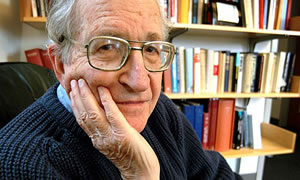
De Amerikaanse taalkundige, mediacriticus en anarchistisch denker Noam Chomsky werd geboren in Philadelphia op 7 december 1928. Zie ook mijn blog van 7 december 2007 en ook mijn blog van 7 december 2008 en ook mijn blog van 7 december 2009 en ook mijn blog van 7 december 2010.


Uit: Chronicles of Dissent, 1992


„QUESTION: One of your books, The Fateful Triangle, focuses specifically on the Middle East, and I was wondering if you could talk about your position on a possible two-state solution to the Palestinian question.

CHOMSKY: I don't think that's the optimal solution, but it has been the realistic political settlement for some time. We have to begin with some fundamentals here. The real question is: there are plainly two national groups that claim the right of self-determination in what used to be Palestine, roughly the area now occupied by Israel minus the Golan Heights, which is part of Syria.

So there are two national groups which claim national self-determination. One group is the indigenous population, or what's left of it -- a lot of it's been expelled or driven out or fled. The other group is the Jewish settlers who came in, originally from Europe, later from other parts of the Middle East and some other places. So there are two groups, the indigenous population and the immigrants and their descendants. Both claim the right of national self-determination. Here we have to make a crucial decision: are we racists or aren't we? If we're not racists, then the indigenous population has the same rights of self-determination as the settlers who replaced them. Some might claim more, but let's say at least as much right. Hence if we are not racist, we will try to press for a solution which accords them -- we'll say they are human beings with equal rights, therefore they both merit the claim to national self-determination. I'm granting that the settlers have the same rights as the indigenous population; many do not find that obvious but let's grant it. Then there are a number of possibilities. One possibility is a democratic secular society. Virtually nobody is in favor of that. Some people say they are, but if you look closely they're not really. There are various models for multi-ethnic societies, say Switzerland or whatever. And maybe in the long run these might be the best idea, but they're unrealistic.“


1048061-e3ebdcb2eadbf38810da47493c1fae70.jpg
Noam Chomsky (Philadelphia, 7 december 1928)


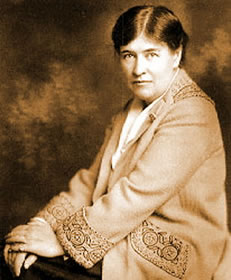
De Amerikaanse schrijfster Willa Cather werd geboren op 7 december 1873 in de buurt van Winchester, Virginia. Zie ook mijn blog van 7 december 2006 en ook mijn blog van 7 december 2009 ook mijn blog van 7 december 2010.


Uit: The Song of the Lark


"She was getting back to the earliest source of gladness that she could remember. She had loved the sun, and the brilliant solitudes of sand and sun, long before these other things had come along to fasten themseves upon her and torment her. That night, when she clambered into her big German feather bed, she felt completely released from the enslaving desire to get on in the world. Darkness had once again the sweet wonder that it had in childhood...

(...)

"She used to wonder at her own inactivity. She could lie there hour after hour in the sun and listen to the strident whirr of the big locusts, and to the light, ironical laughter of the quaking asps. All her life she had been hurrying and sputtering, as if she had been born behind time and had been trying to catch up. Now, she reflected...it was as if she were waiting for something to catch up with her. She had got to a place where she was out of the stream of meaningless activity and undirected effort.

(...)

"Here she could lie for half a day undistracted, holding pleasant and incomplete conceptions in her mind--almost in her hands. They were scarcely clear enough to be called ideas. They had something to do with fragrance and color and sound, but almost nothing to do with words. She was singing very little now, but a song would go through her head all morning, as a spring keeps welling up, and it was a pleasant sensation indefinitely prolonged. It was much more like a sensation than like an idea, or an act of remembering. Music had never before come to her in that sensuous form. It had always been a thing to be struggled with, had always brought anxiety and exaltation and chagrin--never content and indolence."


 1048061-ba9b95ae25768bf3dd29ee3af0ce5869.jpg

Willa Cather (7 december 1873 – 24 april 1947)


De Duitse dichter
Samuel Gottlieb Bürde werd geboren op 7 december 1753 in Breslau. Zie ook mijn blog van 7 december 2010.


Geist der Wahrheit, lehre mich


Geist der Wahrheit, lehre mich

aller Weisheit Quelle kennen!

Jesum kann ich nur durch dich

meinen Herrn und Heiland nennen.

Du nur kannst ihn mir verklären

und mein Herz in Gott belehren.


Du nur machst das Herz gewiß

und erleuchtest meine Seele,

daß ich in der Finsterniß

nicht den Weg des Heils verfehle.

Du nur führst auf Gottes Pfaden,

zeugst von Wahrheit und von Gnaden.


Heiligung und Reinigkeit

und ein gottgefällig Leben,

selige Zufriedenheit,

wahre Weisheit kannst du geben.

Selig, die an deinen Gaben

theil durch Lieb und Glauben haben.


Was mir fehlt, find ich in dir,

nur durch dich kann ich genesen.

Mache Wohnung ganz in mir,

daß werd neu mein ganzes Wesen!

Dann wird meine Schwachheit Stärke

und ich wirke Gottes Werke.


 1048061-d93199ff65ad83905a611b6614703116.jpg

Samuel Gottlieb Bürde (7 december 1753 - 28 april 1831)

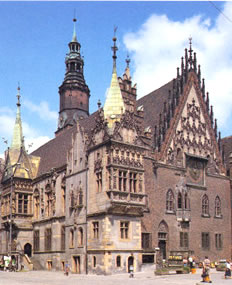
Breslau, raadhuis (Geen portret beschikbaar)

Geschreven door Romenu om 19:25 Reageer op dit bericht

Peter Handke, Rafał Wojaczek, Dirk Dobbrow, Henk van Woerden

De Oostenrijkse schrijver Peter Handke werd op 6 december 1942 in Griffen in Karinthië geboren. Zie ook alle tags voor Peter Handke op dit blog.


Uit: Die Morawische Nacht


“Jedes Land hat sein Samarkand und sein Numancia.

In jener Nacht lagen die beiden Stätten hier bei uns, hier an der Morawa. Numancia, im iberischen Hochland, war einst die letzte Flucht- und Trutzburg gegen das Römerreich gewesen; Samarkand, was auch immer der Ort in der Historie darstellte, wurde und ist sagenhaft; wird, jenseits der Geschichte, sagenhaft sein. Die Stelle der Fluchtburg nahm an der Morawa ein Boot ein, ein dem Anschein nach eher kleines, das sich »Hotel« nannte, in erster Linie aber, seit geraumer Zeit schon, dem Autor, dem ehemaligen Autor, als Wohnung diente. Die Aufschrift HOTEL war bloße

Tarnung: Wer für die Nacht nach einem Zimmer, einer Kabine fragte, der wurde in der Regel mit einem

»Ausgebucht« beschieden. Die Nachfrage blieb freilich nahe null, und nicht nur, weil das Boot jeweils

an einer Flußstelle ankerte, zu der es keine rechten Zufahrtswege gab. Wenn einmal sich einer bis dahin durchschlug, dann höchstens angezogen von dem Namen des »Hotels«, der weithin durch die Finsternis der Flußauen leuchtete: MORAWISCHE NACHT.

Das Boot war nicht verankert, sondern bloß so an Bäumen oder Strommasten vertäut, und zwar derart, daß die Taue leicht und schnell zu lösen waren – eben zur Flucht, oder auch nur zum Mir-nichts-dir-nichts- Weiterfahren oder Wenden, fl ußauf oder fl ußab. (Die Morawa war zu jener Zeit, nach vielen Jahren nicht allein kriegsbedingter Versandung und Verschlammung, dank einer selbst die Grenzen unseres zur Kümmerecke Europas verkrachten Landes überschreitenden und – fast – allesheilenden Wirtschaft, auf große Strecken, bis hin in die Quellgebiete der Südlichen und der Westlichen Morawa in Maßen wieder schiffbar geworden.)

In der Nacht, da wir auf das Boot gerufen wurden, hielt dieses zwischen dem Dorf Porodin und der Stadt Velika Plana. Velika Plana liegt zwar näher am Fluß. Aber der Ruf kam vom Porodiner Ufer, von einer Stelle weitab von der die beiden Orte verbindenden Brücke, und so zickzackten wir, ein jeder für sich, aus dem Dorf, kreuz und quer, jetzt nach links, jetzt nach rechts abbiegend, über die von Feld zu Feld richtungwechselnden Ackerwege.”


1047413-294e200e1e80ed6c088d59fd6c4fe993.jpg
Peter Handke (Griffen, 6 december 1942)


De Poolse dichter
Rafał Wojaczek werd geboren in Mikołów op 6 decmber 1945. Zie ook mijn blog van 6 december 2008 en ook mijn blog van 6 december 2009 en ook mijn blog van 6 december 2010. 


Didactical


Residents of the Other homeland
Across a rosebush are watching Time


Not yet knowing that like a slave
For them performs a dirty labor


Time like pain is of female gender
As the word Death is still unfamiliar


But I bear the guilt of their existence
Purposely giving up their name to the wind


I ought to give them a chance at nonexistence
Independent directly of me


And I enchanted Time in the clockwork of female body
So that lovemakers will feel the pain


Of Death so hard - that still ignorant
Of dying - will vomit out their lungs


Bird of whom I know


My face looks at me from the clouds
Having come out from my body and eyes
This is blood - straining past the horizon


My breath is blood, and a dry wind
That vertically ascends from the anchor
Of my lungs as a stalk of circling bird


But since earth is just now turning in reverse
The lungs turn in me 'til they rip out
Through mouth, through ribcage - like a cloth


Still there is sky, and my face is vast
As blood is dawning over the horizon's rim
The bird still knows his elevation


Yet unknowing, he's slowly seeping
From the large to my tight sky
Of closed eyelids - heavy as shroud.


Vertaald door Thomasz Gil


 1047413-6bf2a7e5b5aed96a650faf3c0d4cfe84.jpg

Rafał Wojaczek (6 december 1945 – 11 mei 1971)


De Duitse schrijver en acteur Dirk Dobbrow werd geboren op 6 december 1966 in Berlijn. Zie ook mijn blog van 6 december 2008 en ook mijn blog van 6 december 2009 en ook mijn blog van 6 december 2010. 
 

Uit: Späte Störung


„Hinter dem Garten begann der Wald.

Über den Bäumen war ein Streifen vom Himmel zu sehen, blassblau in der Dämmerung, mit einer Spur von Rot. Nina stand an dem Tisch mit den Getränken. Sie schraubte eine Whiskyflasche auf. Ihr Haar war hochgesteckt. Frank betrachtete ihren Nacken. Dann glitt sein Blick an ihr herab zu den hochhackigen Schuhen. Er hatte sie noch nie an ihr gesehen. Sie hatte den rechten Fuß aufgestellt und bewegte ihn immerzu hin und her. Der Fremde stand in der Mitte des Raumes mit dem Rücken zu ihm. Als Erstes fiel ihm der blonde Haarschopf auf, dann die schmalen Schultern.

Es war niemand aus Ninas Abiturklasse, kein Junge, eher ein Mann in seinem Alter. Er hielt ein leeres Glas in der Hand. Nina nahm die Flasche und tänzelte auf den Fremden zu. Seine Tochter war angetrunken. Ihr Lidstrich war verschmiert. Endlich bemerkte sie Frank. Er wich ihrem Blick aus. An einem der Ledersitze, zu deren Kauf ihm der Architekt geraten hatte, weil sie angeblich so gut

in die Halle passten, lehnte Ninas Bildermappe. Sie war halb geöffnet, der Ausschnitt einer Zeichnung ragte heraus, darauf eine flache Hand, erhoben zur Abwehr.

»Paps.«

Ihre Stimme klang zittrig. Der Fremde drehte sich zu ihm um. Seine Haut war blass, unter seinen Augen lagen Ringe, doch sein Blick war hellwach. Den Mantel hatte er nicht ausgezogen, dabei war es warm in der Halle, Iris schien wieder an der Heizung gedreht zu haben, obwohl es längst Frühling war. Das Gesicht des Fremden verzog sich zu einem Lächeln. Es wurde immer breiter, bis er Frank

seine Zähne zeigte. Frank zog die Schultern hoch.“


 1047413-09a0ef9ce0205f8a7498dc40d312c7f1.jpg

Dirk Dobbrow (Berlijn, 6 december 1966)

Cover 


De Nederlandse schrijver en schilder Henk van Woerden werd op 6 december 1947 geboren te Leiden. Zie ook alle tags voor Henk van Woerden op dit blog.


Uit: Ultramarine (Vertaald door Susan Ridder)


“Aysel thought that she could read the country – any country – like a newspaper. But this country, this city, was impossible to read. What had happened to her back home was a closed chapter. But the shock of Fragfurti would probably never leave her. That first winter she spent hours along the railway tracks behind Pegasus Street. Just to be outside, no matter how cold she was. To have the feeling that there was sandy ground here too, a grassy patch on the side of the road, a ditch that might acquire significance. So many things had become insubstantial, empty. The neighbourhood was crisscrossed by humming power. lines strung between tall poles. Time and again, with her back up against one of them, she crouched down in the sand. During her pregnancy, she became accustomed to that position: crouching with her hands around her belly. The railway embankment hid the brown-coal power station and the brickworks from view. The railway signal was powered by a gas canister, which had to be replaced every so often by a man in an orange uniform. But whenever she half-closed her eyes and squinted at the low-hanging sun, she felt as if she were somewhere else: the corner of a southern wharf, the shadow of the public garden and the land behind Kargöz Street.”


 1047413-e954e91be5fe16b9270b161352949a69.jpg

Henk van Woerden (6 december 1947 - 16 november 2005)


Zie voor nog meer schrijvers van de 6e december ook
mijn vorige blog van vandaag.
Geschreven door Romenu om 19:34 Reageer op dit bericht

Alfred Joyce Kilmer, Paul Adam, Sophie von La Roche, Baldassare Castiglione

De Amerikaanse journalist en dichter Alfred Joyce Kilmer werd geboren op 6 december 1886 in New Brunswick, New Jersey. Zie ook alle tags voor Alfred Joyce Kilmer op dit blog.


A Blue Valentine

(For Aline)


Monsignore,

Right Reverend Bishop Valentinus,

Sometime of Interamna, which is called Ferni,

Now of the delightful Court of Heaven,

I respectfully salute you,

I genuflect

And I kiss your episcopal ring.


It is not, Monsignore,

The fragrant memory of your holy life,

Nor that of your shining and joyous martyrdom,

Which causes me now to address you.

But since this is your august festival, Monsignore,

It seems appropriate to me to state

According to a venerable and agreeable custom,

That I love a beautiful lady.

Her eyes, Monsignore,

Are so blue that they put lovely little blue reflections

On everything that she looks at,

Such as a wall

Or the moon

Or my heart.

It is like the light coming through blue stained glass,

Yet not quite like it,

For the blueness is not transparent,

Only translucent.

Her soul's light shines through,

But her soul cannot be seen.

It is something elusive, whimsical, tender, wanton, infantile, wise

And noble.

She wears, Monsignore, a blue garment,

Made in the manner of the Japanese.

It is very blue --

I think that her eyes have made it more blue,

Sweetly staining it

As the pressure of her body has graciously given it form.

Loving her, Monsignore,

I love all her attributes;

But I believe

That even if I did not love her

I would love the blueness of her eyes,

And her blue garment, made in the manner of the Japanese.


Monsignore,

I have never before troubled you with a request.

The saints whose ears I chiefly worry with my pleas

are the most exquisite and maternal Brigid,

Gallant Saint Stephen, who puts fire in my blood,

And your brother bishop, my patron,

The generous and jovial Saint Nicholas of Bari.

But, of your courtesy, Monsignore,

Do me this favour:

When you this morning make your way

To the Ivory Throne that bursts into bloom with roses

because of her who sits upon it,

When you come to pay your devoir to Our Lady,

I beg you, say to her:

"Madame, a poor poet, one of your singing servants yet on earth,

Has asked me to say that at this moment he is especially grateful to you

For wearing a blue gown."


 1047410-d4a574ddf6b1fa75ff22b14d11d6994b.jpg

Alfred Joyce Kilmer (6 december 1886 – 30 juli 1918)


De Franse dichter en romanschrijver
Paul Adam werd geboren in Parijs op 6 december 1862. Zie ook mijn blog van 6 december 2008 en ook mijn blog van 6 december 2009 en ook mijn blog van 6 december 2010. 


Poème naïf


La première fois quand je l'ai vue
J'ai tout de suite remarque son regard
J'en étais complètement hagard


Dans ce jardin du Luxembourg
Je me suis dit : Faut que je l'aborde
Pour voir si tous deux on s'accorde


J'ai déposé mon baluchon
Alors j'ai vu tes gros yeux doux
J'en suis dev'nu un peu comme fou


Quand je t'ai dis que tu me plaisais
Que j'aimerai bien te revoir
Tu m'as donné rendez-vous le soir


Et je t'ai dis: Oh Pénélope
Que tu étais une sacrée belle fille
Que je t'aimerai toute ma vie


Quand dans ce lit de marguerites
Tu m'as caressé doucement la tête
Ma vie entière est une fête


Et sous les regards de la foule
J'ai posé ma main sur ta main
Vous voyez bien que ce n'est pas malsain


A l'ombre des eucalyptus
Je t'ai dit: Je veux que tu me suives
Je te sentais d'humeur lascive


Alors comme ça dans les tulipes
Tu m'as fait une petite promesse
Gage d'affection et de tendresse


Si notre amour devait céder
Je n'aurais plus qu'à me faire prêtre
Je ne pourrai jamais m'en remettre


Car si un jour notre amour rouille
Je m'en mordrai très fort les doigts
Chérie vraiment je n'aime que toi


1047410-e5ad5a4a884b08fc4c2b5365a3e9fa58.jpg
Paul Adam (6 december 1862 - 2 januari 1920)


Zie voor onderstaande schrijvers ook mijn blog van 6 december 2010.


De Duitse schrijfster Sophie von La Roche werd geboren op 6 december 1730 in Kaufbeuren als Marie Sophie Gutermann von Gutershofen. Zie ook mijn blog van 6 december 2006 en ook mijn blog van 6 december 2008 en ook mijn blog van 6 december 2009.


De Italiaanse schrijver Baldassare Castiglione, graaf van Novellata werd geboren op 6 december 1478 te Casatico, bij Mantua. Zie ook mijn blog van 6 december 2006 en ook mijn blog van 6 december 2008 en ook mijn blog van 6 december 2009.

Geschreven door Romenu om 19:30 Reageer op dit bericht

Annie M.G. Schmidt, Paul van Ostaijen, Alois Brandstetter, Christina Rossetti, Fjodor Tjoettsjev


Bij 5 december


Verlanglijst negatief

Geeft u mij maar geen zakdoeken-sasjet.
Ik weet niet hoe je 't schrijft, maar 'k wil het niet.
En ook geen glazenhoudertjes van riet,
omdat ik daar toch nooit een glas in zet.

En liever ook geen koperen hagedis,
en ook geen pop met stofdoeken erin,
en niet dat boek getiteld: Ons Gezin,
waarvan Trouw zegt dat het zo zuiver is.

En niet zo'n leuke gong voor in de hal
en als u bijgeval dan toch iets geeft:
ook niet dat boek: Hoe men Harmonisch leeft
(als 't u hetzelfde is): ik weet het al.

En astublieft vooral geen necessaire
en astublieft geen manicure-etui,
ik heb die dingen allebei en zie,
zij geven mij uitsluitend veel misère.

Wel, als u dan bepaald iets voor ons zoekt:
geef ons dan geen pressure cooker per abuis.
Er is voldoende pressure in ons huis,
wij zijn er al compleet van gaarge-cook-t.

Geen sjaaltje met I love you, en geen vaasje...
Ziezo, dat was het. Dank u, Sinterklaasje.


 1046443-fe7ecdc8d3229c1a4aca14af18e7ff55.jpg

Annie M.G. Schmidt (20 mei 1911 – 21 mei 1995)


 1046443-b3154662f4fed38ad677cef85f6b543a.jpg

Sint Nicolaas aan de Zaan


Het liedje van twee Sinten


Ik hou van Sint Niklaas

ik hou van Sinte Martin

ik hou van de ezel van Sint Niklaas

ik hou van het zwaard van Sinte Martin

ik hou van de ezel een oude wijs van wijze goedheld

- zijn rug draagt rust door de straat onbewuste venter -

lk hou van het zwaard het klieft de eigen mantel

- plotse scherpte van nieuwe ogen over de schijn der dingen -

goed en wijs         scherp en rustig

ik hou van de ezel van Sint Niklaas

lk hou van het zwaard van Sinte Martin

ik hou van Sint Niklaas

lk hou van Sinte Martin


 1046443-22218565c795acde85a05dc55aa1b09f.jpg

Paul van Ostaijen (22 februari 1896 – 18 maart 1928) 


Zie ook mijn blog van 5 december 2010 en ook mijn blog van 5 december 2009.


De Oostenrijkse schrijver en taalkundige Alois Brandstetter werd op 5 december 1938 in Aichmühl bei Pichl, Oberösterreich geboren. Zie ook alle tags voor Alois Brandstetter op dit blog.


Uit: Zu Lasten der Briefträger


„Mein lieber Ürdinger, habe ich gesagt, heute bist du aber wieder einmal sehr spät dran. Oh, ich versäume nichts, hat Ürdinger gesagt. Ich bin ja froh, daß du überhaupt da bist, habe ich gesagt, manchmal kommst du ja leider gar nicht. Es ist nicht jeder Tag gleich, hat Ürdinger gesagt. Dann hat er auf Wiederschaun gesagt, und ich habe erwidert: gute Nacht.

Oft bringt Ürdinger die Post etlicher Tage auf einmal, Postmeister. Heute habe ich einen größeren Posten, sagt er dann. Der Postmeister sagt, sagt er, du, Postmeister, sagst laut Ürdinger, daß ihr zusammenfassen und rationalisieren müßt. Ich kann meine guten Leute nicht wegen einer einzigen

dünnen Korrespondenzkarte kilometerweit ins Land hinausjagen, sagst du. Und weil das so ist, weil die Post zusammenfaßt und rationalisiert und weil es sich angeblich nicht rentiert und auszahlt, den Briefträger wegen einer hauchdünnen Korrespondenzkarte meilenweit laufen zu lassen, deshalb und darum sehen wir, die wir draußen an der Verwertung wohnen, den Briefträger nur sehr selten. Zu uns

kommt er praktisch nur alle heiligen Zeiten.

Aber eine Sendung, Postmeister, kann man bezüglich ihrer Bedeutung nicht äußerlich nach Gewicht und Umfang bewerten. Wenn man es rein quantitativ und gewichtsmäßig ansieht, dann besteht natürlich zwischen dem schweren und massigen Ürdinger und einem federleichten Luftpostbrief auf Seidenpapier eine gewisse Diskrepanz.Wenn man es von dieser Seite betrachtet, dann kann es einem schon als eine arge Unverhältnismäßigkeit und als ökonomisch widersinnig erscheinen, daß man wegen eines gerade nur hingehauchten ätherischen Liebesbriefes auf Japanpapier einen zentnerschweren und infolgedessen nicht eben sehr mobilen Menschen vom Schlage Ürdingers in Bewegung setzen und auf die Reise schicken soll. Aber so kann man es eben nicht ansehen, Postmeister, die rein materialistische Anschauungsweise ist hier völlig fehl am Platz und führt unweigerlich in die Sackgasse!“


 1046443-18c5963cf91cc6a3e7ef68d7e79203e4.jpg

Alois Brandstetter (Aichmühl , 5 december 1938) 


De Engelse dichteres en schrijfster Christina Georgina Rossetti werd geboren in Londen op 5 december 1830. Zie ook alle tags voor Christina Rossetti op dit blog.


Consider The Lilies Of The Field


Flowers preach to us if we will hear:--

The rose saith in the dewy morn:

I am most fair;

Yet all my loveliness is born

Upon a thorn.

The poppy saith amid the corn:

Let but my scarlet head appear

And I am held in scorn;

Yet juice of subtle virtue lies

Within my cup of curious dyes.

The lilies say: Behold how we

Preach without words of purity.

The violets whisper from the shade

Which their own leaves have made:

Men scent our fragrance on the air,

Yet take no heed

Of humble lessons we would read.

But not alone the fairest flowers:

The merest grass

Along the roadside where we pass,

Lichen and moss and sturdy weed,

Tell of His love who sends the dew,

The rain and sunshine too,

To nourish one small seed.


May


I cannot tell you how it was;

But this I know: it came to pass

Upon a bright and breezy day

When May was young; ah, pleasant May!

As yet the poppies were not born

Between the blades of tender corn;

The last eggs had not hatched as yet,

Nor any bird forgone its mate.


I cannot tell you what it was;

But this I know: it did but pass.

It passed away with sunny May,

With all sweet things it passed away,

And left me old, and cold, and grey.


 1046443-93c10599b8eebd975a61c7189d1969f0.jpg

Christina Rossetti (5 december 1830 - 27 december 1894)


De Russische dichter Fjodor Tjoettsjev werd geboren op 5 december 1803 in Ovstug in het gouvernement Orjol. Zie ook alle tags voor Fjodor Tjoettsjev op dit blog.


Verstand wird Rußland nie verstehn


Verstand wird Rußland nie verstehn,

Kein Maßstab sein Geheimnis rauben;

So wie es ist, so laßt es gehn -

An Rußland kann man nichts als glauben.


Der kühle, wägende Verstand

Kann Rußlands Wesen nicht verstehen;

Denn daß es heilig ist, dies Land,

Das kann allein der Glaube sehen.


Schweige, verbirg dich und halte


Schweige, verbirg dich und halte

deine Gefühle und Träume geheim,

laß sie in der Tiefe deiner Seele

lautlos auf- und untergehen

wie Sterne in der Nacht;

erfreue dich an ihnen - und schweige.


Wie soll das Herz sich offenbaren?

Wie soll ein anderer dich verstehen?

Begreift er, wodurch du lebst?

Ein ausgesprochener Gedanke ist eine Lüber.

Wenn du die Quellen aufwühlst, trübst du sie;

zehre von ihnen - und schweige.


Verstehe, nur in dir selbst zu leben:

es gibt in deiner Seele eine ganze Welt

geheimnisvoll-zauberhafter Gedanken;

sie betäubt der äußere Lärm,

die Strahlen des Tages vertreiben sie;

lausche ihrem Gesang und schweige.


Vertaald door Ferdinand Freiligrath


 1046443-4d3741e8ad166898a985002899930db1.jpg

Fjodor Tjoettsjev (5 december 1803 – 27 juli 1873)


Zie voor nog meer schrijvers van de 5e december ook mijn vorige blog van vandaag.
Geschreven door Romenu om 14:49 Reageer op dit bericht

Hanif Kureishi, Joan Didion, Calvin Trillin, Afanasy Fet, Eugenie Marlitt, Hans Helmut Kirst, Josh Malihabadi

De Britse schrijver en regisseur Hanif Kureishi werd geboren op 5 december 1954 in Bromley, Kent. Zie ook mijn blog van 5 december 2008 en ook mijn blog van 5 december 2009 en ook mijn blog van 5 december 2010


Uit:  Something to Tell You


“At the deepest level people are madder than they want to believe. You will find that they fear being eaten, and are alarmed by their desire to devour others. They also imagine, in the ordinary course of things, that they will explode, implode, dissolve or be invaded. Their daily lives are penetrated by fears that their love relations involve, among other things, the exchange of urine and faeces.

Always, before any of this began, I enjoyed gossip, an essential qualification for the job. Now I get to hear a lot of it, a river of human effluvium flowing into me, day after day, year after year. Like many modernists, Freud privileged detritus; you could call him the first artist of the "found," making meaning out of that which is usually discarded. It is dirty work, getting closely acquainted with the human.

There is something else going on in my life now, almost an incest, and who could have predicted it? My older sister, Miriam, and my best friend, Henry, have conceived a passion for each other. All our separate existences are being altered, indeed shaken, by this unlikely liaison.

I say unlikely because these are quite different kinds of people, who you would never think of as a couple. He is a theatre and film director, a brazen intellectual whose passion is for talk, ideas and the new. She couldn't be rougher, though she was always considered "bright." They have been aware of one another for years; she has sometimes accompanied me to his shows.

I guess my sister had always been waiting for me to invite her out; it took me a while to notice. Though an effort on occasion — her knees are crumbling and can't take her increasing weight — it was good for Miriam to leave the house, the kids and the neighbours. She was usually impressed and bored. She liked everything about the theatre but the plays. Her preferred part was the interval, when there was booze, cigarettes and air. I agree with her. I've seen many bad shows, but some of them had great intervals. Henry, himself, would inevitably fall asleep within fifteen minutes of the start of any play, particularly if it was directed by a friend, his furry head resting on your neck while he gurgled gently in your ear like a polluted brook.”


1046429-1b83f1d02063501fe6fb6a414a99cfcf.jpg 

Hanif Kureishi (Bromley, 5 december 1954)


De Amerikaanse schrijfster Joan Didion werd geboren in Sacramento Valley op 5 december 1934. Zie ook alle tags voor Joan Didion op dit blog.


Uit: Slouching Toward Bethlehem


„I did not know then that there was any basis for the effect it had on all of us, but it turns out to be another of those cases in which science bears out folk wisdom. The Santa Ana, which is named for one of the canyons it rushers through, is foehn wind, like the foehn of Austria and Switzerland and the hamsin of Israel. There are a number of persistent malevolent winds, perhaps the best know of which are the mistral of France and the Mediterranean sirocco, but a foehn wind has distinct characteristics: it occurs on the leeward slope of a mountain range and, although the air begins as a cold mass, it is warmed as it comes down the mountain and appears finally as a hot dry wind. Whenever and wherever foehn blows, doctors hear about headaches and nausea and allergies, about “nervousness,” about “depression.” In Los Angeles some teachers do not attempt to conduct formal classes during a Santa Ana, because the children become unmanageable. In Switzerland the suicide rate goes up during the foehn, and in the courts of some Swiss cantons the wind is considered a mitigating circumstance for crime. Surgeons are said to watch the wind, because blood does not clot normally during a foehn. A few years ago an Israeli physicist discovered that not only during such winds, but for the ten or twelve hours which precede them, the air carries an unusually high ratio of positive to negative ions. No one seems to know exactly why that should be; some talk about friction and others suggest solar disturbances. In any case the positive ions are there, and what an excess of positive ions does, in the simplest terms, is make people unhappy. One cannot get much more mechanistic than that.

Easterners commonly complain that there is no “weather” at all in Southern California, that the days and the seasons slip by relentlessly, numbingly bland. That is quite misleading. In fact the climate is characterized by infrequent but violent extremes: two periods of torrential subtropical rains which continue for weeks and wash out the hills and send subdivisions sliding toward the sea; about twenty scattered days a year of the Santa Ana, which, with its incendiary dryness, invariably means fire. At the first prediction of a Santa Ana, the Forest Service flies men and equipment from northern California into the southern forests, and the Los Angeles Fire Department cancels its ordinary non-firefighting routines. The Santa Ana caused Malibu to burn as it did in 1956, and Bel Air in 1961, and Santa Barbara in 1964. In the winter of 1966-67 eleven men were killed fighting a Santa Ana fire that spread through the San Gabriel Mountains.“


 1046429-ec6d9daaa2ad76855e2bab1675c116f8.jpg

Joan Didion (Sacramento Valley, 5 december 1934)


De Amerikaanse schrijver, journalist  en columnist Calvin (Bud) Marshall Trillin werd geboren op 5 december 1935 in Kansas City, Missouri. Zie ook mijn blog van 5 december 2008 en ook mijn blog van 5 december 2009 en ook mijn blog van 5 december 2010


Uit: Quite Enough of Calvin Trillin


„It's common these days for memoirs of childhood to concentrate on some dark secret within the author's ostensibly happy family. It's not just common; it's pretty much mandatory. Memoir in America is an atrocity arms race. A memoir that reveals incest is trumped by one that reveals bestiality, and that, in turn, is driven from the bestseller list by one that reveals incestuous bestiality.

When I went into the memoir game, I knew I was working at a horrific disadvantage: As much as I would hate this getting around in literary circles in New York, the fact is that I had a happy childhood. At times, I've imagined how embarrassing this background would be if I found myself discussing childhoods with other memoirists late at night at some memoirist hangout.

After talking about their own upbringings for a while-the glue- sniffing and sporadically violent grandmother, for instance, or the family tapeworm-they look toward me. Their looks are not totally respectful. They are aware that I've admitted in print that I never heard my parents raise their voices to each other. They have reason to suspect, from bits of information I've let drop from time to time, that I was happy in high school. I try desperately to think of a dark secret in my upbringing. All I can think of is Chubby, the collie dog.

"Well, there's Chubby, the collie dog," I say, tentatively.

"Chubby, the collie dog?" they repeat.“


 1046429-65dbdad2c9cf3d63293023b5694ca75e.jpg

Calvin Trillin (Kansas City, 5 december 1935)


De Russische dichter Afanasy Afanasievich Fet werd geboren op 5 december 1820 nabij  Mzensk. Zie ook mijn blog van 5 december 2008 en ook mijn blog van 5 december 2009 en ook mijn blog van 5 december 2010


Mond und Rose - Er


Früh stieg übern Berg ich auf,

Um zu sehen: So blühst du auf,

Schau die ganze Nacht auf dich.

Und du schweigst und duldest mich,

Doch entgegen meinem Licht.

Blühn die Purpurlippen nicht.


Mond und Rose - Sie


Wie dein Strahl, so leicht und rein,

Kann kein Hauch, kein Seufzer sein.

Doch er weckt mich nicht: Ich muß

Harrn auf heißer Tage Kuß,

Auf den Zarn im Krönungskranz;

Nur für ihn birgt Morgenglanz

Duft und Schönheit, unerkannt,

Unterm Tau aus Diamant.


1046429-64953c477d31b17ca35e78ab651d6979.jpg
Afanasy Fet (5 december 1820 – 3 december 1892)


De Duitse dichteres en schrijfster Eugenie Marlitt werd geboren op 5 december 1825 in Arnstadt. Zie ook alle tags voor Eugenie Marlitt op dit blog.


Uit: Goldelse


“Herr von Gnadewitz, der Letzte seines Stammes, war Kammerherr in Fürstlich X.schen Diensten, zudem Inhaber hoher Orden und verschiedener Rittergüter, wie auch Besitzer aller Charaktereigenschaften, die, seiner Ansicht nach, einem Hochgebornen zukommen, und die er »vornehm« nannte, weil dem gemeinen Manne bei der derben Hausmannskost der Moral und dem strengen Muß der Verhältnisse und Sitten jedwedes Verständnis für jene unnachahmliche Grazie und Eleganz des Lasters abgehe.

Herr Wolf von Gnadewitz war auch prachtliebend, wie sein Großvater, der das alte Schloß Gnadeck aus dem Berge in Thüringen, die Wiege seines Geschlechts, verließ, um sich drunten im Thale einen wahren Feensitz im italienischen Geschmacke aufzubauen. Sein Enkel ließ das alte Haus droben noch mehr verfallen und erweiterte und verschönerte das neue Schloß um ein beträchtliches. Ja, es schien, als hege Herr Wolf von Gnadewitz nicht den leisesten Zweifel, daß der Letzte seines Geschlechts dereinst als allerjüngstes Menschenkind beim Weltgerichte erscheinen werde; denn um alle neu angebauten Gemächer auszufüllen, durfte der alte Stamm getrost zahllose Zweige treiben. Allein, das hieß die Rechnung ohne den Wirt gemacht. Herr Wolf von Gnadewitz hatte zwar einen Sohn, der schon mit zwanzig Jahren ein so vollendeter Gnadewitz war, daß selbst das glänzende Bild des Ahnherrn mit dem Rade vor ihm erbleichen mußte. Aber der junge Herr hatte eines Tages, bei Gelegenheit der ersten, großen Jagd im Herbst , einem Treiber mit der Hetzpeitsche einen furchtbaren Schlag über den Kopf versetzt, und zwar mit vollstem Rechte, wie alle eingeladenen Teilnehmer an der Jagd einmütig versicherten, denn der Tölpel hatte den Lieblingshund des Herrn dermaßen auf die Pfoten getreten, daß das Tier für den ganzen Tag untauglich geworden war.”


1046429-5036c52b37a7d1c35a3b9111232fb0d4.jpg
Eugenie Marlitt (5 december 1825 – 22 juni 1887)

Boekomslag


De Duitse schrijver Hans Hellmut Kirst werd  geboren op 5 december 1914 te Osterode (voorm. Ost Preussen, nu Polen). Zie ook mijn blog van 5 december 2008 en ook mijn blog van 5 december 2010.


Uit: Deutschland deine Ostpreußen


„Dies ist ein Buch voller Vorurteile. Nicht wenige Zeitgenossen besitzen stattliche Mengen davon – nicht zuletzt Ostpreußen gegenüber. Auch ich bin randgefüllt damit – aber das sogar für Ostpreußen. Da ich aber das eine nicht übergehen, das andere nicht vergessen kann, ist es durchaus möglich, dass sich das irgendwie ausgleicht. Die Liebe jedoch, die ich für dieses Land und seine Menschen – für einen großen Teil davon zumindest – empfinde, werde ich in diesem Buch kaum verleugnen können. Durchaus denkbar jedoch, dass die Ostpreußen selbst das gar nicht merken. Denn jeder von

ihnen hat sein ureigenes Verhältnis zu diesem Land. Das sei ihnen nicht nur gegönnt – sie haben es auch verdient.

(...)


„Der Bengel gehorcht mir nicht, aber das kann ich ihm nicht verdenken. Er hat zwei Dienstmädchen verführt, den Pastor verprügelt und seinen Bruder mit einem Messer bedroht, das mag ja zur Not noch angehen. Aber dieser Lümmel schreibt sogar Gedichte!

Da kann man bloß noch sagen – Erbarmung!“


 1046429-a2f7e1998c3a6c625fbdcf34ddc3c7c3.jpg

Hans Hellmut Kirst (5 december 1914 - 23 februari 1989)

Osterode


Zie voor onderstaande schrijver ook mijn blog van 5 december 2010


De Indische dichter Josh Malihabadi werd geboren in Malihabad in Brits India op 5 december 1898. Zie ook mijn blog van 5 december 2008.


Geschreven door Romenu om 14:38 Reageer op dit bericht

Rainer Maria Rilke, Geert Mak, Annette von Droste-Hülshoff

De Duitse dichter Rainer Maria Rilke werd als René Karel Wilhelm Johann Josef Maria Rilke op 4 december 1875 in Praag geboren. Zie ook alle tags voor Rainer Maria Rilke op dit blog.  


Uit: Advent


Es treibt der Wind im Winterwalde
Die Flockenherde wie ein Hirt,
Und manche Tanne ahnt, wie balde
Sie fromm und lichterheilig wird,
Und lauscht hinaus. Den weißen Wegen
Streckt sie die Zweige hin - bereit,
Und wehrt dem Wind und wächst entgegen
Der einen Nacht der Herrlichkeit.


Ein Prophet


Ausgedehnt von riesigen Gesichten,
hell vom Feuerschein aus dem Verlauf
der Gerichte, die ihn nie vernichten, -
sind die Augen, schauend unter dichten
Brauen. Und in seinem Innern richten
sich schon wieder Worte auf,

nicht die seinen (denn was wären seine
und wie schonend waren sie vertan)
andre, harte: Eisenstücke, Steine,
die er schmelzen muß wie ein Vulkan,

um sie in dem Ausbruch seines Mundes
auszuwerfen, welcher flucht und flucht;
während seine Stirne, wie des Hundes
Stirne, das zu tragen sucht,

was der Herr von seiner Stirne nimmt:
Dieser, Dieser, den sie alle fänden,
folgten sie den großen Zeigehänden,
die Ihn weisen wie Er ist: ergrimmt.

Einmal war ich weich wie früher Weizen,
doch, du Rasender, du hast vermocht,
mir das hingehaltne Herz zu reizen,
daß es jetzt wie eines Löwen kocht.

Welchen Mund hast du mir zugemutet,
damals, da ich fast ein Knabe war:
eine Wunde wurde er: nun blutet
aus ihm Unglücksjahr um Unglücksjahr.

Täglich tönte ich von neuen Nöten,
die du, Unersättlicher, ersannst,
und sie konnten mir den Mund nicht töten;
sieh du zu, wie du ihn stillen kannst,

wenn, die wir zerstoßen und zerstören,
erst verloren sind und fernverlaufen
und vergangen sind in der Gefahr:
denn dann will ich in den Trümmerhaufen
endlich meine Stimme wiederhören,
die von Anfang an ein Heulen war.


Spätherbst in Venedig


Nun treibt die Stadt schon nicht mehr wie ein Köder,
der alle aufgetauchten Tage fängt.
Die gläsernen Paläste klingen spröder
an deinen Blick. Und aus den Gärten hängt

der Sommer wie ein Haufen Marionetten
kopfüber, müde, umgebracht.
Aber vom Grund aus alten Waldskeletten
steigt Willen auf: als sollte über Nacht

der General des Meeres die Galeeren
verdoppeln in dem wachen Arsenal,
um schon die nächste Morgenluft zu teeren

mit einer Flotte, welche ruderschlagend
sich drängt und jäh, mit allen Flaggen tagend,
den großen Wind hat, strahlend und fatal.


 1045375-162a6f89a8c49db50ca8ac604013c129.jpg

Rainer Maria Rilke (4 december 1875 – 29 december 1926)

Portret door Helmut Westhoff


De Nederlandse schrijver Geert Mak werd geboren op 4 december 1946 in Vlaardingen. Zie ook mijn blog van 4 december 2008 en ook mijn blog van 4 december 2009 en ook mijn blog van 4 december 2010. Geert Mak viert vandaag zijn 65e verjaardag.


Uit: In Europa


„Ik logeerde bij een paar vrienden. Ze hadden, na diens dood, het huis van de oude Jószef Puszka betrokken, de voormalige dorpskapper. Op de zolder hadden ze een minuscuul notitieboekje gevonden, vol potloodkrabbels uit het voorjaar van 1945 en plaatsnamen als Aalborg, Lübeck, Stuttgart en Berlijn. Iemand ontcijferde een paar regels:

In het krijgsgevangenkamp Hagenau. O, mijn God, ik heb niemand op deze wereld. Misschien is er, als ik terugkom, zelfs geen meisje meer voor me in het dorp. Ik ben als een kleine vogel die in de verte roept. Niemand kijkt naar de lieve moeder en dat kleine vogeltje. O, mijn God, help me alsjeblieft naar huis, naar mijn vader en mijn moeder. Zo ver van mijn land, zo ver lopen van iedere weg.

Halverwege het dorp stuitte ik, naast een modderpad, op een verweerd betonnen blok, een goedkoop ding met bovenaan een soort ridderfiguur en twee jaartallen, 1914 en 1918. Daaronder zesendertig namen, zesendertig jongens, het hele café vol.

1999 Was het jaar geweest van de euro, van de algemene uitzaaiing van de mobiele telefoon, van het internet voor Jan en alleman, van de gebombardeerde bruggen van Novi Sad, van de feestende effectenbeurzen in Amsterdam en Londen, van de warmste september sinds mensenheugenis, van de angst voor de millenium-bug die alle computers op 31 december gek zou maken.

In Vásárosbéc was 1999 het jaar geweest dat de vuilnisman voor het laatst zijn ronde deed met paard en wagen. Ik maakte toevallig de historische dag mee: hij had een vrachtwagen gekocht. In datzelfde najaar waren vier werkloze zigeuners begonnen met het verharden van weer een stukje zandweg, er kwam misschien wel asfalt. En de klokkenluider werd ontslagen: hij had de uitkering van de moeder van de burgemeester achterovergedrukt. Dat was ook in 1999.

In het café kwam ik ze allemaal tegen: de burgemeester, wilde Maria, de tandeloze (ook wel aangeduid als 'de spion'), het dronken lor, de zigeuners, de vrouw van de postbode die bij haar koe woonde. Ik moest kennismaken met de veteraan, een grote, vriendelijke man in een camouflagepak die zijn nachtmerries verdreef met drank en foute paddestoelen. Hij sprak Frans, dat beweerde iedereen, maar het enige woord dat ik hem hoorde zeggen, was 'Marseille'.


1045375-0d8295a96706e123adfe9a0bea38e6e1.jpg 

Geert Mak (Vlaardingen, 4 december 1946)


Onafhankelijk van geboortedata (Bij de tweede zondag van de Advent):


De Duitse dichteres en schrijfster Annette von Droste-Hülshoff werd op 10 januari 1797 op het slot Hülshoff in Westfalen geboren. Zie ook alle tags voor Annette von Droste-Hülshoff op dit blog.


Am zweiten Sonntage im Advent

Evang.: Von Zeichen an der Sonne


Wo bleibst du, Wolke, die den Menschensohn

Soll tragen?

Seh' ich das Morgenrot im Osten schon

Nicht leise ragen?

Die Dunkel steigen, Zeit rollt matt und gleich;

Ich seh' es flimmern, aber bleich, ach, bleich!


Mein eignes Sinnen ist es, was da quillt

Entzündet,

Wie aus dem Teiche grün und schlammerfüllt

Sich wohl entbindet

Ein Flämmchen und von Schilfgestöhn umwankt

Unsicher in dem grauen Dunste schwankt.


So muß die allerkühnste Phantasie

Ermatten;

So in der Mondesscheibe sah ich nie

Des Berges Schatten,

Gewiß, ob ein Koloß die Formen zog,

Ob eine Träne mich im Auge trog.


So ragt und wälzt sich in der Zukunft Reich –

Ein Schemen!

Mein Sinnen sonder Kraft! – Gedanke bleich.

Wer will mir nehmen

Das Hoffen, was ich in des Herzens Schrein

Gehegt als meiner Armut Edelstein?


Gib dich gefangen, törichter Verstand!

Steig nieder

Und zünde an des Glaubens reinem Brand

Dein Döchtlein wieder,

Die arme Lampe, deren matter Hauch

Verdumpft, erstickt in eignen Qualmes Rauch.


Du seltsam rätselhaft Geschöpf aus Ton,

Mit Kräften,

Die leben, wühlen, zischen wie zum Hohn

In allen Säften,

O bade deinen wüsten Fiebertraum

Im einz'gen Quell, der ohne Schlamm und Schaum!


Wehr ab, stoß fort, was gleich dem frechen Feind

Dir sendet

Die Macht, so wetterleuchtet und verneint,

Und starr gewendet

Wie zum Polarstern halt das Eine fest,

Sein Wort, sein heilig Wort, und – Schach dem Rest!


Dann wirst du auf der Wolke deinen Herrn

Erkennen,

Dann sind Jahrtausende nicht kalt und fern,

Und zitternd nennen

Darfst du der Worte Wort, des Lebens Mark,

Wenn dem Geheimnis deine Seele stark.


Und heute schon, es steht in Gottes Hand,

Erschauen

Magst du den Heiland und der Seele Brand

Gleich dem Vertrauen.

Zerfallen mögen Erd' und Himmelshöhn,

Doch seine Worte werden nicht vergehn.


1045375-ddb628439ea30c32bd0355baa76ab7ae.jpg
Annette von Droste-Hülshoff (10 januari 1797 – 24 mei 1848)

Burg Hülshoff bij Münster, haar geboortehuis.


Zie voor nog meer schrijvers ook mijn vorige blog van vandaag.

Geschreven door Romenu om 08:35 Reageer op dit bericht

Nikoloz Baratashvili, Emil Aarestrup, Nikolay Nekrasov, Trudi Guda, Samuel Butler, René Fallet, Thomas Carlyle

De Georgische schrijver en dichter Nikoloz Baratashvili werd geboren op 4 december 1817 in Tbilisi. Zie ook alle tags voor Nikoloz Baratashvili op dit blog.


Merani


It runs; it flies; it bears me on; it heeds no trail nor spoor;
A raven black behind me croaks with ominous eyes of doom;
Speed thee on and onward fly with a gallop that knoweth no bound,
Fling to the winds my stormy thoughts in raging darkness found.

Go onward! onward! cleaving through roaring wind and rain
Over many a mount and many a plain, short'ning my days of pain;
Seek not shelter, my flying steed, from scorching skies or storm;
Pity not thy rider sad, by self-immolation worn.

I bid farewell to parents, kin, to friends and sweetheart dear
Whose gentle voice did soothe my hopes to a hot and bitter tear.
Where the night falls, there let it dawn, there let my country be;
Only the heavenly stars above my open heart will see.

The sighs that burn, that rend the heart to stormy waves I hurl;
To thy inspired, wild maddened flight, love's waning passions whirl.
Speed thee on, and onward fly, with a gallop that knoweth no bound,
Fling to the winds my stormy thoughts, in raging darkness found.

In foreign lands thou lay me low, not where my fathers sleep;
Nor shed thou tears nor grieve, my love, nor over my body weep;
Ravens grim will dig my grave and whirlwinds wind a shroud
There, on desert plains where winds will howl in wailings loud.

No lover's tears but dew divine will moist my bed of gloom;
No dirge but vultures' shrieks will sound above my lowly tomb;
Bear me far beyond the bounds of fate, my Merani,
Fate whose slave I never was, and henceforth - never shall be!

By fate repulsed, oh bury me in a dark and lonely grave:
My bloody foe, I fear thee not - thy flashing sword I brave.
Speed thee on and onward fly with a gallop that knoweth no bound,
Fling to the winds my stormy thoughts in raging darkness found.

The yearnings of my restless soul will no in vain have glowed,
For, dashing on, my steel has paved a new untrodden road.
He who follows in our wake, a smoother path will find;
Daring all, his fateful steed shall leave dark fate behind

It runs; it flies; it bears me on; it heeds no trail nor spoor;
A raven black behind me croaks with ominous eyes of doom;
Speed thee on, and onward fly, with a gallop that knoweth no bound,
Fling to the winds my stormy thoughts, in raging darkness found.


Vertaald door Venera Urushadze


1045372-3f9d262d80e236708384dc4e2bef1c4b.jpg
Nikoloz Baratashvili (4 december 1817 – 21 oktober 1844)

Portret door Lado Gudiashvili


De Deense dichter Emil Aarestrup werd geboren op 4 december 1800 in Kopenhagen. Zie ook mijn blog van 4 december 2008 en ook mijn blog van 4 december 2009 en ook mijn blog van 4 december 2010


Admonition


This blue that is called azure-blue,

This scoop of water, clump of earth,

This foolish nonsense of no worth,

Called good and evil by some pedants too –


Oh, this diversion full of vain pretence!

This you can gape at? By and by

Will you take in a dream so wry

To call it life must mean you lack all sense?


Oh, surely there is more to life than this!

By human thought I could not make a hole

In this great veil, or fire in this black coal –

For thought itself is play that goes amiss –


Oh, if that Alexander were here now,

He’d proffer me his sword – and I – But see:

There with his scythe strides death ahead of me

To slice the knot he only needs one blow! –


1045372-06f2eb17d21a5206f0db4a228785dfbe.jpg
Emil Aarestrup (4 december 1800 – 21 juli 1856)

Het “Aarestruphus“ in Nysted


De Russische dichter Nikolay Nekrasov werd geboren op 4 december 1821 in Nemirovo. Zie ook mijn blog van 4 december 2008 en ook mijn blog van 4 december 2009 en ook mijn blog van 4 december 2010


In War


Hearing the terrors of the war, sore troubled,

By each new victim of the combat torn--

Nor friend, nor wife I give my utmost pity,

Nor do I for the fallen hero mourn.

Alas! the wife will find a consolation.

The friend by friend is soon forgot in turn.


But somewhere is the one soul that remembers--

That will remember unto death's dark shore,

Nor can the tears of a heart-stricken mother

Forget the sons gone down on fields of gore.

One soul there is that like the weeping willow

Can never raise its drooping branches more.


 1045372-f66d90a746a6eae2175d774579fc295b.jpg

Nikolay Nekrasov (4 december 1821 – 8 januari 1878) 

Portret door Konstantin Makovsky, 1856


De Surinaamse dichteres en cultureel antropologe Gertrude (Trudi) Marie Guda werd geboren in Paramaribo op 4 december 1940. Zie ook mijn blog van 4 december 2008 en ook mijn blog van 4 december 2009 en ook mijn blog van 4 december 2010


Vandaag


is poëzie geen vlucht

de harde tekens -

taal

houd ik gericht

naar buiten, deze kleine opening

waarin bijna onmerkbaar

liefde binnendringt.


Strand bij Coronie


Dragen vogels de wind

koelt de zee het strand

Vrijen vogels de wind

zoent de zee het zand, het zand, het zand


 1045372-2f8bbed3f4f0cab074bd4aeafd4de733.jpg

Trudi Guda (Paramaribo, 4 december 1940)


De Engelse schrijver, componist, filoloog en schilder Samuel Butler werd geboren op 4 december 1835 in Langar, Nottinghamshire. Zie ook mijn blog van 4 december 2008 en ook mijn blog van 4 december 2009 en ook mijn blog van 4 december 2010


Uit: Erewhon


„Hence their professorships of Inconsistency and Evasion, in both of which studies the youths are examined before being allowed to proceed to their degree in hypothetics. The more earnest and conscientious students attain to a proficiency in these subjects which is quite surprising; there is hardly any inconsistency so glaring but they soon learn to defend it, or injunction so clear that they cannot find some pretext for disregarding it.

Life, they urge, would be intolerable if men were to be guided in all they did by reason and reason only. Reason betrays men into the drawing of hard and fast lines, and to the defining by language -- language being like the sun, which rears and then scorches. Extremes are alone logical, but they are always absurd; the mean is illogical, but an illogical mean is better than the sheer absurdity of an extreme. There are no follies and no unreasonablenesses so great as those which can apparently be irrefragably defended by reason itself, and there is hardly an error into which men may not easily be led if they base their conduct upon reason only.

Reason might very possibly abolish the double currency; it might even attack the personality of Hope and Justice. Besides, people have such a strong natural bias towards it that they will seek it for themselves and act upon it quite as much as or more than is good for them: there is no need of encouraging reason. With unreason the case is different. She is the natural complement of reason, without whose existence reason itself were non- existent.“


 1045372-55376a821e4098e426d57d04ab322a65.jpg

Samuel Butler (4 december 1835 – 18 juni 1902)


Zie voor onderstaande schrijvers ook mijn blog van 4 december 2010.


De Franse schrijver René Fallet werd geboren op 4 december 1927 in Villeneuve-Saint-Georges. Zie ook mijn blog van 4 december 2008 en ook mijn blog van 4 december 2009


De Schotse schrijver Thomas Carlyle werd geboren in Ecclefechan, gelegen in de regio Dumfries and Galloway in Schotland op 4 december 1795. Zie ook mijn blog van 4 december 2008
en ook mijn blog van 4 december 2009.  

Geschreven door Romenu om 08:35 Reageer op dit bericht

Joseph Conrad, Hendrik Conscience, Herman Heijermans, Grace Andreacchi, Ugo Riccarelli

De Brits-Poolse schrijver Joseph Conrad werd geboren op 3 december 1857 in Berdichev, Rusland in een gezin met Poolse ouders. Zie ook alle tags voor Joseph Conrad op dit blog.


Uit: Gabrielle oder Die Rückkehr (Vertaald door S. Zeitz)


"Sie haben mich betrogen - jetzt halten Sie ihn zum Narren … Es ist scheußlich! Warum?"
"Ich habe mich selbst betrogen!" rief sie.
"Ach! Unsinn!" sagte er ungeduldig.
"Ich bin bereit zu gehen, wenn Sie es wünschen", fuhr sie hastig fort. "Es stand Ihnen zu - informiert zu werden - alles zu wissen. Nein! Ich konnte es nicht!" wimmerte sie und rang verstohlen die Hände.
"Ich bin froh, dass Sie Reue empfanden, bevor es zu spät war", sagte er mit tonloser Stimme und betrachtete seine Stiefel. "Ich bin froh … der Anflug eines besseren Gefühls", murmelte er, wie zu sich selbst. Nach einem Moment brütenden Schweigens hob er den Kopf. "Ich bin froh zu sehen, dass Ihnen eine Spur von Anstand geblieben ist", fügte er ein wenig lauter hinzu. Während er sie anblickte, schien er zu zögern, als versuchte er, die möglichen Folgen dessen abzuschätzen, was er sagen wollte, und schließlich platzte er heraus:
"Immerhin habe ich Sie geliebt …"
"Das habe ich nicht gewusst", flüsterte sie.
"Gute Gott!" schrie er. "Was glauben Sie, weshalb ich Sie geheiratet habe?"
Sein fehlendes Feingefühl, seine Stumpfheit entfachten ihre Wut.
"Ach - weshalb?" zischte sie durch die Zähne.
Er schien von Grauen überwältigt und hing an ihren Lippen wie in Angst.
"Ich habe mir alles mögliche vorgestellt", erklärte sie langsam und hielt inne. Mit angehaltenem Atem beobachtete er sie. Schließlich fuhr sie fort, bedächtig, als würde sie laut denken: "Ich habe versucht, es zu verstehen. Ich habe es ehrlich versucht … Weshalb? … Das Übliche, nehme ich an … Um ihren Willen zu bekommen."
Hastig schritt er von ihr fort, und als er zurückkam, nah an sie heran, war sein Gesicht gerötet.
"Es schein auch Ihr Wille gewesen zu sein - damals", zischte er mit sengendem Zorn. "Ich musste nicht fragen, ob Sie mich liebten."
"Heute weiß ich, dass ich dazu gar nicht fähig war", sagte sie ruhig. "Wäre ich es gewesen, Sie hätten mich vielleicht nicht geheiratet."
"Es ist wohl klar, dass ich es nicht getan hätte, wenn ich Sie damals gekannt hätte - wie ich Sie heute kenne."


 1045056-a569e55035feaf320785a93ec414ab7c.jpg

Joseph Conrad (3 december 1857 – 3 augustus 1924)


De Vlaamse schrijver Henri (Hendrik) Conscience werd geboren in Antwerpen op 3 december 1812. Zie ook mijn blog van 3 december 2008 en ook mijn blog van 3 december 2009 en ook mijn blog van 3 december 2010.


Uit: De twee vrienden


„In het voorjaar van 1854 was ik eens naar Brussel gegaan, om met den wakkeren Michiel Van der Voort en andere vrienden over zekere belangen der Vlaamsche letterkunde te beraadslagen.

Des namiddags begaven wij ons altezamen op wandeling naar het Tercamerenbosch.

Het weder was zeer fraai: de zon scheen helder aan den blauwen hemel: het jonge loover glansde en geurde; der vogelen verliefde zangen weergalmden door het woud.....

Ook in onze zielen was het lente: wij koutten met begeestering over moedertaal en Vlaamsche kunst, en dewijl onze harten overstroomden van levenslust en hoop, juichten wij de zegepraal van ons wedergeboren vaderland met zooveel vertrouwen toe, als ware de overwinning nabij.

Op onze terugwandeling naar Brussel hadden wij ons nedergezet voor eene herberg bij de Vleurgatsche baan, om in de schaduw der lindeboomen en onder het drinken van een glas bier wat uit te rusten.

Na eenige oogenblikken verpoozing hernamen wij allengs weder met denzelfden lust onze luidruchtige redekaveling; maar iemand onzer - een jong dichter - wees eensklaps vooruit in de baan en vestigde onze aandacht op iets, dat hem als eene verschijning had getroffen.

‘Wat zonderling tafereel!’ morde hij. ‘Het is als een levend gedicht! Stil, laat ons kijken.....’

Wij zagen twee oude lieden, arm aan arm, sukkelend en zeer langzaam in den weg tot ons komen. Beiden waren als welhebbende burgers gekleed. Zij hadden ons niet bemerkt of gaven ten minste geene acht op ons.“


1045056-a1648268269a1b3a4040903e2dea5723.jpg 

Hendrik Conscience (3 december 1812 – 10 september 1883)

Hendrik Conscienceplein in Antwerpen


De Nederlandse schrijver Herman Heijermans werd geboren op 3 december 1864 in Rotterdam. Zie ook alle tags voor Herman Heijermans op dit blog.


Uit: Kamertjeszonde


„Op dien Septembernamiddag had ik het boek neergesmeten. Ik kon niet meer. Benauwing van kamertjesleven snikte in mij op. Een der ouwe aanvallen van melankolie. Al zonnige, kleurigs, warms, vaagde weg in het zwart achter de oogleden, als grijze-meeuwen gescheer over grauwe branding van zee. Ik lag languit in den stoel, het hoofd achterover -, liet de dingen gebeuren. De kat kromde zich langs mijn afhangende hand, opschurkend het rugje. Regen tikkerde op de vensterbanken.

O, wat was het leven plagelijk leeg -, hoe diepte de ruimte rondom zonder houvast, zonder één enkle steun -, alles zwart, alles grauw-zwart, alles vèr, alles ellendig bij de vóéling van je eigen steùnloos hersenbeweeg.

Zoo had ik kunnen sterven, kàlm kunnen sterven, als mij niet juist in dat oogenblik de visie gekweld had, de scherpe ziening van vol, woelig, lawaaiend stàdsleven. Ik weet niet of andren 't zoo hebben, of andren dit kunnen meevoelen: mij gaat het zoo, dat in momenten van wat ik noemen wil - innig weg-zijn van leven - ik mijzelf voel als iets vaag-triestigs, iets slapend in nevel, vormloos ding dat uit me gekropen is, dat ik niet zèlf ben - en dat ding gevoel-loos begraven in vréémde aarde, aarde, waarin riolen zijn, gasbuizen takken, telefoondraden, netten, aarde waarop hard asphalt gestoken is. Ja, zóó is wel ongeveer de visie: een triestig, verlaten, vergeten iets, een moe smartlijk iets en er boven karrengedreun, tramwielen knoersend in bochten van rails, gladdig suizen van fietsen langs asphalt, menschenpraat, lach. Zoo voel ik het neevlige, pijnlijke ding bij dag - en ik fantaseer er den avond bij, zònder stadslawaai, mèt eentonig gestap van een politieagent over het hard, naschokkend asphalt, waaronder ik lig - ik niet: het vergeten, smartelijk-mal iets.

Op dien Septembernamiddag hád ik zulk eene benauwing, zulk eene aanschimming van dood, lag ik in den stoel met de smartlijke bekruiping alléén in de wereld te zijn, àltijd alléén te zullen blijven. Ze zijn verdoemlijk die uren van melankolie. Ik dacht aan de oudelui, de zusters, zag ze in de huiskamer, bij avond, rondom de tafel. Een voor een noemde ik de namen, zàg ze, flauw, schimmig, weggeneveld in lustlooze herinnering.“


 1045056-ee5888ab31bf79726318d7127defaa5c.jpg

Herman Heijermans (3 december 1864 – 22 november 1924)

Met twee van zijn kinderen


De Amerikaanse dichteres en schrijfster Grace Andreacchi werd geboren op 3 december 1954 in New York. Zie ook mijn blog van 3 december 2008
en ook mijn blog van 3 december 2009 en ook mijn blog van 3 december 2010.


Winter Journey


If I come

will you open once more

your dark heart to me


Will we walk again with swans

beside a black canal

(the sky is falling)


and drink the wine

of coal dust and decay

(the sky is falling)


Will we lie awake

the night long

as we used to do


dreaming of forests

where it is always winter

(we have lost our way…)


A single step and

I’m there

light as bird upon snow


and whatever

you wanted to know

will be clear at last


If I come


Butcher Boy


Watch him wield that cleaver

he’ll cut you open quickly

lay your several parts

bleeding on the clean white counter

remove your heart and hand it

back to you with a smile

‘Thank you Madame for your business

Next!


Seeing Angels


a line of light

at the horizon

something gold

at the bottom of a glass

a feather found

a stillness on the ground

a girl in white

with dirty hands


1045056-5ebc66c0e835e10eca2024cd5f070926.jpg 

Grace Andreacchi (New York, 3 december 1954)


De Italiaanse schrijver Ugo Riccarelli werd geboren op 3 december 1954 in Turijn. Zie ook mijn blog van 3 december 2008 en ook mijn blog van 3 december 2009 en ook mijn blog van 3 december 2010..


Uit: Fausto Coppis Engel (Vertaald door Sylvia Höfer)


„Am 12. Februar des Jahres 1959 zog Fausto Angelo Coppi das Gartentor seiner Villa hinter sich zu,

blieb einen Augenblick stehen, um den Nebel zwischen den Hugeln von Castellania zu betrachten,

und dachte an die Sonne, die er in Spanien genossen hatte: Sie hatte ihn gestreichelt wie einen alten

Freund, ihm die Schultern gewarmt und ihm ein bischen von seiner Mudigkeit genommen. Die

Rader im Feld vor ihm waren schnell weitergezogen, und er hatte oft auf den Asphalt gestarrt, der

unter ihm wegrollte, wahrend er so tat, als sei er er selbst, und mit einem leichten Lacheln die Gruse

der Leute, die am Strasenrand mitliefen, erwiderte.

Die Sonne ringsum und auf seinem Rucken und uber ihm der blaue Himmel. Ein bischen Wind, der

ihm Jubelschreie, kurze Satze und anfeuernde Rufe zuwehte. Und im Innern diese Kalte, diese ferne,

schwer druckende Last von etwas, was man nicht verstehen kann und was nicht zur Ruhe kommt. In

Sueca hatte er sich ablenken lassen und einen Vogel beobachtet, der sich von einer Wiese aus gemachlich in die Lufte schwang. Er hatte ihn fur einen Fasan gehalten und war ihm einen Moment lang mit dem Blick gefolgt, so als habe er die Doppelflinte in den Handen und nicht seinen Lenker. Das genugte, um das Loch zu ubersehen, eine grose Vertiefung, die ihn zu Boden schleuderte, auf die Schulter, auf den Arm und auf zwei Finger, die brachen, ohne das es ihm im geringsten weh tat. Als man ihm aufhalf, klagte er auch nicht, suchte nur mit den Augen nach etwas, was ihn jetzt vom Wipfel eines Baumes aus betrachtete. Von dieser ganzen Geschichte blieb nichts als das Bedauern, das er nicht hatte feststellen konnen, ob es nun zwei Fasanenaugen gewesen waren oder nicht.“


 1045056-5f46542185367f4209787078a18ef6e4.jpg

Ugo Riccarelli (Turijn, 3 december 1954)


Zie voor nog meer schrijvers van de 3e december ook mijn vorige blog van vandaag.

Geschreven door Romenu om 19:00 Reageer op dit bericht

Franz Josef Degenhardt, F. Sionil José, France Prešeren, Jules Claretie, Ludvig Holberg

De Duitse dichter, folkzanger en jurist Franz Josef Degenhardt werd geboren op 3 december 1931 in Schwelm. Franz Josef Degenhardt  overleed  op 14 november van dit jaar op 79-jarige leeftijd. Zie ook mijn blog van 3 december 2008 en ook mijn blog van 3 december 2010.


Spiel nicht mit den Schmuddelkindern


Spiel nicht mit den Schmuddelkindern,

sing nicht ihre Lieder.

Geh doch in die Oberstadt,

machs wie deine Brüder!


So sprach die Mutter, sprach der Vater, lehrte der Pastor.

Er schlich aber immer wieder durch das Gartentor

und in die Kaninchenställe, wo sie Sechsundsechzig spielten

um Tabak und Rattenfelle -

Mädchen unter Röcke schielten -

wo auf alten Bretterkisten

Katzen in der Sonne dösten -

wo man, wenn der Regen rauschte,

Engelbert, dem Blöden, lauschte,

der auf einen Haarkamm biß,

Rattenfängerlieder blies.

Abends am Familientisch, nach dem Gebet zum Mahl,

hieß es dann: Du riechst schon wieder nach Kaninchenstall.

Spiel nicht mit den Schmuddelkindern,

sing nicht ihre Lieder.

Geh doch in die Oberstadt,

mach´s wie deine Brüder!


Sie trieben ihn in eine Schule in der Oberstadt,

kämmten ihm die Haare und die krause Sprache glatt.

Lernte Rumpf und Wörter beugen.

Und statt Rattenfängerweisen

mußte er das Largo geigen

und vor dürren Tantengreisen

unter roten Rattenwimpern

par cur Kinderszenen klimpern -

und, verklemmt in Viererreihen,

Knochen morsch und morscher schreien -

zwischen Fahnen aufgestellt

brüllen, daß man Freundschaft hält.

Schlich er manchmal abends zum Kaninchenstall davon,

hockten da die Schmuddelkinder, sangen voller Hohn

Spiel nicht mit den Schmuddelkindern ...


Aus Rache ist er reich geworden. In der Oberstadt

hat er sich ein Haus gebaut. Nahm jeden Tag ein Bad.

Roch, wie bessre Leuten riechen.

Lachte fett, wenn alle Ratten

ängstlich in die Gullys wichen,

weil sie ihn gerochen hatten.

Und Kaninchenställe riß er

ab. An ihre Stelle ließ er

Gärten für die Kinder bauen.

Liebte hochgestellte Frauen,

schnelle Wagen und Musik,

blond und laut und honigdick.

Kam sein Sohn, der Nägelbeißer, abends spät zum Mahl,

roch er an ihm, schlug ihn, schrie: Stinkst nach Kaninchenstall.

Spiel nicht mit den Schmuddelkindern ...


Und eines Tages hat er eine Kurve glatt verfehlt.

Man hat ihn aus einem Ei von Schrott herausgepellt.

Als er später durch die Straßen

hinkte, sah man ihn an Tagen

auf ´nem Haarkamm Lieder blasen,

Rattenfell am Kragen tragen.

Hinkte hüpfend hinter Kindern,

wollte sie am Schulgang hindern

und schlich um Kaninchenställe.

Eines Tags in aller Helle

hat er dann ein Kind betört

und in einen Stall gezerrt.

Seine Leiche fand man, die im Rattenteich rumschwamm.

Drumherum die Schmuddelkinder bliesen auf dem Kamm:

Spiel nicht mit den Schmuddelkindern ...


1045052-0d9817a1e94129968da71dca25ffdbc4.jpg
Franz Josef Degenhardt (3 december 1931 – 14 november 2011)


De Filipijnse schrijver
F. Sionil José werd geboren op 3 december 1924 in Rosales, Pangasinan. Zie ook mijn blog van 3 december 2008 en ook mijn blog van 3 december 2010.


Uit: The Pretenders


“On the night her husband left her, Mrs. Antonio Samson could not sleep. It was not the first time she had committed an indiscretion. In the past few weeks she had lied to him and acted as if she had always been the faithful wife that he believed in, and she had easily gone to sleep feeling sure that, even if her husband found out, he would not be able to do anything about it except, perhaps, make a nasty little scene. She was sure of him and of his reactions, just as she had long grown accustomed to the taste of his mouth, his smell, and the contours of his body. It was a comforting knowledge, and it gave her a sense of power and security which grew out of an intimacy that transcended the clasping of bodies and the living together. She had always been very intuitive, and when she occasionally looked back, she knew that everything fell neatly into place-her meeting Antonio Samson in Washington, his diffidence, and her final acceptance of him springing not out of human necessity but out of curiosity and the need to be possessed by someone who did not care if she was Carmen Villa.
But tonight, alone in the big room that had been their real sanctum all their married life, for the first time she was nagged by a pang of regret and remorse so sharp and intense it actually hurt. All her life she had been pampered, had everything she desired. The things she valued were never those that could be bought, but those small tokens of truth and dogged fidelity that she, herself, could not give to anyone. It was not the first time that she would sleep alone; there were the times her husband had gone on business trips, and she had gotten used to such absences knowing that they werenot permanent, that he would be back. Tonight, however, she was not sure.”


 1045052-8a71d9851900ed8293398ffa780de23b.jpg

F. Sionil José (Rosales, 3 december 1924)


De Sloveense dichter en schrijver France Prešeren werd geboren op 3 december 1800 in Vrba. Zie ook mijn blog van 3 december 2006. en ook mijn blog van 3 december 2008 en ook mijn blog van 3 december 2009 en ook mijn blog van 3 december 2010.


Magistrale


Als dein Poet leg ich den Kranz dir nieder,

Nimm hier mein Weh, mit deinem Lob verschlungen;

Jedwedes Lied, im Herzen ists entsprungen,

Und feucht erblühn die Blumen meiner Lieder.


Licht scheint, wo sie gedeihn, kaum hie und wieder;

Ihr Land war nie von lindem Hauch durchdrungen,

Aus rauhem Fels ist rings ein Wall geschwungen,

Peinvollem Frost und Stürmen als Umfrieder.


Reich nährten Seufzer sie und bittre Zähren;

Indem sie wachsen, zag empor zu reichen,

Macht Finsternis sich auf, dem Trieb zu wehren.


Ihr krankes Blühen, sieh, es muss erbleichen!

Trost lass ihm deiner Augen Strahl gewähren,

Zur Blüte bringt dein Blick, was ohnegleichen.


DER SONETTENKRANZ (13/14)     
 

Trost lass ihm deiner Augen Strahl gewähren,
Mich schauen deiner Wangen Morgenröte!
Nur ihr gehorcht mein finstres Reich der Nöte,
Nur sie kann meinen stärksten Stürmen wehren.


Der Sorge Ketten, die mich jetzt beschweren,
Sie fielen ab, wenn so dein Wort geböte;
Der Wunde, tief genug, dass sie mich töte,
Vermag dein Beistand Heilung zu bescheren.


Mein düstres Antlitz wird sich wieder lichten,
Die Nacht des Herzens heitrer Hoffnung weichen,
Der Mund mit süssem Wort davon berichten.


Des Herzens neu beseligten Bereichen
Entspriesst ein ganzer Garten von Gedichten,
Zur Blüte bringt dein Blick, was ohnegleichen.


Vertaald door Lili Novy


1045052-f2b29ac6433fdbe584345ebf1b2dc64c.jpg 

France Prešeren (3 december 1800 – 8 februari 1849)

Portret door Marjan Belec


De Franse schrijver, criticus, theaterdirecteur en journalist Jules Claretie werd geboren op 3 december 1840 in Limoges. Zie ook mijn blog van 3 december 2008 en ook mijn blog van 3 december 2010.


Uit: La Divette


«Mon plus grand succès ça été le Coup du père François, une scène réaliste où je contrefais, en les parodiant, les appels désespérés d'un bourgeois attaqué par les rôdeurs de nuit. Elle fit tant d'effet, cette chanson-là, tant et tant qu'elle devint la chanson-type, qu'on la redemande partout, qu'on la refit sous toutes les formes, et que Clara-Gigolette, celle que je viens de chanter pour la princesse, cette Clara qui dit à Galurin : «Voilà le pante, apprête ton surin !» Clara-Gigolette, que tout Paris chante à m'en assourdir moi-même, est née du Coup du père François... Le pante, général, c'est la victime qu'on attend et le surin c'est le couteau du rôdeur...

- Je sais, je sais, dit le général C... Il faut aujourd'hui apprendre l'argot, comme autrefois le latin, pour ne pas être un ignorant !

- Ah ! j'en suis loin de Célimène, avec Clara-Gigolette ou avec Une soirée dans le monde :


Aïe ! Aïe ! Aïe !

Je vais dans le monde

Et je sens l'ail !


«Mais enfin, cela plaît. Chacun fait ce qu'il peut. Je ne peux pas débiter du Molière, je vends de la gigolette. En veux-tu ? En voilà ! Et à ce métier, je suis populaire. On se me dispute chez les banquiers, on m'offre le Potose en Amérique comme si j'étais Rachel, mieux que si j'étais Rachel ! Mademoiselle Mars ? Ah ! pauvre femme, avec son talent et sa robe de mousseline ! Marion Gervais lui dirait volontiers : «Va donc, ancêtre !» E je fais fortune. La petite Montmartraise souffreteuse va chanter chez des duchesses qui lui remettent le prix d'une chanson dans un portefeuille à son chiffre. Eh ! bien, tout cela, général, tout cela me fait l'effet d'un rêve. Je me dis : «Cela durera-t-il ? Est-ce que c'est toi, ma petite Marion, cette Marion Gervais dont la photographie est partout, à côté de celle de Bismarck et de M. Gladstone.”


 1045052-a54ea5bbfe23e30200248c46d7f9a944.jpg

Jules Claretie (3 december 1840 – 23 december 1913)

Portret door Emile Auguste Carolus-Duran, 1874


De Noorse schrijver Ludvig Holberg werd geboren in Bergen op 3 december 1684. Zie ook mijn blog van 3 december 2006. Zie voor onderstaande schrijvers ook mijn blog van 3 december 2008 en ook mijn blog van 3 december 2010.


Uit: Niels Klim’s Journey Under The Ground (Vertaald door John Gierlow)


„Arrived at the top, near the fatal cave, we sat down to breakfast. Now, for the first time, my heart began to faint, as though it foreboded my coming misfortune; but, in a moment, my half extinguished courage blazed again. I fixed a rope around my body, stood on the edge of the cave, and commended my soul to God. Ordering the men to veer the rope steadily, and to hold when I cried out, I took a boat-hook in my right hand, and glided into the abyss. Aided by the pole, I was enabled to keep clear of the jutting points of rock that would have impeded my progress, as well as have wounded me. I was somewhat anxious about the rope, for it rubbed hard against the rocks at the top; and, in fact, I had scarcely descended twenty to thirty feet, when it gave way, and I tumbled with strange quickness down the abyss, armed like Pluto, with a boat-hook, however, in place of a sceptre.

Enveloped by thick darkness, I had been falling about a quarter of an hour, when I observed a faint light, and soon after a clear and bright-shining heaven. I thought, in my agitation, that some counter current of air had blown me back to earth. The sun, moon and stars, appeared so much smaller here than to people on the surface, that I was at a loss with regard to my where-a-bout.

I concluded that I must have died, and that my spirit was now about to be carried to the blessed dwellings. I immediately conceived the folly of this conclusion, however, when I found myself armed with a boat-hook, and dragging behind me a long strip of rope; well knowing that neither of these were needful to land me in Paradise, and that the celestial citizens would scarcely approve of these accessories, with which I appeared, in the manner of the giants of old, likely to attack heaven and eject the gods therefrom.

Finally, a new light glimmered in my brain. I must have got into the subterranean firmament. This conclusion decided the opinion of those, who insist that the earth is hollow, and that within its shell there is another, lesser world, with corresponding suns, planets, stars, &c., to be well-grounded. The result proved that I guessed right.“


 1045052-46e6cc46e7bbd40f8367b77cdf0bfd07.jpg

Ludvig Holberg (3 december 1684 - 27 januari 1754)

Buste in museum Thorvaldsen, Kopenhagen

Geschreven door Romenu om 18:54 Reageer op dit bericht

Frédéric Leroy, Botho Strauß, Ann Patchett, Hein Boeken, T. C. Boyle


De Vlaamse dichter Frédéric Leroy werd geboren op 2 december 1974 in Blankenberge. Zie ook alle tags voor Frédéric Leroy op dit blog.


De nood aan vaste middelpunten


Het staat ook in de reisgids: de kennismaking met de stad
begint niet aan de poorten maar in het hart, het plein
waar guillotines blinken tussen bloemen en fruit.
Rechtdoor en links zegt u? De man met glazen benen
bedankt het bloemenmeisje, zet de eerste stappen


in het stenen labyrint. Hij is nieuw hier maar declameert
luid en met overtuiging het unieke van elke stoeptegel,
van elk nastarend gezicht – uniek zoals ook woorden
strijdbaar van elkaar willen verschillen (vreemdeling
en vreemdeling twee anderen zijn). Zijn glazen benen


vertonen barsten maar dat deert hem niet: de stad is mooi
en geurt naar honderd verschillende kruiden tegelijk.


De avonden


Ik ben ze gaan liefhebben:


de avonden - hoe ze zwart
op de klaver druipen en ik
ze met open deur opwacht


stoet van stinkende nonnen


hoe ik dan niets heb dan wijn en brood
en hoe ze daar genoegen mee nemen


maar nooit blijven willen, rusteloos zijn


als uit hun rokken schatten vallen
eieren die over de houten vloer
stuiteren, onder meubelen rollen
nachtelijk worden uitgebroed


god weet tot welke monsters.


De avonden. Telkens
wat vozer, wat roestiger
wat meer vooringenomen.


Ondraaglijke lichtheid


In het raam een meisje, jong nog en vrijwillig
machteloos, overtollige zwaarte heeft ze
vrolijk naast zich neergelegd: want zij is licht
en vluchtig, in essentie een uitgehold raadsel
dat moeiteloos de kunst verstaat van het verdwijnen
in de alledaagsheid: zij is de fluisterstem,
de vogelvlucht, het trillen van het spinnenweb,
het licht dat uitdooft op de bodem van de put.


Zij is,


in het raam een meisje, een schatje en ze werkt
je danig op de zenuwen – je hebt een borrel nodig,
denk je, maar bij elke slok wordt je lichaam
weer wat zwaarder, een gapend gravitatieveld.


 1044318-1b7d89ce8be7b760283a65d9dd418f3f.jpg

Frédéric Leroy (Blankenberge, 2 december 1974)


De Duitse schrijver Botho Strauß werd geboren op 2 december 1944 in Naumburg an der Saale. Zie ook mijn blog van 2 december 2007 en ook mijn blog van 2 december 2008 en ook mijn blog van 2 december 2009 en ook mijn blog van 2 december 2010.

Uit: Kongreß / Die Kette der Demütigungen


»Was wollen Sie sagen? Sagen Sie es mir! Sie brauchen nicht laut zu sprechen. Ich sehe Sie unter Ihrer Schreibtischlampe sitzen, Sie beugen den Kopf über das Buch, doch Sie lesen nicht. Ihr Blick streift nur eben diesen Flitterkram der Schrift, man möchte meinen, er stöbere darin wie die Fußspitze des verkaterten Frühaufstehers, der am Morgen nach dem Fest im bunten Abfall von Luftschlangen,

Seidenpapier, zerfetzten Knallbonbons raschelt, lustlos, ohne den geringsten Versuch, mit dem Aufräumen zu beginnen. Sie sehen hinein, als hätten Sie gestern eine Bekanntschaft gemacht, von der Ihnen heute nur noch ein rötlicher stechender Umriß geblieben ist. Von der Ihnen heute etwas ebenso Ungefähres wie Unliebsames schwant. Sie haben vielleicht irgend etwas getan, oder besser gesagt: Sie haben etwas in die Vergessenheit befördert, um die Art und Weise Ihres Vorgehens einmal höflich zu umschreiben. Sie können sich nicht von diesen Zeilen trennen, denn Sie spüren eine gewisse Geborgenheit in ihrem bequemen, geraden Verlauf, eine gewisse Leichtigkeit, auf ihrem Fluß

dahingetragen zu werden. Sie können sich nicht von ihnen trennen, aber Sie hängen auch nicht an ihnen. Sie könnten genauso gut das Buch schließen, Ihren Papierkorb ausleeren, die Servietten im Schrank umsortieren oder etwas beliebig anderes tun, um Ihre Gedankenverlorenheit zu genießen. Um sich schließlich doch dafür zu entscheiden, leise und vorsichtig mit dem Sprechen zu beginnen, es auszusagen, was nun einmal heraus muß, mir das Vertrauen zu schenken, das ich verdiene.«

Der Leser senkte den Kopf und blies in die feine, staubfeine Stimme hinab, die aus der Ritze zwischen den Seiten, aus der Vertiefung des Buchs geflüstert hatte. Er war tatsächlich sehr müde und kämpfte mit dichtem Auge gegen die Gewalt des Verlesens an.”


 1044318-5f145bff0afb74dee83a13dfba92b5d0.jpg

Botho Strauß (Naumburg, 2 december 1944)


De Amerikaanse schrijfster Ann Patchett werd geboren in Los Angeles op 2 december 1963. Zie ook mijn blog van 2 december 2007 en ook mijn blog van 2 december 2008 en ook mijn blog van 2 december 2009 en ook mijn blog van 2 december 2010.


Uit: State Of Wonder


„The news of Anders Eckman’s death came by way of Aerogram, a piece of bright blue airmail paper that served as both the stationery and, when folded over and sealed along the edges, the envelope. Who even knew they still made such things? This single sheet had traveled from Brazil to Minnesota to mark the passing of a man, a breath of tissue so insubstantial that only the stamp seemed to anchor it to this world. Mr. Fox had the letter in his hand when he came to the lab to tell Marina the news. When she saw him there at the door she smiled at him and in the light of that smile he faltered.

“What?” she said finally.

He opened his mouth and then closed it. When he tried again all he could say was, “It’s snowing.”

“I heard on the radio it was going to.” the window in the lab where she worked faced out into the hall and so she never saw the weather until lunchtime. She waited for a minute for Mr. Fox to say what he had come to say. She didn’t think he had come all the way from his office in the snow, a good ten buildings away, to give her a weather report, but he only stood there in the frame of the open door, unable either to enter the room or step out of it. “Are you all right?”

“Eckman’s dead,” he managed to say before his voice broke, and then with no more explanation he gave her the letter to show just how little about this awful fact he knew.

There were more than thirty buildings on the Vogel campus, labs and office buildings of various sizes and functions. There were labs with stations for twenty technicians and scientists to work at the same time. Others had walls and walls of mice or monkeys or dogs. This particular lab Marina had shared for seven years with Dr. Eckman. It was small enough that all Mr. Fox had to do was reach a hand towards her, and when he did she took the letter from him and sat down slowly in the gray plastic chair beside the separator. At that moment she understood why people say You might want to sit down. There was inside of her a very modest physical collapse, not a faint but a sort of folding, as if she were an extension ruler and her ankles and knees and hips were all being brought together at closer angles.“


1044318-19734a6ad4f65ff1002984ffd38ff550.jpg
Ann Patchett (Los Angeles, 2 december 1963)


De Nederlandse dichter en schrijver  Hein (Hendrik Jan) Boeken werd geboren in Amsterdam op 2 december 1861. Zie ook mijn blog van 2 december 2010.


Augustus


Hij nu genoot de volheid: als de bijen

Vloog 't af en aan, 't gonst zwaar daar in de tuinen,

In 't gonzen stemmen, en de buige-kruinen

Zij vallen beurtlings schijnbaar naar al zijen;


De maajers werken; in het al-vermeijen

Kijkende de oogen; als de fell' bazuinen

Schalt 't in de fladder-berken, van de kruinen

Der bergen valt 't op vlakten. Dit verblijen


Vond één man, slank wang-bleekig; - en een mann'tje

Kaal-kruinig, breed, krom-armig, die 't rumoerig

Leven wel kend', stad, beemd, luidende volheid, -


En nog een ander mann'tje, liefdspraak, - en dan 't manne'tje

Die 't al liet leven, en liet staan 't uitvoerig

Levens-lijk-denkmaal van zijn volte en holheid.


Dante


Die in zijn jeugd zag schoonsten jeugde-droom,

Liefst ziele-lijfjen in scharlaken-rood,

Toen wit-glimp-wolkjen, - want Haar nam de dood,

Op in het luchtruim, - zingende in zijn droom


Verre englen-stemmen stijgend, - ùit den droom

't Ontwaken: Haar dood, al wat 't leven bood

Hèm sombre dood en klacht en angst en nood,

En toorn op Roomsche Rijk, Itaalje en Room-


-sche Kerk, - en dan die schoonste ziel, die zingt,

En zingt door al zijn leven, dichtst bij God,

Jezus, Maria, en dáár-om het lot


Van duizenden, door hem om God gekringd,

Die boven de' afgrond, waarin jammer woont,

En louterende zielen lichtend troont.


 1044318-feaa993ac6bbf987a39033aba50a8714.jpg

Hein Boeken (2 december 1861 – 19 oktober 1933)
Portret door Willem Witsen, voor 1923


De Amerikaanse schrijver Thomas Coraghessan Boyle werd geboren op 2 december 1948 in Peekskill, New York. Zie ook mijn blog van 2 december 2009 en ook mijn blog van 2 december 2010.


Uit: Greasy Lake


„There was a time when courtesy and winning ways went out of style, when it was good to bead, when you cultivated decadence like a taste.  We were all dangerous characters then.  We wore torn-up leather jackets, slouched around with toothpicks in our mouths, sniffed glue and ether and what somebody claimed was cocaine.  When we wheeled our parents' whining station wagons out into the street we left a patch of rubber half a block long.  We drank gin and grape juice, Tango, Thunderbird, and Bali Hai.  We were nineteen.  We were bad.  We read Andre Gide and struck elaborate poses to show that we didn't give a shit about anything.  At night, we went up to Greasy Lake.
        Through the center of town, up the strip, past the housing developments and shopping malls, street lights giving way to the thin streaming illumination of the headlights, trees crowding the asphalt in a black unbroken wall: that was the way out to Greasy Lake.  The Indians had called it Wakan, a reference to the clarity of its waters.  Now it was fetid and murky, the mud banks glittering with broken glass and strewn with beer cans and the charred remains of bonfires.  There was a single ravaged island a hundred yards from shore, so stripped of vegetation it looked as if the air force had strafed it.  We went up to the lake because everyone went there, because we wanted to snuff the rich scent of possibility on the breeze, watch a girl take off her clothes and plunge into the festering murk, drink beer, smoke pot, howl at the stars, savor the incongruous full-throated roar of rock and roll against the primeval susurrus of frogs and crickets.  This was nature.
        I was there one night, late, in the company of two dangerous characters.  Digby wore a gold star in his right ear and allowed his father to pay his tuition at Cornell; Jeff was thinking of quitting school to become a painter/musician/head-shop proprietor.  They were both expert in the social graces, quick with a sneer, able to manage a Ford with lousy shocks over a rutted and gutted blacktop road at eighty-five while rolling a joint as compact as a Tootsie Pop stick.“ 


1044318-69640ef0498556052d1a8888364d32a2.jpg
T. C. Boyle (Peekskill, 2 december 1948)


Zie voor nog meer schrijvers van de 2e december ook
mijn vorige blog van vandaag.

Geschreven door Romenu om 19:14 Reageer op dit bericht

George Saunders, Iakovos Kampanellis, Jacques Lacarrière, Eric L. Harry

De Amerikaanse schrijver George Saunders werd geboren op 2 december 1958 in Chicago. Zie ook mijn blog van 2 december 2007 en ook mijn blog van 2 december 2008 en ook mijn blog van 2 december 2009 en ook mijn blog van 2 december 2010.


Uit: CivilWarLand in Bad Decline


“Whenever a potential big investor comes for the tour the first thing I do is take him out to the transplanted Erie Canal Lock. We've got a good ninety feet of actual Canal out there and a well-researched dioramic of a coolie campsite. Were our faces ever red when we found out it was actually the Irish who built the Canal. We've got no budget to correct, so every fifteen minutes or so a device in the bunkhouse gives off the approximate aroma of an Oriental meal.

Today my possible Historical Reconstruction Associate is Mr. Haberstrom, founder of Burn'n'Learn. Burn'n'Learn is national. Their gimmick is a fully stocked library on the premises and as you tan you call out the name of any book you want to these high-school girls on roller skates. As we walk up the trail he's wearing a sweatsuit and smoking a cigar and I tell him I admire his acumen. I tell him some men are dreamers and others are doers. He asks which am I and I say let's face it, I'm basically the guy who leads the dreamers up the trail to view the Canal Segment. He likes that. He says I have a good head on my shoulders. He touches my arm and says he's hot to spend some reflective moments at the Canal because his great-grandfather was a barge guider way back when who got killed by a donkey. When we reach the clearing he gets all emotional and bolts off through the gambling plaster Chinese. Not to be crass but I sense an impending sizable contribution.“


 1044310-e4ec61b621104d6ba03d8a961b097226.jpg

George Saunders (Chicago, 2 december 1958)


De Griekse dichter en schrijver
Iakovos Kampanellis werd geboren op 2 december 1922 in Hora op het eiland Naxos. Iakovos Kampanellis overleed op 29 maart van dit jaar op 88-jarige leeftijd in Athene. Zie
ook mijn blog van 2 december 2010.

Uit: World Theatre Day Message 2001

"I believe that Theatre will never cease to exist. I think, even if this might sound paradoxical, that this ancient Art is also an Art of the Future. Not because of the will of those who create Theatre – playwrights, actors, directors - and all the other factors that contribute to a performance, but because you, the people, the audience, will still want it to exist in the future.
On what do I base this optimistic prediction about Theatre’s future? On the belief that the creation of Theatre stems from a person’s psychical need, a need that will never be eradicated.
I invite you all today to share some thoughts that would seem to justify my point of view. The fact that Man walked on the Moon seems already an old story! It no longer impresses us that a spaceship went to planet Mars and brought back samples of its soil! A huge space station providing accommodation for space tourists and young couples on their honeymoon is already under construction and spaceships exploring distant planets and sending their photos back to Earth are now almost an everyday occurrence!
However, although we are living in a time when humanity is conquering space, we still continue to go to the Theatre, and find ourselves in a space belonging to an Art that has existed and functioned with the same simple means, ever since measuring time with a sundial was thought to be a great technical achievement. In my view, this evident, timeless relation between human beings and theatre is an eternal one. This is because I believe that while Theatre evolved into a social phenomenon, it was, at the beginning, a natural one. Theatre dates from the time that the first human beings began to memorize their experiences and represent them in imagination, from the time that human beings began to plan their actions, imagining how to accomplish them. The first theatre company and the first theatrical performances took shape in the minds of men and women. Every person has an innate need and ability to create performances. Have you ever realized that each of us, without exception, has at his or her disposal a private theatre company, in which we ourselves play the leading role while at the same time being our own audience ? Very often, we are also the playwright, the director and the set designer of this company. How and when does this occur?”


 1044310-d1f8592ee633bfc4dc9210872bb28d47.jpg

Iakovos Kampanellis (2 december 1922 - 29 maart 2011)


De Franse schrijver Jacques Lacarrière werd geboren op 2 december 1925 in Limoges. Zie ook mijn blog van 2 december 2010.


Uit: L'Eté grec


« Il est vrai que je dois à quelque heureuse disposition de la nature (comme on eût dit dans des récits anciens) de m’adapter très vite aux usages, aux nourritures, aux façons de vivre des lieux où je voyage. La chose n’est pas si aisée, même à vingt-cinq ans. Il y faut un minimum de santé organique, un estomac solide, un foie docile, des papilles libertaires qui acceptent sans trop rechigner  le tsipouro de deux heures du matin, après la liqueur de banane, le yaourt de chèvre qu’on a laissé deux jours au milieu des mouches, l’eau jaune, parfois verte, des citernes où la pluie s’est fait trop attendre. Mais, ce faisant, j’ai éprouvé tous les plaisirs d’un corps qu’on nourrit, qu’on fatigue et qu’on délasse autrement, première façon qu’à un pays de vous parler: par ce qu’il introduit en vous de substances nouvelles, de liquides fantasques.

La Crête m’enseigna tout cela par sa nourriture montagnarde, ses fromages secs, ses olives, ses fruits, ses bouillies d’épeautre, son pain noir, son vin rosé et d’autres saveurs que je découvris: les graines et l’huile de sésame, le fenouil séché au soleil, le basilic frais, le miel de résine et partout ce goût et cette odeur de chèvre qui couvre jusqu’aux vêtements à force de dormir dans les villages sur des planches recouvertes de peaux. J’ai même une fois mangé de l’aigle (…) »


 1044310-14e4cae9631fa994ccab2c774581bbab.jpg

Jacques Lacarrière (2 december 1925 - 17 september 2005)


De Amerikaanse schrijver Eric L. Harry werd geboren op 2 december 1958 in Ocean Springs, Mississippi. Zie ook mijn blog van 2 december 2007 en ook mijn blog van 2 december 2009.


Uit: Inside Delta Force


„I am a nomad, son of an ancient line of nomads. The larger part of my family line is made up of the Scots-Irish, a people descended from that peculiar mixture of the Celts of the northern British Isles and the invading Danes and Norsemen. The result was a landless, illiterate, anarchic, and warlike people who were always difficult, if not downright impossible, to govern. They were a race the British Crown rightfully viewed as dangerous rebels, and consequently exiled to the New World by the tens of thousands.

On arrival in the American colonies, these people fled as far as possible from government control, many of them crossing the Blue Ridge Mountains, and migrating from there throughout what eventually became the highlands of the southern United States. They were the original "backwoodsmen" of American history. In their new home these renegade peoples tended to travel together in interrelated clans that also married and bred quite readily with the Cherokee and Creek Indians of the region.

Both sides of my family were landless sharecroppers and mountain people as far back as I can determine. There is no written record of ancestry, for my parents were the first of our people to read and write and to own a little property. Inherited wealth may be something easily squandered, but inherited poverty is a legacy almost impossible to lose.

What did I receive from this lineage? Things I consider to be very valuable: a good raw intellect and a good tough body. A sense of independence and a realization that wherever I am is my home. A sense of humor. A sense of personal honor that results in a touchiness common to our people. We are easily offended and prone to violence when offended. When the only thing you own is your sense of honor, you tend to protect it at all costs.

I inherited a sense of wanderlust and a curiosity about the world. I inherited a warlike attitude; we have always been good soldierly material if properly disciplined and broken in. I inherited a sense of spirituality rather than "religion," which has served me well, especially in trying times. I am self-confident and resilient. My psyche is self-cleansing. I love life.“


1044310-382a07a54dd6db7c108c11e787a257ae.jpg
Eric L. Harry (Ocean Springs, 2 december 1958)

Geschreven door Romenu om 19:00 2 reacties Reageer op dit bericht

In Memoriam Christa Wolf


In Memoriam Christa Wolf


De (Oost-)Duitse schrijfster Christa Wolf is op de leeftijd van 82 jaar in Berlijn overleden. Dat heeft vandaag haar uitgeverij, de Suhrkamp Verlag, laten weten. De Duitse schrijfster Christa Wolf werd geboren op 18 maart 1929 in het huidige Poolse Gorzów Wielkopolski. Zie ook alle tags voor Christa Wolf op dit blog.


Uit: Was bleibt


„Aber das weiß ich doch, daß man durch willentlichen Entschluß keinen Himmelsschatz erwirbt, der sich unter der Hand vermehrt; weiß doch: Alle Nahrung über des Leibes Notdurft hinaus wächst uns zu, ohne daß wir sie Stück um Stück zusammentragen müßten oder dürften, sie sammelt sich von selbst, und ich fürchte ja, alle diese wüsten Tage würden nichts beisteuern zu dieser dauerhaften Wegzehrung und deshalb unaufhaltbar im Strom des Vergessens abtreiben. In heller Angst, in panischer Angst wollte ich mich jetzt an einen dieser dem Untergang geweihten Tage klammern und ihn festhalten, egal, was ich zu fassen kriegen würde, ob er banal sein würde oder schwerwiegend, und ob er sich schnell ergab oder sich sträuben würde bis zuletzt. So stand ich also, wie jeden Morgen, hinter der Gardine, die dazu angebracht worden war, daß ich mich hinter ihr verbergen konnte, und blickte, hoffentlich ungesehen, hinüber zum großen Parkplatz jenseits der Friedrichstraße.
Übrigens standen sie nicht da. Wenn ich recht sah - die Brille hatte ich mir natürlich aufgesetzt -, waren alle Autos in der ersten und auch die in der zweiten Parkreihe leer. Anfangs, zwei Jahre war es her, daran maß ich die Zeit, hatte ich mich ja von den hohen Kopfstützen mancher Kraftfahrzeuge täuschen lassen, hatte sie für Köpfe gehalten und ob ihrer Unbeweglichkeit beklommen bestaunt; nicht, daß mir gar keine Fehler mehr unterliefen, aber über dieses Stadium war ich hinaus. Köpfe sind ungleichmäßig geformt, beweglich, Kopfstützen gleichförmig, abgerundet, steil - ein gewaltiger Unterschied, den ich irgendwann einmal genau beschreiben könnte, in meiner neuen Sprache, die härter sein würde als die, in der ich immer noch denken mußte. Wie hartnäckig die Stimme die Tonhöhe hält, auf die sie sich einmal eingepegelt hat, und welche Anstrengung es kostet, auch nur Nuancen zu ändern. Von den Wörtern gar nicht zu reden, dachte ich, während ich anfing, mich zu duschen - den Wörtern, die, sich beflissen überstürzend, hervorquellen, wenn ich den Mund aufmache, angeschwollen von Überzeugungen, Vorurteilen, Eitelkeit, Zorn, Enttäuschung und Selbstmitleid.
Wissen möchte ich bloß, warum sie gestern bis nach Mitternacht dastanden und heute früh einfach verschwunden sind.“


1043596-98836c154ecd813467f5d0314d454dca.jpg
Christa Wolf (18 maart 1929 – 1 december 2011)


Zie voor de schrijvers van de 1e december ook
mijn vorige blog van vandaag
en eveneens mijn eerste blog van vandaag. Zie ook ter herinnering aan Ramses Shaffy.

Geschreven door Romenu om 21:41 Reageer op dit bericht

Tahar Ben Jelloun, Daniel Pennac, Billy Childish, Henry Williamson

De Marokkaanse romanschrijver, dichter en essayist Tahar Ben Jelloun werd geboren in Fez op 1 december 1944. Zie ook mijn blog van 1 december 2007 en ook mijn blog van 1 december 2008 en ook mijn blog van 1 december 2009 en ook mijn blog van 1 december 2010.


Uit: Leaving Tangier (Vertaald door Linda Coverdale)


“In Tangier, in the winter, the Café Hafa becomes an observatory for dreams and their aftermath. Cats from the cemetery, the terraces, and the chief communal bread oven of the Marshan district gather round the café as if to watch the play unfolding there in silence, and fooling nobody. Long pipes of kif pass from table to table while glasses of mint tea grow cold, enticing bees that eventually tumble in, a matter of indifference to customers long since lost to the limbo of hashish and tinseled reverie. In the back of one room, two men meticulously prepare the key that opens the gates of departure, selecting leaves, then chopping them swiftly and efficiently. Neither man looks up. Leaning back against the wall, customers sit on mats and stare at the horizon as if seeking to read their fate. They look at the sea, at the clouds that blend into the mountains, and they wait for the twinkling lights of Spain to appear. They watch them without seeing them, and sometimes, even when the lights are lost in fog and bad weather, they see them anyway.

Everyone is silent. Everyone listens. Perhaps she will show up this evening. She’ll talk to them, sing them the song of the drowned man who became a sea star suspended over the straits. They have agreed never to speak her name: that would destroy her, and provoke a whole series of misfortunes as well. So the men watch one another and say nothing. Each one enters his dream and clenches his fists. Only the waiters and the tea master, who owns the café, remain outside the circle, preparing and serving their fare with discretion, coming and going from terrace to terrace without disturbing anyone’s dream. The customers know one another but do not converse. Most of them come from the same neighborhood and have just enough to pay for the tea and a few pipes of kif. Some have a slate on which they keep track of their debt. As if by agreement, they keep silent. Especially at this hour and at this delicate moment when their whole being is caught up in the distance, studying the slightest ripple of the waves or the sound of an old boat coming home to the harbor. Sometimes, hearing the echo of a cry for help, they look at one another without turning a hair.“


1043593-5c2bee415b5e969a08b0fb977ece8ec7.jpg
Tahar Ben Jelloun (Fez, 1 december 1944)


De Franse schrijver
Daniel Pennac werd geboren in Casablanca op 1 december 1944. Zie ook mijn blog van 1 december 2007 en ook mijn blog van 1 december 2008 en ook mijn blog van 1 december 2009 en ook mijn blog van 1 december 2010.

Uit:
La Petite Marchande de Prose

„Et là, Saint-Hiver, le très sérieux, s’était accordé un sourire malicieux.
     — Et parmi ces artistes, nous comptons même des architectes qui conçoivent en ce moment  les plans d’élargissement de notre prison.
     L’effet de stupeur fonctionna au quart de poil:
     — Vous voulez dire que vos prisonniers sont en train de construire leurs propres cellules? s’est exclamée Julie.
     — N’est-ce pas ce que nous faisons tous?

(...)


     Parce qu’il me l’a fait visiter, sa sacrée taule! Et c’est vrai que j’en suis resté tout debout! Incroyable, quand j’y repense: on croit ouvrir des cellules, et on tombe sur des auditoriums dernier cri, des ateliers de peinture éclairés comme le ciel, des bibliothèques monacales où le type, penché sur son boulot, sa corbeille débordant de brouillons, se retourne à peine pour saluer les visiteurs. Rares, d’ailleurs, les visiteurs. Très tôt après leur incarcération, les prisonniers de Saint-Hiver renoncent aux visites. Saint-Hiver affirme n’y être pour rien.
     (Mouvement de mèche.) Très vite, ces hommes sentent qu’ils ont acquis entre ces murs une liberté qu’il leur faut préserver des atteintes de l’extérieur. S’ils ont tué, dehors, c’est, selon eux, parce qu’on leur a refusé le droit d’affirmer cette liberté-là.
     — Et leur refus des visites s’est étendu au rejet des médias sous toutes leurs formes, mademoiselle Corrençon, a précisé Saint-Hiver d’une voix appuyée. Ni journaux, ni radio, ni aucun autre vecteur de l’air du temps. Nous faisons nous-mêmes notre propre télévision.“


 1043593-a1a291ce1817e1a51350e0b954677d4d.jpg

Daniel Pennac (Casablanca, 1 december 1944)


De Britse dichter, schrijver, schilder, zanger en producer Billy Childish (echte naam William Charlie Mand) werd geboren op 1 december 1959 in Chatham, Kent. Zie ook mijn blog van 1 december 2010.


and all their dreams came true


we were the last kids to still have
brillcreamed hair
wear shorts to skool
and be beaten with sticks
and
our parents dreamed of a
new world
of more


more
cars
tvs
sweet wrappers
shopping centers
airports
cut-price meals
cheep booze
and limitless
dislocation


and whats worse
is
all their dreams came true


1043593-144b734f9d7db922a162ace5f6694de2.jpg
Billy Childish (Kent, 1 december 1959)


De Britse schrijver Henry Williamson werd geboren op 1 december 1895 in Londen. Zie ook mijn blog van 1 december 2010.


Uit: The Wet Flanders Plain


“Near St. Julien, opposite Triangle Farm, at a place called Vancouver, stands the most beautiful thing in the Salient. People call it the Canadian Memorial, but for me it is the memorial for all the soliders in the War. It faces towards Ypres, not towards a vanquiched enemy, as do so many of the war memorials to be seen in France to-day, such as the Gallic cock crowing triumphantly on a broken cannon at Roclincourt, or the caribou roaring eastwards from Beaumont Hamel, or the defiant artisan-soldier standing firm and fierce at Lens.

Do the dead feel cock-crowing triumph over the dead? The crowing is for the industrial magnates, the Lens or the Ruhr mine-owners, not for the poor unknowing working-men who fell in the Great Horror, and became part of it.

No; the colossal head and shoulders of the soldier with reversed arms emerging from the tall stone column has the gravity and strength of grief coming from full knowledge of old wrongs done to men by men. It mourns; but it mourns for all mankind. We are silent before it, as we are before the stone figures of the Greeks. The thoughtless one-sided babble about national righteousness or wrongess, the cliches of jingo patriotism, the abstract virtues parasitic on the human spirit, fade before the colossal figure of the common soldier by the warside.

The genius of Man rises out of the stone, and our tears fall before it.“


 1043593-6ad5c0da53502933326f5d87e297760b.jpg

Henry Williamson (1 december 1895 - 13 augustus 1977)


Zie voor nog meer schrijvers van de 1e december ook mijn vorige blog van vandaag.
Geschreven door Romenu om 21:12 Reageer op dit bericht

Mihály Vörösmarty, Valery Bryusov, Ernst Toller

De Hongaarse dichter Mihály Vörösmarty werd geboren op 1 december 1800 in Puszta-Nyék. Zie ook mijn blog van 1 december 2006 en ook mijn blog van 1 december 2008 en ook mijn blog van 1 december 2009. en ook mijn blog van 1 december 2010.


Bitterer Kelch


Wenn stark mit Mannesmut
auf eine Frau du setzt,
und sie mit leichtem Blut
dein ganzes Glück zerfetzt;
wenn sie im Blick ein Lächeln und
verwünschte Tränen trägt,
schärft eines der Begierde Mund,
das andre Wunden schlägt;
so trink und sei gescheit:
Die Welt hält keine Ewigkeit;
sie löst sich auf, vergeht wie Schaum,
es bleibt, was war, der leere Raum.


Wenn dich mit einem Freund
wie Herz und Hirn und Hand
selbst das Geheimste eint
von Ehr und Vaterland;
und er in Meuchelmördertat
ins Herz dir stößt den Stahl,
so daß dein Schicksal durch Verrat
zuuchte wird und schal;
so trink und sei gescheit:
Die Welt hält keine Ewigkeit;
sie löst sich auf, vergeht wie Schaum,
es bleibt, was war, der leere Raum.


Wenn du in Not und Nacht
ums Vaterland dich mühst,
in mörderischer Schlacht
dafür dein Blut vergießt,
und dieses, schlecht beraten,
weist den treuen Dienst zurück
und wird von Feigen, Dummen dreist
geopfert Stück um Stück;
so trink und sei gescheit:
Die Welt hält keine Ewigkeit;
sie löst sich auf, vergeht wie Schaum,
es bleibt, was war, der leere Raum.


Wenn schmerzhaft in der Brust
der Wurm der Sorgen nagt,
wo Glück war, ist Verlust,
du siehst die Welt verzagt
hinschwinden, und von Freude leer
kehrt sich dein Tag und geht,
von neuem anzufangen wär
vergeblich und zu spät;
so trink und sei gescheit:
Die Welt hält keine Ewigkeit;
sie löst sich auf, vergeht wie Schaum,
es bleibt, was war, der leere Raum.


Wenn Kümmernis und Wein
im Hirn sich mischen mild,
erhellt sich von allein
das öde Lebensbild,
dann denke kühn und handle groß
und setz dein Leben dran:
Kein Schicksal findet hoffnungslos
den unverzagten Mann.
So trink und sei gescheit:
Die Welt hält keine Ewigkeit;
doch wie sie steht, solang sie lebt,
sie rastet nicht, sie schafft und webt.


Vertaald door Günther Deicke


 1043586-6c834e8345b8baa2b50d3484b0a09c94.jpg

Mihály Vörösmarty (1 december 1800 – 19 november 1855)

Monument in Boedapest


De Russische dichter en schrijver Valery Bryusov werd geboren op 1 december 1873 in Moskou. Zie ook mijn blog van 1 december 2006 en ook mijn blog van 1 december 2008 en ook mijn blog van 1 december 2009. en ook mijn blog van 1 december 2010. 


Love


Don't think of something small or earthly,

If blasts a fateful storm above --

And don't be shameful of your fear,

Just bend your head before your dear.

Your pliant heart is joining, gladly,

The Genesis by means of love.


Your love comes like a cloud, potent.

Pray, when you've caught it in your sights!

Don't let your heart to be persistent,

Don't get aside, but be assistant!

Regardless of who'd brought the goblet --

It has a gift of sacred heights.


When curtains of house fall down


When curtains of house fall down,

And the lamps' mitigating light

Makes peaceful all shadows around,

I hear the song of delight.


I needn't the astonishing glow,

The beauty and great of the sky.

A curtain, fall down, fall low!

The world, go out and fly!


I have here my books -- lines and letters,

And here my meter plays...

And I know the sweet of the fetters

In deeps of the prisons-caves!


Vertaald door Yevgeny Bonver


 1043586-d744e20196df8d40bc3cac1a34eb35d5.jpg

Valery Bryusov (1 december 1873 - 9 oktober 1924)


De Duitse dichter en schrijver Ernst Toller werd geboren op 1 december 1893 in Samotschin (tegenwoordig Szamocin). Zie ook mijn blog van 1 december 2006 en ook mijn blog van 1 december 2008 en ook mijn blog van 1 december 2009. en ook mijn blog van 1 december 2010.


Wälder


Ihr Wälder fern an Horizonten schwingend,
Vom abendlichen Hauche eingehüllt,
Wie meine Sehnsucht friedlich euch erfüllt,
Minuten Schmerz der Haft bezwingend.


Ich presse meine Stirne an die Eisensäulen,
Die Hände rütteln ihre Unrast wund,
Ich bin viel ärmer als ein armer Hund,
Ich bin des ausgestoßnen Tieres hilflos Heulen.


Ihr Buchenwälder, Dome der Bedrückten,
Ihr Kiefern, Melodie der Heimat, tröstet Leid,
Wie wobet ihr geheimnisvoll um den beglückten


Knaben der fernen Landschaft wundersames Kleid ...
Wann werde ich, umarmt vom tiefen Rauschen,
Den hohen Psalmen eurer Seele lauschen?


Pfade zur Welt


Wir leben fremd den lauten Dingen,

Die um die Menge fiebernd kreisen,

Wir wandern in den stilleren Geleisen

Und lauschen dem Verborgnen, dem Geringen.


Wir sind dem letzten Regentropfen hingegeben,

Den Farbentupfer rundgeschliffner Kieselsteine,

Ein guter Blick des Wächters auslöscht das Gemeine,

Wir fühlen noch im rohen Worte brüderliches Leben.


Ein Grashalm offenbart des Kosmos reiche Fülle,

Die welke Blume rührt uns wie ein krankes Kind,

Der bunte Kot der Vögel ist nur eine Hülle


Des namenlosen Alls, dem wir verwoben sind.

Ein Wind weht menschlich Lachen aus der Ferne,

Und uns berauscht die hymnische Musik der Sterne.


1043586-361b300cfd8a80595563ba593e8eb9ee.jpg
Ernst Toller (1 december 1893 – 22 mei 1939)

Geschreven door Romenu om 21:05 Reageer op dit bericht

Meer van Romenu

↑ Terug naar de berichten