Naar de inhoud

Romenu

Over literatuur, gedichten, kunst en cultuur
akke.beakke.be

Berichten van 17 december 2010 tot 18 december 2010

Mazarine Pingeot, A. M. Homes, Viktor Rydberg, Christopher Fry, Thomas Strittmatter
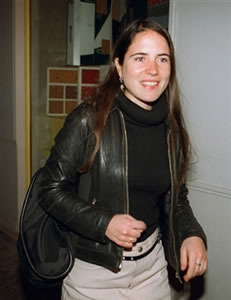
De Franse schrijfster Mazarine Pingeot werd geboren in Avignon op 18 december 1974. Zie ook mijn blog van 18 december 2008 en ook mijn blog van 18 december 2009.


Uit: Mara


„Manuel se dit : il n'y aura pas d'enfant ici. Il n'y aura pas d'enfant né des batailles nocturnes, des coups et des pleurs. Il n'y aura pas de témoin de nos guerres, de nos défaites, il n'y aura pas de victoire, et c'est bien mieux ainsi. Pour moi je ne souhaite aucune victoire. Elle, elle a toujours l'impression de les remporter. Elle croit encore avoir gagné sur quelque chose, sur sa vie ou son destin, elle ne fait que s'y enfoncer un peu plus. Elle lutte, contre elle, contre moi. Elle lutte. Il n'y a que ça qu'elle sache faire. Il n'y aura pas d'enfant.

Mara se dit. Ce n'est pas grave, Manuel ne frappe plus, il s'en prend aux objets, il change, bientôt il sera prêt, nous serons tous les deux prêts, bientôt l'enfant, bientôt la fin des armes.

En bas, Hicham les attend, adossé à sa vieille Mercedes, incapable de dissimuler un sourire amusé, peut-être satisfait. Mara, en le mettant dans la confidence de leur "problème de couple" sans en référer à Manuel, qui lui-même lui en avait livré des bribes, l'a fait entrer dans un jeu dont il ne connaît pas encore la finalité ni les règles, mais qu'il accepte de jouer, relevant malgré lui un défi silencieux que personne n'a lancé, mais qui plane de façon dangereuse. Un jeu très peu ludique, et pourtant un jeu.

Mara monte devant. Elle ne veut rien rater de la route qui mène à Sidi Mhait. Peut-être au retour de la promenade la vie ne sera-t-elle plus la même. Mara interroge ce qu'elle voit, et ce qu'elle voit a depuis quelques temps l'allure de signe, le nombre d'ânes croisés compte, pigeon noir ou pigeon blanc, chaque visage annonce un événement, tout est signe. Une puissance obscure habite les êtres et les objets, elle estompe les frontières, entre les morts et les vivants, ceux qui un jour pourraient naître, ceux que l'on ne connaît pas mais que l'on a fortement désirés, imaginés, inventés, entre les parents les enfants les frères les sœurs les Arabes et les Occidentaux, les hommes et les femmes.“


810377-e2c07dd3f0d87d8f51dea5804f62d1d1.jpg
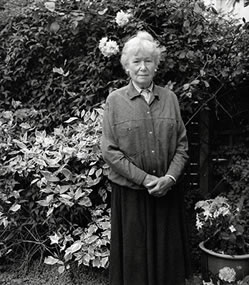
Mazarine Pingeot (Avignon, 18 december 1974)


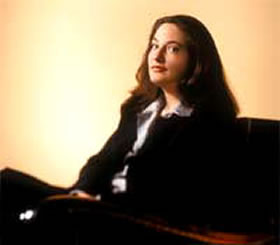
De Amerikaanse schrijfster Amy Michael Homes werd geboren op 16 december 1961 in Washington DC. Haar werk is verschenen in tijdschriften als Artforum en Vanity Fair. In 2004 publiceerde de New Yorker haar essay "The Mistress's Daughter", waarin Homes ' ontmoeting met haar biologische ouders beschreven werd. Die vond plaats 31 jaar na haar geboorte, waarna ze was vrijgegeven voor adoptie. In 1996 publiceerde ze een boek over kindermishandeling, Het einde van Alice, verteld vanuit het perspectief van een pedofiel die een levenslange gevangenisstraf uitzit. Dit boek was zeer omstreden, vooral omdat seks met kinderen in de ogen van de protagonisten volledig wordt gepresenteerd als iets natuurlijks. Toen het boek werd gepubliceerd in Groot-Brittannië in 1997 riep de National Society for the Prevention of Cruelty to Children“ (NSPCC) ertoe op om dit boek niet in de handel te brengen, maar aan die oproep werd door de meeste boekhandels geen gehoor gegeven..In 2006 verscheen This Book Will Save Your Life. Homes’ werken zijn vertaald in twaalf talen, ze heeft talloze onderscheidingen ontvangen voor  literatuur, waaronder een Guggenheim Fellowship en de Duitse Jeugd Literatuurprijs voor haar roman "Jack".


Uit: The End Of Alice


„Who is she that she should have this afflicted addiction, this oddly acquired taste for the freshest flesh, to tell a story that will start some of you smirking and smiling, but that will leave others set a fire determined this nightmare, this horror, must stop. Who is she? What will frighten you most is knowing she is either you or I, one of us. Surprise. Surprise.

And perhaps you wonder who am I to be running interference, to be acting as her translator and yours. Mine is the speech, the rhythm and rhyme of an old and peculiar man who has been locked away for too long, punished for pursuing a taste of his own.

Fair to say that I see in her the seeds of my youth and the memory of another girl I couldn't help but know.

Alice, I hand you her name gently, suggesting that if you hold it, carefully as I do, pressed close to the heart, you might at the end of this understand how confusing the beating of two such similar hearts can be and how one finally had to stop.

And by now, if you are anything at all, you know who I am—and find my disguise the silly childish senility of the long confined, of the good mind gone sour. But know, too, that as I tell you this, I feel like a contestant on What's My Line; before me is my tribunal, the three members of the panel, blindfolded—that detail should cause some excitement in a few of you. They ask me questions about my profession. The audience looks directly at me and recognizing my visage from its halftone reproductions is entirely atitter. I am the first pervert, the first lover of youth, they've had on the show. I am honored. I am touched. When I think no one is looking, I touch myself.“


810377-c293a6e3c6f795fd0b06b262fb722057.jpg
A.
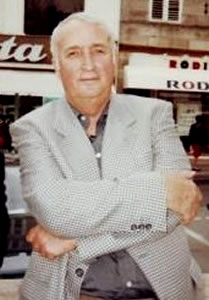
M. Homes (Washington DC, 16 december 1961)


De Zweedse schrijver Viktor Rydberg werd geboren op 18 december 1828 in Jönköping, Zweden. Zie ook mijn blog van 18 december 2006 en ook mijn blog van 18 december 2008 en ook mijn blog van 18 december 2009.


Uit: Tomten (Fragment)


Le froid de la nuit de mi-hiver est cruel,

les étoiles scintillent et étincellent,

Tous dorment dans la ferme isolée,

profondément à l'heure de minuit.

La lune suit son parcours silencieux,

la neige luit, blanche, sur les pins et les sapins,

la neige luit, blanche, sur les toits

Seul le Tomte est éveillé.

Il se tient là, gris comme un portail de ferme
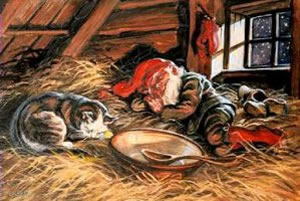


810377-6a99312ae7a676953ea8307f47283262.jpg
Illustratie bij Tomten


Gris contre la congère blanche,

il regarde, comme tant d'hivers passés,

en l'air, le disque lunaire,

il regarde vers la forêt, là les sapins et les pins,

entourent la ferme de leur sombre muraille,

il pense, immobile [...]

sur une étrange énigme.


il passe sa main dans sa barbe et ses cheveux,

hochant tête et le chapeau,

"non, cette énigme est par trop difficile,

non, je ne la devine pas.."

et puis il frappe, comme il lui est coutumier,

et chassant les questions de sa pensée,

il va s'arranger et s'affairer,

il va faire ce qu'il doit.


 810377-1b40940629f1f1f76d6c95ff057dc199.jpg

Viktor Rydberg (18 december 1828 – 21 september 1895)

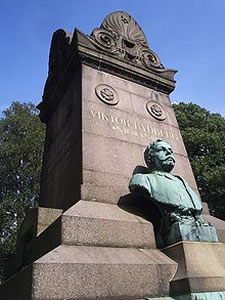
Viktor Rydberg's graf in Gothenburg


De Britse toneelschrijver Christopher Fry, pseudoniem van Christopher Harris, werd geboren in Bristol op 18 december 1907. Zie ook mijn blog van 18 december 2006  en ook mijn blog van 18 december 2008 en ook mijn blog van 18 december 2009.


Uit: Venus Observed


„DUKE: You must try
To use longer sentences. Then you would certainly feel
The fumbling in the quiver behind every syllable
And so to the arrow string, like a sudden
Swerving parenthesis.
PERPETUA: Do you think I should?
DUKE: No doubt of it.
PERPETUA: There isn’t any reason
Why a sentence, I suppose, once it begins,
Once it has risen to the lips at all
And finds itself happily wandering
Through shady vowels and over consonants
Where ink’s been spilt like rivers or like blood
Flowing for the cause of some half-truth
Or a dogma now outmoded, shouldn’t go
Endlessly moving in grave periphrasis
And phrase in linking phrase, with commas falling
As airily as lime flowers, intermittently,
Uninterrupting, scarcely troubling
The mild and fragile progress of the sense
Which trills trebling like a pebbled stream
Or lowers towards an oath-intoning ocean
Or with a careless and forgetful music
Looping and threading, tuning and entwining,
Flings a babel of bells, a caroling
Of such various vowels the ear can almost feel
The soul of sound when it lay in chaos yearning
For the tongue to be created: such a hymn
If not as lovely, then as interminable,
As restless, and as heartless, as the hymn
Which in the tower of heaven the muted spheres
With every rippling harp and windy horn
Played for incidental harmony
Over the mouldering rafters of the world,
Rafters which seldom care to ring, preferring
The functional death-watch beetle, stark, staccato,
Economical as a knuckle bone,
Strict, correct, but undelighting
Like a cleric jigging in the saturnalia,
The saturnalia we all must keep,
Green-growing and rash with life,
Our milchy, mortal, auroral, jovial,
Harsh, unedifying world,
Where every circle of grass can show a dragon
And every pool’s as populous as Penge,
Where birds, with taffeta flying, scarf the air
On autumn evenings, and a sentence once
Begun goes on and on, there being no reason
To draw to any conclusion so long as breath
Shall last, except that breath
Can’t last much longer.“


810377-117019a499e983a1509c333020961c9a.jpg
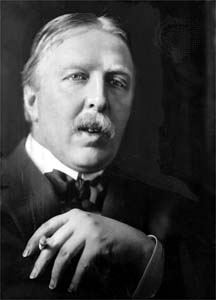
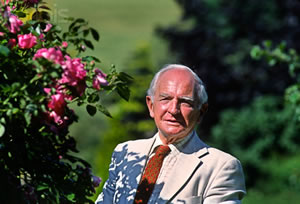
Christopher Fry (18 december 1907 - 30 juni 2005)


De Duitse schrijver Thomas Strittmatter werd geboren op 18 december 1961 in St. Georgen in het Zwarte Woud. Hij was schrijver van hoorspelen, romans, filmscenario's, enz. Hij schilderde ook en studeerde aan de Rijksacademie van Beeldende Kunsten in Karlsruhe. In 1983 ging zijn eerste toneelstuk “Viehjud Levi” in première en in 1985 regisseerde hij zijn eerste speelfilm. In 1995 stierf hij op 33-jarige leeftijd aan een hartaanval.


Uit: Viehjud Levi


„Szene 7: Küche/Sachzwänge

ANDRES Passiert? Nichts ist passiert. Zögernd Ich war bei der Bahn.

KRESENZ Bei den Bahnmenschen, wie jede Woch. Und?

ANDRES Ich hab Butter angeboten. Wurst. Speck. Schmalz. Milch. Erdäpfel, Rüben, Bohnen, wenig, dies Jahr. Ich hab soviel angeboten wie jede Woch.

KRESENZ Und die Bahnmenschen haben die War jede Woch vollständig abgenommen. Bis jetzt. Haben die am End nicht alle War genommen?

ANDRES Nichts. Überhaupt nichts haben sie genommen. Kein Gramm Butter hat die Bahn genommen. Die ganze War retour. Auch der Viehhandel, rückgängig gemacht.

KRESENZ Der Viehhandel? Aber es war doch alles abghandelt, 's war doch alles...

ANDRES Ja, ja. War alles abg'handelt. »Wir haben genug andere Lieferanten, Herr Horger«, hat er gesagt, der Herr Ingenieur. War was nicht recht mit der War, Herr Ingenieur? Hab ich gefragt. Kann ich was wiedergutmachen, Herr Ingenieur? Hab ich gesagt. Was war denn nicht recht, es tat mir leid, ich hätts übersehen. Hab ich gesagt zum Herr Ingenieur.

»Wissen Sie, Herr Horger, es war ja nicht gerade schlecht. Aber so einen Beigeschmack hats gehabt. Nicht, Männer?« Und dann haben sie alle geschrien: »Jawohl, Herr Ingenieur, einen Beigeschmack!«

Ja, was für einen Beigeschmack hat es denn gehabt, Herr Ingenieur? hab ich gefragt. Und da haben sie wieder alle gelacht. Und der Herr Ingenieur hat gesagt:

»Sollen wirs ihm sagen, Männer?«

»Ja, ja, Heir Ingenieur, sagen Sies ihm!« haben sie dann alle geschrien.

Dann hat der Ingenieur gesagt: »Wissen Sie, Herr Horger, wir haben eine feine Nase. Wenn da etwas nicht ganz ganz koscher ist, dann schmecken wir das sofort. Nach was hats denn geschmeckt, Männer?«

Weißt du, was die dann alle geschrien haben, Kresenz? Nach Jud, nach Jud, nach Jud. Wir sollten nicht so einen Umgang pflegen, hat der Herr Ingenieur gesagt. Umgang mit Juden, hat er gemeint, ist nicht gut, fürs Gschäft.

KRESENZ ... ist nicht gut fürs Gschäft.“


 810377-7c6f2a6de4c886b3b945772a51747b2c.jpg

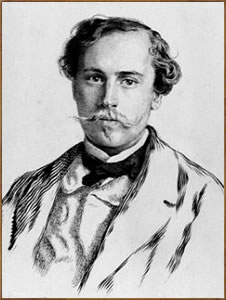
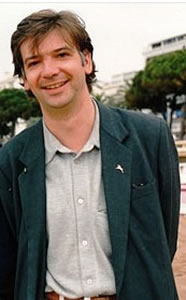
Thomas Strittmatter (18 december 1961 - 29 augustus 1995)


Zie voor nog meer schrijvers van de 18e december ook mijn vorige blog van vandaag.
Geschreven door Romenu om 00:00 Reageer op dit bericht

Miles Marshall Lewis, Gatien Lapointe, Heinrich Smidt, Saki, Annette von Droste-Hülshoff

De Amerikaanse schrijver Miles Marshall Lewis werd geboren op 18 december 1970 in The Bronx, New York. Zie ook mijn blog van 18 december 2006 en ook mijn blog van 18 december 2007 en ook mijn blog van 18 december 2008 en ook mijn blog van 18 december 2009.


Uit: There’s a Riot Goin’ On


„And as certain things come together, others fall apart—like the recording industry. Butch hasn’t bought a CD in quite a while. All the music he wants is available on Napster and he already laid down a few hundred dollars for a portable MP3 player. After decades of nefarious activities—contractually cheating musicians out of profits; overcharging the public for compact discs; paying artists less than fifteen percent of their musics earnings and owning their master recordings forever and ever—record companies felt the big payback, revenge. To Butch record companies seem like the first crumbling institution in a wave of falling multinational corporate entities to follow.

In the Brooklyn arts community surrounding him unsigned independent bands all take encouragement from the digital revolution, burning their own CDs, setting up their own websites, selling their own music. Screw the industry. In the new age everyone can have his own record label, be her own CEO. One’s artistic worth won’t be measured or rejected by a corporation. On the verge of the twenty-first century Butch saw people self-actualizing, believing in themselves without looking for outside approval. How liberating.

To top things off the death of immediate hiphop icons Tupac Shakur and the Notorious BIG has made the power of intention common knowledge to the pop community. At first only a few made the crass observation that Biggie Smalls named his albums Ready to Die and Life After Death and was then killed; that Tupac rhymed incessantly about death and dying young and was murdered at 25. The moral slowly spilling over into the mass consciousness? We get what we ask for, all of us. This was the beginning, Butch thought, of folks being more careful of what they put out into the universe, consciously exercising universal laws of cause and effect more carefully. It’s the biggest legacy the senseless deaths of the young and talented MCs could have left their generation.“


810372-57500cd1151655b7d277c5288d29a507.jpg
Miles Marshall Lewis (New York, 18 december 1970)


De Canadese dichter en schrijver Gatien Lapointe werd geboren op 18 december 1931 in Québec. Zie ook mijn blog van 18 december 2008 en ook mijn blog van 18 december 2009.


L'espérance du monde


Le jour commençait à grandir
Chacun reconnaissait son visage son paysage
En secret chacun parlait de vivre et d'aimer

Nous avons recouvert nos mains de terre tendre
Avons pesé le poids d'une journée
Avons appris la marche des saisons
Avons fait un chemin de l'instant à l'année
Avons semé des fleurs dans le bois de nos portes
Avons allumé un grand feu sur la montagne
Avons donné nos figures au fleuve
Avons établi les tables de la cité
Avons écrit des noms d'ici sur nom frontons
Avons rêvé avec le sapin et l'érable
Avons rempli d'eau les yeux brûlants du soleil
Avons caché un printemps sous chaque nuage
Avons pris en mains les bêtes perdues
Avons fleuri le lit du premier couple
Avons étendu le rosée sur nos fenêtres
Avons balisé la nuit de blessures vives
Avons imaginé le grand oeuvre du jour
Avons fait de nos corps un langage d'ici
Avons baptisé notre enfance de noms d'arbres
Avons jeté des graines sur chaque marée
Avons soufflé dans chaque nid d'oiseaux
Avons mis de la neige sur nos armes
Avons planté des lampes près du pain levant
Avons écrit notre âge sur la pierre nue
Avons juré éternel le premier amour

Nous continuons l'espérance du monde.


 810372-23f3332e19812d9a7994fa09c0e8f3a9.jpg

Gatien Lapointe (18 décember 1931 – 15 september 1983)

Affiche


De Duitse schrijver Heinrich Smidt werd geboren op 18 december 1798 in Altona. Smidt heeft tien jaar op zee gevaren en bracht het van matroos tot stuurman. In 1824 begon hij een studie rechten en "schone kunsten" aan de universiteiten van Kiel en Berlijn. In Berlijn was hij redacteur van de Staatszeitung en werkte voor het Magazin für die Literatur des Auslandes. In 1848 werd hij lid van de Marine Commissie en medewerker van de afdeling Marine van het Berliner Kriegsministerium, waarvoor hij tot slot werkte als archivaris. Hij stond in contact met Ludwig Devrient, Theodor Fontane e.a. en was lid van de literaire kring Tunnel über der Spree. Zijn ervaringen op zee en zijn kennis van land en volk gebruikte hij in tal van verhalen, novellen, romans, toneelstukken en kinderboeken, die hem de reputatie van een "Duitse Marryat“ opleverden.


Uit: Das Pestschiff


„Zwei Eilande ragen aus der Nordsee in der Entfernung von einer halben Meile empor. Das eine, dessen starker granitner Fuß, jählings abfallend, in der Tiefe wurzelt, ist mit fruchtbarer Erde und dichten Waldbäumen bedeckt. Unter den hohen Tannen liegt ein einsames Haus, von blühenden Beeten umgeben, weshalb es die Küstenleute von weit und breit den Garten nennen. Ein alter Seemann wohnte hier unlängst, der von langen Seezügen ermüdet, die ersehnte Heimat unter diesem Dache fand. Jetzt deckt ihn die kühle Erde und Jerta, seine jugendlich-schöne Tochter, geboren unter einem südlichen Himmel, wartet des Grabes.

Das zweite Eiland, lang und öde in die See hineingestreckt, mit einer abgeplatteten Oberfläche, hat in seinen äußeren Umrissen die Gestalt eines Sarges. Es ist kein Aufenthalt der Glücklichen. Kein Vogel nistet dort, wo kein Baum, kein Strauch ihm seine Jungen schirmt. Der Mensch allein hat auf diesem unfruchtbaren Stein seine Hütte erbaut; aber ihre Tür öffnet sich keinem glücklichen Gaste. Wer hier seine Einkehr hält, ist bereits einem traurigen Schicksal verfallen.

Auf dem äußersten Vorsprung der Insel liegt eine starke gemauerte Schanze. Sie ist mit Kanonen besetzt und in der Mitte derselben steht eine Flaggenstange. Wehe dem Schiffe, das sich dieser öden Klippe naht, wenn von jener Stange eine bleichgelbe Flagge weht. Sie ist das Zeichen der Pest. Dies Eiland ist der letzte Zufluchtsort der Hoffnungslosen, welche die Welt ausstieß.

Wenn aber von der hohen Stange die gelbe Flagge nicht abweht, dann ist zwischen dem Garten und dem Sarge ein zeitweiliger Verkehr. Der Quarantänevogt ist ein vom Unglück verfolgter Schiffer, der von der See nur einen siechen Körper heimbrachte und hier eine ärmliche Versorgung fand.“


810372-8bccd0a4450233501c597faf695b75cb.jpg
Heinrich Smidt (18 december 1798 - 3 september 1867)

Portret door Adolf von Menzel, 1850


De Birmees - Britse schrijver Saki (pseudoniem van Hector Hugh Munro, een naam gekozen uit de Rubaiyat van Omar Khayyam) werd geboren op 18 december 1870 in Akyab, Birma. Zie ook mijn blog van 18 december 2008 en ook mijn blog van 18 december 2009.


Uit: The Unbearable Bassington

„Francesca Bassington sat in the drawing-room of her house in Blue Street, W., regaling herself and her estimable brother Henry with China tea and small cress sandwiches.  The meal was of that elegant proportion which, while ministering sympathetically to the desires of the moment, is happily reminiscent of a satisfactory luncheon and blessedly expectant of an elaborate dinner to come.

In her younger days Francesca had been known as the beautiful Miss Greech; at forty, although much of the original beauty remained, she was just dear Francesca Bassington.  No one would have dreamed of calling her sweet, but a good many people who scarcely knew her were punctilious about putting in the "dear."

Her enemies, in their honester moments, would have admitted that she was svelte and knew how to dress, but they would have agreed with her friends in asserting that she had no soul.  When one's

friends and enemies agree on any particular point they are usually wrong.  Francesca herself, if pressed in an unguarded moment to describe her soul, would probably have described her drawing-room. Not that she would have considered that the one had stamped the impress of its character on the other, so that close scrutiny might reveal its outstanding features, and even suggest its hidden

places, but because she might have dimly recognised that her drawing-room was her soul.

Francesca was one of those women towards whom Fate appears to have the best intentions and never to carry them into practice.  With the advantages put at her disposal she might have been expected to command a more than average share of feminine happiness.  So many of the things that make for fretfulness, disappointment and discouragement in a woman's life were removed from her path that she might well have been considered the fortunate Miss Greech, or later, lucky Francesca Bassington.  And she was not of the perverse band of those who make a rock-garden of their souls by dragging into them all the stoney griefs and unclaimed troubles they can find lying around them.“


810372-207a90cff18e351c6c9bae18b760eefd.jpg
Saki (18 december 1870 – 14 november 1916)


Onafhankelijk van geboortedata:


De Duitse dichteres en schrijfster Annette von Droste-Hülshoff werd op 10 januari 1797 op het slot Hülshoff in Westfalen geboren. Zie ook mijn blog van 10 januari 2007 en mijn blog van 31 december 2007. Zie eveneens mijn blog van 10 januari 2008 en mijn blog van 10 januari 2009 en ook mijn blog van 18 december 2009.


Am zweiten Sonntage im Advent

Evang.: Von Zeichen an der Sonne


Wo bleibst du, Wolke, die den Menschensohn

Soll tragen?

Seh' ich das Morgenrot im Osten schon

Nicht leise ragen?

Die Dunkel steigen, Zeit rollt matt und gleich;

Ich seh' es flimmern, aber bleich, ach, bleich!


Mein eignes Sinnen ist es, was da quillt

Entzündet,

Wie aus dem Teiche grün und schlammerfüllt

Sich wohl entbindet

Ein Flämmchen und von Schilfgestöhn umwankt

Unsicher in dem grauen Dunste schwankt.


So muß die allerkühnste Phantasie

Ermatten;

So in der Mondesscheibe sah ich nie

Des Berges Schatten,

Gewiß, ob ein Koloß die Formen zog,

Ob eine Träne mich im Auge trog.


So ragt und wälzt sich in der Zukunft Reich –

Ein Schemen!

Mein Sinnen sonder Kraft! – Gedanke bleich.

Wer will mir nehmen

Das Hoffen, was ich in des Herzens Schrein

Gehegt als meiner Armut Edelstein?


Gib dich gefangen, törichter Verstand!

Steig nieder

Und zünde an des Glaubens reinem Brand

Dein Döchtlein wieder,

Die arme Lampe, deren matter Hauch

Verdumpft, erstickt in eignen Qualmes Rauch.


Du seltsam rätselhaft Geschöpf aus Ton,

Mit Kräften,

Die leben, wühlen, zischen wie zum Hohn

In allen Säften,

O bade deinen wüsten Fiebertraum

Im einz'gen Quell, der ohne Schlamm und Schaum!


Wehr ab, stoß fort, was gleich dem frechen Feind

Dir sendet

Die Macht, so wetterleuchtet und verneint,

Und starr gewendet

Wie zum Polarstern halt das Eine fest,

Sein Wort, sein heilig Wort, und – Schach dem Rest!


Dann wirst du auf der Wolke deinen Herrn

Erkennen,

Dann sind Jahrtausende nicht kalt und fern,

Und zitternd nennen

Darfst du der Worte Wort, des Lebens Mark,

Wenn dem Geheimnis deine Seele stark.


Und heute schon, es steht in Gottes Hand,

Erschauen

Magst du den Heiland und der Seele Brand

Gleich dem Vertrauen.

Zerfallen mögen Erd' und Himmelshöhn,

Doch seine Worte werden nicht vergehn.


 810372-1819e18137c85c9dacf7736b12823eb5.jpg

Annette von Droste-Hülshoff (10 januari 1797 – 24 mei 1848)

Het Rüschhaus in Münster waar von Droste-Hülshoff twintig jaar woonde.

Geschreven door Romenu om 00:00 Reageer op dit bericht

Ronald Giphart, Yvonne Keuls, Jón Kalman Stefánsson, Frank Martinus Arion, Hans Henny Jahnn

De Nederlandse schrijver Ronald Giphart werd geboren op 17 december 1965 in Dordrecht. Zie ook mijn blog van 17 december 2006 en ook mijn blog van 17 december 2007 en ook mijn blog van 17 december 2008 en ook mijn blog van 17 december 2009.


Uit: Phileine zegt sorry


„Dan gebeurt er wat ik in mijn vreselijkste fantasieën niet had kunnen bedenken: Max’ lul wordt schoksgewijs hard en nog harder, zijn drie zwellichamen vullen zich met bloed. Ik bedoel: Max krijgt een erectie on stage. Ja, een method actor is ook maar een mens. Ik geloof dat ik niet goed wordt. Dit is zo’n moment dat ik op mijn beurt het liefst mijn .501 zou willen trekken om ze allemaal dood te schieten. Is dit nou nodig, mijn jongen, is nou werkelijk nodig?
Daar staat ferme Max. Driehonderdtwintig toeschouwers en ik kijken naar een stijve pik, de stijve pik van mijn vriend. En naar Joanne, die er met haar handen een potje aan staat te hannesen. Wat gaat er langs me heen?
Max tongzoent Joanne, en Joanne houdt de lul van mijn vriend vast. Het is duidelijk te zien dat ze er geniepige rukjes aan geeft, Honderden kleinzielige pathetische gedachten schieten in snel tempo door mijn hoofd: kun je een erectie acteren? Hebben ze deze scènes gerepeteerd? Hebben ze deze scènes gekostumeerd gerepeteerd? Waarom heeft Max mij niet van tevoren verteld van deze act? Wat zou Jules ervan denken? En die verdomde buitenaardse medemens? Wat is het Chinese spreekwoord voor deze handeling? Welk cijfer wil CLASS 199six eigenlijk voor deze voorstelling krijgen? Wat hopen ze überhaupt te bereiken, behalve hun vrienden en familieleden van zich te vervreemden? Hun motivatie, wat is in godsnaam hun motivatie? Om ons heen staan tientallen mensen op. Ook mamma Ruth kan het niet langer aanzien en begint zich woest grommend naar de uitgang te wringen. Een andere mevrouw roept: ‘Disgusting! You’re out of your minds!’


 809608-cca360a72aec75872786e2334af3ed88.jpg

Ronald Giphart (Dordrecht, 17 december 1965)


De Nederlandse schrijfster Yvonne Keuls werd geboren op 17 december 1931 in Batavia, toen nog een onderdeel van Nederlands-Indië. Zie ook mijn blog van 17 december 2006 en ook mijn blog van 17 december 2007 en ook mijn blog van 17 december 2008 en ook mijn blog van 17 december 2009.


Uit: Mevrouw mijn moeder


“Ik wilde haar wat afleiden, een beetje uit de mopperput trekken. Misschien, als ze even in een rolstoel wilde zitten, kon ik haar het huis laten zien. Wilde ze dat? Nee. Dat hadden haar zonen al gedaan. En er was niets te zien in dit huis. Misschien wilde ze even naar buiten, want het was zulk mooi weer. Als ze even uit het raam wilde kijken, dan kon ze de andere patiënten in het zonnetje zien zitten. Nee. Want ze was geen patiënt en hield niet van zonnetje zitten. Misschien konden we even beneden een kopje koffie gaan drinken samen. Nee. Want dat deden die verpleegsters al de hele dag. Die dronken maar koffie met elkaar. Als je ze nodig had, waren ze altijd aan het koffiedrinken. Misschien wilde ze dan...
Nee.
Nee.
Nee.
Ze begon zachtjes te huilen.”

(…)


“’Heeft u geërfd deze winkel, meneer?’ vroeg mijn moeder aan de trotse winkelbaas die hoogstpersoonlijk nog maar eens een glaasje jus d’orange serveerde. ‘Nee, nee, nee, mevrouw,’ zei de man glimlachend. ‘Meestal is zo’n winkel toch van vader op zoon?’ dramde mijn moeder door. ‘Ja, en dan gaat de vader dood en dan krijgt de zoon,’ legde Toetie vriendelijk uit. ‘Is bij u niet zo, meneer?’ ‘Nee, nee, nee,’ zei hij. Kom, ze moesten nou maar eens over de brug komen.(...) ‘Vertelt u het eens, wat zoekt u, dames?’ ‘Nou,’ zei mijn moeder, ‘ik wil graag zien die schoen met zes tenen van uw advertentie en Toetie hier, mijn schoonzuster – Toetie begon heftig te knikken – zij wil ook zien, en mijn andere schoonzuster ook. Mijn moeder boog zich nog even voor de zekerheid naar Mekkie en zei tegen haar: ‘Dat is toch zo, ja, Mek, jij wil toch ook zien?’ ‘Ja, maar niet alleen zien,’ zei Mekkie, ‘passen wil ik.’ ‘Zij wil passen,’ herhaalde mijn moeder, ‘en wij ook, wij willen allemaal passen. Maat 37 heb ik en zij hebben allebei maat 40. ‘Masa, hoe kan dat nou? 37 Jij?’ vroeg Mekkie verbaasd aan mijn moeder. ‘Als ik 40 heb, dan heb jij toch ook 40?’ ‘Ja, en ik heb helemaal geen 40,’ zei Toetie, ‘ik heb 38.’”


 809608-fb92e65d23bf32aebb239289c8ef80a8.jpg

Yvonne Keuls (Batavia, 17 december 1931)


De IJslandse schrijver Jón Kalman Stefánsson werd geboren in Reykjavík op 17 december 1963. Zie ook mijn blog van 17 december 2008 en ook mijn blog van 17 december 2009.


Uit: Das Knistern in den Sternen (Vertaald door Karl-Ludwig Wetzig)


„Die Einsamkeit weckt ihn.
Nicht wie ein schwerer Schlag, sondern wie ein leises Ziehen, das im Moment des Aufwachens zu einem Schmerz anwächst. Viele Tage sind vergangen, seit er an ihrer Seite eingeschlafen ist, müde, erschöpft, glücklich, in der schönsten Nacht des Lebens. Am Morgen danach war sie verschwunden. Nicht nur aus seinem Leben, sondern ebenso aus der Stadt. Sie ist davongefahren und hat die Laternenpfähle stehen lassen.
Ist davongefahren und hat sämtliche Vorfahrtsschilder zurückgelassen, die Häuser in der Weststadt, alle Bürgersteige; sie ist weggefahren, und vergeblich preisen die Kinos ihre Filme in Cinemascope an, denn sie ist weg, auf und davon. Weg von der Hringbraut, weg von Skaftahlíð, dem ganzen Skaftahlíð-Hügel, besonders aber weg von einer Kellerwohnung, wo er in tiefer Trauer liegt. Davongelaufen nach Westen in die Fjorde, wohin genau, soll er nicht in Erfahrung bringen, die in Skaftahlíð dürfen ihren Aufenthaltsort nicht preisgeben. Ihre Abwesenheit macht jeden Sack Zement doppelt schwer. Er geht noch einmal zu ihrem Haus, um sich zu erkundigen, trifft aber nur den Dichter, der gerade dabei ist, zu packen.
"Nichts zu tun hier, die Frau in Norwegen, weiß auch nicht, was ich eigentlich hier gesucht habe. Das Mädchen? Nein, keine Ahnung. Verschwunden, sagst du. Ja, mir brauchst du nichts zu erzählen, ich weiß, wie das ist. Mit den Gedichten geht es einem genauso. Sobald man glaubt, sie aus der Tiefe hervorgeholt zu haben und sie mit Händen greifen zu können, verschwinden sie, lösen sich auf und lassen einen allein zurück. Ich beneide dich um deine Arbeit, junger Mann, der Zement lässt den Sand nicht im Stich, und gemeinsam verbinden sie sich zu Beton; bald erhebt sich ein Haus. Du hast es gut."
Blödsinn, er hat es überhaupt nicht gut, der Junge aus dem Osten, und er hat nicht das geringste Interesse an den Schwierigkeiten des Dichters mit seinen Worten; er ist nichts weiter als ein Maurerlehrling, und jeder Tag ein neuer Foltermeister. Ihr Geruch ist aus dem Bettlaken verflogen, die Milch versauert im Kühlschrank, die Zementsäcke werden immer schwerer, bald wird die Erdkruste unter ihm einbrechen.“


 809608-93c86ce865173f215608ec722ba7f6fb.jpg

Jón Kalman Stefánsson (Reykjavík, 17 december 1963)


De Antilliaanse dichter en schrijver Frank Martinus Arion werd geboren op 17 december 1936 op Curaçao. Zie ook mijn blog van 17 december 2006 en ook mijn blog van 17 december 2008 en ook mijn blog van 17 december 2009.


Uit: Dubbelspel


“Men herinnere zich dat Maria, de moeder van Christus (tropenmensen, oudtestamentische of ‘primitieve’, arme mensen, schijnen paradoxaal genoeg allemaal een overeenkomstig geloof te hebben waar al het andere aan ondergeschikt is, en dat is gastvrijheid) in paniek was toen de drank opraakte bij een feest van een kennis van haar en niet eens een feest bij haarzelf thuis, om zich de paniek van Nora in te denken. Nora had bovendien geen zoon die wonderdoener van beroep was. (Haar zoon was op dit moment althans nog niet zo ver.)
Ze had zelf de mannen naar de tafel uitgenodigd voor een borrel, en nu zou ze ineens moeten zeggen, dat de rum opraakte?! Ze dacht aan het barrestaurant op de kruising van de Tulaweg met de Carpataweg waar Chamon Nicolas die middag enkele ronden domino had gespeeld vóór hij bij Boeboe Fiel kwam. Naast dat barrestaurant was ook een winkeltje van een Portugees, dat een fruitwinkeltje heette en dat ’s zondags en om zes uur gesloten hoorde te zijn maar waar men van alles krijgen kon, op alle dagen van de week en op elk uur van de dag; van chocoladerepen tot gymschoenen, tegen alle wetten van het eiland in.
‘Ga,’ zei ze tegen Ostrik, die naast haar met het afdrogen van de borrelglazen stond te helpen, ‘naar de grote slaapkamer. Onder het beeld van het Heilige Hart van Jezus daar, in de holte onder dat beeld, vind je vijftien gulden. Néém dat en koop bij de Portugees een fles rum van een gallon.’
Ze sprak in zijn oor; snel en fluisterend, omdat de mannen die voor haar op hun borrel stonden te wachten, met dit alles niets te maken hadden. Maar Ostrik was zo verrast door het feit dat de vijftien gulden er was, dat hij zijn moeder met open mond bleef aankijken en zich niet bewoog.

‘Ga!’ zei ze, harder en gebiedender. Ze kon nu nog nauwelijks één ronde gaan.
‘Rum?’ fluisterde hij terug. ‘Rum?’ Want dat was zijn tweede verbazing, dat zij met dat belangrijke geld rum wilde kopen.“


 809608-3780a4b01c08ce14f77a6f430499fc4a.jpg

Frank Martinus Arion (Curaçao, 17 december 1936)


De Duitse schrijver Hans Henny Jahnn werd geboren op 17 december 1894 in Hamburg. Zie ook mijn blog van 17 december 2006 en ook mijn blog van 17 december 2008 en ook mijn blog van 17 december 2009.


Uit: Tagebuch 1915: Der Kampf- Wie Deutschland aufblühte, Handel trieb - und dazu den Krieg

Es gibt einen Gott, der schuf die Erde und den Himmel in seiner Pracht, der ließ durch die Sonne gold-bunte Farben entstehen, die sich über sein Werk ausbreiten; erschuf Blumen und Bäume in ihrer Kraft und Tiere schuf er und Menschen, herrlich an ihren Leibern und einfach und adlig in ihrer Seele.
Es gibt einen Teufel, der hat mit seinen Krallen in der Erde gewühlt und hat Gold und Eisen daraus gegraben. Er hat das Gold in die Hand genommen und den Menschen gezeigt und gelogen hat er ihnen, dass es ein wunderbares Metall sei, dem eine seltene Zauberkraft innewohnt. - Und die Menschen glaubten ihm und fielen ihm in die Hände. - Und er, der Satan verstreute das Gold unter sie und lachte unbändiglich, denn er sah, wie die Menschen aufeinander stürzten und sich stritten und sich schlugen. Sie vergaßen das Land, das Korn und Früchte trug, sie wollten das Metall das ihnen so blinkend schien - mit den sehnigen Fäusten schlugen sie aufeinander ein; sie entheiligten die Kraft ihres Leibes - und der Satan lachte. Sie mussten hungern und dursten um des Goldes willen, ihre Seele musste verdorren. Das war die Zauberkraft, der sie nachjagten, und sie fühlten nicht, dass sie irregeleitet. - Nur manchmal stand jemand auf. Dann war der Teufel gar böse und befahl dem Tod, er möchte ein Meuchelmörder sein; dann starb ein Mensch, verhöhnt, verlacht mit gerader, adliger Seele; aber seine Augen waren ausgeweint über die Not, die über die Menschen kam und über ihre Unvernunft.
Aber es war dem Teufel nicht genug mit einer Tat, er schmiedete aus dem Eisen Schwerter und gab sie den Menschen. Die sahen die blanke Waffe, und schlugen einander damit, rissen die Leiber sich auf, die Gott geschaffen, töteten einander, und nannten die grausigen Taten heilig, weil es um Gold ging. Mehr Mühe brauchte sich Satan nicht zu geben, denn das Gemeinste, Roheste war geheiligt worden. Von Altären und geweihten Orten verkündete man die Heiligkeit des Mordes. - Gott war abgesetzt, ein König ward ausgerufen, ein Vertreter des geheiligten Mordens um Gold.-„


809608-3714c5212db3d534638026521e7bdf0d.jpg
Hans Henny Jahnn (17 december 1894 – 29 november 1959)


Zie voor nog meer schrijvers van de 17e december ook mijn vorige blog van vandaag en eveneens mijn eerste blog van vandaag.
Geschreven door Romenu om 19:35 Reageer op dit bericht

Ford Madox Ford, Jules de Goncourt, Penelope Fitzgerald, Alphonse Boudard, Érico Veríssimo

De Engelse dichter, schrijver en publicist Ford Madox Ford werd geboren op 17 december 1873 in Merton, Surrey. Zie ook mijn blog van 17 december 2006 en ook mijn blog van 17 december 2008 en ook mijn blog van 17 december 2009.


Uit: The Good Soldier


“Captain Ashburnham also had a heart. But, whereas a yearly month or so at  Nauheim tuned him up to exactly the right pitch for the rest of the  twelvemonth, the two months or so were only just enough to keep poor  Florence alive from year to year. The reason for his heart was,  approximately, polo, or too much hard sportsmanship in his youth. The reason  for poor Florence’s broken years was a storm at sea upon our first crossing  to Europe, and the immediate reasons for our imprisonment in that continent  were doctor's orders. They said that even the short Channel crossing might  well kill the poor thing.

When we all first met, Captain Ashburnham, home on sick leave from an India  to which he was never to return, was thirty-three; Mrs Ashburnham  Leonora --was thirty-one. I was thirty-six and poor Florence thirty. Thus today Florence would have been thirty-nine and Captain  Ashburnham forty-two; whereas I am forty-five and Leonora forty. You will  perceive, therefore, that our friendship has been a young-middle-aged  affair, since we were all of us of quite quiet dispositions, the Ashburnhams  being more particularly what in England it is the custom to call "quite good  people".

They were descended, as you will probably expect, from the Ashburnham who  accompanied Charles I to the scaffold, and, as you must also expect with  this class of English people, you would never have noticed it. Mrs  Ashburnham was a Powys; Florence was a Hurlbird of Stamford, Connecticut,  where, as you know, they are more old-fashioned than even the inhabitants of  Cranford, England, could have been. I myself am a Dowell of Philadelphia,  Pa., where, it is historically true, there are more old English families  than you would find in any six English counties taken together. I carry  about with me, indeed--as if it were the only thing that invisibly anchored  me to any spot upon the globe--the title

deeds of my farm, which once  covered several blocks between Chestnut and Walnut Streets.”


 809601-4391d95a349425ba48d734a898e4581a.jpg

Ford Madox Ford (17 december 1873 - 26 juni 1939)


De Franse schrijver Jules de Goncourt werd geboren op 17 december 1830 in Parijs. Zie ook mijn blog van 17 december 2006 en ook mijn blog van 17 december 2008 en ook mijn blog van 17 december 2009.


Uit: Germinie Lacerteux (Door Jules en Edouard de Goncourt)


 « La fosse commune, ce jour-là, c'était cela. Ce terrain, ces croix, ce prêtre disaient : - Ici dort la Mort du peuple et le Néant du pauvre.
O Paris ! tu es le cœur du monde, tu es la grande ville humaine, la grande ville charitable et fraternelle ! Tu as des douceurs d'esprit, de vieilles miséricordes de mœurs, des spectacles qui font l'aumône ! Le pauvre est ton citoyen comme le riche. Tes églises parlent de Jésus-Christ ; tes lois parlent d'égalité ; tes journaux parlent de progrès ; tous tes gouvernements parlent de peuple ; et voilà où tu jettes ceux qui ont sué leur vie à travailler pour toi, à te donner ton bien-être, tes plaisirs, tes splendeurs, ceux qui ont fait ton animation, ton bruit, ceux qui ont mis la chaîne de leurs existences dans ta durée de capitale, ceux qui ont été la foule de tes rues et le peuple de ta grandeur ! Chacun de tes cimetières a un pareil coin honteux, caché entre un bout de mur, où tu te dépêches de les enfouir, et où tu leur jettes la terre à pelletées si avares que l'on voit passer les pieds de leurs bières ! On dirait que ta charité s'arrête à leur dernier soupir, que ton seul gratis est le lit où l'on souffre, et que, passé l'hôpital, toi si énorme et si superbe, tu n'as plus de place pour ces gens-là ! Tu les entasses, tu les presses, tu les mêles dans la mort, comme il y a cent ans, sous les draps de tes Hôtels-Dieu, tu les mêlais dans l'agonie ! Encore hier, n'avais-tu pas seulement ce prêtre en faction pour jeter un peu d'eau bénite banale à tout venant : pas la moindre prière ! Cette décence même manquait : Dieu ne se dérangeait pas ! Mais ce que ce prêtre bénit, c'est toujours la même chose : un trou où le sapin se cogne, où les morts ne sont pas chez eux ! Le corruption y est commune ; personne n'a la sienne, chacun a celle de tous : c'est la promiscuité du ver ! Dans le sol dévorant, un Montfaucon se hâte pour les Catacombes…“


 809601-c96c18fa1d57bf1276debc17bb1eaf34.jpg

Jules de Goncourt (17 december 1830 - 20 juni 1870)


De Engelse dichteres, schrijfster en essayiste Penelope Fitzgerald werd geboren op 17 december 1916 in Lincoln. Zie ook mijn blog van 17 december 2008 en ook mijn blog van 17 december 2009.


Uit: The Means of Escape


„St. george’s church, Hobart, stands high above Battery Point and the harbor. Inside, it looks strange and must always have done so, although (at the time I’m speaking of) it didn’t have the blue-, pink- and yellow-patterned stained glass that you see there now. That was ordered from a German firm in 1875. But St. George’s has always had the sarcophagus-shaped windows, which the architect had thought Egyptian and therefore appropriate (St. George is said to have been an Egyptian saint). They give you the curious impression, as you cross the threshold, of entering a tomb.
In 1852, before the organ was installed, the church used to face east, and music was provided by a seraphine. The seraphine was built, and indeed invented, by a Mr. Ellard, formerly of Dublin, now a resident of Hobart. He intended it to suggest the angelic choir, although the singing voices at his disposal — the surveyor general, the naval chaplain, the harbormaster and their staffs — were for the most part male. Who was able to play the seraphine? Only, at first, Mr. Ellard’s daughter, Mrs. Logan, who seems to have got L20 a year for doing so, the same fee as the clerk and the sexton. When Mrs. Logan began to feel the task was too much for her — the seraphine needs continuous pumping — she instructed Alice Godley, the rector’s daughter.
Hobart stands "south of no north," between snowy Mount Wellington and the River Derwent, running down over steps and promontories to the harbor’s bitterly cold water. You get all the winds that blow. The next stop to the south is the limit of the Antarctic drift ice. When Alice went up to practice the hymns she had to unlock the outer storm door, made of Huon pine, and the inner door, also a storm door, and drag them shut again.“


 809601-b1501eb37ca916854d26b93235144bb3.jpg

Penelope Fitzgerald (17 december 1916 - 28 april 2000)


De Franse schrijver Alphonse Boudard werd geboren op 17 december 1925 in Parijs. Zie ook mijn blog van 17 december 2008 en ook mijn blog van 17 december 2009.


Uit: L’Hôpital


«… les pavés ronds, les arcades, je traverse la cour, j’entre à l’hosto. C’est l’été et c’est Bicêtre. Ils partent les autres au bronzage sur les rives d’Azur. Qu’ils se tirent tous, grand bien leur fasse… mémères,  lardons, pin-up… Nationale 7… Saint-Trop les miches ! Tellement je suis pompé, crouni, qu’ils peuvent se gaver tous les soleils, ça ne me démange pas la jalousie. J’ai la tête lourde,  les cannes tristes et encore ce goût fade de sang dans le fond de la gorge. Je me pointe tout sage aux admissions, bien docile, bien réfléchi. J’ai ma valoche carton bouilli, ma brosse à dents, mon nécessaire, juste ce qu’il me faut.  La canicule, le ciel d’ardoise, l’étouffement que c’est !… chez Géo, l’usine en bas vers la Bascule, les effluves qui montent à vous dégoûter de la saucisse pour le restant de vos repas. Je retire mes pompes. La préposée, la dame en blanc, toujours l’exige. Trop souvent qu’elle en a vus, depuis vingt piges et des poussières qu’elle officie à l’Assistance, de ces messieurs bien sous tous rapports – le col à becter de la tarte, les manchettes à boutons dorés – et cependant les panards cradingues puants. Elle se défie des apparences, elle connaît la vie, les êtres, les plaies profondes, le cœur humain. […]»


 809601-4b7f3887a4277f134bb8fb7b5231d52d.jpg

Alphonse Boudard (17 december 1925 – 14 januari 2000)


De Braziliaanse schrijver
Érico Veríssimo werd geboren op 17 december 1905 in Rio Grande do Sul. Zie ook
mijn blog van 17 december 2008.


Uit: Mexico (Vertaald door Linton Barrett)


„The legendary Rio Grande, that part of it where we crossed and at  that season of the year, was no more than a slender thread of water  running melancholy along its bed of burnished copper.

"The dry season," the ticket-collector, a short man with a sharp  Aztec profile, explains laconically.

Our train--two cars with extremely few passengers--was being  hauled by an elderly locomotive, slow and wheezy.

"You see," I murmured to my companion, "nobody in his right  mind makes this trip by train."

"The crazy ones go by air," she smiled. "So far I have no reason  for complaining."

The examination of passports was rapid. The American inspector  was blond, lean and jovial. The Mexican, fat, hairy and taciturn.  We had no trouble with Customs: at sight of my laissez-passer with
the seal of the Organization of American States they desisted from  inspecting our bags. We slowly entered the territory of Mexico.
Under the light that falls from a faded sky, a metallic tone, this part  of Juárez next to the railway station reminds us of a city of the  Brazilian Northeast, with its low houses, some painted yellow, blue
or pink, the sandy ground and the dry air of a glittering transparency. Barefoot Indian men and women, standing in the streets,  raise their enigmatic, earth-coloured faces toward the train. They  are stumpy, ugly, dirty and sorry-looking. I see men dressed in
a fetal position, their straw hats tilted over their eyes, just as in the  most conventional pictures that claim to represent Mexico. Boys in  blue jeans of visibly Texan influence are playing baseball in a field. The towers of an old church loom above a clump of trees, sharp  against the May horizon. I am gradually being invaded by that sensation which, in certain places we visit for the first time or in certain situations, leads us to think: "I've been here before. This has  already happened to me."


 809601-9b1fe8ecb70422cb9f23d418d9f6a607.jpg

Érico Veríssimo (17 december 1905 – 28 november 1975)

Geschreven door Romenu om 19:26 Reageer op dit bericht

Albert Drach, John Kennedy Toole, John Whittier, Thomas Haliburton, Władysław Broniewski

De Oostenrijkse schrijver Albert Drach werd op 17 december 1902 in Mödling geboren. Zie ook mijn blog van 17 december 2008.


Uit: Das große Protokoll gegen Zwetschkenbaum


„In dem sehr zweifelhaften Schatten eines sogenannten Zwetschkenbaumes saß ein Mann, der hieß auch Zwetschkenbaum, aber er war es nicht. Diese Familienbezeichnung gibt nämlich allerdings einen guten Namen für die damit gemeinte Pflanze mit verholztem Stengel oder Stamm ab.

Denn sie ist gebräuchlich für alle Gewächse solcher Art, welche hinwiederum nützlich und beliebt sind. Dagegen hält man erwähnten Namen für schlecht, wenn er einen Menschen betrifft, und der Verruf, in dem er steht, hat seine Begründung nicht etwa darin, daß einmal ein großer philosophischer Dichter behauptet hat, vieles im Menschen sei noch Pflanze und Gespenst; sondern vielmehr ist man zu einer absprechenden Ansicht deshalb gelangt, weil die Benennung besagten Vegetationsteiles auch noch häufig von einer Spezies Kreatur (Gattung Lebewesen) für sich in Anspruch genommen wird, die man gemeinhin Juden nennt. Und so ist es auch kein Zufall, daß es einmal einen Juden namens Zwetschkenbaum gab, von dem hier die Rede ist.

Dafür, daß er an einem eingangs bezogenen Tage unter einer Pflanze gelegen sei (habe), deren Namen einer seiner Stammesvorgänger sich angeeignet hat, gibt Genannter die folgende Begründung an. Er heiße Schmul Leib Zwetschkenbaum, sei gebürtig in Brody (Ostgalizien), wo sich auch seine Eltern befunden hätten, zu der Zeit nämlich, als dieselben noch am Leben gewesen wären. Sie seien nach Hinterlassung von sieben Kindern arm gestorben. Vorher hätten sie mit allem möglichen gehandelt, angeblich ohne bleibenden Nutzen. Von den sieben Kindern seien zwei in Amerika, und zwar einer in einer Wäscherei, der andere in einer Färberei tätig gewesen. Diese hätten früher ab und zu Geld für die Familie geschickt, seit Ausbruch des Weltkriegs aber nichts mehr.“


809593-e7a5058365dde828796d3aaefe502e67.jpg 

Albert Drach (17 december 1902 – 27 maart 1995)


De Amerikaanse schrijver John Kennedy Toole werd geboren op 17 december 1937 in New Orleans. Zie ook mijn blog van 17 december 2008.


Uit: A Confederacy of Dunces


“Ignatius lumbered over to the picket fence, abandoning the hopeless cause espoused by the wagon, and viewed the oil paintings and pastels and watercolors strung there. Although the style of each varied in crudity, the subjects of the paintings were relatively similar: camellias floating in bowls of water, azaleas tortured into ambitious flower arrangements, magnolias that looked like white windmills. Ignatius scrutinized the offerings furiously for a while all by himself, for the ladies had stepped back from the fence and had formed what looked like a protective little grouping. The wagon, too, stood forlorn on the flagstones, several feet from the newest member of the art guild.
"Oh, my God!" Ignatius bellowed after he had promenaded up and down along the fence. "How dare you present such abortions to the public."
"Please move along, sir," a bold lady said.
"Magnolias don't look like that," Ignatius said, thrusting his cutlass at the offending pastel magnolia. "You ladies need a course in botany. And perhaps geometry, too."
"You don't have to look at our work," an offended voice said from the group, the voice of the lady who had drawn the magnolia in question.
"Yes, I do!" Ignatius screamed. "You ladies need a critic with some taste and decency. Good heavens! Which one of you did this camellia? Speak up. The water in this bowl looks like motor oil."
"Let us alone," a shrill voice said.
"You women had better stop giving teas and brunches and settle down to the business of learning how to draw," Ignatius thundered. "First, you must learn how to handle a brush. I would suggest that you all get together and paint someone's house for a start."
"Go away."
"Had you 'artists' had a part in the decoration of the Sistine Chapel, it would have ended up looking like a particularly vulgar train terminal," Ignatius snorted.
"We don't intend to be insulted by a coarse vendor," a spokeswoman for the band of large hats said haughtily.
"I see!" Ignatius screamed. "So it is you people who slander the reputation of the hot dog vendor."


809593-6b9dde961e94dcc65feb73375c12e1b6.jpg
John Kennedy Toole (17 december 1937 – 26 maart 1969)


De Amerikaanse dichter en hervormer John Greenleaf Whittier werd geboren in Haverhill, Massachusetts op 17 december 1807. Zie ook mijn blog van 17 december 2008.


A Christmas Carmen 


I.

Sound over all waters, reach out from all lands,

The chorus of voices, the clasping of hands;

Sing hymns that were sung by the stars of the morn,

Sing songs of the angels when Jesus was born!

With glad jubilations

Bring hope to the nations!

The dark night is ending and dawn has begun:

Rise, hope of the ages, arise like the sun,

All speech flow to music, all hearts beat as one!


II.

Sing the bridal of nations! with chorals of love

Sing out the war-vulture and sing in the dove,

Till the hearts of the peoples keep time in accord,

And the voice of the world is the voice of the Lord!

Clasp hands of the nations

In strong gratulations:

The dark night is ending and dawn has begun;

Rise, hope of the ages, arise like the sun,

All speech flow to music, all hearts beat as one!


III.

Blow, bugles of battle, the marches of peace;

East, west, north, and south let the long quarrel cease

Sing the song of great joy that the angels began,

Sing of glory to God and of good-will to man!

Hark! joining in chorus

The heavens bend o’er us!

The dark night is ending and dawn has begun;

Rise, hope of the ages, arise like the sun,

All speech flow to music, all hearts beat as one!


809593-bd4cd2757cbb166823fe80a12010163c.jpg
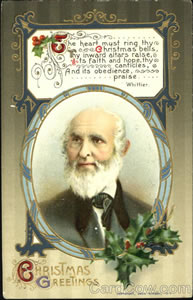
John Greenleaf Whittier (17 december 1807 – 7 september 1892)

Whittier op een kerstkaart


De Canadese schrijver Thomas Chandler Haliburton werd geboren op 17 december 1796 in Windsor, Nova Scotia. Zie ook mijn blog van 17 december 2008.


Uit: The Clockmaker or, The Sayings and Doings of Samuel Slick, of Slickville


„The Preacher that Wandered from His Text

I guess, said the Clockmaker, we know more of Nova Scotia than the Blue Noses themselves do. The Yankees see further ahead than most folks; they can een a most see round t'other side of a thing; indeed some on them have hurt their eyes by it, and sometimes I think that's the reason such a sight of them wear spectacles. The first I ever heerd tell of Cumberland was from Mr. Everett of Congress;

he know'd as much about it as if he had lived here all his days, and may be a little grain more. He is a splendid man that--we class him No. 1, letter A. One night I chanced to go into General Peep's tavern at Boston, and who should I see there but the great Mr. Everett, a studying over a map of the Province of Nova-Scotia. Why it aint possible! said I--if that aint Professor Everett, as I am alive! why how do you do, Professor? Pretty well, I give you thanks, said he; how be you? but I aint no longer Professor; I gin that up, and also the trade of Preaching, and took to politics. You don't say so, said I; why what on airth is the cause o' that? Why, says he, look here, Mr. Slick. What IS the use of reading the Proverbs of Solomon to our free and enlightened citizens, that are every mite and mortal as wise as he was? That are man undertook to say there was nothing new under the sun. I guess he'd think he spoke a little too fast, if he was to see our steam boats, rail-roads, and India rubber shoes--three inventions worth more nor all he knew put in a heap together. Well, I don't know, said I, but somehow or another, I guess you'd have found preaching the best speculation in the long run; them are Unitarians pay better than Uncle Sam (we call, said the Clockmaker, the American public Uncle Sam, as you call the British John Bull.)“


809593-f662caa904796ab2ad5f6d78b0c2bc2e.jpg
Thomas Haliburton (17 december 1796 – 27 augustus 1865)


De Poolse dichter en militair Władysław Broniewski werd geboren op 17 december 1897 in Plock. Zie ook mijn blog van 17 december 2008.


Bodies


Bodies of children

From crematories
Will fly

High above history

Bodies of boys,

Bodies of girls

In crowns of thorns

Will flock together.

Bodies of men

From field-graveyards

Will march to conquer,

Will be free.


Le premier papillon


Le premier papillon s'envola dans le pré,

lança vers le soleil un bonjour bien joyeux,

dans un nuage blanc s'égara un moment,

battit de l'aile frêle et descendit, prudent;

batifola un peu, insouciant et léger,

de tous ces va-et-vient se sentit fatigué,

s'assit sur une fleur, lui dit : que tu sens bon!

Tel fut le premier jour du premier papillon.


 809593-1f64c31469d51f8ccb1d93673bfd5e07.jpg

Władysław Broniewski (17 december 1897 – 10 februari 1962)

Geschreven door Romenu om 19:21 Reageer op dit bericht

Meer van Romenu

↑ Terug naar de berichten