Naar de inhoud

Romenu

Over literatuur, gedichten, kunst en cultuur
akke.beakke.be

Berichten van 5 januari 2019 tot 6 januari 2019

Kings of Bethlehem (Attila József)


Bij het feest van Driekoningen


 2205633-a2d931dd92c14203de32772fe90ba896.jpg
Aanbidding van de Drie Koningen door Maerten de Vos, 1599


Kings of Bethlehem

Little Jesus, God bless Thee, God bless Thee,
Royal kings we are all three.
Above us shone a blazing star,
on foot we've come from very far.
A little lamb so surely said
that Jesus Christ lay here in bed.
My name is King Melchior,
Help me, help me, my dear Lord.

Good day to you, Son of God, Son of God,
Silly old priests we are not.
News of your birth has travelled far,
King of the poor we've heard you are.
Hence our little visitation,
heaven's kingdom's our salvation.
My name's Jasper and I think
I'm a kind of worldly king.

Greetings to you, Saviour, Saviour,
Our land is much sunnier.
All our sausage we have eaten,
our fine boots look weatherbeaten,
six handfuls of gold we have got,
also incense in a big pot.
King Balthazar, yes, that's me:
The Saracen of the three.

Flushes-blushes sweet Mary, sweet Mary,
little mother she's happy.
Casting down her eyes she peers
at her Jesus through her tears;
hear the shepherds' music-playing,
feeding time bears no delaying.
Kindly three kings make your bow,
I must bid you farewell now.


Vertaald door John Székely


 2205633-b5b179eb5209b737e1cb49e14fcc6ca9.jpg
Attila József (11 april 1905 – 3 december 1937)
Kersttijd in Boedapest, de geboorteplaats van Attila József


Zie voor de schrijvers van de 6e januari ook mijn vorige twee blogs van vandaag.

Geschreven door Romenu om 11:31 Reageer op dit bericht

Hester Knibbe, Elizabeth Strout, Khalil Gibran, Romain Sardou, Carl Sandburg, Jens Johler, Philipp Friedrich Hiller, E. L. Doctorow

De Nederlandse dichteres Hester Knibbe werd geboren op 6 januari 1946 in Harderwijk. Zie ook alle tags voor Hester Knibbe op dit blog.


Zoiets simpels

Het is vaak zoiets simpels, het is
gemis van je stem bijvoorbeeld, geen
verhaal over landschappen meer, geen
gedoe met je was, je kleren

onaangeroerd in de kast. Het is van je handen
op zoek naar houvast de afdruk nog weten
op leuning en deurpost en je voetstappen
op het parket en de trap, dat zo willen
laten, bedenken: poetsen en wrijven is
sinks de tijd verdrijven, jouw tijd

moet hier blijven. Het is
zo simpel en groot als huilen
bij meikersen, appelstroop in de schappen
en geitenkaas op het brood.


Een zuil van basalt

1.
Niet
wat men groef en weer gladstreek bedek ik
met bloemen en groen, maar het niet te dempen
gat dat je naliet. Wat ik koester is

niet de zuil van basalt en het zwarte
graniet met je naamhiëroglief, maar
hun fundament dat jij bent. Je

sprong over stenen, vulde je longen, prees
vlinder en zweefvlieg, uitbundige
bloei van de oleander. Nu

in je langste wieg neergelegd, zing je
in alle tongen van stilte: alles gezegd.


Verkeerd geparkeerde auto vernield

Je staat hier verkeerd geparkeerd
hufter, wacht even dan haal ik
m'n krik, bik ik je voorruit
eens lief uit z'n rubbers, ik

agressief? hé zoek je soms mot
ook dat kan je krijgen, kom op
als je durft, bang voor je jasje
je bankpas, je kloten misschien? en leg

dat mobieltje maar neer, als mannen
onder elkaar heb je daar niks an gewoon
met je blote handjes meneer, ja kijk uit als ik
me kwaad maak pleur ik je zo

door je vijfde deur, scheur ik je voorklep
wordt straks je mokkel niet zoenen
effetjes pech hè, zeg kom op poenige
golfyup wat zoek je, je handicap soms?
 

 2205628-f62fe65e6c20ad7e091615b6231cabb4.jpg
Hester Knibbe (Harderwijk, 6 januari 1946)


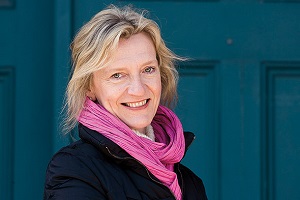
De Amerikaanse schrijfster Elizabeth Strout werd geboren op 6 januari 1956 in Portland, Maine. Zie ook alle tags voor Elizabeth Strout opdit blog.

Uit: The Burgess Boys

“On a breezy October afternoon in the Park Slope neighborhood of Brooklyn, New York, Helen Farber Burgess was packing for vacation. A big blue suitcase lay open on the bed, and clothes her husband had chosen the night before were folded and stacked on the lounge chair nearby. Sunlight kept springing into the room from the shifting clouds outside, making the brass knobs on the bed shine brightly and the suitcase become very blue. Helen was walking back and forth between the dressing room—­with its enormous mirrors and white horsehair wallpaper, the dark woodwork around the long window—­walking between that and the bedroom, which had French doors that were closed right now, but in warmer weather opened onto a deck that looked out over the garden. Helen was experiencing a kind of mental paralysis that occurred when she packed for a trip, so the abrupt ringing of the telephone brought relief. When she saw the word private, she knew it was either the wife of one of her husband's law partners—­they were a prestigious firm of famous lawyers—­or else her brother-­in-­law, Bob, who'd had an unlisted number for years but was not, and never would be, famous at all.
"I'm glad it's you," she said, pulling a colorful scarf from the bureau drawer, holding it up, dropping it on the bed.
"You are?" Bob's voice sounded surprised.
"I was afraid it would be Dorothy." Walking to the window, Helen peered out at the garden. The plum tree was bending in the wind, and yellow leaves from the bittersweet swirled across the ground.
"Why didn't you want it to be Dorothy?"
"She tires me right now," said Helen.
"You're about to go away with them for a week."
"Ten days. I know."
A short pause, and then Bob said, "Yeah," his voice dropping into an understanding so quick and entire—­it was his strong point, Helen thought, his odd ability to fall feetfirst into the little pocket of someone else's world for those few seconds. It should have made him a good husband but apparently it hadn't: Bob's wife had left him years ago.
"We've gone away with them before," Helen reminded him. "It'll be fine. Alan's an awfully nice fellow. Dull."
 

 2205628-3c531f58ebd98306b6e4503e51263615.jpg
Elizabeth Strout (Portland, 6 januari 1956)


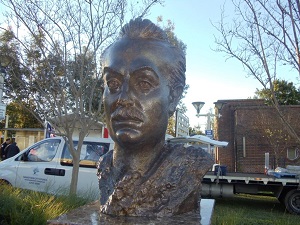
De Libanese dichter en romanschrijver Khalil Gibran werd geboren op 6 januari 1883 in Bischarri. Zie ook alle tags voor Khalil Gibran op dit blog.


Aarde (Fragment)

Wij lasteren de naam van God en jij zegent.
Wij ontheiligen en jij heiligt.
Wij slapen zonder dromen, maar jij
Droomt in je eeuwige waaktoestand.

Wij doorboren je boezem met zwaarden en speren,
En jij kleedt onze wonden met olie en balsem.
Wij beplanten je velden met schedels en beenderen,
En jij verbouwt cipressen
En wilgen.

Wij legen ons afval in je schoot, en jij vult
Onze voorraadschuren met tarweschoven
En onze wijnpers met druiven.

Wij maken van je grondstoffen bommen
En kanonnen, maar jij schept uit dezelfde stoffen
Lelies en rozen.

Hoe geduldig ben je, aarde, en hoe barmhartig!

Ben je een atoom van stof, dat opwaait
Door de voeten van God toen Hij reisde van het oosten
Naar het westen van het universum?
Of een vuurvonk uit de oven
Van de eeuwigheid?

Ben je een zaad dat in de velden is geworpen
Van het firmament om Gods boom te worden
Die uitreikt boven de hemelen met zijn hemelse tak­ken?
Of ben je een druppel bloed in de aderen van de
Reus der reuzen, of een druppel zweet op zijn
Voorhoofd?

Ben je een vrucht die gerijpt is in de zon?
Groei je aan de boom van absolute
Kennis, waarvan de wortels zich uitstrekken door de
Eeuwigheid en waarvan de takken door het
Oneindige zweven?

Ben je een juweel geplaatst door de God van de tijd in de
Palm van de God van de ruimte?

Wie ben je, aarde, en wat ben je?

Jij bent mij, aarde!
Jij bent mijn blik en mijn onderscheidingsvermogen.
Jij bent mijn kennis en mijn droom.
Jij bent mijn honger en dorst.
Jij bent mijn vreugde en verdriet.
Jij bent mijn onachtzaamheid en mijn waakzaamheid.
Jij bent de schoonheid die in mijn ogen leeft,
Het verlangen in mijn hart,
Het eeuwige leven in mijn ziel.

Jij bent mij, aarde.
Als het niet voor mijn wezen was geweest,
Dan zou jij niet hebben bestaan.
 

 2205628-b70c7f3ac1d3e512f1e1564e3a4f37e6.jpg
Khalil Gibran (6 januari 1883– 10 april 1931)
Monument in Sydney, Australië


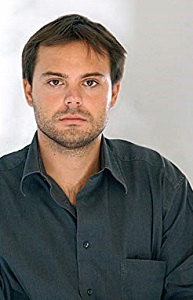
De Franse schrijver Romain Sardou werd geboren op 6 januari 1974 in Boulogne-Billancourt. Zie ook alle tags voor Romain Sardou op dit blog.

Uit: America

« Toute la nuit des messagers avaient été lancés depuis l'est de l'Irlande afin de couvrir les cinquante lieues qui les séparaient de Dublin, s'arrêtant aux étapes pour se désaltérer mais sans descendre de cheval tant leur mes-sage était urgent : — Hier, près du village d'Aughrim, la dernière année des Irlandais a affronté celle des Anglais. — Elle l'a emporté ? — Non. — Perdu ? — Que me chantes-tu de perdre ? Elle a été taillée en pièces ! C'est nous qui sommes perdus... Les messagers qui parvenaient à pénétrer dans Dublin se précipitaient à l'auberge du Vina Norrois, dernier quartier général des catholiques de la capitale. L'un des témoins oculaires de la défaite arriva dans un état effroyable. Il était jeune, trempé de boue, maculé de sang. U fut rassasié et pansé avant de pouvoir prendre 13 parole. Le jeune homme arracha le haut de son plastron. Ce n'était point un soldat, comme tous l'avaient pensé, mais un diacre. Il relata la sanglante journée du I2 juillet : — Tout avait pourtant commencé pour le mieux, fit-il remarquer. Le nouveau général de notre année, le mar-quis français de Saint-Ruth, avait fixé la prochaine bataille dans un défilé de marais et de tourbières dominé par une longue crête, haute d'une soixantaine de mètres. Hier, les années anglaises commandées en chef par k général de Ginkel arrivèrent vers nous au point du jour, sans imagi-na ce qui les attendait. Un épais brouillard empêchait de se repérer à plus de vingt pas ; aveugles, trente mille sol-dats protestants s'approchaient de vingt mille soldats catholiques, sans que rien ne s'entendit nulle part. Les premiers assauts ont tourné à noue avantage : le sang des Anglais débordés s'accumula au bas de la crête jusqu'à recouvrir une nappe d'eau donnante ; nos soldats y plan-taient leurs bottes et les désembourbaient avec un affreux bruit de succion. A ce moment, la victoire semblait acquise, Ginkel était prêt à capitula mais la chance lui a souri insolemment : k ronflement de nos canons a cessé d'un coup. Ç'a été la stupeur. Les nouvelles munitions britanniques qu'on nous avait fournies ne correspondaient pas au calibre de nos pièces d'artillerie françaises ! Saint-Ruth, voyant nos artilleurs harcelés, a foncé à leur res-cousse, convaincu que ce fait d'armes serait décisif. On l'entendit s'exclamer, en plein galop : 11 Le jour est à nous !. Moins d'une minute plus tard, il avait la tète emportée par un boulet ennemi. Le rapport de force s'inversa. La salle de l'auberge du Vieux Norrois était silen-cieuse ; la trentaine de catholiques présents écoutaient le diacre, comme au supplice. — Dieu m'est témoin, reprit-il, la nuit seule a sauvé ce qui demeurait de l'infanterie du marquis de Saint-Ruth. Les Anglais ont abandonné, sans sépulture, plus de quant mille des nôtres, voués à être dévorés par les chiens errants et les corbeaux. Nos rares rescapés se sont retran-chés dans la cité de Limerick_ Mais la débâcle n'est pas discutable. Ils ne tarderont pas à déposa les armes. Par-tout, les protestants exultent. Nous sommes vaincus... Le diacre se signa .».
 

 2205628-70c2908df041df7d1a24af1007aeb6a3.jpg
Romain Sardou (Boulogne-Billancourt, 6 januari 1974)


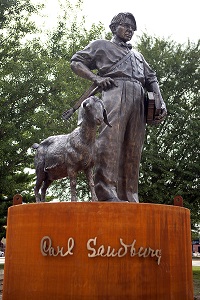
De Amerikaanse dichter Carl Sandburg werd geboren op 6 januari 1878 in Galesburg, Illinois. Zie ook alle tags voor Carl Sandburg op dit blog.


The Long Shadow of Lincoln: A Litany

(We can succeed only by concert. . . . The dogmas of the quiet past are inadequate to the stormy present. The occasion is piled high with difficulty, and we must rise with the occasion. As our case is new so we must think anew and act anew. We must disenthrall ourselves. . . . December 1, 1862. The President's Message to Congress.)

Be sad, be cool, be kind,
remembering those now dreamdust
hallowed in the ruts and gullies,
solemn bones under the smooth blue sea,
faces warblown in a falling rain.

Be a brother, if so can be,
to those beyond battle fatigue
each in his own corner of earth
or forty fathoms undersea
beyond all boom of guns,
beyond any bong of a great bell,
each with a bosom and number,
each with a pack of secrets,
each with a personal dream and doorway
and over them now the long endless winds
with the low healing song of time,
the hush and sleep murmur of time.

Make your wit a guard and cover.
Sing low, sing high, sing wide.
Let your laughter come free
remembering looking toward peace:
"We must disenthrall ourselves."

Be a brother, if so can be,
to those thrown forward
for taking hardwon lines,
for holding hardwon points
and their reward so-so,
little they care to talk about,
their pay held in a mute calm,
highspot memories going unspoken,
what they did being past words,
what they took being hardwon.
Be sad, be kind, be cool.
Weep if you must
And weep open and shameless
before these altars.

There are wounds past words.
There are cripples less broken
than many who walk whole.
There are dead youths
with wrists of silence
who keep a vast music
under their shut lips,
what they did being past words,
their dreams like their deaths
beyond any smooth and easy telling,
having given till no more to give.

There is dust alive
with dreams of The Republic,
with dreams of the Family of Man
flung wide on a shrinking globe
with old timetables,
old maps, old guide-posts
torn into shreds,
shot into tatters
burnt in a firewind,
lost in the shambles,
faded in rubble and ashes.

There is dust alive.
Out of a granite tomb,
Out of a bronze sarcophagus,
Loose from the stone and copper
Steps a whitesmoke ghost
Lifting an authoritative hand
In the name of dreams worth dying for,
In the name of men whose dust breathes
of those dreams so worth dying for,
what they did being past words,
beyond all smooth and easy telling.

Be sad, be kind, be cool,
remembering, under God, a dreamdust
hallowed in the ruts and gullies,
solemn bones under the smooth blue sea,
faces warblown in a falling rain.

Sing low, sing high, sing wide.
Make your wit a guard and cover.
Let your laughter come free
like a help and a brace of comfort.

The earth laughs, the sun laughs
over every wise harvest of man,
over man looking toward peace
by the light of the hard old teaching:
"We must disenthrall ourselves."
 2205628-cfb472bc771dd2526f67f4280dd22882.jpg
Carl Sandburg (6 januari 1878 – 22 juli 1967)
Standbeeld in Galesburg


De Duitse schrijver Jens Johler werd geboren op 6 januari 1944 in Neumünster. Zie ook alle tags voor Jens Johler op dit blog.

Uit: Kritik der mörderischen Vernunft

„Ich muss die E-Mails checken.
Mit einem Ruck richtete er sich im Bett auf. Ein stechender Schmerz fuhr durch seinen Kopf. Er hielt sich mit der linken Hand die Stirn, während er auf die Uhr schaute. Es war kurz nach halb vier.
Ich muss die E-Mails checken, dachte er wieder.
Es war vollkommen unsinnig, er konnte es genauso gut am Morgen machen, aber die Idee saß fest.
Er stand auf, zog sich den Bademantel an, ging hinüber ins Arbeitszimmer und drückte auf die Power-Taste des Computers. Dann machte er sich auf den Weg ins Bad. Als er wieder
herauskam, hielt er eine Schlaftablette und eine Doppelpackung Aspirin mit C in der Hand.
In der Küche nahm er ein Glas aus dem Regal, füllte es mit Wasser, riss die Aspirinpackung auf und ließ zwei Brausetabletten ins Glas gleiten. Während sie sich auflösten, dachte er an das Telefongespräch, das er gestern Abend geführt hatte.
Es ging eigentlich nur um die Verabredung am kommenden Samstag. Sein Freund Hans-Otto Mertens wurde fünfzig und gab ein großes Fest, auf dem ihre alte Band aus der Schülerzeit
noch einmal auftreten sollte. Sie hatten erst über die Songs geredet, die sie spielen wollten, und dann noch ein bisschen übers Älterwerden und darüber, dass Troller ja in diesem Jahr auch fünfzig wurde, und auf einmal war alles aus ihm herausgebrochen, er wusste selbst nicht war um: Dass er es leid war, dass er es satt hatte, das ganze Leben, die ewige Wiederkehr des Gleichen und vor allem die totale Wirkungslosigkeit.
Natürlich war es undankbar, so zu reden, er hatte einen Job, um den ihn neunzig Prozent seiner Kollegen beneideten, er hatte eine Freundin, um den ihn neunzig Prozent der Männer beneideten, er hatte eine Tochter, die er liebte, auch wenn er sie zu selten sah, er verdiente gut, er war sogar gesund, was wollte er mehr? Er war undankbar, aber wem gegenüber? Dem Schicksal? Warum hatte ihm das Schicksal nicht ein anderes Leben zugewürfelt? Eines, in dem er etwas bewirken konnte. Eines, in dem er sich nicht so nutzlos fühlte. Denn das war er: nutzlos. Er schrieb bedeutende Artikel, aber was bedeutete das schon? Sie verpufften. Wie alles, was für den Pressemarkt geschrieben wurde.“

 

 2205628-378d1e63e55f19438d2d6e7dec8c4a87.jpg
Jens Johler (Neumünster, 6 januari 1944)
Cover


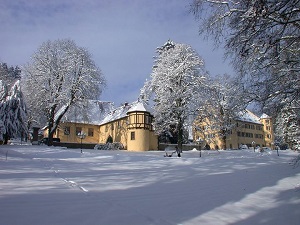
De Duitse dominee en dichter van (geestelijke) liederen Philipp Friedrich Hiller werd geboren op 6 januari 1699 Mühlhausen an der Enz, nu een voorstad van Mühlacker. Zie ook alle tags voor Philipp Friedrich Hiller op dit blog.


Die Gnade sei mit allen

Die Gnade sei mit allen, die Gnade unsers Herrn, des Herrn,
dem wir hier wallen, wallen und sehn sein Kommen gern.
Auf dem so schmalen Pfade gelingt uns ja kein Tritt,
es gehe seine Gnade, Gnade denn bis zum Ende mit.
Auf Gnade darf man trauen, man traut ihr ohne Reu;
und wenn uns je will grauen, grauen, so bleibt's: der Herr ist treu.
Damit wir nicht erliegen, muß Gnade mit uns sein;
denn sie flößt zu dem Siegen, Siegen Geduld und Glauben ein.
So scheint uns nichts ein Schade, was man um Jesum misst;
der Herr hat eine Gnade, Gnade, die über alles ist.
Bald ist es überwunden nun durch des Lammes Blut,
das in den schwersten Stunden, Stunden die größten Taten tut.
Herr, laß es dir gefallen, noch immer rufen wir:
die Gnade sei mit allen, allen, die Gnade sei mit mir!
 

 2205628-95b71ddd04f7cc1971645b5259f1899d.jpg
Philipp Friedrich Hiller (6 januari 1699 – 24 april 1769)
Schloss Mühlhausen in Mühlhausen an der Enz


De Amerikaanse schrijver Edgar Laurence Doctorow werd geboren op 6 januari 1931 in New York. Zie ook alle tags voor E. L. Doctorow op dit blog.

Uit: City Of God

“This afternoon in Battery Park. Warm day, people out. Soft autumn breeze like a woman blowing in my ear.
Rock doves everywhere aswoop, the grit of the city in their wings.
Behind me the financial skyline of lower Manhattan sunlit into an island cathedral, a religioplex.
And I come upon this peddler of watches, fellow with dreadlocks, a big smile. Standing tall in his purple chorister's robe. His sacral presence not diminished by the new white Nikes on his feet.
"Don't need windin, take em in de showerbat, everyting proof, got diamuns 'n such, right time all de time."
A boat appears, phantomlike, from the glare of the oil-slicked bay: the Ellis Island ferry. I will always watch boats. She swings around, her three decks jammed to the rails. Sideswipes bulkhead for contemptuous New York landing. Oof. Pilings groan, crack like gunfire.
Man on the promenade thinks it's him they're after, breaks into a run.
Tourists down the gangplank thundering. Cameras, camcorders, and stupefied children slung from their shoulders.
Lord, there is something so exhausted about the NY waterfront, as if the smell of the sea were oil, as if boats were buses, as if all heaven were a garage hung with girlie calendars, the months to come already leafed and fingered in black grease.
But I went back to the peddler in the choir robe and said I liked the look. Told him I'd give him a dollar if he'd let me see the label. The smile dissolves. "You crazy, mon?"
Lifts his tray of watches out of reach: "Get away, you got no business wit me." Looking left and right as he says it.
I was in mufti-jeans, leather jacket over plaid shirt over T-shirt. Absent cruciform ID.
And then later on my walk, at Astor Place, where they put out their goods on the sidewalk: three of the purple choir robes neatly folded and stacked on a plastic shower curtain. I picked one and turned back the neck and there was the label, Churchpew Crafts, and the laundry mark from Mr. Chung.
The peddler, a solemn young mestizo with that bowl of black hair they have, wanted ten dollars each. I thought that was reasonable.
They come over from Senegal, or up from the Caribbean, or from Lima, San Salvador, Oaxaca, they find a piece of sidewalk and go to work. The world's poor lapping our shores, like the rising of the global warmed sea.”
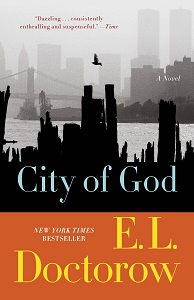
 

 2205628-cead449abe50cf99c6f82c65ca41f48a.jpg
E. L. Doctorow (6 januari 1931 – 21 juli 2015)
Cover


Zie voor nog meer schrijvers van de 6e januari ook mijn vorige blog van vandaag.

Geschreven door Romenu om 11:30 Reageer op dit bericht

Ivan Olbracht, Benedikt Livshits, Anja Meulenbelt, Astrid Gehlhoff-Claes, Joachim Specht, Günter Görlich, Idris Davies

De Tsjechische schrijver, journalist en vertaler Ivan Olbracht (eig. Kamil Zeman) werd geboren op 6 januari 1882 in Semily. Zie ook alle tags voor Ivan Olbracht op dit blog.

Uit: Nikola the Outlaw (Vertaald door Marie Holecek)

“When the author of this narrative was collecting his data in the homeland of his hero, Nikola 'uhaj the Invulnerable, he heard the testimony of a great number of respectable and trustworthy citi-zens who had known 'uhaj personally. He had no reason to doubt their story: Suhaj (who had robbed the rich and given to the poor, and who never, except in self-defense or out of just revenge, had killed a fellow man) had been rendered invulnerable by a green bough which he had waved about, warding off gendarmes' bullets as a farmer on a July day might shoo the swarming bees. The author believed their explanation because this wooded coun-try, creased with mountains as a piece of paper is crumpled before we throw it in the fire, can still produce weird events. We are wont to smile foolishly at such happenings, only because in our part of the state they have not been capable of occurring for centuries. In this land of hills upon hills and caverns within caverns, where streams are born and maples decay in the lasting shadows of primeval forests, there still exist enchanted places, from which neither deer, nor bear, nor human being, once lost, has ever yet succeeded in escaping. Bands of morning fog creeping wearily over the pine tops to the mountains might easily be processions of corpses; clouds drifting over the depressions are like evil dogs with wide open mouths who hide behind hills in order to do harm. And below, in the narrow ravines, in villages green with cornfields and yellow with sunflowers, live the werewolves. Clambering over a log after nightfall, they change from men to wolves and, toward morning, back from wolves into men. Here on moonlit nights, young enchantresses gallop on horses into which they have transformed their sleeping husbands. No need to look for witches in windswept valleys beyond seven mountains and seven rivers. The wicked ones may be met on the pastures as they sprinkle salt over three pieces of cow dung to make the cow's milk dry up. The kindly ones may be visited any day in their huts; they will leave their brakes to chant away the poisonous effects of a snakebite or bathe an ailing child in a brew made of nine herbs to make him strong. God still lives here in the close silence of the forest—the ancient god of the earth who embraces mountains and valleys, plays with the bears in the thickets, pets the young cows who have run away from their herd, and loves the evening bugle of the shepherds. He breathes into the crowns of old trees, drinks from the brooks out of the palm of his hand, illuminates the night fires on the pastures, causes the cornstalks to rustle and the sunflowers to nod. He is a pagan god, master of forests and flocks, and he refuses to be iden-tified with that proudly ostentatious god residing amidst gold and silks within the walls of icons on the one hand, and, on the other, with that disagreeable elderly personage hiding behind the shabby parodies shades in the synagogues.”


 2205624-d64fef3a3175bd3f0f6b1a794e8517eb.jpg
Ivan Olbracht (6 januari 1882 – 20 december 1952) 
Standbeeld van Ivan Olbracht en zijn vader Antal Stašek in Semily


De Russische dichter, schrijver en vertaler Benedikt Konstantinovich Livshits werd geboren op 6 januari 1887 in een ​​geassimileerd joods gezin in Odessa. Zie ook alle tags voor Benedikt Livshits op dit blog.

Uit: L'archer à un œil et demi (Vertaald door Emma Sébald e. a.)

« À la rencontre de l'Occident, étayées par l'Orient, dans un cataclysme que rien ne pouvait retenir, s'avancent, inondées de la lumière aveuglante de la préhistoire, les strates ataviques, rythmes diluviens, et, en avant, brandissant une lance, un cavalier sauvage, un guerrier scythe se précipite dans un nuage de poussière irisée, le visage tourné en arrière et ,de la moitié de son œil, un regard dirigé vers l'Occident - l'archer à un œil et demi. »
(…)

« Dans d'autres kourganes moins anciens, Vladimir qui s'adonnait avec enthousiasme à des fouilles pendant les mois d'été trouvait des arcs scythes, des carquois, et il en équipait ses tireurs à un œil dans le combat mortel avec les Parisiennes (allusion aux tableau de Pablo Picasso, Les Demoiselles d'Avignon) décomposées sur les surfaces de base. »


 2205624-87b397f3cf3097f810b691d00098cb38.jpg
Benedikt Livshits (6 januari 1887 – 21 september 1938)
Portret door David Burliuk, 1911


De Nederlandse schrijfster, publiciste, feministe en politica Anja Meulenbelt werd geboren in Utrecht op 6 januari 1945. Zie ook alle tags voor Anja Meulenbelt op dit blog.

Uit: De schaamte voorbij

“Anna die ik Anna noem omdat ik zelf zo had willen heten, ik rouw om Anna. Bijna zoals ik, ik hield van haar omdat ze op me leek, voel me veiliger bij mijn eigen soort. Anna die ik nu kwijt ben, het wordt nooit meer hetzelfde, de onschuld van zusjes spelend met hun poppen en hun speelgoedserviesje. Warmte van kameraden die aan hetzelfde werken. Moederbuik om tegenaan te kruipen. De bergen verwijten tussen ons zijn niet meer weg te krijgen, haar angst voor mij verlamt me. Ik kan niets meer met haar doen. Haar man en kinderen tussen ons in, de flat, huur, kinderbijslag, schoonouders die wantrouwig naar mij kijken, obstakels waar ik niet tegen op kan. We worden niet goedgekeurd. Anna wordt weer gewoon de vrouw van haar man, onbereikbaar voor mij.
Wat heb ik ook te bieden, denk ik masochisties. Een overvloed aan emoties, al mijn neuroses en trauma's die ik met haar wil delen, maar geen flat goedkeuring van de buren schoonouders en een erkende status. Ik kan geen veiligheid bieden alleen maar een gevecht om de ruimte die we nodig hebben en die niemand ons kado zal geven. Zij kan het niet, wordt gek van twee levens die niet zijn op te tellen, en uiteraard ben ik degene die af moet vallen geen twaalf jaar huwelijk om me op te beroepen alleen maar dat ik stuk ga dood ga maar wie gaat dat niet tegenwoordig.
Ik rouw om Anna, draai platen die we samen hebben gehoord en jank. En lees; Jill Johnston die huilend naar Spanje reed om haar geliefde terug te vinden. Hopeloos, een huwelijk met een man daar kon ze niet tegenop. En Kate Millett die een boek lang rouwt om Celia. Ze leven nog Kate en Jill. Je kan er overheen komen. Alles slijt met de tijd maar time wounds all heals zegt Jill, en met het vermogen om lief te hebben stijgt de pijn.
En dan de herinneringen als een voortdurende pornofilm in mijn hoofd: grote zachte borsten en een zachte konijnebuik en haar rug sterker en breder dan de mijne. Haar lichaam bijna hetzelfde als het mijne alleen sterker. Geuren, van haar haar, haar oksels die weer anders ruiken dan de geuren op de snuffeltocht naar beneden.”


 2205624-a5e973b9c7e430a74a82c4458a06d32f.jpg
Anja Meulenbelt (Utrecht, 6 januari 1945)
Cover


De Duitse schrijfster Astrid Gehlhoff-Claes werd geboren op 6 januari 1928 in Leverkusen. Zie ook alle tags voorAstrid Gehlhoff-Claes op dit blog.

Uit: Inseln der Erinnerung

„Wir nähern uns der Schleife des Flusses, - Kraniche, Rei-her habe ich im Frühling hier gesehn. Eine große Schar im Flug und ganz hoch Aber der Himmel war höher, dieser geliebte weite Himmel über dem Ruß. Ein unermeßlicher Himmel - und über meiner Straße der Kranichzug! Die Kra-niche flogen sanft gleitend, große Kreise beschreibend, so daß alles deutlich zu sehen war: ihre gereckten Hälse, die an den Leib gewinkelten Beine; die weißen Kanten der Schwungfedern blitzten im Flug. Dann sah ich, daß der Schwarm niederging. Immer näher kamen die Vögel der Erde, kreisend, bald einzeln, bald vielstimmig rufend. Noch nie hatte ich Kraniche aus der Nähe gesehn. Und nun auf den Rheinwiesen an meiner Traumstraße der Traum. Erinnerungen. Ich bleibe hoch hinauf in der Allee vor einem Backsteinhaus stehn. Zwei Fenster unten, ein kleines Dachgeschoß oben, dazwischen ein hübscher ovaler Balkon. Ich besuchte dieses Haus, seinen Bewohner, als ich zum ersten Mal in diese Straße kam. Vor bald fünfzig Jahren, es hat sich verändert, es ist in anderen Händen. Aber ich weiß, was ich damals dachte: Daß ich hier wohnen will. In dieser Straße, wo er wohnte. Wo er in den Rhein ging und schwamm, bis ans andere Ufer! Wo er am Fenster saß, auf den Strom blickte und malte und schrieb. Ich kenne seine Arbeit über die Minnesinger, aus der er mir vorlas und mit der er sich habilitierte, manche seiner Bilder hängen seit Jahrzehnten bei mir. Er war unvergleichlich; geistvoll, un-terhaltsam, er malte mich; er schwamm im Rhein, er war groß und schön. Aber ich weiß heute: Ich habe mich in ihn verliebt, weil er hier lebte. Nun bin ich hier. Und wann immer ich anderswo weile -zu Lesungen aus meinen Büchern, auf Reisen nach Rhodos, nach Rom -, kehre ich zurück in diese Straße, diese lange Allee. Sie ist der Leuchtturm in dem bewegten Meer meiner Träume; der verläßliche Hafen, in dem das Schiff meines Lebens glücklich landen kann. Wie stark fühlte ich mich immer, wenn ich in der Ferne an sie dachte.“


 2205624-1caa17d2d61f0a87d834d68be5ef6bc8.jpg
Astrid Gehlhoff-Claes (6 januari 1928 – 1 december 2011) 


De Duitse schrijver Joachim Specht werd geboren op 6 januari 1931 in Weinböhla/Kreis Meißen. Zie ook alle tags voor Joachim Specht op dit blog.

Uit: Das Engelchen über mir

„Ich sah ihn elastisch über die Trümmer klettern und trat unwillkürlich zurück. Herr Löbner war nicht kleinzukriegen. Gegen den Horizont hob sich seine Gestalt ab wie ein beweglicher Finger. Der Herzog Widukind spricht zu den Gaufürsten. Hinter ihm stieg dünnes Gewinsel hoch, eine Sirene, und zugleich fiel mir der Feldwebel ein. „Herr Studienrat, Herr Studienrat!“ Meine Stimme bellte, das Geräusch flackerte von den Mauern wider, er musste es gehört haben, winkte kollegial zu mir herunter und begriff nicht, was mein Rudern mit den Armen bedeuten sollte. Die Explosion presste mich nieder. Ich bekam nichts ab. Als ich suchen wollte, hörte ich schon von weitem den Feldwebel fluchen und verdrückte mich.
Zwei Monate später war die Volkssturmherrlichkeit vorbei, der Führer gefallen, und die Russen kassierten Radios, Telefone und Luftgewehre. Mit meinem Vater, einem Buchhalter, der wegen seines Alters nicht mehr an die Front hatte ziehen müssen, sammelte ich im Moritzburger Forst Brennholz für unseren Küchenofen. Dabei wurden wir plötzlich von Russen kontrolliert: Hände hoch, umdrehen! Mich übersahen sie glücklicherweise.
Da war es wieder, das Engelchen, das mich schützte. In der rechten Tasche meiner kurzen Hose steckte ein sechsschüssiger Nagant-Trommelrevolver, Kaliber 7,62, wie ihn die russischen Offiziere trugen.“


 2205624-21ee2061646b3f8b42b8de3e52ee7a84.jpg
Joachim Specht (6 januari 1931 – 12 februari 2016)


De Duitse schrijver Günter Görlich werd geboren op 6 januari 1928 in Breslau. Zie ook alle tags voor Günter Görlich op dit blog.

Uit: Eine Anzeige in der Zeitung

„Das blieb auch uninteressant, die Aufmerksamkeit war groß. Anscheinend versprach diese Art Stundeneinleitung den Schülern etwas Besonderes, einen Knüller. Just erzählte, daß er neulich an einer Baustelle vorbeigekommen sei, an einem Nachmittag, auf dem Bau war niemand mehr. Die Baustelle machte einen nicht gerade ordentlichen Eindrnck, ein Stapel Zementsäk-ke war sehr liederlich gelagert, wahrscheinlich vom LKW nur hinuntergeworfen, denn einige Säcke waren geplatzt. Man hatte den Zement nicht abgedeckt. Es regnete, der Zement würde verderben. Vor dem Stapel Säcke standen zwei Männer. Der eine schimpfte über mangelnde Ordnung und Disziplin, Vergeudung von Material, schlechte Leitungstätigkeit auf dieser Baustelle. Nach seiner Meinung müsse man hier einmal dazwischenfahren, die Leute zur Verantwortung ziehen. Dann winkte er resigniert ab und sagte, es sei ja alles sinnlos, es habe keinen Zweck, es sei nun mal so, es fehle das notwendige Bewußtsein, beim Kapita-listen würde so etwas kaum vorkommen, der ließe sich sein Eigentum auf diese Weise nicht verderben. Der zweite stimmte zu, allerdings nur so allgemein, meinte, da könne man wohl kaum etwas machen, und doch sähe er einen Weg, um zu retten, was noch zu retten sei. Er schlug vor, mit einem Wagen vorzufahren und die Säcke aufzuladen, jedenfalls die, die noch nicht verdorben seien. Man müsse den Baustoff irgend-einem nützlichen Zweck zuführen. Viele Leute könnten Zement gebrauchen, zumal dieser hier nichts ko-ste, für Wege in ihren Gärten, für Zaunpfähle, Ni- Datschenfundamente und dergleichen mehr. Ja, ja, ereiferte sich der Mann, das sei vernünftig und keinesfalls Diebstahl, denn was dem Verderb preisgegeben werde, sei abgeschrieben, sei verloren. So aber sei es nicht verloren. Schließlich sei das, was hier verderbe, Eigentum aller.“


 2205624-479d0d842980ac50d13a927e4d40e684.jpg
Günter Görlich (6 januari 1928 – 14 juli 2010)
In 1985 


De Britse dichter Idris Davies werd geboren op 6 januari 1905 in Rhymney, Monmouthshire. Zie ook alle tags voor Idris Davies op dit blog.


Morning comes again

Morning comes again to wake the valleys
And hooters shriek and waggons move again,
And on the hills the heavy clouds hang low,
And warm unwilling thighs cral slowly
Out of half a million ruffled beds.
Mrs Jones' little shop will soon be open
To catch the kiddies on the way to school,
And the cemetery gates will chuckle to the cemetery-keeper,
And the Labour Exchange will meet the servant witha frown.

Morning comes again, the inevitable morning
Full of the threadbare jokes, the convenional crimes,
Morning comes again, a grey-eyed enemy of glamour,
With the sparrows twittering and gossips full of malice,
With the colourless backyards and the morning papers,
The unemployed scratching for coal on the tips,
The fat little grocer and his praise for Mr Chamberlain,
The vicar and his sharp short cough for Bernard Shaw,
And the coliery-manager's wife behind her pet geranium
Snubbing the whole damn lot!


 2205624-16521a06444b7a639c5cd2b045f96b0a.jpg
Idris Davies (6 januari 1905 – 6 april 1953)

Geschreven door Romenu om 11:29 Reageer op dit bericht

Umberto Eco, Joris van Casteren, Paul Ingendaay, Ngũgĩ wa Thiong’o, Xu Xiake, Luisa Futoransky, Friedrich Dürrenmatt, Forough Farokhzad, László Krasznahorkai

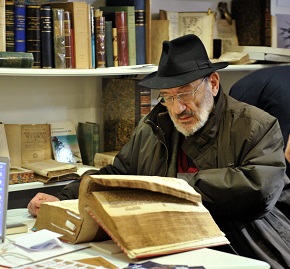
De Italiaanse schrijver Umberto Eco werd geboren op 5 januari 1932 in Allasandria. Zie ook alle tags voor Umberto Eco op dit blog.

Uit: Chronicles of a Liquid Society (Vertaald door Richard Dixon)

“The idea of “liquid” modernity or society comes from Zygmunt Bauman. Those who want to understand the various implications of this concept may find it helpful to read State of Crisis, where Bauman and Carlo Bordoni discuss this and other topics.
The liquid society begins to take shape with the movement known as postmodernism, an umbrella term that brings together a great variety of phenomena, from architecture to philosophy to literature, not always in a coherent fashion. Postmodernism signaled the crisis of “grand narratives,” each of which had claimed that one model of order could be superimposed on the world; it devoted itself to a playful or ironic reconsideration of the past, and was woven in various ways with nihilistic tendencies. But postmodernism, according to Bordoni, is also on the way out. It was temporary in character, we have passed through it without noticing, and it will be studied one day like pre-Romanticism. It served to point out an event that was happening and represented a sort of ferry from modernity to a present that still has no name.
Among the characteristics of this nascent present Bauman includes the crisis facing the state: what freedom do nation-states retain when faced with the power of supranational entities? We are witnessing the disappearance of something that used to ensure that individuals could resolve the various problems of our time in a homogeneous fashion. This crisis has led to a collapse of ideologies, and therefore of political parties, and to a general call for a sharing of values that allowed individuals to feel part of something that understood their needs.
The crisis in the concept of community gives rise to unbridled individualism: people are no longer fellow citizens, but rivals to beware of. This “subjectivism” has threatened the foundations of modernity, has made it fragile, producing a situation with no points of reference, where everything dissolves into a sort of liquidity. The certainty of the law is lost, the judiciary is regarded as an enemy, and the only solutions for individuals who have no points of reference are to make themselves conspicuous at all costs, to treat conspicuousness as a value, and to follow consumerism. Yet this is not a consumerism aimed at the possession of desirable objects that produce satisfaction, but one that immediately makes such objects obsolete. People move from one act of consumption to another in a sort of purposeless bulimia: the new cell phone is no better than the old one, but the old one has to be discarded in order to indulge in this orgy of desire.
The collapse of ideologies and political parties: it has been suggested that political parties have become like taxis taken by vote-controlling mob leaders or Mafia bosses, who choose them casually, according to what is on offer ​— ​politicians can change party allegiance without creating any scandal. It’s not just people: society itself is living in an increasingly precarious condition.”


 2205490-07bde6890e658eec05aed12a1b1cf309.jpeg
Umberto Eco (5 januari 1932 – 19 februari 2016)


De Nederlandse schrijver, dichter en journalist Joris van Casteren werd geboren in Rotterdam op 5 januari 1976. Zie ook alle tags voor Joris van Casteren op dit blog.

Uit: Het glas van Casanova

“Op een dinsdag in april rijd ik met de auto naar Hoek van Holland. Naast me zit mijn dochter, die anderhalve week later – het is 2008 – vier zal worden. Achterin liggen mijn gedemonteerde fiets, een fietskar, een sporttas met kleding, slaapzakken en een tentje.
Ik tank bij een benzinepomp langs de a4 en koop een blikje cola. In de auto schud ik het, om een of andere reden, waardoor de cola, bij het openen van het blikje, door de auto spuit. ‘Je moet ook niet schudden met cola,’ zegt mijn dochter, gierend van het lachen. ‘Ik heb geen idee waarom ik dat deed,’ zeg ik.
In Hoek van Holland zet ik met plakkerige handen mijn fiets in elkaar. Met mijn dochter in het zitje en onze bagage, de slaapzakken en het tentje in de kar, fiets ik tussen auto’s, bussen en vrachtwagens de veerboot op.
We eten mosselen, garnalen en zalm in het restaurant als de boot begint te varen. Naast ons dineren twee Britten. ‘I admire your courage,’ zegt een van hen als ik vertel wat het doel van mijn onderneming is.
W.G. Sebald maakte in augustus 1992 een wandeling langs de kust van het graafschap Suffolk. Hij passeerde vergeten badplaatsen waar depressieve mensen in krottige huisjes woonden. De wandeling zou centraal komen te staan inDe ringen van Saturnus (1995), een mengvorm van autobiografie, reportage en geschiedschrijving, dat op mij – ook vanwege de curieuze, mijmerende manier van schrijven, waarbij volstrekt op zichzelf staande verhaallijnen harmonieus vervlochten raken – een verpletterende indruk maakte.
In het eerste deel van De ringen van Saturnus schrijft Sebald over de door hem bewonderde zeventiende-eeuwse Britse arts en schrijver Thomas Browne. Diens werk typeert hij als volgt: ‘Het is alsof je tegelijk door een omgekeerde verrekijker en door een microscoop kijkt.’ Daarmee levert Sebald tevens een volmaakte omschrijving van zijn eigen werk.”

 2205490-b898d771692f296f565d836d11820300.jpg
Joris van Casteren (Rotterdam, 5 januari 1976)


De Duitser schrijver, criticus en literatuurwetenschapper Paul Ingendaay werd geboren op 5 januari 1961 in Keulen. Zie ook alle tags voor Paul Ingendaay op dit blog.

Uit: Gebrauchsanweisung für Andalusien

“Lange Zeit war Spanien in der Vorstellung seiner Besucher gleichbedeutend mit Andalusien – und Andalusien mit Spanien. Klischee oder Wahrheit, dort wurden ziemlich starke Bilder heraufbeschworen : von Stierkampf, Zigeunern und Flamencofolklore. Von Abenteurern, dunklen Augen und wildem Temperament. Das Stereotyp des Andalusiers ( und der Andalusierin ! ) hat so viele Jahrhunderte hindurch die Phantasien der übrigen Welt beherrscht, dass der moderne spanische Autonomienstaat, von dem Andalusien nur eine von siebzehn Regionen – und nicht einmal die größte – bildet, kaum dagegen ankommt.
Kleine Kostprobe gefällig ? Die jungen andalusischen Frauen, lese ich in einem hundert Jahre alten deutschen Buch, sind » durchweg anmutige Gestalten mit großen, feurigen, von langen, gebogenen Wimpern beschatteten Augen, üppigem schwarzen Haar, zierlichen Händen und Füßen, reizend in ihrer Art, sich zu kleiden und mit Blumen zu schmücken «.
Verzeihen Sie, dass ich mit den Frauen anfange. Vielleicht hätten erst die Gitarrenspieler oder die Messerstecher kommen sollen. Aber es liegt am Thema. Es geht noch weiter. » Wer Gelegenheit hatte, eine spanische Tertulia zu besuchen «, schreibt derselbe Mann, Francisco Fronner, in seinem Buch Land und Leute in Spanien ( 1912 ), » wird von der unnachahmlichen Grazie, dem zwanglosen Benehmen und der ungekünstelten Koketterie der Andalusierinnen entzückt sein. « Vermutlich war der Verfasser Junggeselle und hatte leicht reden. Wir sollten ihn nicht wörtlich nehmen. Doch der Kern stimmt noch heute.
Das sind Äußerlichkeiten, werden Sie einwenden. Das dachte ich zuerst auch. Aber dann las ich mit wachsender Faszination weiter und erfuhr in diesem Buch, aus welchen Elementen sich nach Meinung von Francisco Fronner – nennen wir ihn Don Francisco, wenn wir es ehrerbietig meinen, oder Paco, wenn wir ihn zu unseren Freunden rechnen – der andalusische Charakter zusammensetzt. Und ich bewunderte Don Franciscos heute eher selten anzutreffenden Mut zur Verallgemeinerung.
Denn die hervorstechenden Eigenschaften des andalusischen Charakters, schreibt er, seien folgende : » Sorgloser Leichtsinn, übermütige Fröhlichkeit, Eitelkeit, Putzsucht ( gemeint ist die weibliche Neigung zu aufregenden Kleidern, nicht zum geschrubbten Küchenboden ), Redseligkeit, Prahlsucht, Dünkel, Spottsucht, Neugierde und Leichtgläubigkeit. « Und jetzt kommt’s : » Zu diesen teilweise nicht sehr empfehlenswerten Eigenschaften gesellt sich jedoch ein gutmütiges, leicht versöhnliches Wesen, höfliche Zuvorkommenheit und Dienstfertigkeit gegen Fremde ( Don Francisco spricht hier mit dem Selbstbewusstsein des wohlhabenden deutschen Touristen ), wohl auch uneigennützige Gastfreiheit, ungewöhnliche Liebenswürdigkeit im Umgange, scharfer Verstand, gepaart mit rascher Auffassung, und eine überschwängliche orientalische Phantasie. "


 2205490-0b133c6b614db6e49800133897ec23b9.jpg
Paul Ingendaay (Keulen, 5 januari 1961)
Cover


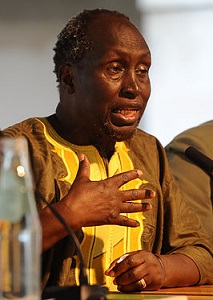
De Keniase schrijver Ngũgĩ wa Thiong’o werd geboren op 5 januari 1938 in Kamiriithu, Limuru, Kenia. Zie ook alle tags voor Ngũgĩ wa Thiong’o op dit blog.

Uit: Petals of Blood

“It did not matter that for him, all these years, he had acquired very little. Still he felt a lordly proprietorial air to the structure: was the police not the force that guaranteed that stability which alone made possible the unhindered accumulation of wealth? Everybody, even those millionaires that had ganged together under Kamwene Cultural Organization, really owed their position to the force. The police force was truly the maker of modern Kenya, he had always felt. The Karegas and their like should really be deported to Tanzania and China! But it was people like Munira who really disturbed him. How could Munira have repudiated his father's immense property? Could property, wealth, status, religion, plus education not hold a family together? What else could a man want? Inspector Godfrey decided that it was religious fanaticism! Yet from his own experience in the police force, such fanaticism was normally found among the poor. Human beings: they could never be satisfied! And yet there was a way in which Munira was right. This system of capitalism and capitalistic democracy needed moral purity if it was going to survive. The skeletons that he himself had come across in the New Ilmorog could not very well come under the label of moral purity. Of course he had seen similar or near similar things in Nairobi, Mombasa, Malindi, Watamu and other places but he had never before given it much thought because, at least so he supposed now, he had never before come across a Munira who was prepared to murder in the name of moral purity. And it was not Wanja's Sunshine Lodge that Inspector Godfrey was thinking about. It was, for instance, the Utamaduni Cultural Tourist Centre at Ilmorog. Ostensibly it was there to entertain watalii from USA, Japan, West Germany, and other parts of Western Europe. But this only camouflaged other more sinister activities: smuggling of gemstones and ivory plus animal and even human skins. It was a centre for the plunder of the country's natural and human assets. Women, young girls, were being recruited to satisfy any watalii's physical whims. The more promising ones, those who seemed to acquire an air of sophistication with a smattering of English and German were lured to Europe as slave whores from Africa! Inspector Godfrey was in no doubt that this lucrative trade in Black Ivory was done with the knowledge of Nderi wa Riera, the MP for the area, for did he not own the centre? He was in partnership with the proprietor, the man from West Germany. Black Ivory for Export: First-rate Foreign Exchange Earner: but couldn't we do without it, Inspector Godfrey thought, recalling the storm that had burst out when years before a similar trafficking in young flesh had been discovered at Watamu Bay? Maybe he would talk to his superiors about this: maybe he would give them the separate report that he had made.”


 2205490-0ae771cd44baee4d71d7138de04f55d0.JPG
Ngũgĩ wa Thiong’o (Kamiriithu, 5 januari 1938)


De Chinese schrijver Xu Xiake werd geboren op 5 januari 1587 in Jiangyin (provincie Jiangsu). Zie ook alle tags voor Xu Xiake op dit blog.

Uit: Randonnées aux sites sublimes (Vertaald door Jacques Dars)

« A ce moment-là, un épais brouillard tour à tour tombe puis se dissipe, nous rendant, à chacun de ses assauts, invisibles l’un à l’autre ! Tous les sommets du mont en Fleur de Lotus, nous les apercevons, pris pour la plupart dans la brume ; pourtant, chose curieuse, durant l’ascension de la Métropole Céleste, lorsque j’avançais, le brouillard était sur mes talons, et lorsque je le franchissais à droite, il surgissait à gauche. Ici, les pins, droits ou torves, parviennent encore à pousser en désordre, mais les cyprès, eussent-ils des branches de la taille d’un bras, sont sans exception aplatis et collés comme des mousses sur les rochers. A cette altitude, les vents sont d’une rare violence, et les brumes et vapeurs vont et viennent sans se fixer ; quand on baisse les yeux vers tous les sommets, on les voit tantôt surgir en crêtes aiguës aux tons d’émeraude, tantôt sombrer dans un océan argenté ; si l’on porte le regard vers la base des monts, on la trouve, elle, baignée de soleil, nimbée d’une lumière cristalline : un autre monde ! Mais le crépuscule approche ; aussi, pieds en avant, mains vers l’arrière et agrippées au sol, nous laissons-nous, assis, glisser vers le bas ; aux endroits les plus dangereux,  Source Pure me reçoit des mains et des épaules. Les périls franchis, nous descendons jusqu’à une plate-forme montagneuse, alors que la nuit tombe. De là, nous remontons la gorge par des passerelles de bois, et faisons halte au monastère de Manjusri. »


 2205490-1ebd1fce90e78cc9205458c233f82c71.jpg
Xu Xiake (5 januari 1587 – 8 maart 1641)


De Argentijnse dichteres en schrijfster Luisa Futoransky werd geboren op 5 januari 1939 in Buenos Aires. Zie ook alle tags voor Luisa Futoransky op dit blog.


Vitraux of Exile

All the efficacy of the names
which the imagery laboriously built up to fascinate you
falls silent:
a rich cemetery of ashes
that, now, is your geography.

You learned at the cost of your youth
and most of your innocence
that to be alone in a forsaken suburb of the pampas
or in splendid Samarkand
holds the same dimension of oblivion or tragedy;
that the wind never took pity scattering
stones and the dead, that only the doomed tourists
take each other's photos showing off their glass beads

because to say country is to whisper barely seven letters
and through them the density of secret combinations
gravestones of strangers bearing our name
and pale photos that preserve the echo of your passage
toward love or despair.
It’s also the memory of tiring labors
or maybe some old tune
that retains the first risks of your youth.

A country is your name
and the acid violence with which a word comes
to your defenseless traveler’s mouth.
It’s a map with a river whose source and outlet
curiously unite at the exact spot on earth
that your bones wish to fertilize.

It’s daybreaks, insomnias, salutations, anger,
an arm, a shoulder, diminutives, insults,
farewells, gardens, meetings, tremors,
promises, autumns, rails, challenges,
absolute nouns that allow
no other explanation for its weight in ghosts:
these and not others.


Vertaald door Jason Weiss


 2205490-b4d3b52a855c67e45ee6c50bad957e9a.jpg
Luisa Futoransky (Buenos Aires, 5 januari 1939)


De Zwitserse schrijver Friedrich Dürrenmatt werd geboren op 5 januari 1921 in Konolfingen. Zie ook alle tags voor Friedrich Dürrenmatt op dit blog.

Uit: Das Versprechen

»Der Hausierer hatte auf einem Bürosessel ohne Lehne Platz genommen, Treuler seinen Stuhl an Matthäis alten Schreibtisch gerückt, der ihm als Stütze für seinen linken Arm diente, dazu die Beine übereinandergeschlagen und den Kopf in die linke Hand gelegt. Er rauchte eine Zigarette. Feiler nahm das Protokoll auf. Henzi und ich blieben in der Türe stehen und wurden von dem Hausierer nicht bemerkt, da er uns den Rücken zukehrte.
›Ich habe es nicht getan, Herr Polizeiwachtmeister‹, murmelte der Hausierer.
›Das habe ich auch nicht behauptet. Ich sagte nur, du könntest es getan haben‹, erwiderte Treuler. ›Ob ich recht habe oder nicht, wird sich ja dann feststellen lassen. Beginnen wir von vorn. Du hattest dich also am Waldrande bequem hingelagert?‹
›Jawohl, Herr Polizeiwachtmeister.‹
›Und geschlafen?‹
›Richtig, Herr Polizeiwachtmeister.‹
›Warum? Du wolltest doch nach Mägendorf.‹
›Ich war müde, Herr Polizeiwachtmeister.‹
›Weshalb hast du denn den Briefträger nach dem Polizisten in Mägendorf ausgefragt?‹
›Um mich zu erkundigen, Herr Polizeiwachtmeister.‹
›Was wolltest du wissen?‹
›Mein Patent war nicht erneuert. Da wollte ich wissen, wie es um die polizeilichen Verhältnisse in Mägendorf stünde.‹
›Und wie stand es um die polizeilichen Verhältnisse?‹
›Ich erfuhr, in Mägendorf sei ein Stellvertreter. Da fürchtete ich mich, Herr Polizeiwachtmeister.‹
›Ich bin auch ein Stellvertreter‹, erklärte der Polizist trocken. ›Vor mir fürchtest du dich auch?‹
›Jawohl, Herr Polizeiwachtmeister.‹
›Aus diesem Grunde wolltest du auch nicht mehr ins Dorf?‹
›Jawohl, Herr Polizeiwachtmeister.‹
›Das ist gar keine so üble Version der Geschichte‹, sagte Treuler anerkennend, ›aber vielleicht gibt es noch eine andere Version, die nur den Vorzug hätte, wahr zu sein.‹
›Ich habe die Wahrheit gesagt, Herr Polizeiwachtmeister.‹


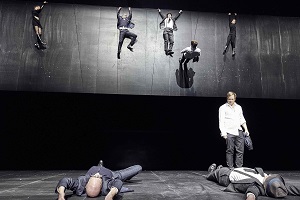
 2205490-473c7af64f3c96622814d238475ed5d6.jpg
Friedrich Dürrenmatt (5 januari 1921 – 14 december 1990)
Scene uit een toneelbewerking, Düsseldorf, 2017


De Iraanse dichteres Forough Farokhzad werd geboren op 5 januari 1935 in Teheran. Zie ook alle tags voor Forough Farokhzad op dit blog.


Rode wijn danste in de beker

Rode wijn danste in de beker
In zijn blik schittterde de dorst
Mijn lichaam trilde in verrukking
Op het zachte bed van zijn naakte borst

Ik heb gezondigd, een zonde vol genot
Naast een lichaam, bevend zonder woord
O God, ik weet niet wat ik deed
In dit donkere, afgelegen oord.


Vertaald door Nafiss Nia en Ronald Bos


Gezel

De nacht komt
En dan de duisternis
En na de duisternis
Ogen
Handen
En zuchten en zuchten en zuchten...
En het geluid van het water
Dat druppel voor druppel uit de kraan stroomt;
Dan twee rode punten
Van twee aangestoken sigaretten;
Tik tak van de klok
En twee harten
En twee eenzaamheden


Vertaald doorAsghar Seyed-Gohrab


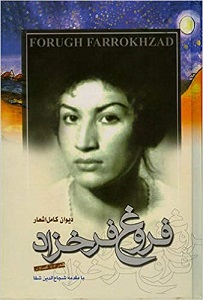
 2205490-cba2b4f36227fa7b413ad41f9382d08c.jpg
Forough Farokhzad (5 januari 1935 – 13 februari 1967)
Cover


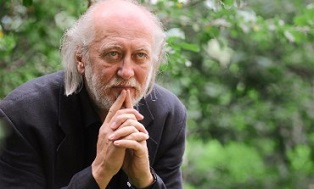
De Hongaarse schrijver László Krasznahorkai werd geboren op 5 januari 1954 in Gyula. Zie ook alle tags voor László Krasznahorkai op dit blog.

Uit: Seiobo There Below (Vertaald door Ottilie Mulzet)

“Everything around it moves, as if just this one time and one time only, as if the message of Heraclitus has arrived here through some deep current, from the distance of an entire universe, in spite of all the senseless obstacles, because the water moves, it flows, it arrives, and cascades; now and then the silken breeze sways, the mountains quiver in the scourging heat, but this heat itself also moves, trembles, and vibrates in the land, as do the tall scattered grass-islands—the grass, blade by blade in the riverbed; each individual shallow wave, as it falls, tumbles over the low weirs, and then, every inconceivable fleeting element of this subsiding wave, and all the individual glitterings of light flashing on the surface of this fleeting element, this surface suddenly emerging and just as quickly collapsing, with its drops of light dying down, scintillating, and then reeling in all directions, inexpressible in words; clouds are gathering; the restless jarring blue sky high above; the sun is concentrated with horrific strength, yet still indescribable, extending onto the entire momentary creation, maddeningly brilliant, blindingly radiant; the fish and the frogs and the beetles and the tiny reptiles are in the river; the cars and the buses, from the northbound number 3 to the number 32 up to the number 38, inexorably creep along on the steaming asphalt built parallel on both embankments, then the rapidly propelled bicycles below the breakwaters, the men and women strolling next to the river along paths that were built or inscribed, into the dust, and the blocking stones, too, set down artificially and asymmetrically underneath the mass of gliding water: everything is at play or alive, so that things happen, move on, dash along, proceed forward, sink down, rise up, disappear, emerge again, run and flow and rush somewhere, only it, the Ooshirosagi, does not move at all, this enormous snow-white bird, open to attack by all, not concealing its defenselessness; this hunter, it leans forward, its neck folded in an S-form, and it now extends its head and long hard beak out from this S-form, and strains the whole, but at the same time it is strained downwards, its wings pressed tightly against its body, its thin legs searching for a firm point beneath the water's surface, it fixes its gaze on the flowing surface of the water, the surface, yes, while it sees, crystal-clear, what lies beneath this surface, down below in the refractions of light, however rapidly it may arrive, if it does arrive, if it ends up there…”


 2205490-242349a9a747378b0adf44c5f1458cd7.jpg
László Krasznahorkai (Gyula, 5 januari 1954)


Zie voor nog meer schrijvers van de 5e januari ook mijn vorige blog van vandaag.

Geschreven door Romenu om 13:20 Reageer op dit bericht

Peter Zingler, Yevgeni Popov, William Snodgrass, Pierre Seghers, Fred Wander, Humbert Wolfe, Stella Gibbons, Terenci Moix

De Duitse schrijver en scenarist Peter Zingler werd geboren op 5 januari 1944 in Chemnitz. Zie ook alle tags voor Peter Zingler op dit blog.

Uit: Vom Tunnel zur Himmelsleiter

„Der Typ, der vor dem Düsseldorfer Flughafen aus dem Taxi stieg, sah nicht aus wie ein Erste Klasse Passagier. Peter Zingler trug Jeans, Sweatshirt, eine kurze schwarze Lederjacke und auf dem Kopf die Batschkapp, unter der seine langen Haare hervorstrubbelten. Auch einen Vollbart hatte der Kerl, der sich nun vorsichtig sichernd umschaute, als fürchte er Ungemach. Für den kalten Januartag war er viel zu dünn angezogen und in seiner kleinen Leinentasche war sicher kein Platz für dicke Wintermäntel. Er betrat das Flughafengebäude, orientierte sich, passierte den Sicherheitscheck und stand dann vor der Passkontrolle. Wer ihn kannte, bemerkte die leichte Nervosität, das Schaben des rechten Fußes, dann die Gewichtsverlagerung auf den linken Fuß, bis der Grenzschutzbeamte den Pass zurückgab. Zingler bedankte sich, ging schnell einige Meter weiter außer Sichtweite, blieb stehen und atmete tief durch! Jetzt schlenderte er gemächlich zu einem Gate, auf dessen Anzeigetafel das Flugziel MONTEGO BAY zu lesen war.
Die erste Hürde hatte Peter Zingler geschafft.
Nun saß er in der Maschine, einer Lockheed TriStar der LTU, die langsam Fahrt aufnahm, so stark beschleunigte, dass der Rumpf zitterte und dann endlich abhob. Peter schaute aus dem Fenster auf Düsseldorf hinunter und lehnte sich entspannt zurück. Erst mal entkommen. Er sah sich in der Maschine um. Zwar war ihm schon am Gate aufgefallen, wie viele alleinreisende Frauen auf den Abflug nach Jamaika warteten, hübsche junge Frauen, alle im besten Studentenalter.“


 2205489-b31cb11f7e30fd694047c48cc651f46a.jpg
Peter Zingler (Chemnitz, 5 januari 1944)


De Russische schrijver Yevgeni Anatoljewitsj Popov werd geboren op 5 januari 1946 in Krasnojarsk, Sibirië. Zie ook alle tags voor Yevgeni Popov op dit blog.

Uit: De sigaar (Vertaald door Karel van het Reve)

“Er was eens een braaf meisje dat bij het station Oejar aan de Oostsiberische spoorweg woonde. Haar pa bleek een behoorlijke schoft en verdween op een keer met onbekende bestemming, en ma was altijd ziek. Ze had zelfs een keer naar het sanatorium ‘Het Sjira-meer’ gemogen. Ze was altijd maar ziek en ging dood, stil en onopgemerkt, bescheiden en pijnloos.
Het meisje begroef haar moeder en zette een kruis met foto op haar graf. Ma keek op de foto of ze leefde. Het meisje treurde een tijdje, nam afscheid van haar in leven gebleven oudtante en ging naar de stad.
En daar loopt ze op straat en opeens ziet ze op een paal geplakt een scheef papiertje:
‘Kamer voor meisje aleen. Op de Prokrovka.’
Ze ging naar het opgegeven adres dat van een gewiekste oude vrouw bleek te zijn van een bochelige constructie. Het mens vroeg drie maanden huur vooruit, en verbood alle bezoek want ze ‘wilde van haar huis geen bordeel maken’. Zelf bedronk de oude zich de eerste avond aan ‘Zonnegave’, liep de moestuin in en begon ruzie te maken met de buurvrouw. Die gooide haar met zonnebloemkoppen. De oude begon te gillen, keerde zich om en deed haar rok omhoog. Een onduldbare belediging, en de buurvrouw wierp zich dan ook in het gevecht, er kwam een politieman proces-verbaal maken.
Het meisje wilde eerst op de financiële crediet-academie, maar het bleek dat er dat jaar geen leerlingen werden aangenomen. Toen kreeg ze een betrekking bij de post, brieven, kranten en postwissels rondbrengen.
Vriendinnen had ze niet. Ze ging een keer dansen in het Polytechnisch Instituut, en daar werd ze gevraagd door een lange, harige. Leek enigszins op zo'n ‘zanger’ die zoet en luid zingt bij electrische instrumenten op een grammofoonplaat van dat merk. Hij heette Vovik. Hij bracht haar thuis, stond en rookte en probeerde onder haar kleren te komen en werd teruggewezen, en de volgende dag kwam hij weer, en de oude vrouw zei:
Je moet die bok niet aanhalen. Ik zie aan zijn smoel dat je met hem de sigaar bent.
Daar denk ik helemaal niet aan, zei het meisje.
Je kunt denken wat je wilt, maar als je hem aanhaalt ben je de sigaar, hield de oude vol.
Maar het meisje geloofde haar niet. Ze gingen dansen, naar de bioscoop, twee keer nam hij haar mee naar huis, waar hij sterk aandrong. Maar de eerste keer werden ze door zijn vader gestoord. Hij rammelde met het deurslot en riep opgewekt de reusachtige woning in:
Vollek! De kostwinner is terug van zijn vergadering en heeft een honger als een paard!”


 2205489-9a7743a171def5b0554440f83887d8c4.jpg
Yevgeni Popov (Krasnojarsk, 5 januari 1946)


De Amerikaanse dichter William De Witt Snodgrass werd geboren op 5 januari 1926 in Wilkinsburg, Pennsylvania. Zie ook alle tags voor William Snodgrass op dit blog.


Nightwatchman's Song
After Heinrich I. F. Biber

I
What’s unseen may not exist—
Or so those secret powers insist
That prowl past nightfall,
Enabled by the brain’s blacklist
To fester out of sight,

So we streak from bad to worse,
Through an expanding universe
And see no evil.
On my rounds like a night nurse
Or sentry on qui vive,

I make, through murkier hours, my way
Where the sun patrolled all day
Toward stone-blind midnight
To poke this flickering flashlamp’s ray
At what’s hushed up and hidden.

Lacking all leave or protocol,
Things, one by one, hear my footfall,
Blank out their faces,
Dodge between trees, find cracks in walls
Or lock down offices.

Still, though scuttling forces flee
Just as far stars recede from me
To outmost boundaries,
I stalk through ruins and debris,
Graveyard and underground.

Led by their helmetlantern’s light
Miners inch through anthracite;
I’m the unblinking mole
That sniffs out what gets lost or might
Slip down the world’s black hole.


 2205489-c4b50aad698a8ad9110e526c5bb6b2df.jpg
William Snodgrass (5 januari 1926 – 13 januari 2009)


De Franse dichter en uitgever Pierre Seghers werd geboren op 5 januari 1906 in Parijs. Zie ook alle tags voor Pierre Seghers op dit blog


Le nègre Bungalow

Le nègre Bungalow dans son île flottante
A quatre boules bleues, quatre boules de mer
Quatre étoiles d’or pur et quatre bulles d’air
Un chandelier d’argent dont les chandelles chantent.

Une harpe qu’Eole a touchée. Ses cheveux
Le nègre Bungalow les tisse sur les planches
Sa barque est enchantée sous sa peinture blanche
Il jongle, il joue, les jours qu’il pêche sont des jeux.

Il a deux cocotiers qui donnent des amandes
Un fusil de cristal, une bague de feu
Un grand voile de ciel qu’ il décloue quand il veut
draper d’azur et d’eau ses filles de lavande.

Il tangue sur son île où le voient les poissons,
Il passe, il rit, et les étoiles le préfèrent
Les sept mages postés aux bouches de la mer
L’annoncent : Il viendra… Les constellations

retroussent dans le ciel leurs cheveux de nuages
Andromède et Vénus l’attendent. Le chanteur
va venir, et les galaxies pressent leur coeur
C’est le fait de leur nuit qu’il boit à son passage.

Il s’en vient, il s’en va de L’Arctique au Pégal,
Il souffle le bonheur dans de grandes coquilles
Des sorciers bottés se rongent sous la quille
Et son cheval marin se fait un vrai cheval

Pégase, Bungalow, Icare, Poésie…


 2205489-e5a5aec08e96b4f6da435ec3adcdf32d.jpg
Pierre Seghers (5 januari 1906 – 4 november 1987)
Hier in 1942, rechts op de foto, met collegaschrijvers Louis Aragon and Elsa Triolet


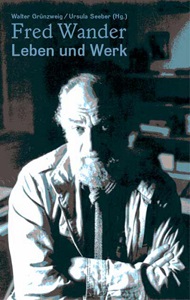
De Oostenrijkse schrijver Fred Wander werd geboren op 5 januari 1917 in Wenen als Fritz Rosenblatt. Zie ook alle tags voor Fred Wander op dit blog.

Uit: Worüber ich schreibe

„Wenn ich sage, mein Thema ist das Überleben – wie überlebt der Mensch in der Katastrophe, dann meine ich das nicht nur physisch, und nicht Menschen in der Gruppe, sondern Einzelgänger meine ich, den nomadischen Typ, den Flüchtling, den Andersartigen und Außenseiter, den Mißachteten und Gehaßten. Denn der Mensch findet sich selbst besser im Unbekannten, als in der Geborgenheit seines Stammes. Und er ist dann besser geeignet, in sich die Menschheit als Ganzes zu erleben. Auch das ist das zentrale Thema: Die Selbstfindung in der Fremde und Anonymität. Und ich habe mein Leben lang nach exemplarischen Beispielen Ausschau gehalten, von Leuten, die fast nichts besitzen, kaum Bedürfnisse haben und doch Freude am Dasein finden. Ich meine nicht Heilige, sondern ganz einfache und manchmal sogar ungeschickte Menschen, die wenig brauchen, um viel zu erleben. Die oft geradezu ekstatisch zu leben verstehen, in einer Freiheit, die nur sie kennen. Deren Lebenskunst in der Mischung der Gegensätze liegt, in der Spannung der Kontraste zwischen äußerster Trauer und dann wieder Lebensfreude, manchmal in überschäumender, wilder Energie – und manchmal in marmorner Ruhe, wenn der Boden wankt. Einige von diesen Leuten habe ich in meinen Erzählungen zu zeichnen versucht.“


 2205489-0ae6e5e33618fc906831a0a734a930fe.jpg
Fred Wander (5 januari 1917 – 10 juli 2006)
Cover biografie


De Engelse dichter Humbert Wolfe werd geboren op 5 januari 1885 in Milaan. Zie ook alle tags voor Humbert Wolfe op dit blog.


Give me the wings

Give me the wings, magician! So their tune
Mix with the silver trumpets of the Moon,
And, beyond music mounting, clean outrun
The golden diapason of the sun.
There is a secret that the birds are learning
Where the long lanes in heaven have a turning
And no man yet has followed: therefore these
Laugh hauntingly across our usual seas.
I'll not be mocked by curlews in the sky;
Give me the wings, magician, or I die.


On Betelgeuse

On Betelgeuse
the gold leaves hang in golden aisles
for twice a hundred million miles,
and twice a hundred million years
they golden hang and nothing stirs,
on Betelgeuse.

Space is a wind that does
not blow on Betelgeuse,
and time - oh time - is a bird,
whose wings have never stirred
the golden avenues of leaves
on Betelgeuse.

On Betelgeuse
there is nothing that joys or grieves
the unstirred multitude of leaves,
nor ghost of evil or good haunts
the gold multitude
on Betelgeuse.

And birth they do not use
nor death on Betelgeuse,
and the God, of whom we are
infinite dust, is there
a single leaf of those
gold leaves on Betelgeuse.


 2205489-12ceef4ac468d4501e2347312dabadd4.jpg
Humbert Wolfe (5 januari 1885 – 5 januari 1940)
Borstbeeld in Londen


De Engelse schrijfster Stella Gibbons werd geboren op 5 januari 1902 in Londen. Zie ook alle tags voor Stella Gibbons op dit blog.

Uit:Cold Comfort Farm

“Mrs Smiling's character was firm and her tastes civilized. Her method of dealing with wayward human nature when it insisted on obtruding its grossness upon her scheme of life was short and effective; she pretended things were not so: and usually, after a time, they were not. Christian Science is perhaps a larger organization, but seldom so successful. 'Of course, if you encourage people to think they're messy, they will be messy,' was one of Mrs Smiling's favourite maxims. Another was, 'Nonsense, Flora. You imagine things.' Yet Mrs Smiling herself was not without the softer graces of imagination. `Well, darling,' said Mrs Smiling - and Flora, who was tall, bent and kissed her cheek - 'will you have tea, or a cocktail?' Flora said that she would have tea. She folded her gloves and put her coat over the back of a chair, and took the tea and a cinnamon wafer. 'Was the funeral awful?' enquired Mrs Smiling. She knew that Mr Poste, that large man who had been serious about games and contemptuous of the arts, was not regretted by his child. Nor was Mrs Poste, who had wished people to live beautiful lives and yet be ladies and gentlemen. Flora replied that it had been horrid. She added that she was bound to say all the older relatives seemed to have enjoyed it no end.
`Did any of them ask you to go and live with them? I meant to warn you about that. Relatives are always wanting you to go and live with them,' said Mrs Smiling. `No. Remember, Mary, I have only a hundred pounds a year now; and I cannot play Bridge.' `Bridge? What is that?' enquired Mrs Smiling, glancing vaguely out of the window at the river. 'What curious ways people have of passing their time, to be sure. I think you are very fortunate, darling, to have got through all those dreadful years at school and college, where you had to play all those games, without getting to like them yourself. How did you manage it?' Flora considered. `Well - first of all, I used to stand quite still and stare at the trees and not think about anything. There were usually some trees about, for most games, you know, are played at in the open air, and even in the winter the trees are still there. But I found that people would bump into me, so I had to give up standing still, and run, like the others. I always ran after the ball because, after all, Mary, the ball is important in a game, isn't it? until I found they didn't like me doing that, because I never got near it or hit it or did whatever you are supposed to do to it.”


 2205489-2c8d60044036901b08c08cbc5a3368ed.jpg
Stella Gibbons (5 januari 1902 – 19 december 1989)
Cover


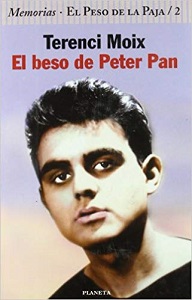
De Spaanse (Catalaanse) schrijver Terenci Moix werd geboren op 5 januari 1942 in Barcelona. Zie ook alle tags voor Terenci Moix op dit blog.

Uit: Looking Queer - Terenci Moix

(In: The Hispanic Homograph: Gay Self-representation in Contemporary Spanish Autobiography door Robert Richmond Ellis)

“When Terenci Moix was fourteen years old, he first witnessed an act of civil disobedience. As he was about to purchase a copy of La Van-guardia from a kiosk on the Paralelo of Barcelona, a throng of Catalan dissi-dents suddenly burst down the street, shouting and seizing newspapers. At the time, he was completely unaware of the historical significance of the in-cident, and as the police began to club and arrest the protesters, he felt a pro-found sense of relief. And with good reason too. After all, poor Norma Shearer had been led off to the guillotine by a similar sort of mob in the film Marie Antoinette. According to his autobiographical volumes, El cine de los stibados [The Saturday matinee] and El beso de Peter Pan (The kiss of Peter Pan), Hollywood cinema (and to a lesser degree radio, comics, and film in general) determined his childhood vision of the world and himself and con-stituted him as "la perfecta imagen del jovencito colonizado" (199) [the per-fect image of the colonized little lad]! This cinematic colonization preceded his birth (his mother supposedly went into labor during a screening of Gas-light), fixing the parameters of his alienation as a gay youth while simulta-neously establishing the context for his eventual act of defiance as an openly gay writer and autobiographer. For the young Moix, however, cinema was.”


Uit: The Kiss of Peter Pan

“When Peter Pan kissed me in a pergola of the gardens of Never Land, I was afraid that his love might be a one-day flower, and I decided to seize his dagger in order to force him to return to me in moments of danger. But the hero assured me that such a precaution was unnecessary because we would never be parted. By way of confirmation we made cuts in our wrists and mixed our blood and therefore I know that through my veins flows the star dust that only eternal children have.”


 2205489-855310a5aab354e7d020700befe80bf8.jpg
Terenci Moix (5 januari 1942 – 2 april 2003)
Cover

Geschreven door Romenu om 13:19 Reageer op dit bericht

Meer van Romenu

↑ Terug naar de berichten