Romenu is een blog over gedichten, literatuur en kunst Maar Romenu is ook een professionele freelance vertaler Du-Ne en Ne-Du http://www.roumen-vertalingen.nl/
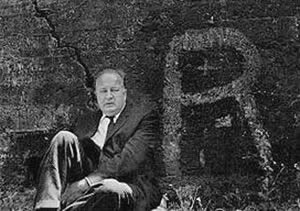
Georg Trakl werd op 3 februari 1887 in het conducteurshuis aan de Waagplatz 2 in Salzburg geboren. Zijn vader, Tobias Trakl, was een handelaar in ijzerwaren en zijn moeder, die ook psychische problemen had, was Maria Catharina Trakl, (meisjesnaam Halik). Voorts had hij nog drie broers en drie zussen. Margarethe (doorgaans Grethe genoemd) stond hem het naast, zelfs zodanig dat sommigen een incestueuze verhouding vermoeden. Zijn jeugd bracht hij door in Salzburg. Vervolgens bezocht hij van 1897 tot 1905 het humanistische gymnasium. Om toch een academische opleiding te kunnen volgen, werkte hij tot 1908 in de praktijk bij een apotheker. Sommigen vermoedden dat hij dit vooral deed om zichzelf opiaten te kunnen verschaffen. Bij het uitbreken van WO I werd Trakl als medicus naar het front in Galicië (heden ten dage in Oekraïne en Polen) gestuurd. Zijn gemoedsschommelingen leidden tot geregelde uitbraken van depressie, die verergerd werden door de afschuw die hij voelde voor de verzorging van de ernstig verwonde soldaten. De spanning en druk dreven hem ertoe een suïcidepoging te ondernemen, welke zijn kameraden nochtans verhinderden. Hij werd in een militair ziekenhuis opgenomen in Kraków, alwaar hij onder strikt toezicht geplaatst werd.Trakl verzonk daar in nog zwaardere depressies en schreef Ficker om advies. Ficker overtuigde hem ervan dat hij contact moest opnemen met Wittgenstein, die inderdaad op weg ging na Trakls bericht te hebben ontvangen. Op 4 november 1914, drie dagen voordat Wittgenstein aan zou komen, overleed hij echter aan een overdosis cocaïne
Paul Celan
Paul Celan werd onder de naam Paul Antschel op 23 november 1920 geboren in Czernowitz, toentertijd de hoofdstad van de Roemeense Boekovina, nu behorend bij de Oekraïne. Paul Celans ouders waren Duitssprekende joden die hun zoon joods opvoedden en hem naar Duitse christelijke scholen stuurden. In 1942 werden Celans ouders door de Duitse bezetter naar een werkkamp gedeporteerd en daar vermoord. Hijzelf wist aanvankelijk onder te duiken, maar moest vanaf juli 1942 in een werkkamp dwangarbeid verrichten. Celan overleefde de oorlog. Via Boekarest en Wenen vestigde Celan zich in 1948 in Parijs. Daar was hij werkzaam als dichter, vertaler en doceerde hij aan de prestigieuze Ecole Normale Supérieure. Vermoedelijk op 20 april 1970 beëindigde hij zijn leven zelf door in de Seine te springen.
Gerard Reve
Gerard Reve over: Medearbeiders ”God is in de mensen, de dieren, de planten en alle dingen - in de schepping, die verlost moet worden of waaruit God verlost moet worden, door onze arbeid, aangezien wij medearbeiders van God zijn.” Openbaring ”Tja, waar berust elk godsbegrip op, elke vorm van religie? Op een openbaring, dat wil zeggen op een psychische ervaring van zulk een dwingende en onverbiddelijke kracht, dat de betrokkene het gevoel heeft, niet dat hij een gedachte of een visioen heeft, maar dat een gedachte gedachte of visioen hem bezit en overweldigt.”
Simon Vestdijk
Simon Vestdijk (Harlingen, 17 oktober 1898 – Utrecht, 23 maart 1971) was een Nederlands romancier, dichter, essayist en vertaler. Zijn jeugd te Harlingen en Leeuwarden beschreef hij later in de Anton Wachter-cyclus. Van jongs af aan logeerde hij regelmatig bij zijn grootouders in Amsterdam, waar hij zich in 1917 aan de Universiteit van Amsterdam inschrijft als student in de medicijnen. Tijdens zijn studie die van 1917 tot 1927 duurde, leerde hij Jan Slauerhoff kennen.Tot 1932 is hij als arts in praktijken door heel Nederland werkzaam. In 1932 volgt zijn officiële schrijversdebuut met de uitgave van de bundel Verzen in De Vrije Bladen. Doorslaggevend voor Vestdijks uiteindelijke keuze voor de literatuur is zijn ontmoeting in 1932 met Eddy Du Perron en Menno ter Braak. Deze ontmoeting had tot resultaat dat hij redactielid werd van het tijdschrift Forum Kort daarop, in 1933, wordt zijn eerste novelle, De oubliette, uitgegeven. In hetzelfde jaar schrijft hij Kind tussen vier vrouwen, dat, eerst geweigerd door de uitgever, later de basis zal vormen voor de eerste drie delen van de Anton Wachter-romans. In 1951 ontvangt Vestdijk de P.C. Hooftprijs voor zijn in 1947 verschenen roman De vuuraanbidders. In 1957 wordt hij voor het eerst door het PEN-centrum voor Nederland voorgedragen voor de Nobelprijs voor de Literatuur, die hij echter nooit zal krijgen. Op 20 maart 1971 wordt hem de Prijs der Nederlandse Letteren toegekend, maar voor hij deze kan ontvangen overlijdt hij op 23 maart te Utrecht op 72-jarige leeftijd. Vestdijk was auteur van ca. 200 boeken. Vanwege deze enorme productie noemde de dichter Adriaan Roland Holst hem 'de man die sneller schrijft dan God kan lezen'. Andere belangrijke boeken van Simon Vestdijk zijn: "Kind van stad en land" (1936), "Meneer Visser's hellevaart" (1936), "Ierse nachten" (1946), "De toekomst de religie" (1947), "Pastorale 1943" (1948), "De koperen tuin" (1950), "Ivoren wachters" (1951), "Essays in duodecimo" (1952) en "Het genadeschot" (1964).
K.P. Kavafis K.P. Kavafis werd als kind van Griekse ouders, afkomstig uit Konstantinopel, geboren in 1863 in Alexandrië (tot vandaag een Griekse enclave) waar hij ook het grootste deel van zijn leven woonde en werkte. Twee jaar na de dood van zijn vader verhuist het gezin in 1872 naar Engeland om na een verblijf van vijf jaar naar Alexandrië terug te keren. Vanwege ongeregeldheden in Egypte vlucht het gezin in 1882 naar Konstantinopel, om na drie jaar opnieuw naar Alexandrië terug te gaan. In de jaren die volgen maakt Kavafis reizen naar Parijs, Londen en in 1901 zijn eerste reis naar Griekenland, in latere jaren gevolgd door nog enkele bezoeken. Op de dag van zijn zeventigste verjaardag, in 1933 sterft Kavafis in Alexandrië. De roem kwam voor Kavafis pas na zijn dood, dus postuum. Deels is dat toe te schrijven aan zijn eigen handelswijze. Hij was uiterst terughoudend met de publicatie van zijn gedichten, liet af en toe een enkel gedicht afdrukken in een literair tijdschrift, gaf in eigen beheer enkele bundels met een stuk of twintig gedichten uit en het merendeel van zijn poëzie schonk hij op losse bladen aan zijn beste vrienden.
Thomas Mann
Thomas Mann, de jongere broer van Heinrich Mann, werd geboren op 6 juni 1875 in Lübeck. Hij was de tweede zoon van de graankoopman Thomas Johann Heinrich Mann welke later één van de senatoren van Lübreck werd. Zijn moeder Julia (geboren da Silva-Bruhns) was Duits-Braziliaans van Portugees Kreoolse afkomst. In 1894 debuteerde Thomas Mann met de novelle "Gefallen". Toen Thomas Mann met 21 jaar eindelijk volwassen was en hem dus geld van zijn vaders erfenis toestond - hij kreeg ongeveer 160 tot 180 goldmark per jaar - besloot hij dat hij genoeg had van al die scholen en instituties en werd onafhankelijk schrijver. Kenmerkend voor zijn stijl zijn de ironie, de fenomenale taalbeheersing en de minutieuze detailschildering. Manns reputatie in Duitsland was sterk wisselend. Met zijn eerste roman, Buddenbrooks (1901), had hij een enorm succes, maar door zijn sceptische houding tegenover Duitsland na de Eerste Wereldoorlog veranderde dit volledig. Stelde hij zich tot aan de jaren twintig apolitiek op (Betrachtungen eines Unpolitischen, 1918), meer en meer raakte hij bij het Politiek gebeuren betrokken. Zijn afkeer van het nationaal socialisme groeide, zijn waarschuwingen werden veelvuldiger en heftiger. In 1944 accepteerde hij het Amerikaanse staatsburgerschap. Tussen 1943 en 1947 schreef Mann Doktor Faustus (zie Faust), de roman van de 'Duitse ziel' in de gecamoufleerd geschilderde omstandigheden van de 20ste eeuw. In 1947 bezocht hij voor het eerst sinds de Oorlog Europa, twee jaar later pas Duitsland. In 1952 vertrok hij naar Zwitserland. Op 12 augustus 1955 stierf hij in Zürich. Twintig jaar na zijn dood, in aug. 1975, is zijn literaire nalatenschap geopend: dagboekaantekeningen van 15 maart 1933 tot 29 juli 1955, alsmede notities uit de jaren 1918 tot en met 1921.Belangrijke werken zijn: Der Zauberberg, Der Tod in Venedig, Dokter Faustus , Joseph und seine Brüder en Die Bekenntnisse des Hochstaplers Felix Krull.
Rainer Maria Rilke
Rilke werd op 4 december 1875 geboren in Praag. Hij had al naam gemaakt als dichter met zijn bundels Das Stundenbuch en Das Buch der Bilder, toen hij de literaire wereld versteld deed staan en wereldfaam verwierf met de publicatie van zijn twee delen Neue Gedichte in 1907 en 1908. Hij verzamelde daarin het beste werk uit een van zijn vruchtbaarste periodes, die hij grotendeels doorbracht in Parijs. Rilke was daar diep onder de indruk gekomen van Rodin, bij wie hij een tijdlang in dienst was als particulier secretaris. Rodin, zei hij later, had hem leren kijken. Dit kijken kwam neer op intense concentratie, om het mysterie te kunnen zien ‘achter de schijnbare werkelijkheid'. Latere en rijpere werken als Duineser Elegien (1912-1923) en het ronduit schitterende Die Sonette an Orfeus (1924) illustreren Rilkes metafysische visie op het onzegbare, dat haar verwoording vindt in een hermetische muzikale taal. Op 29 december 1926 overlijdt Rilke in het sanatorium in Val-Mont aan de gevolgen van leukemie. Enkele dagen later wordt hij, overeenkomstig zijn wens, begraven op het kerkhof van Raron.
* * * * * * * * * * * * * * * *
Romenu
Over literatuur, gedichten, kunst en cultuur
25-05-2013
Egyd Gstättner, Eve Ensler, Friedrich Dieckmann, Claire Castillon, Raymond Carver, Jamaica Kincaid
Eigentlich wollte ich literarisch gerade wieder
einmal frei geworden, was ein nervlich strapaziöser und auf Dauer wenigstens
mir unausstehlicher Zustand ist die Geschichte eines mündigen Staatsbürgers
schreiben, der nach einem langen Wahlkampf in der Wahlzelle plötzlich von einer
akuten Unentschiedenheit gepackt wird.
Denn er hält alle Parolen und Versprechungen und Gesichter aller Kandidaten
aller Parteien gegeneinander und weiß partout nicht, in welchen Kreis er sein
Kreuz machen könnte: eine Prosa übrigens, die deutliche autobiografische Züge
enthalten soll; immerhin sagt eine meiner wenigen Literaturtheorien, dass meine
Existenz von Haus aus derart dramatisch ist, dass ich keine andere benötige und
nichts erfinden muss. Ich muss nur Ordnung schaffen.
Ich kann von meinem Leben leben. Weil er trotz der dringlichen Aufforderungen
der Wahlhelfer der Parteien die Wahlzelle stundenlang nicht wieder verlässt mit
der Begründung, eine solche Wahl sei eine heikle Angelegenheit und die
gründlichste und genaueste Überlegung daher ein unerlässlicher Sachzwang,
ungeachtet des sicher stimmigen Einwands, dass zunehmende Gründlichkeit und
Genauigkeit dieser Überlegung eine daran anschließende Entscheidung für einen
der Spitzenkandidaten, denen von der Meinungsforschung seriöse Gewinnchancen
zugebilligt werden, keineswegs vereinfache, sondern im Gegenteil erschwere und
verunmögliche, wird bald nicht nur die Warteschlange außerhalb der Wahlzelle,
sondern auch das Fernsehen und damit das gesamte Bundesgebiet auf den Wähler
aufmerksam, denn der Fernsehmoderator muss der am Höhepunkt der Hochspannung
befindlichen Bevölkerung eingestehen, dass die für siebzehn Uhr angekündigte
Hochrechnung, die das für das politische Leben der nächsten Jahre oder gar
Jahrzehnte so richtungweisende und bedeutsame und mit einem Wort entscheidende
Endergebnis der Wahlen erfahrungsgemäß mit verblüffender Exaktheit vorwegnimmt,
nicht ausgestrahlt werden könne, obwohl sie natürlich bereits vorliege, aber
erst veröffentlicht werden dürfe, sobald das letzte Wahllokal geschlossen
habe.
Ik moet steeds weer aan die eerste mei
denken, maar razendsnel, want dat kan ik niet langzaam. Lulu was al bij
ons, maar hij was nog niet helemaal van mij, de puppy was toen nog van het
hele gezin.
We hadden een appartement in de stad en Lulu
zat urenlang te blaffen achter de deur van de eerste verdieping, waar ik
woonde met mijn broer, mijn moeder en mijn vader. Hij blafte omdat hij
wilde dat we thuiskwamen. Hij at sponzen op, hij knaagde aan
stoelpoten en schoenveters, hij kon niet tegen de eenzaamheid. Mijn
moeder werkte in een doe-het-zelfzaak, waar ze klanten advies gaf zonder
dat ze er ook maar enig verstand van had. Op den duur was ze daar goed in
geworden. Soms liet ze zich meeslepen door haar eigen geklets; eigenlijk
was het haar droom prulletjes of kleren te gaan verkopen en soms zei ze
over een boormachine: U kunt beter een grijze nemen, dat heeft iets jongs,
en dan smeet ze het ding voor een klant neer alsof het een overhemd was.
Ze nam nooit pauze en vroeg nergens om,
alleen als wij ziek waren, mijn broer en ik, belde ze de directie om haar
werktijden te veranderen. Ze had dan ook geen vrienden, want bij stakingen
werkte zij gewoon door om bij de chefs wat krediet op te bouwen voor als
ze een keer niet kon komen. Ze werd zelfs weleens op de afdeling stofzuigers
gezet omdat ze daar veel vanaf wist, en dat leverde haar extraatjes op.
Mijn vader was vaak van huis als vertegenwoordiger in vernislakken, hij
maakte strakke bochten met die rotauto van hem, liet muntjes in zijn
broekzak rammelen en als het maar even kon zat hij naar gaatjes te loeren
op meubelbeurzen, waardoor hij vaak te laat thuiskwam.
In the Congo there
has been a war raging for almost thirteen years. Nearly eight million people
have died and hundreds of thousands of women have been raped and tortured. It
is an economic war fought over minerals that belong to the Congolese but are pillaged
by the world. There are local and foreign militias from Rwanda, Burundi, and
Uganda. They enter villages and they murder. They rape wives in front of their
husbands. They force the husbands and sons to rape their daughters and sisters.
They shame and destroy families and take over the villages and the mines. The
minerals are abundant in the Congo tin, copper, gold, and coltan, which are
used in our iPhones and PlayStations and computers.
Of course by the time
I got to the Congo, I had witnessed the epidemic of violence toward women that
scoured the planet, but the Congo was where I witnessed the end of the body,
the end of humanity, the end of the world. Femicide, the systematic rape,
torture, and destruction of women and girls, was being employed as a
military/corporate tactic to secure minerals. Thousands and thousands of women
were not only exiled from their bodies, but their bodies and the functions and
futures of their bodies were rendered obsolete: wombs and vaginas permanently
destroyed.
The Congo and the
individual horror stories of her women consumed me. Here I began to see the
futurea monstrous vision of global disassociation and greed that not only
allowed but encouraged the eradication of the female species in pursuit of
minerals and wealth.
Uit:Freiheit
ist nur in dem Reich der Träume (Schillers Jahrhundertwende)
Dabei hatte die Krankheit immer auf der Lauer
gelegen, diese Krämpfe in der Brust und darunter, ein schlafender Drache, der
jederzeit aufwachen konnte. Aber derzeit schien alles gutzugehen, so groß die
Spannung war oder weil sie so groß war? »Es ist der Geist, der sich den
Körper schafft« das hatte er Wallenstein sagen lassen, als alles verloren
war, und mit dem Körper war die Armee gemeint, die er zweimal aus dem Boden
gestampft hatte, allerdings
Für den Kaiser dahinten in Wien, wo der Krieg
niemals hingekommen war, nicht ohne oder gar gegen ihn. Er hatte das Gleichnis
weitergefhrt und mußte lachen über den Vers, in den sein von der Armee
verlassener Held sich verstiegen hatte:
»Wenn Haupt und Glieder sich trennen, dann wird
sich zeigen, wo die Seele wohnt.« Im Moment hingen Körper und
Geist ganz gut bei ihm zusammen. Aber es war gut, nach der langen Probe noch
ein wenig durch das Städtchen zu laufen, das gerade zur Ruhe ging; niemand kam
ihm auf der Straße entgegen. Er war an der Ackerwand entlanggegangen, zu seiten
des Ilmparks; wer ihn so sah, dachte er bei sich, das Lämpchen mit dem
gefalteten Blechdeckel so kam Luft an die Ölflamme und der eingesetzten
Glasscheibe wie einen Krug in der Hand haltend, konnte ihn glatt für einen
neuen Diogenes halten.
Auf der Bühne war alles gutgegangen, man hatte im
fertigen Kostüm gespielt, was nicht immer vorkam, ganz historisch hatte es
ausgesehen mit diesen Kollern und Wämsern und Hellebarden auch die Schneider
hatten sich ins Zeug gelegt. Hatte man nicht sogar alte Ofenplatten ausfindig
gemacht, um den Stil von 1630 zu treffen? Die Schauspieler hatten ihren Text
nicht nur gelernt, sie schienen ihn auch verstanden zu haben, diese
Knittelverse, deren Reime man um Himmels willen nicht betonen durfte. Sie
durften nur anklingen, sonst wurde es platt.
Friedrich Dieckmann (Landsberg an der Warthe, 25
mei 1937)
By the time I came around to feeling pain
and woke up, moonlight
flooded the room. My arm lay paralyzed,
propped up like an old anchor under
your back. You were in a dream,
you said later, where you'd arrived
early for the dance. But after
a moment's anxiety you were okay
because it was really a sidewalk
sale, and the shoes you were wearing,
or not wearing, were fine for that.
*
"Help me," I said. And tried to hoist
my arm. But it just lay there, aching,
unable to rise on its own. Even after
you said, "What is it? What's wrong?"
it stayed put -- deaf, unmoved
by any expression of fear or amazement.
We shouted at it, and grew afraid
when it didn't answer. "It's gone to sleep,"
I said, and hearing those words
knew how absurd this was. But
I couldn't laugh. Somehow,
between the two of us, we managed
to raise it. This can't be my arm
is what I kept thinking as
we thumped it, squeezed it, and
prodded it back to life. Shook it
until that stinging went away.
We said a few words to each other.
I don't remember what. Whatever
reassuring things people
who love each other say to each other
given the hour and such odd
circumstance. I do remember
you remarked how it was light
enough in the room that you could see
circles under my eyes.
You said I needed more regular sleep,
and I agreed. Each of us went
to the bathroom, and climbed back into bed
on our respective sides.
Pulled the covers up. "Good night,"
you said, for the second time that night.
And fell asleep. Maybe
into that same dream, or else another.
*
I lay until daybreak, holding
both arms fast across my chest.
Working my fingers now and then.
While my thoughts kept circling
around and around, but always going back
where they'd started from.
That one inescapable fact: even while
we undertake this trip,
there's another, far more bizarre,
we still have to make.
Raymond Carver (25
mei 1938 2 augustus 1988)
Cover
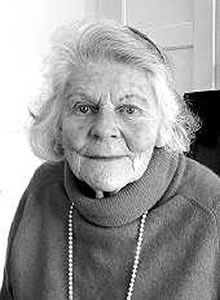
De Amerikaanse schrijfster Jamaica Kincaid (eig.Elaine Cynthia Potter Richardson) werd geboren in Saint John's, Antigua en
Barbuda, op 25 mei 1949. Zie ook alle tags voor Jamaica
Kincaid op dit blog.
Uit: See
Now Then
See now then, the dear Mrs. Sweet who lived
with her husband Mr. Sweet and their two children, the beautiful Persephone and
the young Heracles in the Shirley Jackson house, which was in a small village
in New England. The house, the Shirley Jackson house, sat on a knoll, and from
a window Mrs. Sweet could look down on the roaring waters of the Paran River as
it fell furiously and swiftly out of the lake, a man-made lake, also named
Paran; and looking up, she could see surrounding her, the mountains named Bald
and Hale and Anthony, all part of the Green Mountain Range; and she could see
the firehouse where sometimes she could attend a civic gathering and hear her
government representative say something that might seriously affect her and the
well-being of her family or see the firemen take out the fire trucks and dismantle
various parts of them and put the parts back together and then polish all the
trucks and then drive them around the village with a lot of commotion before
putting them away again in the firehouse and they reminded Mrs. Sweet of the
young Heracles, for he often did such things with his toy fire trucks; but just
now when Mrs. Sweet was looking out from a window in the Shirley Jackson house,
her son no longer did that. From that window again, she could see the house
where the man who invented time-lapse photography lived but he was dead now;
and she could see the house, the Yellow House, that Homer had restored so
carefully and lovingly, polishing the floors, painting the walls, replacing the
pipes, all this in the summer before that awful fall, when he went hunting and
after shooting with his bow and arrow the largest deer he had ever shot, he
dropped down dead while trying to load it onto the back of his truck.
N. Indian Ocean, 250
miles east of Sri Lanka
Northwestern Anura
The night was oppressive, the air at body temperature and almost motionless.
Earlier in the evening there had been light, cooling rains, but now everything
seemed to radiate heat, even the silvery half-moon, its countenance brushed
with the occasional wisps of cloud. The jungle itself seemed to exhale the hot,
moist breath of a predator lying in wait.
Shyam shifted restlessly in his canvas chair. It was, he knew, a fairly
ordinary night on the island of Anura for this time of year: early in the
monsoon season, the air was always heavy with a sense of foreboding. Yet only
the ever attentive mosquitoes disturbed the quiet. At half past one in the
morning, Shyam reckoned he had been on checkpoint duty for four and a half
hours. In that time, precisely seven motorists had come their way. The
checkpoint consisted of two parallel lines of barbed-wire frames--"knife
rests"--set up eighty feet apart on the road, to either side of the search
and administration area. Shyam and Arjun were the two sentries on forward duty,
and they sat in front of the wooden roadside booth. A pair of backups was
supposedly on duty on the other side of the hill, but the hours of silence from
them suggested that they were dozing, along with the men in the makeshift
barracks a few hundred feet down the road. For all the dire warnings of their
superiors, these had been days and nights of unrelieved boredom. The
northwestern province of Kenna was sparsely populated in the best of times, and
these were not the best of times.
Now, drifting in with the breeze, as faint as a distant insect drone, came the
sound of a gunned motor.
Shyam slowly got to his feet. The sound was growing closer.
"Arjun," he called
out in a singsong tone. "Ar-jun.
Car coming."
Arjun lolled his head in a circle, working out a crick in his neck. "At
this hour?" He rubbed his eyes. The humidity made the sweat lie heavily on
his skin, like mineral oil.
What's greater,
Pebble or Pond?
What can be known? The Unknown.
My true self runs toward a Hill
More! O More! visible.
Now I adore my life
With the Bird, the abiding Leaf,
With the Fish, the questing Snail,
And the Eye altering All;
And I dance with William Blake
For love, for Love's sake;
And everything comes to One,
As we dance on, dance on, dance on.
The Bat
By day the bat is
cousin to the mouse.
He likes the attic of an aging house.
His fingers make a hat about his head.
His pulse beat is so slow we think him dead.
He loops in crazy figures half the night
Among the trees that face the corner light.
But when he brushes up against a screen,
We are afraid of what our eyes have seen:
For something is amiss or out of place
When mice with wings can wear a human face.
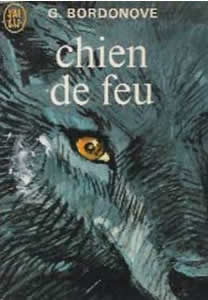
Sais-tu, loup, que
nous sommes pareils ? Nous appartenons à une race révolue, une race qui
doit disparaître. La terre donne une nouvelle floraison, dautres bêtes,
dautres hommes que nous. Il ne
doit plus y avoir de seigneurs bardés de fer derrière leurs créneaux, ni de loups
hurlant dans leurs bois. Cela fait
partie dun passé déjà mort. Nous nous survivons, toi et moi ; cest dire
que nous sommes condamnés. Mais quelle importance ? Nous avons eu nos
vies, nos plaisirs. Nous avons cru que cela devait durer toujours. Tes pairs,
dans les années qui sannoncent, périront par le poison. Les miens, par la
ruine. Cest chose douce que de comprendre ! Ainsi, tu vois, vieux loup,
nous nous affronterons, parce que ce sera dans notre rôle. Je tattaquerai, tu te défendras, tu feras front
et je te daguerai. Et puis...
Mais est-ce quon empêche leau de couler ? Est-ce quon arrête la marche
des saisons ? Je suis content que ce soit toi, car tu es brave et
dexpérience. Que les autres ne soient point venus à bout de ta malice !
Tu mattendais. Il y a entre nous un pacte, une convenance. Eh bien, si tu veux, que cela soit, et jouons
le jeu.
Annie: She has never once called me crazy.
Just before I started the first landscape work, as I stood looking out at the
lawn and the cornfield, wondering how it could look so different in daylight,
considering the notion of accepting it all as a dream and abandoning it, Annie
appeared at my side and her arm circled my waist. She leaned against me and
looked up, cocking her head like one of the red squirrels that scamper along
the power lines from the highway to the house. "Do it, love," she said
as I looked down at her, that slip of a girl with hair the color of cayenne
pepper and at least a million freckles on her face and arms, that girl who
lives in blue jeans and T-shirts and at twenty-four could still pass for
sixteen.
I thought back to when I first knew her. I came
to Iowa to study. She was the child of my landlady. I heard her one afternoon
outside my window as she told her girl friends, "When I grow up I'm going
to marry . . ." and she named me. The others were going to
be nurses, teachers, pilots, or movie stars, but Annie chose me as her
occupation. Eight years later we were married. I chose willingly, lovingly, to
stay in Iowa. Eventually I rented this farm, then bought it, operating it one
inch from bankruptcy. I don't seem meant to farm, but I want to be close to
this precious land, for Annie and me to be able to say, "This is
ours."
Now I stand ready to cut into the cornfield, to
chisel away a piece of our livelihood to use as dream currency, and Annie says,
"Oh, love, if it makes you happy you should do it." I carry her words
in the back of my mind, stored the way a maiden aunt might wrap a brooch, a
remembrance of a longlost love. I understand how hard that was for her to say
and how it got harder as the project advanced. How she must have told her
family not to ask me about the baseball field I was building, because they
stared at me dumb-eyed, a row of silent, thickset peasants with red faces. Not
an imagination among them except to forecast the wrath of God that will fall on
the heads of pagans such as I.
Der vom
Fähnleinführer niedergeschlagene Junge fragte unseren Lehrer, warum in unserer
Schule gelehrt würde, daß es Unterdrückung sei, wenn man den Hut des Herrn
Geßler grüßen müsse, und wollte wissen, warum man niedergeschlagen würde, wenn
man die Fahne nicht grüße, schließlich sei es doch dasselbe.
Wir saßen alle mucksmäuschenstill. Wir warteten auf Antwort, aber unser Lehrer
sagte nur: »Bestelle deinem Vater, er soll sich morgen Mittag beim Rektor
melden.« Ich habe nie erfahren, was bei der Unterredung herauskam. Mein Schulkamerad
schwieg hartnäckig, wenn wir ihn darauf ansprachen und als ich einmal merkte,
wie er heimlich weinte, hörten wir mit den Fragen auf.
Es wurde darüber getuschelt, der Rektor habe dem Vater gedroht, daß er ihn
wegen Verunglimpfung hoheitlicher Symbole anzeigen werde, wenn er weiterhin
darauf bestehen würde, für seinen Sohn Genugtuung zu fordern.
Daß es sogar lebensgefährlich war, die Hakenkreuzfahne nicht zu grüßen, beweist
der Fall des evangelischen Pfarrers Paul Schneider.
I broke an Internet password. Read the spaces
between the lines. Traced the implication of things. Guessed the unseen from
the seen. Judged the whole piece by the pattern. Surmised. Triangulated.
Extrapolated.
Anything that passed through my filter carries my shadows, my impri- matur. As
fact, it might be suspect, but as truth it is as close as I can get. If you
were the filter, your facts, or your memory of them, might be equally suspect,
but the truth, presupposing your honesty, or as close as you could get to it.
But you werent there, and I was, so fuck off.
I think I got it right.
Mostly.
And if I didnt, its the available version.
Of course it began with Edgar Parlance.
His death, and the obscene brutality of it, immediately captured the headlines
and the newsbreaks of the gluttonous 24/7 news cycle, searching as always for
the correct and visually gratifying metaphor to validate the American
experience, or, better yet, to provide a dark parable about that same
experience. It is my own feeling that life began going downhill with You give
us twenty-two minutes, well give you the world. I think I would have
preferred to live in the age of the pony express, allowing as it did, I would
like to think, a time for contemplation before action was deemed necessary.
24/7, plus the transitory involvement of a president looking for a way to act
presidential as the second term of his forgettable administration was winding
down to its unlamented conclusion, gave Edgar Parlances murder the push it
needed to become a major media event, bringing with it the usual suspects,
talking heads prattling about race hatred and the phenomenon of what they
insisted on calling Terror in the Heartland. It was a heartland that existed
only in their fevered imaginations, neighborly values and small-town ways,
stoked not by reality but by Oscar Hammerstein, we know we belong to the land,
and the land we belong to is grand. Crap, of course. This land was fertilized
with blood. Jesse and Frank James, Bonnie Parker and Clyde Barrow, killers all,
sanitized into public darlings by Tyrone Power and Henry Fonda, Warren Beatty
and Faye Dunaway.
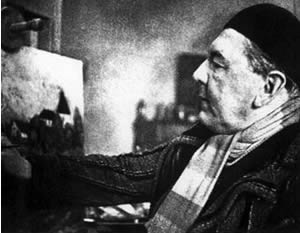
John
Gregory Dunne (25 mei 1932 30 december 2003)
Here I am, seated, with all my words,
like a basket of green fruit, intact.
The fragments
of a thousand destroyed ancient gods
seek and draw near each other in my blood. They long
to rebuild their statue.
From their shattered mouths
a song strives to rise to my mouth,
a scent of burned resins, some gesture
of mysterious wrought stone.
But I am oblivion, treason,
the shell that did not keep from the sea
even the echo of the smallest wave.
I look not at the submerged temples,
but only at the trees that above the ruins
move their vast shadow, with acid teeth bite
the wind as it passes.
And the seals close under my eyes like
the flower under the searching fingers of a blind man.
But I know: behind
my body another body crouches,
and round about me many breaths
furtively cross
like nocturnal beasts in the jungle.
I know: somewhere,
like the cactus in the desert,
a constellated heart of spines,
it is waiting for a name, as the cactus the rain.
But I know only a few words
in the lapidary language ,
under which they buried my ancestor alive.
Vertaald door
George D. Schade
Rosario
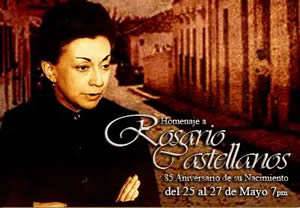
Castellanos (25 mei 1925 7 augustus 1974)
Les doux fantômes
de la nuit
Précipitant l'aube
À coups redoublés
De neiges immémoriales
D'images illicites
De tourments tournant
Dans le cercle épuisé
Des destructions définitives
Créant ces musiques sournoises
Du haut des collines
Vers les horizons perdus
Mais c'est en vain
Ô beaux fantômes blancs
Ô sourds fantômes vainqueurs
La Capitale absurde et choisie
Pour ce triste bonheur
Pour cette savante défaite
Pour la suprême illumination
C'est en vain ô mes doux fantômes
Votre dur sourire
Ne saura cerner
Que vos captifs d'hier
Westward, beyond the still pleasant, but even
then no longer solitary, hamlet of Charing, a broad space, broken here and
there by scattered houses and venerable pollards, in the early spring of 1467,
presented the rural scene for the sports and pastimes of the inhabitants of
Westminster and London. Scarcely need we say that open spaces for the popular
games and diversions were then numerous in the suburbs of the
metropolis,--grateful to some the fresh pools of Islington; to others, the
grass-bare fields of Finsbury; to all, the hedgeless plains of vast Mile-end.
But the site to which we are now summoned was a new and maiden holiday-ground,
lately bestowed upon the townsfolk of Westminster by the powerful Earl of
Warwick.
Raised by a verdant slope above the low,
marsh-grown soil of Westminster, the ground communicated to the left with the
Brook-fields, through which stole the peaceful Ty-bourne, and commanded
prospects, on all sides fair, and on each side varied. Behind, rose the twin
green hills of Hampstead and Highgate, with the upland park and chase of
Marybone,--its stately manor-house half hid in woods. In front might be seen
the Convent of the Lepers, dedicated to Saint James, now a palace; then to the
left, York House, [The residence of the Archbishops of York] now Whitehall;
farther on, the spires of Westminster Abbey and the gloomy tower of the
Sanctuary; next, the Palace, with its bulwark and vawmure, soaring from the
river; while eastward, and nearer to the scene, stretched the long, bush-grown
passage of the Strand, picturesquely varied with bridges, and flanked to the
right by the embattled halls of feudal nobles, or the inns of the no less
powerful prelates; while sombre and huge amidst hall and inn, loomed the
gigantic ruins of the Savoy, demolished in the insurrection of Wat Tyler.
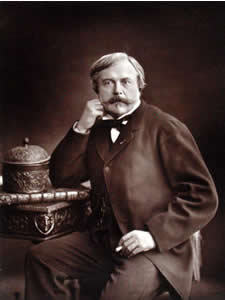
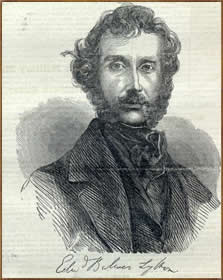
Edward Bulwer-Lytton (25 mei 1803 - 18 januari
1873)