Naar de inhoud

Romenu

Over literatuur, gedichten, kunst en cultuur
akke.beakke.be

Berichten van 19 maart 2011 tot 20 maart 2011

Jens Petersen, David Malouf, Friedrich Hölderlin, Benoît Duteurtre,Touré, Gerard Malanga

De Duitse schrijver en arts Jens Petersen werd geboren op 20 maart 1976 in Pinneberg. Zie ook  mijn blog van 20 maart 2007 en ook mijn blog van 20 maart 2009 en ook mijn blog van 20 maart 2010.


Uit: Bis dass der Tod


„Alex hebt den Taschenspiegel und sieht sein Zerrbild, schabt sich die Zähne mit einem geschnitzten Buchenstab, reibt sich die Achseln, befeuchtet das Gesicht und rasiert sich dann mit der letzten Klinge aus dem klammen Jutesack. Er sieht in den Spiegel und wischt das Blut weg, richtet sich schließlich auf, hustet und lauscht dem Schwingen der Schleimfäden in seinen Bronchien. Die Luft riecht nach Winter. Er stemmt die Hände in sein pochendes Kreuz, betrachtet die Türme des Heizkraftwerks am anderen Ufer, das Schwemmgut im Schilf – hagere Äste, ein schneebedecktes Stück Schutt, einen gefrorenen Fischkadaver. Er hustet noch einmal und spuckt in den Fluss.

Drüben, im Schatten der Brückenpfosten, steht der Wohnwagen. Die anderen Camper sind lange fort, kommen im Frühjahr wieder oder nie, da manche von ihnen längst alt geworden sind. Seine Lippen zittern. Zwei Stunden noch bis Mittag, denkt er. Er hat den schmalen Pfad geschippt, das Tonnenfeuer gelöscht, erneut den kargen Busch gestutzt und schließlich das alte Benzin aus dem Aggregat in eine Wasserflasche gefüllt. Über den Himmel ziehen Wolken. Am Uferweg hockt ein Hund.

Nachts hat er von Nana geträumt. Sie trug ihr Leichenhemd. Ihr Körper war winzig und dürr, mit Händen wie rostige Harken, flach aufeinandergelegt und gebunden über der trockenen Brust. Sie lag auf der Bahre in einem Raum mit kaltem elektrischem Licht. Als Alex schließlich aufgewacht war, lag er mit surrendem Kopf wie im Fieber und wälzte sich zwischen den stinkenden Decken herum. Er tastete nach ihrem Körper, zupfte den Schlafsack zurecht, nahm ihre Hand und strich darüber.“


 876099-8297a9c21f0f363f6ec18a293319abb9.jpg

Jens Petersen (Pinneberg, 20 maart 1976)


De Australische schrijver David Malouf werd geboren op 20 maart 1934 in Brisbane. Zie ook mijn blog van 20 maart 2007 en ook mijn blog van 20 maart 2008 en ook mijn blog van 20 maart 2009 en ook mijn blog van 20 maart 2010.


Uit: Remembering Babylon


„They had a blue kelpie with them. He bounced along with his tongue lolling, excited by the boy's solemn concentration but puzzled too that he could get no sense of what they were after: the idea of wolf had not been transmitted to him. He danced around the little party, sometimes in front, sometimes to the side, sniffing close to the earth, raising his moist eyes in hope of instruction, and every now and then, since he was young and easily distracted, bounding away after the clippered insects that sprang up as they approached, or a grasshopper that rose with a ponderous whirring and rolled sideways from his jaws. Then suddenly he did get the scent. With a yelp of pure delight he shot off in the direction of their boundary fence, and the children, all three, turned away to see what he had found.
Lachlan Beattie felt the snow melt at his feet. He heard a faint far-off rushing, like wind rolling down a tunnel, and it took him a moment to understand that it was coming from inside him.
In the intense heat that made everything you looked at warp and glare, a fragment of ti-tree swamp, some bit of the land over there that was forbidden to them, had detached itself from the band of grey that made up the far side of the swamp, and in a shape more like a watery, heat-struck mirage than a thing of substance, elongated and airily indistinct, was bowling, leaping, flying towards them.
A black! That was the boy's first thought. We're being raided by blacks. After so many false alarms it had come.
The two little girls stood spellbound. They had given a gasp, one sharp intake of breath, then forgotten to breathe out. The boy too was struck but had begun to recover. Though he was very pale about the mouth, he did what his manhood required him to do. Holding fast to the stick, he stepped resolutely in front.
But it wasn't a raid, there was just one of them; and the thing, as far as he could make it out through the sweat in his eyes and its flamelike flickering, was not even, maybe, human.“


876099-17ccfc57e7d1b326b7fe125d0051934c.jpg
David Malouf (Brisbane, 20 maart 1934)


De Duitse dichter en schrijver Johann Christian Friedrich Hölderlin werd geboren op 20 maart 1770 in Lauffen am Neckar in het Hertogdom Württemberg. Zie ook mijn blog van 20 maart 2007 en ook mijn blog van 20 maart 2008 en ook mijn blog van 20 maart 2009 en ook mijn blog van 20 maart 2010.


Der Frühling


Wie selig ists, zu sehn, wenn Stunden wieder tagen,

Wo sich vergnügt der Mensch umsieht in den Gefilden,

Wenn Menschen sich um das Befinden fragen,

Wenn Menschen sich zum frohen Leben bilden.


Wie sich der Himmel wölbt, und auseinander dehnet,

So ist die Freude dann an Ebnen und im Freien,

Wenn sich das Herz nach neuem Leben sehnet,

Die Vögel singen, zum Gesange schreien.


Der Mensch, der oft sein Inneres gefraget,

Spricht von dem Leben dann, aus dem die Rede gehet,

Wenn nicht der Gram an einer Seele naget,

Und froh der Mann vor seinen Gütern stehet.


Wenn eine Wohnung prangt, in hoher Luft gebauet,

So hat der Mensch das Feld geräumiger und Wege

Sind weit hinaus, daß Einer um sich schauet,

Und über einen Bach gehen wohlgebaute Stege.


Der Frühling


Die Sonne glänzt, es blühen die Gefilde,

Die Tage kommen blütenreich und milde,

Der Abend blüht hinzu, und helle Tage gehen

Vom Himmel abwärts, wo die Tag' entstehen.


Das Jahr erscheint mit seinen Zeiten

Wie eine Pracht, wo Feste sich verbreiten,

Der Menschen Tätigkeit beginnt mit neuem Ziele,

So sind die Zeichen in der Welt, der Wunder viele.


Der Sommer


Das Erntefeld erscheint, auf Höhen schimmert

Der hellen Wolke Pracht, indes am weiten Himmel

In stiller Nacht die Zahl der Sterne flimmert,

Groß ist und weit von Wolken das Gewimmel.


Die Pfade gehn entfernter hin, der Menschen Leben,

Es zeiget sich auf Meeren unverborgen,

Der Sonne Tag ist zu der Menschen Streben

Ein hohes Bild, und golden glänzt der Morgen.


Mit neuen Farben ist geschmückt der Gärten Breite,

Der Mensch verwundert sich, daß sein Bemühn gelinget,

Was er mit Tugend schafft, und was er hoch vollbringet,

Es steht mit der Vergangenheit in prächtigem Geleite.


 876099-03fcff852274062fb3cd7a91e26b0dbf.jpg

Friedrich Hölderlin (20 maart 1770 – 7 juni 1843)

Monument uit 1873 in Lauffen am Neckar


De Franse schrijver Benoît Duteurtre werd geboren op 20 maart 1960 in Saint-Adresse nabij le Havre. Zie ook mijn blog van 20 maart 2009 en ook mijn blog van 20 maart 2010.


Uit: Retour du Général


„Devant ces corps uniformément vêtus à la mode mondiale, nous cherchons à saisir certains détails significatifs, une posture volontaire ou nonchalante, une façon de s'exprimer avec certains gestes ; et notre analyse nous trompe rarement, parce qu'un Européen ne marche pas exactement comme un Américain, un Anglais ne porte pas ses vêtements comme un Français, un Italien ne parle pas comme un Allemand. (…) Dès notre première rencontre dans un bar d'East Village, Bruce s'était enchanté du fait que - sous mes taches de rousseur irlandaises - je puisse avoir un style intégralement français : les gestes de main ponctuant mes phrases, ce bon genre bourgeois un peu artiste… Sa réaction m'amusait. Dans mes années de ferveur gauchiste, cela m'aurait horrifié d'être structurellement français. Il me semble désormais que je ne déteste pas cette idée : non pour revendiquer un titre légitime que j'aurais le droit de refuser aux autres ; mais plutôt comme un héritage mystérieux dont je découvre, au fil du temps, combien il me colle à la peau ; en quoi il constitue une limite, mais en quoi il recouvre aussi des richesses qui peuvent même se cultiver avec un peu de fierté. Je ne parle pas seulement de ce vieux sentiment qu'on appelait autrefois le patriotisme, mais d'une contribution à la diversité du monde où il me sera toujours plus agréable d'entendre chanter le russe ou l'italien que de subir, dans un mauvais anglais, les clichés de la « Star Academy». (…) Que veut dire au juste être français ? Non pas légalement, bien sûr ; non pas juridiquement ; mais que signifie le fait de « se sentir français » ? Une de mes amies, mi-alsacienne, mi-vendéenne par ses origines, m'affirme qu'elle ne se sent pas du tout française : ce pays n'est pour elle que le sanglant persécuteur des anciennes provinces.“


876099-02985e9308a8c9aa4d957cb91b66aa2a.jpg
Benoît Duteurtre (Saint-Adresse, 20 maart 1960)


De Afrikaans-Amerikaanse schrijver, journalist en cultuurcriticus Touré werd geboren op 20 maart 1971 in Milton, Massachusetts. Zie ook  mijn blog van 20 maart 2007 en ook mijn blog van 20 maart 2009 en ook mijn blog van 20 maart 2010.


Uit: Soul City


„The Washeteria on Badass Ave had its own DJ so you could dance while you dried. And it made perfect sense that in a world where bad means good, the traffic signals used green for stop and red for go.

On Irie Way and Downhome Drive he found flowers leaping up through the sidewalks. They were American beauties and African violets, more vibrant, fragrant, and giant than any he'd ever seen. He bent and saw their roots were buried beneath the concrete. The flowers had confronted the pavement and punched through it, undeterrable in their desire to get closer to the sun. Bent low, he could see the little speakers that had been built into the sidewalks all over town. First he heard Satchmo think to himself what a wonderful world, then Bob spoke of redemption songs, then James proclaimed he was Black and he was proud. There was an easy vibe to the place, as if everything in the world were possible and there was all the time in the world to do it, for Soul City minutes were ninety seconds long. Cadillac tried to scribble a few words that would capture the scene, but nothing came.“


 876099-8930b3570171aed729b87d6c3e5e83c4.jpg

Touré (Milton, 20 maart 1971)


De Amerikaanse dichter en fotograaf Gerard Joseph Malanga werd geboren op 20 maart 1943 in New York. Zie ook  mijn blog van 20 maart 2007 en ook mijn blog van 20 maart 2009  en ook mijn blog van 20 maart 2010.


The Nature of Violent Storms (Fragment)


Slowly the clouds came to be mentioned,

Moving in so that of the sky only searchlights remained.

Those are roads when we accept the way we are going,

Always steering towards safety,

Problems to become painless, possible to trap into belief;

But the new reality of sight had only recently surrendered.

The quiet airshaft becomes private in a gentle way to be useful.

Now it was to be confirmed;

There was no time to give

Into the comprehension of the road

Signs, the cross signals, everything submerged in the trees.

Ever since the graduation there has been this public

Notice to everything

Static. We shall never have known the wind

In the car of our mishap from whatever was sensed of the danger

To wish it would cause us to live.

The photos will only produce small notice of caution before impulse.

We go forth into the collision.

What had you been putting together

The coat freshly bloodied

I go on leaving you like clouds but

There's a remarkable assurance in the way of all this

You were not asked to leave, yet received the prize

All the way into the cheese

Cake, the yellow carnation.


 876099-105ed6a72effd3d404aa497977cf620c.jpg

Gerard Malanga (New York, 20 maart 1943)

Andy Warhol en Gerard Malanga in 1963


Zie voor nog meer schrijvers van de 20e maart ook mijn vorige blog van vandaag en eveneens mijn eerste blog van vandaag.
Geschreven door Romenu om 19:32 Reageer op dit bericht

Ricus van de Coevering, Christoph Ransmayr, Henrik Ibsen, Henning Heske, Peter Berling

De Nederlandse schrijver Ricus van de Coevering werd op 20 maart 1974 in Asten geboren. Zie ook mijn blog van 20 maart 2010.


Uit: Sneeuweieren


„Nadat Olga de muziekstandaard opzij had gezet en de voordeur voor het eerst sinds weken had geopend – een tochtvlaag gleed de hal in, vellen bladmuziek waaiden over de tegels –, liep ze over het grindpaadje tussen de stokrozen door naar de weg.

‘David?’ riep ze. ‘Daaa-vid!’

Het meer in de verte weerspiegelde de grijze wolken. Vroeger, als schoolmeisje, ging ze er wel met de klas schaatsen. Op een keer bleef ze met een paar vriendinnen achter. Toen het begon te schemeren, kon ze rond het meer blauwachtige schimmen zien rondwaren. Ze wist wel dat het fosfor was, maar toch vond ze het akelig. Ze moest denken aan het lijk dat eens in een turfgat was gevonden. Uit onderzoek bleek dat de man veertienhonderd jaar in het zuurstofarme veen bewaard was gebleven. Er was een artikel over hem in de krant verschenen. Hij was een zendeling uit het zuiden geweest met een kruisje aan een ketting rond zijn hals. Op zijn reis had hij wat zinken pannen meegenomen om onderweg te verkopen en ondertussen te vertellen over Gods paradijs. De primitieve, zelfvoorzienende boeren in deze streek hadden hem vermoedelijk niet geloofd. Ze hadden hier hun eigen goden, heksen en demonen. Misschien moesten ze eerst om hem lachen, maar werden ze bang toen hij volhield. Hadden ze hem ’s nachts het moeras in gejaagd? Olga kon zich voorstellen hoe het gerinkel van zijn pannen in de duisternis moest zijn weggestorven. Tweehonderd jaar later verschenen de eerste houten kerktorens in de dorpjes.

Inmiddels lag de zendeling in een glazen kistje in het museumpje van Ampel opgebaard. Olga was eens met David gaan kijken. David had gefascineerd naar het lijk van de man gestaard, waarvan de huid verschrompeld en gedroogd was als de afgeworpen huid van een slang. David zei dat hij niet begreep waarom de man zijn geloof was blijven verdedigen. Waarom had hij niet gezegd dat God niet bestond? En dat het verhaal over de hemel een grap was? Dan had hij de volgende ochtend naar een dorp verderop kunnen lopen om te zien of ze hem daar wél geloofden.“


 876092-dba88cda5e62dd88ba023fba98988214.jpg

Ricus van de Coevering (Asten, 20 maart, 1974)


De Oostenrijkse dichter en schrijver Christoph Ransmayr werd geboren op 20 maart 1954 in Wels. Zie ook  mijn blog van 20 maart 2007 en ook mijn blog van 20 maart 2008 en ook mijn blog van 20 maart 2009 en ook mijn blog van 20 maart 2010.


Uit: Die Schrecken des Eises und der Finsternis


„Rings um den einsamen Scheitel des Nordpols stehen in der Form von Steinpyramiden die Markzeichen an jenen Punkten, bis zu welchen der rastlose Unternehmungsgeist der Menschen vorgedrungen ist. In seinem Zenith schwebt die geringe Möve, dem harpunenverfolgten Geschlecht der Robben gönnt er auf seinen Eisflößen eine sichere Freistätte des Lebens; - nur als Entdeckungsziel hat er sich bisher unnahbar erwiesen.
Wie jede Entwicklung nur allmählig fortschreitend zu größeren Zielen reift, so hat sich auch die schwache kosmogenetische Dämmerung nur langsam ausgebreitet, von der homerischen Erdscheibe aus über das Land der Hyperboräer; erst nach Jahrtausenden überwand der Wissensdrang die Schrecken des Nordpols, mit welchen die Araber schon Sibirien erfüllt dachten. Rings um das sonnige Morgenland lag die Welt Jahrtausende unter Wahnbegriffen und Fabeln begraben, welche nur die ethische Erhebung der ältesten Dichterphilosophen der naiven Trivialität alles Unreifen entriß.“


 876092-f003c379ea5f7ae506337037b0eceea5.jpg

Christoph Ransmayr (Wels, 20 maart 1954)


De Noorse toneelschrijver en dichter Henrik Johan Ibsen werd geboren op 20 maart 1828. Zie ook mijn blog van 20 maart 2007 en ook mijn blog van 20 maart 2008 en ook mijn blog van 20 maart 2009 en ook mijn blog van 20 maart 2010.


Bei Port Said


Des Südens Zelt

Im Morgen erblaßte;

Alle Flaggen der Welt

Wehten vom Maste.

Von allen Gallionen

Scholl Ein Choral;

Tausend Kanonen

Tauften den Kanal.


Die Flotte zog

Durchs Wellengebrause.

Eine Neuigkeit flog

Mir zu von zuhause.

Ich hatte für Streber

Einen Spiegel geputzt; –

Da hatten den Geber

Gesellen beschmutzt.


Gift und Gestank,

Fäuste geballte.

Sterne, habt Dank, –

Mein Land ist das alte!

Wir riefen das Schiff an,

Ein Gruß über See,

Ich plauderte, griff an

Den Hut und – ade!


Ohne Hast, ohne Rast,

Trotz aller Pygmäen,

Als Ehrengast

Durch die »Bitter-Seen«!

Wenn aus es tagte,

Komm' träumend ich an,

Wo Pharao klagte

Und Moses gewann.


Mein junger Wein


Du fühltest dich, als jungen Wein,

In mir, als Tonne, pochen.

Du duftetest süß, du perltest fein,

Du gärtest heiß, und du warst mein; –

Da ward der Prozeß unterbrochen.


Es stahl mir meinen Wein ein Wicht;

Der Rest gärt wie höllische Flammen.

Doch knall' ich dir nicht ins Gesicht;

Ich explodiere, Liebchen, nicht; –

Ich falle bloß zusammen.


876092-3bf69c5fcb2ee7bd85fb26546bc5c336.jpg
Henrik Johan Ibsen (20 maart 1828 – 23 mei 1906)


De Duitse dichter en essayist Henning Heske werd geboren op 20 maart 1960 in Düsseldorf. Zie ook mijn blog van 20 maart 2007 en ook mijn blog van 20 maart 2008 en ook mijn blog van 20 maart 2009 en ook mijn blog van 20 maart 2010. 


Partikelwolken


Programmierte Lacke und intelligenter Staub
vom molekularen Fließband. Die Form
folgt der Funktion. Selbstreproduktive Maschinen
im Reich der Zwerge. Fantastische Reisen
durch die Blutbahn. Der Geist
im Quantenspiegel des Nanokosmos.
Roboterschwärme – selbstisolierende Röhren
auf Trägerblocks. Amorphe Kügelchen,
Latexperlen und magnetische Marker.
Unten gibt es noch viel Platz.
In abweichender Geometrie alles
atomar neu gestrickt: ultradünner Draht wie
Bakterienkompass. Genetische Sonden durchforsten
Bibliotheken bekannter DNA-Sequenzen.


876092-f0f4d68fb6d0128f747764a1e0acfec1.jpg
Henning Heske (Düsseldorf,  20 maart 1960)


De Duitse schrijver, filmproducent en acteur Peter Berling werd geboren op 20 maart 1934 in Meseritz-Obrawalde. Zie ook mijn blog van 20 maart 2009 en ook mijn blog van 20 maart 2010.


Uit: Das Paradies der Assassinen


„Eine ähnlichkeit war zwischen den beiden – trotz des gönnerhaften verhältnisses – nicht festzustellen, der Knabe war wesentlich hellhäutiger als der ihn beschützende Fleischberg, dessen züge einen leicht negroiden einschlag aufwiesen. als er sich jetzt umständlich von seinem turban befreite, um sich stöhnend den schweiß von der glatze zu wischen, drehte sich der Knabe zu ihm um und konnte ein lächeln nicht ver bergen. »ganz schön heiß, was?«, feixte er.

»Schau gefälligst nach vorn, sayf!«, fuhr der Dicke den Knaben ungnädig an.

»Das tut das Kamel für mich, onkel An-nasir«, gab der frech über die schulter zur Antwort, »und zwar von ganz allein!

« Dennoch leistete sayf der Aufforderung Folge und trieb mit leichten schlägen und abgehackten Zurufen sein tier an, um beim onkel keinen unmut aufkommen zu lassen. sie ritten auf der östlichen seite des orontes, allerdings reichlich Abstand zu seinem ufer und der ihm folgenden straße haltend und so die bewohnten Dörfer am Fluss umgehend.

Der Weg durch das unebene gelände bedingte das gemächliche tempo der reisenden, aber es war auch der voranreitende Hagere, der es bestimmte. Als er sah, dass sayf fast zu ihm aufgerückt war, knurrte er sofort: »Halt dich zurück, Knabe!«, um dann doch erklärend hinzuzufügen: »Wir wollen nicht auffallen.«


 876092-9a8df69038639eeba90fb723b411135b.jpg

Peter Berling (Meseritz-Obrawalde, 20 maart 1934)

Geschreven door Romenu om 19:22 Reageer op dit bericht

Josef Reding, Andrée Chedid, Ovidius, Ralph Giordano, Alicia Kozameh

De Duitse schrijver Josef Reding werd geboren op 20 maart 1929 in Castrop-Rauxe. Zie ook mijn blog van 20 maart 2009 en ook mijn blog van 20 maart 2010.


Uit: Erfindungen für die Regierung und andere Satiren


„Eine Gartenlaube für den Bundespräsidenten. Das organische Rankenwerk, das einstens unseren Vorvätern mit Wein und Efeu Zuflucht gewährte, wird angemessen ersetzt durch künstliche Lianen, billig gewonnen aus dem Tonband-Geschlingsel jener unzählbaren und unsagbaren Reden, die zur Hundertjahrfeier örtlicher Kaninchenzuchtvereine und bei Eröffnungszeremonien des Kongresses internationaler Andenkenverkäufer in der rhetorischen Kunstgewerbeabteilung des Präsidialamtes bestellt wurden. Die Vorhänge aus den Bändern, die von den Funkhäusern sicher mit Kusshand zum Fenster hinausgeworfen werden, sind bewusst dicht gehalten, um auch die letzten Möglichkeiten eines etwaigen Weitblicks endgültig schwinden zu lassen.
Im Zentrum der Anlage ist ein "Café Chancellor" etabliert, dessen Leitung der Bundeskanzler gewiss gern zu seinen bisherigen Offizien übernehmen wird. Es fehlen weder ein Espressogerät für kalten Kaffee noch eine Raucherbar für starken Tabak. Rechts vom Porträt Bismarcks in der Stammtischecke hängen niedlich gerahmte Wandsprüche wie "Die Lage war noch nie so ernst" und "Ich bin, wer ich bin", links davon berühmte letzte Worte wie "Seid nett zueinander" und "Eisern, aber mild!" Eine Vitrine soll den Häuptlingsschmuck der Plattfuß-Indianer, eine erweiterungsfähige Sondergarderobe die Ehrendoktorhüte bewahren. Ein livrierter Hinausschmeißer am Portal des Cafes sorgt für Gemütlichkeit der Ministerrunde.“


876088-688b771f1acc71a117f87b68cca187e4.jpg
Josef Reding (Castrop-Rauxe,
20 maart 1929)


De Frans-Libanese dichteres en schrijfster Andrée Chedid werd geboren op 20 maart 1920 in Caïro. Zie ook mijn blog van 20 maart 2009 en ook mijn blog van 20 maart 2010.


Uit: Lettres à la jeunesse


„Etre lucide dans ce choix ; les chemins sont semés d'embûches et de barrières qu'il faut s'apprêter à enjamber, à franchir.

Dans sa lettre à un jeune poète, Rainer Maria Rilke écrit quelques phrases essentielles, inscrites dans ma chair et que je ne pourrai jamais oublier.


"Vous vous demandez si vos vers sont bons. Vous me le demandez à moi. Vous l'avez déjà demandé à d'autres. Vous les envoyez aux revues… Désormais (puisque vous m'avez permis de vous conseiller) je vous prie de renoncer à tout cela… Personne ne peut vous apporter conseil ou aide, personne. Il n'est qu'un seul chemin. Entrez en vous-même, cherchez le besoin qui vous fait écrire : examinez s'il pousse des racines au plus profond de votre cœur… Mourriez-vous s'il vous était défendu d'écrire …. Creusez en vous-même vers la plus profonde réponse, si vous pouvez faire front à une aussi grave question par un fort simple "je dois". Alors construisez votre vie selon cette nécessité."


Ce choix n'exclura pas les grandes causes humaines, dont on demeure forcément à l'écoute. Il ne s'agit pas de moraliser, ou de se poser comme donneur de leçons. Rilke confie à chacun ses propres rêves, sa propre direction, ses propres responsabilités. Choix, indépendance, liberté font partie de ce questionnement, ils en sont même les clefs.“


 876088-ebdb4c48b41bb149a816da0e1509f5b5.jpg

Andrée Chedid (Caïro, 20 maart 1920)


De Romeinse dichter Publius Ovidius Naso werd geboren op 20 maart 43 v. Chr. uit een welgestelde ridderfamilie te Sulmo, nu het stadje Sulmona. Zie ook mijn blog van 20 maart 2007 en ook mijn blog van 20 maart 2008 en ook mijn blog van 20 maart 2009 en ook mijn blog van 20 maart 2010.


Uit: Apollo en Daphne (Metamorphoses I, 452-567, vertaald door M. d'Hane-Scheltema)


„Vaak had haar vader al gezegd: 'Geef mij een schoonzoon, meisje', vaak had haar vader ook gezegd: 'Geef mij toch kleinzoons, kind', maar zij, de huwelijksfakkels hatend als een boze misdaad,toonde hem dan haar meisjesmooi gelaat vol blozend schaamrood en met haar vleiend-zoete armen om haar vaders halssmeekte zij: 'Laat mij, lieve vader, voor mijn hele leven een maagd zijn, net als Artemis-háár vader stond dat toe.'En hij stemt toe, dat wel, maar juist haar meisjesschoon verbiedt haar te blijven wat zij wil, haar gratie strookt niet met haar wens.Bij 't eerste zien begeert Apollo haar, droomt hij van Daphne, jaagt die begeerte ook na en faalt in eigen zienersgaven... Zoals na 't oogsten dunne halmen worden weggebrand, zoals soms heggen laaien, wanneer reizigers hun fakkelste dicht erlangs doen gaan of achterlaten 's ochtends vroeg, zo raakte onze god in vuur en vlam, zo stond hij gloeiend in lichterlaaie en gaf zijn hopeloze liefde hoop. Hij ziet haar onverzorgde lokken langs haar schouders vallen en denkt 'hoe fraai als zij die opbond', ziet de gloed die uit haar sterrenfonkelende ogen straalt, en ziet die lippen die meer te bieden hebben, prijst haar vingers, handenpaar, haar armen die tot bijna aan de schouders onbedekt zijn; wat wel bedekt is, droomt hij zich nog mooier.“


876088-6e0d65f41ebd24a9b3ffe2db02fb286a.jpg
Ovidius (20 maart 43 v. Chr. - 17 na Chr.)

Bernini’s  Apollo en Daphne door Jean Etienne Liotard, Rijksmuseum


De Duitse schrijver en journalist Ralph Giordano werd op 20 maart 1923 in Hamburg geboren. Zie ook mijn blog van 20 maart 2009


Uit: Mein Leben ist so sündhaft lang


"Seit langem spüre ich deutlich ein schlechtes Gewissen beim Anblick von Leuten, die viel jünger sind als ich, deren Körper ihnen aber offensichtlich mehr zusetzt als mir der meine. Was heftig an mein besseres Ich appelliert. Wenn mir also Menschen begegnen, die gebückt gehen, auf einen Stock gestützt oder an die Ehefrau, den Ehemann gelehnt, darunter manch zu Herzen gehendes Bild, dann bremse ich mein Tempo unwillkürlich ab und verfalle von mir aus in invalide Haltungen, um nicht den strammen Max zu spielen, den Playboy vom Dienst, der vom Jungbrunnen genascht hat und sich unverschämterweise für unsterblich hält."


876088-cba720d4a8a66f890c2d33a149810ad7.jpg
Ralph Giordano (Hamburg, 20 maart 1923)


De Argentijnse schrijfster Alicia Kozameh werd geboren op 20 maart 1953 in Rosario. Zie ook mijn blog van 20 maart 2009


Uit: Alcira in Yellows (Vertaald door David E. Davis)


„Yellow, the cadmium sun as the summer of ‘58 waned, that sun, a March splotched with dark moles, when Alcira, in some part of her brain in the process of understanding, has placed the certainty, the conviction of her five years of age; I can feel them, all of them, all five of them, they say I turn five, and I believe it. The air, scumbled by the reek issuing from the far from abstract smokestacks, slathering mustard heat across the industrial and fugitive Rosario sky, watches Alcira. It examines her closely, describes her for itself, and tries to understand her. It dares to question her and to analyze her parts, and to return her intact to the way she began. Thanks, Alcira must be feeling without really having any other choice, thanks to this air I’m still whole, thanks to the moving air, that comes and goes, that circulates through the neighborhood of her five years of age, thanks to this air she is able to recognize herself, form a certain idea of herself, despite the ambivalence, despite the streams of messages, stories and signs.

Alcira looks among the darkened and parallel lines that spool through the sky from one street corner to street corner, she looks among those lightwires that scare me when it starts to rain, that get me excited, that make me want to laugh, jump for joy, since they’re staffs, musical score, the last one they bought me, those electric wires are a great big musical score surrounding me, whirling around me, going crazy and wrapping me up, making me all dizzy, the wires that carry the movement, the speed my ten fingers run across the piano with, they put that craziness in my hands and make them shake, letting the music spill forth. The scores that Alcira loves because they are music, the scores she can’t stand because they are the tool her piano teacher flaunts, waves in her face, so she can’t play her own tunes. The ones Alcira makes up in the middle of those nights when a sound can’t be heard.


 876088-8331569b98875383e6e5818ce19a9c0a.jpg

Alicia Kozameh (Rosario, 20 maart 1953)

Geschreven door Romenu om 19:15 Reageer op dit bericht

Herinnering aan Hugo Claus

Gisteren was het drie jaar geleden dat de Belgische dichter-schrijver-kunstenaar-filmer Hugo Claus  overleed. Zie ook mijn blog van 5 april 2007 en ook mijn blog van 5 april 2008 en ook mijn blog van 19 maart 2008 en ook mijn blog van 5 april 2009 en ook mijn blog van 20 maart 2009 en ook mijn blog van 5 april 2010


Ik draag van alles


Ik draag van alles, brood, kaas
een bom of een verminkte kat.
Dragen is mijn redding.

Ook van binnen draag ik,
vragen, tranen, gedaas
en een karrenvracht solaas.

Als ik niet draag
is er een gemis
dat niet te dragen is.

Het dood dier dat ik droeg
heeft mij gelikt
tot ik geen gezicht meer had.


 876021-5ad9f9e5bf76c969756bbd07fd04afb5.jpg

Hugo Claus (5 april 1929 – 19 maart 2008)
Geschreven door Romenu om 16:49 Reageer op dit bericht

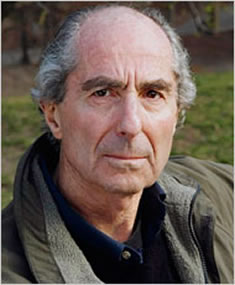
Philip Roth, Lynne Sharon Schwartz, Hans Mayer, William Allingham, Lina Kostenko, Kirsten Boie

De Amerikaanse schrijver  Philip Roth werd geboren op 19 maart 1933 in Newark. Zie ook mijn blog van 19 maart 2007 en ook mijn blog van 19 maart 2008 en ook mijn blog van 19 maart 2009 en ook mijn blog van 19 maart 2010.


Uit: Nemesis


„Summers were steamy in low-lying Newark, and because the city was partially ringed by extensive wetlands - a major source of malaria back when that, too, was an unstoppable disease - there were swarms of mosquitoes to be swatted and slapped away whenever we sat on beach chairs in the alleys and driveways at night, seeking refuge out of doors from our sweltering flats, where there was nothing but a cold shower and ice water to mitigate the hellish heat. This was before the advent of home air conditioning, when a small black electric fan, set on a table to stir up a breeze indoors, offered little relief once the temperature reached the high nineties, as it did repeatedly that summer for stretches of a week or ten days. Outdoors, people lit citronella candles and sprayed with cans of the insecticide Flit to keep at bay the mosquitoes and flies that were known to have carried malaria, yellow fever, and typhoid fever and were believed by many, beginning with Newark's Mayor Drummond, who launched a citywide "Swat the Fly" campaign, to carry polio. When a fly or a mosquito managed to penetrate the screens of a family's flat or fly in through an open door, the insect would be doggedly hunted down with fly swatter and Flit out of fear that by alighting with its germ-laden legs on one of the household's sleeping children it would infect the youngster with polio. Since nobody then knew the source of the contagion, it was possible to grow suspicious of almost anything, including the bony alley cats that invaded our backyard garbage cans and the haggard stray dogs that slinked hungrily around the houses and defecated all over the sidewalk and street and the pigeons that cooed in the gables of the houses and dirtied front stoops with their chalky droppings. In the first month of the outbreak - before it was acknowledged as an epidemic by the Board of Health - the sanitation department set about systematically to exterminate the city's huge population of alley cats, even though no one knew whether they had any more to do with polio than domesticated house cats.“


 875538-d83c632bd243bad9a6711321ea9a0e7f.jpg

Philip Roth (Newark, 19 maart 1933)


De Amerikaanse schrijfster Lynne Sharon Schwartz werd geboren op 19 maart 1939 in New York. Zie ook mijn blog van 19 maart 2009 en ook mijn blog van 19 maart 2010.


Uit: Leaving Brooklyn


„This is the story of an eye, and how it came into its own.

“You were perfect when you first came out,” my mother insisted. But between the moment of my birth and her next inspection I suffered an injury to my right eye. How it occurred is a mystery. Some blunder made in handling was all she would murmur—drops, doctors, nurses, vagueness: “These things happen.” My mother probably didn’t know the details of the eye injury—if it was an injury—for it would have been sacrilege for her to have questioned a doctor at that time and in that place, Brooklyn on the eve of war, a locus of customs and mythologies as arbitrary and rooted as in the Trobriand Islands or the great Aztec city of Teotihuacán where ritual sacrifices were performed monthly, the victims’ blood coursing down the steps of the great Pyramid of the Sun. In comparison, my damage was minor.

Her vagueness still puzzled me, though, because her favorite retort, when she suspected me of lying, was “To thine own self be true.” As it happened, lying was not my style; I leaned more towards omission. But she was canny; she knew when some-thing was missing or out of kilter. So did I, and so I found her phrase suspicious. “To thine own self be true,” on her lips, meant that though I might persist in lying to her, I had better be honest with myself. Yet she used it to pry out the truth, the whole truth. Shouldn’t she have investigated the matter of the eye, likewise, to be true to herself?

(“Not she. Don’t call her she,” I can already hear my father interrupting, not understanding that the “she” is a form of war-like intimacy, referring to someone so close she doesn’t require a noun, someone on the embattled ground between first and third person, self and other. “Call her your mother.” Very well, my mother.)“


875538-80c9b02fe355247ee611b4f1c6c788c4.jpg
Lynne Sharon Schwartz (New York, 19 maart 1939)


De Duitse literatuurwetenschapper, schrijver, criticus, jurist en socioloog Hans Mayer werd geboren op 19 maart 1907 in Keulen. Zie ook mijn blog van 19 maart 2008 en ook mijn blog van 19 maart 2009 en ook mijn blog van 19 maart 2010.


Uit: Georg Büchner in unserer Zeit


“Georg Büchner unterscheidet sich von den Versuchen der Goethezeit, eine Totalität der Hervorbringungen anstreben zu wollen, insofern, als – von Lessing oder Goethe bis Hebbel diese Totalität nur eine Totalität der Literatur war. Man wollte sich in allen Bereichen der Literatur bewähren,

aber eben vor allem doch nur der Literatur. Bei Büchner ist die Totalität der Lebensinteressen

wesentlich stärker. […]

Eine vierte Besonderheit Büchners gegenüber den meisten seiner literarischen Zeitgenossen ist,

daß sein Denken auch in der Literatur sehr wesentlich das Denken eines Naturwissenschaftlers und

nicht eines Geisteswissenschaftlers ist. […]

Ein fünftes besonderes Element, das Büchners Einzigartigkeit erläutern könnte: Im Gegensatz zu den meisten seiner Zeitgenossen, und vielen seiner Nachfolger, ist Büchner einer der wenigen deutschen Autoren, die etwas von französischer Tradition verstanden. […] Die französische Revolution

samt ihren Folgen wurde Bestandteil seines eigenen Denkens und Schaffens, und das mitten in einer Zeit, da fast alle Zeitgenossen Büchners einer etwas nachromantischen und einfältigen Deutschtümelei nachzuhängen pflegten.

[…] Bei Büchner gibt es bereits eine Vorwegnahme von Gedanken des sogenannten utopischen

Sozialismus. Darin ist er mit seinem Zeitgenossen Heinrich Heine durchaus konform.

Aber im Gegensatz zu Heine, sehr im Gegensatz zu Heine, ist bei Büchner das Interesse am Denken der utopischen Sozialtheoretiker gekoppelt mit dem Interesse an der realen Arbeiterbewegung, an elenden Verhältnissen der Arbeiterschaft, die er kaum in Deutschland kennenlernte, wo die Anfänge der Industrialisierung sich zögernd vollzogen, aber sehr genau in Frankreich studiert hatte. 1831 gab es den berühmten Aufstand der Seidenweber von Lyon, die erste große Manifestation der Arbeiterbewegung in der europäischen Geschichte oder überhaupt in der modernen Sozialgeschichte.


 875538-a8569b65710ec30a7976cae422b54507.jpg

Hans Mayer (19 maart 1907 – 19 mei 2001)


De Ierse dichter William Allingham werd geboren op 19 maart 1824 in Ballyshannon, Donegal. Zie ook mijn blog van 19 maart 2007 en ook mijn blog van 19 maart 2008 en ook mijn blog van 19 maart 2009 en ook mijn blog van 19 maart 2010.


The Fairies


Up the airy mountain,

Down the rushy glen,

We daren’t go a-hunting

For fear of little men;

Wee folk, good folk,

Trooping all together;

Green jacket, red cap,

And white owl’s feather!


Down along the rocky shore

Some make their home,

They live on crispy pancakes

Of yellow tide-foam;

Some in the reeds

Of the black mountain lake,

With frogs for their watch-dogs,

All night awake.


High on the hill-top

The old King sits;

He is now so old and gray

He’s nigh lost his wits.

With a bridge of white mist

Columbkill he crosses,

On his stately journeys

From Slieveleague to Rosses;

Or going up with music

On cold starry nights

To sup with the Queen

Of the gay Northern Lights.


They stole little Bridget

For seven years long;

When she came down again

Her friends were all gone.

They took her lightly back,

Between the night and morrow,

They thought that she was fast asleep,

But she was dead with sorrow.

They have kept her ever since

Deep within the lake,

On a bed of flag-leaves,

Watching till she wake.


By the craggy hill-side,

Through the mosses bare,

They have planted thorn-trees

For pleasure here and there.
If any man so daring

As dig them up in spite,
He shall find their sharpest thorns

In his bed at night.


Up the airy mountain,

Down the rushy glen,

We daren’t go a-hunting

For fear of little men;

Wee folk, good folk,

Trooping all together;

Green jacket, red cap,

And white owl’s feather!


 875538-09af6e2c34d8cf83e71f833ddeb9643a.jpg

William Allingham (19 maart 1824 – 18 november 1889)

Portret door Helen Allingham (Paterson), 1876


De Oekraïense schrijfster en dichteres Lina Kostenko werd op 19 maart 1930 geboren in Rzhyshchiv. Zie ook mijn blog van 19 maart 2007 en ook mijn blog van 19 maart 2009 en ook mijn blog van 19 maart 2010. 


In the days lived sadly and simply


In the days lived sadly and simply,
Everything was as pure snow.
As a dark-eyed wonderful guest
I waited for you from roads.
You were late, came not soon.
I whiled away the time in sorrow,
And in times not good for the heart
I told someone: “I love you.”
Someone lifted me into the sky.
I inhaled, it was blue…
And didn’t dream of you anymore.
And sometimes I stopped,
Spread my hands speechless,
As if waiting for wonderful news
From the land no one knows…
There is heart’s expiation –
To forget evil is easier,
Than what was supposed to be
But never happened in life.


Furrows of God


And early spring laughed: "It's time!"

Behind the Black Road,

Behind the Great Meadow -


My great-grandfather

And great-great, great-great -

Everybody follow Time, like a plough.


Behind a field there's a field, behind a field -

A field and a field

Behind the Black Road,

Behind the Great Meadow,

They are already in a mist - like a mist -

Everybody already follow Time, like a plough.


What a heavy steps Eternity haves!

Behind the Black Road, b

Bhind the Great Meadow.

Such free and young -

Is it real that I already follow Time, like a plough?!


What I will plough? What a field I will sow?

Behind the Black Road, behind the Great Meadow

Is it real that I'm in a mist too - like a mist -

And I already follow Time, like a plough? 


 875538-4bf6e5dfbe87cf3f4e5185fc151f88d1.jpg

Lina Kostenko (Rzhyshchiv, 19 maart 1930)


De Duitse schrijfster Kirsten Boie werd geboren op 19 maart (en niet 19 mei) 1950 in Hamburg. Zie ook mijn blog van 19 maart 2010.


Uit: Alhambra


„Das Erste, was Boston spürte, war die Wärme. Danach sah er, dass die Fliese nicht mehr in seinen Händen lag. Hatte er sie fallen lassen? Es hatte nicht geklirrt. Es war heller auf einmal.
Es war ja nicht so, dass er wirklich Zeit zum Nachdenken hatte, bevor er sah. Es waren ja nur Bruchteile von Sekunden, bevor er begriff und vor allem nicht begriff.
Die Gasse war verschwunden. Er stand, noch immer gebeugt wie über dem Karton vor dem Laden im Basar, auf einem weiß sandigen Weg, der aufwärts führte zwischen Zypressen und Pinien, breit genug, um der Sonne Zugang zu gewähren.
Das Erste, was er spürte, war Übelkeit. Als müsse er sich übergeben, während in seinem Kopf Gedanken durcheinanderwirbelten, Gefühle, alles war wirr, drehte sich.
Nein! Nein, nein!, dachte Boston und klammerte sich an dem Wort fest, das er als erstes aus dem Taumel in seinem Hirn zu fassen bekam. Nein, nein, nein!
Er taumelte an den Wegrand und unter die Bäume und übergab sich heftig. Nein, nein, nein.
Dann lag er auf dem Teppich aus Piniennadeln, während über ihm die lichten Zweige Sonnenstrahlen filterten. Er atmete schnell, heftig, sein Herz schlug, als versuche jeder Schlag den vor ihm noch zu überholen.
Pinien, dachte Boston. Ruhig werden. Ruhig werden. Pinien. Dies ist ein Wald.
Er zwang sich, seinen Blick wandern zu lassen. Durchscheinende Wipfel. Der Duft von Piniennadeln, fast Sommerduft. Es wird besser, dachte Boston
Nur nicht wieder dieses Schwirren im Kopf. Es ist ja alles in Ordnung. Dies ist ein Wald, ich liege auf dem Boden, ich kann alles sehen und verstehen. Nicht wieder dieses Schwirren im Kopf.”


875538-95daf89fa13c2c6c2d7dd7b729a2effd.jpg
Kirsten Boie (Hamburg, 19 maart 1950)


Zie voor nog meer schrijvers van de 19e maart ook mijn vorige blog van vandaag.
Geschreven door Romenu om 19:00 Reageer op dit bericht

Ion Barbu, Rosalie Loveling, Tobias Smollett, Petar Preradović, Irving Wallace, Peter Abrahams

De Roemeense dichter en wiskundige Ion Barbu (eig. Dan Barbilian) werd geboren op 19 maart 1895 in Câmpulung. Zie ook mijn blog van 19 maart 2007 en ook mijn blog van 19 maart 2009 en ook mijn blog van 19 maart 2010.


Uvedenrode
 
At the ravine Uvedenrodes
So many gastropods!
Suprasexual,
Supramusical.

Gastropodists!
Such clear rhapsodists
Ode-singing modistes
The skies are all scarves
Antennae in harps.

Uvedenrodes
Over time, over modes—
Palinodes!

The hour, crystalline,
Next to virgin Geraldine!

Her lacy veil—
Flower of chain mail,

And through her arms—
Icebergs with charms!

To the sacred sun—
This song, bar none.

Ordered spire,
Sound,
Fruit of a lyre,
Ending  paralogical
Cradle mythological,
From the high spheres
You appear:
Oh knave of wave
Over the cavalcade,
The cave over it in an arcade!

Self contained lust,
A girl with a bust
Slides, but just
Once, then she slides
Twice, then nine times,
Until she feels
Light shivers and thrills
Until you spin her,
Gastropodal blur;

Until into many
Attentive antennae
You lower her down:

Like a pendulum rocks,
A useless box,
Under times,
Under modes,
In Uvedenrodes.


 875536-87f0ddfcbe1f681efe5469a3c8d58e9c.jpg

Ion Barbu (19 maart 1895 – 11 augustus 1961)


De Vlaamse schrijfster en dichteres Rosalie Loveling werd geboren op 19 maart 1834. Zie ook mijn blog van 19 maart 2007  en ook mijn blog van 19 maart 2009 en ook mijn blog van 19 maart 2010.


De Zaterdag Avond


De koelte van de avond
Verspreidt zich over 't dal;
De koeien keren loeiend
Terug weer naar de stal.

De krekel ronkt in 't lover,
De rietmus zingt niet meer;
De leeuwrik daalt in 't koren
Weer op zijn nestje neer.

De velden in het ronde
Zijn duister reeds omhuld;
En lichte wolkjes zweven
In 't Westen nog verguld.

De spade op brede schouder,
Vermoeid en uitgeput,
Keert thans de landman weder
Naar zijn geliefde hut.

't Is Zaterdag. Verkwikkend
Is 't scheemrig avonduur;
De vloer is rood, en 't koper
Blinkt in de gloed van 't vuur.

't Zal morgen Zondag wezen:
De dag der rust is zacht
Voor hem, die heel de weke
In 't werk heeft doorgebracht.

't Is rustig in de velden,
En vrede is in 't gemoed,
Dat, sterk door 't rein geweten,
De rust niet vrezen moet.


 875536-a8b5b5d67fa22865b6303536e25a121a.jpg

Rosalie Loveling (19 maart 1834 – 4 mei 1875)

Gedenkplaat aan het geboortehuis van Rosalie en Virginie Loveling


De Schotse romanschrijver Tobias George Smollett werd geboren op 19 maart 1721 in Dalquhurn in het tegenwoordige West Dunbartonshire. Zie ook mijn blog van 19 maart 2009 en ook mijn blog van 19 maart 2010.


Uit: The Adventures of Peregrine Pickle


„The young Gentleman, having settled his domestic Affairs, arrives in London, and sets up a gay Equipage—He meets with Emilia, and is introduced to her Uncle.

His aunt, at the earnest solicitations of Julia and her husband, took up her quarters at the house of that affectionate kinswoman, who made it her chief study to comfort and cherish the disconsolate widow; and Jolter, in expectation of the living, which was not yet vacant, remained in garrison, in quality of land-steward upon our hero’s country estate. As for the lieutenant, our young gentleman communed with him in a serious manner, about the commodore’s proposal of taking Mrs. Trunnion to wife; and Jack, being quite tired of the solitary situation of a bachelor, which nothing but the company of his old commander could have enabled him to support so long, far from discovering aversion from the match, observed with an arch smile, that it was not the first time he had commanded a vessel in the absence of Captain Trunnion; and therefore, if the widow was willing, he would cheerfully stand by her helm, and, as he hoped the duty would not be of long continuance, do his endeavour to steer her safe into port, where the commodore might come on board, and take charge of her again.

In consequence of this declaration, it was determined that Mr. Hatchway should make his addresses to Mrs. Trunnion as soon as decency would permit her to receive them; and Mr. Clover and his wife promised to exert their influence on his behalf. Meanwhile, Jack was desired to live at the castle as usual, and assured, that it should be put wholly in his possession, as soon as he should be able to accomplish this matrimonial scheme.

When Peregrine had settled all these points to his own satisfaction, he took leave of all his friends, and, repairing to the great city, purchased a new chariot and horses, put Pipes and another lacquey into rich liveries, took elegant lodgings in Pall Mall, and made a most remarkable appearance among the people of fashion.“


 875536-c9ce1a2182b56ff6936a3a154f65c24b.jpg

Tobias Smollett (19 maart 1721  - 17 september 1771)


De Kroatische dichter en schrijver Petar Preradović werd geboren op 19 maart 1818 in het dorp Grabrovnica bij Virovitica. Zie ook mijn blog van 19 maart 2009.


Le coeur humain

Au coeur humain il manque toujours quelque chose,
il n'est jamais satisfait tout à fait.
Aussitôt a-t-il fait sien le but assigné 
qu'il en germe mille désirs qui lui sont nouveaux. 

Méprisant le pain quotidien,
pourquoi brûle-t-il en sa poitrine
du désir ardent d'un cruel faucon,
qui toujours le frappe d'un bec affamé ?

Bien trop peu dure notre courte vie,
muselée entre berceau et tombeau.
Aussi mis en présence de la tombe

le coeur tremble-t-il toujours d'un même désir,
ressassant qu'il y a sur terre des délices
qui jamais ne basculeront avec lui dans la fosse !


875536-6c3e9669643ed74d6a950774f89bd9f7.jpg

Petar Preradović (19 maart 1818 – 18 augustus 1872)

Standbeeld in Zagreb


De Amerikaanse schrijver Irving Wallace werd geboren op 19 maart 1916 in Chicago, Illinois. Zie ook mijn blog van 19 maart 2007.


Uit: Japan's Last Hope


„Radio Tokyo is on the air.

"News flash! News flash from Tokyo! The Imperial Headquarters announced at two thirty o'clock this afternoon that the Kamikaze Special Attack Corps has sunk one American battleship, three large transports, and damaged one battleship or cruiser in Leyte Gulf.

"Our six fliers successfully penetrated enemy fighter-plane defenses and headed for enemy transports, which were escorted by battleships and cruisers.

"One of our planes plunged into an American battleship, and just as the big ship shook from the impact, a second plane crashed into it. A huge fire soon enveloped the vessel. The four other planes raced toward the enemy transports. In swift succession they plunged into them, sinking three and setting ablaze another large ship, which last was seen emitting a pillar of black smoke.

"Among the six Kamikaze fliers who died in this attack, three men—Matsui, Terashima, and Kawashima—are not yet twenty years old. The spirit of these young fliers crash-diving on their objectives is admirable."

This news report—typical of recent daily reports—discloses Japan's last hope.

With Allied sea and air power slowly strangling Japan, the Tokyo war lords cast about for some last-resort weapon. They observed that Hitler had pulled one out of his ordnance hat; but that his V-1 and V-2 robot bombs, though frightening and damaging, were not enough to stop the Allies. They decided to go Hitler one better. They had human robot bombs.“


 875536-d8284a4891efb80272be1da6cc747f34.jpg

Irving Wallace (19 maart 1916 – 29 juni 1990)


De Zuid-Afrikaanse schrijver Peter Abrahams werd op 19 maart 1919 geboren in Vrededorp bij Johannesburg. Zie ook mijn blog van 19 maart 2007.


Uit: Mine Boy


‘For Xuma the day was strange. Stranger than any day he had ever known. There was the rumbling noise and the shouting and the explosions and the tremblings of the earth. And always the shouting indunas driving the men on to work. And over all those, the bitter eyes and hardness of the white man who had told him to push the truck when he did not know how.
It was the strangeness of it all that terrified him. And the look in the eyes of the other men who worked with him. He had seen that look before when he was at home on the farms . . . The eyes of these men were like the eyes of the sheep that did not know where to run when the dog barked. It was this that frightened him.
And when a lorry came the men jumped out of the road and ran like the sheep. Over all this the induna was like a shepherd with a spear. And the white man sat with folded arms. With another he had pushed the loaded truck up the incline. The path was narrow on which they had to walk and it was difficult to balance well. And the white man had shouted. ‘Hurry up!’ And the induna had taken up the shout. And one little truck after another, loaded with fine wet white sand, was pushed up the incline to where a new mine-dump was being built.”


 875536-54e70a20b0f10ff3caa40cfba7575883.jpg

Peter Abrahams (Vrededorp, 19 maart 1919)

Geschreven door Romenu om 18:51 Reageer op dit bericht

Meer van Romenu

↑ Terug naar de berichten