Romenu is een blog over gedichten, literatuur en kunst Maar Romenu is ook een professionele freelance vertaler Du-Ne en Ne-Du http://www.roumen-vertalingen.nl/
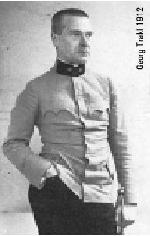
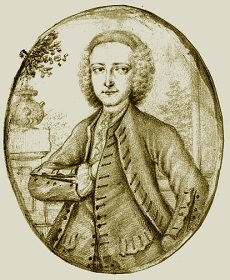
Georg Trakl werd op 3 februari 1887 in het conducteurshuis aan de Waagplatz 2 in Salzburg geboren. Zijn vader, Tobias Trakl, was een handelaar in ijzerwaren en zijn moeder, die ook psychische problemen had, was Maria Catharina Trakl, (meisjesnaam Halik). Voorts had hij nog drie broers en drie zussen. Margarethe (doorgaans Grethe genoemd) stond hem het naast, zelfs zodanig dat sommigen een incestueuze verhouding vermoeden. Zijn jeugd bracht hij door in Salzburg. Vervolgens bezocht hij van 1897 tot 1905 het humanistische gymnasium. Om toch een academische opleiding te kunnen volgen, werkte hij tot 1908 in de praktijk bij een apotheker. Sommigen vermoedden dat hij dit vooral deed om zichzelf opiaten te kunnen verschaffen. Bij het uitbreken van WO I werd Trakl als medicus naar het front in Galicië (heden ten dage in Oekraïne en Polen) gestuurd. Zijn gemoedsschommelingen leidden tot geregelde uitbraken van depressie, die verergerd werden door de afschuw die hij voelde voor de verzorging van de ernstig verwonde soldaten. De spanning en druk dreven hem ertoe een suïcidepoging te ondernemen, welke zijn kameraden nochtans verhinderden. Hij werd in een militair ziekenhuis opgenomen in Kraków, alwaar hij onder strikt toezicht geplaatst werd.Trakl verzonk daar in nog zwaardere depressies en schreef Ficker om advies. Ficker overtuigde hem ervan dat hij contact moest opnemen met Wittgenstein, die inderdaad op weg ging na Trakls bericht te hebben ontvangen. Op 4 november 1914, drie dagen voordat Wittgenstein aan zou komen, overleed hij echter aan een overdosis cocaïne
Paul Celan
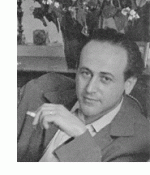
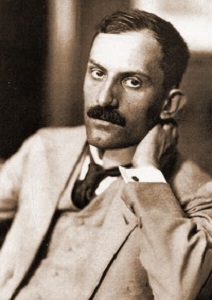
Paul Celan werd onder de naam Paul Antschel op 23 november 1920 geboren in Czernowitz, toentertijd de hoofdstad van de Roemeense Boekovina, nu behorend bij de Oekraïne. Paul Celans ouders waren Duitssprekende joden die hun zoon joods opvoedden en hem naar Duitse christelijke scholen stuurden. In 1942 werden Celans ouders door de Duitse bezetter naar een werkkamp gedeporteerd en daar vermoord. Hijzelf wist aanvankelijk onder te duiken, maar moest vanaf juli 1942 in een werkkamp dwangarbeid verrichten. Celan overleefde de oorlog. Via Boekarest en Wenen vestigde Celan zich in 1948 in Parijs. Daar was hij werkzaam als dichter, vertaler en doceerde hij aan de prestigieuze Ecole Normale Supérieure. Vermoedelijk op 20 april 1970 beëindigde hij zijn leven zelf door in de Seine te springen.
Gerard Reve
Gerard Reve over: Medearbeiders ”God is in de mensen, de dieren, de planten en alle dingen - in de schepping, die verlost moet worden of waaruit God verlost moet worden, door onze arbeid, aangezien wij medearbeiders van God zijn.” Openbaring ”Tja, waar berust elk godsbegrip op, elke vorm van religie? Op een openbaring, dat wil zeggen op een psychische ervaring van zulk een dwingende en onverbiddelijke kracht, dat de betrokkene het gevoel heeft, niet dat hij een gedachte of een visioen heeft, maar dat een gedachte gedachte of visioen hem bezit en overweldigt.”
Simon Vestdijk
Simon Vestdijk (Harlingen, 17 oktober 1898 – Utrecht, 23 maart 1971) was een Nederlands romancier, dichter, essayist en vertaler. Zijn jeugd te Harlingen en Leeuwarden beschreef hij later in de Anton Wachter-cyclus. Van jongs af aan logeerde hij regelmatig bij zijn grootouders in Amsterdam, waar hij zich in 1917 aan de Universiteit van Amsterdam inschrijft als student in de medicijnen. Tijdens zijn studie die van 1917 tot 1927 duurde, leerde hij Jan Slauerhoff kennen.Tot 1932 is hij als arts in praktijken door heel Nederland werkzaam. In 1932 volgt zijn officiële schrijversdebuut met de uitgave van de bundel Verzen in De Vrije Bladen. Doorslaggevend voor Vestdijks uiteindelijke keuze voor de literatuur is zijn ontmoeting in 1932 met Eddy Du Perron en Menno ter Braak. Deze ontmoeting had tot resultaat dat hij redactielid werd van het tijdschrift Forum Kort daarop, in 1933, wordt zijn eerste novelle, De oubliette, uitgegeven. In hetzelfde jaar schrijft hij Kind tussen vier vrouwen, dat, eerst geweigerd door de uitgever, later de basis zal vormen voor de eerste drie delen van de Anton Wachter-romans. In 1951 ontvangt Vestdijk de P.C. Hooftprijs voor zijn in 1947 verschenen roman De vuuraanbidders. In 1957 wordt hij voor het eerst door het PEN-centrum voor Nederland voorgedragen voor de Nobelprijs voor de Literatuur, die hij echter nooit zal krijgen. Op 20 maart 1971 wordt hem de Prijs der Nederlandse Letteren toegekend, maar voor hij deze kan ontvangen overlijdt hij op 23 maart te Utrecht op 72-jarige leeftijd. Vestdijk was auteur van ca. 200 boeken. Vanwege deze enorme productie noemde de dichter Adriaan Roland Holst hem 'de man die sneller schrijft dan God kan lezen'. Andere belangrijke boeken van Simon Vestdijk zijn: "Kind van stad en land" (1936), "Meneer Visser's hellevaart" (1936), "Ierse nachten" (1946), "De toekomst de religie" (1947), "Pastorale 1943" (1948), "De koperen tuin" (1950), "Ivoren wachters" (1951), "Essays in duodecimo" (1952) en "Het genadeschot" (1964).
K.P. Kavafis K.P. Kavafis werd als kind van Griekse ouders, afkomstig uit Konstantinopel, geboren in 1863 in Alexandrië (tot vandaag een Griekse enclave) waar hij ook het grootste deel van zijn leven woonde en werkte. Twee jaar na de dood van zijn vader verhuist het gezin in 1872 naar Engeland om na een verblijf van vijf jaar naar Alexandrië terug te keren. Vanwege ongeregeldheden in Egypte vlucht het gezin in 1882 naar Konstantinopel, om na drie jaar opnieuw naar Alexandrië terug te gaan. In de jaren die volgen maakt Kavafis reizen naar Parijs, Londen en in 1901 zijn eerste reis naar Griekenland, in latere jaren gevolgd door nog enkele bezoeken. Op de dag van zijn zeventigste verjaardag, in 1933 sterft Kavafis in Alexandrië. De roem kwam voor Kavafis pas na zijn dood, dus postuum. Deels is dat toe te schrijven aan zijn eigen handelswijze. Hij was uiterst terughoudend met de publicatie van zijn gedichten, liet af en toe een enkel gedicht afdrukken in een literair tijdschrift, gaf in eigen beheer enkele bundels met een stuk of twintig gedichten uit en het merendeel van zijn poëzie schonk hij op losse bladen aan zijn beste vrienden.
Thomas Mann
Thomas Mann, de jongere broer van Heinrich Mann, werd geboren op 6 juni 1875 in Lübeck. Hij was de tweede zoon van de graankoopman Thomas Johann Heinrich Mann welke later één van de senatoren van Lübreck werd. Zijn moeder Julia (geboren da Silva-Bruhns) was Duits-Braziliaans van Portugees Kreoolse afkomst. In 1894 debuteerde Thomas Mann met de novelle "Gefallen". Toen Thomas Mann met 21 jaar eindelijk volwassen was en hem dus geld van zijn vaders erfenis toestond - hij kreeg ongeveer 160 tot 180 goldmark per jaar - besloot hij dat hij genoeg had van al die scholen en instituties en werd onafhankelijk schrijver. Kenmerkend voor zijn stijl zijn de ironie, de fenomenale taalbeheersing en de minutieuze detailschildering. Manns reputatie in Duitsland was sterk wisselend. Met zijn eerste roman, Buddenbrooks (1901), had hij een enorm succes, maar door zijn sceptische houding tegenover Duitsland na de Eerste Wereldoorlog veranderde dit volledig. Stelde hij zich tot aan de jaren twintig apolitiek op (Betrachtungen eines Unpolitischen, 1918), meer en meer raakte hij bij het Politiek gebeuren betrokken. Zijn afkeer van het nationaal socialisme groeide, zijn waarschuwingen werden veelvuldiger en heftiger. In 1944 accepteerde hij het Amerikaanse staatsburgerschap. Tussen 1943 en 1947 schreef Mann Doktor Faustus (zie Faust), de roman van de 'Duitse ziel' in de gecamoufleerd geschilderde omstandigheden van de 20ste eeuw. In 1947 bezocht hij voor het eerst sinds de Oorlog Europa, twee jaar later pas Duitsland. In 1952 vertrok hij naar Zwitserland. Op 12 augustus 1955 stierf hij in Zürich. Twintig jaar na zijn dood, in aug. 1975, is zijn literaire nalatenschap geopend: dagboekaantekeningen van 15 maart 1933 tot 29 juli 1955, alsmede notities uit de jaren 1918 tot en met 1921.Belangrijke werken zijn: Der Zauberberg, Der Tod in Venedig, Dokter Faustus , Joseph und seine Brüder en Die Bekenntnisse des Hochstaplers Felix Krull.
Rainer Maria Rilke
Rilke werd op 4 december 1875 geboren in Praag. Hij had al naam gemaakt als dichter met zijn bundels Das Stundenbuch en Das Buch der Bilder, toen hij de literaire wereld versteld deed staan en wereldfaam verwierf met de publicatie van zijn twee delen Neue Gedichte in 1907 en 1908. Hij verzamelde daarin het beste werk uit een van zijn vruchtbaarste periodes, die hij grotendeels doorbracht in Parijs. Rilke was daar diep onder de indruk gekomen van Rodin, bij wie hij een tijdlang in dienst was als particulier secretaris. Rodin, zei hij later, had hem leren kijken. Dit kijken kwam neer op intense concentratie, om het mysterie te kunnen zien ‘achter de schijnbare werkelijkheid'. Latere en rijpere werken als Duineser Elegien (1912-1923) en het ronduit schitterende Die Sonette an Orfeus (1924) illustreren Rilkes metafysische visie op het onzegbare, dat haar verwoording vindt in een hermetische muzikale taal. Op 29 december 1926 overlijdt Rilke in het sanatorium in Val-Mont aan de gevolgen van leukemie. Enkele dagen later wordt hij, overeenkomstig zijn wens, begraven op het kerkhof van Raron.
* * * * * * * * * * * * * * * *
Romenu
Over literatuur, gedichten, kunst en cultuur
29-11-2015
George Szirtes
De Britse dichter en schrijver George Szirtes werd geboren op 29 november 1948) in Boedapest. Szirtes kwam in 1956 als vluchteling naar Engeland op de leeftijd van 8 jaar. Na een paar dagen in een legerkamp, gevolgd door drie maanden in een off-season pension aan de kust van Kent, samen met andere Hongaarse vluchtelingen, verhuisde zijn familie naar Londen, waar hij werd opgevoed en naar school ging. Hij studeerde vervolgens Fine Art in Londen en Leeds. Tot zijn docenten op Leeds behoorde de dichter Martin Bell. Zijn gedichten begonnen in nationale tijdschriften te verschijnen in 1973 en zijn eerste boek “The Slant Door” werd gepubliceerd in 1979. Het won een jaar later de Geoffrey Faber Memorial Prize. Szirtes heeft diverse prijzen gekregen voor zijn werk, meest recentelijk in 2004 de TS Eliot Prize, voor zijn verzameling “Reel” en de Bess Hokin Prize voor gedichten in Poetry magazine in 2008. Voor zijn vertalingen van Hongaarse poëzie, fictie en drama ontving hij ook vele prijzen. Szirtes woont in Wymondham, Norfolk, na zijn vertrek uit het het onderwijs aan de Universiteit van East Anglia in 2013. Hij is getrouwd met de kunstenaar Clarissa Upchurch, met wie hij The Starwheel Press leidde en die verantwoordelijk is geweest voor het grootste deel van zijn boekcovers.
Water
The hard beautiful rules of water are these: That it shall rise with displacement as a man does not, nor his family. That it shall have no plan or subterfuge. That in the cold, it shall freeze; in the heat, turn to steam. That it shall carry disease and bright brilliant fish in river and ocean. That it shall roar or meander through metropolitan districts whilst reflecting skies, buildings and trees.
And it shall clean and refresh us even as we slave over stone tubs or cower in a shelter or run into the arms of a loved one in some desperate quarter where the rats too are running. That it shall have dominion. That it shall arch its back in the sun only according to the hard rules of water.
Chairs
It was the empty chairs he feared, not those with a proper behind rammed into them, not those littered with stray bits of food or waste paper.
It was the voices that did not speak, the wheezes and creaks the chairs didn’t make. The kicking over, the collapse, the broken legs of chairs, the everyday business.
To see them ranged about a table turned in on themselves as for a ritual, that was the unsettling thing, and that one there, yes, that one with its open arms and its invitation to sit, its somnolence, its stab at dignity its emptiness, was the very devil.
The cloud’s hair
Which can be brushed out long and fine to lie across a pillow or bunched and scrunched into an angry knot of rain before it is undone, when long hanks of it hang over the horizon like curtains, the whole sky shaking its beautiful dense head.
Uit:Les dix doigts des jour (Alle dagen samen. vertaald door Marie Hooghe)
“Car les mots ne se montrent pas encore à lui. Il ne peut boire qu’à petites gorgées à leurs coupes. « On ne peut pas dire qu’il a la langue bien pendue, dit, maman. S’il tient quelque chose de son père... Mais Dieu sait tout ce qui mijote dans cette petite caboche. » Sa voix tourne en rond et se rembobine d’elle-même quand elle est au bout de la chanson, elle tapote des touches et frappe des cymbales. Elles croient qu’elles parlent, maman, grand-maman, tante Cactus, mais elles sont seulement, comme dit parfois papa, des grandes machines à trompette où il n’y a pas de bouton pour couper le son quand la mélodie ne vous plaît plus. (…)
Quand papa vient m’éveiller, je rêve de grands papillons de nuit dans la haie de troènes. Ils frétillent sur le drap quand je m’assieds et frotte les fils de mes yeux. Il me soulève et me prend dans ses bras. Je pose mon cou sur l’arrondi de sa nuque et me laisse retomber par-dessus ses épaules pour compter le bord de chaque marche pendant que nous descendons. Il y en a dix et sept. Quand nous arrivons en bas, je crie « Bravo ». Je veux taper dans mes mains, mais papa attrape mes doigts dans son poing. Autour du lit en bas, les gens rient dans leur barbe. Arrière-grand-père réfléchit sérieusement, les couvertures sont tirées jusque sous son menton. Ses fausses dents, il les a mises dans un verre sur la tablette de la fenêtre, ainsi il peut rire sans se fatiguer pendant qu’il meurt. « Chuut », dit papa. Arrière-grand-père se redresse. Regarde autour de lui avec des yeux qui n’ont encore jamais été aussi grands. « Tous ces gens, dit-il. Tous ces gens », et il retombe sur les draps. Les gens hoquètent de rire. Toi aussi, maman.”
“Even though he was still very young, Maurizio had already developed a Don Juan — like attitude — he could not tolerate a serious bond with a woman, and preferred to pursue many light, inconsequential affairs rather than devote himself to a singular, deep relationship. For some time now, this woman’s attachment had been an inconvenience to him, especially because his lucid intuition told him that this attachment was not unselfish on her part. On the day of his conversation with Sergio, Maurizio had gone to see Emilia and told her what had happened. He explained that his friendship had probably come to an end. The woman did not hide her satisfaction, and Maurizio suddenly realized — though he had not reflected on this possibility before — that the quarrel with his friend might also be an opportunity to free himself of this woman. He told her that she should not be so happy, since after all Sergio had always been and was still his best friend; that she had done her best to come between them; that she had probably encouraged Sergio to speak ill of him in order to create discord between them. This was the truth of the matter, and Maurizio had been able to see it by remembering her attitude as well as Sergio’s. She confirmed his intuition by exclaiming: “There you go; you trust Sergio more than me … Who knows what that hateful man has said?” Maurizio answered that Sergio had said nothing at all, and that he was not the least bit hateful. He would probably never see Sergio again, but he regretted the loss of a friend who, all in all, had always shown himself to be affectionate and loyal.”
Alberto Moravia (28 november 1907 – 26 september 1990)
De Surinaamse schrijver, dichter en jurist Hugo Pos werd geboren in Paramaribo op 28 november 1913. Zie ook alle tags voor Hugo Pos op dit blog.
Kwatrijnen
Wat heeft de eeuw ons aangedaan dat ik het boek niet dicht kan slaan: Tot alles is de mens in staat tot in de nde, nde graad.
*
Ik vroeg mijn guru: 'waar ontspringt de droom, in mij of buiten mij, of is er soms een zone, een onderduikadres voor mij en mijn demonen, met water, gas en licht, tv, een zachte dood?'
*
Geloof me toch, als ik van hier verdwijn maakt het niet uit. Straks bloeit weer de jasmijn en geurt de kamperfoelie. Erger zou het wezen als zij verdwenen waren - ik er nog zou zijn.
Uit:Die Welt von Gestern. Erinnerungen eines Europäers
„Die Menschen wurden schöner, kräftiger, gesünder, seit der Sport ihnen die Körper stählte, immer seltener sah man Verkrüppelte, Kropfige, Verstümmelte auf den Straßen, und alle diese Wunder hatte die Wissenschaft vollbracht, dieser Erzengel des Fortschritts. Auch im Sozialen ging es voran; von Jahr zu Jahr wurden dem Individuum neue Rechte gegeben, die Justiz linder und humaner gehandhabt, und selbst das Problem der Probleme, die Armut der großen Massen, schien nicht mehr unüberwindlich. Immer weiteren Kreisen gewährte man das Wahlrecht und damit die Möglichkeit, legal ihre Interessen zu verteidigen, Soziologen und Professoren wetteiferten, die Lebenshaltung des Proletariats gesünder und sogar glücklicher zu gestalten - was Wunder darum, wenn dieses Jahrhundert sich an seiner eigenen Leistung sonnte und jedes beendete Jahrzehnt nur als die Vorstufe eines besseren empfand? An barbarische Rückfälle, wie Kriege zwischen den Völkern Europas, glaubte man so wenig wie an Hexen und Gespenster; beharrlich waren unsere Väter durchdmngen von dem Vertrauen auf die unfehlbar bindende Kraft von Toleranz und Konzilianz. Redlich meinten sie, die Grenzen von Divergenzen zwischen den Nationen und Konfessionen würden allmählich zerfließen ins gemeinsame Humane und damit Friede und Sicherheit, diese höchsten Güter, der ganzen Menschheit zugeteilt sein. Es ist billig für uns heute, die wir das Wort >Sicherheit< längst als ein Phantom aus unserem Vokabular gestrichen haben, den optimistischen Wahn jener idealistisch verblendeten Generation zu belächeln, der technische Fortschritt der Menschheit müsse unbedingterweise einen gleich rapiden moralischen Aufstieg zur Folge haben.“
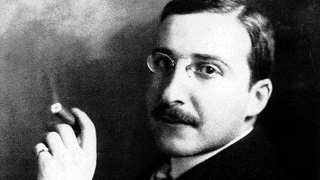
Stefan Zweig (28 november 1881 – 22 februari 1942)
„Manchmal an diesen langen Nachmittagen fragte ich mich, ob ich mich nicht doch irrte. Ob ich den Mann, den ich von früher kannte, einfach nur wiedererkennen wollte in diesem Arzt aus Europa. Ich hatte nur mit wenigen Menschen über meine Er-lebnisse gesprochen. Als ich zurückkehrte, war meine Fähigkeit zu berichten oder gar zu erzählen erloschen. Wem auch hätte ich davon erzählen sollen, wie eine Welt in Trümmern versank, während hier, in meinem Land, alles beim Alten war. Die vertrauten Gassen und Straßen, die gewohnte Hitze und Langsamkeit, nichts hatte sich verändert. Niemand hätte mir geglaubt, was ich gesehen hatte. Ich wusste es im Moment, da ich den Fuß auf heimatlichen Boden setzte. Obwohl ich die Hitze des Feuers noch auf den Wangen, der Stirn fühlte, sprang mir, als ich endlich wieder in meiner Sprache sprechen konnte, etwas an den Hals, ja, genau so fühlte es sich an. Was immer es war, es würgte mich, wenn ich reden wollte. Doch niemand vermisste meine Worte. Es wären nur Worte des Boten Anwar gewesen, die allem, was gewiss erscheint, nichts hinzufügen konnten, keinen Zweifel, keine wichtigen Informationen, nichts. Als ich begriff, dass ich in dieser neuen Rolle das Stummsein nicht mehr zu spielen brauchte, sondern mühelos, auch sprechend beibehielt, war ich erleichtert. Noch im Krieg hatte ich geglaubt, ich würde auch deshalb durch die endlose Weite und zerstörten Städte wandern, um jemandem in der Heimat davon berichten zu können. Alles, so dachte ich, sei in mir bereit für diese Begegnung. Dann aber, als es so weit war, sagte ich kaum etwas. Es ist, als suche man einen Menschen, dem man sein Herz ausschütten kann, warte in Wahrheit aber auf Gott. Was sind ein paar Worte zu einem Satz verknüpft, was können sie sein in den Ohren eines Fremden.“
The night. The street. Street-lamp. Drugstore. A meaningless dull light about. You may live twenty-five years more; All will still be there. No way out.
You die. You start again and all Will be repeated as before: The cold rippling of a canal. The night. The street. Street-lamp. Drugstore.
Vertaald door Vladimir Markov en Merrill Sparks
Here We Live..
Here we live in ancient chambers By the water strings. Here at spring the gladness rambles, And the river sings.
As the gaiety's first message, With the first spring gales, There will pour the blazing azure In the doors of cells.
And quite full of sacred shudder Of the years of dreams, Through the fields we'll gaily ride in Bless of dazzling beams.
My Monastery, Where..
My monastery, where I’m badly pining, Is granite, melted by the burning mind. I’m strangled and blinded under this heat, lying, And leave it, trying a new cell to find…
There’ll be still heat, but one that’s always warming. The bloody ball will melt my brain to ash, I’ll lose my mind in ways, the more calming, Than in this one, oppressing blood and flesh.
Where’s the new cell? Where is my cloister, novel? Not on the skies, the grave’s darkness behind, But on the Earth it’s healthy one and low, Where I’ll find all, when having lost my mind!...
Vertaald door Yevgeny Bonver
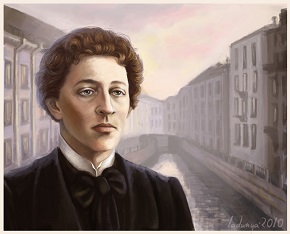
Alexander Blok (28 november 1880 – 7 augustus 1921) Portret door Ladunya, 2010
"Okay, okay, Nancy, that's enough. You might wear him out and we have other customers to satisfy." That took the wind out of her and she went home. "Look, Broccoli, what's the big idea of letting Nancy touch you for free? That ought to be worth at least a dime. We oughta let kids do it for a dime and Nancy can play for free when everyone goes home if you want her to." "Deal." This new twist drew half the school into the woods. Everything was fine until Earl Stambach ratted on us to Miss Martin, the teacher. Miss Martin contacted Carrie and Broccoli's mother and it was all over. When I got home that night I didn't even get through the door when Carrie yells, "Molly, come in here right this minute." The tone in her voice told me I was up for getting strapped. "I'm coming, Mom." "What's this I hear about you out in the woods playing with Brockhurst Detwiler's peter? Don't lie to me now, Earl told Miss Martin you're out there every night." "Not me, Mom, I never played with him." Which was true. "Don't lie to me, you big-mouthed brat. I know you were out there jerking that dimwit off. And in front of all the other brats in the Hollow." "No, Mom, honest, I didn't do that." There was no use telling her what I really did. She wouldn't have believed me. Carrie assumed all children lied.”
“When the merry-go-round was moving it gratcd under its collar. But now it was still. there were no children playing about it. only the one small boy who had climhed out of the car by the curh and stood studying the meny-go-round from a distance. his hands jammed down inside the waistband of his shorts. Under his sandals. leaves and nuts fallen from the Moreton Bay ligtrees crunched and popped. Beyond the merry-go-round was the sea. The colour of the sea should have astounded. but the boy was seldom astounded. It was simply the sea. dark and glowing blue. hiseeted by seagullgrey timbers of the rotting jetty. which dwindled away in the distance until it seemed to come to an end in the flat-topped hills to the north. He did not think about the sea. or about the purple bougainvillaea that glowed against it. propped on a sagging shed. These existed only as the familiar haekdrop of the merry-go-round. Nevertheless. the colours had entered into him. printing a hrilliant memory. Ile went, scufling leaves. to the merry-go-round. And hanging his body over the narrow seat he began to run with it. lifting his legs from the ground as it gained momentum. But he could not achieve more than half a revolution by this means, and presently he stopped. feeling vaguely hard-used. His mother was in the Library. getting books. He could see her now, coming out on to the veranda. The Library was a big place with an upstairs. lt used to be the railway station in the Old Days, which made it very old indeed. In fact. everything about the merry-go-round was old. though he did not know it. Across the street the eonvict«huilt eourthouse erumbled away, sunilowers sprouting from the erueked steps. The great stone ham at the next corner was Wainwright's store. where the early ships had landed supplies. That. Too was erumbling, like the jetty und the eourthouse and the hougainvillaea-torn shed. like the upturned hoat on the force shore with sunllowers hlossoming through its ribs.”
Julian Randolph Stow (28 november 1935 – 29 mei 2010)
« On ne naît pas homme, on le devient, la plupart du temps à ses dépens. C'est un long chemin dangereux qui, le plus souvent, ne mène nulle part. On vous montre des directions, on vous les impose, c'est fou ce que le mot « homme » engendre comme bruit de valeurs. Il faut ceci, il faut cela, tenez-vous droit et marchez au pas, tu seras un homme, mon fils, comme moi j'ai été fils pour pouvoir commander des fils. Tables de la loi, catéchisme en bois, formules toutes faites, la plus sinistre étant un mannequin en képi, devant un cercueil décoré, faisant état de sa tristesse, mais aussi de sa « fierté » à l'égard d'un soldat « qui n'est pas mort pour rien, les armes à la main ». Tableaux d'honneur, champs d'honneur, monuments aux morts, mémorials, sacrifices, bénédictions, exemples à suivre, « le vrai tombeau des morts est le coeur des vivants », transmissions, initiations, commémorations, cendres. La voie est tracée, il faut se courber, faire du sport, de la gymnastique, se pencher sur des livres, et encore des livres, que vous n'avez pas plus envie de lire que de courir à n'en plus finir. Quand tout un système s'effondre, comme aujourd'hui, ce fameux homme n'est plus qu'un délinquant précoce, un terroriste cinglé, un trader scotché jour et nuit à son ordinateur. S'il n'a pas déjà divorcé deux ou trois fois, il rentre chez lui, subit la mauvaise humeur de sa femme, les demandes tapageuses et absurdes de ses enfants, les voix hallucinées de la télévision, l'affairement autour du Net, la société, quoi, qui vit chez lui comme chez elle. Il essaye de dormir un peu, la tête pleine de chiffres ou de chèques à faire. Il a un travail, celui-là, encore heureux, il n'est pas chômeur, sans-papiers, ou sans domicile fixe. Il peut même faire partie d'une minorité influente, et croire peser (mais si peu !) dans les décisions du marché. C'est l'homme, enfin, ou ce qu'il en reste, dans la mondialisation en cours. De plus en plus de femmes se reconnaîtront d'ailleurs dans ce portrait rapide."
“This he assembled round a splendid tower of his own designing, covered the walls of the rooms with French panelling and silks and set it in a formal landscape which he also designed and planted himself. It was all very grand and very mad, and in the between wars period of which I write, very much out of fashion. “I suppose it is beautiful,” people used to say, “but frankly I don’t admire it.” This Lord Montdore also built Montdore House in Park Lane and a castle on a crag in Aberdeenshire. He was really much the most interesting and original character the family produced, but no member of it deviated from a tradition of authority. A solid, worthy, powerful Hampton can be found on every page of English history, his influence enormous in the West of England and his counsels not unheeded in London. The tradition was carried on by the father of my friend, Polly Hampton. If an Englishman could be descended from the gods it would be he, so much the very type of English nobleman that those who believed in aristocratic government would always begin by pointing to him as a justification of their argument. It was generally felt, indeed, that if there were more people like him the country would not be in its present mess, even Socialists conceding his excellence, which they could afford to do since there was only one of him and he was getting on. A scholar, a Christian, a gentleman, finest shot in the British Isles, best-looking Viceroy we ever sent to India, a popular landlord, a pillar of the Conservative Party, a wonderful old man, in short, who nothing common ever did or mean. My cousin Linda and I, two irreverent little girls whose opinion makes no odds, used to think that he was a wonderful old fraud, and it seemed to us that in that house it was Lady Montdore who really counted. Now Lady Montdore was forever doing common things and mean, and she was intensely unpopular, quite as much disliked as her husband was loved, so that anything he might do that was considered not quite worthy of him, or which did not quite fit in with his reputation, was immediately laid at her door. “Of course she made him do it.” On the other hand, I have often wondered whether without her to bully him and push him forward and plot and intrigue for him and “make him do it,” whether, in fact, without the help of those very attributes which caused her to be so much disliked, her thick skin and ambition and boundless driving energy, he would ever have done anything at all noteworthy in the world. »
“L'histoire est toute simple, et tient en une phrase : c'est un vieux pêcheur - d'âge incertain, 80, 90, qui tient ces comptes-là, dans son univers ? – qui remet en état en douce une vieille barque échouée, afin de faire son dernier voyage. Mais c'est surtout l'occasion pour lui de se raconter, de nous faire partager sa vision – savoureuse, ô combien – de la vie. le tout avec ce merveilleux accent québécois, qu'on entend, à travers les mots, et dans la beauté flamboyante et amicale de la Gaspésie, ah, on bave d'envie. C'est beau, c'est du miel pour les yeux et les oreilles, d'ailleurs, c'est impossible de garder ça pour soi, on n'a qu'une envie, c'est de le lire à haute voix à quelqu'un. « Raisonner, en ce bas monde, vous savez ce que c'est ? Pourvu que vous pensiez comme tout le monde, le plus niaisement possible, c'est ça, raisonner. Jour après jour, vivre de la même manière ; jour après jour, penser comme pense le voisin, faire attention pour pas avoir une idée un peu audacieuse, un peu risquée, un peu plaisante. Oui, j'ai bien dit plaisante. Se conformer, marcher dans les traces du premier qui a marché, prendre garde de pas voir le beau du temps ou la grâce des fleurs, fuir tout ce qui pourrait être étrivant ou tentant, c'est ça, vivre, pour la plupart des gens. […] Tout ça pour dire que nous autres, les vieux, loin d'avoir les idées aussi ankylosées que les genoux, on est souvent rendu au point où on voit plus clair que bien des jeunes, et que le vrai progrès, on le salue avec plaisir… Et que même si on semble radoter, on a le plus souvent cent fois de lucidité comme les gens pris dans la routine, qui ont peur de penser par eux-mêmes, au cas où ça serait mal vu. »
Yves Thériault (28 november 1915 – 20 oktober 1983)
“Rage swept over her at being young, young and little, as if some evil fairy had put that spell on her. Why must you be locked up in this dreadful cage of childhood for twenty or a hundred years? Nothing in life was possible unless you were old and rich, until then you were only small and futile before your tormentors, desperately waiting for the release that only years could bring.” (…)
“There was gray train smoke over the town most days, it smelled of travel, of transcontinental trains about to flash by, of important things about to happen. The train smell sounded the ‘A’ for Lamptown and then a treble chord of frying hamburger and onions and boiling coffee was struck by Hermann Bauer's kitchen, with a sostenuto of stale beer from Delaney's back door. These were all busy smells and seemed a 6 to 6 smell, a working town's smell, to be exchanged at the last factory whistle for the festival night odors of popcorn, Spearmint chewing gum, barber-shop pomades, and the faint smell of far-off damp cloverfields. Mornings the cloverfields retreated when the first Columbus local roared through the town. Bauer’s coffee pot boiled over again, and the factory’s night watchmen filed into Delaney’s for their morning beer.”
Dawn Powell (28 november 1896 – 14 november 1965) Cover
De Zuidafrikaanse dichter en (oud-)verzetsstijder Dennis Brutus werd geboren op 28 november 1924 in Harare in Zimbabwe. Zie ook alle tags voor Dennis Brutus op dit blog.
A common hate enriched our love and us
Escape to parasitic ease disgusts; discreet expensive hushes stifled us the plangent wines became acidulous
Rich foods knotted to revolting clots of guilt and anger in our queasy guts remembering the hungry comfortless.
In drafty angles of the concrete stairs or seared by salt winds under brittle stars we found a poignant edge to tenderness,
and, sharper than our strain, the passion against our land's disfigurement and tension; hate gouged out deeper levels for our passion-
a common hate enriched our love and us.
Horror is all around us
Guernica Sharpeville Shatilla Gaza
Horror is all around us Death destruction mashed corpses it is all around us: commonplace Astonishingly humanity erupts such virulent excesses against humanity there is no limit to our ingenuity in the service of torture carnage Astonishingly too we have wells of pity mercy goodness; we can find ways to heal wounds devices to repair injury: Miraculously, somewhere, we have compassion.
Dennis Brutus (28 november 1924 – 26 december 2009)
Uit:Das Geschmeide der Königin (Vertaald door Klaus-Jürgen Liedtke)
„I. Brief. Clas Henrik an Mauritz Ulriksdal, den 1. März 1792 spät am Abend Mir fehlen die Worte für meine Bestürzung! Aus meinem Kopf verflogen sind Politik, alle Pläne und Berechnungen, obzwar unrecht, unverzeihlich unrecht – ich gebe es zu –, da die Dinge so weit gediehen sind. Doch ich kann mir nicht helfen, in was für Zeiten leben wir? Sind wir nicht mehr in Stockholm, sondern etwa in den romantischen Tagen eines König Artus in den Zauberhainen um sein berüchtigtes Ritterschloss Camelot? Großer Gott, wie kann ich noch scherzen? allzu nah berührt mich selbst, wie ich glaube, das Abenteuer, dessen Zeuge ich war; mein Blut lodert, gleichwohl steht meine Lebensfackel auf dem Kopf; noch eine solche Szene, und sie erlischt für immer. In Kürze, guter Waffenkamerad! geh auf meine Zimmer, sieh nach in meiner Kleiderkammer; aber mit größter Vorsicht, und dem Stillschweigen eines Tataren! Prüfe die Schlösser an meinen Pistolen, ob sie gut genug sind, damit sie nicht versagen. Mauritz, höre und urteile selbst, Mauritz! Es dämmerte schon, als ich zu Pferde saß und mein Logis verließ: Mit dem fröhlichsten Herzen trabte ich den Kungsbacken hinan und durch Norrtull hinaus. Nie hat ein schönerer Abend seinen sanften Schein über Brunnsviken gesenkt – der Frühling sei spät dran dies Jahr, heißt es – und dennoch, was für ein Abend – möge dies für das Unternehmen des grauen Mantels und einen glücklichen Ausgang bedeuten. Gleich einer hübschen Opernszenerie zeigte sich in der Bucht das Wasser (vereist, glaube ich, doch war Wasser auf dem Eis, das glänzte) und floss zusammen mit den Wäldchen im Fond. Immer höher klopfte meine Brust; ich dachte einzig und wieder einzig an Du weißt wen. Eifrig spitzte mein munteres Pferd die Ohren, und ich fuhr aus meinem Traum auf.“
Carl Jonas Love Almqvist (28 november 1793 - 26 september 1866)
„Solange meine Erinnerung zurückreicht, versorgte er die Häuser aller Verwandten und Bekannten, auch jener, die in Europa und den Vereinigten Staaten leben, mit einem selbstentworfenen braunen Poster, auf dem «Remember God» in drei Sprachen stand, auf englisch, arabisch und persisch. Bei meinen Eltern hängt es noch heute im Flur. Herr Ingenieur war fromm, aber nie kleingeistig. Ich war jung, um seine Größe zu überblicken, mein ältester Bruder jedoch berichtete mir, wie der Herr Ingenieur ihn einmal während der Ferien in Teheran zur Seite nahm und auf dessen Hosenlatz deutete. Mein Bruder stand damals kurz vor der Geschlechtsreife, die im Islam mit der Verpflichtung zum Ritualgebet einhergeht. – Paß mal auf, sagte er meinem Bruder, du wirst bald an deinem Körper etwas ganz Besonderes und sehr Schönes bemerken. Dein Glied wird manchmal groß und fest werden, und vielleicht wachst du auch mal eines Morgens mit einem Flecken vorn in der Hose auf oder bemerkst, daß es Spaß macht, mit deinem Glied zu spielen. Vielleicht wird dann etwas Weißes aus deinem Glied spritzen, eine Flüssigkeit, die aussieht wie Milch. Das ist nicht schlimm. Das ist etwas Wunderbares. Das ist eines der schönsten Geschenke, die Gott uns gibt. Du mußt dich nicht schämen oder dich fürchten. Du darfst es genießen. Bei allem Frohlocken über die Wohltaten Gottes vergaß Herr Ingenieur Kermani nicht, meinen Bruder auf die bevorstehende Verpflichtung zum Ritualgebet hinzuweisen. Daß ihm die Sexualität göttlich vorkam, machte ihn nicht zum Freigeist. Er nahm es als einen Grund mehr, Gott zu danken. Gott zu lieben hieß für den Herrn Ingenieur, die Schöpfung zu lieben. Gott zu dienen hieß für ihn, Gottes Geschöpfen zu dienen. Mein Bruder erzählte mir auch von der Hochzeit eines Bettlers, die der Herr Ingenieur ausgerichtet hatte. Der Bettler hatte ihn auf der Straße um ein Almosen gebeten, und der Herr Ingenieur hatte ihm statt dessen eine Arbeit besorgt, später eine Ehefrau vermittelt und dazu noch die Aussteuer bezahlt. Auch die anderen Bettler und Bedürftigen der Nachbarschaft konnten sich auf ihn verlassen, und für die Waisenkinder Isfahans gründete er ein Heim, wie es heute noch in Isfahan kein größeres und besser organisiertes gibt.“
Uit: La sieste assassinée (Rencontre à l’étranger)
« On ne sait rien d’eux. On ne connaît même pas leur nom. D’habitude, on se contente de les saluer d’un mouvement de tête, chez la boulangère ou dans le bureau de tabac. Dix ans quand même qu’on les croise ainsi, sans la moindre curiosité. Ce n’est même pas de l’indifférence. Plutôt une sorte de contiguïté familière, pas désagréable, mais qui ne mène nulle part. Et puis voilà qu’ils sont là, en plein cœur de Hyde Park, quelle idée ! Après la cohue des magasins de Regent Street, on s’était amusé de cette liberté anglaise qui permet à chacun de s’emparer d’une chaise longue et de s’affaler, les pieds sur le gazon, avec un soupir de satisfaction — et le sentiment d’être presque devenu un autochtone. Mais à quelques yards, juste en face de vous, pareillement alanguis dans la toile vert sombre... Il faut en convenir, cette reconnaissance ne suscite pas d’emblée un enthousiasme irrépressible. Plutôt une réticence, liée précisément à l’idée qu’il serait opportun de manifester de la joie, et que ça ne sera pas facile. De leur côté, le même sentiment naît à la même seconde, et les gestes alors deviennent parallèles. On s’étonne à l’unisson, les yeux écarquillés, la bouche ouverte. On s’approche avec une lenteur qui dément aussitôt l’extrême félicité affectée l’instant précédent. Que va-t-on bien se dire ? C’est là que l’hypocrisie sociale accumulée pendant des années vient vous sauver. Oui, cette espèce d’aisance valable en toutes circonstances qui ne console pas des belles timidités de l’adolescence, mais leur succède, et marque l’irrémédiable passage à l’âge adulte, cet aplomb dérisoire mais si pratique vous permettent de faire face, avec un naturel vaguement obscène. On parle. On parle d’Angleterre, évidemment. Toute allusion à la communauté des origines est exclue d’office. Par contre, les circonstances du voyage, les hasards de l’hébergement, le dilemme entre le tube et le taxi sont tour à tour passés au crible. Enivré par sa propre énergie, on s’étonne.”
Philippe Delerm (Auvers-sur-Oise, 27 november 1950)
De Zuid-Koreaanse schrijfster Han Kang werd geboren op 27 november 1970 in Gwangju, in de provincie Zuid-Cholla. Zie ook alle tags voor Han Kang op dit blog.
Uit: The Vegetarian (Vertaald door Deborah Smith)
„And so it was only natural that I would marry the most run-of-the-mill woman in the world. As for women who were pretty, intelligent, strikingly sensual, the daughters of rich families—they would only ever have served to disrupt my carefully ordered existence. In keeping with my expectations, she made for a completely ordinary wife who went about things without any distasteful frivolousness. Every morning she got up at six a.m. to prepare rice and soup, and usually a bit of fish. From adolescence she’d contributed to her family’s income through the odd bit of part-time work. She ended up with a job as an assistant instructor at the computer graphics college she’d attended for a year, and was subcontracted by a manhwa publisher to work on the words for their speech bubbles, which she could do from home. She was a woman of few words. It was rare for her to demand anything of me, and however late I was in getting home she never took it upon herself to kick up a fuss. Even when our days off happened to coincide, it wouldn’t occur to her to suggest we go out somewhere together. While I idled the afternoon away, TV remote in hand, she would shut herself up in her room. More than likely she would spend the time reading, which was practically her only hobby. For some unfathomable reason, reading was something she was able to really immerse herself in—reading books that looked so dull I couldn’t even bring myself to so much as take a look inside the covers. Only at mealtimes would she open the door and silently emerge to prepare the food. To be sure, that kind of wife, and that kind of lifestyle, did mean that I was unlikely to find my days particularly stimulating. On the other hand, if I’d had one of those wives whose phones ring on and off all day long with calls from friends or co-workers, or whose nagging periodically leads to screaming rows with their husbands, I would have been grateful when she finally wore herself out.”
Villes avec un visage parce qu’il vaut mieux soupirer au-delà des croyances et plus loin la solitude encore voici que tu la déploies devant toi comme quelqu’un qui veut toute la mer pour soi son infaillible lumière d’emportement
•
sans avoir peur de la peur ni du vent méticuleux qui annule au passage les pensées dociles villes couchées en chien de fusil comme le font un jour les civilisations puisque nous rêvons en continu d’un autre rêve déjà un autre rêve confondu aux nuits de déluge et de chagrin
•
Bagdad Vaduz et Samarcande où je ne fus pas autre qu’en lisant me déplaçant de la forêt au désert halogène rêvant de ne rien massacrer à force de répétition déterrant ici une parure d’amour, un bras là-bas une impossible notion de futur et toujours la voix de B. Heidsieck qui exhume un à un les peuples les recouvre d’une immensité si grande que je suis déjà dans la disparition
Nicole Brossard (Montreal, 27 november 1943)
De Amerikaanse dichter en prozaïst James Agee werd geboren in Knoxville, Tennessee.op 27 november 1909. Zie ook alle tags voor James Agee op dit blog.
Uit: A Death in the Family
“And then it was even funnier when Charlie very carefully got himself up from the sidewalk, with that sickly look even worse on his face, and put his cane under one arm, and began to pick up his pants, front and back, very carefully, with his little fingers crooked, as if it were too dirty to touch, picking the sticky cloth away from his skin. Then he reached behind him and took out the wet bag of broken eggs and opened it and peered in; and took out a broken egg and pulled the shell disgustedly apart, letting the elastic yolk slump from one half shell into the other, and dropped it, shuddering. Then he peered in again and fished out a whole egg, all slimy with broken yolk, and polished it off carefully on his sleeve, and looked at it, and wrapped it in his dirty handkerchief, and put it carefully into the vest pocket of his little coat. Then he whipped out his cane from under his armpit and took command of it again, and with a final look at everybody, still sickly but at the same time cheerful, shrugged his shoulders and turned his back and scraped backward with his big shoes at the broken shells and the slimy bag, just like a dog, and looked back at the mess (everybody laughed again at that) and started to walk away, bending his cane deep with every shuffle, and squatting deeper, with his knees wider apart, than ever before, constantly picking at the seat of his pants with his left hand, and shaking one foot, then the other, and once gouging deep into his seat and then pausing and shaking his whole body, like a wet dog, and then walking on; while the screen shut over his small image a sudden circle of darkness: then the player-piano changed its tune, and the ads came in motionless color. They sat on into the William S. Hart feature to make sure why he had killed the man with the fancy vest—it was as they had expected by her frightened, pleased face after the killing; he had insulted a girl and cheated her father as well—and Rufus’ father said, “Well, reckon this is where we came in,” but they watched him kill the man all over again; then they walked out.”
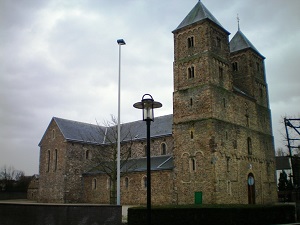
“Niet verre van Aldeneik, de aloude en gezegende bakermat van twee op christenen stengel ontloken leliën van maagdelijkheid, Relindis en Harlindis, op de uiterste palen der christelijke streken van den rechter Maasoever, sloeg zich, onder de leiding van den H. Willibrordus, eene volkplanting van christelijke maagden neder. Het dorpje was in het bezit van den hofmeester Pepijn van Herstal, die het op den 2. Maart 714, ietwat vóór zijn dood aan den Heilige schonk om het klooster te begiftigen; de maagden groetten elkander met den schoonen naam van zuster, en het volk, eerst pas uit het heidendom ontwaakt, door dit zoete woord getroffen, noemde die plaats Suestram, in het toenmalig Dietsch, dat later in Susteren is veranderd. De H. Amelberga was de eerste abdis van Susteren, zij nam er de drie dochters van koning Zwentibold, Benedicta, Ceeilia en Relindis, in op onder het getal der bruiden van Christus; zij wist de vorstinnen zoo te bestieren, dat ze heilig werden verklaard. Behalve Relindis, die te Flemalle bij Luik stierf, rusten de HH. Amelberga, Benedicta en Ceeilia in de kerk van den Allerh. Verlosser te Susteren. (Prop. Dioec.) De H. Amelberga is patrones der kerk te Susteren. Nog zijn aldaar begraven koning Zwentibold of Sanderbout, en de H. Gregorius, bloedverwant der Frankische koningen, die het bisdom Utrecht gedurende twee en twintig jaren bestierde; hij ligt er naast zijne moeder de H. Vastradis. Ook rust er de H. Albricus, neef en opvolger van den H. Gregorius, † 783. In 882 werd de abdij door de Noormannen verbrand."
Jos. Habets (27 november 1829 - 22 juni 1893) St Amelberga-kerk te Susteren: 11e eeuw.
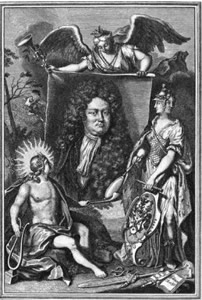
O Gott! ich bin nicht werth, daß du mir so viel Güte Von Kindes-Beinen an biß diesen Tag erzeigt. Wie kömmts denn, daß mein Mund von deinem Lobe schweigt, Da ich doch, ohne dich, in tausend Noth geriethe?
Wie kömmts, daß öfter nicht aus feurigem Gemüthe Mein Weyrauch, voller Danck, zu deinem Throne steigt! Ich habe leider! mich zum Sünden-Schlaff geneigt! Der Wollust süsser Traum entgeistert mein Geblüte.
Herr, wecke du mich auf, der du mein Retter bist! Ich weiß, daß in dem Schlaff mein Tod verborgen ist, Daß Träume dieser Welt, wie leichte Schatten, trügen.
Komm bald, und mache mich doch deiner Liebe werth: Und wenn mein müdes Hertz ja eine Ruh begehrt, So laß es nur allein in deinen Wunden liegen.
Friedrich von Canitz (27 november 1654 - 11 augustus 1699)
Uit: I'm your horse in the night (Vertaald door Deborah Bonner)
« Cachaca's good drink. It goes down and up and down all the right tracks, and then stops to warm up the corners that need it most. Gal Costa's voice is hot, she envelops us in its sound and half-dancing, half floating, we reach the bed. We lie down and keep on staring deep into each other's eyes, continue caressing each other without allowing ourselves to give into the pure senses just yet. We continue recognizing, rediscovering each other. Beto, I say, looking at him. I know that isn't his real name, but it's the only one I can call him out loud. He replied: "We'll make it some day, Chiquita, but let's not talk now." It's better that way. Better if he doesn't start talking about how we'll make it someday and ruin the wonder of what we're about to attain right now, the two of us, all alone. "A noite eu so teu cavala," Gal Costa suddenly sings from the record player. "I'm your horse in the night," I translate slowly. And so to bind him in a spell and stop him from thinking about other things: "It's a saint's song, like in the macumba. Someone who's in a trance says she's the horse of the spirit who's riding her, she's his mount." "Chiquita, you're always getting carried away with esoteric meanings and witchcraft. You know perfectly well that she isn't talking about spirits. If you're my horse in the night it's because I ride you, like this, see? …"
Uit: Fragments of a Journal Vertaald door Jean Stewart)
“Nothing is mightier than our why, nothing stands above it, because in the end there is a why to which no answer is possible. In fact, from why to why, from one step to the next, you get to the end of things. And it is only by travelling from one why to the next, as far as the why that is unanswerable, that man attains the level of the creative principle, facing the infinite, equal to the infinite maybe. So long as he can answer the why he gets lost, he loses his way among things. 'Why this?' I answer, 'because that," and from one explanation to the next I reach the point where no explanation is satisfying, from one explanation to the next I reach zero, the absolute, where truth and falsehood are equivalent, become equal to one another, are identified with one another, cancel each other out in face of the absolute nothing. And so we can understand how all action, all choice, all history is justified, at the end of time, by a final cancelling-out. The why goes beyond everything. Nothing goes beyond the why, not even the nothing, because the nothing is not the explanation; when silence confronts us, the question to which there is no answer rings out in the silence. That ultimate why, that great why is like a light that blots out everything, but a blinding light; nothing more can be made out, there is nothing more to make out.” (…)
“If I tell these private thoughts of mine, it is because I know they are not mine alone, and that practically everyone is trying to say the same things and that the writer is only a man who says out loud what other people think or whisper.”
“I felt like telling them, I appreciate a joke as much as anybody. There have been many occasions in my life when I have wanted to say that. But it’s not a thing people are willing to accept. They want you to be a little bit apart. I felt like saying, I’m a dying man, and I won’t have so many more occasions to laugh, in this world, at least. But that would just make them serious and polite, I suppose. I’m keeping my condition a secret as long as I can. For a dying man I feel pretty good, and that is a blessing. Of course your mother knows about it. She said if I feel good maybe the doctor is wrong. But at my age there’s a limit to how wrong he can be. And what else should I tell you? I’ll tell you about my grandfather. He was a chaplain in the Union Army. He lost an eye at the battle of Wilson’s Creek, on the day of the death of General Lyon. I do wish you could have known him. It was as if that one good eye of his were somehow ten times an eye. He could make me feel as though he had poked me with a stick, just by looking at me. Not that he meant any harm to speak of. He was just afire with old certainties, and he couldn’t bear all the patience that was required of him by the peace and by the aging of his body and the forgetfulness that had settled over everything. He thought we should all be living at a dead run. I don’t say he was wrong. That would be like contradicting John the Baptist. There is a photograph of my grandfather around the house somewhere. It is a good likeness. It shows a wild-haired, one-eyed, scrawny old fellow with a crooked beard, like a paintbrush left to dry with lacquer in it, staring down the camera as if it had accused him of something terrible, very suddenly, and he is still thinking how to reply, and keeping the question at bay with the sheer ferocity of that stare. Of course there is guilt enough in the best life to account for a look like that.”
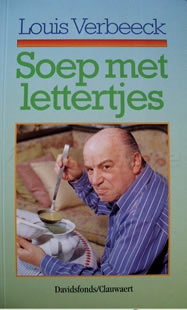
Zenobia Voor Jan Engelman Zenobia, gij loeit mij aan. Ik zie u in de weide staan van liefde rood te blozen. Gij staart mistroostig in het rond en traag beweegt uw moedermond. Er is nu melk in dozen. De boter wijkt voor margarien. Gij hangt niet meer in de vitrien. Men maalt u tot konserven. Gedaan met alle tederheid Men melkt met electriciteit. Uw koedom ligt aan scherven. Daarom zijt gij zo droef van zin en blinkt er bleke weemoed in de toendra's van uw ogen. O kijk, een gouden tranendreef. Kom, dat ik u mijn zakdoek geef om ze wat af te drogen.
Louis Verbeeck (Tessenderlo, 26 november 1932) Cover
Uit: The Lives of the Poets of Great Britain and Ireland (William Shakespeare)
“There have been some ages in which providence seemed pleased in a most remarkable manner to display it self, in giving to the world the finest genius's to illuminate a people formerly barbarous. After a long night of Gothic ignorance, after many ages of priestcraft and superstition, learning and genius visited our Island in the days of the renowned Queen Elizabeth. It was then that liberty began to dawn, and the people having shook off the restraints of priestly austerity, presumed to think for themselves. At an Æra so remarkable as this, so famous in history, it seems no wonder that the nation would be blessed with those immortal ornaments of wit and learning, who all conspired at once to make it famous.----This astonishing genius, seemed to be commissioned from above, to deliver us not only from the ignorance under which we laboured as to poetry, but to carry poetry almost to its perfection. But to write a panegyric on Shakespear appears as unnecessary, as the attempt would be vain; for whoever has any taste for what is great, terrible, or tender, may meet with the amplest gratification in Shakespear; as may those also have a taste for drollery and true humour. His genius was almost boundless, and he succeeded alike in every part of writing. I cannot forbear giving the character of Shakespear in the words of a great genius, in a prologue spoken by Mr. Garrick when he first opened Drury-lane house as Manager.”
Theophilus Cibber (26 november 1703 - oktober 1758)
De Hongaarse dichter, schrijver en vertaler Mihály Babits werd geboren op 26 november 1883 in Szekszárd. Hij studeerde Franse en Latijnse filologie aan de Loránd Eötvös-universiteit te Boedapest van 1901 tot 1905, waar hij Dezső Kosztolányi en Gyula Juhász ontmoette. Hij werd leraar en gaf les aan scholen in Baja (1905-1906), Szeged (1906–1908), Fogaras (1908 -1911), Újpest (1911) en Boedapest (1912 -1918).In 1908 verwief hij met zijn gedichten bekendheid. In datzelfde jaar reisde hij naar Italië, wat zijn interesse voor Dante Alighieri verklaart; later bezocht hij het land nog meerdere malen. Met zijn verworven kennis vertaalde hij Dantes Divina Commedia (Inferno, 1913, Purgatorium, 1920, en Paradiso, 1923).Kort na de Hongaarse Revolutie van 1919 werd hij professor Buitenlandse Literatuur en Moderne Hongaarse Literatuur aan de Eötvös Loránd Universiteit te Boedapest, maar hij werd er bedankt voor zijn diensten na de val van de revolutionaire regering vanwege zijn pacifisme.In 1911 werd hij redacteur van het literaire magazine Nyugat.In 1921 huwde hij Ilona Tanner. Zij publiceerde later gedichten onder de naam 'Sophie Török.Twee jaar later trok hij naar Esztergom. In 1927 werd hij lid van het Kisfaludy Társaság (Kisfaludy Gezelschap) In 1929 werd hij hoofdredacteur bij het tijdschrift “Nyugat”, een taak die hij deelde met Zsigmond Móricz. Babits is het meest bekend om zijn lyrische poëzie met invloeden van klassieke poëzie en Engelse rijmkunst. Behalve gedichten schreef hij ook essays en hij vertaalde veel werken uit het Engels, het Frans, het Duits, het Grieks, het Italiaans en het Latijn.
Jonah’s Prayer
Words have become unfaithful things to me, or else am I an overflowing sea, goalless and hesitant, without a shore. Vain words, articulated once before, I carry like dikes, or signposts made of wood, torn hedges carried by a straying flood. Oh if the Master only would provide a bed for my brook’s current and thus guide my steps on sheltered pathways toward the sea; if only He would carve a rhyme for me, a ready-made rhyme, I would avail myself, for prosody, of the Bible on my shelf, so that like Jonah, lazy servitor of God, we hid from Him and later bore not three brief days or months of agonies, but three long years of even centuries, when he went down into the living Fish, in dark hot torments more than he would wish, I too, before I disappear, might find in an eternal Whale whose eyes are blind my old accustomed voice, my words arrayed in faultless battle order; as He made His whispers clear, with all my poor throat’s might I could speak out, unwearied till the night, so long as Heaven and Nineveh comply with my desire to speak and not to die.
The Lyric Poet’s Epilogue I am the only hero of my verses, the first and last in every line to dwell: my poems hope to sing of Universes, but never reach beyond my lonely cell.
Are others there outside, to bear the curses of being born? If God would only tell. A blind nut in the nutshell's dark traverses, I loathe to wait for Him to break the spell.
A magic circle binds me like a chain, and yet, my soaring dreams defy the weight - but wishful dreams, I know, may tell a lie.
A prison for myself I must remain, the subject and the object. Heavy fate: the alpha and the omega am I.
Mihály Babits (26 november 1883 - 4 augustus 1941)
De Duitse schrijver Alyosha Brell werd geboren in 1980 in Wesel als zoon van een balletleraar en een operazangeres. De eerste 18 jaar van zijn leven bracht hij door op een boerderij in de buurt van Goch. Na zijn eindexamen verhuisde hij naar Berlijn om filosofie en Duitse literatuur te studeren, wat hij echter al snel voor gezien hield. In plaats daarvan werkte hij meer dan tien jaar in een in Berlijn gevestigd IT-bedrijf, waar hij leiding gaf aan een team van concept ontwikkelaars, grafisch ontwerpers en webprogrammeurs. In 2008 kreeg hij een beurs van de schrijverswerkplaats Proza van het Literaire Colloquium Berlin. In 2009 ontving hij de Alfred Döblin beurs van de Berliner Akademie der Künste. Zijn debuutroman 'Kress' verscheen in 2015 in de Ullstein Verlag.
Uit: Kress
„Als Kress an diesem Abend nach Hause kam, war ihm mächtig feierlich zumute. Auf dem Heimweg hatte er sich hinreißen lassen, in einem türkischen Imbiss eine Fanta zu ordern. Fanta war sein Lieblingsgetränk, aber weil schöne Dinge schwach machten, gab es Fanta nur in besonderen Momenten. Jetzt, noch während er die Tür abschloss, schüttelte er sich den letzten Tropfen in den Rachen, und weil er noch nicht genug hatte von dem herrlichen Süß, stapfte er in die Küche und suchte aus einem der Kartons das Brotmesser hervor. So ausgerüstet begab er sich an den Schreibtisch und machte sich daran, mit kleinen Sägebewegungen die Aluminuiumdose zu enthaupten, um auch an die in der Dose verbliebene Fantafeuchtigkeit zu gelangen. Er bog den Dosenkopf zur Seite, wischte mit dem Zeigefinger entlang der Innenwände und steckte sich den Finger gedankenvoll in den Mund. Die kleine blonde Person ging ihm nicht aus dem Sinn. Er fragte sich, wie er vernünftigerweise den Erstkontakt herstellte, wenn er sie denn aufgespürt hatte, und weil ihm nichts Besseres einfiel, stand er auf und wanderte hinüber zu seinen Umzugskartons, wo er aus seiner Ausgabe von Goethes Werken Band 3 hervor suchte (Dramatische Dichtungen I) und im Faust die Stelle aufschlug, wo Faust das Gretchen erstmalig anspricht, um ihm seinen Arm und Geleit anzutragen. Das Ganze erschien ihm nicht sonderlich überzeugend, trotzdem legte er einen Zettel zwischen die Seiten, um sie am Morgen noch einmal genau zu studieren. Er trat zurück an den Schreibtisch und streckte neuerlich den Finger zur Dose — ratsch, ärgerlich: Da hatte ihm der gesägte Dosenrand einen halben Quadratzentimeter Fingerkuppe abrasiert. Einen Moment lang war Kress sehr zufrieden mit sich, weil es gar nicht blutete; dann aber füllte sich der Schnitt mit dunklem Rot, und mürrisch latschte er ins Bad, um die Wunde mit Klopapier zu verbinden.“
De Omaanse dichter Mohamed Al-Harthy werd geboren in al-Mudhayrib, Oman, in 1962. Mohamed Al-Harthy studeerde geologie en maritieme wetenschappen en begon een loopbaan die daarop aansloot, maar na korte tijd nam hij ontslag om te reizen en te schrijven. Zijn eerste gedichtenbundel werd in 1992 onder de titel “Ogen zolang het dag is" in Casablanca gepubliceerd. Zijn bundel “Terug naar het schrijven met potlood” verscheen in 2013 en bevat gedichten die hij tussen 2005 en 2012 schreef. Een bijzondere uitgave van Al-Harthy is zijn reisboek “Oog en vleugel” waarin hij over zijn reizen naar Thailand, Vietnam, Andalusië en het lege kwartier van Arabië schrijft. Voor dit boek kreeg hij de Ibn Battuta Award voor Geografische literatuur in 2005.
THE BOAT OF WORDS CASTS ANCHOR
Remarkable, the three of them together: the mouse, the keyboard and the word processor that fails to process them, but rather does quite the contrary and makes me forget to save them in the proper file. And so the icon of accusation appears on the screen before I can even accuse myself or the word processor or the playful mouse after the disappearance of many a poem about nights and morning suns . . . The icon’s accusation wore me out so I thought of looking for a typewriter (like the one Virginia Woolf used), one that would not weary of tapping out its symphony with speedy slowness or slowing speed. But these enchanting instruments have fallen out of use these days and no one pays them any heed: under heavy guard they bemoan their fate in museum kingdoms that no one ever visits. I almost raised the flag, I almost surrendered, but I opted to follow Hemingway’s advice and go back to writing with a pencil. I traversed page after page with that sharpened oar so that the boat of words might finally cast anchor on arrival’s coast. But I went too far in my emulation, and started scrawling on the walls like him, and so I failed to master his short sentences.
"Als ik de kerk verlaat, zie ik dat de jongen de deur naar de hal heeft laten openstaan. Hij heeft de lamp in de hal laten branden. Door de deuropening straalt het licht de kerk binnen, een smalle lichtstreep. Ik duw de deur zacht heen en weer. De lichtstreep verschuift over de banken. Aan het uiteinde verbreedt de lichtstreep zich. Ik voel een eigenaardige beklemming bij dit licht. Ik kijk naar de hoge ramen, die van buiten verlicht worden door straatlantaarns. In het glas zijn voorstellingen aangebracht. Hoe goed ken ik die voorstellingen! Ik voel me verdrietig als ik naar de voorstellingen kijk. Hetzelfde verdriet als bij het maken van de preek voor mijn vader. Die voorstellingen en die preek hadden vroeger een bijzondere inhoud, die in de loop der jaren vervaagd is. Ik zou nu andere voorstellingen willen zien en niet over de geboorte van Christus een preek willen maken maar over David en Jonathan, Saul te Endor. Door het verlies van mijn geloof hebben de zo vertrouwde voorstellingen een andere inhoud gekregen. Maar de herinnering aan het vertrouwd zijn met de beelden blijft en door mijn ongeloof voel ik mij ontrouw tegenover mijn herinneringen. Dat besef van ontrouw is pijnlijk. Ik kijk naar de voorstelling van de wederkomst van Christus. De rivier van het water des levens, helder als kristal, ontspringend uit de troon van het Lam. Het geboomte des levens, dat twaalf maal vrucht draagt. Nog altijd hebben die woorden hun klank niet verloren, hun mysterieuze klank, die mij zulke weidse en vreemde gevoelens gaf. De weemoed omdat de gevoelens geen reële basis hebben. Christus en Paulus serieus nemen is een hoge prijs, te hoge prijs, betalen om het water des levens te doen ontspringen. Ondanks dat blijf ik een soort hoop koesteren dat ergens het water des levens stroomt, vloeit. Vreemd, dat ik juist dit niet opgeven kan, evenals de geest van God, die over de wateren zweeft, alsof dit altijd het belangrijkste is geweest, belangrijker dan die schimmige Jezus. Maar het water des levens stroomt niet. Ook het geboomte des levens bloeit niet en draagt geen vruchten, want waar Christus verschijnt, verdorren de vijgebomen."
"Voor de meeste mensen bestaan wij alleen in een boek, mijn bruid en ik. De afgelopen vijfendertig jaar heb ik met een machteloos afgrijzen moeten aanzien hoe onze echte levens bedolven raakten onder een modderstroom van apocriefe verhalen, valse getuigenissen, roddels, verzinsels, mythen, hoe onze ware, complexe persoonlijkheden werden vervangen door clichématige personages, vernauwd tot simpele imago´s, op maat gesneden voor een sensatiebelust lezerspubliek. En dan was zij de broze heilige, ik de brute verrader. Ik heb gezwegen. Tot nu." (…)
“Alles aan mijn bruid ontroerde me, maar dit onvermogen zichzelf te zijn, de panische zoektocht naar een oprechte stem, greep me het meest aan. Ze was afgesneden van het puurste deel van haar zelf, daar waar haar creativiteit en genie zetelden, vastgehecht aan de wond, de woede en de wreedheid. Dat afgesneden zijn was de bron van haar frustratie en wanhoop. De rationalisaties van het brave, ambitieuze meisje hielden haar weg van wat dubbelzinnig, complex, obscuur en gewelddadig is, van haar ware natuur.” (…)
‘Vanaf het moment dat ik roem verwierf als dichter heb ik het publieke leven dat daar als een duivelsstaart aan vastzit, gehaat. Waarom ze het een leven noemen is mij een raadsel, het is de diefstal van je leven."
Connie Palmen (Sint Odiliënberg, 25 november 1955)
Uit:The Painter of Battles (Vertaald door Margaret Sayers Peden)
“At any rate, Faulques thought, the season was almost over; with every trip there were fewer tourists on board the tender, and soon those daily visits would become weekly, until they were interrupted by the harsh gray mistrals that blew in the winter, funneling in through the straits called Bocas de Poniente, darkening sea and sky. He turned his attention back to the painting, where new cracks had appeared. The large circular panorama was not as yet continuous; some zones were blank except for strokes of charcoal, simple black lines sketched on the white primer of the wall. The whole formed an immense and disquieting landscape, no title, no specific time, where the shield half buried in the sand, the medieval helmet splashed with blood, the shadow of an assault rifle falling over a forest of wood crosses, the ancient walled city and modern concrete-and-glass towers coexisted less as anachronisms than as evidence. Faulques went back to his painting, laboriously, patiently. Although the technical execution was correct, it was not an outstanding work, and he knew it. He had a good hand for drawing, but he was a mediocre painter. He knew that as well. In truth, he had always known it; however, the mural was not destined to be seen by anyone but him. That had little to do with artistic ability and much to do with his memory. With an eye guided by thirty years of hearing the sound of a camera shutter. Hence the framing—that was as good a name to give it as any other—of all those straight lines and angles traced with a singular, vaguely Cubist severity that lent beings and objects contours as impossible to breach as barbed wire or moats. The mural took up the wall of the ground floor of the watchtower in a continuous panorama twenty-five meters in circumference and almost three meters in height, interrupted only by the openings of two narrow, facing windows, the door that led outside, and the spiral staircase that led to the upper floor that Faulques had arranged as his living quarters: a gas ring, a small refrigerator, a canvas cot, a table and chairs, a rug, and a trunk. He had lived there for seven months, and had spent the first two making it habitable: a temporary waterproof wood roof for the tower, concrete beams to reinforce the walls, shutters at the windows, and the drain that emptied out over the cliff from the small lower-level latrine carved out of the rock. He also had an outdoor water tank installed atop a board-and-tile shed that served both as a shower and as a garage for the motorcycle he rode down to the village each week to buy food.”
Arturo Pérez-Reverte (Cartagena, 25 november 1951)
De Australische (Aboriginal) schrijfster Alexis Wright werd geboren op 25 November 1950 in de Gulf of Carpentaria. Zie ook alle tags voor Alexis Wright op dit blog.
Uit: Carpentaria
„The screaming, uncooperative animals didn’t comprehend English, or barbarism either. After being hounded for several hours by their pursuers on foot and horseback, and stoned and whipped, the camels were eventually moved out over the claypans and shot. In the archival records written with a thick nib by a heavy-handed municipal clerk it is recorded, Camels removed. The first entry of work completed by the Town’s Municipal Council. In the old camel-drivers’ camps the seeds of mimosa embedded in camel dung sprouted their hard little shoots in the Wet season. Thousands of seeds spread along every track and gully, flooding with sheetwater from the rain to regenerate in shallow mud pools. The shoots sent down their fat roots to take a steely grip on the claypans, holding the land together in a mirage that looked like it might last forever without water. In this mirage the cattle properties prospered on traditional lands taken but never ceded. Today, herds of Brahman-cross cattle leave their tracks crisscrossing the landscape in the dry season, as they search for stubbly patches of bluegrass and grind the top layers of soil to powdered bulldust.”
Alexis Wright (Gulf of Carpentaria, 25 November 1950)
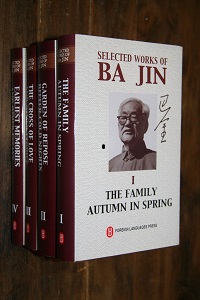
De Chinese schrijver Ba Jin werd op 25 november 1904 geboren in Chengdu. Zie ook alle tags voor Ba Jin op dit blog.
Uit: When the Snow Melted (Vertaald door Tang Sheng)
“You mustn't take this too seriously, Jingfang. I'm afraid there's some misunderstanding. Bohe isn't that kind of man at all. You know how it is, husband and wife always quarrel over trifles. I'm sure you'll make it up again after a while." "Zisheng, you don't know how good he used to be, how considerate and loving. He respected and anticipated my every wish. That was why, for love of him, I was willing to leave my family and cross the wide ocean with him. But now . . . now I'm sure I have very little place in his heart." She went on complaining, paying no attention to my arguments. But that was not surprising, seeing I had used them half a dozen times already. "You don't know, Zisheng, you just don't know. I can't bear to think of the past." She was growing more agitated, letting her feelings run away with her. Her voice broke and she dabbed at her eyes with a handkerchief. I was feeling more embarrassed every second. I could find no words to comfort her and her distress went to my heart. Red and blue flames were leaping from the fire blazing in the grate. Golden sunlight slanting in through the windows made a bright patch on my desk. I sat half in the sun. But the room's warm comfort was quite wasted on me. I longed for Bohe's arrival to rescue me from a difficult position. I knew too that there was every hope of his coming.”
Ba Jin (25 november 1904 – 17 oktober 2005) Keuze uit zijn werk
“Er was hier geen pad. Tot over de enkels wegzakkend in den drassigen grond wrong hij zich door het dichte groeisel heen. Tusschen de slank opgeschoten stammen van palmen en breedbladerige wilde pisang-boomen was het een taai, langstrengelig warsel van opschietend en afhangend gebladerte, rankende kruiden, als netten over den grond gespreid, en kronkelig saamgeweven slingerplanten. Er hing een groene half-duisternis, als ware het de zichtbaar geworden adem van dat millioenentallig plantenvolk. En de koele lucht van het water en van de natte steenen in de beek vermengde zich met duffige aarddampen en met den reuk van het groen, tot een wadem die tegelijk prikkelend was en zwaar. Terwijl Bake voortworstelde, zwiepende takken op zij slaande, en zijn kleeren losrukkend uit de slingerlissen der doornige rottan, zweefden hem telkens opgejaagde zwermen muskieten in 't gezicht. Hij sloeg waar ze hem staken, en voelde zijn handen nat van bloed. Hijgend en overstroomd van zweet bereikte hij den zoom van het bosch. De vallei lag voor hem. De plas schitterde, overgloord van den afschijn der avondwolken. Het riet aan de kanten scheen op te sprieten uit een vloed van vuur. Hij baadde zijn heet geschramd gezicht en handen koel, en uit een pisang-blad een stuk van, het zijde-achtig piepende weefsel scheurend, draaide hij er een drinkkelk van op de wijze zooals hij het Inlanders had zien doen, en dronk met lange teugen het water dat als kwikzilver in den groenen beker glansde, rijen schitterpuntjes aanzettend langs de bladnerven."
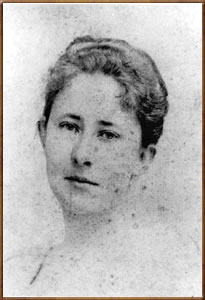
Augusta de Wit (25 november 1864 - 9 februari 1939) Jeugdfoto
De Nederlandse schrijver en tv-presentator Abdelkader Benali werd geboren in Ighazzazen, Marokko, op 25 november 1975. Benali kwam op vierjarige leeftijd naar Rotterdam. Later verhuisde hij naar Amsterdam. Benali schrijft behalve romans en toneel ook artikelen en recensies voor onder meer Algemeen Dagblad, de Groene Amsterdammer, Esquire, de Volkskrant en Vrij Nederland. Voor zijn romandebuut Bruiloft aan zee werd hij in 1997 genomineerd voor de Libris Literatuur Prijs, die hij in 2003 kreeg voor zijn tweede roman, “De langverwachte”. Tijdens de Israëlisch-Libanese Oorlog in 2006 verzorgde Benali voor Vrij Nederland een weblog vanuit Libanon, waar hij bij het uitbreken van de oorlog toevallig verbleef. In 2010 trok hij met Jan Mulder in het programma Wereldkampioen van Afrika door Afrika in aanloop naar het wereldkampioenschap in Zuid-Afrika. Benali presenteerde in het voorjaar van 2010 het NPS-programma De schrijver en de stad. In 2011 volgde een zesdelige serie Benali Boekt waarin Abdelkader Benali bekende Nederlandse schrijvers interviewde: Ramsey Nasr, Leon de Winter, Doeschka Meijsing, Tommy Wieringa, Thomas Rosenboom, Connie Palmen. In het tweede seizoen van Benali Boekt (2012) stonden centraal: Jan Wolkers, Maarten 't Hart, Tim Krabbé, Tessa de Loo, Anna Blaman en J. Bernlef. In 2016 trad Benali samen met zijn vrouw en dochter op in de TV-serie Chez Benali. De serie werd gebracht als een culinair-historische ontdekkingsreis door het geboortland van Benali. Zie ook alle tags voor Abdelkader Benali op dit blog.
Uit: De eeuwigheidskunstenaar
‘Diezelfde Renaissance, die niet alleen onze Europese cultuur het elan en het vooruitgangsdenken heeft gegeven die ze in de koude Middeleeuwen ontbeerde. Voorloper daarvan was uw Federico II, op Sicilië, waar hij met Arabieren en joden de wereld in kaart bracht en mooier maakte, een waarlijke voorloper, die een onuitputtelijke voorraad aan kunstschatten voortbracht welke in uw kerken en paleizen liggen opgeborgen en waarvan we nog niet alle geheimen kennen. Uw meesters hebben me altijd geïntrigeerd en me ook geïnspireerd. Wat ik daarmee wil zeggen: mijn oeuvre hoort u toe. Pico della Mirandola is mijn kijkmeester, zoals Dante mijn schrijfmeester is. De Alpen scheiden ons van u, leren we op de lagere school, maar dat is geografische nonsens voor kinderen. In de toekenning van deze prijs geeft u te kennen de lagere school allang te zijn ontgroeid. Niet alleen om die reden beschouw ik deze prijs als de meest eervolle die ik heb gekregen, al was het maar omdat hiermee bewezen is dat er leven is voor mensen die geen ideale leerlingen waren. Het is een van de redenen, maar die reden alleen is genoeg om alle andere argumenten te laten voor wat ze zijn. Op de Renaissance, op u!’ (…)
Verbeelding zorgde ervoor dat de wereld zich in jou kon verplaatsen. Hoe dat in elkaar zat, daar was hij als kind achter gekomen. Hij wist het nog precies. Terwijl zijn moeder zich achter hem voorbereidde op een soiree – zo noemde het – buiten de deur, was hij gegrepen door de voor hem magische verschijning van de flikkerende vuurvlam in de open haard. Zij hadden een open haard en van tijd tot tijd liet zijn moeder er wat hout in gooien. Ze zat nooit bij de open haard. Niet alleen was hij stomverbaasd dat zijn moeder geen oog had voor het dartele spel van een chemische Prometheus, nog vreemder vond hij de sensatie van het vuur dat in hem bewoog. Hij was dat vuur geworden enkel en alleen door zich ervoor te openen. De wereld verplaatste zich in jou.”
Jules Deelder, Wanda Reisel, Thomas Kohnstamm, Marlon James, Einar Kárason, Ahmadou Kourouma, Wen Yiduo
De Nederlandse dichter en schrijver Jules Deelder werd geboren op 24 november 1944 te Rotterdam, in de wijk Overschie. Zie ook alle tags voor Jules Deelder op dit blog.
Ogenschijnlijk
Ogenschijnlijk heeft het ene niets te maken met het ander.
Ogenschijnlijk schuilt er voordeel in een vaste baan.
Ogenschijnlijk zal er nog een heleboel verand'ren.
Ogenschijnlijk staan de sterren hier niet zo ver vandaan.
Repeteergedicht
Sommige gedichten dienen elke dag herschreven. Gewoon hetzelfde gedicht elke dag opnieuw. Andere gedichten niet.
Wéér andere bleven beter ongeschreven. Dat zijn verreweg de meeste.
Maar sommige gedichten dienen elke dag herschreven. Gewoon hetzelfde gedicht elke dag opnieuw. Tot het onlosmakelijk
met ons is verweven en met de werkelijkheid tot waarheid is verdicht.
Gefeliciteerd
'Herinner jij je dat prachtige horloge nog dat ik een jaar of vijf geleden verloren heb?" 'Jazeker.' 'Weet je nog hoe ik werkelijk overal heb gezocht maar het ner- gens kon vinden?' 'Reken maar.' 'Trek ik gisteravond een oud vest aan dat ik in jaren niet meer heb gedragen en nou geef ik jou te raden wat ik in het linker zakje vond?' 'Gefeliciteerd! Je horloge!' 'Nee. Het gat waardoor ik het verloren moet hebben.'
“17:00 Het was van dat klefwarme weer dat iedereen gek maakt. Alle ramen van ons huis stonden wijd open. Ik was bezig mijn briefwisselingen te ordenen en ze op te bergen in een paar schoenendozen. Brieven van liefdes waarvan ik me maar enkele flarden herinnerde. Met een half oog hield ik de televisie in de gaten. De beelden van de tenniswedstrijd werden regelmatig onderbroken door nieuws over de opstootjes die zich de laatste dagen in het buitenland hadden voorgedaan. Relletjes uitgelokt door het warme weer en uit onbehagen over de werkloosheid of god weet wat, uitgegroeid tot gewelddadige protesten. Winkels werden geplunderd, auto’s in brand gestoken. De nieuwsrubrieken herhaalden de sensationele beelden eindeloos: zwarte rookpluimen, de woedende menigte in opgebroken straten, op de barricades, acties met traangasbommen en waterkanonnen. Zo hongerig waren de media om in deze hete zomer eindelijk iets anders te laten horen dan het groeien van komkommers. Ik zag modieus geklede, boze jongeren met een zakdoek voor hun mond die molotovcocktails naar zwaarbewapende politie gooiden. Daden van verzet, zo moedig en zinloos dat ik er zelf tranen van in m’n ogen kreeg. Gelukkig duurde het niet lang voor het gras met de vertrouwde witte lijnen weer in beeld verscheen. Na al dat geweld snakte ik naar de simpele regels van het tennis, het ritmisch ploppen van de bal, de concentratie, de strenge maar rechtvaardige stem van de umpire die het leven zo overzichtelijk maakt.”
“Yes, I know, I really have it pretty good. There are people starving in Africa. And there are plenty of people here in New York who would love the chance to be in a cubicle all day and not have to operate deep-fat fryers, drive garbage trucks, suck dicks, or whatever it is they do. The problem is that I am an ungrateful by-product of a prosperous society--the offal of opportunity. I am just another liberal arts graduate who bought the idea that life and career would be a fulfilling intellectual journey. Unfortunately, I am performing a glorified version of punching the time clock, and the financial rewards don't come anywhere near filling the emotional void of such diminished expectations. But let's face it: rebellion is passe. My parents' generation already proved that--over time--rebellion boils down to little more than Saab ownership and an annual contribution to public radio. The old icons have been co-opted. Jose´ Mart’ is a brand of mojito mix. Che Guevara is a T-shirt. Cherokees are SUVs, and Apaches are helicopter gunships. The American Dream is for immigrants. The rest of us are better acquainted with entitlement or boredom than we are with our own survival mechanisms. And when confronted with a fight-or-flight scenario, the latter usually takes precedence. Escape is our action of choice: escape through pharmaceuticals, escape through technology, and plain old running away in search of something else, anything else. I rummage through the back of my desk drawer looking for a loose Vicodin or a Klonopin. The best thing I come up with is Wite-Out, but I'm not that desperate. Yet.”
“I talkin to every man who can stand. Heed the word or you goin get lick with friggery worse than any bird.” Birds. They came back in a rush; in screams and screeches and wounds cut fresh by claws. “You know what my Apostle can do.” Clarence knew the houses where men hid. He hopped and dragged to each one and hammered into the door. “Sunset,” he said. Three days before, when noon was most white, the village had killed Hector Bligh. Reckoning came swift, before they were even done. God’s white fury swept down on them with beaks and claws and the beat of a thousand wings. But there were things the villagers feared more than birds. One by one they came out and the men threw the bodies on the bonfire. “This was judgment,” said Apostle York. He had emerged from the office after the fire was lit. The Apostle’s face had no scratch. “Judgment!” he shouted over the brilliance of the pyre and the crackle and pop of burning flesh. “Judgment,” he said again in morning devotion, noon devotion, evening devotion, night mass, penitence prayer, children’s prayer, women’s prayer, blood atonement, prayer for the saints, and the School of Boy Prophets. From that day, the incident was never to be spoken of lest God again unleash his wrath on Gibbeah. The building had begun a week before the killing. With chopped down trees the villagers made a fence all around Gibbeah’s boundary. Then they surrounded it in barbed wire. Every city of righteousness had a wall, said the Apostle.”
„Aber im gleichen Maß, wie mein Beutel schrumpfte, und das tat er bei dem Lotterleben rasch, kühlten auch die Gastfreundschaft und Freundlichkeit mir gegenüber ab. Ich kann allerdings auch nicht behaupten, dass mein Benehmen besonders dazu beigetragen hätte, meine Beliebtheit zu steigern. Und nach und nach begann ich zu begreifen, dass ein mittelloser Isländer so ziemlich die unbedeutendste Kreatur ist, die man am norwegischen Königshof kennt. Wir werden noch weniger geachtet als die Schweden – sind in Wirklichkeit um nichts besser als die Finnen, die manchmal mit ihren Rentierherden von den Bergen kommen, um Handel zu treiben und zu feilschen, und die für ihre Verschlagenheit und Hinterlist berüchtigt sind, wenn sich auch die wenigsten mit ihnen anzulegen wagen, wegen ihrer Zauberei und Hexenkunst. Und diese Lappen sprechen nicht einmal eine nordische Sprache wie die anderen, denn auch wenn die Leute sich hier, je nachdem woher sie kommen – aus welchem Land sie fliehen –, in Aussprache und Betonung unterscheiden, so sprechen doch, wenn man genau hinhört, alle dieselbe Sprache. Zu Hause hatte man erzählt, dass meinem Bruder Sturla ein königlicher Empfang bereitet worden wäre, als er hierher kam, aber ich bekomme langsam den Verdacht, dass irgendetwas daran nicht ganz stimmt. Meine ganze Kindheit hindurch hatte ich davon gehört, welch großes Ansehen und wie viel Respekt mein Onkel Snorri am Königshof genieße. Dass ihn die königliche Familie als einen der Ihren betrachte und dass in ihrem Kreis die Wiedersehensfreude niemals inniger und der Beifall niemals größer seien, als wenn er nach der Überfahrt von Island auf wackeligen Beinen in die Halle träte.“
Uit: Monnè: Schmach und Ärger (Vertaald door Vera Gärttling)
„Schon zeichneten die Geier Arabesken an den weiten Himmel von Soba. In den Blutpfützen lagen mit zerschnittenen Kehlen Ochsen, Schafe, Hühner auf dem gesamten Opferplatz. Es war zu viel Blut und das war schon jetzt berauschend. »Blut! Mehr Blut! Opfer! Mehr Opfer«, befahl der König Djigui noch immer. Kopflos eilten die Schergen und gedungenen Mörder in die Stadt, zwangen in allen Höfen die Menschen zum Opfern. Es kamen immer mehr Geier. Eine schwarze Wolke verdunkelte den Himmel, die Dächer bedeckten sich mit schwarzen Schleiern. »Blut! Alle Arten von Blut! Opfer! Alle Arten von Opfern!« Die Schergen begriffen; es fehlten Menschenopfer. Sie stiegen in die Viertel am Stadtrand hinab, raubten drei Albinos und schächteten sie auf den Senufo-Altären der umgebenden heiligen Wälder. Das war ein Fehler … Der Rauch des menschlichen Blutes vermischte sich mit dem der Tiere und störte das Universum auf. Die trunkenen Geier stießen auf die kopflosen Opferpriester herab und der bestürzte König schrie: »Lasst ab, lasst die Messer ruhen!« Die befragten Orakel, Sandleser, Kaurimuschel- und Knochenwerfer wiederholten ihren Urteilsspruch: Der Fortbestand war nicht gewährt. »In Allahs Namen, was wollen denn die Manen der Keita?«, fragte Djigui verzweifelt, als er in den Bolloda zurückkehrte (Bolloda war der Name, mit dem das Volk die Halle und den Palaverplatz bezeichnete:den Palast, den königlichen Hof und im weiteren Sinne auch die Macht, die Gewalt und die Willkür der Könige von Soba). Zwei Tage und zwei Nächte lang schlief er. Am dritten Morgen erwachte er mit neuem Schwung und beugte die zahlreichen Gebete, die er schuldig war. Nachdem er das alphatia gesprochen hatte, befahl er: »Trotzen wir. Blut, Opfer, mehr Opfer!« Die Schergen und gedungenen Mörder eilten erneut in die Höfe und Hütten.“
Ahmadou Kourouma (24 november 1927 – 11 december 2003)
De Chinese dichter en schrijver Wen Yiduo werd geboren op 24 november 1899 in Xishui, Hubei. Zie ook alle tags voor Wen Yiduo op dit blog.
Perhaps
Perhaps you have wept and wept, and can weep no more. Perhaps. Perhaps you ought to sleep a bit; then don't let the night hawk cough, the frogs croak, or the bats fly.
Don't let the sunlight open the curtain onto your eyes. Don't let a cool breeze brush your eyebrows. Ah, no one will be able to startle you awake: I will open an umbrella of dark pines to shelter your sleep.
Perhaps you hear earthworms digging in the mud, or listen to the root hairs of small grasses sucking up water. Perhaps this music you are listening to is lovelier than the swearing and cursing noises of men.
Then close your eyelids, and shut them tight. I will let you sleep, I will let you sleep. I will cover you lightly, lightly with yellow earth. I will slowly, slowly let the ashes of paper money fly.
Vertaald door Arthur Zse
Wen Yiduo (24 november 1899 – 15 juli 1946) Standbeeld bij de Yannun universiteit in in Kunming